
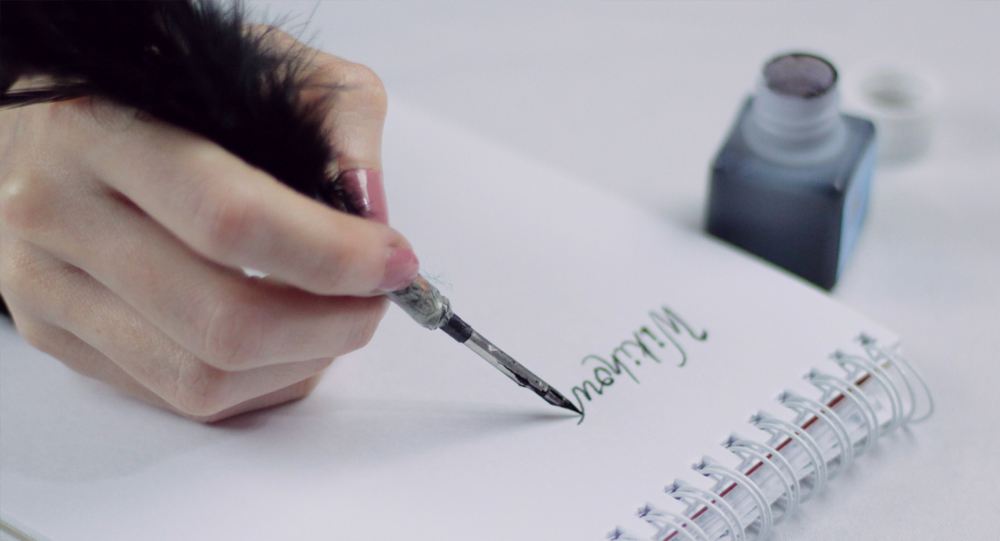
The English word “pen” finds its linguistic ancestor in the Latin penna, directly translating to “feather.” This etymological link is no coincidence—feathers, especially those from geese, were the original pens of ancient scribes. These quills served as the primary instrument for writing centuries before modern ink pens emerged.
In a time when writing was a sacred skill and documents were painstakingly inscribed by hand, the quill was unrivaled for its precision and availability. The transition from mere penna (feather) to pen symbolized not just a tool, but the birth of literacy and record-keeping in human civilization.
Choosing the Perfect Feather: Why Geese and Other Birds?
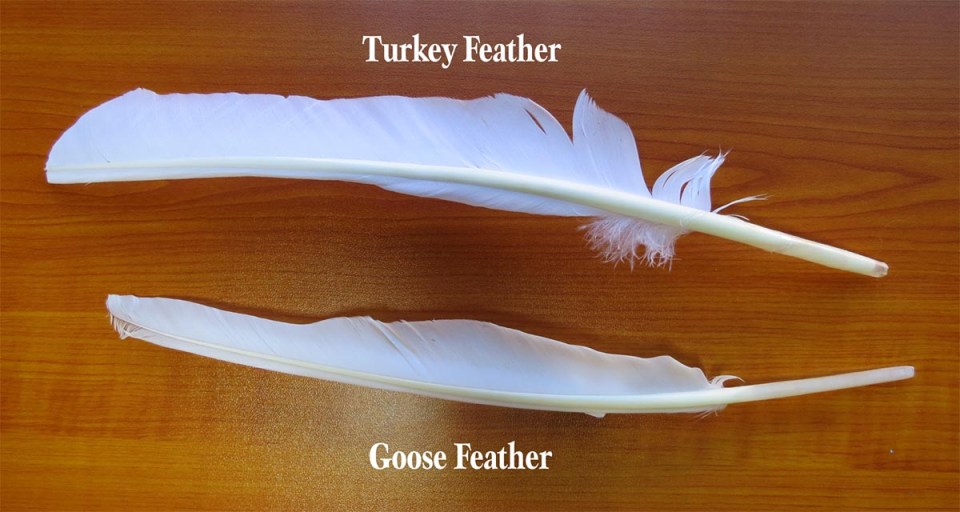
Not all feathers were created equal as writing instruments. The best quills came from large birds with sturdy yet flexible feathers. Geese, swans, and turkeys were prime choices, with goose feathers reigning supreme due to their ideal size and durability.
Scribes preferred the primary flight feathers of the left wing, which were curved perfectly to the hand. After harvesting, these feathers underwent preparation—hardening by heating and careful cutting—to become responsive to ink flow and maintain sharp writing tips.
Interestingly, the importance of the feather extended beyond function: in medieval culture, a well-prepared quill was a valuable possession, often symbolic of learning and authority.
The Art and Science of Writing with Quill Pens
Writing with a quill was an art form demanding skill and care. The quill’s tip required frequent sharpening with a small knife called a penknife to maintain a fine point. Scribes mastered controlling ink application to prevent blotting and ensure smooth, legible script.
Quills were favored through the Middle Ages and Renaissance periods, used to create illuminated manuscripts, early books, and important correspondence. Their flexibility allowed for dynamic line variation that added beauty and personality to handwritten texts.
Only around the 19th century did quills begin to be replaced by metal nib pens, which offered greater durability and less frequent maintenance, though quills continued in ceremonial uses and calligraphy.
Fascinating Trivia about the Feathered Pen
- The phrase “the pen is mightier than the sword” was coined in 1839 by Edward Bulwer-Lytton, long after the quill was common but symbolizing the pen’s enduring power.
- Quill pens were used to draft the United States Declaration of Independence in 1776. Legend says Thomas Jefferson used a goose feather quill.
- It takes about 50-60 quills to make one pound—quill pens were relatively abundant but carefully recycled.
- In Victorian times, quill pens were sometimes decorated with ornate handles made from silver or ivory to signify status.
- The oldest surviving quill pen fragment dates back to the 7th century, found in an ancient monastery.
- Egypt’s scribe tools started with reeds, but the feather quill became preferred in Europe due to its finesse and versatility.
- The word penna also evolved into the term pen in many Romance languages, such as Italian and Spanish, showing its broad linguistic influence.
The Legacy of the Feather Pen in Modern Writing Culture
Though we rarely write with quills today, their legacy endures. Calligraphy enthusiasts still treasure feather quills for their connection to history and the unique writing experience they provide. Museums worldwide display quills as symbols of literacy’s evolution.
Beyond physical tools, the feather as a metaphor for writing, knowledge, and creativity persists in literature and art. The word “pen” itself serves as a linguistic bridge connecting us to a time when a simple feather was the key to recording human thought, history, and imagination.
From Feather to Fountain Pen—and Beyond
The origin of the word “pen” from penna reminds us that writing is an ancient craft deeply intertwined with nature and human innovation. From bird feathers dipped in ink to high-tech digital pens, the journey of the pen reflects humanity’s perennial desire to communicate, record, and express.
Next time you pick up a pen, remember the humble goose feather that started it all—carrying centuries of history, culture, and creativity in its delicate barbs and a sharp tip.
If you enjoyed learning about the feathered beginnings of the pen, share this story to celebrate the fascinating history behind everyday words and tools.
Sources & Further Reading:
- The British Library: History of Writing Instruments
- Smithsonian Magazine: The Quill Pen and Its Place in History
- Encyclopedia Britannica: Quill Pen
- Oxford English Dictionary: Etymology of “Pen”
- Manuscript Studies Journal: Medieval Writing Tools
- University of Reading: Calligraphy and Quill History
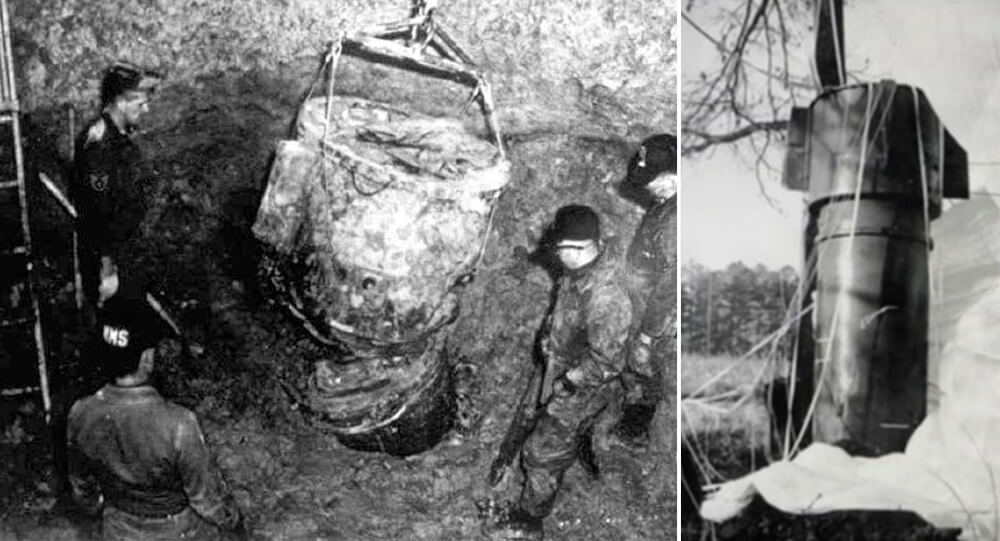
Nuclear bomb accidentally dropped on North Carolina in 196
4 January 1961: The 4241st Strategic Wing's Boeing B-52G-95-BW Stratofortress, serial number 58-0187, was on a 24-hour airborne alert mission off the United States' Atlantic Coast.
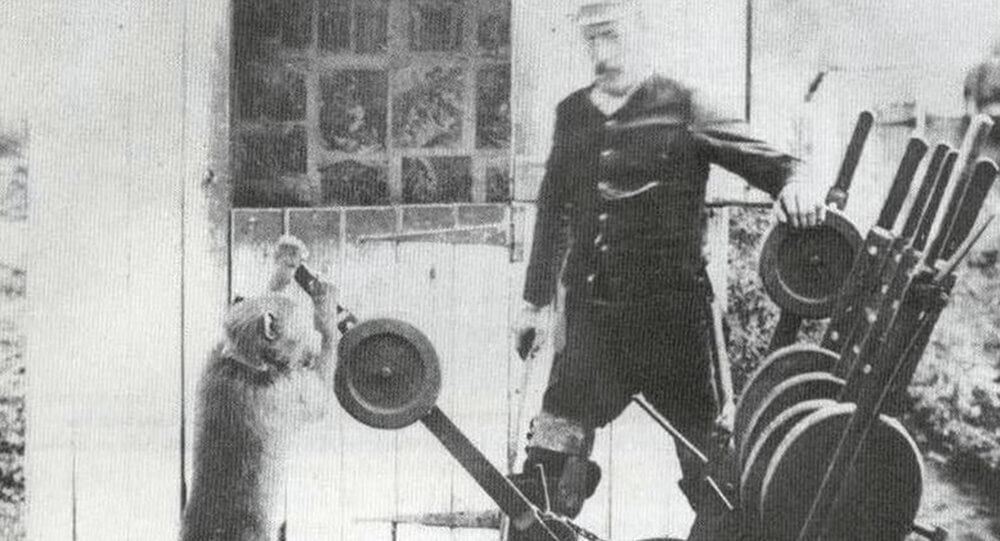
Jack the Baboon operated a railroad, earned a living, and never made a mistake
A baboon worked as a signalman for the railroad in the late 1800s. He never made a mistake and worked for the railroad until the day he died.
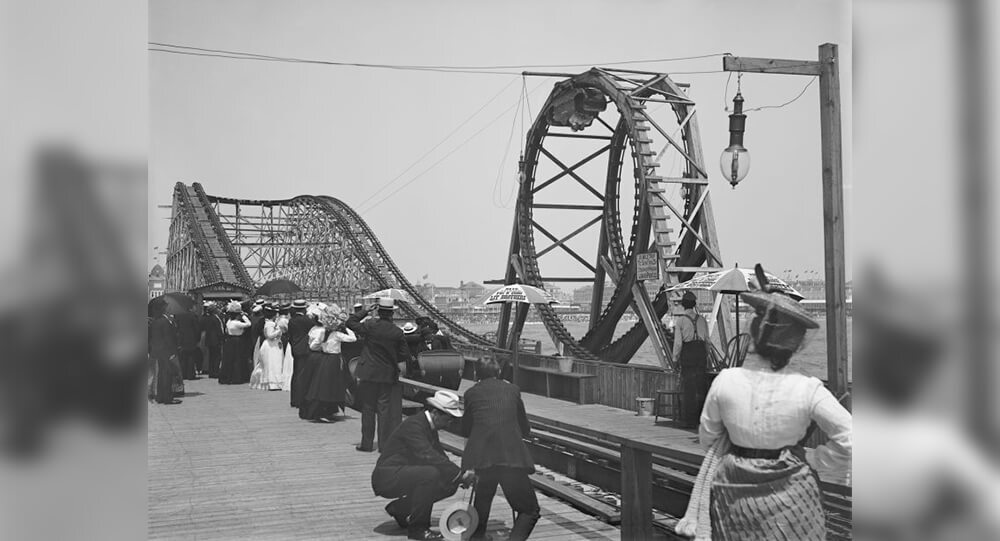
Roller Coasters were First Invented to Distract People from sin
Roller coasters were invented to distract Americans from sin. In the 1880s, hosiery businessman LaMarcus Thompson didn’t like that Americans were going to places like saloons and brothels and created the first roller coaster on Coney Island to persuade them to go there instead.
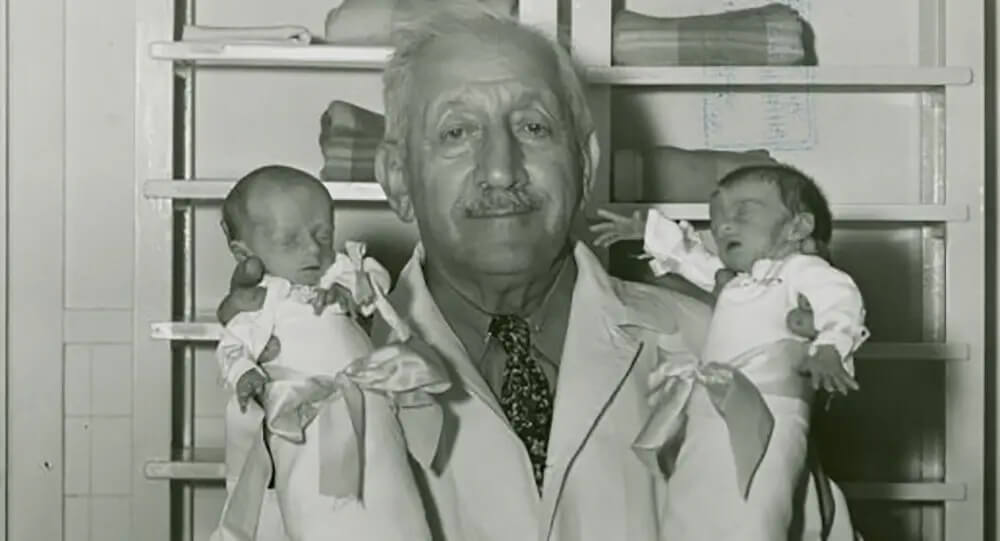
Martin Couney, Saved Thousands of Premature Babies Wasn’t a Doctor at All
Martin Couney never qualified as a medical doctor. However, in the 1900s, he saved thousands of premature babies by exhibiting them in incubators at his Coney Island sideshow. Over the course of his career, he is said to have saved about 6,500 babies that had previously been written off by mainstream medicine.
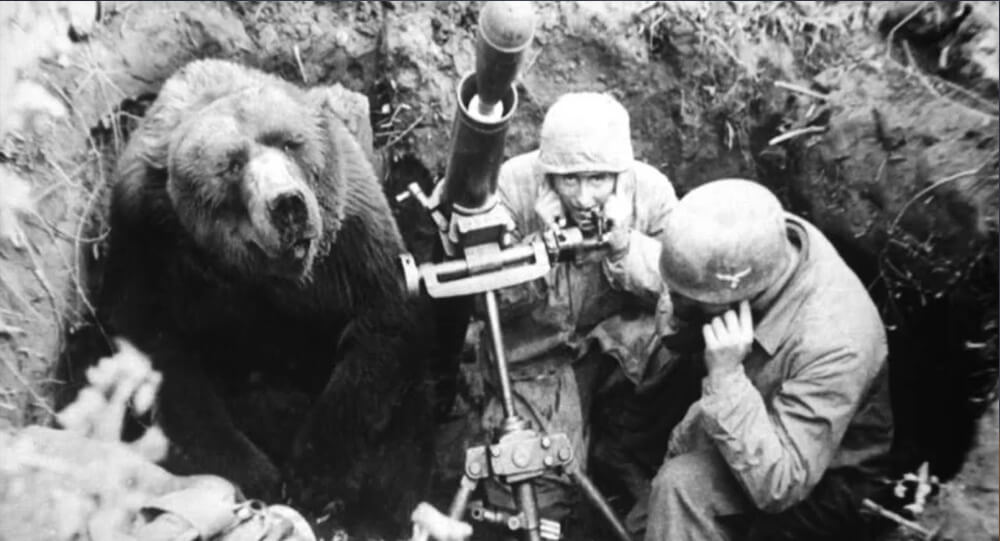
The 440-pound bear named Wojtek and his World War II battle against the Nazis
Polish troops raised an orphaned bear cub during WWII. He enjoyed drinking beer, and was trained to salute. He became officially enlisted as a member of the forces, and helped carry artillery during battle.
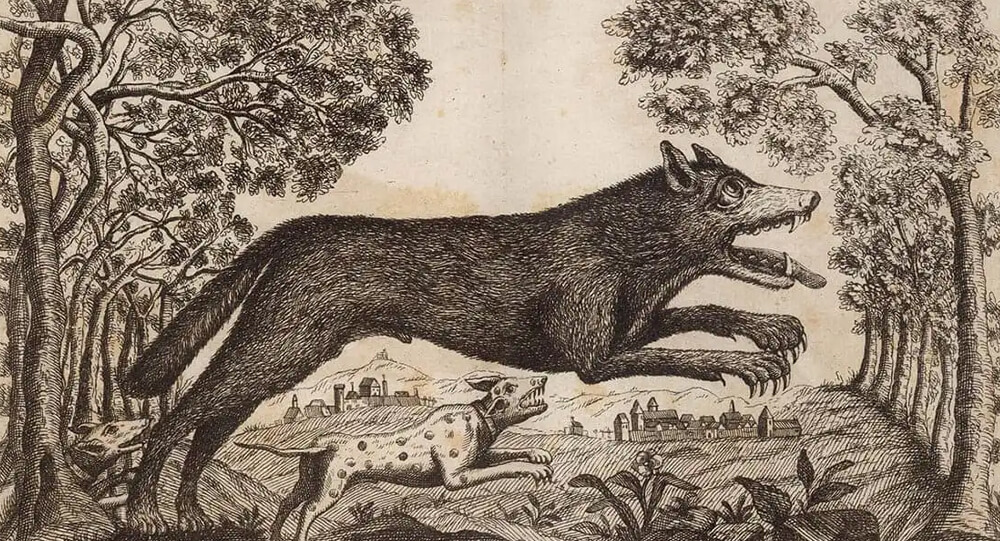
What Was the Beast of Gévaudan?
Between 1764 and 1767, a mysterious animal called the Beast of Gévaudan terrorized the French village called Gévaudan. It attacked and killed about 100 adults and children. While most believe it was a wolf, some say it may have been a wolf-dog hybrid, hyena or even a lion, but without any genetic evidence, the beast will remain a mystery forever.
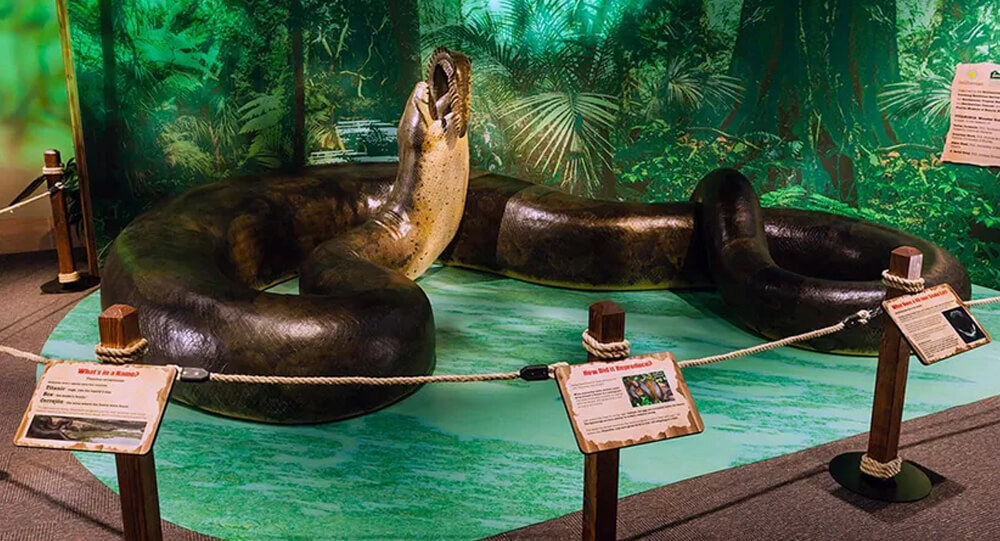
Titanoboa cerrejonensis, fossils of the world’s largest species of snake
In 2009 in a coal mine of Columbia, scientists discovered fossils of the world’s largest species of snake. The species is called “Titanoboa cerrejonensis,“and it is from around 60 million years ago. It would have had measured about 48 feet long and weighed about 2,500 pounds
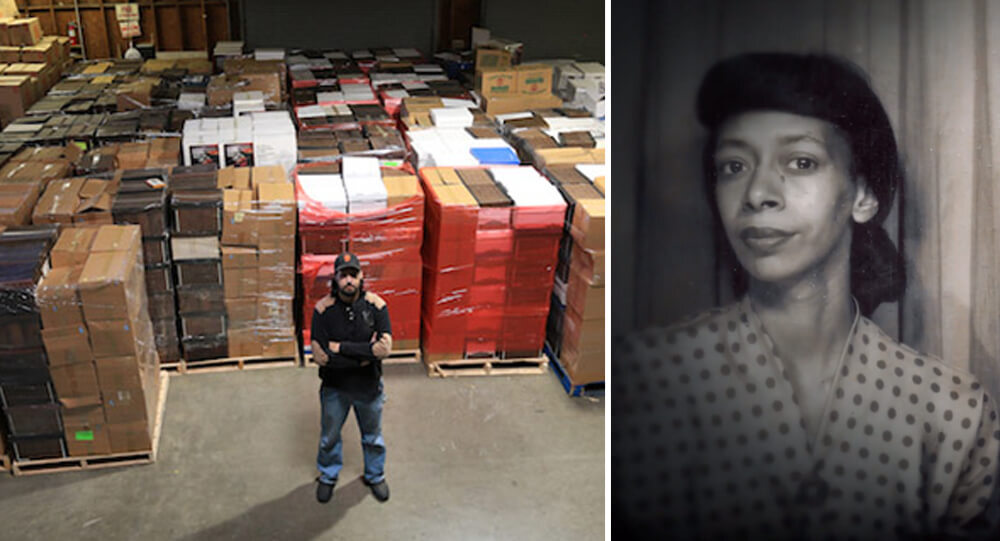
Marion Stokes recorded 30 years of television
Marion Stokes, a Philadelphia woman began taping whatever was on television in 1979 and didn’t stop until her death in 2012. The 71,000 VHS and Betamax tapes she made are the most complete collection preserving this era of TV. They are being digitized by the Internet Archive.

Archaeologists Uncover 2,000-Year-Old Amazonian Cities Using Lidar Technology
Deep in the Ecuadorian Amazon, archaeologists have uncovered an ancient network of urban settlements once inhabited by the Upano people about 2,000 years ago. Using cutting-edge lidar technology, these discoveries reveal a highly organized society featuring sophisticated agricultural systems, drainage canals, and extensive road networks. This transformative find challenges long-held assumptions about ancient Amazonian societies and sheds light on a complex civilization thriving in one of the world’s most biodiverse regions.
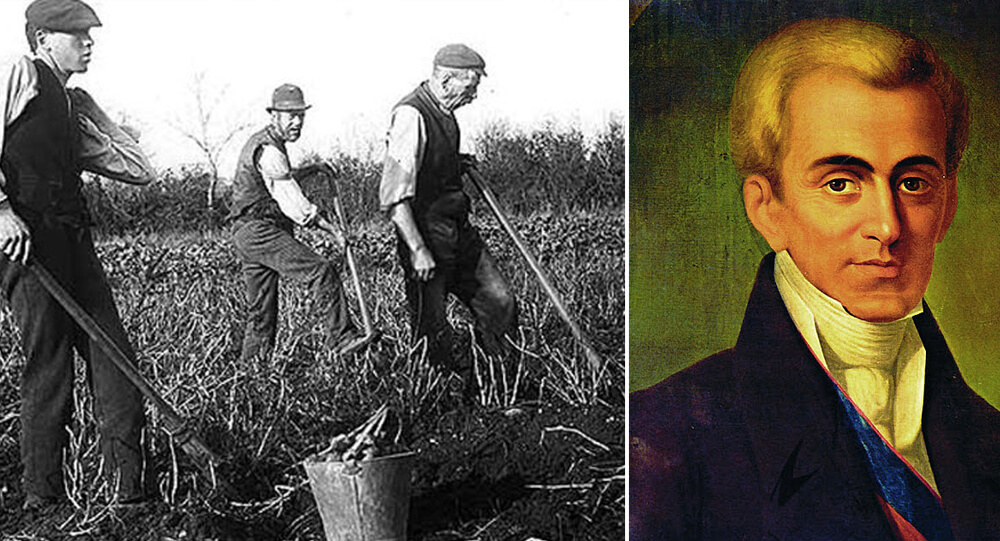
How Greek prime minister in 1830’s tried to spread the potato in Greece
A Greek prime minister in 1830’s tried to spread the potato in Greece but people weren’t interested so he put armed guards in front of shipments of potatoes so people would think they were important. People later started stealing these potatoes a lot which spread the crop to all of Greece.
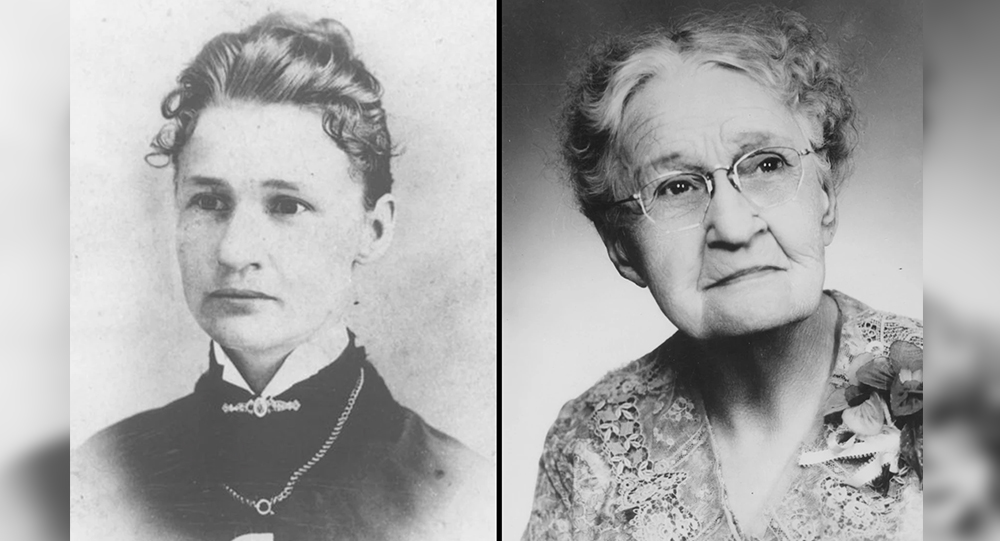
Susanna Salter: The Trailblazing Story of America’s First Female Mayor
In 1887, Susanna Salter became the first female mayor in the United States, elected in Argonia, Kansas. Her nomination was initially a prank by men opposing women in politics. However, she won by a landslide and served effectively, inspiring the women’s suffrage movement and breaking barriers for women in leadership.

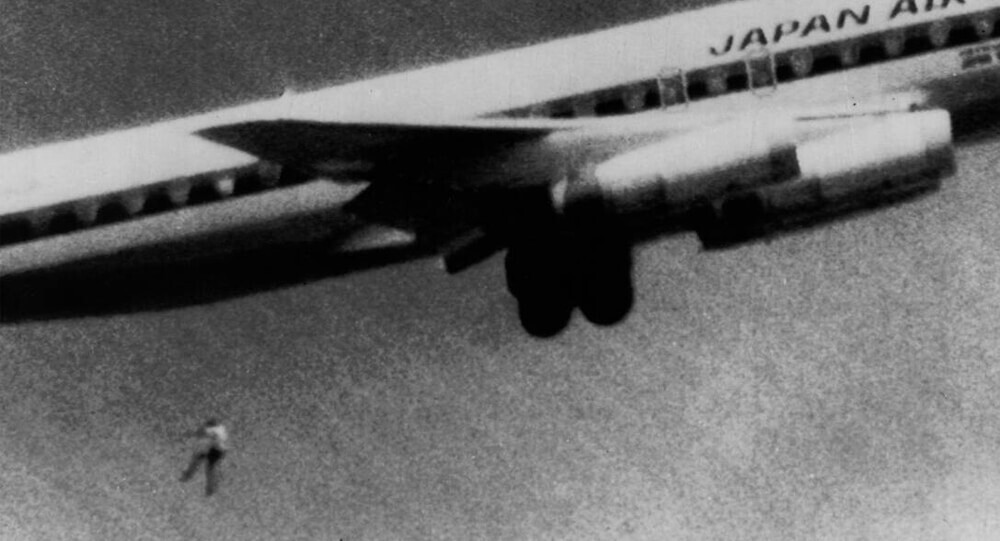
Keith Sapsford: The Story of 14-Year-Old Stowaway
The final image of 14-year-old Australian Keith Sapsford, who aspired to travel the world. In February 1970, he sneaked into the wheel-well of a plane flying from Sydney to Tokyo. It opened mid-air & fell out. When a photographer was testing a new lens, he captured this moment on film and was surprised when it developed.
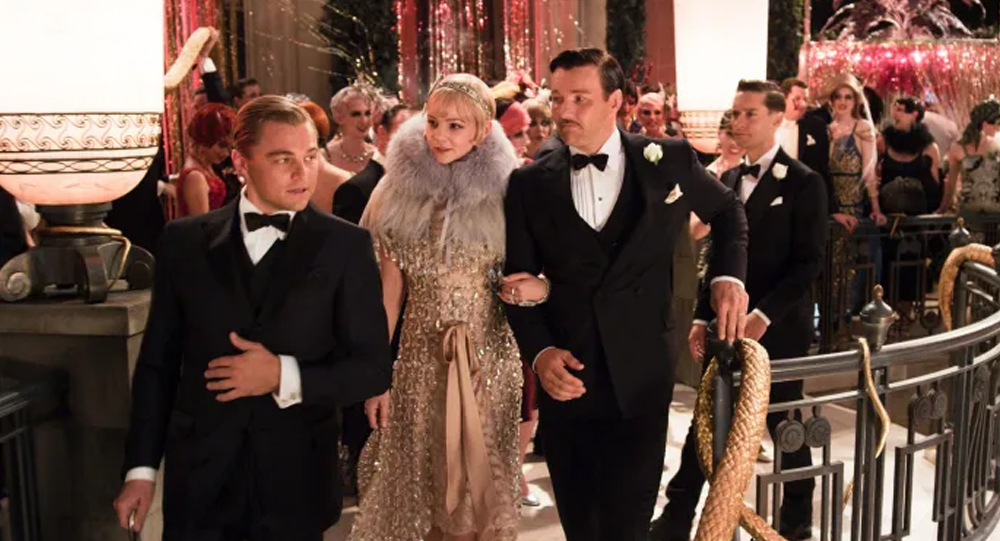
From Flapper to Fashion Week: How 1920s Style Still Shapes Modern Trends
The roaring 1920s revolutionized fashion, introducing bold styles, daring cuts, and a spirit of freedom that still inspires today’s wardrobes. From flapper dresses to statement accessories, here’s how the Jazz Age lives on in modern fashion.
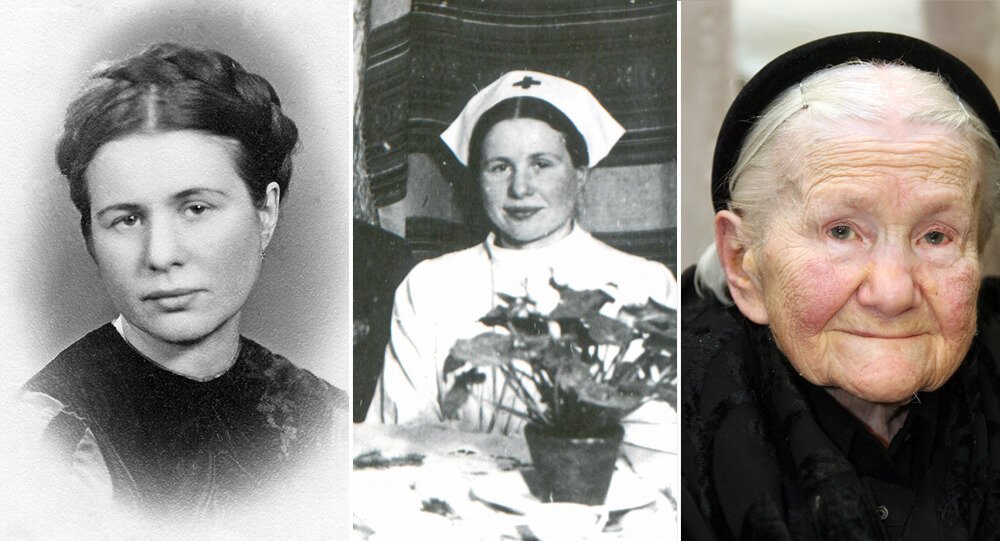
Irena Sendler: woman who rescued Jews during holocaust
Irene Sendler was the Zegota resistance group's head of the children's department. She risked her life to smuggle children out of the Warsaw ghetto, place them with Polish families or orphanages, give each child a new identity, and keep records so that they could be returned to their families. In 1943, the Gestapo arrested and sentenced her to death, but she was rescued by Zegota.
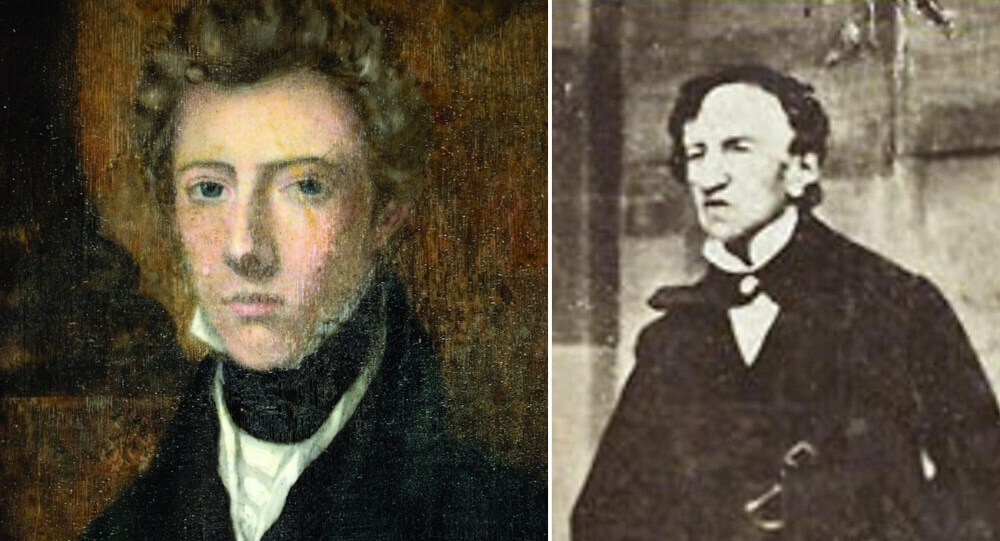
The mysterious secret of Dr James Barry
Before women were allowed to enroll in medical school, Margaret Ann Bulkley studied medicine and assumed the identity of Dr. James Barry for 56 years while dressing as a man. After 46 years of service as an army doctor officer, her secret was not made public until after her death in 1865.
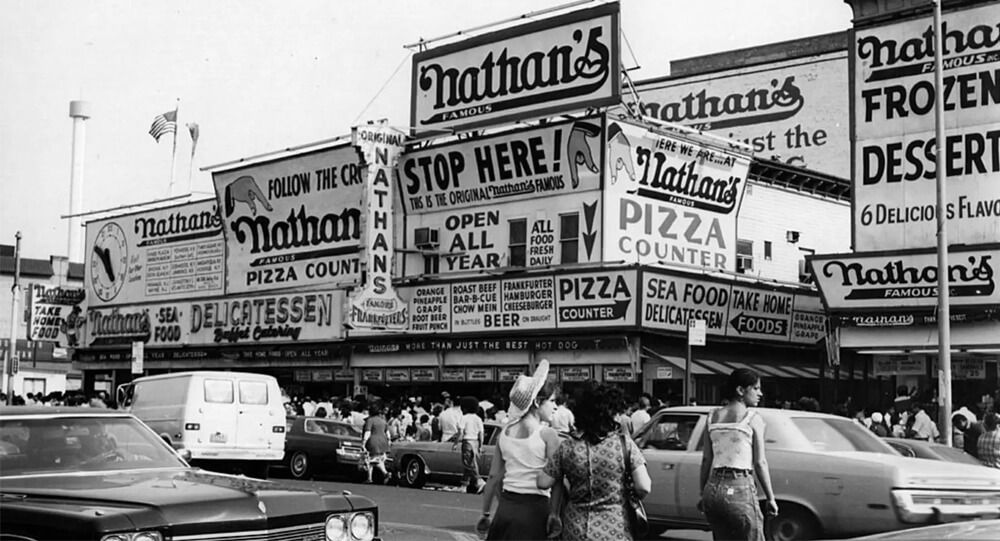
Nathan's Famous Doctor Stunt
When Nathan's Famous Hot Dogs first opened in 1916, the owner hired people to dress as doctors and eat hot dogs outside his shop, to convince people his hot dogs were healthy.
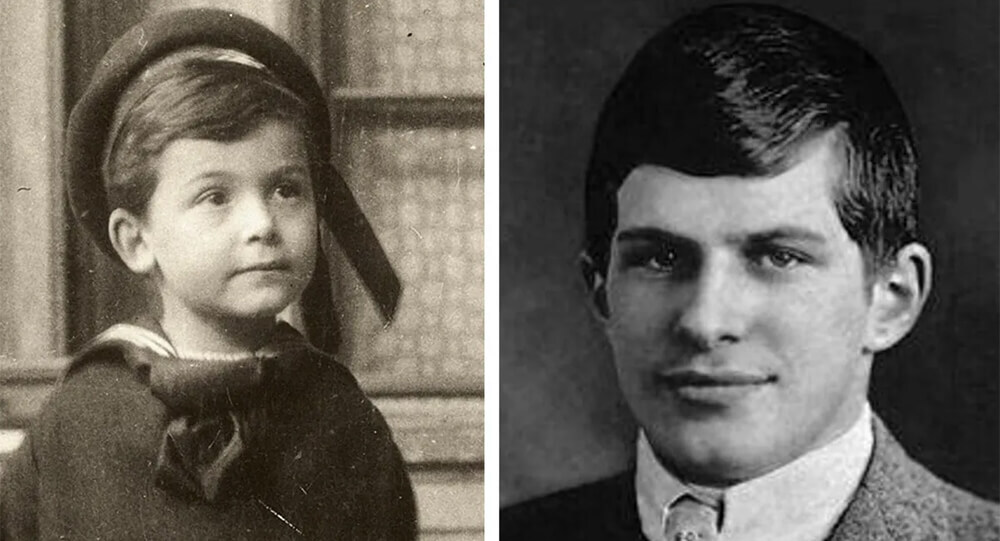
William James Sidis: The smartest person yet forgotten by people
William James Sidis, who was only 11 years old when he enrolled in Hardvard, finished his primary and secondary schooling in less than a year. He knew eight foreign languages by the age of eight and even invented his own language, "vedergood."
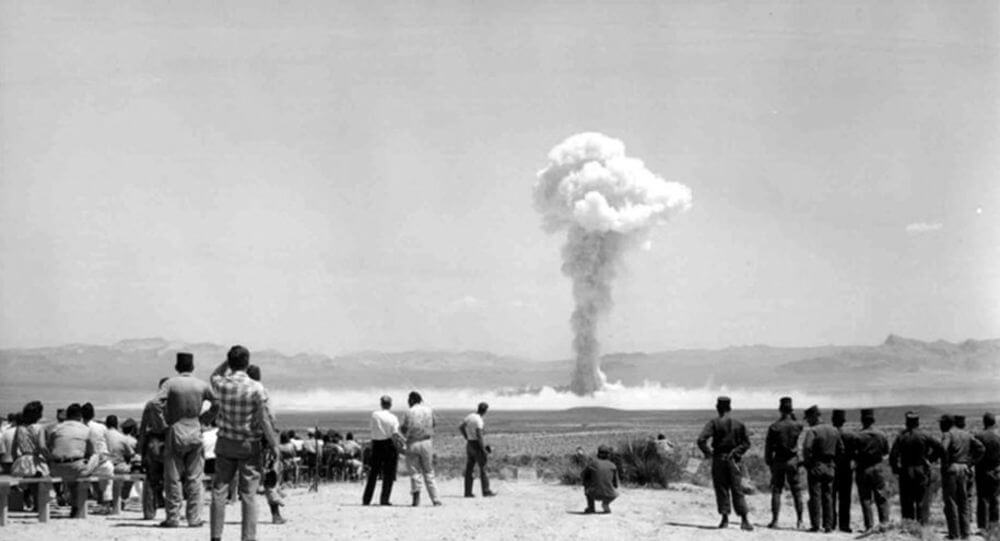
Atomic Tourism: In the 1950s, nuclear tests in Las Vegas served as a draw for tourists
Between 1950 and 1960, Las Vegas offered “Atomic Tourism” in which guests could watch atomic bombs being tested in the desert as a form of entertainment.
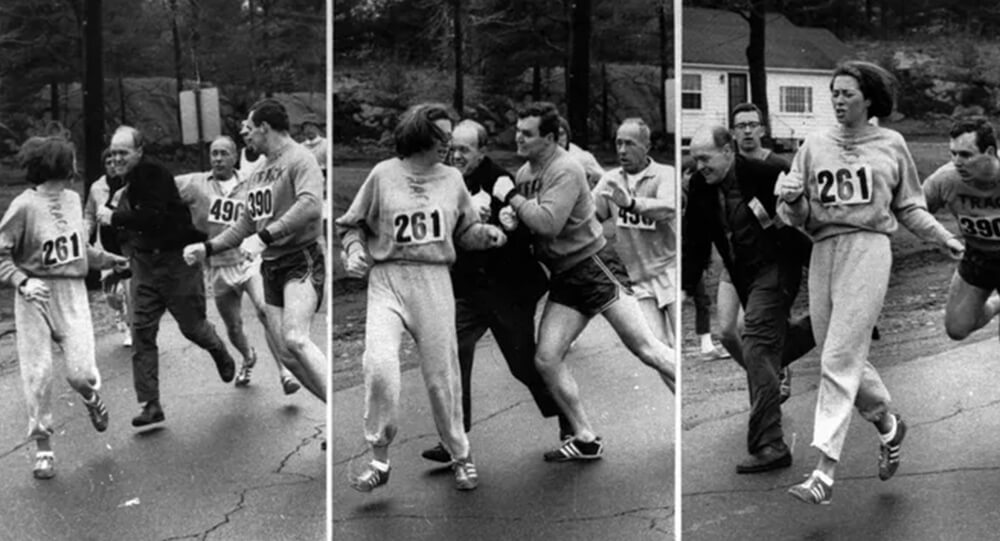
Story of Kathrine Switzer: the first woman to run in Boston Marathon
Before women were allowed to run in the Boston Marathon, Kathrine Switzer participated. A race official attempted to forcefully remove her from the race in 1967, but her boyfriend pushed him down. She was the first female finisher who had a numbered entry in the race.
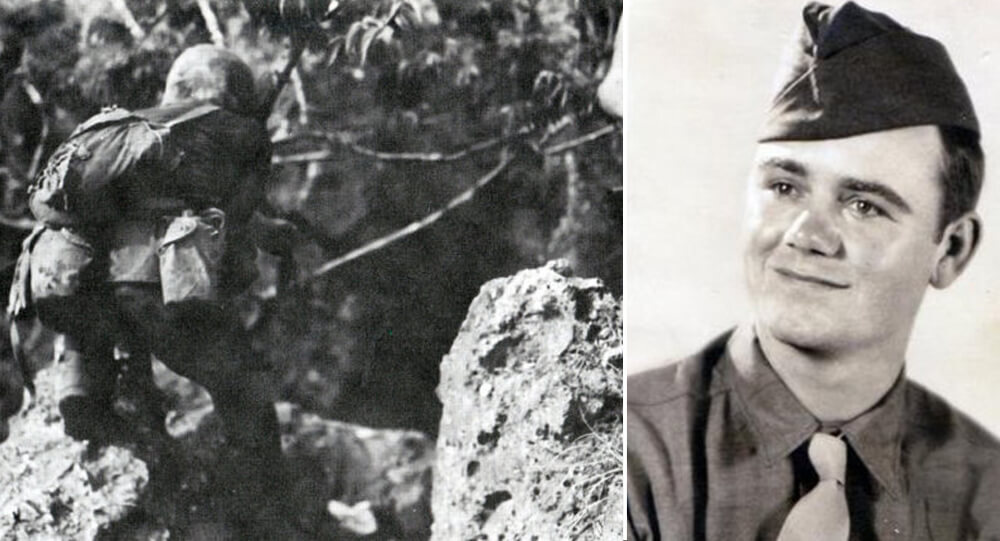
Thomas Baker's heroic act that earned him the "Medal of Honor" was 8 bullets until death
Thomas Baker instructed his team to leave him with a pistol and eight bullets propped up against a tree after he was injured. Later, American troops discovered the now-deceased Baker in the same location, lying next to eight dead Japanese soldiers and carrying an empty pistol.
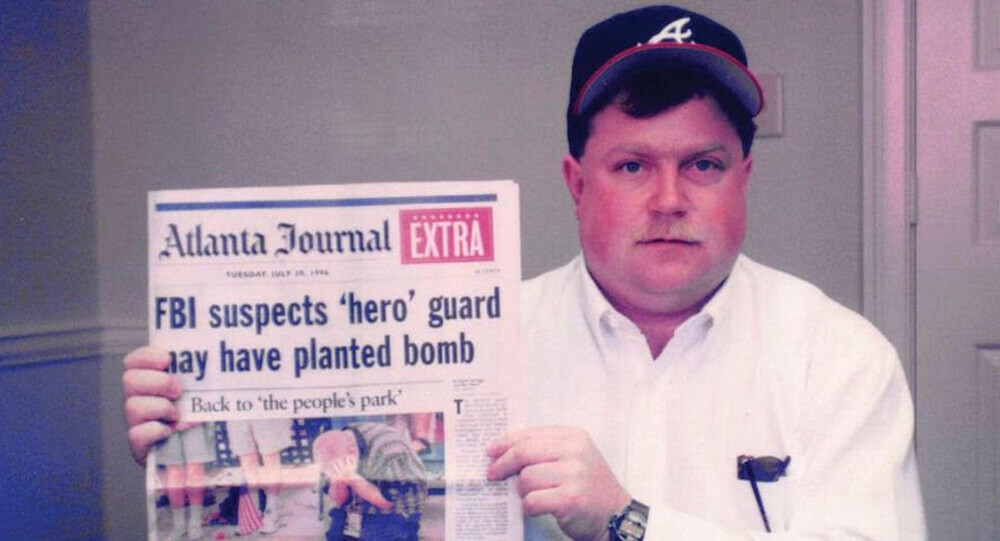
During the 1996 Olympic bombing, Richard Jewell falsely accused of committing the crime after saving dozens of people
Richard Jewell, an American security guard, discovered a bomb during the 1996 Olympic Games in Atlanta and assisted in the evacuation, but was later wrongfully accused and faced public scrutiny. He was cleared, but it had a lasting impact on him until his death in 2007 at the age of 44.
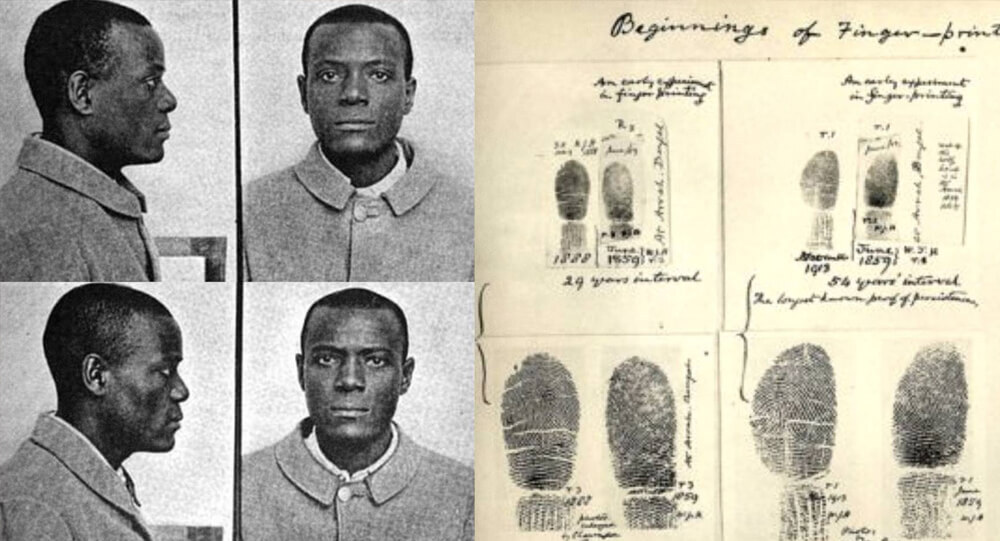
Will & William Wests: The puzzling situation of two inmates who are identical but not related
These are the mugshots of Will West and William West, and they are not related. They were both sent to Leavenworth Prison at the same time, in 1903, and after some confusion, the staff understood they had two different prisoners with the nearly same name, who looked exactly alike. They are part of the reason fingerprints are now used as identification.
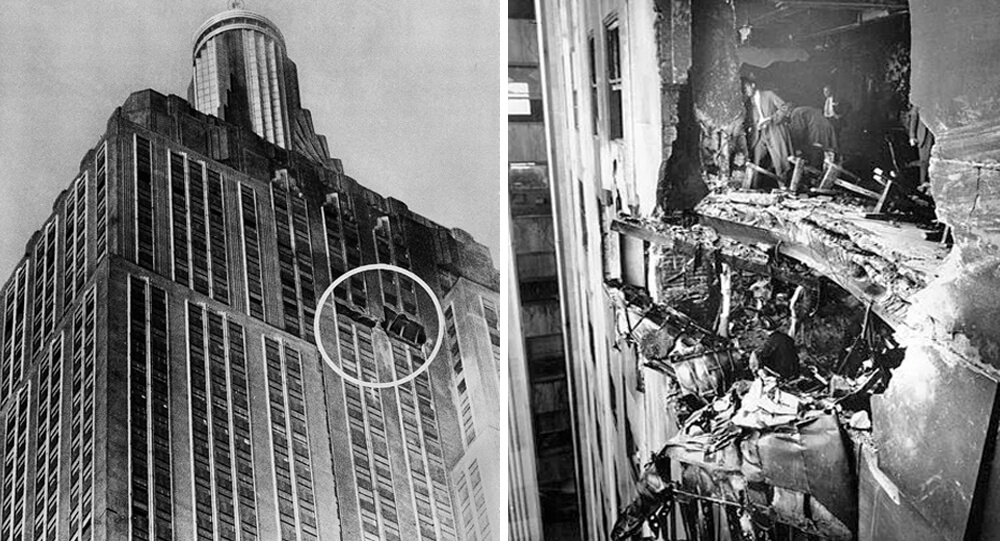
Remembering the 1945 Empire State Building Disaster: When a Plane Met Skyscraper
An airplane crashed into the Empire State Building in 1945. Among other damage, plane parts severed the cables of an elevator and the woman inside fell over 70 stories. She lived and holds the world record for the longest survived elevator fall.
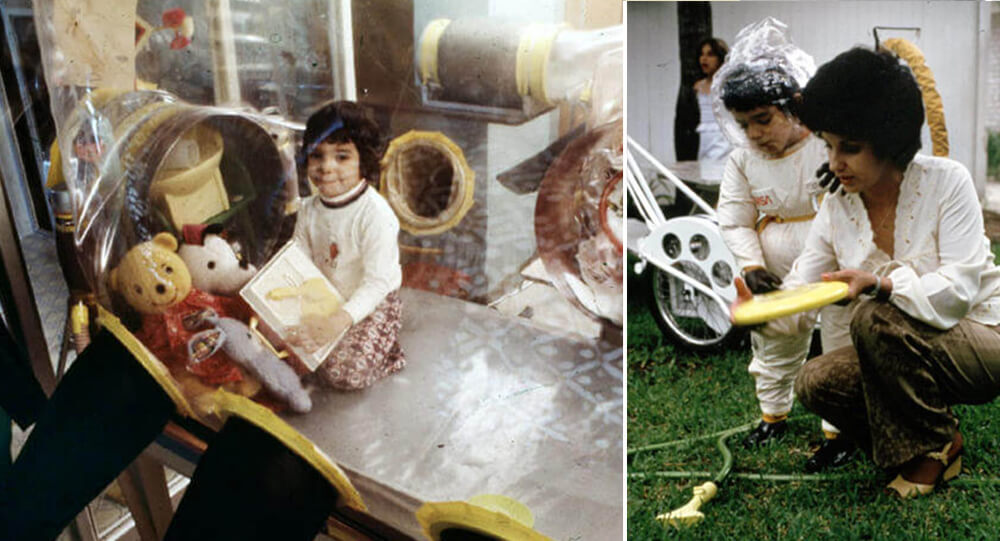
The touching story of David Vetter (bubble boy), the 'boy who lived in a bubble
David Vetter lived his whole 12 years in sterile “bubble”. He was “outside” for 20 second after being removed from his mother’s womb. He never touched any human.
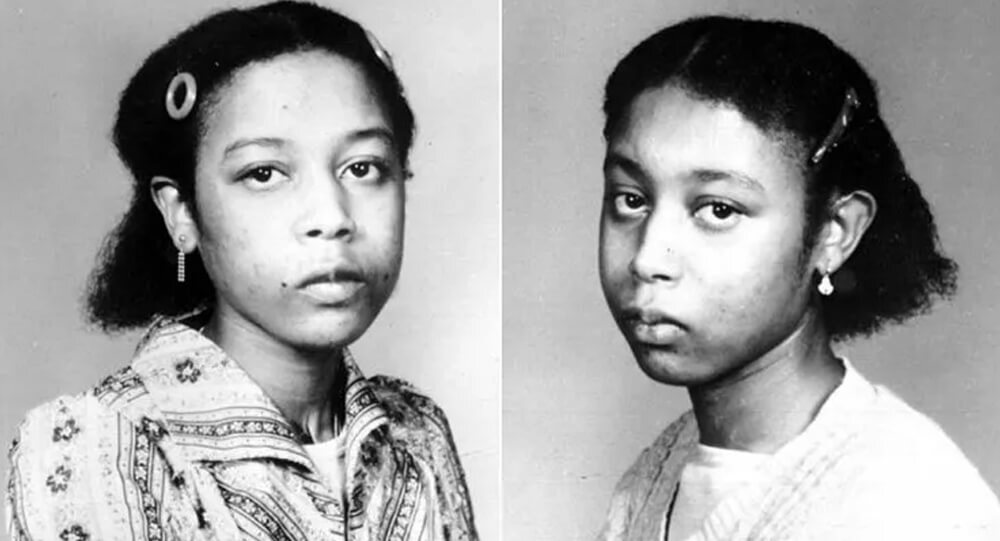
June and Jennifer Gibbons The silent twin who Only Spoke to Each Other
Identical twins June and Jennifer Gibbons were born on 11 April 1963 at a military hospital in Aden, Yemen where their father worked as part of the Royal Air Force.