
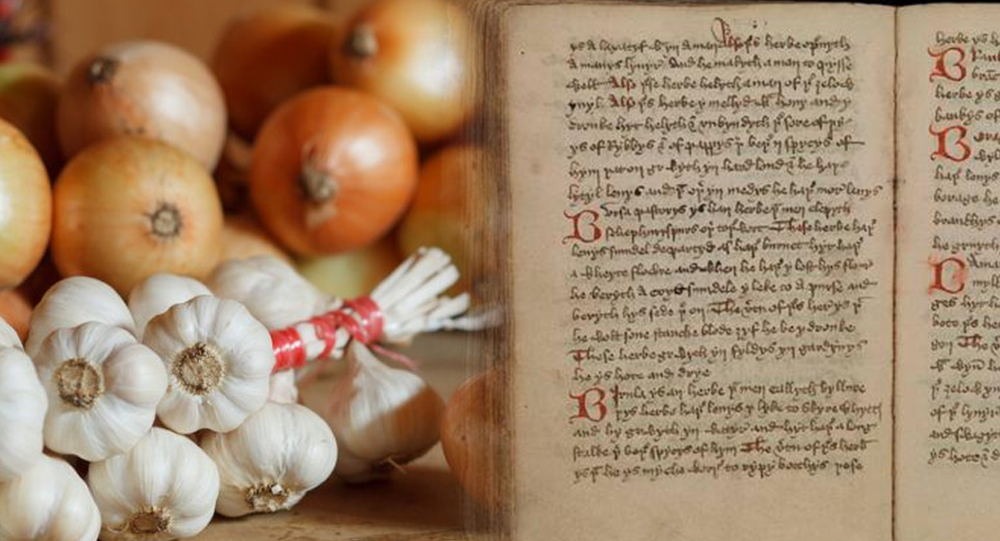

Medieval Medicine: A 1,000-year-old onion and garlic salve kills modern bacterial superbugs
Researchers have successfully used a ninth-century Anglo-Saxon remedy for eye infections to kill tenacious bacteria cultures, much to their surprise and delight. The traditional treatment of wine, bile, onion, and garlic may be effective against today’s antibiotic-resistant superbugs like MRSA.
Bald’s Leechbook, also known as Medicinale Anglicum, is a medical text written in Old English that is thought to be one of the earliest books of medical advice. Scientists from the University of Nottingham’s Center for Biomolecular Sciences in the UK and Anglo-Saxon expert Dr. Christina Lee collaborated to create the 1,000-year-old cure found in this text.
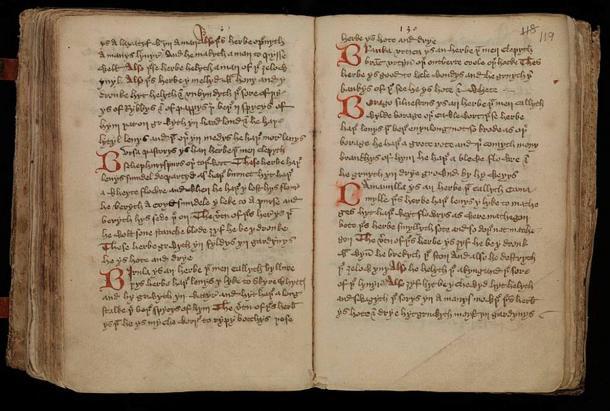
Garlic, onion (or leek), wine, and cow bile are listed as ingredients in a medieval recipe for salve used to treat eye infections, according to BBC News. The ingredients alone had little impact, but when combined, they were able to kill 90% of the methicillin-resistant staphylococcus aureus (MRSA) bacteria cultures, which astounded the scientists.
MRSA, which has been dubbed a “superbug” because it has developed a natural resistance to modern antibiotics, is a serious public health concern. It is also a challenging infection to treat.
According to a press release from the university, Dr. Freya Harrison, a microbiologist, “We thought that Bald’s eye salve might show a small amount of antibiotic activity, because each of the ingredients has been shown by other researchers to have some effect on bacteria in the lab—copper and bile salts can kill bacteria, and the garlic family of plants make chemicals that prevent the bacteria from damaging infected tissues. The ancient remedy reportedly outperformed contemporary conventional antibiotics against the bacteria, but we were absolutely astounded by how potent the combination of ingredients was.
The effectiveness of the treatment has also shown the researchers that Anglo-Saxon physicians may have used experimentation and observation, components of the contemporary scientific method, to develop their treatment.
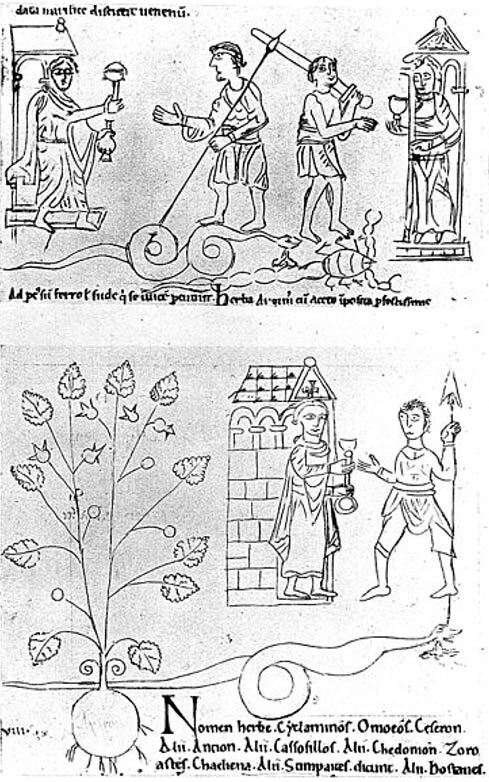
As supporters of traditional medicines might note, “it wouldn’t be the first modern drug to be derived from ancient manuscripts – the widely used antimalarial drug artemisinin was discovered by scouring historical Chinese medical texts,” according to NewScientist.
Although early medieval medicine took many forms, an early scientific method was also being used at the time. According to a piece on The Conversation, Europe experienced a “medical revolution” in the 11th century. Over 500 years old medical texts were being studied at the time. These writings have been recorded and taught. This ancient recipe was derived from such a text, making it much older than the Medicinale Anglicum from which it was taken.
After the successful salve study, the group identifying itself as AncientBiotics set out to compile a database of medieval medical formulas.

3 men lived on top of a billboard in tents for almost 9 months
From 1982-1983, three men in Allentown PA competed in a radio contest in which they lived on top of a billboard in tents. Whoever stayed up longest would win a house. Due to economic pressure from the recession, none of the contestants wanted to give up, so the contest lasted almost 9 months.


Keith Sapsford: The Story of 14-Year-Old Stowaway
The final image of 14-year-old Australian Keith Sapsford, who aspired to travel the world. In February 1970, he sneaked into the wheel-well of a plane flying from Sydney to Tokyo. It opened mid-air & fell out. When a photographer was testing a new lens, he captured this moment on film and was surprised when it developed.
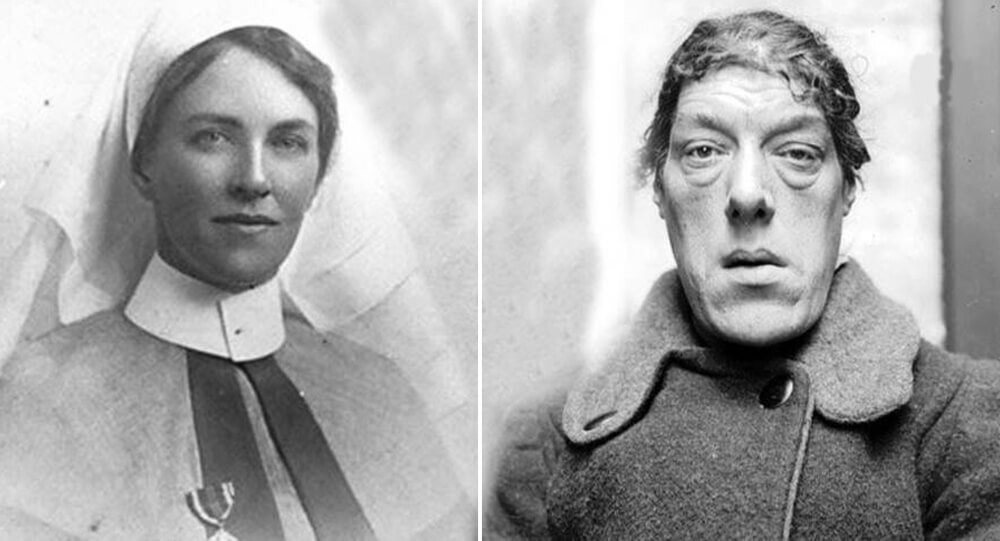
The Tragic Story Of Mary Ann Bevan, The ‘Ugliest Woman In The World’
After the death of her husband, Mary Ann Bevan had no income to support herself and her children. She then decided to enter a contest where she won the title of “ugliest woman” and was later hired by a circus. She endured this ridicule from the world to provide for her family.

Max Headroom Incident: America’s Creepiest TV Hack
In 1987 a man hijacked a television station during an episode of Dr. Who and wore a Max Headroom mask and uttered nonsense, and he still hasn’t been caught
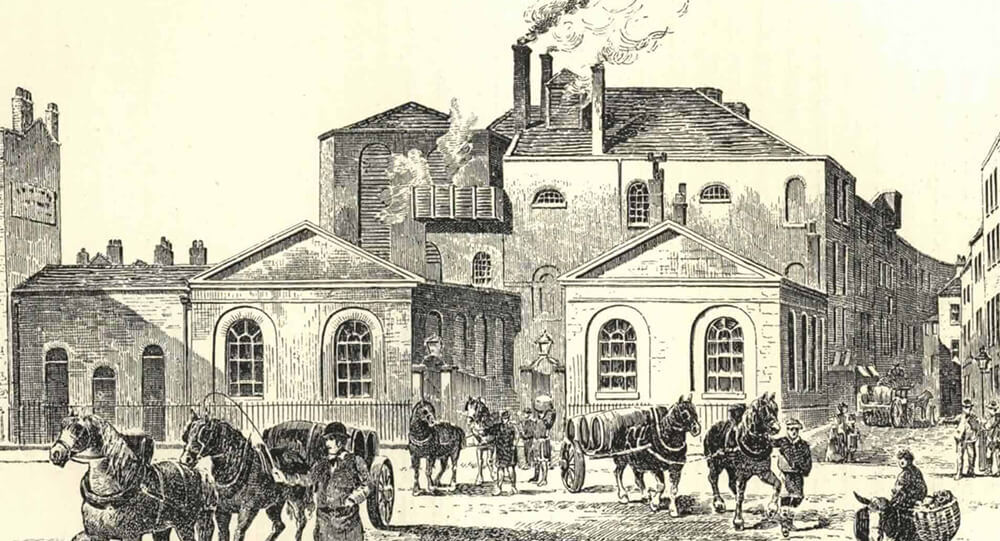
The 1814 London beer flood
In 1814, there was a beer flood in London when a tank containing more than 300,000 gallons ruptured in which 8 people drowned.
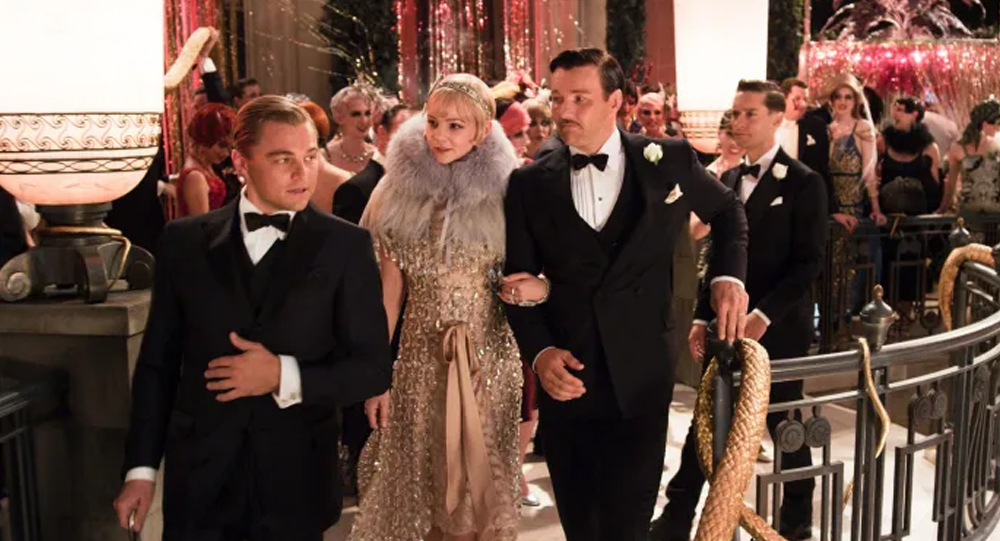
From Flapper to Fashion Week: How 1920s Style Still Shapes Modern Trends
The roaring 1920s revolutionized fashion, introducing bold styles, daring cuts, and a spirit of freedom that still inspires today’s wardrobes. From flapper dresses to statement accessories, here’s how the Jazz Age lives on in modern fashion.
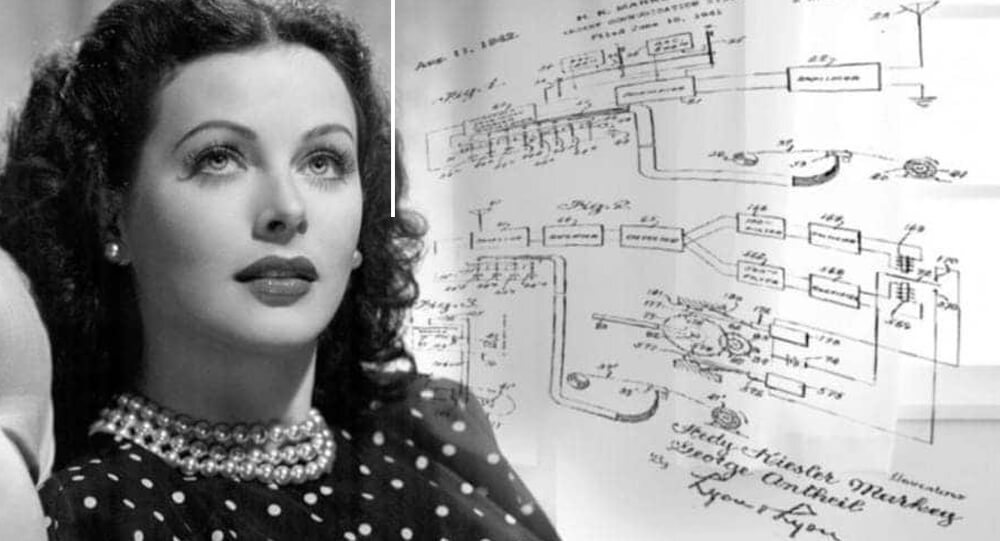
Hedy Lamarr, A Hollywood actress who also a mathematician and inventor
Hollywood actress Hedy Lamarr was also a mathematician and the inventor of frequency hopping spread spectrum, a technology still used for bluetooth and wifi
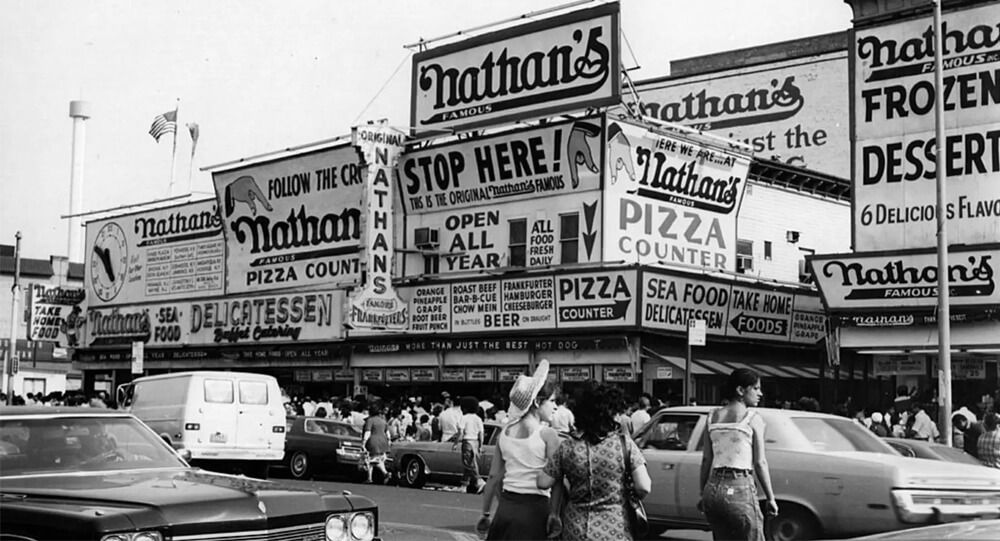
Nathan's Famous Doctor Stunt
When Nathan's Famous Hot Dogs first opened in 1916, the owner hired people to dress as doctors and eat hot dogs outside his shop, to convince people his hot dogs were healthy.

A Brief History of the PlayStation Gaming Console
Sony's PlayStation was never meant to be an actual product. Instead, it was intended to be a CD-ROM console that would support Nintendo games. However, when Nintendo backed out of the deal at the last minute, Sony went ahead and launched what soon became one of the most successful gaming consoles of all time.
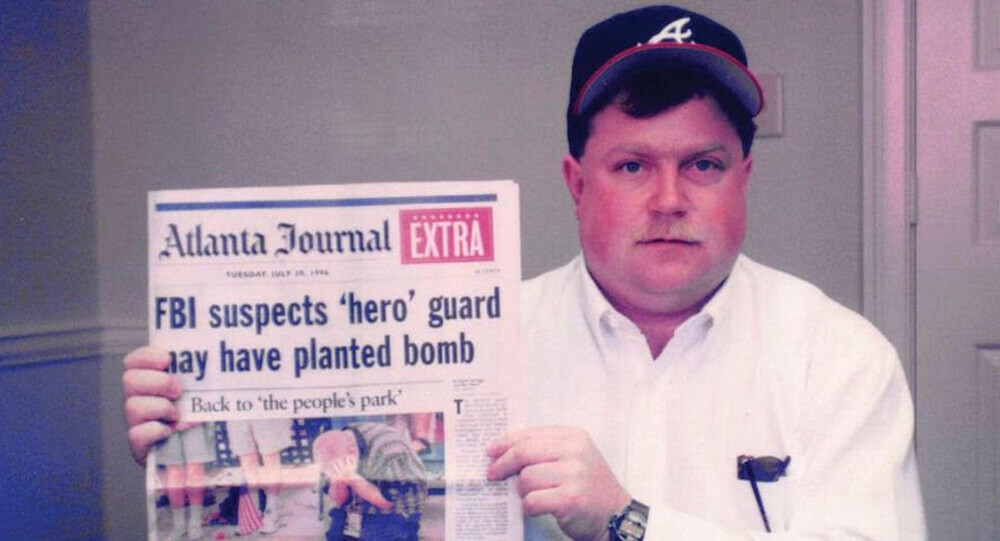
During the 1996 Olympic bombing, Richard Jewell falsely accused of committing the crime after saving dozens of people
Richard Jewell, an American security guard, discovered a bomb during the 1996 Olympic Games in Atlanta and assisted in the evacuation, but was later wrongfully accused and faced public scrutiny. He was cleared, but it had a lasting impact on him until his death in 2007 at the age of 44.
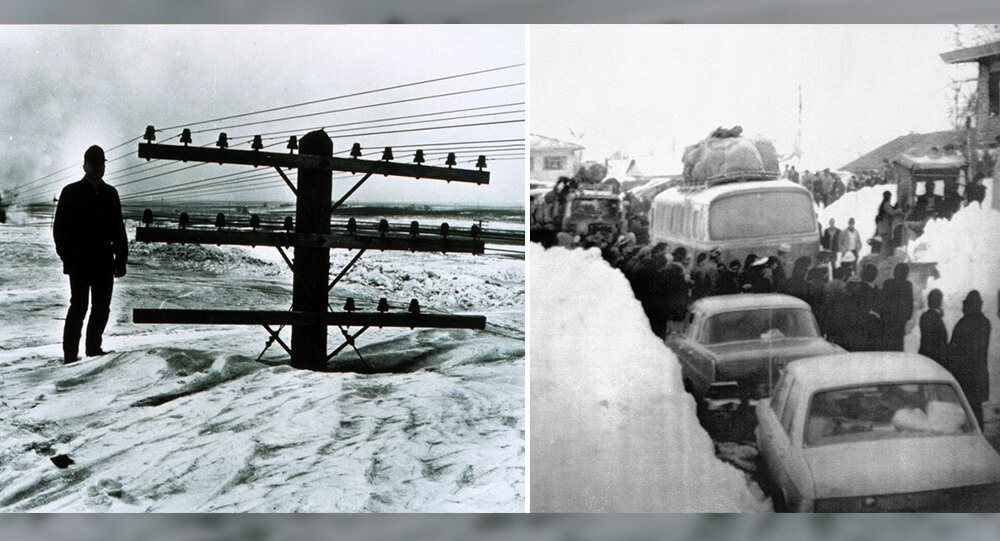
The worst blizzard in recorded history: the 1972 Iran blizzard
The deadliest snowstorm ever recorded occurred in Iran in 1972. It lasted for a week, burying areas in 26 feet of snow and killing over 4,000 people, including the entire populations of three villages.
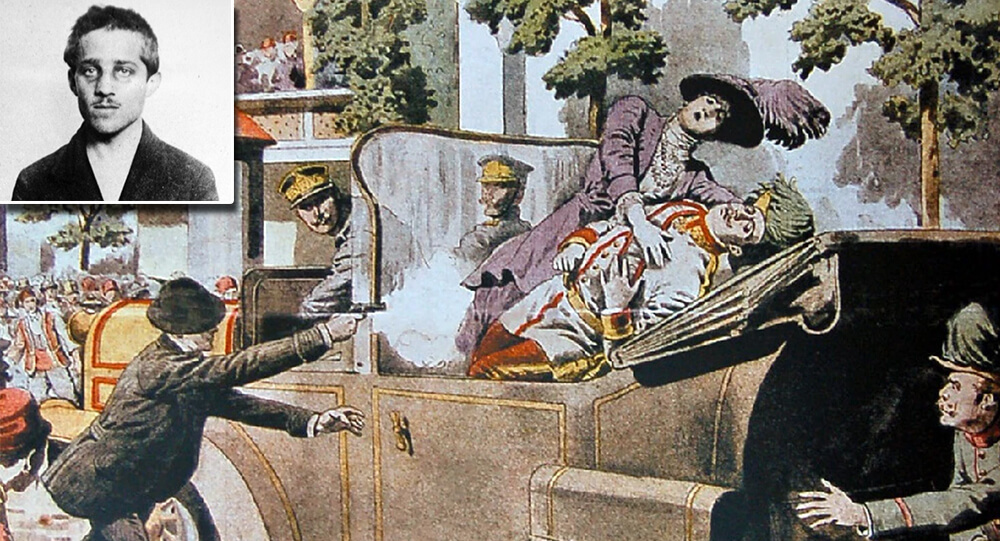
Franz Ferdinand’s Assassination that sparked World War I
Archduke Franz Ferdinand of Austria and his wife Sophie are shot to death by a Bosnian Serb nationalist during an official visit to the Bosnian capital of Sarajevo on June 28, 1914. The killings sparked a chain of events that led to the eruption of World War I by early August.

What exactly was the US's 'Ghost Army' during WWII?
During WW2, there was a special unit of men dubbed the ‘Ghost Army’. The unit was made of artists, creative and engineers and their job was to create deception about the enemy. From inflatable tanks to phony convoys to scripted conversations in bars intended to spread disinformation, they used all possible tricks to fool the enemy.
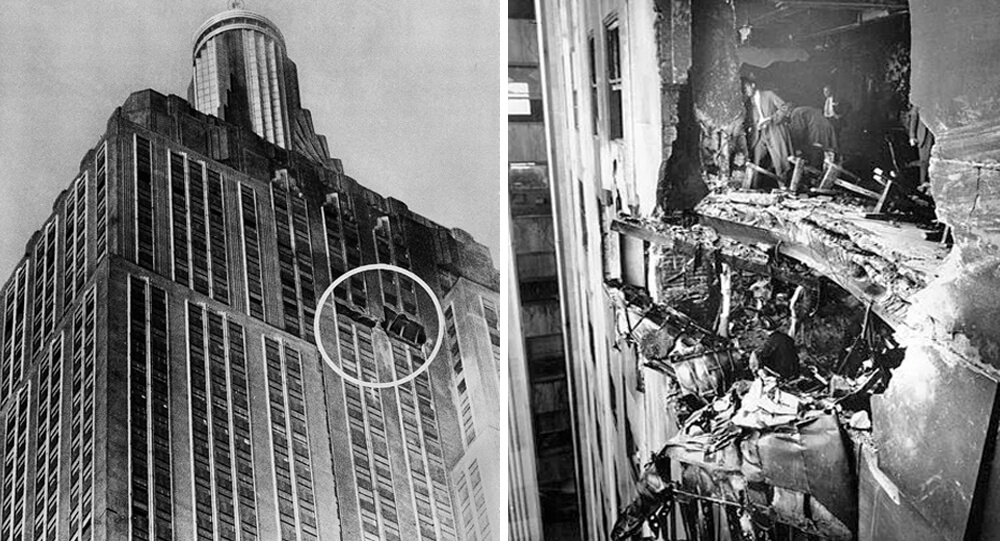
Remembering the 1945 Empire State Building Disaster: When a Plane Met Skyscraper
An airplane crashed into the Empire State Building in 1945. Among other damage, plane parts severed the cables of an elevator and the woman inside fell over 70 stories. She lived and holds the world record for the longest survived elevator fall.
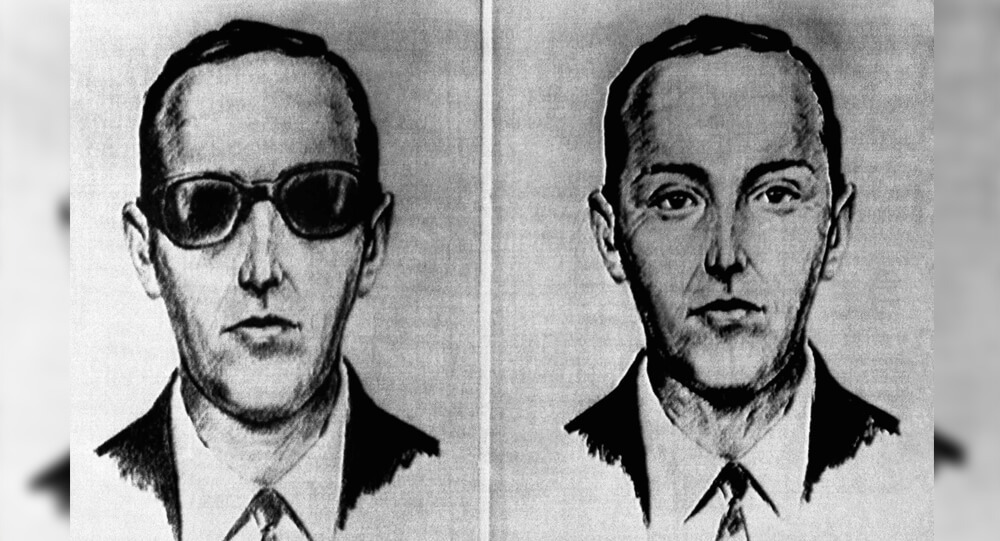
D.B. Cooper: Man who hijacked a plane and jumped out with a $200,000
On November 22, 1971, DB Cooper hijacked a Boeing 727, drank a whisky, smoked a fag, and then jumped out of the plane with $200,000. He was never again seen.
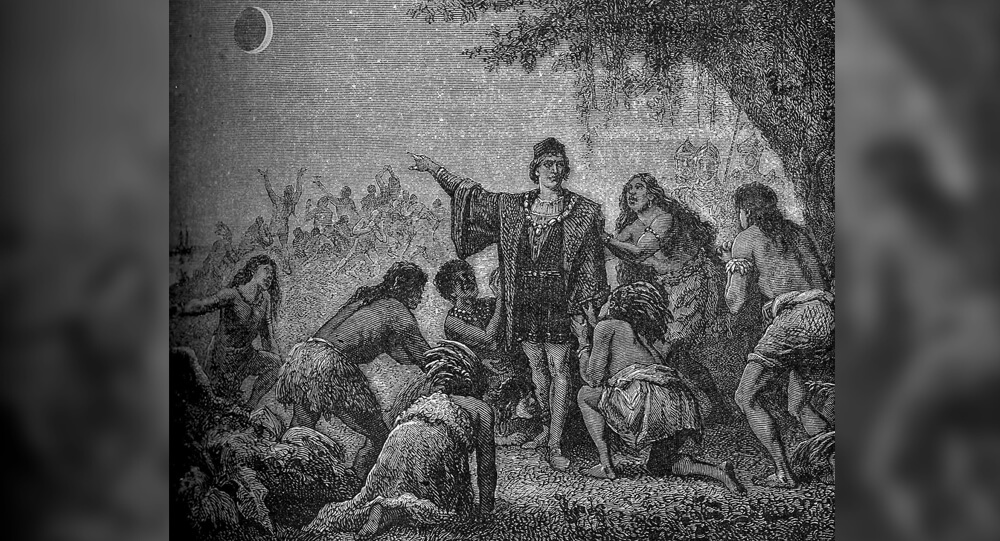
How a Total Lunar Eclipse Saved Christopher Columbus in 1504
In 1504, Christopher Columbus was stranded in Jamaica with natives who refused to give him food. But he knew the date and time of an upcoming lunar eclipse. So he told the natives that his gods were angry at their treatment of him, and would provide a clear sign. Once the eclipse started, the natives raced to give him food and begged for mercy.
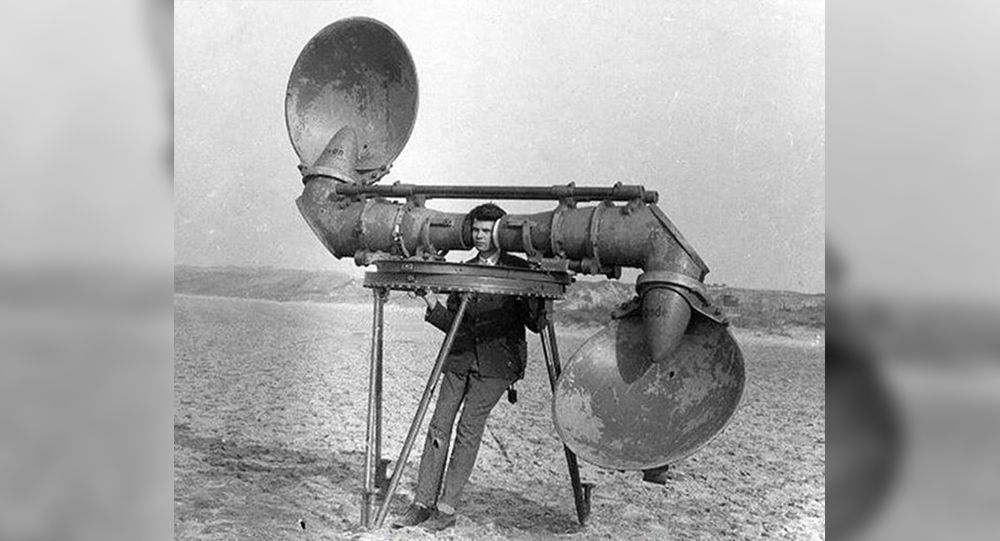
Before Radar: How Giant Acoustic Mirrors Detected Enemy Aircraft in WWI and WWII
Long before radar revolutionized air defense, enormous acoustic mirrors and specialized sound locators stood as the first line of defense against enemy aircraft. Designed as giant “ears,” these structures amplified distant engine noises, allowing operators to detect incoming planes by sound alone. Dive into the intriguing world of these pioneering listening devices, their operation, limitations, and enduring legacy in military history.
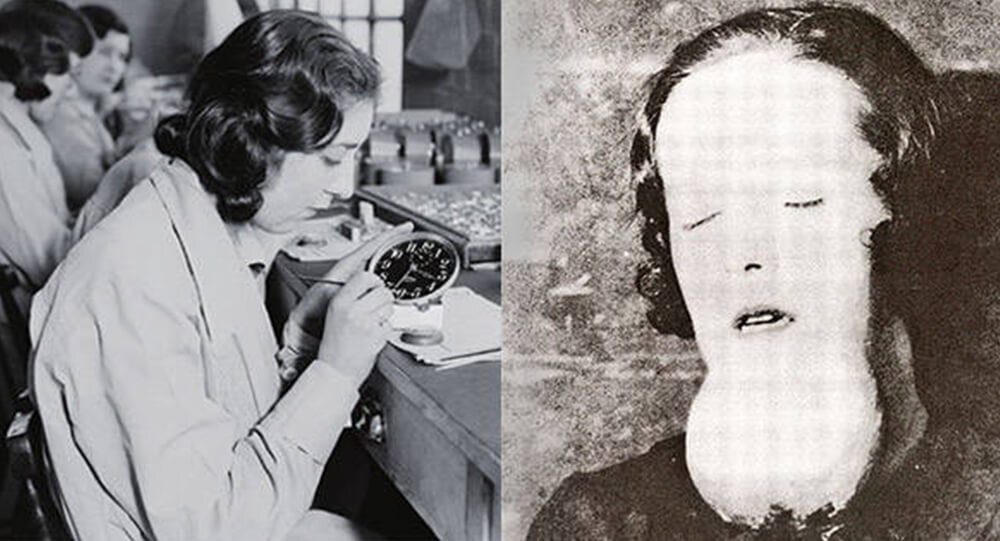
The true story Of The Radium Girls that change US labor laws
Hundreds of young women worked in clock factories during World War I, painting watch dials with luminous radium paint. The company lied about the risk of radiation, claiming there was no danger, which resulted in the death of the young women.
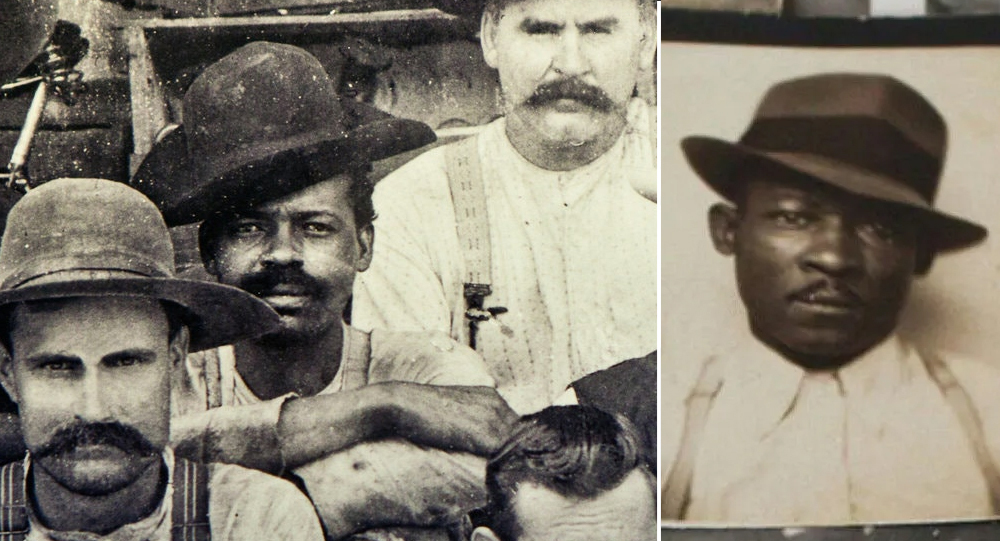
Nearest Green, America's first known Black master distiller
Nathan "Nearest" Green was an African-American head stiller who is now more frequently referred to as a master distiller. He was renowned for imparting his distilling knowledge to Jack Daniel, the creator of Jack Daniel's Tennessee whiskey distiller, after Jack Daniel was freed from slavery following the American Civil War.

How European Rabbits Took over Australia
In 1859, wealthy settler Thomas Austin released 13 wild rabbits on his Australian estate. By 1920, their population grew to 10 billion.
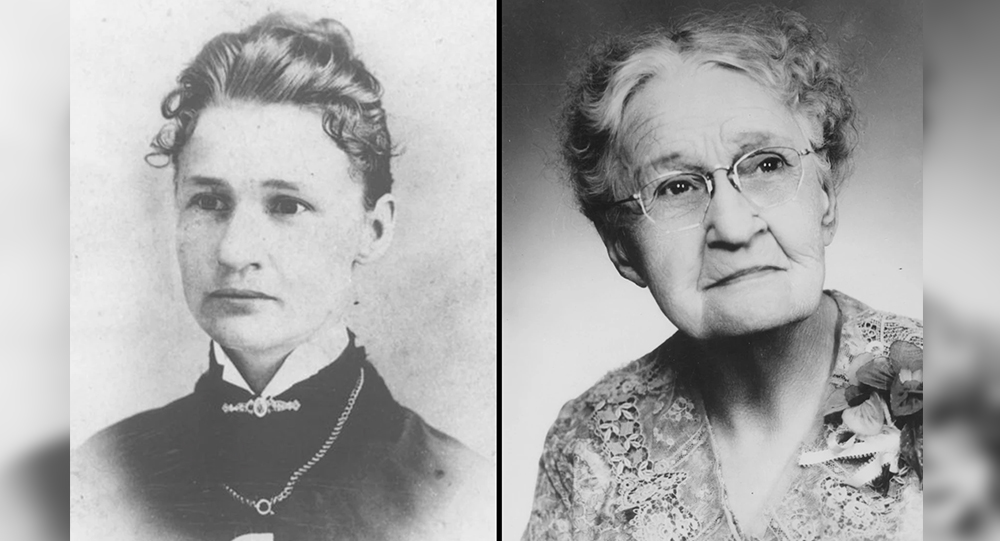
Susanna Salter: The Trailblazing Story of America’s First Female Mayor
In 1887, Susanna Salter became the first female mayor in the United States, elected in Argonia, Kansas. Her nomination was initially a prank by men opposing women in politics. However, she won by a landslide and served effectively, inspiring the women’s suffrage movement and breaking barriers for women in leadership.

Poto And Cabengo: The Secret Language Of Twins
Poto and Cabengo, as the two girls called each other, communicated in their own language. The twins were ignored by their parents and secluded from the outside world because their father felt they were developmentally retarded, and their unique language evolved as a result of that neglect.
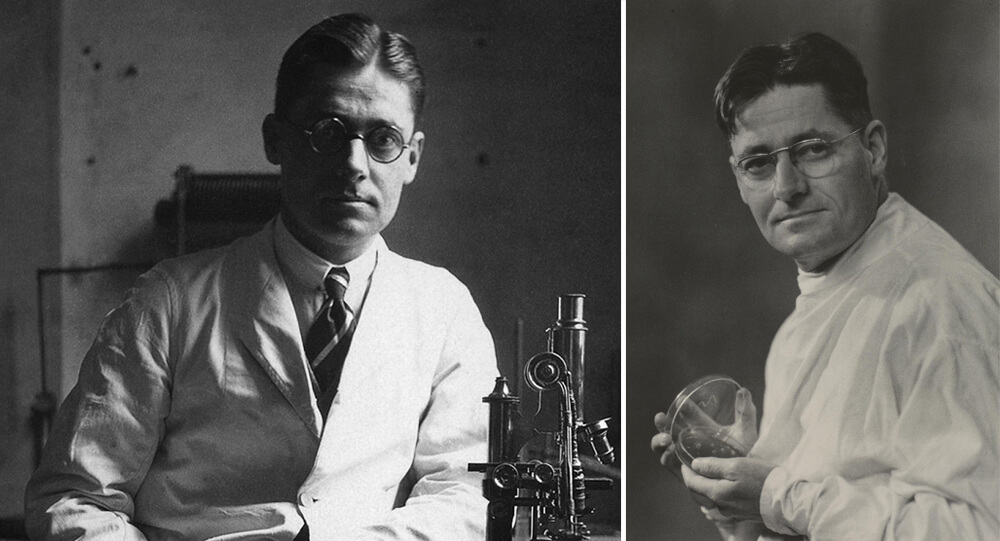
How did Howard Florey discover penicillin
Penicillin was discovered by Alexander Fleming, but he never attempted to turn it into an antibiotic. It wasn't until ten years later that Howard Florey discovered Fleming's obscure paper and understood the mold's potential. Up to 200 million lives may have been saved as a result of Florey's work.
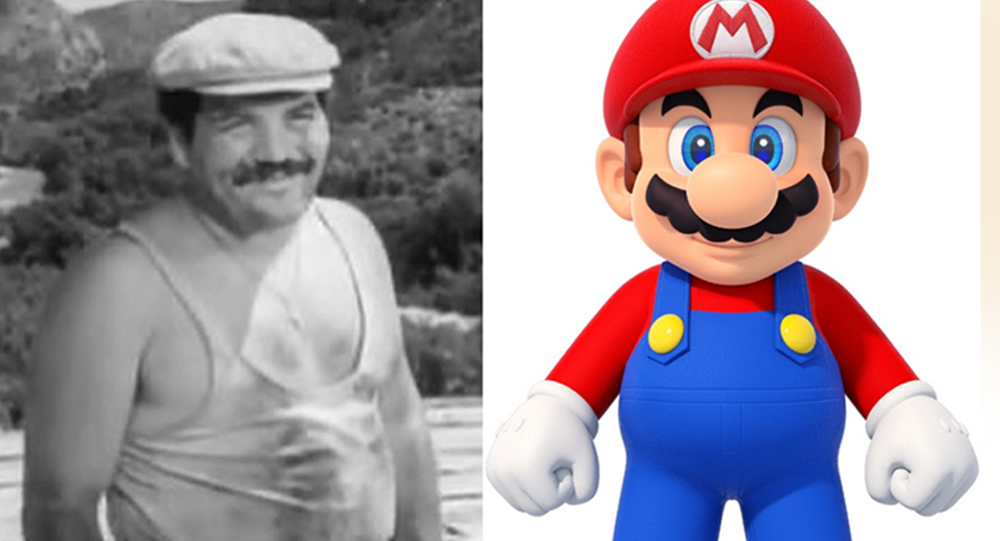
Mario Segale, Developer Who Inspired Nintendo to Name Super Mario
Super Mario is named after real-life businessman Mario Segale, who was renting out a warehouse to Nintendo. After Nintendo fell far behind on rent, Segale did not evict them but gave them a second chance to come up with the money. Nintendo succeeded and named their main character after him.
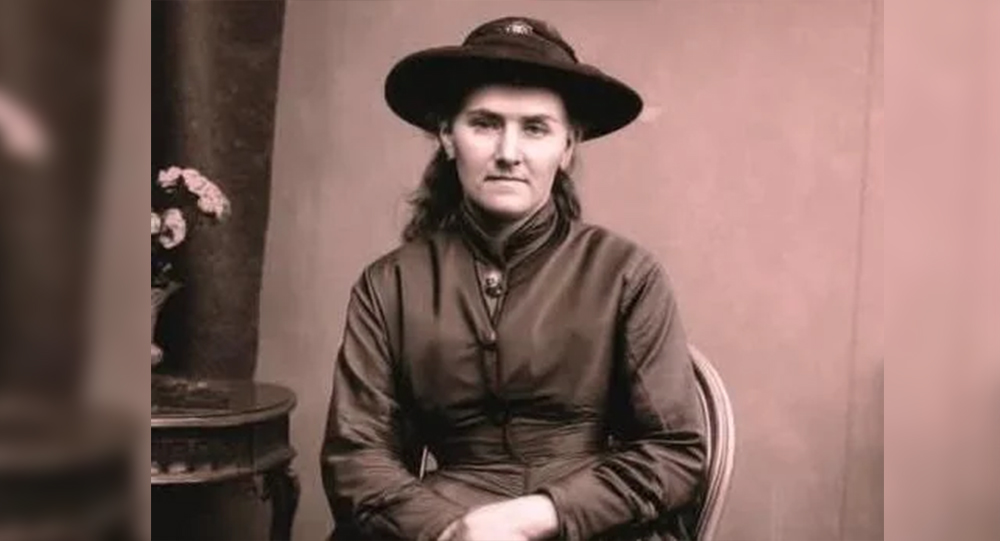
Why Comedians Failed to Make Sober Sue Laugh in the Early 1900s
In the bustling vaudeville scene of early 20th century New York, a mysterious performer known as "Sober Sue" captured public imagination not for jokes or songs, but for her unshakable stoicism—she never smiled or laughed. A local theater even offered a tempting reward of $1,000 to anyone who could make her laugh, drawing crowds and famous comedians eager to claim the prize. Despite countless hilarious attempts, Sue remained expressionless, a mystery that baffled performers and audiences until it was revealed that she suffered from facial paralysis, explaining her unchanging demeanor.