

How Sweden’s 300,000 Oak Trees Became an Unintended Legacy: The Naval Forest That Outlived Wooden Warships
Imagine planning for the future so far ahead that your grand vision outlasts the very technology it was meant to serve. That’s exactly what happened in Sweden in the 1830s when the Swedish Navy embarked on an ambitious project: planting 300,000 oak trees to supply timber for naval shipbuilding—trees meant to be harvested more than a century later, around 1975.
The Naval Oak Forest: A Vision Rooted in Tradition
Back then, oak was king. For centuries, oak wood had been the backbone of naval power—strong, durable, and resistant to rot, it was the perfect material for building warships. Sweden, fresh from the Napoleonic Wars and mindful of future conflicts, realized its natural oak reserves were dwindling. The solution? Plant a massive oak forest to secure a steady supply of timber for generations to come.
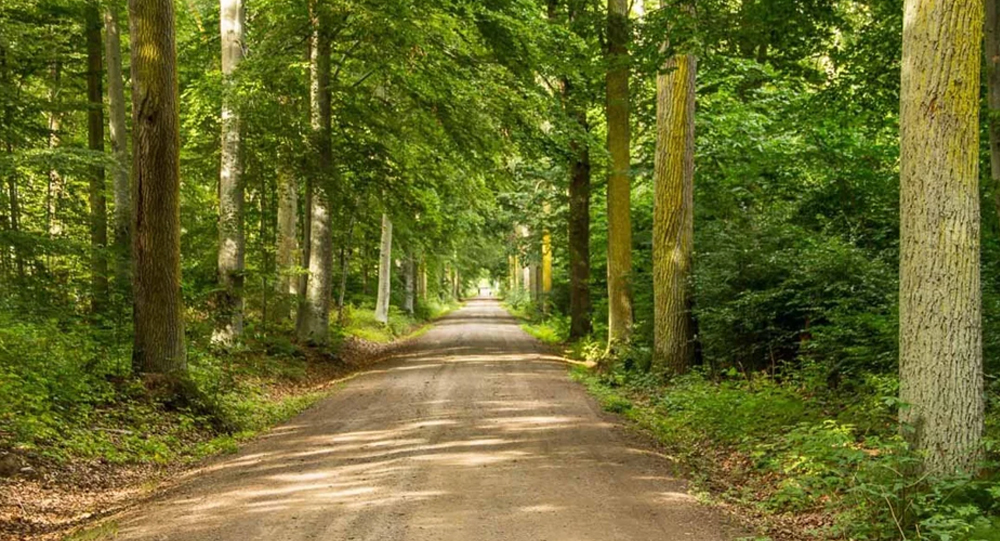
The chosen site was Visingsö, a narrow island in the middle of Lake Vättern, Sweden’s second-largest lake. The island’s soil and climate were ideal for growing tall, straight oaks. Over the next decade, hundreds of hectares were planted with 300,000 oak saplings, interspersed with spruce and pine to encourage the oaks to grow tall and straight—like natural columns reaching for the sky.
The Long Wait: Growing Oaks vs. Evolving Technology
Here’s where the story takes an ironic twist. Oaks are incredibly slow growers—taking well over a century to mature into ship-ready timber. The Swedish Navy planned for a future 150 years away, expecting these trees to be harvested around the mid-1970s.
But technology doesn’t wait. In 1856, the Bessemer process revolutionized steel production, and by the 1880s, iron and steel warships were becoming the norm. Wooden ships, no matter how majestic, were rapidly phased out. By the time the oaks were ready, the navy no longer needed them for shipbuilding.
The Forest That Lives On
So what happened to the 300,000 oaks? They weren’t cut down for ships. Instead, the forest remained, growing tall and proud, a living monument to a bygone era. Today, the Visingsö oak forest is Sweden’s largest contiguous oak woodland, with trees nearly 200 years old, standing like sentinels from a world that once relied on wood to rule the seas.
Interestingly, the oaks’ straight, towering trunks are a direct result of the forestry techniques used—planting conifers alongside the oaks forced them to grow upward rather than outward, perfect for shipbuilding timber. This unique growth pattern makes the forest visually striking, almost like a cathedral of trees.
Fascinating Trivia
- One ship, thousands of oaks: Building a single large wooden warship required about 2,000 mature oak trees, each taking 150 years to grow.
- Royal ownership: For centuries, oak trees in Sweden were considered royal property, and illegal logging was severely punished.
- Peasants vs. oaks: Local farmers often disliked the oak trees because they shaded crops and were off-limits for use, leading to secret attempts to remove young oaks.
- From warships to wine barrels: Oak remains valuable today, especially for making barrels used in aging wine and cognac.
- A symbol of resilience: Swedish generals still wear golden oak leaves on their collars, a nod to the oak’s historic importance.
What This Story Teaches Us
The Visingsö oak forest is a perfect example of how nature’s pace can clash with human innovation. It’s a reminder that even the best-laid plans can be overtaken by technological leaps. But it’s also a story of foresight, patience, and the enduring beauty of trees planted for a purpose that changed before they could fulfill it.
So next time you stroll through an ancient forest, remember: some trees stand not just as part of nature, but as silent witnesses to history’s twists and turns—like Sweden’s naval oak forest, a green legacy of a wooden navy that never came.
This tale blends history, nature, and a bit of irony into a fascinating chapter of maritime and environmental heritage—truly a story worth sharing for anyone curious about how the past shapes the present.

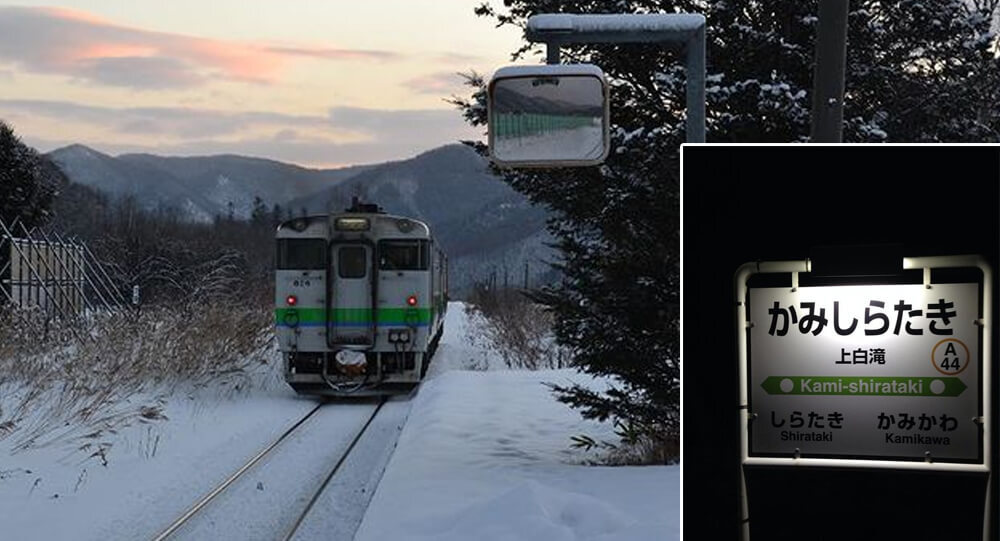
This soon-to-be-closed train station in Japan only serves one passenger
Japan keeps a defunc train station operational in 2015 for the sole purpose of allowing one girl to go to school every day. Only two stops are made by the train: once when an only one high school student departs for school and once when she returns.

Toronto’s Camouflaged Electric Substations
For over a century, Canada’s second-largest power company has been disguising its electrical substations in Toronto as beautiful houses that blend perfectly with the neighborhood. These fake houses contain transformers that supply electricity throughout the city.
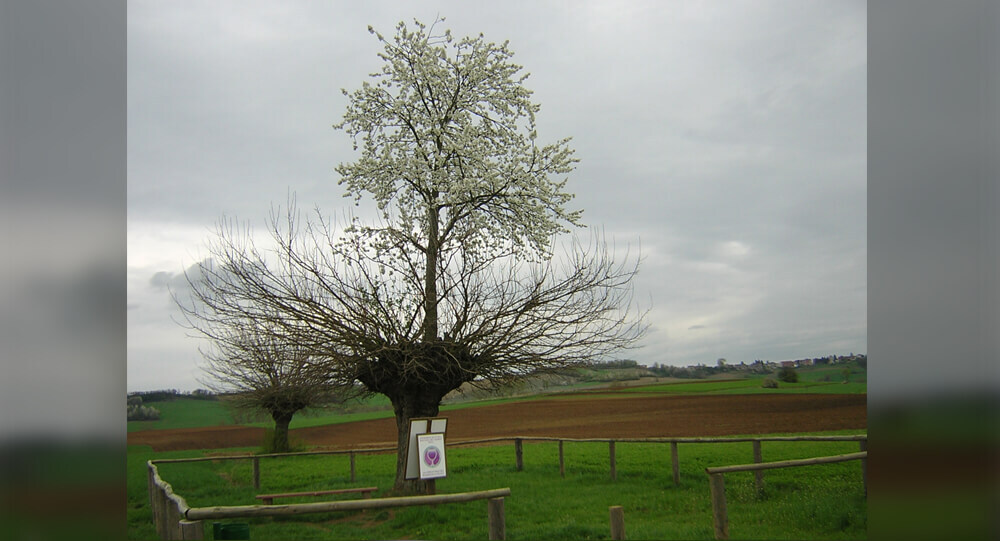
The Unique Grana Double Tree of Piedmont, Italy
The “Grana Double Tree” in Piedmont, Italy is a highly unusual tree, which consists of a cherry tree growing atop a mulberry tree. It is essentially a two-species, two-tiered hybrid duplex.
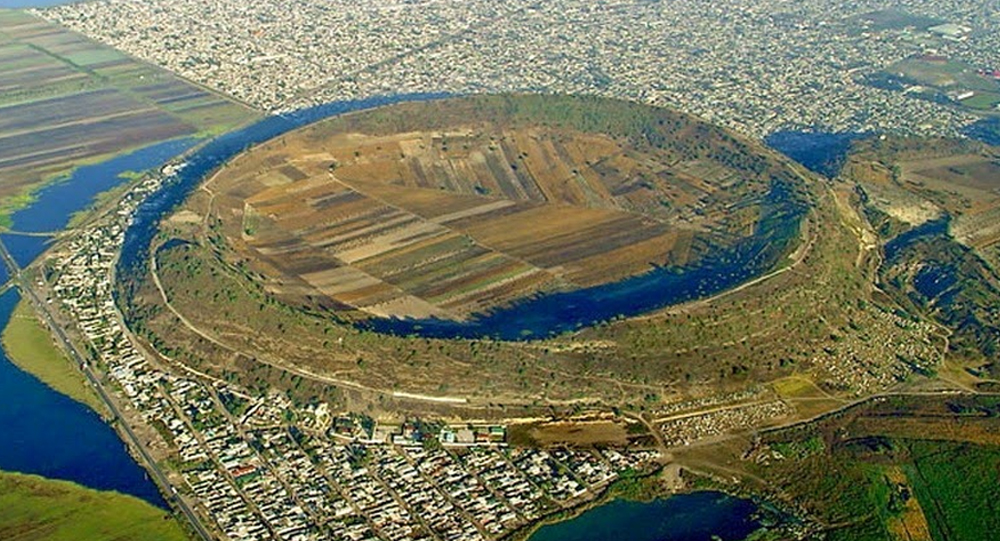
How Xico in Mexico Transformed from Volcano to Lake to Farmland
Xico, located near Mexico City, has a fascinating geological and cultural history that tells a story of transformation—once a violent volcano, then a serene lake, and today a fertile expanse of farmland. This transformation reflects the dynamic forces of nature and human intervention over centuries. This article explores the journey of Xico’s volcanic crater from its fiery origins through its time as a lake and how it ultimately became rich soil supporting agriculture and community life.

8 most amazing natural phenomena on earth
Nature is elusive and unpredictable, and the unexplained manifestations of its influence often leave us speechless. Though you might believe that shifting rocks and blood-colored rain are a prank or a magical phenomenon, science has an explanation for (almost) anything.
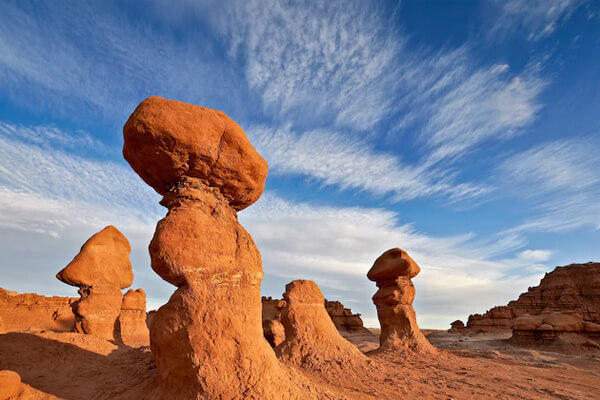
11 Amazing and famous rock formations around the world
For many years, people have been attracted to these spectacular-looking boulders because of their shape, components, location, or picturesque surroundings. Many of them are massive, and seeing them is an amazing experience.

Sandy Island: The Phantom Island That Fooled Maps and Google Earth for Centuries
Sandy Island, charted since 1774, was long considered a phantom island in the Coral Sea. Despite appearing on maps and Google Earth, it was "undiscovered" by scientists in 2012, revealing only deep ocean instead of land. The island's existence was likely a cartographic error or a misidentified pumice raft.
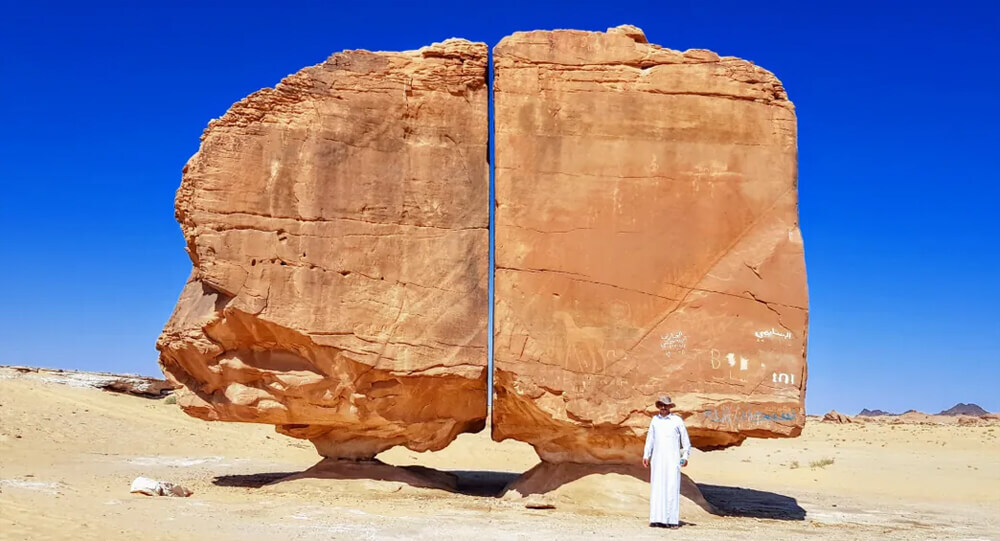
How Were the Two Parts of the Al Naslaa Rock Formation Created?
Scientists have been puzzled by the Al Naslaa rock formation in Saudi Arabia for a long time, and there is still no explanation for why this boulder appears to have a precise incision across the middle of it.

The world's largest salt flat, can be seen in space
At 10,582 square kilometers (4,086 sq mi), the Salar de Uyuni (or Salar de Tunupa) is the largest salt flat in the world. It is located in the Potosi and Oruro departments in southwest Bolivia, near the crest of the Andes, and is elevated 3,656 meters (11,995 ft) above the mean sea level.

The Tiny Street in Scotland That Holds the Record as the World’s Shortest
Nestled in the northern Scottish town of Wick, Ebenezer Place may be small, but it packs a world record punch. Measuring only 6 feet 9 inches (2.06 meters) long and boasting just a single address—the front door of Mackay’s Hotel—this narrow street has earned its place in the Guinness Book of World Records as the shortest street on the planet. Officially declared a street in 1887, Ebenezer Place delights visitors with its quirky charm and unique history that highlights how even the tiniest places can capture global attention.
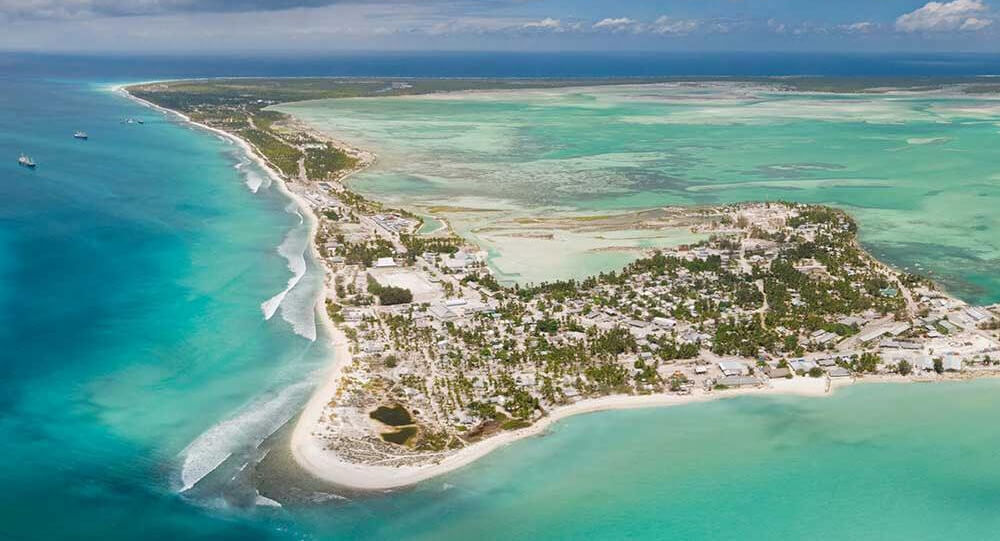
9 countries at risk of disappearing due to climate change
Although global warming is a serious threat to the entire planet, some geographical regions are more vulnerable to its effects.
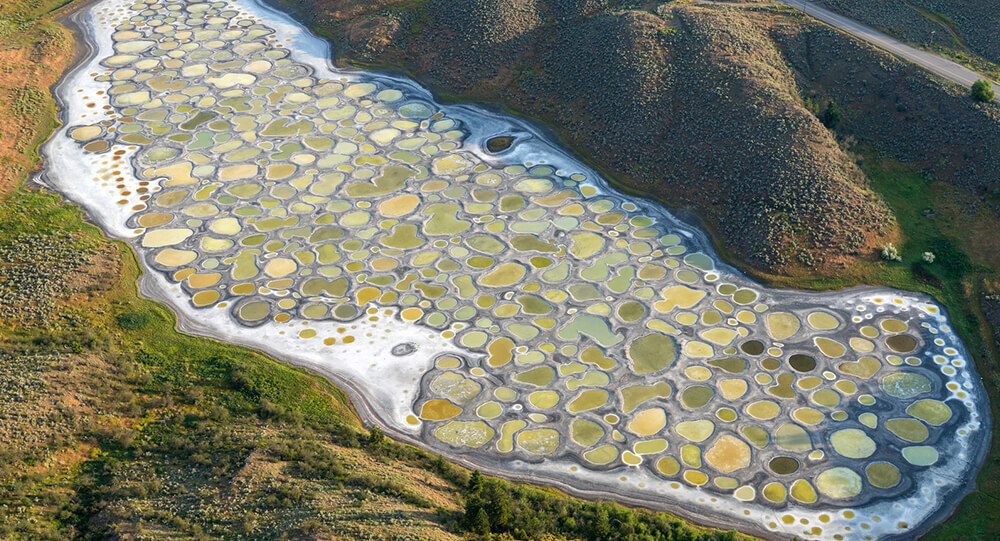
The Mystery of Canada's Magical Spotted Lake
Lake Khiluk, the world's most mineralized lake, and one of the most mysterious places on Earth. Each of these spots has a distinct chemical content and is said to cure various diseases.
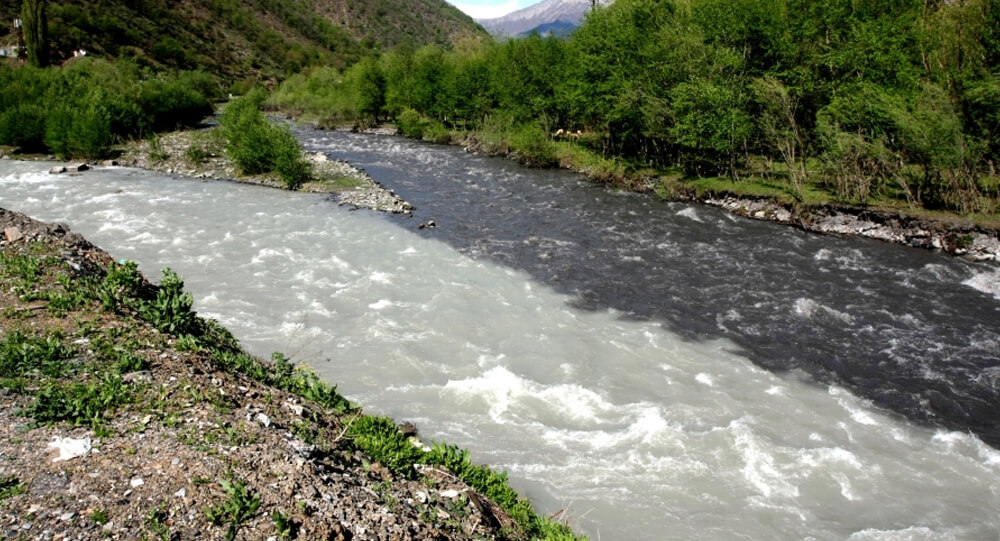
When two rivers meet but do not mix in Georgia
The incredible Black and White Aragvi river in Georgia that do not mix up.
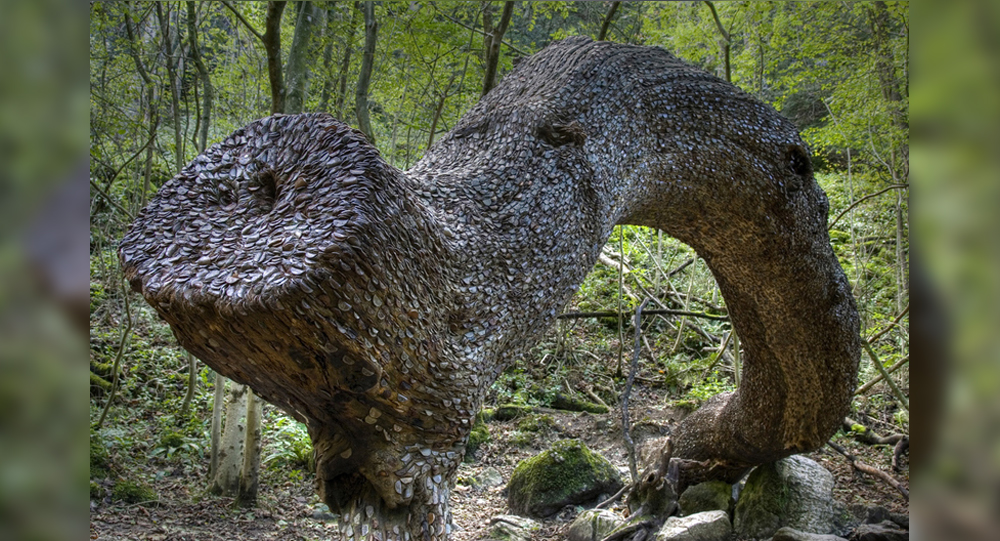
The Mystical Money Tree of the Scottish Highlands: A 1,700-Year-Old Tradition
In the Peak District Forest of the Scottish Highlands in the UK, there is a unique tree which is laden with only money. This tree laden with money has been studded with British coins for 1700 years, there is no corner of its trunk where a British coin is not stuck.
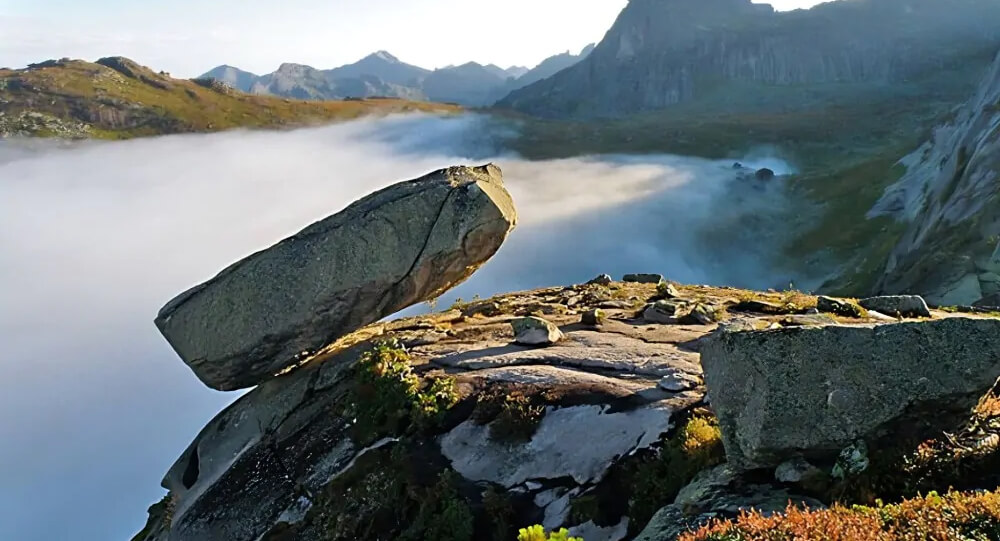
The Amazing Hanging Stone in Siberia Has Defied Gravity Since the Ice Age
The unbelievable "Hanging Stone" of Siberia weighs around 300 tons and has been hanging off a 1,000-meter cliff since the Ice Age.
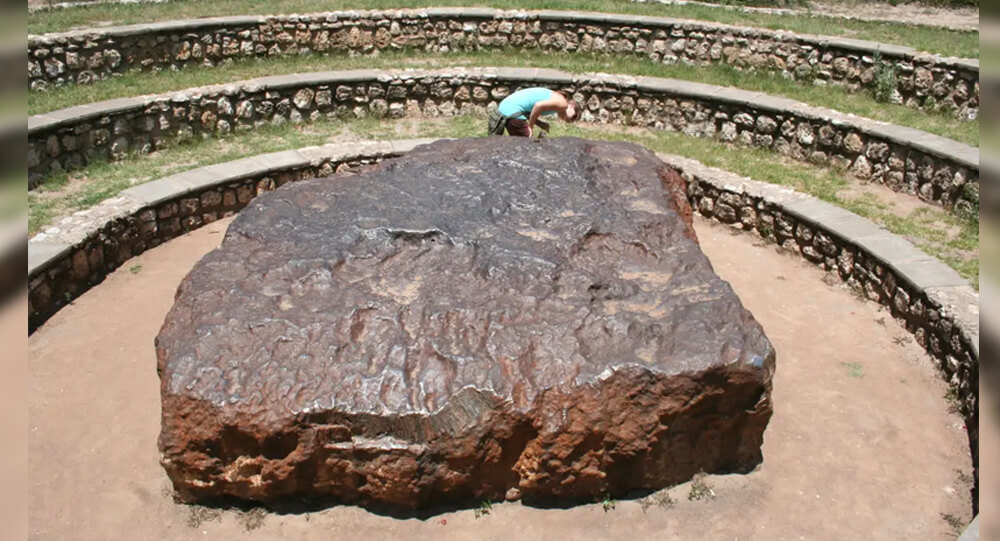
Top 6 Largest Meteorites Ever Found on Earth
When space meteorites hurtle towards Earth, they frequently burn up in the atmosphere before reaching us. Those that burn up become meteors - or shooting stars.

Mystery SOLVED: blood Rain in India
The dissemination of spores of microalgae has been identified as the origin of the 'Blood Rain' phenomena, according to a new study by Indian and Austrian experts. Since 1896, reports of intermittent red-colored rain in portions of Kerala and Sri Lanka have been coming in. The most recent one occurred in 2013 over Kerala.
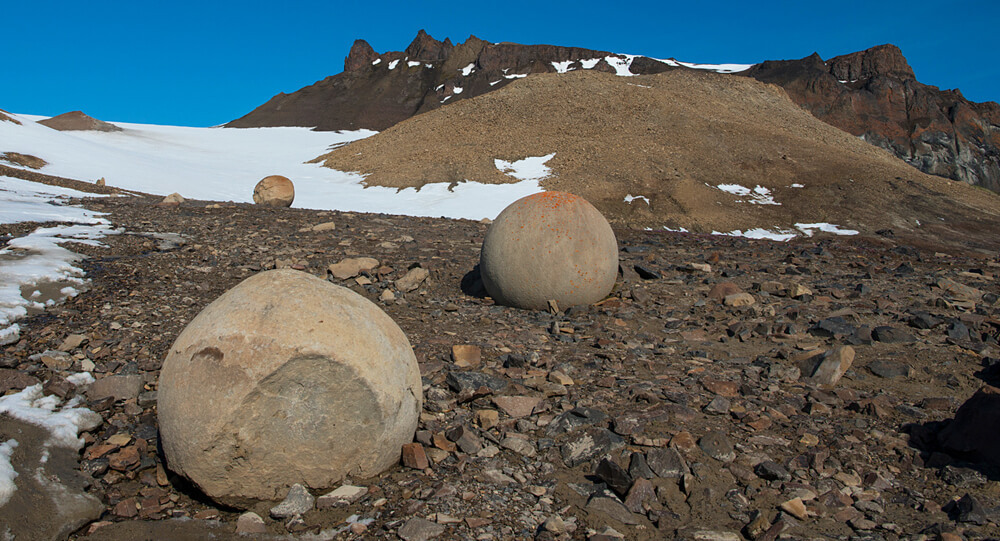
The mysterious GIANT spherical stones
Mysterious spherical stones ranging in size from a few millimeters to several meters have been discovered in Crimea, United States, Russia, and New Zealand. There are many theories from various geologists, but none of them are clear.

How European Rabbits Took over Australia
In 1859, wealthy settler Thomas Austin released 13 wild rabbits on his Australian estate. By 1920, their population grew to 10 billion.

The unusual ability of 'sea nomads' to hold breath is due to one major organ
The Bajau are a group of people that practice extreme free diving, submerging for up to 13 minutes at depths of about 200 feet. These ‘sea nomads’ dive to catch fish or look for natural materials that can be used in crafts in the waters that surround the Philippines, Malaysia, and Indonesia.

The story behind Glasgow's iconic Duke of Wellington statue and its well-known traffic cone hat
The city of Glasgow spends approximately £10,000 every year to remove traffic cones from the head of the Duke of Wellington statue. The Duke of Wellington statue, which first appeared in the early 1980s, has worn an orange traffic cone hat for decades. but how did it get there - and more importantly how did it stay?
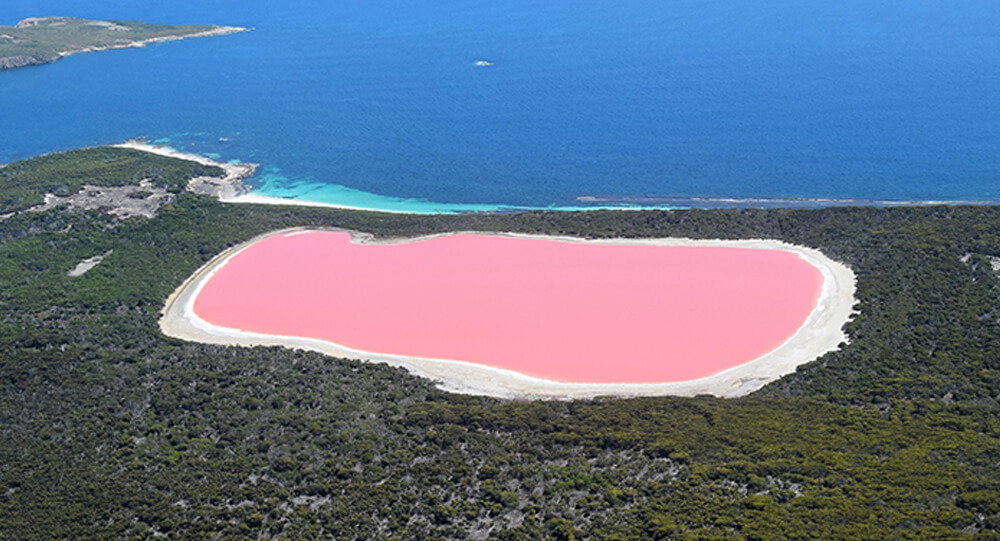
What is secret behind the Australia’s mysterious pink lake?
Lake Hillier in Australia maintains a bright pink hue all year round. Although no one knows for sure what causes the unique coloring, experts speculate that it might be the result of high salinity, a pink bacteria called “halobacteria,” and a salt-loving algae species called Dunaliella salina.
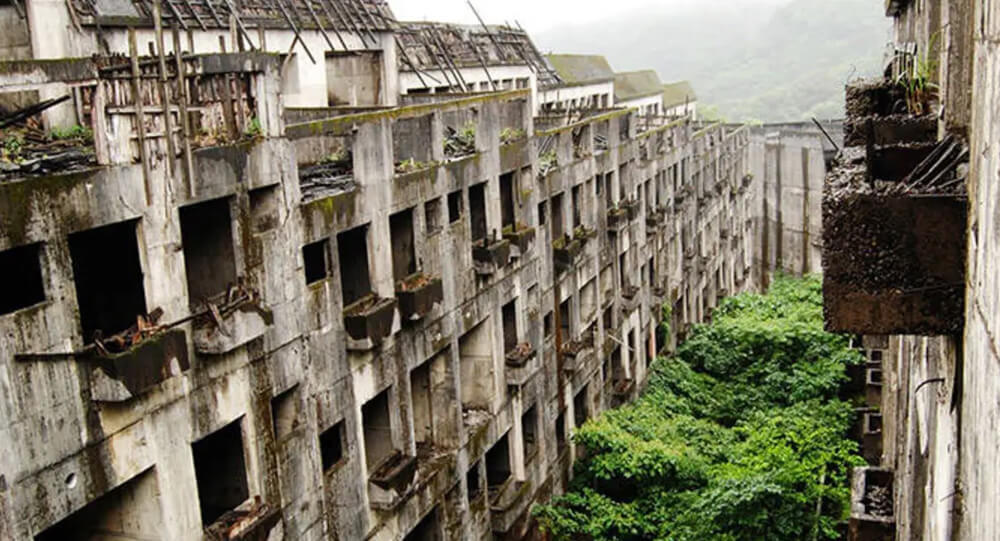
Famous abandoned cities and ghost towns in the world
Learn the stories behind seven of the world's most renowned abandoned cities and villages, from the infamous Chernobyl nuclear catastrophe zone to Hashima Island.
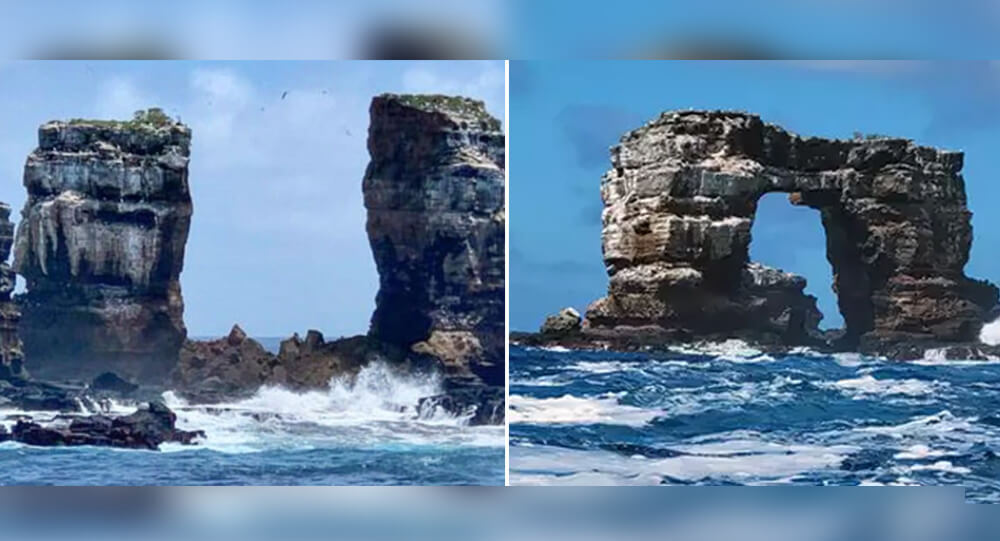
Darwin's Arch collapse
According to news sources, the top of Darwin's Arch, a famous natural stone archway in the northern Galapagos Islands, has collapsed into the waves.

Why Londoners Celebrate No Trousers Day by Riding the Metro Without Pants
Every year, Londoners participate in a quirky and joyful tradition known as No Trousers Day, where brave commuters board the London Underground dressed normally but without trousers, pants, or pajamas from the waist down. This cheeky event brings laughter, surprises, and a shared sense of community to the usually dull winter commute, reflecting a playful rebellion against the mundane and a celebration of spontaneity. Discover the origins, spirit, and fun behind London’s beloved No Trousers Tube Ride.