
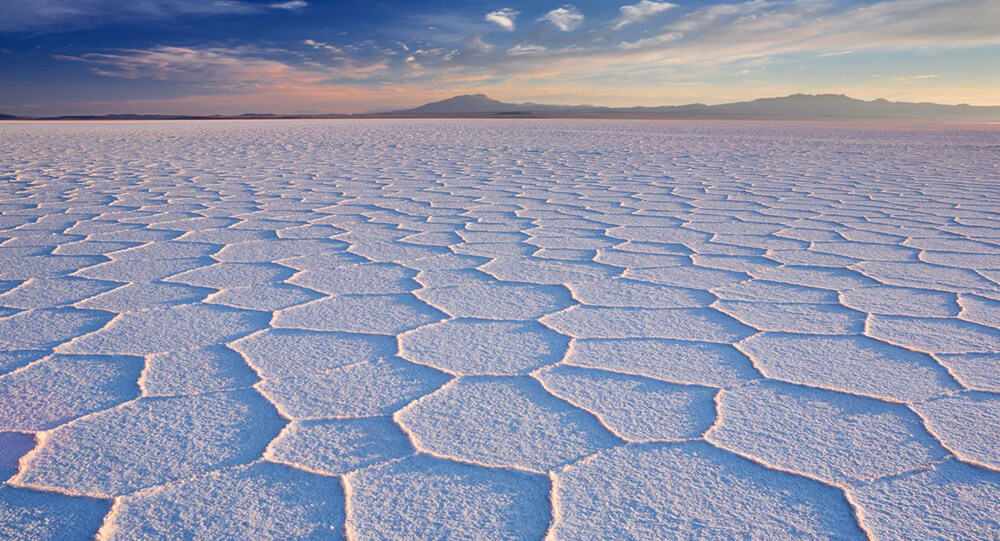
Salar de Uyuni, located in Bolivia, is the world’s largest salt flat, covering 10,582 square kilometers (4,086 square miles).
Salar de Uyuni is located at the southern end of the Altiplano, a high plain with inland drainage in the central Andes. Salar derives from the Spanish word for salt, and Uyuni comes from the Aymara language (spoken in the Andes) and means a pen (enclosure).
This area was once a large prehistoric lake known as Lago Michin, which dried up around 15,000 to 10,000 years ago, leaving the enormous salt flat with the dissolved minerals in its waters. The Uyuni salt plain’s surface is composed of gypsum (calcium sulfate) and halite (sodium chloride).
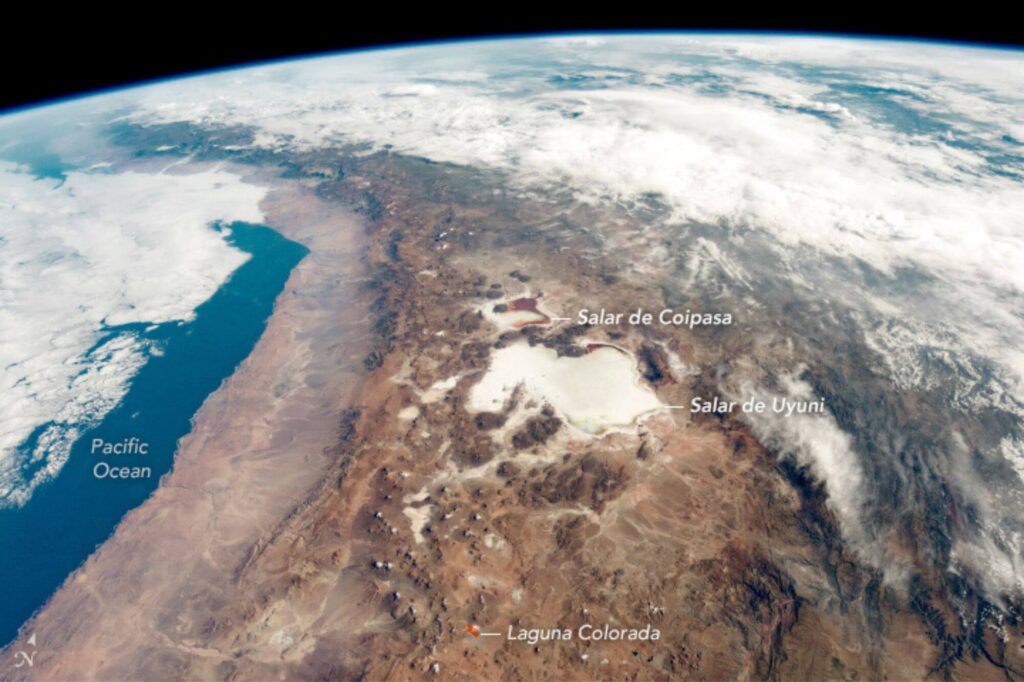
Uyuni Salar’s topography
A surface elevation variation of less than one meter characterizes the extremely flat Salar de Uyuni. The surrounding landscape, in contrast, is incredibly mountainous, with the Andes mountains’ volcanoes making up a portion of the Pacific Ring of Fire.
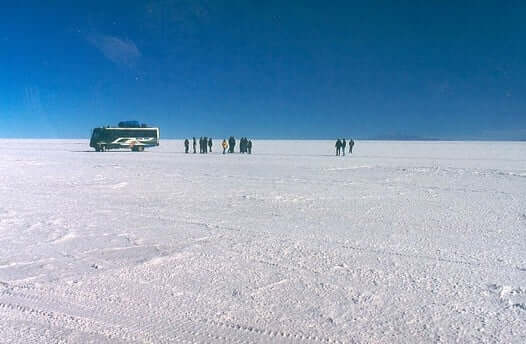
Salar de Uyuni as seen by radar
On April 20, 2014, the Sentinel-1A satellite took a picture of Salar de Uyuni.
Different rates of absorption from the radar cause the image in the salt plain area to have a wavy pattern; areas where the radar signal is absorbed appear darker, while areas where it is reflected back to the satellite appear lighter.
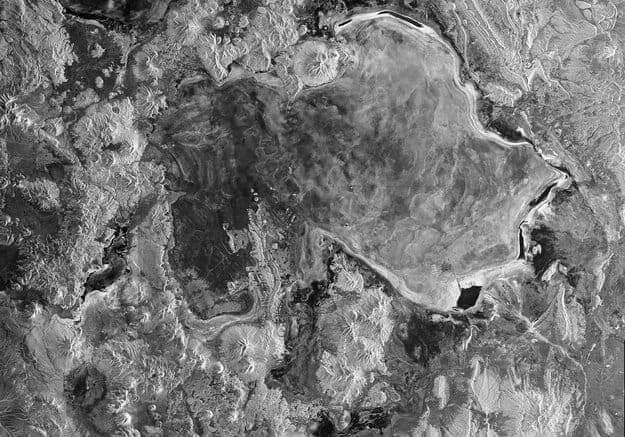
Mining for lithium on the salt flat
Salar de Uyuni’s surface layer is covered in a brine that is rich in minerals. The world’s largest reservoir of lithium, a valuable metal used in everything from batteries to oven-safe glass and ceramics, can be found in this brine.
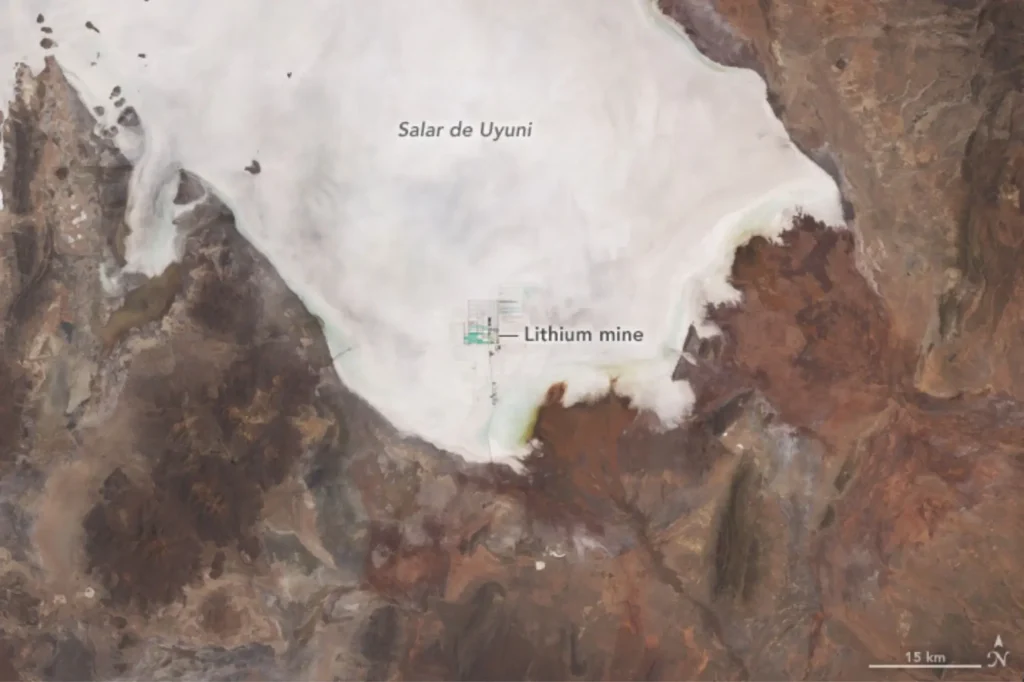
Bolivia has created evaporation pools where pumped brine is funneled. Lithium chloride is found there. The elements of the brine crystallize outside in the sun. Following the removal of magnesium, postassium, and sulfate from the evaporated brine, lithium chloride can be converted into lithium carbonate, which can subsequently be sold for a profit.
According to a 2011 source, Salar de Uyuni may contain 100 million tons of lithium.

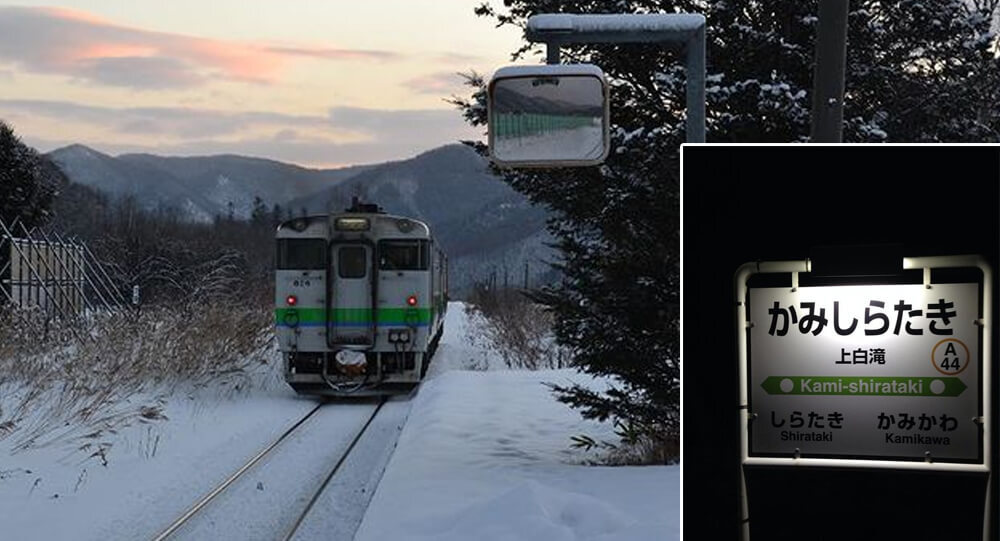
This soon-to-be-closed train station in Japan only serves one passenger
Japan keeps a defunc train station operational in 2015 for the sole purpose of allowing one girl to go to school every day. Only two stops are made by the train: once when an only one high school student departs for school and once when she returns.

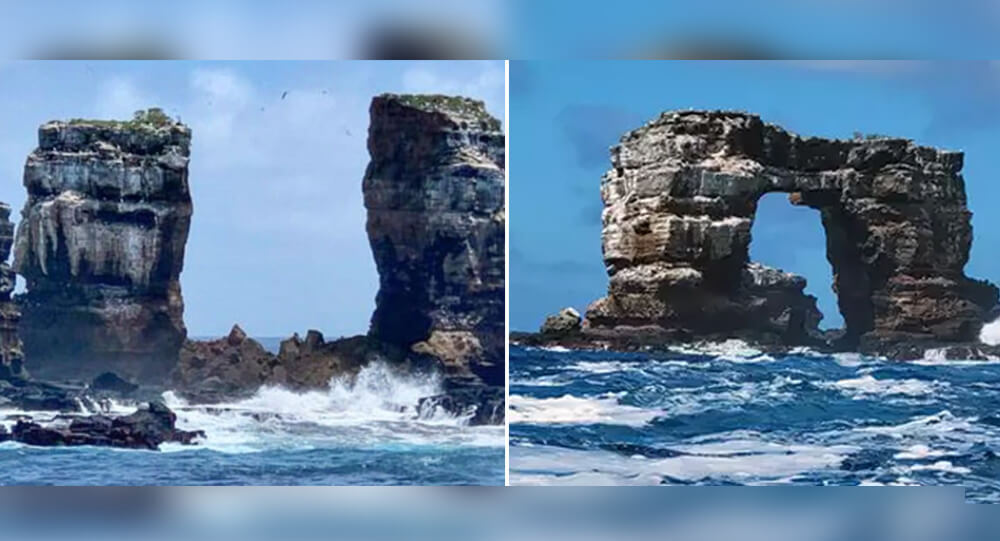
Darwin's Arch collapse
According to news sources, the top of Darwin's Arch, a famous natural stone archway in the northern Galapagos Islands, has collapsed into the waves.
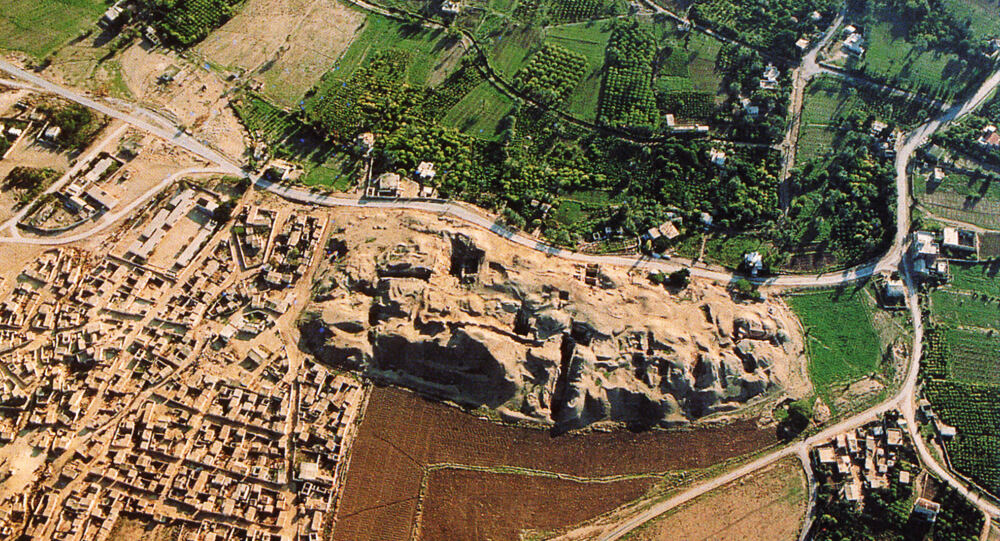
Ancient Jericho: The First Walled City In History
The ancient city of Jericho is the world's oldest walled city, with evidence of stone fortifications dating back nearly 9000 years.
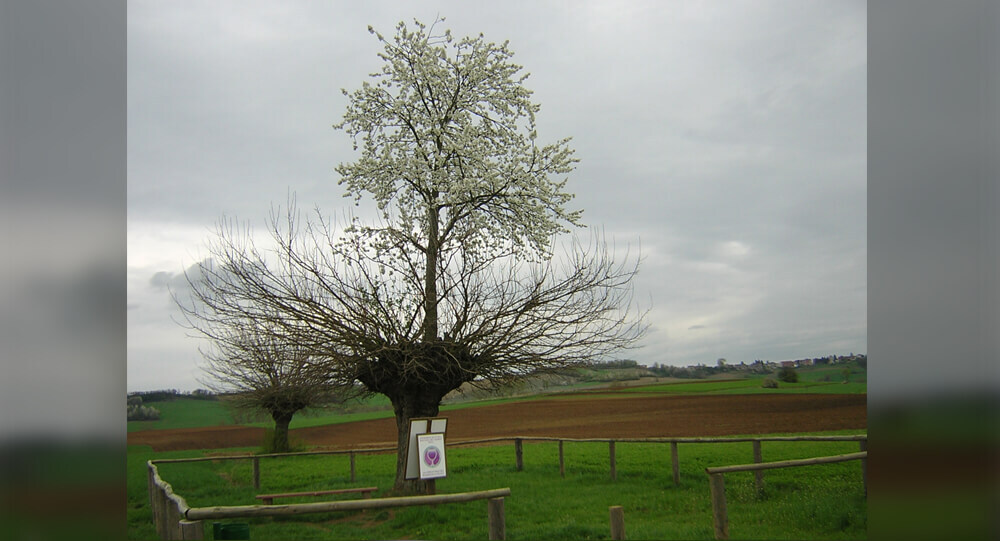
The Unique Grana Double Tree of Piedmont, Italy
The “Grana Double Tree” in Piedmont, Italy is a highly unusual tree, which consists of a cherry tree growing atop a mulberry tree. It is essentially a two-species, two-tiered hybrid duplex.
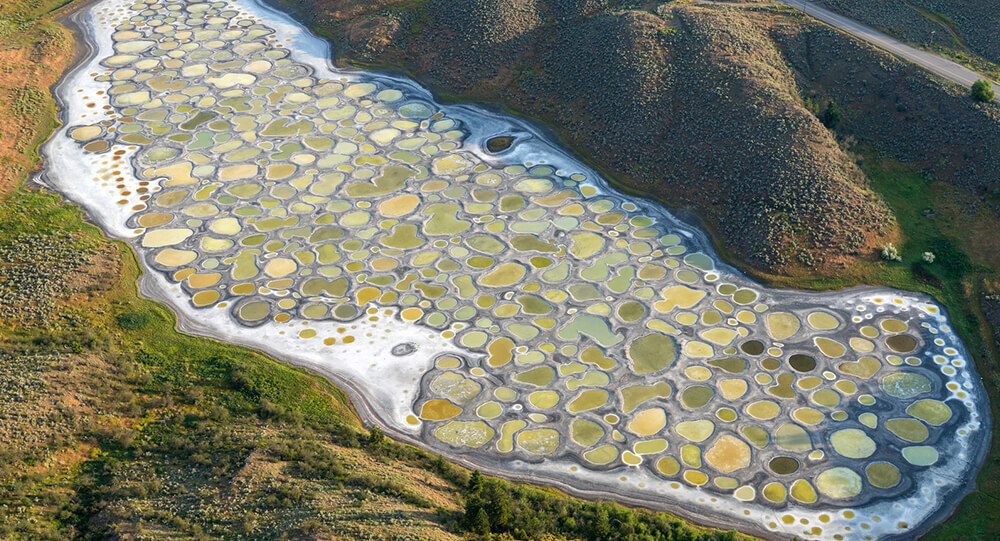
The Mystery of Canada's Magical Spotted Lake
Lake Khiluk, the world's most mineralized lake, and one of the most mysterious places on Earth. Each of these spots has a distinct chemical content and is said to cure various diseases.
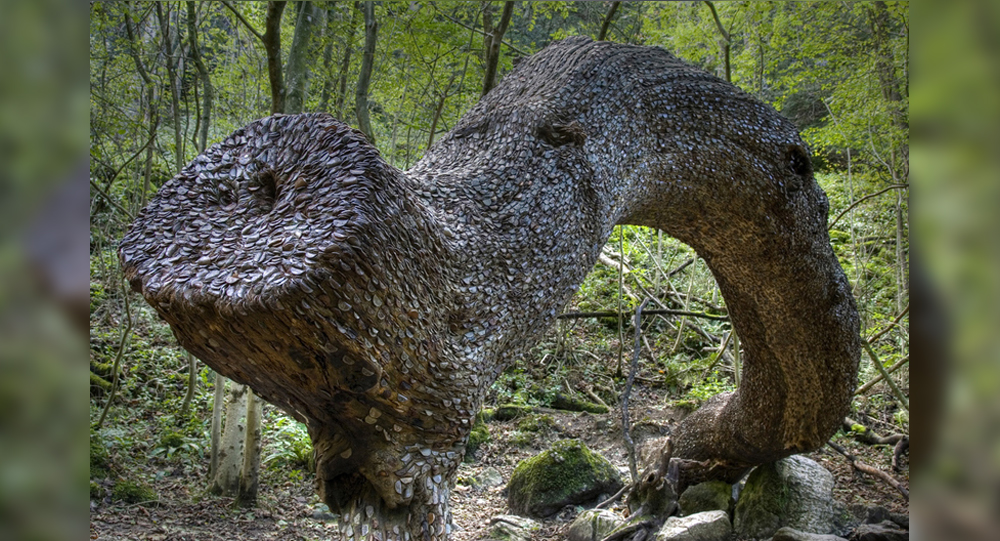
The Mystical Money Tree of the Scottish Highlands: A 1,700-Year-Old Tradition
In the Peak District Forest of the Scottish Highlands in the UK, there is a unique tree which is laden with only money. This tree laden with money has been studded with British coins for 1700 years, there is no corner of its trunk where a British coin is not stuck.
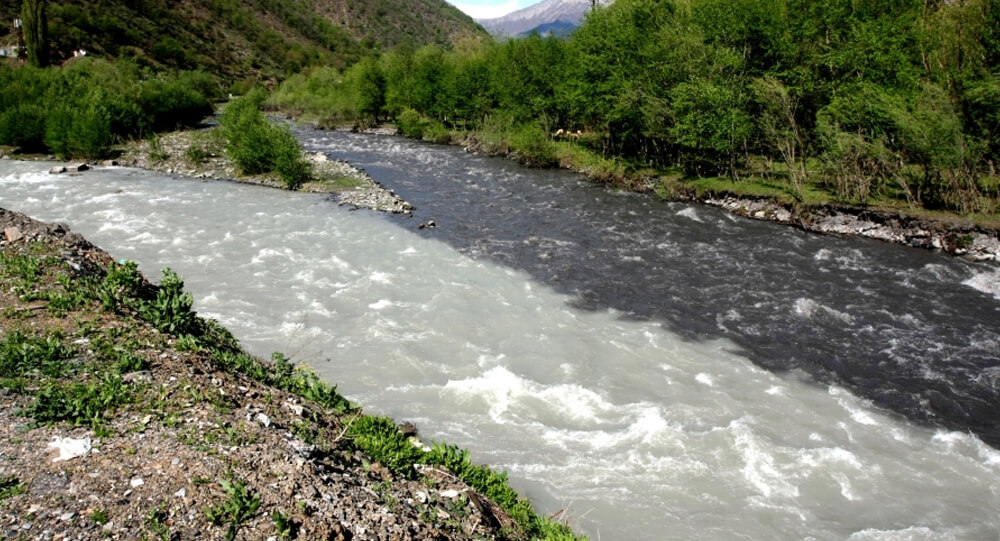
When two rivers meet but do not mix in Georgia
The incredible Black and White Aragvi river in Georgia that do not mix up.
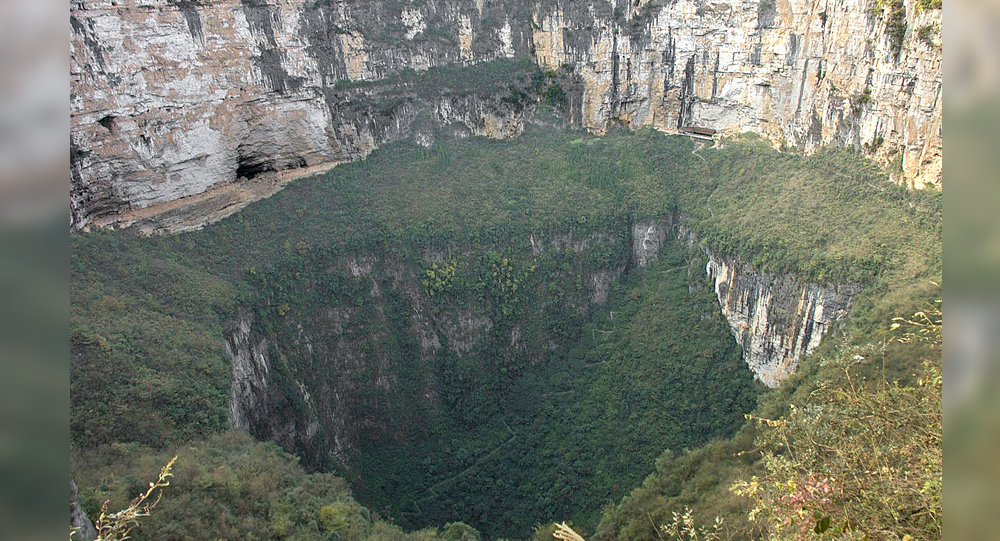
Xiaozhai Tiankeng: Exploring the World’s Deepest and Largest Natural Sinkhole
Hidden in the rugged terrain of Chongqing, China, lies Xiaozhai Tiankeng—the world’s deepest and largest natural sinkhole. Known as the “Heavenly Pit,” this colossal natural wonder plunges between 511 and 662 meters deep and stretches over 600 meters wide, dwarfing many familiar landmarks. This article journeys into the geological origins, unique ecosystem, and mysterious caverns beneath Xiaozhai Tiankeng, revealing a spectacular glimpse into Earth’s hidden landscapes.
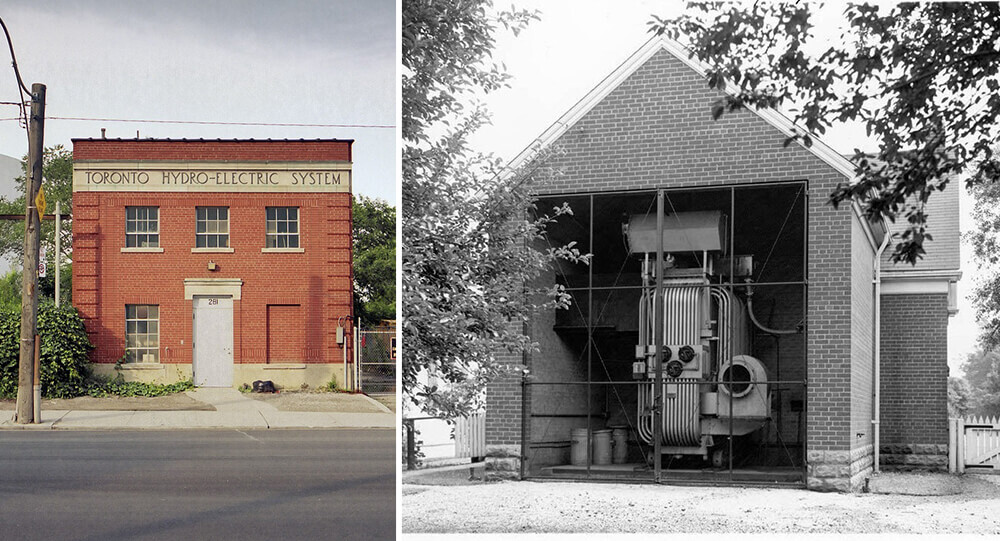
Toronto’s Camouflaged Electric Substations
For over a century, Canada’s second-largest power company has been disguising its electrical substations in Toronto as beautiful houses that blend perfectly with the neighborhood. These fake houses contain transformers that supply electricity throughout the city.
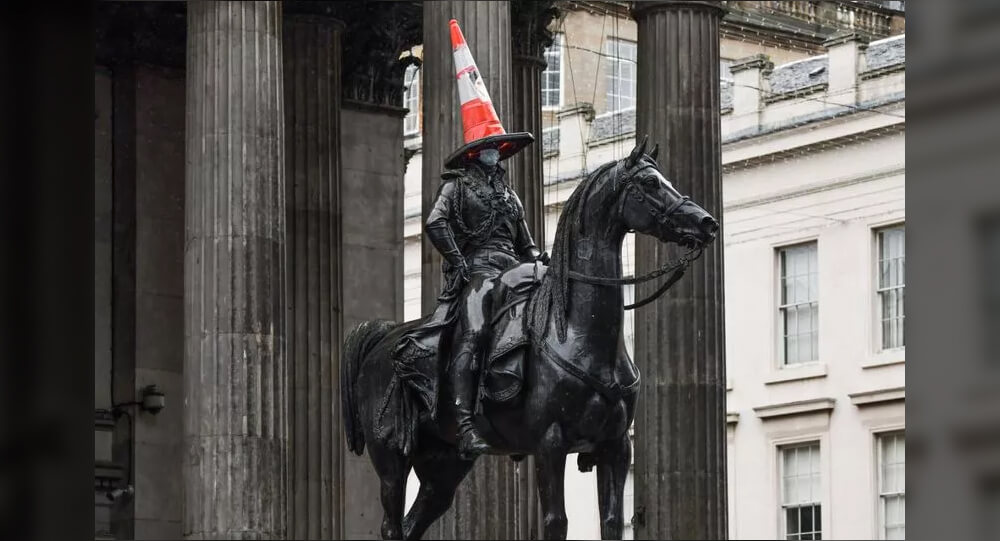
The story behind Glasgow's iconic Duke of Wellington statue and its well-known traffic cone hat
The city of Glasgow spends approximately £10,000 every year to remove traffic cones from the head of the Duke of Wellington statue. The Duke of Wellington statue, which first appeared in the early 1980s, has worn an orange traffic cone hat for decades. but how did it get there - and more importantly how did it stay?
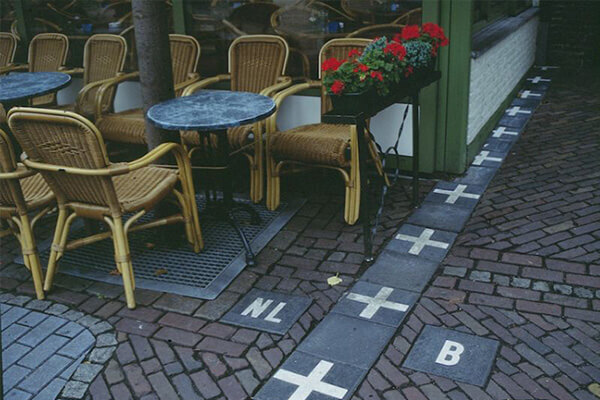
Coolest and unique international boarders you must see
Not only do borders define us, but they also determine who we are. Simple lines on the ground, either man-made or geological, distinguish one culture from the next.
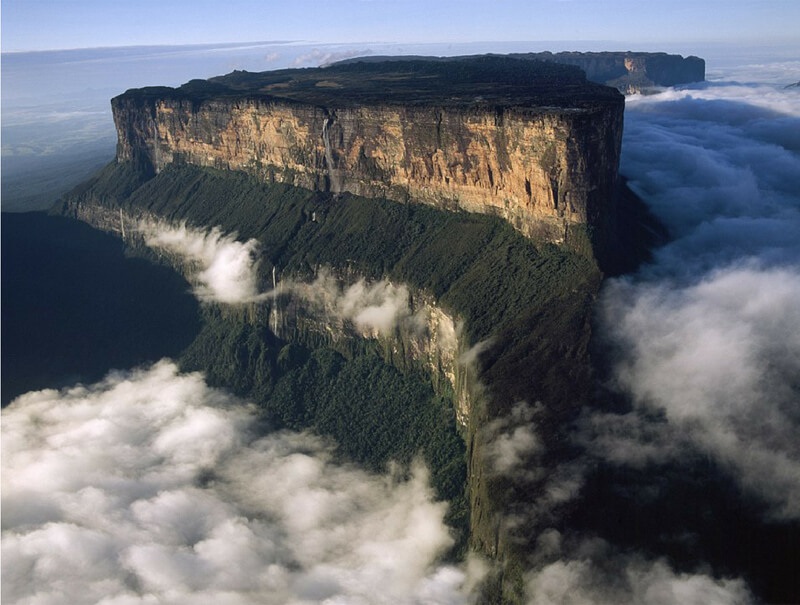
Top 10 Mysterious And Least Explored Places On Earth
Some people believe that there is nothing unexplored remaining on earth but the world doesn't cease to surprise us with its mysteries. Today I'll tell you about the lost places of the planet and animals that live only there.

Sandy Island: The Phantom Island That Fooled Maps and Google Earth for Centuries
Sandy Island, charted since 1774, was long considered a phantom island in the Coral Sea. Despite appearing on maps and Google Earth, it was "undiscovered" by scientists in 2012, revealing only deep ocean instead of land. The island's existence was likely a cartographic error or a misidentified pumice raft.

Mystery SOLVED: blood Rain in India
The dissemination of spores of microalgae has been identified as the origin of the 'Blood Rain' phenomena, according to a new study by Indian and Austrian experts. Since 1896, reports of intermittent red-colored rain in portions of Kerala and Sri Lanka have been coming in. The most recent one occurred in 2013 over Kerala.
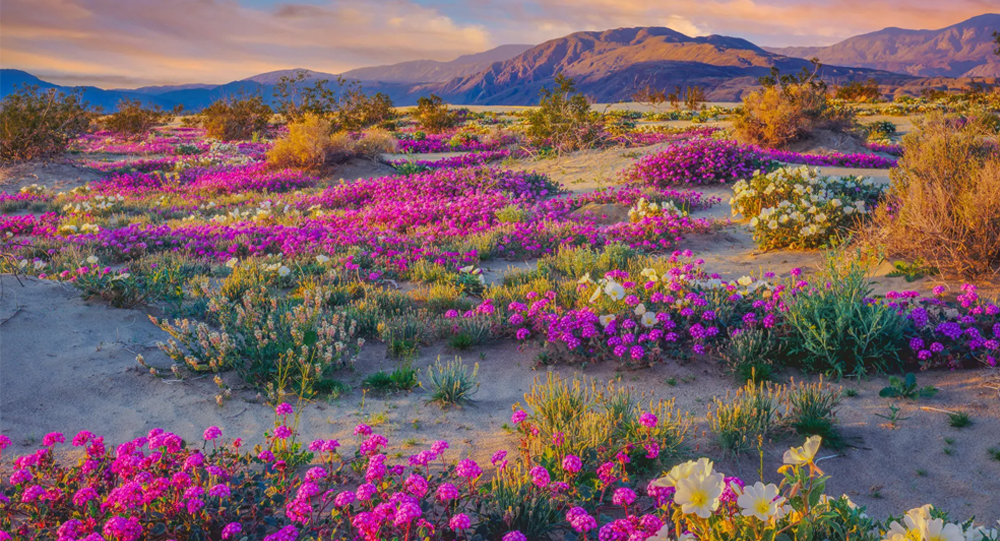
The Desert That Turns Into a Garden of Flowers Every Few Years
In parts of the desert where life seems most scarce, nature orchestrates an extraordinary transformation: the barren ground bursts into vibrant colors as wildflowers bloom after rare periods of rain. This phenomenon, known as a desert superbloom, is both awe-inspiring and scientifically fascinating. Learn how deserts like the Sonoran transform from arid landscapes into stunning floral displays, the environmental triggers behind this spectacle, and what these blooms reveal about resilience and adaptation in extreme environments.
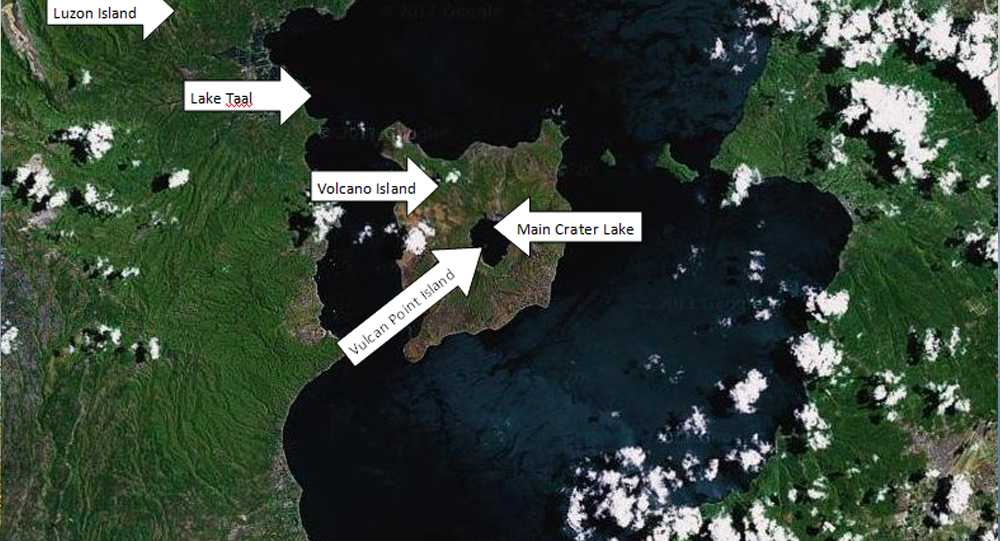
Taal volcano: The Island in a Lake on an Island in a Lake on an Island
Lake Taal, on the island of Luzon, in the Philippines archipelago's northernmost reaches, is unique. It's now one of just two lakes in the world with a third-order island within it, with the lake itself being a part of the order. In other words, Lake Taal, which is located on the island of Luzon, has a volcano (Volcano Island), a lake (Crater Lake), and its own little island (Vulcan Point).
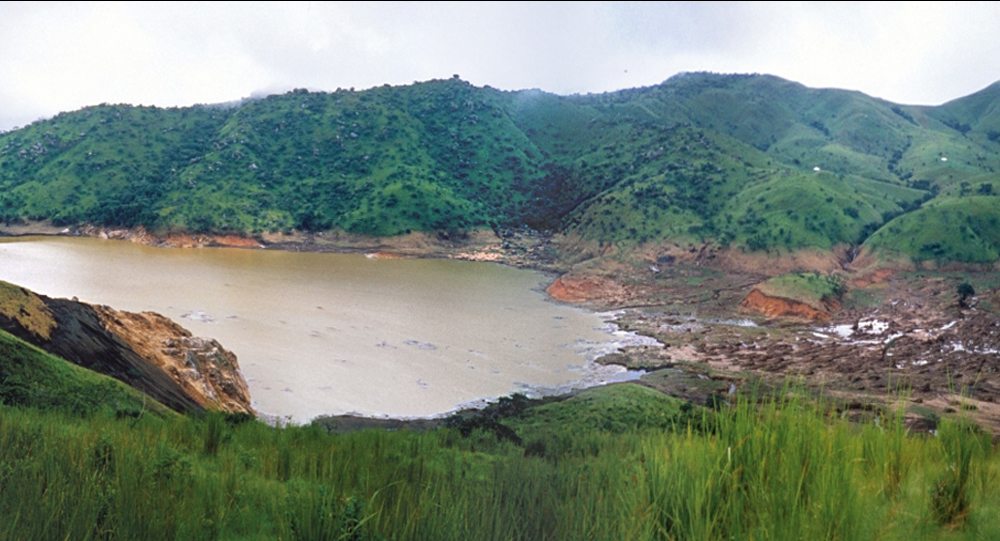
The Lake That Explodes: The Deadly Mystery of Africa’s Silent Killer
Did you know some lakes can kill without warning? Lake Nyos in Cameroon once erupted with invisible carbon dioxide, suffocating 1,700 people in minutes. These rare “exploding lakes” silently build pressure, turning still waters into deadly, unseen assassins.
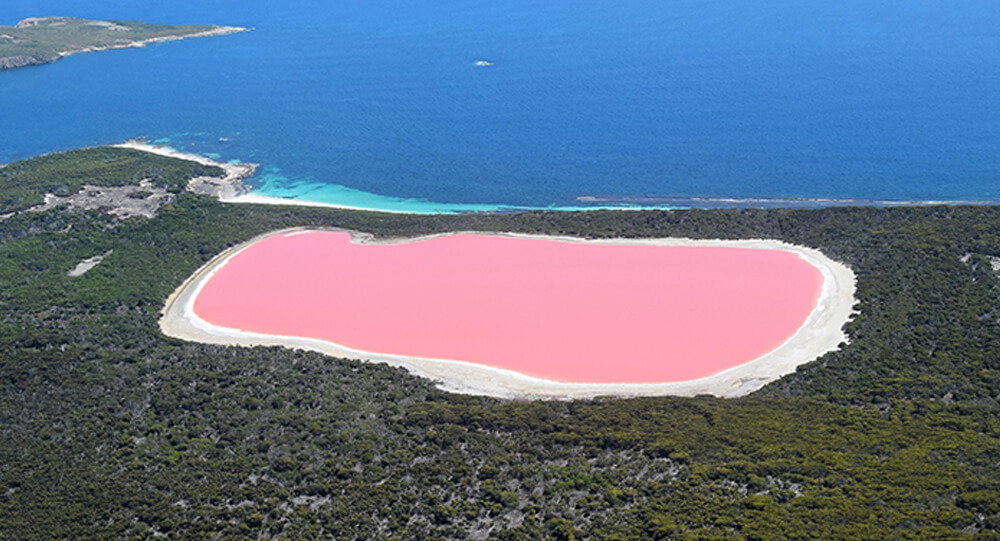
What is secret behind the Australia’s mysterious pink lake?
Lake Hillier in Australia maintains a bright pink hue all year round. Although no one knows for sure what causes the unique coloring, experts speculate that it might be the result of high salinity, a pink bacteria called “halobacteria,” and a salt-loving algae species called Dunaliella salina.

The Tiny Street in Scotland That Holds the Record as the World’s Shortest
Nestled in the northern Scottish town of Wick, Ebenezer Place may be small, but it packs a world record punch. Measuring only 6 feet 9 inches (2.06 meters) long and boasting just a single address—the front door of Mackay’s Hotel—this narrow street has earned its place in the Guinness Book of World Records as the shortest street on the planet. Officially declared a street in 1887, Ebenezer Place delights visitors with its quirky charm and unique history that highlights how even the tiniest places can capture global attention.
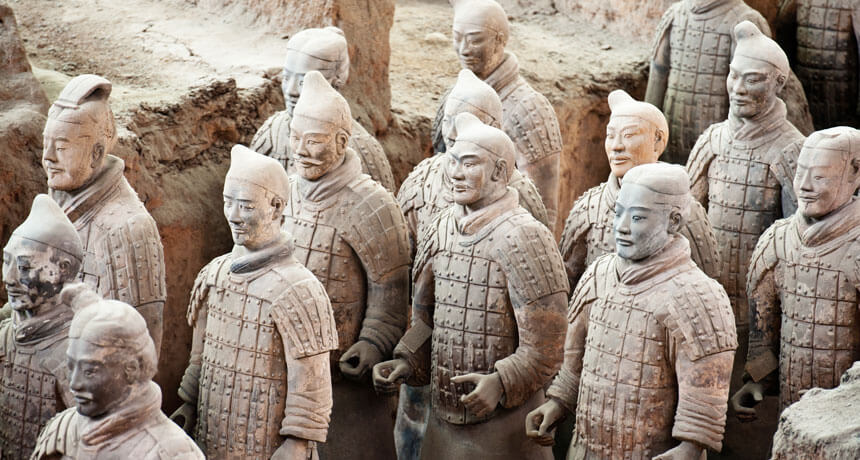
Top 10 Greatest and shocking Archaeological Discoveries of All Time
While we're all locked at home, there's no better way to escape to another time and place than to learn about amazing archeological sites and discoveries from around the world. Here are the 10 greatest and shocking archaeological discoveries —and don't be shocked if they inspire future trip plans whenever it's safe to do so again.
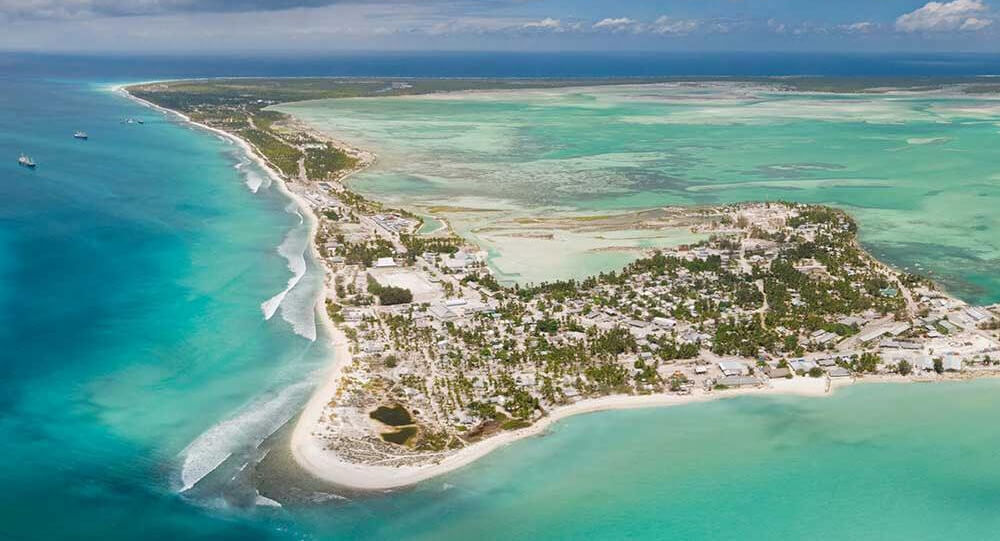
9 countries at risk of disappearing due to climate change
Although global warming is a serious threat to the entire planet, some geographical regions are more vulnerable to its effects.
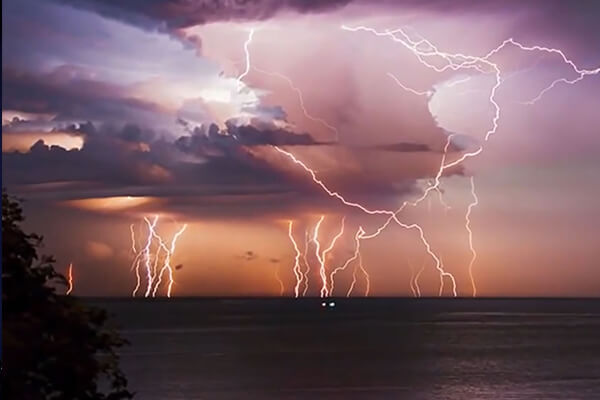
8 most amazing natural phenomena on earth
Nature is elusive and unpredictable, and the unexplained manifestations of its influence often leave us speechless. Though you might believe that shifting rocks and blood-colored rain are a prank or a magical phenomenon, science has an explanation for (almost) anything.
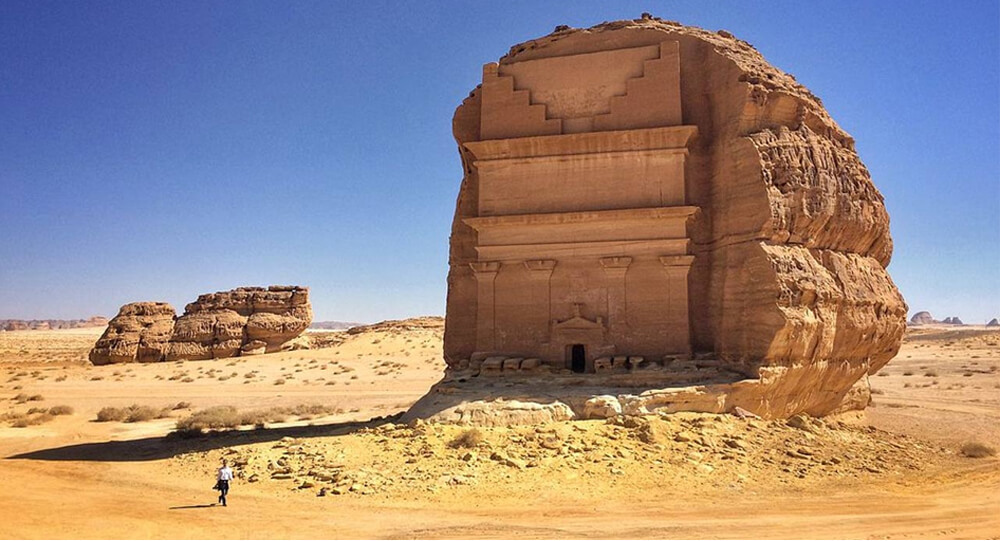
Qasr al-Farid, the Lonely Castle of the Nabataeans
The remote tomb of Qasr al-Farid, situated in the Saudi Arabian desert, dates back to the 1st Century CE. It was built by the Nabataean people, who also built Petra in Jordan. This site has remained largely undisturbed.

The unusual ability of 'sea nomads' to hold breath is due to one major organ
The Bajau are a group of people that practice extreme free diving, submerging for up to 13 minutes at depths of about 200 feet. These ‘sea nomads’ dive to catch fish or look for natural materials that can be used in crafts in the waters that surround the Philippines, Malaysia, and Indonesia.
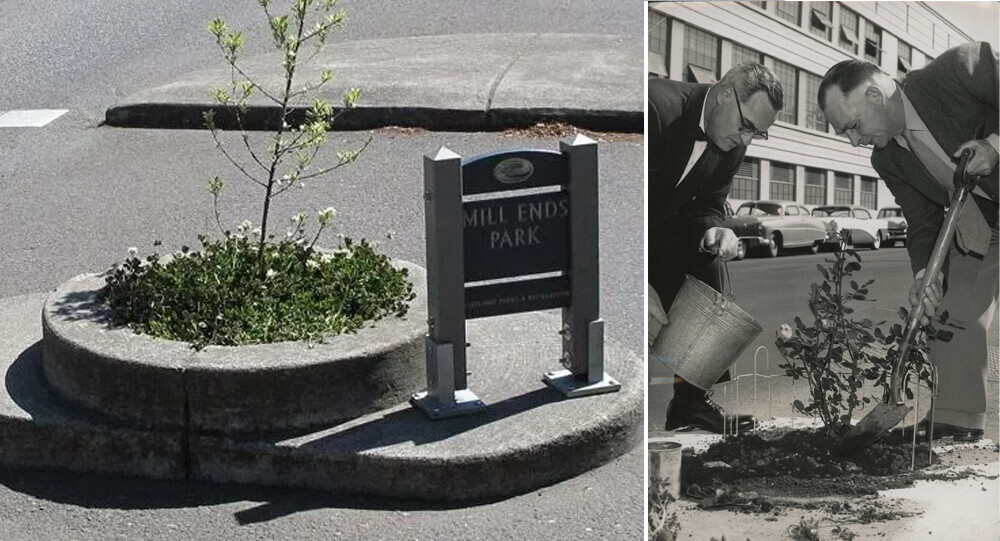
Mill Ends Park, the Smallest Park in the World
Portland, Oregon is home to the tiniest park in the world, a two-foot-diameter circle. Mill End Park is the name of this park.