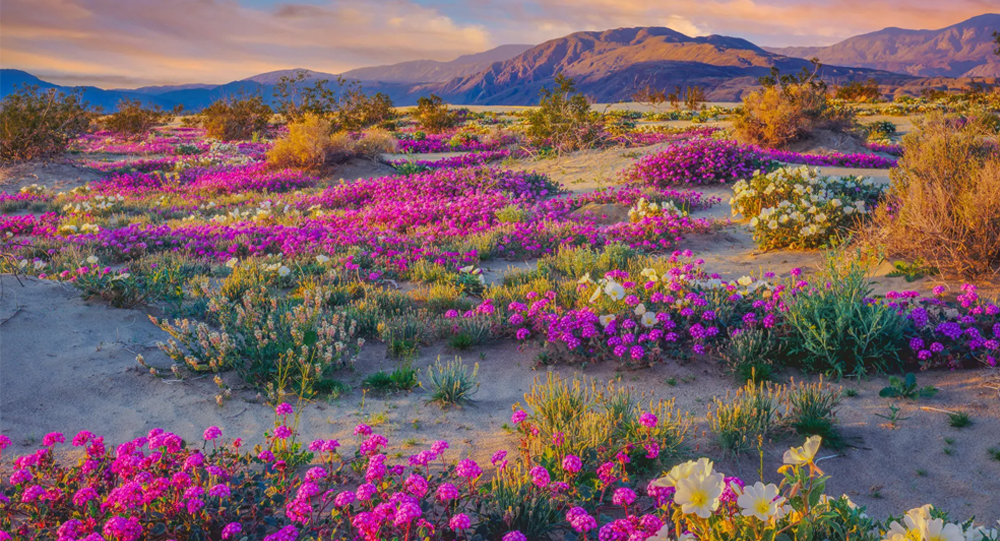
Deserts are often thought of as lifeless, harsh environments, but several deserts around the world, especially the Sonoran Desert spanning Arizona and Mexico, occasionally blossom into vast carpets of colorful wildflowers. These spectacular events, known as super blooms, transform rocky, dry soil into a garden of poppies, lupines, brittlebrush, and many other vibrant species.
The blooming typically lasts just two to three weeks but draws tourists, photographers, and botanists for a fleeting glimpse of nature’s resilience. While sunny but arid most years, particular rainfall patterns and favorable temperatures create a confluence of factors necessary for these blooms.
What Triggers a Desert Super Bloom?
Scientists studying these miraculous flower displays emphasize the critical role of rainfall timing and quantity. Desert wildflower seeds lie dormant in the soil, waiting for the “right” moment to germinate. Typically, these dormant seeds require rain in the autumn months when temperatures cool just enough to allow growth.
A “triggering event” usually involves at least one inch of rain falling after the intense summer heat wanes, followed by regular showers totaling an additional five to eight inches over the winter and early spring months. These conditions prompt seeds to sprout and gradually bloom during late February through April, depending on elevation and other variables.
Even with optimal conditions, super blooms do not occur every year, but tend to happen every 3 to 10 years, with some blooms localized to specific soil and terrain types most conducive to growth.
How Desert Wildflowers Adapt to Extreme Conditions
Desert wildflowers have optimized their lives to endure and exploit desert extremes. They produce seeds capable of lying dormant for years or decades until conditions become suitable for growth. The flowers are mostly annuals, completing their life cycle rapidly after germination to avoid the return of harsh summer conditions.
Their blooms also attract important pollinators such as native bees and butterflies that rely on these episodic floral resources. Some perennial desert plants, including cacti like the saguaro, bloom annually regardless of rainfall, adding different bursts of color throughout the year.
Where and When to Witness These Blooms
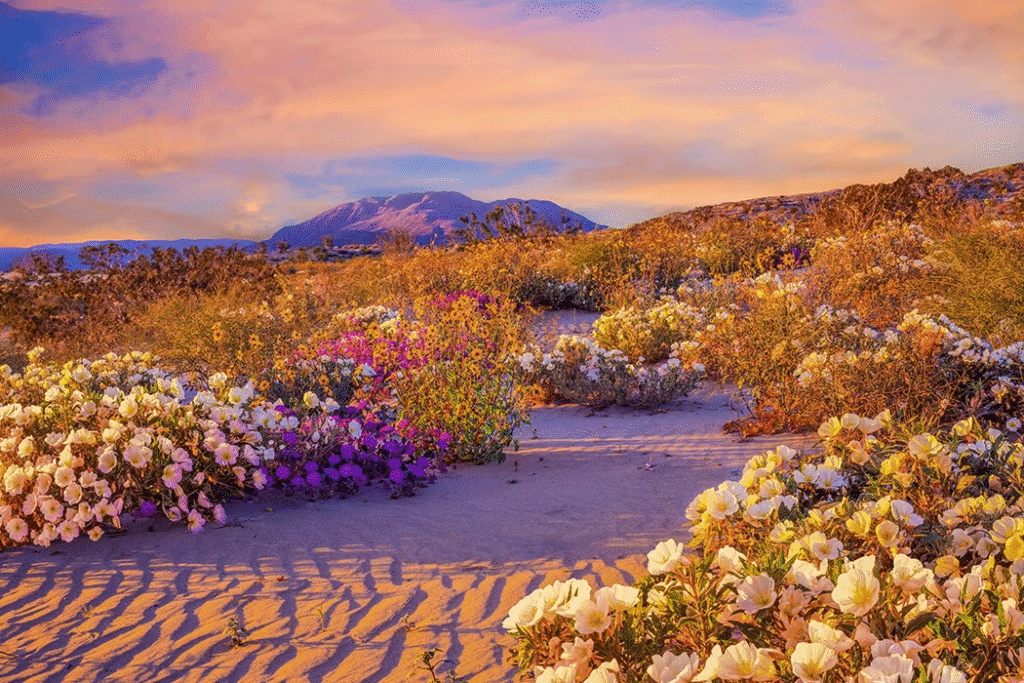
The Sonoran Desert is among the most celebrated for super blooms, especially in areas like the Arizona Upland subdivision, the Tohono O’odham Indian Reservation, and Picacho Peak. The prime blooming months generally range from March to mid-April but vary yearly based on weather.
Visitors eager to experience the spectacle should watch for forecasts indicating wet autumns and winters, which predict a higher chance of blooms. Spring blooms are often followed by summer flowering of cacti and other desert plants, extending the floral show across seasons.
Fascinating Trivia About Desert Super Blooms
- Desert flower seeds can remain dormant for decades, waiting for ideal rainfall.
- In 2019, California’s Anza-Borrego Desert State Park saw one of its most prolific super blooms in decades after heavy rains.
- Some desert wildflowers produce seeds with hard coatings that only break down after exposure to fire or heavy rain.
- Super blooms can boost local ecosystems, providing critical food for wildlife like insects and birds.
- The term “super bloom” gained social media popularity recently but describes a natural phenomenon known to scientists for decades.
- Temperature swings, soil composition, and herbivory pressure also influence bloom quality and extent.
- Desert blooms are short-lived but offer vital ecological benefits and stunning visual contrast to arid landscapes.
- The saguaro cactus, an iconic symbol of the Sonoran Desert, blooms independently of super blooms, often in May.
Nature’s Resilience in a Desert’s Floral Feast
The desert’s ability to transform from parched earth into a spectacular flower garden is a testament to life’s incredible adaptability. These superblooms, while infrequent and brief, remind us of the hidden complexity and beauty thriving in unexpected places.
For botanists, travelers, and nature lovers, witnessing a desert super bloom is a rare opportunity to connect with a vivid expression of resilience and renewal in one of Earth’s harshest environments.
If this magical natural event blooms curiosity in you, share this article to spread the wonder of the desert’s floral transformation around the world.
Sources & Further Reading:
- Arizona-Sonoran Desert Museum: Predicting Desert Wildflower Blooms (2024)
- BBC News: When Desert Blooms (2025)
- The Conversation: Rosemary’s Link to Memory and Brain Health (2025)
- Desert Museum: Wildflower Bloom Seasons
- National Park Service: Wildflower Viewing in Desert Parks

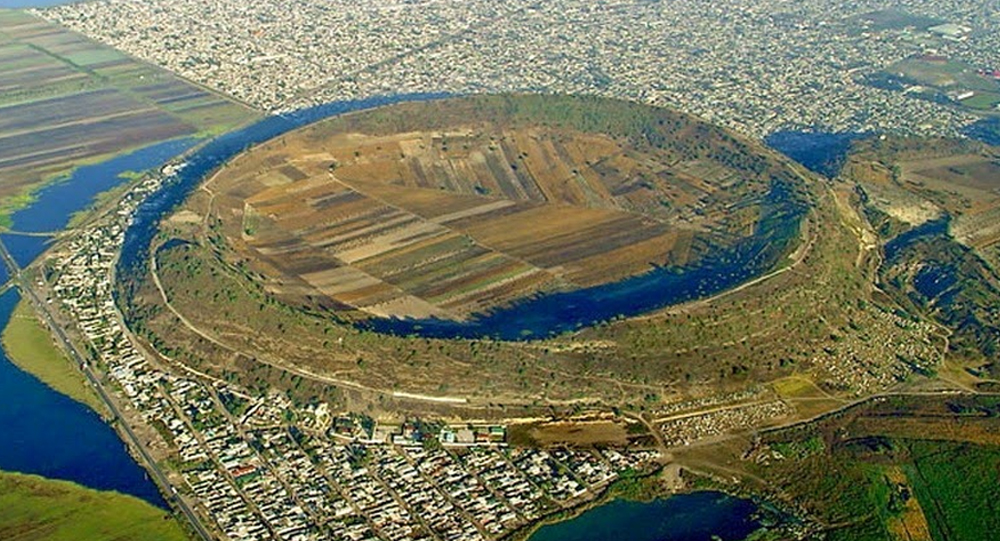
How Xico in Mexico Transformed from Volcano to Lake to Farmland
Xico, located near Mexico City, has a fascinating geological and cultural history that tells a story of transformation—once a violent volcano, then a serene lake, and today a fertile expanse of farmland. This transformation reflects the dynamic forces of nature and human intervention over centuries. This article explores the journey of Xico’s volcanic crater from its fiery origins through its time as a lake and how it ultimately became rich soil supporting agriculture and community life.


Mystery SOLVED: blood Rain in India
The dissemination of spores of microalgae has been identified as the origin of the 'Blood Rain' phenomena, according to a new study by Indian and Austrian experts. Since 1896, reports of intermittent red-colored rain in portions of Kerala and Sri Lanka have been coming in. The most recent one occurred in 2013 over Kerala.
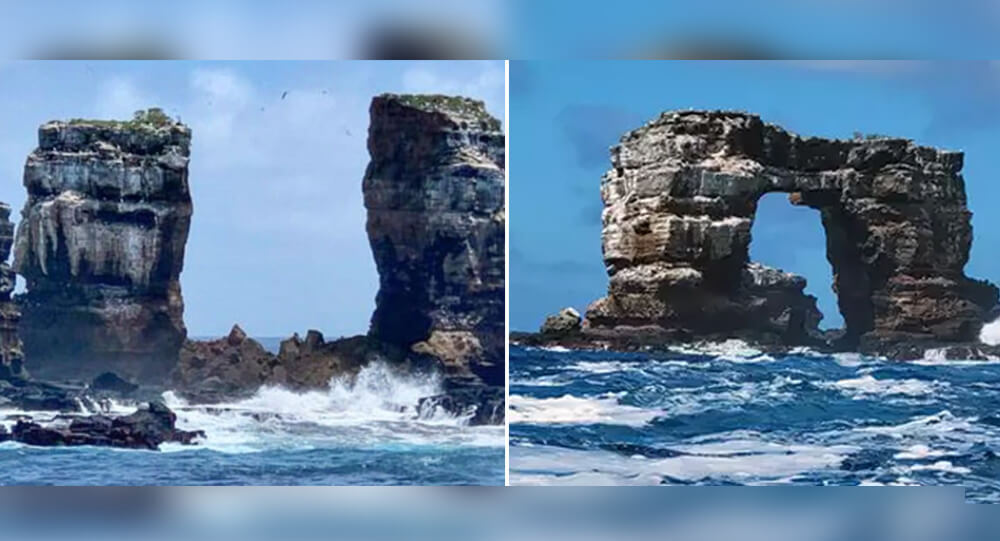
Darwin's Arch collapse
According to news sources, the top of Darwin's Arch, a famous natural stone archway in the northern Galapagos Islands, has collapsed into the waves.
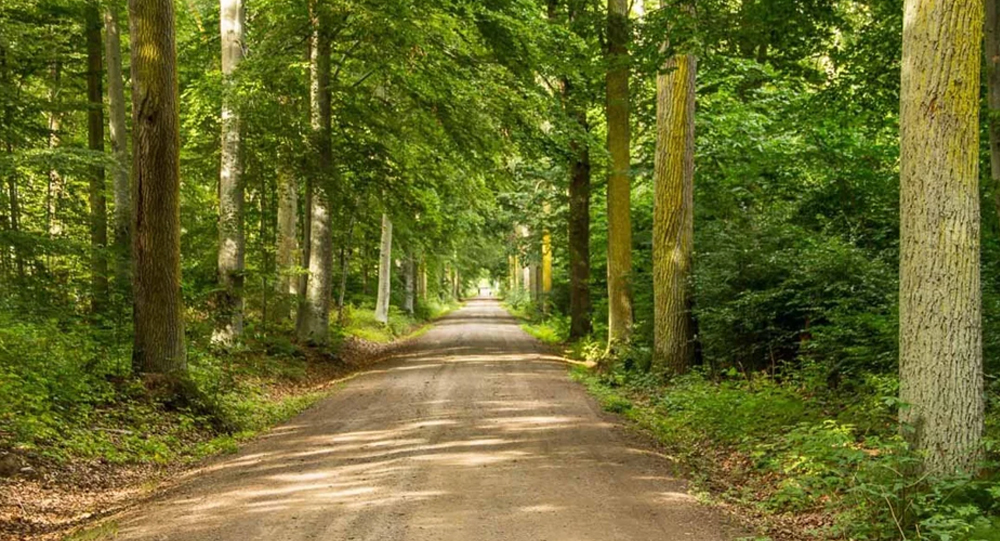
How Sweden’s 300,000 Oak Trees Became an Unintended Legacy: The Naval Forest That Outlived Wooden Warships
In the 1830s, Sweden planted 300,000 oak trees for the purpose of building naval ships. However, by the time the trees matured, metal warships had replaced the need for wooden ones. The forest still stands to this day.
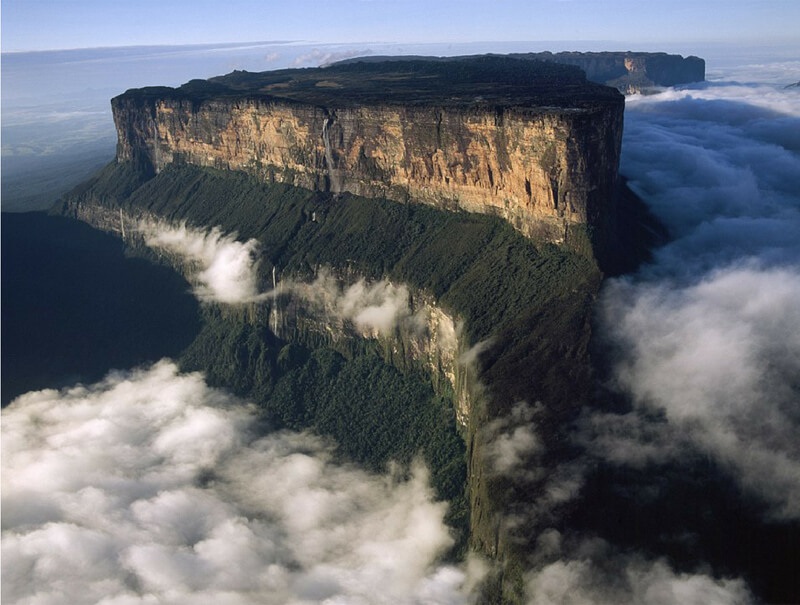
Top 10 Mysterious And Least Explored Places On Earth
Some people believe that there is nothing unexplored remaining on earth but the world doesn't cease to surprise us with its mysteries. Today I'll tell you about the lost places of the planet and animals that live only there.
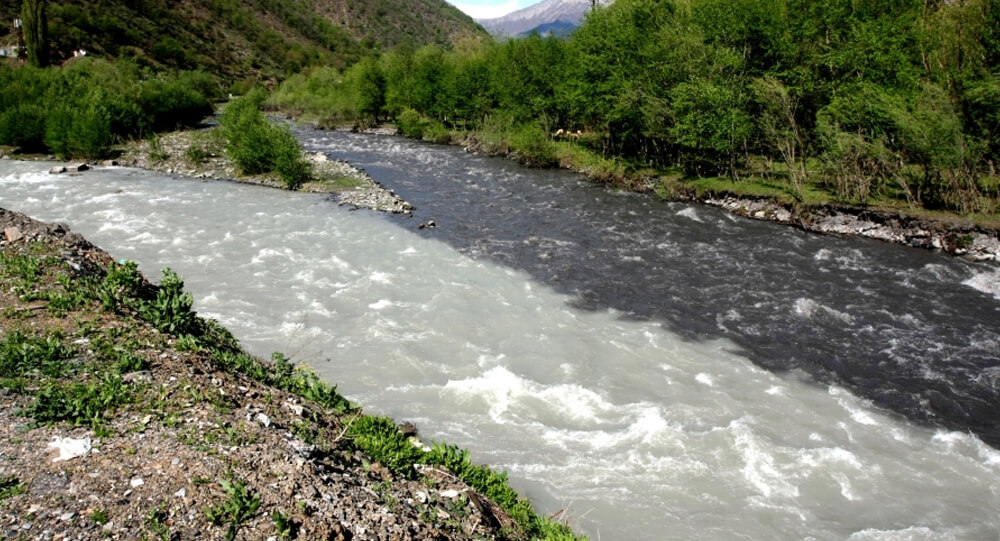
When two rivers meet but do not mix in Georgia
The incredible Black and White Aragvi river in Georgia that do not mix up.
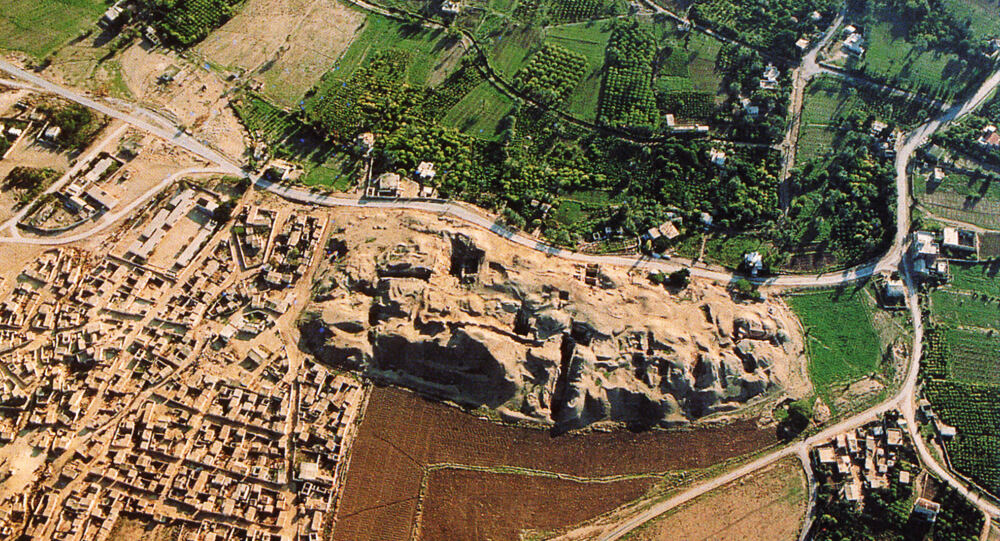
Ancient Jericho: The First Walled City In History
The ancient city of Jericho is the world's oldest walled city, with evidence of stone fortifications dating back nearly 9000 years.

Circular Bridge Built To Slow Down Drivers So That They Would Enjoy The View (Photos)
Uruguay’s Laguna Garzon Bridge splits into a circle so drivers can slow down and enjoy the view. It also prevents head-on collisions and creates a walkway for pedestrians.
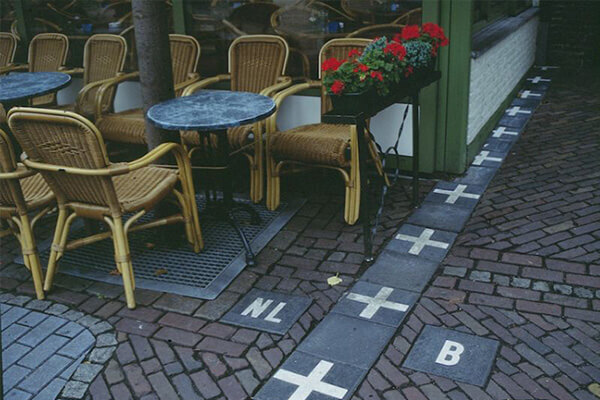
Coolest and unique international boarders you must see
Not only do borders define us, but they also determine who we are. Simple lines on the ground, either man-made or geological, distinguish one culture from the next.
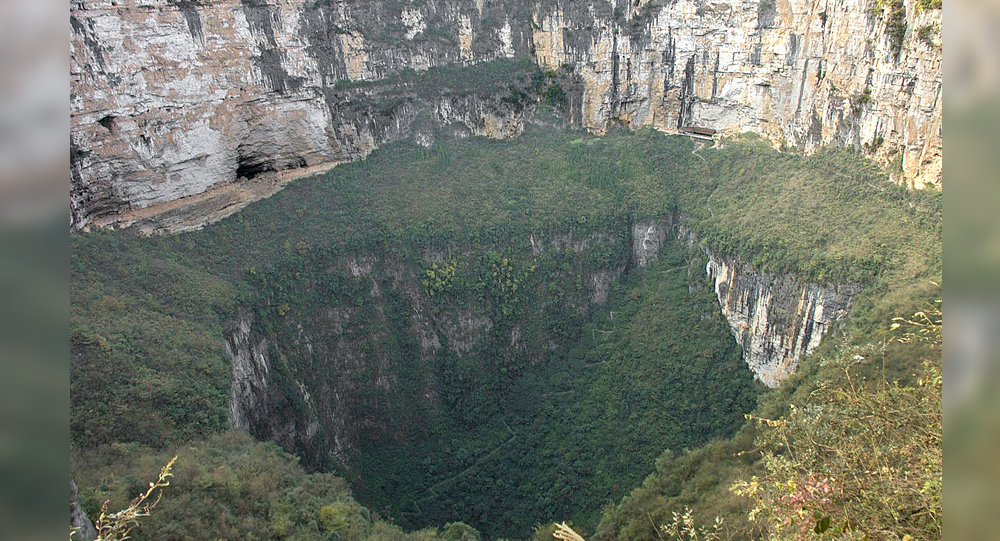
Xiaozhai Tiankeng: Exploring the World’s Deepest and Largest Natural Sinkhole
Hidden in the rugged terrain of Chongqing, China, lies Xiaozhai Tiankeng—the world’s deepest and largest natural sinkhole. Known as the “Heavenly Pit,” this colossal natural wonder plunges between 511 and 662 meters deep and stretches over 600 meters wide, dwarfing many familiar landmarks. This article journeys into the geological origins, unique ecosystem, and mysterious caverns beneath Xiaozhai Tiankeng, revealing a spectacular glimpse into Earth’s hidden landscapes.
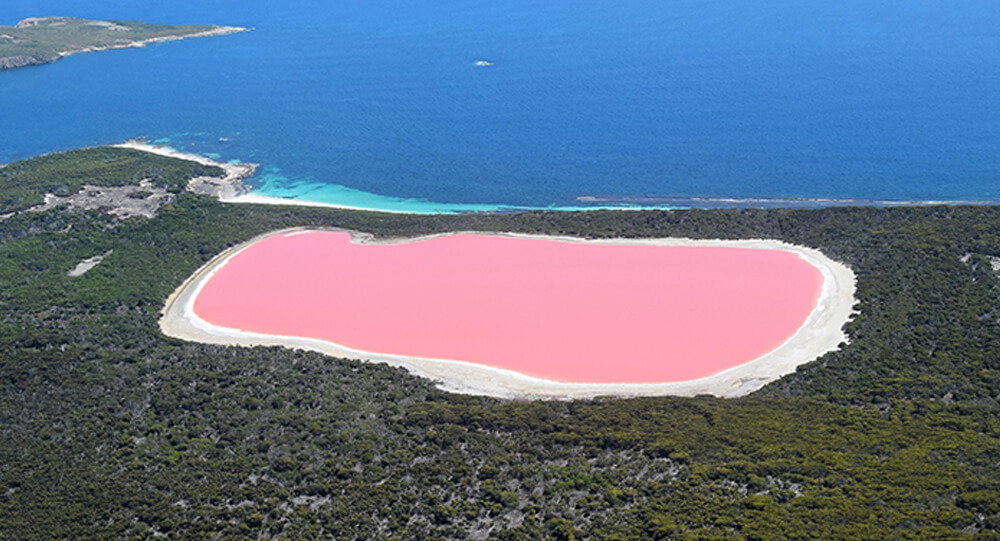
What is secret behind the Australia’s mysterious pink lake?
Lake Hillier in Australia maintains a bright pink hue all year round. Although no one knows for sure what causes the unique coloring, experts speculate that it might be the result of high salinity, a pink bacteria called “halobacteria,” and a salt-loving algae species called Dunaliella salina.
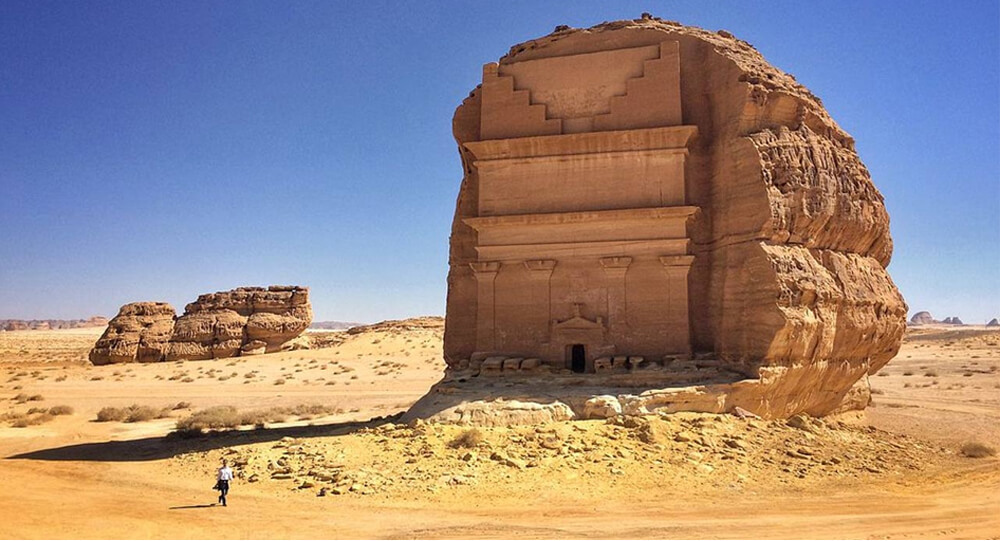
Qasr al-Farid, the Lonely Castle of the Nabataeans
The remote tomb of Qasr al-Farid, situated in the Saudi Arabian desert, dates back to the 1st Century CE. It was built by the Nabataean people, who also built Petra in Jordan. This site has remained largely undisturbed.
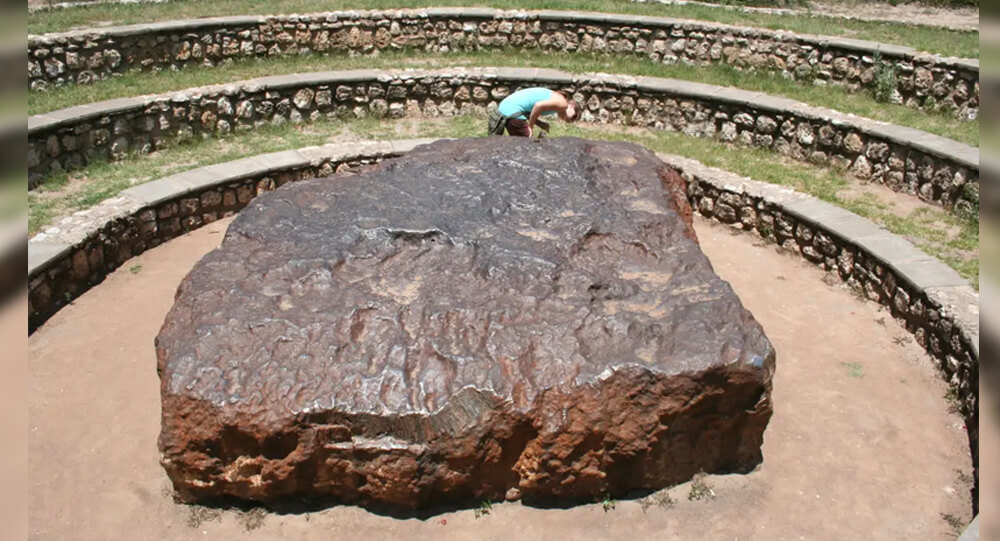
Top 6 Largest Meteorites Ever Found on Earth
When space meteorites hurtle towards Earth, they frequently burn up in the atmosphere before reaching us. Those that burn up become meteors - or shooting stars.

Top 10 Greatest and shocking Archaeological Discoveries of All Time
While we're all locked at home, there's no better way to escape to another time and place than to learn about amazing archeological sites and discoveries from around the world. Here are the 10 greatest and shocking archaeological discoveries —and don't be shocked if they inspire future trip plans whenever it's safe to do so again.
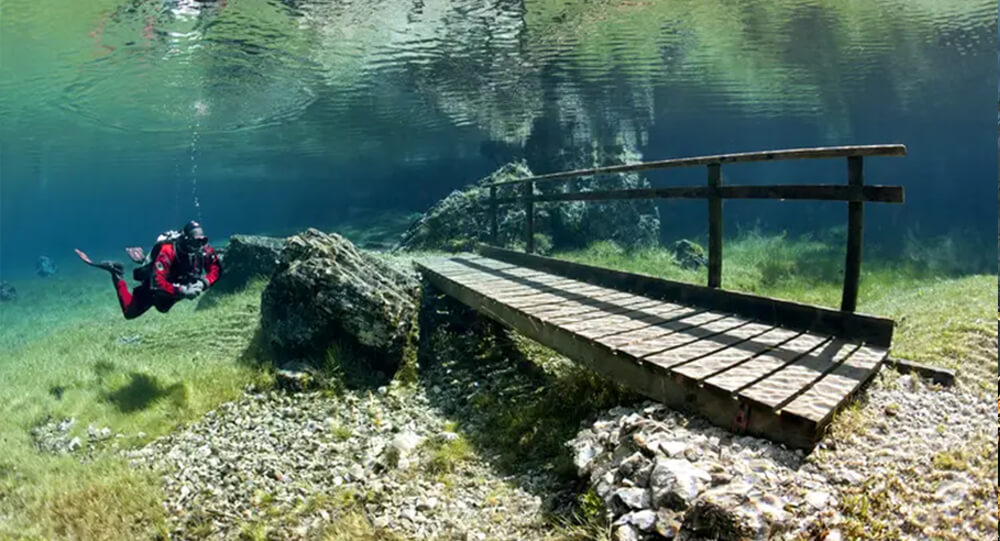
Grüner See, The Park That Turns Into A Giant Lake Naturally
There is a place in Austria called Grüner See which is a dry park in winter and turns into a 12-meter-deep lake in summer.
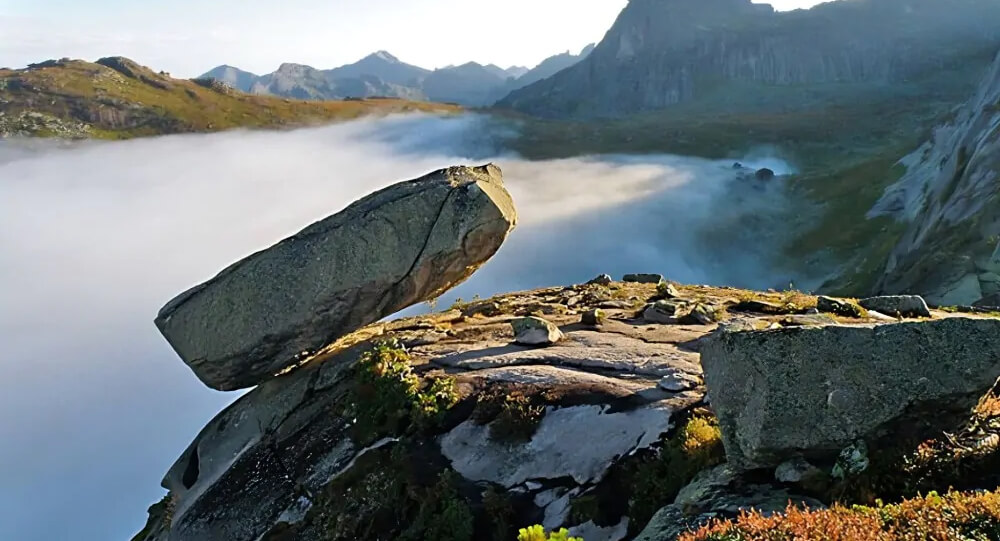
The Amazing Hanging Stone in Siberia Has Defied Gravity Since the Ice Age
The unbelievable "Hanging Stone" of Siberia weighs around 300 tons and has been hanging off a 1,000-meter cliff since the Ice Age.

Why Londoners Celebrate No Trousers Day by Riding the Metro Without Pants
Every year, Londoners participate in a quirky and joyful tradition known as No Trousers Day, where brave commuters board the London Underground dressed normally but without trousers, pants, or pajamas from the waist down. This cheeky event brings laughter, surprises, and a shared sense of community to the usually dull winter commute, reflecting a playful rebellion against the mundane and a celebration of spontaneity. Discover the origins, spirit, and fun behind London’s beloved No Trousers Tube Ride.

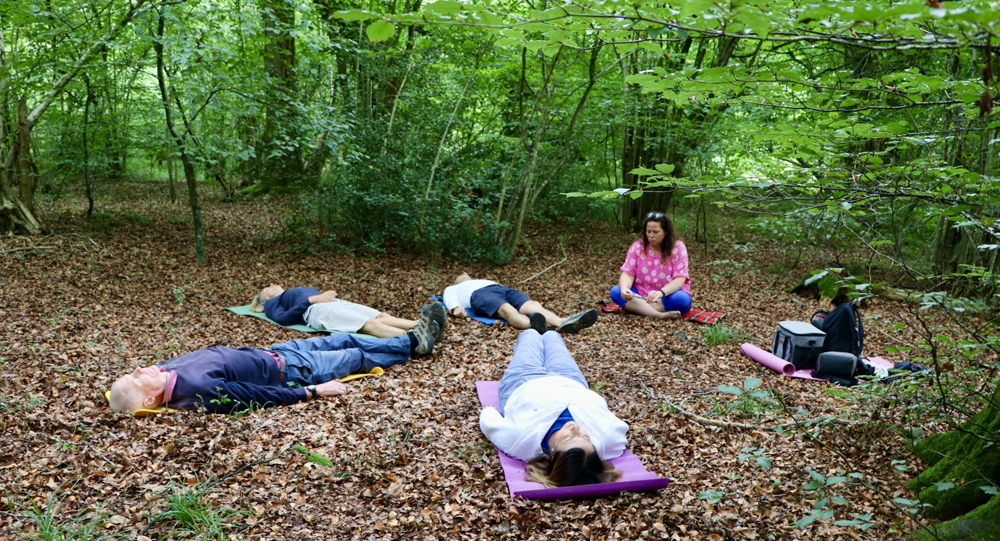
The Benefits of Forest Bathing and Why It’s Gaining Popularity Worldwide
Forest bathing, or Shinrin-yoku, is an immersive practice of spending mindful time in natural forest environments, and it’s rapidly gaining global popularity due to its proven health benefits. From reducing stress and lowering blood pressure to boosting immunity and enhancing mental wellness, forest bathing offers a natural and accessible way to reconnect with nature and improve overall well-being. Explore the science, sensory experience, and rising trend behind this soothing practice.
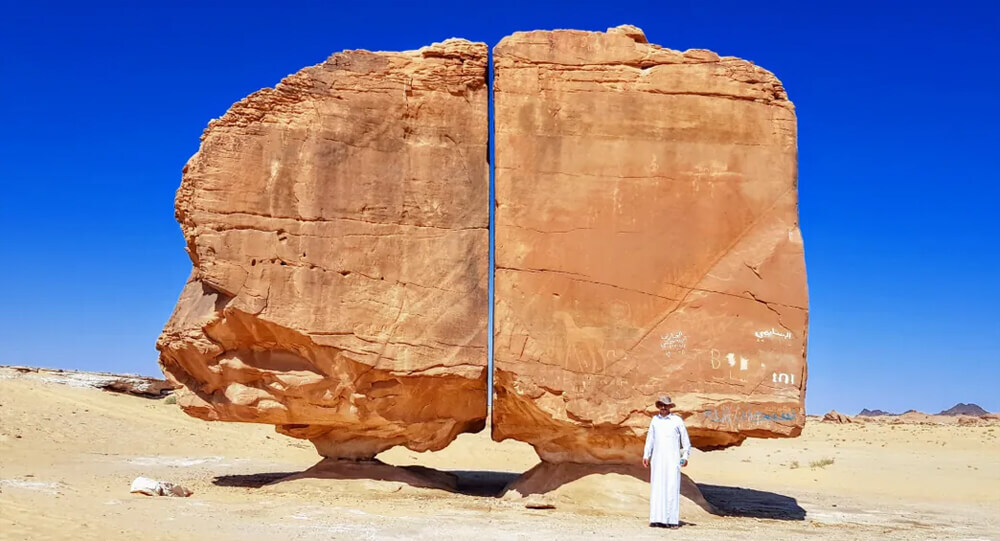
How Were the Two Parts of the Al Naslaa Rock Formation Created?
Scientists have been puzzled by the Al Naslaa rock formation in Saudi Arabia for a long time, and there is still no explanation for why this boulder appears to have a precise incision across the middle of it.
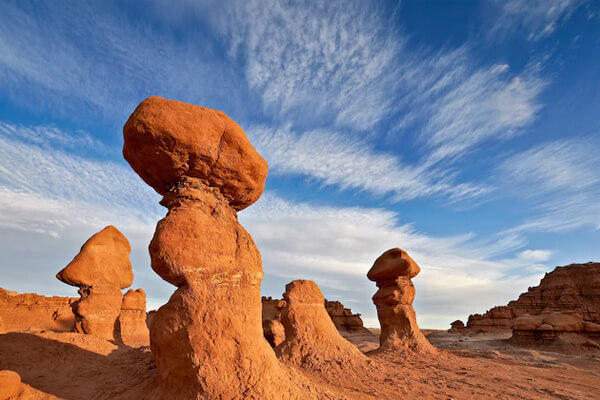
11 Amazing and famous rock formations around the world
For many years, people have been attracted to these spectacular-looking boulders because of their shape, components, location, or picturesque surroundings. Many of them are massive, and seeing them is an amazing experience.
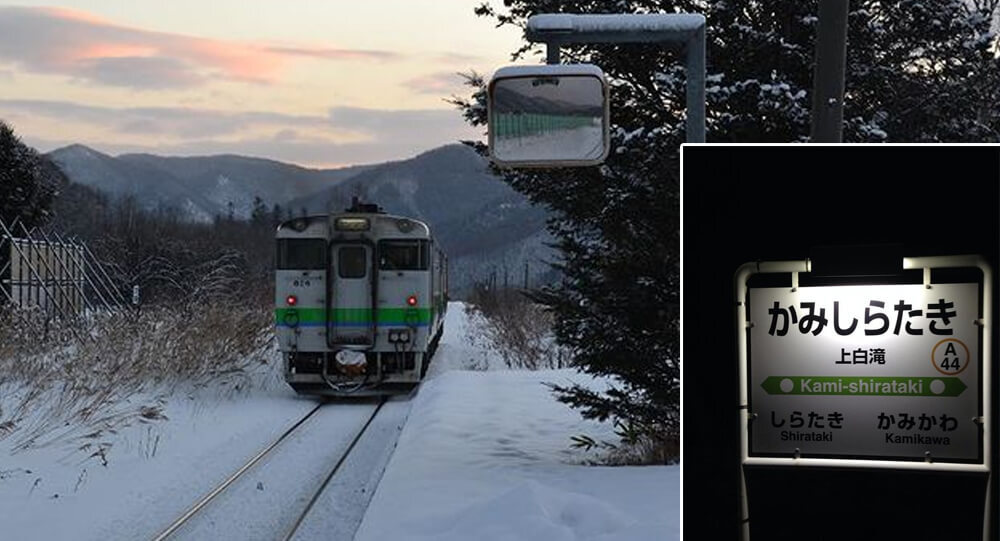
This soon-to-be-closed train station in Japan only serves one passenger
Japan keeps a defunc train station operational in 2015 for the sole purpose of allowing one girl to go to school every day. Only two stops are made by the train: once when an only one high school student departs for school and once when she returns.
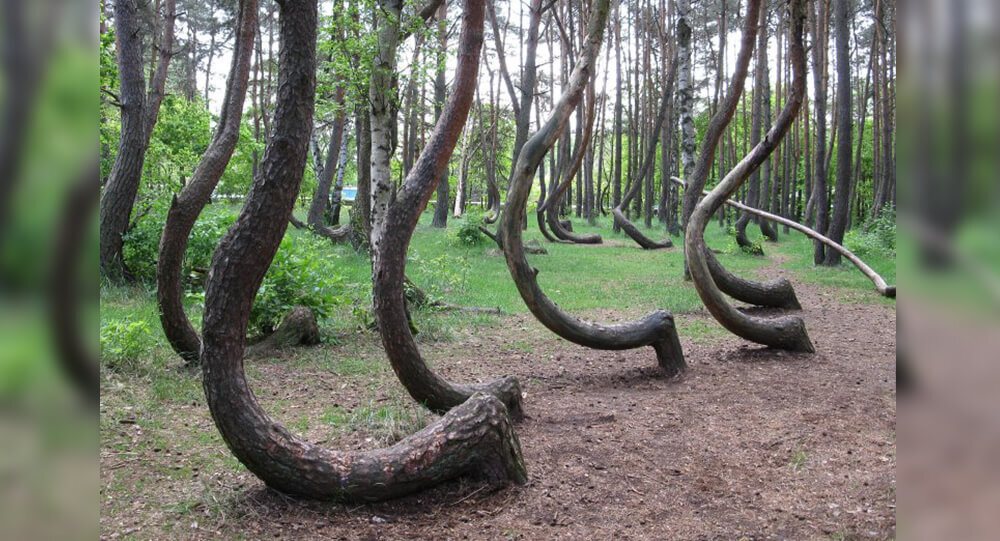
Poland's Krzywy: The Mysteries of the Crooked trees
In Poland, there is a forest with 400 crooked trees that have a 90-degree bend at the base of their trunks. Despite of numerous possibilities, the real reason and how it evolved remain a mystery.

The story behind Glasgow's iconic Duke of Wellington statue and its well-known traffic cone hat
The city of Glasgow spends approximately £10,000 every year to remove traffic cones from the head of the Duke of Wellington statue. The Duke of Wellington statue, which first appeared in the early 1980s, has worn an orange traffic cone hat for decades. but how did it get there - and more importantly how did it stay?
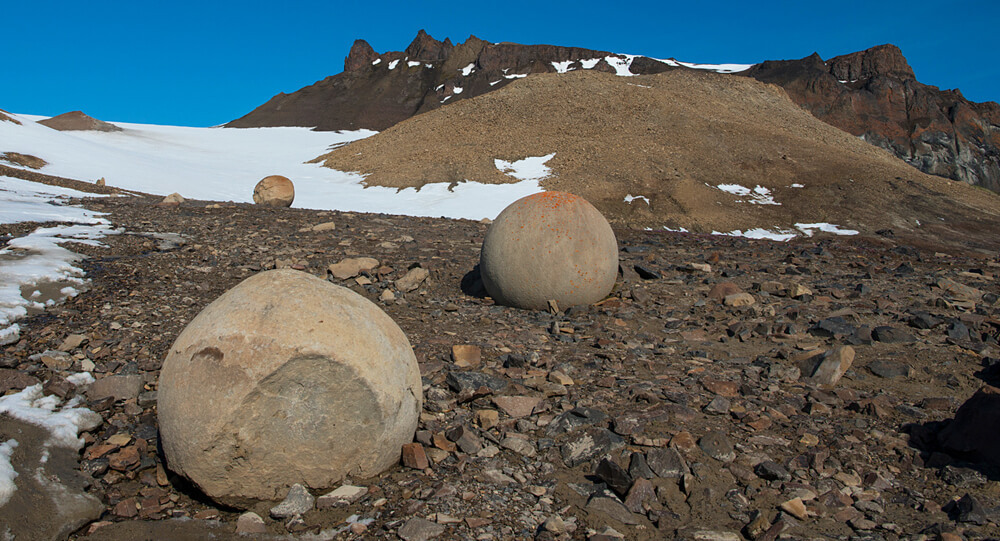
The mysterious GIANT spherical stones
Mysterious spherical stones ranging in size from a few millimeters to several meters have been discovered in Crimea, United States, Russia, and New Zealand. There are many theories from various geologists, but none of them are clear.
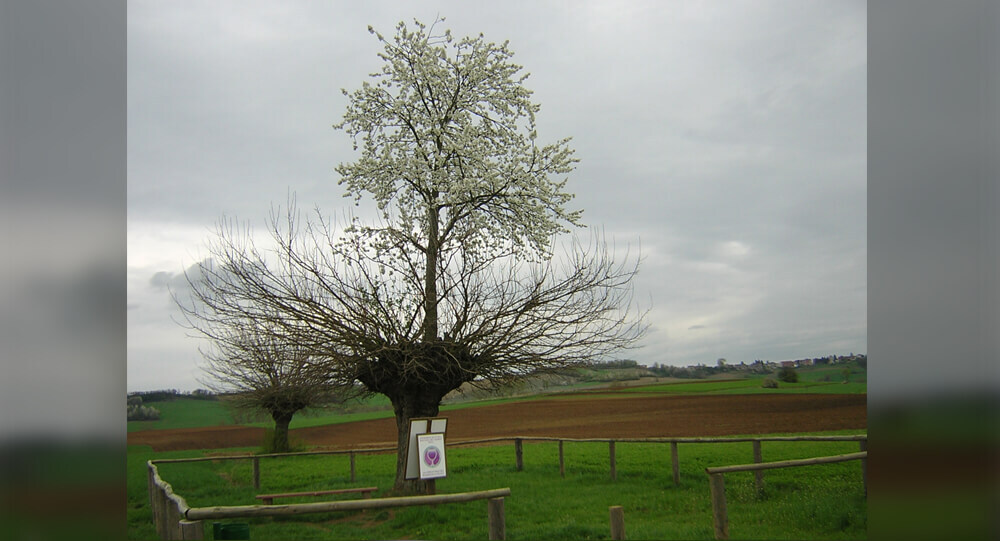
The Unique Grana Double Tree of Piedmont, Italy
The “Grana Double Tree” in Piedmont, Italy is a highly unusual tree, which consists of a cherry tree growing atop a mulberry tree. It is essentially a two-species, two-tiered hybrid duplex.