

Top 10 Greatest and shocking Archaeological Discoveries of All Time
While we’re all locked at home, there’s no better way to escape to another time and place than to learn about amazing archeological sites and discoveries from around the world. Here are the 10 greatest and shocking archaeological discoveries —and don’t be shocked if they inspire future trip plans whenever it’s safe to do so again.
1. Pompeii
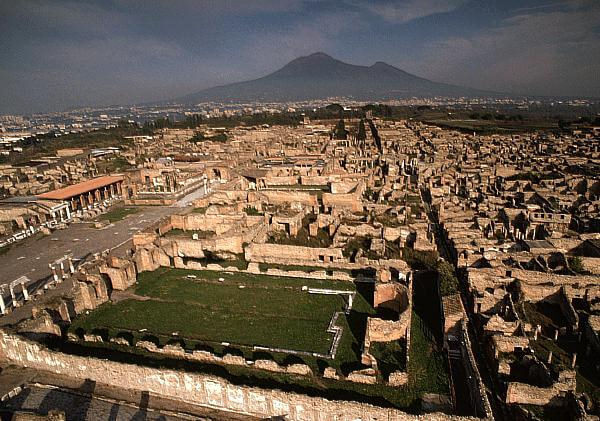
Pompeii, an ancient Roman city, was buried in ash and pumice during a cataclysmic volcanic eruption of Mt. Vesuvius in 79 AD. The explosion ruined the city and murdered its inhabitants, leaving behind a massive archaeological site and a treasure of Roman riches.
Because there is no air or moisture while buried under ash, structures, items, and cadavers have remained well-preserved for thousands of years. The simple existence of Pompeii is responsible for a considerable deal of our knowledge of everyday life in a Roman city.
Featured in 10 world’s most destructive and dangerous volcanic eruptions in history
2. Rosetta Stone
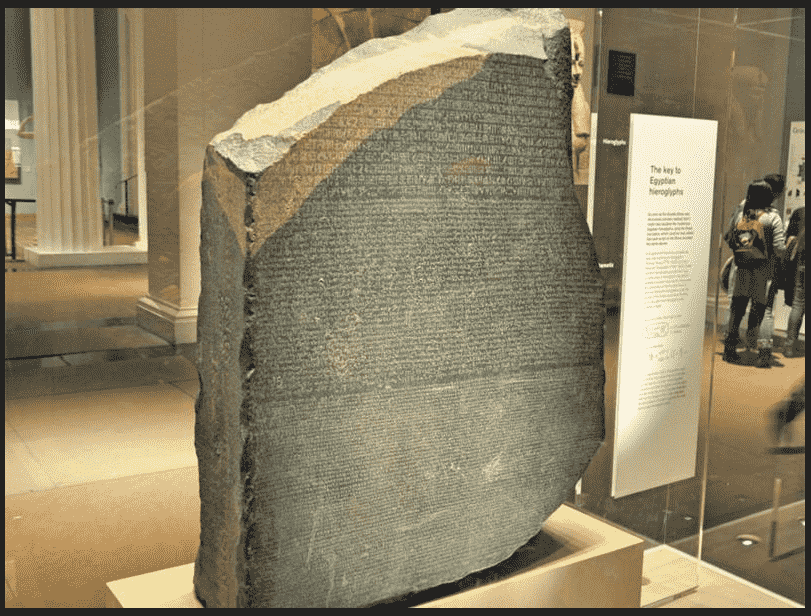
The Rosetta Stone, which dates from 196 BC, bears a writing from Ptolemaic King Ptolemy V in three languages: Ancient Egyptian hieroglyphs, Demotic script, and Ancient Greek.
It was the first Ancient Egyptian bilingual text discovered in contemporary times when it was discovered in 1799. The language had previously been impossible to read, and a multilingual find like this allowed us to start deciphering hieroglyphs. Thanks to the discovery of the Rosetta Stone, we can now translate practically any item using Ancient Egyptian hieroglyphs.
3. Terracotta Army
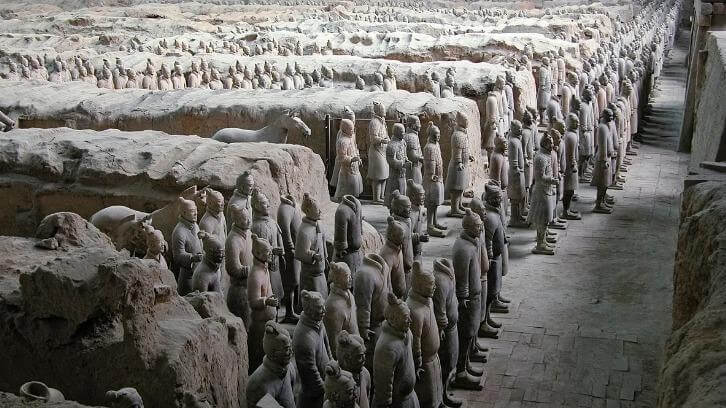
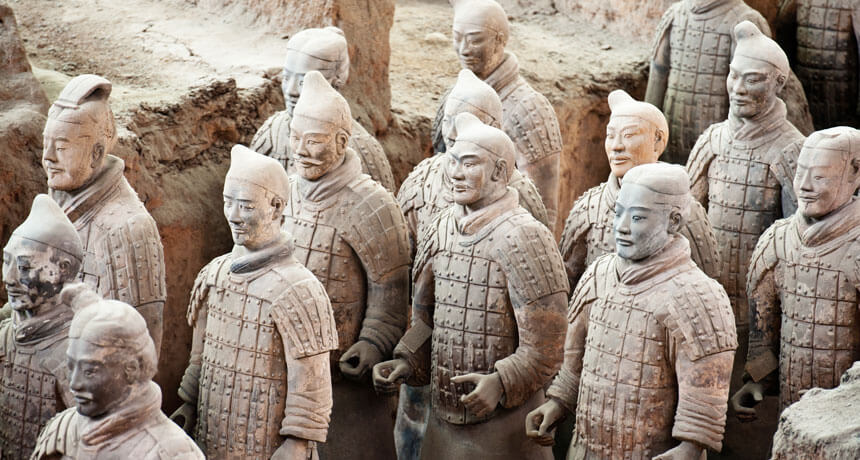
The Terracotta Army is a fascinating collection of terracotta figurines depicting the armies of Qin Shi Huang, China’s first emperor. It’s a piece of funerary art created with the symbolic goal of guarding the emperor in the afterlife.
The army, which dates back to the third century BC, has about 8,000 troops, 130 chariots, and 520 horses. It reveals a lot about how Chinese soldiers were outfitted at the period, including their weaponry and clothing.
4. Cave of Altamira
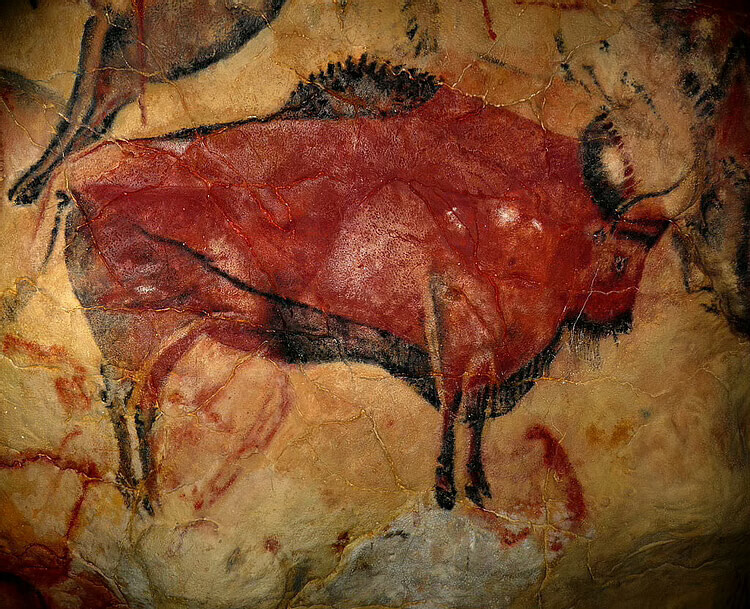
The Altamira Cave is a fascinating example of how archaeology and anthropology come together to portray a beautiful story. The cave in Spain features prehistoric drawings of creatures and human hands, and it was the first of its kind when it was found in 1880.
The revelation revolutionized our understanding of prehistoric humans, who were previously thought to be incapable of artistic expression due to their lack of intellectual capability. The items range from 14,000 to 20,000 years ago, offering us a peek into the lifestyles of our distant forefathers and mothers.
5. Dead Sea Scrolls
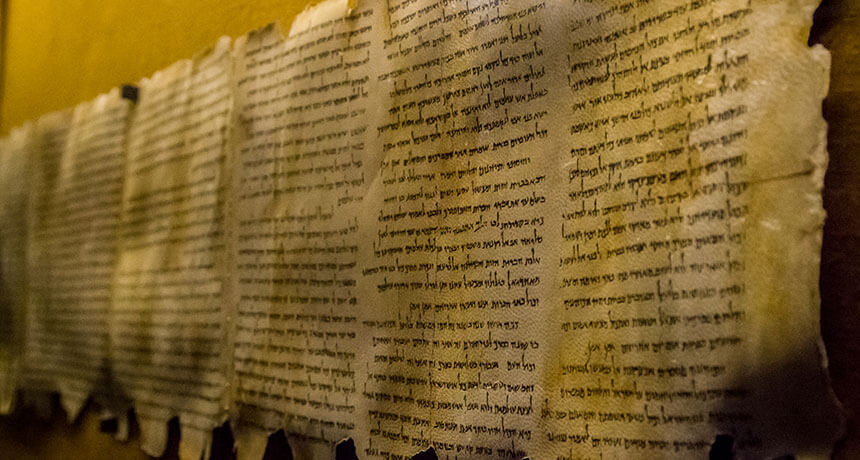
The Dead Sea Scrolls are an 800-manuscript collection discovered in 11 caves about 2 kilometers inland from the Dead Sea, at Khirbet Qumran, an ancient West Bank village.
The texts originate from 700 years before the birth of Jesus Christ and are among the earliest known Hebrew biblical literature. They’ve given biblical translators invaluable insight into what the Bible was like 2,000 years ago and how it was put together throughout time by various persons.
6. Easter Island Moai
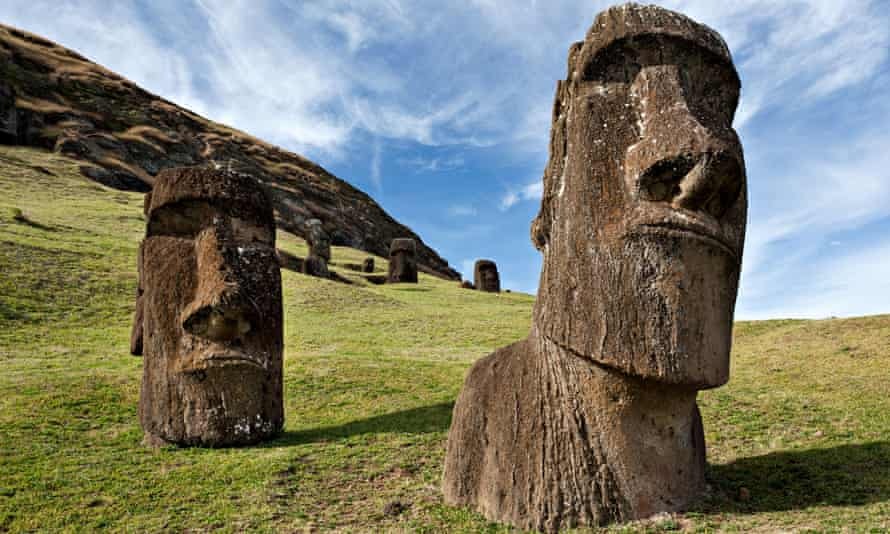
Easter Island, a Chilean Polynesian island in the Pacific Ocean, has 887 enormous statues, according to archaeologists. The Moai statues, which date from between 1250 and 1500, are magnificent monuments to the Rapa Nui people.
What fascinates me about the Moai is the wonder of transportation they must have to get across the island. The Rapa Nui people tell stories of how they harnessed heavenly power to make the sculptures walk.
7. Angkor Wat

According to the BBC, the works of French naturalist Henri Mouhot in the mid-nineteenth century inspired a slew of archeologists to travel to Cambodia to study more about the once-sprawling city of Angkor Wat. The huge Buddhist temple complex is a source of Cambodian national pride and is regarded one of the world’s largest religious monuments.
8. The Acropolis of Athens
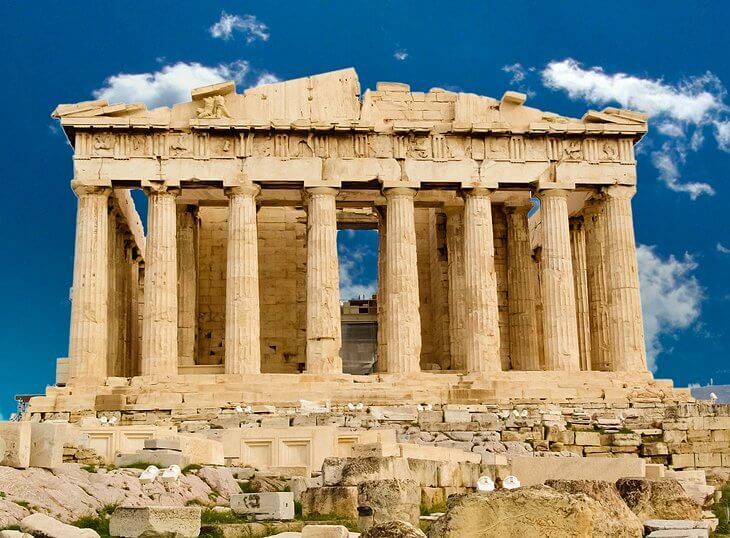
While Greece is full of amazing archeological sites, none is more famous than Athens’ Acropolis. The site dates back to the Bronze Age and was built over thousands of years. Around the turn of the century, researchers began rehabilitating and protecting the site. According to UNESCO, the Acropolis of Athens is now regarded as a world symbol “of the classical spirit and civilization.”
9. Nazca Lines
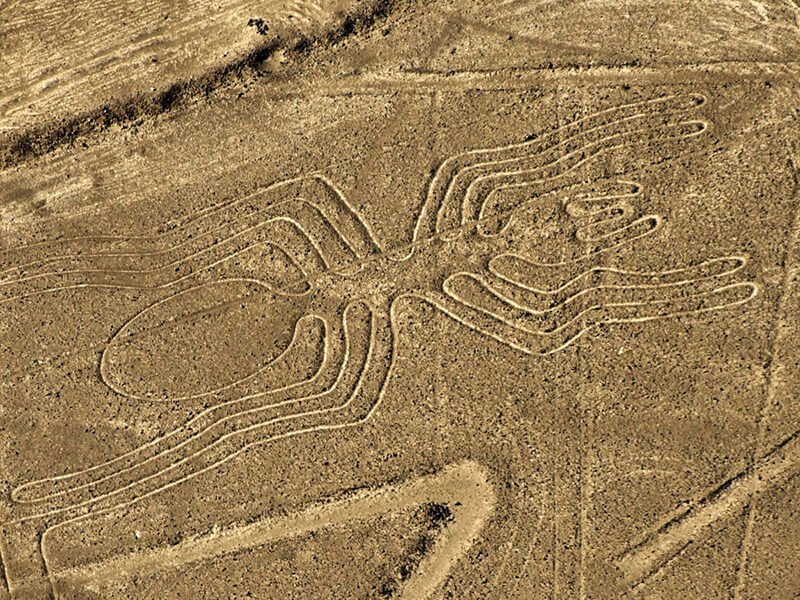
Flying above Peru’s Nazca Desert, you’ll notice massive geoglyphs that seem like animals and plants. The archeological discoveries, known as the Nazca Lines, dates back between 1,500 and 2,500 years. The first researcher to perform an in-depth investigation of the Nazca Lines, whose function is still unknown, is American historian Paul Kosok.
10 Machu Picchu

In 1911, the “lost” Inca citadel of Machu Picchu was rediscovered in Peru by explorer Hiram Bingham. The well-preserved archeological complex, which was built in the mid-1400s, provides historians with a glimpse of the Inca Empire’s technological capabilities at its peak. The cave graves and terraced platforms also provide insight into how people lived in this area on a daily basis.
I hope you enjoy Top 10 Greatest and shocking Archaeological Discoveries of All Time. If so, share this with your friend for them to be amazed and subscribe to our newsletter, and receive our weekly digest. 🙂

The incredible story of Julia "Butterfly" Hill and her legacy
American environmental activist Julia “Butterfly” Hill lived in a 1500-year-old California Redwood tree for 738 days to prevent it from being cut down by the Pacific Lumber Company. The Simpson’s episode “Lisa the Tree Hugger” was inspired by Hill’s story.
8 Interesting Facts About The Unsinkable Ship, TITANIC
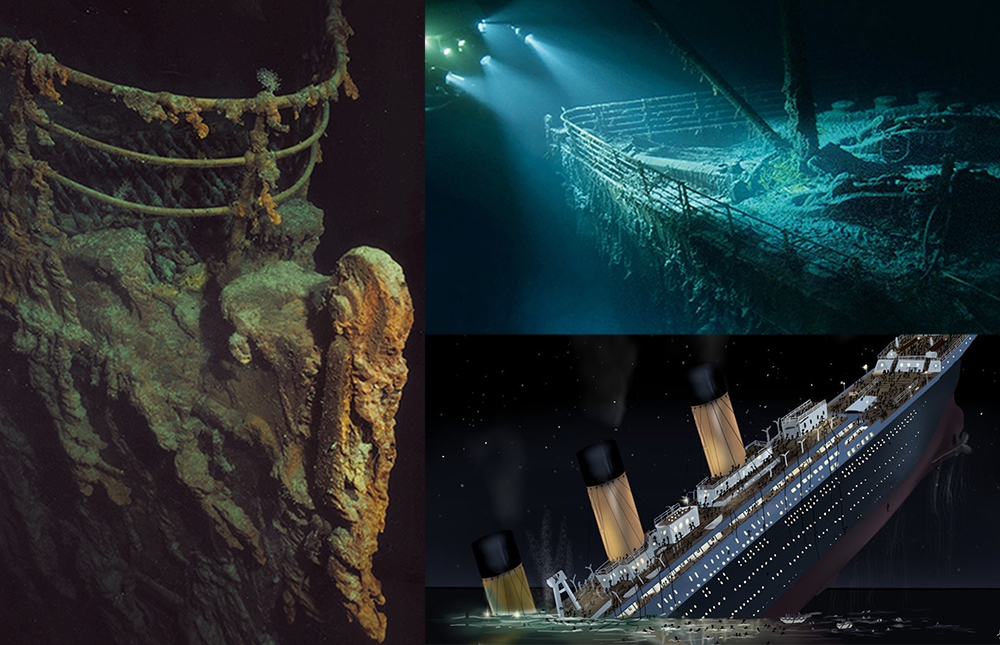
If you ask your friends what's the most famous ship in history the answer in most cases will be the same, of course the legendary Titanic. Its history is full of mysteries, at first it was a source of hope and national pride as well as proof of the triumphs of mankind but it soon became a source of nostalgia and pain, the extent of which cannot be described in words.
The unbroken seal on King Tutankhamun's tomb until 1922
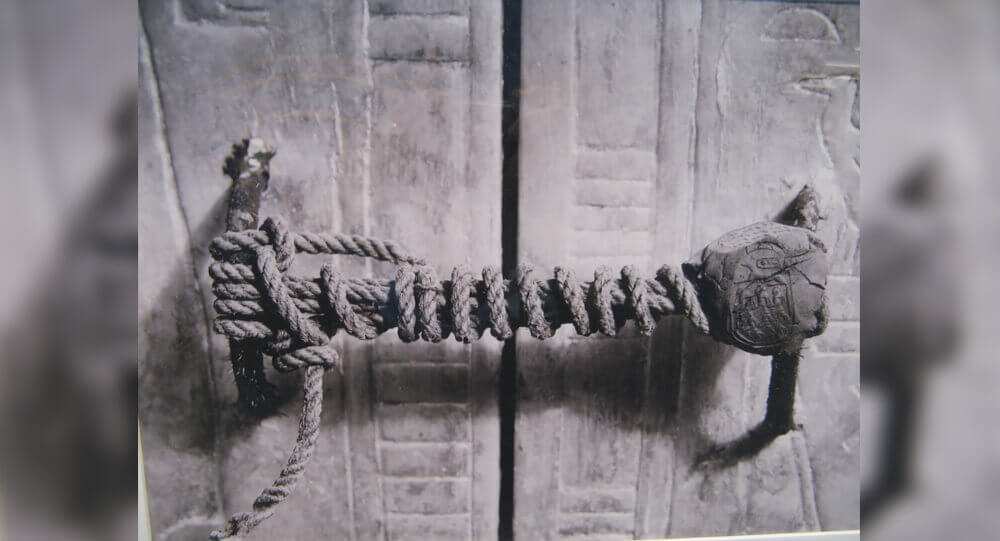
The unbroken seal of Tutankhamun's tomb before it was opened in 1923, it was unbroken for over 3000 years.
How Greek prime minister in 1830’s tried to spread the potato in Greece
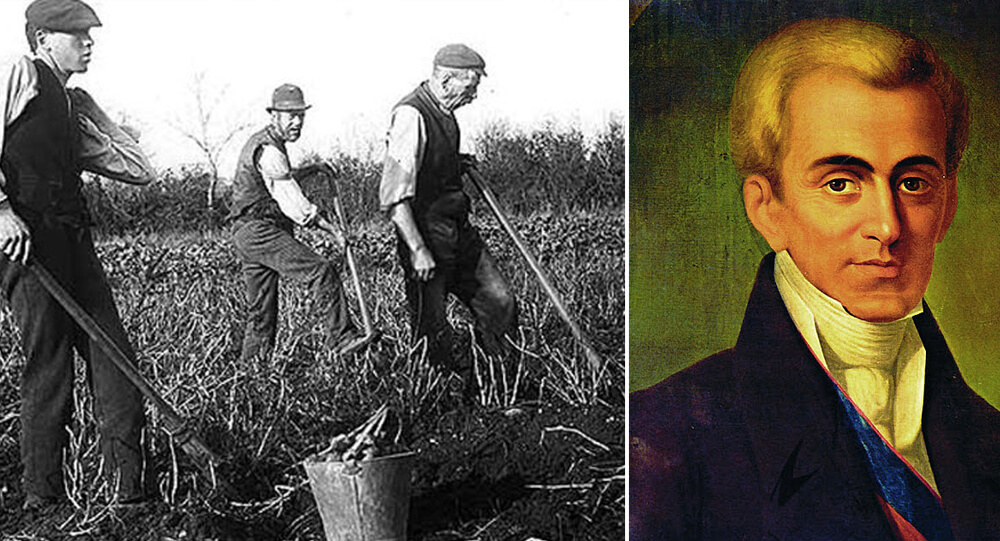
A Greek prime minister in 1830’s tried to spread the potato in Greece but people weren’t interested so he put armed guards in front of shipments of potatoes so people would think they were important. People later started stealing these potatoes a lot which spread the crop to all of Greece.
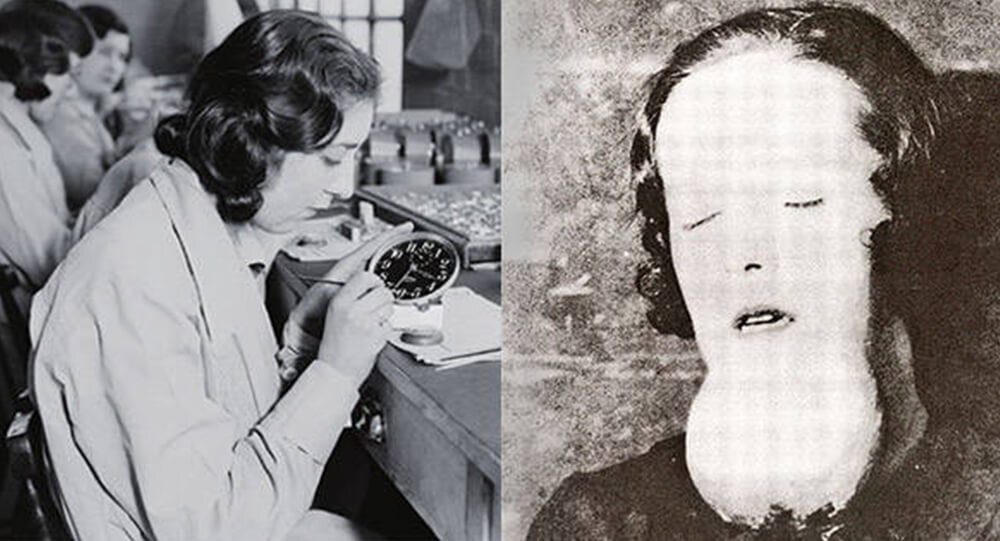
The true story Of The Radium Girls that change US labor laws
Hundreds of young women worked in clock factories during World War I, painting watch dials with luminous radium paint. The company lied about the risk of radiation, claiming there was no danger, which resulted in the death of the young women.

How Cleveland's Balloonfest in 1986 Turned Into a Public Tragedy
In Cleveland, Ohio, United Way broke the world record by deflating nearly 1.5 million balloons as part of a publicity stunt to raise money. The balloon obstructed a US Coast Guard search for two boaters who were subsequently discovered to have drowned, blocked airport runways, and blocked land and waterways.
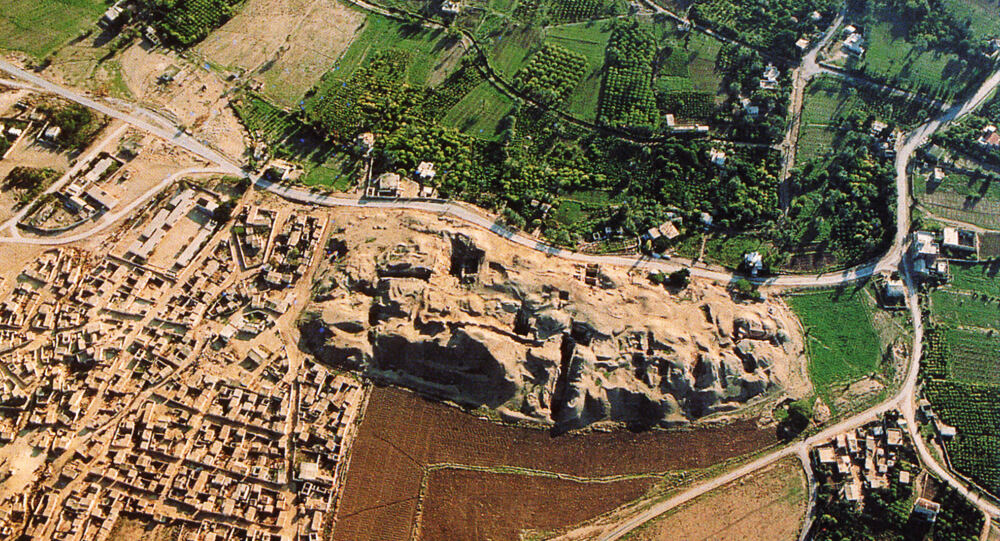
Ancient Jericho: The First Walled City In History
The ancient city of Jericho is the world's oldest walled city, with evidence of stone fortifications dating back nearly 9000 years.

The Horrific story of Ariel Castro and the Cleveland abduction
Cleveland abduction victims Gina DeJesus, Michelle Knight, and Amanda Berry were forced to live in Ariel Castro's house of horrors for 10 years. He raped and beat them until they escaped in 2013.
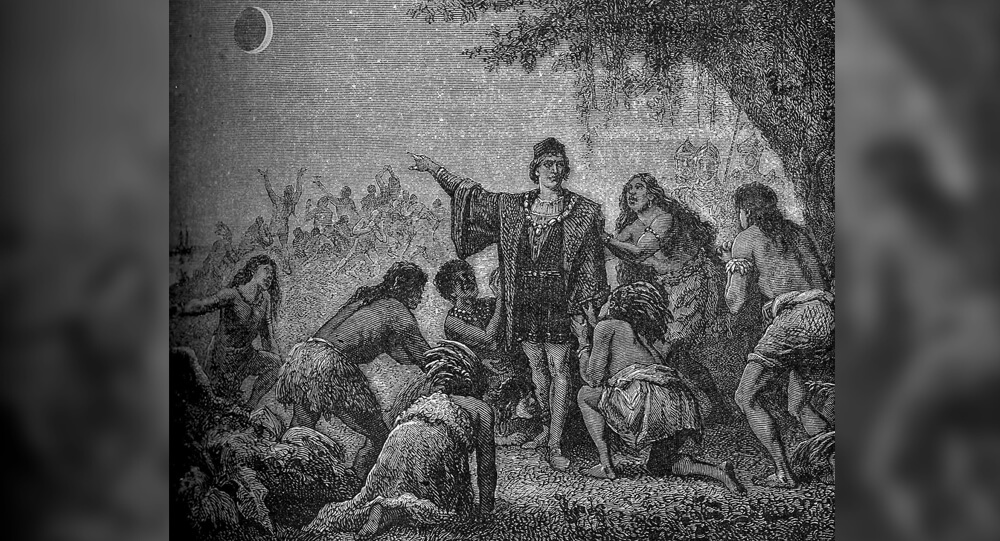
How a Total Lunar Eclipse Saved Christopher Columbus in 1504
In 1504, Christopher Columbus was stranded in Jamaica with natives who refused to give him food. But he knew the date and time of an upcoming lunar eclipse. So he told the natives that his gods were angry at their treatment of him, and would provide a clear sign. Once the eclipse started, the natives raced to give him food and begged for mercy.
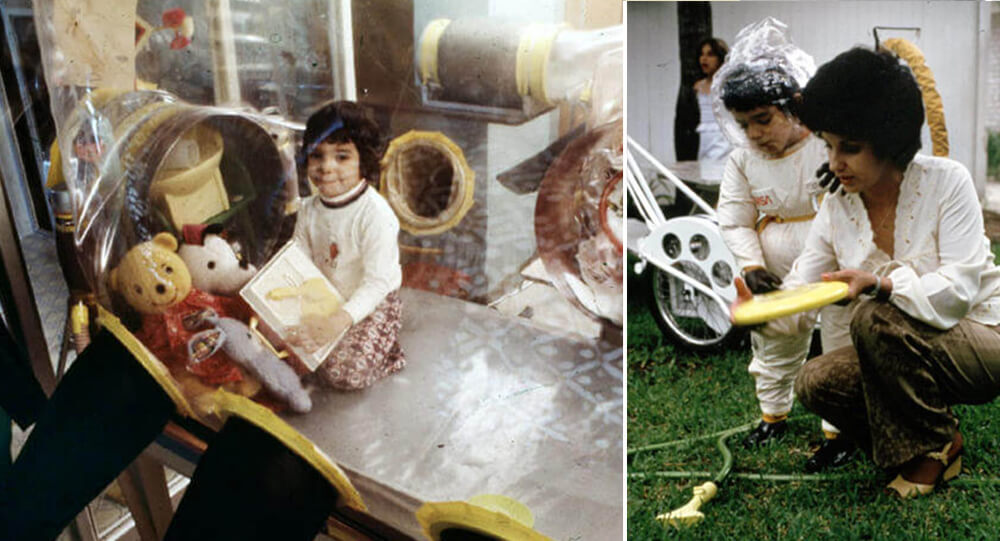
The touching story of David Vetter (bubble boy), the 'boy who lived in a bubble
David Vetter lived his whole 12 years in sterile “bubble”. He was “outside” for 20 second after being removed from his mother’s womb. He never touched any human.
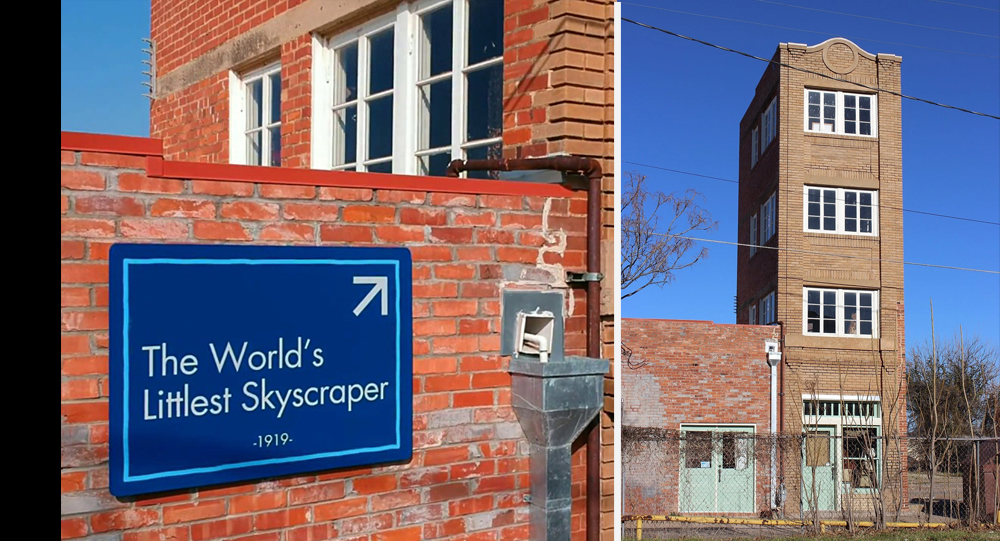
The Littlest Skyscraper: How J.D. McMahon’s 480-Inch Con Fooled Investors in 1919
In 1919, J.D. McMahon convinced investors to fund a 480-foot skyscraper, but he labeled the plans as 480 inches, building a 40-foot structure instead. After taking $200,000, he won in court since the plans matched what he built.
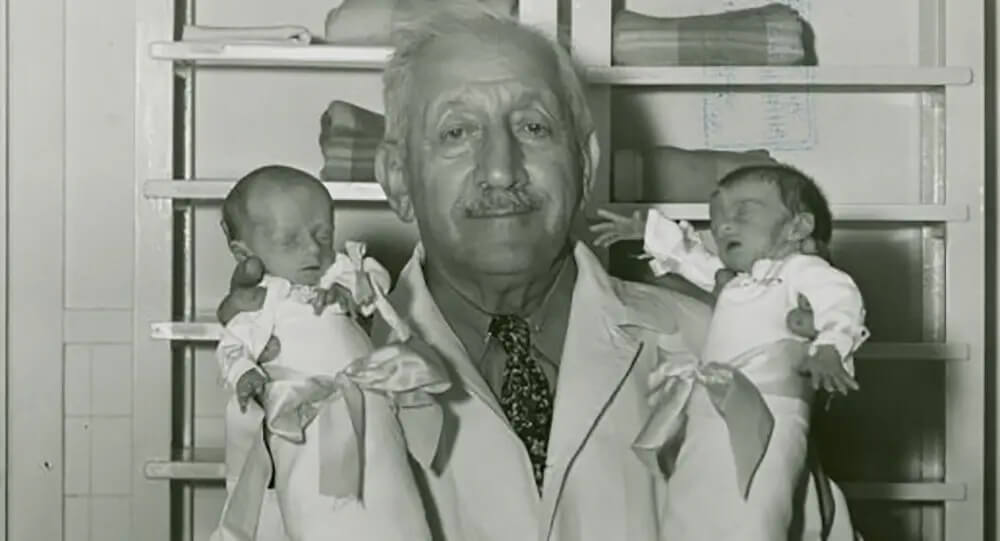
Martin Couney, Saved Thousands of Premature Babies Wasn’t a Doctor at All
Martin Couney never qualified as a medical doctor. However, in the 1900s, he saved thousands of premature babies by exhibiting them in incubators at his Coney Island sideshow. Over the course of his career, he is said to have saved about 6,500 babies that had previously been written off by mainstream medicine.
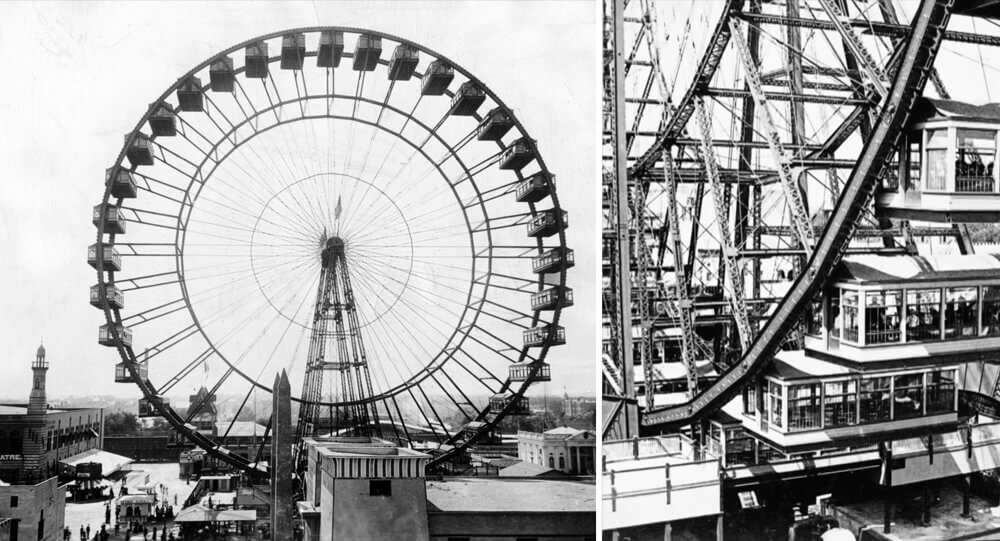
how Ferris wheel invented
In 1891, Chicago challenged engineers to create a structure to surpass the Eiffel Tower for the World's Columbian Exposition. George Washington Gale Ferris jr. responded with the original Ferris Wheel, a giant rotating structure elevating visitors above the city. This invention became an iconic attraction at the fair.
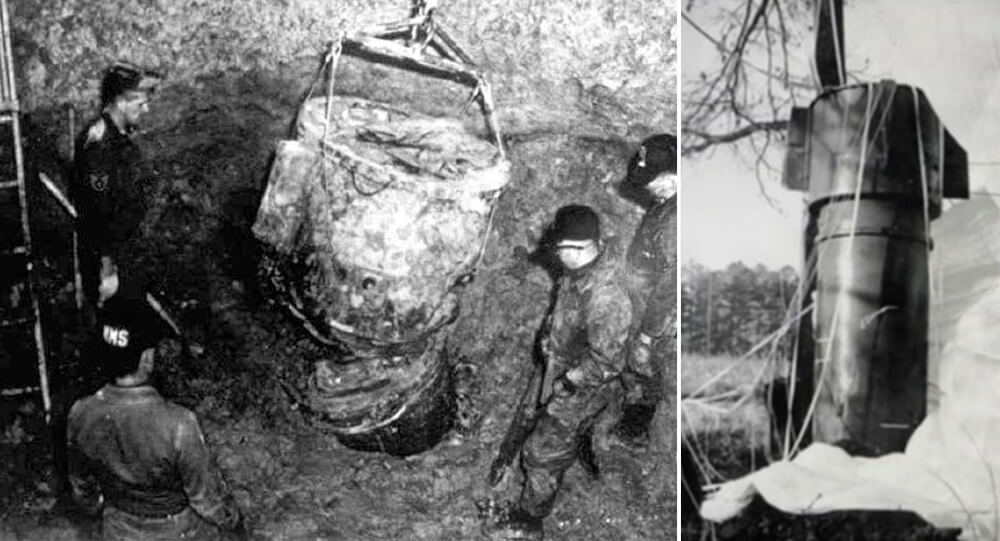
Nuclear bomb accidentally dropped on North Carolina in 196
4 January 1961: The 4241st Strategic Wing's Boeing B-52G-95-BW Stratofortress, serial number 58-0187, was on a 24-hour airborne alert mission off the United States' Atlantic Coast.

The youngest person executed, George Stinney Jr was proven innocent
In 1944, George Stinney Jr. was 14 years old when he was executed in South Carolina. It took only ten minutes to convict him — and 70 years to exonerate him.

Reason Behind The Suicide Of Christine Chubbuck Live On Air
Actor Rebecca Hall had serious reservations about tackling the macabre story around why Chubbuck killed herself in 1974. So what changed her mind?


Mother who spent entire life savings for daughter’s cancer treatment won the lottery
A mother won $2 million from a $10 scratch-off lottery ticket after she spent all of her entire life savings to pay her daughter’s cancer treatment. She bought the winning ticket after her daughter’s last cancer treatment.
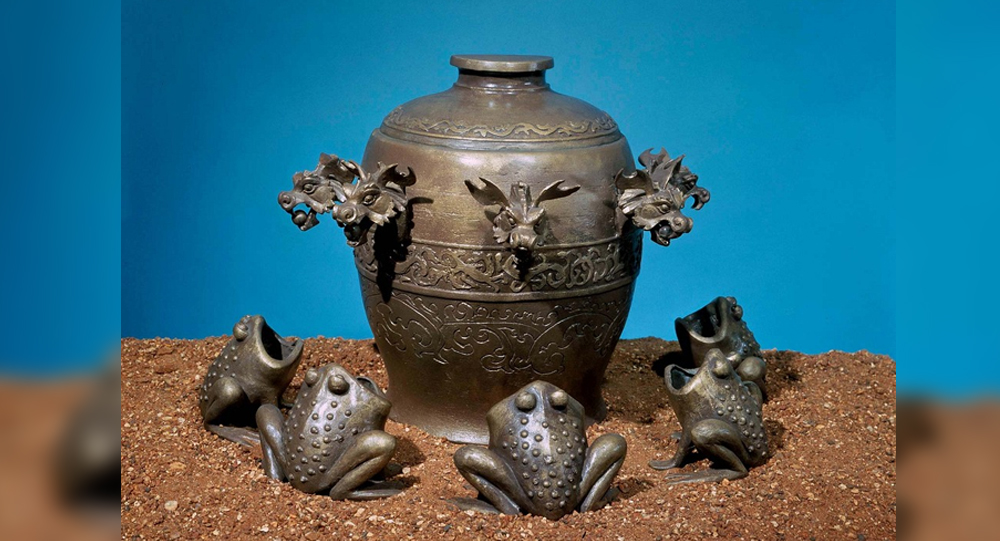
The World’s First Seismograph: How Ancient China Detected Earthquakes 1,800 Years Ago
Over 1,800 years ago, long before modern technology, the ancient Chinese astronomer and inventor Zhang Heng created the world’s first seismograph in 132 AD. This ingenious bronze device could detect distant earthquakes by releasing small balls from dragons’ mouths into toads’ mouths—each indicating a different compass direction. Its historic detection of an earthquake 400 miles away astonished the imperial court and transformed the way societies understood and responded to seismic events.
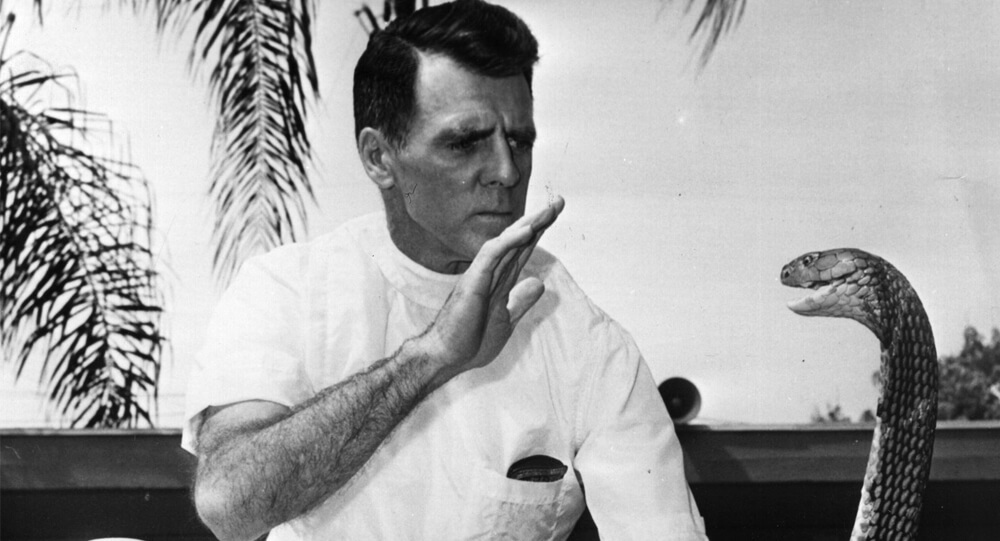
The story of Bill Haast, who lived to be 100 despite his extensive snake venom injections
Bill Haast immunized himself by injecting snake venom into his blood for several years. He holds the Guinness World Record for surviving the most lethal snake bites, having been bitten over 172 times. Bill became known as "Snake Man" around the world and lived for over 100 years.
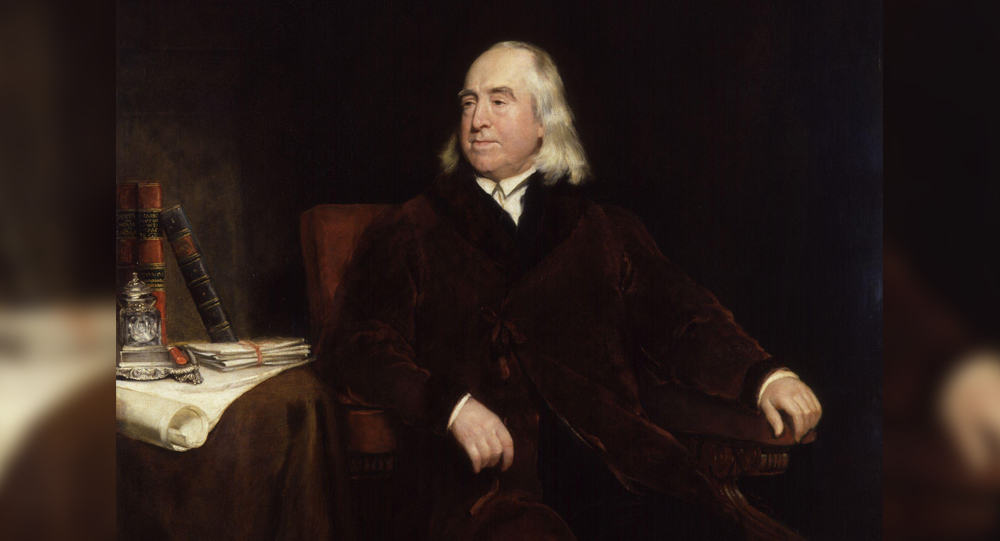
How 18th Century Women’s Rights Movements Shaped Modern Equality
The 18th century marked a turning point in the quest for women’s rights, as passionate voices challenged centuries of gender inequality and laid the groundwork for modern feminism. From pioneers like Mary Wollstonecraft to revolutionary declarations and early advocacy, this era sparked debates on education, political participation, and social justice that continue to resonate today. Journey through the origins of women’s rights movements and discover how their bold ideas shaped the fight for equality.
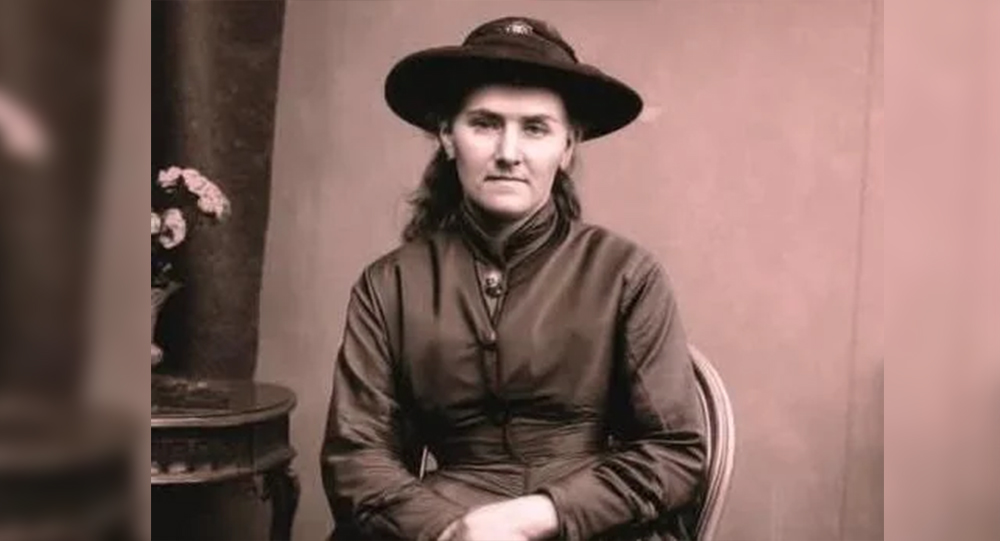
Why Comedians Failed to Make Sober Sue Laugh in the Early 1900s
In the bustling vaudeville scene of early 20th century New York, a mysterious performer known as "Sober Sue" captured public imagination not for jokes or songs, but for her unshakable stoicism—she never smiled or laughed. A local theater even offered a tempting reward of $1,000 to anyone who could make her laugh, drawing crowds and famous comedians eager to claim the prize. Despite countless hilarious attempts, Sue remained expressionless, a mystery that baffled performers and audiences until it was revealed that she suffered from facial paralysis, explaining her unchanging demeanor.

3 men lived on top of a billboard in tents for almost 9 months
From 1982-1983, three men in Allentown PA competed in a radio contest in which they lived on top of a billboard in tents. Whoever stayed up longest would win a house. Due to economic pressure from the recession, none of the contestants wanted to give up, so the contest lasted almost 9 months.

Inside China’s Footbinding Tradition: The Painful Ritual of Lotus Shoes and Bound Feet
In China, Lotus shoes were used to bind women's feet to keep their feet small
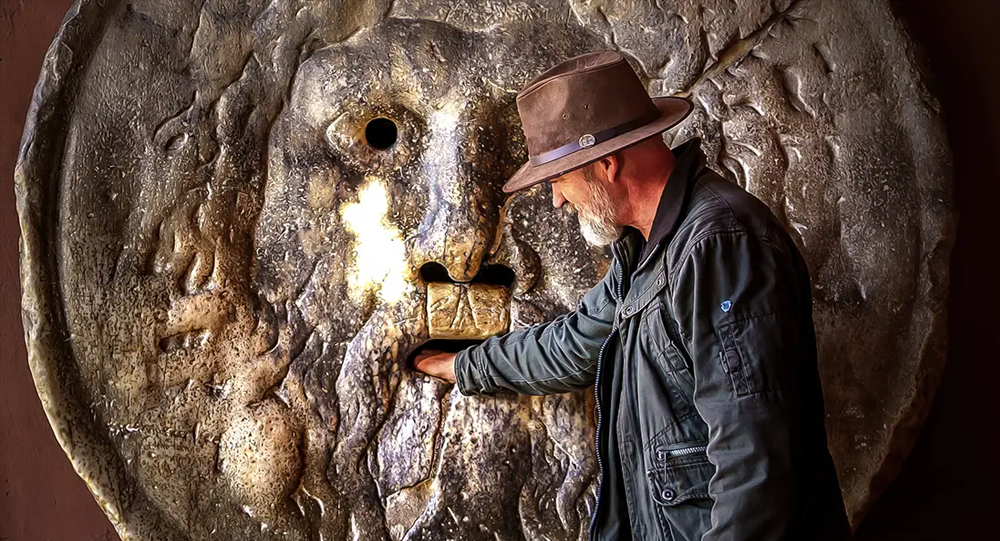
The Mouth of Truth: Ancient Rome’s Legendary "Lie Detector" That Bit Off Hands
Discover the chilling legend of the Mouth of Truth (Bocca della Verità) in Ancient Rome—a massive carved stone face believed to bite off the hand of anyone who lied while inserting their hand into its gaping mouth. Uncover the truth behind its eerie reputation and how this ancient artifact became a symbol of honesty and fear.
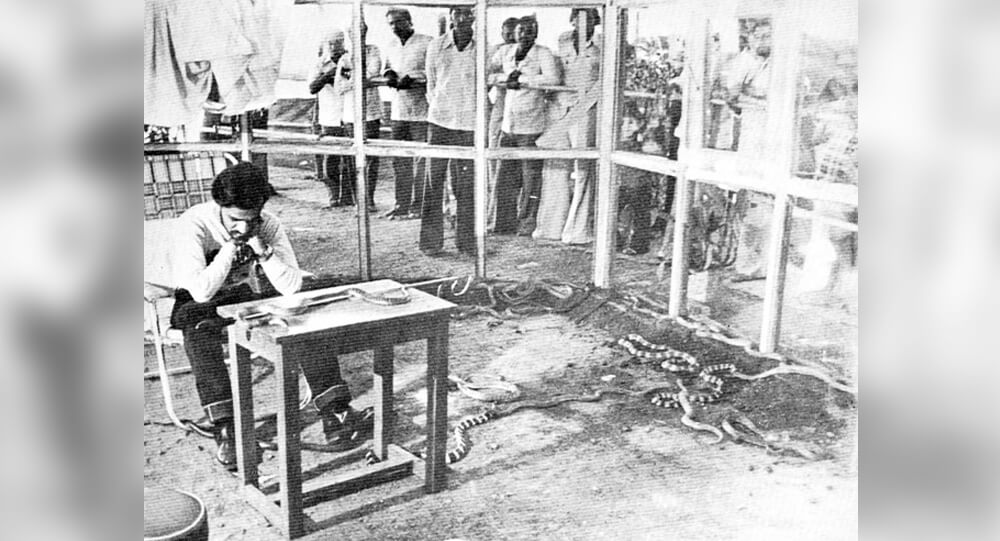
The story of a man who spent 72 hours with 72 venomous snakes to prove they only bite when provoked
In the 1980s, an Indian man spent 72 hours in a glass cabin with 72 snakes, some of which were extremely venomous. His aim was to prove that snakes only attack when provoked. Remarkably, he was not bitten once in those 72 hours and even set a Guinness World Record in the process.