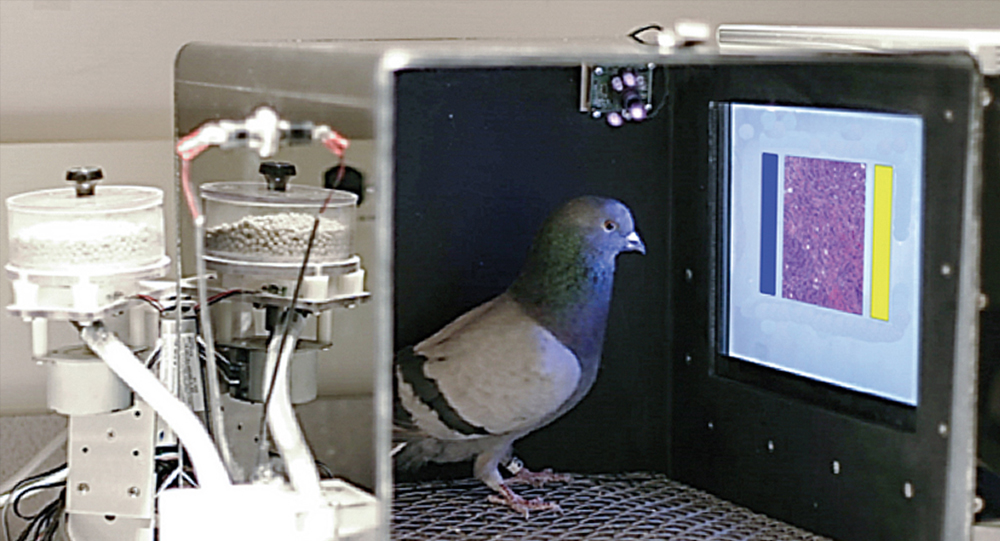
In a pioneering experiment by scientists at the University of California, Davis and the University of Iowa, pigeons were trained to identify cancerous breast tissue images from non-cancerous ones using a computer touchscreen and food rewards. Remarkably, the birds reached accuracy rates comparable to trained human observers—a feat that initially stunned researchers.
This capability was not due to rote memorization: pigeons successfully generalized their visual learning to new, unseen images, demonstrating genuine pattern recognition abilities. The study highlighted pigeons’ sharp visual processing and impressive learning speed, completing the tasks in just two weeks.
How Pigeons Learn to Detect Cancer
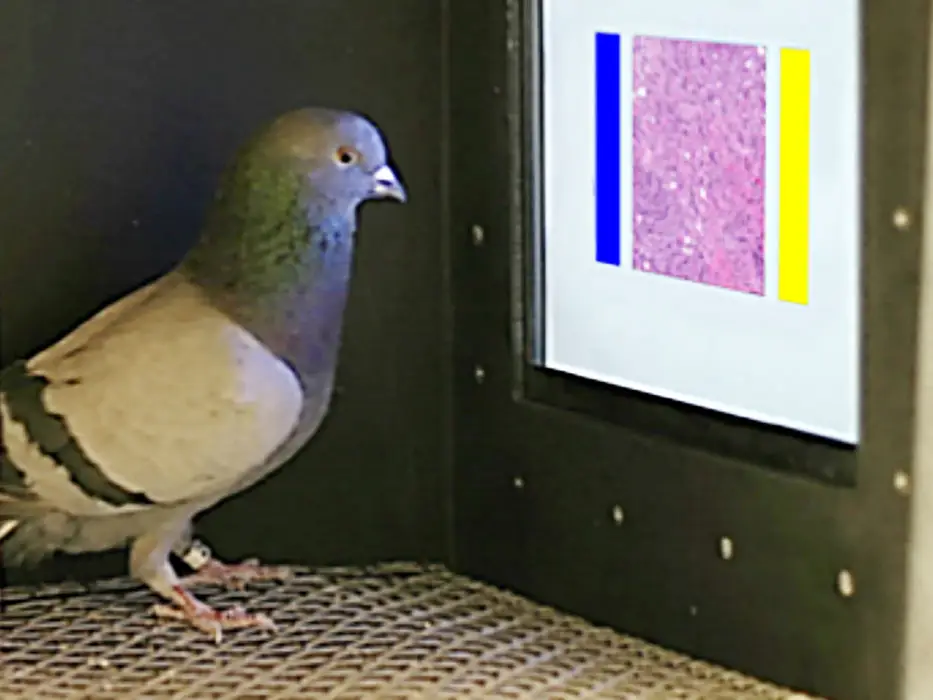
The training procedure involved showing pigeons digitized microscope slides of benign and malignant breast tissues. The birds learned to peck at a certain colored button for cancerous images, receiving a food pellet for correct responses. Testing with rotated, color-altered, and compressed images revealed that pigeons didn’t rely simply on superficial cues; they responded to complex visual patterns associated with cancer.
Pigeons also showed aptitude in recognizing microcalcifications—tiny calcium deposits visible in mammograms that can indicate early breast cancer—although they found classifying suspicious masses more challenging, mirroring the difficulties faced by human specialists.
What Does This Mean for Medical Diagnostics?
While pigeons will not replace professional pathologists or radiologists anytime soon, their ability to discriminate subtle visual details offers valuable insight into human diagnostic processes. Researchers suggest pigeons could serve as “bio-assistants” to help validate and improve automated computer algorithms that classify medical images, refining diagnostic precision.
The concept of “flock-sourcing”—aggregating decisions across multiple pigeons—yielded astonishing 99% diagnostic accuracy, paralleling expert human performance. This collective intelligence model presents exciting potential for crowdsourced or AI-assisted diagnostics inspired by nature.
Fascinating Trivia About Pigeons and Cancer Detection
- Pigeons’ vision is four times sharper than humans’ in color discrimination, aiding their visual learning.
- Their ability to generalize learning to novel images shows cognitive flexibility uncommon in species outside primates.
- The “Clever Hans effect” was ruled out using automated tests without human observers present.
- Pigeons have been trained in other complex tasks like identifying gorillas in jungle images, showing wide applicability.
- Visual pattern recognition in pigeons can inform neuroscience and machine learning research.
- Training relies on “operant conditioning,” rewarding correct choices with food, a powerful motivator.
- Human pathologists typically require years of training to reach expertise pigeons attained in weeks.
- These findings challenge assumptions about animal intelligence and cross-species perceptual similarities.
Nature and Technology Unite Against Cancer
The discovery that pigeons can detect cancer with near-human accuracy is a captivating breakthrough straddling biology, medicine, and technology. Their unique visual abilities shed light on how we perceive complex images and offer promising collaboration avenues to enhance medical diagnostics.
This research encourages further exploration of animal cognition and biomimicry to create smarter diagnostic tools and strengthen our fight against cancer.
If this fascinating intersection of nature and medicine intrigued you, share this article to inspire curiosity and innovation in health science worldwide.
Sources & Further Reading:
- University of California, Davis: Pigeons Distinguish Cancerous Breast Tissue (2015)
- BBC News: Pigeons Identify Breast Cancer as Well as Humans (2015)
- PLOS One: Research on Pigeons’ Visual Diagnosis Ability
- Scientific American: Using Pigeons to Diagnose Cancer (2015)
- National Institutes of Health: Animal Training and Medical Imaging Studies
These sources provide detailed scientific reporting and analysis on pigeons’ remarkable diagnostic capabilities and their implications for medical research.


For the First Time in 60 Years, Scientists Discover a 'Lost' Echidna Species
An expedition team in Indonesia discovered the elusive, egg-laying animal (Echidna) named after David Attenborough, which had not been seen since 1961.

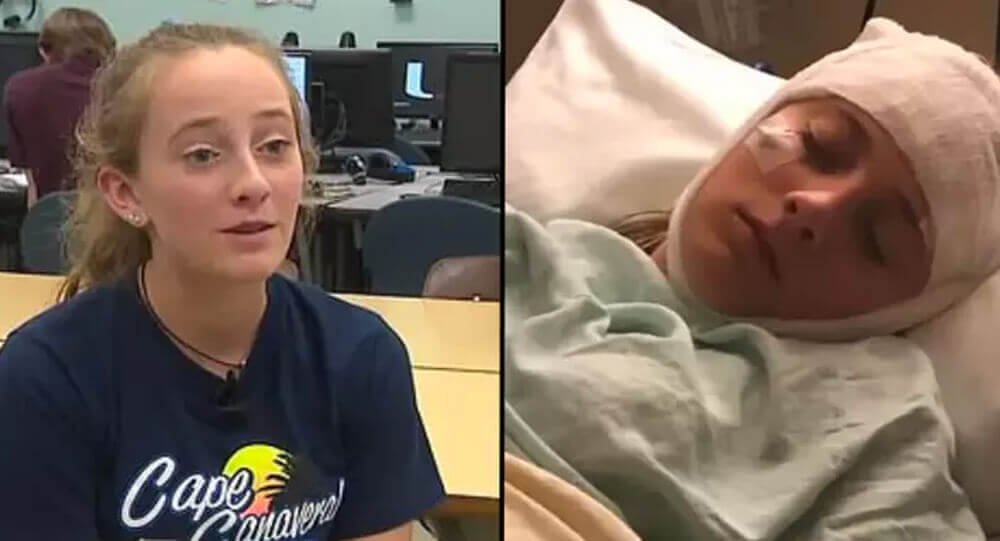
Woman's memory reset every two hours after traumatic accident
Riley Horner, an Illinois teenager was accidentally kicked in the head. As a result of the injury, her memory resets every two hours, and she wakes up thinking every day is June 11. Riley keeps detailed notes of events happening throughout the day, and sets an alarm on her phone every two hours to remind her to review them. Riley also keeps a calendar in her room to remind her what day it is? As she wakes up every morning confused, thinking it's still June 11.
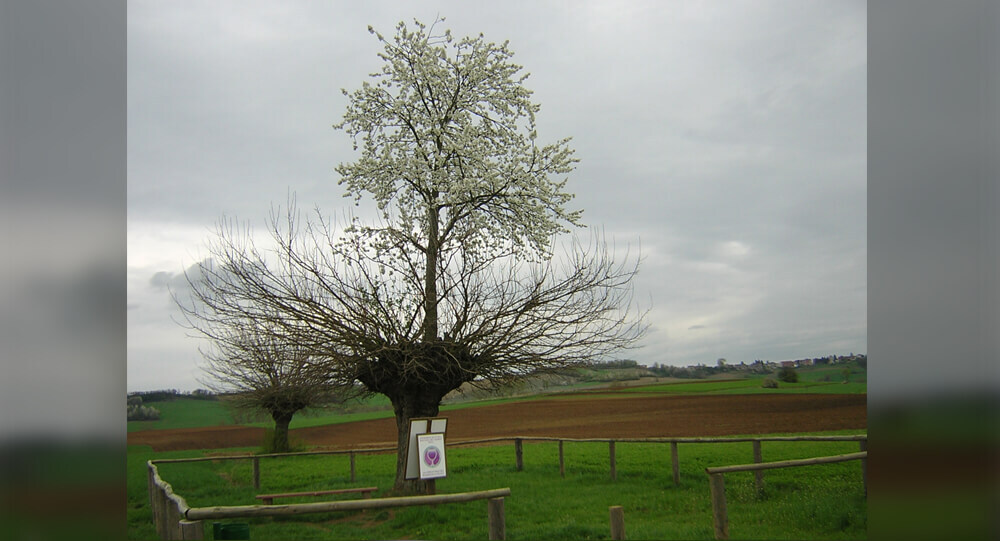
The Unique Grana Double Tree of Piedmont, Italy
The “Grana Double Tree” in Piedmont, Italy is a highly unusual tree, which consists of a cherry tree growing atop a mulberry tree. It is essentially a two-species, two-tiered hybrid duplex.

The World’s First Seismograph: How Ancient China Detected Earthquakes 1,800 Years Ago
Over 1,800 years ago, long before modern technology, the ancient Chinese astronomer and inventor Zhang Heng created the world’s first seismograph in 132 AD. This ingenious bronze device could detect distant earthquakes by releasing small balls from dragons’ mouths into toads’ mouths—each indicating a different compass direction. Its historic detection of an earthquake 400 miles away astonished the imperial court and transformed the way societies understood and responded to seismic events.

Man gave his stem cell fund to a disabled boy
Dan Black, who was paralyzed in a bike accident, spent four years raising 20,000 for a stem cell treatment that could let him walk again. However, after learning about a five-year-old boy with cerebral palsy, he donated the funds for the boy's medical treatment in order to enable him to take his first steps.
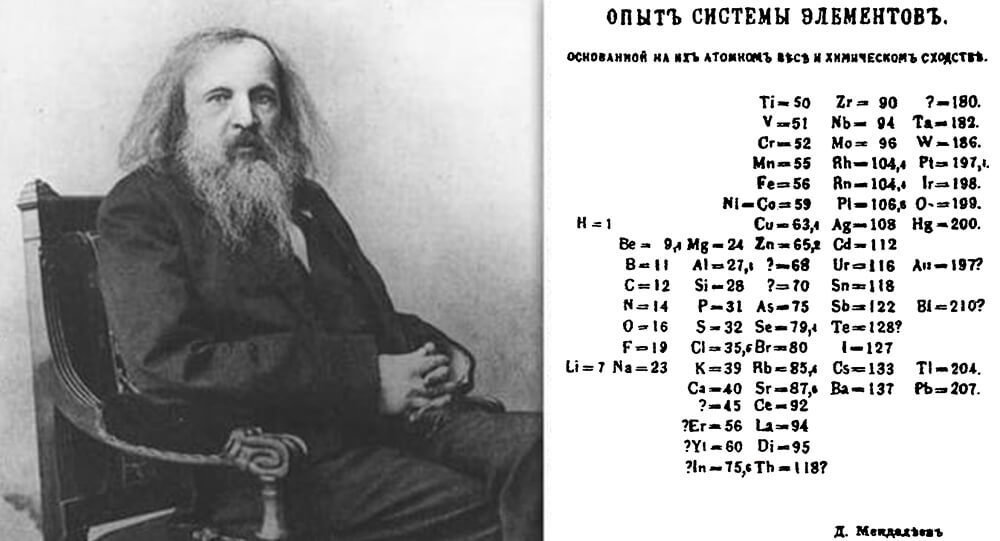
How Dmitri Mendeleev Developed the periodic table of the elements
1850 Dmitri Mendeleev walked almost a thousand miles to Moscow so he could apply for the University of Moscow. Although he was not accepted, he walked to St. Petersburg where he was accepted, And with that education, he developed the the periodic table of the elements
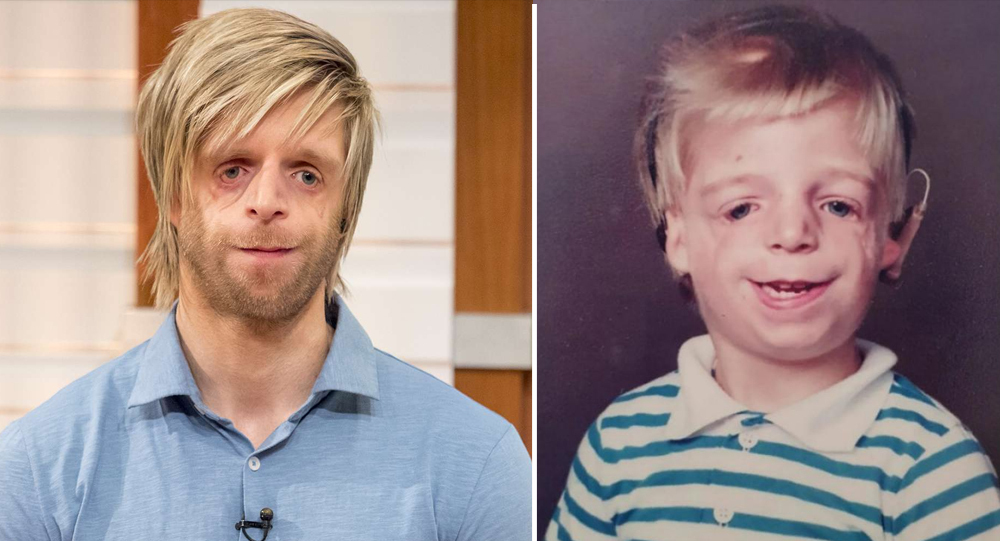
Inspiring story of Jono Lancaster, Abandoned by His mother at birth for this 'defect' on his face
When Jono Lancaster was just 36 hours old, his parents left him for adoption because he was suffering from Treachers Collins Syndrome, a genetic disorder which hampers facial bones development. Now he is an inspirational speaker, a professional model and a teacher, giving inspiration to millions
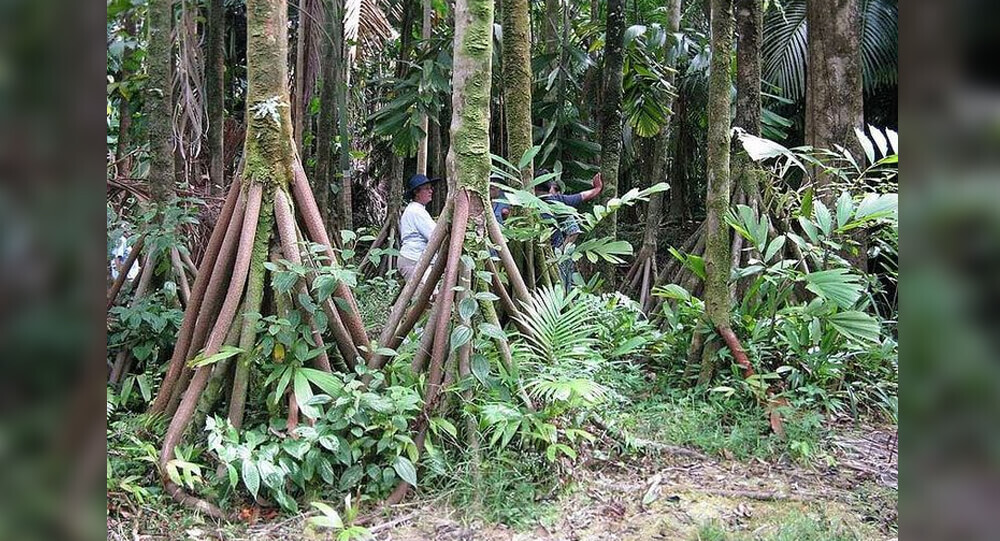
The “Walking” Palm, tree species can walk up to 65 feet each
This tree species can walk up to 65 feet each year to find the best habitat to live in.
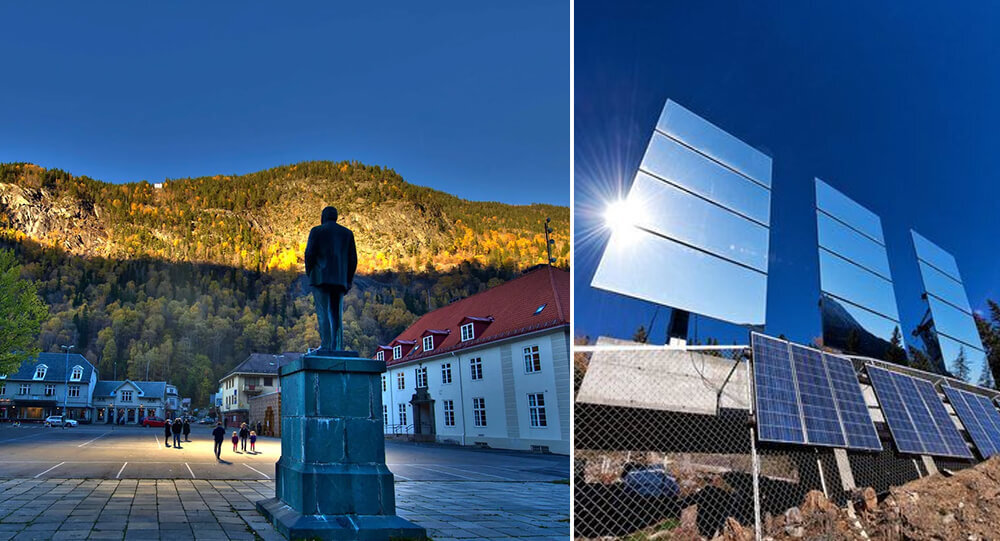
The Giant Mirrors Brought Sunlight to Rjukan
Due to the steep mountains that surround it, the town of Rjukan, Norway, doesn't receive any natural sunlight from September to March. They placed large mirrors in the town square to reflect light. The mirror follows the path of the sun and moves every 10 seconds to create a 600m squared light pool.
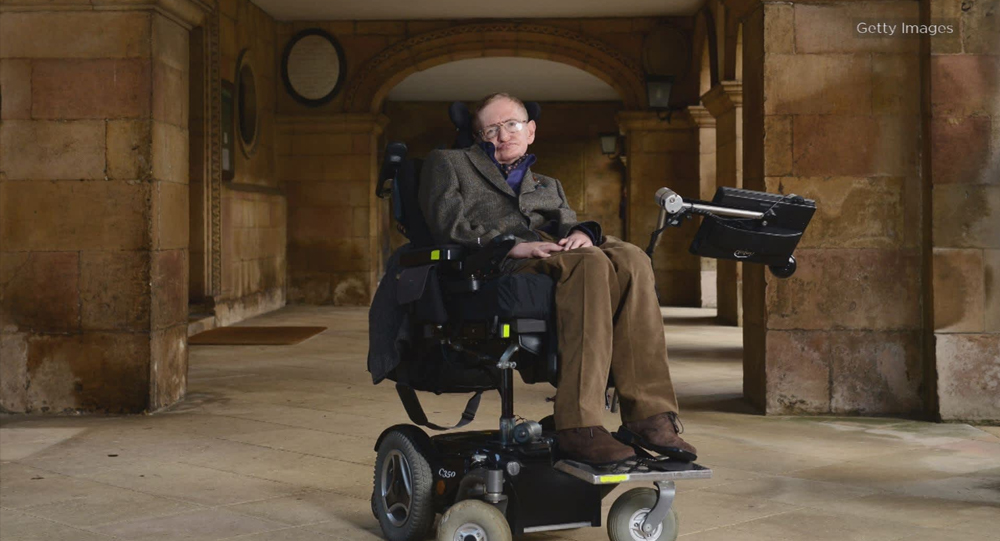
Stephen Hawking’s Warning: Humanity Has Less Than 200 Years to Escape Earth’s Limits
Stephen hawking says humanity won't survive without leaving earth. In fact, human beings may have less than 200 years to figure out how to escape our planet

Why are there 24 hours in a day and 60 minutes in an hour
Ancient Babylonians did math in base 60 instead of base 10. That's why we have 60 seconds in a minute and 360 degrees in a circle.
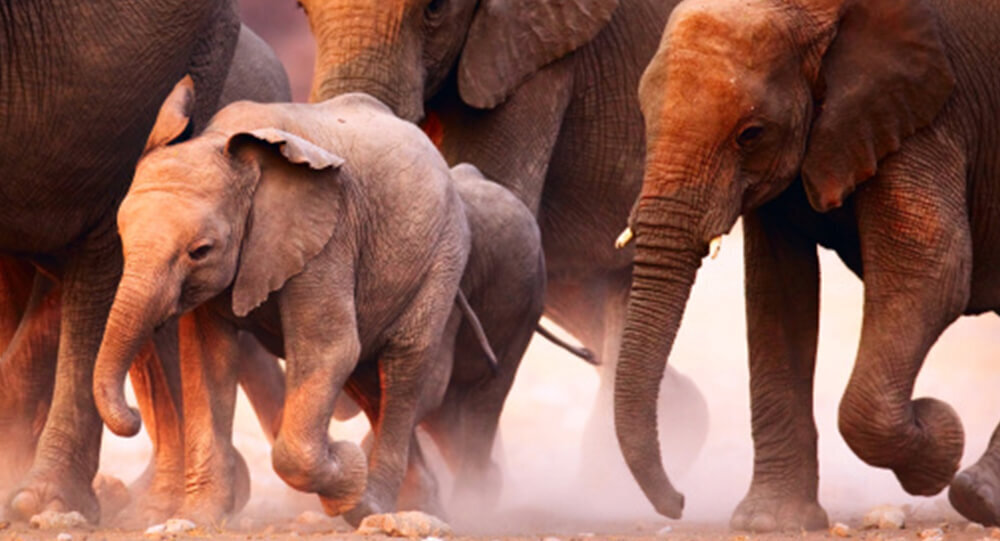
Earthquakes: Can Animals Really Predict Them?
In 1975, when officials in the Chinese city of Haicheng were alarmed by odd and anxious behaviors of dogs and other animals. These observations led them to order 90,000 residents to evacuate the city. Only a few hours later a 7.3 magnitude earthquake destroyed nearly 90% of the city’s buildings.
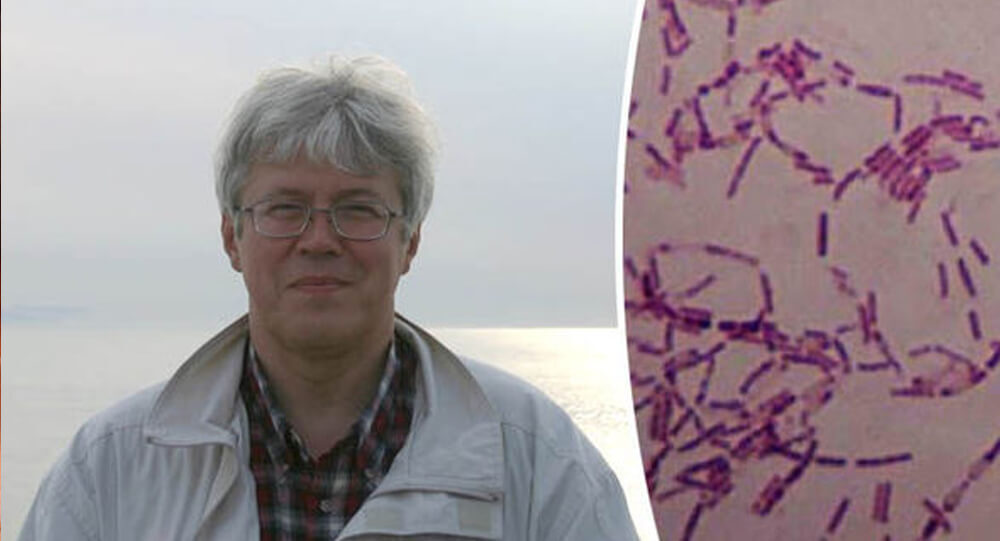
Scientist injects himself with 3.5m yr old bacteria for immortality and amazing happens
Russian scientist injected himself with a 3.5 million-year-old strain of bacteria, just to see what would happen. According to Brouchkov, Bacillus F has a mechanism that has enabled it to survive for so long beneath the ice, and that the same mechanism could be used to extend human life, too.

Man discovers he has 3 kidneys after going to doctor for severe back pain
In 2020, a 38-year-old Brazilian man visited his doctor for severe back pain and was shocked to find out that he has three kidneys instead of just two.
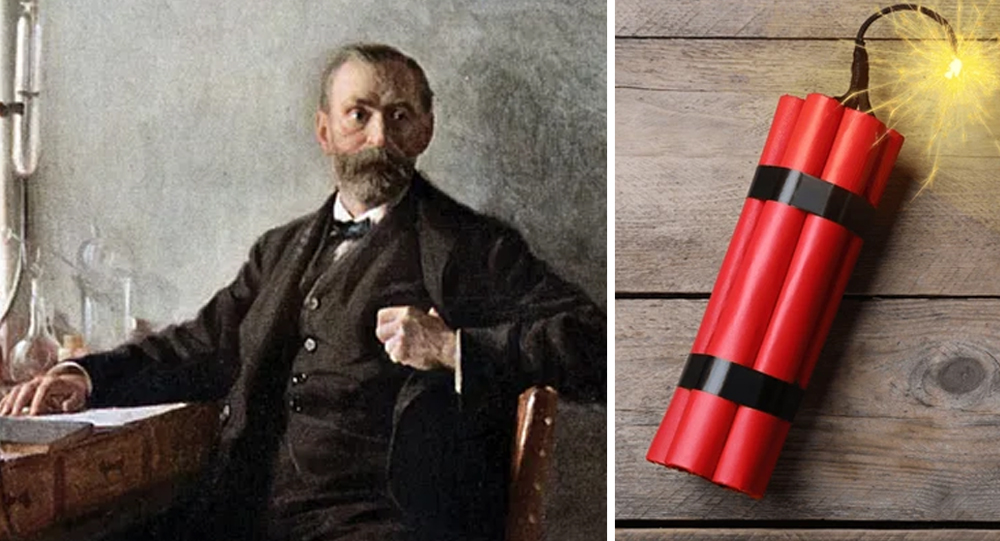
How a Headache Cure Experiment Led to the Invention of Dynamite
Alfred Nobel discovered dynamite while experimenting with nitroglycerin, a volatile liquid he also took in tiny doses for headaches. Ironically, the explosive that made him wealthy and feared also eased pain—later inspiring his legacy as founder of the Nobel Prizes.
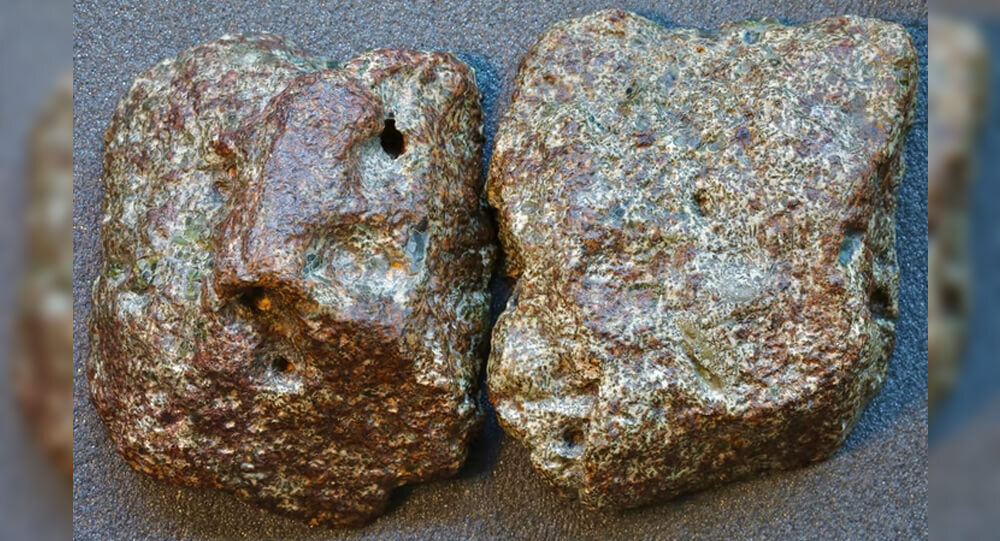
Meteorite found in Sahara Desert older than the earth
This Sahara Desert Meteorite was discovered to be older than the earth itself. This Meteorite is estimated to be 4.6 billion years old, while earth is estimated to be 4.54 billion years old.

How Sleep Cycles Affect Cognitive Function and Memory Retention
Sleep is not just rest—it's an active process where our brain cycles through stages that shape cognition, memory, and overall mental performance. Different sleep phases, from deep slow-wave sleep to REM dreaming, play unique roles in consolidating memories, boosting attention, and refreshing brain networks. Explore how sleep cycles work and why they are essential to learning and sharp thinking.

What makes bananas radioactive?
Yes, It is true that bananas contain radioactive substances. But the same can be said for spinach, potatoes, oranges, Brazil nuts, kitten litter, granite counter tops, even the air you breathe! Radioactivity is unavoidable and all around us. So, what exactly is it?
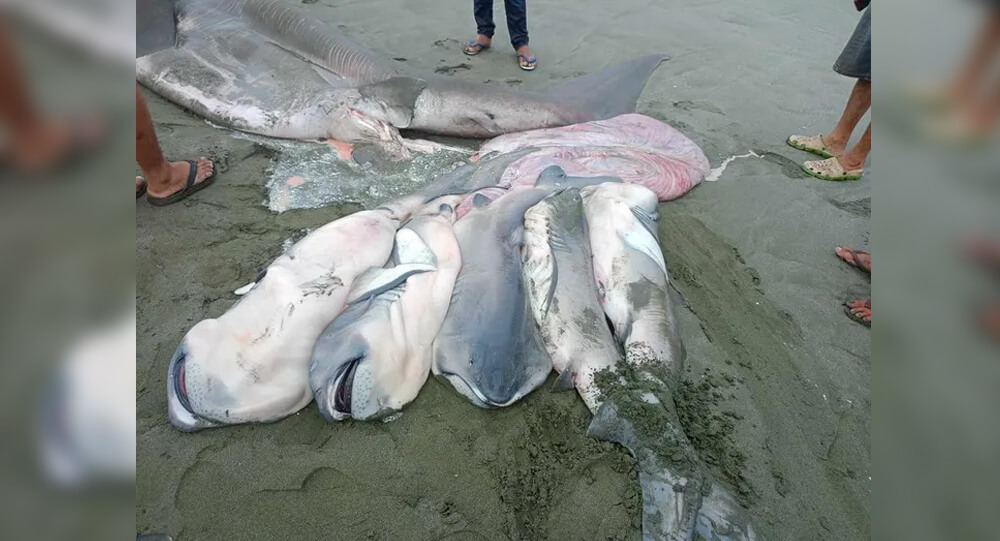
Megamouth Shark And Her Babies Found Dead In The Philippines
Filipino zoologists have recorded a pregnant megamouth shark for the first time ever since the rare aquatic specie was discovered in 1974.

The Mystery of the Darvaza Gas Crater: A 50-Year Inferno
Scientists lit a hole filled with natural gas on Fire in 1971, expecting it would burn only for few days. The hole has been burning for the past 48 years & is called "The Door To Hell".
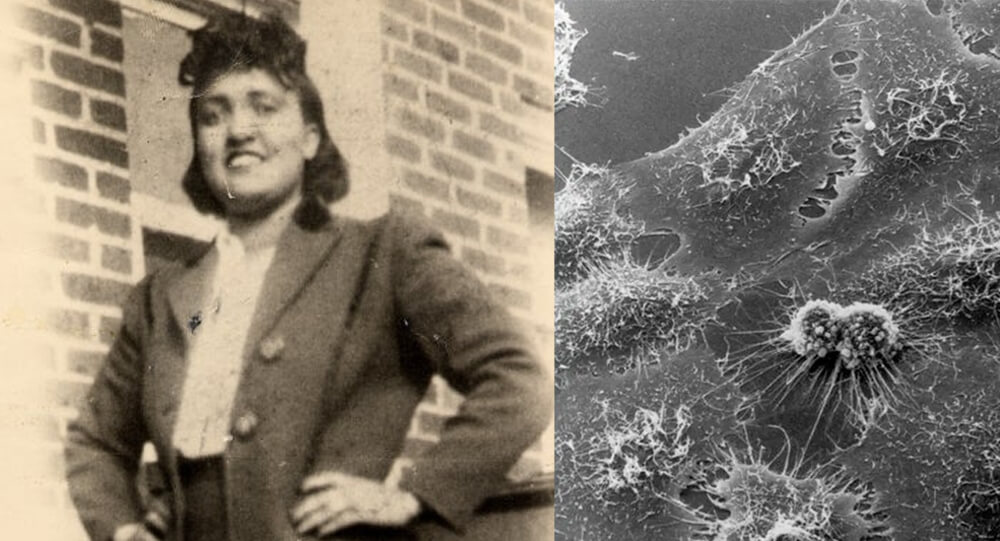
Henrietta Lacks: Who Was She? Here's how HeLa cells became necessary for medical research
Henrietta Lacks was died in 1951. The tumor that killed her has been alive and growing to this day. The tumor is immortal and was used to progress the Polio vaccine and is the jumping point for most human cell research to this day. Scientists have grown some 20 tons of her cells.
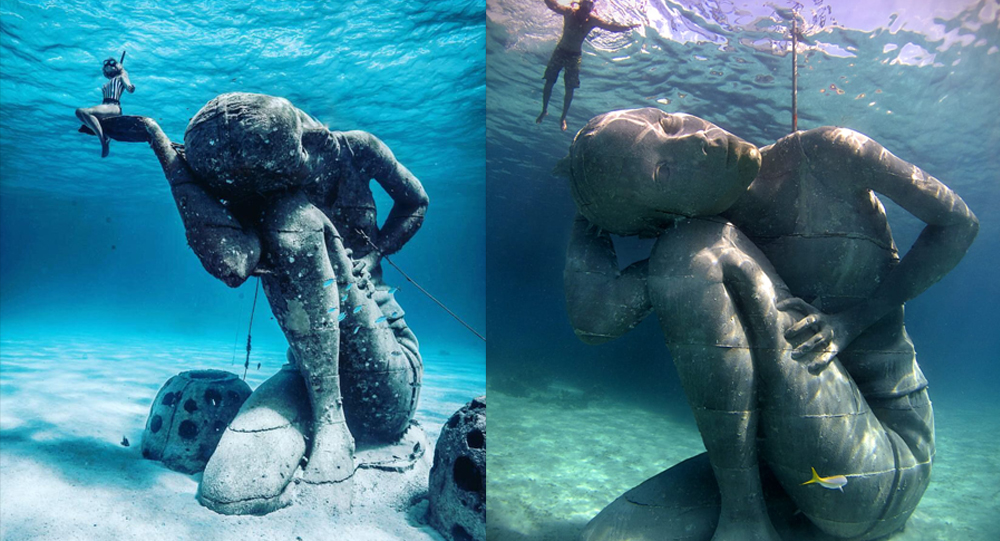
Ocean Atlas: Exploring the World’s Largest Underwater Sculpture in the Bahamas
On the western coast of New Providence in Nassau, Bahamas, there is a tourist attraction that you can dive down to see. Called Ocean Atlas, this is the largest single underwater sculpture ever installed. It depicts a local Bahamian girl carrying the weight of the ocean, in reference to the Ancient Greek myth of Atlas holding up the heavens.

India's chandrayaan-3 becomes the first landed craft on moon's south pole
India's chandrayaan-3 becomes the first land craft on moon's south pole. It landed safely on August 2023
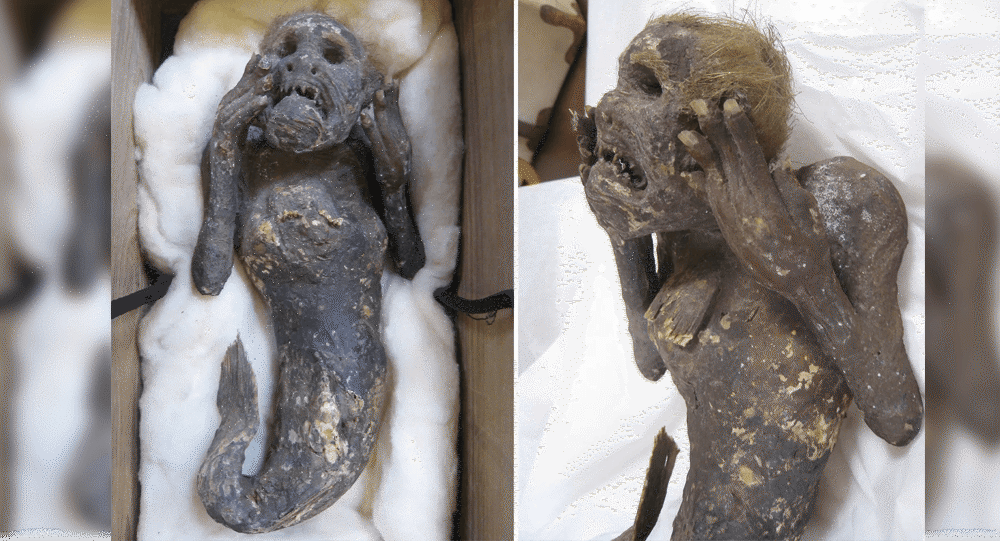
Mystery of 300-year-old mummified mermaid is being probed
There is a 300-year-old mummified mermaid with 30 centimetres tall and features a human-like head, two hands with what appear to be fingernails, and its lower body that look like a fish tail. The “mermaid mummy” is being probed by Japanese scientists in an attempt to unravel the mystery of its existence.
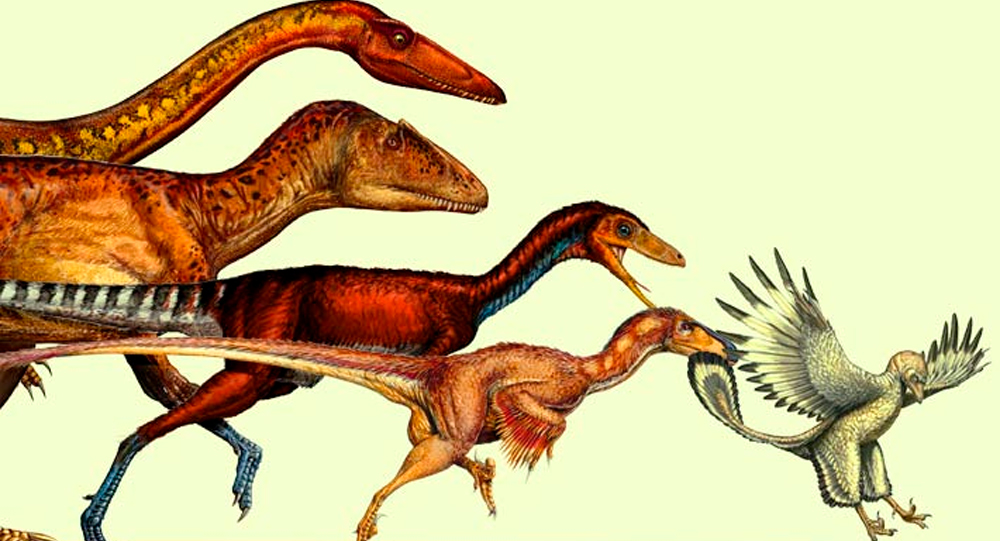
The Evolution of Flight: From Dinosaurs to Birds – A Journey Through Time and Science
Flight is one of nature’s most remarkable adaptations, but its origins trace back millions of years before modern birds took to the skies. Emerging from theropod dinosaurs during the Jurassic period, birds evolved feathers, wings, and lightweight bodies that enabled powered flight. This detailed narrative explores the fascinating evolutionary path from ground-dwelling dinosaurs to the aerial masters of today, blending science, intriguing fossil finds, and surprising trivia about our feathered ancestors.