
Dreaming is a universal experience—everyone dreams, even if they don’t always remember. But why does the brain generate these vivid, often bizarre experiences during sleep? For decades, neuroscientists and psychologists have sought to decode this puzzle.
One prevailing view is that dreams serve important biological and cognitive functions. They occur primarily during the Rapid Eye Movement (REM) stage of sleep, when brain activity is very high, resembling wakefulness. Scientists believe dreaming is not just random firing of neurons but plays a role in processing emotions, consolidating memories, and problem-solving.
From an evolutionary perspective, some theories suggest dreams may have helped our ancestors rehearse survival scenarios, enhancing creativity and alertness. Others propose dreams act as a “mental housecleaning,” helping the brain discard unnecessary information.
Neurology of Dreaming: What Happens in the Brain?
During REM sleep, complex brain networks become highly active. Regions involved in visual processing (occipital lobe), emotions (amygdala), and memory (hippocampus) light up. Interestingly, areas responsible for logical reasoning and self-awareness—the prefrontal cortex—show reduced activity, which may explain dreams’ often illogical, fantastical qualities.
Chemical changes underpin this state. Neurotransmitters like serotonin and norepinephrine decline, while acetylcholine increases, modulating brain circuits and allowing vivid imagery and emotional intensity to flourish. This neurological cocktail supports immersive dream experiences, often involving rich sensory details and emotional themes.
Scientists use technologies like functional MRI and EEG to study brain activity during sleep, helping map where and when dreaming occurs. Although much remains mysterious, it’s clear dreaming is a dynamic brain process intertwined with our waking mental life.
Theories on the Meaning and Function of Dreams
Several scientific theories attempt to explain what dreams mean and why they matter:
- Memory Consolidation: Dreams may help the brain sort and integrate new information, strengthening learning and memory formation. Nightly dreams could be a way of rehearsing or organizing the day’s events.
- Emotional Regulation: Dreams often magnify emotions, allowing us to process stress, anxiety, or trauma in a safe space. This emotional “rehearsal” can reduce waking emotional reactivity.
- Problem-Solving and Creativity: Some researchers argue that dreaming promotes creative thinking by loosening strict logical constraints and making novel connections—think of famous “aha” moments inspired by dreams.
- The Activation-Synthesis Model: Proposed in the 1970s, this suggests dreams result from the brain trying to make sense of spontaneous neural firing during REM. The bizarre narratives are the brain’s efforts to synthesize random signals into a story.
- Psychodynamic Perspectives: Rooted in Freud and Jung, these emphasize dreams as windows into unconscious desires or archetypes, though these views are less supported by modern neuroscience.
Common Dream Themes and What They Could Indicate
Across cultures and ages, dreams share common motifs—being chased, falling, flying, or missing an exam. While interpretation should be cautious, these themes often reflect universal human concerns like fear, control, freedom, or anxiety.
For example:
- Being Chased: May suggest avoidance or stress in waking life.
- Falling: Can reflect insecurity or loss of control.
- Flying: Often signifies a desire for escape or empowerment.
Despite these generalizations, dreams remain highly personal and symbolic, influenced by individual experiences and psychology.
Fascinating Trivia About Dreams
- The average person has about 4-6 dreams per night but remembers only a few.
- Newborn babies spend up to 50% of their sleep in REM, possibly aiding brain development.
- Lucid dreaming—awareness that you are dreaming while in the dream—can sometimes be trained and used therapeutically.
- People blind from birth often dream with vivid play of sounds, emotions, and touch, showing dreams aren’t solely visual.
- Cultural attitudes toward dreams vary widely, from divine prophecy to meaningless nonsense.
- Some studies show that people who are deprived of REM sleep exhibit more intense emotional reactions when awake.
How Dreams Affect Our Waking Lives
Beyond nighttime mysteries, dreams influence mood, creativity, and even physical health. Understanding dreams can provide insights into mental health conditions like PTSD, where nightmares play a central role, or depression, where dream patterns shift.
Some therapists use dream analysis and guided imagery for healing and self-awareness. Additionally, creative fields—from art to science—have long been inspired by dream imagery.
Final Thoughts: Embracing the Science and Wonder of Dreams
Dreams walk a thrilling line between biology and mystery. While science unveils how they arise from complex brain activity, the subjective meanings and personal resonances continue to captivate us.
As research progresses, dreams will likely remain a fertile ground for exploring consciousness, emotion, and the brain’s remarkable capabilities—reminding us that even in sleep, the mind’s story continues.
The next time you wake from a vivid dream, remember: you’ve glimpsed a unique journey of your brain, blending memory, emotion, and imagination into an ancient, universal human experience.
If you found this dive into the science of dreaming intriguing, share it with fellow curious minds and keep exploring the mysteries of the mind and sleep.
Sources & Further Reading:
- National Sleep Foundation: Why Do We Dream?
- Harvard Medical School: The Neuroscience of Dreaming
- American Psychological Association: Dreams and Emotional Processing
- Scientific American: What Are Dreams For?
- Nature Reviews Neuroscience: Neural Correlates of Dreaming
- Journal of Sleep Research: Lucid Dreaming and Mental Health

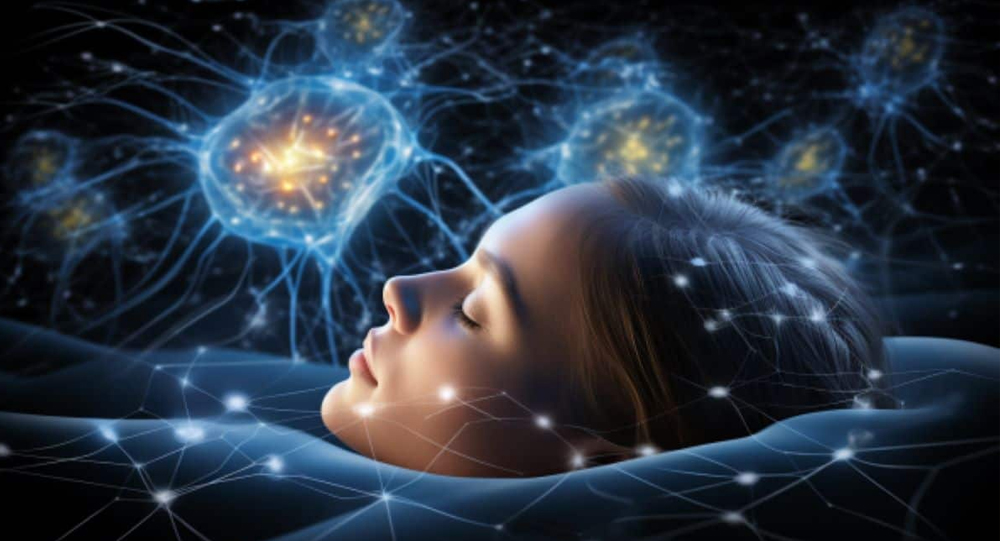
How Sleep Cycles Affect Cognitive Function and Memory Retention
Sleep is not just rest—it's an active process where our brain cycles through stages that shape cognition, memory, and overall mental performance. Different sleep phases, from deep slow-wave sleep to REM dreaming, play unique roles in consolidating memories, boosting attention, and refreshing brain networks. Explore how sleep cycles work and why they are essential to learning and sharp thinking.


Why Some Animals Can Regenerate Limbs and What Science Says About Human Possibilities
Certain animals possess the extraordinary ability to regenerate lost limbs, a process that has fascinated scientists and inspired hopes for human medical breakthroughs. From salamanders’ perfect limb regrowth to starfish’s incredible body regeneration, this article explores how and why these animals can perform such feats, the biological mechanisms underpinning regeneration, and what cutting-edge research means for the future of human limb regeneration.

The extraordinary case of Olivia Farnsworth, who hit by a car and dragged down the street without pain because of chromosome 6 deletion
In 2016, 7-year-old Olivia Farnsworth was hit by a car and dragged down the street, but she did not feel a thing. That is because of a rare condition called “chromosome 6 deletion,” which causes her to feel no pain. She also does not experience hunger or exhaustion.

India's chandrayaan-3 becomes the first landed craft on moon's south pole
India's chandrayaan-3 becomes the first land craft on moon's south pole. It landed safely on August 2023

Woman's transplanted 'man hands' became lighter and more feminine over time
After losing both arms in an accident, an Indian girl received limbs from a male donor. The donor hands, which were formerly huge and hairy, changed skin tone and became thin and feminine over time to mix in with her body.

Man discovers he has 3 kidneys after going to doctor for severe back pain
In 2020, a 38-year-old Brazilian man visited his doctor for severe back pain and was shocked to find out that he has three kidneys instead of just two.

A 28-year-old scientist could win a Nobel Prize for creating new class of antibiotics
A 28-year-old scientist could receive the Nobel Prize for developing a new class of antibiotics that fight drug-resistant bacteria, but she only has months to live after being diagnosed with incurable heart cancer, and she says "There aren't words to express how sad I feel' about not seeing award."
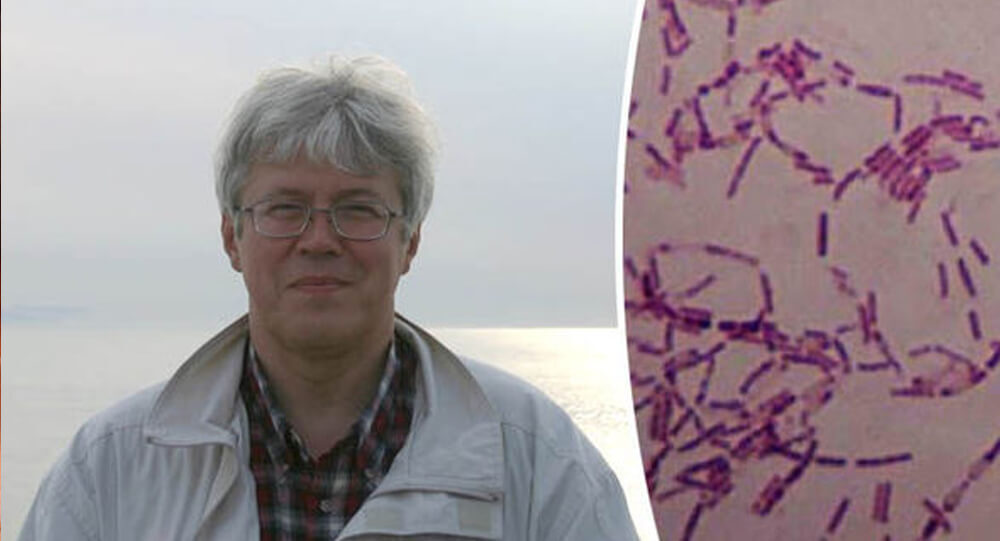
Scientist injects himself with 3.5m yr old bacteria for immortality and amazing happens
Russian scientist injected himself with a 3.5 million-year-old strain of bacteria, just to see what would happen. According to Brouchkov, Bacillus F has a mechanism that has enabled it to survive for so long beneath the ice, and that the same mechanism could be used to extend human life, too.
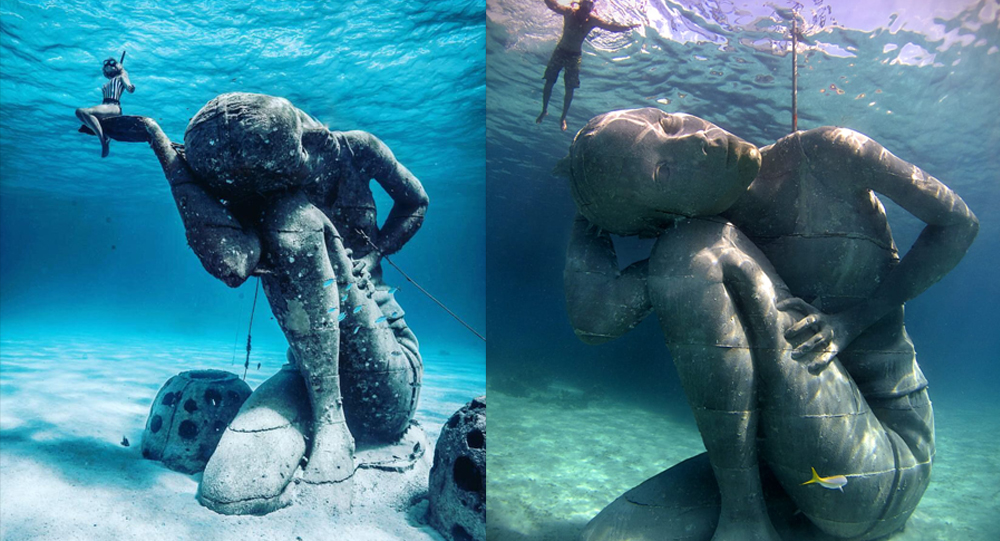
Ocean Atlas: Exploring the World’s Largest Underwater Sculpture in the Bahamas
On the western coast of New Providence in Nassau, Bahamas, there is a tourist attraction that you can dive down to see. Called Ocean Atlas, this is the largest single underwater sculpture ever installed. It depicts a local Bahamian girl carrying the weight of the ocean, in reference to the Ancient Greek myth of Atlas holding up the heavens.

The Unique Grana Double Tree of Piedmont, Italy
The “Grana Double Tree” in Piedmont, Italy is a highly unusual tree, which consists of a cherry tree growing atop a mulberry tree. It is essentially a two-species, two-tiered hybrid duplex.
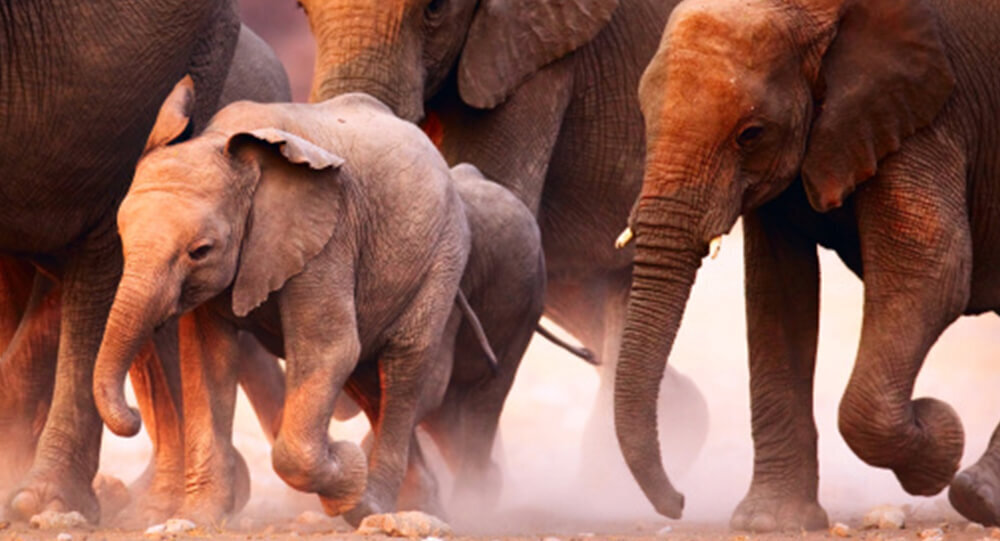
Earthquakes: Can Animals Really Predict Them?
In 1975, when officials in the Chinese city of Haicheng were alarmed by odd and anxious behaviors of dogs and other animals. These observations led them to order 90,000 residents to evacuate the city. Only a few hours later a 7.3 magnitude earthquake destroyed nearly 90% of the city’s buildings.
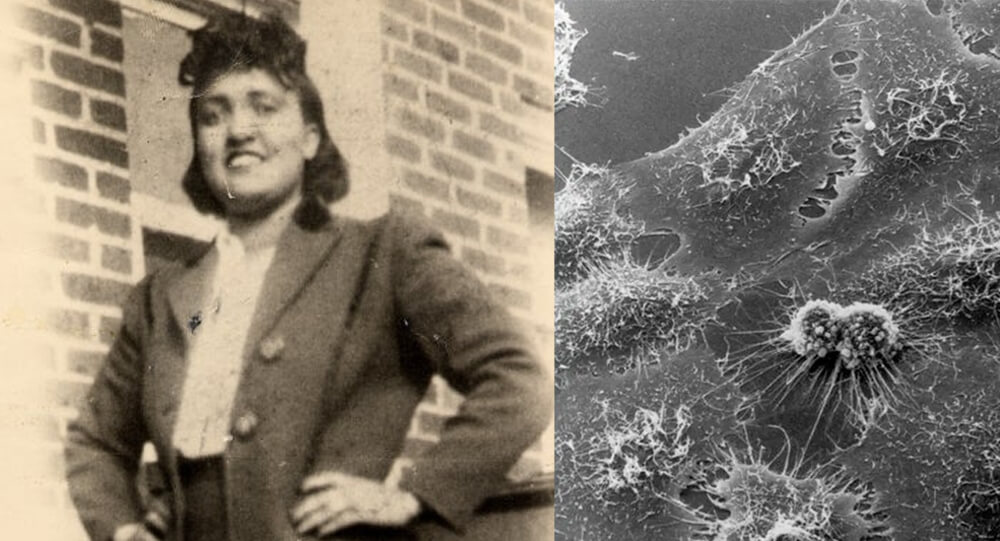
Henrietta Lacks: Who Was She? Here's how HeLa cells became necessary for medical research
Henrietta Lacks was died in 1951. The tumor that killed her has been alive and growing to this day. The tumor is immortal and was used to progress the Polio vaccine and is the jumping point for most human cell research to this day. Scientists have grown some 20 tons of her cells.

Medieval Medicine: A 1,000-year-old onion and garlic salve kills modern bacterial superbugs
Scientists recreated an Anglo-Saxon manuscript-based 9th century onion and garlic eye remedy and discovered that it killed 90% of antibiotic-resistant staph bacteria (MRSA).

The story of Lionel the Lion-Faced Man, Stephan Bibrowski
Stephen Bibrowski, also known as Lionel the Lion-faced Man, was a well-known sideshow entertainer. His entire body was covered in long hair, giving him the appearance of a lion; this was most likely due to a rare condition known as hypertrichosis. Lionel traveled to the United States in 1901 and began performing with the Barnum and Bailey Circus.

Why are there 24 hours in a day and 60 minutes in an hour
Ancient Babylonians did math in base 60 instead of base 10. That's why we have 60 seconds in a minute and 360 degrees in a circle.

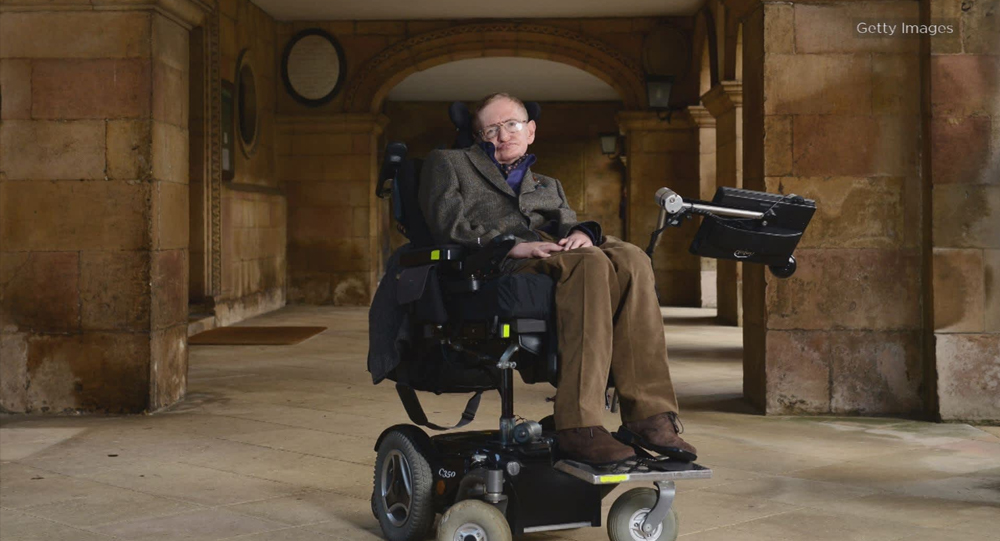
Stephen Hawking’s Warning: Humanity Has Less Than 200 Years to Escape Earth’s Limits
Stephen hawking says humanity won't survive without leaving earth. In fact, human beings may have less than 200 years to figure out how to escape our planet

Canadian Schoolteacher Discovers a Fossil That May Be 300 Million Years Old
School teacher discovers extremely rare fossil of unknown animal that maybe 300 million years old. One high school teacher was walking her dog when she made a once-in-a-lifetime find. It turns out that the fossil is probably 300 million years old and came from an extinct species of reptile.

Meteorite found in Sahara Desert older than the earth
This Sahara Desert Meteorite was discovered to be older than the earth itself. This Meteorite is estimated to be 4.6 billion years old, while earth is estimated to be 4.54 billion years old.

Megamouth Shark And Her Babies Found Dead In The Philippines
Filipino zoologists have recorded a pregnant megamouth shark for the first time ever since the rare aquatic specie was discovered in 1974.
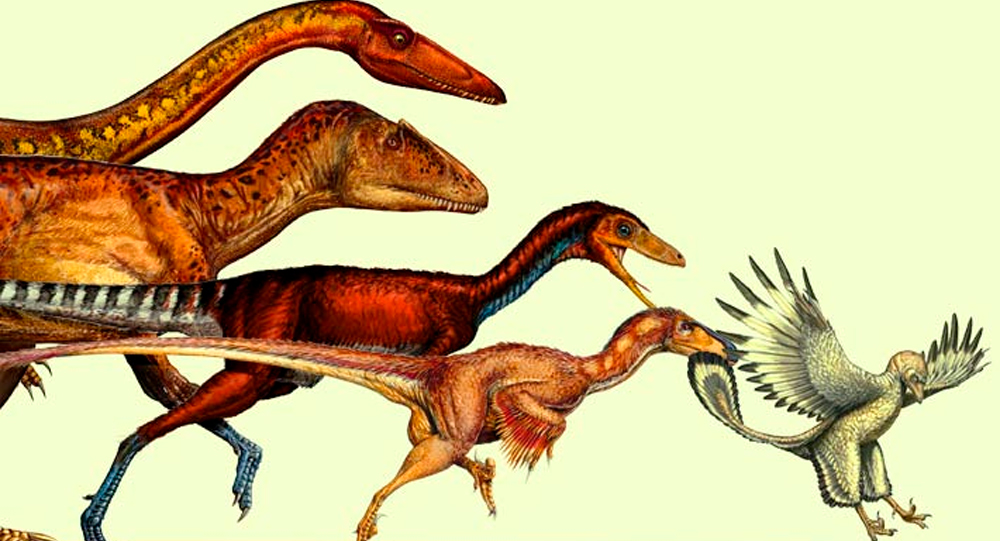
The Evolution of Flight: From Dinosaurs to Birds – A Journey Through Time and Science
Flight is one of nature’s most remarkable adaptations, but its origins trace back millions of years before modern birds took to the skies. Emerging from theropod dinosaurs during the Jurassic period, birds evolved feathers, wings, and lightweight bodies that enabled powered flight. This detailed narrative explores the fascinating evolutionary path from ground-dwelling dinosaurs to the aerial masters of today, blending science, intriguing fossil finds, and surprising trivia about our feathered ancestors.
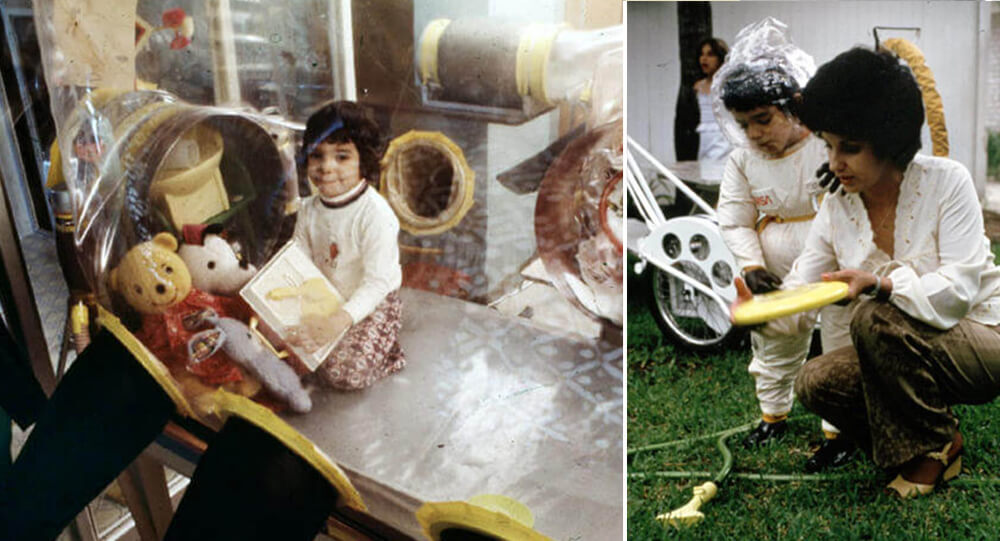
The touching story of David Vetter (bubble boy), the 'boy who lived in a bubble
David Vetter lived his whole 12 years in sterile “bubble”. He was “outside” for 20 second after being removed from his mother’s womb. He never touched any human.

Dr. Leonid Rogozov: the surgeon who removed his own appendix.
Dr. Leonid Rogozov was a legendary surgeon who operated on himself in 1961 to remove an inflamed appendix.

The Mystery of Canada's Magical Spotted Lake
Lake Khiluk, the world's most mineralized lake, and one of the most mysterious places on Earth. Each of these spots has a distinct chemical content and is said to cure various diseases.

The Mystery of the Dancing Forest: Reasons behind the unusual wonders of forest
The Dancing Forest in Russia is noted for its unusually twisted pine trees. The trunks of these trees are contorted into spirals, rings, and other squiggly loops, but the reason for this malformation is still a mystery.

The Mystery of the Darvaza Gas Crater: A 50-Year Inferno
Scientists lit a hole filled with natural gas on Fire in 1971, expecting it would burn only for few days. The hole has been burning for the past 48 years & is called "The Door To Hell".