
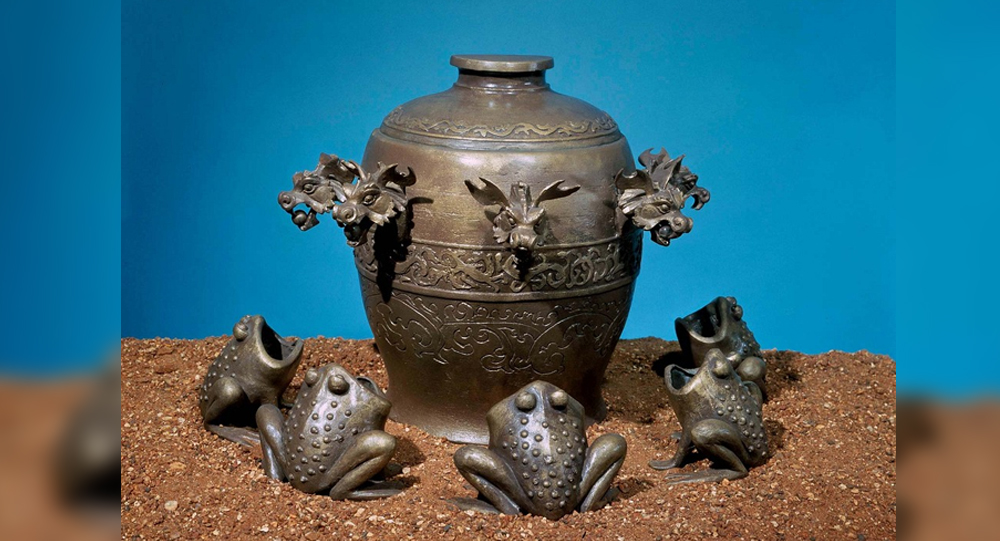
Zhang Heng (78–139 AD), a polymath scholar of the Eastern Han Dynasty, was not only a master of astronomy, mathematics, and literature but also a pioneering engineer. Among his remarkable inventions, his seismograph—called houfeng didong yi, meaning “instrument for inquiring into the wind and shaking of the earth”—stands out as a marvel of early science and technology.
Constructed as a large bronze urn adorned with eight dragon heads facing the eight principal compass directions, the device was both functional and symbolic. Below each dragon sat a bronze frog with its mouth open wide, waiting to “catch” a ball released from the angry dragon above.
How the Ancient Seismoscope Worked
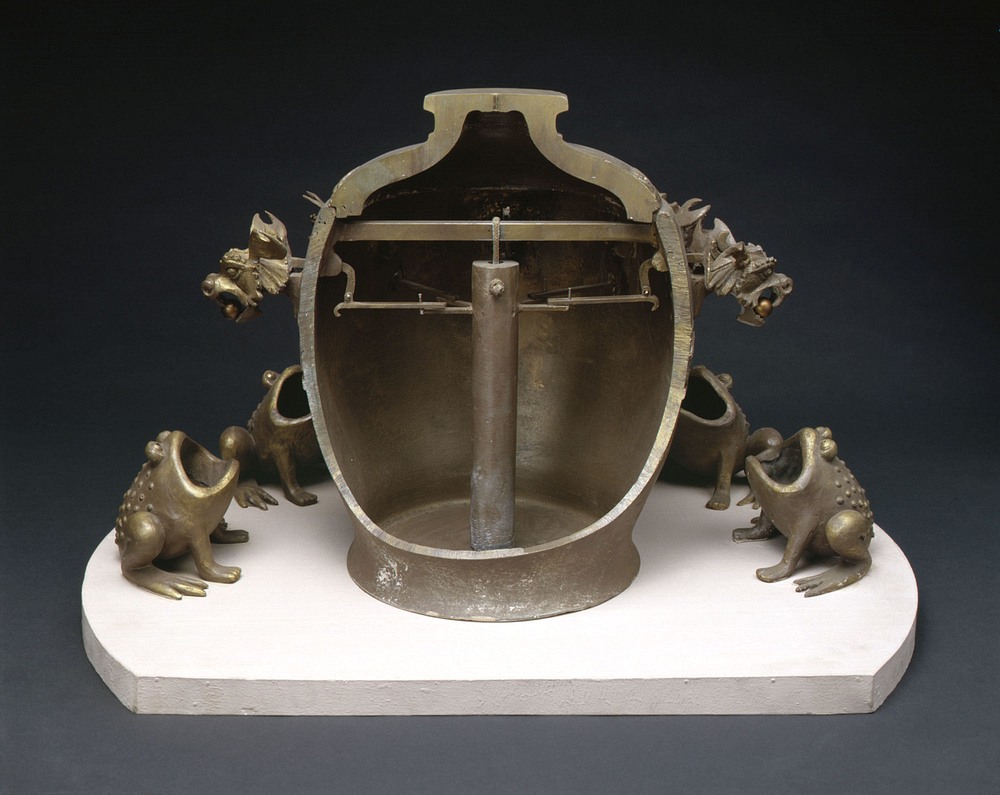
Inside the urn was a sophisticated mechanism believed to be based on a pendulum principle sensitive to ground vibrations. When seismic waves reached the area, the pendulum would swing, triggering a lever that would open the mouth of one dragon and release a bronze ball into the corresponding toad’s mouth.
Each dragon-toad pair represented a direction: north, northeast, east, southeast, south, southwest, west, and northwest. The dropping ball let observers know not only that an earthquake had occurred but also indicated the direction from which it came.
Because Zhang’s invention was placed in the imperial capital, it allowed emperors to swiftly learn about distant earthquakes and dispatch aid, a groundbreaking achievement in disaster management.
A Remarkable Historic Event
One of the most famous recorded uses of Zhang Heng’s seismograph was in 138 AD. No one in the capital felt any tremors, yet a ball dropped from the dragon facing west. Days later, a messenger arrived from Longxi (modern Gansu Province), about 400 miles away, with news of a destructive earthquake exactly in that direction.
This calm, early confirmation of distant seismic activity demonstrated the device’s astounding sensitivity and accuracy—and validated Zhang Heng’s design. It was the first documented earthquake detector to give directional cues, a technological leap centuries ahead of its time.
The Legacy of the Ancient Seismograph
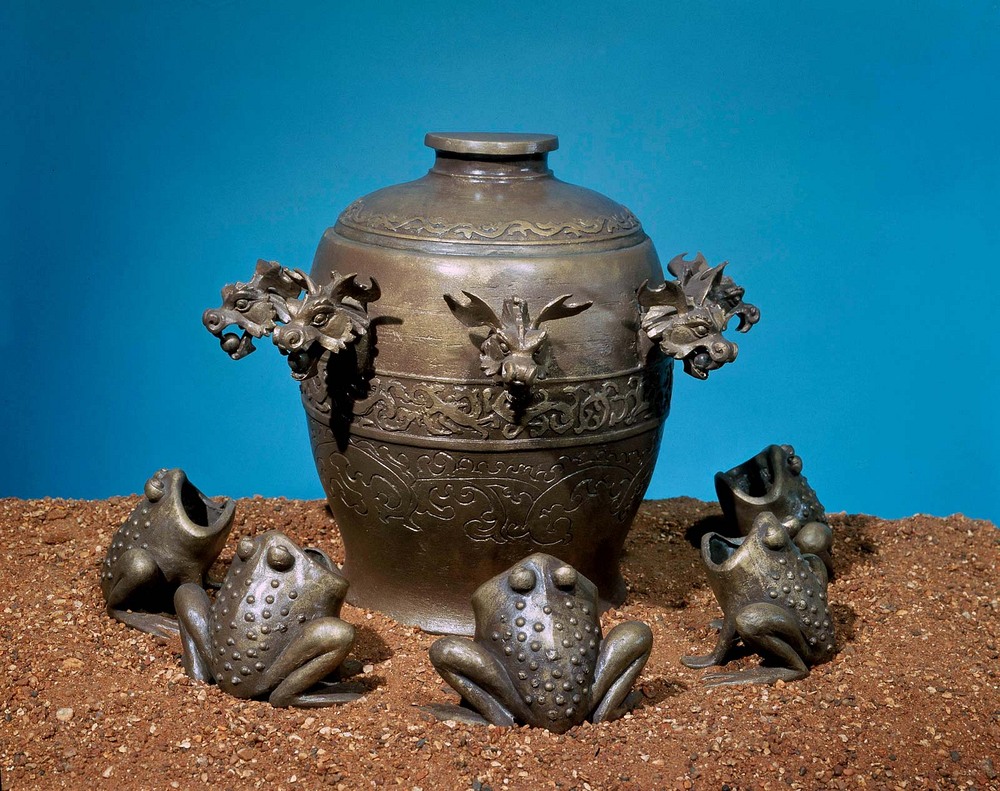
Although Zhang Heng’s original seismoscope was lost to history, descriptions preserved in ancient texts enabled modern historians and engineers to reconstruct and replicate the device. It remains an iconic symbol of Chinese ingenuity and represents one of humanity’s earliest efforts to understand natural phenomena through technology.
Zhang’s seismograph also helped shape early earthquake science and imperial disaster response, influencing later seismological devices developed in China and elsewhere over centuries.
Fascinating Trivia About Zhang Heng’s Seismograph
- The device was nearly two meters in diameter, about the size of a large urn or vase, crafted from bronze.
- Each metal dragon’s mouth held a small bronze ball about the size of a marble.
- The pendulum inside was finely tuned to respond to vibrations from far distances, demonstrating advanced mechanical engineering knowledge.
- Zhang Heng was also credited with inventing the first armillary sphere—an ancient model of celestial bodies.
- The seismograph worked purely mechanically, centuries before electricity or sensors.
- The eight dragons corresponded to the eight cardinal and intercardinal directions on a compass rose.
- Subsequent Chinese inventors like Fang Xindu and Lin Xiaogong built improved models inspired by Zhang Heng’s design.
- The device’s name houfeng didong yi translates as “the instrument that listens to the wind and earth’s shaking.”
- This invention positioned China as a pioneer in earthquake detection long before modern seismology started in the West.
Ancient Wisdom Meets Modern Science
Zhang Heng’s seismograph was a monumental breakthrough in early scientific instrumentation and disaster preparedness. His ingenious fusion of art, mechanics, and geology allowed ancient China not only to sense distant earthquakes but to respond proactively, a legacy that echoes in today’s seismic monitoring systems.
This story reflects the power of human ingenuity in harnessing natural forces through observation and technology, reminding us that the search to understand the Earth’s movements has ancient roots and enduring importance.
If the tale of the world’s first seismograph fascinates you, share this article to celebrate an invention that literally shook the foundations of science and changed how humanity perceives the earth’s tremors.
Sources & Further Reading:
- Kids Discover: Ancient Chinese Seismometer Used Dragons and Toads
- Chinese Historical & Cultural Project: Ancient Seismometer and Its Mechanism
- Wikipedia: Zhang Heng
- Britannica: Zhang Heng Biography and Inventions
- USGS: What Was the First Instrument That Recorded an Earthquake?


Nathan's Famous Doctor Stunt
When Nathan's Famous Hot Dogs first opened in 1916, the owner hired people to dress as doctors and eat hot dogs outside his shop, to convince people his hot dogs were healthy.

The incredible story of a plane that lost its roof in mid-flight and the light signal that saved 94 lives.
On April 28, 1988, Aloha Airlines flight 243 was on the way to Honolulu from Hilo when a huge portion of the upper part of the fuselage blew off the airplane.
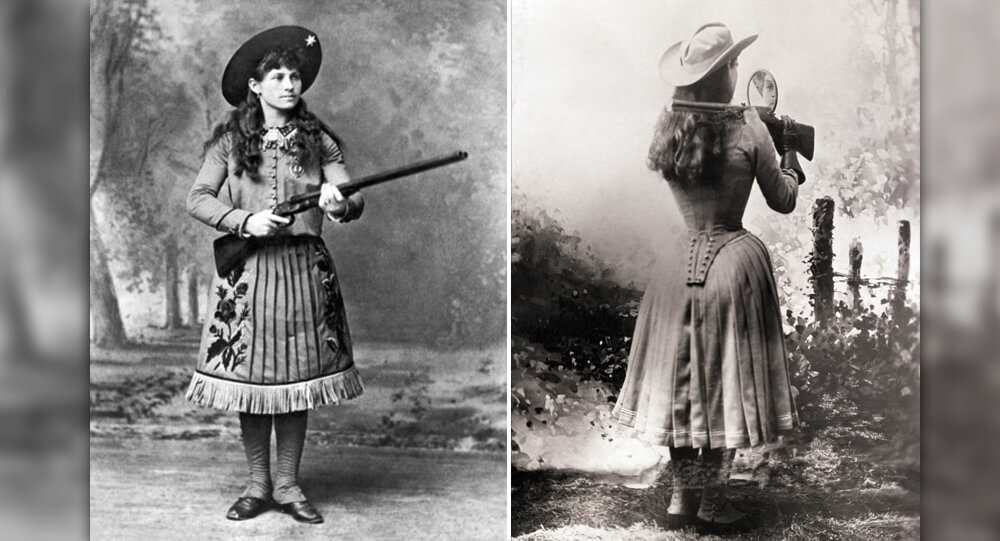
The true story of Annie Oakley, legendary sharpshooter
Anne Oakley was such a good shooter that she could split a playing card help edge-on, hit dimes thrown into the air, shoot cigarette from her husband's lips, and pierce a playing card thrown into the air before it hit the ground.
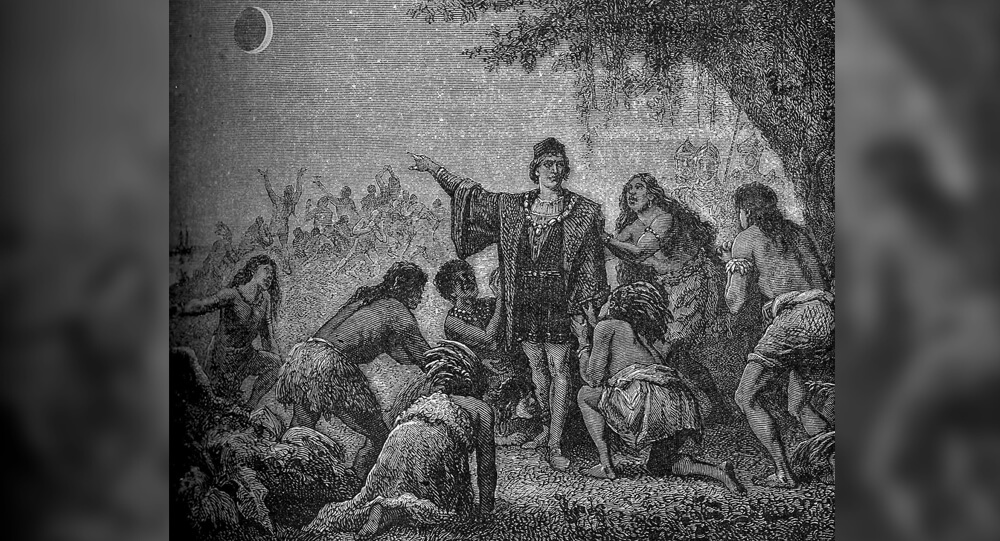
How a Total Lunar Eclipse Saved Christopher Columbus in 1504
In 1504, Christopher Columbus was stranded in Jamaica with natives who refused to give him food. But he knew the date and time of an upcoming lunar eclipse. So he told the natives that his gods were angry at their treatment of him, and would provide a clear sign. Once the eclipse started, the natives raced to give him food and begged for mercy.

The Horrific story of Ariel Castro and the Cleveland abduction
Cleveland abduction victims Gina DeJesus, Michelle Knight, and Amanda Berry were forced to live in Ariel Castro's house of horrors for 10 years. He raped and beat them until they escaped in 2013.
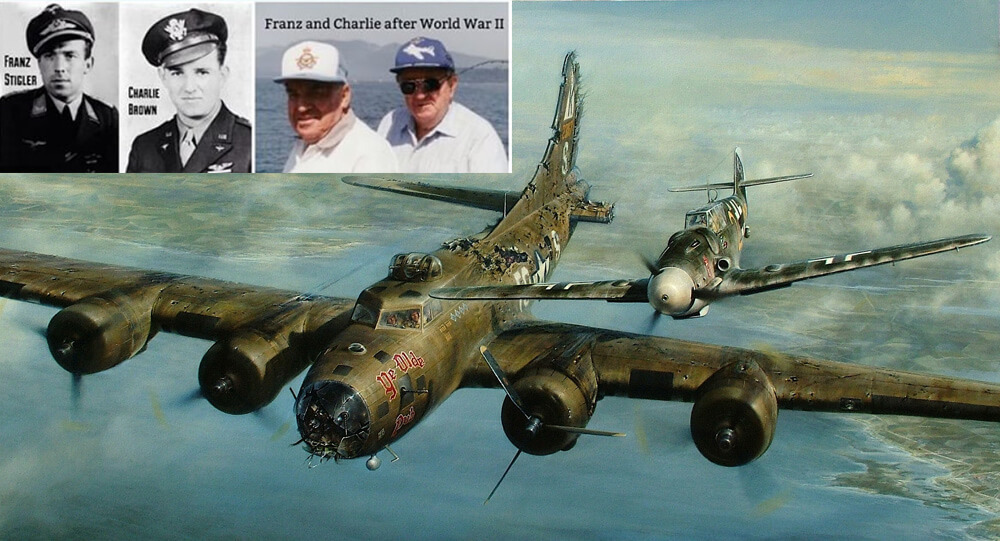
Charlie Brown and Franz Stigler incident: Enemy became friends
During WWII, a German pilot spotted an American pilot’s crippled plane in the sky. Tailing it, he noticed that gunner was dead, crew injured, and they posed no threat. Instead of destroying the plane, he led it to safety. 40 years later, the two pilots reunited.
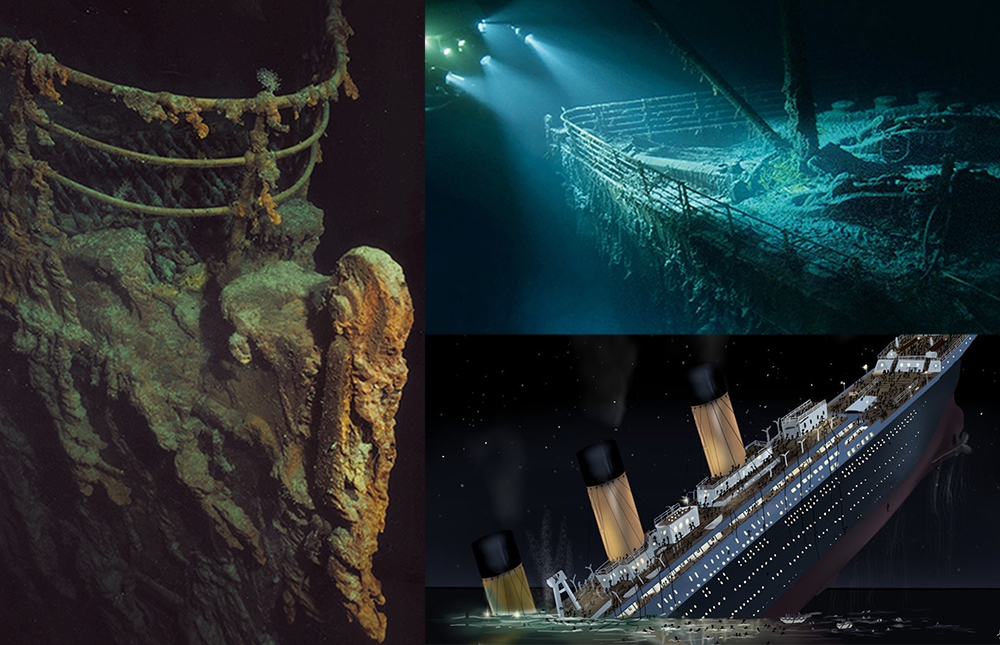
8 Interesting Facts About The Unsinkable Ship, TITANIC
If you ask your friends what's the most famous ship in history the answer in most cases will be the same, of course the legendary Titanic. Its history is full of mysteries, at first it was a source of hope and national pride as well as proof of the triumphs of mankind but it soon became a source of nostalgia and pain, the extent of which cannot be described in words.
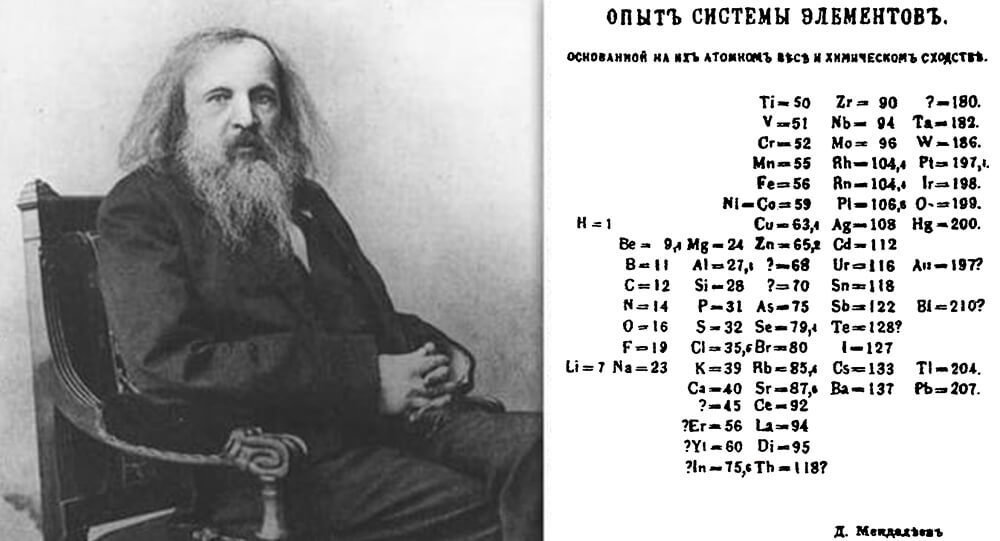
How Dmitri Mendeleev Developed the periodic table of the elements
1850 Dmitri Mendeleev walked almost a thousand miles to Moscow so he could apply for the University of Moscow. Although he was not accepted, he walked to St. Petersburg where he was accepted, And with that education, he developed the the periodic table of the elements
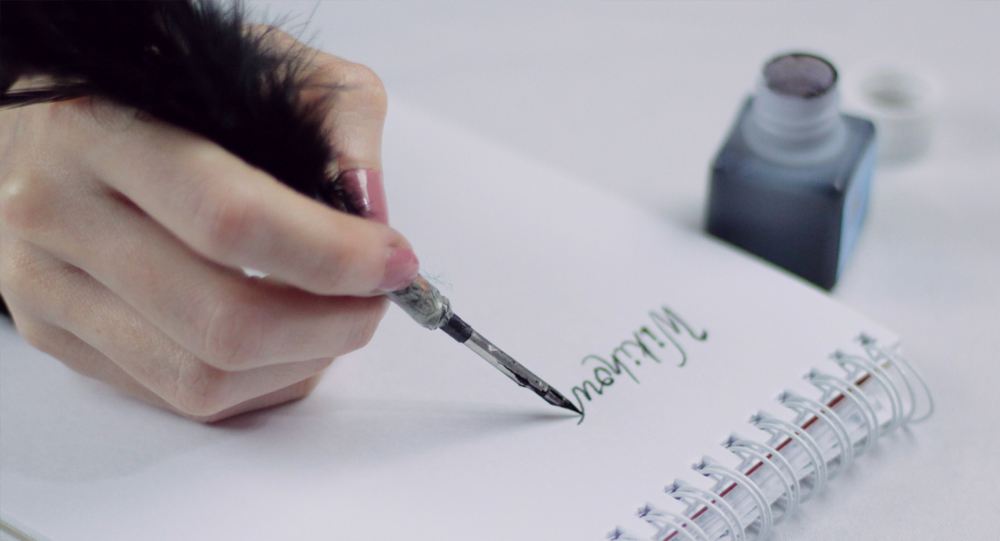
Why the Word ‘Pen’ Comes from the Latin ‘Penna’ Meaning Feather
The humble word “pen” carries a rich history rooted in ancient times, derived from the Latin word penna, meaning “feather.” Long before modern pens revolutionized writing, feather quills—especially from geese—were the essential tools of scribes, scholars, and artists. This article journeys through the origins of the pen, its evolution, and fascinating trivia about the timeless connection between feathers and writing.
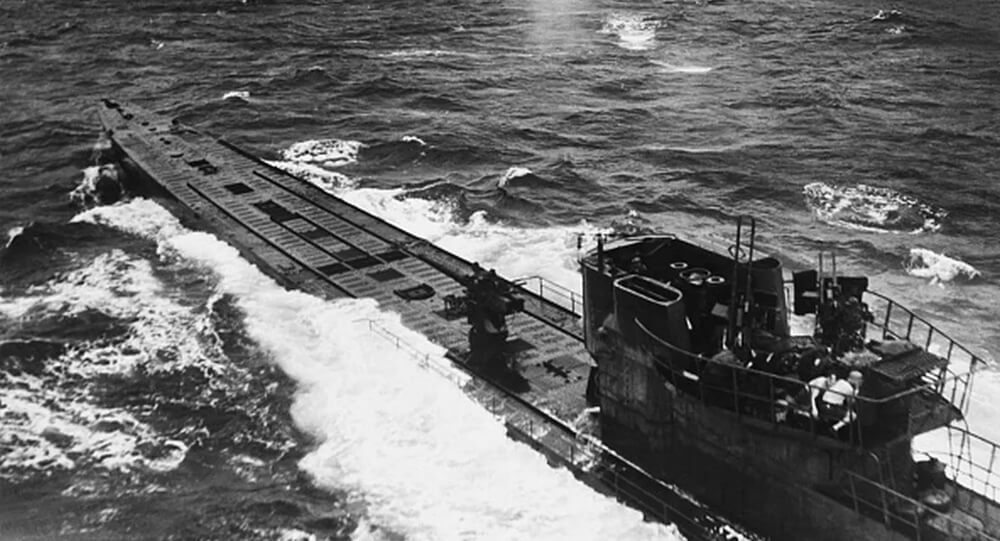
The Amazing Truth About The German U-Boat That Was Sunk By A Toilet
During WWII, a German captain and an engineer flushed the submarine's high-tech toilet incorrectly, causing the vessel to rapidly fill with water. British planes patrolling the sea attacked them as the submarine was brought to the surface. While many members of the crew were killed in the attack, the captain escaped!
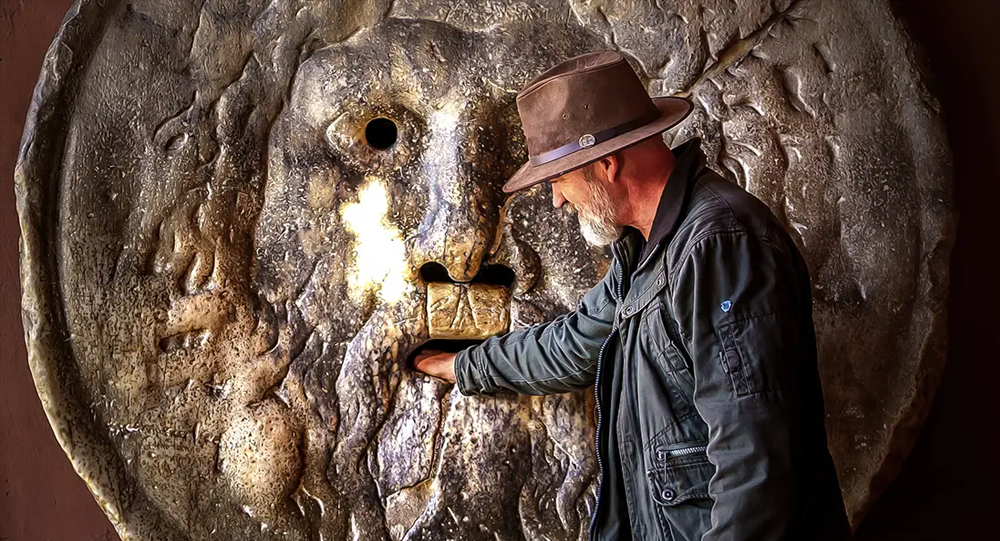
The Mouth of Truth: Ancient Rome’s Legendary "Lie Detector" That Bit Off Hands
Discover the chilling legend of the Mouth of Truth (Bocca della Verità) in Ancient Rome—a massive carved stone face believed to bite off the hand of anyone who lied while inserting their hand into its gaping mouth. Uncover the truth behind its eerie reputation and how this ancient artifact became a symbol of honesty and fear.

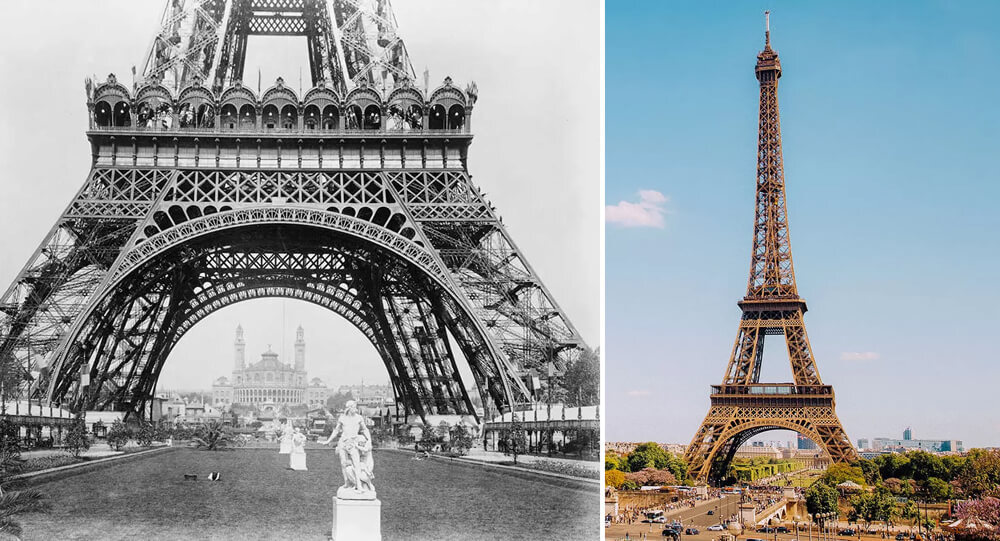
Why was the Eiffel Tower almost demolished
The Eiffel Tower was intended to be a temporary structure for the World's Fair in 1889, but it was nearly dismantled and sold for scrap metal. It was saved because of its potential use as a radio antenna, and it now serves as a tourist attraction as well as a working broadcast tower.
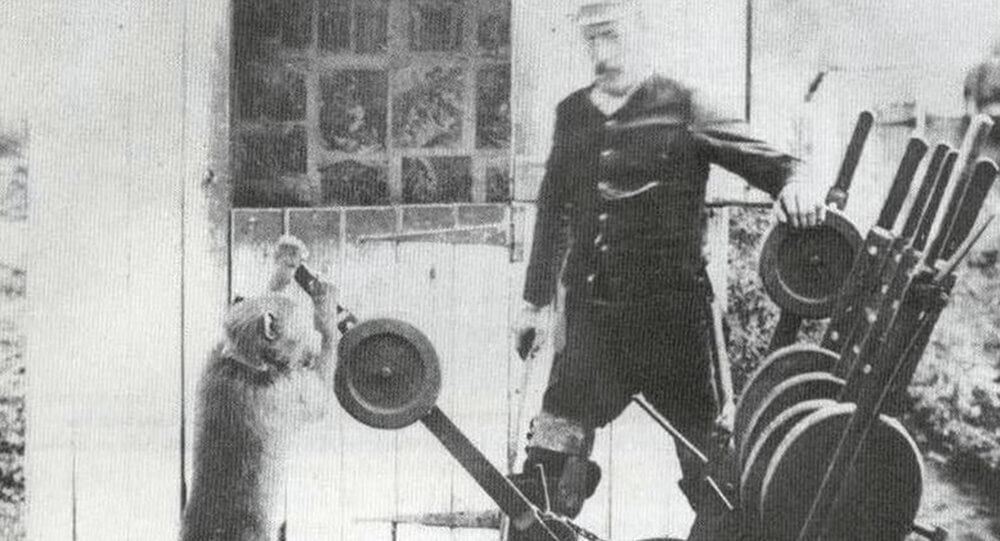
Jack the Baboon operated a railroad, earned a living, and never made a mistake
A baboon worked as a signalman for the railroad in the late 1800s. He never made a mistake and worked for the railroad until the day he died.
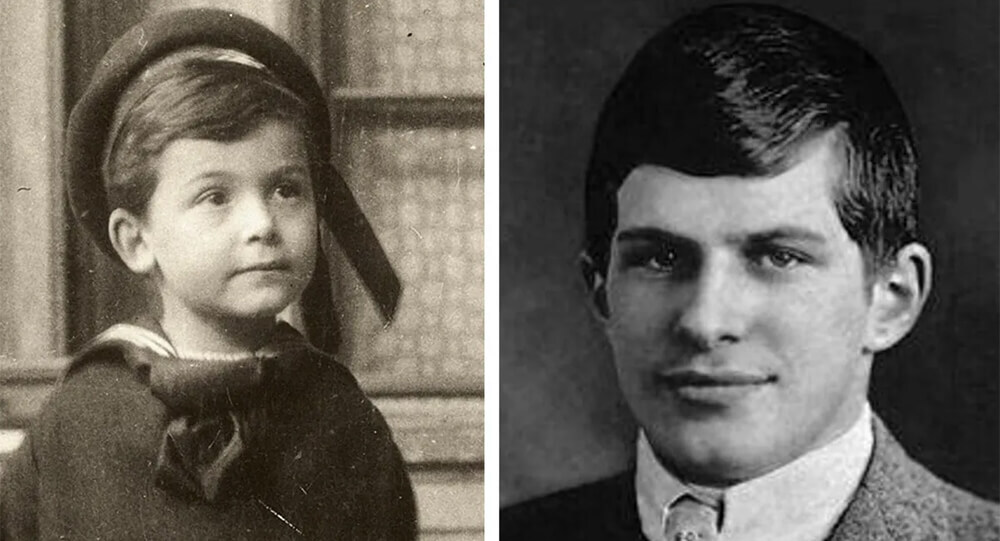
William James Sidis: The smartest person yet forgotten by people
William James Sidis, who was only 11 years old when he enrolled in Hardvard, finished his primary and secondary schooling in less than a year. He knew eight foreign languages by the age of eight and even invented his own language, "vedergood."
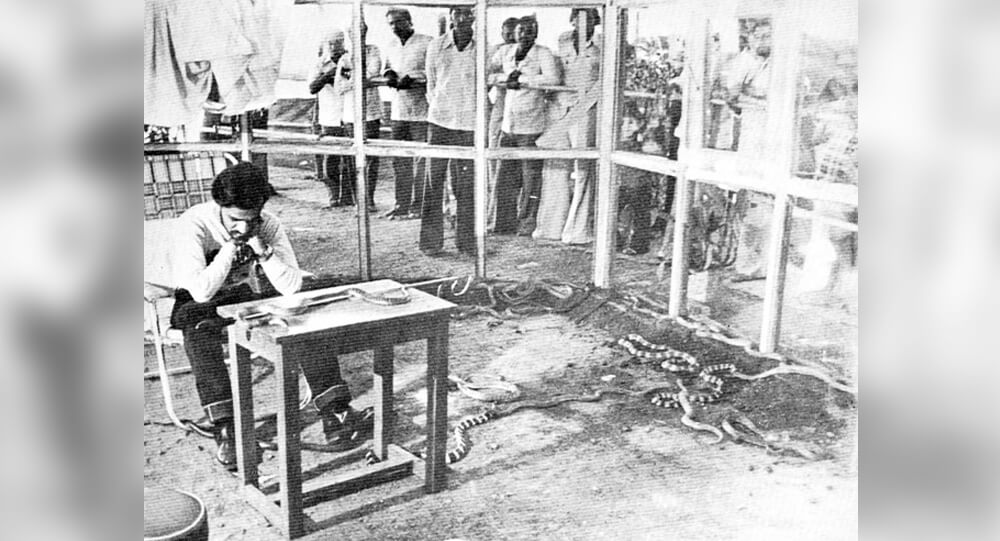
The story of a man who spent 72 hours with 72 venomous snakes to prove they only bite when provoked
In the 1980s, an Indian man spent 72 hours in a glass cabin with 72 snakes, some of which were extremely venomous. His aim was to prove that snakes only attack when provoked. Remarkably, he was not bitten once in those 72 hours and even set a Guinness World Record in the process.
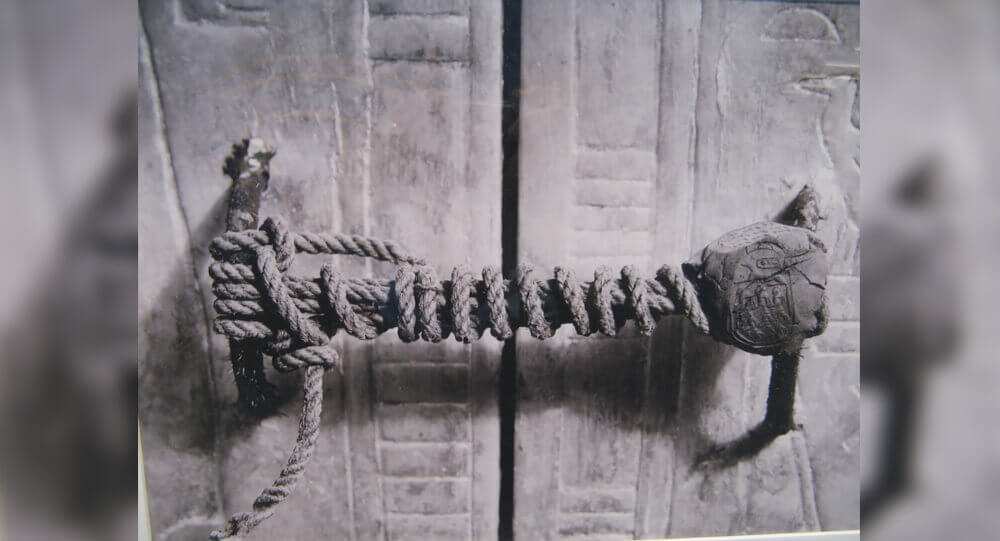
The unbroken seal on King Tutankhamun's tomb until 1922
The unbroken seal of Tutankhamun's tomb before it was opened in 1923, it was unbroken for over 3000 years.
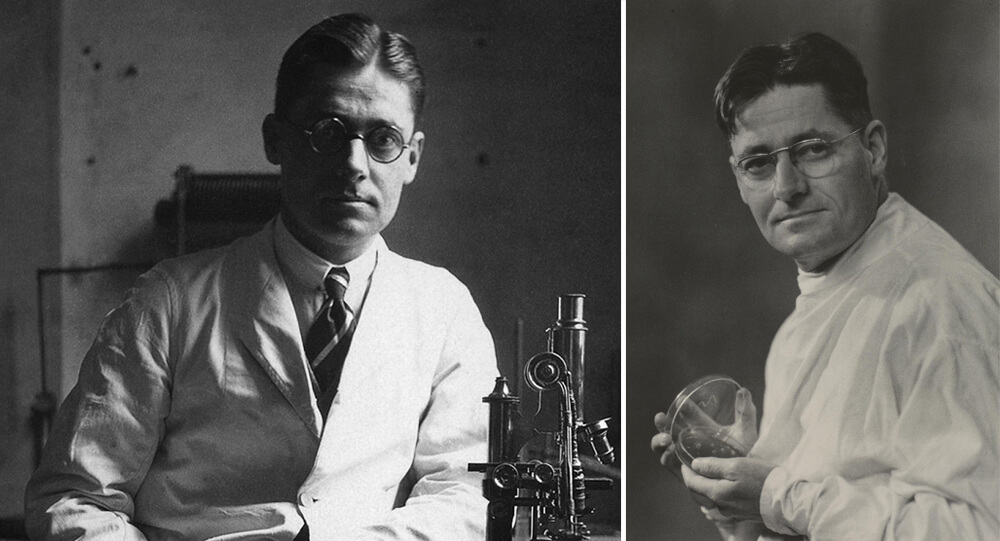
How did Howard Florey discover penicillin
Penicillin was discovered by Alexander Fleming, but he never attempted to turn it into an antibiotic. It wasn't until ten years later that Howard Florey discovered Fleming's obscure paper and understood the mold's potential. Up to 200 million lives may have been saved as a result of Florey's work.

Reason Behind The Suicide Of Christine Chubbuck Live On Air
Actor Rebecca Hall had serious reservations about tackling the macabre story around why Chubbuck killed herself in 1974. So what changed her mind?
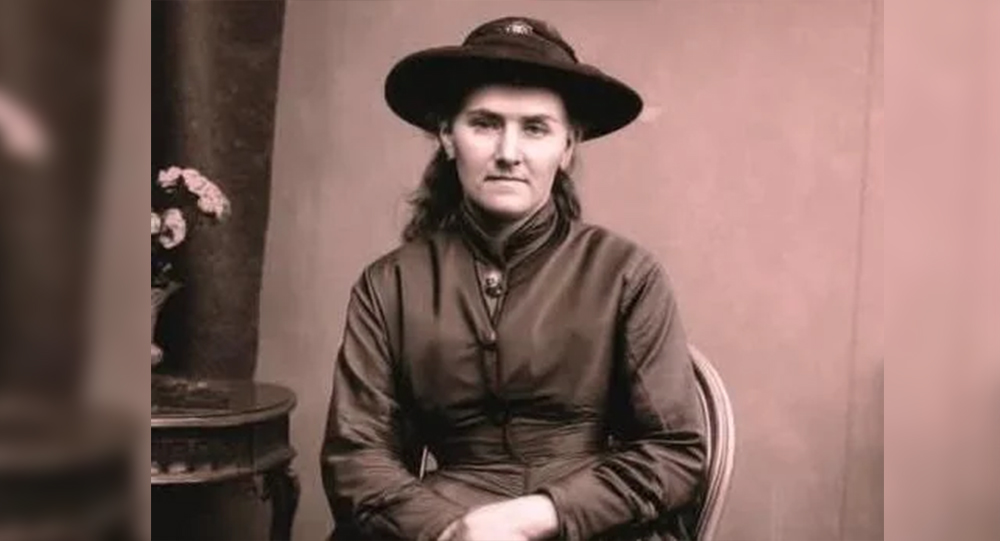
Why Comedians Failed to Make Sober Sue Laugh in the Early 1900s
In the bustling vaudeville scene of early 20th century New York, a mysterious performer known as "Sober Sue" captured public imagination not for jokes or songs, but for her unshakable stoicism—she never smiled or laughed. A local theater even offered a tempting reward of $1,000 to anyone who could make her laugh, drawing crowds and famous comedians eager to claim the prize. Despite countless hilarious attempts, Sue remained expressionless, a mystery that baffled performers and audiences until it was revealed that she suffered from facial paralysis, explaining her unchanging demeanor.
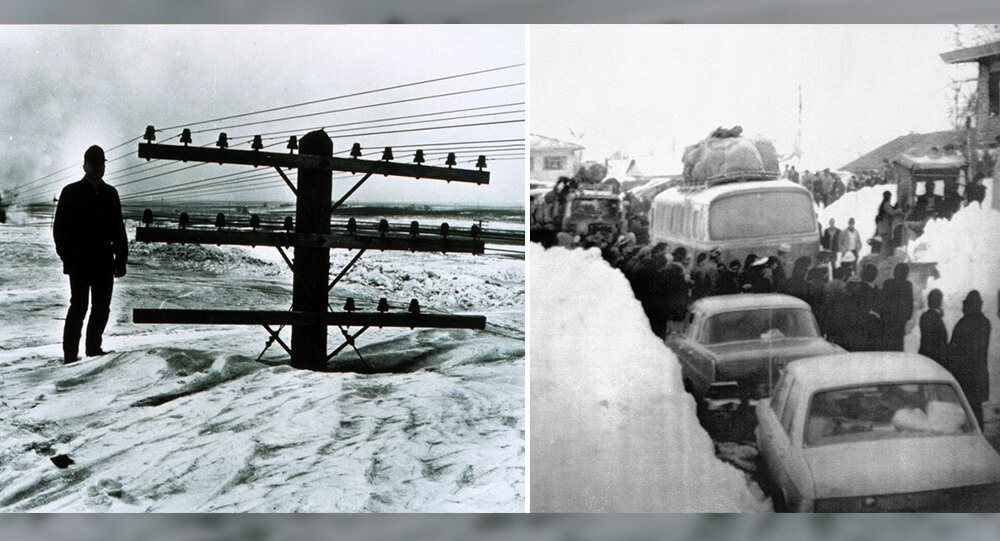
The worst blizzard in recorded history: the 1972 Iran blizzard
The deadliest snowstorm ever recorded occurred in Iran in 1972. It lasted for a week, burying areas in 26 feet of snow and killing over 4,000 people, including the entire populations of three villages.
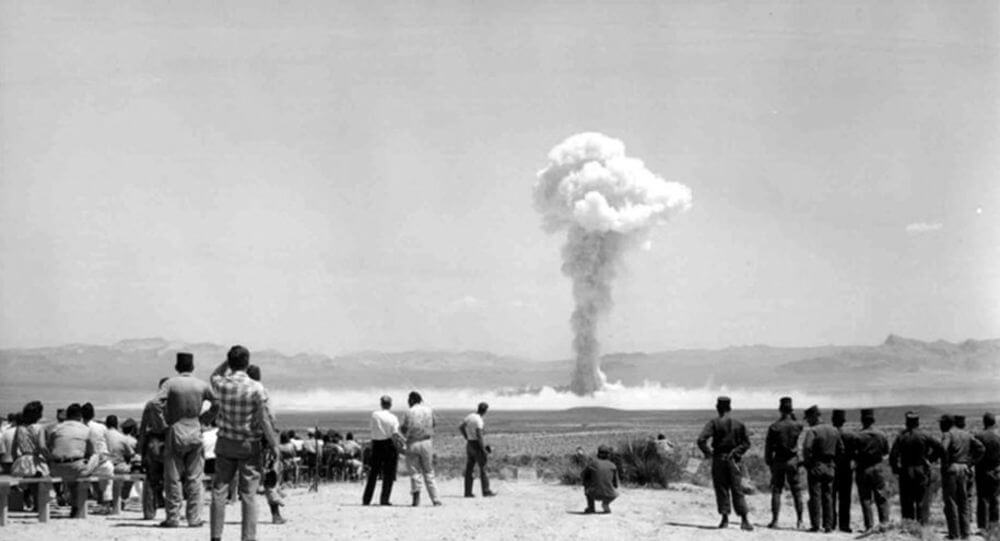
Atomic Tourism: In the 1950s, nuclear tests in Las Vegas served as a draw for tourists
Between 1950 and 1960, Las Vegas offered “Atomic Tourism” in which guests could watch atomic bombs being tested in the desert as a form of entertainment.
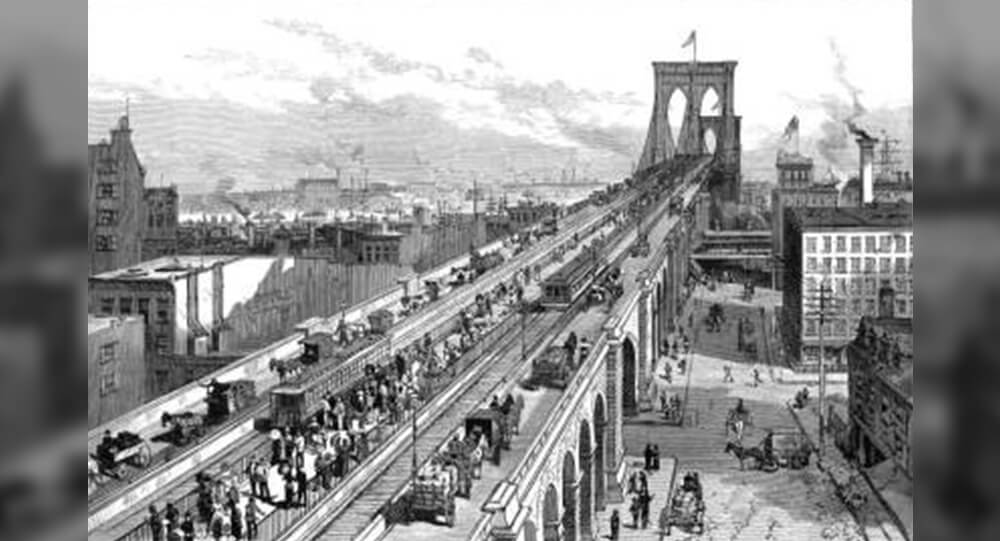
Why the Brooklyn Bridge Was Once Crossed by 17 Camels and 21 Elephants
On May 30, 1883, a rumor that the Brooklyn Bridge was going to collapse caused a stampede, which killed at least at twleve people. To prove the bridge was safe, P.T. Barnum led a parade of 21 elephants over it.
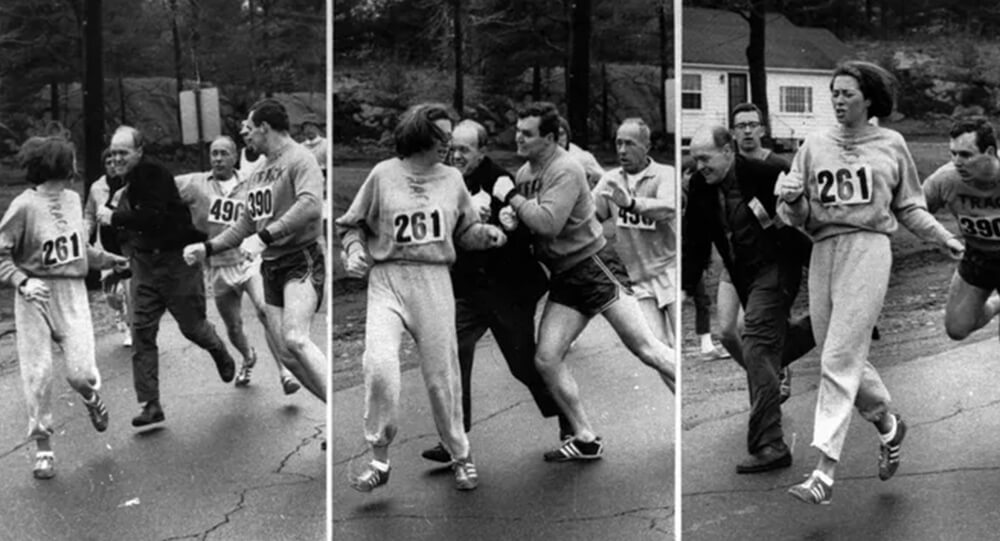
Story of Kathrine Switzer: the first woman to run in Boston Marathon
Before women were allowed to run in the Boston Marathon, Kathrine Switzer participated. A race official attempted to forcefully remove her from the race in 1967, but her boyfriend pushed him down. She was the first female finisher who had a numbered entry in the race.
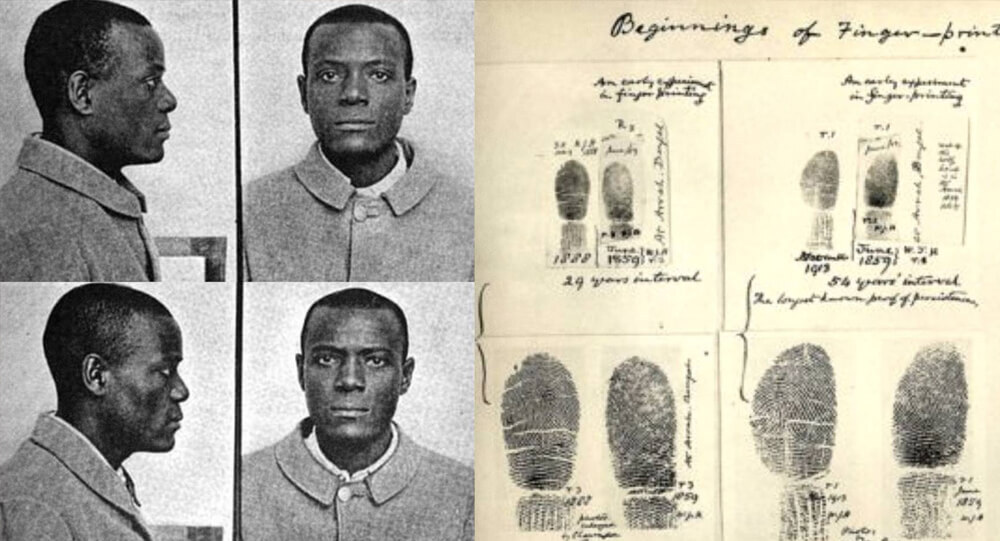
Will & William Wests: The puzzling situation of two inmates who are identical but not related
These are the mugshots of Will West and William West, and they are not related. They were both sent to Leavenworth Prison at the same time, in 1903, and after some confusion, the staff understood they had two different prisoners with the nearly same name, who looked exactly alike. They are part of the reason fingerprints are now used as identification.
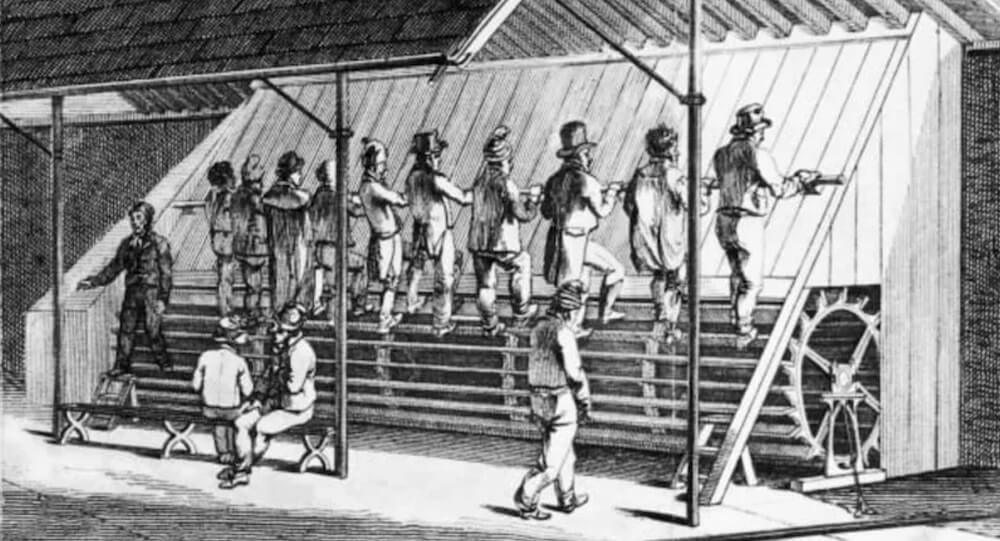
History of Treadmill, punishment for prisoners
Treadmills were originally a punishment used to harness human power on a giant wheel used to grind grains, hence the name "treadmill." The History of Treadmill