
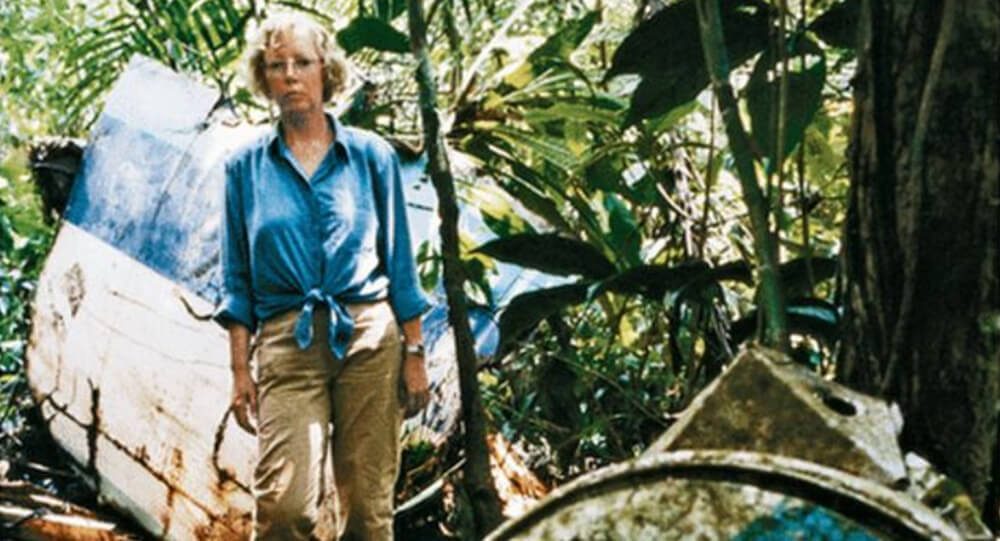

Juliane Koepcke: The Teenager Who Fell 10,000 Feet And Trekked The Jungle to survive
The 17-year-old was traveling from Lima, Peru, to Pucallpa, Peru’s eastern city, to see her father, who was working in the Amazonian Rainforest. Juliane Koepcke was born on October 10, 1954, in Lima, Peru. Her parents were both zoologists from Germany who moved to Peru to study wildlife.
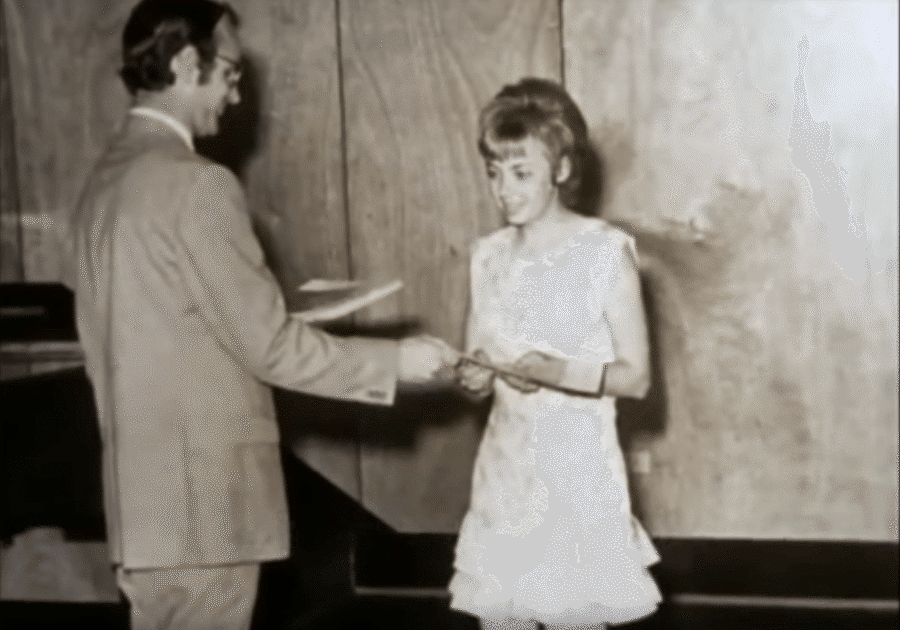
She had just received her high school diploma the day before the flight and planned to follow in her parents’ footsteps and study zoology.
The Crash Of LANSA Flight 508
The flight was supposed to last an hour. It was a smooth ride seated in 19F until the clouds darkened and the turbulence increased.
The plane was suddenly surrounded in a massive thunderstorm. The plane was surrounded in pitch-black clouds at this point, with flashes of lightning glistening through the windows. The plane was shattered when a lightning bolt struck the motor.
Then everything accelerated. “You can only try to reconstruct what really happened in your mind,” Koepcke said. People’s screams and the motor drowned out everything else until she could only hear the wind in her ears.
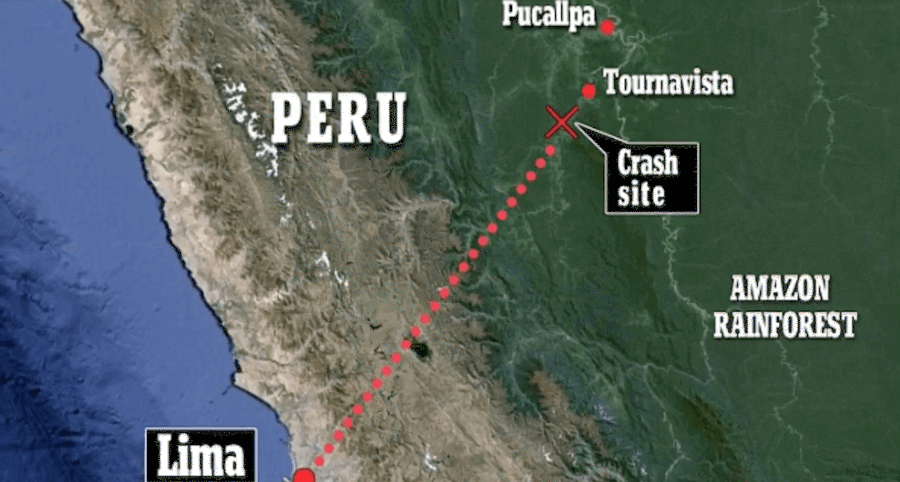
Juliane Koepcke, still strapped to her seat, had only realized she was free-falling for a few moments before passing out.
She fell down 10,000 feet into the Peruvian rainforest.
Juliane Koepcke Somehow Survives A 10,000 Feet Fall
Juliane Koepcke suffered a broken collarbone and a deep calf gash. But she was still alive. And she’d spend the next 11 days fighting for her life.
When she awoke the next morning, the concussion combined with the shock had limited her ability to process information. She’d made it through a plane crash. She couldn’t see out of one eye very well. She then went back to being unconscious. Koepcke took a half-day to fully recover.
She attempted to locate her mother but was unsuccessful. She discovered after she was rescued that her mother had survived the initial fall but had succumbed to her injuries.
In the midst of looking for her mother, Koepcke had come across a small well.
She was beginning to feel hopeless at this point, but then she remembered her father’s survival advice: if you see water, follow it downstream. “A small stream will flow into a larger one, and then into a larger one, and then into an even larger one, and eventually you’ll run into help.”
So her journey down the stream began. She walked and swam at different times. She came across three fellow passengers still strapped to their seats on the fourth day of her journey. They were all dead, except for one woman. Juliane Koepcke prodded the woman, assuming it was her mother, but it wasn’t. A bag of sweets was among the passengers. It would serve as her only food source for the rest of her days in the forest.
Around this time, Koepcke heard and saw rescue planes and helicopters overhead, but she was unsuccessful in attracting their attention.
The plane crash prompted Peru’s largest search in history, but due to the dense forest, aircraft were unable to spot any wreckage, let alone a single person. She couldn’t hear them after a while and realized she was on her own to find help.
On her ninth day in the jungle, Koepcke came across a hut and decided to rest there, thinking she’d die alone in the jungle. After that, she heard voices. And not just any old voices. Three Peruvian missionaries who lived in the hut owned them.
Juliane Koepcke said, “The first man I saw seemed like an angel.”
The men, on the other hand, were not so happy. They were a little scared of her at first, thinking she might be Yemanjábut, a water spirit they believed in. Nonetheless, they allowed her to stay another night, and the following day, they transported her by boat to a nearby hospital.
Koepcke was reunited with her father after receiving treatment for her injuries. She also assisted authorities in locating the plane, and they were able to locate and identify the crash victims over the course of a few days.
Juliane Koepcke was the only survivor of the 91 people on board.
Because she was interrogated extensively by the air force and police, in addition to being thrown into the public eye, her mourning and grief did not show up until later. Everything that had happened to her, her injuries, and the death of her mother. Juliane Koepcke developed a severe fear of flying and suffered from nightmares for years.
Life After Her Survival Story
In 1980, she went on to study biology at the University of Kiel in Germany, where she earned her doctorate. She returned to Peru to conduct mammalogy research. Juliane Koepcke became Juliane Diller after marrying.
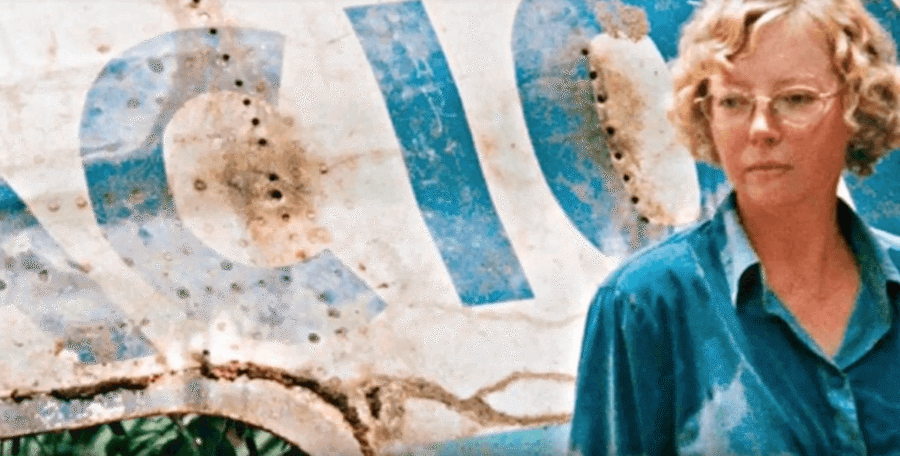
She returned to the crash site in 1998 for the documentary Wings of Hope, which memorialized her incredible story. She sat in seat 19F once more on her flight with director Werner Herzog. The experience was therapeutic for Koepcke.
It was the first time she was able to look at the incident from a distance and, in some ways, gain closure that she hadn’t gotten before. Her remarkable story of survival inspired her to write a memoir, which she titled When I Fell From the Sky
Despite overcoming the trauma of the incident, she was left with one question: why was she the only survivor? It hasn’t left her mind. “It always will.”
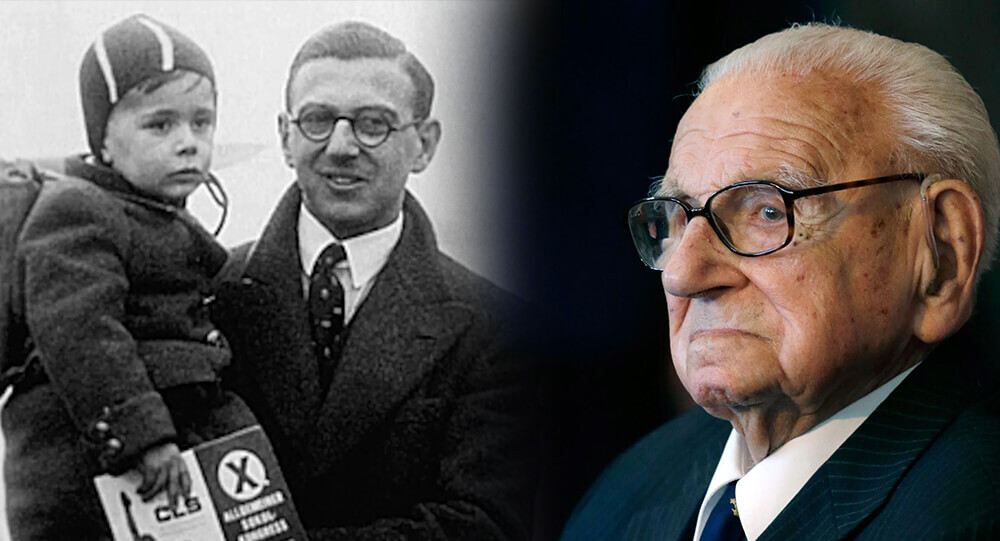
Nicholas Winton ‘British Schindler’: Man who rescued 669 Czech children from Nazis
A man named Nicholas Winton saved 669 kids during WWII and lived almost all his life without letting people know.
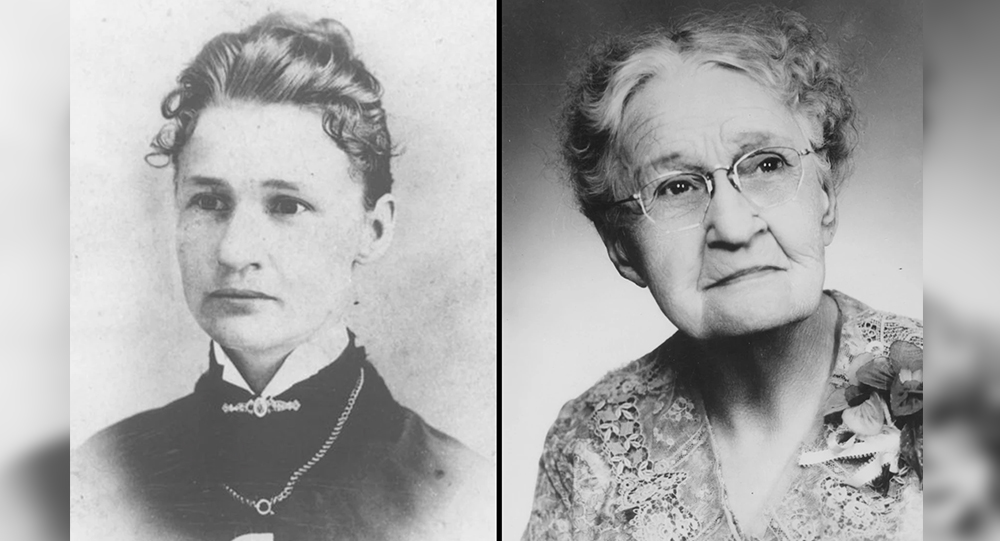
Susanna Salter: The Trailblazing Story of America’s First Female Mayor
In 1887, Susanna Salter became the first female mayor in the United States, elected in Argonia, Kansas. Her nomination was initially a prank by men opposing women in politics. However, she won by a landslide and served effectively, inspiring the women’s suffrage movement and breaking barriers for women in leadership.
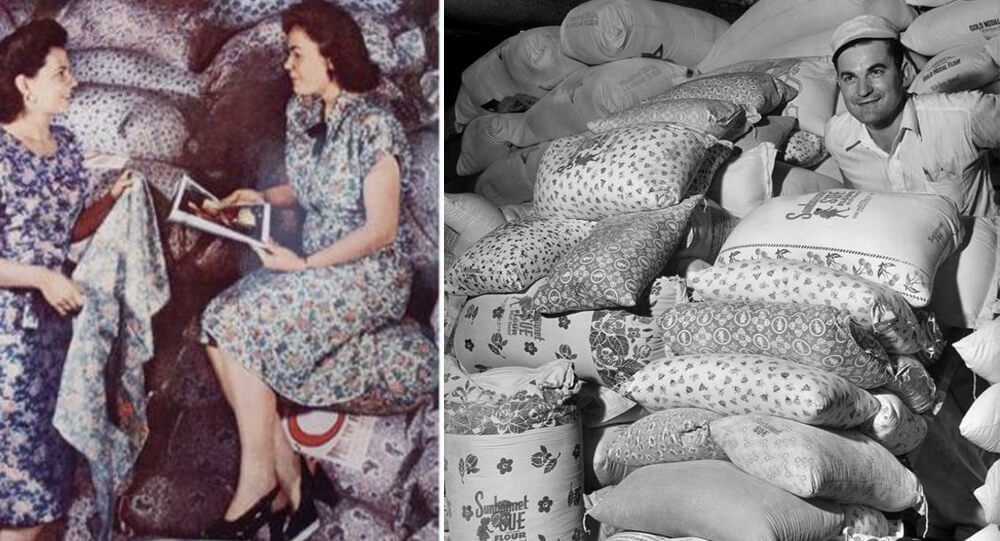
The history of Flour sack clothing fashion
After Kansas mill owners found women reused flour sack materials into apparel in the 1920s and 1930s, they started applying patterned designs to give families with more fashionable patterns and material.
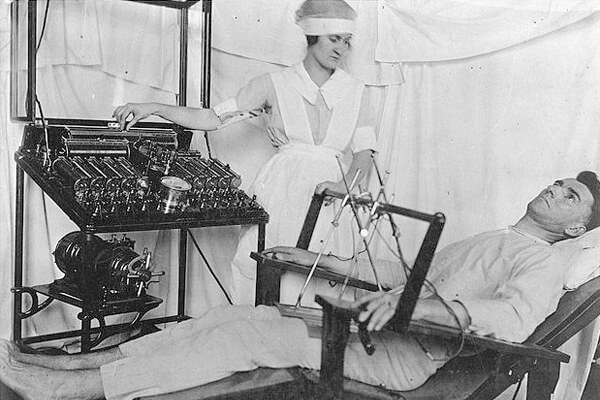
Top 10 most cruel medical procedures that are being used today
We are all aware that medicine has advanced dramatically over the last fifty years. There are several modern medical approaches available today, but this was not always the case. However, the past of medicine is a dark one. Medical leeches, lobotomy, vascular surgery, cranial stenosis, and even electroshock therapy are all options. These are only a couple of the cruel healing techniques that are still in use today.
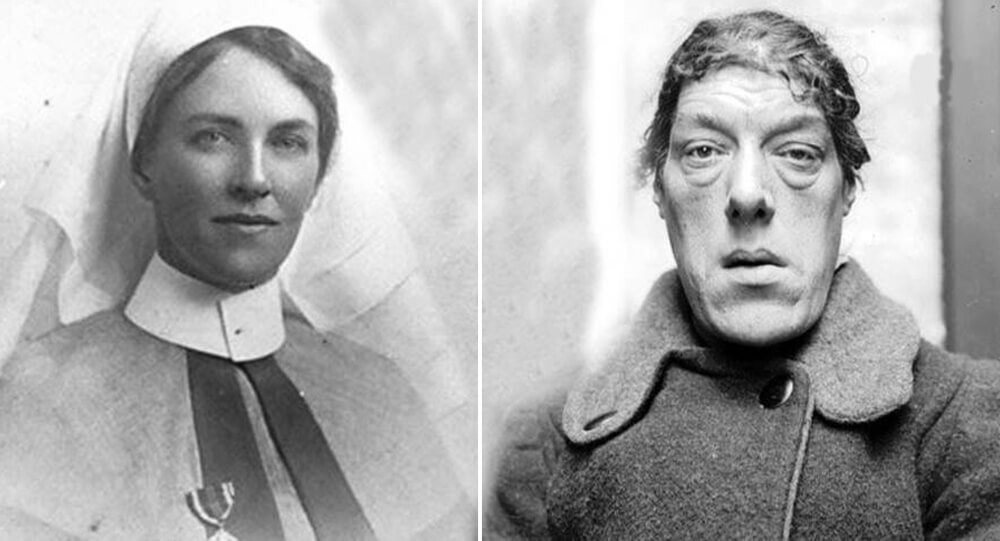
The Tragic Story Of Mary Ann Bevan, The ‘Ugliest Woman In The World’
After the death of her husband, Mary Ann Bevan had no income to support herself and her children. She then decided to enter a contest where she won the title of “ugliest woman” and was later hired by a circus. She endured this ridicule from the world to provide for her family.
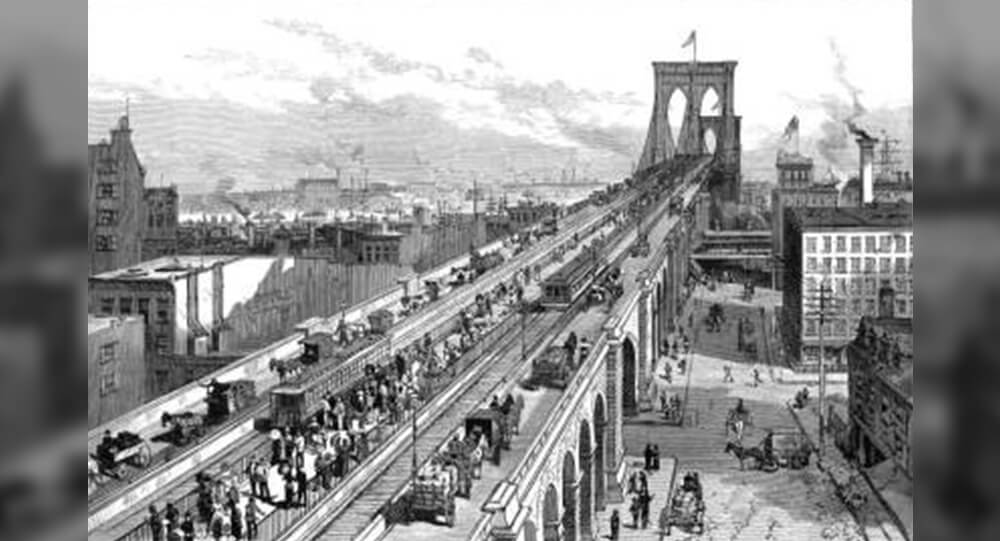
Why the Brooklyn Bridge Was Once Crossed by 17 Camels and 21 Elephants
On May 30, 1883, a rumor that the Brooklyn Bridge was going to collapse caused a stampede, which killed at least at twleve people. To prove the bridge was safe, P.T. Barnum led a parade of 21 elephants over it.
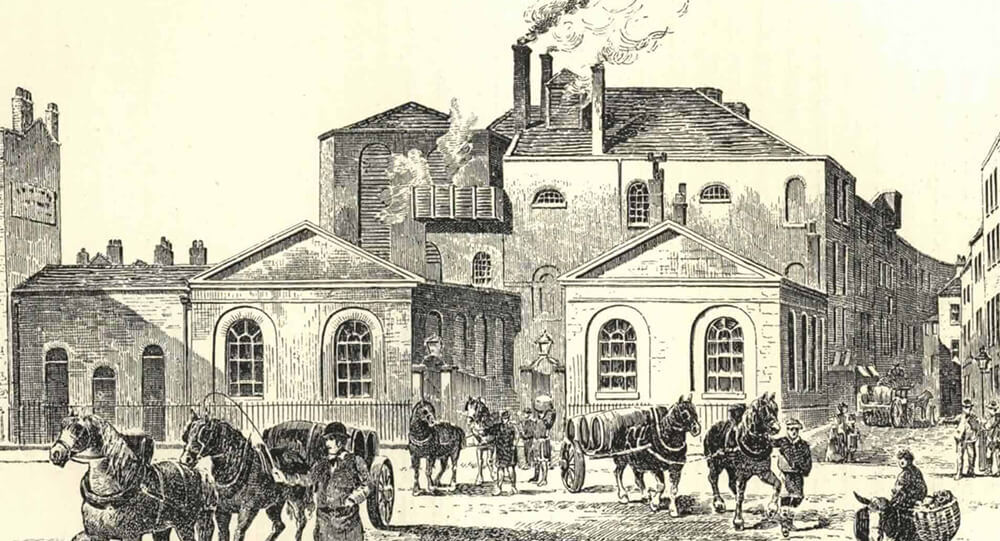
The 1814 London beer flood
In 1814, there was a beer flood in London when a tank containing more than 300,000 gallons ruptured in which 8 people drowned.
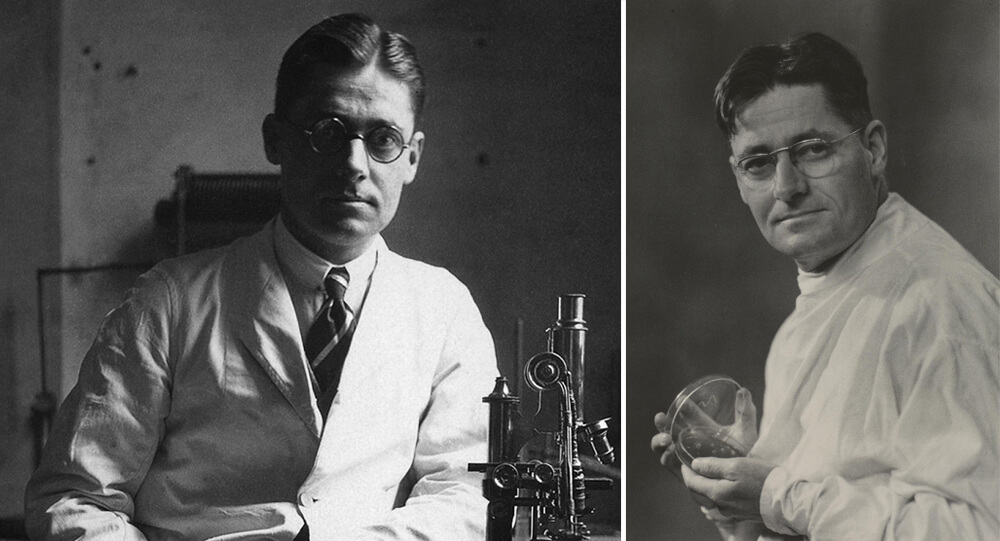
How did Howard Florey discover penicillin
Penicillin was discovered by Alexander Fleming, but he never attempted to turn it into an antibiotic. It wasn't until ten years later that Howard Florey discovered Fleming's obscure paper and understood the mold's potential. Up to 200 million lives may have been saved as a result of Florey's work.
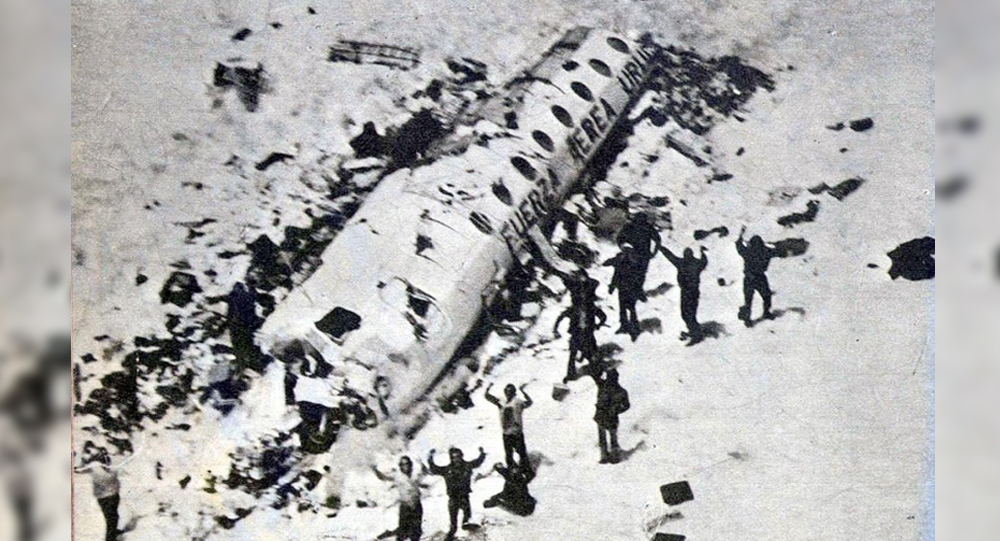
1972 Andes Plane Crash Survivor recall the terrifying Struggles to Stay Alive
On October 13, 1972, a plane carrying a rugby team from Uruguay crashed in the Andes between Chile and Argentina. The survivors were in brutal conditions - high altitude, bitter cold, and the lack of food—and faced the most terrible choice—eating the frozen flesh of their dead friends or starving to death themselves.
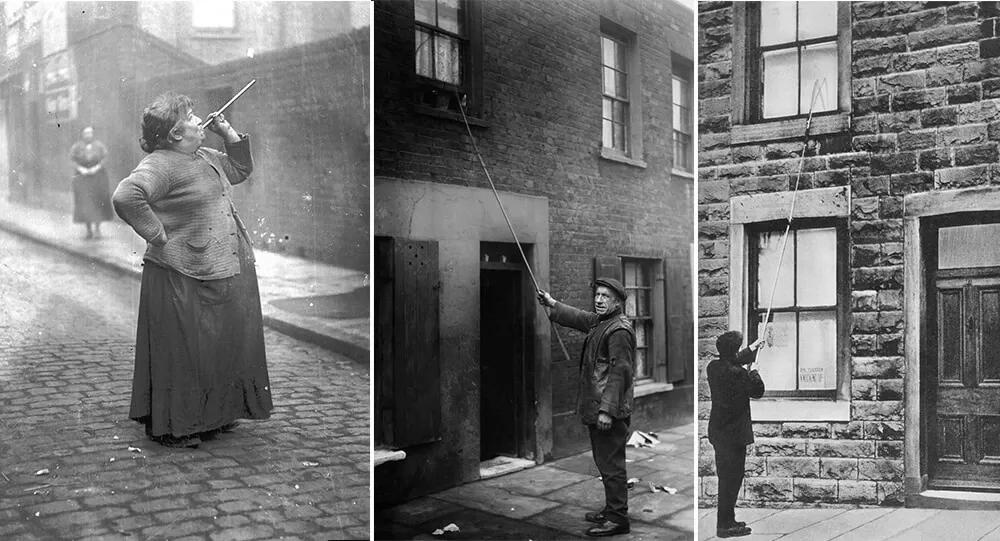
Knockers-up: waking up the Industrial Britain's Workers in 1900-1941
Before alarm clocks were invented, there was a profession called a knocker-up, which involved going from client to client and tapping on their windows (or banging on their doors) with long sticks until they were awake. It lasted into the 1920s.
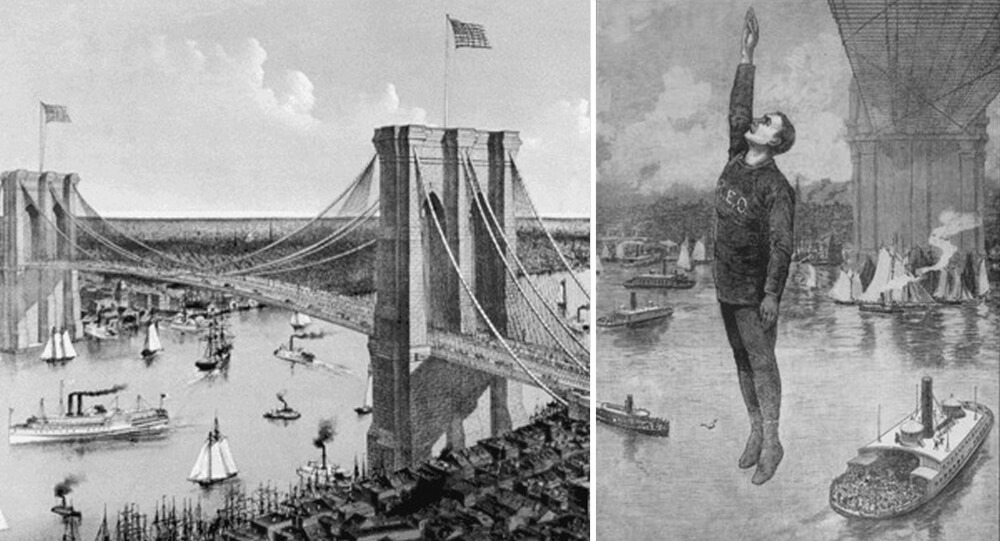
Robert Odlum, the first person to jump off the Brooklyn Bridge
The first person to jump off the Brooklyn Bridge was a professional high diver who "wanted to demonstrate that people did not die simply by falling through the air, thus encouraging people to be willing to jump from a burning building into a net." He proved himself correct by safely falling 135 feet through the air and dying only when he hit the water.
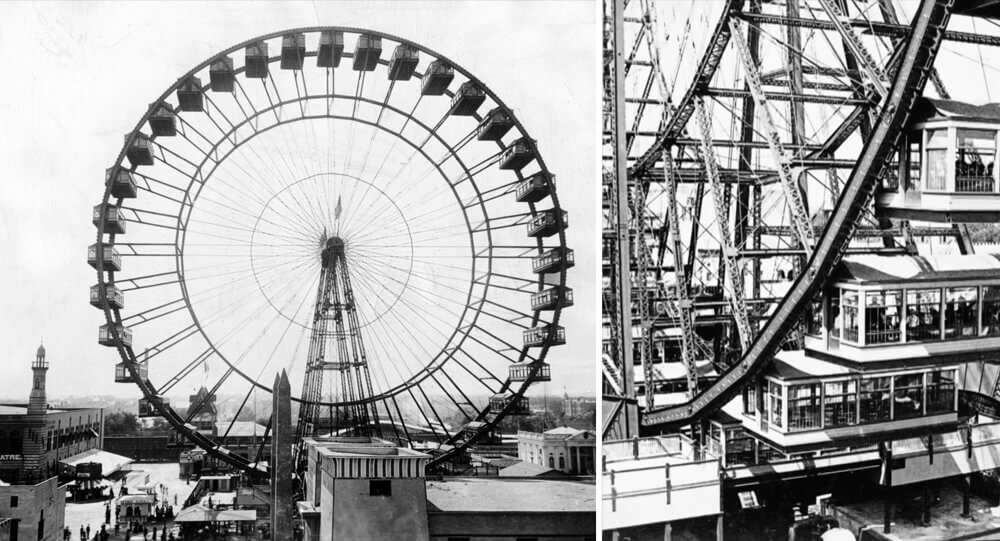
how Ferris wheel invented
In 1891, Chicago challenged engineers to create a structure to surpass the Eiffel Tower for the World's Columbian Exposition. George Washington Gale Ferris jr. responded with the original Ferris Wheel, a giant rotating structure elevating visitors above the city. This invention became an iconic attraction at the fair.
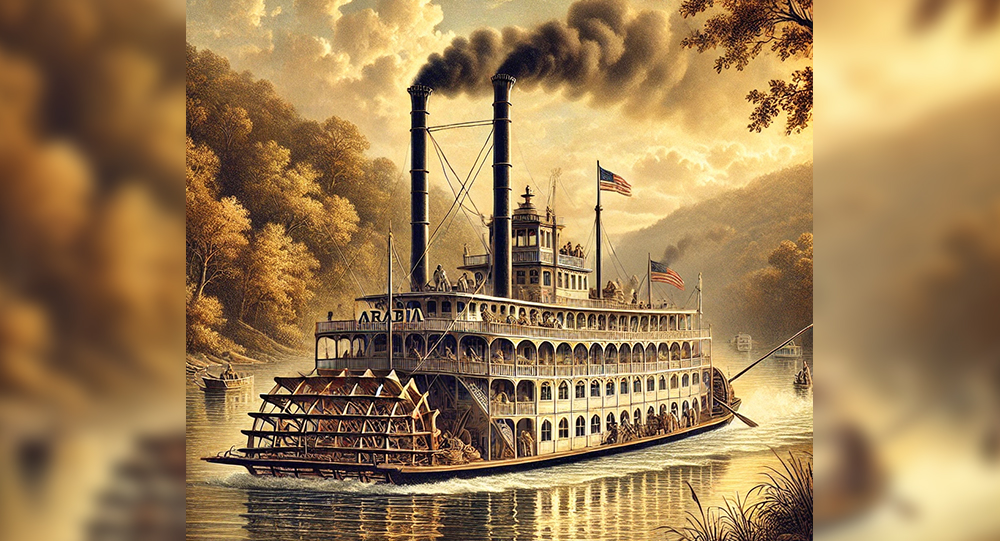
The Arabia Steamboat: Unearthing a 19th Century Time Capsule from the Missouri River
The Arabia was a steamboat that sank in the Missouri River in 1856. Over time, the river shifted 800 meters to the east, eventually turning the site of the sinking into a field. The steamboat remained under 45 feet of slit and topsoil until 1988, when it was excavated. The mud, as it turned out, was such a great preserver that most of the artifacts on board were found to be intact. They even found jars of preserved apples that were still edible!
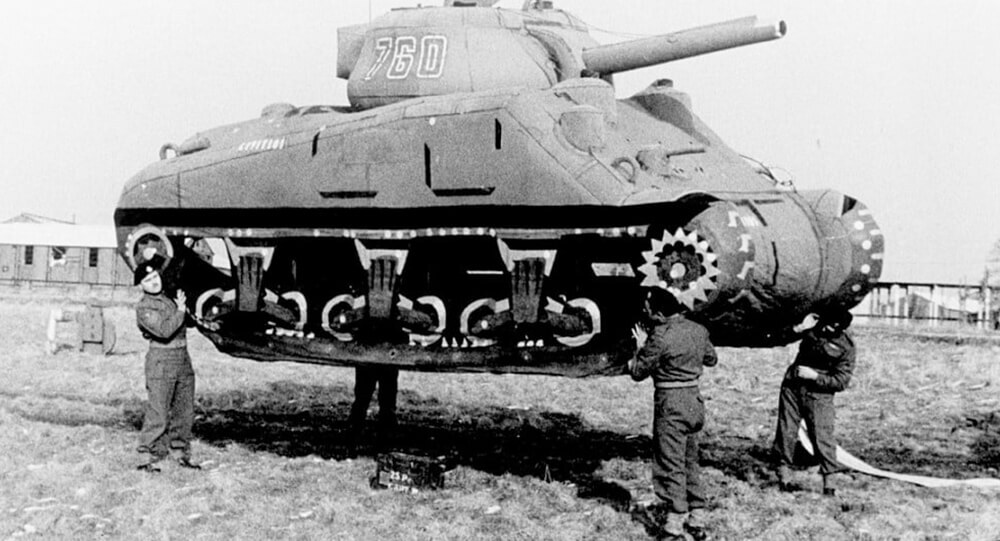
What exactly was the US's 'Ghost Army' during WWII?
During WW2, there was a special unit of men dubbed the ‘Ghost Army’. The unit was made of artists, creative and engineers and their job was to create deception about the enemy. From inflatable tanks to phony convoys to scripted conversations in bars intended to spread disinformation, they used all possible tricks to fool the enemy.
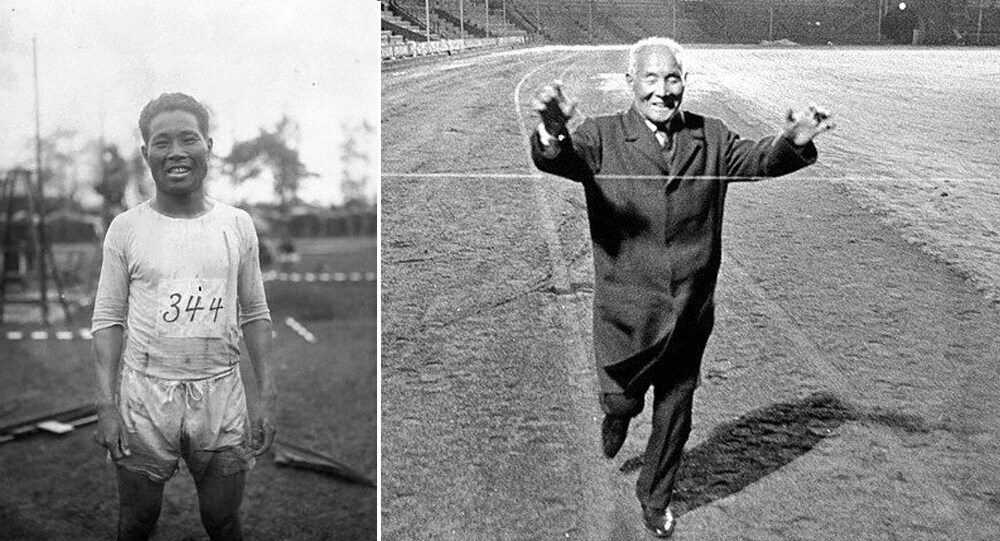
Shizo Kanakuri’s 1912 Olympic Marathon Finished 54 Years
At the 1912 Olympics, a marathon runner quit and went home to Japan without telling officials and was considered a missing person in Sweden for 50 years. In 1966, he was invited to complete the marathon. His time: 54 years, 8 months, 6 days, 5 hours, 32 minutes, and 20.379 seconds.
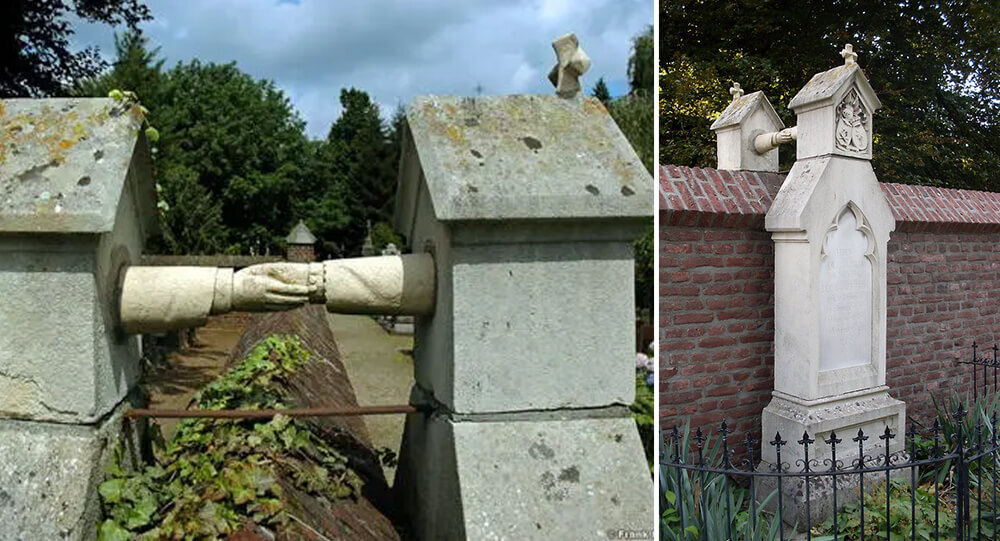
Graves holding hands over wall, A Catholic woman and her Protestant husband grave
A protestant man and a Catholic woman who weren't allowed from being buried together in a graveyard in 19th-century Holland turned their graves into a monument showing them holding hands across the wall separating them.

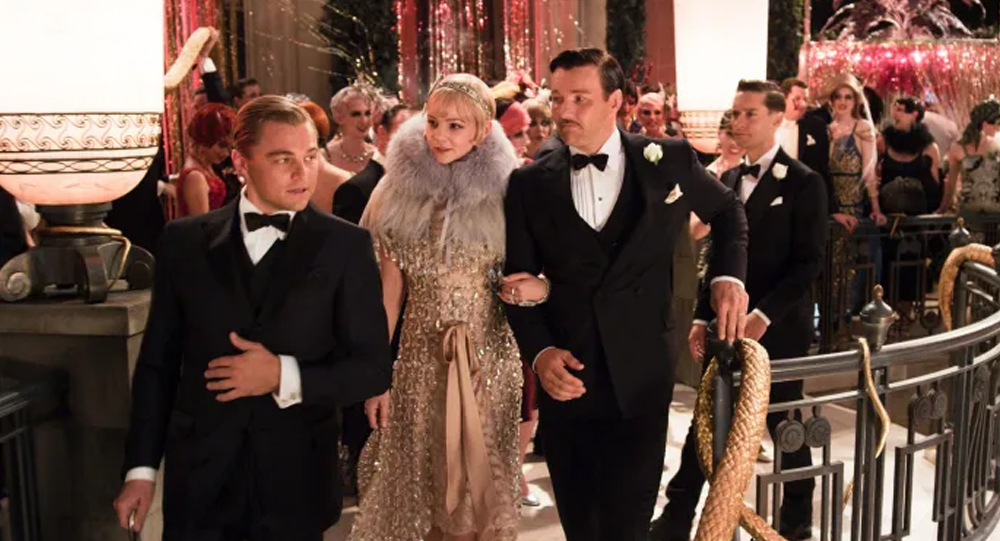
From Flapper to Fashion Week: How 1920s Style Still Shapes Modern Trends
The roaring 1920s revolutionized fashion, introducing bold styles, daring cuts, and a spirit of freedom that still inspires today’s wardrobes. From flapper dresses to statement accessories, here’s how the Jazz Age lives on in modern fashion.
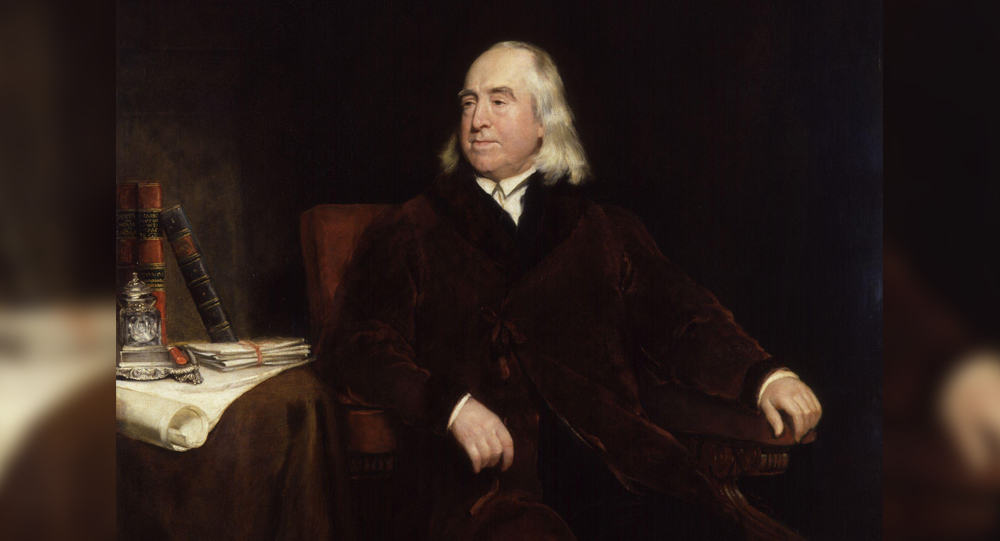
How 18th Century Women’s Rights Movements Shaped Modern Equality
The 18th century marked a turning point in the quest for women’s rights, as passionate voices challenged centuries of gender inequality and laid the groundwork for modern feminism. From pioneers like Mary Wollstonecraft to revolutionary declarations and early advocacy, this era sparked debates on education, political participation, and social justice that continue to resonate today. Journey through the origins of women’s rights movements and discover how their bold ideas shaped the fight for equality.
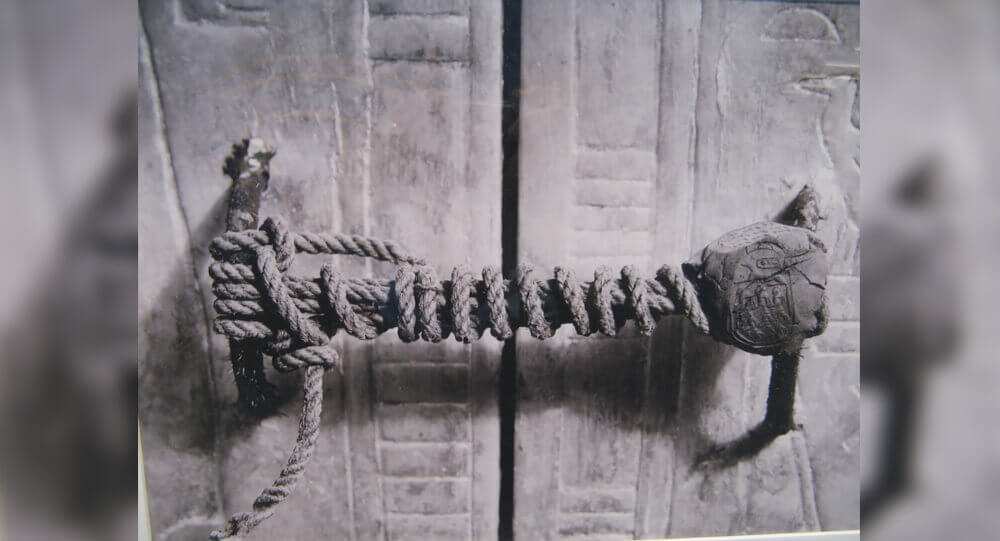
The unbroken seal on King Tutankhamun's tomb until 1922
The unbroken seal of Tutankhamun's tomb before it was opened in 1923, it was unbroken for over 3000 years.
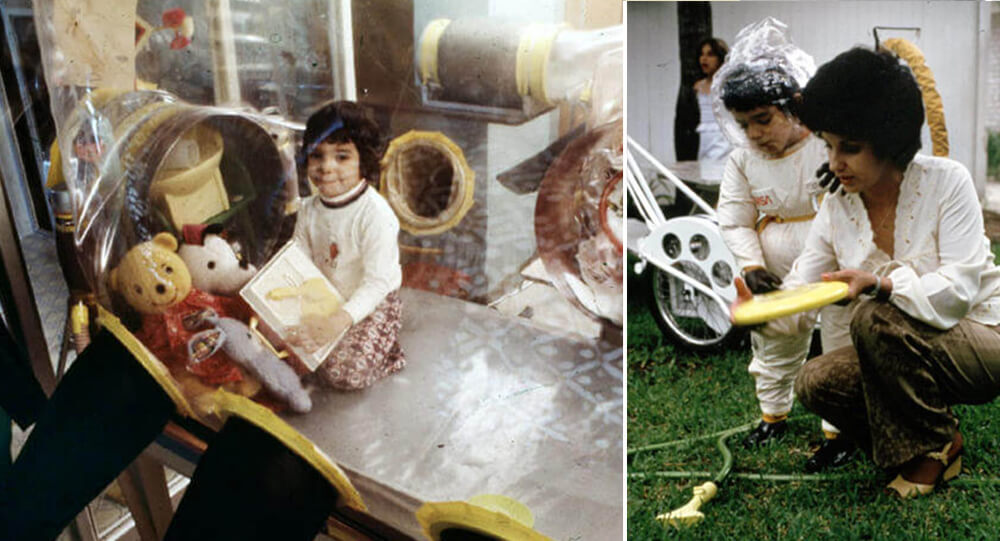
The touching story of David Vetter (bubble boy), the 'boy who lived in a bubble
David Vetter lived his whole 12 years in sterile “bubble”. He was “outside” for 20 second after being removed from his mother’s womb. He never touched any human.
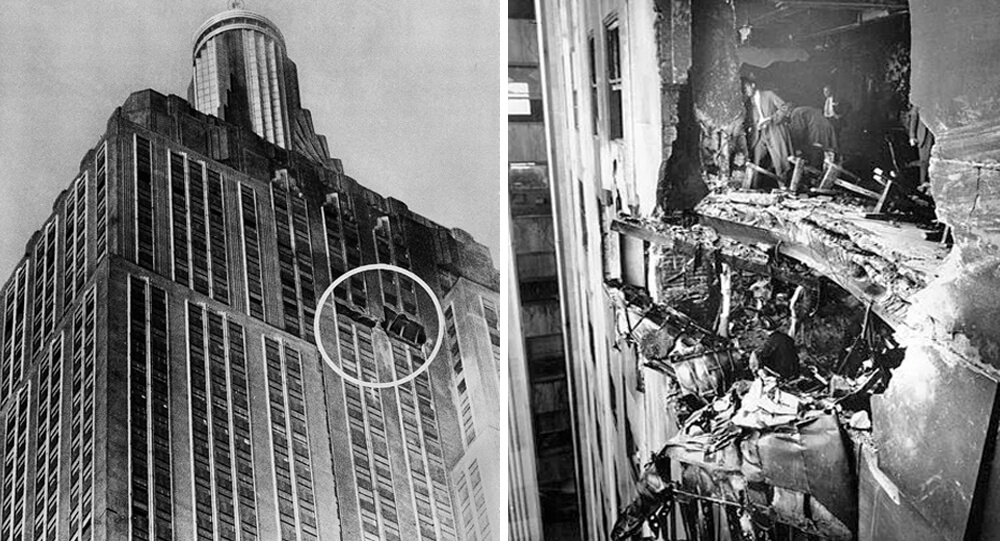
Remembering the 1945 Empire State Building Disaster: When a Plane Met Skyscraper
An airplane crashed into the Empire State Building in 1945. Among other damage, plane parts severed the cables of an elevator and the woman inside fell over 70 stories. She lived and holds the world record for the longest survived elevator fall.
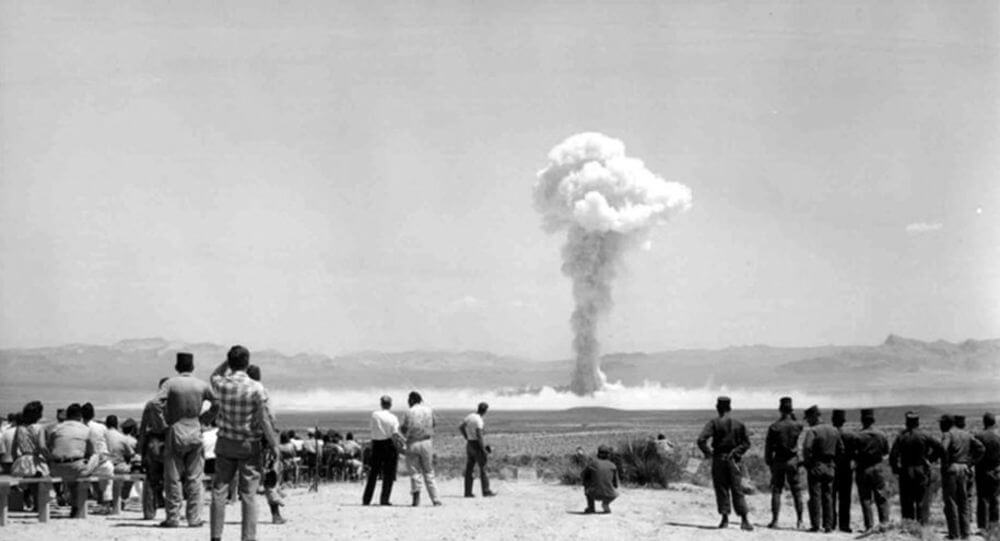
Atomic Tourism: In the 1950s, nuclear tests in Las Vegas served as a draw for tourists
Between 1950 and 1960, Las Vegas offered “Atomic Tourism” in which guests could watch atomic bombs being tested in the desert as a form of entertainment.
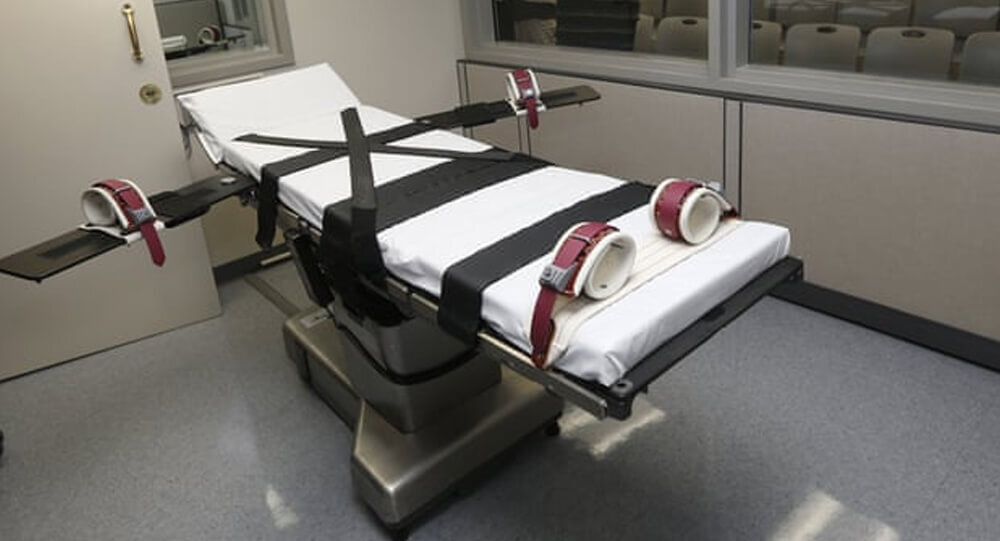
Iranian inmate dies from happiness after finding out he will not be executed
An Iranian man who was convicted of murder reportedly died from happiness after learning that his death sentence was being commuted.
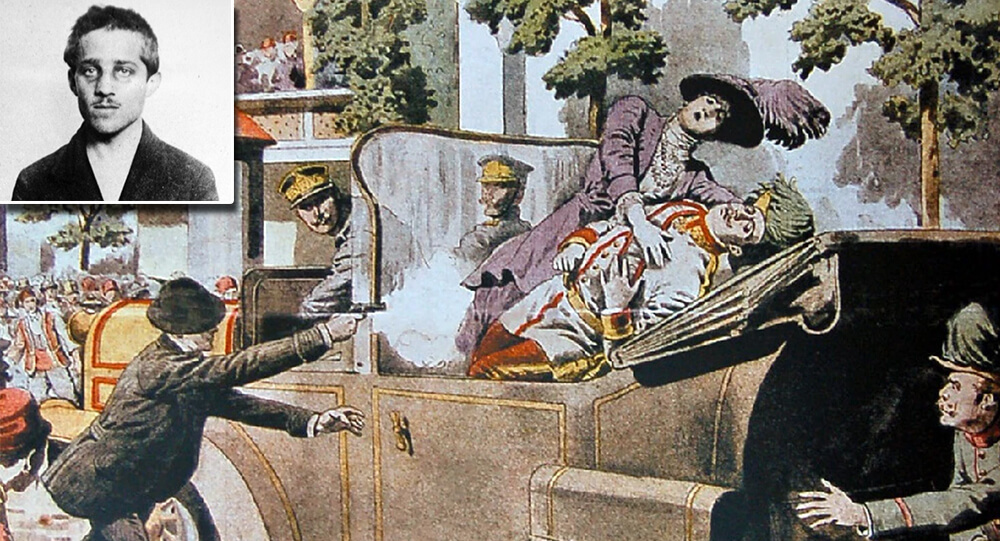
Franz Ferdinand’s Assassination that sparked World War I
Archduke Franz Ferdinand of Austria and his wife Sophie are shot to death by a Bosnian Serb nationalist during an official visit to the Bosnian capital of Sarajevo on June 28, 1914. The killings sparked a chain of events that led to the eruption of World War I by early August.
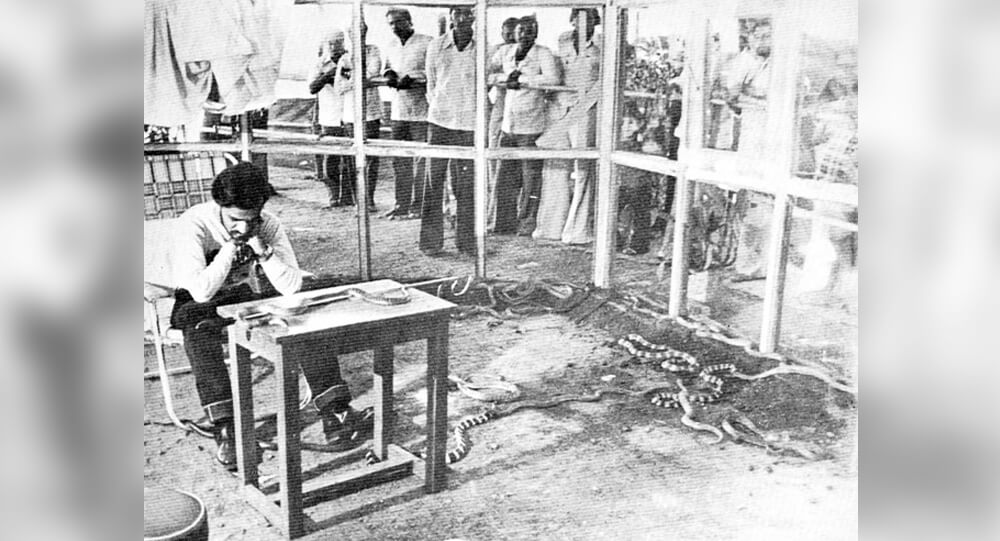
The story of a man who spent 72 hours with 72 venomous snakes to prove they only bite when provoked
In the 1980s, an Indian man spent 72 hours in a glass cabin with 72 snakes, some of which were extremely venomous. His aim was to prove that snakes only attack when provoked. Remarkably, he was not bitten once in those 72 hours and even set a Guinness World Record in the process.