


Khuk Khi Kai: Thailand’s Infamous “Chicken Poop Prison” and Its Gruesome Legacy
When it comes to the world’s most unusual and cruel prisons, few can rival the notorious Khuk Khi Kai, also known as the “Chicken Poop Prison,” in Laem Sing, Chanthaburi, Thailand. This grim relic of colonial history stands as a stark reminder of the inventive and inhumane methods once used to punish and break the spirit of prisoners. What sets Khuk Khi Kai apart from other prisons isn’t its size or its architecture, but the unique and revolting method of torture it employed: subjecting inmates to a constant rain of chicken droppings from a coop built directly above their heads.
The Origins: A Prison Born of Colonial Conflict
Khuk Khi Kai was constructed in 1893 by the French during their occupation of the Chanthaburi region, a tense period stemming from the Franco-Siamese conflict. The French, seeking to suppress Thai resistance fighters and maintain control over the area, built this unusual prison as a tool of psychological and physical torment.
The structure itself is relatively small—about 4.4 meters wide and 7 meters tall—with two rows of slits along the sides for ventilation. The building’s design was deceptively simple, but its function was far from ordinary. The ground floor housed the prisoners, while the upper floor was converted into a large chicken coop.
The Torture: Living Under a Chicken Coop
The true horror of Khuk Khi Kai lay in its two-story design. The floor separating the chickens from the prisoners was grated or perforated, allowing chicken droppings to fall freely onto the unfortunate souls below. This was not just a minor inconvenience—chicken manure is filled with ammonia, producing a suffocating stench that can cause nausea, headaches, skin irritation, respiratory problems, and even severe depression with prolonged exposure.
Prisoners were forced to endure this relentless assault day and night, unable to escape the foul rain or the overpowering smell. The psychological impact was as severe as the physical discomfort, making Khuk Khi Kai a place of unimaginable suffering. Some reports even suggest that the building’s lack of a roof was intentional, exposing inmates further to the elements and intensifying their misery.
Why Chicken Poop? The Science of Suffering
Chicken droppings aren’t just unpleasant—they’re hazardous. The high ammonia content can quickly become overwhelming in an enclosed space, leading to a host of health problems. In fact, the smell is so potent that just a few minutes of exposure can cause discomfort, while longer exposure can result in respiratory distress and infections.
The use of chicken poop as a torture method was both cruel and cunning. It required no guards or whips—just gravity and time. The chickens above, oblivious to the suffering below, became unwitting accomplices in this daily torment.
Historical Context: The Franco-Siamese Conflict
Khuk Khi Kai’s construction was directly tied to the Franco-Siamese War and the subsequent French occupation of parts of Siam (now Thailand). The French built the prison to detain local resistance fighters and dissidents, hoping to break their will through relentless, degrading punishment. The prison was abandoned after the French withdrew in 1904, but its legacy endures as a symbol of colonial cruelty.
Visiting Khuk Khi Kai Today
Today, Khuk Khi Kai stands as a public park and historical site, open to visitors curious about its dark past. The structure, sometimes described as resembling a leaning watchtower, is well-preserved and easy to find near the seaside in Chanthaburi province. There is no entrance fee, and the prison’s unique design makes it a popular spot for photographs and dark tourism.
Local guides often recount the story of Khuk Khi Kai, and the phrase “ระวังจะโดนจับขังคุกขี้ไก่” (“be careful you may go in the chicken dung prison”) remains in the Thai language as a warning and a reminder of the site’s notorious reputation.
Fun Facts and Trivia
- Name Meaning: “Khuk Khi Kai” translates directly to “chicken dung prison” or “chicken poop prison” in Thai.
- Design Quirk: The prison had no roof—only a wire mesh to keep the chickens in place, maximizing the exposure to droppings.
- Historical Use: Built by the French to imprison Thai resistance fighters during the occupation of Chanthaburi.
- Health Hazards: Chicken manure’s ammonia can cause severe health issues, making it a potent tool for torture.
- Cultural Legacy: The prison is referenced in Thai sayings and remains a symbol of colonial-era suffering.
- Tourist Attraction: Now a public park and photo spot, Khuk Khi Kai draws visitors interested in Thailand’s darker history.
Conclusion
Khuk Khi Kai, or “Chicken Poop Prison,” is a chilling testament to the extremes of human cruelty and ingenuity in punishment. Its story is a reminder of the suffering endured by those who resisted colonial rule and the lengths to which occupiers would go to maintain control. Today, it stands as both a historical curiosity and a somber warning from the past—proof that even the most peaceful places can hide the darkest secrets.

Sandy Island: The Phantom Island That Fooled Maps and Google Earth for Centuries
Sandy Island, charted since 1774, was long considered a phantom island in the Coral Sea. Despite appearing on maps and Google Earth, it was "undiscovered" by scientists in 2012, revealing only deep ocean instead of land. The island's existence was likely a cartographic error or a misidentified pumice raft.


This Yogi Spent 76 Years Without Eating or Drinking Anything and Confirmed by
Prahlad Jani, the starving monk who lived 76 Years without food and water.

Thousands of Rare "Ice Eggs" Blanket Finnish Beach in Spectacular Natural Phenomenon
Thousands of ice balls recently covered a beach in Finland, a rare phenomenon caused by wind and waves sculpting pieces of ice into smooth spheres. These "ice eggs" can vary in size from chicken eggs to soccer balls and have also been spotted in other cold regions globally.
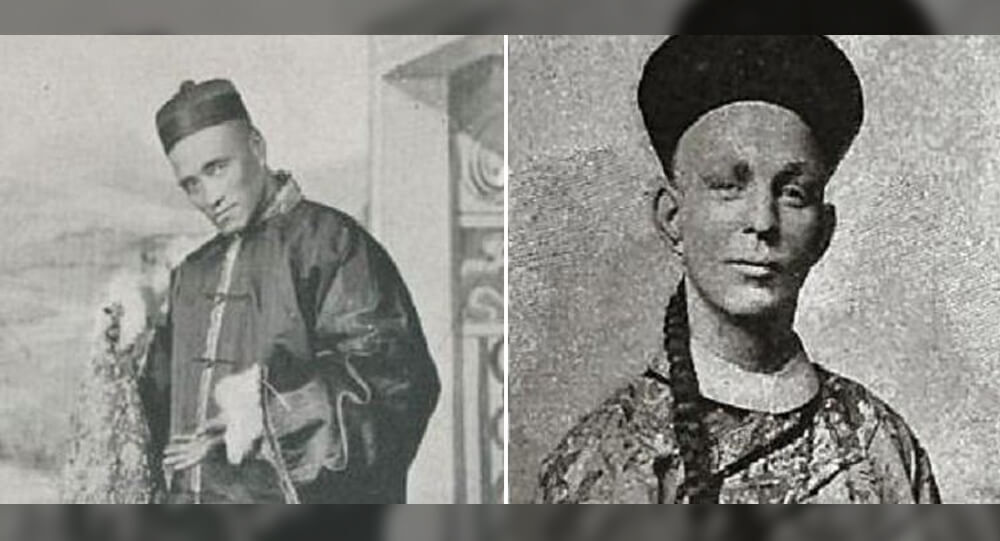
The Bizarre (And Magical) Duel Between Chung Ling Soo And Ching Ling Foo
Ching Ling Foo and Chung Ling Soo were two magicians from the early 20th century who were bitter rivals. While Ching Ling Foo was genuinely Chinese, Chung Ling Soo was actually a New Yorker named William Robinson.

Lucy and Maria The Biracial Twin Sisters with Rare Black and White Skin Colours
Lucy and Maria Aylmer are twins, but they have a hard time to convincing people. Even though they have mixed-raced parents, their mom was still shocked when the midwife handed her babies she’d expected to look alike, but were complete opposite.
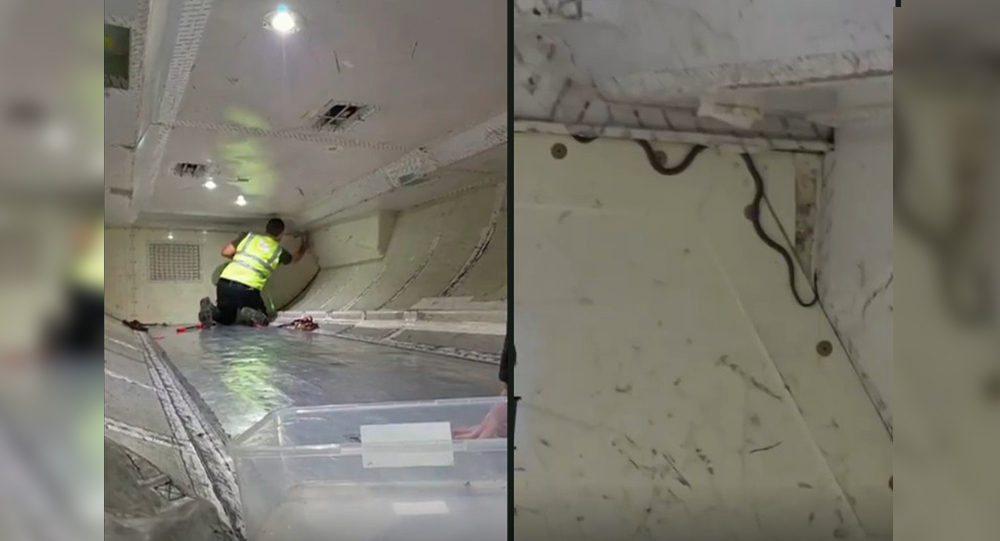
Domestic Flight Delay Caused by Live Snake on Board Leaves Passengers in Shock
A domestic flight was unexpectedly delayed for nearly two hours after a snake was discovered slithering inside the plane’s cargo hold. Thanks to the swift efforts of a professional snake catcher and airline staff, the reptile was safely removed without any harm to passengers, turning a potentially alarming situation into a story of caution and calm.
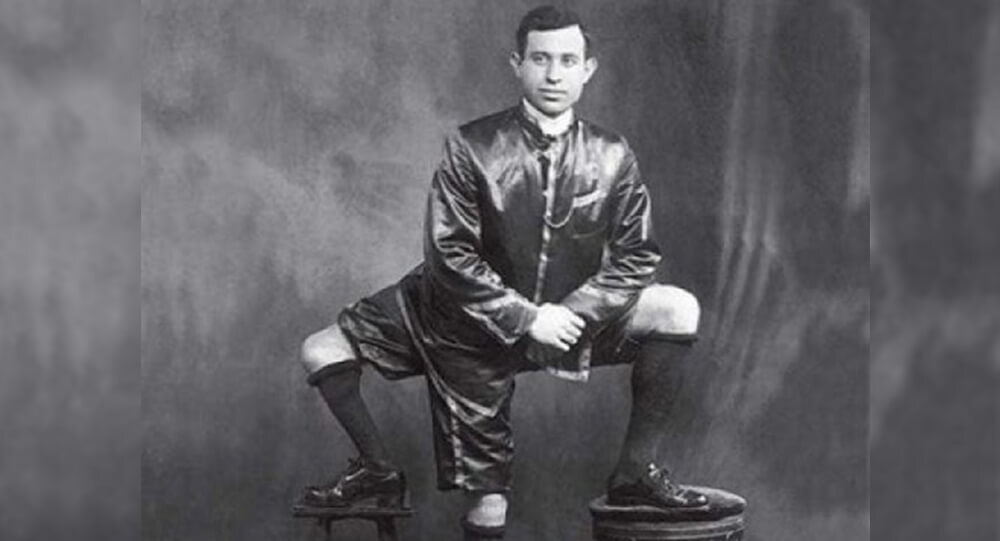
Frank Lentini, The Three-Legged Sideshow Performer
Francesco Lentini was a man with three legs, four feet, sixteen toes, and two sets of functional male genitals. He worked for the circus and lived to be 78 years old.
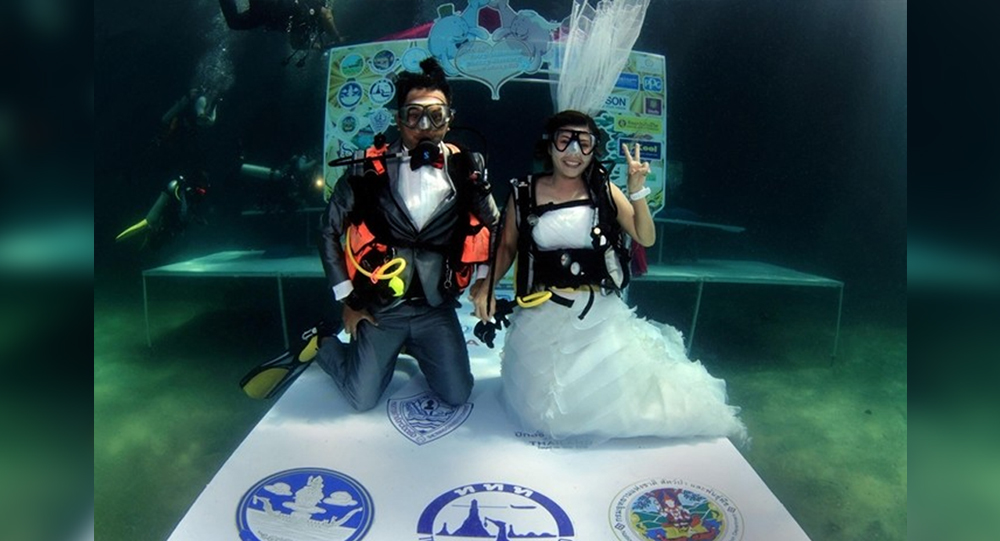
This Thai Wedding Tradition Happens 40 Feet Underwater
Each year in Trang, Thailand, dozens of couples participate in an underwater wedding ceremony while scuba diving in full gear. The ritual symbolizes deep love and has become a quirky tourist attraction held around Valentine’s Day.
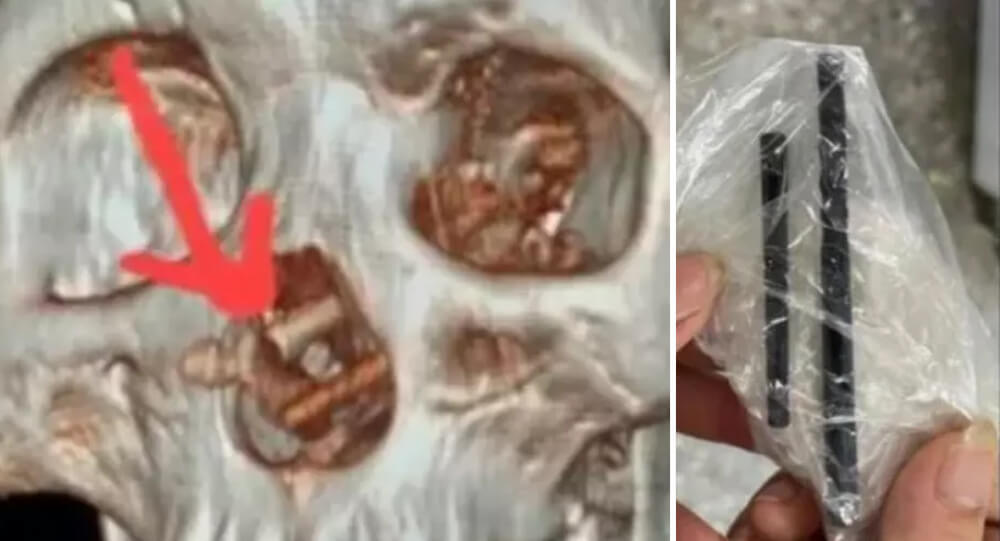
A man who has been suffering from headaches for nearly six months discovers chopsticks lodged in his brain
When it was discovered that a Vietnamese man with headaches and vision problems had chopsticks lodged in his brain, the doctors were almost as surprised as the man himself.
![Mysterious ghost ship found with mummified captain inside [SOLVED]](https://weeklyrecess.com/wp-content/uploads/2024/07/Solved-Mysterious-ghost-ship-with-mummified-captain-cover.jpg)
Mysterious ghost ship found with mummified captain inside [SOLVED]
German captain had been sailing the world for 20 years. It was unknown when or how he died or how long the ghost ship had been adrift

Roller Coasters were First Invented to Distract People from sin
Roller coasters were invented to distract Americans from sin. In the 1880s, hosiery businessman LaMarcus Thompson didn’t like that Americans were going to places like saloons and brothels and created the first roller coaster on Coney Island to persuade them to go there instead.

Preserving Bodies in a Deep Freeze Await Revival
There are currently hundreds of deceased people in the U.S., including baseball legend Ted Williams, whose bodies are frozen in liquid nitrogen in hopes that future technology will be able to revive them.
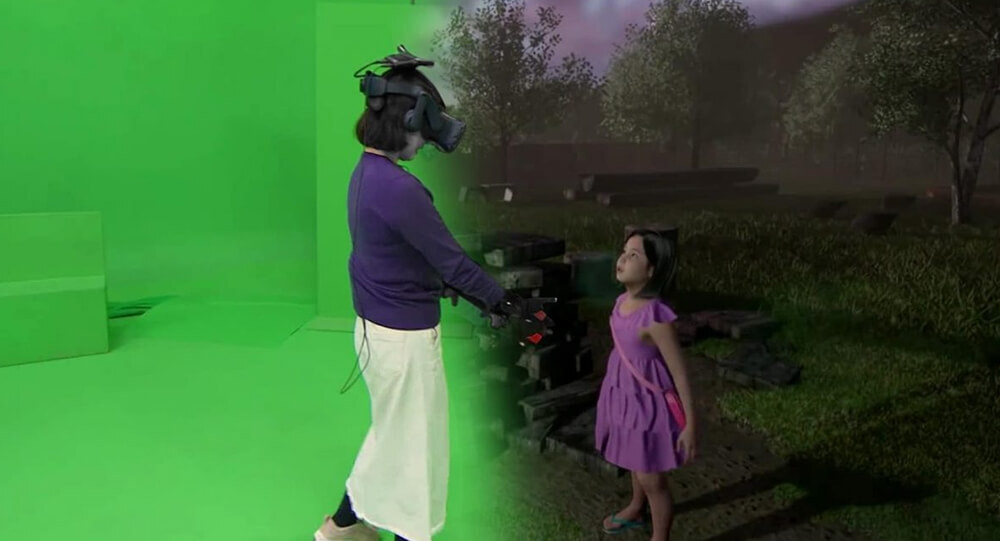
Mom Cries After Seeing Her Deceased Daughter in Virtual Reality
Jang Ji-Sung lost her 7-year-old daughter to haemochromatosis in 2017, a rare disorder in which the body absorbs too much iron. The two reunited through the use of virtual reality technology.

The “Walking” Palm, tree species can walk up to 65 feet each
This tree species can walk up to 65 feet each year to find the best habitat to live in.

Story of Peng Shuilin: Man with only half a body
We have a habit of whining in our daily lives. We never seem to be pleased with the things we have in life. "I want to be skinny," fat people say, "I want to be fat," slim people say. Poor people aspire to be wealthy, and wealthy people are never satisfied with their status. Everywhere we go, we're whining. Can you image how a man would want to live if he didn't have any legs or bums at all?

What Caused The Mysterious Patomskiy Crater in Siberia?
Discovered in 1949, the Patomskiy Crater resembles a huge convex cone with a funnel-shaped recess and a rounded hill in the middle, which looks like an eagle’s nest with an egg nestled inside it. The crater’s origin is a mystery that has baffled scientists for decades.
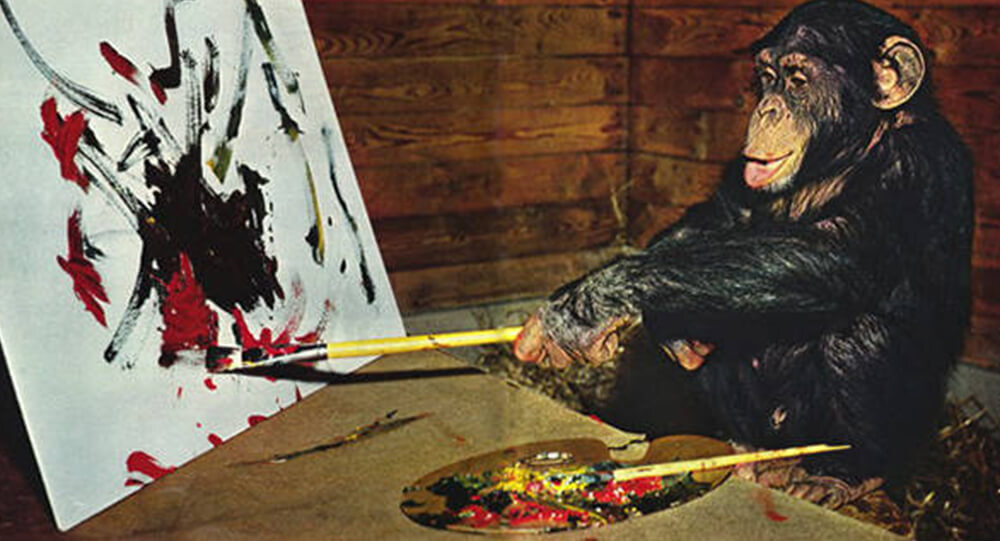
Pierre Brassau: The chimpanzee painter who deceived the avant-garde world
Abstract paintings by a previously unknown artist “Pierre Brassau” were exhibited at a gallery in Sweden, earning praise for his “powerful brushstrokes” and the “delicacy of a ballet dancer”. None knew that Pierre Brassau was actually a 4 year old chimp from the local zoo.
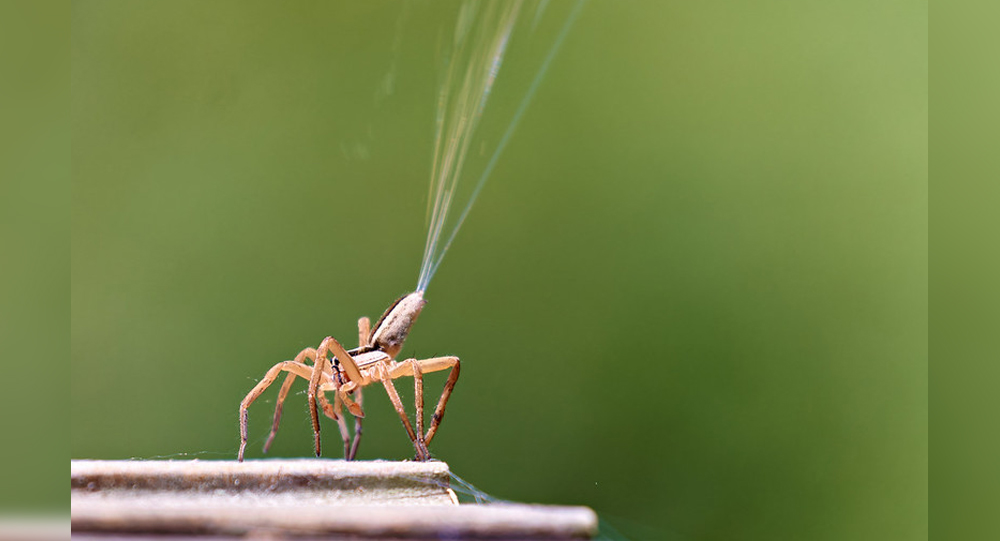
Why Do Spiders Rain From the Sky? The Strange Ballooning Phenomenon
Every now and then, people around the world are amazed—and sometimes disturbed—to see thousands of tiny spiderlings floating down from the sky, seemingly raining on the earth below. This eerie spectacle is the result of a curious and fascinating behavior called ballooning, in which spiders use silk threads as invisible parachutes to catch the wind and fly. Recent scientific discoveries reveal that spiders can even harness Earth’s electric fields to take off without wind, making their aerial journeys feel almost supernatural. This article explores the science, mystery, and wonder behind the ballooning phenomenon.

Brazilian gang leader attempts to escape from Rio de Janeiro prison by dressing up as his daughter
In 2019, a Brazilian gang leader tried to escape from prison by dressing up as his daughter when she visited him behind bars and walking out of the penitentiary's main door in her place.
![[solved] “macaroni mystery”, 500 pounds of pasta dumped in new jersey](https://weeklyrecess.com/wp-content/uploads/2024/05/Macaroni-Mystery-cover.jpg)
[solved] “macaroni mystery”, 500 pounds of pasta dumped in new jersey
In April 2023, Old Bridge, New Jersey, faced a peculiar 'Macaroni Mystery' when 500 pounds of pasta were mysteriously dumped in the woods.

June and Jennifer Gibbons The silent twin who Only Spoke to Each Other
Identical twins June and Jennifer Gibbons were born on 11 April 1963 at a military hospital in Aden, Yemen where their father worked as part of the Royal Air Force.

The Incredible Story of Martin Laurello, The Sideshow Performer With The Revolving Head
Martin Laurello was also known as 'The human owl'. He was born with the ability to turn his head a full 180 degree.

How a Man Fooled Florida with Fake Penguin Tracks for 10 Years
In 1948, Florida’s Clearwater Beach was the stage for one of the longest-running and most peculiar hoaxes in American folklore. Giant three-toed footprints appeared mysteriously in the sand, sparking rumor and fascination about a 15-foot-tall penguin roaming the shores. For a decade, locals and visitors alike speculated and scanned for the elusive creature, never realizing the truth: these tracks were made by a man wearing 30-pound lead shoes designed to imitate an enormous penguin's footprint. This article uncovers the details of this elaborate prank and its lasting legacy in Florida’s cryptic history.

Kim Peek: The Real Rain Man Who Memorized 12,000 Books
Kim Peek wasn’t just a man with an extraordinary memory—he was a megasavant whose astonishing ability to recall the contents of over 12,000 books inspired the iconic character Raymond Babbitt in the film Rain Man. Able to read two pages at once, scanning one with each eye, Peek could memorize an entire book in about an hour. Despite his phenomenal talents, he faced developmental challenges and lived a unique life that changed perceptions about human potential and cognitive diversity. This article explores the remarkable story of Kim Peek, his capabilities, and the legacy he left behind.
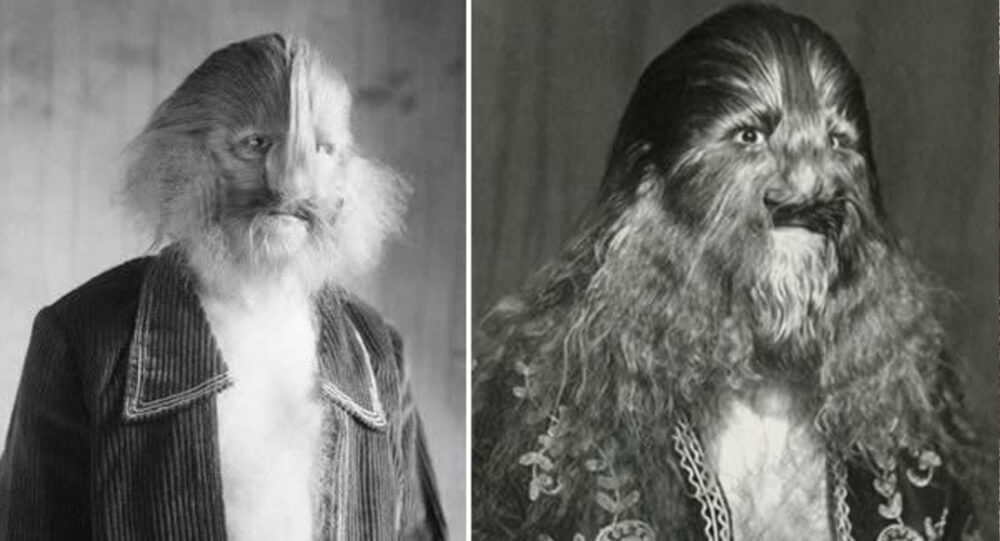
The story of Lionel the Lion-Faced Man, Stephan Bibrowski
Stephen Bibrowski, also known as Lionel the Lion-faced Man, was a well-known sideshow entertainer. His entire body was covered in long hair, giving him the appearance of a lion; this was most likely due to a rare condition known as hypertrichosis. Lionel traveled to the United States in 1901 and began performing with the Barnum and Bailey Circus.