

Sleep deprivation has been used across centuries as an interrogation tool and method of coercion. Unlike physical torture that bears visible marks, sleep deprivation attacks the mind covertly—slowly eroding a victim’s mental state and resilience until control can be exerted.
During the infamous witch hunts of 16th-century Europe, accused witches were deprived of sleep for days to force confessions, as hallucinations and disorientation led victims to believe they were truly guilty. Similarly, during World War II, prisoners of war were subjected to cruel schedules designed to prevent sleep. Japanese camps, for instance, combined sleep deprivation with beatings and starvation to break prisoners’ wills.
More recently, during the Troubles in Northern Ireland in the 1970s, the British Army employed sleep deprivation as one of the “five techniques” of interrogation on suspected Irish Republican Army members. These techniques were later condemned by courts as torture.
Sleep deprivation’s effectiveness lies in its invisibility—a method that inflicts profound psychological harm without physical evidence.
How Sleep Deprivation Affects the Human Brain
The effects of sleep deprivation go beyond mere fatigue. The brain requires regular rest to consolidate memories, regulate emotions, and maintain cognitive functions. Denying sleep disrupts these processes, resulting in a progressive mental decline.
After 24 hours without sleep, concentration wanes, decision-making weakens, and irritability grows. Beyond 48–72 hours, victims begin to experience hallucinations, paranoia, and distorted perceptions of reality. These phenomena arise from impaired neural communication and biochemical imbalances.
Research shows sleep deprivation causes elevated cortisol (stress hormone), decreased glucose metabolism in brain areas like the prefrontal cortex and thalamus, and dysregulation of neurotransmitters like dopamine and serotonin, further impairing cognition and mood.
Victims often describe hearing voices, seeing shadows, or losing track of time—symptoms tantamount to psychosis or sensory deprivation hallucinations.
Sleep Deprivation in the Dark Side of Interrogation
Sleep deprivation has been incorporated into “enhanced interrogation” programs and abusive detention regimes worldwide, often combined with sensory overload, stress positions, and isolation. These tactics aim to disorient and break detainees without physical violence visible on the body.
Techniques include forced waking through loud noise or light, interruption of sleep cycles, and use of physical discomfort to prevent falling asleep. Such prolonged deprivation can lead to severe psychological trauma, sometimes irreversible.
International human rights law, including the United Nations Convention against Torture, recognizes sleep deprivation as a form of cruel and inhuman treatment. Despite this, its use persists covertly, raising ethical, legal, and moral questions.
Personal Testimonies Reveal the Horror
Survivors subjected to sleep deprivation report horrifying mental states. John Schlapobersky, a psychotherapist tortured in 1960s South Africa, described the onset of hallucinations within two nights and reported “dreaming while awake” after three days without sleep. Others have narrated feelings of time dilation, depersonalization, and creepy sensations of phantom voices or unseen presences.
Women detained during apartheid described constant fears of imaginary attackers entering their cells, induced by sensory deprivation and exhaustion, underscoring the torment and psychological devastation sleep deprivation inflicts.
Such testimonies reveal how the absence of physical harm does not equate to absence of torture’s brutality.
Legal and Ethical Perspectives on Sleep Deprivation
Sleep deprivation’s ambiguous invisibility complicates legal categorizations of torture. Some argue it as physical abuse, others as psychological, but growing scientific consensus points to its deeply damaging effects as torture.
Key rulings, including by the European Court of Human Rights, clarified that sleep deprivation violates human dignity and amounts to torture when applied systematically or severely. Yet enforcement remains challenging as states sometimes deny or obscure such practices.
Ethicists debate the cruel paradox whereby sleep deprivation exploits a fundamental human need—sleep—raising profound questions about human rights and state power.
Fascinating Trivia About Sleep Deprivation as Torture
- Sleep deprivation has been used as a torture method since medieval witch trials.
- The “five techniques” used by British forces included sleep deprivation and were banned following international outcry.
- Sensory deprivation often accompanies sleep loss to magnify psychological harm.
- Cognitive impairments from 48 hours of sleep deprivation can mimic being legally drunk.
- The CIA’s SERE program trained U.S. soldiers in resistance to sleep deprivation used by enemy forces.
- Some animals, like dolphins, can rest only one hemisphere of their brain at a time; humans need full sleep.
- Sleep deprivation is also studied as an effective antidepressant treatment but at controlled doses.
- People deprived of sleep for over 11 days have died or suffered severe psychoses in historical medical cases.
Modern Reflections and the Path Forward
Today, the scars of sleep deprivation torture demand acknowledgment and justice. As governments and organizations confront past abuses, understanding the neuroscience behind sleep deprivation helps contextualize victim experiences and advocate for humane treatment worldwide.
Public awareness campaigns and legal actions strive to end such practices definitively. Meanwhile, scientific research continues to reveal sleep’s indispensable role in mental health, underscoring why its denial can be weaponized.
Final Thoughts: The Invisible Price of No Sleep
Sleep deprivation as torture is an invisible wound inflicted through absence rather than attack—a psychological unraveling that silently destroys. Recognizing this form of torture deepens our understanding of human resilience and the vulnerabilities that define our biological needs.
Its legacy challenges us to uphold the rights to dignity, health, and rest that should never be weaponized. Sharing this article helps educate on how the brain’s desperate cries for sleep can become grave instruments of suffering.
Sources & Further Reading:
- Optalert: Sleep Deprivation as a Form of Torture (2017)
- Yale Connect: Morals and Psychology of Sleep Deprivation (2019)
- PubMed: Understanding Sleep Deprivation as Torture (2018)
- United Nations: Convention Against Torture Documents
- Psychology Today: Why Sleep Deprivation is Torture (2014)


The Amazing Truth About The German U-Boat That Was Sunk By A Toilet
During WWII, a German captain and an engineer flushed the submarine's high-tech toilet incorrectly, causing the vessel to rapidly fill with water. British planes patrolling the sea attacked them as the submarine was brought to the surface. While many members of the crew were killed in the attack, the captain escaped!
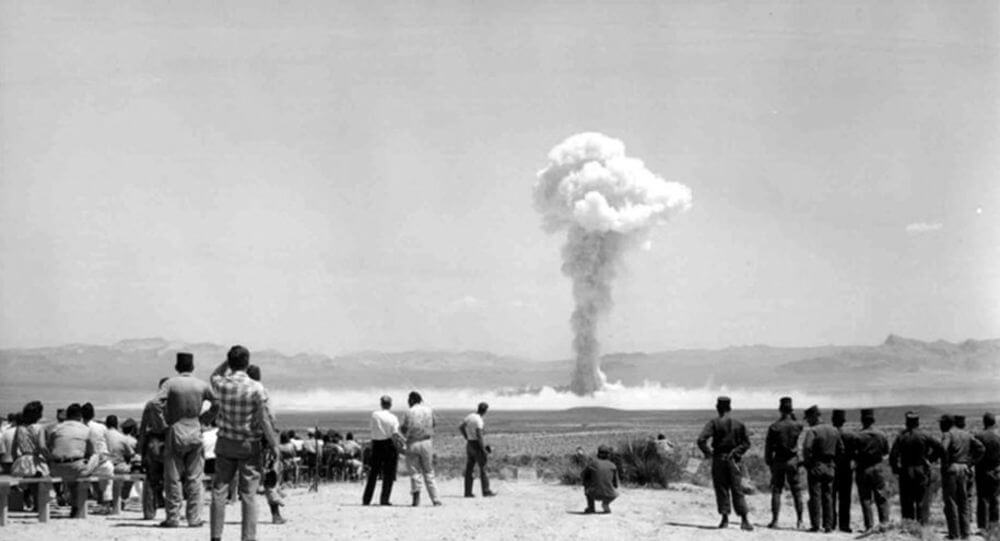
Atomic Tourism: In the 1950s, nuclear tests in Las Vegas served as a draw for tourists
Between 1950 and 1960, Las Vegas offered “Atomic Tourism” in which guests could watch atomic bombs being tested in the desert as a form of entertainment.

Poto And Cabengo: The Secret Language Of Twins
Poto and Cabengo, as the two girls called each other, communicated in their own language. The twins were ignored by their parents and secluded from the outside world because their father felt they were developmentally retarded, and their unique language evolved as a result of that neglect.


Mario Segale, Developer Who Inspired Nintendo to Name Super Mario
Super Mario is named after real-life businessman Mario Segale, who was renting out a warehouse to Nintendo. After Nintendo fell far behind on rent, Segale did not evict them but gave them a second chance to come up with the money. Nintendo succeeded and named their main character after him.

story of the youngest mother in the world at age of five - Lina Medina
Lina Medina, a five-year-old Peruvian girl, became the youngest mother in history in 1939 when she gave birth to a boy.

15 interesting facts about Queen Elizabeth II
Queen Elizabeth II, who ruled Britain for 70 years, has away at the age of 96. She was the country's longest-reigning monarch. Here are some little-known facts about her.
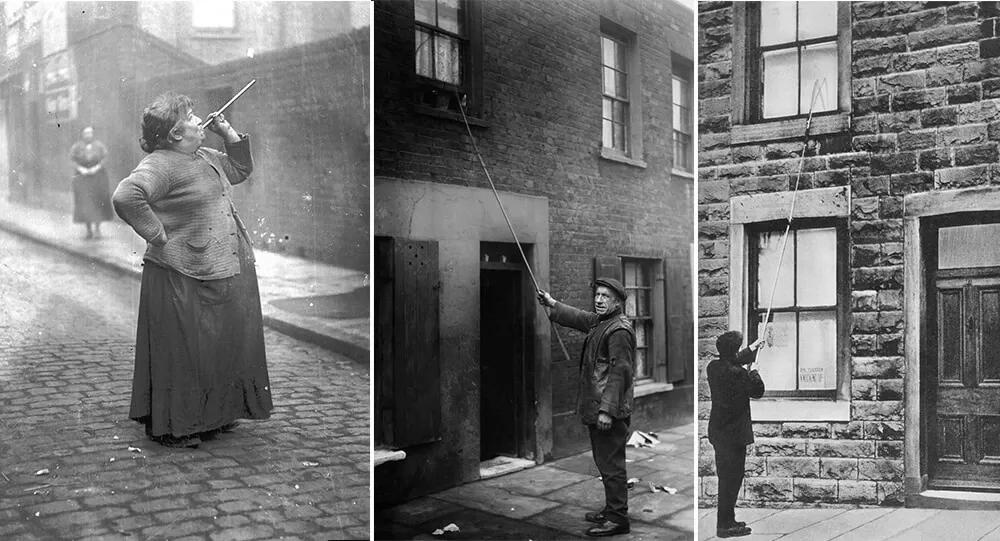
Knockers-up: waking up the Industrial Britain's Workers in 1900-1941
Before alarm clocks were invented, there was a profession called a knocker-up, which involved going from client to client and tapping on their windows (or banging on their doors) with long sticks until they were awake. It lasted into the 1920s.

Graves holding hands over wall, A Catholic woman and her Protestant husband grave
A protestant man and a Catholic woman who weren't allowed from being buried together in a graveyard in 19th-century Holland turned their graves into a monument showing them holding hands across the wall separating them.
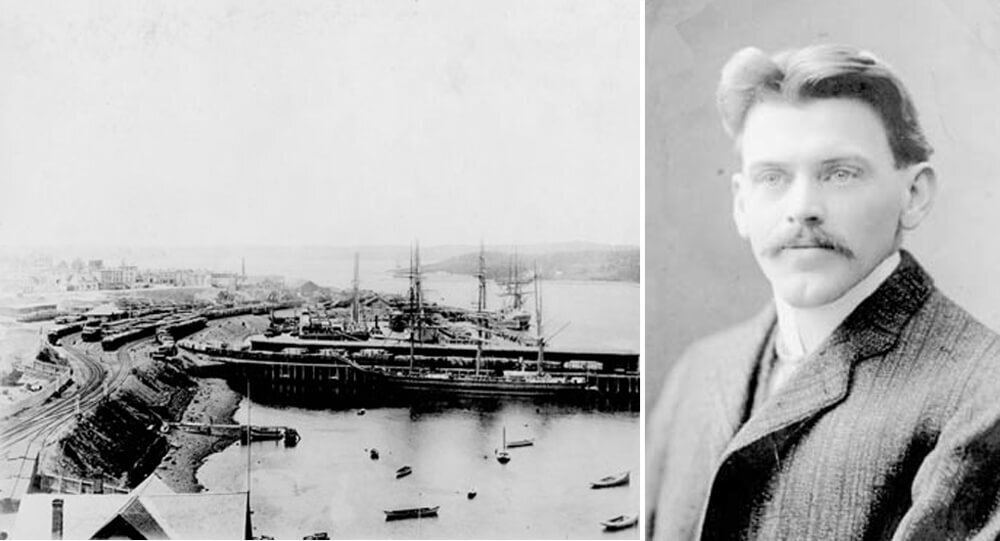
Vince Coleman, a railway dispatcher, sacrificed his own life
Vince Coleman, a railway dispatcher, sacrificed his life in order to warn an incoming train of an imminent explosion. His telegraph said “Hold up the train. Ammunition ship afire in harbor making for Pier 6 and will explode. Guess this will be my last message. Good-bye, boys.” He saved 300 lives.

Charlie Brown and Franz Stigler incident: Enemy became friends
During WWII, a German pilot spotted an American pilot’s crippled plane in the sky. Tailing it, he noticed that gunner was dead, crew injured, and they posed no threat. Instead of destroying the plane, he led it to safety. 40 years later, the two pilots reunited.

During the 1996 Olympic bombing, Richard Jewell falsely accused of committing the crime after saving dozens of people
Richard Jewell, an American security guard, discovered a bomb during the 1996 Olympic Games in Atlanta and assisted in the evacuation, but was later wrongfully accused and faced public scrutiny. He was cleared, but it had a lasting impact on him until his death in 2007 at the age of 44.
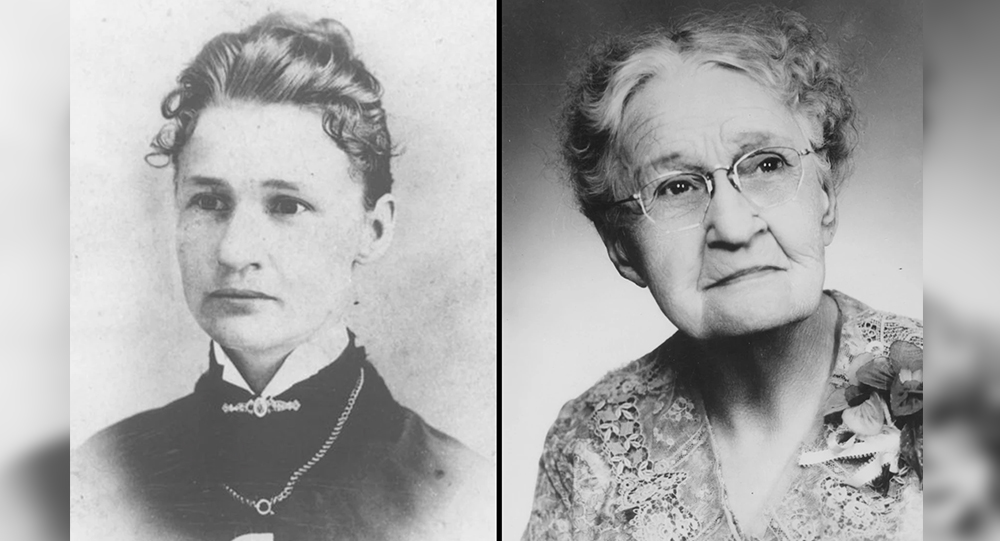
Susanna Salter: The Trailblazing Story of America’s First Female Mayor
In 1887, Susanna Salter became the first female mayor in the United States, elected in Argonia, Kansas. Her nomination was initially a prank by men opposing women in politics. However, she won by a landslide and served effectively, inspiring the women’s suffrage movement and breaking barriers for women in leadership.
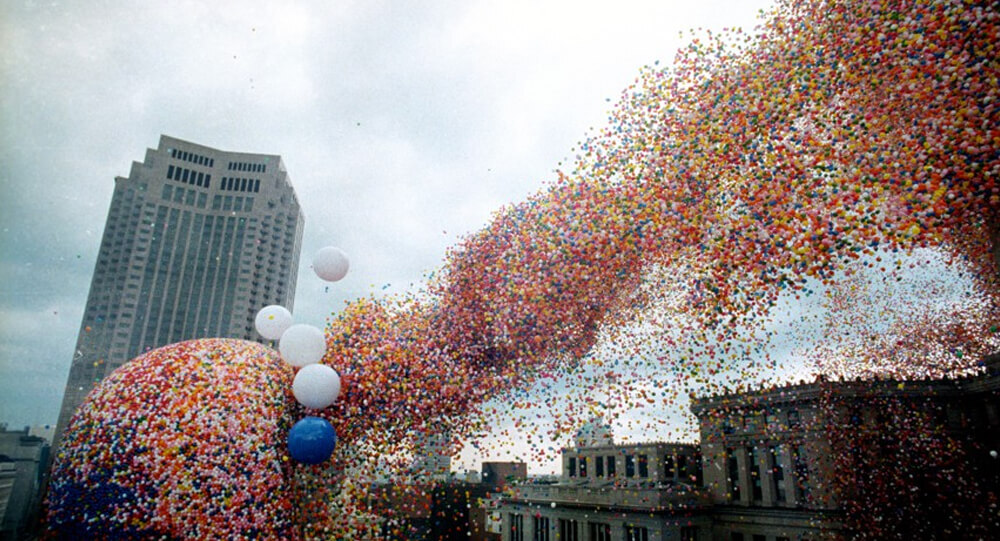
How Cleveland's Balloonfest in 1986 Turned Into a Public Tragedy
In Cleveland, Ohio, United Way broke the world record by deflating nearly 1.5 million balloons as part of a publicity stunt to raise money. The balloon obstructed a US Coast Guard search for two boaters who were subsequently discovered to have drowned, blocked airport runways, and blocked land and waterways.
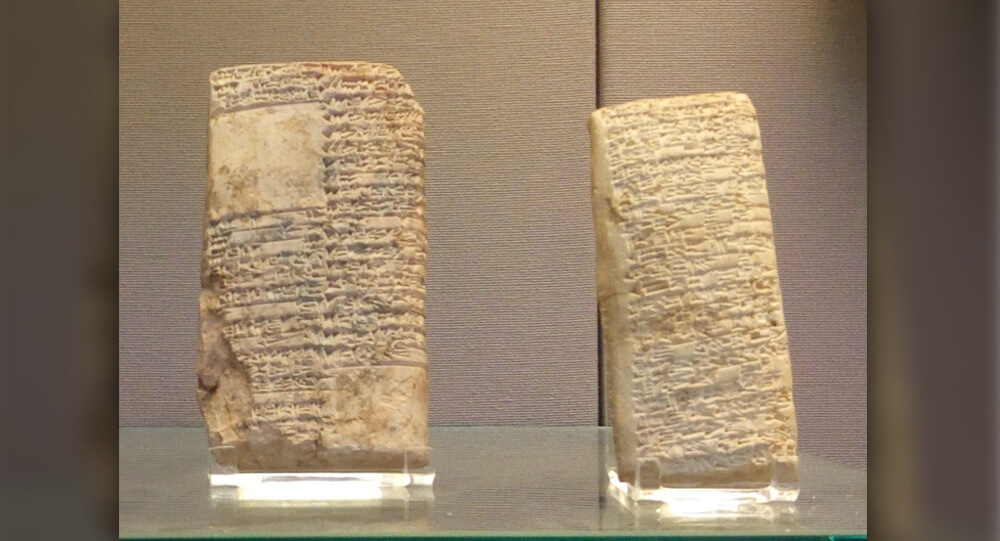
Ea-Nasir: world's oldest written customer complaint
This clay tablet, written in cuneiform, is the oldest known written customer complaint about the delivery of poor quality copper ingots. Originally from ancient Babylon, the tablet dates back to 1750 BCE, and it was written by a customer named Nanni to a merchant named Ea-Nasir. It is currently housed in the British Museum.

Archaeologists Uncover 2,000-Year-Old Amazonian Cities Using Lidar Technology
Deep in the Ecuadorian Amazon, archaeologists have uncovered an ancient network of urban settlements once inhabited by the Upano people about 2,000 years ago. Using cutting-edge lidar technology, these discoveries reveal a highly organized society featuring sophisticated agricultural systems, drainage canals, and extensive road networks. This transformative find challenges long-held assumptions about ancient Amazonian societies and sheds light on a complex civilization thriving in one of the world’s most biodiverse regions.

The youngest person executed, George Stinney Jr was proven innocent
In 1944, George Stinney Jr. was 14 years old when he was executed in South Carolina. It took only ten minutes to convict him — and 70 years to exonerate him.

Tunnels Dug by ancient giant sloths, A South American Megafauna
For years, scientists didn’t know what caused mysterious cave networks in South America. In 2010, they learned that the caves were actually tunnels dug by ancient giant sloths
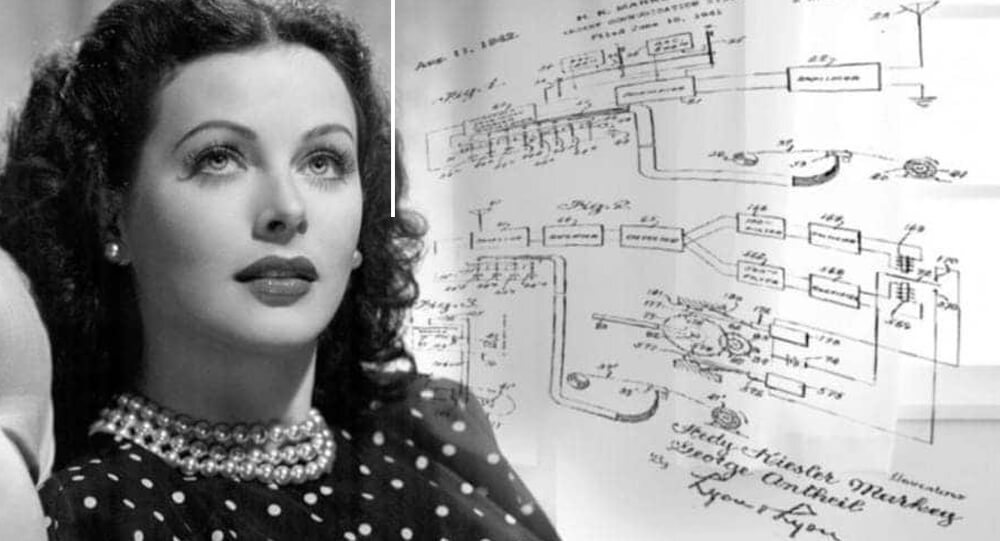
Hedy Lamarr, A Hollywood actress who also a mathematician and inventor
Hollywood actress Hedy Lamarr was also a mathematician and the inventor of frequency hopping spread spectrum, a technology still used for bluetooth and wifi

The Horrific story of Ariel Castro and the Cleveland abduction
Cleveland abduction victims Gina DeJesus, Michelle Knight, and Amanda Berry were forced to live in Ariel Castro's house of horrors for 10 years. He raped and beat them until they escaped in 2013.
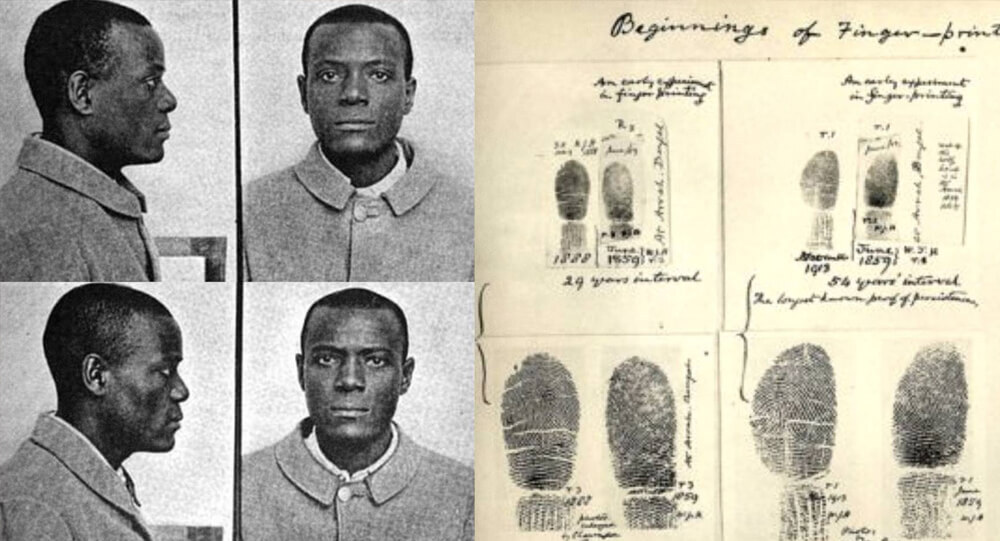
Will & William Wests: The puzzling situation of two inmates who are identical but not related
These are the mugshots of Will West and William West, and they are not related. They were both sent to Leavenworth Prison at the same time, in 1903, and after some confusion, the staff understood they had two different prisoners with the nearly same name, who looked exactly alike. They are part of the reason fingerprints are now used as identification.
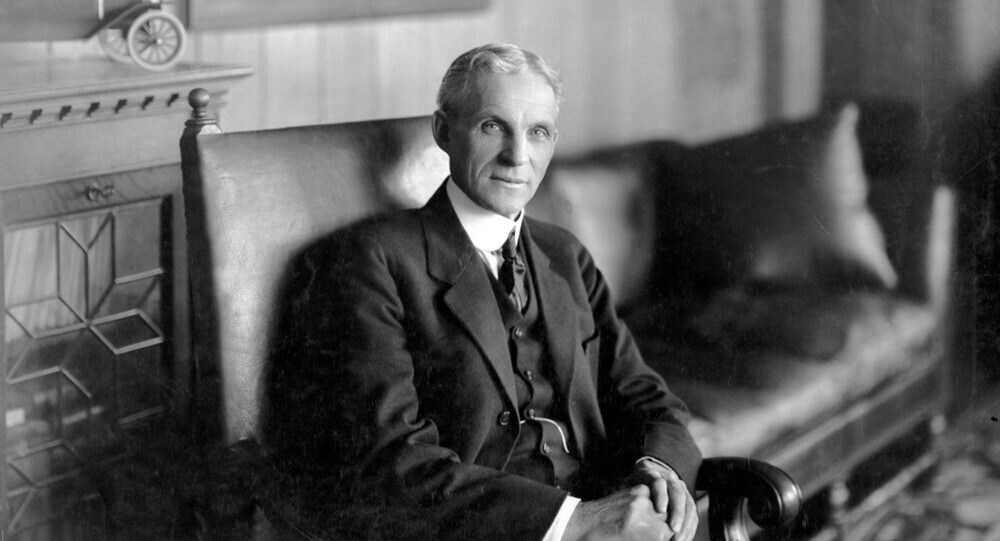
Henry Ford, The man popularizing the concept of the weekend off
Henry Ford was the first Industrial Giant to give his employees both Saturday and Sunday off in the hope of encouraging more leisurely use of automobiles and thus popularizing the concept of the "weekend."
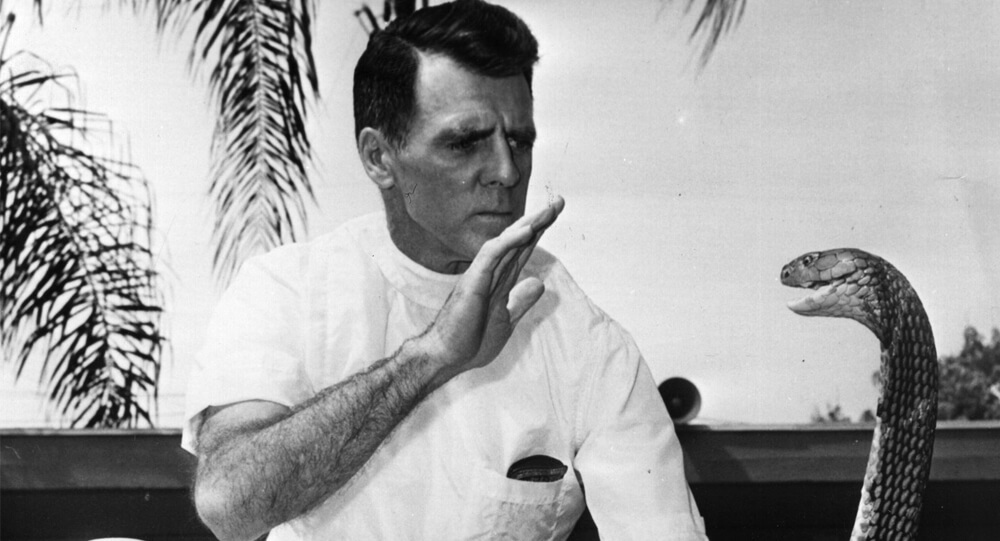
The story of Bill Haast, who lived to be 100 despite his extensive snake venom injections
Bill Haast immunized himself by injecting snake venom into his blood for several years. He holds the Guinness World Record for surviving the most lethal snake bites, having been bitten over 172 times. Bill became known as "Snake Man" around the world and lived for over 100 years.

The Baltic Way: the longest unbroken human chain in history
On August 23, 1989, about 2 million people from Latvia, Estonia, and Lithuania formed a human chain that united all 3 countries to show the world their desire to escape the Soviet Union and the communism that brought only suffering and poverty. This power stretched 600 km.
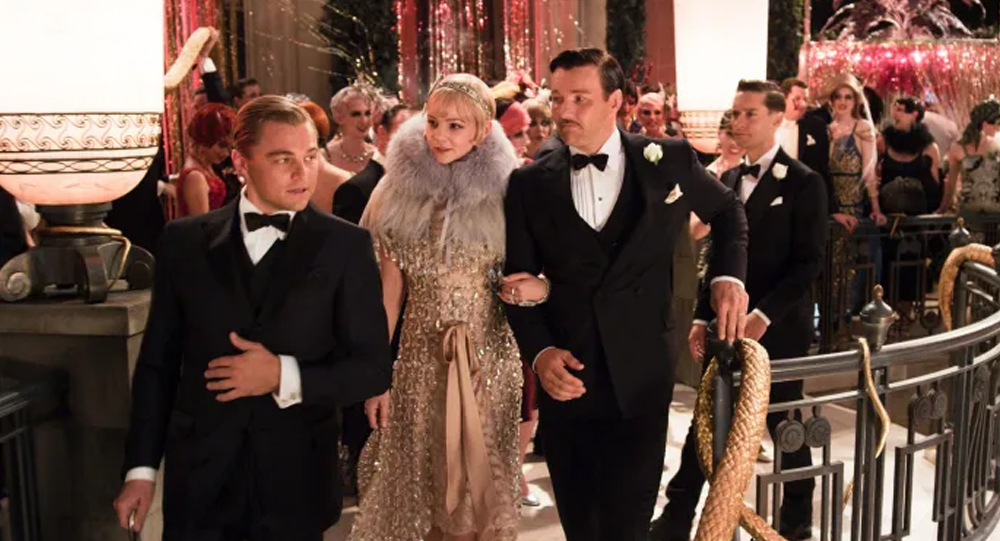
From Flapper to Fashion Week: How 1920s Style Still Shapes Modern Trends
The roaring 1920s revolutionized fashion, introducing bold styles, daring cuts, and a spirit of freedom that still inspires today’s wardrobes. From flapper dresses to statement accessories, here’s how the Jazz Age lives on in modern fashion.
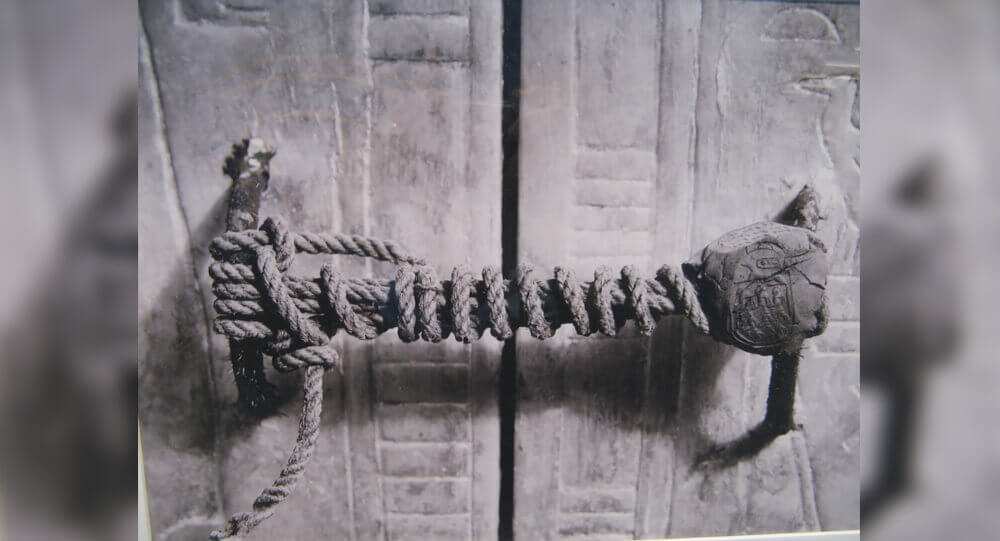
The unbroken seal on King Tutankhamun's tomb until 1922
The unbroken seal of Tutankhamun's tomb before it was opened in 1923, it was unbroken for over 3000 years.