

Mother who spent entire life savings for daughter’s cancer treatment won the lottery
After playing a scratch-off card in the Florida lottery, a mother from Florida who had spent her entire life savings to pay for her daughter’s cancer treatment ended up taking home a $2 million jackpot.
The day following her daughter’s last cancer treatment, Geraldine Gimblet won the $2 million top prize on a scratch-off, and she had many reasons to celebrate last week.
According to a press statement from the Florida Lottery, a woman from Lakeland, Florida, collected her $2 million win on Friday at the Lottery Headquarters in Tallahassee.
According to the press release, she bought her winning ticket at a Pipkin Road Beverage Castle.
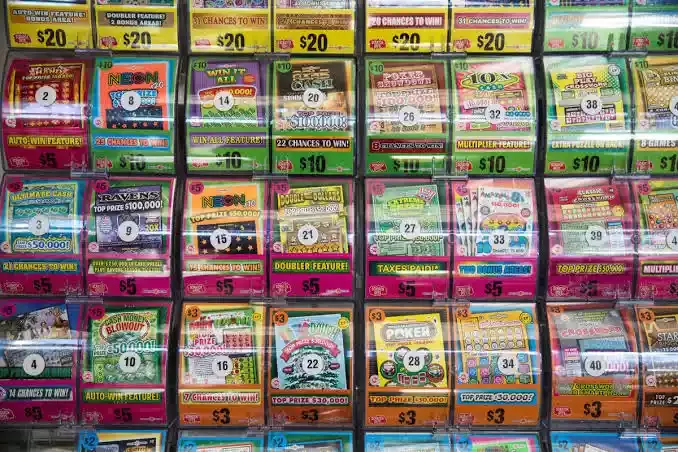

The happy winner remarked, “At first the gas station clerk thought there were no tickets left, but I asked him to double check because I enjoy crossword games the most.”
He spotted the final one!’
The day following a significant victory for her daughter, who was battling breast cancer, Gimblet experienced a lucky break.

The day before her mother purchased this ticket, her daughter informed the lottery, “I rang the bell and walked out of the hospital after completing my last treatment for breast cancer.”
The mother’s daughter further stated, “My mom had taken out her life savings to take care of me when I was sick.” I’m really happy for her!’
According to the lottery, Gimblet chose to accept her rewards as a single, lump-sum payment of $1,645,000.00.
There are 20 $100,000 second-tier prizes and eight $2 million top prizes in the $10 crossword game.
According to the lottery, a $2,000 additional commission will be given to The Pipkin Road Beverage Castle for selling the winning ticket.

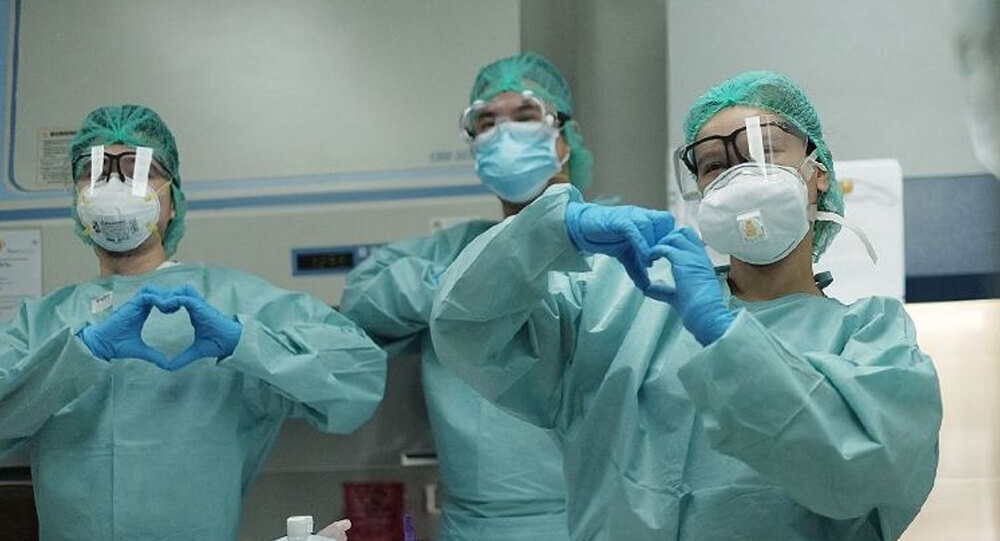
Philippines, the largest supplier of Nurses in the World
Philippines is the world’s largest supplier of nurses, supplying roughly 25% of all overseas nurses worldwide.
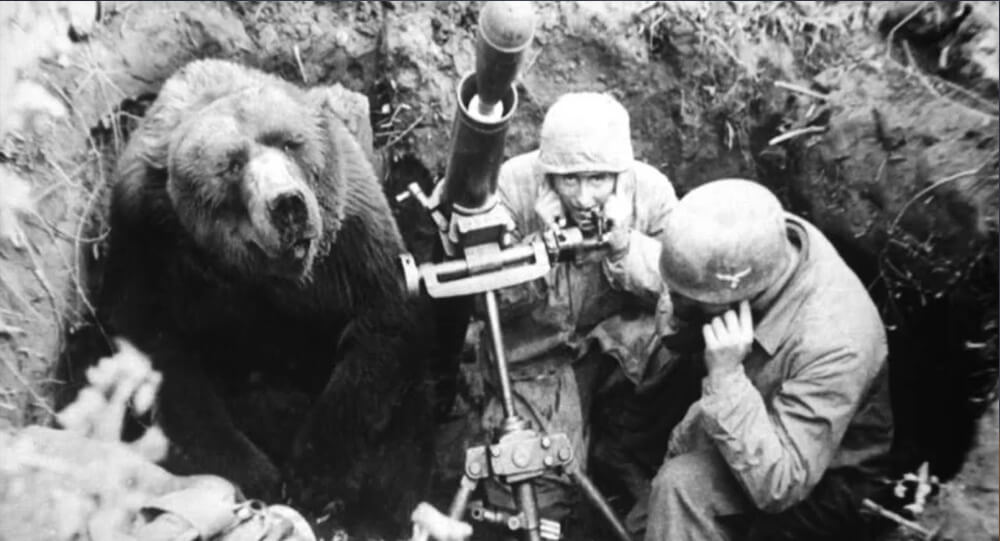
The 440-pound bear named Wojtek and his World War II battle against the Nazis
Polish troops raised an orphaned bear cub during WWII. He enjoyed drinking beer, and was trained to salute. He became officially enlisted as a member of the forces, and helped carry artillery during battle.
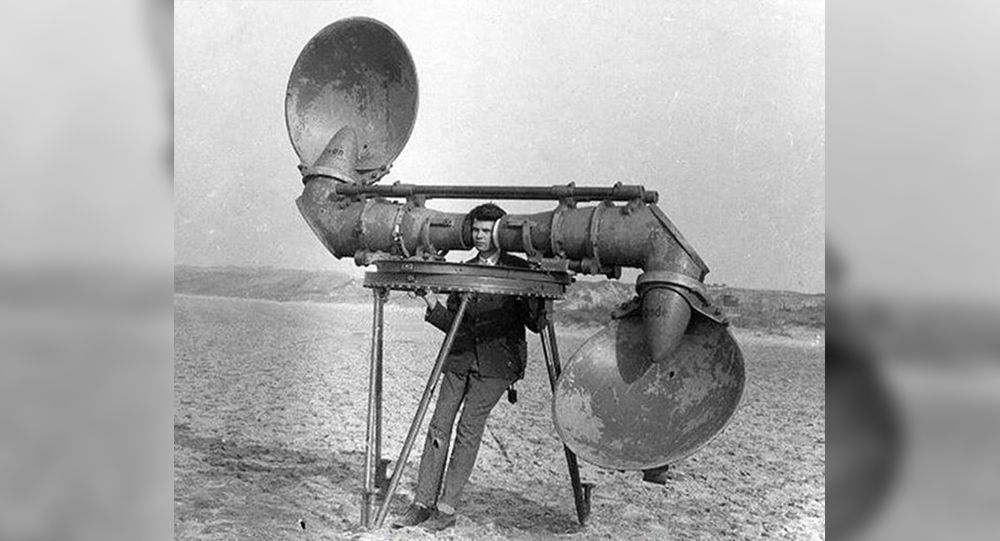
Before Radar: How Giant Acoustic Mirrors Detected Enemy Aircraft in WWI and WWII
Long before radar revolutionized air defense, enormous acoustic mirrors and specialized sound locators stood as the first line of defense against enemy aircraft. Designed as giant “ears,” these structures amplified distant engine noises, allowing operators to detect incoming planes by sound alone. Dive into the intriguing world of these pioneering listening devices, their operation, limitations, and enduring legacy in military history.
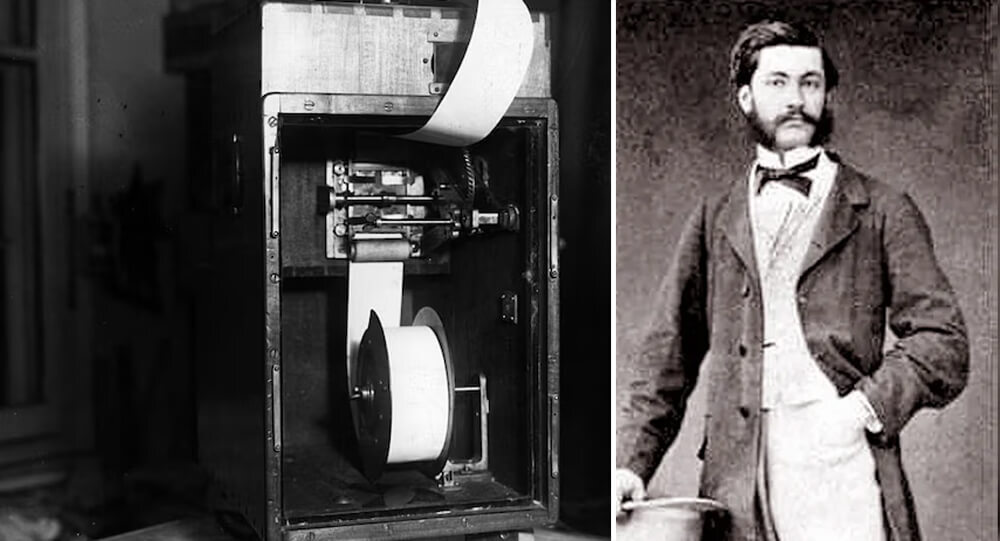
Louis Le Prince Invented the motion picture camera, and then he mysteriously disappeared
Louis Le Prince, the inventor of motion pictures, vanished without a trace in 1890. Thomas Edison quickly claimed the title of "first and sole inventor of cinema," even taking Le Prince's son to court to dispute it. A few years later, the son also dies under mysterious circumstances.
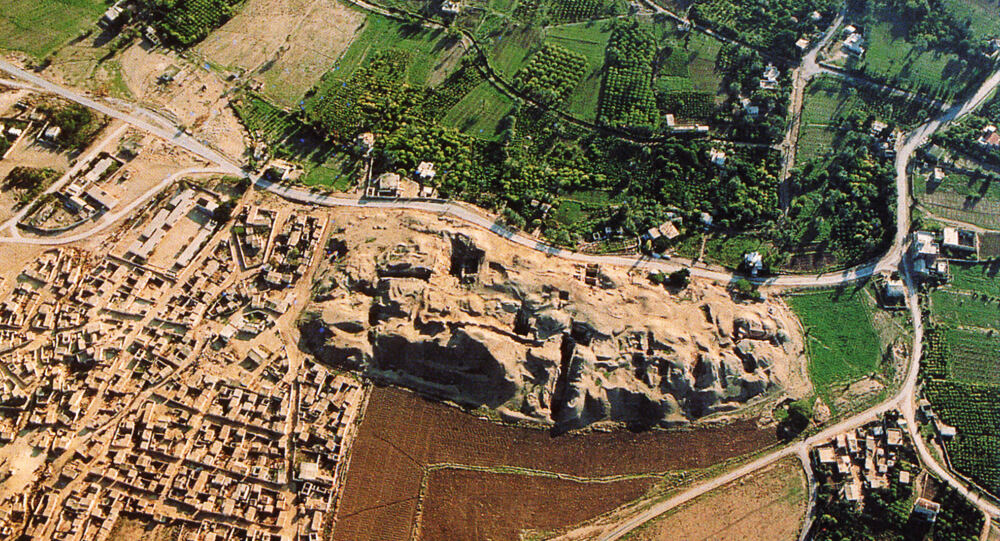
Ancient Jericho: The First Walled City In History
The ancient city of Jericho is the world's oldest walled city, with evidence of stone fortifications dating back nearly 9000 years.
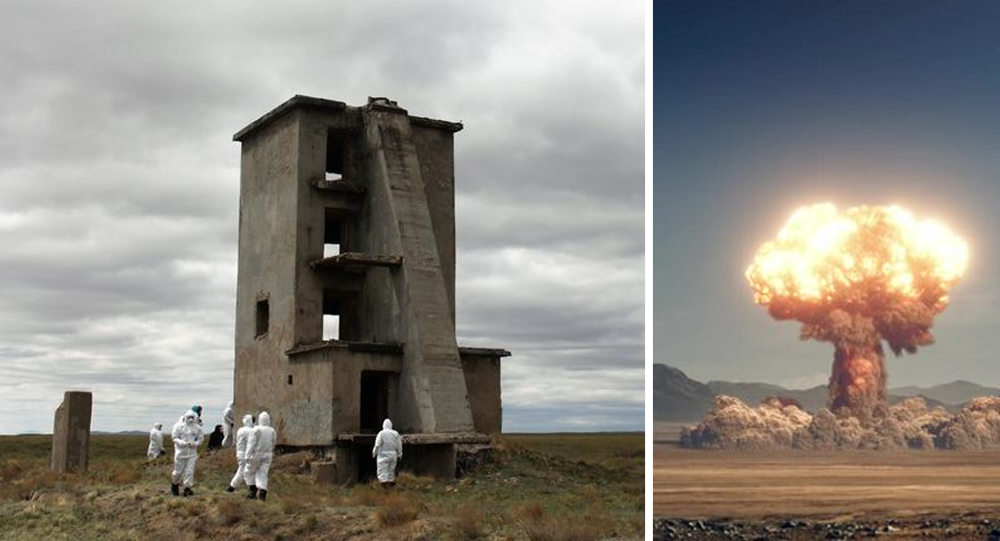
The Forgotten Story of Semipalatinsk and the Soviet Nuclear Experiments
Between 1949 and 1989, the Semipalatinsk Test Site in Kazakhstan became the primary location for Soviet nuclear weapons tests, exposing millions of unsuspecting villagers to radioactive fallout. Known as the “Polygon of Suffering,” this remote desert witnessed 456 nuclear detonations that caused widespread health crises, birth defects, and generational genetic damage. This article narrates the chilling legacy of Semipalatinsk, unveiling the human cost of Cold War arms development and the ongoing struggle for healing and recognition in Kazakhstan.
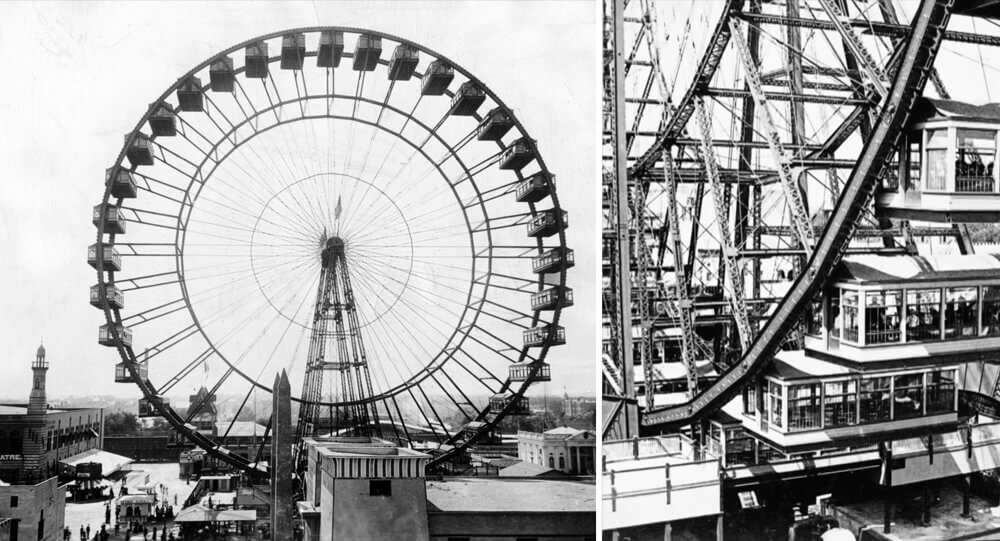
how Ferris wheel invented
In 1891, Chicago challenged engineers to create a structure to surpass the Eiffel Tower for the World's Columbian Exposition. George Washington Gale Ferris jr. responded with the original Ferris Wheel, a giant rotating structure elevating visitors above the city. This invention became an iconic attraction at the fair.
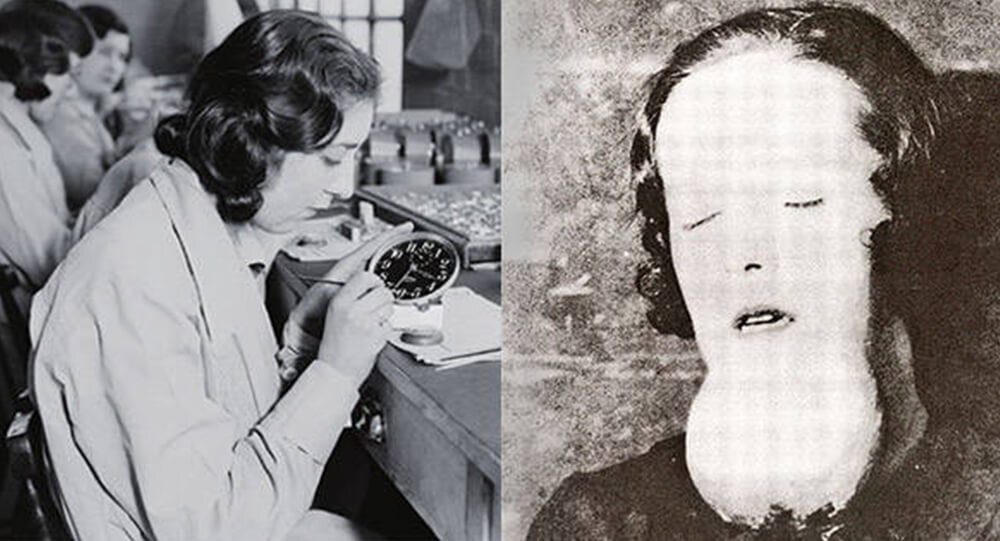
The true story Of The Radium Girls that change US labor laws
Hundreds of young women worked in clock factories during World War I, painting watch dials with luminous radium paint. The company lied about the risk of radiation, claiming there was no danger, which resulted in the death of the young women.

The History Behind the “No One Dies Alone” Program
In 1986, while doing a night shift at the hospital, Sandra Clarke, a registered nurse, was asked by an elderly patient to stay. She promised to be back after checking on her other patients, but by the time she returned, the gentleman had passed away. Clarke became one of the key figures in launching No One Dies Alone, a program that allows volunteers to sit with terminal patients who have no one else.

Tunnels Dug by ancient giant sloths, A South American Megafauna
For years, scientists didn’t know what caused mysterious cave networks in South America. In 2010, they learned that the caves were actually tunnels dug by ancient giant sloths
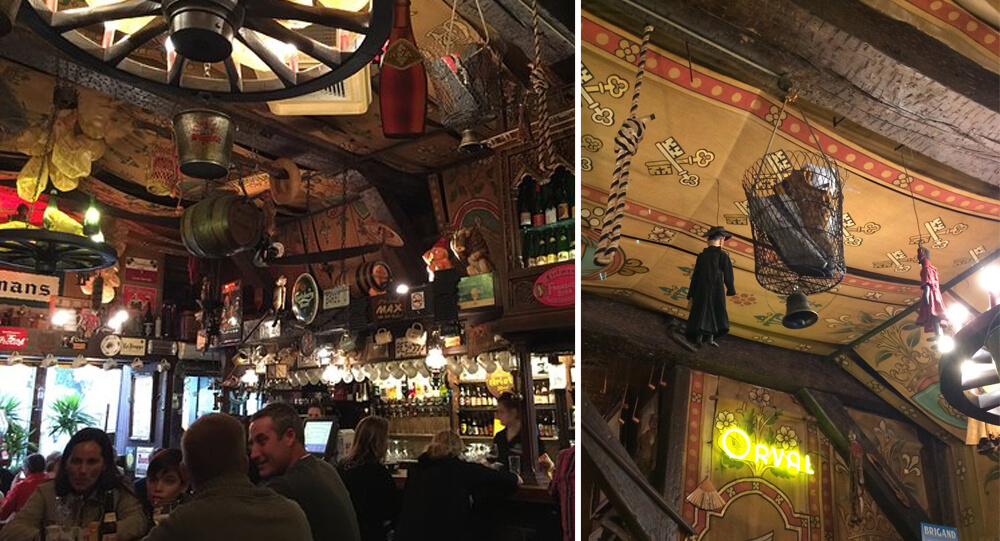
Why This Belgian Bar Makes You Trade Your Shoe for a Beer
To prevent tourists from stealing their beer glasses, some bars in Belgium require people to hand over one of their shoes as a deposit which is then put in a basket and hung from the ceiling. These shoe baskets have also become an attraction.
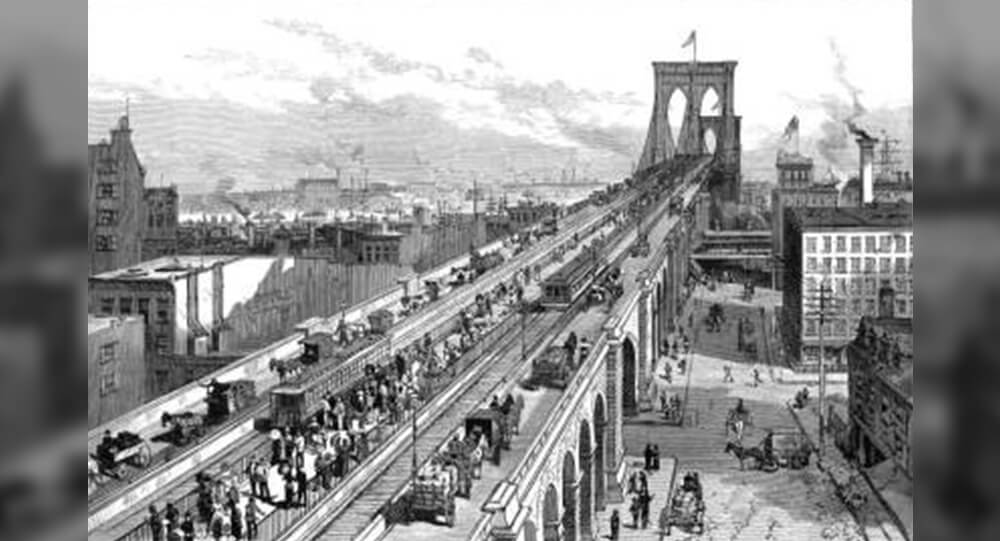
Why the Brooklyn Bridge Was Once Crossed by 17 Camels and 21 Elephants
On May 30, 1883, a rumor that the Brooklyn Bridge was going to collapse caused a stampede, which killed at least at twleve people. To prove the bridge was safe, P.T. Barnum led a parade of 21 elephants over it.
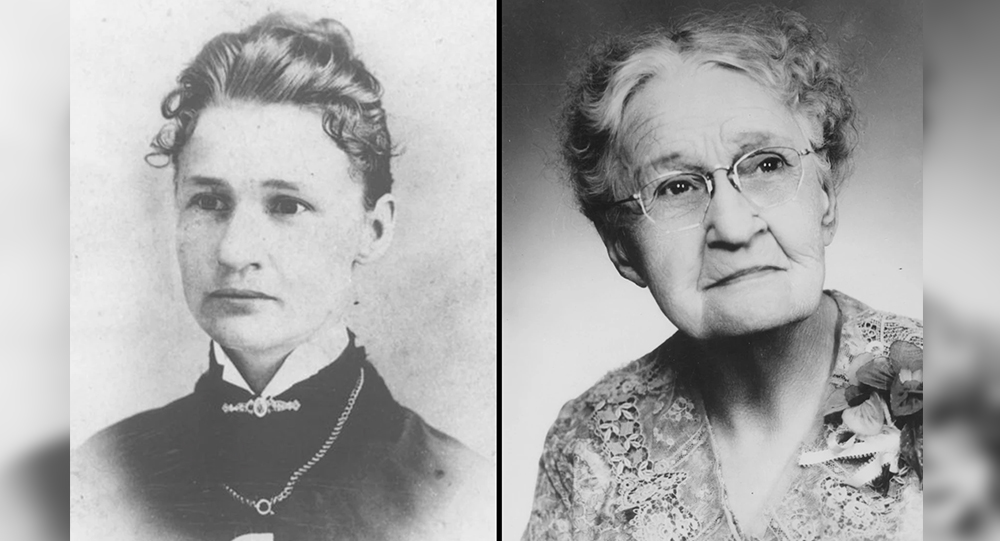
Susanna Salter: The Trailblazing Story of America’s First Female Mayor
In 1887, Susanna Salter became the first female mayor in the United States, elected in Argonia, Kansas. Her nomination was initially a prank by men opposing women in politics. However, she won by a landslide and served effectively, inspiring the women’s suffrage movement and breaking barriers for women in leadership.
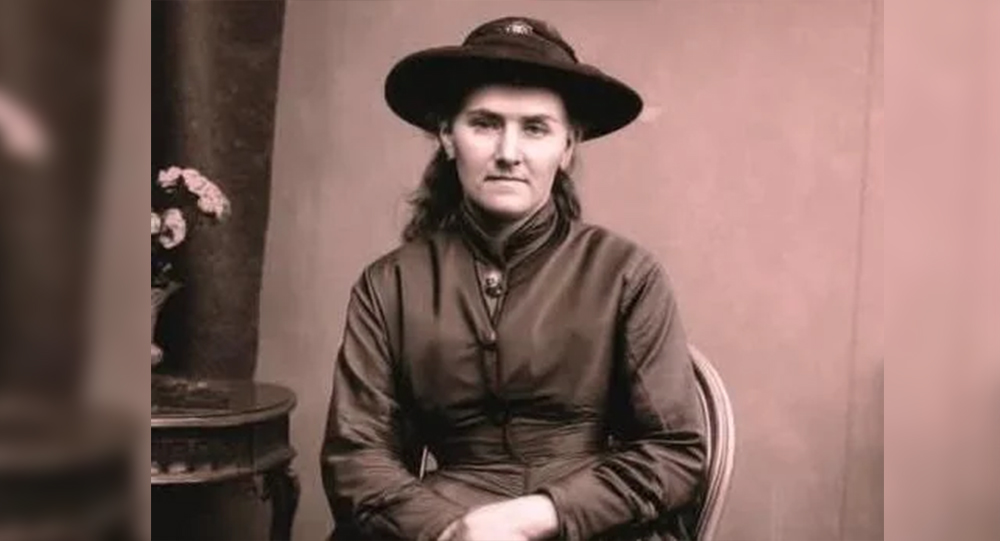
Why Comedians Failed to Make Sober Sue Laugh in the Early 1900s
In the bustling vaudeville scene of early 20th century New York, a mysterious performer known as "Sober Sue" captured public imagination not for jokes or songs, but for her unshakable stoicism—she never smiled or laughed. A local theater even offered a tempting reward of $1,000 to anyone who could make her laugh, drawing crowds and famous comedians eager to claim the prize. Despite countless hilarious attempts, Sue remained expressionless, a mystery that baffled performers and audiences until it was revealed that she suffered from facial paralysis, explaining her unchanging demeanor.
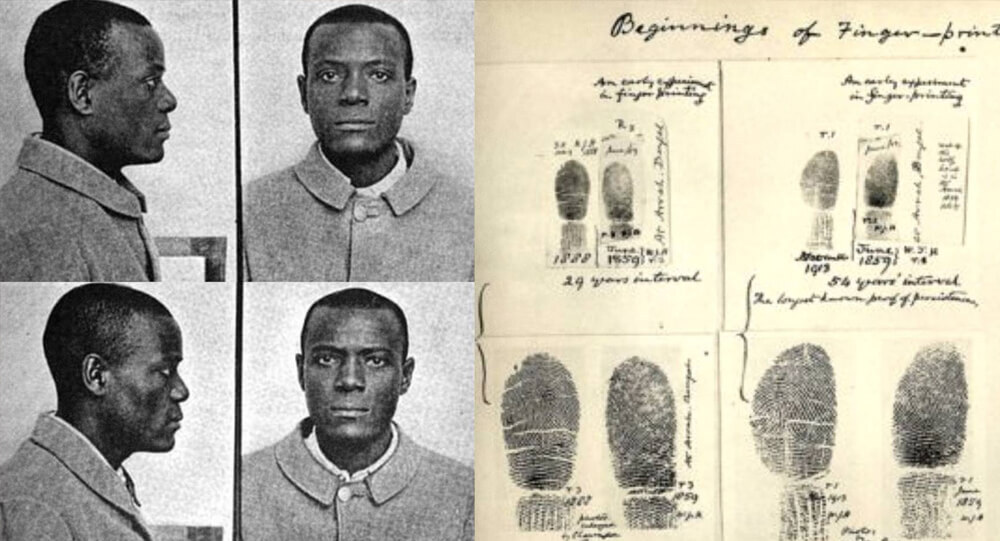
Will & William Wests: The puzzling situation of two inmates who are identical but not related
These are the mugshots of Will West and William West, and they are not related. They were both sent to Leavenworth Prison at the same time, in 1903, and after some confusion, the staff understood they had two different prisoners with the nearly same name, who looked exactly alike. They are part of the reason fingerprints are now used as identification.
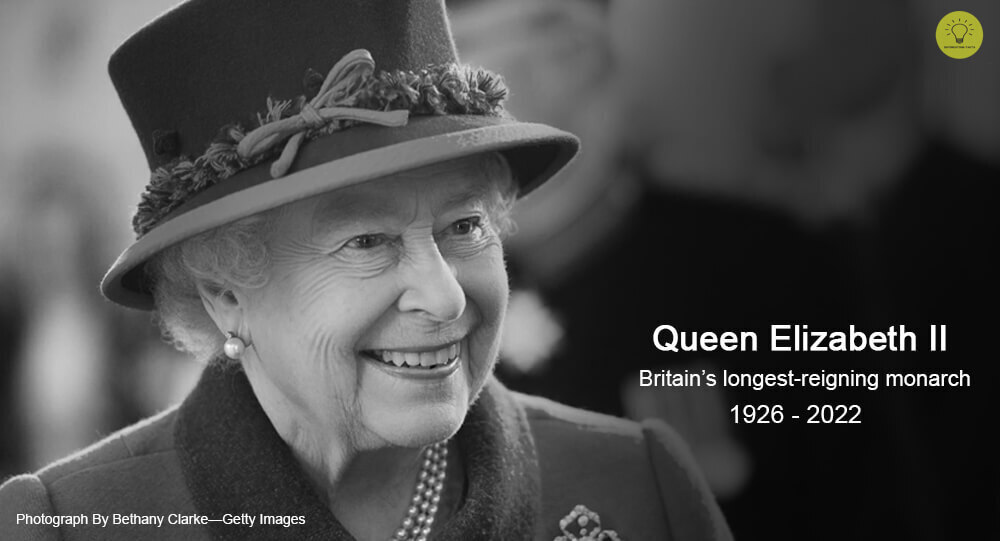
15 interesting facts about Queen Elizabeth II
Queen Elizabeth II, who ruled Britain for 70 years, has away at the age of 96. She was the country's longest-reigning monarch. Here are some little-known facts about her.
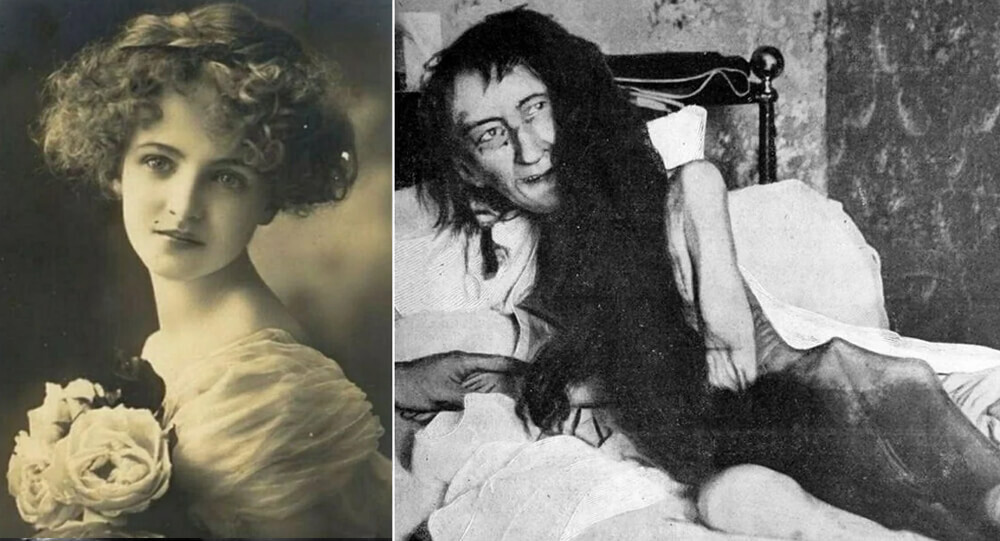
Blanche Monnier: Imprisoned For 25 Years For Falling in Love
Blanche Monnier, she was a French woman noted for her beauty, she wished to marry an old lawyer that her mother disapproved of, so she locked her in a small dark room in her attic for 25 years.
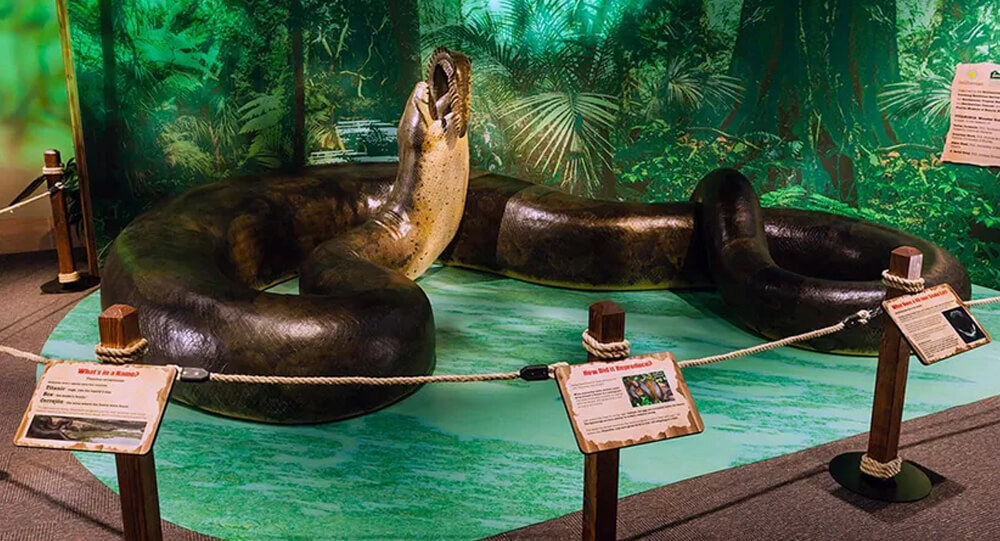
Titanoboa cerrejonensis, fossils of the world’s largest species of snake
In 2009 in a coal mine of Columbia, scientists discovered fossils of the world’s largest species of snake. The species is called “Titanoboa cerrejonensis,“and it is from around 60 million years ago. It would have had measured about 48 feet long and weighed about 2,500 pounds
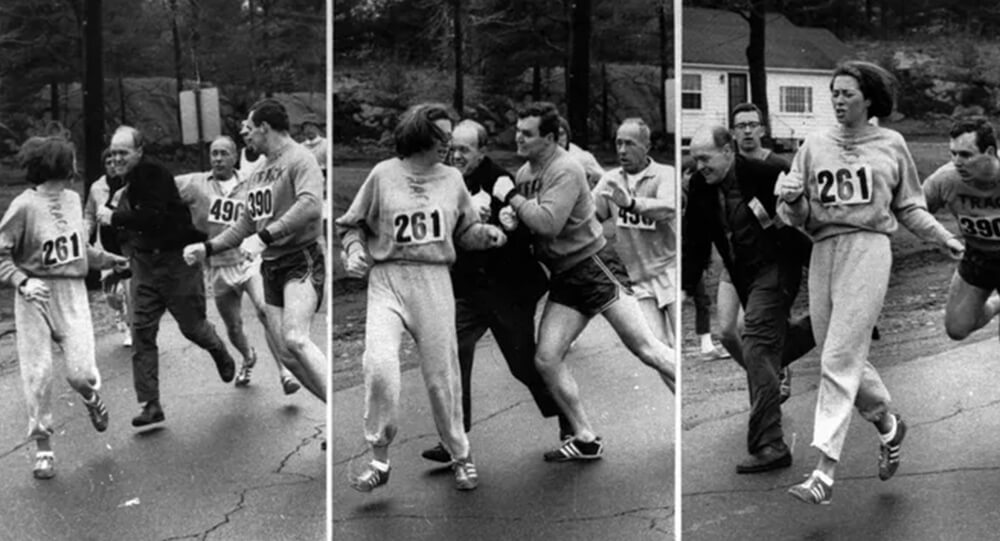
Story of Kathrine Switzer: the first woman to run in Boston Marathon
Before women were allowed to run in the Boston Marathon, Kathrine Switzer participated. A race official attempted to forcefully remove her from the race in 1967, but her boyfriend pushed him down. She was the first female finisher who had a numbered entry in the race.
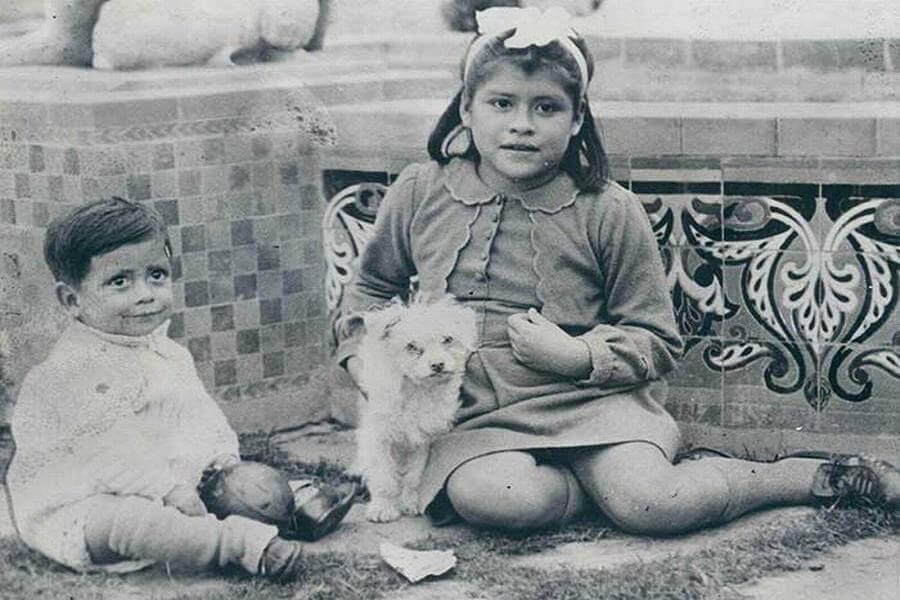
story of the youngest mother in the world at age of five - Lina Medina
Lina Medina, a five-year-old Peruvian girl, became the youngest mother in history in 1939 when she gave birth to a boy.
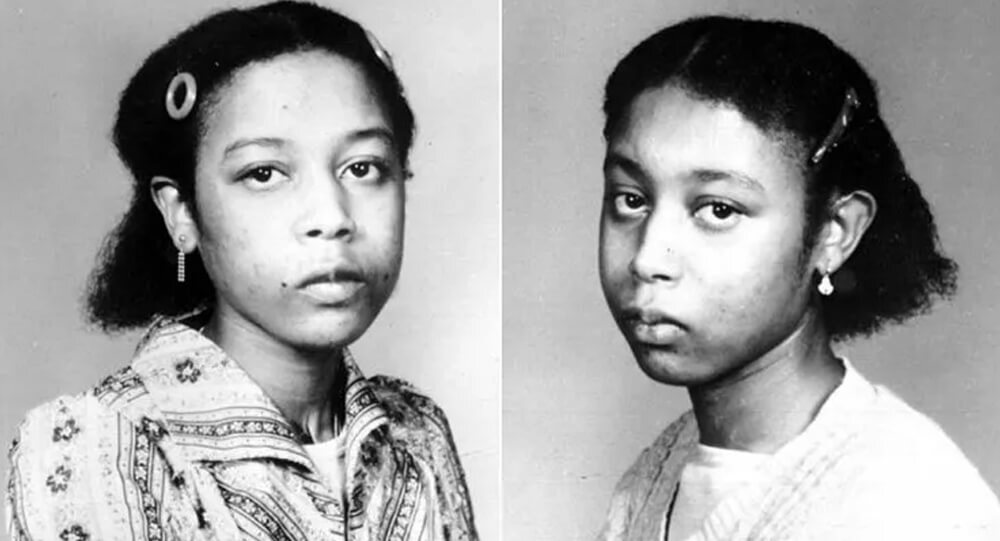
June and Jennifer Gibbons The silent twin who Only Spoke to Each Other
Identical twins June and Jennifer Gibbons were born on 11 April 1963 at a military hospital in Aden, Yemen where their father worked as part of the Royal Air Force.
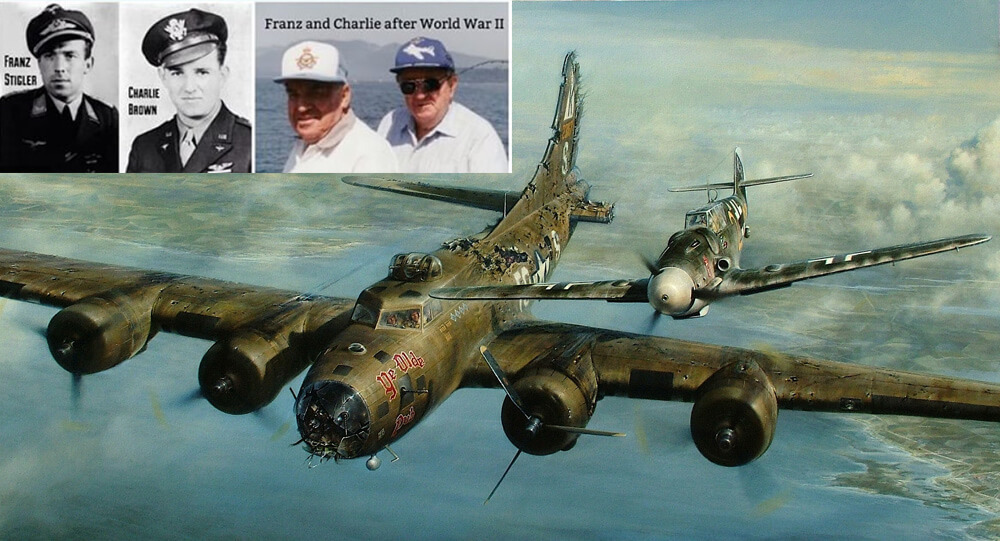
Charlie Brown and Franz Stigler incident: Enemy became friends
During WWII, a German pilot spotted an American pilot’s crippled plane in the sky. Tailing it, he noticed that gunner was dead, crew injured, and they posed no threat. Instead of destroying the plane, he led it to safety. 40 years later, the two pilots reunited.
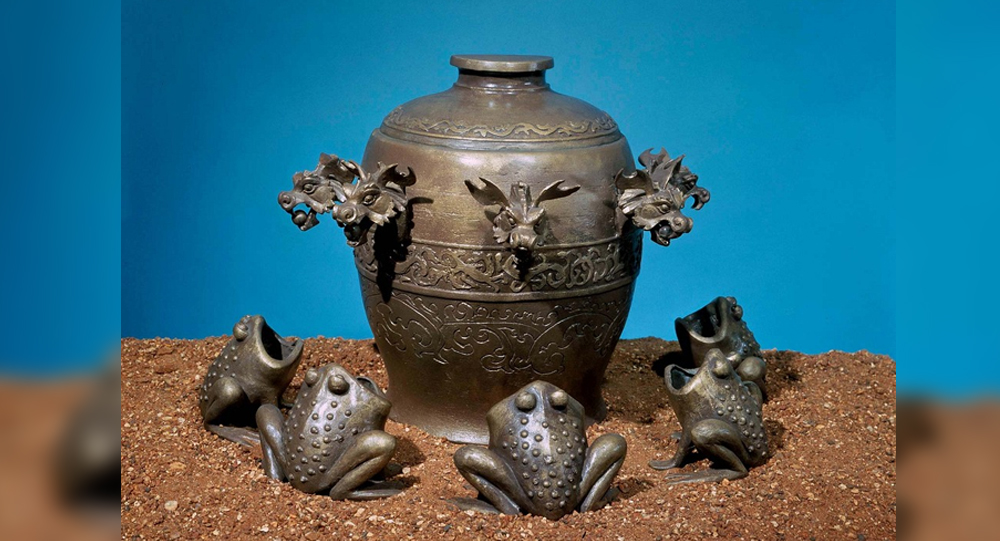
The World’s First Seismograph: How Ancient China Detected Earthquakes 1,800 Years Ago
Over 1,800 years ago, long before modern technology, the ancient Chinese astronomer and inventor Zhang Heng created the world’s first seismograph in 132 AD. This ingenious bronze device could detect distant earthquakes by releasing small balls from dragons’ mouths into toads’ mouths—each indicating a different compass direction. Its historic detection of an earthquake 400 miles away astonished the imperial court and transformed the way societies understood and responded to seismic events.
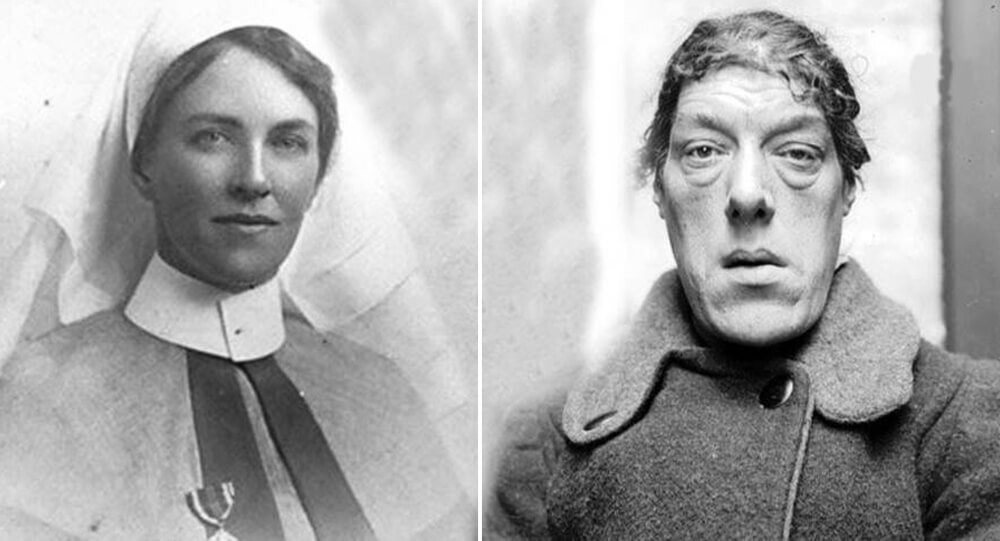
The Tragic Story Of Mary Ann Bevan, The ‘Ugliest Woman In The World’
After the death of her husband, Mary Ann Bevan had no income to support herself and her children. She then decided to enter a contest where she won the title of “ugliest woman” and was later hired by a circus. She endured this ridicule from the world to provide for her family.
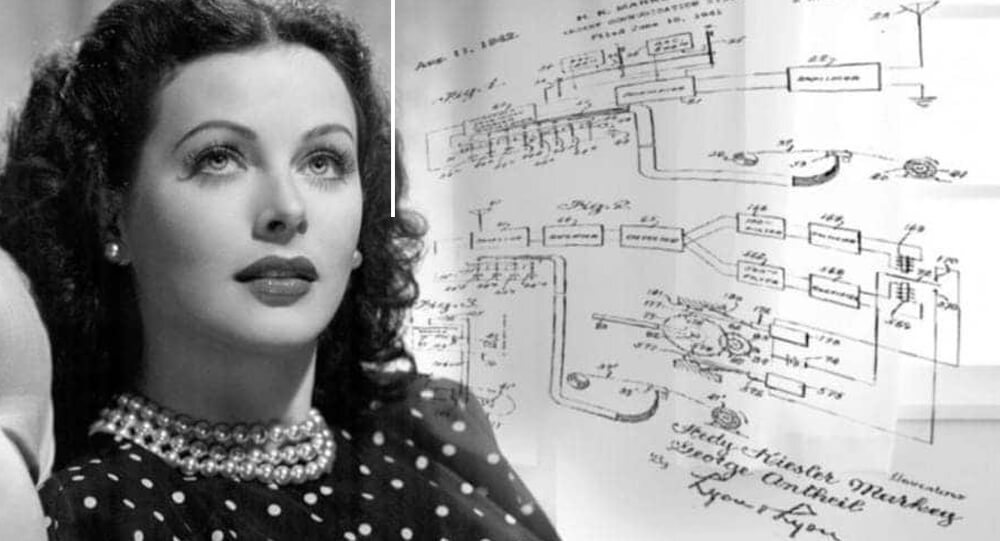
Hedy Lamarr, A Hollywood actress who also a mathematician and inventor
Hollywood actress Hedy Lamarr was also a mathematician and the inventor of frequency hopping spread spectrum, a technology still used for bluetooth and wifi