
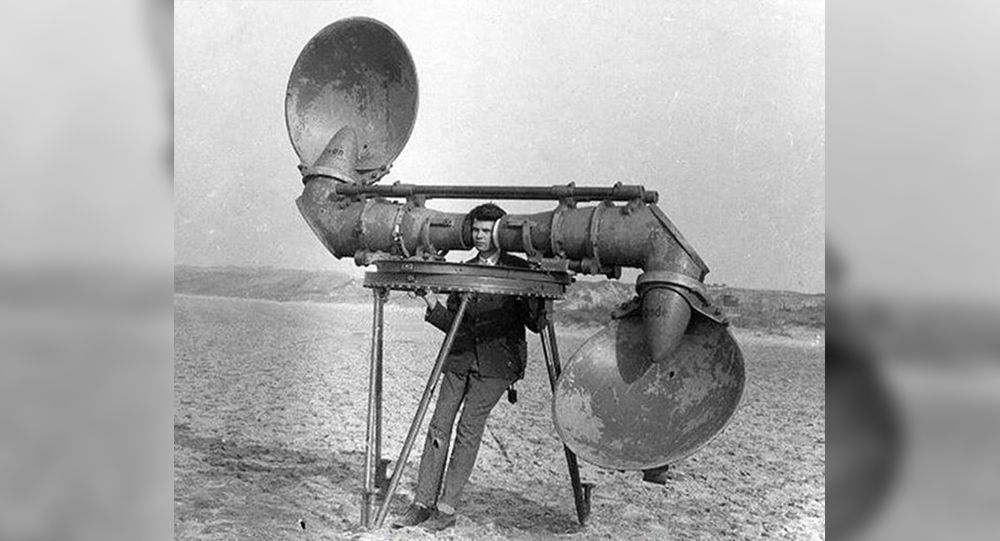

Before Radar: How Giant Acoustic Mirrors Detected Enemy Aircraft in WWI and WWII
In the era before radar technology, a time when aircraft were relatively new but quickly becoming a strategic threat, military forces faced a daunting challenge: how to detect incoming enemy planes at a distance? Visual spotting was limited by weather and line-of-sight, and radio communication technology was still immature. The solution? Acoustic detection—using sound to “see” the sky.
The concept was deceptively simple but massive in scale. Huge concrete or metal structures resembling giant dish antennas or curved walls—known as acoustic mirrors—were built along coastlines and strategic points. Alongside these, horn-shaped sound locators were developed, crafted to gather and focus faint engine noises from tens of kilometers away.
These structures acted as massive auditory amplifiers, allowing specially trained operators to listen through headphones and discern the approach of hostile aircraft, often before they were visible to the naked eye.
How Acoustic Mirrors and Sound Locators Worked
Acoustic mirrors were large, concave concrete surfaces that reflected and concentrated sound waves into a focal point where microphones or listening devices were placed. Typically ranging from 9 to 30 meters in diameter, these mirrors could catch and focus weak engine noises from the sky, much like how a satellite dish amplifies radio signals.
Sound locators were often horn-shaped or parabolic devices, sometimes mounted on swiveling stands, enabling operators to rotate and “point” this giant ear toward suspected aircraft. Operators wore headphones connected to sensitive auditory equipment, listening intently for telltale engine patterns.
By triangulating audio cues between multiple mirrors or sound locators, personnel could approximate the direction and distance of incoming aircraft. Commands could then be relayed to anti-aircraft batteries or fighter squadrons, providing critical early warnings.
Limitations and Challenges: Why Acoustic Detection Had Its Day—and Then Disappeared
Though innovative for its time, the acoustic system came with significant drawbacks:
- Range and Accuracy: Acoustic mirrors worked best in calm weather and over flat landscapes. Wind, rain, and ambient noise often disrupted sound travel, limiting detection range to roughly 20-30 kilometers. Precision in pinpointing exact elevation and speed was poor compared to radar.
- Response Time: Sound travels at approximately 343 meters per second, but aircraft speeds increased rapidly in the early to mid-20th century. By the time the engine noise reached operators, planes could be well within bombing range.
- Fixed Installations: The massive size and permanent nature of these mirrors limited their mobility and strategic placement. They were mostly coastal defenses, not suited for dynamic warfront changes.
- Operator Skill: Effective detection depended heavily on training, hearing acuity, and concentration. Operators had to distinguish aircraft sounds from birds, vehicles, and civilian noise, a difficult and exhausting task.
Despite these challenges, acoustic mirrors represented the forefront of pre-radar technology and served as crucial early-warning devices during World War I and into the early years of World War II.
Historical Impact and Where Acoustic Mirrors Were Deployed
The United Kingdom was a pioneer in building large acoustic mirrors, with installations at locations such as Denge on the Kent coast, near Folkestone. These “listening ears” protected Britain from German air raids during the buildup to WWII. Italy, Germany, and the United States also experimented with similar devices.
While eventually rendered obsolete by the advent of radar in the late 1930s, these imposing structures remain as relics and monuments. Some have survived and become tourist attractions, symbolizing a bygone age of innovation and urgency.
Fascinating Trivia About Acoustic Mirrors and Sound Locators
- The Denge Acoustic Mirrors in England, built in the 1920s and 1930s, include three massive structures, one nearly 30 meters long, often called “listening ears of the coast.”
- In perfect conditions, sound detection could pick up aircraft engines from as far as 20 miles away—remarkably advanced for pre-electronic sensing technology.
- Acoustic mirrors also influenced the design of early parabolic microphones and contributed to the development of sonar and other acoustic technologies.
- The largest acoustic mirror, known as the “Great Ear,” sat on concrete legs and weighed several tons, a testament to the engineering ambitions of the interwar period.
- Acoustic mirrors inspired scientists and engineers to pursue more reliable, long-range detection systems, directly contributing to radar’s development.
The Legacy: Echoes of an Acoustic Past in Modern Technology
Though radar technology rapidly supplanted acoustic detection in military use, the legacy of acoustic mirrors lives on in the fundamental understanding of sound physics applied across fields—from underwater sonar to wildlife tracking.
Their monumental scale offers a tangible link to a time when human ingenuity met looming threats with creative solutions. Today, these stone and concrete “ears” stand as silent witnesses to the evolution of air defense, a blend of architecture, science, and hope.
Final Thoughts: Listening to History
The story of acoustic mirrors and sound locators is a reminder that innovation often steps in before technology catches up. These eerie “ears” reflect a moment in history where human senses were amplified to bridge gaps in security and knowledge.
Before radar lights painted the skies with invisible waves, these colossal listening devices offered the best defense possible—an early warning system built on sound, skill, and hope.
If you find this journey into early air defense fascinating, share it with others and explore how ancient ingenuity paved the way for the technologies we now take for granted.
Sources & Further Reading:
- Royal Air Force Museum: Acoustic Mirrors — rafmuseum.org.uk
- Science & Society Picture Library: Listening Devices, Acoustic Mirrors — sciencesocietygroup.org
- Historic England: The Acoustic Mirrors of Denge — historicengland.org.uk
- Smithsonian Air & Space Museum Archives — airandspace.si.edu
- Journal of Military History: Early Warning Systems and Acoustic Detection in WWI — jmhistoryjournal.com
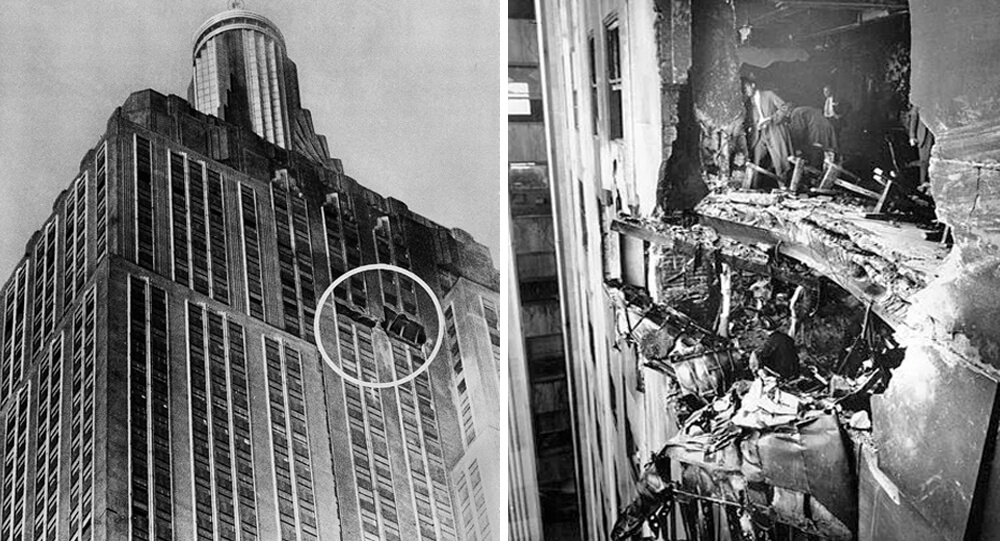
Remembering the 1945 Empire State Building Disaster: When a Plane Met Skyscraper
An airplane crashed into the Empire State Building in 1945. Among other damage, plane parts severed the cables of an elevator and the woman inside fell over 70 stories. She lived and holds the world record for the longest survived elevator fall.

The youngest person executed, George Stinney Jr was proven innocent
In 1944, George Stinney Jr. was 14 years old when he was executed in South Carolina. It took only ten minutes to convict him — and 70 years to exonerate him.
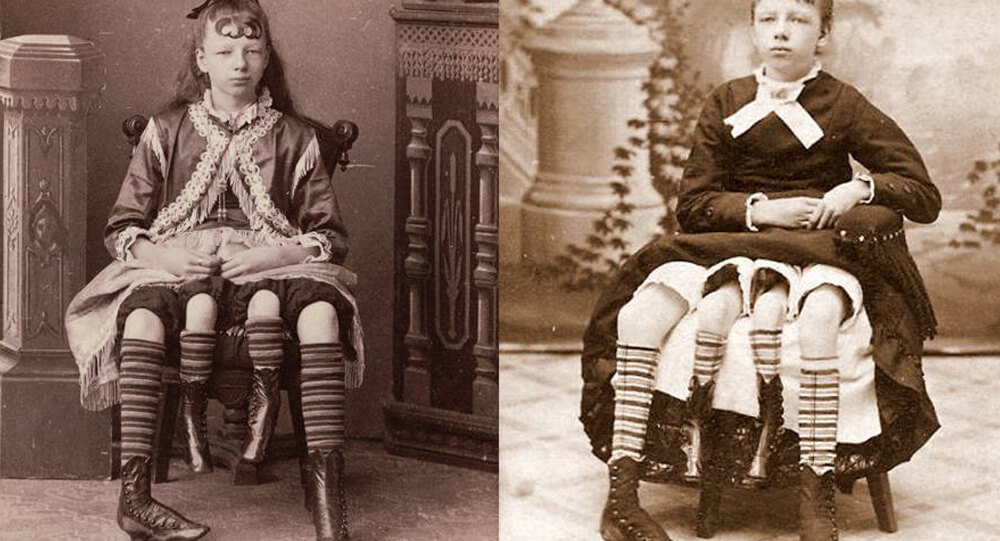
The true story of Josephine Myrtle Corbin, the lady born with four legs and two private parts
Josephine Myrtle Corbin, an American sideshow performer born in 1868, had a rare condition known as dipygus, which caused her to have four legs, each smaller inner leg paired with one of her outer legs. Corbin joined the sideshow circuit, captivating audiences as the "Four-Legged Girl from Texas."
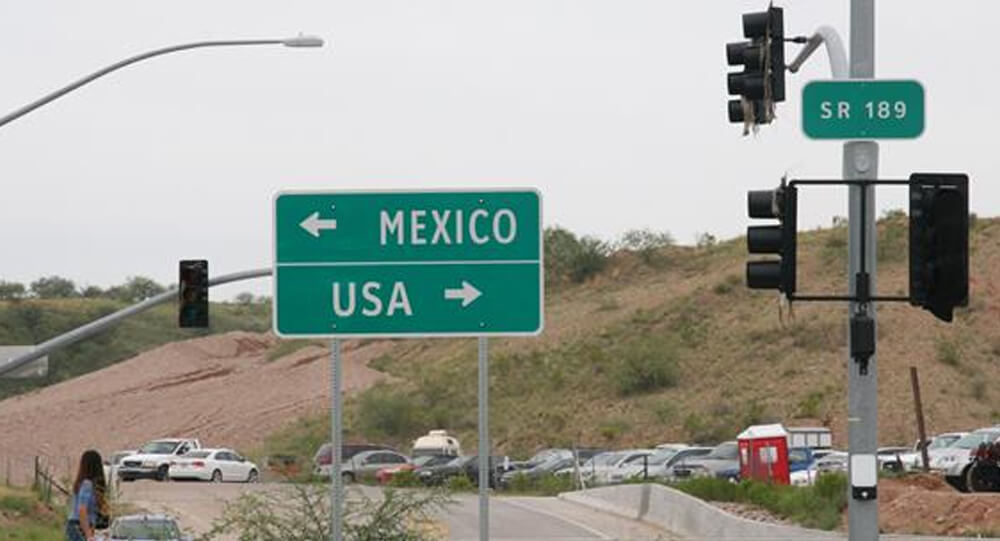
Underground Railroad to Mexico freed thousands of slaves in 1829
Slavery was abolished in Mexico in 1829. Slaves were escaping to Mexico, and slaveholders in the US were aware of this. The US attempted to get Mexico to sign a fugitive slave treaty, which would have required Mexico to send back escaped slaves to the US. But, Mexico refused, arguing that slaves were free as soon as they set foot on Mexican soil.
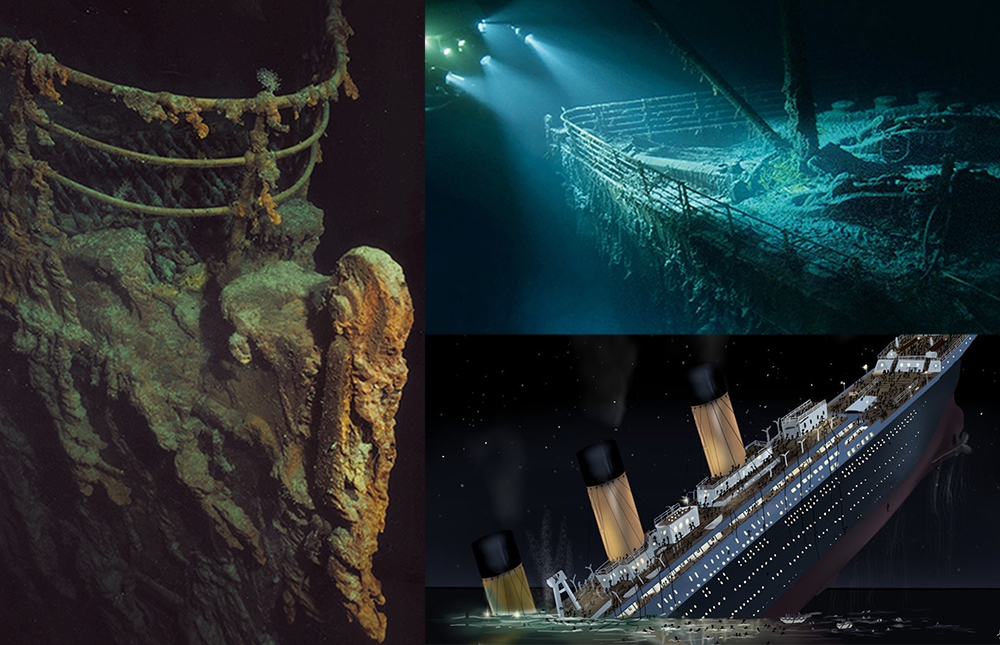
8 Interesting Facts About The Unsinkable Ship, TITANIC
If you ask your friends what's the most famous ship in history the answer in most cases will be the same, of course the legendary Titanic. Its history is full of mysteries, at first it was a source of hope and national pride as well as proof of the triumphs of mankind but it soon became a source of nostalgia and pain, the extent of which cannot be described in words.

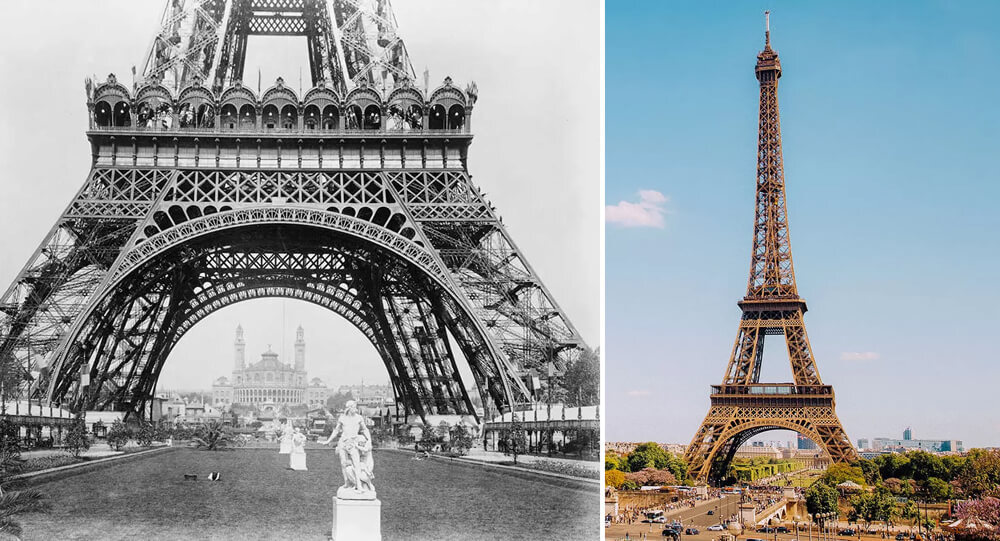
Why was the Eiffel Tower almost demolished
The Eiffel Tower was intended to be a temporary structure for the World's Fair in 1889, but it was nearly dismantled and sold for scrap metal. It was saved because of its potential use as a radio antenna, and it now serves as a tourist attraction as well as a working broadcast tower.
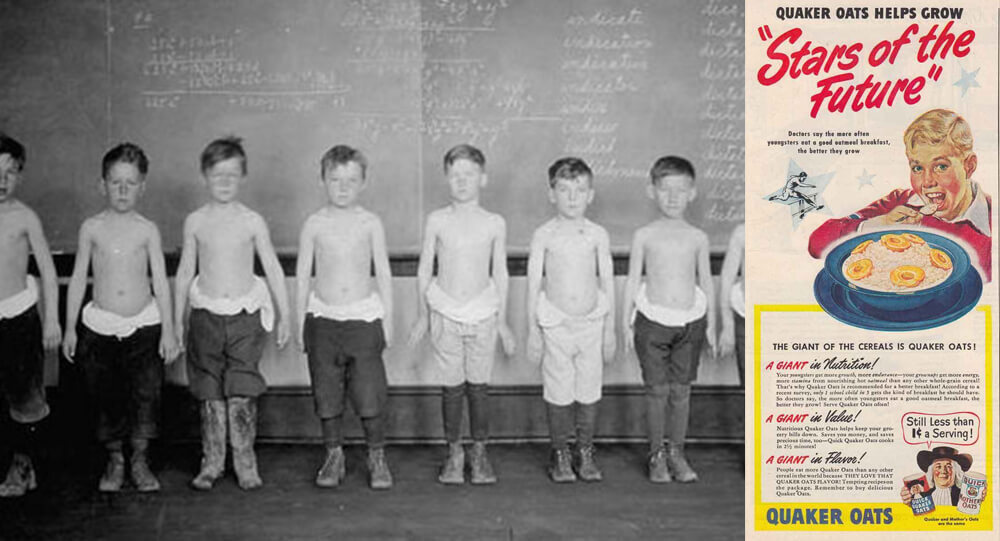
Quaker Oats Fed Children with Radioactive Oatmeal
In the 1940s and 1950s, Quaker Oats and MIT conducted experiments on radioactive iron and calcium-containing cereal. The diet was part of a study to see if the nutrients in Quaker oatmeal traveled throughout the body. In January 1998, a $1.85 million settlement was reached for 30 victims who came forward.

The World’s First Seismograph: How Ancient China Detected Earthquakes 1,800 Years Ago
Over 1,800 years ago, long before modern technology, the ancient Chinese astronomer and inventor Zhang Heng created the world’s first seismograph in 132 AD. This ingenious bronze device could detect distant earthquakes by releasing small balls from dragons’ mouths into toads’ mouths—each indicating a different compass direction. Its historic detection of an earthquake 400 miles away astonished the imperial court and transformed the way societies understood and responded to seismic events.
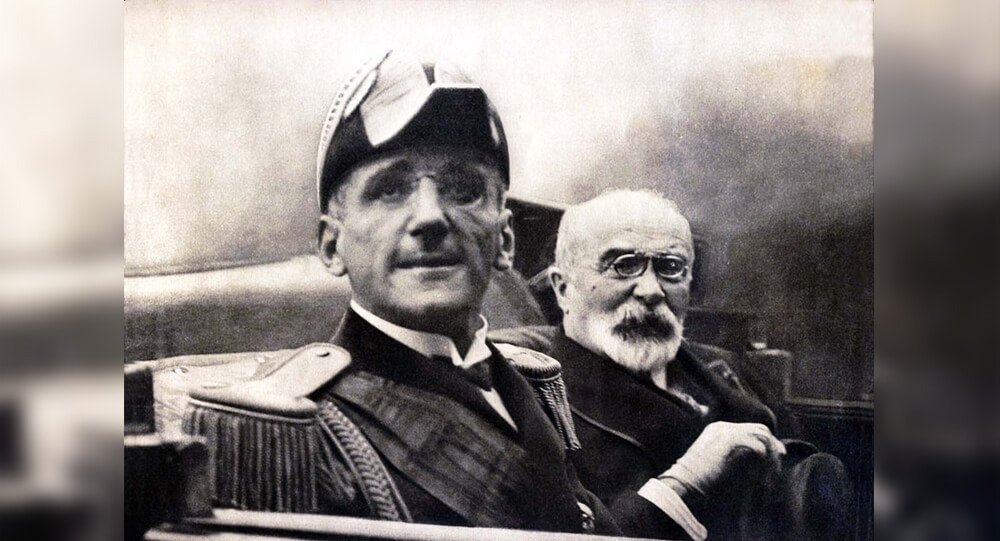
The Assassination Of King Alexander
The assassination of King Alexander of Yugoslavia marked a pivotal moment in the country's history. This article delves into the rise and reign of King Alexander, exploring his early life and ascension to the throne. It also examines the political and social climate in interwar Yugoslavia, setting the stage for the tensions and challenges that ultimately culminated in his tragic assassination. By understanding the context in which this event unfolded, we can better grasp the significance and impact it had on the nation and its future.

Remembering the miracles of the 1985 Mexico earthquake (unbelievable stories)
In 1985, after an 8.0 magnitude earthquake hit Mexico City, nearly all newborn babies survived a collapsed hospital. They are known as “Miracle Babies” for surviving 7 days without nourishment, water, warmth or human contact.
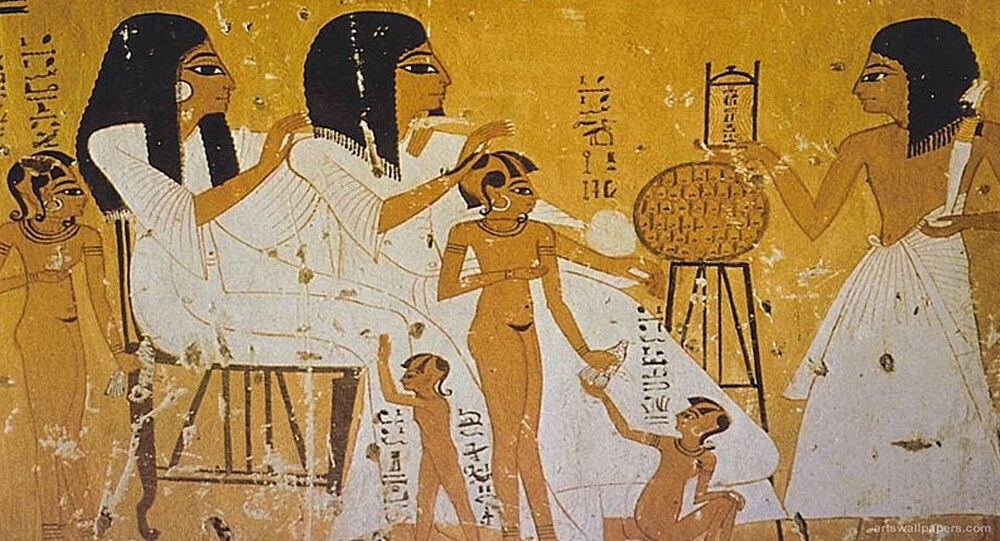
Ancient Egyptians Had Pregnancy Tests Over 3500 Years Ago
The ancient Egyptians used a pregnancy test that involved potentially pregnant women peeing on barley and wheat seeds. Plant growth indicated pregnancy: barley for a boy and wheat for a girl. Later tests revealed that pregnant women's urine causes plant growth 70% of the time, whereas non-pregnant women's urine does not.
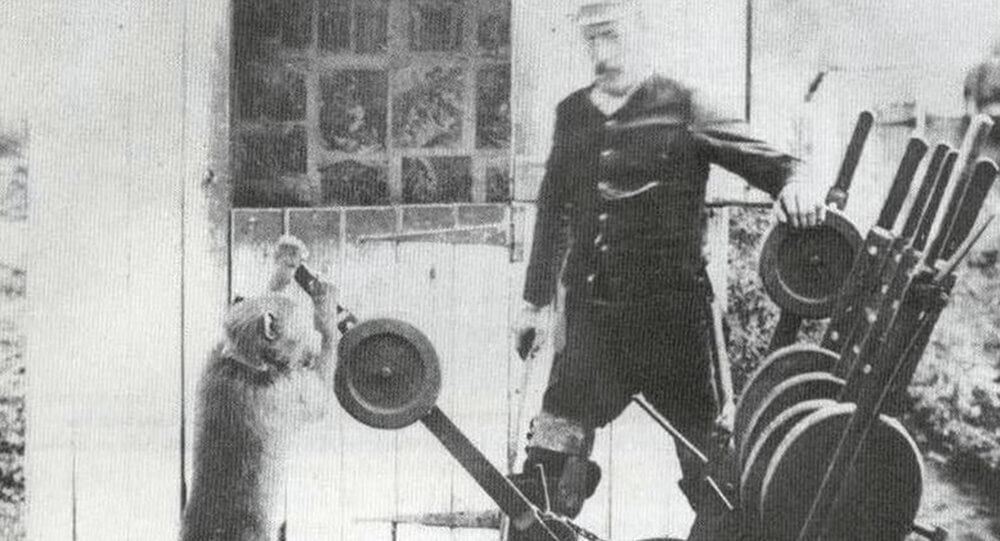
Jack the Baboon operated a railroad, earned a living, and never made a mistake
A baboon worked as a signalman for the railroad in the late 1800s. He never made a mistake and worked for the railroad until the day he died.
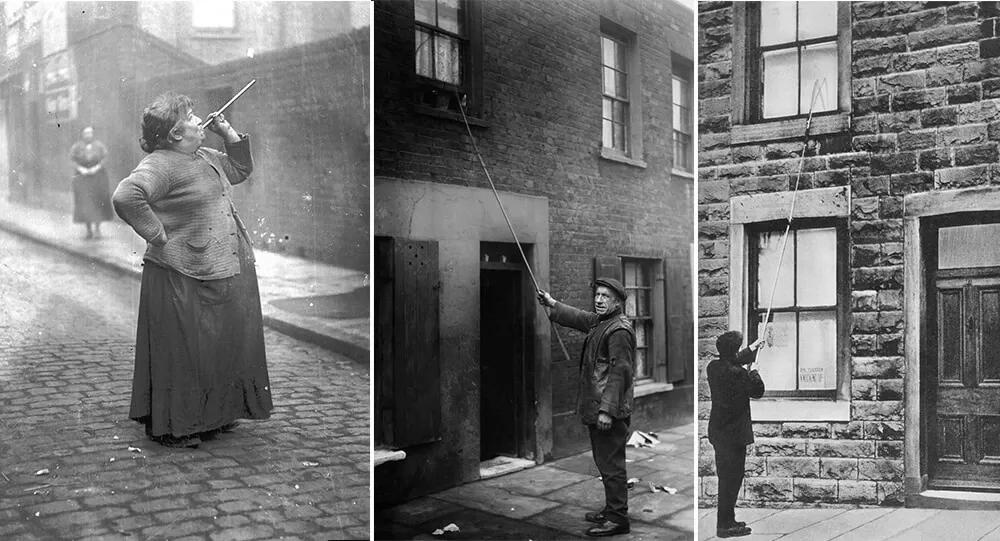
Knockers-up: waking up the Industrial Britain's Workers in 1900-1941
Before alarm clocks were invented, there was a profession called a knocker-up, which involved going from client to client and tapping on their windows (or banging on their doors) with long sticks until they were awake. It lasted into the 1920s.

Juliane Koepcke: The Teenager Who Fell 10,000 Feet And Trekked The Jungle to survive
In 1971, a high school student was sucked out of an airplane after it was struck by lightning. She fell 10,000 feet to the ground while still strapped to her chair and survived. Only to endure a 9-day trek to the nearest civilization.
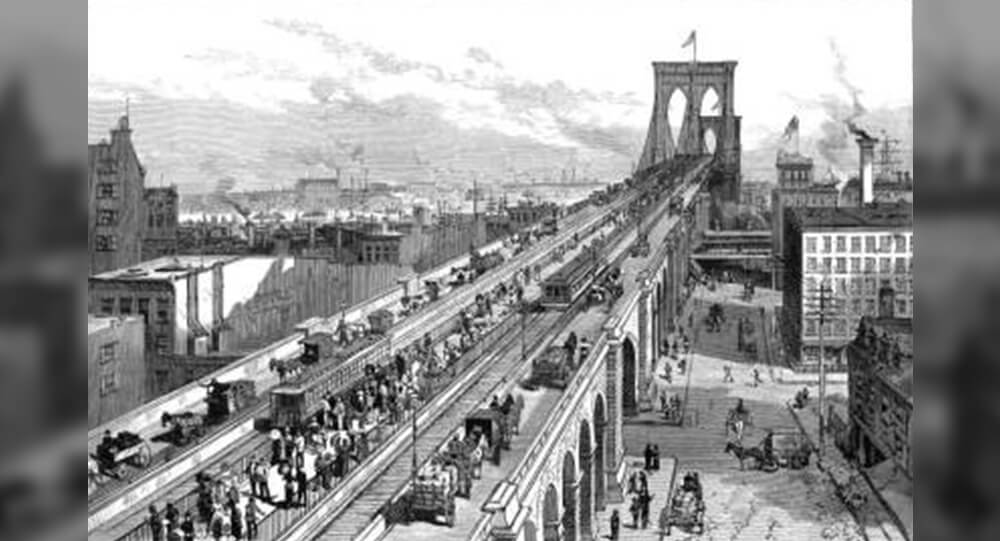
Why the Brooklyn Bridge Was Once Crossed by 17 Camels and 21 Elephants
On May 30, 1883, a rumor that the Brooklyn Bridge was going to collapse caused a stampede, which killed at least at twleve people. To prove the bridge was safe, P.T. Barnum led a parade of 21 elephants over it.

Max Headroom Incident: America’s Creepiest TV Hack
In 1987 a man hijacked a television station during an episode of Dr. Who and wore a Max Headroom mask and uttered nonsense, and he still hasn’t been caught

3 men lived on top of a billboard in tents for almost 9 months
From 1982-1983, three men in Allentown PA competed in a radio contest in which they lived on top of a billboard in tents. Whoever stayed up longest would win a house. Due to economic pressure from the recession, none of the contestants wanted to give up, so the contest lasted almost 9 months.

The day Iceland's women went on strike
Icelandic women went on strike for equal rights on October 24, 1975. 90% of women walked out of their jobs and homes, effectively shutting down the entire country. The men were struggling to keep up. The following year, Parliament passed a law requiring equal pay. Iceland elected the world's first female President five years later. Iceland now has the highest gender equality rate in the world.
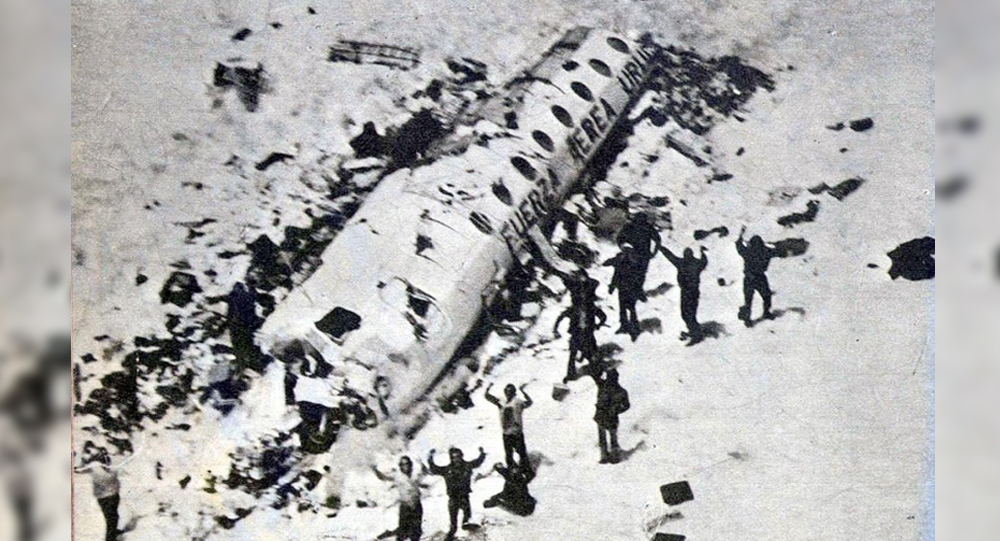
1972 Andes Plane Crash Survivor recall the terrifying Struggles to Stay Alive
On October 13, 1972, a plane carrying a rugby team from Uruguay crashed in the Andes between Chile and Argentina. The survivors were in brutal conditions - high altitude, bitter cold, and the lack of food—and faced the most terrible choice—eating the frozen flesh of their dead friends or starving to death themselves.
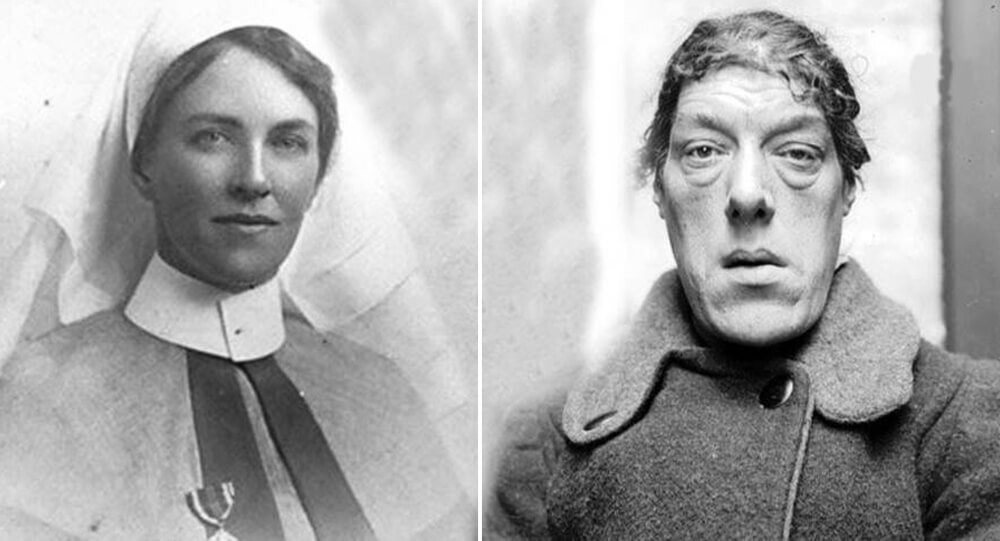
The Tragic Story Of Mary Ann Bevan, The ‘Ugliest Woman In The World’
After the death of her husband, Mary Ann Bevan had no income to support herself and her children. She then decided to enter a contest where she won the title of “ugliest woman” and was later hired by a circus. She endured this ridicule from the world to provide for her family.

Tunnels Dug by ancient giant sloths, A South American Megafauna
For years, scientists didn’t know what caused mysterious cave networks in South America. In 2010, they learned that the caves were actually tunnels dug by ancient giant sloths
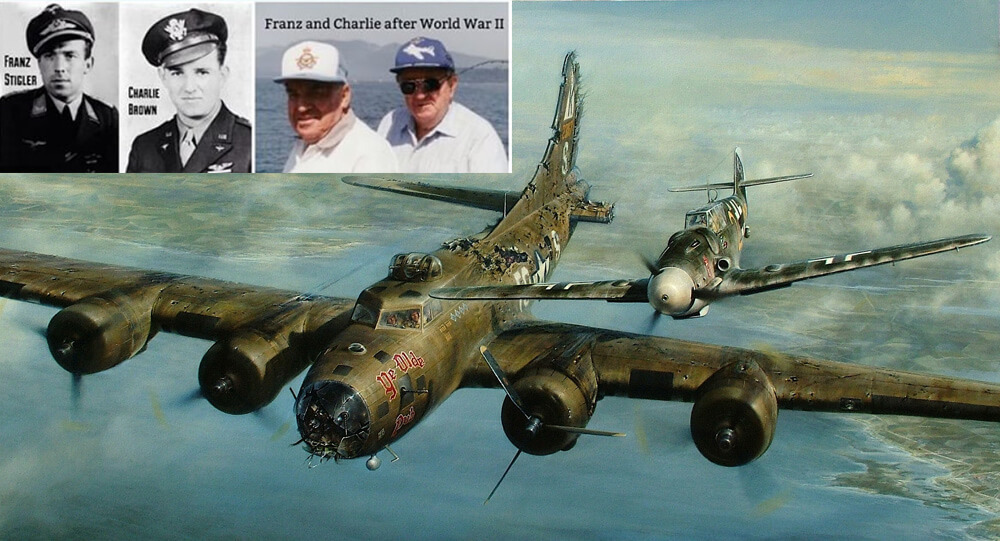
Charlie Brown and Franz Stigler incident: Enemy became friends
During WWII, a German pilot spotted an American pilot’s crippled plane in the sky. Tailing it, he noticed that gunner was dead, crew injured, and they posed no threat. Instead of destroying the plane, he led it to safety. 40 years later, the two pilots reunited.
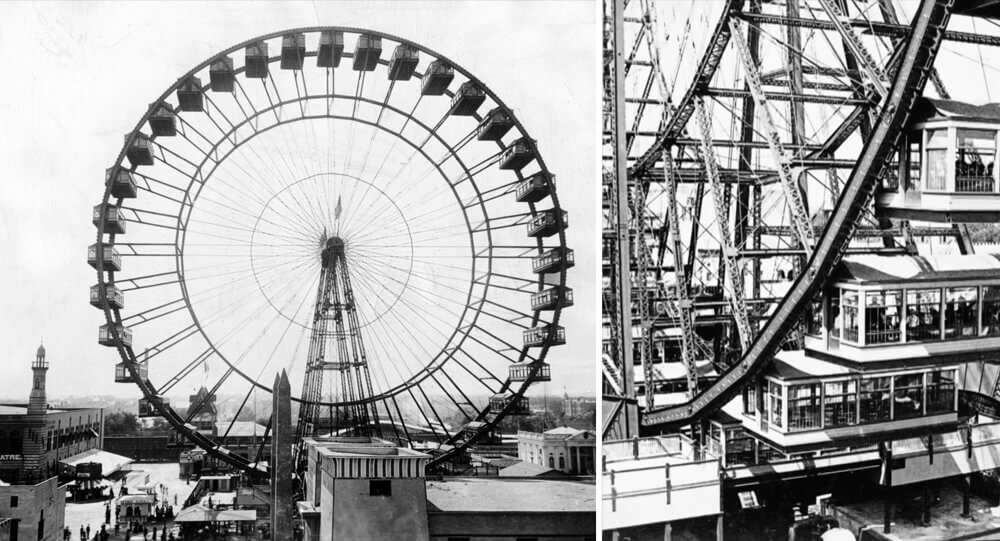
how Ferris wheel invented
In 1891, Chicago challenged engineers to create a structure to surpass the Eiffel Tower for the World's Columbian Exposition. George Washington Gale Ferris jr. responded with the original Ferris Wheel, a giant rotating structure elevating visitors above the city. This invention became an iconic attraction at the fair.
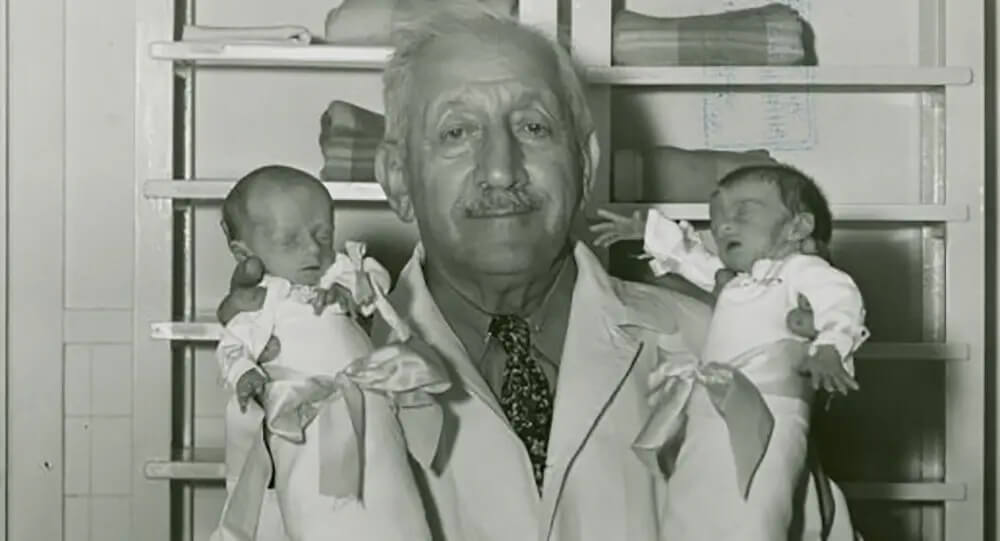
Martin Couney, Saved Thousands of Premature Babies Wasn’t a Doctor at All
Martin Couney never qualified as a medical doctor. However, in the 1900s, he saved thousands of premature babies by exhibiting them in incubators at his Coney Island sideshow. Over the course of his career, he is said to have saved about 6,500 babies that had previously been written off by mainstream medicine.
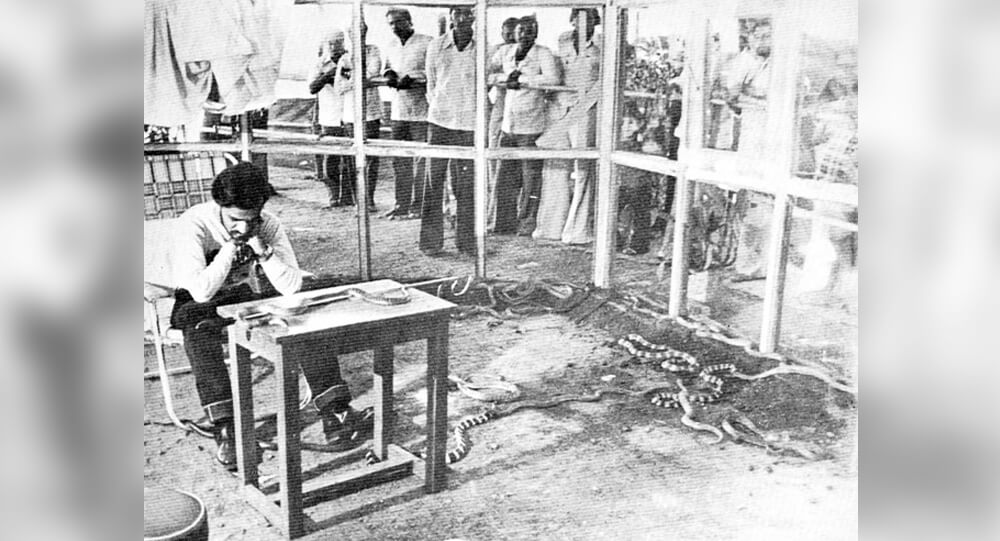
The story of a man who spent 72 hours with 72 venomous snakes to prove they only bite when provoked
In the 1980s, an Indian man spent 72 hours in a glass cabin with 72 snakes, some of which were extremely venomous. His aim was to prove that snakes only attack when provoked. Remarkably, he was not bitten once in those 72 hours and even set a Guinness World Record in the process.