
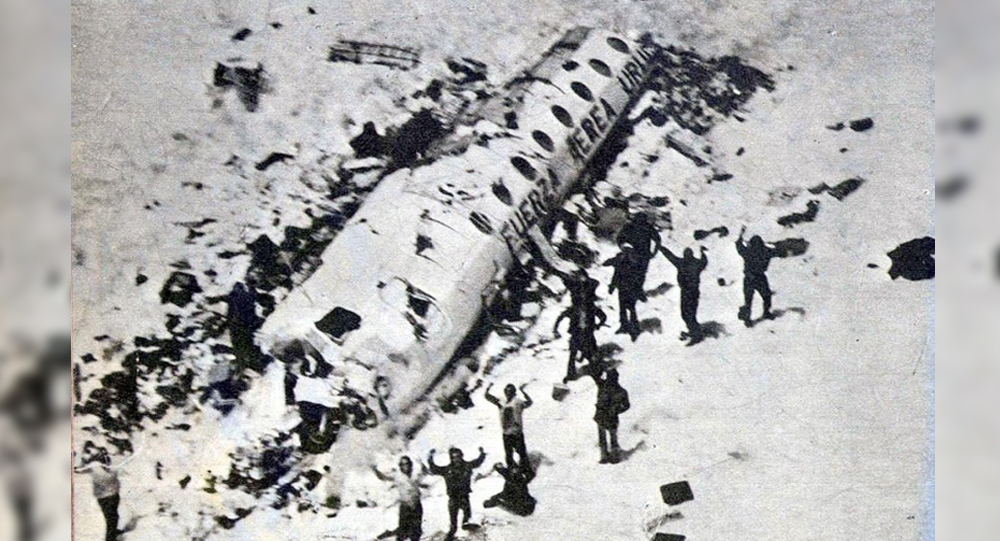

1972 Andes Plane Crash Survivor recall the terrifying Struggles to Stay Alive
Due to the desperate measures the survivors had to take in order to survive, the 1972 plane crash in the Andes mountain range produced one of the most well-known survivor stories in history. They had to eat the frozen flesh of their dead friends in order to survive; otherwise, they would starve to death.
On October 13, 1972, a plane carrying a Uruguayan rugby team crashed in the Andes between Chile and Argentina. 12 people were instantly killed in the collision. After a few hours, five more people would pass away, and one more would die a week later. Seventeen days after the crash, an avalanche claimed the lives of eight more people.
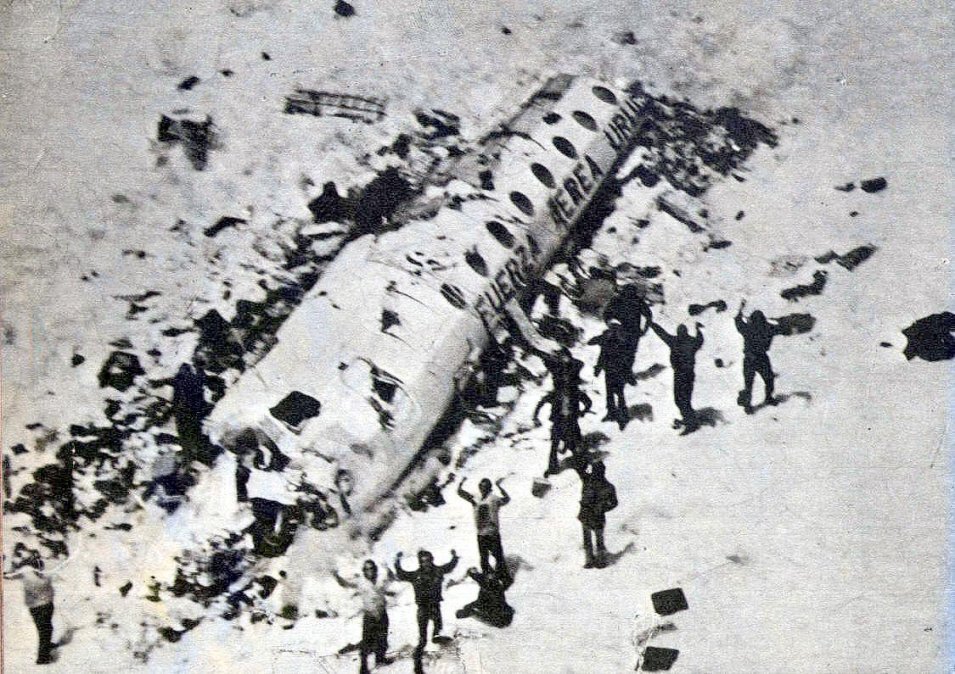
Coche, also known as Jose Luis Inciarte, was one of the survivors. He and the others who stayed had to endure harsh circumstances like the high altitude, bitter cold, and a severe lack of food. Coche and his companions were forced to eat their dead friends’ bodies during the 72 days that passed before their eventual rescue.
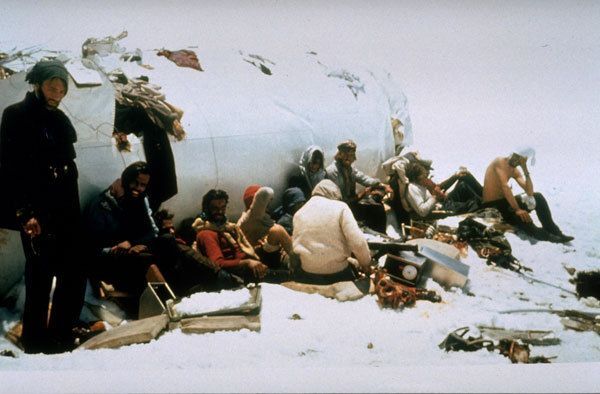
Coche, who is now old, discussed their terrifying experience on the British daytime program The Morning. He claimed that forcing himself to eat his friends’ flesh required “a great effort of energy and mind.”
However, he continued, the tale “doesn’t live with him.”
“There was no other option if you wanted to stay alive,” he said.
“We made a meeting between all and we argued whether to do it or not to do it, not to do it seemed to mean to die, everybody decided to eat.”
“When you went to take a piece of flesh, the body of your friend, their frozen body, the hand doesn’t obey and you have to make a great effort of energy and mind to make your arm obey, and then it obeys, not immediately.”
“It was the same with opening mouth to put it inside the mouth and swallow.”
‘I had to eat my friends to survive’
— This Morning (@thismorning) April 5, 2021
Jose Luis 'Coche' Inciarte endured 72 days in the Andes after a plane crash left him desperately trying to stay alive in a remote location. ‘Coche’ tells us his story, and why he was forced to do the unthinkable in order to stay alive. pic.twitter.com/Ut97uUlPrB
The survivors agreed to give up their flesh if they perished so that the others would live.
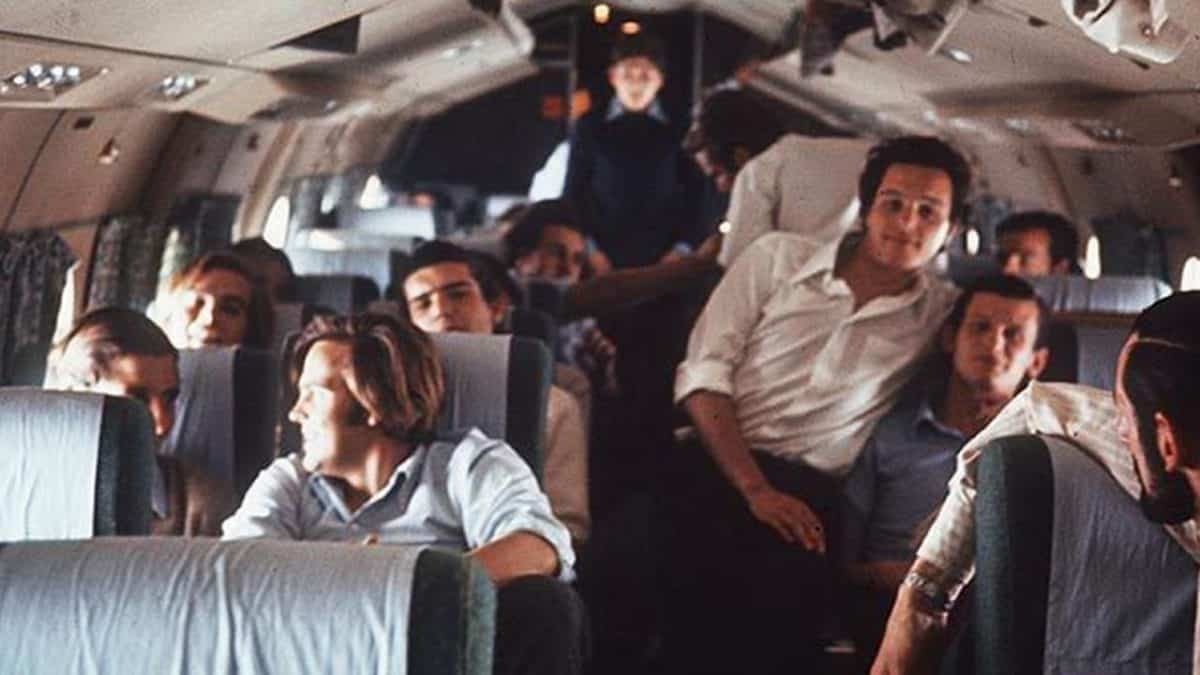
Nearly three months after the crash, those who were still alive were rescued when two of the survivors hiked for ten days in search of assistance and eventually came across herdsman Sergio Catalán, who informed the authorities.
When asked if he thought he would make it out of the mountains alive, Coche said: “Most days I thought I was going to go out from there… I had a great confidence with them to reach some place and they did it.”
“But other days, in those terrible days that we were waiting for them, I [thought] that they were not going to reach any place, so I put my date of dying on December 24.”
Memories of the Andes, a book by Coche, is based on their encounter. The 1993 film “Alive” told the story of their ordeal. According to Coche, some details in the movie were made up, while others were true to their story.

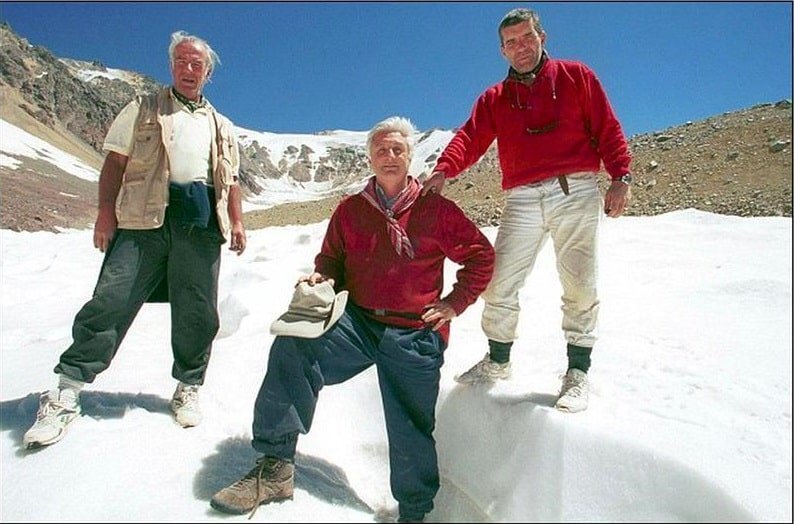
The forced cannibalism of the survivors made headlines all over the world. When they explained the pact that the survivors made to the families of those who were eaten, the initial outcry subsided and they no longer faced criticism.
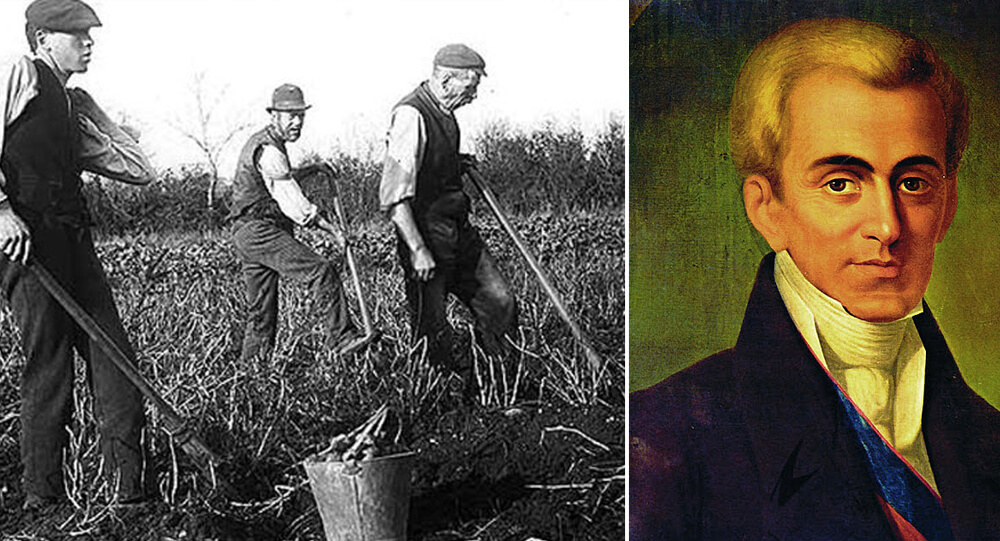
How Greek prime minister in 1830’s tried to spread the potato in Greece
A Greek prime minister in 1830’s tried to spread the potato in Greece but people weren’t interested so he put armed guards in front of shipments of potatoes so people would think they were important. People later started stealing these potatoes a lot which spread the crop to all of Greece.
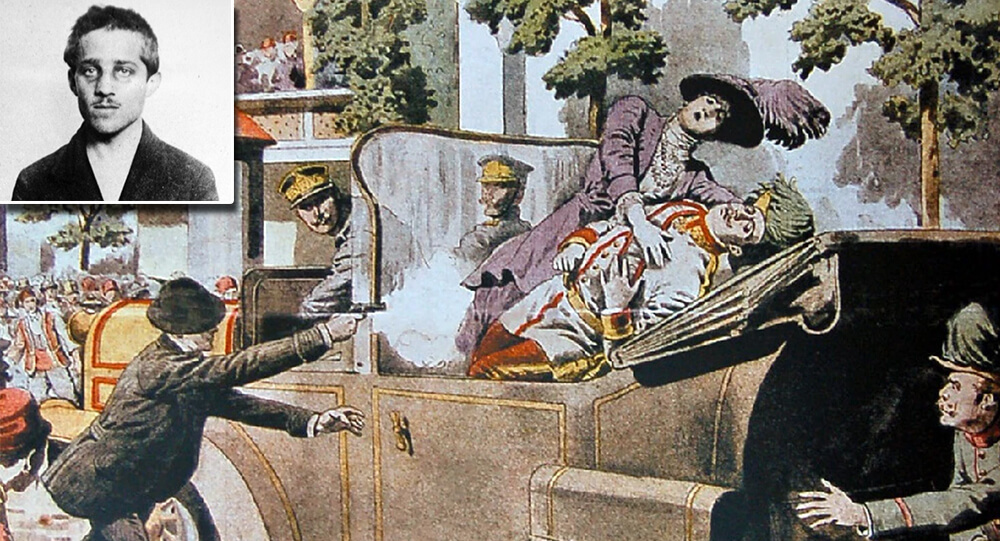
Franz Ferdinand’s Assassination that sparked World War I
Archduke Franz Ferdinand of Austria and his wife Sophie are shot to death by a Bosnian Serb nationalist during an official visit to the Bosnian capital of Sarajevo on June 28, 1914. The killings sparked a chain of events that led to the eruption of World War I by early August.

Irena Sendler: woman who rescued Jews during holocaust
Irene Sendler was the Zegota resistance group's head of the children's department. She risked her life to smuggle children out of the Warsaw ghetto, place them with Polish families or orphanages, give each child a new identity, and keep records so that they could be returned to their families. In 1943, the Gestapo arrested and sentenced her to death, but she was rescued by Zegota.

Max Headroom Incident: America’s Creepiest TV Hack
In 1987 a man hijacked a television station during an episode of Dr. Who and wore a Max Headroom mask and uttered nonsense, and he still hasn’t been caught

A Brief History of the PlayStation Gaming Console
Sony's PlayStation was never meant to be an actual product. Instead, it was intended to be a CD-ROM console that would support Nintendo games. However, when Nintendo backed out of the deal at the last minute, Sony went ahead and launched what soon became one of the most successful gaming consoles of all time.


Iranian inmate dies from happiness after finding out he will not be executed
An Iranian man who was convicted of murder reportedly died from happiness after learning that his death sentence was being commuted.
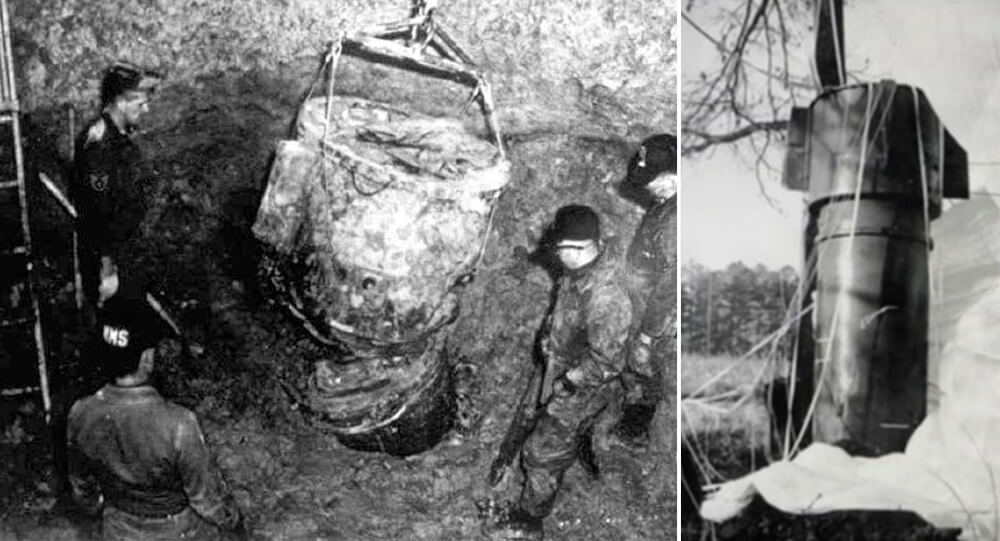
Nuclear bomb accidentally dropped on North Carolina in 196
4 January 1961: The 4241st Strategic Wing's Boeing B-52G-95-BW Stratofortress, serial number 58-0187, was on a 24-hour airborne alert mission off the United States' Atlantic Coast.
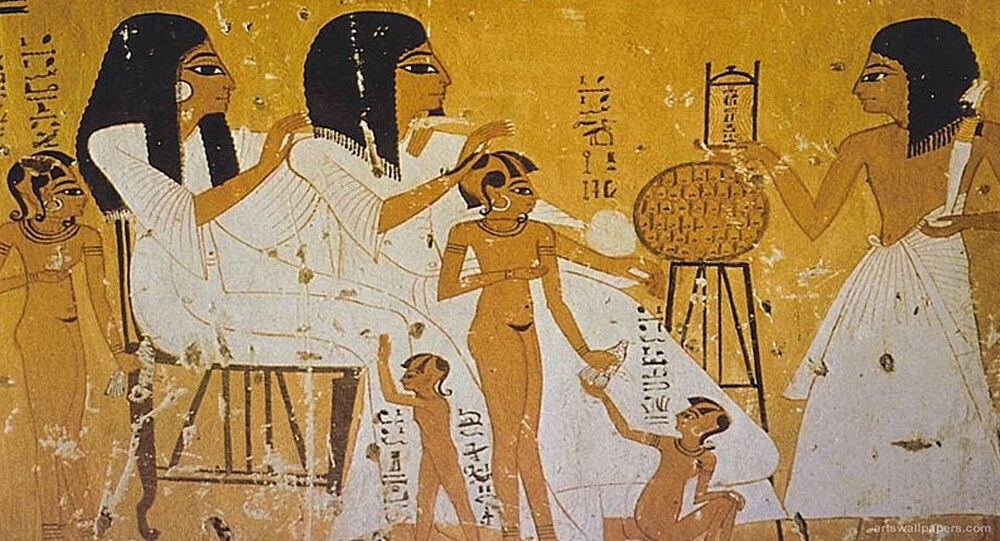
Ancient Egyptians Had Pregnancy Tests Over 3500 Years Ago
The ancient Egyptians used a pregnancy test that involved potentially pregnant women peeing on barley and wheat seeds. Plant growth indicated pregnancy: barley for a boy and wheat for a girl. Later tests revealed that pregnant women's urine causes plant growth 70% of the time, whereas non-pregnant women's urine does not.

Mother who spent entire life savings for daughter’s cancer treatment won the lottery
A mother won $2 million from a $10 scratch-off lottery ticket after she spent all of her entire life savings to pay her daughter’s cancer treatment. She bought the winning ticket after her daughter’s last cancer treatment.
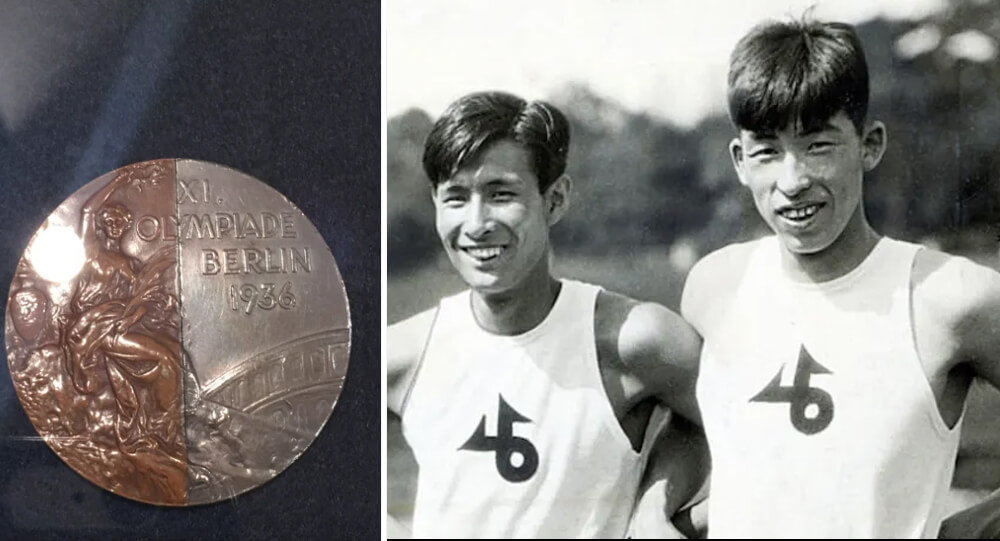
Medals of Friendship: The Enduring Olympic Story of 1936
At the 1936 Summer Olympics, two Japanese pole vaulters named Sueo Oe and Shuhei Nishida tied for second, but they declined to compete against each other. As a result, Nishida was awarded the silver medal and Oe won a bronze medal. Upon returning to Japan, the athletes had their medals cut in half and spliced together to create new "friendship medals," which were half silver and half bronze.
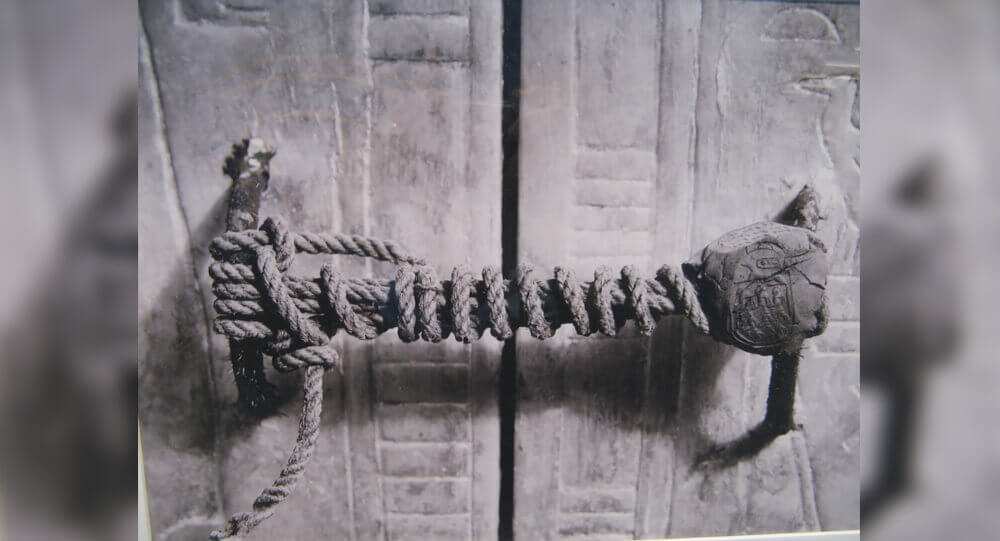
The unbroken seal on King Tutankhamun's tomb until 1922
The unbroken seal of Tutankhamun's tomb before it was opened in 1923, it was unbroken for over 3000 years.
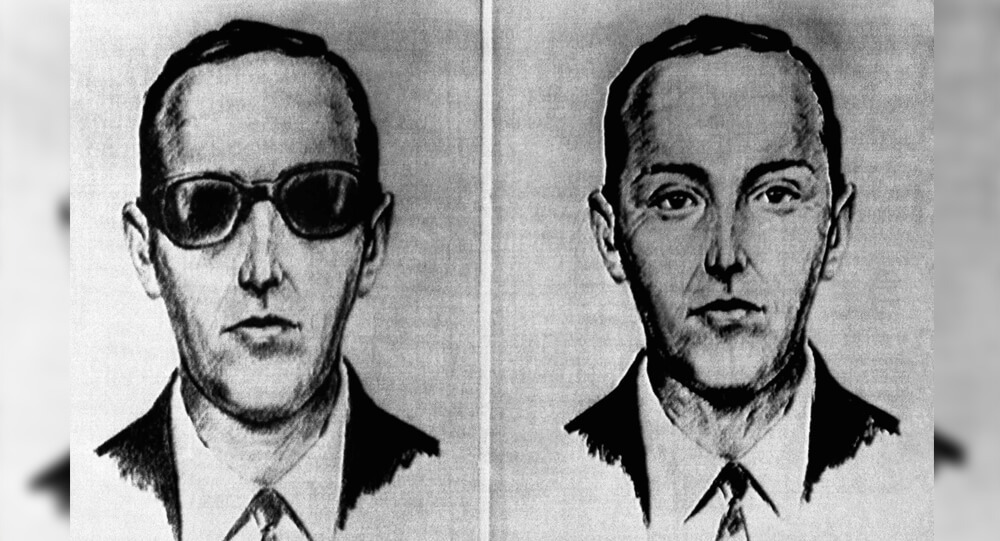
D.B. Cooper: Man who hijacked a plane and jumped out with a $200,000
On November 22, 1971, DB Cooper hijacked a Boeing 727, drank a whisky, smoked a fag, and then jumped out of the plane with $200,000. He was never again seen.

Why the Word ‘Pen’ Comes from the Latin ‘Penna’ Meaning Feather
The humble word “pen” carries a rich history rooted in ancient times, derived from the Latin word penna, meaning “feather.” Long before modern pens revolutionized writing, feather quills—especially from geese—were the essential tools of scribes, scholars, and artists. This article journeys through the origins of the pen, its evolution, and fascinating trivia about the timeless connection between feathers and writing.
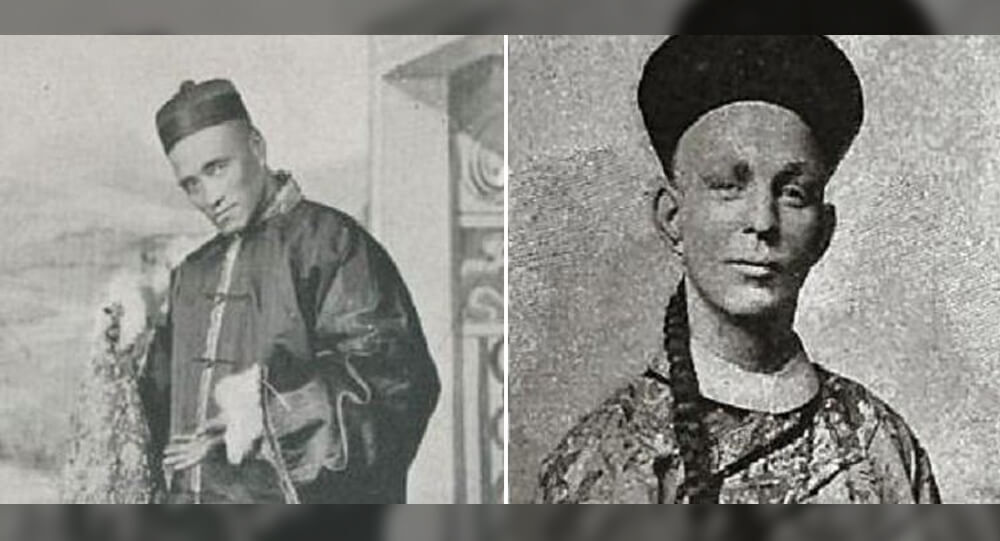
The Bizarre (And Magical) Duel Between Chung Ling Soo And Ching Ling Foo
Ching Ling Foo and Chung Ling Soo were two magicians from the early 20th century who were bitter rivals. While Ching Ling Foo was genuinely Chinese, Chung Ling Soo was actually a New Yorker named William Robinson.
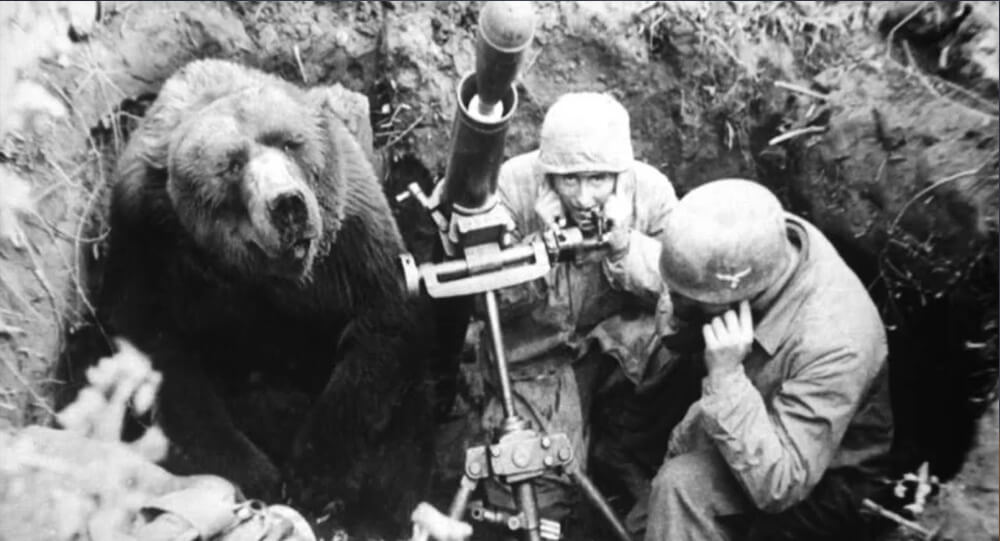
The 440-pound bear named Wojtek and his World War II battle against the Nazis
Polish troops raised an orphaned bear cub during WWII. He enjoyed drinking beer, and was trained to salute. He became officially enlisted as a member of the forces, and helped carry artillery during battle.

Underground Railroad to Mexico freed thousands of slaves in 1829
Slavery was abolished in Mexico in 1829. Slaves were escaping to Mexico, and slaveholders in the US were aware of this. The US attempted to get Mexico to sign a fugitive slave treaty, which would have required Mexico to send back escaped slaves to the US. But, Mexico refused, arguing that slaves were free as soon as they set foot on Mexican soil.
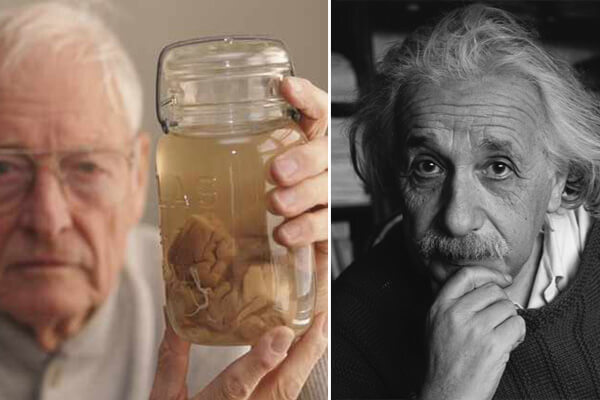
Albert Einstein’s brain after it was stolen from his body
Albert Einstein's brain was taken by the opportunistic pathologist who performed his autopsy hours after he died and kept in two jars for 30 years. The stolen brain of Albert Einstein was preserved in a cookie jar for 30 years until being discovered by a journalist.
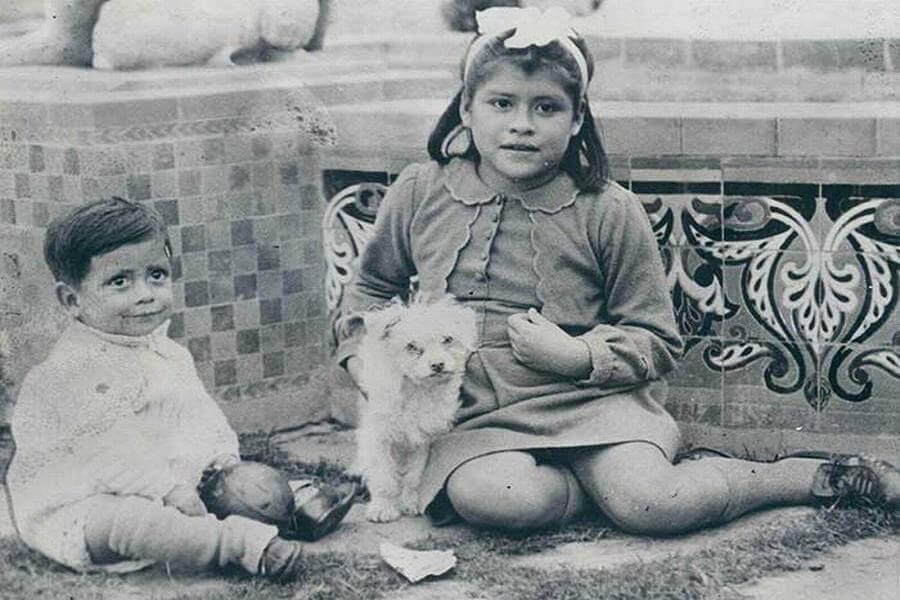
story of the youngest mother in the world at age of five - Lina Medina
Lina Medina, a five-year-old Peruvian girl, became the youngest mother in history in 1939 when she gave birth to a boy.

Mario Segale, Developer Who Inspired Nintendo to Name Super Mario
Super Mario is named after real-life businessman Mario Segale, who was renting out a warehouse to Nintendo. After Nintendo fell far behind on rent, Segale did not evict them but gave them a second chance to come up with the money. Nintendo succeeded and named their main character after him.

The incredible story of Julia "Butterfly" Hill and her legacy
American environmental activist Julia “Butterfly” Hill lived in a 1500-year-old California Redwood tree for 738 days to prevent it from being cut down by the Pacific Lumber Company. The Simpson’s episode “Lisa the Tree Hugger” was inspired by Hill’s story.
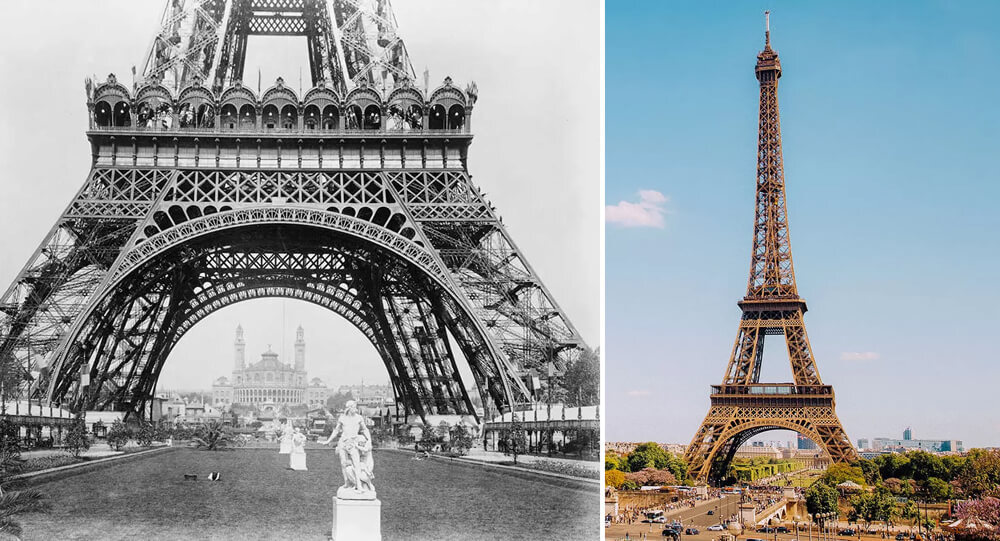
Why was the Eiffel Tower almost demolished
The Eiffel Tower was intended to be a temporary structure for the World's Fair in 1889, but it was nearly dismantled and sold for scrap metal. It was saved because of its potential use as a radio antenna, and it now serves as a tourist attraction as well as a working broadcast tower.
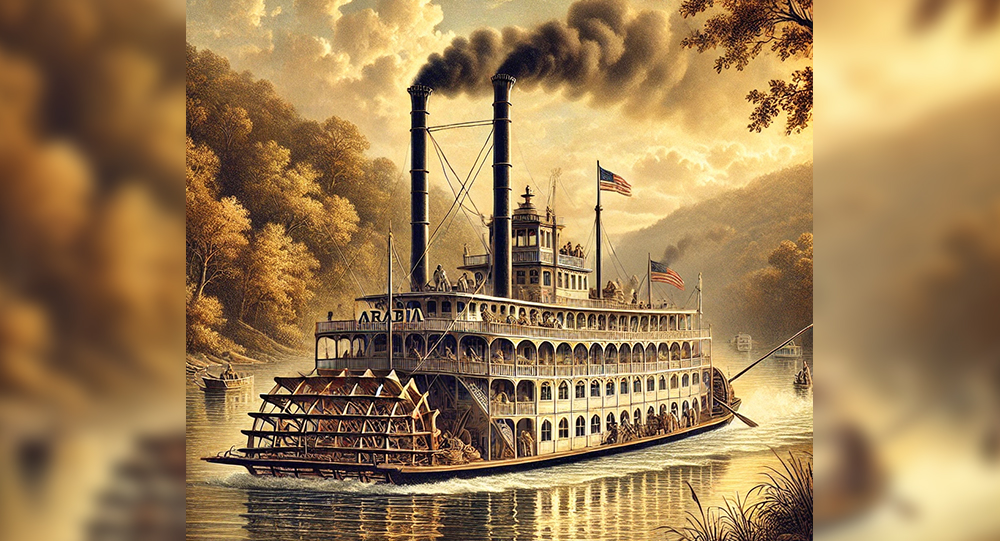
The Arabia Steamboat: Unearthing a 19th Century Time Capsule from the Missouri River
The Arabia was a steamboat that sank in the Missouri River in 1856. Over time, the river shifted 800 meters to the east, eventually turning the site of the sinking into a field. The steamboat remained under 45 feet of slit and topsoil until 1988, when it was excavated. The mud, as it turned out, was such a great preserver that most of the artifacts on board were found to be intact. They even found jars of preserved apples that were still edible!
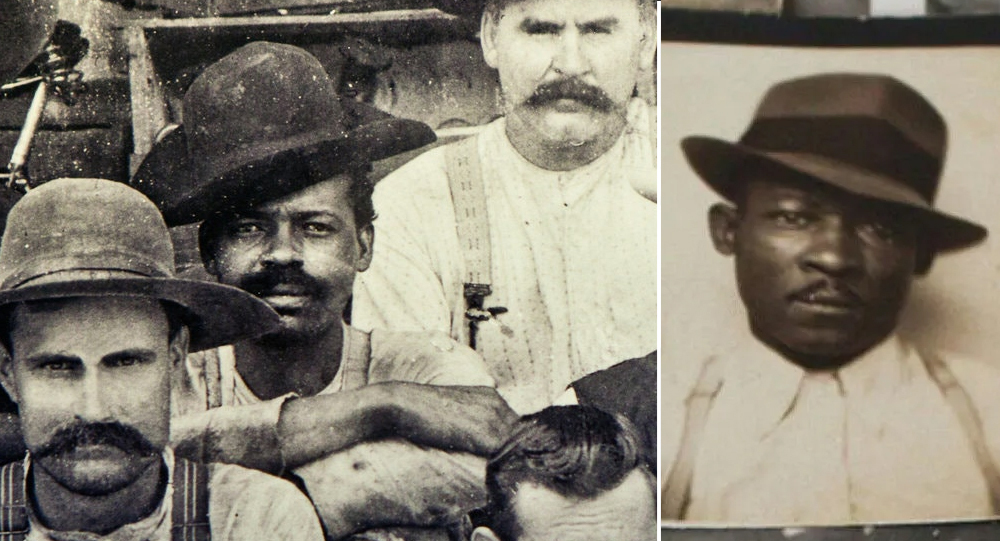
Nearest Green, America's first known Black master distiller
Nathan "Nearest" Green was an African-American head stiller who is now more frequently referred to as a master distiller. He was renowned for imparting his distilling knowledge to Jack Daniel, the creator of Jack Daniel's Tennessee whiskey distiller, after Jack Daniel was freed from slavery following the American Civil War.
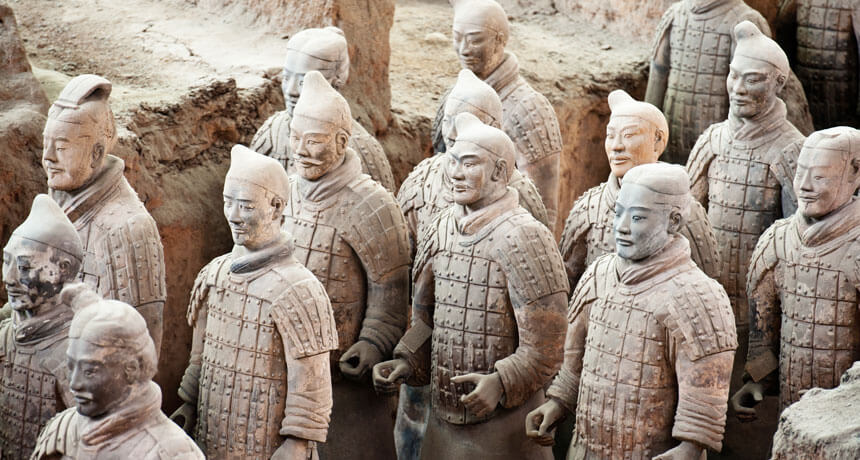
Top 10 Greatest and shocking Archaeological Discoveries of All Time
While we're all locked at home, there's no better way to escape to another time and place than to learn about amazing archeological sites and discoveries from around the world. Here are the 10 greatest and shocking archaeological discoveries —and don't be shocked if they inspire future trip plans whenever it's safe to do so again.
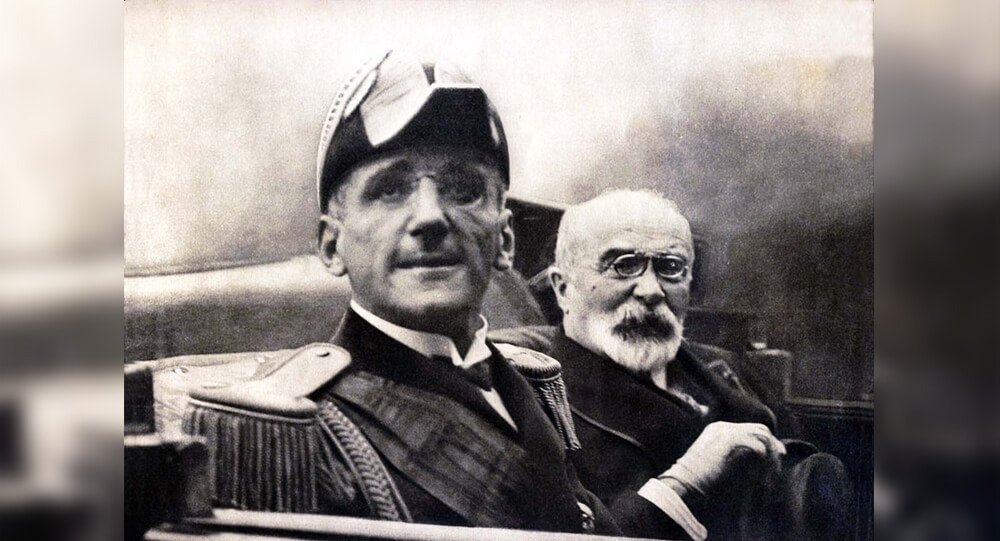
The Assassination Of King Alexander
The assassination of King Alexander of Yugoslavia marked a pivotal moment in the country's history. This article delves into the rise and reign of King Alexander, exploring his early life and ascension to the throne. It also examines the political and social climate in interwar Yugoslavia, setting the stage for the tensions and challenges that ultimately culminated in his tragic assassination. By understanding the context in which this event unfolded, we can better grasp the significance and impact it had on the nation and its future.