
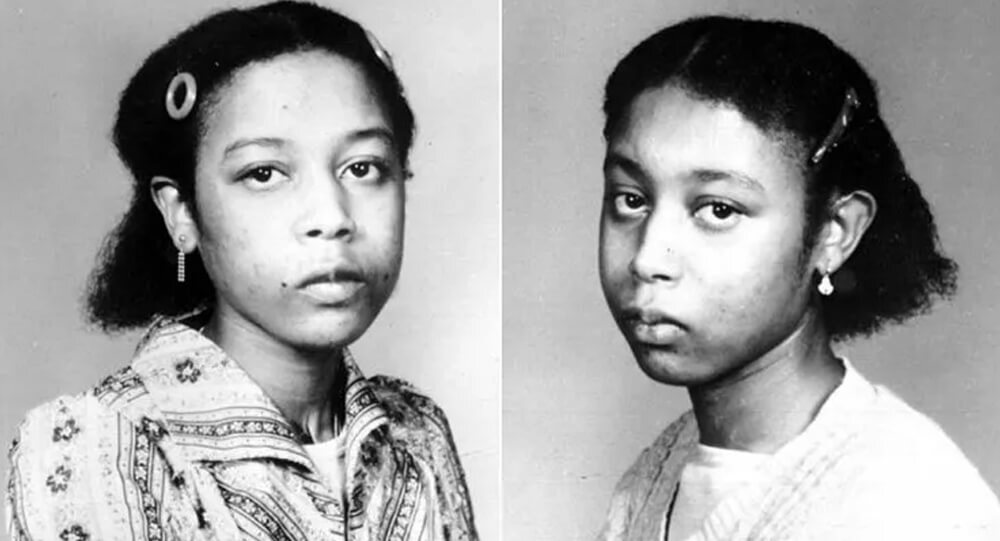
June and Jennifer Gibbons, identical twins, were born on April 11, 1963, in a military hospital in Aden, Yemen, while their father served in the Royal Air Force.
They came to the UK with their parents, Gloria and Aubrey Gibbons, from Barbados. Their births and early years were ordinary, but their parents discovered they were different from other girls not long before they reached the age of speaking.
They were unusually close and late in speaking. His family claimed that they both had a speech impairment that made it difficult to understand them. Their parents had to guess what the twins were trying to say, and after a few years, they had developed their own unique language that only they understood.
They were the only black students in school, and as a result, they were subjected to constant bullying, which seemed to strengthen their bond. In 1976, a doctor came to the school to administer tuberculosis vaccinations to the children. June and Jennifer’s strange behavior and lack of emotion when receiving the injection shocked him, so he informed the school’s headmaster.
The doctor refused to give up and pushed that the girls be enrolled in therapy, despite the headmaster’s assurances.
They wouldn’t talk to anyone.
They refused to speak to anyone after consulting multiple psychotherapists and psychologists. Ann Treharne, a speech therapist, didn’t meet the twins until February 1977, and they made considerable progress.
Although she was unable to communicate with the girls, they agreed to have their chats recorded if they were left alone. Treharne deduced from the recordings that their secret language was a combination of English and a sped-up version of Barbadian creole.
During their sessions, Ane Treharne got the idea that June wanted to talk to her but was afraid of Jennifer telling her she couldn’t.
Their parents agreed to separate the girls the following year in order to test whether this would cause them to open up, but the experiment failed. The twins became even more cut off from the outside world, refusing to eat, dress, and spend most of their time in bed.
The physicians had no choice but to reconnect them, only for them to resume their silent behavior. They wrote letters to their parents to speak with them.
At the age of 16, the twins dropped out of school. They used to makeup stories with their dolls, read a lot of books and enjoy writing. They’d occasionally tell their younger sister Rosie about their adventures.
Their Situation Got Even Worse
The girls turned 18 in 1981 and began experimenting with alcohol and drugs, as well as committing minor crimes.
Their activities progressed to arson, and they were apprehended the next year. They set fire to three structures and were caught red-handed attempting to set fire to Pembrokeshire Technical College.
Marjorie Wallace, a London-based journalist for The Sunday Times, came across the twins’ story and was determined to learn more. She paid June and Jennifer visits in prison while they awaited their trials. She wished to shatter the stillness between them.
Wallace had read some of their articles and expressed her admiration for them to the twins. June’s reactions were ecstatic, and she questioned if she liked them with difficulty.
June and Jennifer pled guilty to 16 offenses of burglary, theft, and arson after their trial at Swansea Crown Court. They were condemned to indefinite imprisonment at Broadmoor, the most secure mental facility in the United Kingdom.
Their Stay at Broadmoor Hospital
Wallace believes it was an injustice that they were sent to a facility with cold-blooded killers and other dangerous offenders, but no other facility would take them because their behavior was too upsetting.
Wallace began visiting the twins every weekend at Broadmoor, determined to break into their inner world, and she gradually gained access to their universe.
Jeniffer and June spent nearly a decade in Broadmoor. It had been 12 years of agony, according to June. They were medicated with antipsychotics and sedated on a regular basis. The size of their journals and books shrank substantially. They were frantic to get out, so they wrote letters to the Home Office and the Queen but received no response. They had given up hope.
They got acquainted with Marjorie Wallace throughout their visit. She claimed the twins had a dry sense of humor, that they laughed at her jokes, and that they would sometimes spend entire teas laughing.
Wallace, on the other hand, began to notice the evil within each twin. She discovered from their diary entries that June felt possessed by her sister and was terrified of her, whom she referred to as her “black shadow.” June was Jennifer’s mortal nemesis, and she described her as “a face of agony, lies, and murder.”
Despite the fact that they looked to have an unbreakable link, the twins’ terror of each other grew over time, as seen by their writing.
Wallace put forth a lot of effort to figure out how the twins interacted, and he saw that June seemed to be more afraid of Jennifer, the dominant force. June attempted to open up more to Wallace, but Jennifer’s subtle cues appeared to prevent her from doing so.
Free at last?
The twins were cleared for relocation to a medium-security clinic closer to home in 1993, a month before their 30th birthday. After 12 years, it was their first step toward liberation.
Wallace paid one last visit to the twins at Broadmoor a few days before the relocation. They were having a pleasant talk when Jennifer abruptly said:
“Marjorie, I’m going to have to die.”
Wallace thought she was joking and told her:
“Why are you going to have to die? You’re not ill.”
The twins answered:
“Because we’ve decided. We have made a pact. Jennifer has got to die.”
They seemed to have arrived in the conclusion that one of them would have to give up their life in order for the other to truly be free.
Wallace was terrified at that moment, knowing they meant it, and she opted not to ask any more questions.
She informed the physicians, who assured her that nothing was wrong and that the girls were being watched.
Jennifer Gibbons’ Death: What Happened to Her?
Jennifer said she wasn’t feeling well the morning they left Broadmoor. She placed her head on June’s shoulder in the transport cart and whispered, “At long last, we’re out,” before slipping into a coma.
She died less than 12 hours later from undetected acute myocarditis, a rare heart condition characterized by inflammation. It’s only a small percentage of the time when it’s fatal.
Jennifer Gibbons’ death is still a mystery, as there was no sign of poisoning or anything strange in her system.
June wrote in her diary about her loss and sorrow at her sister’s death, but Wallace paid her a visit to the new hospital after a few days and was surprised to find her in excellent spirits and eager to talk. June, she claimed, appeared to be a new person.
She gently explained to Wallace how Jennifer had to die and how they had determined that once that happened, June would be responsible for living for the other.
June spent a year at Caswell Hospital before returning to West Wales to start a new life. She continues to reside in the United Kingdom, close to her family. She leads a normal life and speaks to everyone who will listen, although she has attempted to stay out of the spotlight in the past, with the exception of a few interviews.

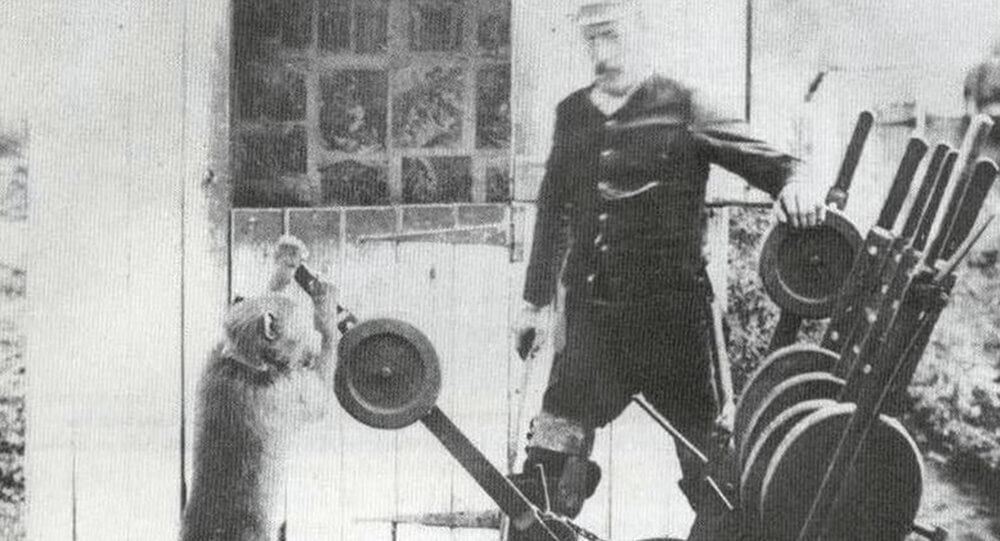
Jack the Baboon operated a railroad, earned a living, and never made a mistake
A baboon worked as a signalman for the railroad in the late 1800s. He never made a mistake and worked for the railroad until the day he died.
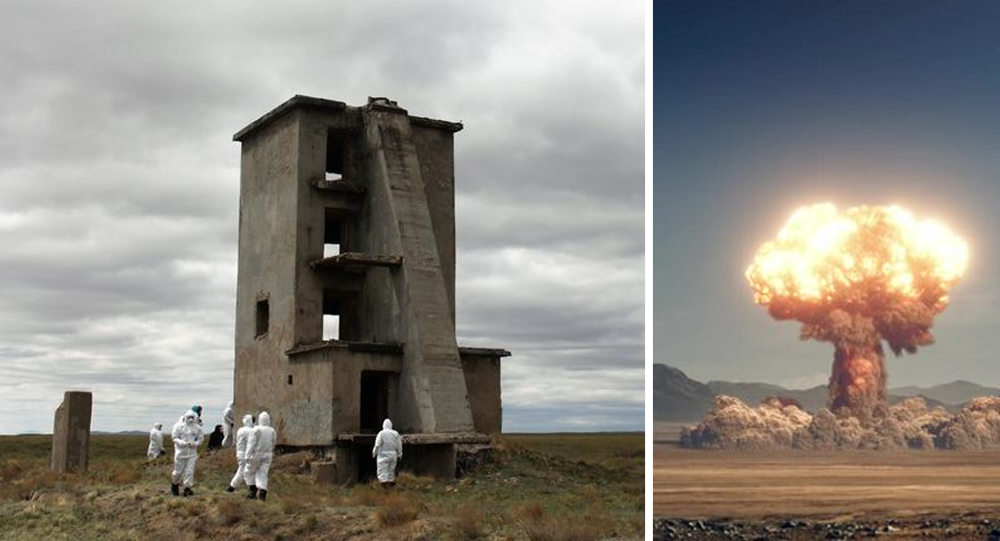
The Forgotten Story of Semipalatinsk and the Soviet Nuclear Experiments
Between 1949 and 1989, the Semipalatinsk Test Site in Kazakhstan became the primary location for Soviet nuclear weapons tests, exposing millions of unsuspecting villagers to radioactive fallout. Known as the “Polygon of Suffering,” this remote desert witnessed 456 nuclear detonations that caused widespread health crises, birth defects, and generational genetic damage. This article narrates the chilling legacy of Semipalatinsk, unveiling the human cost of Cold War arms development and the ongoing struggle for healing and recognition in Kazakhstan.
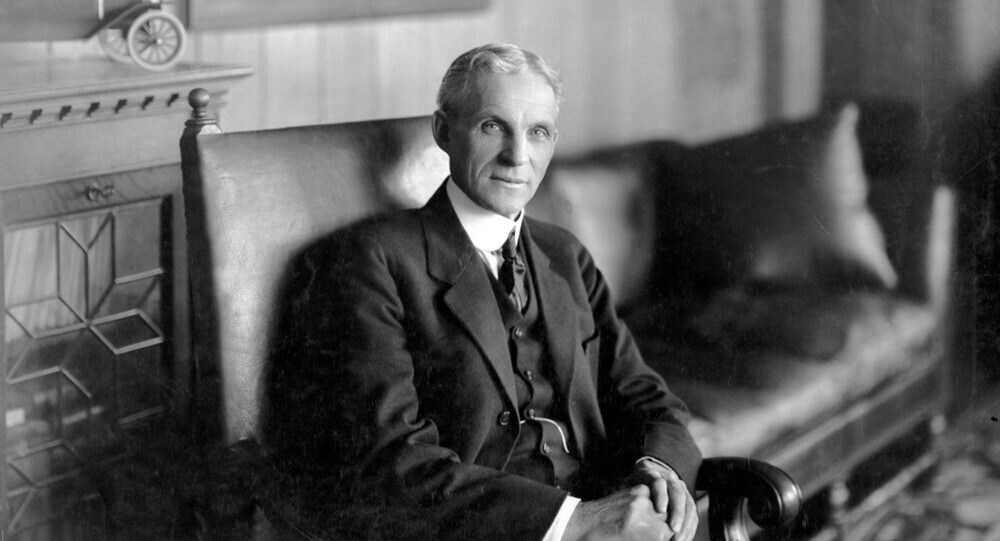
Henry Ford, The man popularizing the concept of the weekend off
Henry Ford was the first Industrial Giant to give his employees both Saturday and Sunday off in the hope of encouraging more leisurely use of automobiles and thus popularizing the concept of the "weekend."

Reason Behind The Suicide Of Christine Chubbuck Live On Air
Actor Rebecca Hall had serious reservations about tackling the macabre story around why Chubbuck killed herself in 1974. So what changed her mind?
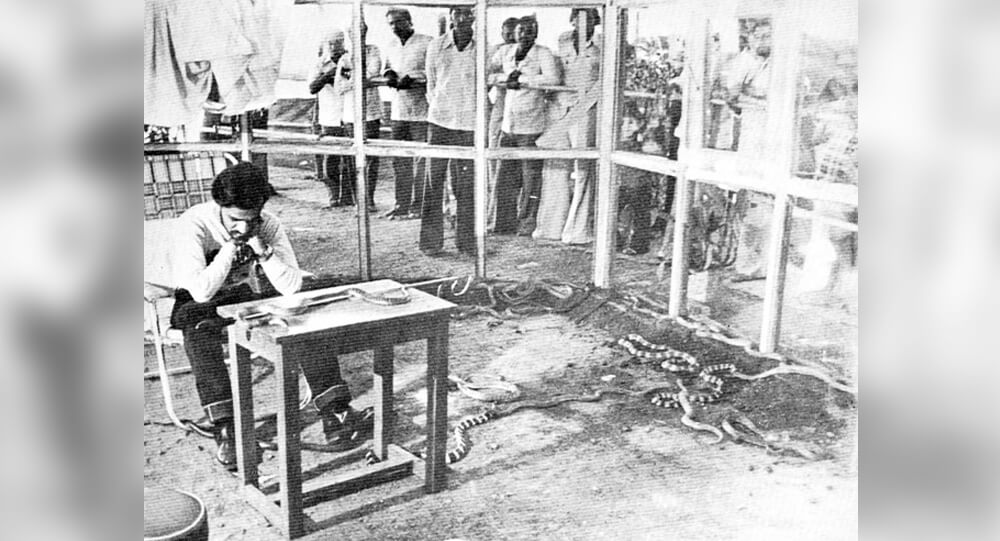
The story of a man who spent 72 hours with 72 venomous snakes to prove they only bite when provoked
In the 1980s, an Indian man spent 72 hours in a glass cabin with 72 snakes, some of which were extremely venomous. His aim was to prove that snakes only attack when provoked. Remarkably, he was not bitten once in those 72 hours and even set a Guinness World Record in the process.
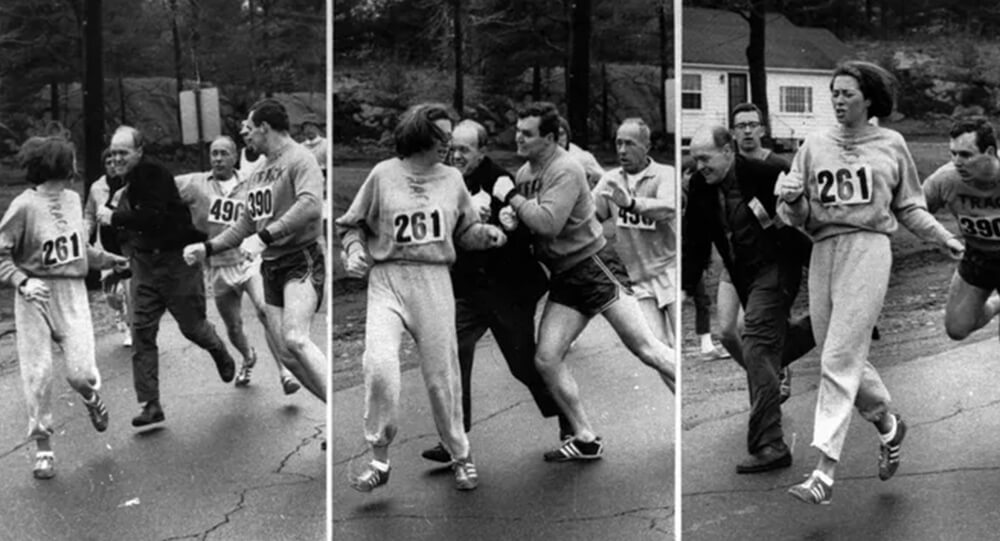
Story of Kathrine Switzer: the first woman to run in Boston Marathon
Before women were allowed to run in the Boston Marathon, Kathrine Switzer participated. A race official attempted to forcefully remove her from the race in 1967, but her boyfriend pushed him down. She was the first female finisher who had a numbered entry in the race.
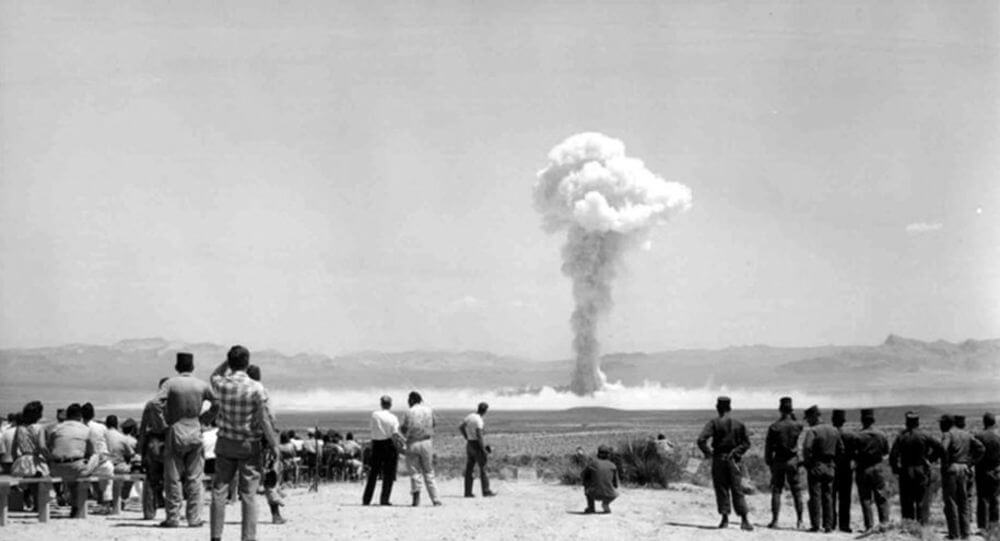
Atomic Tourism: In the 1950s, nuclear tests in Las Vegas served as a draw for tourists
Between 1950 and 1960, Las Vegas offered “Atomic Tourism” in which guests could watch atomic bombs being tested in the desert as a form of entertainment.
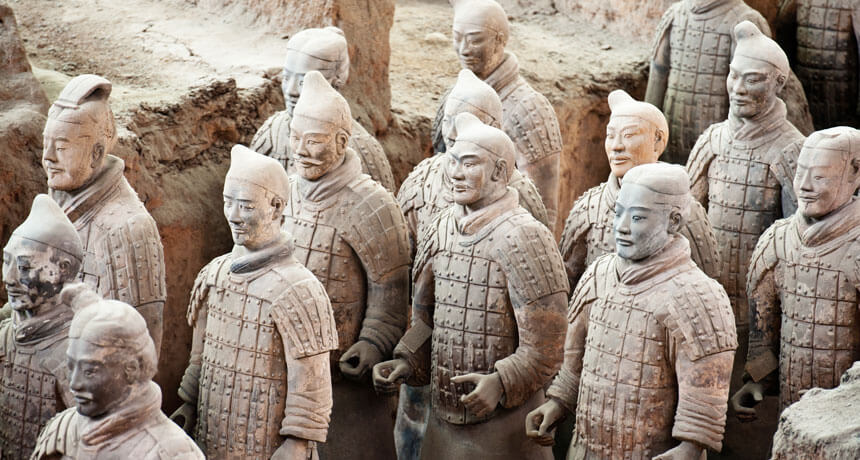
Top 10 Greatest and shocking Archaeological Discoveries of All Time
While we're all locked at home, there's no better way to escape to another time and place than to learn about amazing archeological sites and discoveries from around the world. Here are the 10 greatest and shocking archaeological discoveries —and don't be shocked if they inspire future trip plans whenever it's safe to do so again.

Marion Stokes recorded 30 years of television
Marion Stokes, a Philadelphia woman began taping whatever was on television in 1979 and didn’t stop until her death in 2012. The 71,000 VHS and Betamax tapes she made are the most complete collection preserving this era of TV. They are being digitized by the Internet Archive.
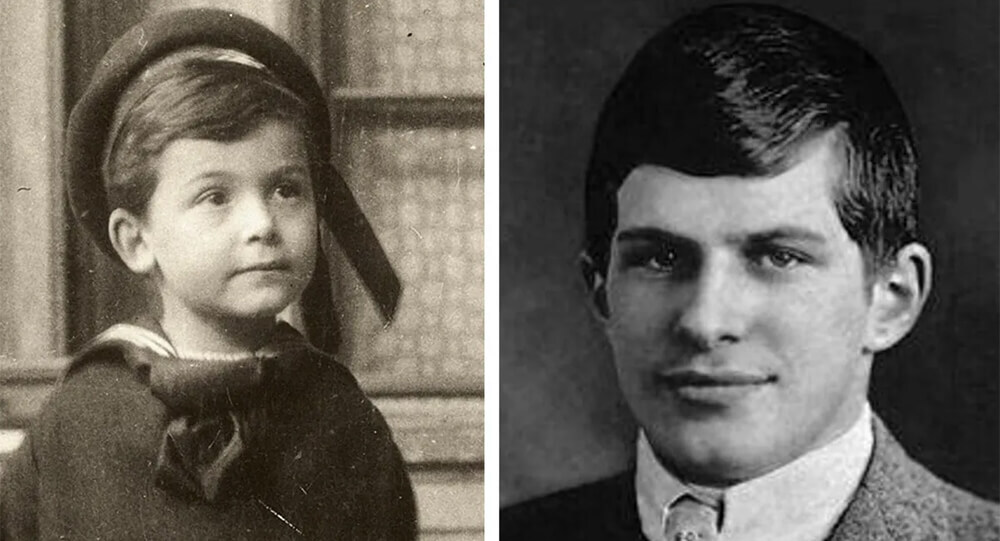
William James Sidis: The smartest person yet forgotten by people
William James Sidis, who was only 11 years old when he enrolled in Hardvard, finished his primary and secondary schooling in less than a year. He knew eight foreign languages by the age of eight and even invented his own language, "vedergood."

Remembering the miracles of the 1985 Mexico earthquake (unbelievable stories)
In 1985, after an 8.0 magnitude earthquake hit Mexico City, nearly all newborn babies survived a collapsed hospital. They are known as “Miracle Babies” for surviving 7 days without nourishment, water, warmth or human contact.
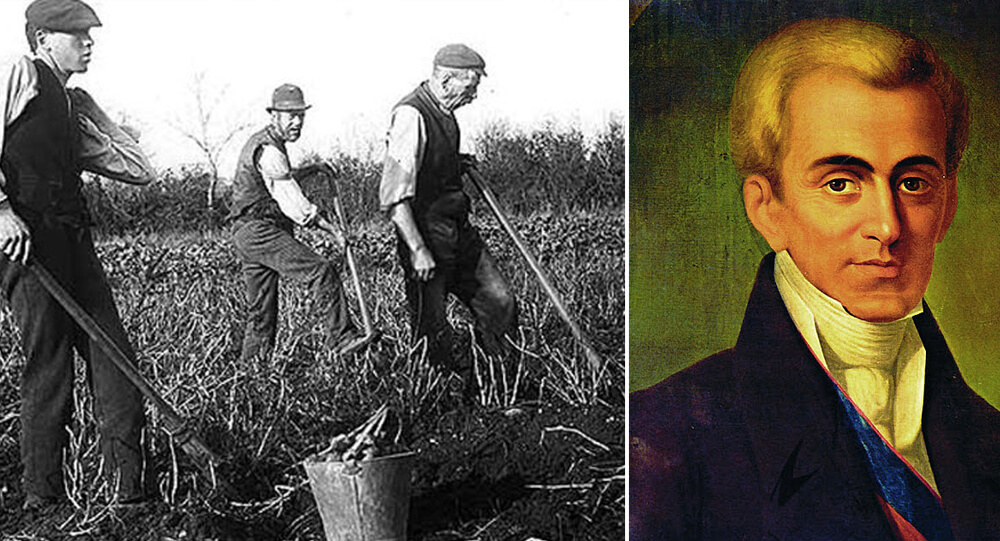
How Greek prime minister in 1830’s tried to spread the potato in Greece
A Greek prime minister in 1830’s tried to spread the potato in Greece but people weren’t interested so he put armed guards in front of shipments of potatoes so people would think they were important. People later started stealing these potatoes a lot which spread the crop to all of Greece.

Terry Fox, a 21-year-old one-legged cancer patient who ran 143 days before dying
Terry Fox was a 21-year-old one-legged cancer patient who ran 3,339 miles across Canada in 143 days before dying.
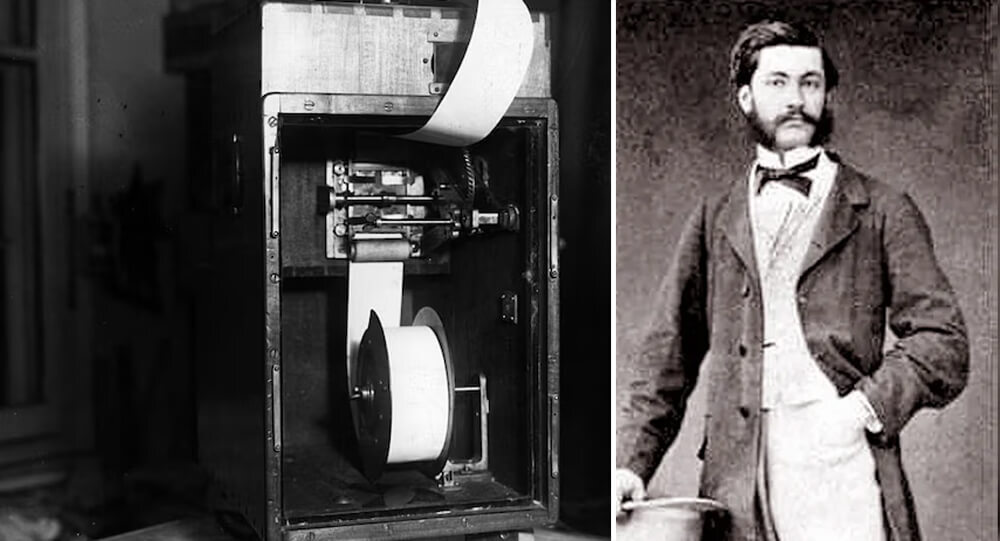
Louis Le Prince Invented the motion picture camera, and then he mysteriously disappeared
Louis Le Prince, the inventor of motion pictures, vanished without a trace in 1890. Thomas Edison quickly claimed the title of "first and sole inventor of cinema," even taking Le Prince's son to court to dispute it. A few years later, the son also dies under mysterious circumstances.

Sylvan Goldman: The Visionary Who Revolutionized Shopping with the Cart
The inventor of shopping carts, Sylvan Goldman, had to hire several male and female models to push carts around in his store, demonstrate their utility, and explain their use to other customers, due to not catching on initially.

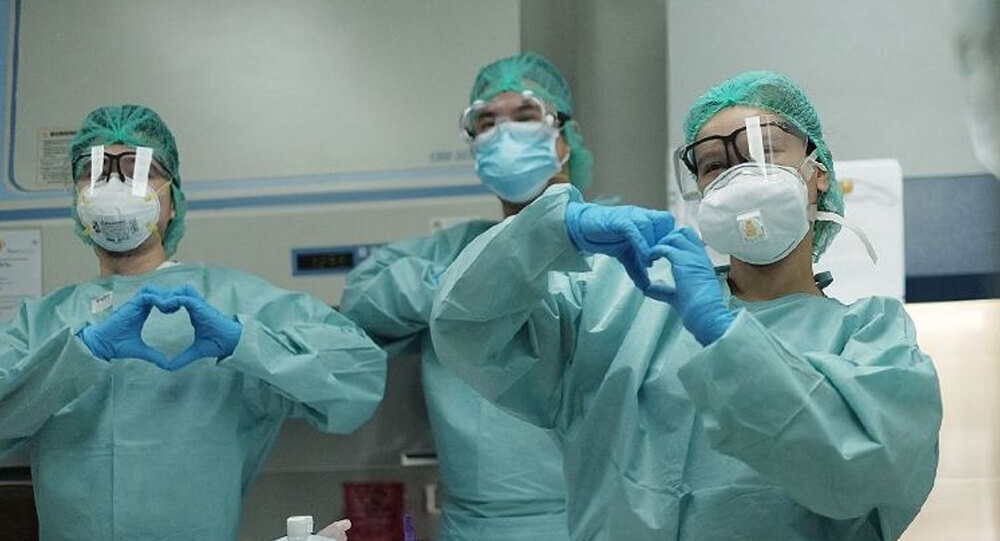
Philippines, the largest supplier of Nurses in the World
Philippines is the world’s largest supplier of nurses, supplying roughly 25% of all overseas nurses worldwide.
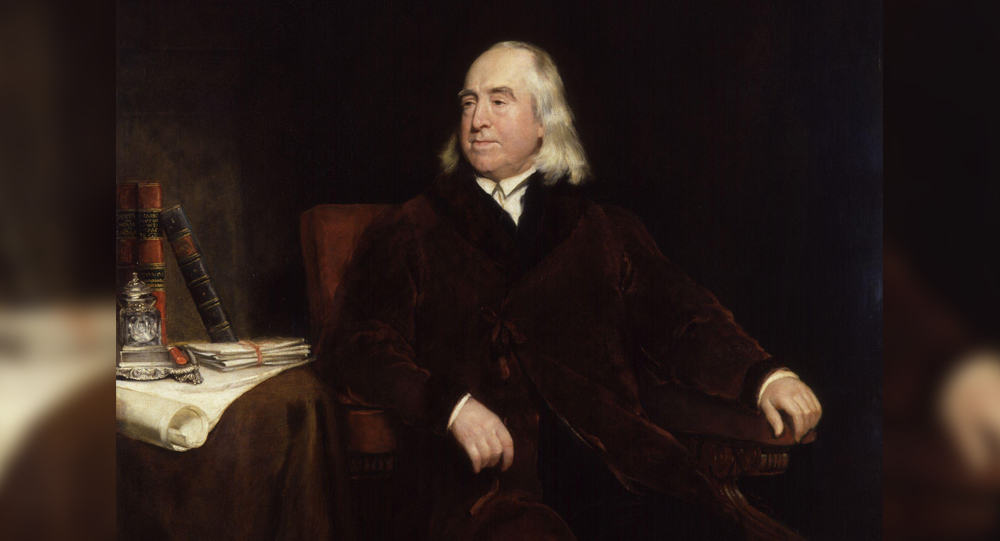
How 18th Century Women’s Rights Movements Shaped Modern Equality
The 18th century marked a turning point in the quest for women’s rights, as passionate voices challenged centuries of gender inequality and laid the groundwork for modern feminism. From pioneers like Mary Wollstonecraft to revolutionary declarations and early advocacy, this era sparked debates on education, political participation, and social justice that continue to resonate today. Journey through the origins of women’s rights movements and discover how their bold ideas shaped the fight for equality.
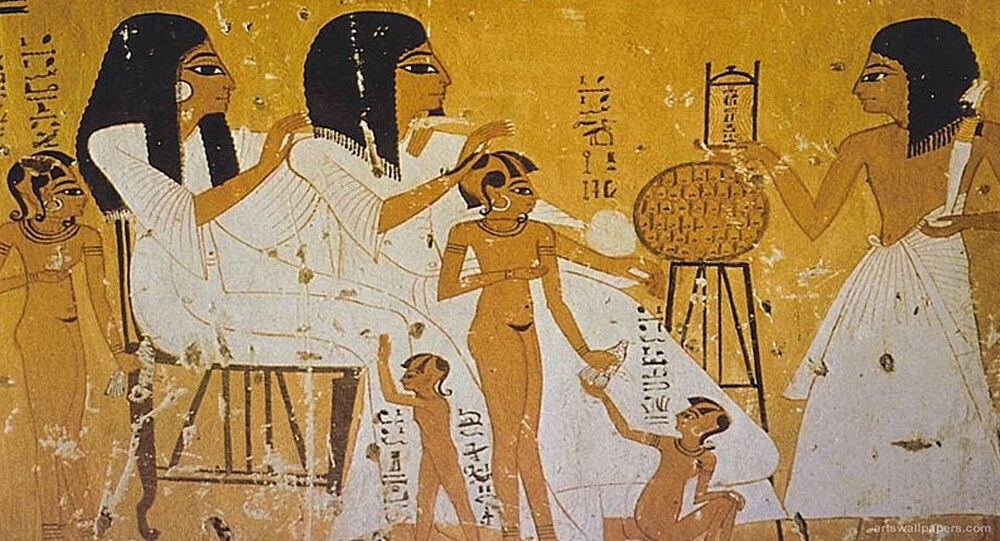
Ancient Egyptians Had Pregnancy Tests Over 3500 Years Ago
The ancient Egyptians used a pregnancy test that involved potentially pregnant women peeing on barley and wheat seeds. Plant growth indicated pregnancy: barley for a boy and wheat for a girl. Later tests revealed that pregnant women's urine causes plant growth 70% of the time, whereas non-pregnant women's urine does not.

The Baltic Way: the longest unbroken human chain in history
On August 23, 1989, about 2 million people from Latvia, Estonia, and Lithuania formed a human chain that united all 3 countries to show the world their desire to escape the Soviet Union and the communism that brought only suffering and poverty. This power stretched 600 km.
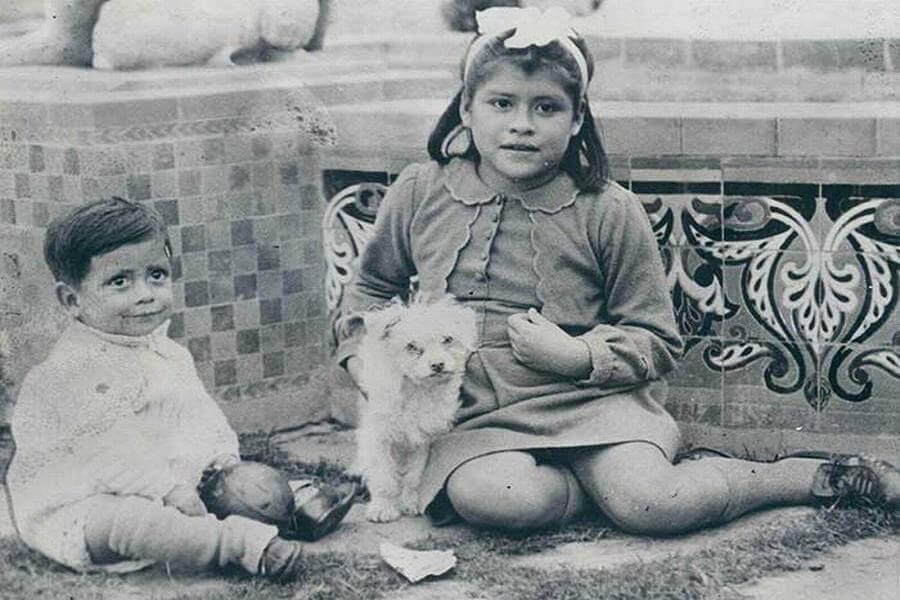
story of the youngest mother in the world at age of five - Lina Medina
Lina Medina, a five-year-old Peruvian girl, became the youngest mother in history in 1939 when she gave birth to a boy.

New London School Explosion, Deadliest school disaster which killed almost 300 children and teachers
In 1937, a gas leak in the basement at the local school in New London, Texas caused a massive explosion which killed almost 300 children and teachers, the deadliest school disaster in US history. Adolf Hitler even sent his condolences by telegram.
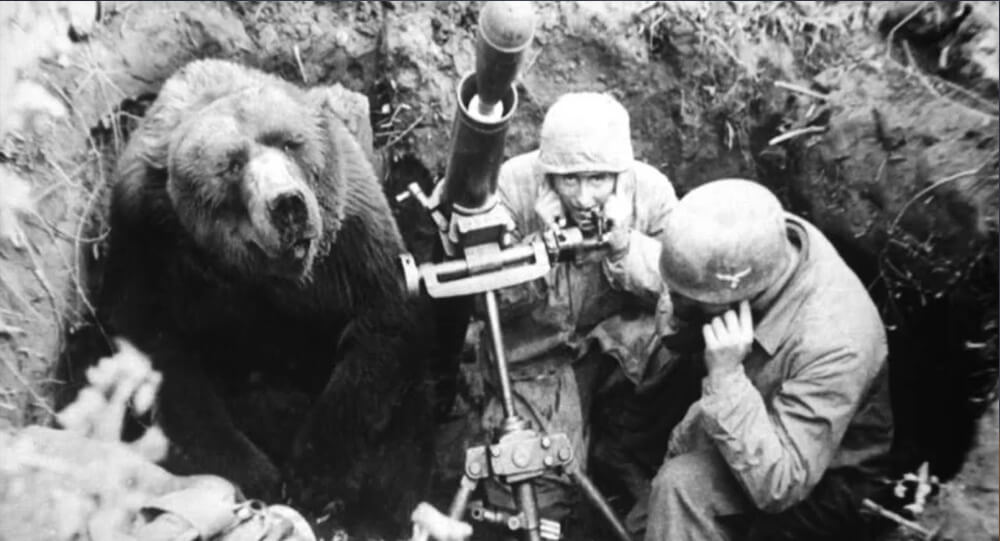
The 440-pound bear named Wojtek and his World War II battle against the Nazis
Polish troops raised an orphaned bear cub during WWII. He enjoyed drinking beer, and was trained to salute. He became officially enlisted as a member of the forces, and helped carry artillery during battle.
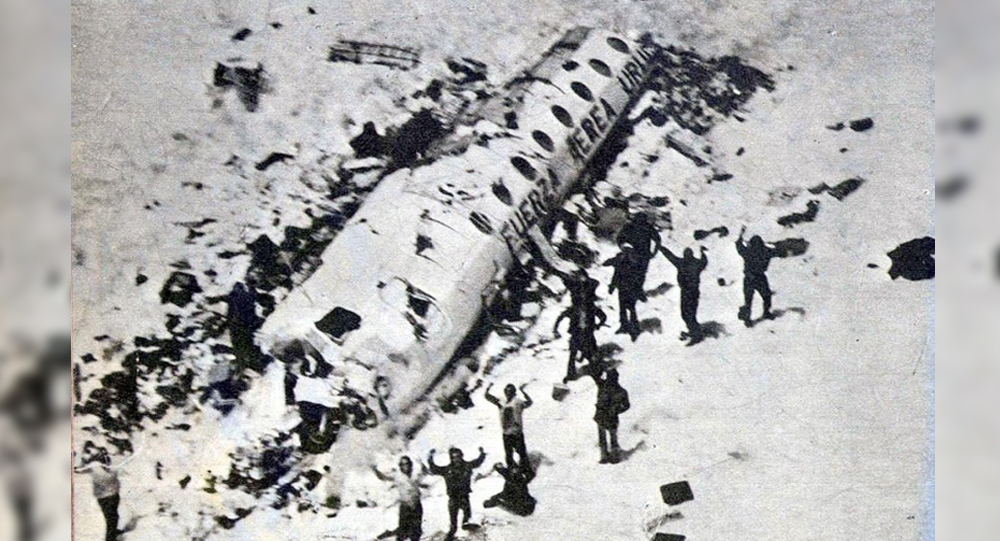
1972 Andes Plane Crash Survivor recall the terrifying Struggles to Stay Alive
On October 13, 1972, a plane carrying a rugby team from Uruguay crashed in the Andes between Chile and Argentina. The survivors were in brutal conditions - high altitude, bitter cold, and the lack of food—and faced the most terrible choice—eating the frozen flesh of their dead friends or starving to death themselves.
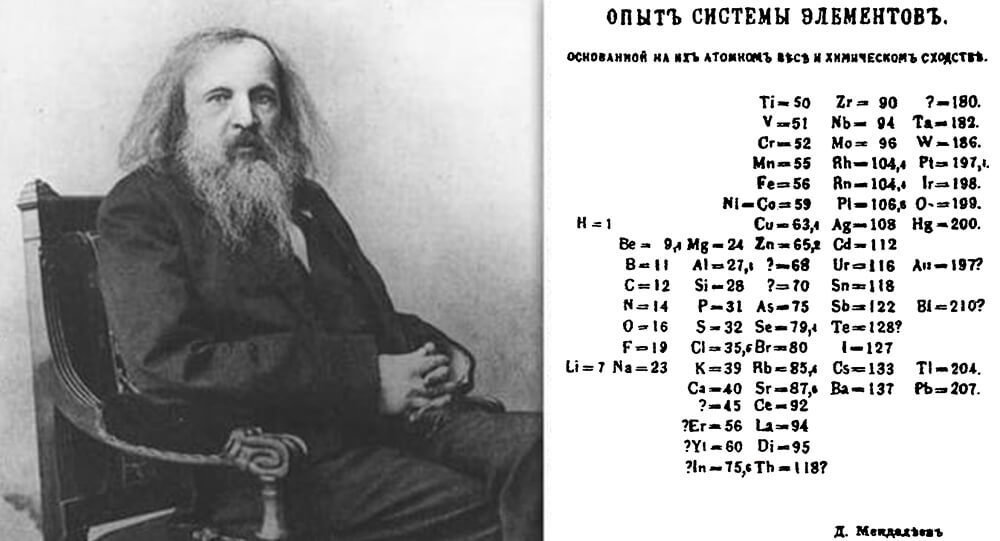
How Dmitri Mendeleev Developed the periodic table of the elements
1850 Dmitri Mendeleev walked almost a thousand miles to Moscow so he could apply for the University of Moscow. Although he was not accepted, he walked to St. Petersburg where he was accepted, And with that education, he developed the the periodic table of the elements
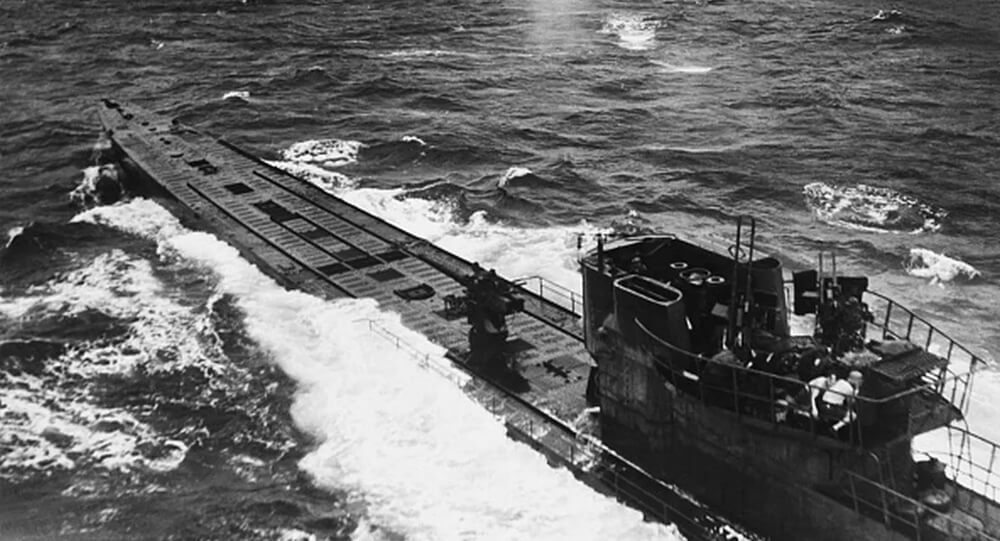
The Amazing Truth About The German U-Boat That Was Sunk By A Toilet
During WWII, a German captain and an engineer flushed the submarine's high-tech toilet incorrectly, causing the vessel to rapidly fill with water. British planes patrolling the sea attacked them as the submarine was brought to the surface. While many members of the crew were killed in the attack, the captain escaped!