
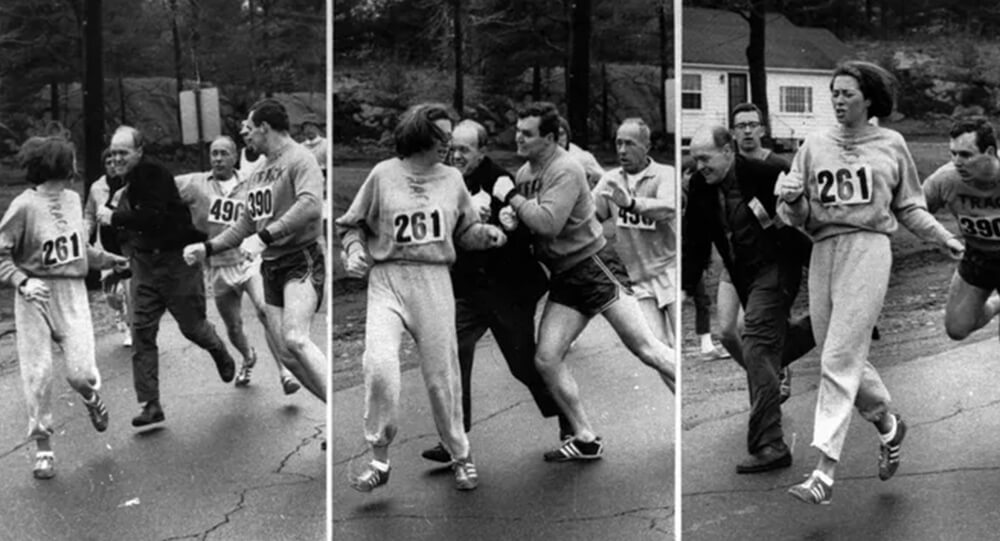
Kathrine Switzer was attacked by a race official 1.5 miles into her first Boston Marathon. Women didn’t compete in marathons in 1967. At least not formally.
Running up behind Switzer, the race official yelled and grabbed her sweatshirt. He was making an attempt to remove her race number-adorned bib.
“The race director attacked me simply because I was a woman and because I was wearing a bib number,” Switzer told Humankind. “He was angry because he was an overworked race director, and frankly, he was a product of his time.”
Switzer attended Syracuse University as a student. She had been jogging since elementary school, but there were no women’s sports at her institution.
Switzer recalls, “I went and asked the track coach if I could run on the men’s track team.” He responded, “No, I don’t believe so. Switzer accepted the invitation to train with the squad, saying, “That’s against NCAA rules, but we’d welcome you to come work out with us.”
Arnie Briggs, a volunteer coach, was 50 years old. He was a former marathon runner as well as Syracuse’s mailman. He took me under his wing and gave me daily advice on how to run farther and not stress about running quickly, according to Switzer.
Briggs talked to them about running the Boston Marathon as they were moving along.
He responded, “No woman can run a marathon!” when Switzer told him she planned to participate as well.
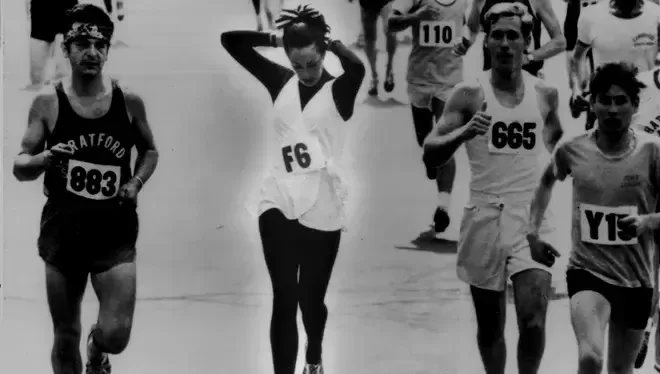
Even though she was stunned, Switzer persisted. She was promised by Briggs that he would be the first to take her to Boston if she could demonstrate to him in training that she could complete the 26.2 miles. Switzer eventually far outran the 26.2 miles in practice, thus the wager was accepted.
No woman had ever officially registered for or participated in the Boston Marathon before 1967. Switzer examined the marathon’s regulations. She registered as KV Switzer with no regard for gender.
For a very long time, Switzer recalls, “I’ve been signing my name with my initials.” “My loving father misspelled my name on my birth certificate. I signed my name that way since I wasn’t trying to deceive them.
Switzer lined up with hundreds of other guys at the 1967 Boston Marathon’s starting line while donning bib #261 and a coat of lipstick. Soon after the starting pistol had fired, Jock Semple, the race official, pursued her.
This brief incident changed the course of women’s running forever. Switzer was inspired by the incident and started advocating for women’s sports equality.
Women were finally permitted entry to the Boston Marathon five years after her encounter with Semple. On that momentous day, Switzer was at the starting line.
She continued to run marathons, winning the 1974 New York City Marathon. In 1975, she ran her personal best and came in second in Boston (2:51:37). After that, she established the Avon International Running Circuit, a series of 27 races for women only. Over a million women have participated since 1978.
The International Olympic Committee decided to incorporate a women’s marathon for the first time in the 1984 Olympic Games thanks in large part, according to Switzer, to the momentum women’s running gained due to her efforts.
According to Switzer, “sometimes the worst things in your life might turn out to be the best.”
One of the most astonishing social revolutions for women was brought about by old Jock Semple, who no one could have ever dreamed could have done it.
The Boston Athletic Association formally retired Switzer’s bib number 261 in 2017, but not before the number had a life of its own. With the goal of inspiring women to connect and take charge of their lives through running, Switzer founded the international non-profit organization 261 Fearless.
Switzer’s decision to participate in the 2017 Boston Marathon coincided with the retirement of her historic bib number.
When I turned 70 and it was the 50th anniversary of my 1967 marathon, Switzer remarked, “I found myself approaching those milestones with the belief that I could run it again.”
Only 20 minutes later than when she was 20 years old, she completed the task.
Switzer added, “I crossed the finish line with the feeling that we have altered history. “In fifty years we have gone from one woman wearing a bib to twelve thousand women wearing a bib here on the streets of Boston.”
“I felt like I had successfully carried a torch to the millions of women who have had their lives changed by running throughout the world,” the runner said.


Titanoboa cerrejonensis, fossils of the world’s largest species of snake
In 2009 in a coal mine of Columbia, scientists discovered fossils of the world’s largest species of snake. The species is called “Titanoboa cerrejonensis,“and it is from around 60 million years ago. It would have had measured about 48 feet long and weighed about 2,500 pounds
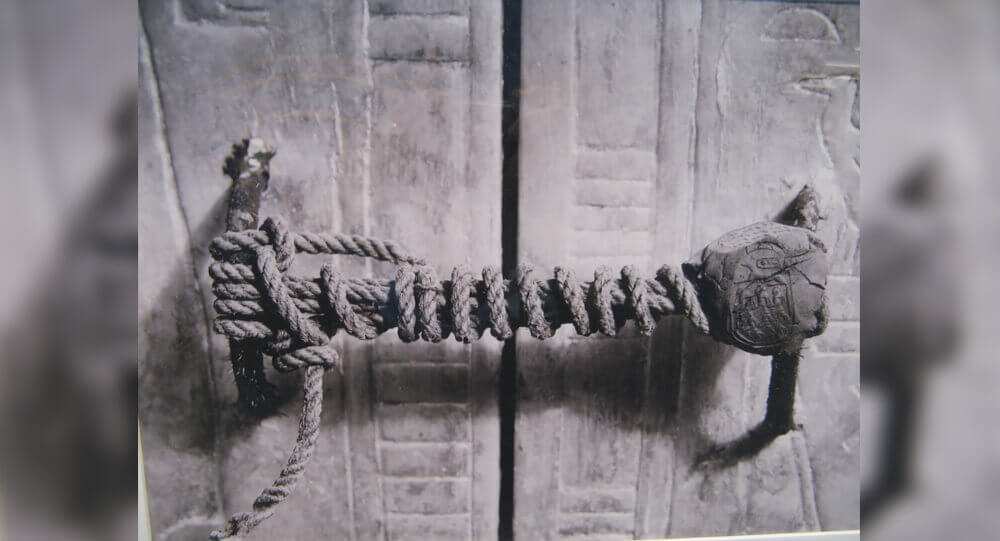
The unbroken seal on King Tutankhamun's tomb until 1922
The unbroken seal of Tutankhamun's tomb before it was opened in 1923, it was unbroken for over 3000 years.
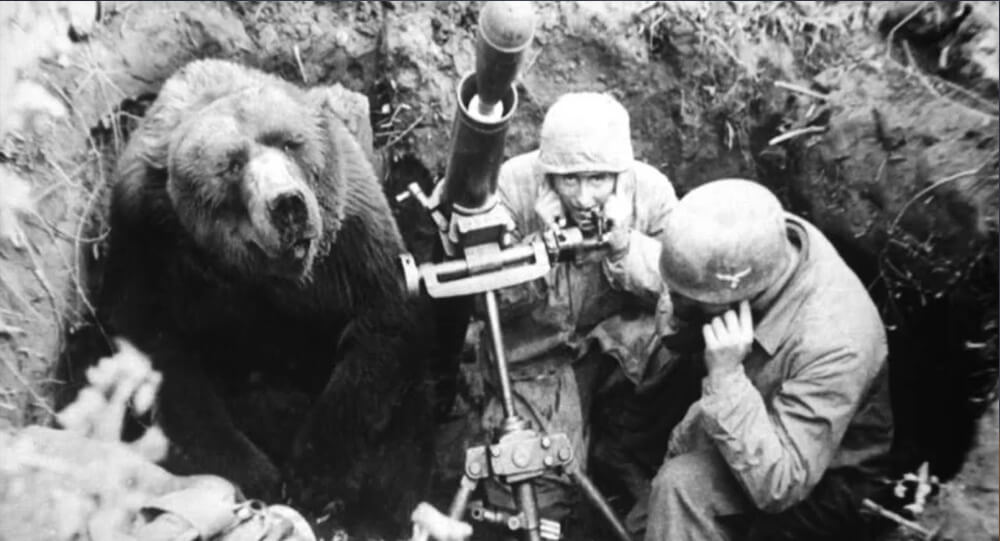
The 440-pound bear named Wojtek and his World War II battle against the Nazis
Polish troops raised an orphaned bear cub during WWII. He enjoyed drinking beer, and was trained to salute. He became officially enlisted as a member of the forces, and helped carry artillery during battle.
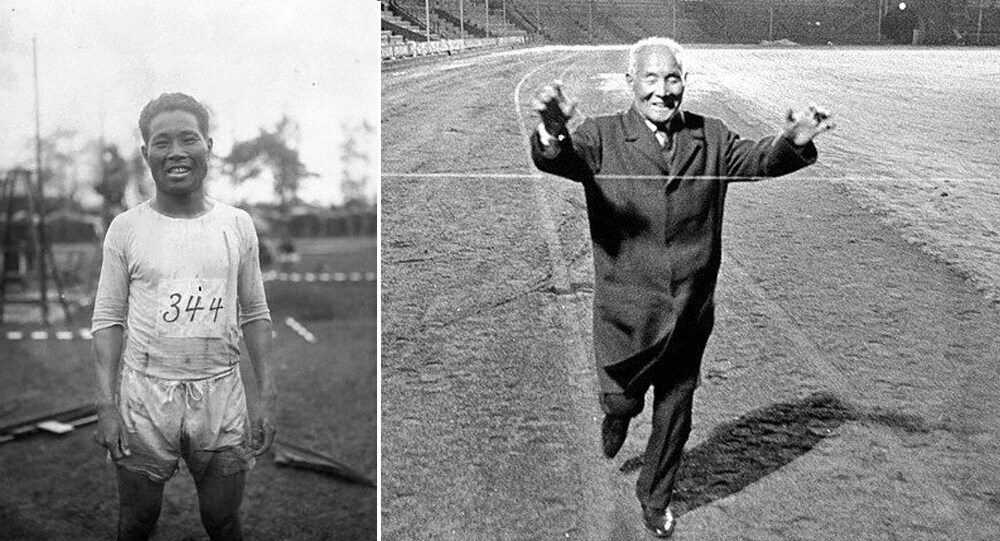
Shizo Kanakuri’s 1912 Olympic Marathon Finished 54 Years
At the 1912 Olympics, a marathon runner quit and went home to Japan without telling officials and was considered a missing person in Sweden for 50 years. In 1966, he was invited to complete the marathon. His time: 54 years, 8 months, 6 days, 5 hours, 32 minutes, and 20.379 seconds.
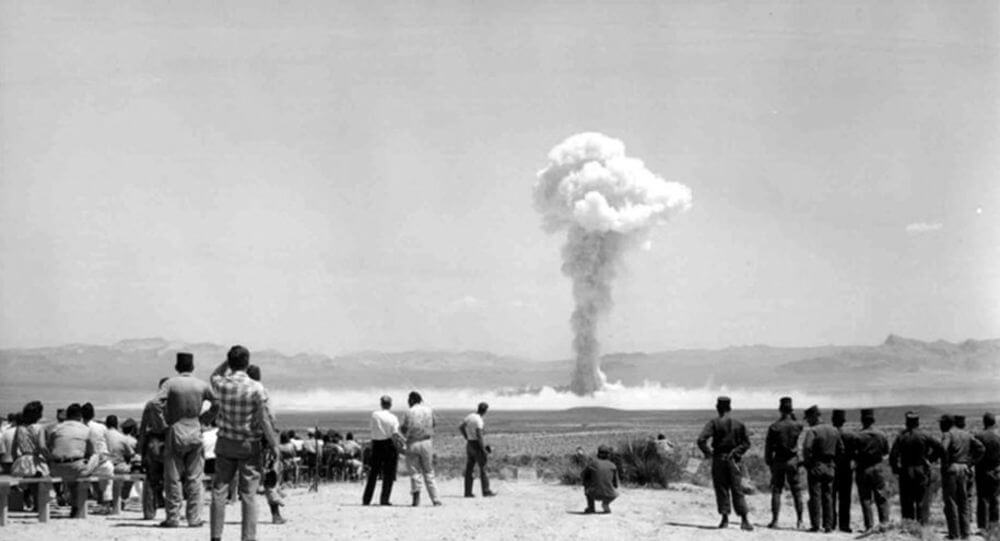
Atomic Tourism: In the 1950s, nuclear tests in Las Vegas served as a draw for tourists
Between 1950 and 1960, Las Vegas offered “Atomic Tourism” in which guests could watch atomic bombs being tested in the desert as a form of entertainment.

The Day an Israeli F-15 Landed with One Wing: Zivi Nedivi’s Unbelievable Mid-Air Survival
Discover the astonishing true story of Israeli pilot Zivi Nedivi, who safely landed an F-15 after a mid-air collision tore off its entire right wing. Learn how skill, quick thinking, and the F-15’s unique design turned a disaster into a legendary feat in aviation history
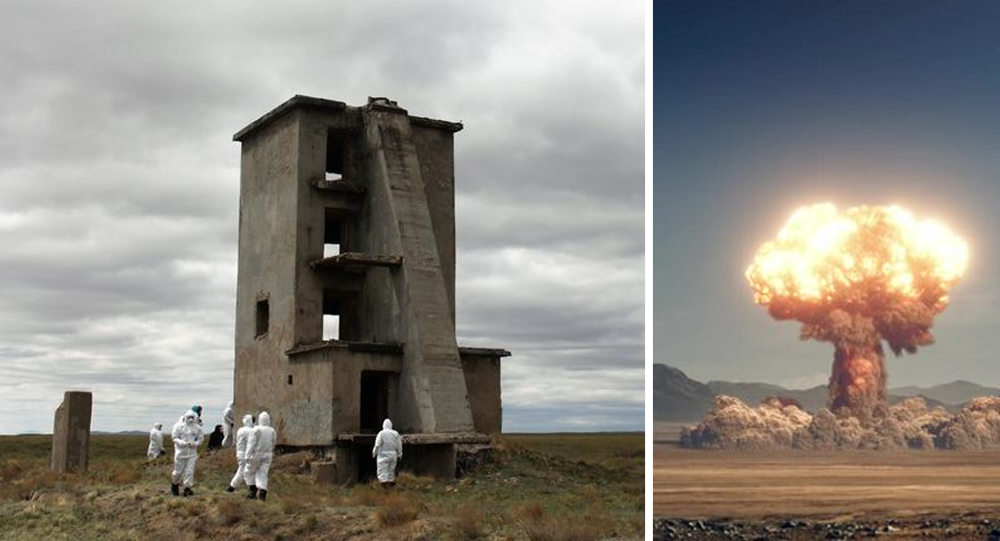
The Forgotten Story of Semipalatinsk and the Soviet Nuclear Experiments
Between 1949 and 1989, the Semipalatinsk Test Site in Kazakhstan became the primary location for Soviet nuclear weapons tests, exposing millions of unsuspecting villagers to radioactive fallout. Known as the “Polygon of Suffering,” this remote desert witnessed 456 nuclear detonations that caused widespread health crises, birth defects, and generational genetic damage. This article narrates the chilling legacy of Semipalatinsk, unveiling the human cost of Cold War arms development and the ongoing struggle for healing and recognition in Kazakhstan.

Roller Coasters were First Invented to Distract People from sin
Roller coasters were invented to distract Americans from sin. In the 1880s, hosiery businessman LaMarcus Thompson didn’t like that Americans were going to places like saloons and brothels and created the first roller coaster on Coney Island to persuade them to go there instead.
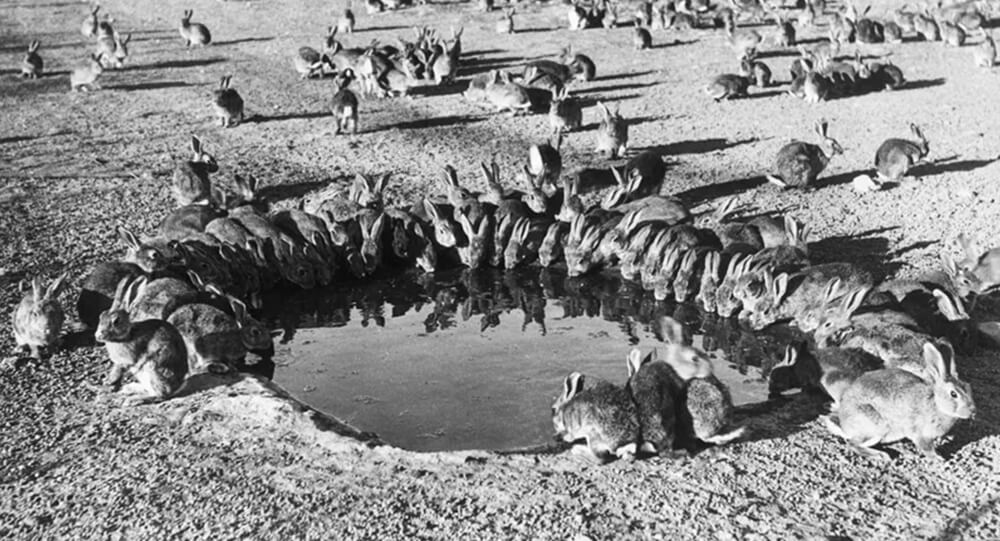
How European Rabbits Took over Australia
In 1859, wealthy settler Thomas Austin released 13 wild rabbits on his Australian estate. By 1920, their population grew to 10 billion.
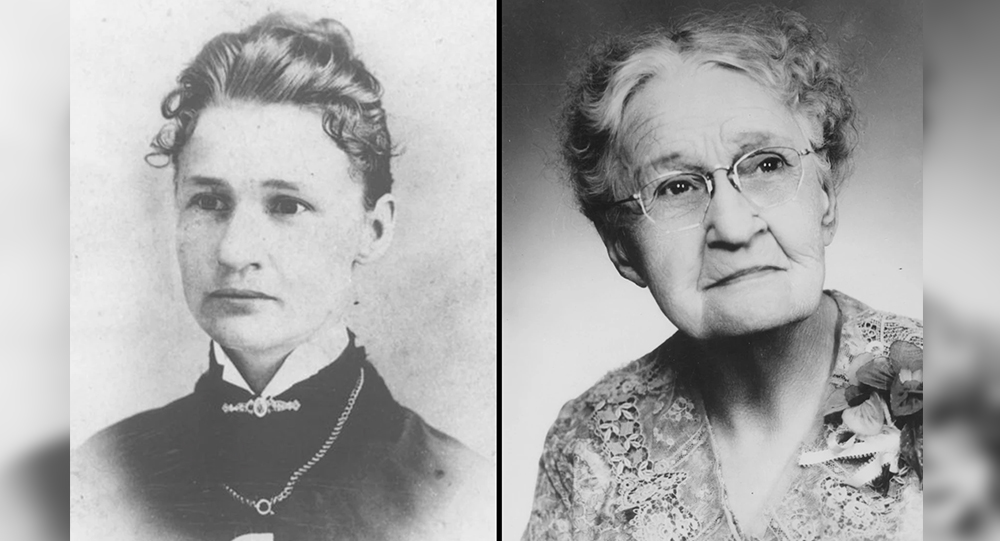
Susanna Salter: The Trailblazing Story of America’s First Female Mayor
In 1887, Susanna Salter became the first female mayor in the United States, elected in Argonia, Kansas. Her nomination was initially a prank by men opposing women in politics. However, she won by a landslide and served effectively, inspiring the women’s suffrage movement and breaking barriers for women in leadership.


Why This Belgian Bar Makes You Trade Your Shoe for a Beer
To prevent tourists from stealing their beer glasses, some bars in Belgium require people to hand over one of their shoes as a deposit which is then put in a basket and hung from the ceiling. These shoe baskets have also become an attraction.

Ancient Jericho: The First Walled City In History
The ancient city of Jericho is the world's oldest walled city, with evidence of stone fortifications dating back nearly 9000 years.
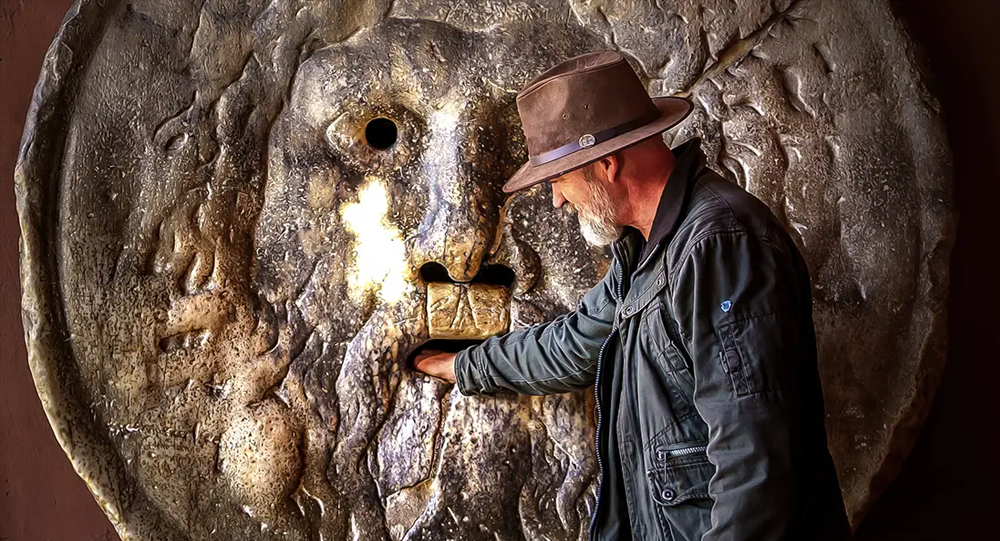
The Mouth of Truth: Ancient Rome’s Legendary "Lie Detector" That Bit Off Hands
Discover the chilling legend of the Mouth of Truth (Bocca della Verità) in Ancient Rome—a massive carved stone face believed to bite off the hand of anyone who lied while inserting their hand into its gaping mouth. Uncover the truth behind its eerie reputation and how this ancient artifact became a symbol of honesty and fear.
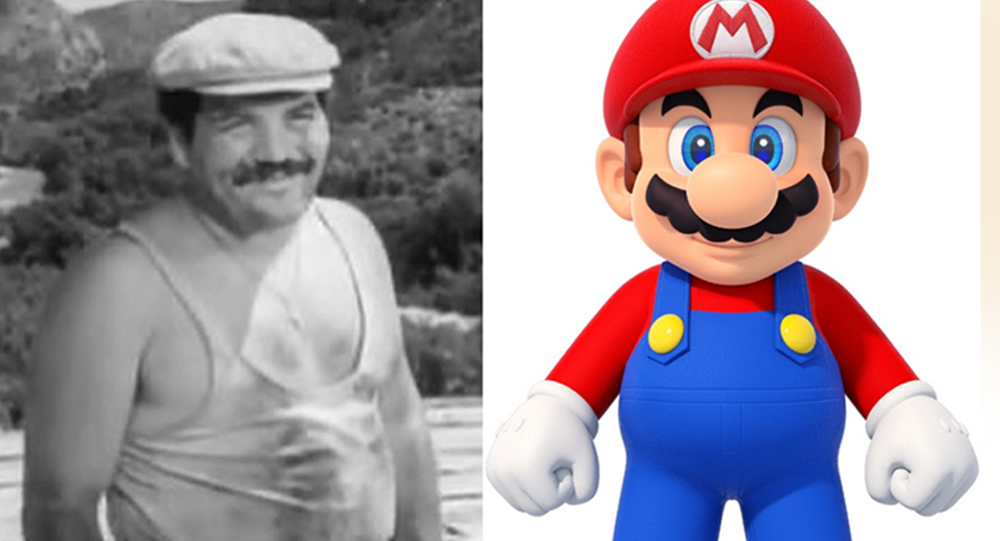
Mario Segale, Developer Who Inspired Nintendo to Name Super Mario
Super Mario is named after real-life businessman Mario Segale, who was renting out a warehouse to Nintendo. After Nintendo fell far behind on rent, Segale did not evict them but gave them a second chance to come up with the money. Nintendo succeeded and named their main character after him.
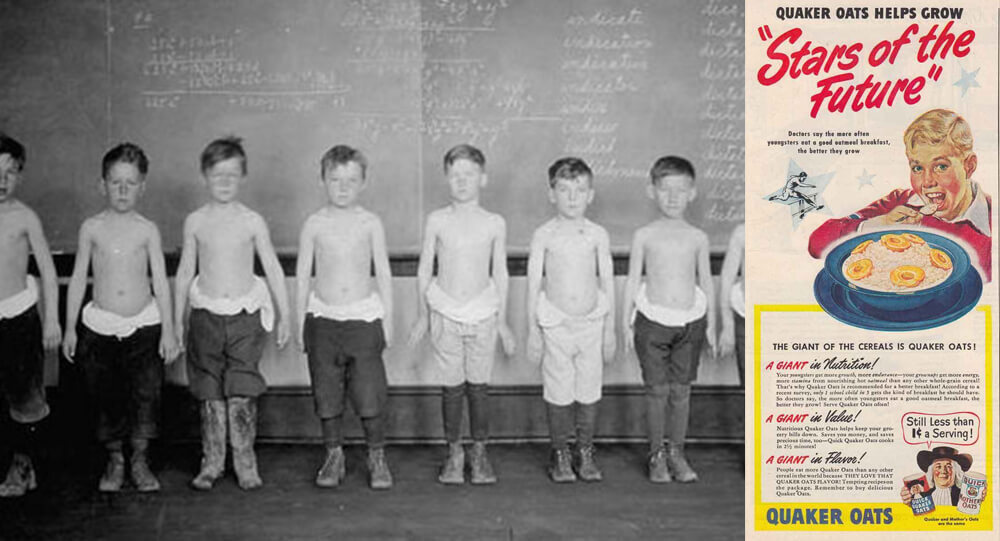
Quaker Oats Fed Children with Radioactive Oatmeal
In the 1940s and 1950s, Quaker Oats and MIT conducted experiments on radioactive iron and calcium-containing cereal. The diet was part of a study to see if the nutrients in Quaker oatmeal traveled throughout the body. In January 1998, a $1.85 million settlement was reached for 30 victims who came forward.
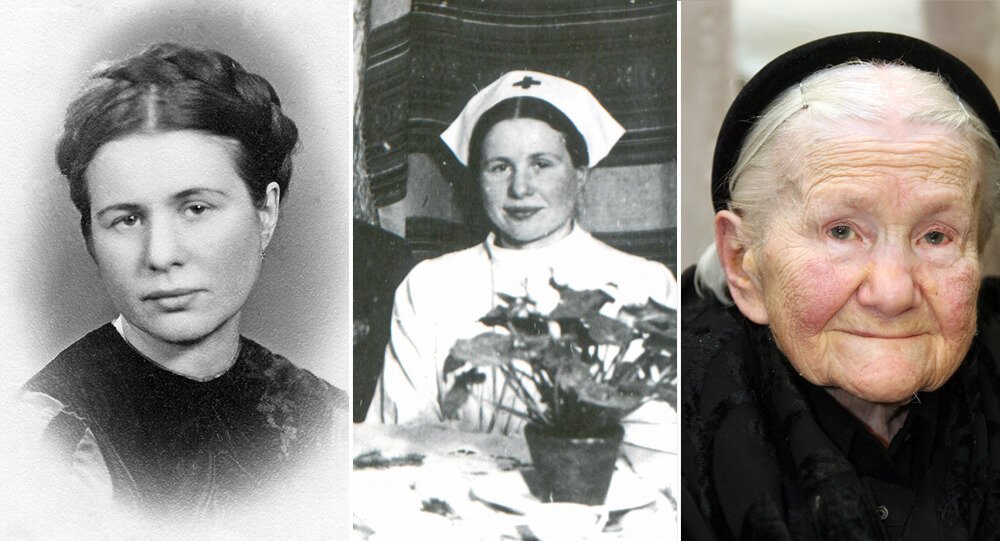
Irena Sendler: woman who rescued Jews during holocaust
Irene Sendler was the Zegota resistance group's head of the children's department. She risked her life to smuggle children out of the Warsaw ghetto, place them with Polish families or orphanages, give each child a new identity, and keep records so that they could be returned to their families. In 1943, the Gestapo arrested and sentenced her to death, but she was rescued by Zegota.

The youngest person executed, George Stinney Jr was proven innocent
In 1944, George Stinney Jr. was 14 years old when he was executed in South Carolina. It took only ten minutes to convict him — and 70 years to exonerate him.
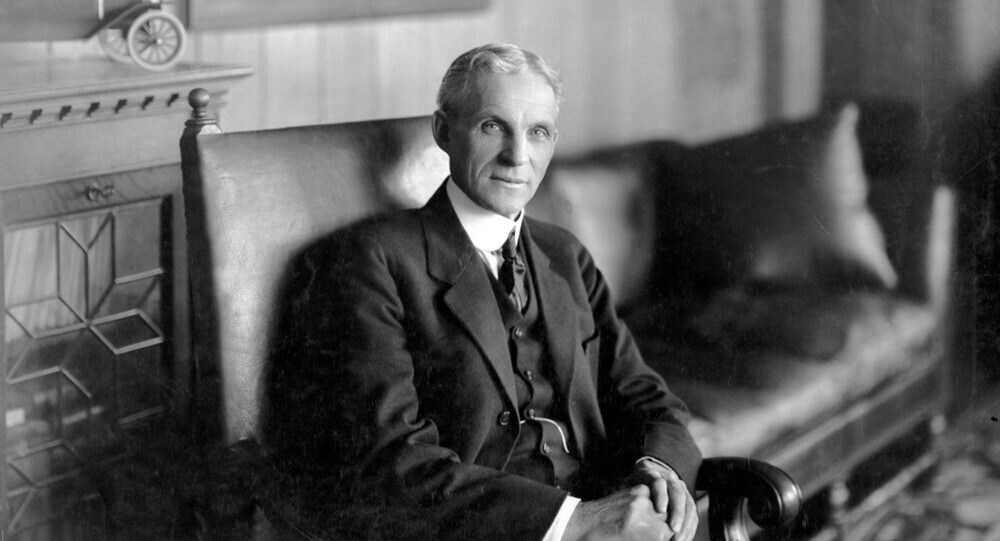
Henry Ford, The man popularizing the concept of the weekend off
Henry Ford was the first Industrial Giant to give his employees both Saturday and Sunday off in the hope of encouraging more leisurely use of automobiles and thus popularizing the concept of the "weekend."
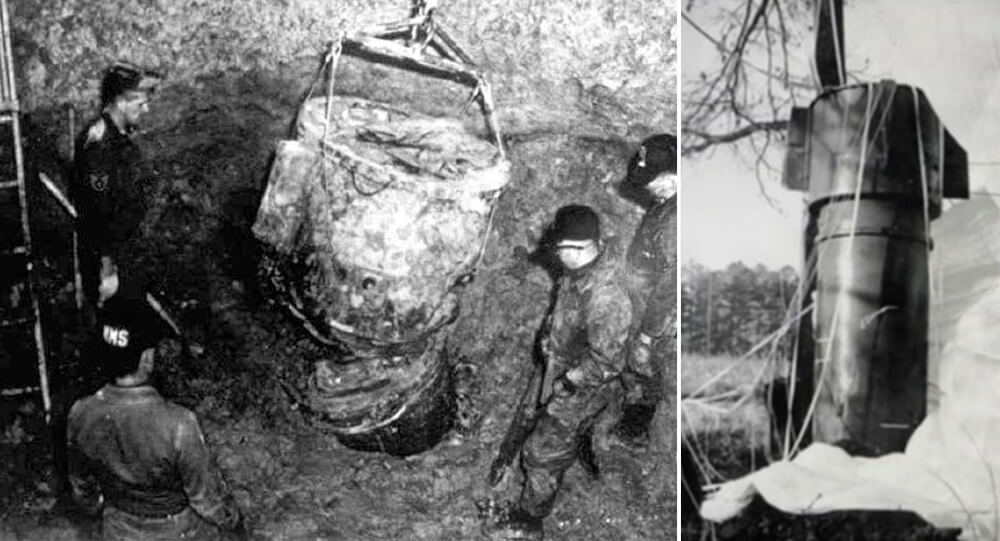
Nuclear bomb accidentally dropped on North Carolina in 196
4 January 1961: The 4241st Strategic Wing's Boeing B-52G-95-BW Stratofortress, serial number 58-0187, was on a 24-hour airborne alert mission off the United States' Atlantic Coast.
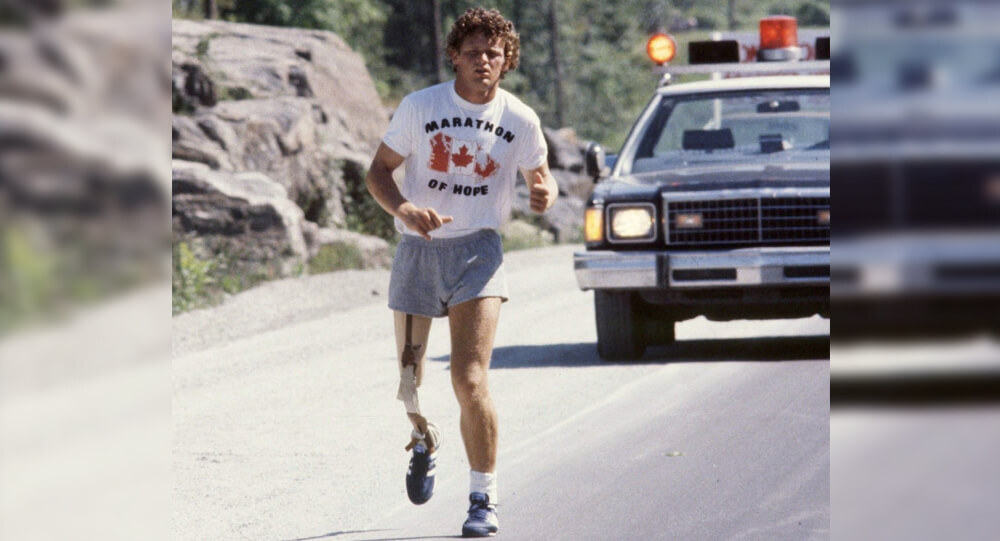
Terry Fox, a 21-year-old one-legged cancer patient who ran 143 days before dying
Terry Fox was a 21-year-old one-legged cancer patient who ran 3,339 miles across Canada in 143 days before dying.
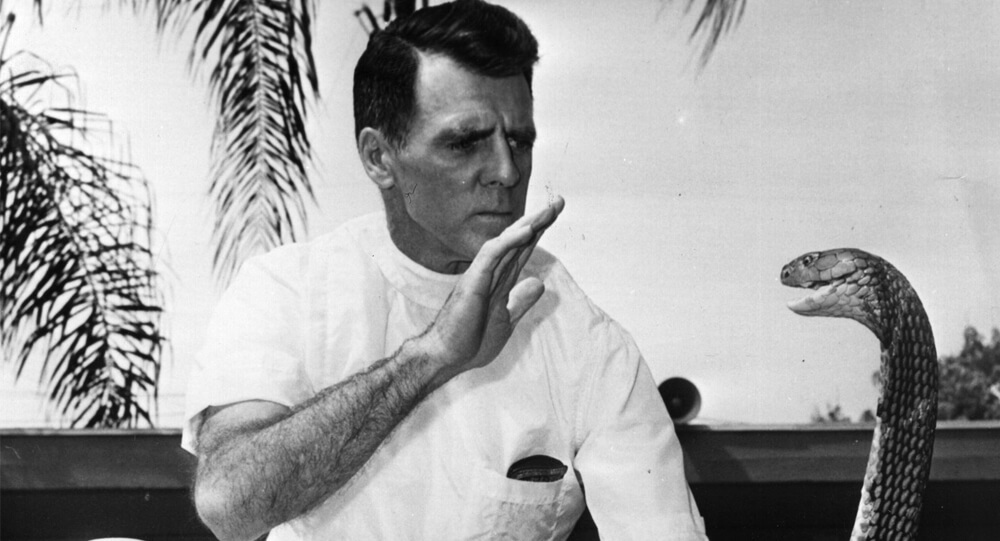
The story of Bill Haast, who lived to be 100 despite his extensive snake venom injections
Bill Haast immunized himself by injecting snake venom into his blood for several years. He holds the Guinness World Record for surviving the most lethal snake bites, having been bitten over 172 times. Bill became known as "Snake Man" around the world and lived for over 100 years.
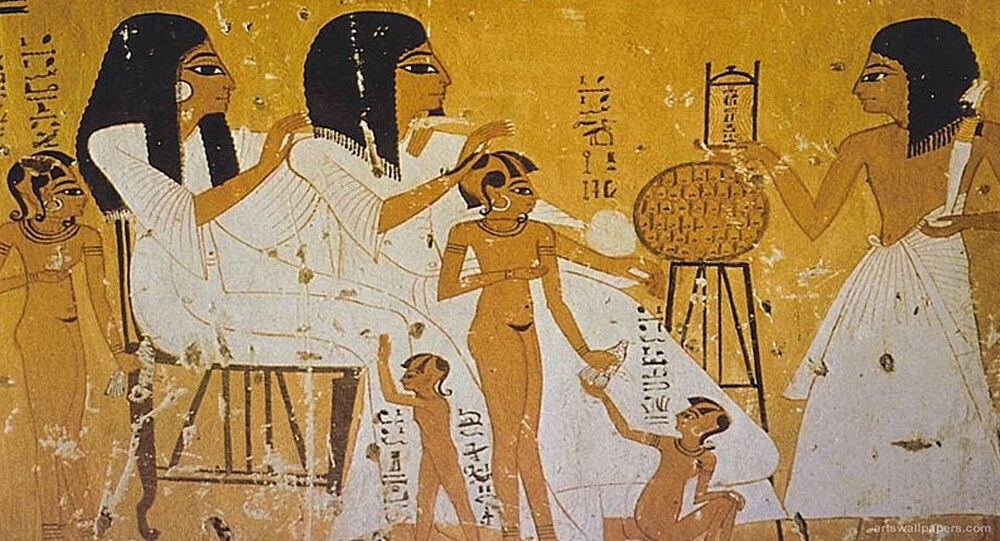
Ancient Egyptians Had Pregnancy Tests Over 3500 Years Ago
The ancient Egyptians used a pregnancy test that involved potentially pregnant women peeing on barley and wheat seeds. Plant growth indicated pregnancy: barley for a boy and wheat for a girl. Later tests revealed that pregnant women's urine causes plant growth 70% of the time, whereas non-pregnant women's urine does not.
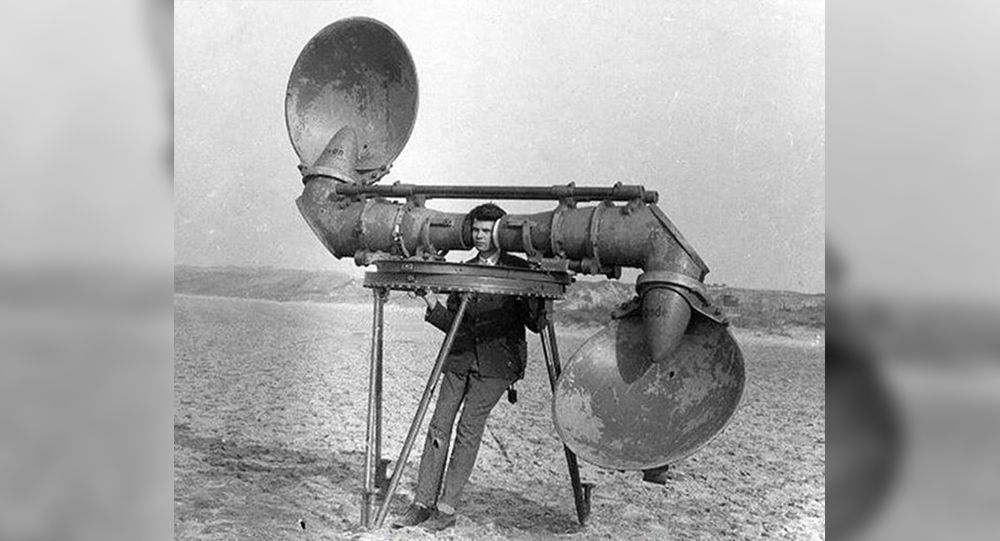
Before Radar: How Giant Acoustic Mirrors Detected Enemy Aircraft in WWI and WWII
Long before radar revolutionized air defense, enormous acoustic mirrors and specialized sound locators stood as the first line of defense against enemy aircraft. Designed as giant “ears,” these structures amplified distant engine noises, allowing operators to detect incoming planes by sound alone. Dive into the intriguing world of these pioneering listening devices, their operation, limitations, and enduring legacy in military history.
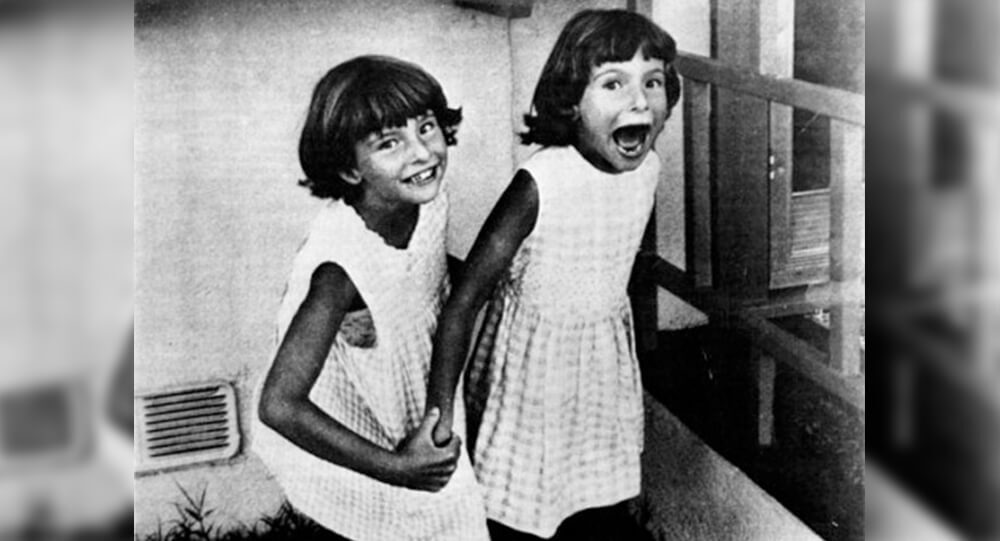
Poto And Cabengo: The Secret Language Of Twins
Poto and Cabengo, as the two girls called each other, communicated in their own language. The twins were ignored by their parents and secluded from the outside world because their father felt they were developmentally retarded, and their unique language evolved as a result of that neglect.
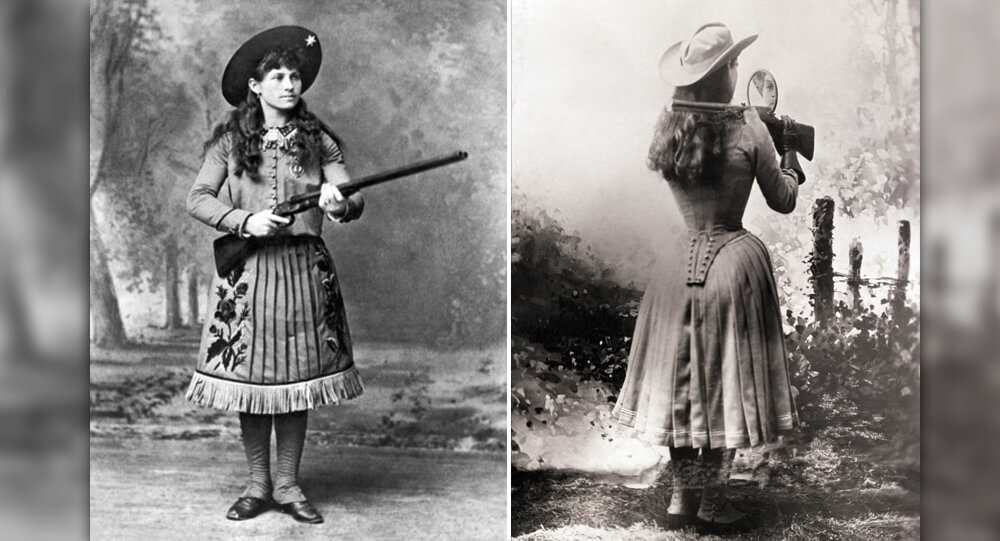
The true story of Annie Oakley, legendary sharpshooter
Anne Oakley was such a good shooter that she could split a playing card help edge-on, hit dimes thrown into the air, shoot cigarette from her husband's lips, and pierce a playing card thrown into the air before it hit the ground.