
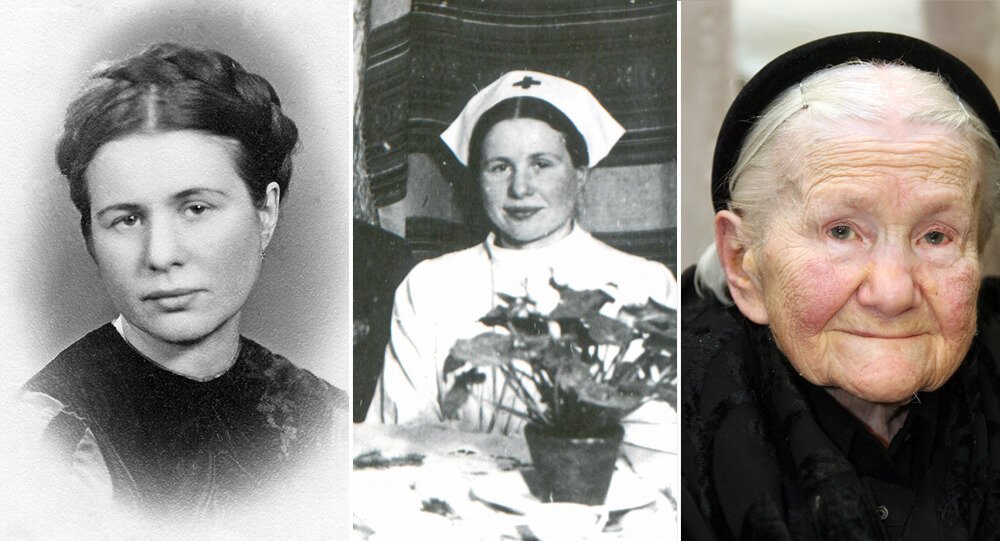

Irena Sendler: woman who rescued Jews during holocaust
Polish social worker, nurse, and head of the children’s division for the Council for Aid to Jews, Zegota, Irena Sendler (an underground resistance group during WWII). She has received the Jan Karski for Valor and Courage and been named a Righteous Among the Nations by Yad Vashem.
Irena Sendler, a humanitarian with a remarkable life story, saved the lives of several Jews during World War II. She is, to put it mildly, an inspirational figure. This essay will examine the life of this important person and her contribution to the Holocaust.
Early life
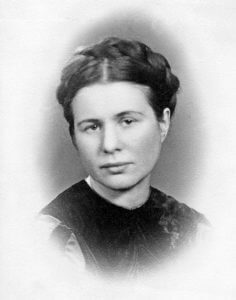
Irena Sendler, also known as Irena Kryzyzanowski at the time of her birth in Warsaw on February 15, 1910, was the child of Janina and Dr. Stanislaw Kryzyzanowski. Irena was raised in Otwock, a nearby town, even though she was born and raised in Warsaw.
When Irena was just seven years old, her father, Dr. Stanislaw Kryzyzanowski, passed away from typhus that he caught while caring for patients. Stanislaw had a significant influence on Irena’s life values despite passing away when she was very young. She said that her father “taught me that if you see a person drowning, you must jump into the water to save them, whether you can swim or not.”
Irena was able to study Polish literature at Warsaw University thanks to the financial support of numerous Jewish community leaders who assisted with Stanislaw’s studies after his passing.
Irena disapproved of the ghetto bench arrangement that had been put in place in various institutions before the war while she was a student. She responded by damaging her grade card, for which reason the university suspended her for three years.
This was the first of Irena’s demonstrations against Jewish discrimination, but it was also the start of her work as a humanitarian, defending the lives of Jews throughout the Holocaust.
How Did Irena Sendler Help During the War?
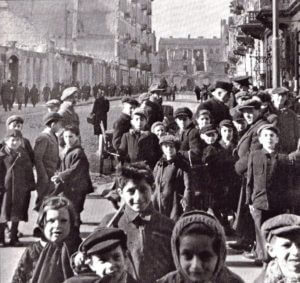
Irena began assisting the city’s Jews by giving them food and drink as soon as World War II began, when the Germans conquered Warsaw, the city where she was born. Irena was unable to reach individuals in need of her help after the city’s ghetto was constructed. She then began to think of further ways to assist.
When the Warsaw Ghetto was created in the year 1940, Irena began to smuggle orphaned kids out of the area. She gained entry to the Warsaw Ghetto and access to the orphaned children who lived there by using her position as a social worker and paperwork from a Contagious Disease staffer (who later joined the underground group Zegota).
following the creation of the Provisional Committee for Aid to Jews (Zegota), an underground Polish resistance organization, in 1942. Irena was shortly named the division’s head for children. Irena and her group at Zegota assisted in the evacuation of some 2,500 Jewish kids from the Warsaw Ghetto. Irena’s team would remove kids from the ghetto using four basic methods, which are as follows:
- through an outdated courthouse close to the ghetto.
- Escape via underground tunnels, like the sewer.
- conceal in a bag of luggage before being rolled out by a trolley.
- via ambulance, concealed under stretchers, pretending to be ill or actually being sick.
Those who were saved were distributed to a variety of orphanages and religious organizations that took in disadvantaged kids. Irena utilized her connections to various locations to bring the kids in under false pretenses. Religious institutions in and near Chotomow, Turkowice, and Lublin, as well as the Rodzina Marii Orphanage, were some of the main locations these kids were transported into.
Why Was Irena Sendler Imprisoned?
Irena was detained on October 20th, 1943, and then taken to Piawiak jail. Irena gave the interrogators false information while she was being tortured to learn more about the other Zegota members. Irena was eventually given a death sentence, but she was spared from execution because other Zegota members paid off jail guards to help her escape.
Nazi officials amusingly reported the day after Irena’s escape that she had been shot, placing posters with this fake information all throughout Warsaw. Irena spent the remainder of the war in hiding before beginning to try to find the parents of the kids she had saved. Sadly, almost all of these parents had perished in the Holocaust.
Later Life
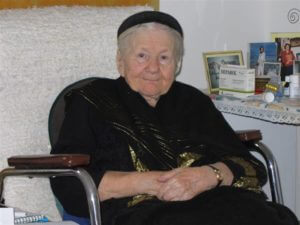
Irena continued working as a social worker after the war was over. She received various honors for her exceptional bravery and courage, including the Jan Karski Award for Valor and Courage and the Righteous Among the Nations from Yad Vashem, which were also mentioned above. Irena has also been nominated for the Nobel Peace Prize and received Poland’s Order of the White Eagle in addition to these accolades.
The remainder of Irena’s life was spent receiving care from Elzbieta Ficowska in Warsaw. Irena sneaked Eizbieta, who was six months old at the time, out of the city’s ghetto.
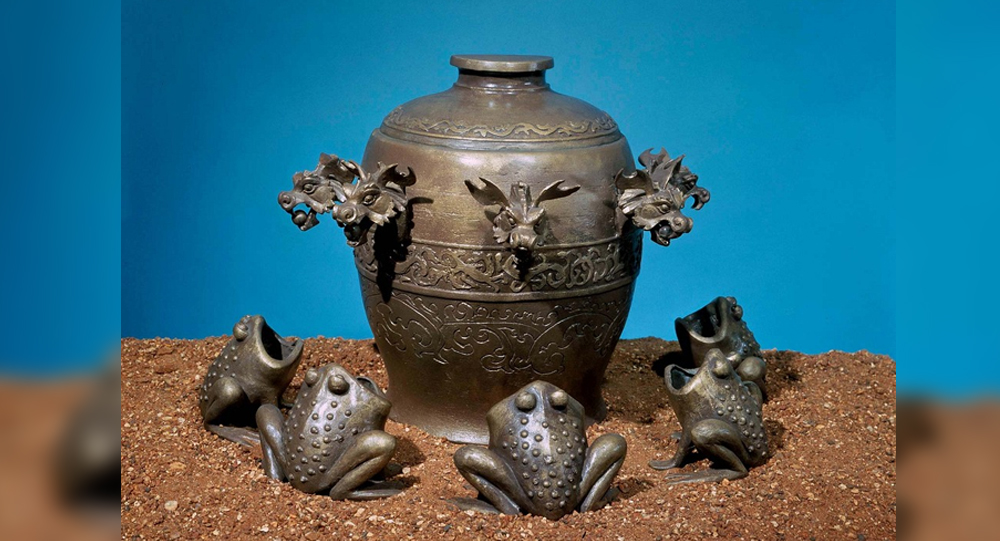
The World’s First Seismograph: How Ancient China Detected Earthquakes 1,800 Years Ago
Over 1,800 years ago, long before modern technology, the ancient Chinese astronomer and inventor Zhang Heng created the world’s first seismograph in 132 AD. This ingenious bronze device could detect distant earthquakes by releasing small balls from dragons’ mouths into toads’ mouths—each indicating a different compass direction. Its historic detection of an earthquake 400 miles away astonished the imperial court and transformed the way societies understood and responded to seismic events.

Tunnels Dug by ancient giant sloths, A South American Megafauna
For years, scientists didn’t know what caused mysterious cave networks in South America. In 2010, they learned that the caves were actually tunnels dug by ancient giant sloths
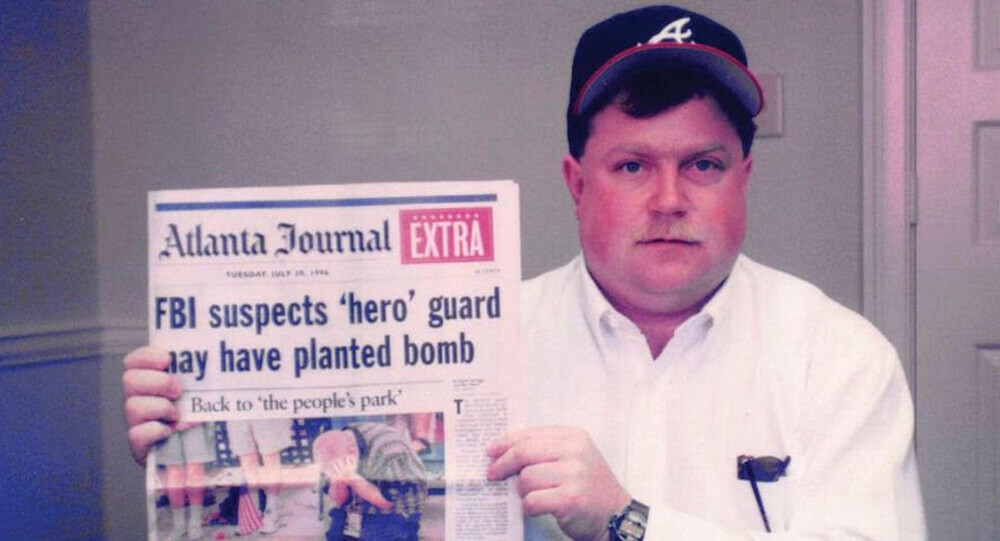
During the 1996 Olympic bombing, Richard Jewell falsely accused of committing the crime after saving dozens of people
Richard Jewell, an American security guard, discovered a bomb during the 1996 Olympic Games in Atlanta and assisted in the evacuation, but was later wrongfully accused and faced public scrutiny. He was cleared, but it had a lasting impact on him until his death in 2007 at the age of 44.
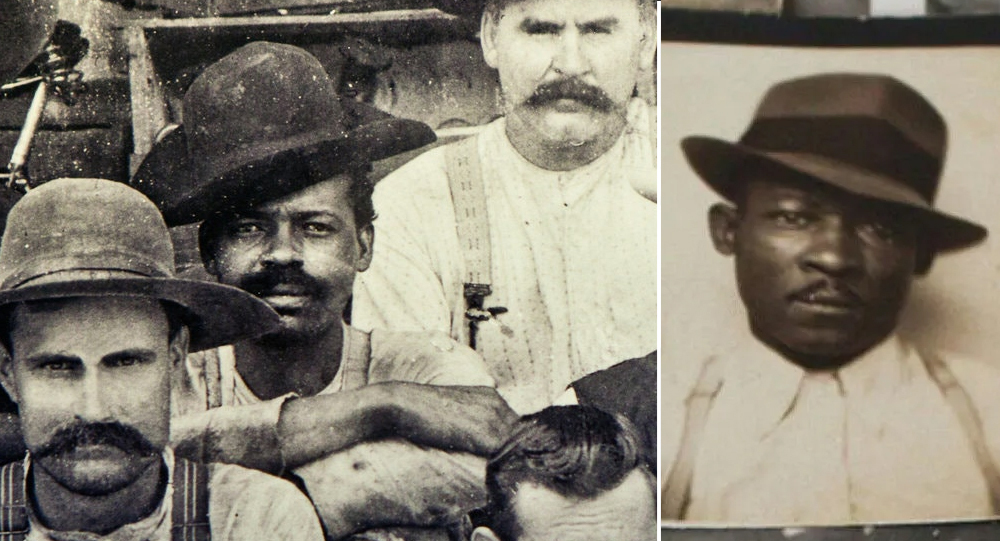
Nearest Green, America's first known Black master distiller
Nathan "Nearest" Green was an African-American head stiller who is now more frequently referred to as a master distiller. He was renowned for imparting his distilling knowledge to Jack Daniel, the creator of Jack Daniel's Tennessee whiskey distiller, after Jack Daniel was freed from slavery following the American Civil War.
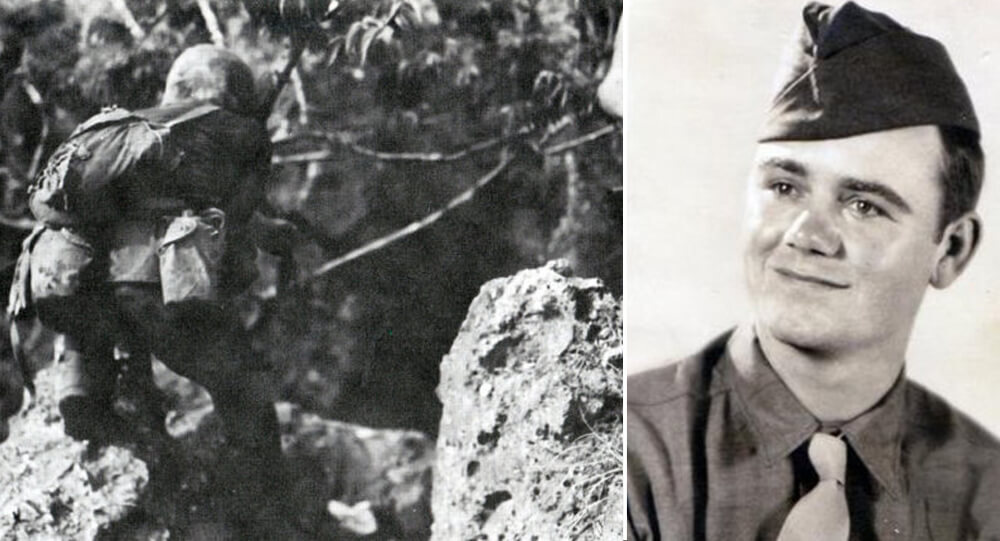
Thomas Baker's heroic act that earned him the "Medal of Honor" was 8 bullets until death
Thomas Baker instructed his team to leave him with a pistol and eight bullets propped up against a tree after he was injured. Later, American troops discovered the now-deceased Baker in the same location, lying next to eight dead Japanese soldiers and carrying an empty pistol.
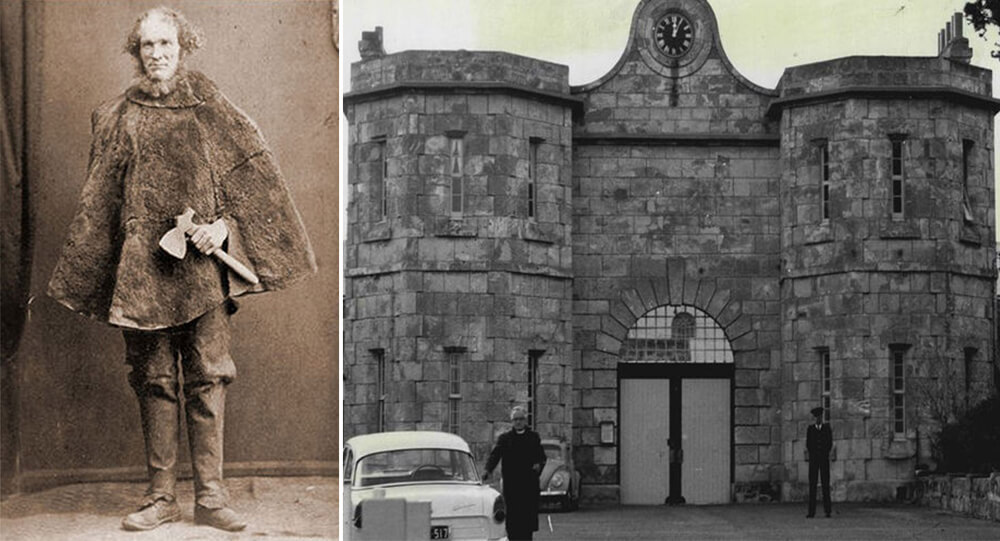
Moondyne Joe: The story of Australia's most notorious prison escapee
A man named Joseph Bolitho Johns (A.K.A Moondyne Joe) broke out of Australian prisons so many times that the police were compelled to build a special cell just for him. He escaped from that as well.
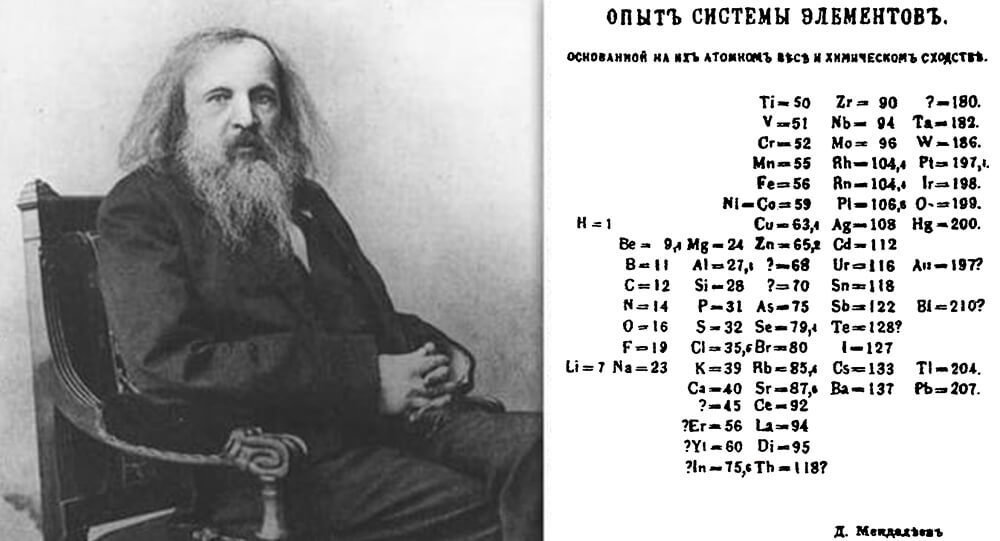
How Dmitri Mendeleev Developed the periodic table of the elements
1850 Dmitri Mendeleev walked almost a thousand miles to Moscow so he could apply for the University of Moscow. Although he was not accepted, he walked to St. Petersburg where he was accepted, And with that education, he developed the the periodic table of the elements

Man's Blood Helped Save Millions of Babies
Australian blood donor James Harrison has been one of our most impressive and valued donors, having donated for 60 years. Know his story, how he was a pioneer of our Anti-D program, and why this matters.

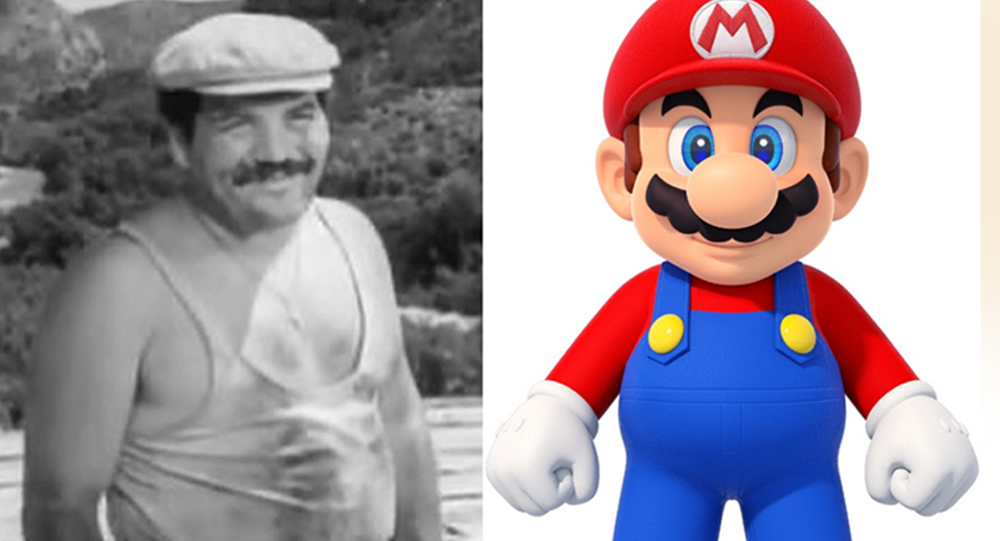
Mario Segale, Developer Who Inspired Nintendo to Name Super Mario
Super Mario is named after real-life businessman Mario Segale, who was renting out a warehouse to Nintendo. After Nintendo fell far behind on rent, Segale did not evict them but gave them a second chance to come up with the money. Nintendo succeeded and named their main character after him.
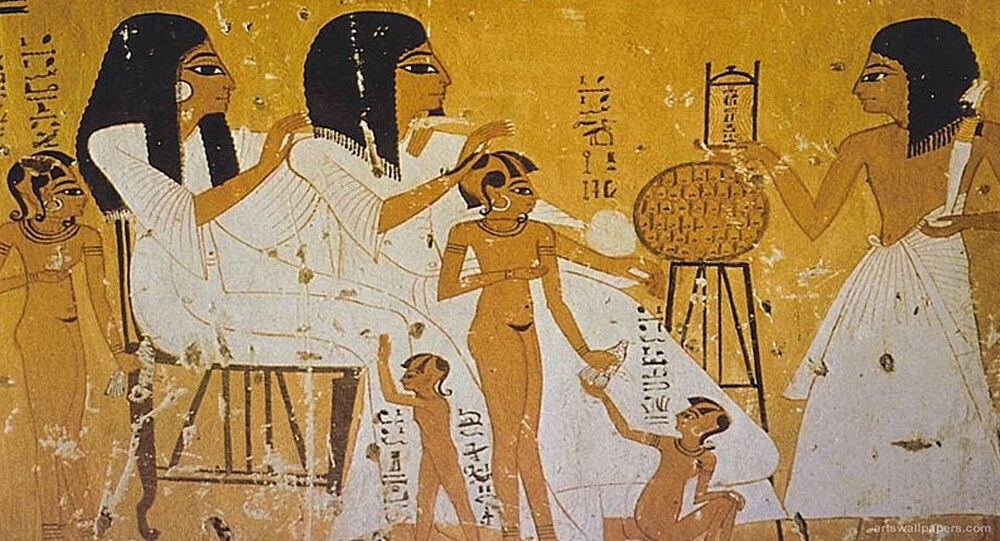
Ancient Egyptians Had Pregnancy Tests Over 3500 Years Ago
The ancient Egyptians used a pregnancy test that involved potentially pregnant women peeing on barley and wheat seeds. Plant growth indicated pregnancy: barley for a boy and wheat for a girl. Later tests revealed that pregnant women's urine causes plant growth 70% of the time, whereas non-pregnant women's urine does not.
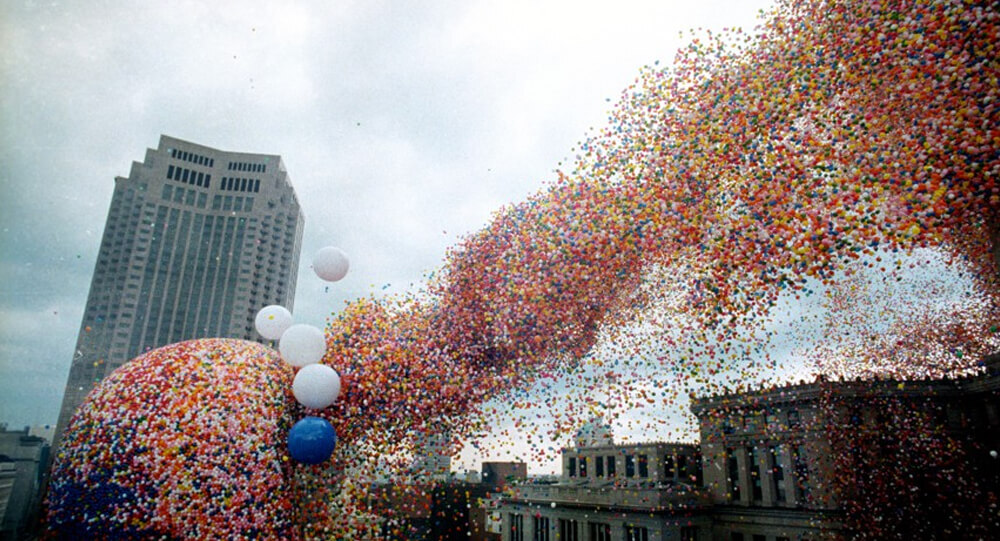
How Cleveland's Balloonfest in 1986 Turned Into a Public Tragedy
In Cleveland, Ohio, United Way broke the world record by deflating nearly 1.5 million balloons as part of a publicity stunt to raise money. The balloon obstructed a US Coast Guard search for two boaters who were subsequently discovered to have drowned, blocked airport runways, and blocked land and waterways.
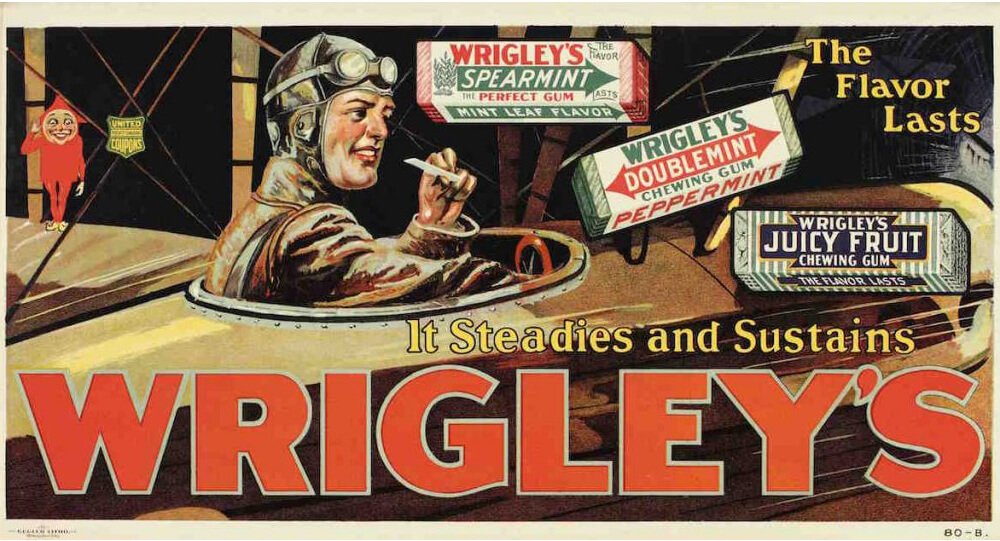
What is the story behind Wrigley chewing gum?
Wrigley's was originally a soap company that gifted baking powder with their soap. The baking powder became more popular than the soap so they switched to selling baking powder with chewing gum as a gift. The gum became more popular than the baking powder so the company switched to selling gum.
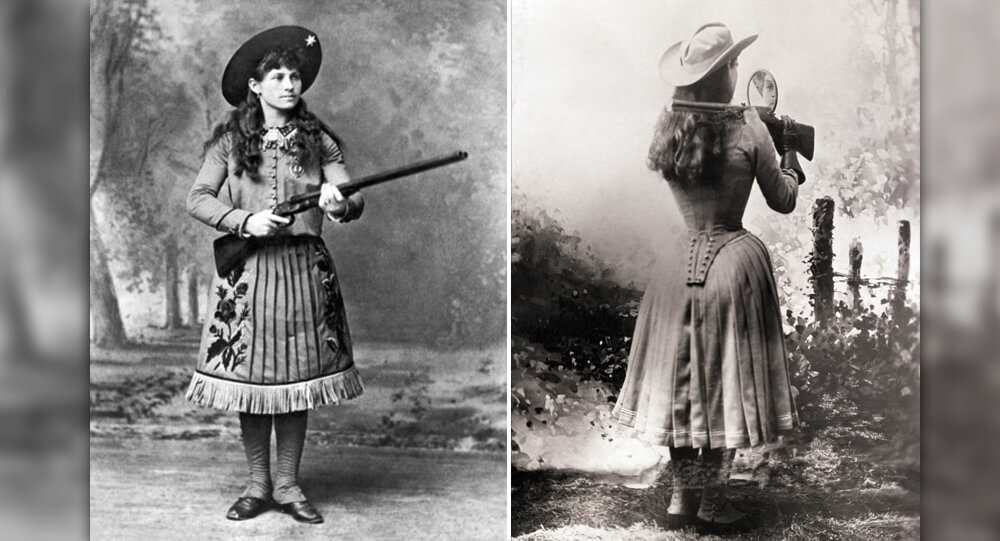
The true story of Annie Oakley, legendary sharpshooter
Anne Oakley was such a good shooter that she could split a playing card help edge-on, hit dimes thrown into the air, shoot cigarette from her husband's lips, and pierce a playing card thrown into the air before it hit the ground.
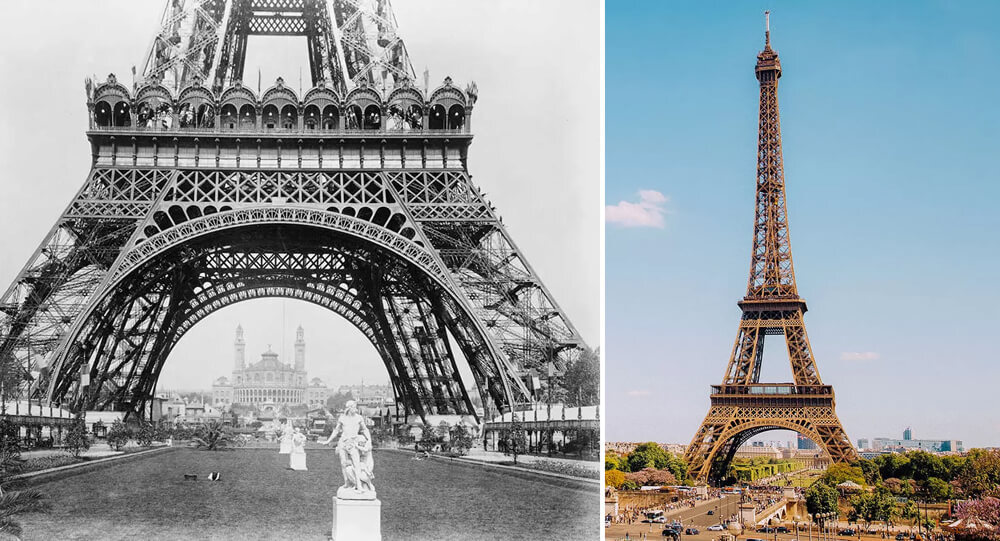
Why was the Eiffel Tower almost demolished
The Eiffel Tower was intended to be a temporary structure for the World's Fair in 1889, but it was nearly dismantled and sold for scrap metal. It was saved because of its potential use as a radio antenna, and it now serves as a tourist attraction as well as a working broadcast tower.
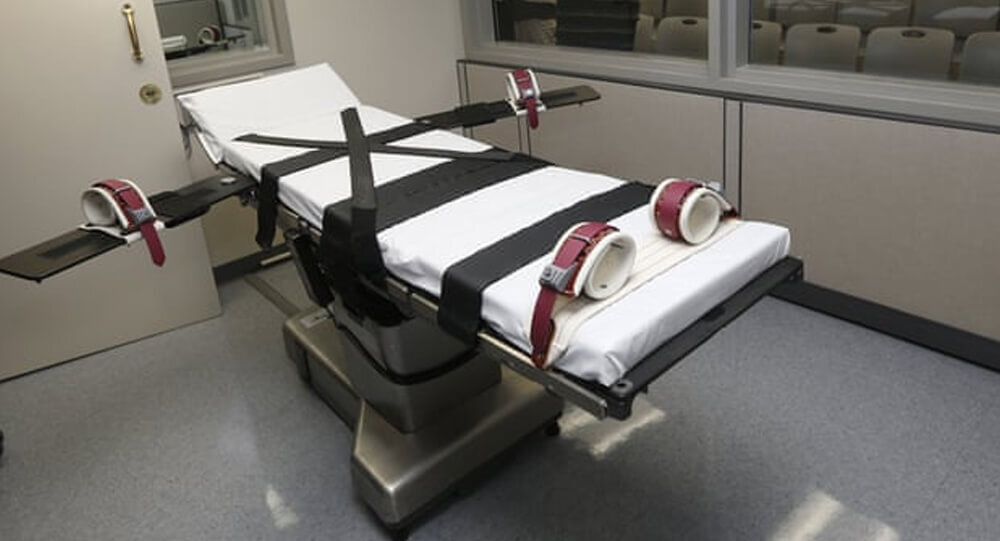
Iranian inmate dies from happiness after finding out he will not be executed
An Iranian man who was convicted of murder reportedly died from happiness after learning that his death sentence was being commuted.
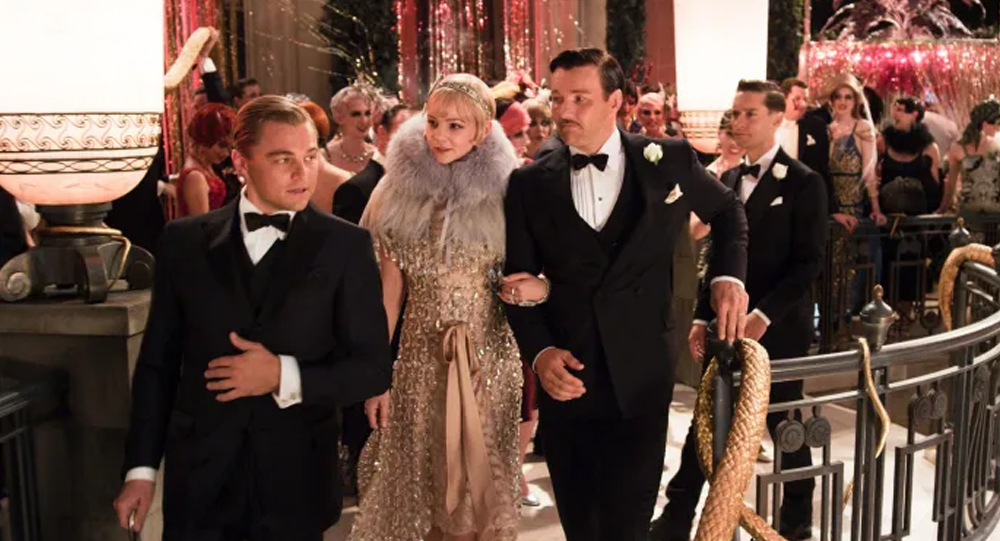
From Flapper to Fashion Week: How 1920s Style Still Shapes Modern Trends
The roaring 1920s revolutionized fashion, introducing bold styles, daring cuts, and a spirit of freedom that still inspires today’s wardrobes. From flapper dresses to statement accessories, here’s how the Jazz Age lives on in modern fashion.
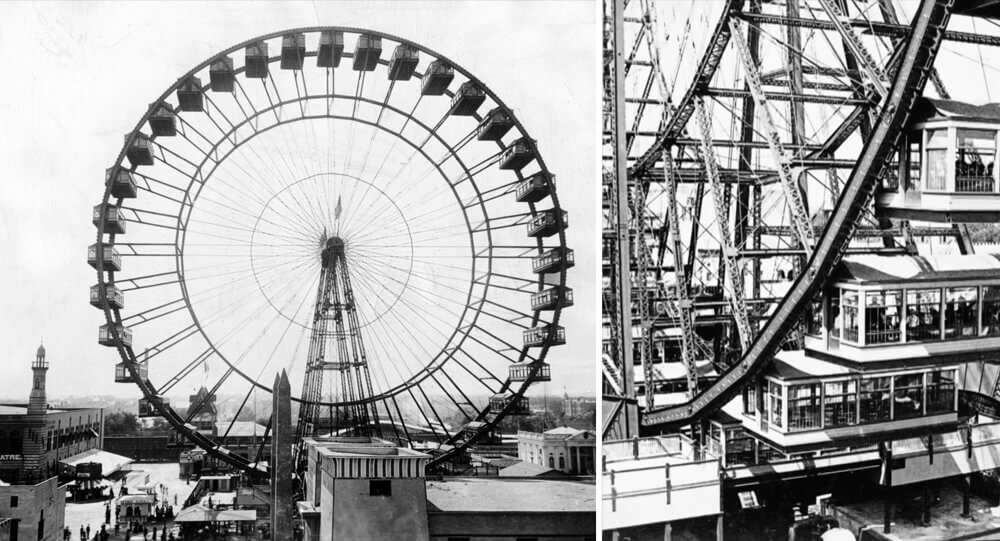
how Ferris wheel invented
In 1891, Chicago challenged engineers to create a structure to surpass the Eiffel Tower for the World's Columbian Exposition. George Washington Gale Ferris jr. responded with the original Ferris Wheel, a giant rotating structure elevating visitors above the city. This invention became an iconic attraction at the fair.
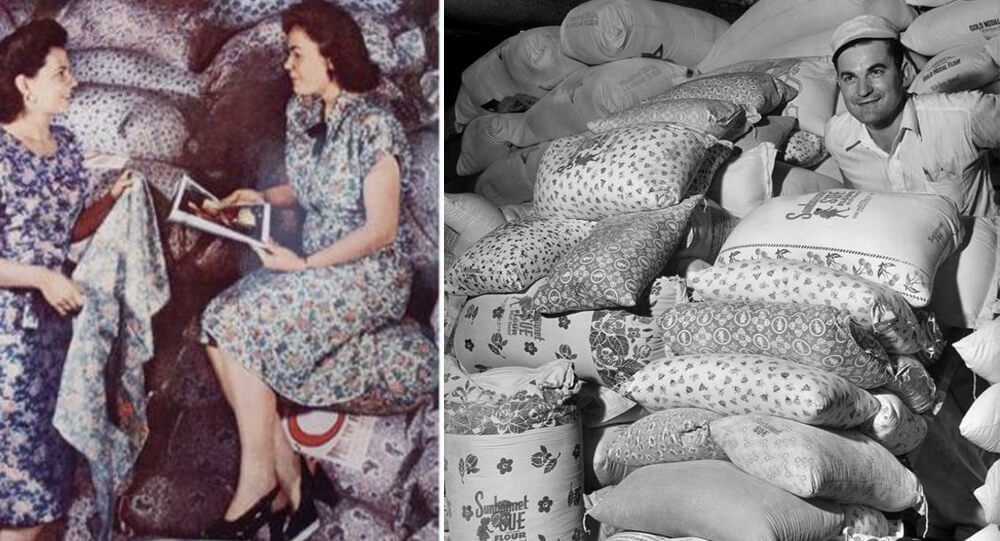
The history of Flour sack clothing fashion
After Kansas mill owners found women reused flour sack materials into apparel in the 1920s and 1930s, they started applying patterned designs to give families with more fashionable patterns and material.
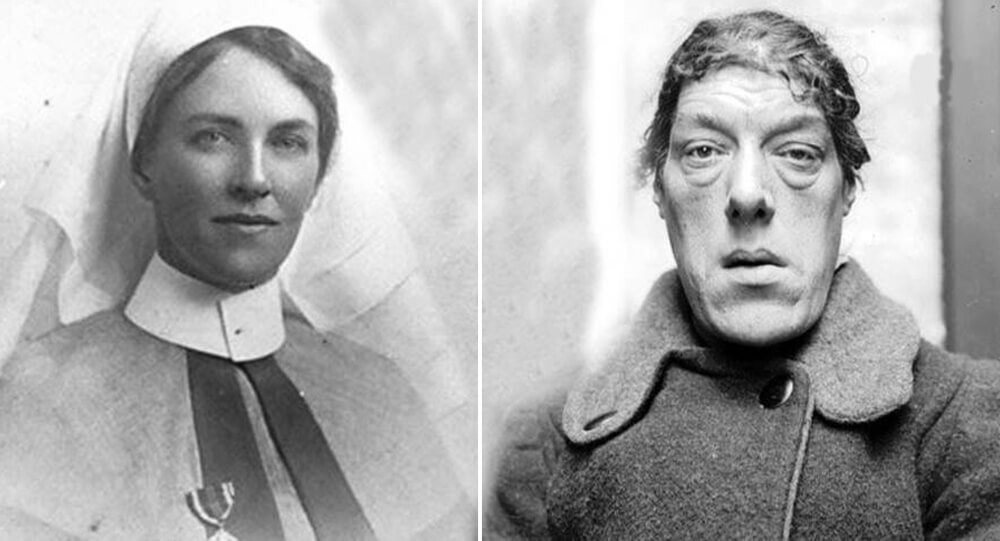
The Tragic Story Of Mary Ann Bevan, The ‘Ugliest Woman In The World’
After the death of her husband, Mary Ann Bevan had no income to support herself and her children. She then decided to enter a contest where she won the title of “ugliest woman” and was later hired by a circus. She endured this ridicule from the world to provide for her family.
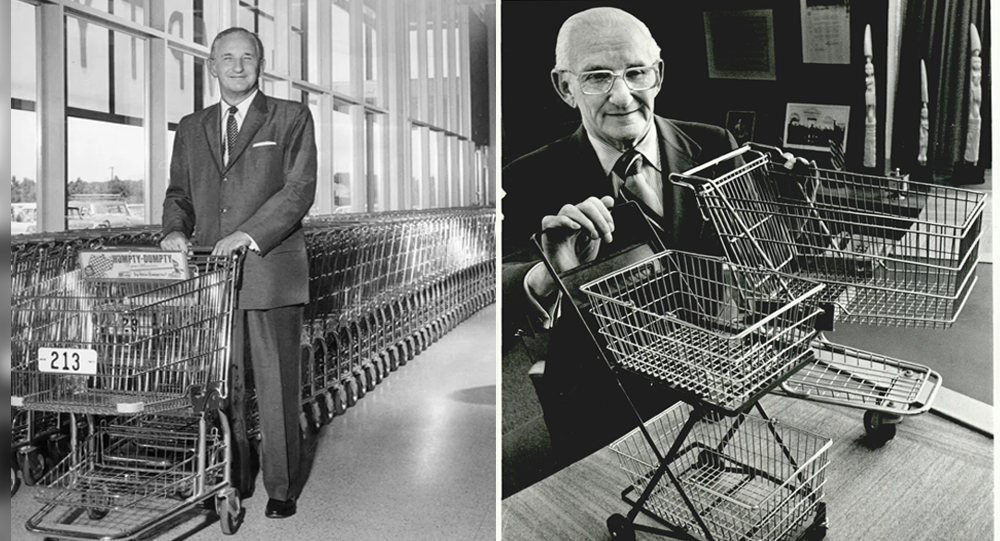
Sylvan Goldman: The Visionary Who Revolutionized Shopping with the Cart
The inventor of shopping carts, Sylvan Goldman, had to hire several male and female models to push carts around in his store, demonstrate their utility, and explain their use to other customers, due to not catching on initially.
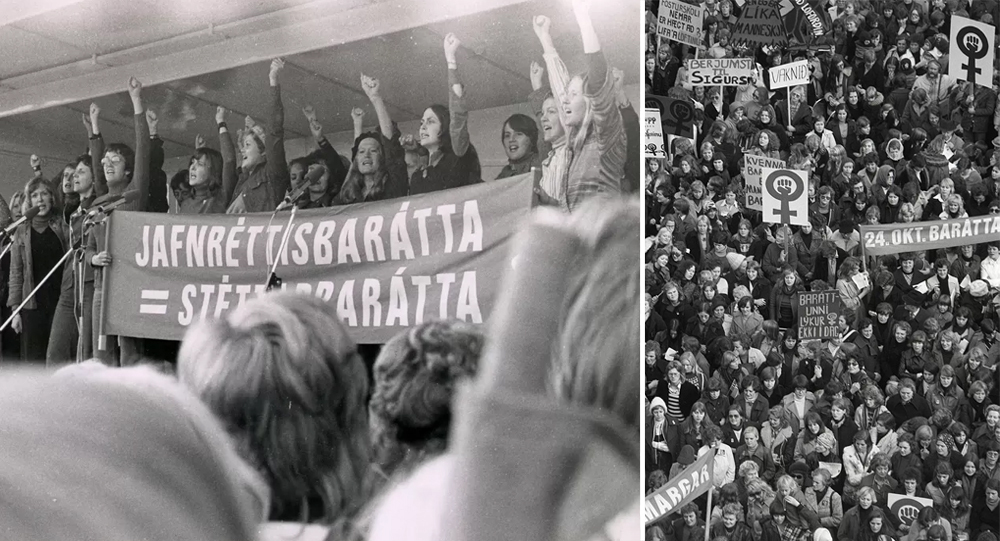
The day Iceland's women went on strike
Icelandic women went on strike for equal rights on October 24, 1975. 90% of women walked out of their jobs and homes, effectively shutting down the entire country. The men were struggling to keep up. The following year, Parliament passed a law requiring equal pay. Iceland elected the world's first female President five years later. Iceland now has the highest gender equality rate in the world.
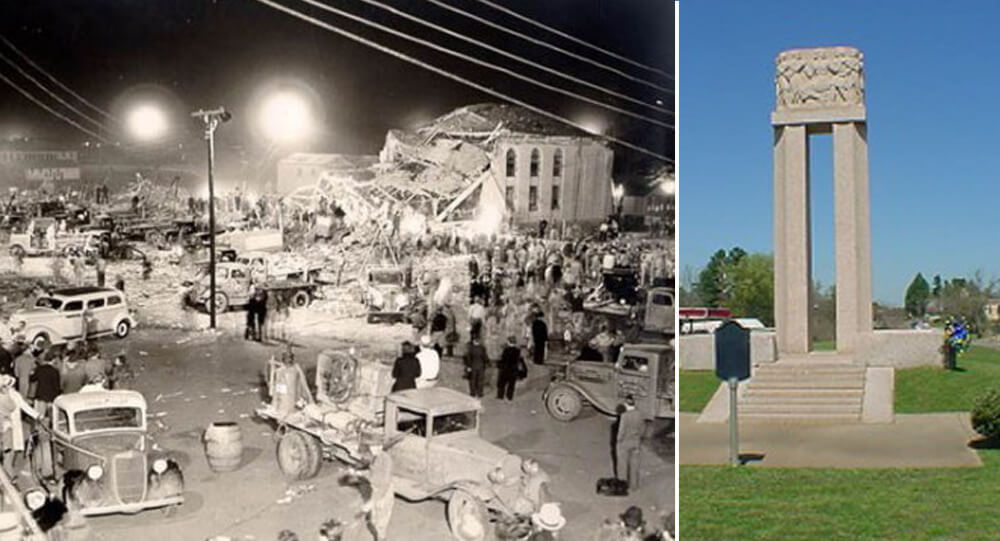
New London School Explosion, Deadliest school disaster which killed almost 300 children and teachers
In 1937, a gas leak in the basement at the local school in New London, Texas caused a massive explosion which killed almost 300 children and teachers, the deadliest school disaster in US history. Adolf Hitler even sent his condolences by telegram.
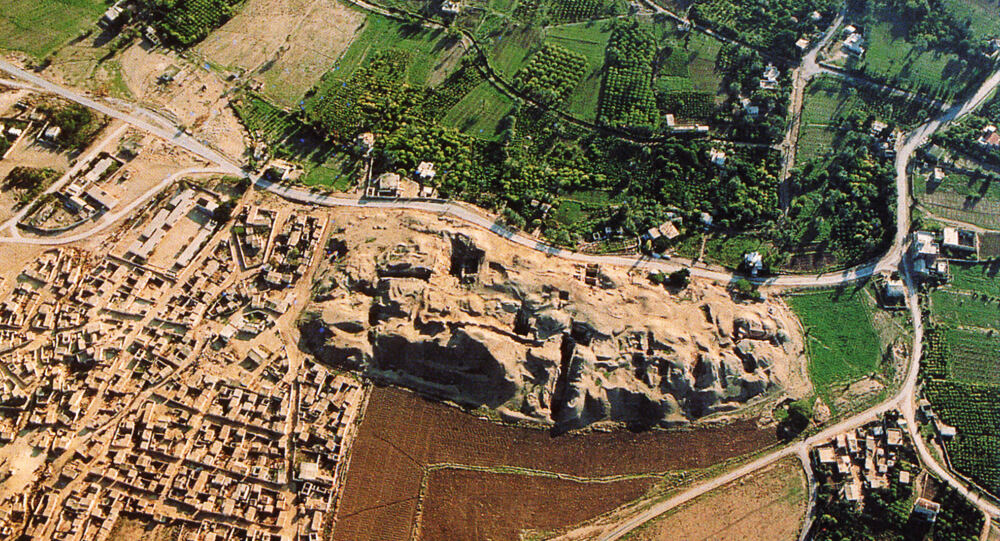
Ancient Jericho: The First Walled City In History
The ancient city of Jericho is the world's oldest walled city, with evidence of stone fortifications dating back nearly 9000 years.
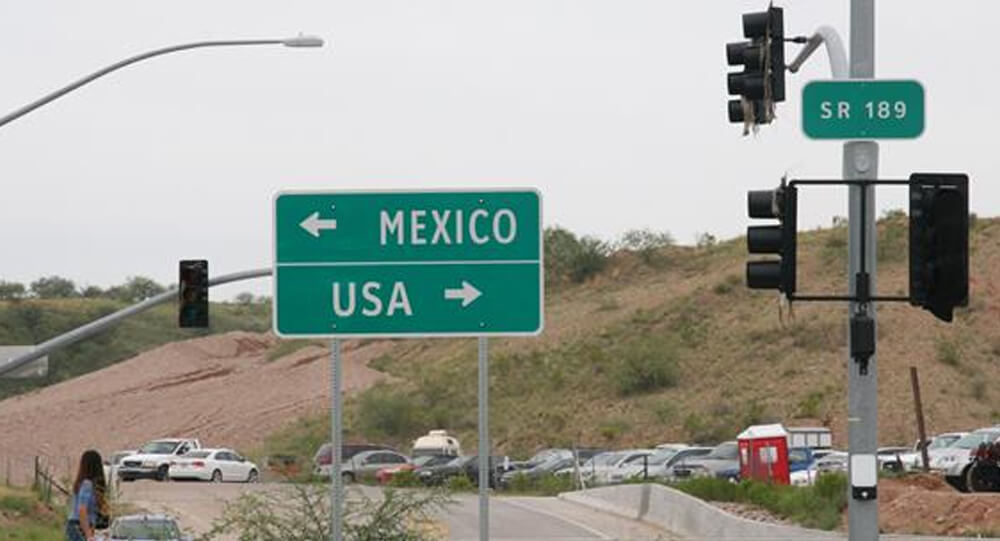
Underground Railroad to Mexico freed thousands of slaves in 1829
Slavery was abolished in Mexico in 1829. Slaves were escaping to Mexico, and slaveholders in the US were aware of this. The US attempted to get Mexico to sign a fugitive slave treaty, which would have required Mexico to send back escaped slaves to the US. But, Mexico refused, arguing that slaves were free as soon as they set foot on Mexican soil.
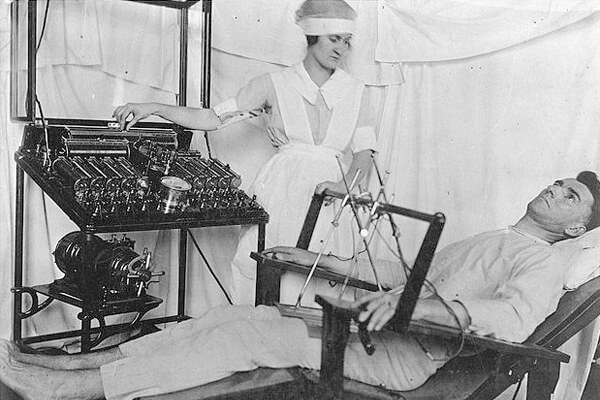
Top 10 most cruel medical procedures that are being used today
We are all aware that medicine has advanced dramatically over the last fifty years. There are several modern medical approaches available today, but this was not always the case. However, the past of medicine is a dark one. Medical leeches, lobotomy, vascular surgery, cranial stenosis, and even electroshock therapy are all options. These are only a couple of the cruel healing techniques that are still in use today.