
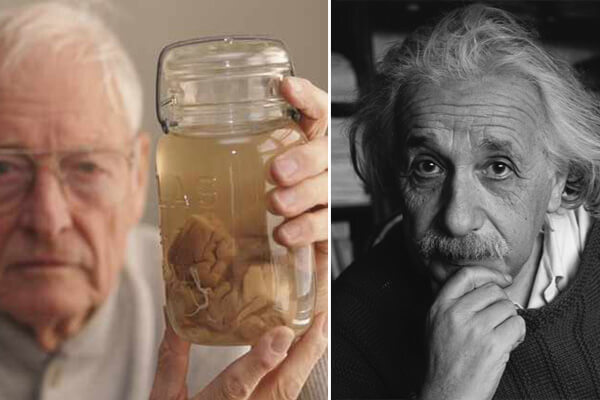
Albert Einstein’s brain was taken by the opportunistic pathologist who performed his autopsy hours after he died and kept in two jars for 30 years.
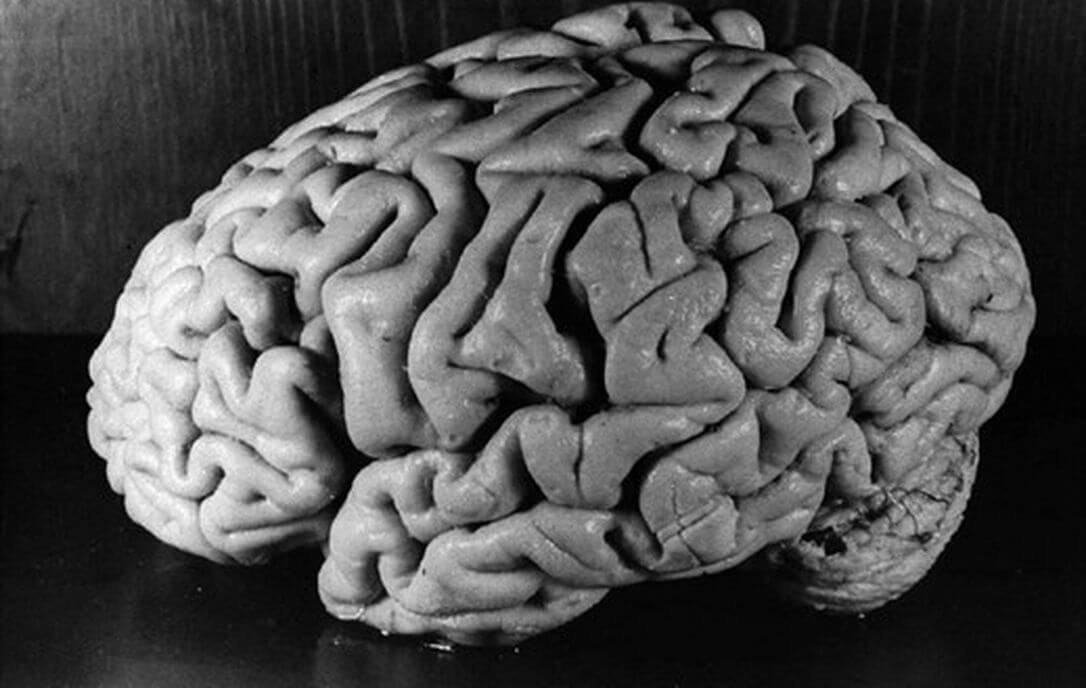
The stolen brain of Albert Einstein was preserved in a cookie jar for 30 years until being discovered by a journalist.
Albert Einstein’s brain became a prized possession after his death as a result of his world-famous genius. Albert Einstein’s brain was stolen and an autopsy was done on him just hours after he died on April 18, 1955.
While Einstein’s son was first upset, he eventually agreed to allow the doctor, Thomas Harvey, to transfer the brain to researchers who wanted to see if the physicist’s genius stemmed from a physically different brain.
That tortuous, decades-long search has brought some controversial results, maybe at the expense of the Einstein family and the genius himself.
Thomas Harvey stole Albert Einstein’s brain.
Albert Einstein was born on March 14, 1879, in Ulm, Germany, and left an incomparable legacy, from knowing Charlie Chaplin to escaping Nazi Germany and revolutionizing physics.
Many scientists speculated that his brain might be physically different from the typical human mind because he was revered all around the world for his brilliance. So when he died of a ruptured aorta in Princeton Hospital at the age of 76, Thomas Harvey took his brain from his body right away.
Harvey “had some great professional ambitions based on that brain,” according to Carolyn Abraham, author of Possessing Genius: The Bizarre Odyssey of Einstein’s Brain.
Harvey not only stole Albert Einstein’s brain, but also the physicists’ eyeballs, which he handed to Einstein’s ophthalmologist.
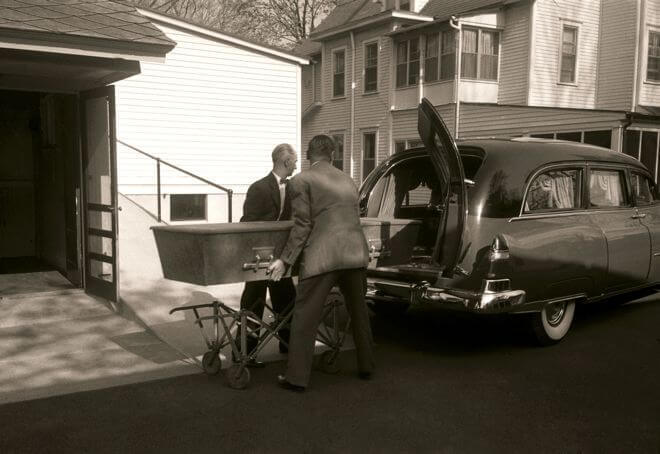
On April 20, the rest of Einstein’s body was burned in Trenton, New Jersey, and his son, Hans Albert Einstein, discovered Harvey’s actions. He eventually consented to research the brain, but only on the condition that the findings be published in prestigious scientific journals.
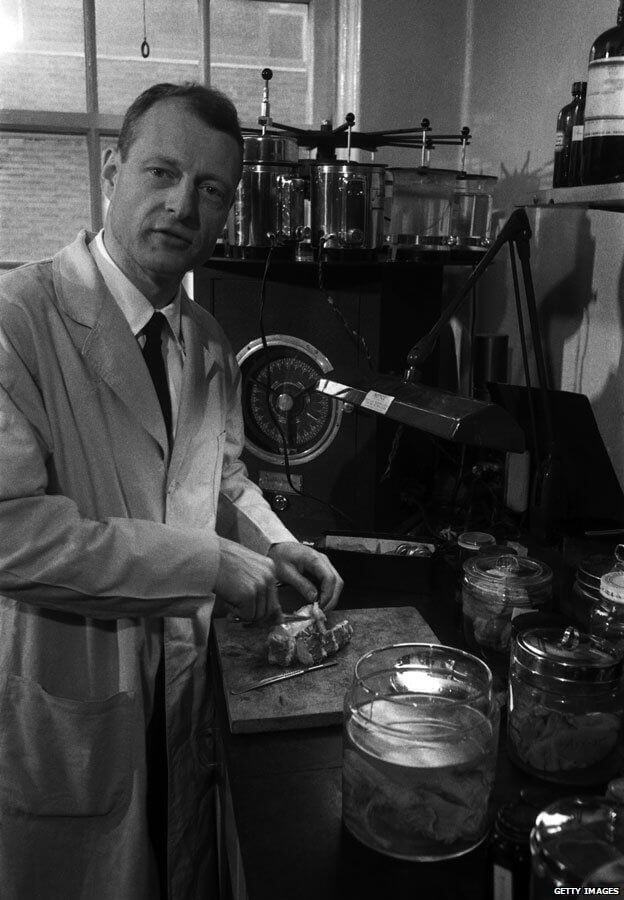
Harvey went on to record and photograph the brain in great detail. He reportedly weighed it at 1,230 grams, which was lighter than the average for guys his age. He then chopped the brain into 240 bits, photographing them and commissioning a painting of them.
Harvey stated that his motivation was entirely scientific, and he drove the brain across the country in order to donate bits of it to interested scientists. The clever pathologist even provided samples to the United States Army.
“They believed that having it would put them on a level with the Russians, who were collecting their own brains at the time,” Abrahams explained. It was a thing that people were gathering brains.”
Harvey’s obsession with Albert Einstein’s brain, on the other hand, cost him not only his position at Princeton but also his medical license and family.
Harvey moved to Wichita, Kansas, where he kept the brain in a cider box behind a beer cooler, to the shock of one writer in 1978. The first research of Einstein’s brain was released in 1985 after word got out, with contentious results.
Was It Really That Different From The Average Mind?

The first investigation of Albert Einstein’s stolen brain, published in Experimental Neurology in 1985, indicated that it did indeed appear physically different from the average brain.
The genius was said to have a higher-than-average number of glial cells, which keep the brain’s neurons oxygenated and therefore active.
A further study published in 1996 by the University of Alabama at Birmingham claimed that these neurons were also more densely packed than typical, allowing for faster information processing.
Further analysis of Harvey’s images three years later suggested that Einstein’s inferior parietal lobule was wider than typical, suggesting that he was a more visual thinker than others.
In 2012, research stated that Einstein’s brain has an additional ridge in the mid-frontal lobe, which is connected with planning and remembering.
However, some question this research, such as Pace University psychologist Terence Hines, who described them as “neuromythology.”
“You can’t take just one brain of someone who is different from everyone else – and we pretty much all are – and say, Ah-ha!” he said strongly. ” I’ve discovered what makes T. Hines a stamp collector.”
Hines isn’t the only one who is skeptical. “I don’t know if Einstein was a genius because his parietal lobes were different,” neurologist Dr. Frederick Lepore, who collaborated on the 2012 study, said. ‘Where is special relativity?’ you could ask if you placed my feet to the fire. We have no idea where general relativity came from.”
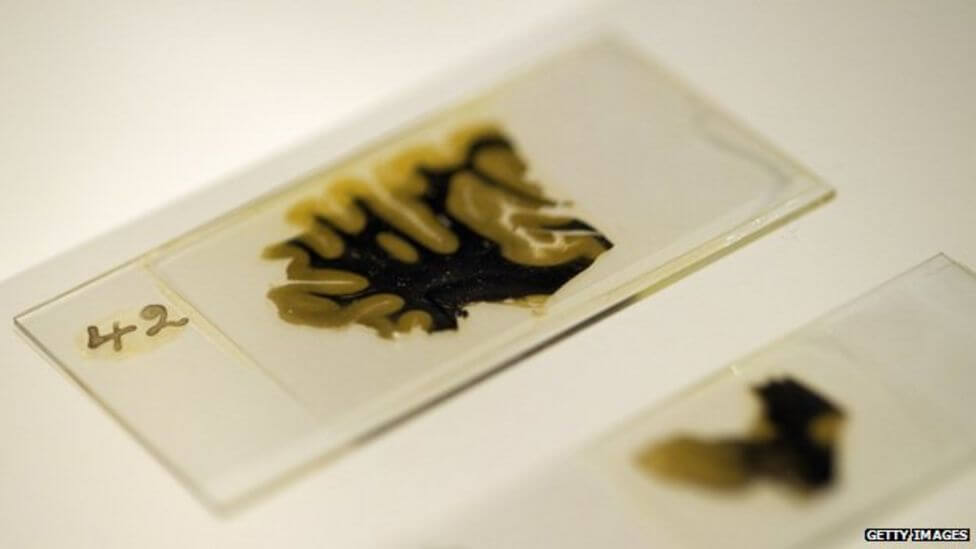
Despite the fact that most of Einstein’s brain was returned to Princeton Hospital, the issue regarding its particular is unlikely to be resolved anytime soon. However, other slides of the legendary organ were donated to medical organizations.
Before his death in 2007, Thomas Harvey gave the rest of Einstein’s brain to the National Museum of Health and Medicine, with samples of his own on display at the Mütter Museum in Philadelphia.

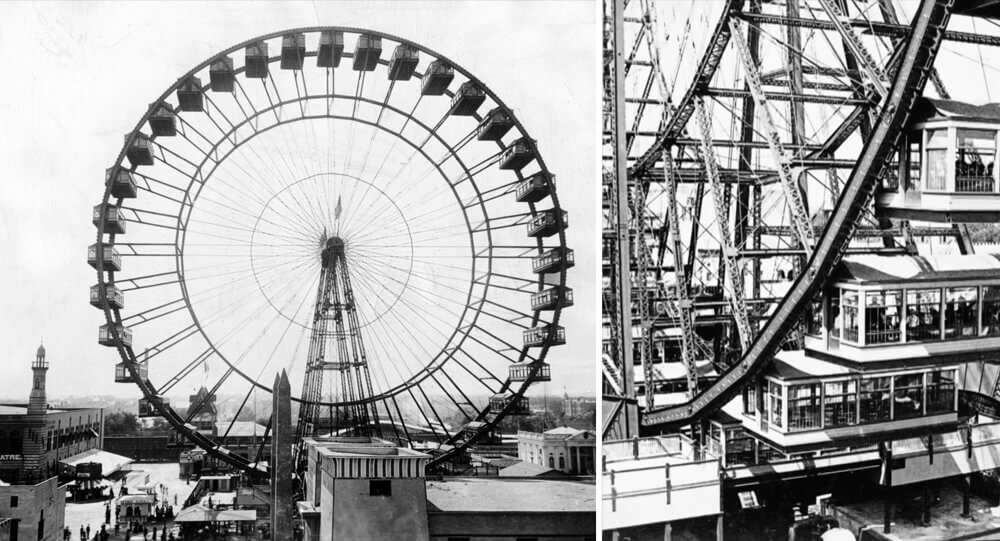
how Ferris wheel invented
In 1891, Chicago challenged engineers to create a structure to surpass the Eiffel Tower for the World's Columbian Exposition. George Washington Gale Ferris jr. responded with the original Ferris Wheel, a giant rotating structure elevating visitors above the city. This invention became an iconic attraction at the fair.
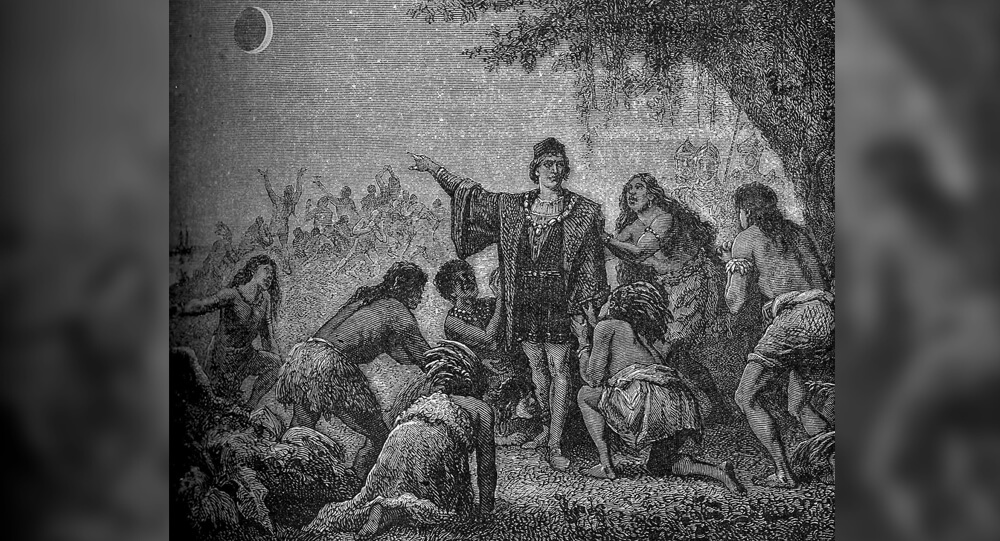
How a Total Lunar Eclipse Saved Christopher Columbus in 1504
In 1504, Christopher Columbus was stranded in Jamaica with natives who refused to give him food. But he knew the date and time of an upcoming lunar eclipse. So he told the natives that his gods were angry at their treatment of him, and would provide a clear sign. Once the eclipse started, the natives raced to give him food and begged for mercy.

3 men lived on top of a billboard in tents for almost 9 months
From 1982-1983, three men in Allentown PA competed in a radio contest in which they lived on top of a billboard in tents. Whoever stayed up longest would win a house. Due to economic pressure from the recession, none of the contestants wanted to give up, so the contest lasted almost 9 months.
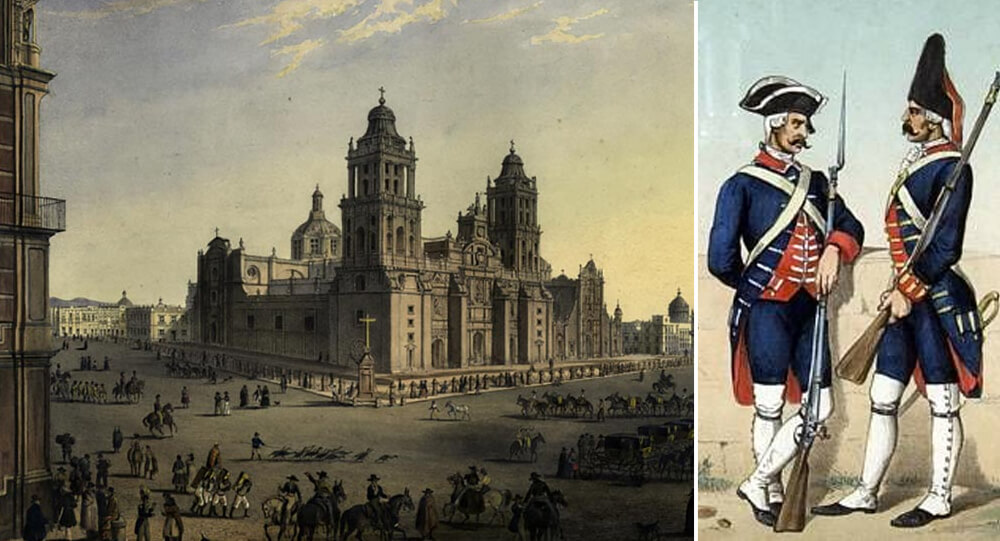
Did Gil Pérez Really Teleport from Manila to Mexico Overnight? The 1593 Mystery
On October 24, 1593, while performing his guard duties at Manila's Governor's Palace in the Philippines, Gil Perez stopped to lean against a wall and sleep for a while. He opened his eyes to find himself in an unusual environment. Gil was in the Plaza Mayor in Mexico City. They imprisoned Perez, but the authorities in Mexico City decided to release him and return him home.
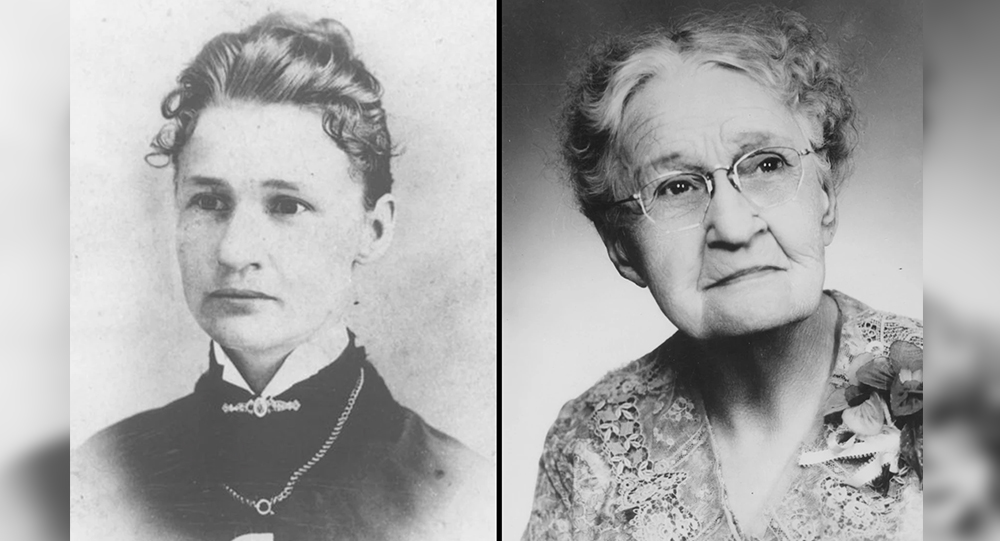
Susanna Salter: The Trailblazing Story of America’s First Female Mayor
In 1887, Susanna Salter became the first female mayor in the United States, elected in Argonia, Kansas. Her nomination was initially a prank by men opposing women in politics. However, she won by a landslide and served effectively, inspiring the women’s suffrage movement and breaking barriers for women in leadership.
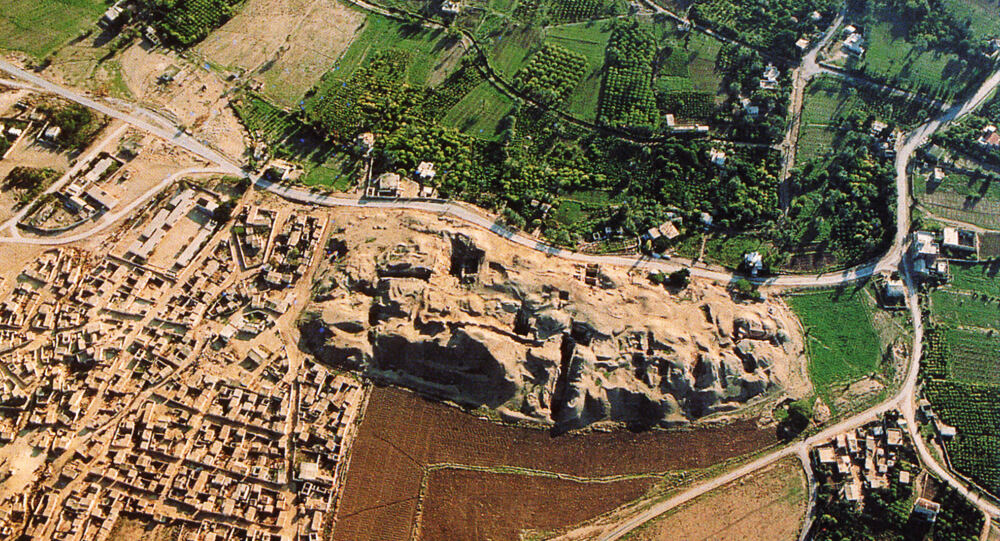
Ancient Jericho: The First Walled City In History
The ancient city of Jericho is the world's oldest walled city, with evidence of stone fortifications dating back nearly 9000 years.
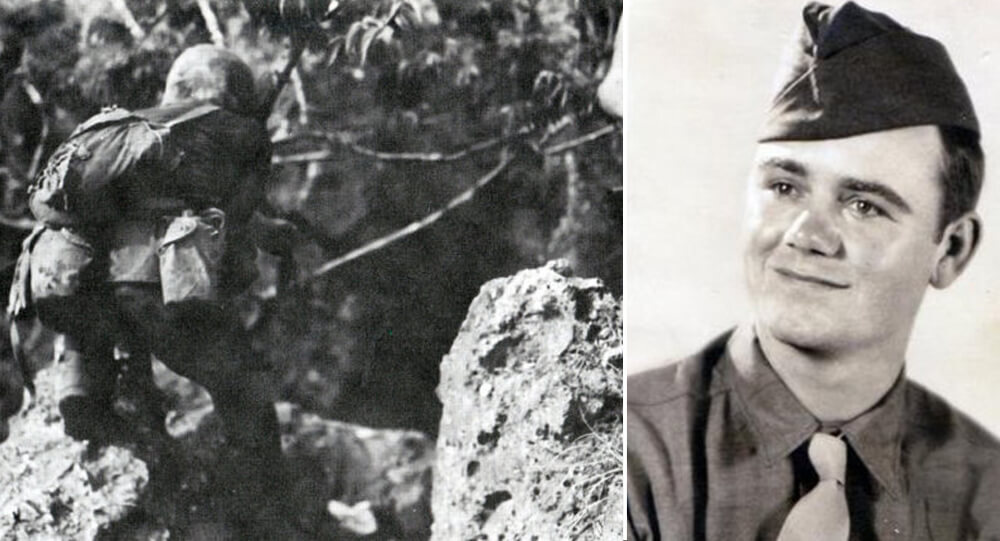
Thomas Baker's heroic act that earned him the "Medal of Honor" was 8 bullets until death
Thomas Baker instructed his team to leave him with a pistol and eight bullets propped up against a tree after he was injured. Later, American troops discovered the now-deceased Baker in the same location, lying next to eight dead Japanese soldiers and carrying an empty pistol.

Underground Railroad to Mexico freed thousands of slaves in 1829
Slavery was abolished in Mexico in 1829. Slaves were escaping to Mexico, and slaveholders in the US were aware of this. The US attempted to get Mexico to sign a fugitive slave treaty, which would have required Mexico to send back escaped slaves to the US. But, Mexico refused, arguing that slaves were free as soon as they set foot on Mexican soil.

How Cleveland's Balloonfest in 1986 Turned Into a Public Tragedy
In Cleveland, Ohio, United Way broke the world record by deflating nearly 1.5 million balloons as part of a publicity stunt to raise money. The balloon obstructed a US Coast Guard search for two boaters who were subsequently discovered to have drowned, blocked airport runways, and blocked land and waterways.

Irena Sendler: woman who rescued Jews during holocaust
Irene Sendler was the Zegota resistance group's head of the children's department. She risked her life to smuggle children out of the Warsaw ghetto, place them with Polish families or orphanages, give each child a new identity, and keep records so that they could be returned to their families. In 1943, the Gestapo arrested and sentenced her to death, but she was rescued by Zegota.
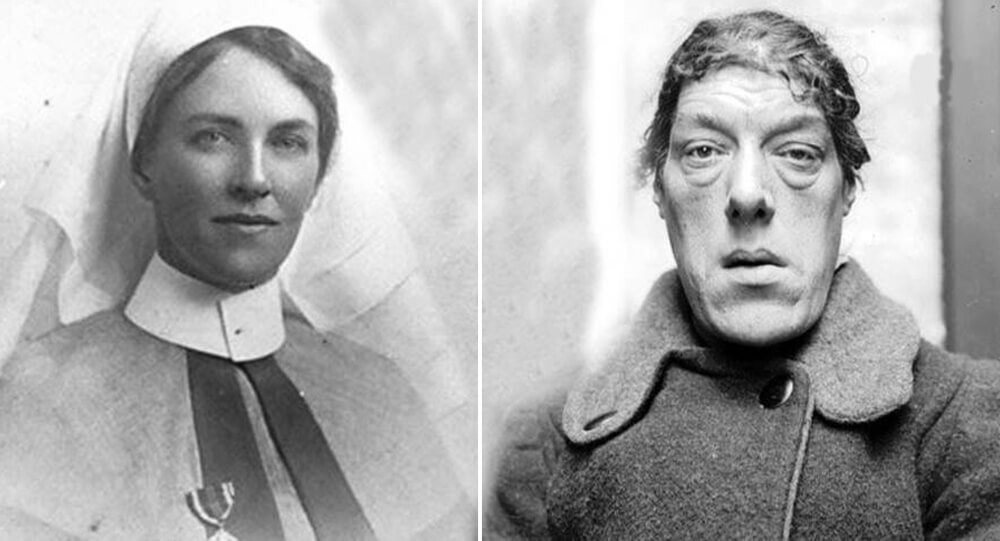
The Tragic Story Of Mary Ann Bevan, The ‘Ugliest Woman In The World’
After the death of her husband, Mary Ann Bevan had no income to support herself and her children. She then decided to enter a contest where she won the title of “ugliest woman” and was later hired by a circus. She endured this ridicule from the world to provide for her family.
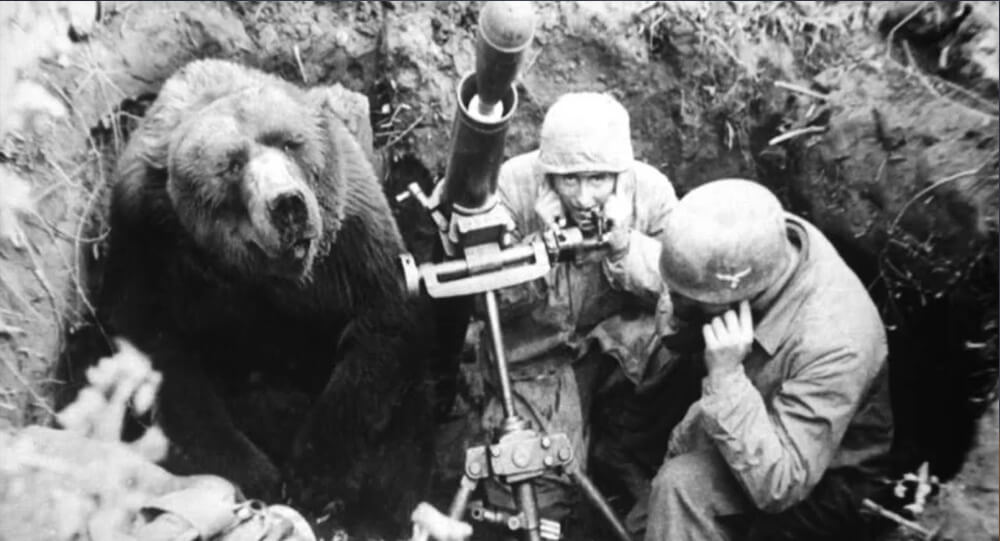
The 440-pound bear named Wojtek and his World War II battle against the Nazis
Polish troops raised an orphaned bear cub during WWII. He enjoyed drinking beer, and was trained to salute. He became officially enlisted as a member of the forces, and helped carry artillery during battle.
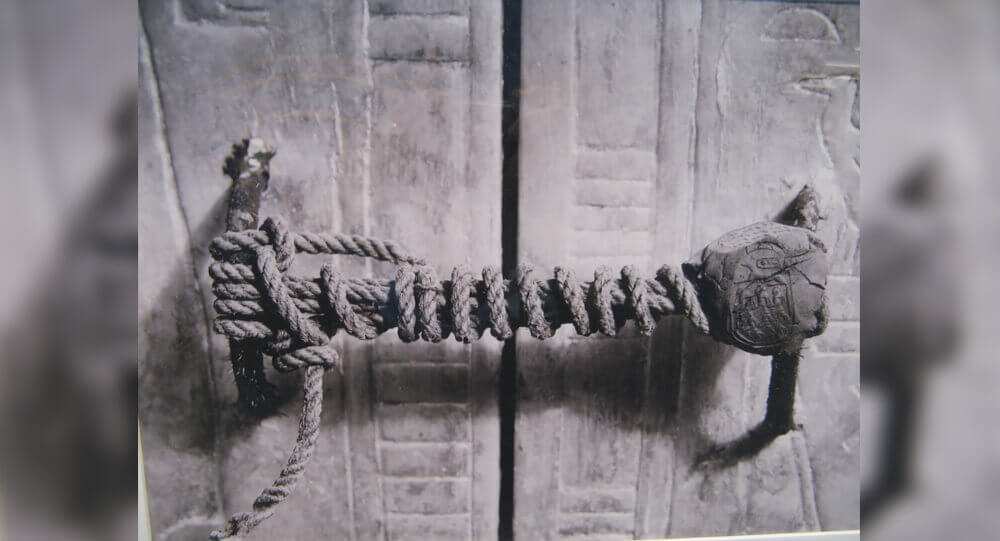
The unbroken seal on King Tutankhamun's tomb until 1922
The unbroken seal of Tutankhamun's tomb before it was opened in 1923, it was unbroken for over 3000 years.
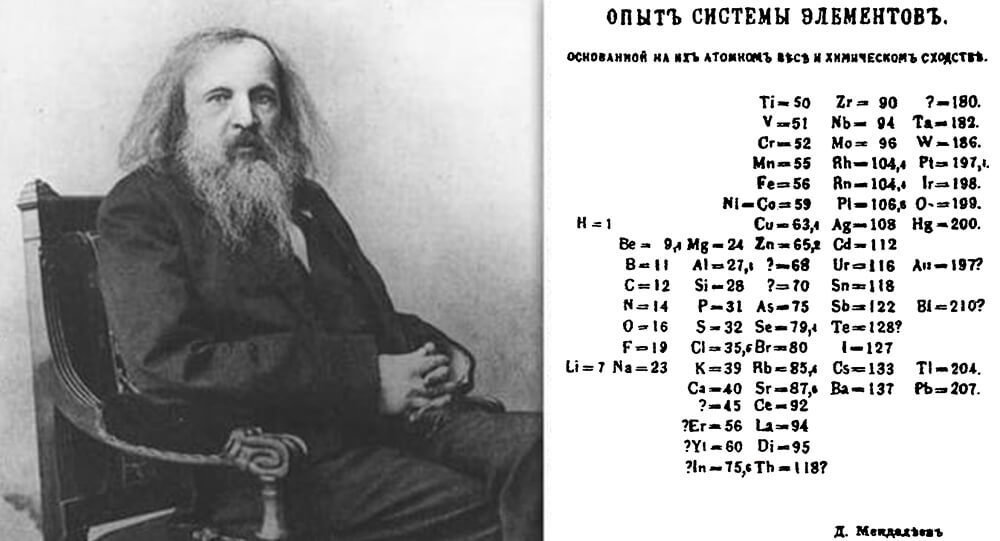
How Dmitri Mendeleev Developed the periodic table of the elements
1850 Dmitri Mendeleev walked almost a thousand miles to Moscow so he could apply for the University of Moscow. Although he was not accepted, he walked to St. Petersburg where he was accepted, And with that education, he developed the the periodic table of the elements

Tunnels Dug by ancient giant sloths, A South American Megafauna
For years, scientists didn’t know what caused mysterious cave networks in South America. In 2010, they learned that the caves were actually tunnels dug by ancient giant sloths

Nathan's Famous Doctor Stunt
When Nathan's Famous Hot Dogs first opened in 1916, the owner hired people to dress as doctors and eat hot dogs outside his shop, to convince people his hot dogs were healthy.
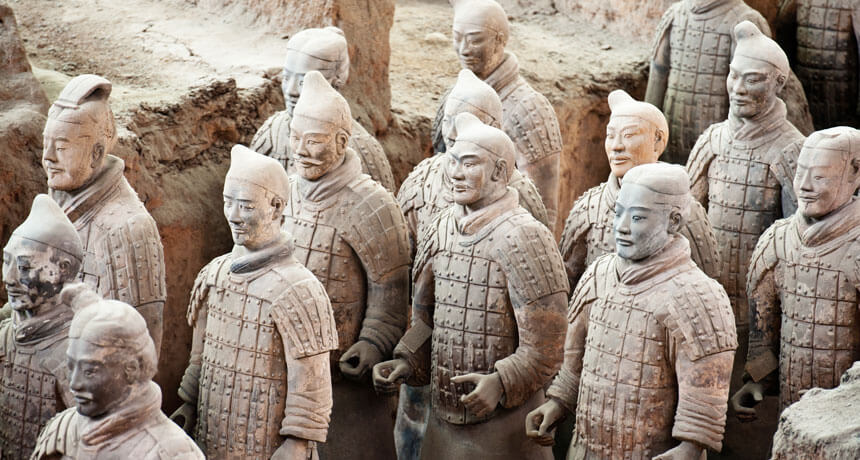
Top 10 Greatest and shocking Archaeological Discoveries of All Time
While we're all locked at home, there's no better way to escape to another time and place than to learn about amazing archeological sites and discoveries from around the world. Here are the 10 greatest and shocking archaeological discoveries —and don't be shocked if they inspire future trip plans whenever it's safe to do so again.

15 interesting facts about Queen Elizabeth II
Queen Elizabeth II, who ruled Britain for 70 years, has away at the age of 96. She was the country's longest-reigning monarch. Here are some little-known facts about her.

How Sleep Deprivation Was Once Used as Torture
Sleep deprivation, long before modern interrogation techniques, was considered a “clean” and effective form of torture—leaving no physical scars, yet breaking minds with haunting silence. Victims endured days and nights without rest, leading to vivid hallucinations, disorientation, and psychological torment. This article traces the dark history of sleep deprivation as a weapon, examines the science behind its effects on the brain, and shines a light on the painful balance between human endurance and cruelty in the annals of coercion.

Saudi Arabia camel carvings dated to prehistoric era
Archaeologists were shocked to discover that a series of camels carved into desert rock faces in north-western Saudi Arabia are actually prehistoric, dating from 7,000-8,000 years ago - before either the Pyramids of Giza or Stonehenge were built.

The Littlest Skyscraper: How J.D. McMahon’s 480-Inch Con Fooled Investors in 1919
In 1919, J.D. McMahon convinced investors to fund a 480-foot skyscraper, but he labeled the plans as 480 inches, building a 40-foot structure instead. After taking $200,000, he won in court since the plans matched what he built.
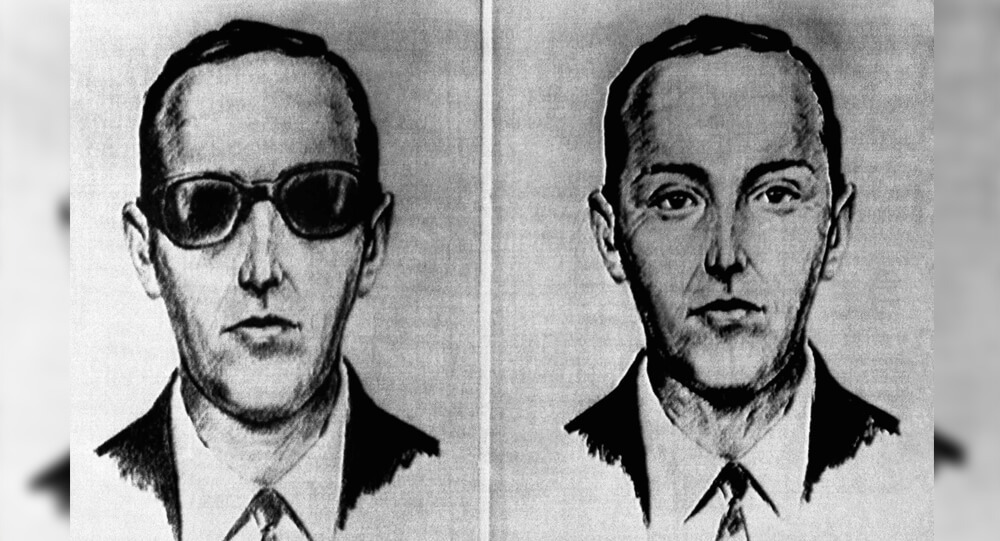
D.B. Cooper: Man who hijacked a plane and jumped out with a $200,000
On November 22, 1971, DB Cooper hijacked a Boeing 727, drank a whisky, smoked a fag, and then jumped out of the plane with $200,000. He was never again seen.

Terry Fox, a 21-year-old one-legged cancer patient who ran 143 days before dying
Terry Fox was a 21-year-old one-legged cancer patient who ran 3,339 miles across Canada in 143 days before dying.

The incredible story of Julia "Butterfly" Hill and her legacy
American environmental activist Julia “Butterfly” Hill lived in a 1500-year-old California Redwood tree for 738 days to prevent it from being cut down by the Pacific Lumber Company. The Simpson’s episode “Lisa the Tree Hugger” was inspired by Hill’s story.

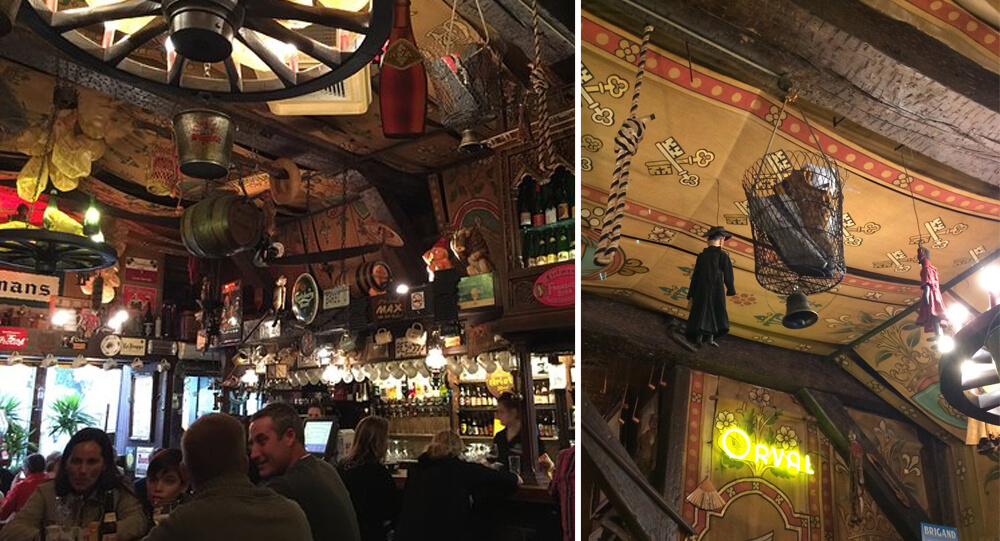
Why This Belgian Bar Makes You Trade Your Shoe for a Beer
To prevent tourists from stealing their beer glasses, some bars in Belgium require people to hand over one of their shoes as a deposit which is then put in a basket and hung from the ceiling. These shoe baskets have also become an attraction.