
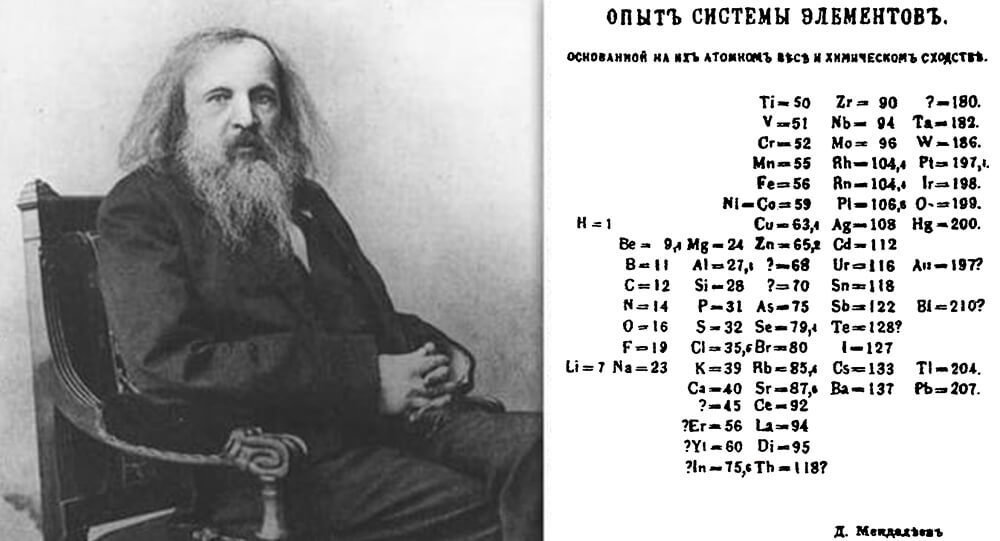
The development of the periodic table of elements was made possible by the pioneering work of renowned Russian chemist Dmitri Mendeleev. His path to this outstanding accomplishment, though, was not without difficulties. This article examines Mendeleev’s early years, going in-depth on his upbringing, education, and difficulties. Mendeleev’s life is one of tenacity and scientific brilliance, from his modest beginnings to the momentous discovery that revolutionized the field of chemistry. Join us as we examine the life of a man who influenced how we perceive the universe’s fundamental elements.
Early Life and Education of Dmitri Mendeleev
The developer of the periodic table of elements, Dmitri Mendeleev, was born in Tobolsk, Siberia, on February 8, 1834. His mother was from a family of merchants, and his father was a teacher. He came from a modest, mixed-race family. Mendeleev’s parents, despite their modest means, placed a high value on education and instilled a lifelong love of learning in him.
Mendeleev demonstrated a remarkable aptitude for mathematics and the sciences even as a young child. He went to the Gymnasium in Tobolsk, where his academic prowess really started to show. Tragically, his father’s blindness brought about financial hardship for the family. Despite these challenges, Mendeleev managed to secure a scholarship to continue his education at the prestigious University of Moscow, where he hoped to further his studies in chemistry.
Rejection from the University of Moscow: A Setback for Mendeleev
Mendeleev submitted an application to the University of Moscow in 1850, eager to pursue his love of chemistry and leave his mark on the scientific world. He hoped that his outstanding grades and intense interest in the subject would help him get accepted to the university.
Mendeleev received a rejection letter from the University of Moscow, which sadly crushed his dreams. Although the precise causes of his rejection are unknown, it is thought that his unconventional thinking and self-directed learning style clashed with the established academic system of the day.
Mendeleev refused to let the rejection determine his future, despite the fact that it was undoubtedly discouraging. He chose a different route in his quest for knowledge because he was determined to keep learning. Mendeleev immersed himself in self-directed studies, tirelessly exploring various scientific disciplines and refining his understanding of chemistry.
Journey of Mendeleev: Looking into Chemistry and Developing His Ideas
Mendeleev didn’t get the formal education he had hoped for, but his enthusiasm for chemistry was stronger than ever. In his improvised home laboratory, he started running experiments as he devoted his life to learning the secrets of the elements.
Mendeleev began to form his own theories and hypotheses about the nature of chemical elements through his independent research. He questioned the validity of the current categorization schemes and searched for a more thorough and systematic method of classifying the elements according to their properties.
Mendeleev collaborated with other scientists and participated in scholarly debates because of his insatiable desire for knowledge. He engaged in discussions with influential members of the scientific community in an effort to constantly improve and test his own theories. Mendeleev’s ground-breaking work was greatly influenced by his willingness to work with others and his capacity for taking in new information.
The Periodic Table: A Breakthrough in Understanding the Elements
Mendeleev was acutely aware of the disorderly state of the existing knowledge about the elements as he dove deeper into his studies. He understood the urgent need for an organized framework that would arrange these basic components of matter and help scientists better understand their characteristics and interactions.
Mendeleev came up with a plan to arrange the elements according to their atomic weights and recurring patterns in properties, drawing on his vast knowledge and keen insights. As a result of his discovery that some characteristics recurred periodically, the periodic table of elements as we know it today was created.
Mendeleev’s periodic table was extremely predictive, which was one of its most amazing features. Mendeleev boldly predicted the existence and characteristics of elements that were later discovered and confirmed by other scientists by leaving gaps in his table for yet-to-be-discovered elements. This foresight demonstrated his brilliance as a scientific thinker while also supporting the validity of his periodic table.
The progression of Dmitri Mendeleev from being rejected to creating the periodic table is evidence of his unwavering resolve, independent thinking, and ingenuity. His contributions transformed the study of chemistry and gave researchers a potent tool to decipher the mysteries of the elements. And even though Mendeleev was not admitted to the Moscow University, his contributions to science have had a lasting impact.
Key Features of Mendeleev’s Periodic Table
Mendeleev was brilliant because he could see patterns where others saw chaos. He arranged the elements into rows and columns according to their atomic weights, making comparison and analysis simple. This arrangement set the way for the current periodic table by helping scientists in making sense of the vast array of elements that were known at the time.
Mendeleev’s arrangement of elements with comparable properties in one group was one of its remarkable aspects. This not only improved the appearance of the table but also revealed relationships between elements that had previously been hidden. Suddenly, it became clear that elements in the same group shared similar chemical behaviors and properties, making it easier for chemists to make predictions and understand the behavior of new and undiscovered elements.
Initial Reactions and Scientific Acceptance of the Periodic Table
Mendeleev’s periodic table was initially met with doubt and even mockery by Scientists. Some scientists dismissed it as little more than an intriguing theory with no real world application. Mendeleev, however, didn’t let that discourage him. His table was continually improved, he gathered more data to back up his claims, and he gradually won over his detractors.
There are always going to be disagreements with groundbreaking scientific theories. Some scientists disagreed with Mendeleev’s choice to group elements solely by atomic weight, contending that additional considerations should have been made. There were also a lot of arguments about where to put certain components and where to draw the lines between various groups. But despite their ferocity, these discussions ultimately served a useful purpose and improved and strengthened the periodic table over time.
Support for Mendeleev’s work increased as more proof mounted and experts realized how useful his periodic table was in real-world applications. Scientists quickly realized the strength and beauty of his system. Worldwide, chemistry classrooms and laboratories quickly adopted the periodic table, and Mendeleev’s name came to represent scientific brilliance.

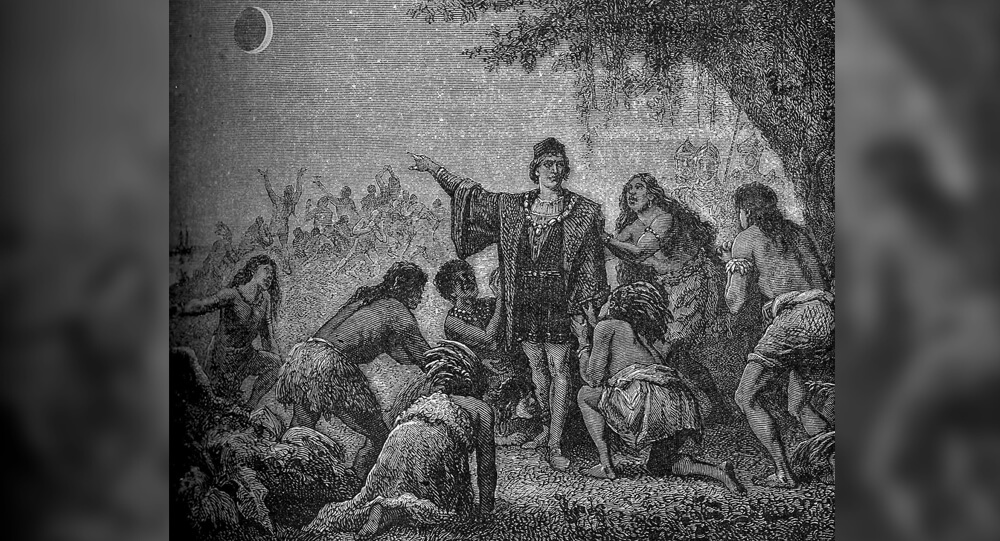
How a Total Lunar Eclipse Saved Christopher Columbus in 1504
In 1504, Christopher Columbus was stranded in Jamaica with natives who refused to give him food. But he knew the date and time of an upcoming lunar eclipse. So he told the natives that his gods were angry at their treatment of him, and would provide a clear sign. Once the eclipse started, the natives raced to give him food and begged for mercy.
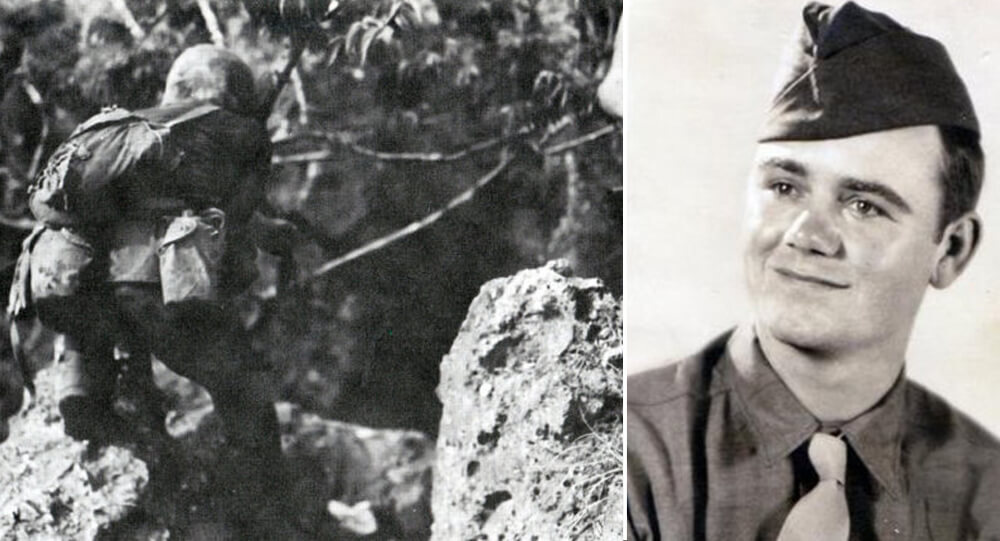
Thomas Baker's heroic act that earned him the "Medal of Honor" was 8 bullets until death
Thomas Baker instructed his team to leave him with a pistol and eight bullets propped up against a tree after he was injured. Later, American troops discovered the now-deceased Baker in the same location, lying next to eight dead Japanese soldiers and carrying an empty pistol.
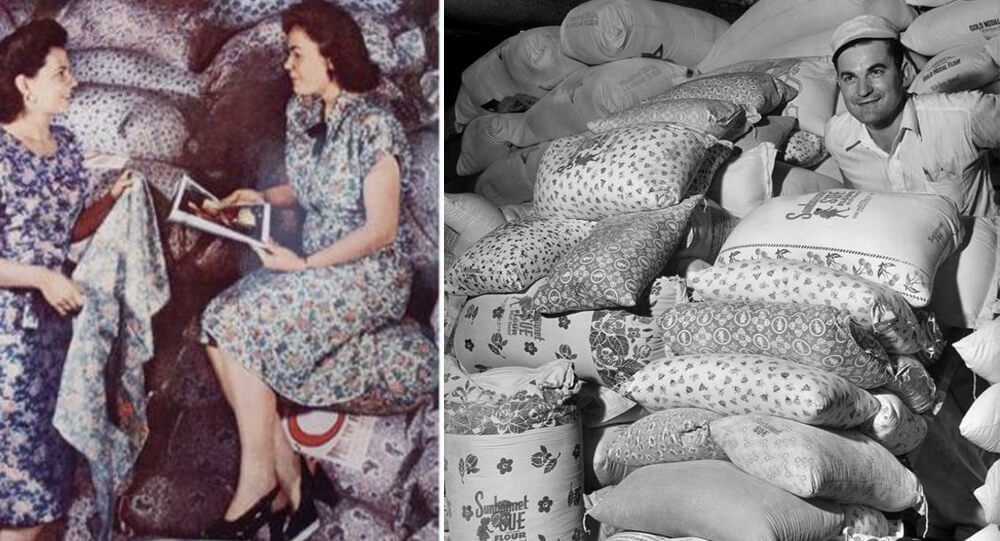
The history of Flour sack clothing fashion
After Kansas mill owners found women reused flour sack materials into apparel in the 1920s and 1930s, they started applying patterned designs to give families with more fashionable patterns and material.
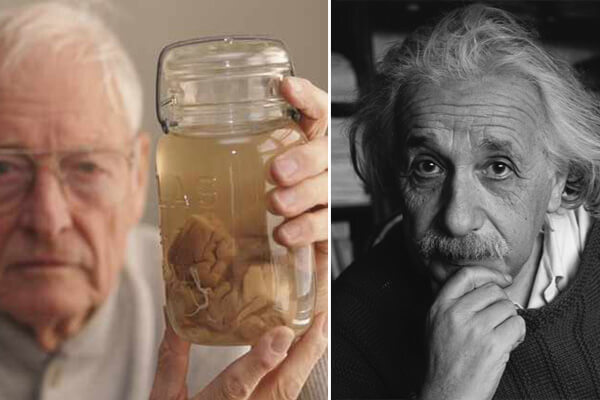
Albert Einstein’s brain after it was stolen from his body
Albert Einstein's brain was taken by the opportunistic pathologist who performed his autopsy hours after he died and kept in two jars for 30 years. The stolen brain of Albert Einstein was preserved in a cookie jar for 30 years until being discovered by a journalist.
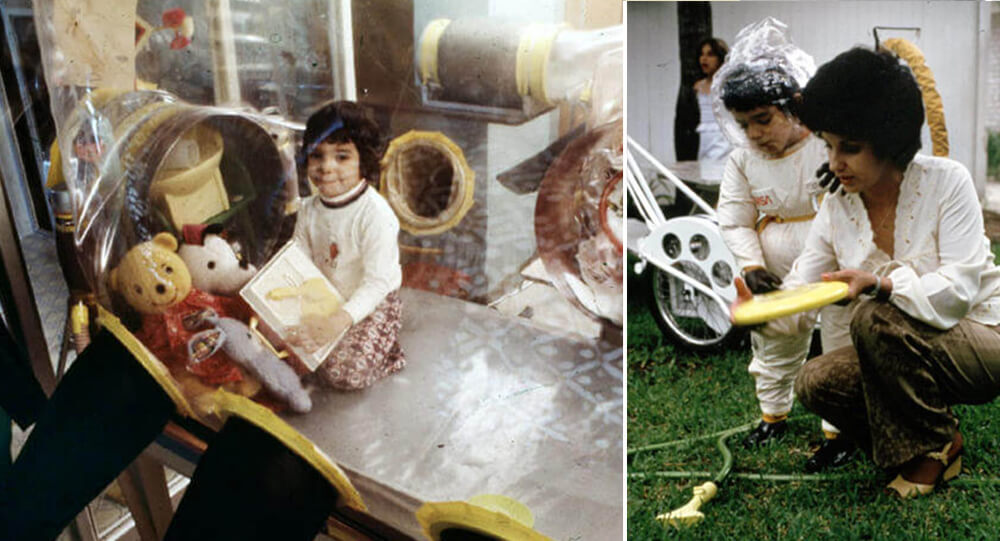
The touching story of David Vetter (bubble boy), the 'boy who lived in a bubble
David Vetter lived his whole 12 years in sterile “bubble”. He was “outside” for 20 second after being removed from his mother’s womb. He never touched any human.
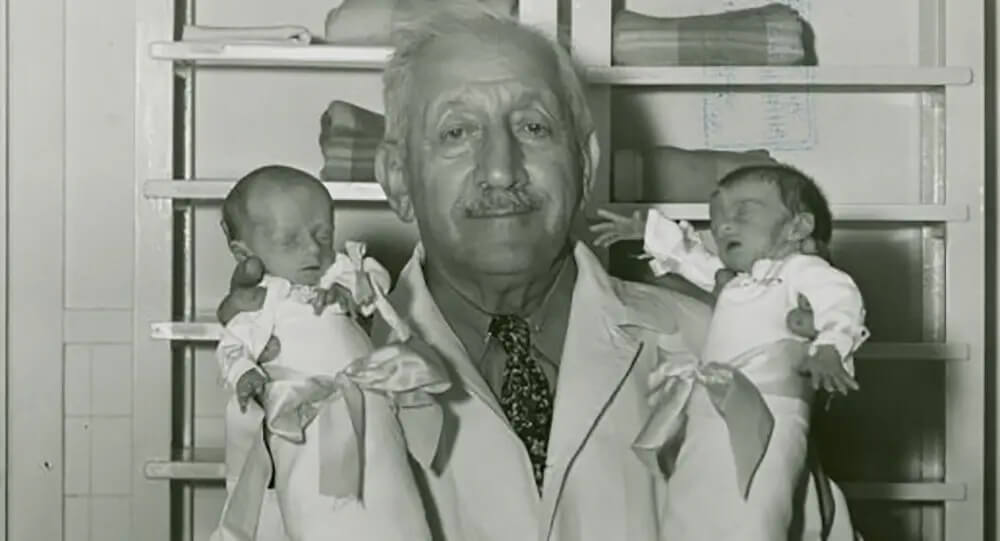
Martin Couney, Saved Thousands of Premature Babies Wasn’t a Doctor at All
Martin Couney never qualified as a medical doctor. However, in the 1900s, he saved thousands of premature babies by exhibiting them in incubators at his Coney Island sideshow. Over the course of his career, he is said to have saved about 6,500 babies that had previously been written off by mainstream medicine.

How Cleveland's Balloonfest in 1986 Turned Into a Public Tragedy
In Cleveland, Ohio, United Way broke the world record by deflating nearly 1.5 million balloons as part of a publicity stunt to raise money. The balloon obstructed a US Coast Guard search for two boaters who were subsequently discovered to have drowned, blocked airport runways, and blocked land and waterways.

story of the youngest mother in the world at age of five - Lina Medina
Lina Medina, a five-year-old Peruvian girl, became the youngest mother in history in 1939 when she gave birth to a boy.

Ancient Jericho: The First Walled City In History
The ancient city of Jericho is the world's oldest walled city, with evidence of stone fortifications dating back nearly 9000 years.
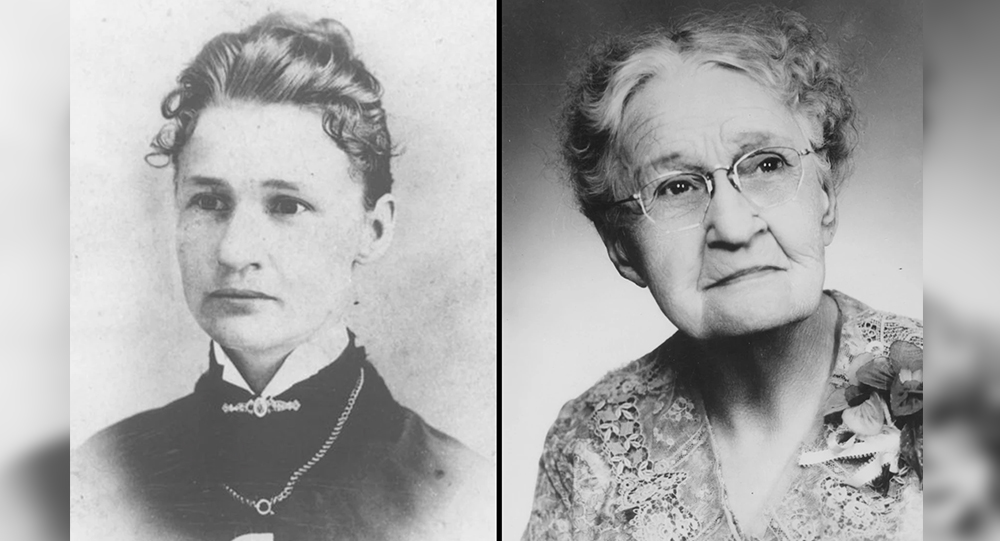
Susanna Salter: The Trailblazing Story of America’s First Female Mayor
In 1887, Susanna Salter became the first female mayor in the United States, elected in Argonia, Kansas. Her nomination was initially a prank by men opposing women in politics. However, she won by a landslide and served effectively, inspiring the women’s suffrage movement and breaking barriers for women in leadership.
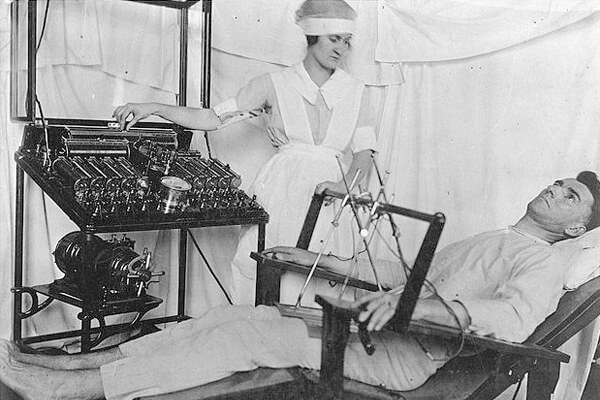
Top 10 most cruel medical procedures that are being used today
We are all aware that medicine has advanced dramatically over the last fifty years. There are several modern medical approaches available today, but this was not always the case. However, the past of medicine is a dark one. Medical leeches, lobotomy, vascular surgery, cranial stenosis, and even electroshock therapy are all options. These are only a couple of the cruel healing techniques that are still in use today.

Inside China’s Footbinding Tradition: The Painful Ritual of Lotus Shoes and Bound Feet
In China, Lotus shoes were used to bind women's feet to keep their feet small
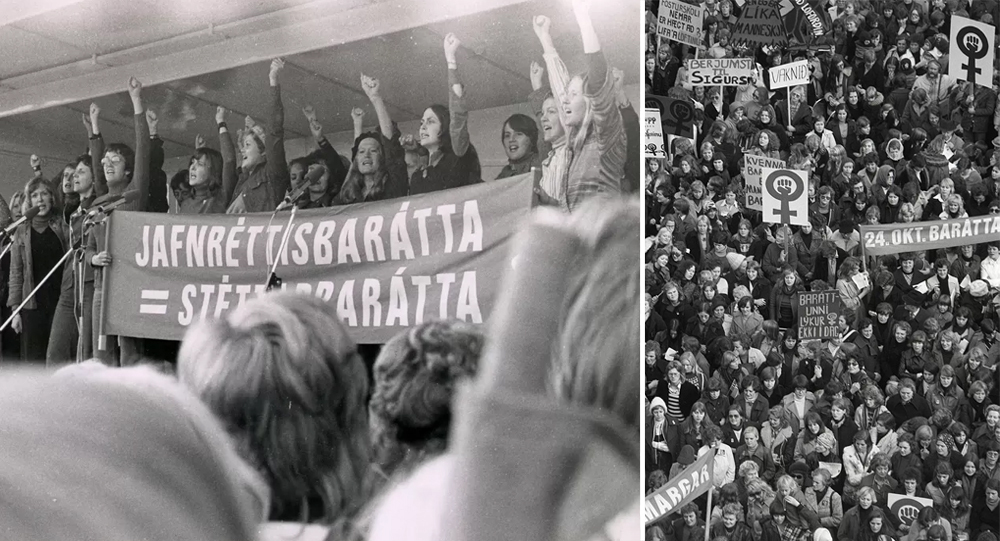
The day Iceland's women went on strike
Icelandic women went on strike for equal rights on October 24, 1975. 90% of women walked out of their jobs and homes, effectively shutting down the entire country. The men were struggling to keep up. The following year, Parliament passed a law requiring equal pay. Iceland elected the world's first female President five years later. Iceland now has the highest gender equality rate in the world.


Mother who spent entire life savings for daughter’s cancer treatment won the lottery
A mother won $2 million from a $10 scratch-off lottery ticket after she spent all of her entire life savings to pay her daughter’s cancer treatment. She bought the winning ticket after her daughter’s last cancer treatment.

The Day an Israeli F-15 Landed with One Wing: Zivi Nedivi’s Unbelievable Mid-Air Survival
Discover the astonishing true story of Israeli pilot Zivi Nedivi, who safely landed an F-15 after a mid-air collision tore off its entire right wing. Learn how skill, quick thinking, and the F-15’s unique design turned a disaster into a legendary feat in aviation history
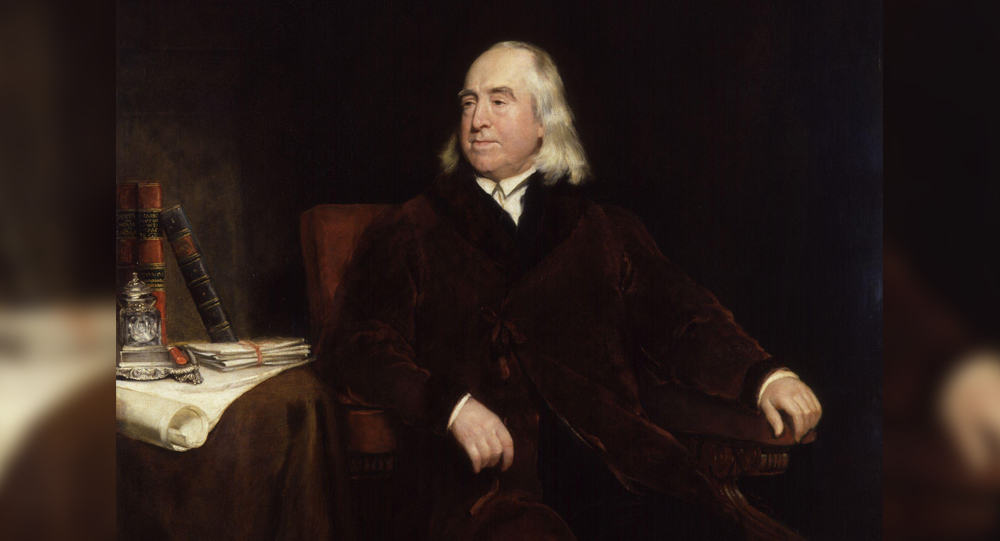
How 18th Century Women’s Rights Movements Shaped Modern Equality
The 18th century marked a turning point in the quest for women’s rights, as passionate voices challenged centuries of gender inequality and laid the groundwork for modern feminism. From pioneers like Mary Wollstonecraft to revolutionary declarations and early advocacy, this era sparked debates on education, political participation, and social justice that continue to resonate today. Journey through the origins of women’s rights movements and discover how their bold ideas shaped the fight for equality.
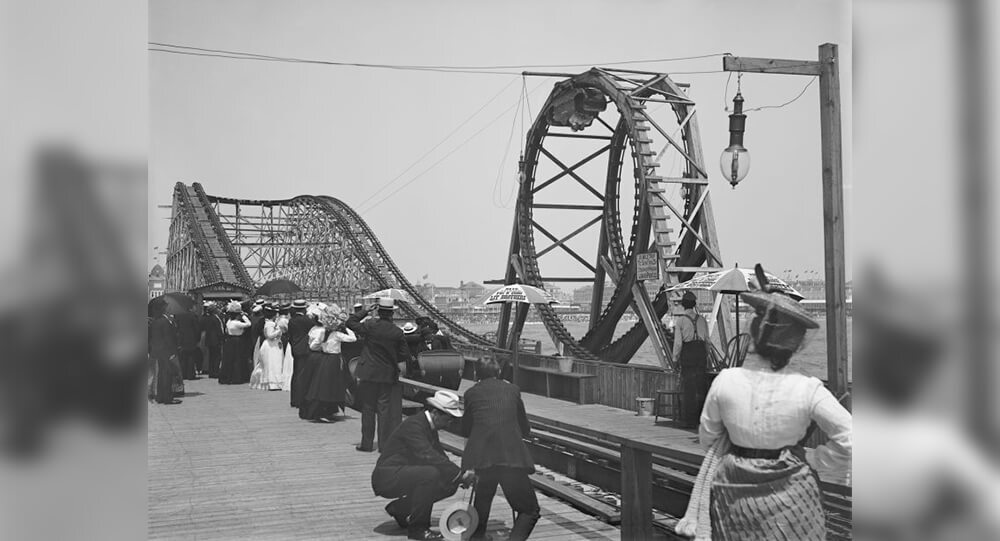
Roller Coasters were First Invented to Distract People from sin
Roller coasters were invented to distract Americans from sin. In the 1880s, hosiery businessman LaMarcus Thompson didn’t like that Americans were going to places like saloons and brothels and created the first roller coaster on Coney Island to persuade them to go there instead.
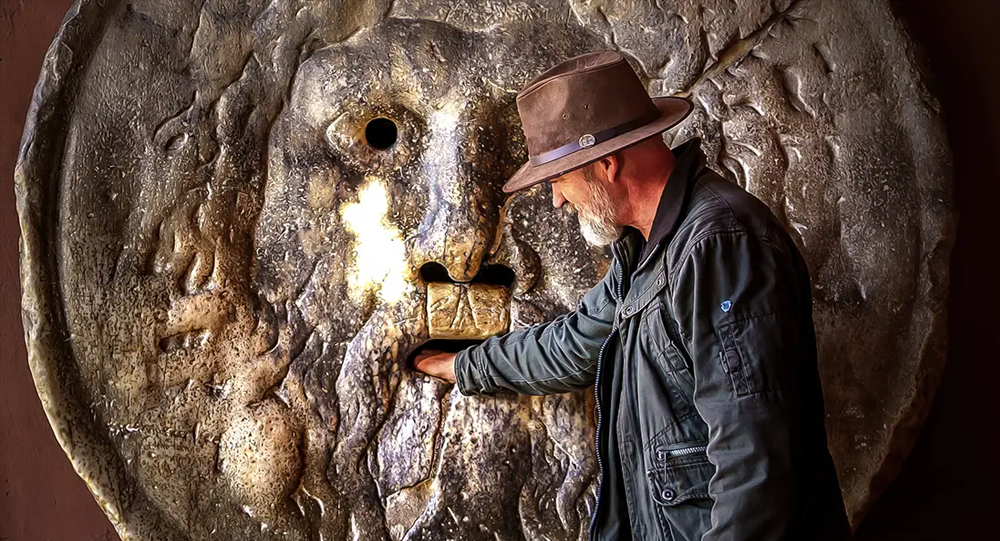
The Mouth of Truth: Ancient Rome’s Legendary "Lie Detector" That Bit Off Hands
Discover the chilling legend of the Mouth of Truth (Bocca della Verità) in Ancient Rome—a massive carved stone face believed to bite off the hand of anyone who lied while inserting their hand into its gaping mouth. Uncover the truth behind its eerie reputation and how this ancient artifact became a symbol of honesty and fear.
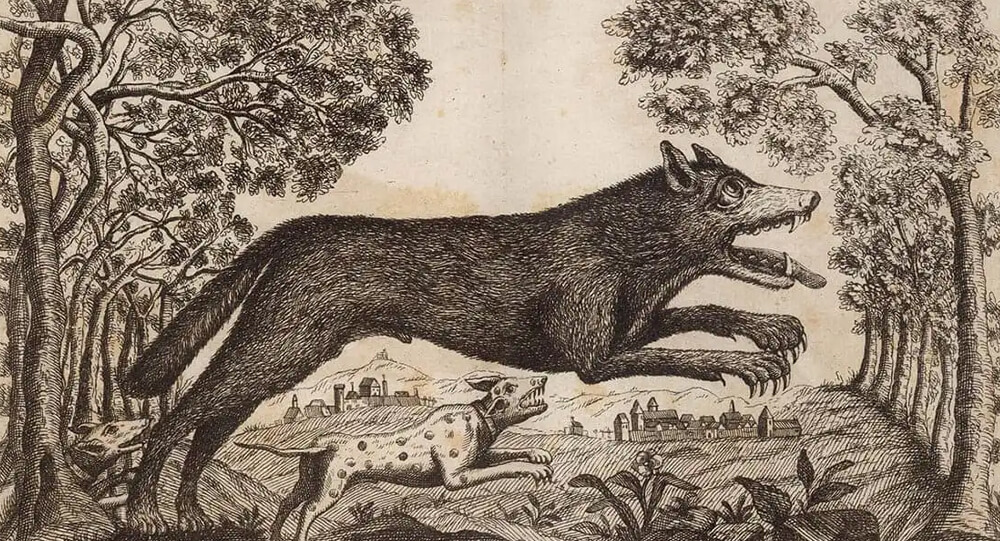
What Was the Beast of Gévaudan?
Between 1764 and 1767, a mysterious animal called the Beast of Gévaudan terrorized the French village called Gévaudan. It attacked and killed about 100 adults and children. While most believe it was a wolf, some say it may have been a wolf-dog hybrid, hyena or even a lion, but without any genetic evidence, the beast will remain a mystery forever.

The 1976 April Fools' Pranks, Planetary Alignment
On April fool's Day, 1976, the BBC convinced many listeners that a special alignment of the planets would temporarily decrease gravity on Earth. Phone lines were flooded with callers who claimed they felt the effects.
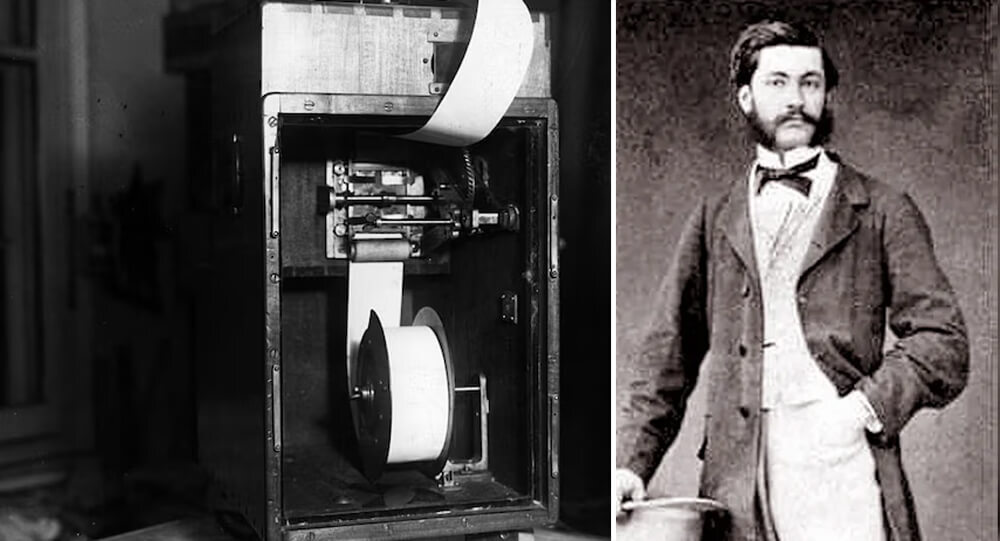
Louis Le Prince Invented the motion picture camera, and then he mysteriously disappeared
Louis Le Prince, the inventor of motion pictures, vanished without a trace in 1890. Thomas Edison quickly claimed the title of "first and sole inventor of cinema," even taking Le Prince's son to court to dispute it. A few years later, the son also dies under mysterious circumstances.

Keith Sapsford: The Story of 14-Year-Old Stowaway
The final image of 14-year-old Australian Keith Sapsford, who aspired to travel the world. In February 1970, he sneaked into the wheel-well of a plane flying from Sydney to Tokyo. It opened mid-air & fell out. When a photographer was testing a new lens, he captured this moment on film and was surprised when it developed.
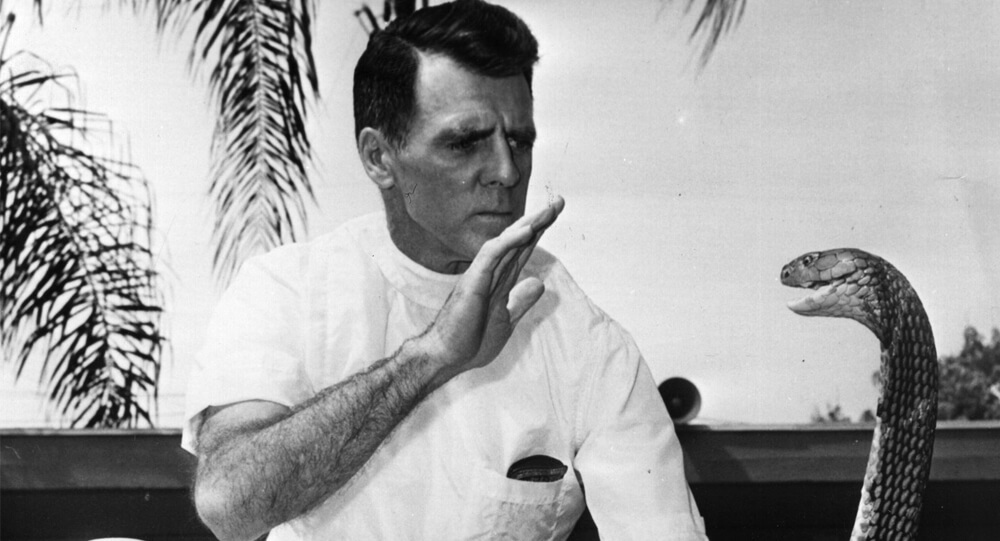
The story of Bill Haast, who lived to be 100 despite his extensive snake venom injections
Bill Haast immunized himself by injecting snake venom into his blood for several years. He holds the Guinness World Record for surviving the most lethal snake bites, having been bitten over 172 times. Bill became known as "Snake Man" around the world and lived for over 100 years.

The incredible story of Julia "Butterfly" Hill and her legacy
American environmental activist Julia “Butterfly” Hill lived in a 1500-year-old California Redwood tree for 738 days to prevent it from being cut down by the Pacific Lumber Company. The Simpson’s episode “Lisa the Tree Hugger” was inspired by Hill’s story.
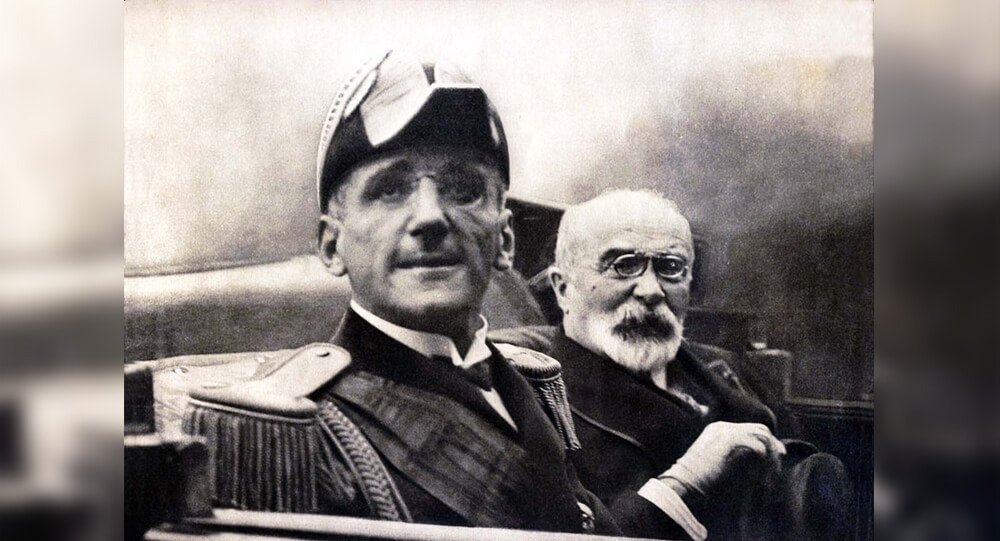
The Assassination Of King Alexander
The assassination of King Alexander of Yugoslavia marked a pivotal moment in the country's history. This article delves into the rise and reign of King Alexander, exploring his early life and ascension to the throne. It also examines the political and social climate in interwar Yugoslavia, setting the stage for the tensions and challenges that ultimately culminated in his tragic assassination. By understanding the context in which this event unfolded, we can better grasp the significance and impact it had on the nation and its future.