
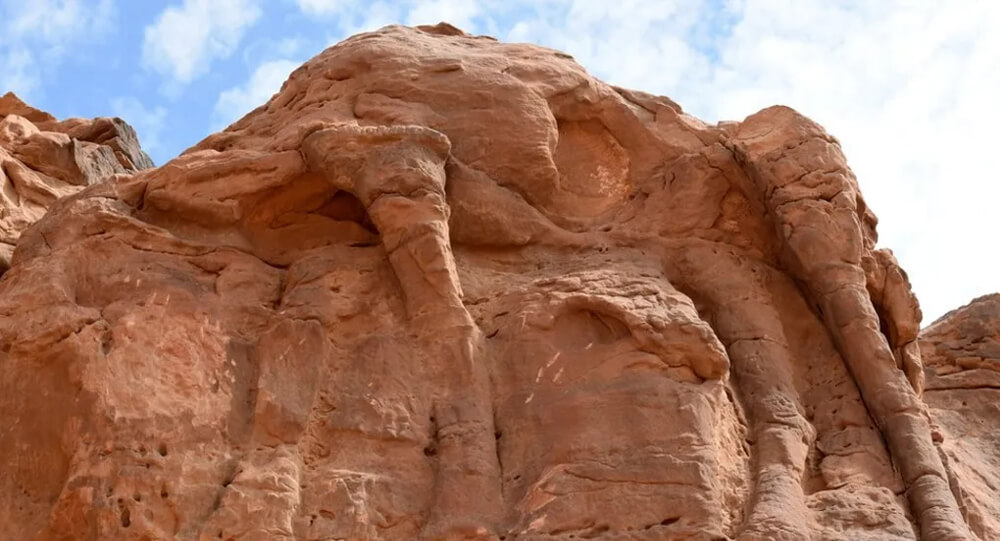

Saudi Arabia camel carvings dated to prehistoric era
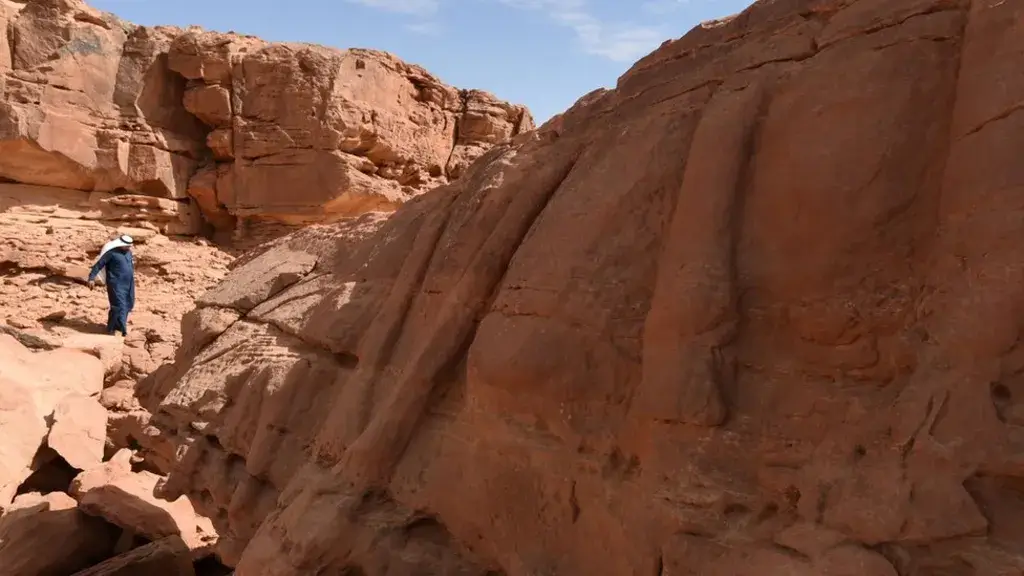
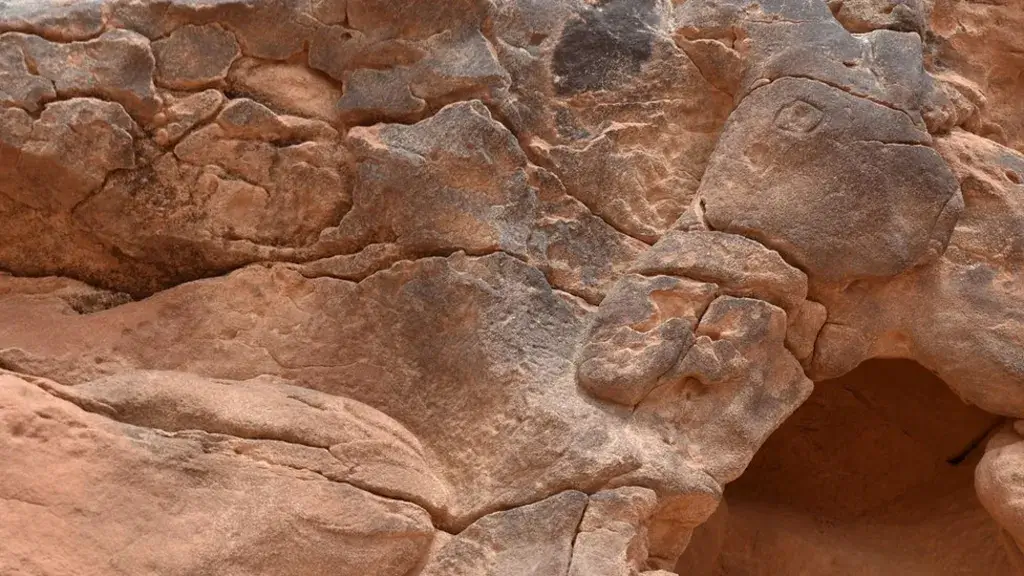
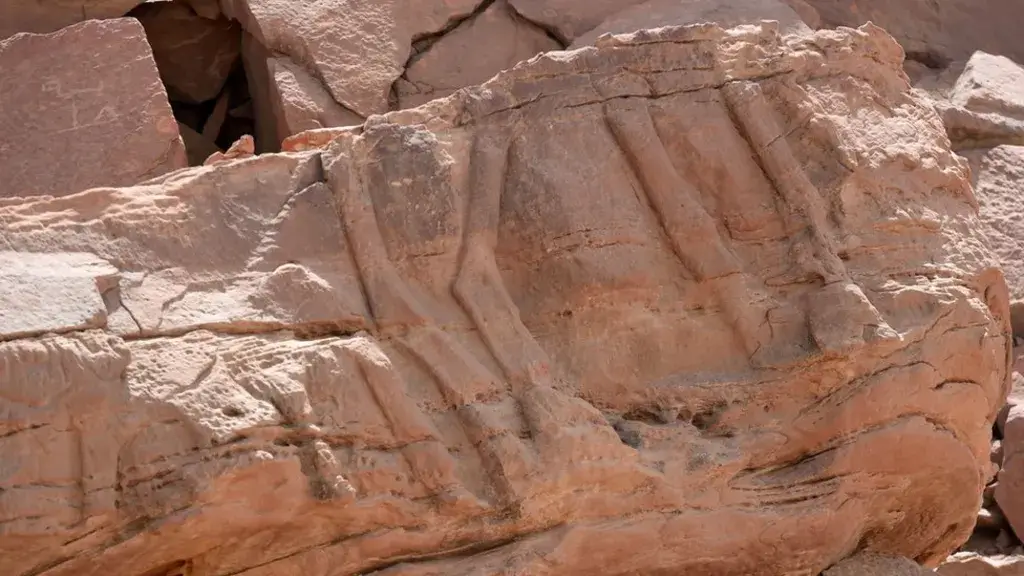
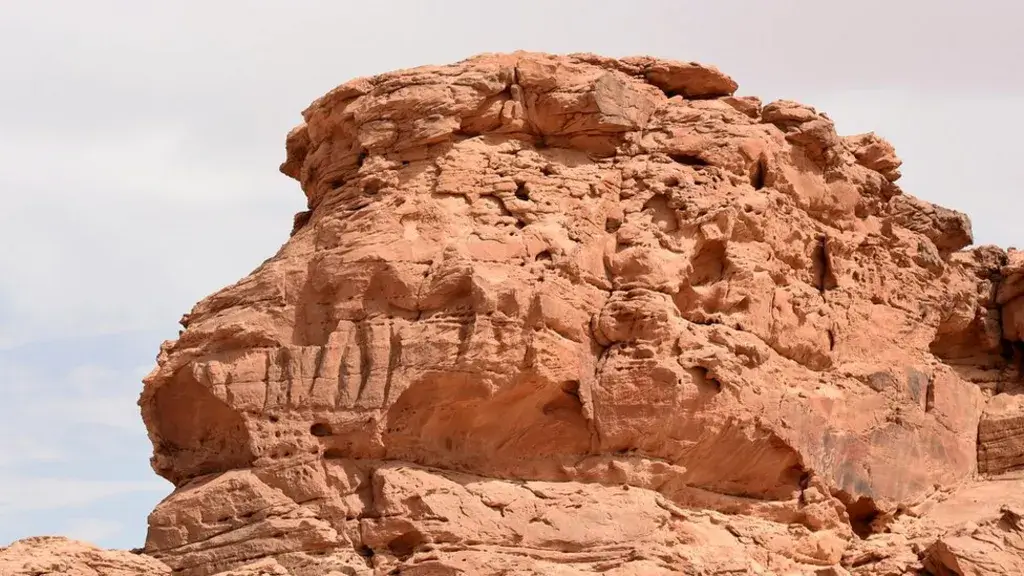
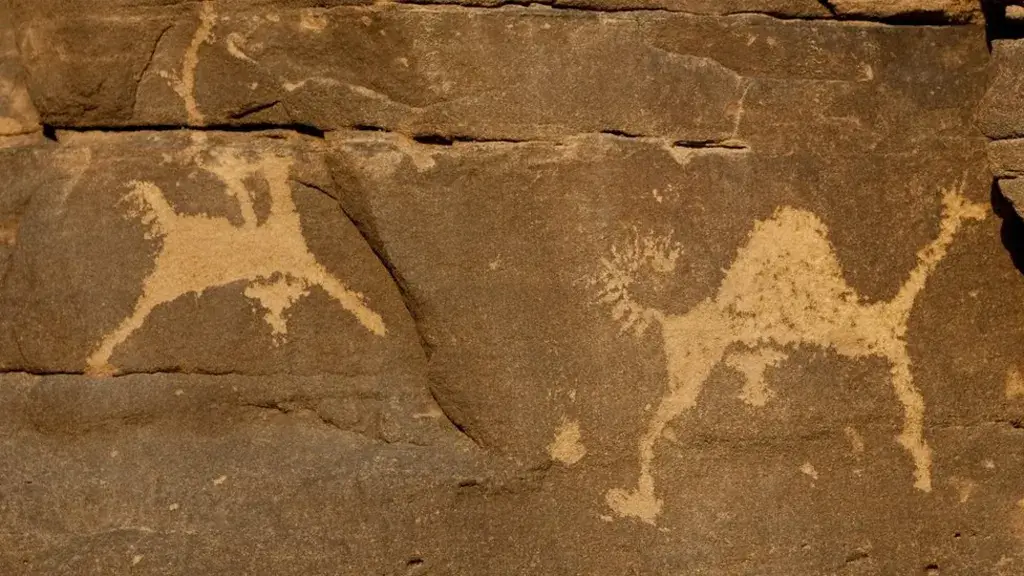
According to a study, a group of camel sculptures etched into Saudi Arabian rock faces are probably the world’s oldest examples of large-scale animal reliefs.
Researchers calculated that the carvings were made approximately 2,000 years ago when they were first found in 2018.
Their resemblance to the reliefs at Jordan’s well-known historic city of Petra served as the basis for this.
But according to a recent study, the camels are between 7,000 and 8,000 years old.
It is difficult for researchers to determine the exact age of rock sculptures. For example, there is frequently no organic matter to sample, unlike cave paintings. This size of rock art is also uncommon in the area.
To establish a new date for the sculptures’ creation, the researchers examined erosion patterns, examined tool marks, and examined animal bones discovered at the site. Their results were published in the Journal of Archaeological Science.
Given their age, they are even more ancient than sites like Stonehenge (which dates back 5,000 years) and the Giza Pyramids (4,500 years). They even predate the domestication of camels, which sparked the region’s economic growth.
Saudi Arabia didn’t look like the deserts it is today; instead, it was made up of grassy plains dotted with lakes when it was first formed.
Although the purpose of the camel sculptures is unknown, researchers have hypothesized that they may have served as a gathering place for wandering tribes. They also noted the difficulty of making such works thousands of years ago. Many of the reliefs are high above the ground, meaning their carvers would have had to build scaffolding to create them.
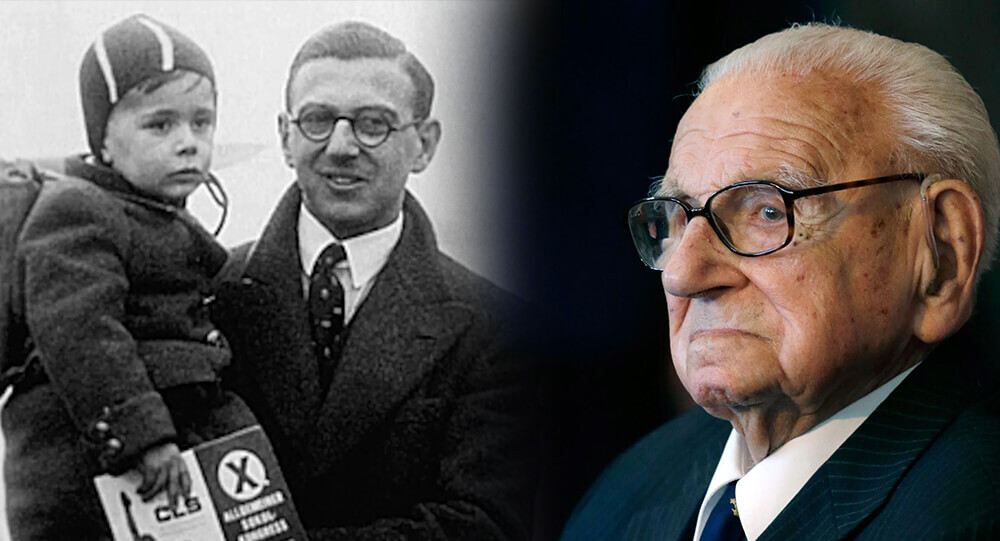
Nicholas Winton ‘British Schindler’: Man who rescued 669 Czech children from Nazis
A man named Nicholas Winton saved 669 kids during WWII and lived almost all his life without letting people know.
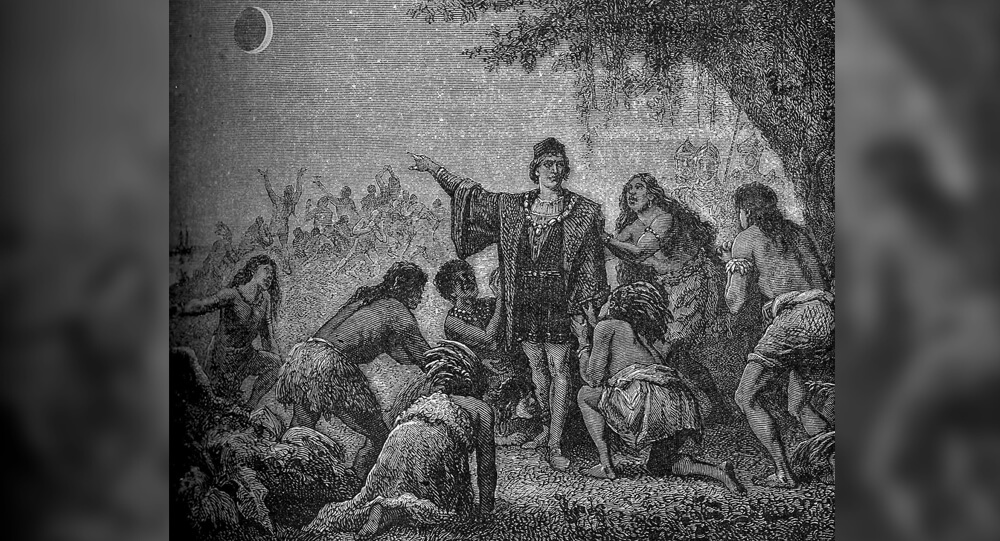
How a Total Lunar Eclipse Saved Christopher Columbus in 1504
In 1504, Christopher Columbus was stranded in Jamaica with natives who refused to give him food. But he knew the date and time of an upcoming lunar eclipse. So he told the natives that his gods were angry at their treatment of him, and would provide a clear sign. Once the eclipse started, the natives raced to give him food and begged for mercy.

June and Jennifer Gibbons The silent twin who Only Spoke to Each Other
Identical twins June and Jennifer Gibbons were born on 11 April 1963 at a military hospital in Aden, Yemen where their father worked as part of the Royal Air Force.
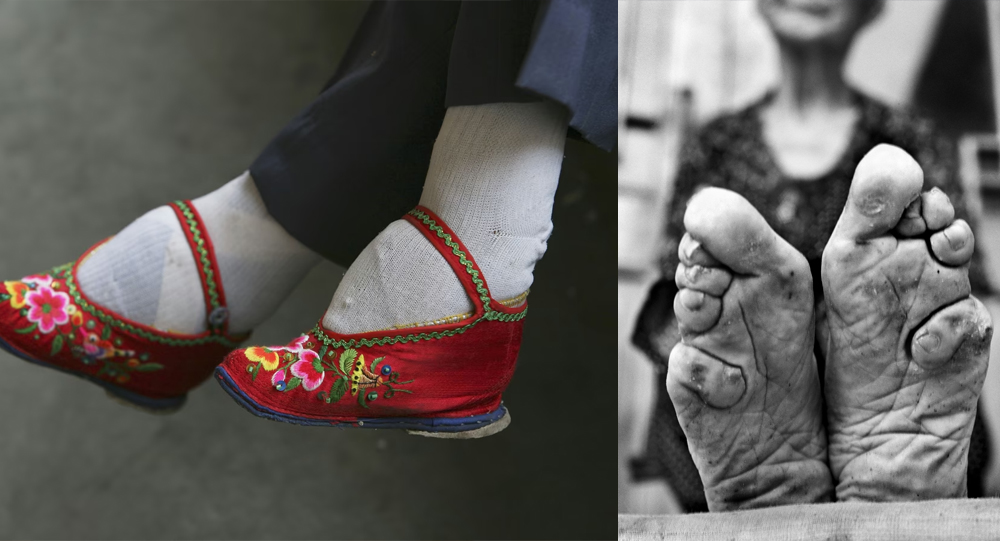
Inside China’s Footbinding Tradition: The Painful Ritual of Lotus Shoes and Bound Feet
In China, Lotus shoes were used to bind women's feet to keep their feet small

Reason Behind The Suicide Of Christine Chubbuck Live On Air
Actor Rebecca Hall had serious reservations about tackling the macabre story around why Chubbuck killed herself in 1974. So what changed her mind?
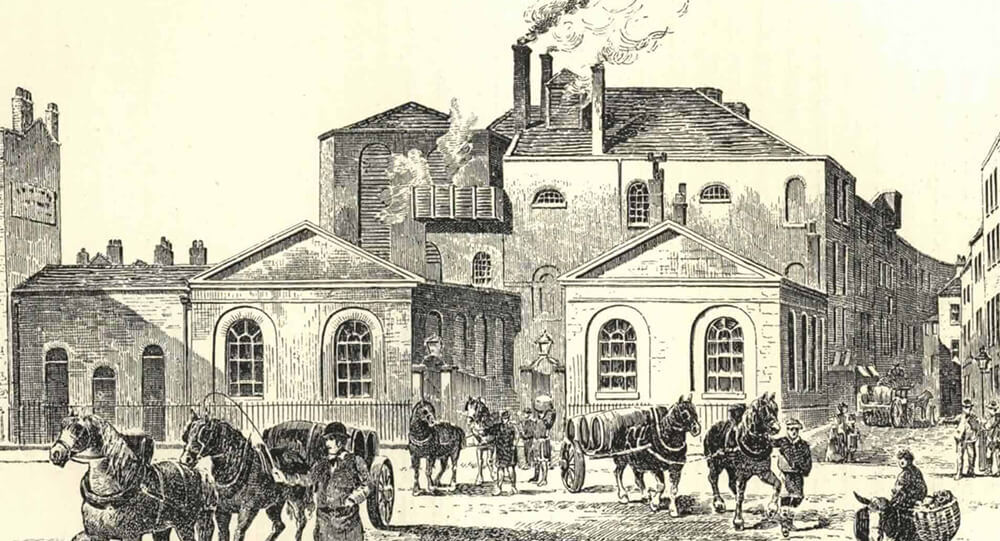
The 1814 London beer flood
In 1814, there was a beer flood in London when a tank containing more than 300,000 gallons ruptured in which 8 people drowned.
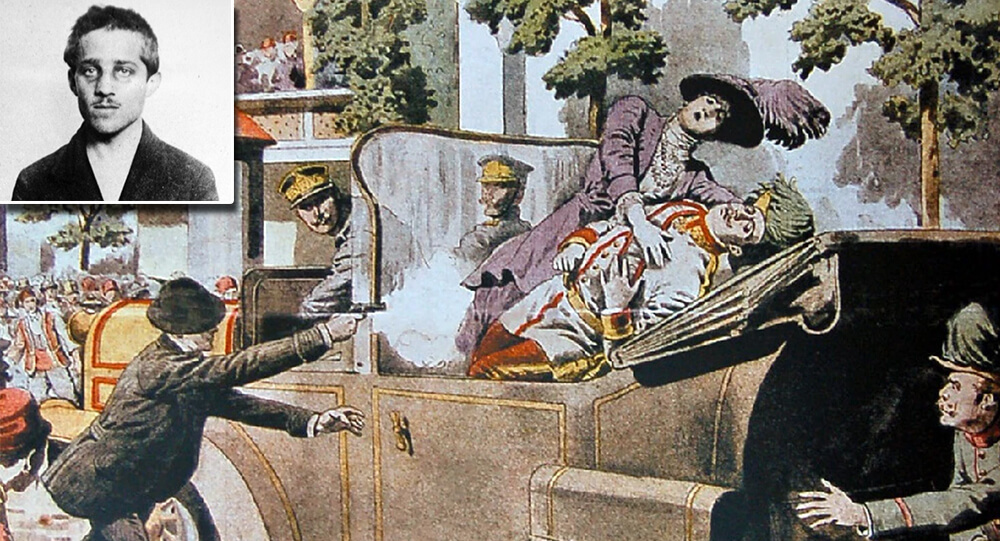
Franz Ferdinand’s Assassination that sparked World War I
Archduke Franz Ferdinand of Austria and his wife Sophie are shot to death by a Bosnian Serb nationalist during an official visit to the Bosnian capital of Sarajevo on June 28, 1914. The killings sparked a chain of events that led to the eruption of World War I by early August.

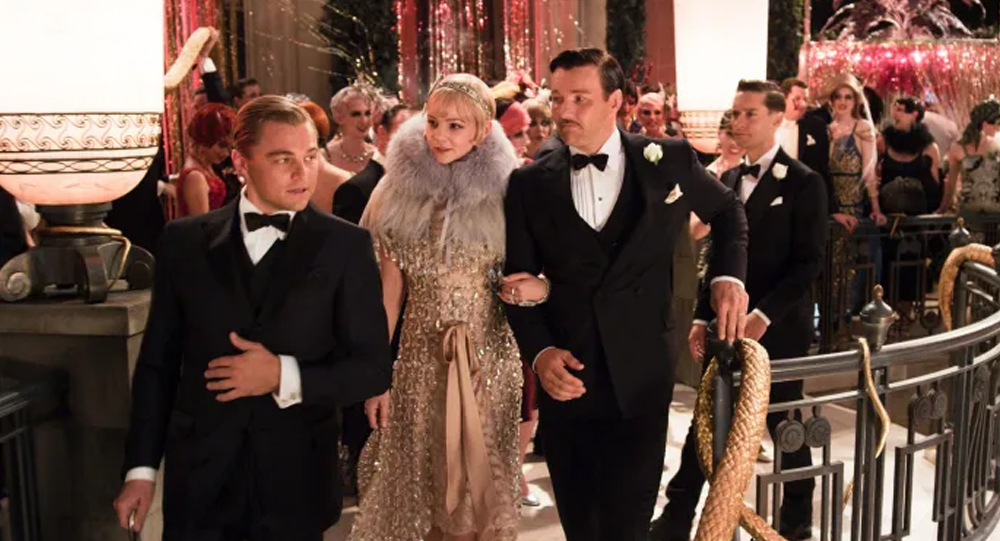
From Flapper to Fashion Week: How 1920s Style Still Shapes Modern Trends
The roaring 1920s revolutionized fashion, introducing bold styles, daring cuts, and a spirit of freedom that still inspires today’s wardrobes. From flapper dresses to statement accessories, here’s how the Jazz Age lives on in modern fashion.

Poto And Cabengo: The Secret Language Of Twins
Poto and Cabengo, as the two girls called each other, communicated in their own language. The twins were ignored by their parents and secluded from the outside world because their father felt they were developmentally retarded, and their unique language evolved as a result of that neglect.
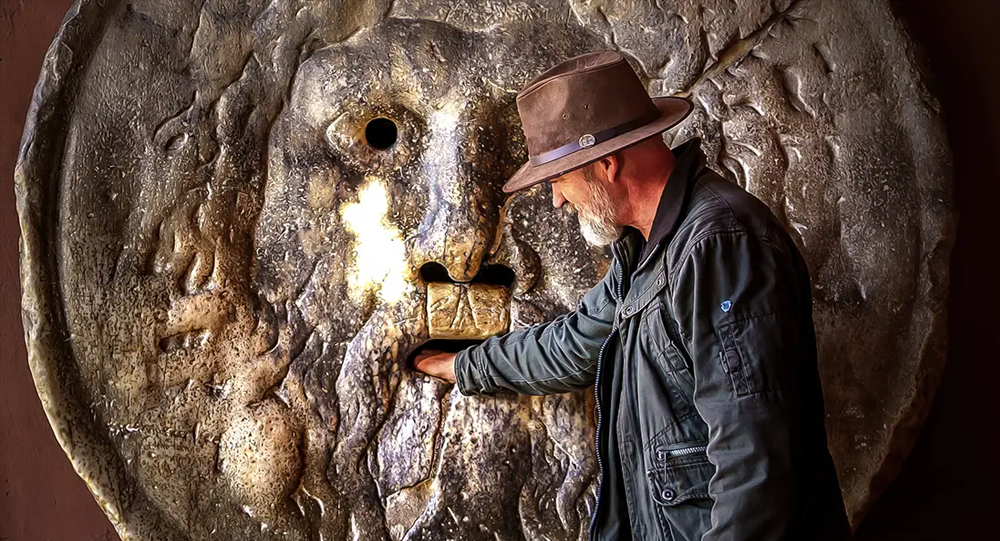
The Mouth of Truth: Ancient Rome’s Legendary "Lie Detector" That Bit Off Hands
Discover the chilling legend of the Mouth of Truth (Bocca della Verità) in Ancient Rome—a massive carved stone face believed to bite off the hand of anyone who lied while inserting their hand into its gaping mouth. Uncover the truth behind its eerie reputation and how this ancient artifact became a symbol of honesty and fear.
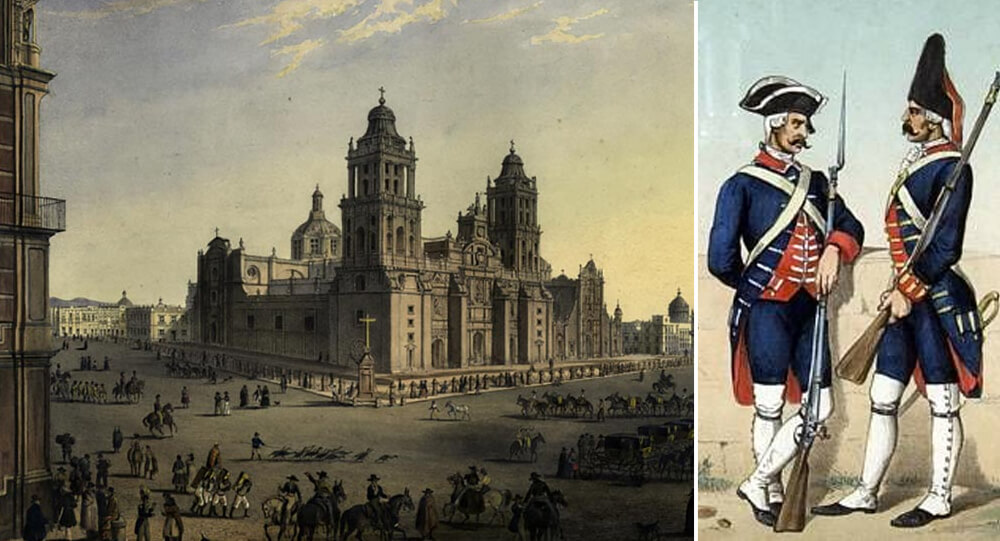
Did Gil Pérez Really Teleport from Manila to Mexico Overnight? The 1593 Mystery
On October 24, 1593, while performing his guard duties at Manila's Governor's Palace in the Philippines, Gil Perez stopped to lean against a wall and sleep for a while. He opened his eyes to find himself in an unusual environment. Gil was in the Plaza Mayor in Mexico City. They imprisoned Perez, but the authorities in Mexico City decided to release him and return him home.

story of the youngest mother in the world at age of five - Lina Medina
Lina Medina, a five-year-old Peruvian girl, became the youngest mother in history in 1939 when she gave birth to a boy.

History of Treadmill, punishment for prisoners
Treadmills were originally a punishment used to harness human power on a giant wheel used to grind grains, hence the name "treadmill." The History of Treadmill

During the 1996 Olympic bombing, Richard Jewell falsely accused of committing the crime after saving dozens of people
Richard Jewell, an American security guard, discovered a bomb during the 1996 Olympic Games in Atlanta and assisted in the evacuation, but was later wrongfully accused and faced public scrutiny. He was cleared, but it had a lasting impact on him until his death in 2007 at the age of 44.
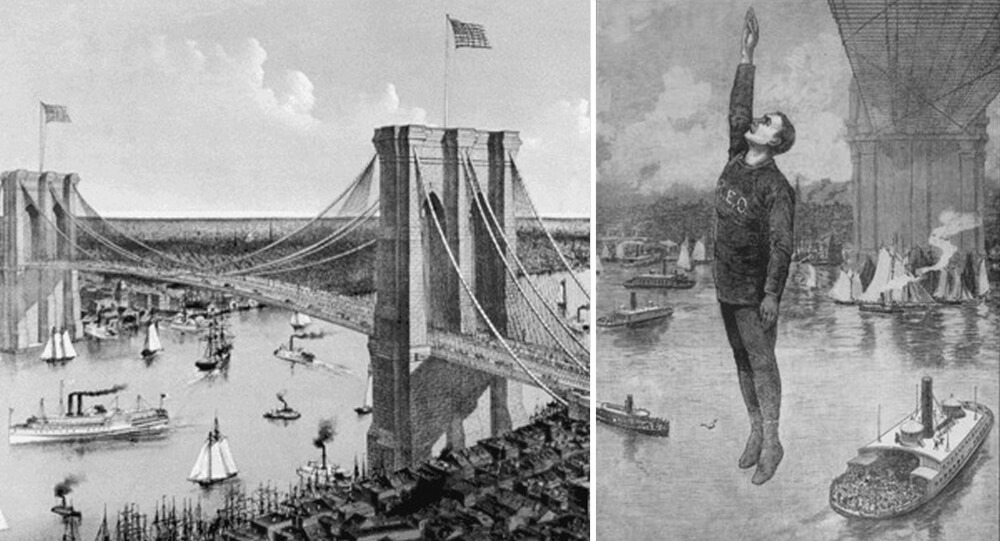
Robert Odlum, the first person to jump off the Brooklyn Bridge
The first person to jump off the Brooklyn Bridge was a professional high diver who "wanted to demonstrate that people did not die simply by falling through the air, thus encouraging people to be willing to jump from a burning building into a net." He proved himself correct by safely falling 135 feet through the air and dying only when he hit the water.
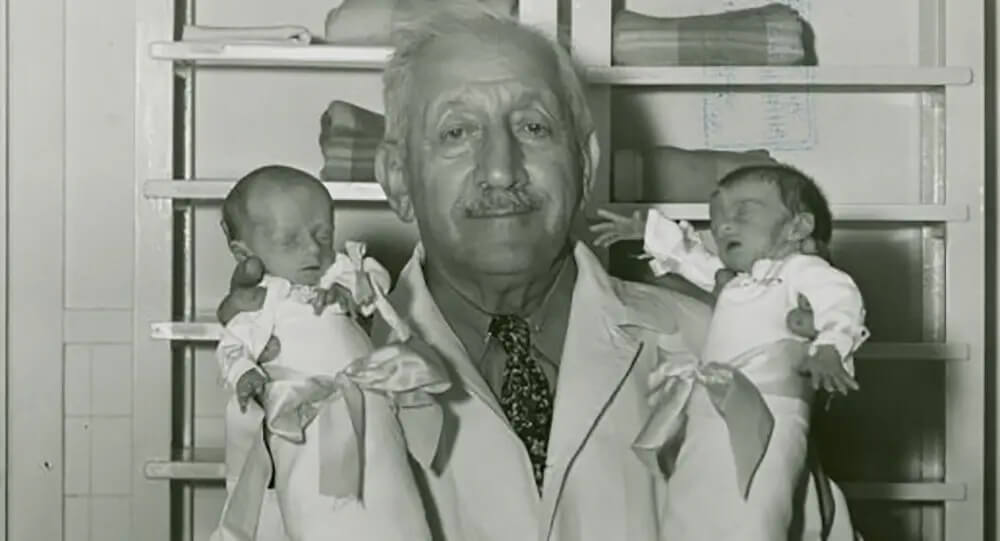
Martin Couney, Saved Thousands of Premature Babies Wasn’t a Doctor at All
Martin Couney never qualified as a medical doctor. However, in the 1900s, he saved thousands of premature babies by exhibiting them in incubators at his Coney Island sideshow. Over the course of his career, he is said to have saved about 6,500 babies that had previously been written off by mainstream medicine.

Why the Brooklyn Bridge Was Once Crossed by 17 Camels and 21 Elephants
On May 30, 1883, a rumor that the Brooklyn Bridge was going to collapse caused a stampede, which killed at least at twleve people. To prove the bridge was safe, P.T. Barnum led a parade of 21 elephants over it.
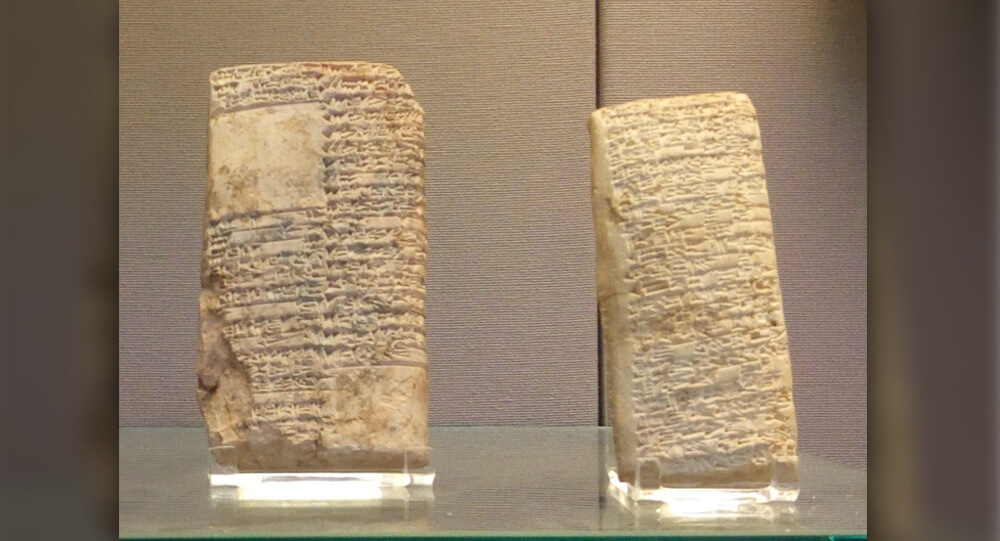
Ea-Nasir: world's oldest written customer complaint
This clay tablet, written in cuneiform, is the oldest known written customer complaint about the delivery of poor quality copper ingots. Originally from ancient Babylon, the tablet dates back to 1750 BCE, and it was written by a customer named Nanni to a merchant named Ea-Nasir. It is currently housed in the British Museum.
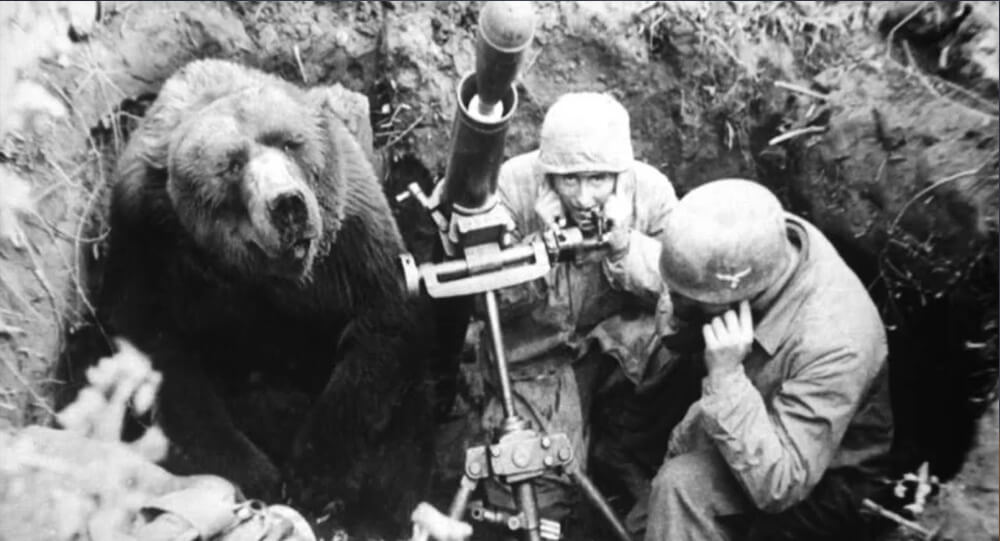
The 440-pound bear named Wojtek and his World War II battle against the Nazis
Polish troops raised an orphaned bear cub during WWII. He enjoyed drinking beer, and was trained to salute. He became officially enlisted as a member of the forces, and helped carry artillery during battle.

Nathan's Famous Doctor Stunt
When Nathan's Famous Hot Dogs first opened in 1916, the owner hired people to dress as doctors and eat hot dogs outside his shop, to convince people his hot dogs were healthy.

Man's Blood Helped Save Millions of Babies
Australian blood donor James Harrison has been one of our most impressive and valued donors, having donated for 60 years. Know his story, how he was a pioneer of our Anti-D program, and why this matters.
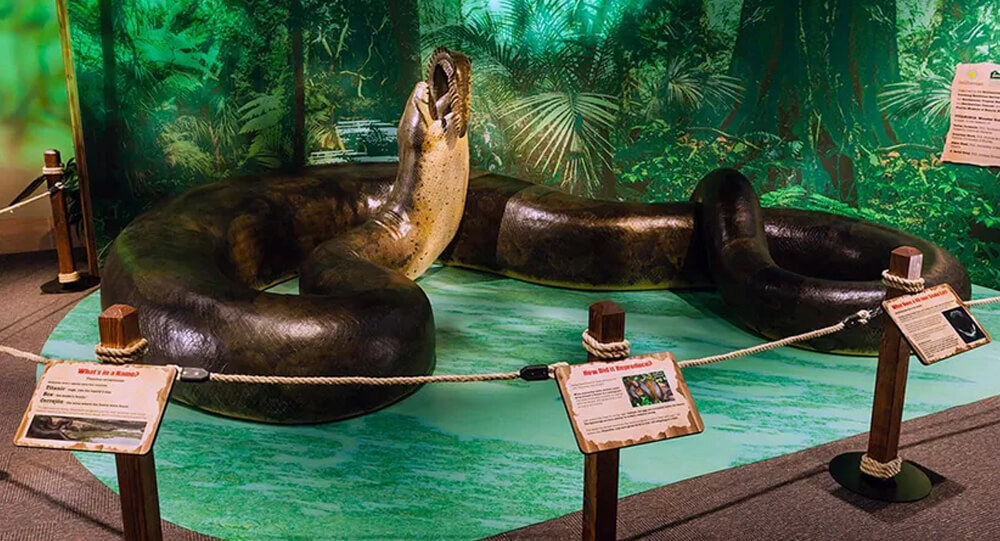
Titanoboa cerrejonensis, fossils of the world’s largest species of snake
In 2009 in a coal mine of Columbia, scientists discovered fossils of the world’s largest species of snake. The species is called “Titanoboa cerrejonensis,“and it is from around 60 million years ago. It would have had measured about 48 feet long and weighed about 2,500 pounds

How European Rabbits Took over Australia
In 1859, wealthy settler Thomas Austin released 13 wild rabbits on his Australian estate. By 1920, their population grew to 10 billion.
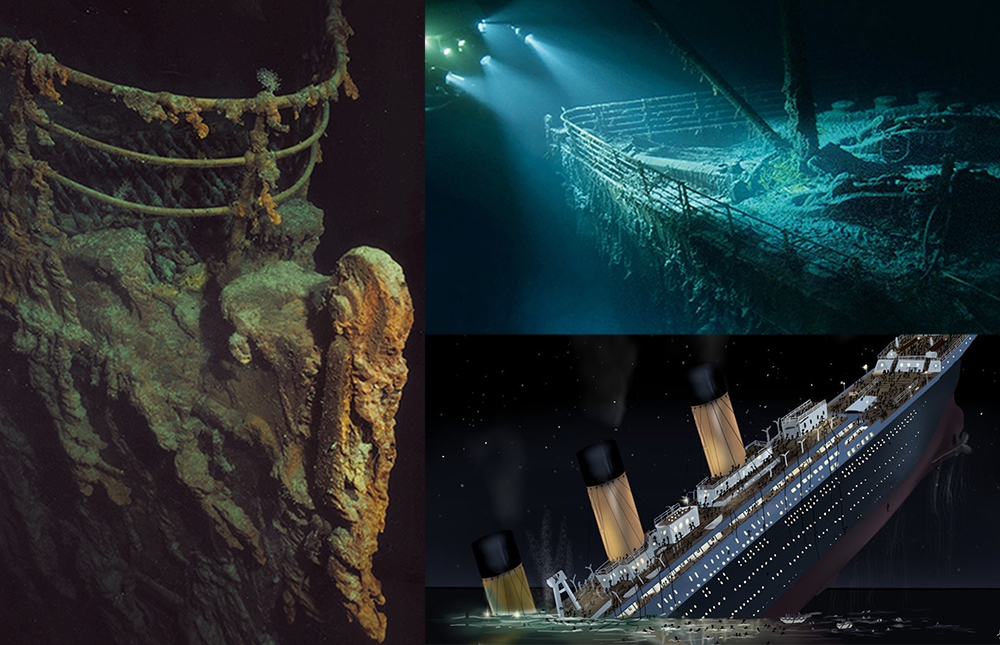
8 Interesting Facts About The Unsinkable Ship, TITANIC
If you ask your friends what's the most famous ship in history the answer in most cases will be the same, of course the legendary Titanic. Its history is full of mysteries, at first it was a source of hope and national pride as well as proof of the triumphs of mankind but it soon became a source of nostalgia and pain, the extent of which cannot be described in words.
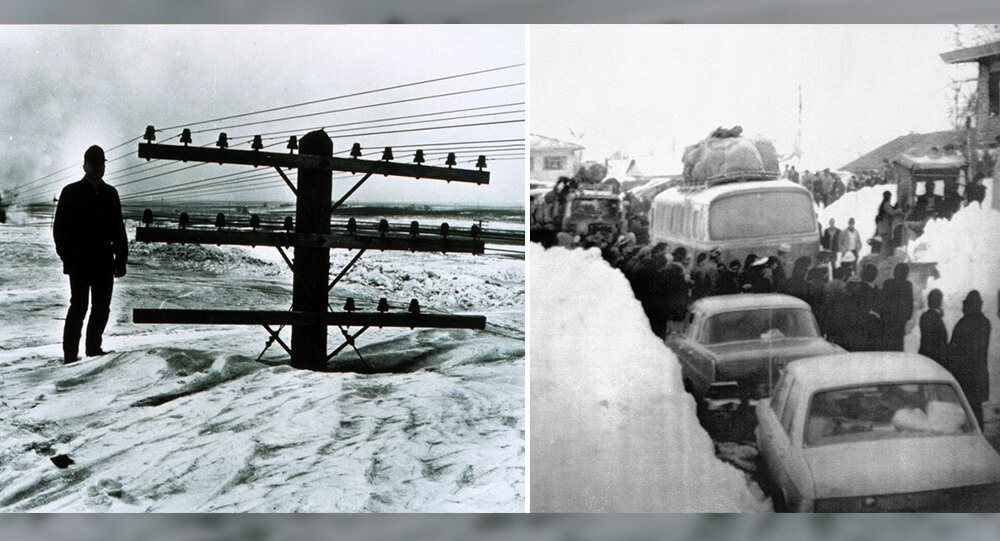
The worst blizzard in recorded history: the 1972 Iran blizzard
The deadliest snowstorm ever recorded occurred in Iran in 1972. It lasted for a week, burying areas in 26 feet of snow and killing over 4,000 people, including the entire populations of three villages.