
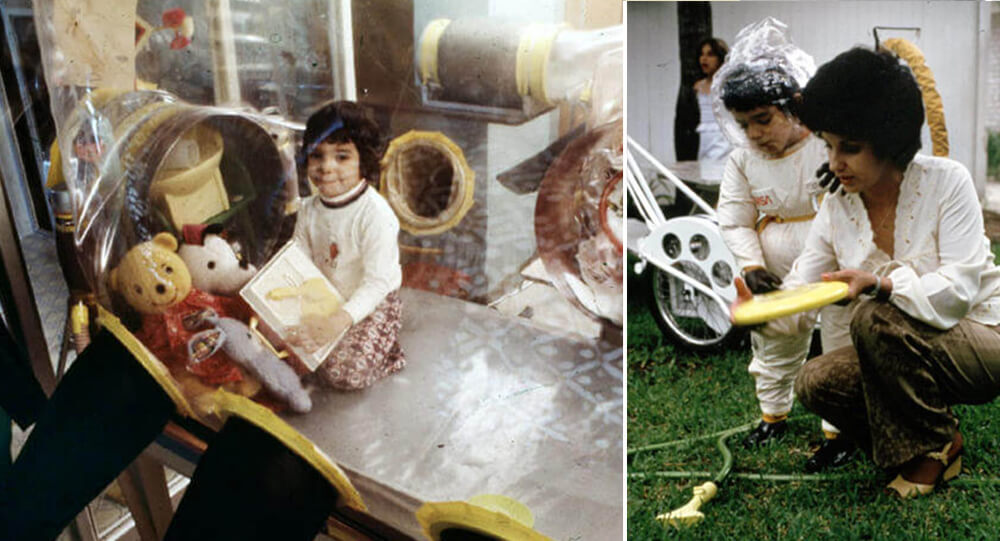

The touching story of David Vetter (bubble boy), the 'boy who lived in a bubble
How does it feel to be trapped in a bubble? For some, this implies living in isolation. However, David Vetter, a young Texas child, lived in the real world – though in a plastic bubble. David, dubbed “Bubble Boy,” was born in 1971 with severe combined immunodeficiency (SCID) and was forced to live his whole life in a specially manufactured sterile plastic bubble until he died at the age of 12.
David would have been in 50’s if he had lived. Thanks to therapy made possible in part by David’s own blood cells, children with SCID can now live normal lives. According to a recent report, 14 of the 16 children who had the experimental therapy nine years ago are now adults.
But how did “Bubble Boy” do in life? Continue scrolling to see David’s heartbreaking story, which was put together with the cooperation of Texas Children’s Hospital, Baylor College of Medicine, and the PBS documentary “The Boy in the Bubble.”
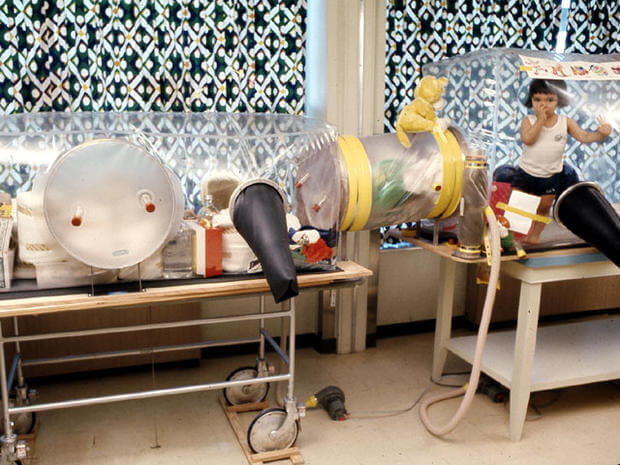
On September 21, David was born in Houston’s Texas Children’s Hospital. He was placed in a plastic isolator bubble after 20 seconds of being exposed to the outside world.
Related topic you might find interesting:
- Inspiring Story Of Jono Lancaster, Abandoned By His Mother At Birth For This ‘Defect’ On His Face
- The Story Of Lionel The Lion-Faced Man, Stephan Bibrowski
- The Heartbreaking Story Of Ella Harper, The ‘Camel Girl’

David was not the family’s first kid to be born with SCID. Carol Ann and David J. Vetter’s first son died of the condition when he was a baby.
Carol Ann was informed by physicians that if she had another boy, her son would have a one in two chance of being born with SCID, an illness that only affects boys. The Vetters turned down an offer to have their child aborted.

Doctors thought David would outgrow SCID by the age of two, but he spent the rest of his childhood in “bubbles,” NASA-designed isolator containment units.

Is raising a child in a bubble ethical? That’s what 30 Texas Children’s Hospital employees wondered – and eventually decided it was.

Thanks to NASA, David made his first steps outside the isolator bubble when he was six years old. For David, the space agency created a unique spacesuit that allowed him to walk and play outside.
David had to crawl down an insulated tunnel to get from the isolator to the spacesuit.
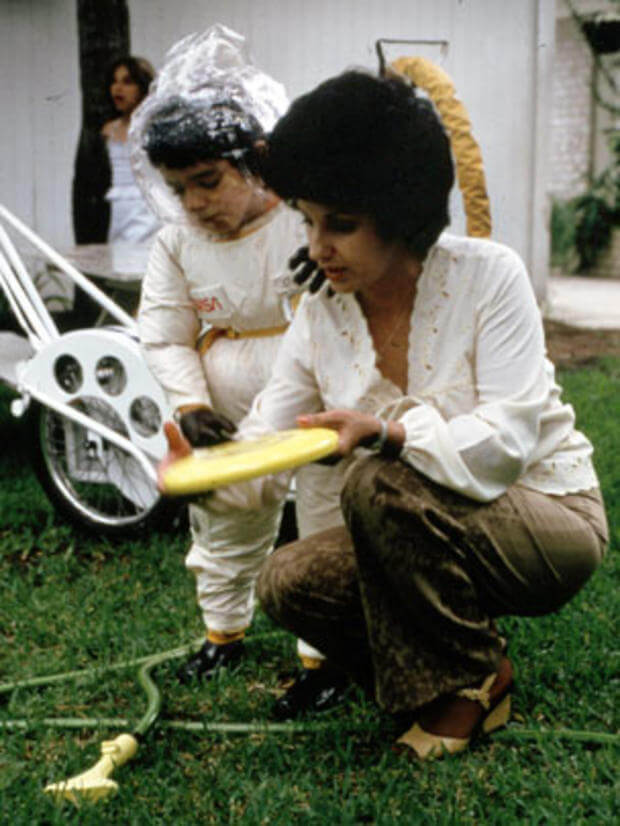
To keep David’s environment sanitary, workers had to conduct a 24-step pre-excursion hookup and a 28-step suit-donning procedure each time he used his suit.

The complicated process of putting on the spacesuit was worth it for David and his mother, who was able to hold her son in her arms for the first time on July 29, 1977.
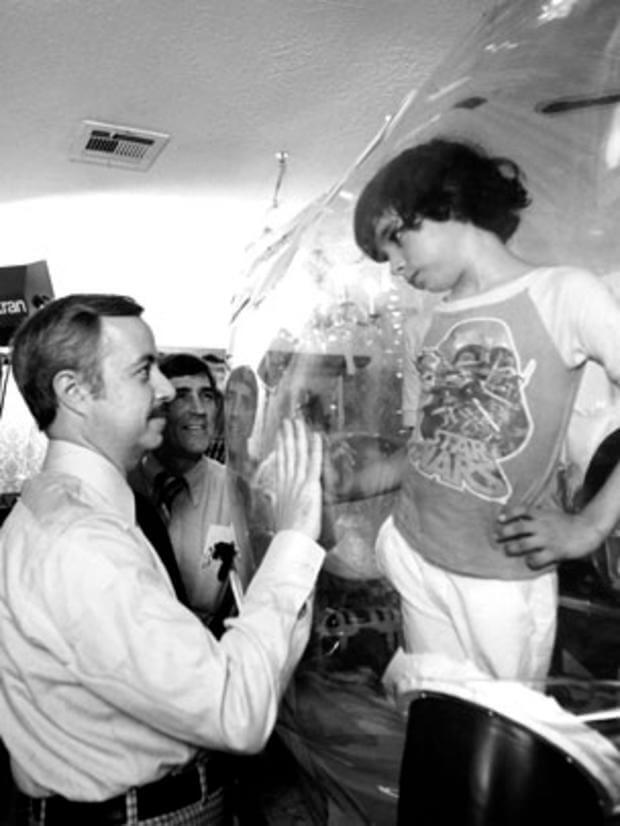
Dr. William Shearer, David’s personal physician, is shown in this 1979 photo during a visit. Dr. Shearer is now the director of Texas Children’s Hospital’s allergy and immunology clinic, where he treats children with SCID.

David received school lessons via his bubble and was able to keep up with the other children his age.

In September 1979, David posed for his annual portrait. Immunologists told him that a potential cure would take another ten years to develop.

David’s annual photograph was shot in September 1980.

In September 1982, David posed for his annual portrait. At the age of 11, he became more thoughtful and requested to see the stars. On his birthday, his family took him outside to enjoy the sky for 20 minutes.
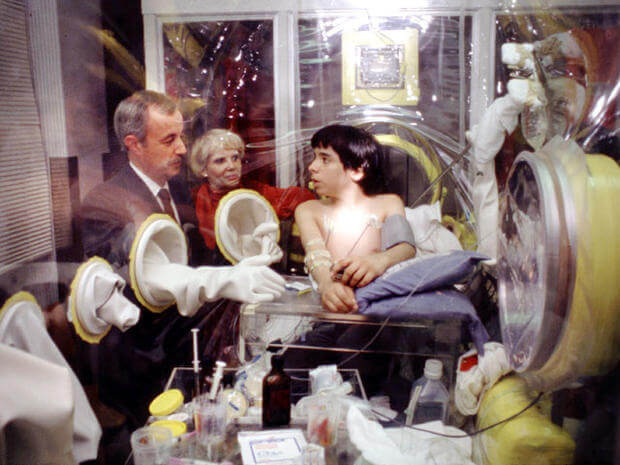
Bone marrow transplants from ideal donors were traditionally used to treat immune diseases. However, in 1983, the Vetters learnt about a new process that would allow bone marrow transplants from non-perfectly matched donors, and they agreed to give it a try. Katherine, David’s sister, contributed her bone marrow. Prior to the procedure, Dr. William Shearer speaks with David.

David died of lymphoma four months after getting the bone marrow transplant from his sister, a malignancy that was later revealed to have been brought into his system by the Epstein-Barr virus. Shortly after his death, the Texas Children’s Allergy and Immunology Clinic established the David Center, which is dedicated to immune deficiency research, diagnosis, and therapy.
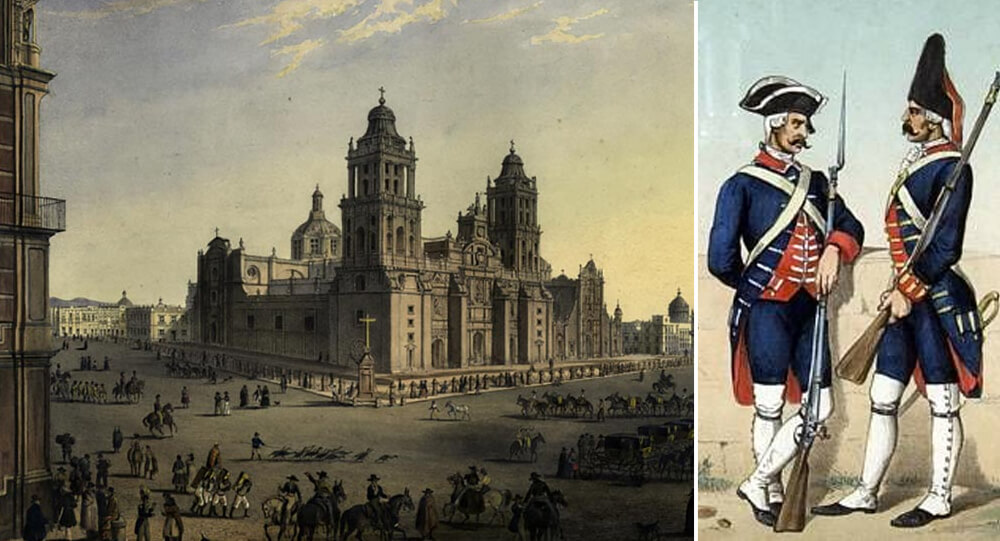
Did Gil Pérez Really Teleport from Manila to Mexico Overnight? The 1593 Mystery
On October 24, 1593, while performing his guard duties at Manila's Governor's Palace in the Philippines, Gil Perez stopped to lean against a wall and sleep for a while. He opened his eyes to find himself in an unusual environment. Gil was in the Plaza Mayor in Mexico City. They imprisoned Perez, but the authorities in Mexico City decided to release him and return him home.

How Cleveland's Balloonfest in 1986 Turned Into a Public Tragedy
In Cleveland, Ohio, United Way broke the world record by deflating nearly 1.5 million balloons as part of a publicity stunt to raise money. The balloon obstructed a US Coast Guard search for two boaters who were subsequently discovered to have drowned, blocked airport runways, and blocked land and waterways.
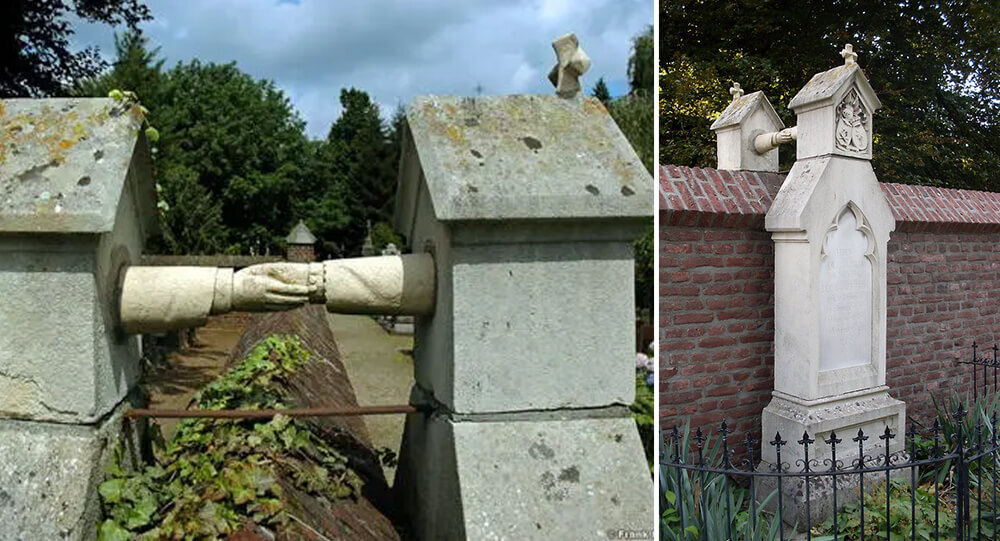
Graves holding hands over wall, A Catholic woman and her Protestant husband grave
A protestant man and a Catholic woman who weren't allowed from being buried together in a graveyard in 19th-century Holland turned their graves into a monument showing them holding hands across the wall separating them.

Archaeologists Uncover 2,000-Year-Old Amazonian Cities Using Lidar Technology
Deep in the Ecuadorian Amazon, archaeologists have uncovered an ancient network of urban settlements once inhabited by the Upano people about 2,000 years ago. Using cutting-edge lidar technology, these discoveries reveal a highly organized society featuring sophisticated agricultural systems, drainage canals, and extensive road networks. This transformative find challenges long-held assumptions about ancient Amazonian societies and sheds light on a complex civilization thriving in one of the world’s most biodiverse regions.
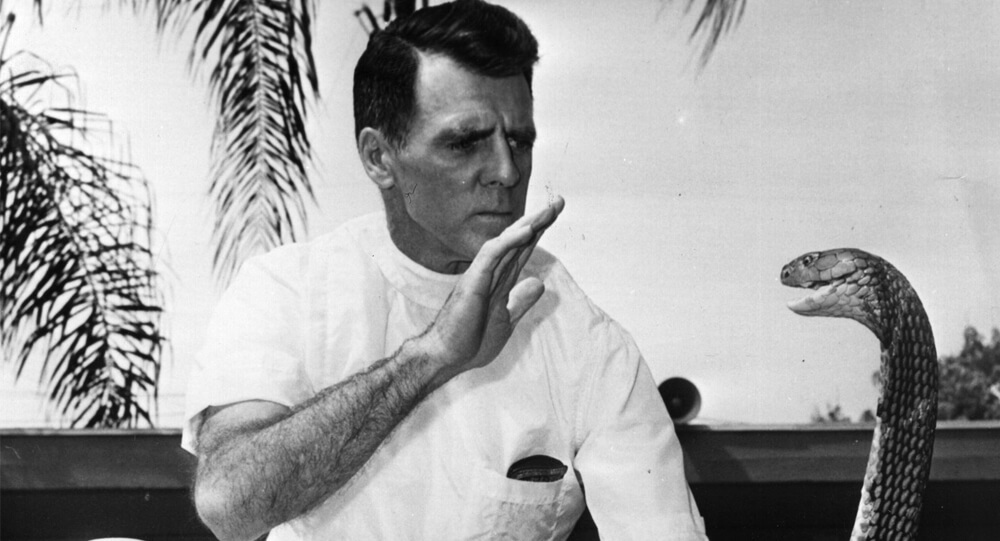
The story of Bill Haast, who lived to be 100 despite his extensive snake venom injections
Bill Haast immunized himself by injecting snake venom into his blood for several years. He holds the Guinness World Record for surviving the most lethal snake bites, having been bitten over 172 times. Bill became known as "Snake Man" around the world and lived for over 100 years.

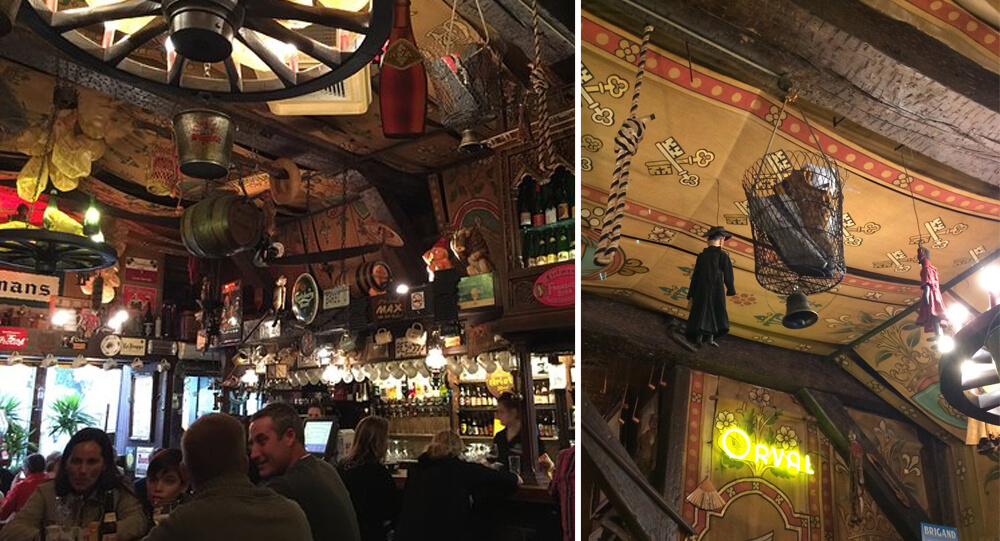
Why This Belgian Bar Makes You Trade Your Shoe for a Beer
To prevent tourists from stealing their beer glasses, some bars in Belgium require people to hand over one of their shoes as a deposit which is then put in a basket and hung from the ceiling. These shoe baskets have also become an attraction.

Quaker Oats Fed Children with Radioactive Oatmeal
In the 1940s and 1950s, Quaker Oats and MIT conducted experiments on radioactive iron and calcium-containing cereal. The diet was part of a study to see if the nutrients in Quaker oatmeal traveled throughout the body. In January 1998, a $1.85 million settlement was reached for 30 victims who came forward.

Max Headroom Incident: America’s Creepiest TV Hack
In 1987 a man hijacked a television station during an episode of Dr. Who and wore a Max Headroom mask and uttered nonsense, and he still hasn’t been caught

A Brief History of the PlayStation Gaming Console
Sony's PlayStation was never meant to be an actual product. Instead, it was intended to be a CD-ROM console that would support Nintendo games. However, when Nintendo backed out of the deal at the last minute, Sony went ahead and launched what soon became one of the most successful gaming consoles of all time.
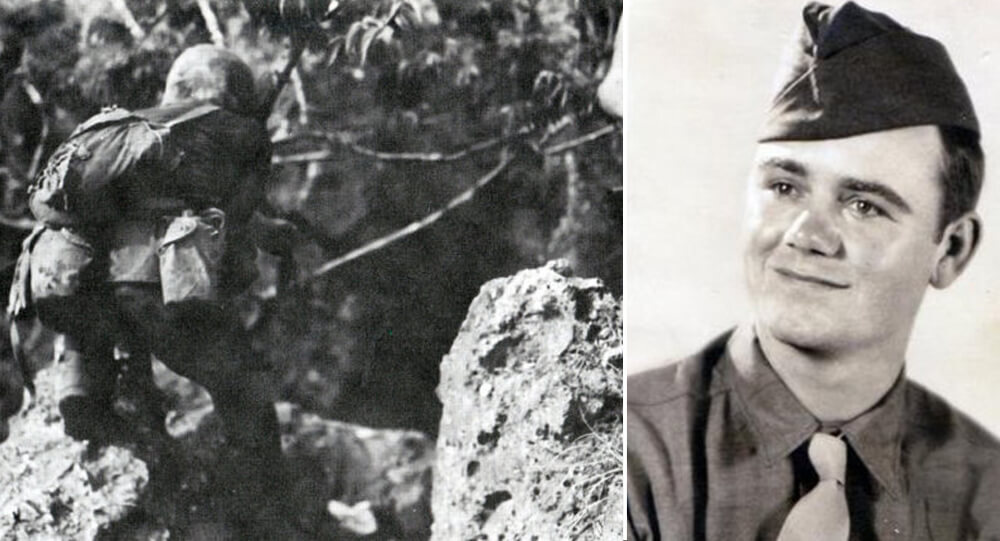
Thomas Baker's heroic act that earned him the "Medal of Honor" was 8 bullets until death
Thomas Baker instructed his team to leave him with a pistol and eight bullets propped up against a tree after he was injured. Later, American troops discovered the now-deceased Baker in the same location, lying next to eight dead Japanese soldiers and carrying an empty pistol.
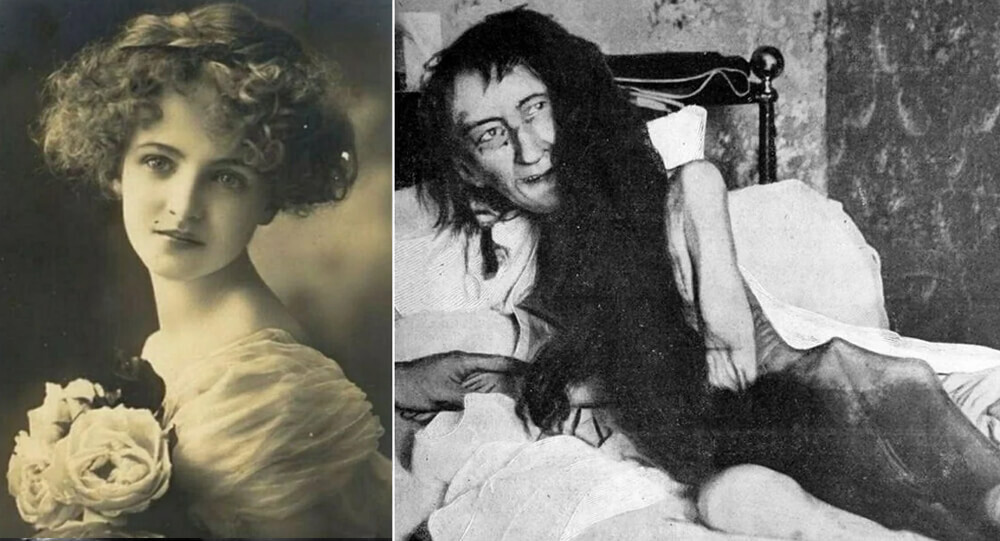
Blanche Monnier: Imprisoned For 25 Years For Falling in Love
Blanche Monnier, she was a French woman noted for her beauty, she wished to marry an old lawyer that her mother disapproved of, so she locked her in a small dark room in her attic for 25 years.

8 Interesting Facts About The Unsinkable Ship, TITANIC
If you ask your friends what's the most famous ship in history the answer in most cases will be the same, of course the legendary Titanic. Its history is full of mysteries, at first it was a source of hope and national pride as well as proof of the triumphs of mankind but it soon became a source of nostalgia and pain, the extent of which cannot be described in words.
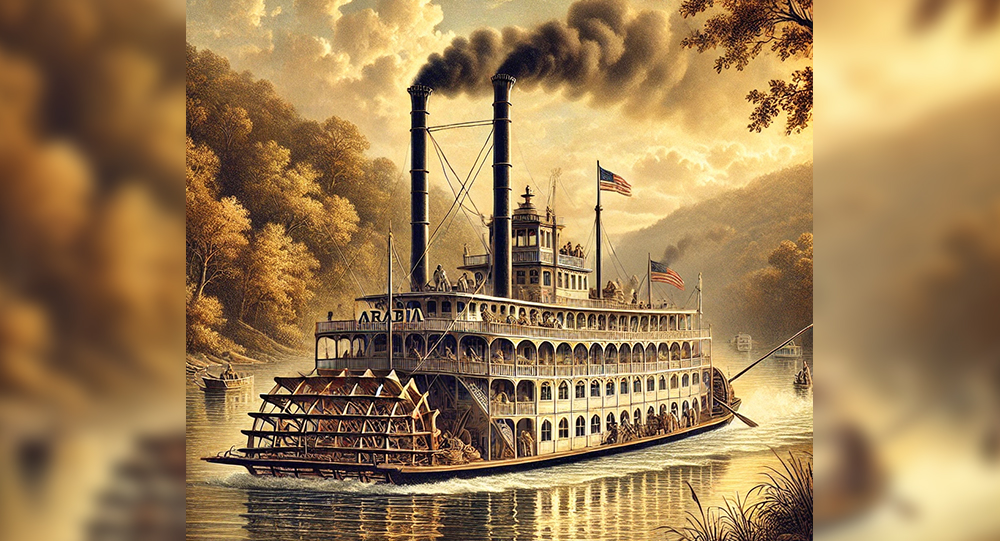
The Arabia Steamboat: Unearthing a 19th Century Time Capsule from the Missouri River
The Arabia was a steamboat that sank in the Missouri River in 1856. Over time, the river shifted 800 meters to the east, eventually turning the site of the sinking into a field. The steamboat remained under 45 feet of slit and topsoil until 1988, when it was excavated. The mud, as it turned out, was such a great preserver that most of the artifacts on board were found to be intact. They even found jars of preserved apples that were still edible!
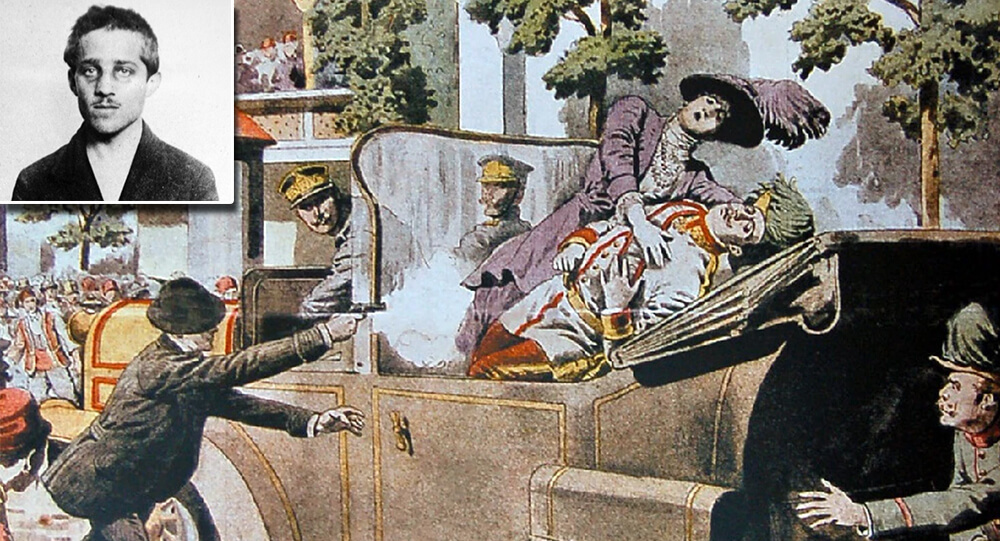
Franz Ferdinand’s Assassination that sparked World War I
Archduke Franz Ferdinand of Austria and his wife Sophie are shot to death by a Bosnian Serb nationalist during an official visit to the Bosnian capital of Sarajevo on June 28, 1914. The killings sparked a chain of events that led to the eruption of World War I by early August.
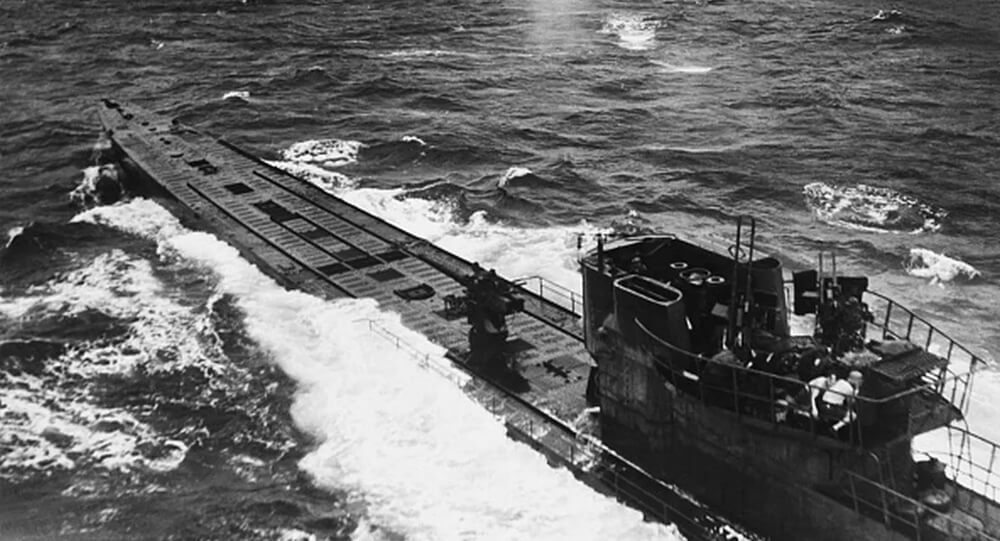
The Amazing Truth About The German U-Boat That Was Sunk By A Toilet
During WWII, a German captain and an engineer flushed the submarine's high-tech toilet incorrectly, causing the vessel to rapidly fill with water. British planes patrolling the sea attacked them as the submarine was brought to the surface. While many members of the crew were killed in the attack, the captain escaped!

Marion Stokes recorded 30 years of television
Marion Stokes, a Philadelphia woman began taping whatever was on television in 1979 and didn’t stop until her death in 2012. The 71,000 VHS and Betamax tapes she made are the most complete collection preserving this era of TV. They are being digitized by the Internet Archive.
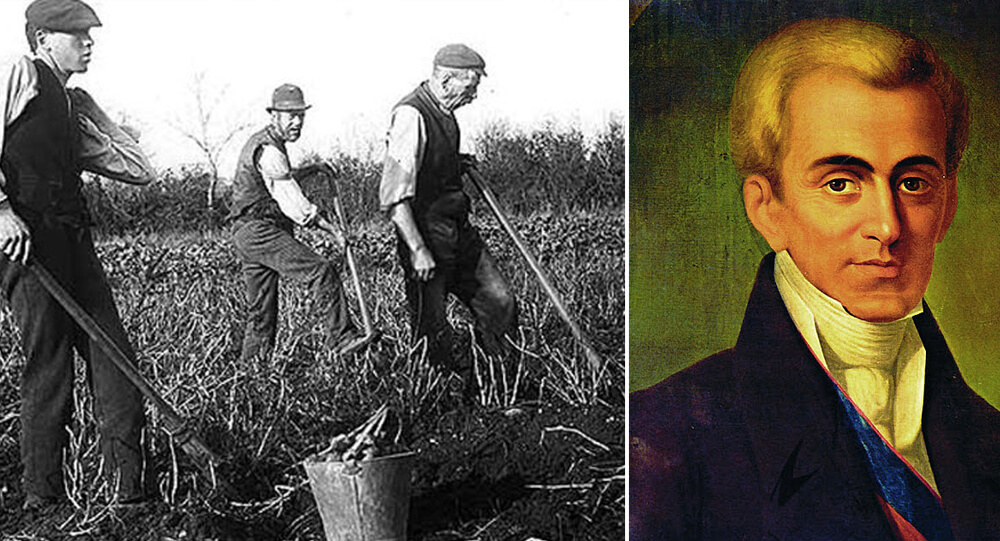
How Greek prime minister in 1830’s tried to spread the potato in Greece
A Greek prime minister in 1830’s tried to spread the potato in Greece but people weren’t interested so he put armed guards in front of shipments of potatoes so people would think they were important. People later started stealing these potatoes a lot which spread the crop to all of Greece.
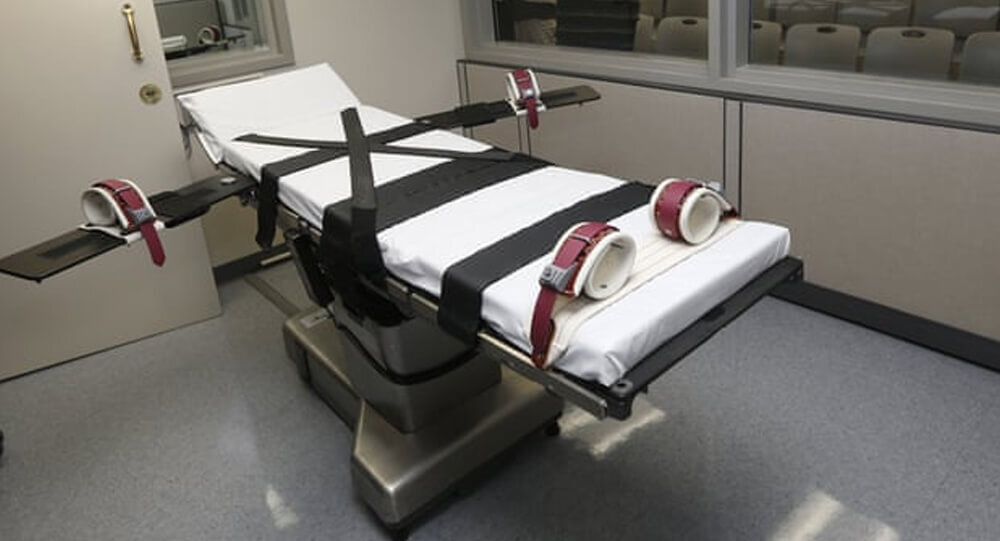
Iranian inmate dies from happiness after finding out he will not be executed
An Iranian man who was convicted of murder reportedly died from happiness after learning that his death sentence was being commuted.
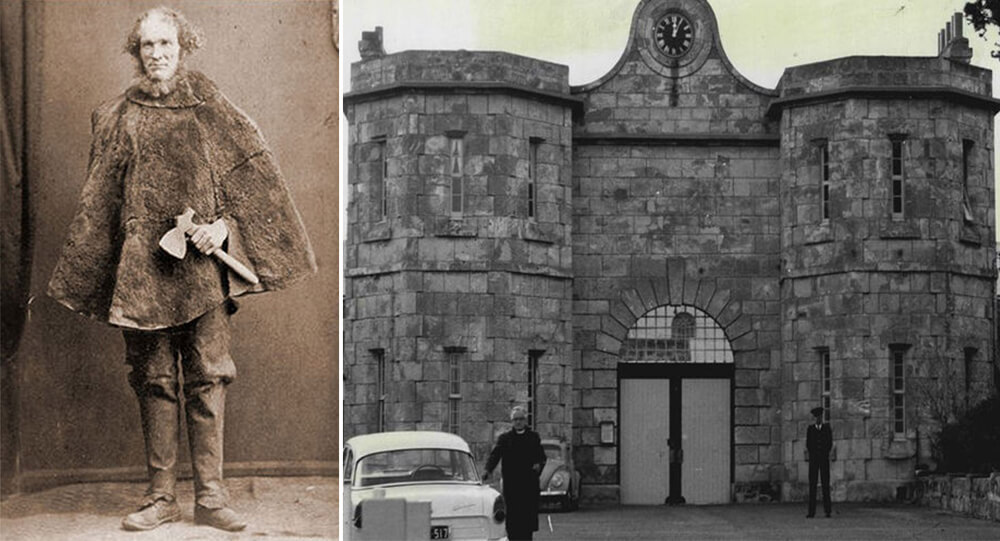
Moondyne Joe: The story of Australia's most notorious prison escapee
A man named Joseph Bolitho Johns (A.K.A Moondyne Joe) broke out of Australian prisons so many times that the police were compelled to build a special cell just for him. He escaped from that as well.

The day Iceland's women went on strike
Icelandic women went on strike for equal rights on October 24, 1975. 90% of women walked out of their jobs and homes, effectively shutting down the entire country. The men were struggling to keep up. The following year, Parliament passed a law requiring equal pay. Iceland elected the world's first female President five years later. Iceland now has the highest gender equality rate in the world.

Ancient Jericho: The First Walled City In History
The ancient city of Jericho is the world's oldest walled city, with evidence of stone fortifications dating back nearly 9000 years.

New London School Explosion, Deadliest school disaster which killed almost 300 children and teachers
In 1937, a gas leak in the basement at the local school in New London, Texas caused a massive explosion which killed almost 300 children and teachers, the deadliest school disaster in US history. Adolf Hitler even sent his condolences by telegram.
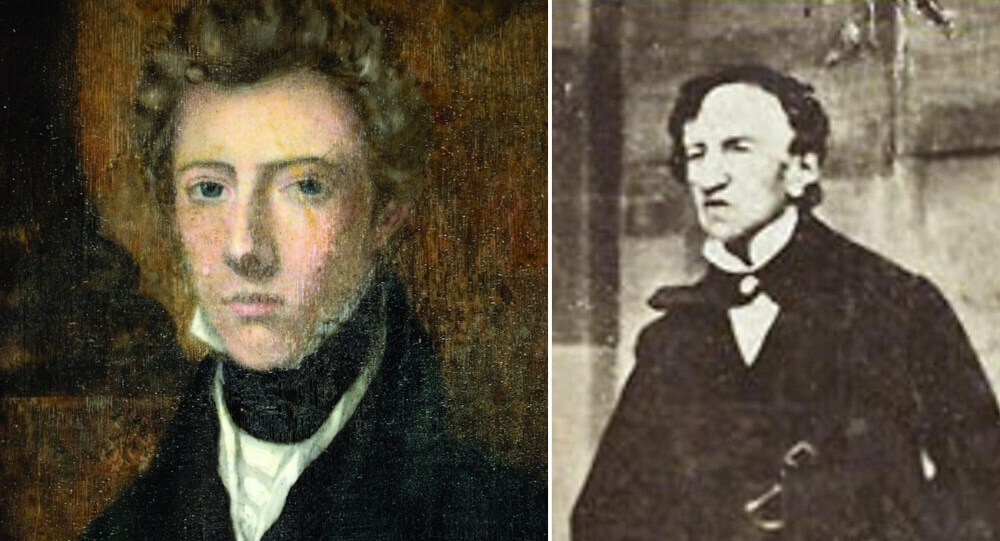
The mysterious secret of Dr James Barry
Before women were allowed to enroll in medical school, Margaret Ann Bulkley studied medicine and assumed the identity of Dr. James Barry for 56 years while dressing as a man. After 46 years of service as an army doctor officer, her secret was not made public until after her death in 1865.

How Sleep Deprivation Was Once Used as Torture
Sleep deprivation, long before modern interrogation techniques, was considered a “clean” and effective form of torture—leaving no physical scars, yet breaking minds with haunting silence. Victims endured days and nights without rest, leading to vivid hallucinations, disorientation, and psychological torment. This article traces the dark history of sleep deprivation as a weapon, examines the science behind its effects on the brain, and shines a light on the painful balance between human endurance and cruelty in the annals of coercion.

Roller Coasters were First Invented to Distract People from sin
Roller coasters were invented to distract Americans from sin. In the 1880s, hosiery businessman LaMarcus Thompson didn’t like that Americans were going to places like saloons and brothels and created the first roller coaster on Coney Island to persuade them to go there instead.