

Inspiring story of Jono Lancaster, Abandoned by His mother at birth for this 'defect' on his face
The life of Jono Lancaster is a prime example of the strength of will, resiliency, and the capacity to overcome seemingly insurmountable obstacles. Jono overcame adversity with unwavering grace despite being born with Treacher Collins Syndrome, a rare genetic condition that affects the development of facial bones and features. This article explores the remarkable journey of Jono Lancaster, highlighting his victories, his work as an advocate, and the enduring impression he has had on countless people all over the world. Jono’s story is a tremendous source of inspiration and empowerment for everyone, from his personal development to his humanitarian endeavors.
Early Life and Diagnosis
A truly remarkable person, Jono Lancaster has faced his challenges head-on with firm courage and determination. Treacher Collins Syndrome (TCS), a rare genetic disorder, caused Jono to be born with medical complications and uncertainty throughout his early years. TCS presents special difficulties that Jono had to overcome from a young age because it affects the growth of facial bones and features. Jono overcame these challenges with an unwavering spirit, and he started on the path to victory and self-acceptance.
For Jono, growing up with TCS was difficult. Due to his appearance, he endured bullying and discrimination throughout his childhood and adolescence. He frequently felt like an outsider due to the ignorance and discrimination of others. But Jono’s determination and courage carried him forward, and he refused to let the criticism define him. Instead, he turned these experiences into fuel for his advocacy, determined to challenge stereotypes and educate the world about TCS.
Jono’s Abandonment at Birth
The chances weren’t good when Jono Lancaster was born. Treacher Collins syndrome, a rare genetic disorder that affects facial development, meant that he had more difficulties than most from birth. The heartbreaking choice his mother made to give him up for adoption as soon as he was born only worsened the situation. It was a difficult start that prepared me for a life of struggle and self-discovery.
Jono was given a second chance to find a loving family through adoption, but the process was not without its challenges. He struggled with identity issues as a child and questioned whether his biological parents’ choice was an indication of his own value. However, despite the doubts that plagued him, Jono eventually found solace and strength within the love and support of his adoptive family.
Jono’s Journey: From Struggles to Triumphs
It was not an easy road for Jono to travel toward self-acceptance. He had to challenge the idea that value is determined by appearance as well as society’s limited definition of beauty. Through reflection and a firm belief in his own worth, Jono was able to accept himself wholly while embracing his differences. His future successes were built on his newfound self-acceptance, which also gave him the ability to uplift and empower others who were struggling with self-image issues.
Jono found courage in the face of hardship and refused to let his illness define him. Instead, he inspired himself and others using his own life’s journey. Because of his courage, Jono overcame many challenges, both mental and emotional. He discovered the strength to pursue his goals through perseverance and an unbreakable spirit, ultimately demonstrating that one’s limitations do not necessarily determine one’s potential for success. The example of Jono serves as a reminder that anything is possible if you have tenacity and persistence.
Jono’s Advocacy for People with Treacher Collins Syndrome
Jono understood the importance of educating the public about Treacher Collins Syndrome and other craniofacial disorders. He began a mission to inform society and remove myths about these conditions because of his charismatic personality and sincere desire to make a difference. Jono has been successful in bringing attention to the difficulties faced by those with TCS by sharing his personal experiences through a variety of platforms, such as public speaking engagements and documentaries. His commitment to disseminating knowledge has improved comprehension while also creating space for empathy and compassion.
One of Jono’s most significant contributions to society is his dedication to removing myths and modifying opinions. By redefining these ideas and celebrating diversity, Jono has inspired others to see beyond outward appearances and focus on the richness of each person’s individuality. Through his advocacy work, he has challenged society’s constrained understanding of what it means to be “normal” or “beautiful.” His message of inclusion and acceptance has aided in the dismantling of barriers and paving the way for a world that is more compassionate.
Future Projects by Jono: Persevering in Inspiring and Creating Change
The journey of Jono Lancaster is far from over. He continues to work on numerous initiatives designed to bring about positive change with a heart full of determination and a firm commitment to advocacy. Jono’s future is full of limitless opportunities, whether he decides to expand his current projects or start brand-new ones. He is still committed to changing how society views worth and beauty and to empowering people with disabilities.
Jono Lancaster is still actively engaged in the lifelong battle for inclusion and equality. He will keep challenging social norms and raising the voices of those who are frequently silenced through the use of his platform. Jono’s unwavering commitment to building a more inclusive world serves as a constant reminder that change is possible when we stand together and fight for what is right.

The World’s First Seismograph: How Ancient China Detected Earthquakes 1,800 Years Ago
Over 1,800 years ago, long before modern technology, the ancient Chinese astronomer and inventor Zhang Heng created the world’s first seismograph in 132 AD. This ingenious bronze device could detect distant earthquakes by releasing small balls from dragons’ mouths into toads’ mouths—each indicating a different compass direction. Its historic detection of an earthquake 400 miles away astonished the imperial court and transformed the way societies understood and responded to seismic events.
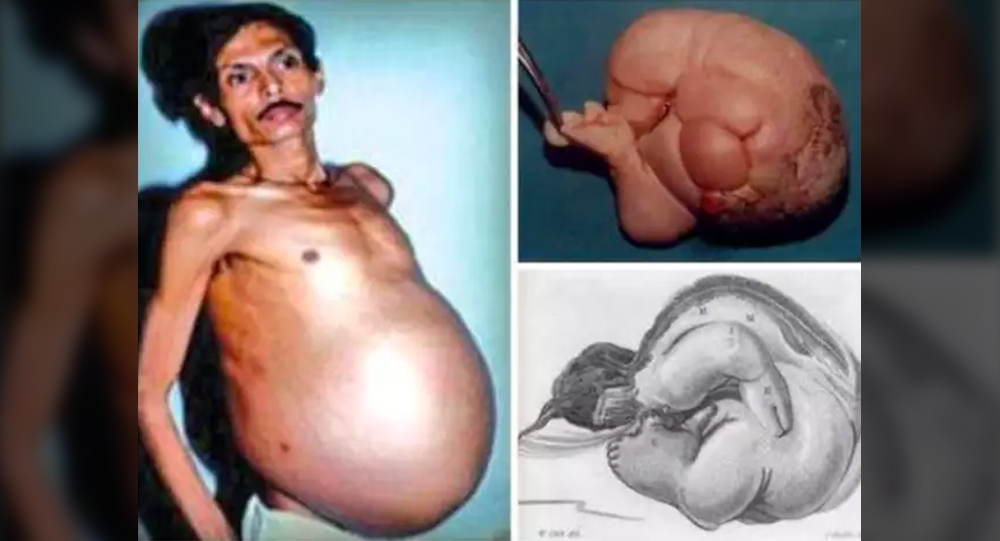
The Astonishing Case of Sanju Bhagat: Living with a Twin Inside Him for 36 Years
Sanju Bhagat, an Indian farmer, lived with an undiagnosed parasitic twin inside his abdomen for 36 years. In 1999, doctors discovered the twin during surgery. This rare condition, fetus in fetu, occurs when a malformed twin is absorbed during pregnancy, surviving within the host sibling's body.
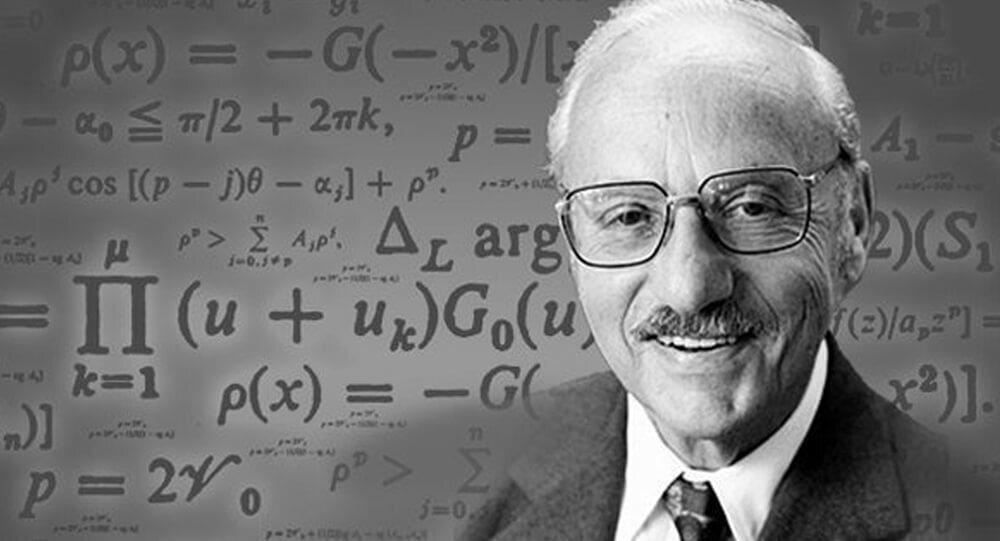
George Dantzig solved two famous “unsolved” problems in statistics mistakenly as assignment
In 1939, George Dantzig arrived late to his statistics class. On the board were two famous “unsolved” problems in statistics written as an example by his professor. Dantzig mistook the examples for homework assignments. He solved the “unsolved” problems and submitted the homework to his professor a few days later. His solutions earned him a doctorate.
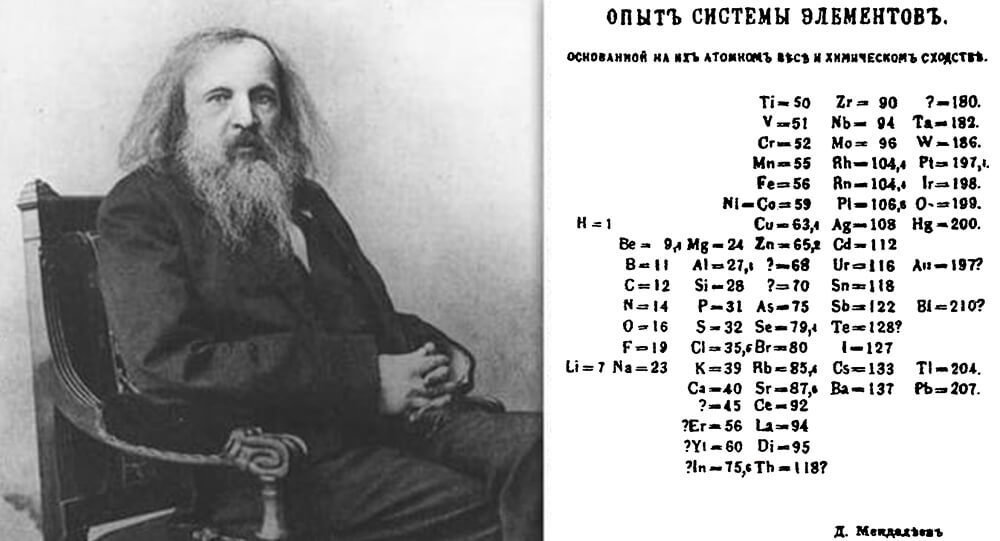
How Dmitri Mendeleev Developed the periodic table of the elements
1850 Dmitri Mendeleev walked almost a thousand miles to Moscow so he could apply for the University of Moscow. Although he was not accepted, he walked to St. Petersburg where he was accepted, And with that education, he developed the the periodic table of the elements


Man gave his stem cell fund to a disabled boy
Dan Black, who was paralyzed in a bike accident, spent four years raising 20,000 for a stem cell treatment that could let him walk again. However, after learning about a five-year-old boy with cerebral palsy, he donated the funds for the boy's medical treatment in order to enable him to take his first steps.
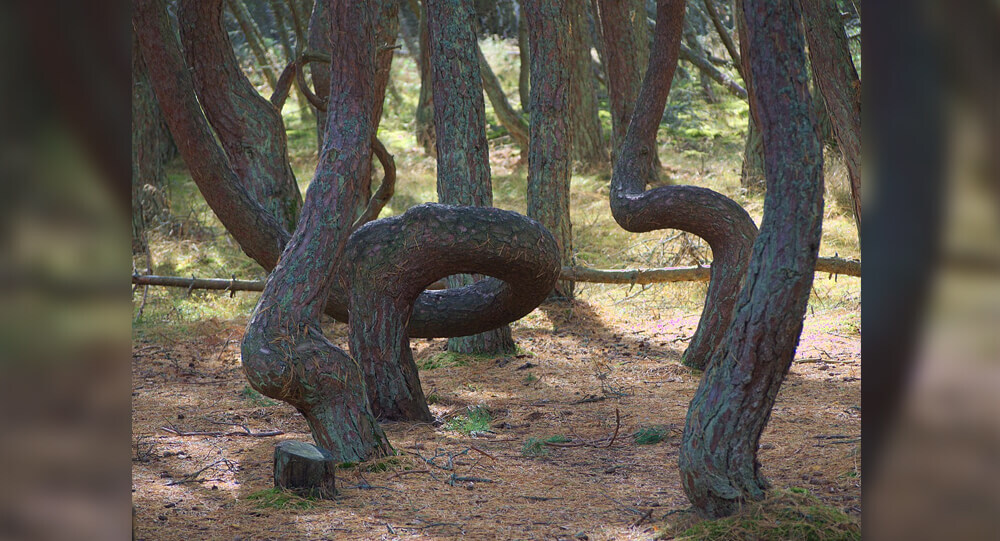
The Mystery of the Dancing Forest: Reasons behind the unusual wonders of forest
The Dancing Forest in Russia is noted for its unusually twisted pine trees. The trunks of these trees are contorted into spirals, rings, and other squiggly loops, but the reason for this malformation is still a mystery.

The Mystery of the Darvaza Gas Crater: A 50-Year Inferno
Scientists lit a hole filled with natural gas on Fire in 1971, expecting it would burn only for few days. The hole has been burning for the past 48 years & is called "The Door To Hell".

India's chandrayaan-3 becomes the first landed craft on moon's south pole
India's chandrayaan-3 becomes the first land craft on moon's south pole. It landed safely on August 2023
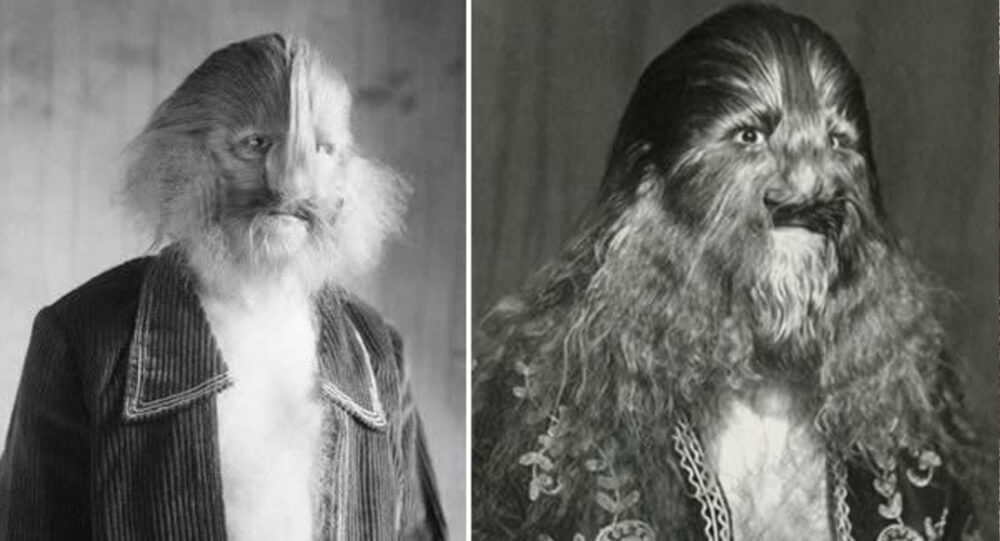
The story of Lionel the Lion-Faced Man, Stephan Bibrowski
Stephen Bibrowski, also known as Lionel the Lion-faced Man, was a well-known sideshow entertainer. His entire body was covered in long hair, giving him the appearance of a lion; this was most likely due to a rare condition known as hypertrichosis. Lionel traveled to the United States in 1901 and began performing with the Barnum and Bailey Circus.
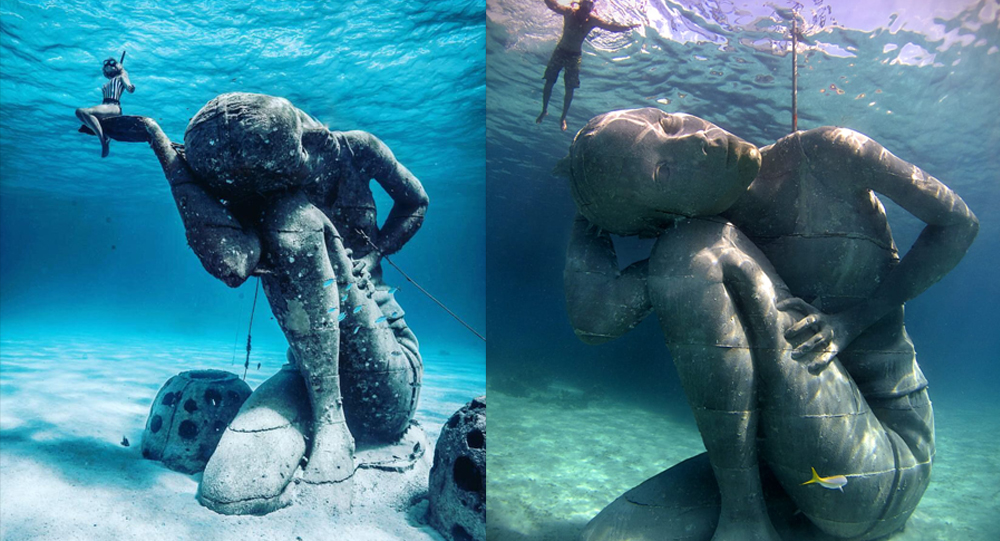
Ocean Atlas: Exploring the World’s Largest Underwater Sculpture in the Bahamas
On the western coast of New Providence in Nassau, Bahamas, there is a tourist attraction that you can dive down to see. Called Ocean Atlas, this is the largest single underwater sculpture ever installed. It depicts a local Bahamian girl carrying the weight of the ocean, in reference to the Ancient Greek myth of Atlas holding up the heavens.

Medieval Medicine: A 1,000-year-old onion and garlic salve kills modern bacterial superbugs
Scientists recreated an Anglo-Saxon manuscript-based 9th century onion and garlic eye remedy and discovered that it killed 90% of antibiotic-resistant staph bacteria (MRSA).
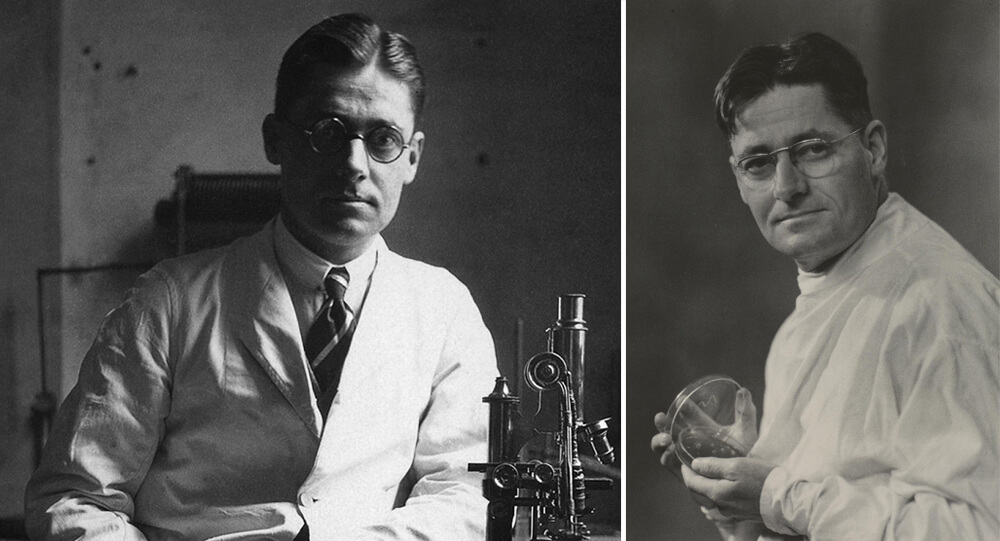
How did Howard Florey discover penicillin
Penicillin was discovered by Alexander Fleming, but he never attempted to turn it into an antibiotic. It wasn't until ten years later that Howard Florey discovered Fleming's obscure paper and understood the mold's potential. Up to 200 million lives may have been saved as a result of Florey's work.
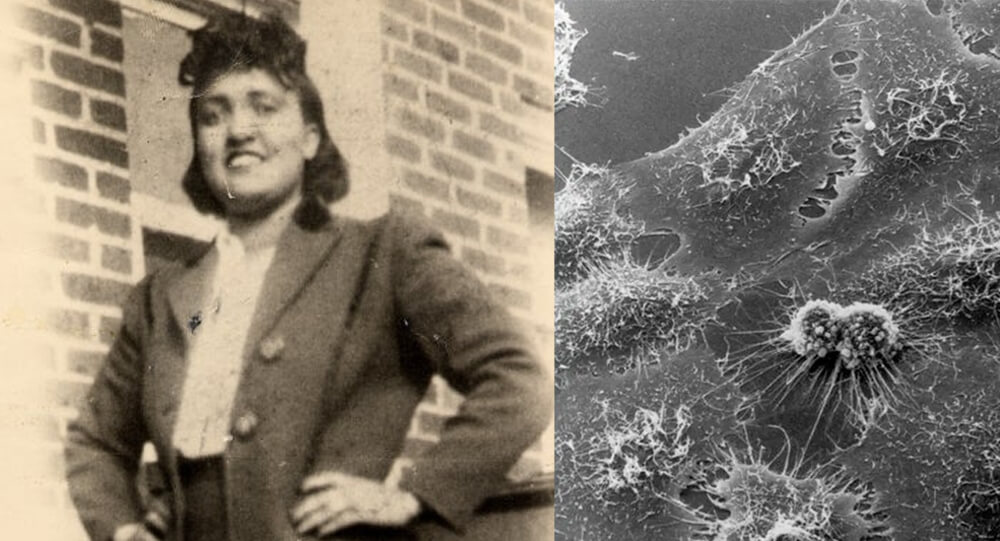
Henrietta Lacks: Who Was She? Here's how HeLa cells became necessary for medical research
Henrietta Lacks was died in 1951. The tumor that killed her has been alive and growing to this day. The tumor is immortal and was used to progress the Polio vaccine and is the jumping point for most human cell research to this day. Scientists have grown some 20 tons of her cells.
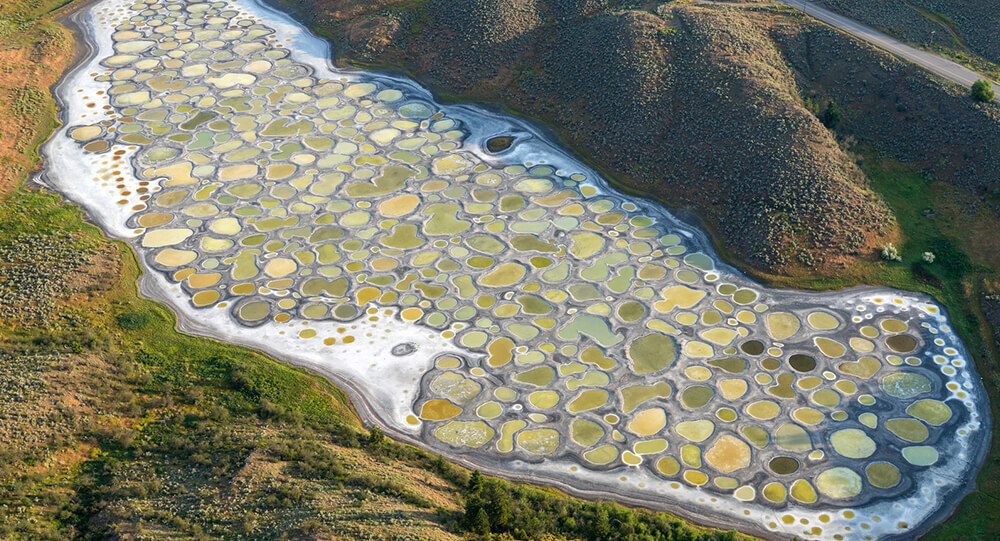
The Mystery of Canada's Magical Spotted Lake
Lake Khiluk, the world's most mineralized lake, and one of the most mysterious places on Earth. Each of these spots has a distinct chemical content and is said to cure various diseases.
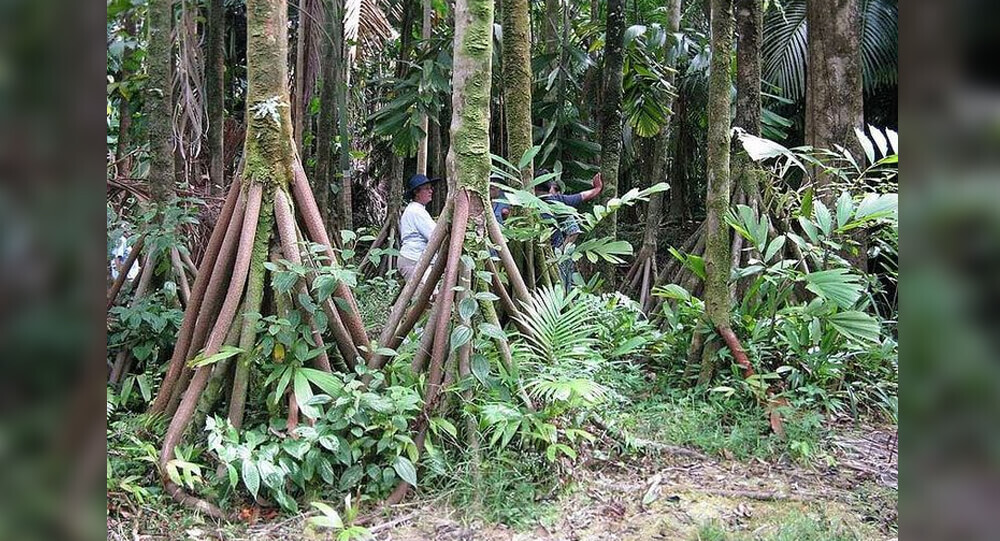
The “Walking” Palm, tree species can walk up to 65 feet each
This tree species can walk up to 65 feet each year to find the best habitat to live in.

Megamouth Shark And Her Babies Found Dead In The Philippines
Filipino zoologists have recorded a pregnant megamouth shark for the first time ever since the rare aquatic specie was discovered in 1974.

Stephen Hawking’s Warning: Humanity Has Less Than 200 Years to Escape Earth’s Limits
Stephen hawking says humanity won't survive without leaving earth. In fact, human beings may have less than 200 years to figure out how to escape our planet

Why Some Animals Can Regenerate Limbs and What Science Says About Human Possibilities
Certain animals possess the extraordinary ability to regenerate lost limbs, a process that has fascinated scientists and inspired hopes for human medical breakthroughs. From salamanders’ perfect limb regrowth to starfish’s incredible body regeneration, this article explores how and why these animals can perform such feats, the biological mechanisms underpinning regeneration, and what cutting-edge research means for the future of human limb regeneration.

This Yogi Spent 76 Years Without Eating or Drinking Anything and Confirmed by
Prahlad Jani, the starving monk who lived 76 Years without food and water.
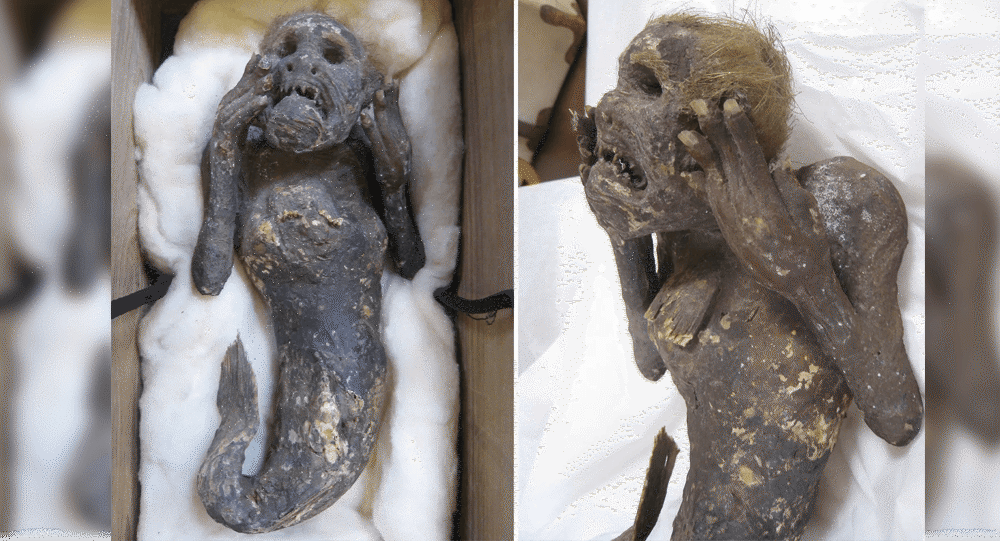
Mystery of 300-year-old mummified mermaid is being probed
There is a 300-year-old mummified mermaid with 30 centimetres tall and features a human-like head, two hands with what appear to be fingernails, and its lower body that look like a fish tail. The “mermaid mummy” is being probed by Japanese scientists in an attempt to unravel the mystery of its existence.

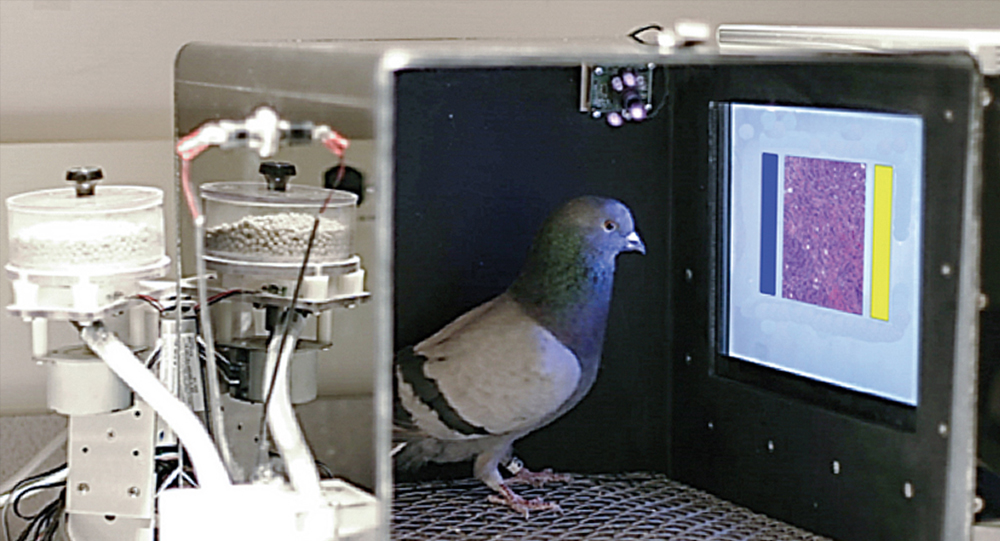
The Science Behind Pigeons in Cancer Detection and What It Means for Medicine
In a groundbreaking study, researchers have discovered that pigeons can be trained to distinguish between cancerous and non-cancerous tissues in medical images with accuracy rivaling that of human experts. This surprising capability opens new avenues for understanding visual perception and has potential implications for improving diagnostic tools in medicine. Here is the fascinating science behind pigeons’ ability to spot cancer and what it signifies for the future of medical imaging.
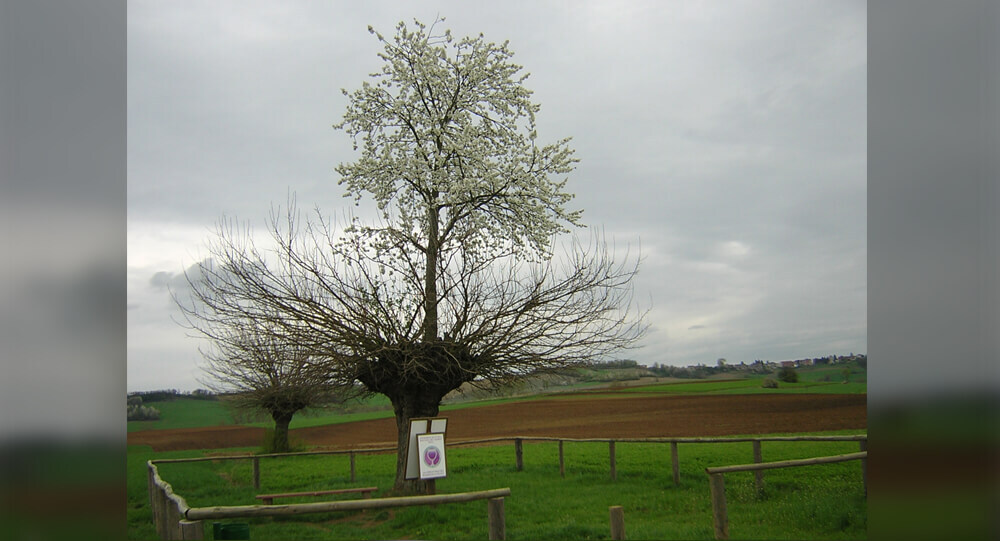
The Unique Grana Double Tree of Piedmont, Italy
The “Grana Double Tree” in Piedmont, Italy is a highly unusual tree, which consists of a cherry tree growing atop a mulberry tree. It is essentially a two-species, two-tiered hybrid duplex.

Earthquakes: Can Animals Really Predict Them?
In 1975, when officials in the Chinese city of Haicheng were alarmed by odd and anxious behaviors of dogs and other animals. These observations led them to order 90,000 residents to evacuate the city. Only a few hours later a 7.3 magnitude earthquake destroyed nearly 90% of the city’s buildings.
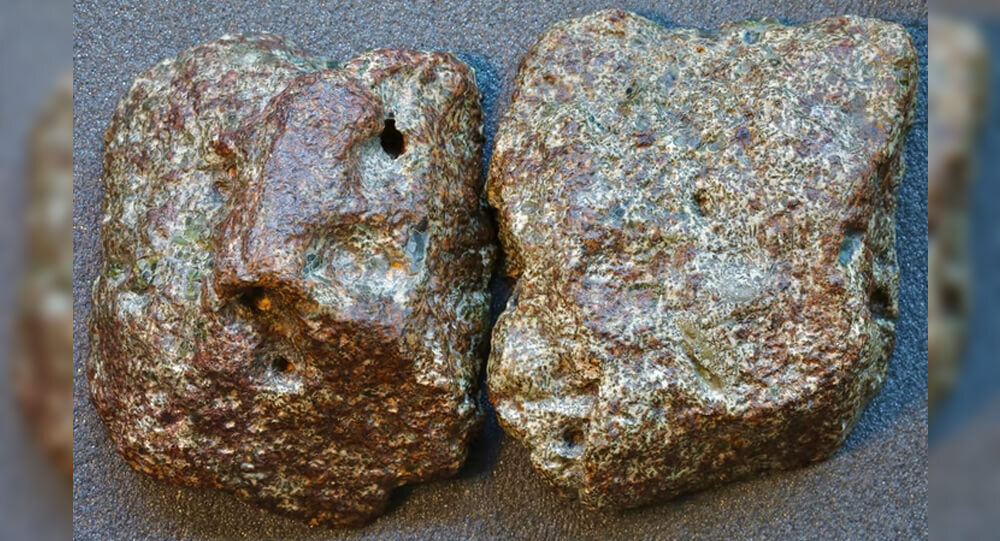
Meteorite found in Sahara Desert older than the earth
This Sahara Desert Meteorite was discovered to be older than the earth itself. This Meteorite is estimated to be 4.6 billion years old, while earth is estimated to be 4.54 billion years old.

What makes bananas radioactive?
Yes, It is true that bananas contain radioactive substances. But the same can be said for spinach, potatoes, oranges, Brazil nuts, kitten litter, granite counter tops, even the air you breathe! Radioactivity is unavoidable and all around us. So, what exactly is it?