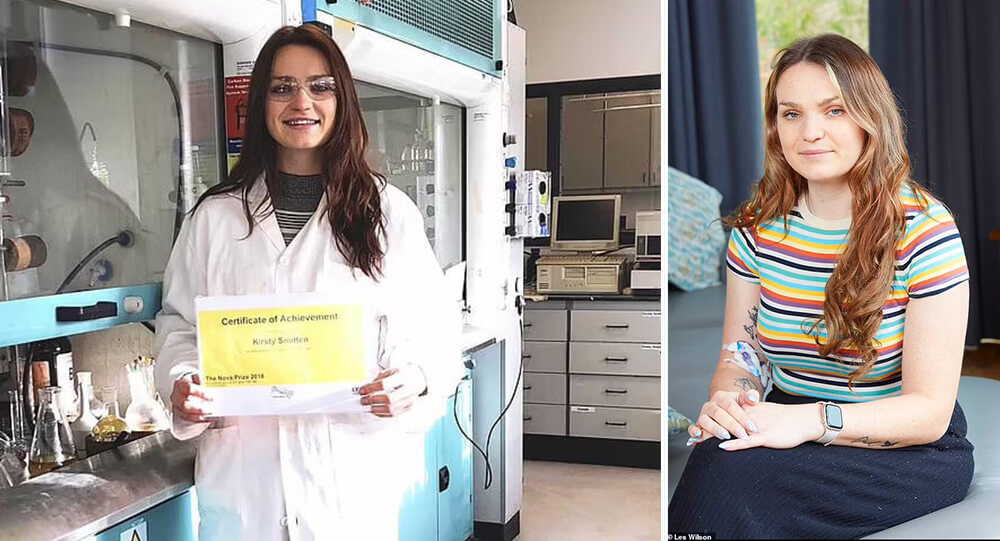

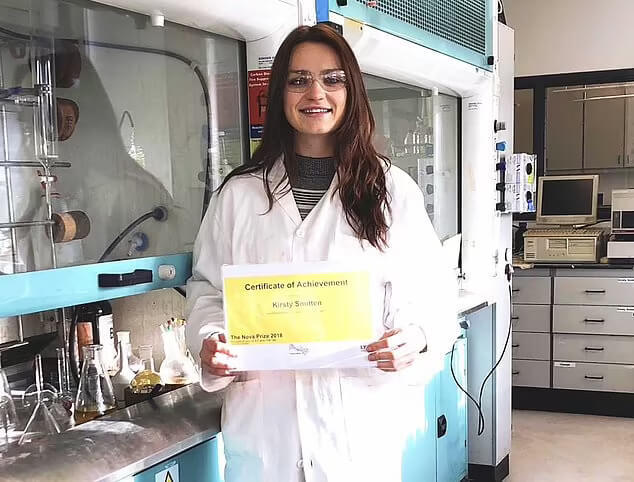
A 28-year-old scientist could win a Nobel Prize for creating new class of antibiotics
Given that her scientific study has the potential to save millions of lives and avert a medical catastrophe, Kirsty Smitten harbors illusions of one day receiving the Nobel Prize.
She has developed a new class of antibiotics, something that hasn’t been done in nearly 40 years, and she’s only 28.
She is spearheading the charge against anti-microbial resistance, which the World Health Organization has identified as one of the largest threats to world health since it has led to the evolution of bacteria, viruses, fungi, and parasites that are resistant to treatment over time.
A heartbreaking turn of events, however, has forced this outstanding biochemist to accept the possibility that she might not live long enough to gain any recognition. After being diagnosed with heart cancer, a deadly illness that strikes just two individuals a year in the UK, Kirsty was given only months to live.
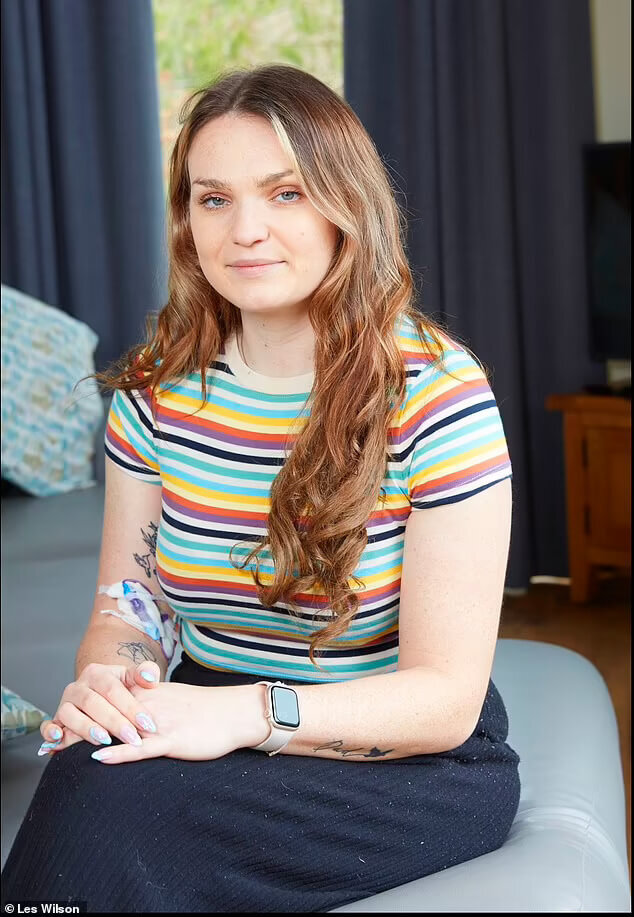
‘How? Seriously, how did this happen? When we meet at the Cornish hideaway where she is spending a week resting in between cancer treatments with her fox-red dog, Bailey, Kirsty asks.
“I eat well.” I don’t smoke, and I don’t drink much. Additionally, I played sports every day up until my diagnosis.
There aren’t enough words to describe how heartbroken I am that I might not live to see the results of our perhaps Nobel Prize-winning research. The work continuing without me is the only thing I can hope for. Absolutely, it will.
It is estimated that by 2050, the number of deaths attributable to drug-resistant bacteria, such as MRSA, may increase to ten million.
Kirsty has created two antibiotic compounds with her team at Metallo Bio, a business she founded with the help of her doctorate advisor at Sheffield University, to treat bacterial infections, including strains of pneumonia and meningitis that have developed resistance to the medications typically used to treat them, as well as infections that form in wounds and after surgery.
The development process will move on to human trials after demonstrating efficacy in laboratory and animal testing, starting with pneumonia obtained in a hospital. If it works as planned, Kirsty expects the medication will be approved by 2030.
In her spare time, this smart scientist, who holds a Ph.D. in chemistry and was included in Forbes magazine’s renowned 30 Under 30 list for science and healthcare in 2020, raises money for food banks.
Despite reasonable times of “Why me?,” she is a scientist with so much more to offer the world. Kirsty is a realist, not an idealist. She is aware that a rare genetic abnormality, not her way of life, gave rise to her cancer. However, it is that rage that drives her to obsess over the latest studies and strive to purchase any extra time she can with the same tenacity that might ultimately help save the globe from anti-microbial resistance.
Examining the cannula that is now permanently implanted in the vein in her right arm, Kirsty adds, “I feel irritated towards friends if they remark, “I feel sick today,” because I’ll think, “Can you moan about that to someone else?”
It’s a little harsh considering that I wanted them to treat me normally.
“Occasionally, my rage consumes me. The other night, when I was watching a TV news program on a convicted rapist, I became agitated and wondered why I only had months to live when there were individuals like him doing horrific atrocities around the world.
It seems so unfair, I say. Even so, I wouldn’t want this to happen to the worst person on the planet.
Kirsty has a heart tumor called cardiac angiosarcoma. There is a good chance she would bleed to death if she chose to have the surgery required to remove it. And even if she made it through the procedure, she would likely only live for a few years longer. Her heart would stop working because this kind of tumor would come back and be likely to spread or explode.
Kirsty will no longer have the opportunity to fulfill her other goals of finding love, settling down, and starting a family, even though her legacy may save millions of lives.
My infertility is a result of the treatment. No time was available to extract the eggs, she claims.
I’m also a bachelor. Being in a relationship while unaware of how little time I have left would not be fair.
Who wants to date a person with terminal cancer, anyway?’
Last November, when Kirsty woke up in the middle of the night with excruciating chest pains, there was the first indication that something was terribly wrong.
Her father, Kevin, a 61-year-old retired businessman who had passed away suddenly three weeks previously while playing football in Portugal, seemed to be in good health at the time. His passing was being mourned by her family at the time.
Sharon, Kirsty’s 60-year-old mother, took no chances and rushed her to Birmingham Heartlands Hospital’s A&E, which is close to their Solihull home.
The doctor believed Kirsty’s aches were likely caused by a torn muscle in her chest and planned to send her home with medication because she played football and hockey every day and often attended her gym. But Kirsty, who may be more familiar with the human body than most people, insisted that the pain was too great and that it called for an X-ray, which was duly done. The doctor also performed blood testing.
A few hours later, two experts brought her into a room and informed her that she may have a pulmonary embolism, a potentially dangerous blood clot in the lung because the clotting factor in her blood was elevated. They added that her right atrium was three times its normal size in her heart.
Heparin, an anticoagulant used to lessen blood’s tendency to clot, was given, and a next-day emergency CT scan was scheduled.

After the scan, Kirsty met a physician, who informed her: “Good news, you don’t have a pulmonary embolism, but we found a 6cm mass in your mediastinum [the area of the chest where the heart is located].”
He claimed that this might be a variety of things than cancer. However, I believe that even at that time, I was aware of my future fate.
An MRI came next. The lump was described to Kirsty as being uneven and gathering a lot of the medical dye used to make it more visible on the scan—both of which were poor signals.
She was more aware of the awful ramifications than her mother or her older brothers, Matt and Dan.
She explains, “I have a good understanding of oncology through my work, and I realized that it meant it was cancerous.” I told my family that an unruly bulk that was storing a lot of dye was not a good thing.
Before receiving her terminal diagnosis, Kirsty underwent a number of surgeries because of the precarious location of the tumor and the possibility of experiencing a major bleed.
The diagnosis of angiosarcoma came after three months, seven scans, 15 blood tests, a minimally invasive biopsy, and significant heart surgery, according to Kirsty. “The death sentence” is how I refer to this particularly severe kind of sarcoma. I only had seven months left to live, they told me.
Kirsty has undergone six rounds of chemotherapy since receiving her diagnosis on February 8 and takes 48 tablets each day. In the awareness that they cannot save her life, these include strong painkillers, nausea medications, antacids, an antihistamine to alleviate the chemo-induced rashes, and iron for her low red blood cell count.
It should come as no surprise that she occasionally needs the anxiety and sleep disorder medication lorazepam.
Although Kirsty had never before had these mental health issues, they have been an unwelcome constant since November.
She claims, “I started having panic attacks in my sleep and before every scan.” I was confused because I had never experienced a panic attack and believed I was suffering a heart attack.
The saddest part is wondering if today will be my final day when I wake up in the mornings, suffering and in pain from the chemotherapy. Before I go to sleep, I experience the same anxiety of dying throughout the night.
Hopefully, I’m steady enough right now to prevent that from happening. However, when I start to decline, it will probably happen quite swiftly.
Kirsty has read every scholarly article and first-person story on angiosarcoma, making her as knowledgeable as anyone. Another young British woman with the disease, who passed away in her sleep a few weeks ago, was in communication with her.
As the illness worsens, Kirsty worries about two things in particular. The first wears a cold cap during chemotherapy in the hopes of retaining her hair because she is no longer looking like herself. The second depicts her brain being affected by the malignancy, weakening her sharp intelligence.
She is also painfully aware of the effect on her family, who were forced to deal with losing Kirsty in addition to her father without having time to express their grief for her father. My brothers and I stressed that I truly need Mom right now and I can’t use so much energy thinking about if she was OK. At first, Mum stated she couldn’t deal. She has become a lot more encouraging subsequently.
Sharon is with her daughter every step of the way, as agonizing as it must be. Although Kirsty had to leave her lab and team in Sheffield because she moved in with her in Solihull, she is still able to work remotely.
Kirsty did her own research and called Professor Robin Jones, head of the sarcoma unit at London’s Royal Marsden Hospital, after being informed by Birmingham Heartlands that the operation was too hazardous.
In order to discuss the possibility of performing surgery soon, he and his surgical team have agreed to meet with Kirsty towards the end of this month when she completes her last cycle of chemotherapy.
We are unsure of how much time that will buy me, Kirsty says. Some patients who have the tumor removed experience a one- to the two-year remission period. Others have weeks or days. They are unsure of what accounts for the disparity.
“I know a woman whose son had angiosarcoma and had it removed, but it returned after six weeks because the cells can’t be completely removed,” she said. He sadly passed away. I’ve also spoken to people on Facebook who have been in remission for two years after surgery, so I have to hang onto optimism.
“My life will never be the same,” I said, “even after surgery I will have to continue with chemo to try to keep it at bay.”
Kirsty can’t help but cling to the hazy hope that if her cancer doesn’t come back right away, her oncology colleagues might find a cure in time. She understands that’s quite unlikely to happen, though, given how uncommon her cancer is, and it all comes down to money.
It’s difficult enough trying to get money to study her own work. This is despite the fact that anti-microbial resistance is already thought to be the cause of 1.2 million annual deaths worldwide. If left uncontrolled, this is predicted to increase to ten million annually by the year 2050, surpassing cancer mortality and amounting to one every three seconds.
Since my cancer is so rare, no one wants to support research that will only benefit one person in every 36 million, according to my line of work in medical technology. Therefore, there are no significant advancements in treatment, she argues. But since that investment financing won’t go into research into rare malignancies, I believe the government should designate a specific amount for it.
I’m a medical scientist, and six months ago I had no notion that you could even develop heart cancer. Given that no one is aware of it, it is understandable why diagnosis times are long and remedies are lacking.
In the manner of Dame Deborah James, who persistently worked to increase knowledge of bowel cancer before passing away from the disease last year at the age of 40, Kirsty would like to spend the time she has left promoting awareness about cardiac angiosarcoma.
The number of people affected differs significantly, though; every year, 43,000 new cases of bowel cancer are reported.
I’ve dealt with adversity before, Kirsty admits. It was unlikely that an effective antibiotic substitute would be discovered because only one in 20 million individuals worldwide are affected by my particular type of cancer.
In fact, my doctor made the quip that given my history, it could be worthwhile to get a lottery ticket.
‘It’s not in my nature to give up. So I’ll go on working and fighting this for as long as I possibly can.’


The Physics Behind Why Cats Always Land on Their Feet
Cats have an extraordinary survival skill known as the “righting reflex” that allows them to twist midair and land on their feet, even when dropped upside down. This uncanny ability is made possible by their flexible spine, lack of a functional collarbone, and a combination of biological sensors and physical laws governing motion. Astonishingly, kittens develop this reflex as early as three weeks old, mastering the art of graceful landing that defies everyday expectations. This article unravels the science and mystery behind this feline feat.

The Heartbreaking Story Of Ella Harper, The ‘Camel Girl’
Ella Harper, Professionally known as the “Camel Girl” was born with a rare orthopedic condition that cased her knee to bend backward. Due to this condition, had to walked on all four legs, which resulted in her nickname as “Camel Girl”. Tough it was hard at first, but soon she made a fortune out of it.

Woman's transplanted 'man hands' became lighter and more feminine over time
After losing both arms in an accident, an Indian girl received limbs from a male donor. The donor hands, which were formerly huge and hairy, changed skin tone and became thin and feminine over time to mix in with her body.

Why are there 24 hours in a day and 60 minutes in an hour
Ancient Babylonians did math in base 60 instead of base 10. That's why we have 60 seconds in a minute and 360 degrees in a circle.

The World’s First Seismograph: How Ancient China Detected Earthquakes 1,800 Years Ago
Over 1,800 years ago, long before modern technology, the ancient Chinese astronomer and inventor Zhang Heng created the world’s first seismograph in 132 AD. This ingenious bronze device could detect distant earthquakes by releasing small balls from dragons’ mouths into toads’ mouths—each indicating a different compass direction. Its historic detection of an earthquake 400 miles away astonished the imperial court and transformed the way societies understood and responded to seismic events.

India's chandrayaan-3 becomes the first landed craft on moon's south pole
India's chandrayaan-3 becomes the first land craft on moon's south pole. It landed safely on August 2023
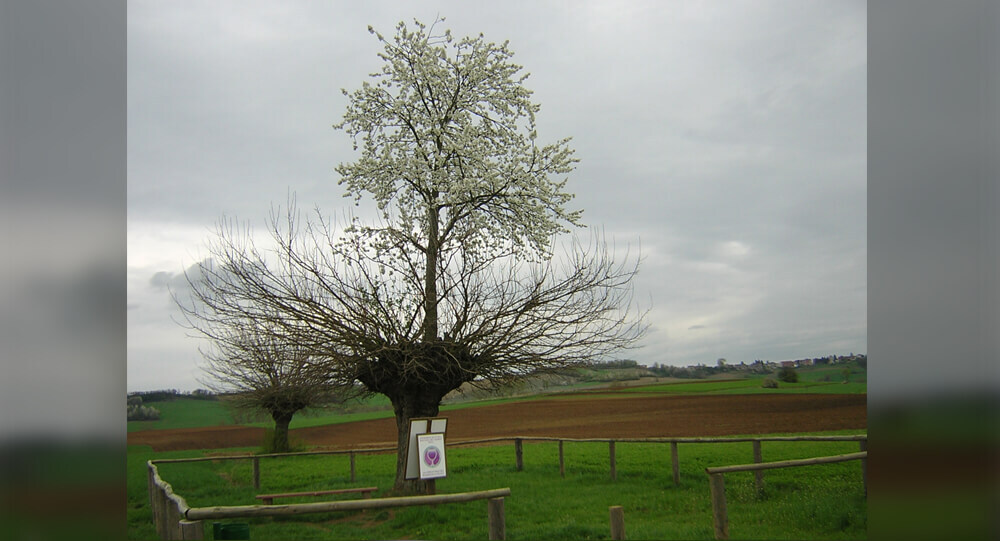
The Unique Grana Double Tree of Piedmont, Italy
The “Grana Double Tree” in Piedmont, Italy is a highly unusual tree, which consists of a cherry tree growing atop a mulberry tree. It is essentially a two-species, two-tiered hybrid duplex.
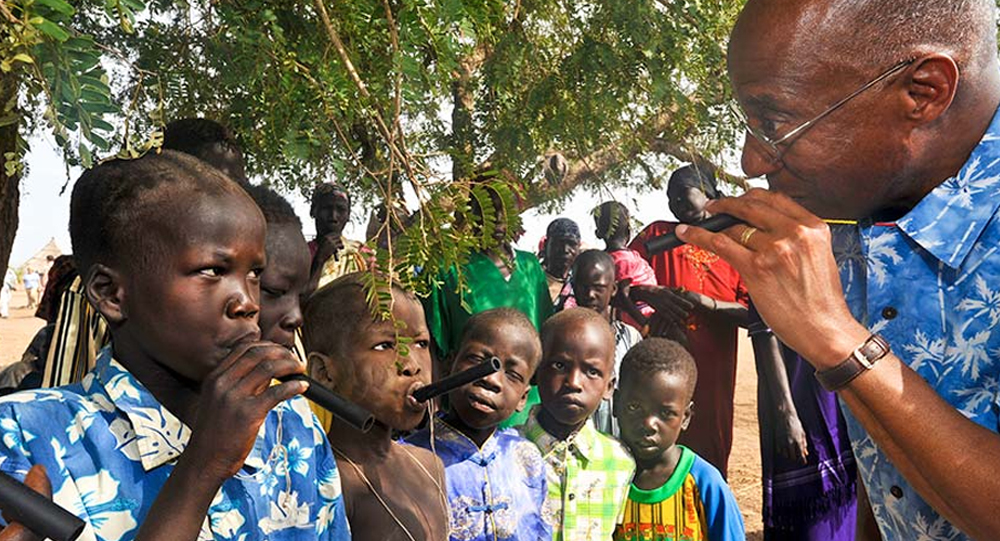
Dr. Donald Hopkins: From Smallpox Eradication to Near-Ending Guinea Worm Disease
Dr. Donald Hopkins helped eradicate Smallpox, and is on the verge of killing another disease. He's taken Guinea Worm Disease down from 3.5 million cases a year to just 28 cases last year.

The story of Lionel the Lion-Faced Man, Stephan Bibrowski
Stephen Bibrowski, also known as Lionel the Lion-faced Man, was a well-known sideshow entertainer. His entire body was covered in long hair, giving him the appearance of a lion; this was most likely due to a rare condition known as hypertrichosis. Lionel traveled to the United States in 1901 and began performing with the Barnum and Bailey Circus.
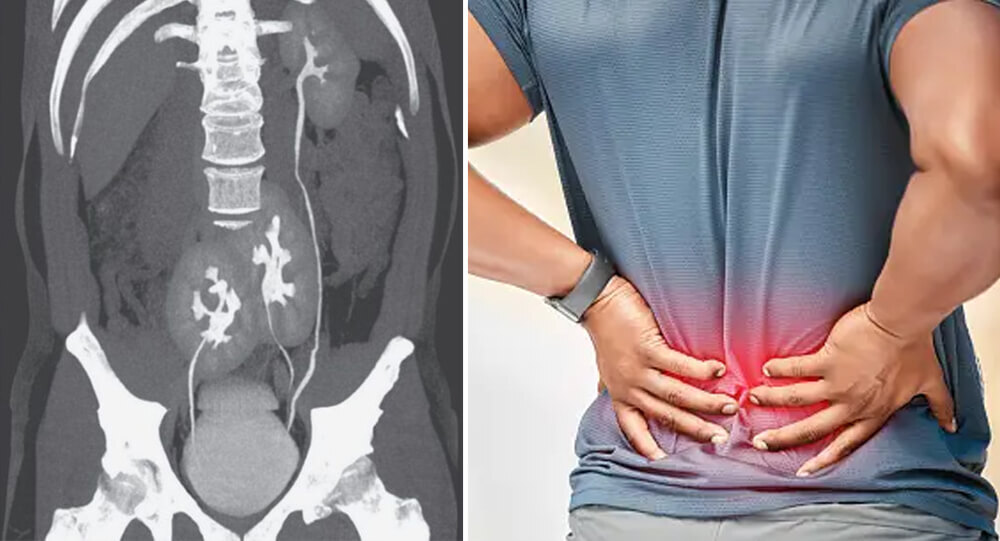
Man discovers he has 3 kidneys after going to doctor for severe back pain
In 2020, a 38-year-old Brazilian man visited his doctor for severe back pain and was shocked to find out that he has three kidneys instead of just two.
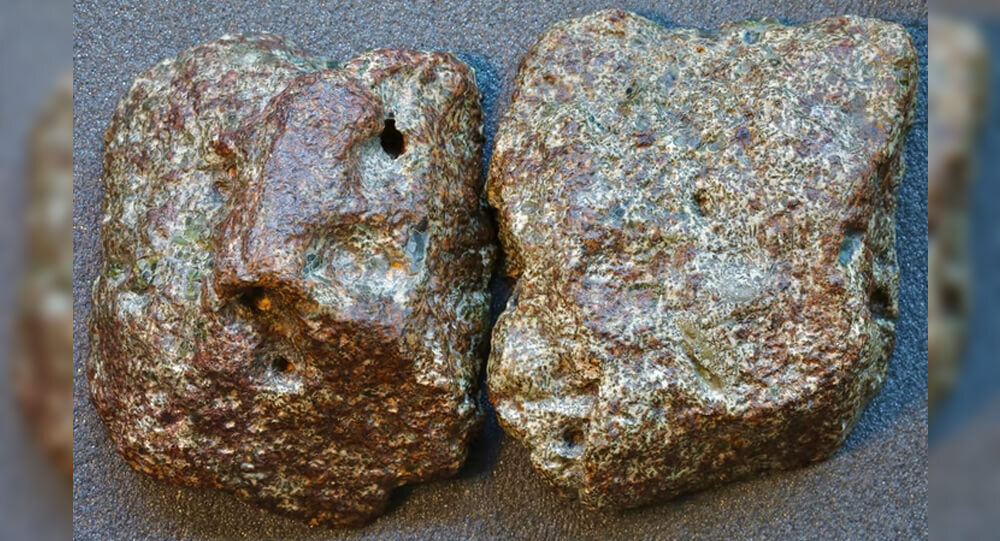
Meteorite found in Sahara Desert older than the earth
This Sahara Desert Meteorite was discovered to be older than the earth itself. This Meteorite is estimated to be 4.6 billion years old, while earth is estimated to be 4.54 billion years old.
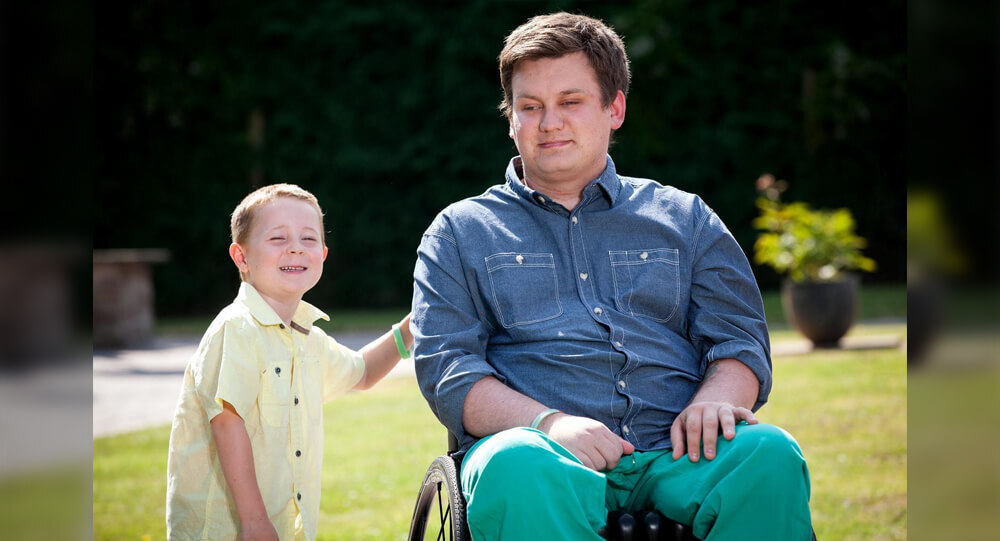
Man gave his stem cell fund to a disabled boy
Dan Black, who was paralyzed in a bike accident, spent four years raising 20,000 for a stem cell treatment that could let him walk again. However, after learning about a five-year-old boy with cerebral palsy, he donated the funds for the boy's medical treatment in order to enable him to take his first steps.


How Sleep Cycles Affect Cognitive Function and Memory Retention
Sleep is not just rest—it's an active process where our brain cycles through stages that shape cognition, memory, and overall mental performance. Different sleep phases, from deep slow-wave sleep to REM dreaming, play unique roles in consolidating memories, boosting attention, and refreshing brain networks. Explore how sleep cycles work and why they are essential to learning and sharp thinking.

The Mystery of the Darvaza Gas Crater: A 50-Year Inferno
Scientists lit a hole filled with natural gas on Fire in 1971, expecting it would burn only for few days. The hole has been burning for the past 48 years & is called "The Door To Hell".
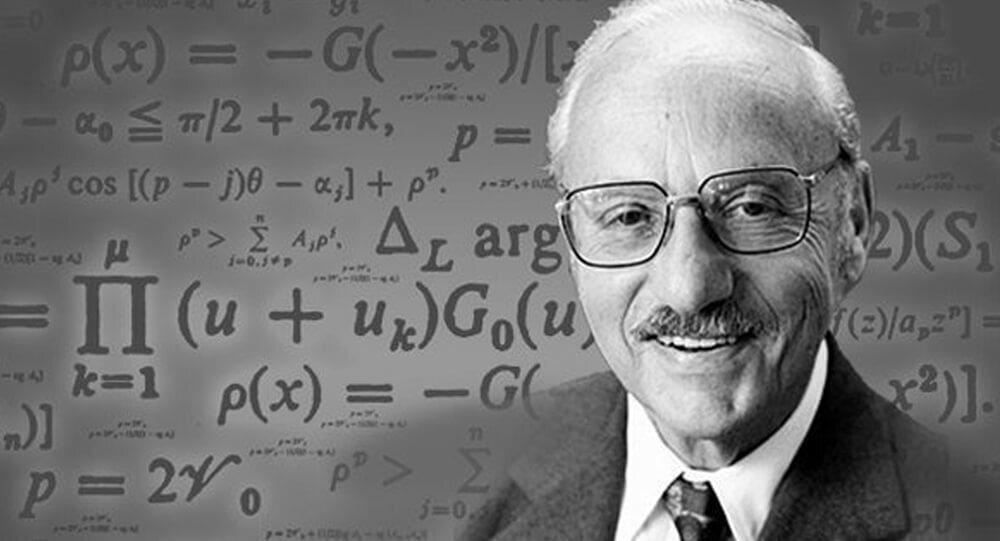
George Dantzig solved two famous “unsolved” problems in statistics mistakenly as assignment
In 1939, George Dantzig arrived late to his statistics class. On the board were two famous “unsolved” problems in statistics written as an example by his professor. Dantzig mistook the examples for homework assignments. He solved the “unsolved” problems and submitted the homework to his professor a few days later. His solutions earned him a doctorate.
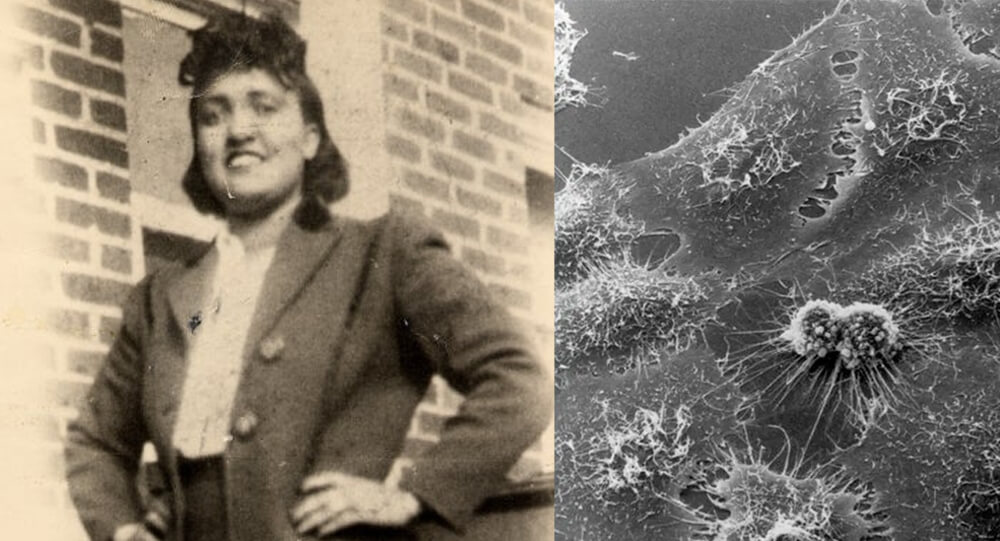
Henrietta Lacks: Who Was She? Here's how HeLa cells became necessary for medical research
Henrietta Lacks was died in 1951. The tumor that killed her has been alive and growing to this day. The tumor is immortal and was used to progress the Polio vaccine and is the jumping point for most human cell research to this day. Scientists have grown some 20 tons of her cells.

The Mystery of Canada's Magical Spotted Lake
Lake Khiluk, the world's most mineralized lake, and one of the most mysterious places on Earth. Each of these spots has a distinct chemical content and is said to cure various diseases.
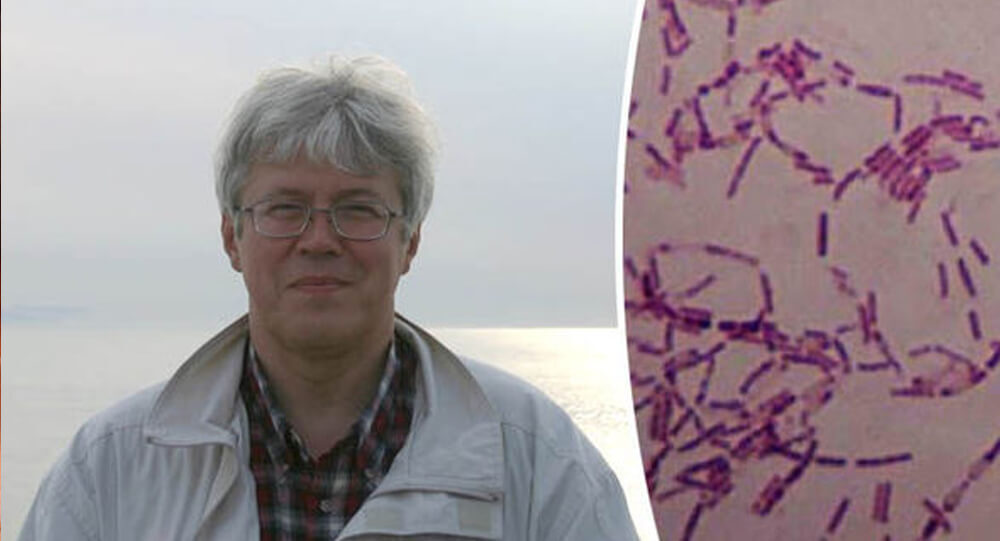
Scientist injects himself with 3.5m yr old bacteria for immortality and amazing happens
Russian scientist injected himself with a 3.5 million-year-old strain of bacteria, just to see what would happen. According to Brouchkov, Bacillus F has a mechanism that has enabled it to survive for so long beneath the ice, and that the same mechanism could be used to extend human life, too.
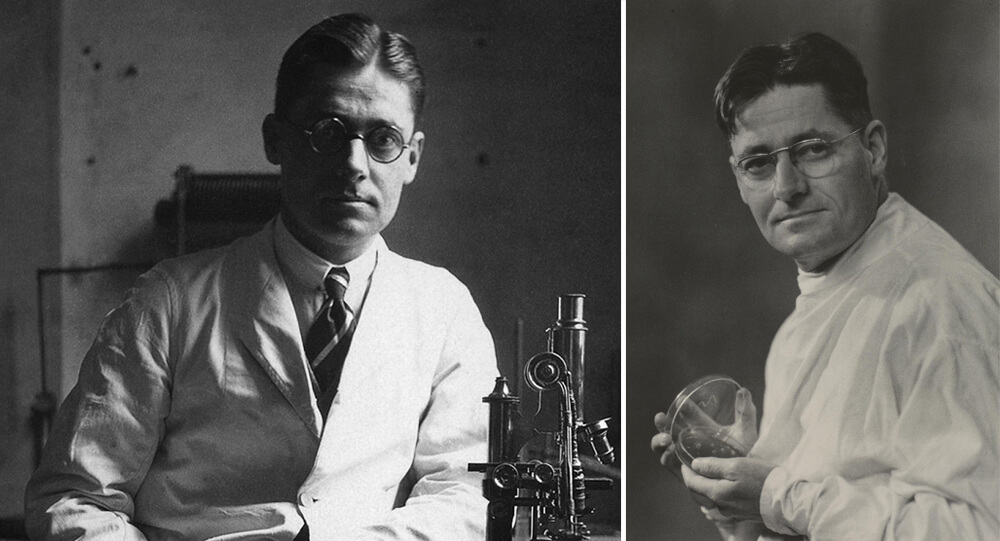
How did Howard Florey discover penicillin
Penicillin was discovered by Alexander Fleming, but he never attempted to turn it into an antibiotic. It wasn't until ten years later that Howard Florey discovered Fleming's obscure paper and understood the mold's potential. Up to 200 million lives may have been saved as a result of Florey's work.

The Science Behind Why We Dream and What It Means
Dreams have fascinated humanity for millennia—enigmatic stories that unfold in sleep, weaving memories, emotions, and symbols. Modern science is now unraveling why we dream and exploring what these nightly narratives reveal about our brain, emotions, and waking lives. Journey through the latest discoveries on the science of dreaming and its meaningful reflections in our psyche.
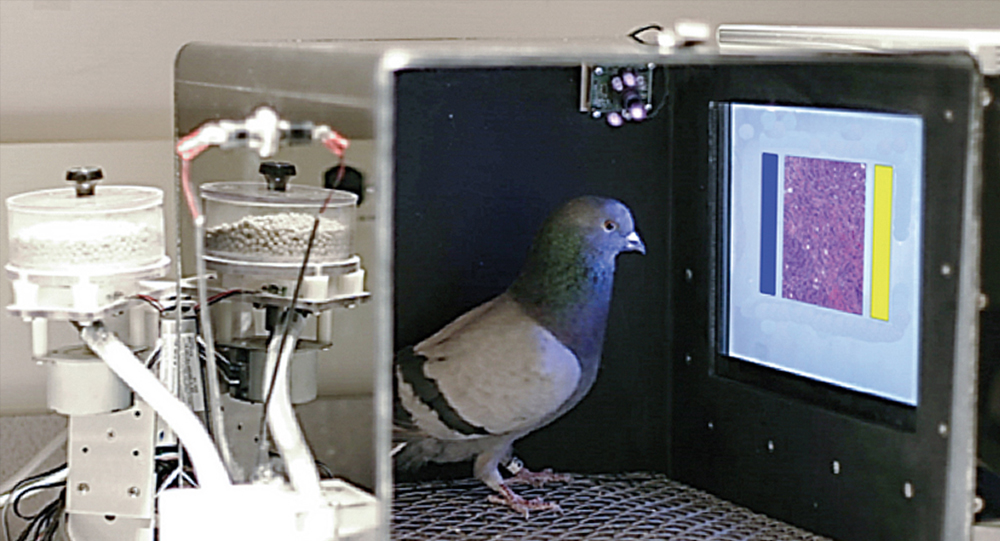
The Science Behind Pigeons in Cancer Detection and What It Means for Medicine
In a groundbreaking study, researchers have discovered that pigeons can be trained to distinguish between cancerous and non-cancerous tissues in medical images with accuracy rivaling that of human experts. This surprising capability opens new avenues for understanding visual perception and has potential implications for improving diagnostic tools in medicine. Here is the fascinating science behind pigeons’ ability to spot cancer and what it signifies for the future of medical imaging.

For the First Time in 60 Years, Scientists Discover a 'Lost' Echidna Species
An expedition team in Indonesia discovered the elusive, egg-laying animal (Echidna) named after David Attenborough, which had not been seen since 1961.
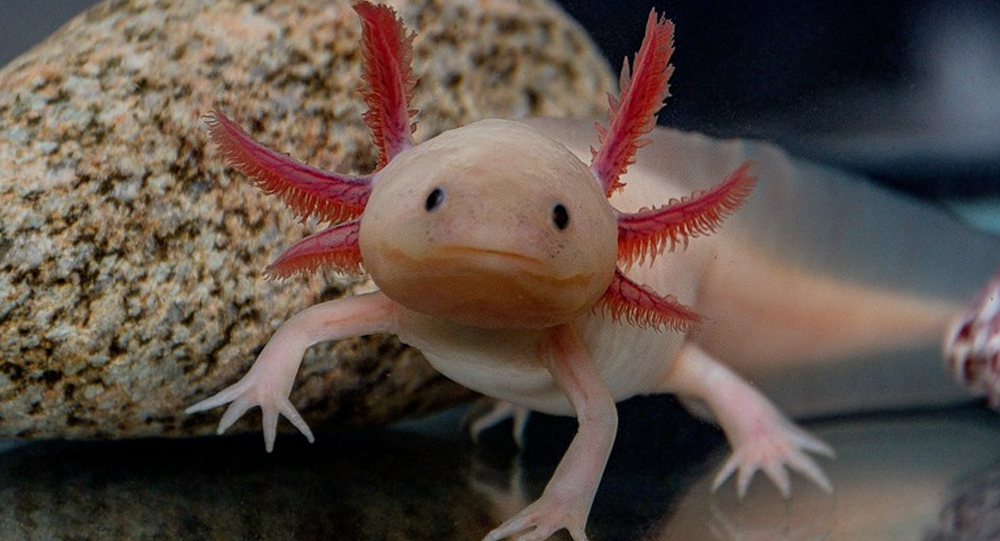
Why Some Animals Can Regenerate Limbs and What Science Says About Human Possibilities
Certain animals possess the extraordinary ability to regenerate lost limbs, a process that has fascinated scientists and inspired hopes for human medical breakthroughs. From salamanders’ perfect limb regrowth to starfish’s incredible body regeneration, this article explores how and why these animals can perform such feats, the biological mechanisms underpinning regeneration, and what cutting-edge research means for the future of human limb regeneration.
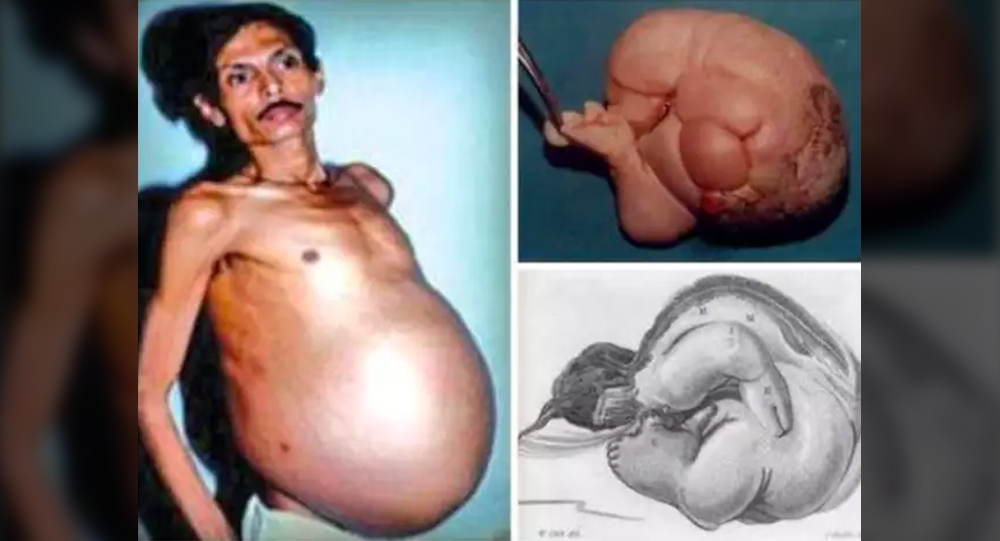
The Astonishing Case of Sanju Bhagat: Living with a Twin Inside Him for 36 Years
Sanju Bhagat, an Indian farmer, lived with an undiagnosed parasitic twin inside his abdomen for 36 years. In 1999, doctors discovered the twin during surgery. This rare condition, fetus in fetu, occurs when a malformed twin is absorbed during pregnancy, surviving within the host sibling's body.

The Mystery of the Dancing Forest: Reasons behind the unusual wonders of forest
The Dancing Forest in Russia is noted for its unusually twisted pine trees. The trunks of these trees are contorted into spirals, rings, and other squiggly loops, but the reason for this malformation is still a mystery.