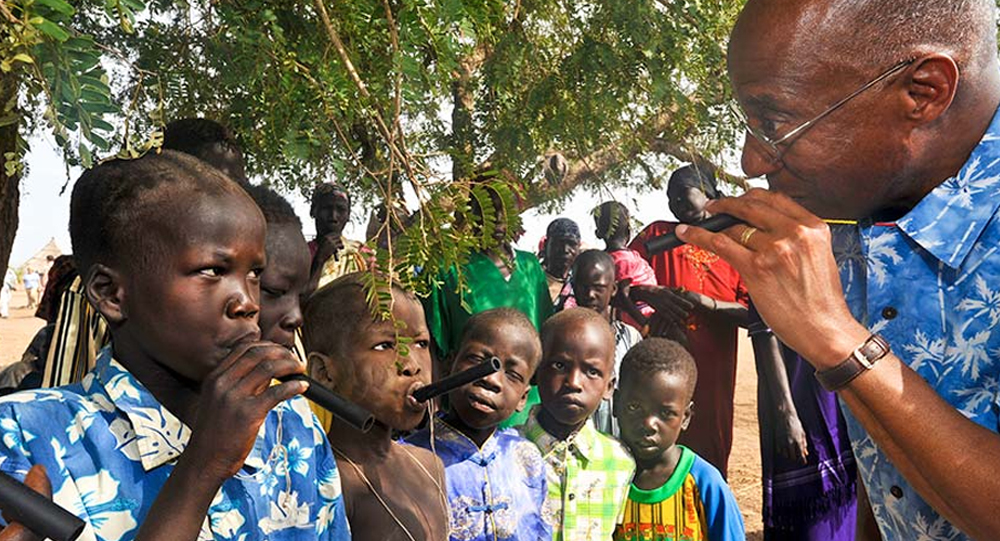

Dr. Donald Hopkins: From Smallpox Eradication to Near-Ending Guinea Worm Disease
Few public health figures have left as profound a mark on global disease eradication as Dr. Donald R. Hopkins. A veteran of some of the most ambitious health campaigns in history, Hopkins was instrumental in the eradication of smallpox—the only human disease ever completely wiped out. Today, he stands on the brink of achieving a similar feat with Guinea worm disease, having helped reduce its incidence from an estimated 3.5 million cases annually in the 1980s to just 14 human cases worldwide in 2024.
This article traces Dr. Hopkins’ extraordinary career and the relentless global efforts to consign Guinea worm disease to history, underscoring the power of sustained public health work and international cooperation.
Early Career and Smallpox Eradication
Dr. Donald Hopkins began his career in tropical public health with a focus on some of the world’s most challenging infectious diseases. In the late 1960s and early 1970s, he was deeply involved in the global smallpox eradication campaign, working in West and Central Africa. His leadership and expertise contributed to the elimination of smallpox in some of the most difficult regions, an achievement that electrified the global health community and paved the way for the disease’s complete eradication in 1980.
Hopkins’ work during the smallpox campaign included directing vaccination efforts, surveillance, and containment strategies. His experience in these complex field operations established him as a leading figure in public health and tropical medicine.
Transition to Guinea Worm Eradication
After smallpox eradication, Dr. Hopkins continued his commitment to neglected tropical diseases. In 1987, he joined The Carter Center as senior consultant for health programs, later becoming vice president for health programs, and ultimately serving as special advisor for Guinea worm eradication.
Guinea worm disease, or dracunculiasis, is caused by a parasitic worm transmitted through contaminated drinking water. The worm emerges painfully from the skin about a year after infection, causing debilitating symptoms that can incapacitate individuals for weeks. The disease primarily affects impoverished rural communities lacking access to clean water.
When The Carter Center took leadership of the Guinea Worm Eradication Program in 1986, the disease afflicted an estimated 3.5 million people annually across 21 countries in Africa and Asia.
The Strategy for Eradication
Unlike smallpox, Guinea worm disease has no vaccine or effective drug treatment. Eradication efforts have relied on traditional public health measures: educating communities, providing safe drinking water, using simple filters to remove infected water fleas, and containing cases to prevent transmission.
Dr. Hopkins and his team implemented village-based surveillance, health education, and water source protection programs. They worked closely with affected countries, local health workers, and international partners including the World Health Organization, CDC, UNICEF, and the Bill & Melinda Gates Foundation.
Dramatic Decline in Cases
Thanks to these efforts, Guinea worm disease cases plummeted from millions to just a few dozen annually in recent years. In 2020, only 27 human cases were reported worldwide, a 50% drop from the previous year despite challenges posed by the COVID-19 pandemic.
By 2023 and 2024, the number of human cases had fallen even further—to 13 and 14 respectively—concentrated mainly in Chad and South Sudan. This represents a greater than 99.99% reduction since the program’s inception.
Challenges and Animal Reservoirs
While human cases have dramatically declined, animal infections—especially in dogs—have emerged as a new challenge, particularly in Chad. In 2024, over 660 animal infections were reported, mostly in dogs, complicating eradication efforts.
Dr. Hopkins and collaborators are intensifying surveillance and interventions to break transmission in animal reservoirs, recognizing that this is a critical hurdle to achieving complete eradication.
Recognition and Legacy
Dr. Hopkins’ contributions have been widely recognized. He received the James F. and Sarah T. Fries Foundation Prize for Improving Health and an honorary Doctor of Sciences degree from the American Museum of Natural History’s Richard Gilder Graduate School.
His book, originally titled Princes and Peasants: Smallpox in History and later reissued as The Greatest Killer: Smallpox in History, was nominated for a Pulitzer Prize in 1983, reflecting his deep understanding of the historical and social impact of infectious diseases.
The Road Ahead: Nearing Eradication
The Guinea worm eradication campaign is on the cusp of history, poised to make Guinea worm only the second human disease eradicated after smallpox. The recent passage of the “Accelerating the Eradication of Dracunculiasis” resolution by the World Health Assembly underscores global commitment to this goal.
Dr. Hopkins continues to advise and support these efforts, emphasizing the importance of sustained vigilance, community engagement, and international cooperation.
Fun Facts and Trivia
- No Vaccine or Cure: Guinea worm eradication relies entirely on prevention, education, and clean water access.
- Long Lifecycle: The Guinea worm takes about a year to mature inside the human body before emerging painfully through the skin.
- Historic Toll: Before eradication efforts, Guinea worm disease caused immense suffering among some of the world’s poorest populations.
- The Carter Center: Founded by former U.S. President Jimmy Carter, the Center has been a leader in Guinea worm eradication since 1986.
- Animal Hosts: Dogs and other animals can now carry Guinea worm, complicating eradication.
- Smallpox Eradication: Smallpox is the only human disease eradicated so far, declared eradicated in 1980.
- Global Collaboration: The eradication campaign involves WHO, CDC, UNICEF, Gates Foundation, and many national governments.
Conclusion
Dr. Donald Hopkins’ career exemplifies dedication to global health and the power of persistent, well-coordinated public health campaigns. From his pivotal role in eradicating smallpox to leading the near-elimination of Guinea worm disease, Hopkins has helped transform millions of lives.
As the world edges closer to consigning Guinea worm disease to the history books, his work stands as a testament to what can be achieved through science, education, and international partnership. The “miracle” of reducing a devastating disease from millions of cases to mere handfuls is a beacon of hope for future eradication efforts worldwide.

Why are there 24 hours in a day and 60 minutes in an hour
Ancient Babylonians did math in base 60 instead of base 10. That's why we have 60 seconds in a minute and 360 degrees in a circle.

What makes bananas radioactive?
Yes, It is true that bananas contain radioactive substances. But the same can be said for spinach, potatoes, oranges, Brazil nuts, kitten litter, granite counter tops, even the air you breathe! Radioactivity is unavoidable and all around us. So, what exactly is it?


How Sleep Cycles Affect Cognitive Function and Memory Retention
Sleep is not just rest—it's an active process where our brain cycles through stages that shape cognition, memory, and overall mental performance. Different sleep phases, from deep slow-wave sleep to REM dreaming, play unique roles in consolidating memories, boosting attention, and refreshing brain networks. Explore how sleep cycles work and why they are essential to learning and sharp thinking.

The World’s First Seismograph: How Ancient China Detected Earthquakes 1,800 Years Ago
Over 1,800 years ago, long before modern technology, the ancient Chinese astronomer and inventor Zhang Heng created the world’s first seismograph in 132 AD. This ingenious bronze device could detect distant earthquakes by releasing small balls from dragons’ mouths into toads’ mouths—each indicating a different compass direction. Its historic detection of an earthquake 400 miles away astonished the imperial court and transformed the way societies understood and responded to seismic events.
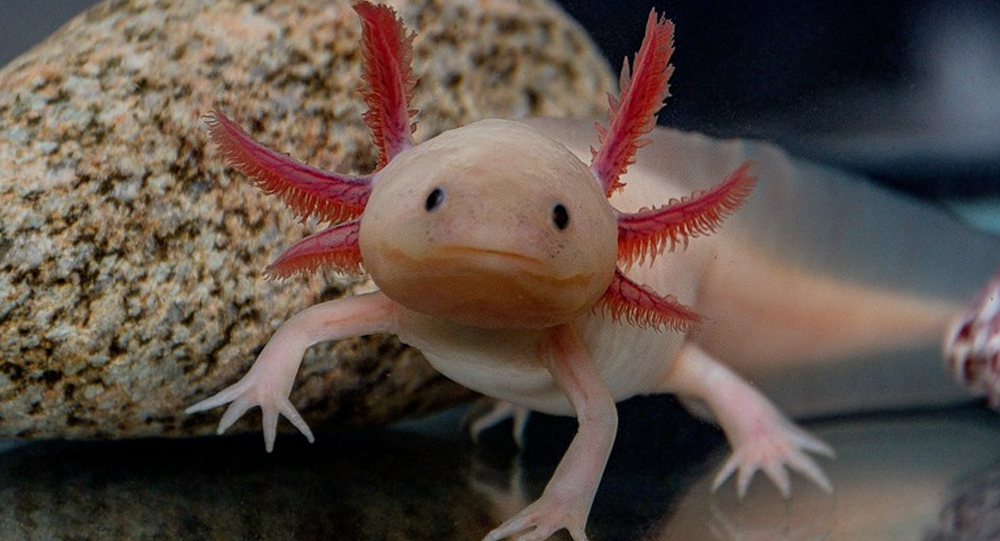
Why Some Animals Can Regenerate Limbs and What Science Says About Human Possibilities
Certain animals possess the extraordinary ability to regenerate lost limbs, a process that has fascinated scientists and inspired hopes for human medical breakthroughs. From salamanders’ perfect limb regrowth to starfish’s incredible body regeneration, this article explores how and why these animals can perform such feats, the biological mechanisms underpinning regeneration, and what cutting-edge research means for the future of human limb regeneration.
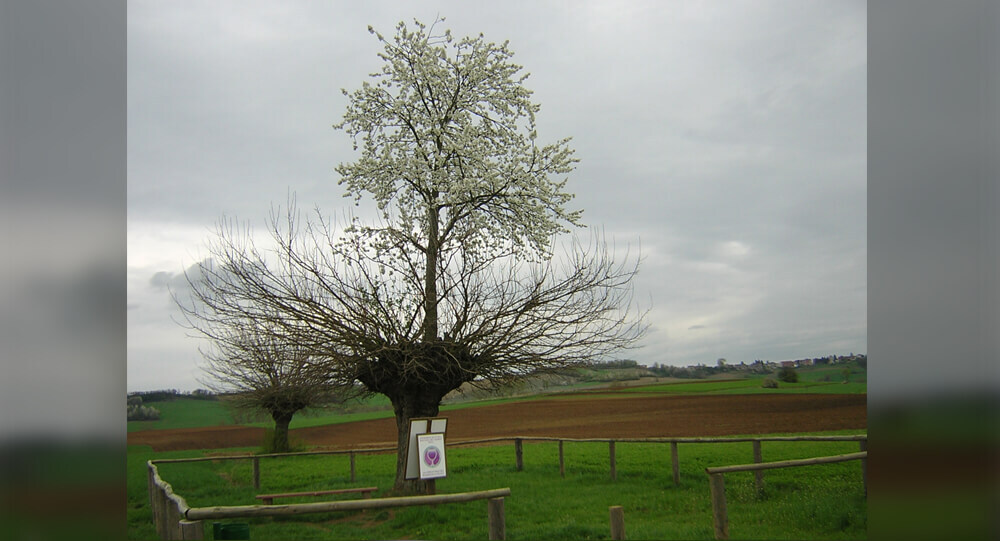
The Unique Grana Double Tree of Piedmont, Italy
The “Grana Double Tree” in Piedmont, Italy is a highly unusual tree, which consists of a cherry tree growing atop a mulberry tree. It is essentially a two-species, two-tiered hybrid duplex.
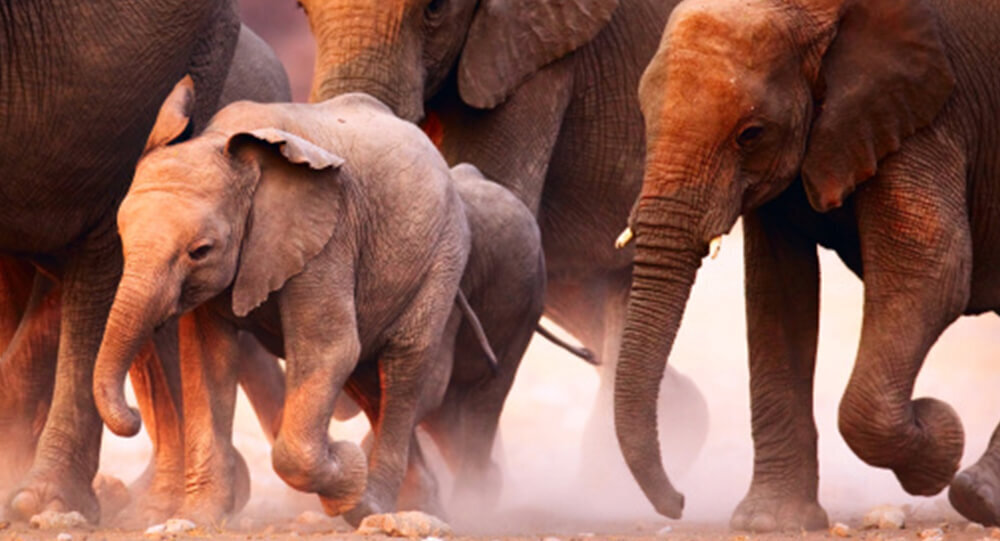
Earthquakes: Can Animals Really Predict Them?
In 1975, when officials in the Chinese city of Haicheng were alarmed by odd and anxious behaviors of dogs and other animals. These observations led them to order 90,000 residents to evacuate the city. Only a few hours later a 7.3 magnitude earthquake destroyed nearly 90% of the city’s buildings.


How a Headache Cure Experiment Led to the Invention of Dynamite
Alfred Nobel discovered dynamite while experimenting with nitroglycerin, a volatile liquid he also took in tiny doses for headaches. Ironically, the explosive that made him wealthy and feared also eased pain—later inspiring his legacy as founder of the Nobel Prizes.
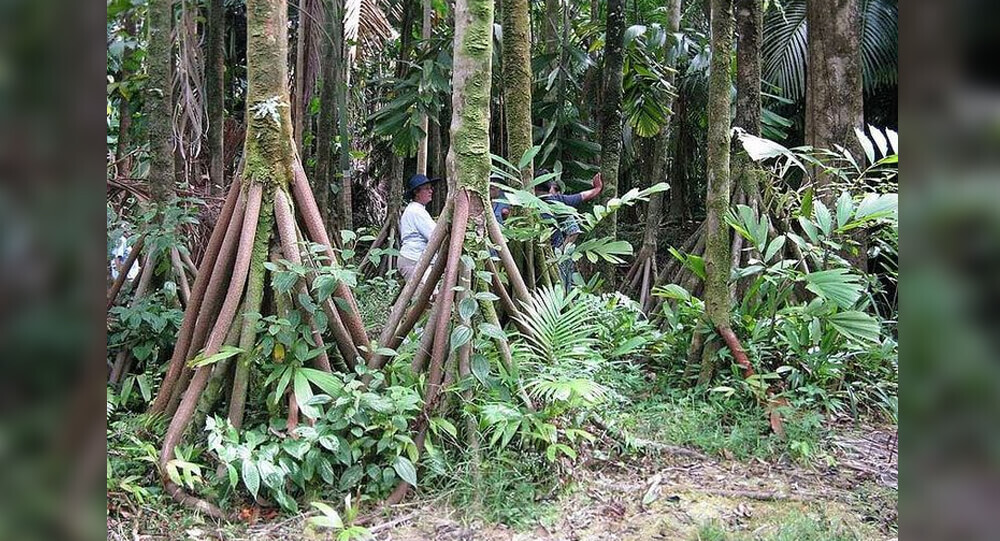
The “Walking” Palm, tree species can walk up to 65 feet each
This tree species can walk up to 65 feet each year to find the best habitat to live in.
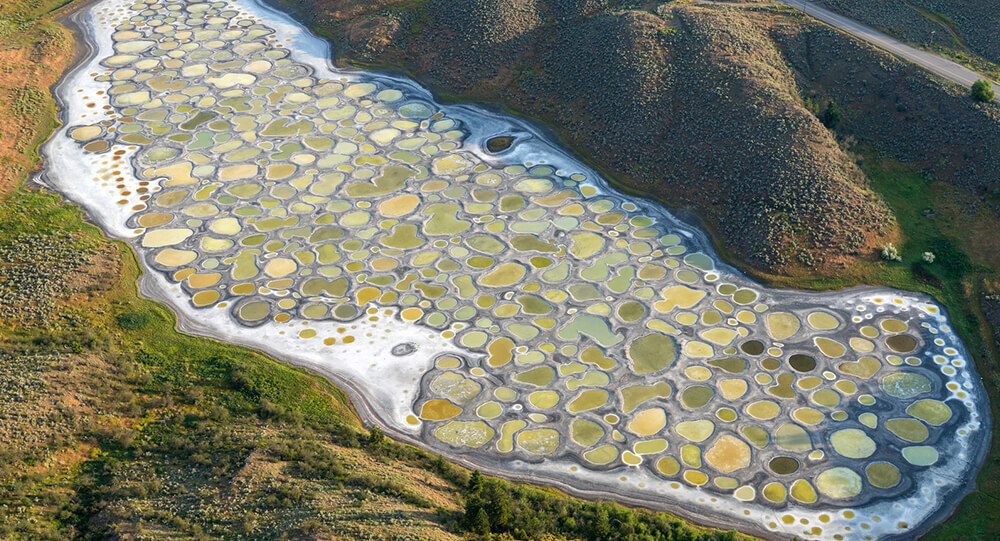
The Mystery of Canada's Magical Spotted Lake
Lake Khiluk, the world's most mineralized lake, and one of the most mysterious places on Earth. Each of these spots has a distinct chemical content and is said to cure various diseases.
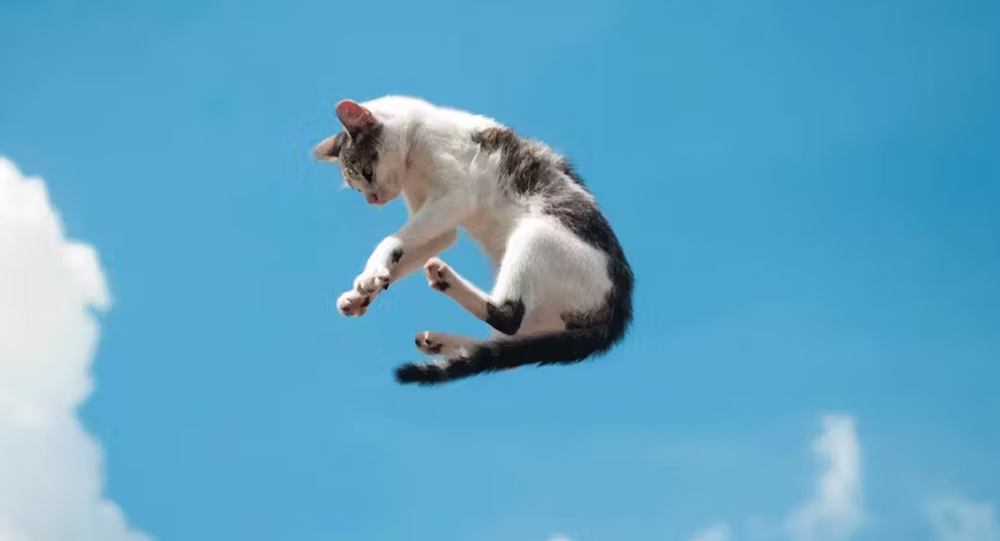
The Physics Behind Why Cats Always Land on Their Feet
Cats have an extraordinary survival skill known as the “righting reflex” that allows them to twist midair and land on their feet, even when dropped upside down. This uncanny ability is made possible by their flexible spine, lack of a functional collarbone, and a combination of biological sensors and physical laws governing motion. Astonishingly, kittens develop this reflex as early as three weeks old, mastering the art of graceful landing that defies everyday expectations. This article unravels the science and mystery behind this feline feat.

India's chandrayaan-3 becomes the first landed craft on moon's south pole
India's chandrayaan-3 becomes the first land craft on moon's south pole. It landed safely on August 2023

Stephen Hawking’s Warning: Humanity Has Less Than 200 Years to Escape Earth’s Limits
Stephen hawking says humanity won't survive without leaving earth. In fact, human beings may have less than 200 years to figure out how to escape our planet
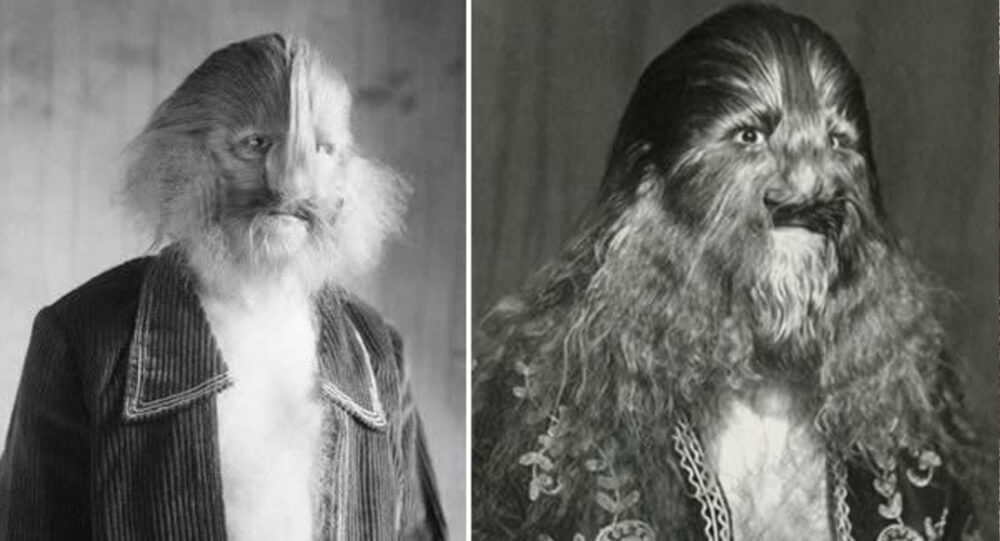
The story of Lionel the Lion-Faced Man, Stephan Bibrowski
Stephen Bibrowski, also known as Lionel the Lion-faced Man, was a well-known sideshow entertainer. His entire body was covered in long hair, giving him the appearance of a lion; this was most likely due to a rare condition known as hypertrichosis. Lionel traveled to the United States in 1901 and began performing with the Barnum and Bailey Circus.

Woman's transplanted 'man hands' became lighter and more feminine over time
After losing both arms in an accident, an Indian girl received limbs from a male donor. The donor hands, which were formerly huge and hairy, changed skin tone and became thin and feminine over time to mix in with her body.
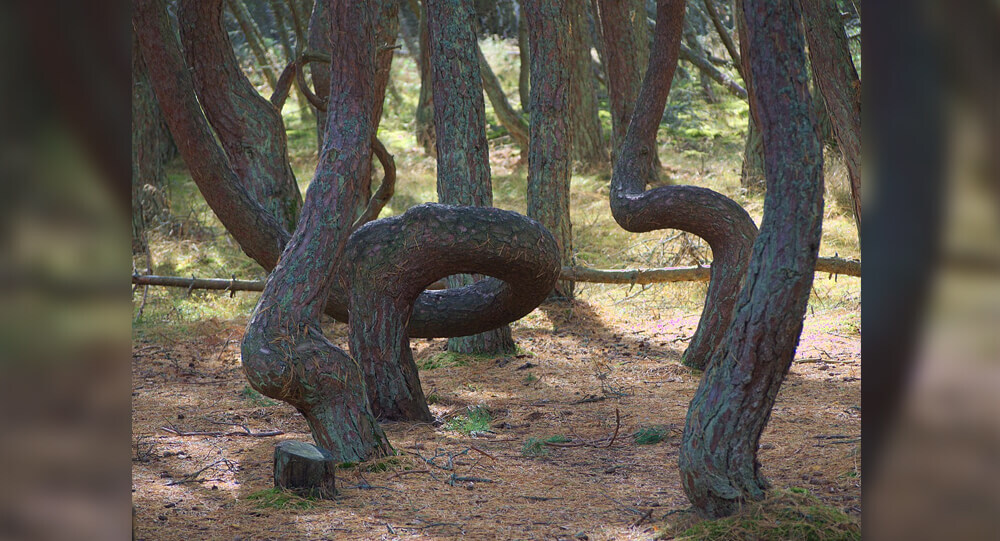
The Mystery of the Dancing Forest: Reasons behind the unusual wonders of forest
The Dancing Forest in Russia is noted for its unusually twisted pine trees. The trunks of these trees are contorted into spirals, rings, and other squiggly loops, but the reason for this malformation is still a mystery.
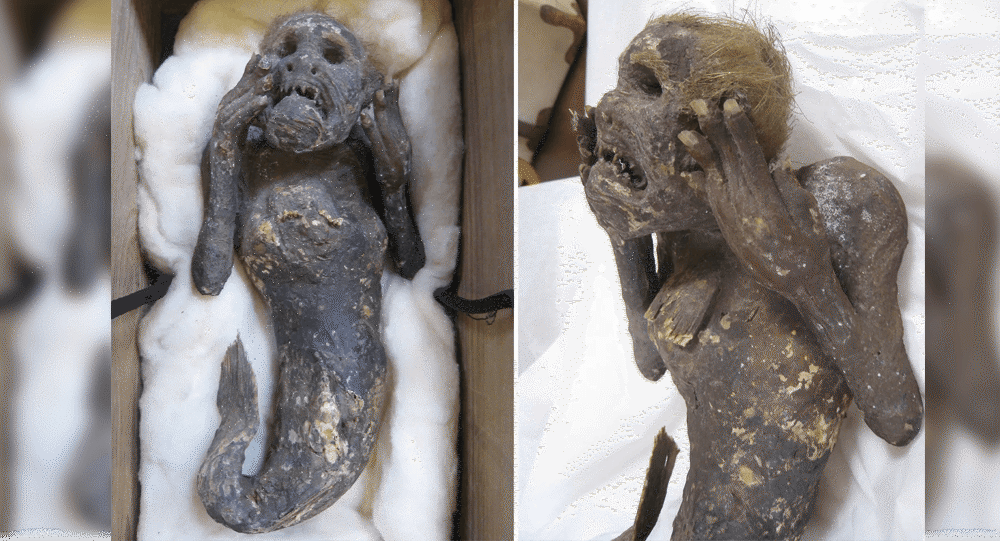
Mystery of 300-year-old mummified mermaid is being probed
There is a 300-year-old mummified mermaid with 30 centimetres tall and features a human-like head, two hands with what appear to be fingernails, and its lower body that look like a fish tail. The “mermaid mummy” is being probed by Japanese scientists in an attempt to unravel the mystery of its existence.
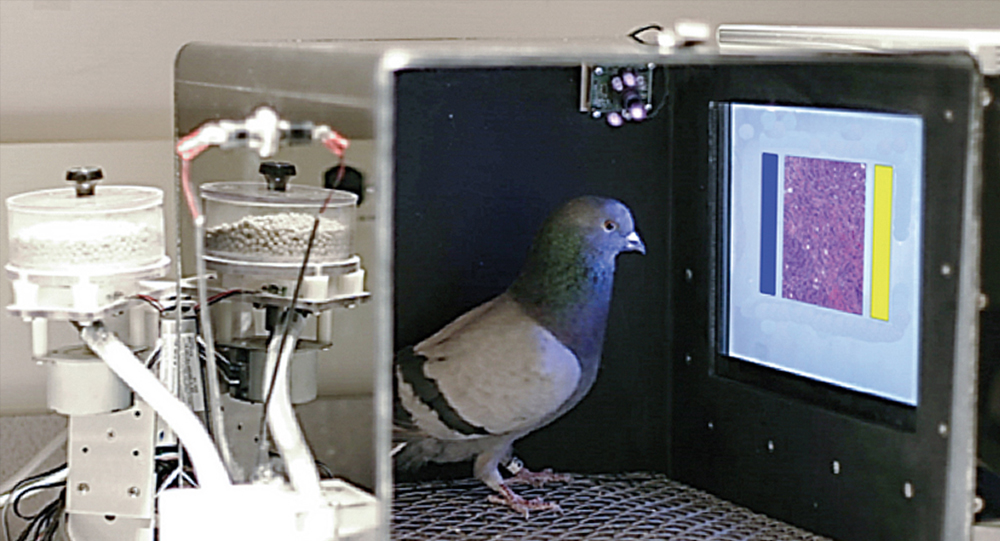
The Science Behind Pigeons in Cancer Detection and What It Means for Medicine
In a groundbreaking study, researchers have discovered that pigeons can be trained to distinguish between cancerous and non-cancerous tissues in medical images with accuracy rivaling that of human experts. This surprising capability opens new avenues for understanding visual perception and has potential implications for improving diagnostic tools in medicine. Here is the fascinating science behind pigeons’ ability to spot cancer and what it signifies for the future of medical imaging.
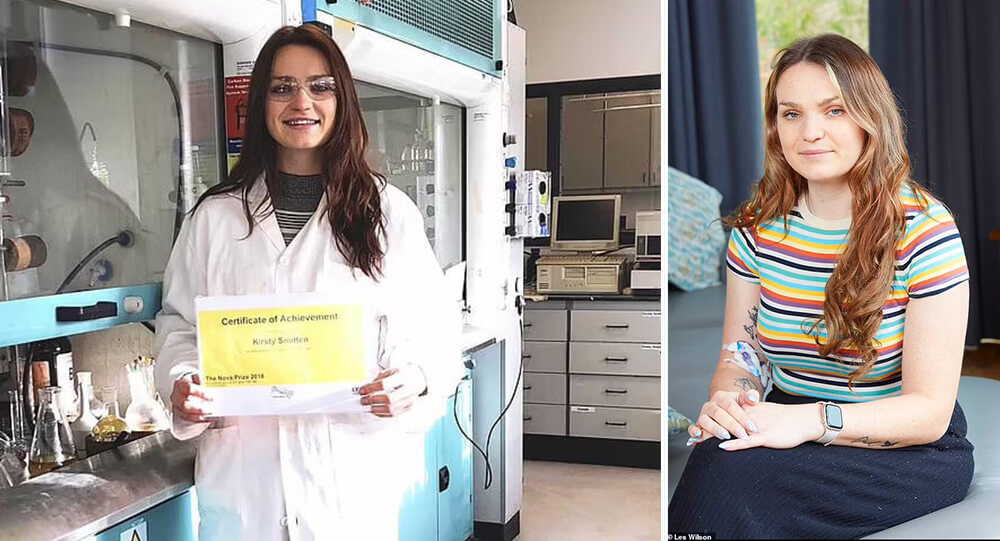
A 28-year-old scientist could win a Nobel Prize for creating new class of antibiotics
A 28-year-old scientist could receive the Nobel Prize for developing a new class of antibiotics that fight drug-resistant bacteria, but she only has months to live after being diagnosed with incurable heart cancer, and she says "There aren't words to express how sad I feel' about not seeing award."
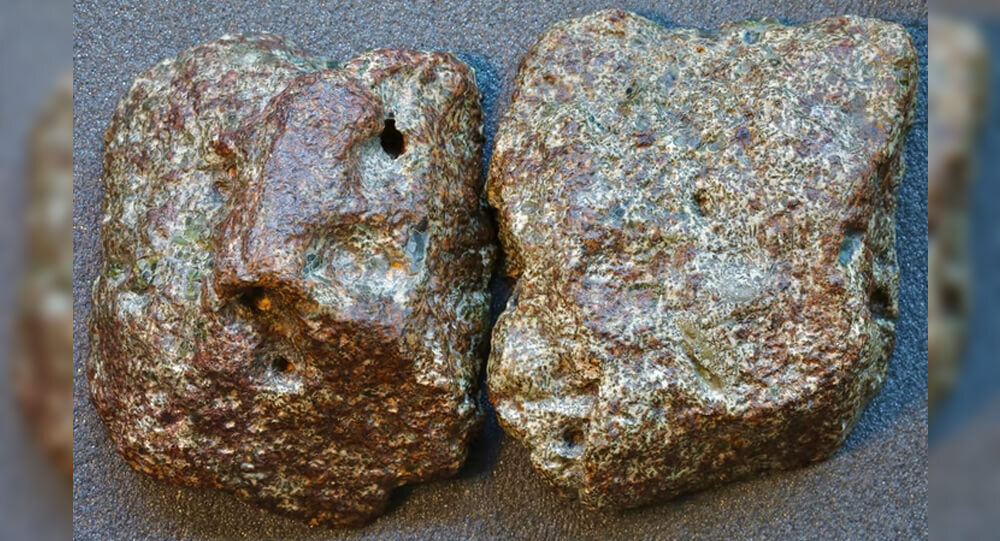
Meteorite found in Sahara Desert older than the earth
This Sahara Desert Meteorite was discovered to be older than the earth itself. This Meteorite is estimated to be 4.6 billion years old, while earth is estimated to be 4.54 billion years old.
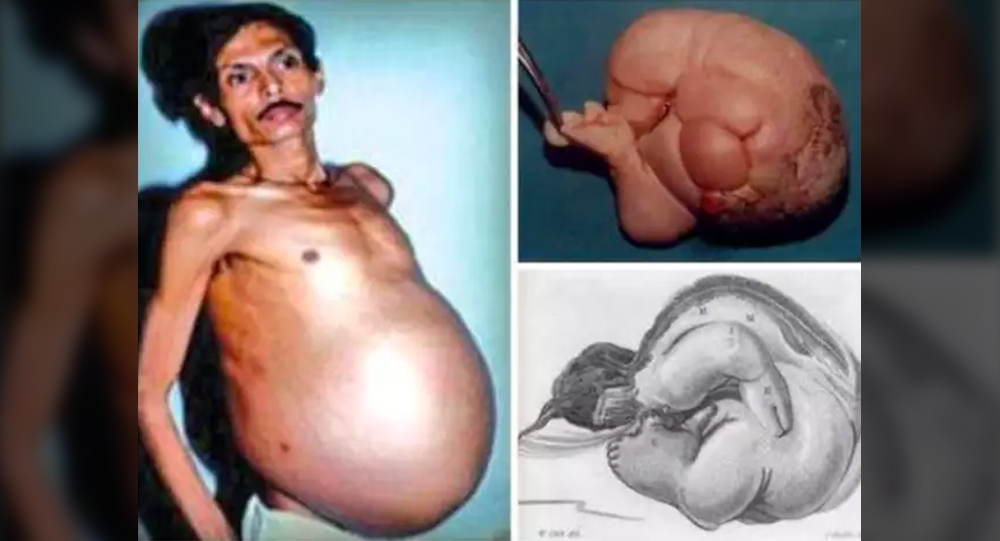
The Astonishing Case of Sanju Bhagat: Living with a Twin Inside Him for 36 Years
Sanju Bhagat, an Indian farmer, lived with an undiagnosed parasitic twin inside his abdomen for 36 years. In 1999, doctors discovered the twin during surgery. This rare condition, fetus in fetu, occurs when a malformed twin is absorbed during pregnancy, surviving within the host sibling's body.
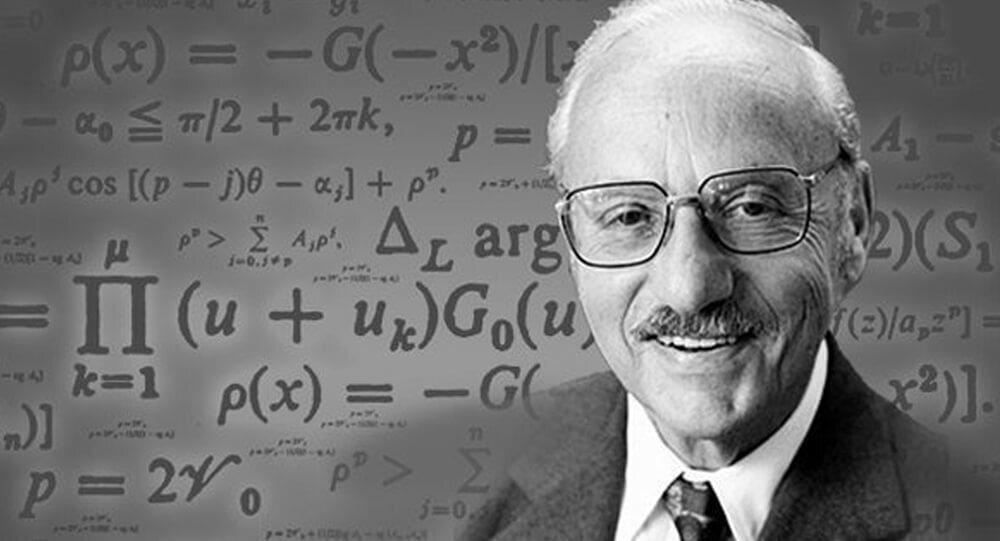
George Dantzig solved two famous “unsolved” problems in statistics mistakenly as assignment
In 1939, George Dantzig arrived late to his statistics class. On the board were two famous “unsolved” problems in statistics written as an example by his professor. Dantzig mistook the examples for homework assignments. He solved the “unsolved” problems and submitted the homework to his professor a few days later. His solutions earned him a doctorate.
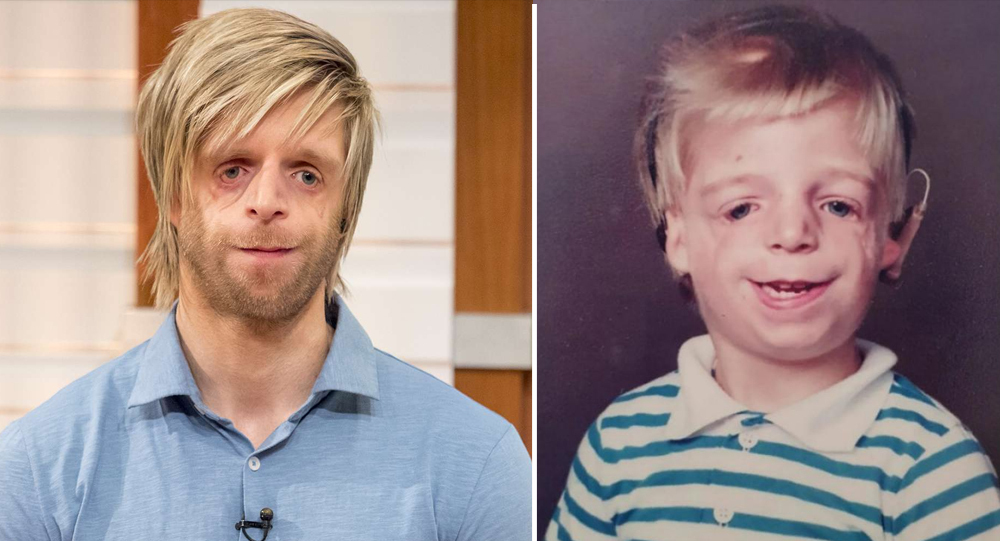
Inspiring story of Jono Lancaster, Abandoned by His mother at birth for this 'defect' on his face
When Jono Lancaster was just 36 hours old, his parents left him for adoption because he was suffering from Treachers Collins Syndrome, a genetic disorder which hampers facial bones development. Now he is an inspirational speaker, a professional model and a teacher, giving inspiration to millions
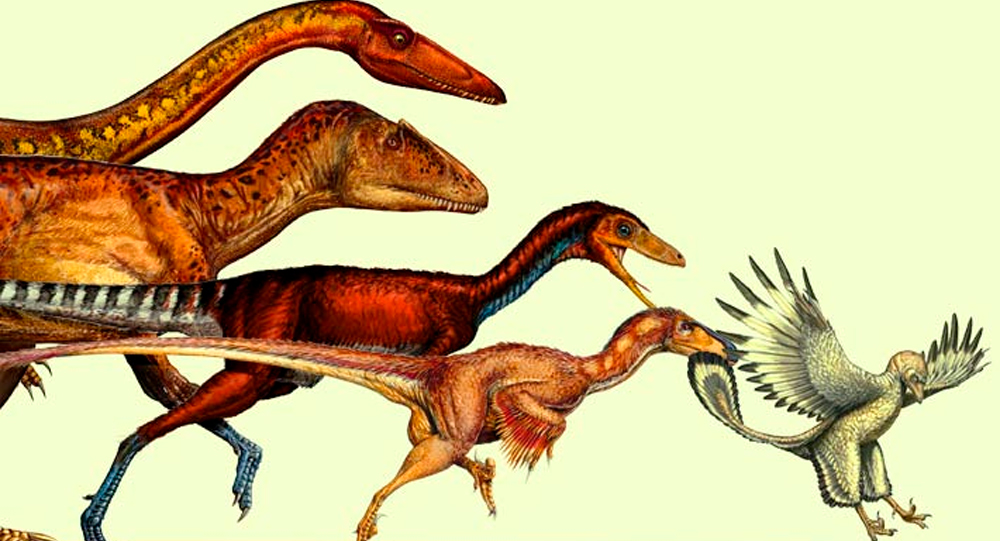
The Evolution of Flight: From Dinosaurs to Birds – A Journey Through Time and Science
Flight is one of nature’s most remarkable adaptations, but its origins trace back millions of years before modern birds took to the skies. Emerging from theropod dinosaurs during the Jurassic period, birds evolved feathers, wings, and lightweight bodies that enabled powered flight. This detailed narrative explores the fascinating evolutionary path from ground-dwelling dinosaurs to the aerial masters of today, blending science, intriguing fossil finds, and surprising trivia about our feathered ancestors.
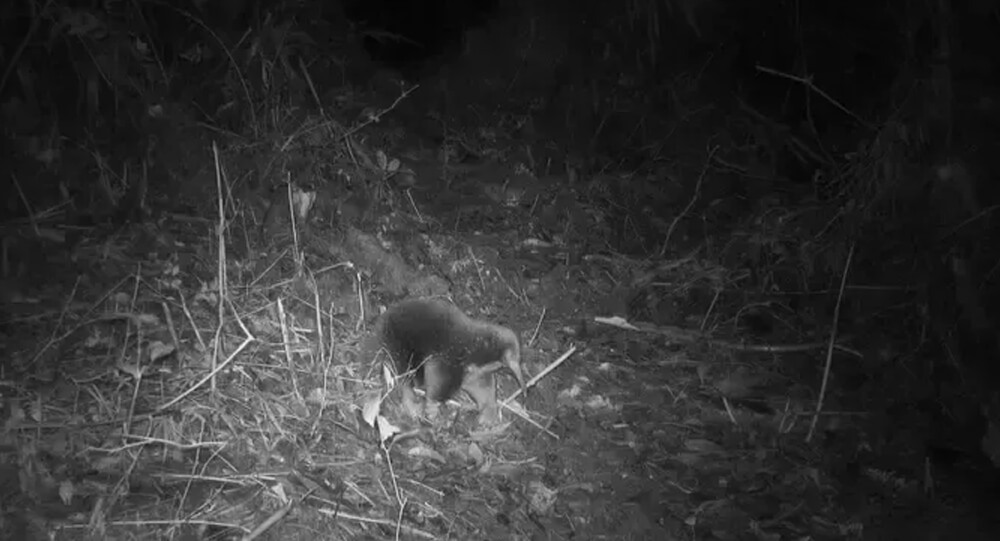
For the First Time in 60 Years, Scientists Discover a 'Lost' Echidna Species
An expedition team in Indonesia discovered the elusive, egg-laying animal (Echidna) named after David Attenborough, which had not been seen since 1961.