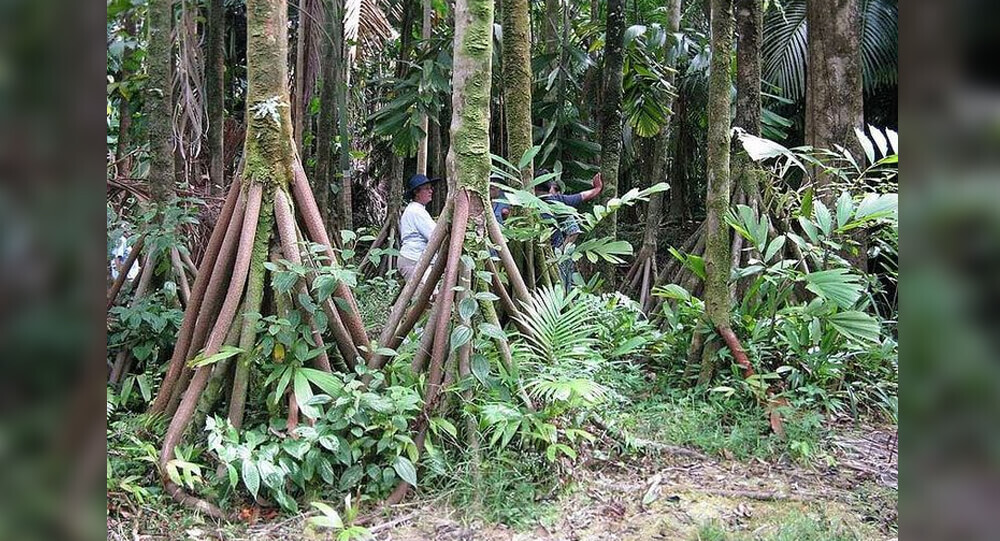
Socratea exorrhiza is the scientific name for the fascinating species known as the Walking Palm tree, which has the remarkable capacity to “walk” or move its entire trunk. Both scientists and nature lovers are intrigued by this unusual tree species that can be found in the rainforests of Central and South America. The Walking Palm can move several feet over the course of its lifetime as a result of its flexible trunk and intricate root system, which enable it to adjust to environmental changes. The Walking Palm can walk thanks to a variety of traits, adaptations, and mechanisms. This article will also examine the Walking Palm’s place in the ecosystem and the conservation efforts being made to preserve this amazing tree.
Before I reveal the reason for the Walking Palm’s propensity for wandering, let’s take a quick look at how this remarkable tree was discovered and given its name. Henri François Pittier, a French botanist, was the first to describe the Walking Palm, scientifically known as Socratea exorrhiza (try saying that five times fast). He must have been quite the adventurer to stumble upon a tree that literally moves!
Unique Characteristics and Adaptations of the Walking Palm
You’ve heard the saying, “What’s on the outside really does matter.” This tree has a tall, slender trunk and can grow as high as 80 feet. But what really distinguishes it is its unusual root structure, which resembles a collection of wooden stilts. The Walking Palm appears to be getting ready to join a circus act!
What allows this tree to defy gravity and wander around like a carefree flâneur, then? Well, the root system is what determines everything. An impressive number of adventitious roots, which resemble long, spider-like legs, emerge from the trunk of the Walking Palm. These roots provide stability and anchor the tree in the ground, while also allowing it to move in search of better light or nutrients. It’s like the tree version of a self-propelled RV.
Let’s discuss the Walking Palm’s leaf game now. Large, compound leaves are artistically arranged at the top of the tree’s trunk, giving shade on a hot day like a fancy umbrella. These leaves have an ingenious property that allows them to rotate in response to shifting lighting. Talk about using sun protection! Due to its adaptability, the tree can maximize its exposure to sunlight, ensuring that it can fully engage in photosynthetic activity.
The Movement Mechanism: How Does the Walking Palm Walk?
Let’s discuss Walking Palm’s walking style in more detail. The trunk’s remarkable flexibility is the key. The trunk of the Walking Palm is flexible and can bend in various directions, in contrast to the rigid trunks of most trees. It effortlessly twists itself to move toward greener pastures, like a tree-sized yoga master.
What about those funk roots, though? How do they assist the tree’s movement? It turns out that the Walking Palm has a talent for selectively growing and shedding roots. As a tree moves, it continuously loses older roots on one side and grows new ones on the other. The tree’s coordinated growth and shedding enable it to stand upright and firmly anchor itself as it moves slowly and steadily.
The Walking Palm is skilled at taking advantage of the surprises that nature offers. The tree has the ability to gradually reposition itself by slanting in the direction of advantageous wind and sunlight. It appears to be playing a game of environmental chess while being propelled along its chosen course by the forces of nature. When you can read the wind and find your way, who needs a GPS?
Environmental Factors Influencing the Walking Palm’s Movement
Every plant needs sunlight to survive, and the Walking Palm is well aware of this. It moves and bends due to phototropism, which is a property of photosensitive materials. The tree makes sure it can absorb those sun rays and continue to thrive by constantly seeking out the best lighting conditions. Talk about chasing the sun!
The Walking Palm is picky about its soil, just like Goldilocks. It prefers to walk in nutrient-dense soil where it can find the ideal balance of vital components. The tree will uproot itself and move to a new location if it senses that its present location is deficient in nutrients. It’s like a tree version of a food traveler, constantly seeking out the best soil cuisine.
The Walking Palm is accustomed to Mother Nature’s whims because she can be a wild ride. Weather elements like wind and rain have an impact on how the tree moves. Strong winds have the potential to blow it off course, and heavy rains have the potential to make the ground too slick for a relaxing stroll. The Walking Palm overcomes these obstacles and continues to move forward, demonstrating the importance of resilience in the world of trees.
The fascinating world of the Walking Palm Tree is now revealed to you. This tree never ceases to astound and motivate us with its extraordinary capacity to walk, adapt, and put on a performance deserving of a circus act. Who knew that trees could be so roving?
Life Cycle, Growth, and Reproduction of the Walking Palm Tree
Seed Germination and Early Growth Stages
The germination of the walking palm tree’s seeds marks the beginning of its life cycle. These seeds are frequently carried by animals or fall to the forest floor. Due to the need for specific environmental conditions for the seeds to germinate, the process of germination can last for several months.
The seed enters the early growth stages after it has sprouted, during which time it establishes a root system and begins to produce its first leaves. The walking palm tree is susceptible to a number of dangers during this time, including herbivores and diseases. Nevertheless, those that make it through this crucial stage have the potential to develop into tough and adaptable trees.
Maturation and Adult Tree Characteristics
The walking palm tree acquires certain traits that set it apart from other trees as it ages. Its capacity to grow straight and tall, attaining heights of up to 65 feet, is one distinguishing characteristic. Even in dense forests where there is fierce competition for light, the tree’s impressive height enables it to reach sunlight.
The walking palm tree is distinguished by its trunk as well. Specialized roots that grow from the trunk’s base and can spread outward give it more stability and support. The tree can move slowly over time by using these roots, also referred to as stilt roots, as legs.
Reproductive Strategies and Propagation
The walking palm tree uses a variety of methods for reproduction. To draw pollinators like bees and bats, it creates large, vibrant flower clusters called inflorescences. These pollinators help the tree transfer pollen from male to female flowers, which promotes fertilization and the development of seeds.
The walking palm tree can also procreate asexually using a method known as clonal growth. A group of interconnected trees can be created by it by producing new shoots from underground stems. The tree can broaden its range and improve its chances of survival thanks to clonal growth.

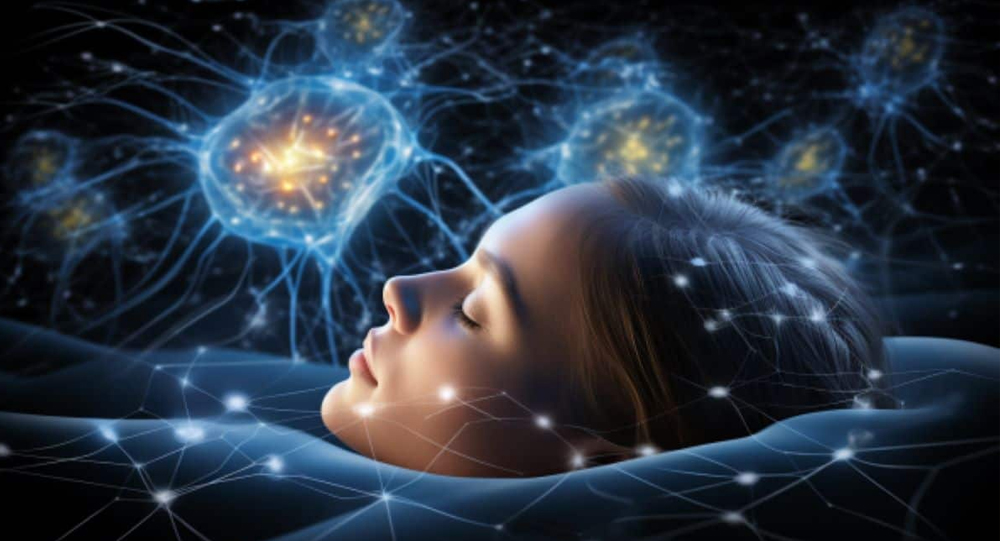
How Sleep Cycles Affect Cognitive Function and Memory Retention
Sleep is not just rest—it's an active process where our brain cycles through stages that shape cognition, memory, and overall mental performance. Different sleep phases, from deep slow-wave sleep to REM dreaming, play unique roles in consolidating memories, boosting attention, and refreshing brain networks. Explore how sleep cycles work and why they are essential to learning and sharp thinking.

Man discovers he has 3 kidneys after going to doctor for severe back pain
In 2020, a 38-year-old Brazilian man visited his doctor for severe back pain and was shocked to find out that he has three kidneys instead of just two.
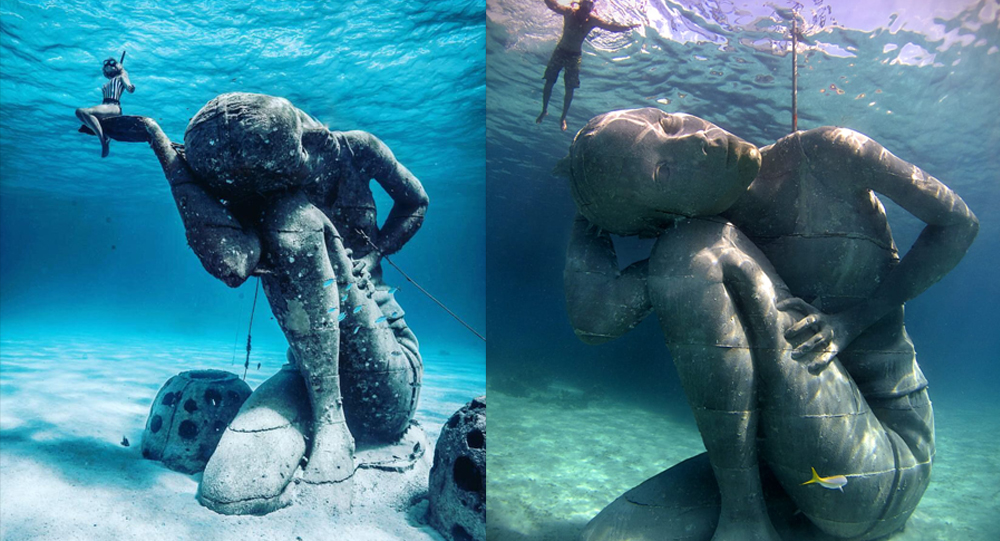
Ocean Atlas: Exploring the World’s Largest Underwater Sculpture in the Bahamas
On the western coast of New Providence in Nassau, Bahamas, there is a tourist attraction that you can dive down to see. Called Ocean Atlas, this is the largest single underwater sculpture ever installed. It depicts a local Bahamian girl carrying the weight of the ocean, in reference to the Ancient Greek myth of Atlas holding up the heavens.
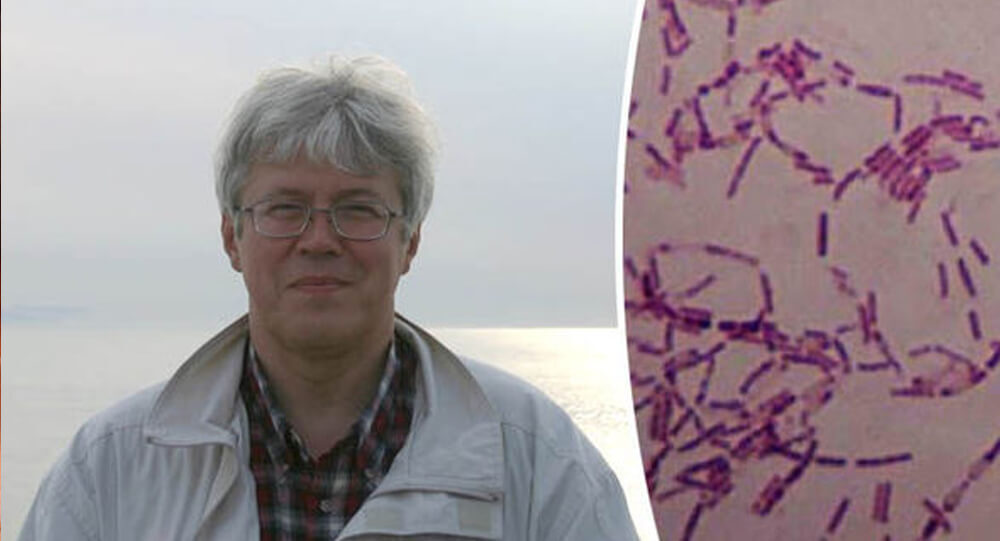
Scientist injects himself with 3.5m yr old bacteria for immortality and amazing happens
Russian scientist injected himself with a 3.5 million-year-old strain of bacteria, just to see what would happen. According to Brouchkov, Bacillus F has a mechanism that has enabled it to survive for so long beneath the ice, and that the same mechanism could be used to extend human life, too.
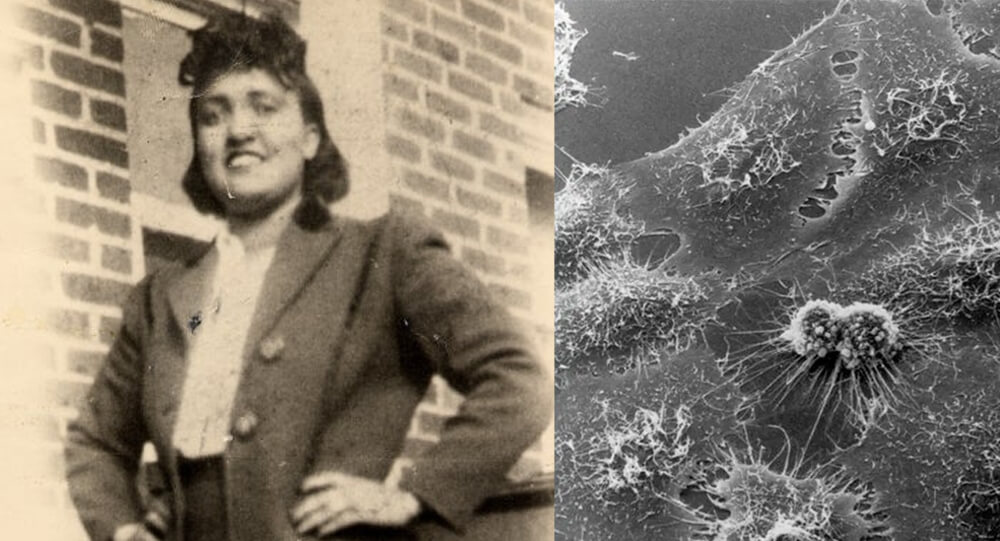
Henrietta Lacks: Who Was She? Here's how HeLa cells became necessary for medical research
Henrietta Lacks was died in 1951. The tumor that killed her has been alive and growing to this day. The tumor is immortal and was used to progress the Polio vaccine and is the jumping point for most human cell research to this day. Scientists have grown some 20 tons of her cells.
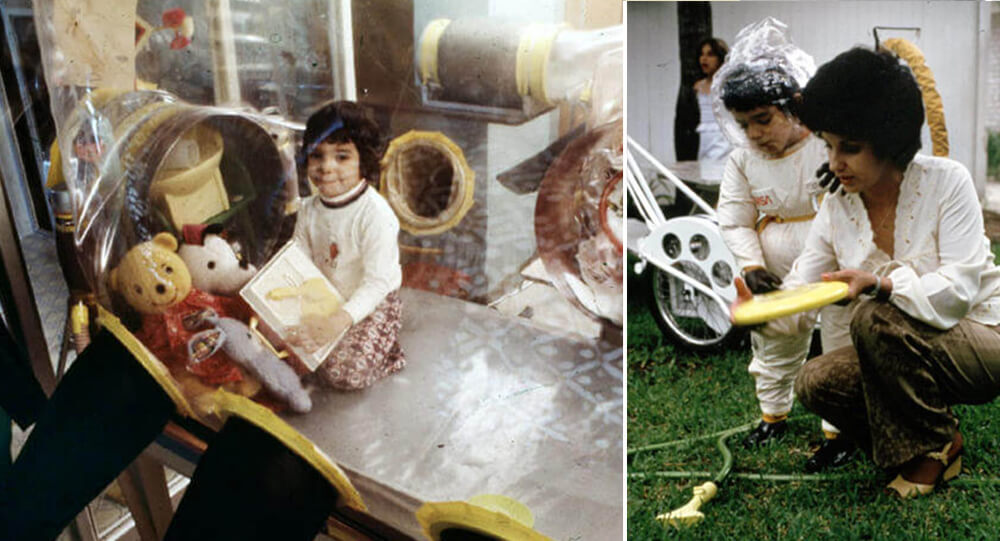
The touching story of David Vetter (bubble boy), the 'boy who lived in a bubble
David Vetter lived his whole 12 years in sterile “bubble”. He was “outside” for 20 second after being removed from his mother’s womb. He never touched any human.

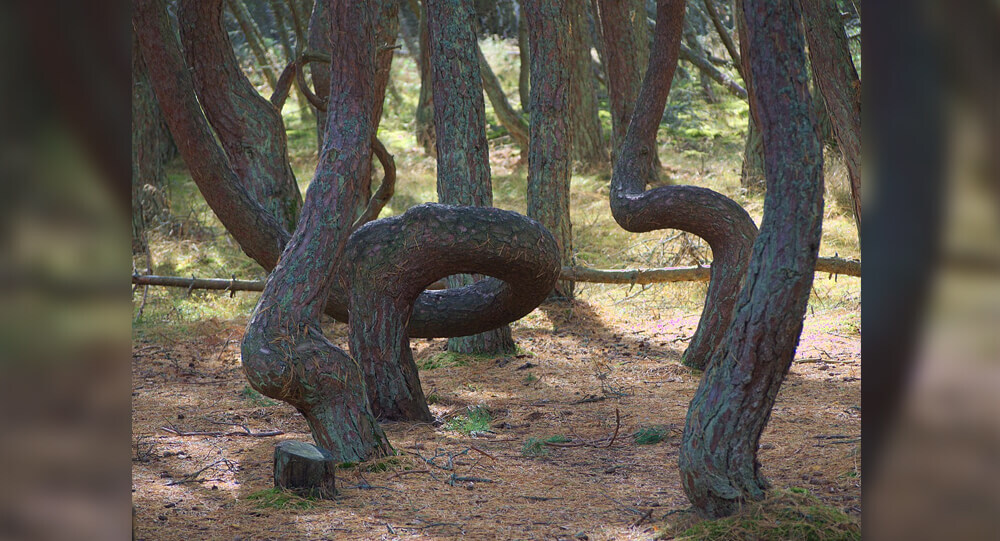
The Mystery of the Dancing Forest: Reasons behind the unusual wonders of forest
The Dancing Forest in Russia is noted for its unusually twisted pine trees. The trunks of these trees are contorted into spirals, rings, and other squiggly loops, but the reason for this malformation is still a mystery.

India's chandrayaan-3 becomes the first landed craft on moon's south pole
India's chandrayaan-3 becomes the first land craft on moon's south pole. It landed safely on August 2023

Inspiring story of Jono Lancaster, Abandoned by His mother at birth for this 'defect' on his face
When Jono Lancaster was just 36 hours old, his parents left him for adoption because he was suffering from Treachers Collins Syndrome, a genetic disorder which hampers facial bones development. Now he is an inspirational speaker, a professional model and a teacher, giving inspiration to millions
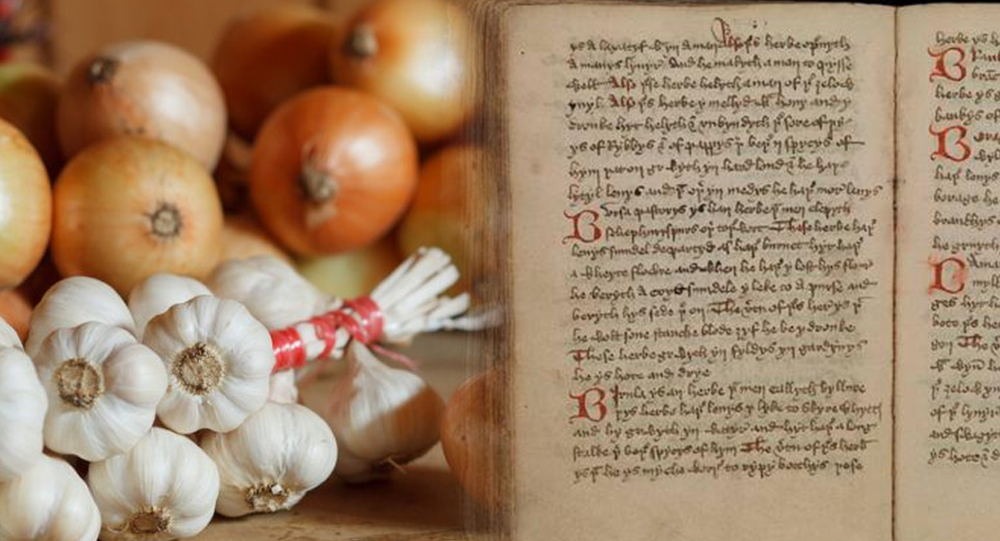
Medieval Medicine: A 1,000-year-old onion and garlic salve kills modern bacterial superbugs
Scientists recreated an Anglo-Saxon manuscript-based 9th century onion and garlic eye remedy and discovered that it killed 90% of antibiotic-resistant staph bacteria (MRSA).
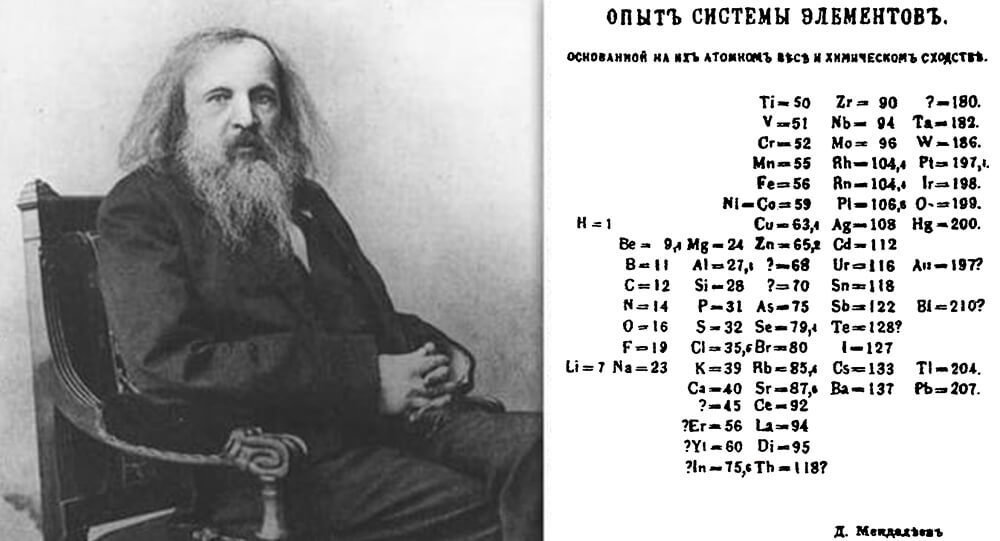
How Dmitri Mendeleev Developed the periodic table of the elements
1850 Dmitri Mendeleev walked almost a thousand miles to Moscow so he could apply for the University of Moscow. Although he was not accepted, he walked to St. Petersburg where he was accepted, And with that education, he developed the the periodic table of the elements
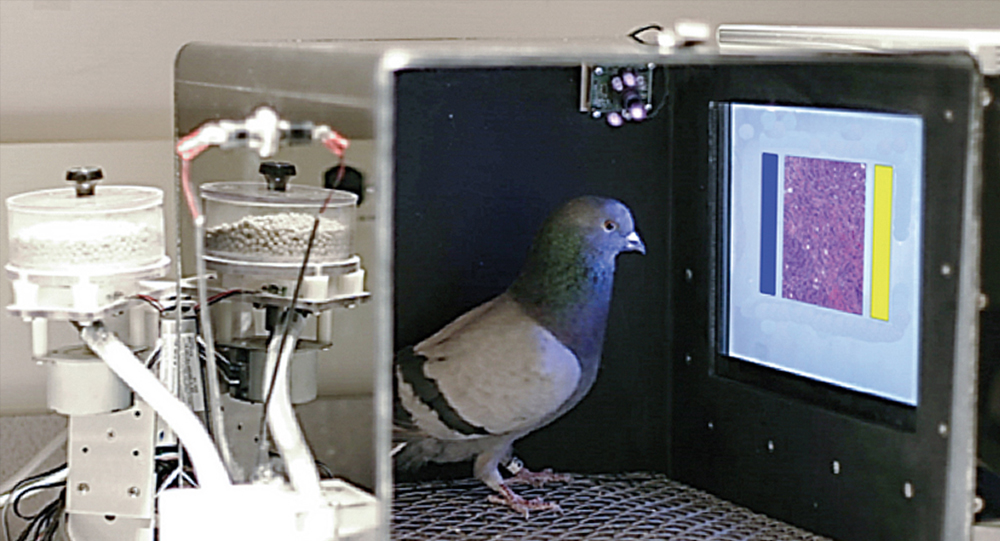
The Science Behind Pigeons in Cancer Detection and What It Means for Medicine
In a groundbreaking study, researchers have discovered that pigeons can be trained to distinguish between cancerous and non-cancerous tissues in medical images with accuracy rivaling that of human experts. This surprising capability opens new avenues for understanding visual perception and has potential implications for improving diagnostic tools in medicine. Here is the fascinating science behind pigeons’ ability to spot cancer and what it signifies for the future of medical imaging.

Woman's transplanted 'man hands' became lighter and more feminine over time
After losing both arms in an accident, an Indian girl received limbs from a male donor. The donor hands, which were formerly huge and hairy, changed skin tone and became thin and feminine over time to mix in with her body.

Woman's memory reset every two hours after traumatic accident
Riley Horner, an Illinois teenager was accidentally kicked in the head. As a result of the injury, her memory resets every two hours, and she wakes up thinking every day is June 11. Riley keeps detailed notes of events happening throughout the day, and sets an alarm on her phone every two hours to remind her to review them. Riley also keeps a calendar in her room to remind her what day it is? As she wakes up every morning confused, thinking it's still June 11.

The Science Behind Why We Dream and What It Means
Dreams have fascinated humanity for millennia—enigmatic stories that unfold in sleep, weaving memories, emotions, and symbols. Modern science is now unraveling why we dream and exploring what these nightly narratives reveal about our brain, emotions, and waking lives. Journey through the latest discoveries on the science of dreaming and its meaningful reflections in our psyche.
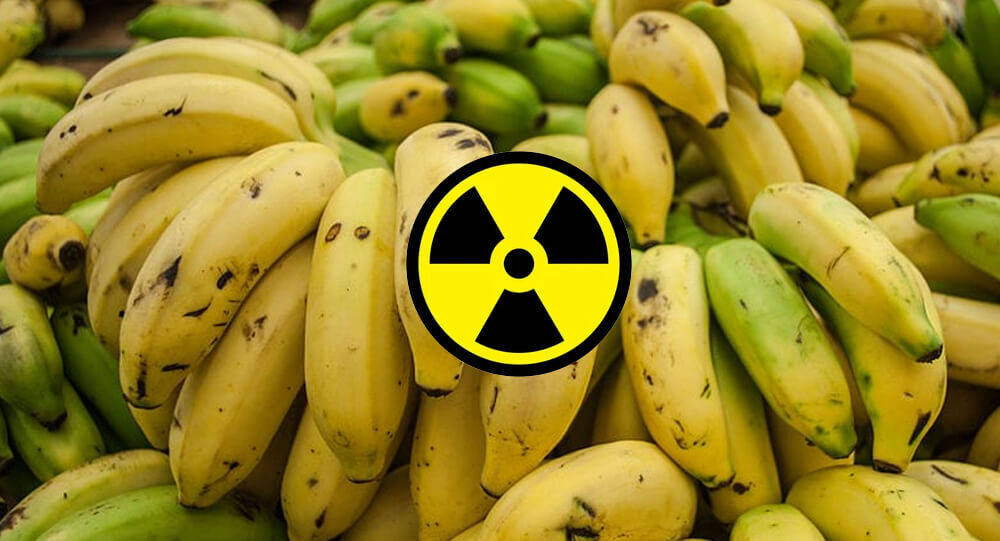
What makes bananas radioactive?
Yes, It is true that bananas contain radioactive substances. But the same can be said for spinach, potatoes, oranges, Brazil nuts, kitten litter, granite counter tops, even the air you breathe! Radioactivity is unavoidable and all around us. So, what exactly is it?
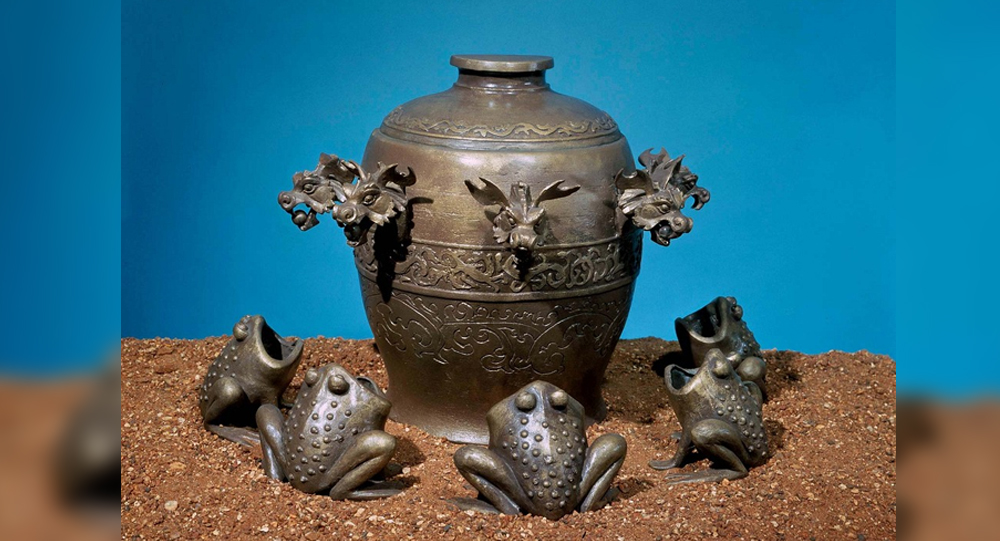
The World’s First Seismograph: How Ancient China Detected Earthquakes 1,800 Years Ago
Over 1,800 years ago, long before modern technology, the ancient Chinese astronomer and inventor Zhang Heng created the world’s first seismograph in 132 AD. This ingenious bronze device could detect distant earthquakes by releasing small balls from dragons’ mouths into toads’ mouths—each indicating a different compass direction. Its historic detection of an earthquake 400 miles away astonished the imperial court and transformed the way societies understood and responded to seismic events.
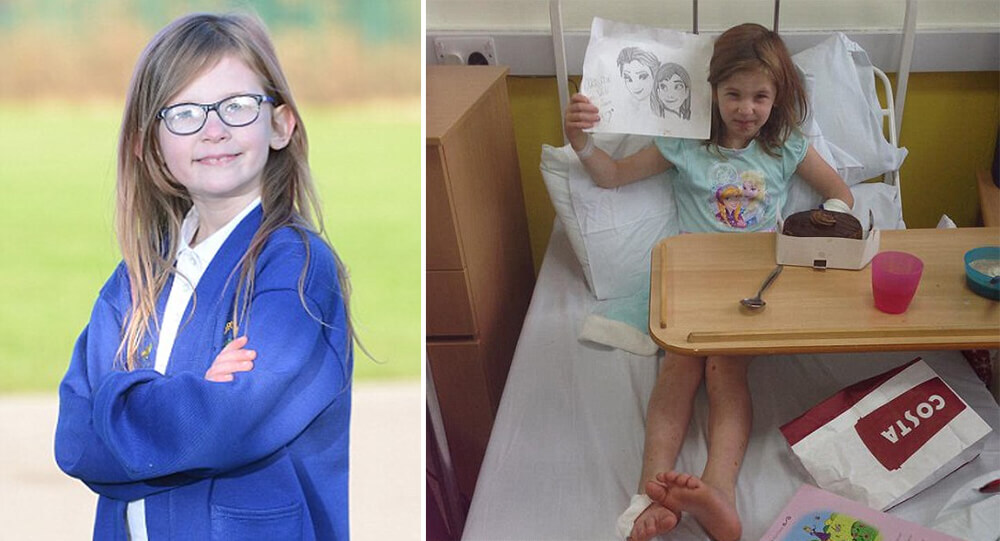
The extraordinary case of Olivia Farnsworth, who hit by a car and dragged down the street without pain because of chromosome 6 deletion
In 2016, 7-year-old Olivia Farnsworth was hit by a car and dragged down the street, but she did not feel a thing. That is because of a rare condition called “chromosome 6 deletion,” which causes her to feel no pain. She also does not experience hunger or exhaustion.
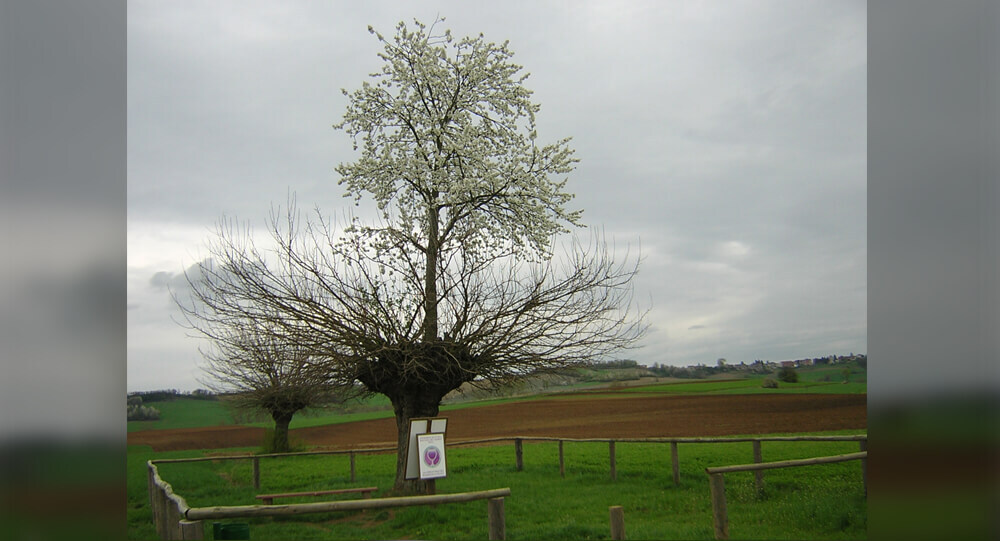
The Unique Grana Double Tree of Piedmont, Italy
The “Grana Double Tree” in Piedmont, Italy is a highly unusual tree, which consists of a cherry tree growing atop a mulberry tree. It is essentially a two-species, two-tiered hybrid duplex.
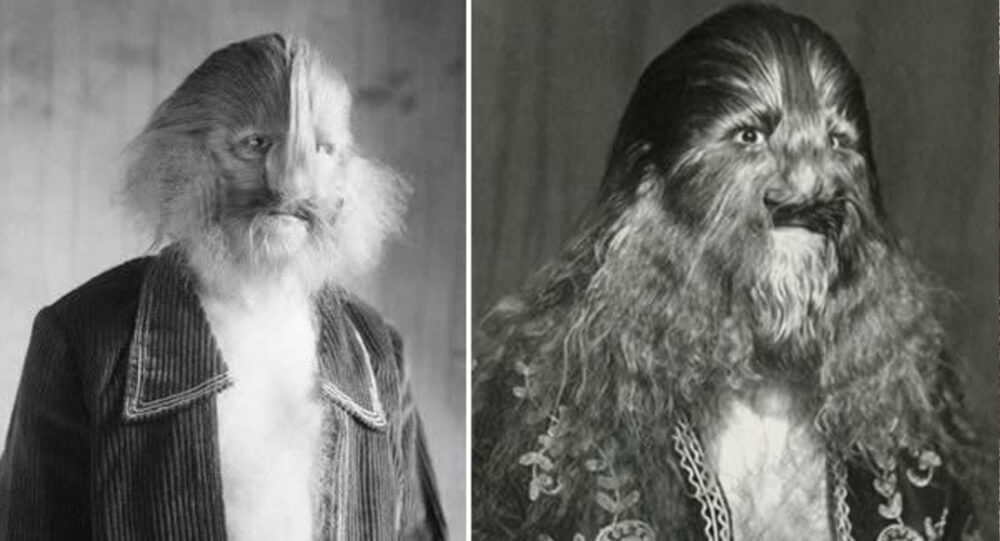
The story of Lionel the Lion-Faced Man, Stephan Bibrowski
Stephen Bibrowski, also known as Lionel the Lion-faced Man, was a well-known sideshow entertainer. His entire body was covered in long hair, giving him the appearance of a lion; this was most likely due to a rare condition known as hypertrichosis. Lionel traveled to the United States in 1901 and began performing with the Barnum and Bailey Circus.

Stephen Hawking’s Warning: Humanity Has Less Than 200 Years to Escape Earth’s Limits
Stephen hawking says humanity won't survive without leaving earth. In fact, human beings may have less than 200 years to figure out how to escape our planet
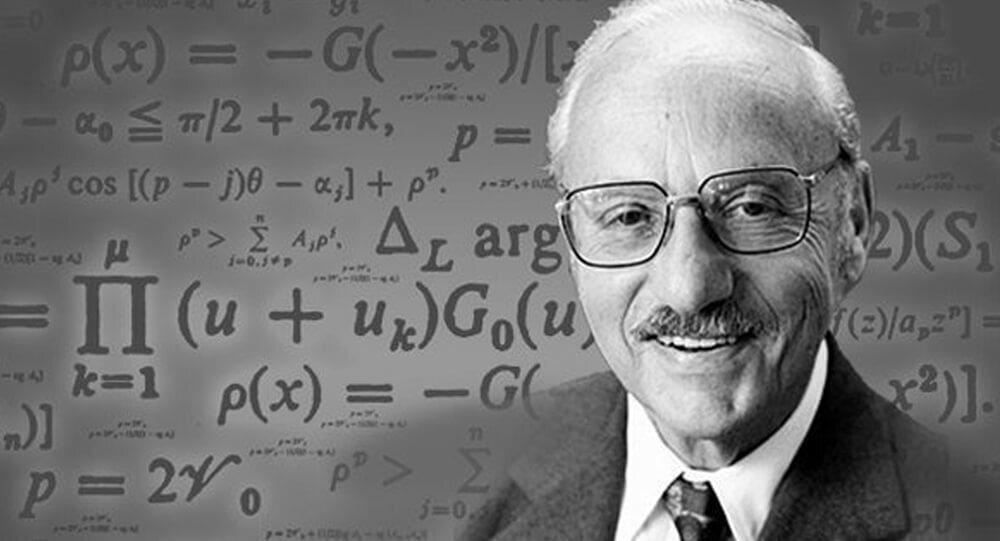
George Dantzig solved two famous “unsolved” problems in statistics mistakenly as assignment
In 1939, George Dantzig arrived late to his statistics class. On the board were two famous “unsolved” problems in statistics written as an example by his professor. Dantzig mistook the examples for homework assignments. He solved the “unsolved” problems and submitted the homework to his professor a few days later. His solutions earned him a doctorate.
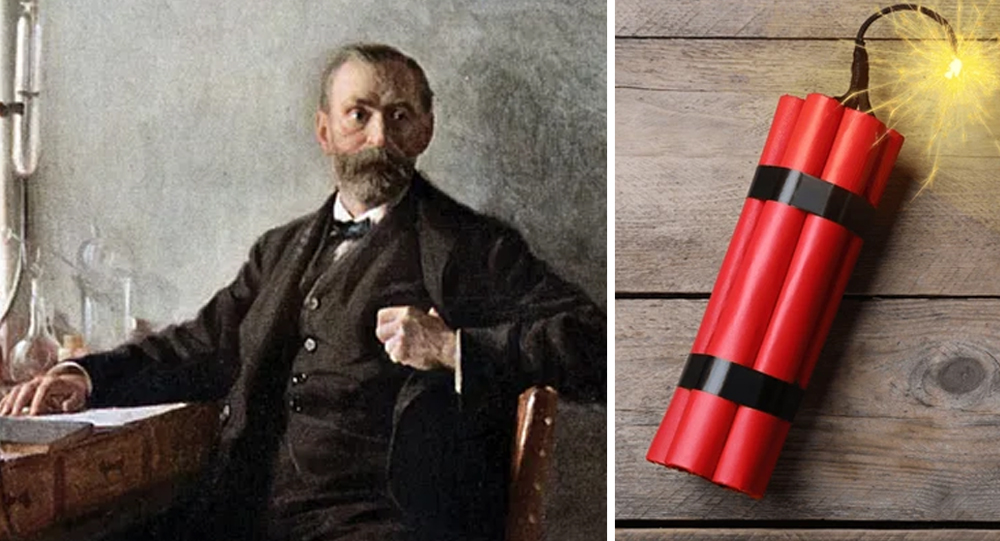
How a Headache Cure Experiment Led to the Invention of Dynamite
Alfred Nobel discovered dynamite while experimenting with nitroglycerin, a volatile liquid he also took in tiny doses for headaches. Ironically, the explosive that made him wealthy and feared also eased pain—later inspiring his legacy as founder of the Nobel Prizes.
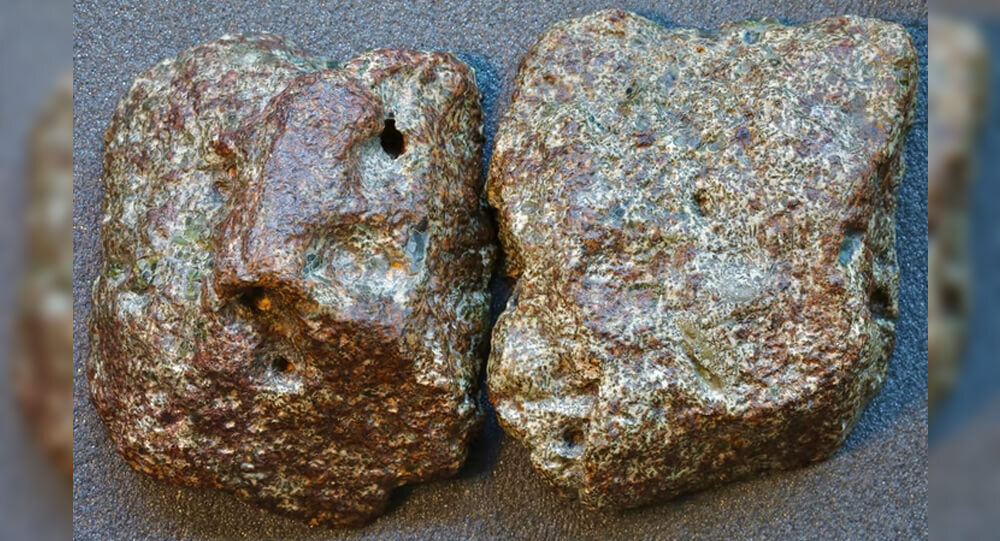
Meteorite found in Sahara Desert older than the earth
This Sahara Desert Meteorite was discovered to be older than the earth itself. This Meteorite is estimated to be 4.6 billion years old, while earth is estimated to be 4.54 billion years old.
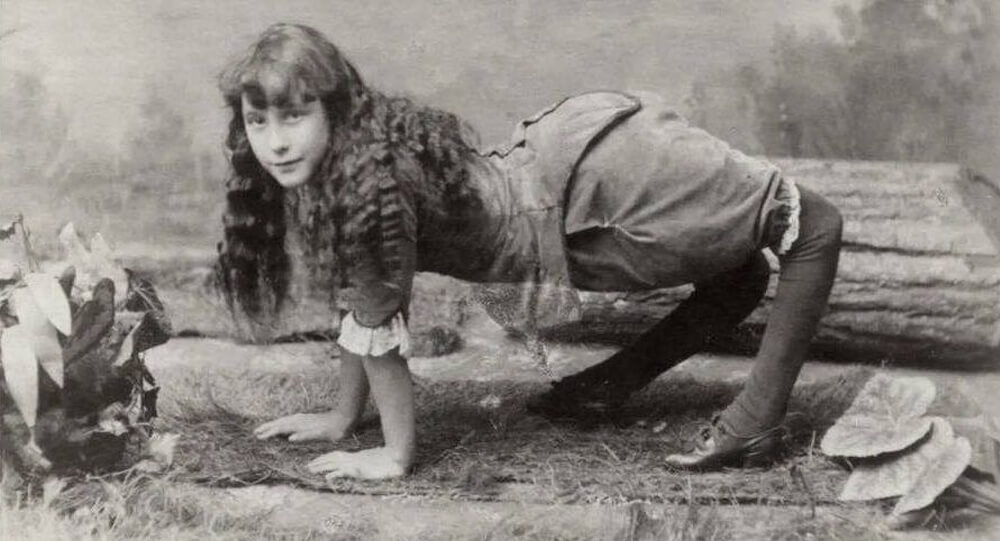
The Heartbreaking Story Of Ella Harper, The ‘Camel Girl’
Ella Harper, Professionally known as the “Camel Girl” was born with a rare orthopedic condition that cased her knee to bend backward. Due to this condition, had to walked on all four legs, which resulted in her nickname as “Camel Girl”. Tough it was hard at first, but soon she made a fortune out of it.