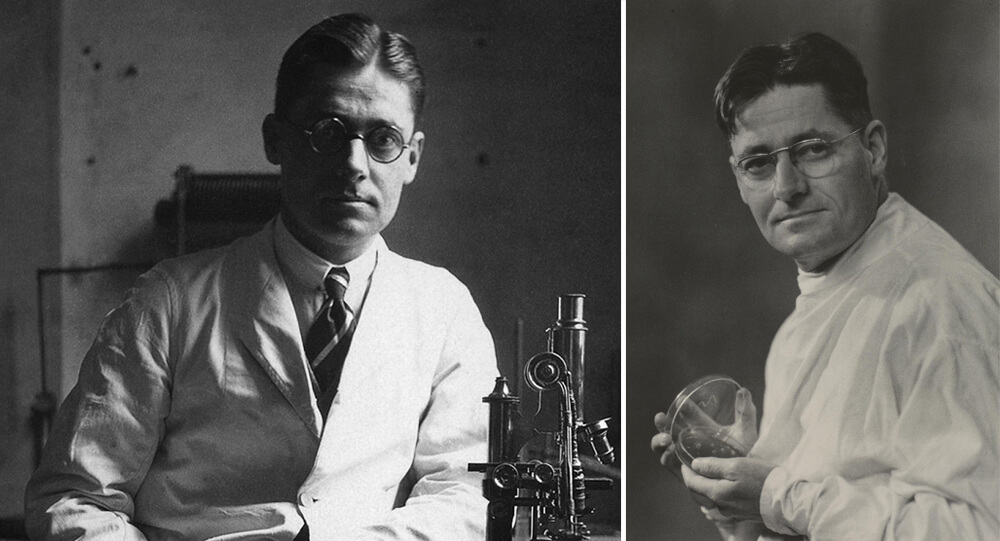
Penicillin’s history, the first antibiotic to successfully treat patients with serious infectious diseases, has a fortunate beginning. British scientist Alexander Fleming discovered in 1928 that mold had stopped bacteria from growing in his lab. However, the story’s main conflict centers on an Australian scientist who was born this year, one hundred years ago, rediscovering penicillin ten years later. The methodical, meticulous work of Howard Florey and his committed team turned penicillin from a fascinating observation into a life-saving discovery.
In the past, Emma Burkervisc served as the tea lady at the John Curtin School of Medical Research at the Australian National University (Howard Florey later in life played a significant role in the establishment of the School and University). Imagine how Emma felt when she ran into Florey in the hallways of the office where she worked many years after penicillin had saved her life in a German refugee camp during World War II. Consider your reaction if you met someone who saved your life and consider the global impact Florey and his team have had.
Breaking the Mould
At Oxford University in Britain in the 1930s, when working on scientific discoveries as a group was hardly ever common, Florey assembled a team of scientists. Nowadays, scientists collaborate frequently, but Florey saw that science had progressed to the point where a team of experts was required because the task was too big for one person.
His team started a thorough investigation into the characteristics of antibacterial compounds made by mold. When Ernst Chain, one of the team members, was flipping through a medical journal and came across an article about Alexander Fleming’s work, they started researching penicillin.
The group’s members focused on the topics about which they knew the most, but they frequently got together to share ideas. Together with Edward Abraham, Chain purified penicillin. Using bedpans and ether, Norman Heatley devised improvised extraction techniques for penicillin (see “penicillin production” below). A. D. Gardner and Jena Orr-Ewing investigated the interactions of penicillin with various microbes. Together with Margaret Jennings, Howard Florey examined how penicillin affected animals. Later, Ethel Florey collaborated with her husband on penicillin clinical trials.
They carried out one of the most significant medical experiments in history in May 1940. Florey’s team tested penicillin on eight mice that had been given lethal doses of streptococci bacteria on Saturday, May 25, due to the urgency of the work that required them to start the experiment over the weekend. Penicillin was administered to four of the mice, while four were used as controls. The treated mice had recovered the following day, while the untreated mice had passed away. The lives of eight mice in the early days of World War II may seem insignificant. However, the treatment of Allied soldiers with penicillin began as early as D-Day, in June 1944, and is likely what turned the tide of the war.
The First Patient
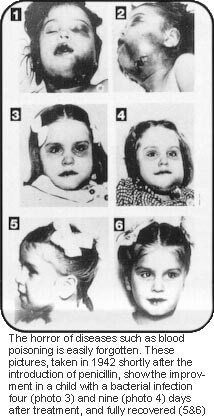
The outcomes were so fascinating that Florey realized it was time to test the medication on people. The initial patient had been stung by a rose thorn in 1941. The entire face, eyes, and scalp of Albert Alexander had swollen. Even his remaining eye had to be lanced to relieve the pain of the swelling after he had already had an eye removed and abscesses cleaned out. After receiving penicillin, he started to feel better within a day. However, Florey’s team lacked enough of the medication to ensure the patient’s full recovery. They attempted to reuse the penicillin by removing it from his urine, but they were unsuccessful, and he tragically relapsed and passed away. Because of the awful experience, the team then concentrated their efforts on sick children, who did not require such large quantities.
For the purpose of researching the effects of penicillin on wounded soldiers, Florey traveled to North Africa in 1943. His hardships were regarded as a miracle. He recommended that soldiers’ wounds be cleaned and stitched up, and then that the patients be given penicillin, rather than amputating injured limbs or just letting them heal on their own. By the end of World War II, the drug was available to treat Allied soldiers thanks to Florey and his team, and it has since revolutionized medical science and saved millions of lives.
Before Penicillin
How many times have you unintentionally poked your finger with a sewing needle or a rose thorn? Nowadays, you would be treated almost immediately if the wound became infected. However, you could have been in serious trouble prior the discovery of Penicillin. Like cancer today, infections were feared back then. Your glands would swell up, and lancing would be necessary to drain the pus. Your arm might even need to be amputated by a surgeon in an effort to save your life. Before Howard Florey discovered penicillin, many infectious diseases lived in this nightmare.
Setting the Stage for Penicillin
Molds and fermented substances had been used to treat various skin infections three thousand years before penicillin, though their actual mechanisms of action were unknown. But the first scientific investigations into antibiotics didn’t start until the late 1800s. Louis Pasteur, a French chemist, noticed that anthrax (an infectious disease spread from animals to humans) was inhibited by mold after learning that infectious diseases are spread by bacteria. Joseph Lister, a British surgeon, observed that urine samples contaminated with mold prevented bacteria from growing, but he was unable to pinpoint the substance in the mould. French medical student Ernest Duchesne successfully tested a substance from mould that inhibited bacterial growth in animals, but died at an early age in 1912, never seeing the world’s acceptance and use of his important discovery.
A tear from Alexander Fleming’s eye fell into a culture plate while he was working with bacteria after World War I. Later, he discovered that lysozyme, a substance in his tear, killed the bacteria while being safe for the body’s white blood cells. Years later, while studying the flu, a related coincidence happened to Fleming. While he was away, a piece of mould that contained bacteria fell into a discarded culture plate and formed a clear patch. When he came back, he recognized this pattern from his prior lysozyme experience. He came to the conclusion that the mold was generating an antibiotic substance and gave penicillin, the antibiotic’s name, to the Penicillium mold that was generating it.
His finding was an incredible stroke of good fortune. Penicillin might not have been discovered as an antibiotic if Fleming hadn’t left a petri dish of bacteria on his bench when he went on vacation, if he had properly cleaned the dish, if the weather had been different from the ideal conditions for bacteria and mould growth in the laboratory, and especially if Fleming hadn’t had the experience to recognize the significance of the observation.
However, Fleming was unable to extract the substance that kills bacteria, so he was unable to test it as a treatment for widespread infections. He left to pursue other research, leaving Howard Florey and his group to lay the foundation for penicillin’s use as a lifesaving drug more than a decade later.
Fabulous Fungus
The first naturally occurring antibiotic discovered was penicillin; protosil, the first drug used to treat some infectious diseases, was found in 1933 but had negative side effects. Antibiotics, which are substances that battle bacteria, fungi, and other microbes harmful to humans, now the amount over 60. The word “antibiotic” means “against life.”
An antibiotic is a medication made by microbes, such as the molecule penicillin. Penicillium molds provide penicillin in a variety of forms. The most popular form of penicillin, penicillin G, was used by Duchesne in 1896, Fleming in 1928, and Florey in 1939 to kill bacteria.
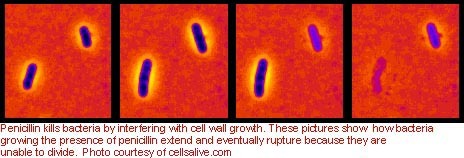
When bacteria reproduce, they divide into two new cells. Before the DNA chromosome is copied, they enlarge to roughly twice their original size. A cell wall develops in between the two new chromosomes as they move apart. However, the new cell wall won’t be able to form if penicillin is present. It only prevents the formation of new cell walls in bacteria; for more information, see balloon bacteria. As a result, the bacteria cannot multiply and the disease cannot spread.
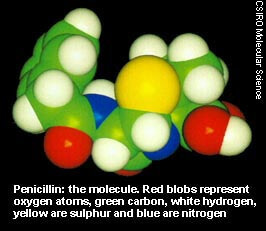
Natural penicillin is given intravenously because, if swallowed, stomach acids would degrade the medication before it could enter the bloodstream. Nowadays, one dose of penicillin is equivalent to the total amount used by Florey’s team during all of their clinical trials! Penicillin allergies affect about one in ten people, with symptoms that can range from minor skin rashes to serious breathing problems. There are now alternative antibiotics that can be used if you are allergic to penicillin.
So Who Was Howard Florey?
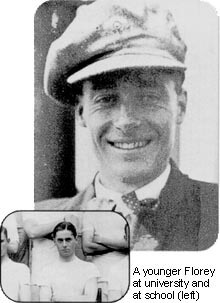
Due to his wife’s failing health, Florey’s father moved from England to Adelaide where he ran a shoe store. He wed Bertha after she passed away from tuberculosis; the couple had two daughters before Howard was born.
Howard excelled in sports and did exceptionally well on his schoolwork. His high school chemistry teacher motivated him to enroll in the University of Adelaide’s medical program. He met fellow medical student Ethel here. He was accepted to Oxford University at the end of 1921 after receiving the South Australian Rhodes Scholarship (a prize given for outstanding leadership and tenacity in academics and sport). Before Ethel moved to England to wed Howard in 1926, they wrote to one another for a few years. She had an unhappy marriage, which was influenced by both his intolerance and her ill health and hearing. She passed away in 1966. One year before his heart attack-related death at age 69, Howard wed Margaret Jennings, a significant member of the penicillin team, once more in 1967.
With Fleming and Chain, he shared the 1945 Nobel Prize for Physiology or Medicine for his leadership of the scientific team that discovered and developed penicillin. He was the first Australian elected to the prestigious position of President of the Royal Society in 1960, where he was known as “the Bushranger President,” and was decorated by the UK, France, Australia, and the US for his impact on the outcome of World War II. He was knighted in 1944. In 1965, he was created Baron Florey of Adelaide, and the following year, he agreed to become Chancellor of the Australian National University.
Brilliant But Humble
He said, “All we did was to do some experiments and have the luck to hit on a substance with astonishing properties.” Florey was quiet about his accomplishments, describing them in a 1967 interview as a “terrible amount of luck” that “involved many others.” His enthusiasm for science, his talent, and his complete honesty and lack of pretense inspired those around him.
Florey understood how his drug affected population growth. Perhaps to counter this effect, contraception research was a lifelong interest and he was a vocal proponent for population control. He said in 1967, “I’m now accused of being partly responsible for the population explosion… one of the most devastating things that the world has got to face for the rest of this century.”
He stayed away from the press when penicillin’s success was discovered because he detested doing interviews and didn’t want to spur an excessive demand for the drug’s limited supply. His dislike of publicity may be the reason why Howard Florey’s crucial contribution to the penicillin story is still largely unknown throughout the world, despite the fact that a suburb of Canberra bears his name and his likeness appeared on the old $50 note. Let’s hope the real story comes out on the anniversary of his birth.

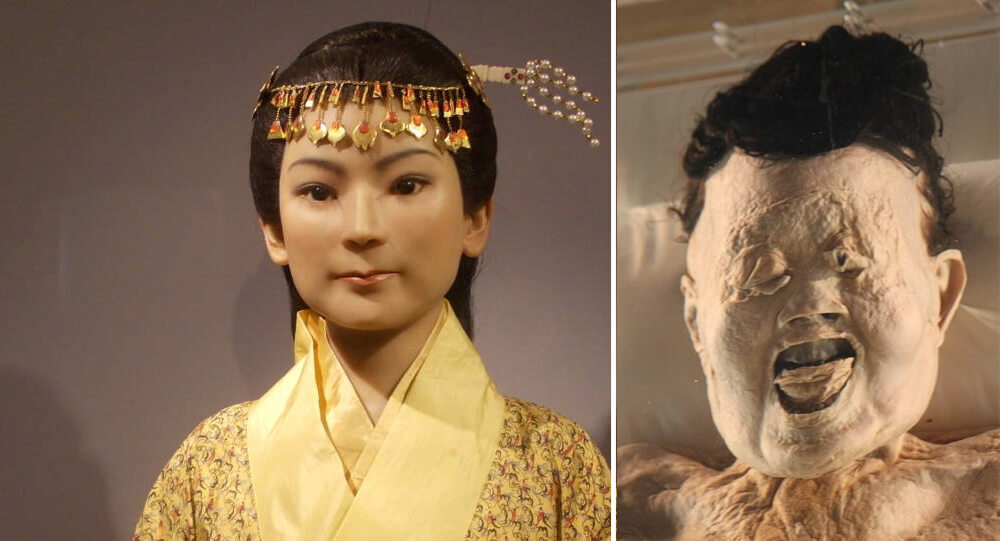
Xin Zhui And The Story Of The Stunningly Intact Lady Dai Mummy
A 2,000-year-old mummy of a Chinese woman, Xin Zhui, also known as “Lady Dai,” was preserved in 21 gallons of an “unknown liquid.” With her original hair, organs, eyebrows, and eyelashes intact, the mummy still has blood in her veins. Her skin and ligaments are soft and as flexible as that of a living person.
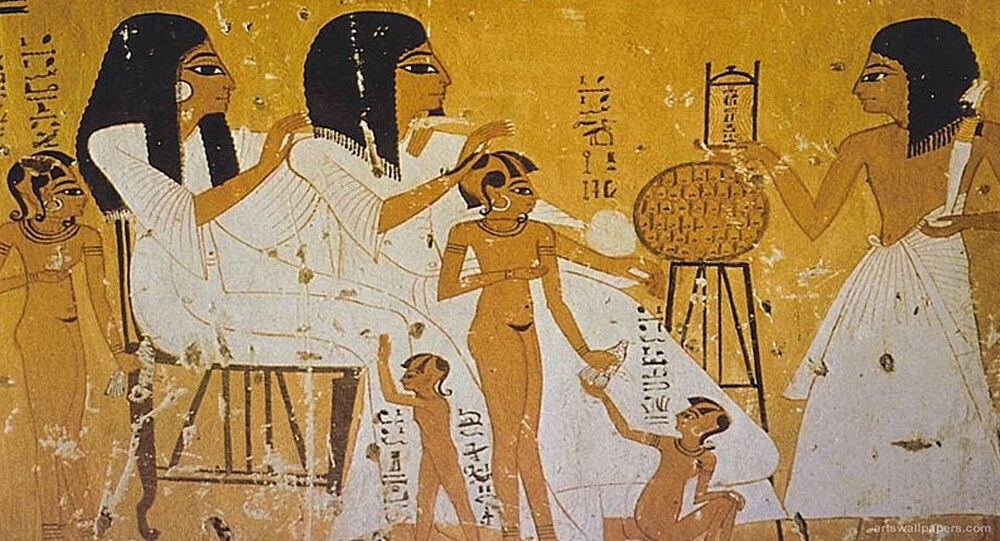
Ancient Egyptians Had Pregnancy Tests Over 3500 Years Ago
The ancient Egyptians used a pregnancy test that involved potentially pregnant women peeing on barley and wheat seeds. Plant growth indicated pregnancy: barley for a boy and wheat for a girl. Later tests revealed that pregnant women's urine causes plant growth 70% of the time, whereas non-pregnant women's urine does not.
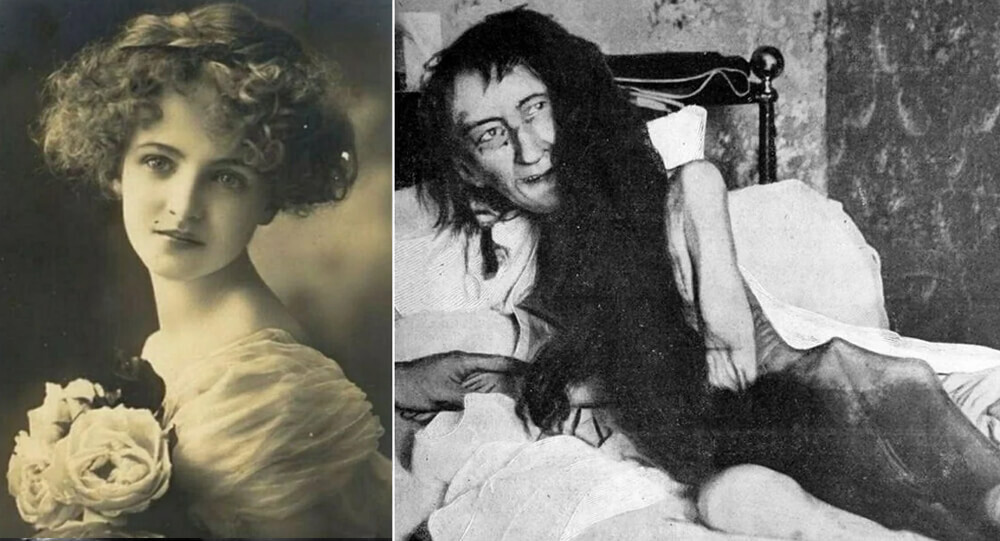
Blanche Monnier: Imprisoned For 25 Years For Falling in Love
Blanche Monnier, she was a French woman noted for her beauty, she wished to marry an old lawyer that her mother disapproved of, so she locked her in a small dark room in her attic for 25 years.
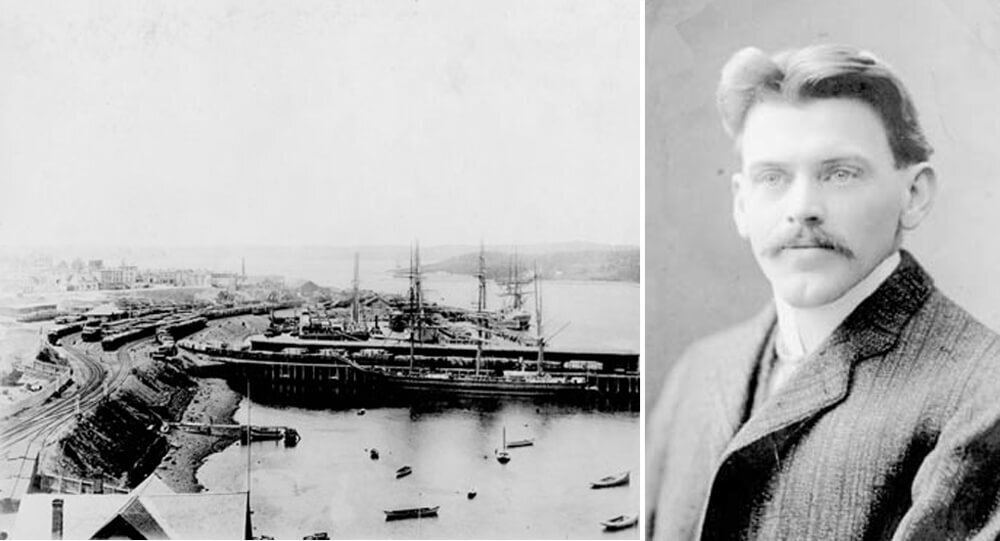
Vince Coleman, a railway dispatcher, sacrificed his own life
Vince Coleman, a railway dispatcher, sacrificed his life in order to warn an incoming train of an imminent explosion. His telegraph said “Hold up the train. Ammunition ship afire in harbor making for Pier 6 and will explode. Guess this will be my last message. Good-bye, boys.” He saved 300 lives.
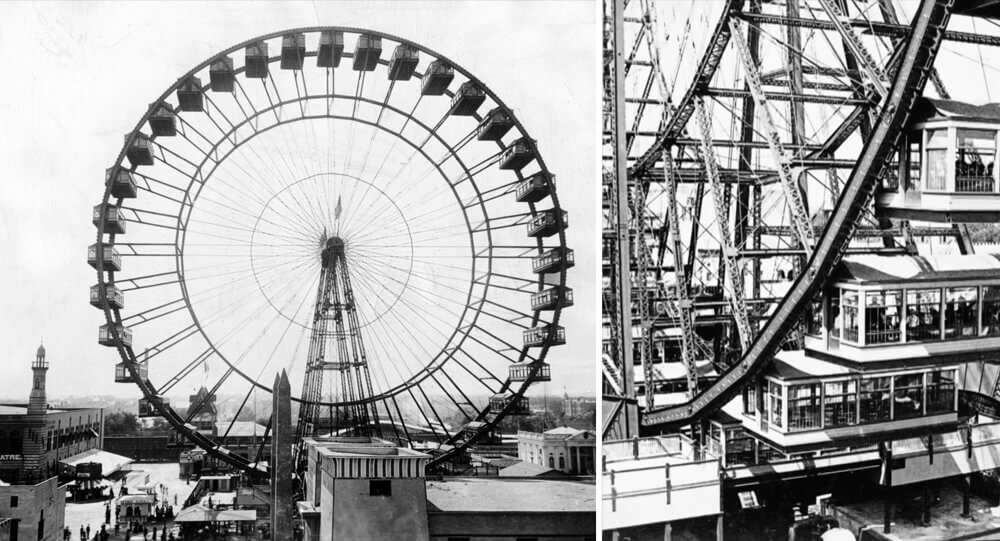
how Ferris wheel invented
In 1891, Chicago challenged engineers to create a structure to surpass the Eiffel Tower for the World's Columbian Exposition. George Washington Gale Ferris jr. responded with the original Ferris Wheel, a giant rotating structure elevating visitors above the city. This invention became an iconic attraction at the fair.
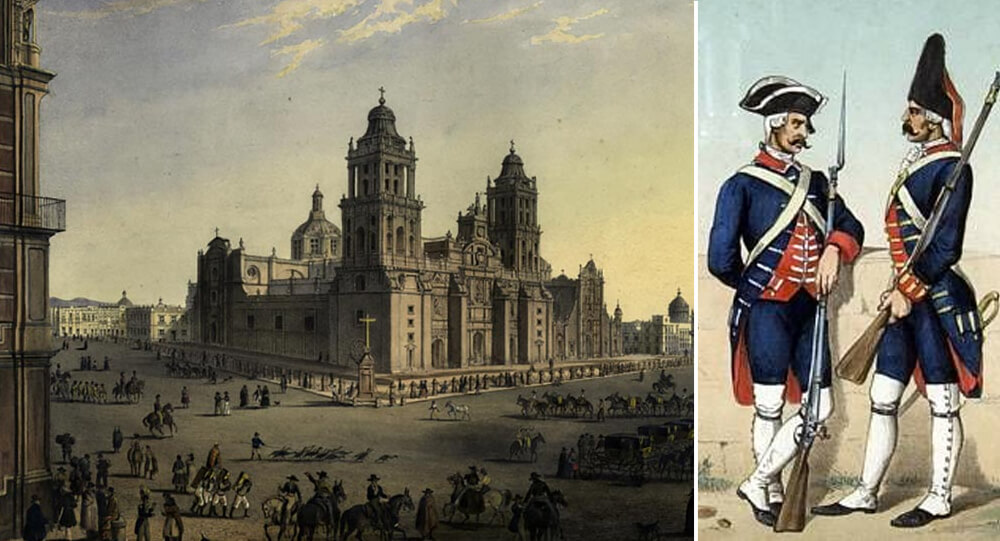
Did Gil Pérez Really Teleport from Manila to Mexico Overnight? The 1593 Mystery
On October 24, 1593, while performing his guard duties at Manila's Governor's Palace in the Philippines, Gil Perez stopped to lean against a wall and sleep for a while. He opened his eyes to find himself in an unusual environment. Gil was in the Plaza Mayor in Mexico City. They imprisoned Perez, but the authorities in Mexico City decided to release him and return him home.
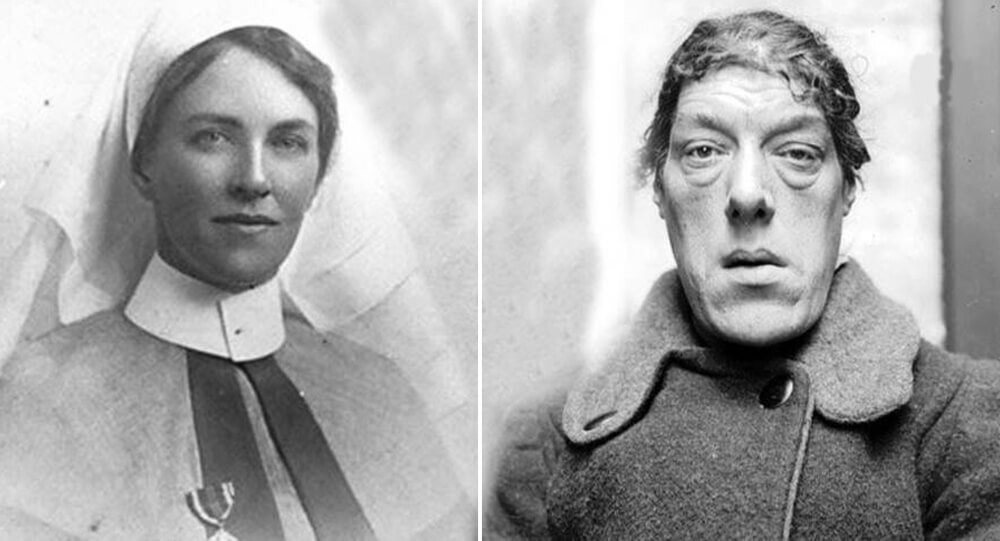
The Tragic Story Of Mary Ann Bevan, The ‘Ugliest Woman In The World’
After the death of her husband, Mary Ann Bevan had no income to support herself and her children. She then decided to enter a contest where she won the title of “ugliest woman” and was later hired by a circus. She endured this ridicule from the world to provide for her family.

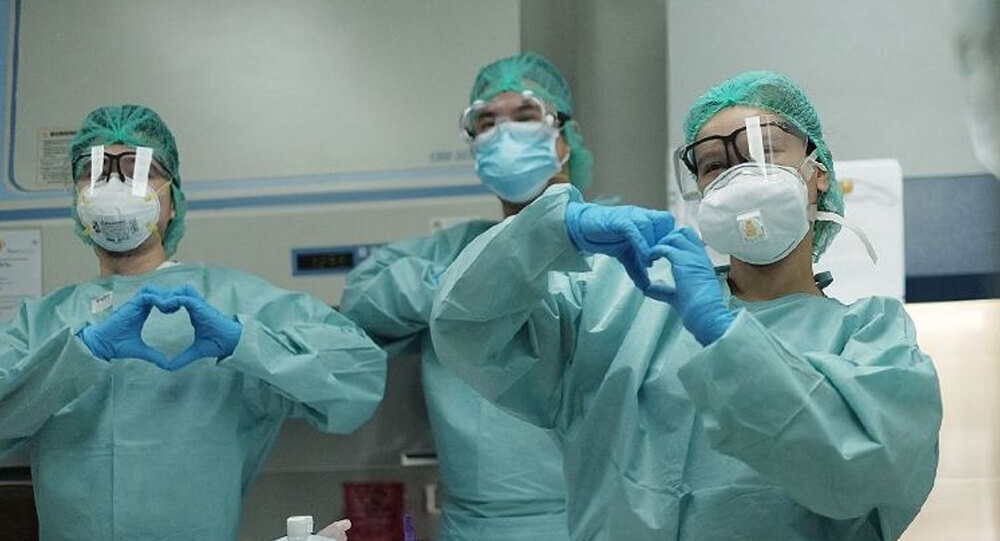
Philippines, the largest supplier of Nurses in the World
Philippines is the world’s largest supplier of nurses, supplying roughly 25% of all overseas nurses worldwide.

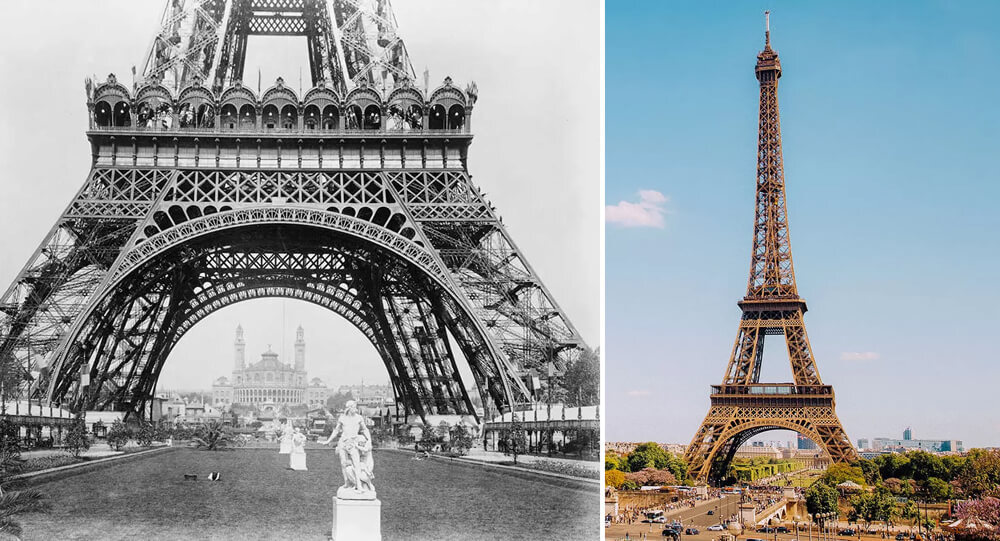
Why was the Eiffel Tower almost demolished
The Eiffel Tower was intended to be a temporary structure for the World's Fair in 1889, but it was nearly dismantled and sold for scrap metal. It was saved because of its potential use as a radio antenna, and it now serves as a tourist attraction as well as a working broadcast tower.
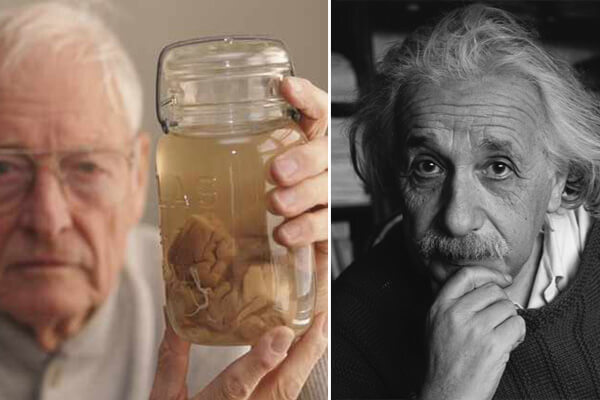
Albert Einstein’s brain after it was stolen from his body
Albert Einstein's brain was taken by the opportunistic pathologist who performed his autopsy hours after he died and kept in two jars for 30 years. The stolen brain of Albert Einstein was preserved in a cookie jar for 30 years until being discovered by a journalist.
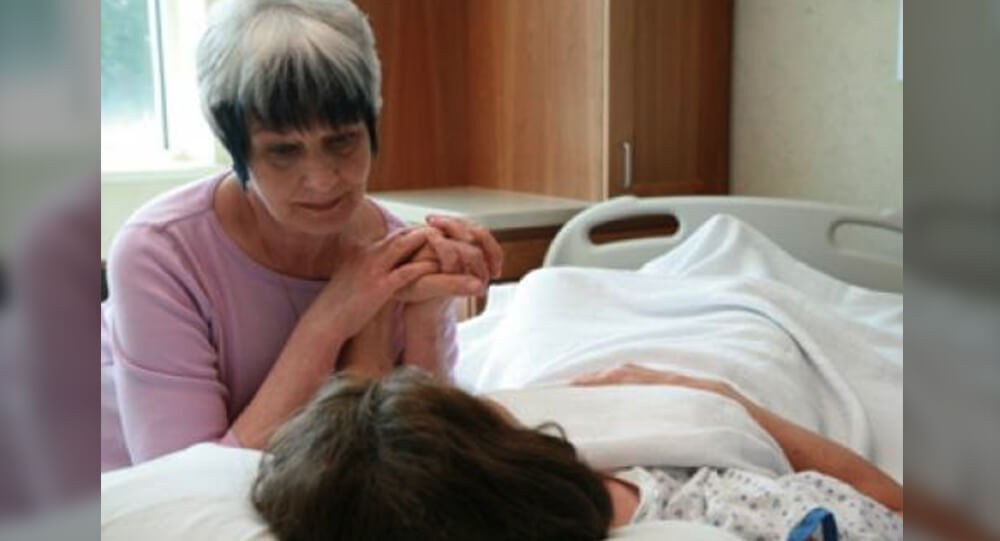
The History Behind the “No One Dies Alone” Program
In 1986, while doing a night shift at the hospital, Sandra Clarke, a registered nurse, was asked by an elderly patient to stay. She promised to be back after checking on her other patients, but by the time she returned, the gentleman had passed away. Clarke became one of the key figures in launching No One Dies Alone, a program that allows volunteers to sit with terminal patients who have no one else.
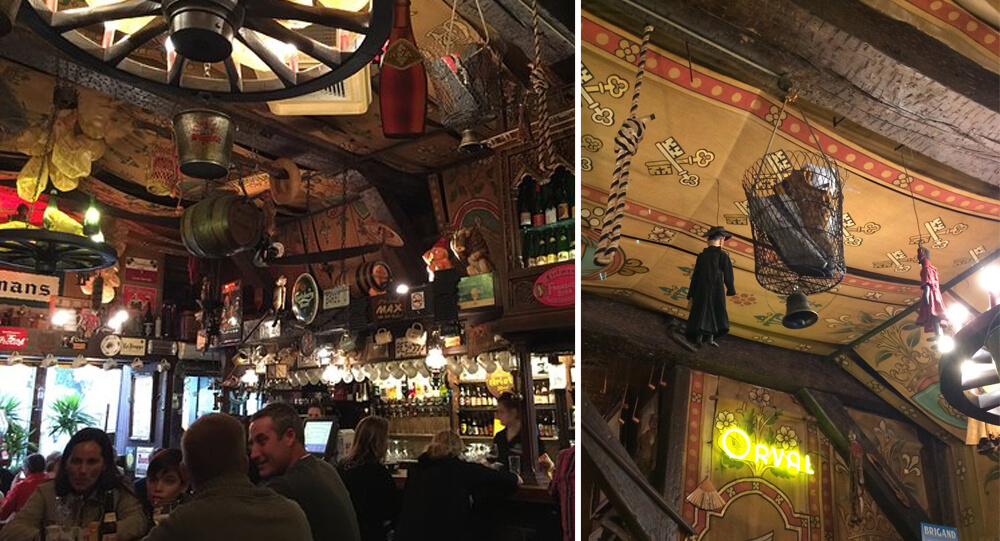
Why This Belgian Bar Makes You Trade Your Shoe for a Beer
To prevent tourists from stealing their beer glasses, some bars in Belgium require people to hand over one of their shoes as a deposit which is then put in a basket and hung from the ceiling. These shoe baskets have also become an attraction.
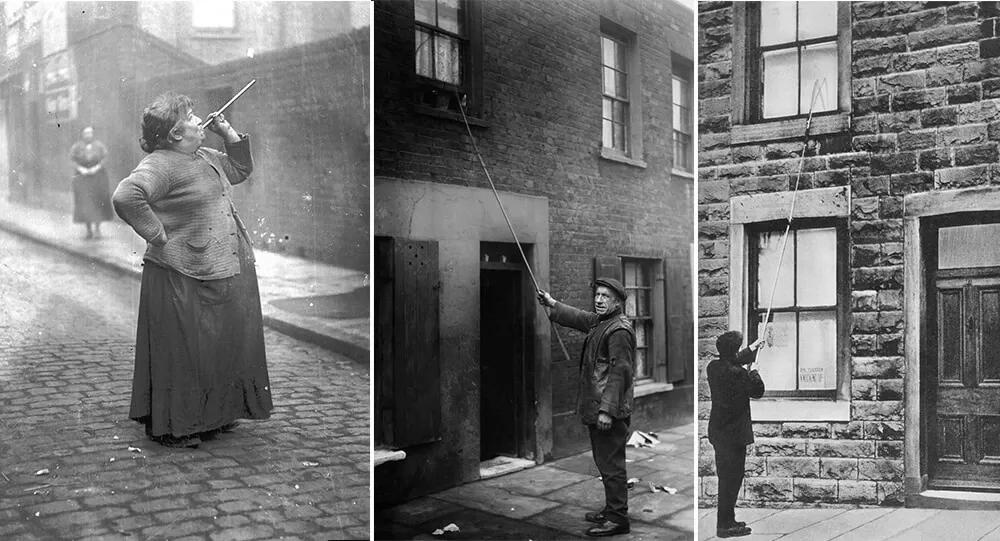
Knockers-up: waking up the Industrial Britain's Workers in 1900-1941
Before alarm clocks were invented, there was a profession called a knocker-up, which involved going from client to client and tapping on their windows (or banging on their doors) with long sticks until they were awake. It lasted into the 1920s.
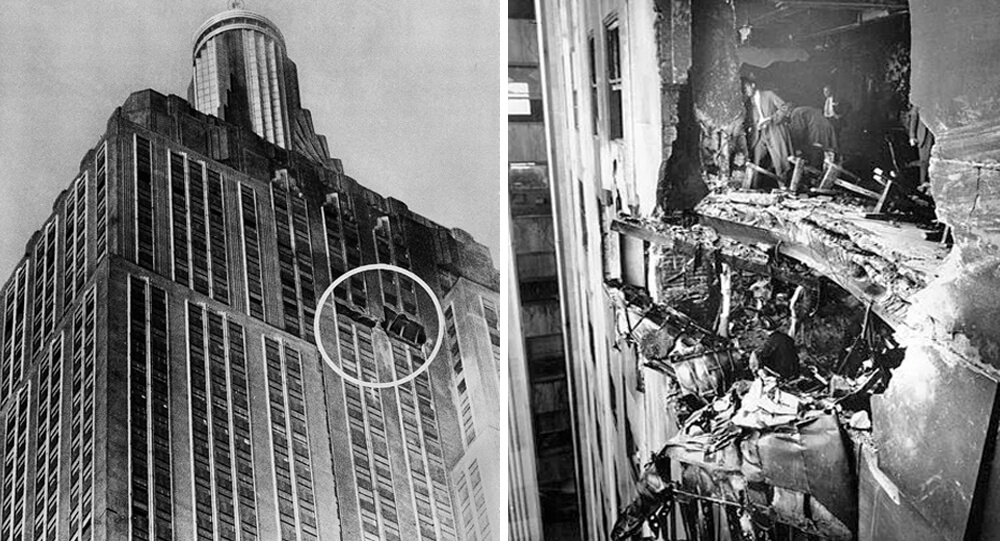
Remembering the 1945 Empire State Building Disaster: When a Plane Met Skyscraper
An airplane crashed into the Empire State Building in 1945. Among other damage, plane parts severed the cables of an elevator and the woman inside fell over 70 stories. She lived and holds the world record for the longest survived elevator fall.
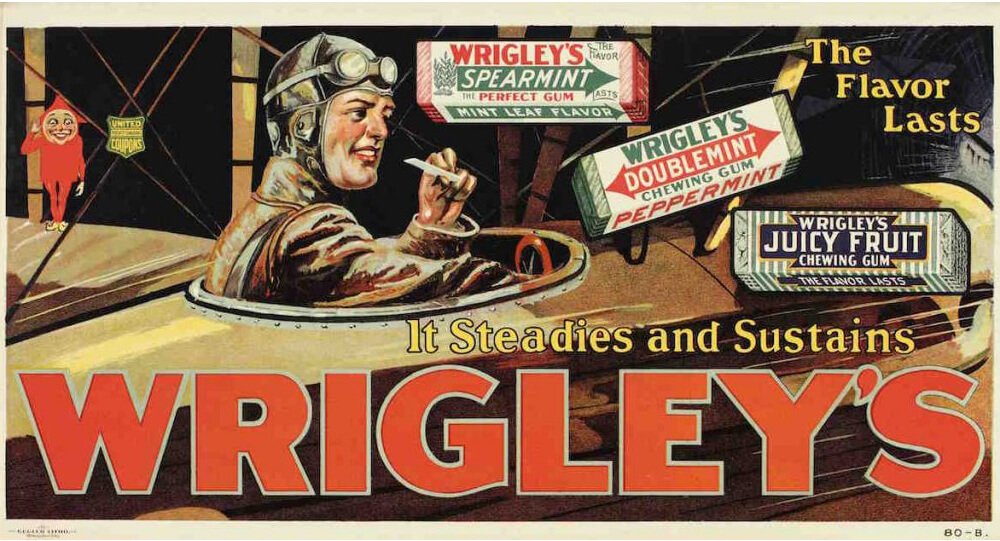
What is the story behind Wrigley chewing gum?
Wrigley's was originally a soap company that gifted baking powder with their soap. The baking powder became more popular than the soap so they switched to selling baking powder with chewing gum as a gift. The gum became more popular than the baking powder so the company switched to selling gum.
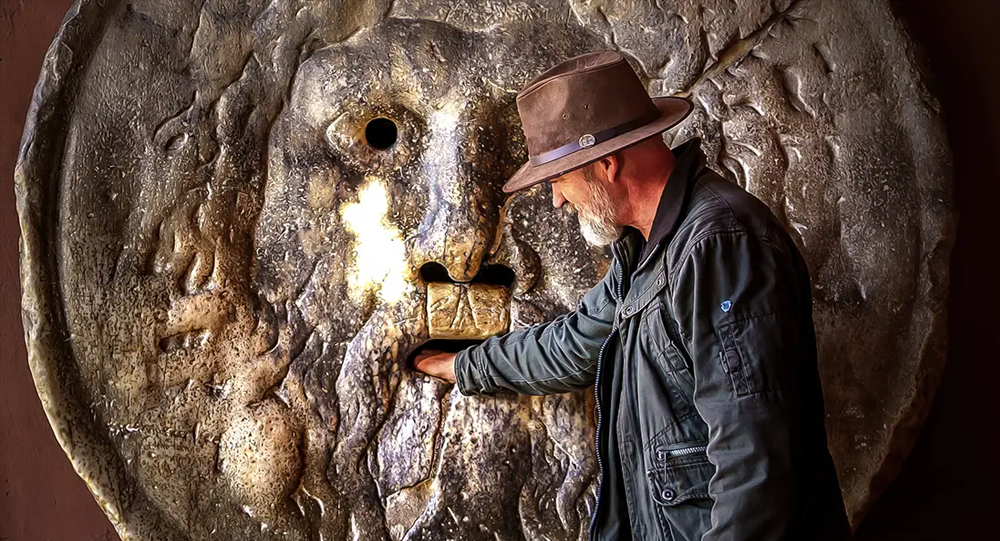
The Mouth of Truth: Ancient Rome’s Legendary "Lie Detector" That Bit Off Hands
Discover the chilling legend of the Mouth of Truth (Bocca della Verità) in Ancient Rome—a massive carved stone face believed to bite off the hand of anyone who lied while inserting their hand into its gaping mouth. Uncover the truth behind its eerie reputation and how this ancient artifact became a symbol of honesty and fear.
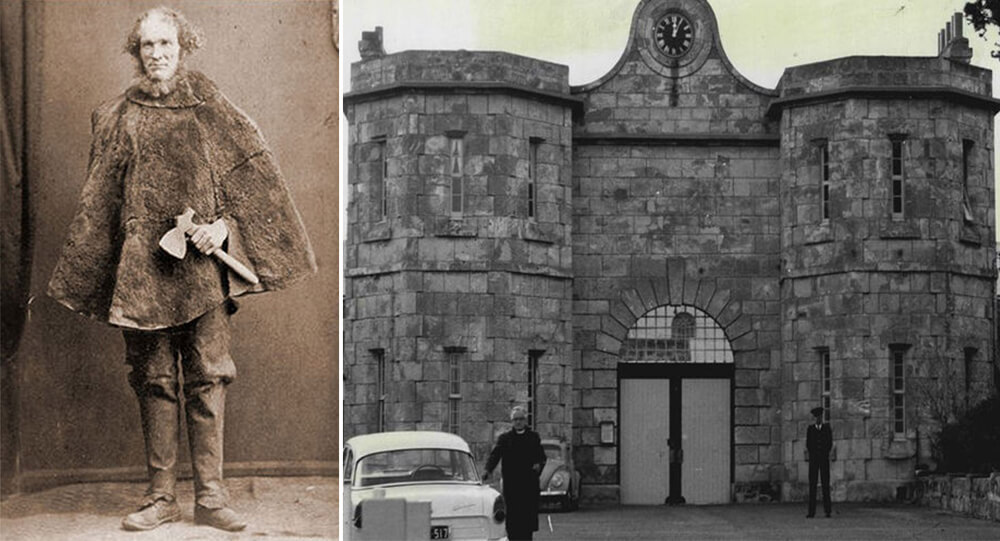
Moondyne Joe: The story of Australia's most notorious prison escapee
A man named Joseph Bolitho Johns (A.K.A Moondyne Joe) broke out of Australian prisons so many times that the police were compelled to build a special cell just for him. He escaped from that as well.
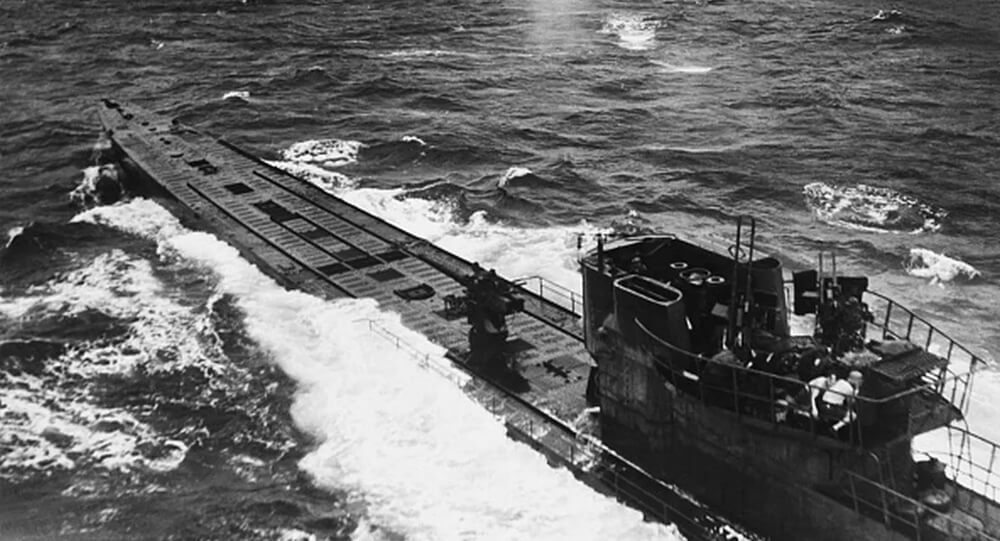
The Amazing Truth About The German U-Boat That Was Sunk By A Toilet
During WWII, a German captain and an engineer flushed the submarine's high-tech toilet incorrectly, causing the vessel to rapidly fill with water. British planes patrolling the sea attacked them as the submarine was brought to the surface. While many members of the crew were killed in the attack, the captain escaped!
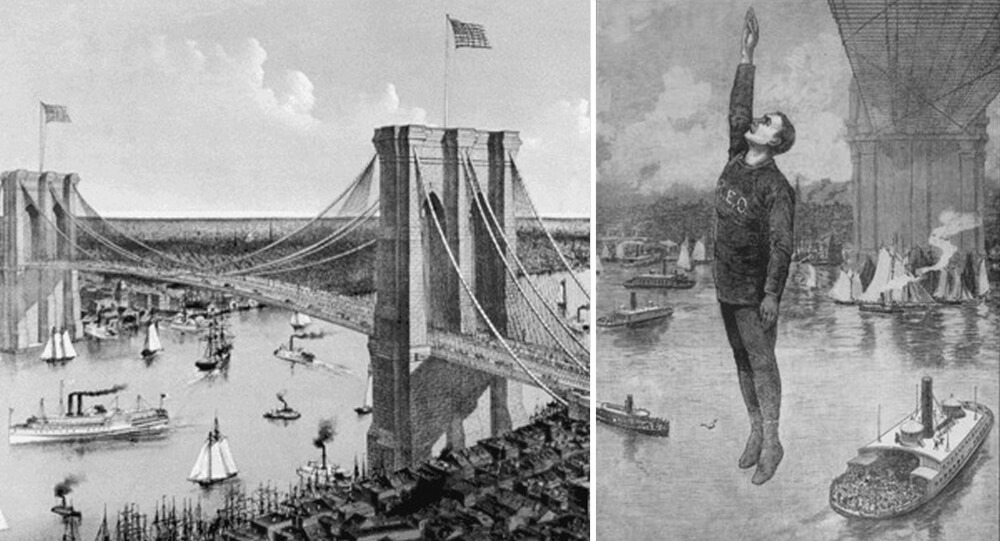
Robert Odlum, the first person to jump off the Brooklyn Bridge
The first person to jump off the Brooklyn Bridge was a professional high diver who "wanted to demonstrate that people did not die simply by falling through the air, thus encouraging people to be willing to jump from a burning building into a net." He proved himself correct by safely falling 135 feet through the air and dying only when he hit the water.
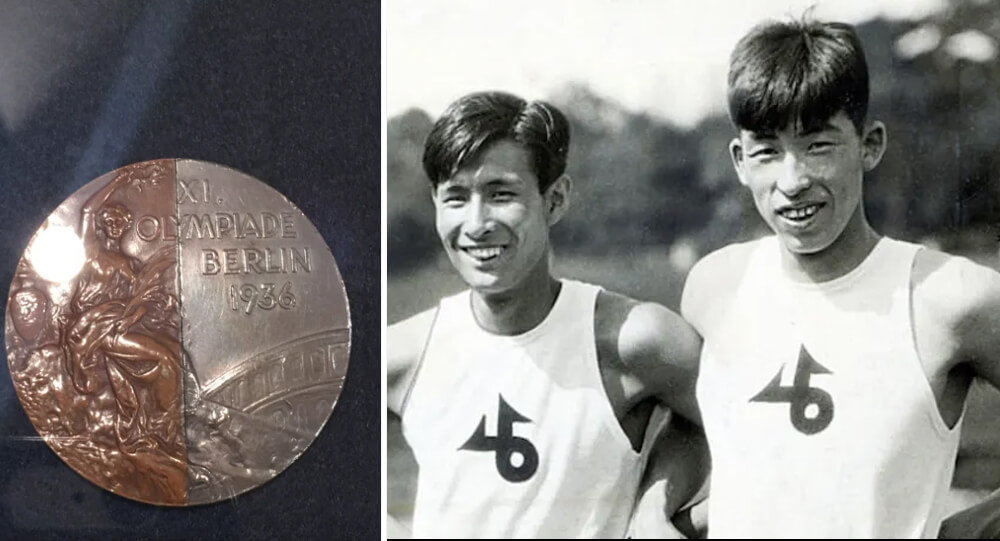
Medals of Friendship: The Enduring Olympic Story of 1936
At the 1936 Summer Olympics, two Japanese pole vaulters named Sueo Oe and Shuhei Nishida tied for second, but they declined to compete against each other. As a result, Nishida was awarded the silver medal and Oe won a bronze medal. Upon returning to Japan, the athletes had their medals cut in half and spliced together to create new "friendship medals," which were half silver and half bronze.
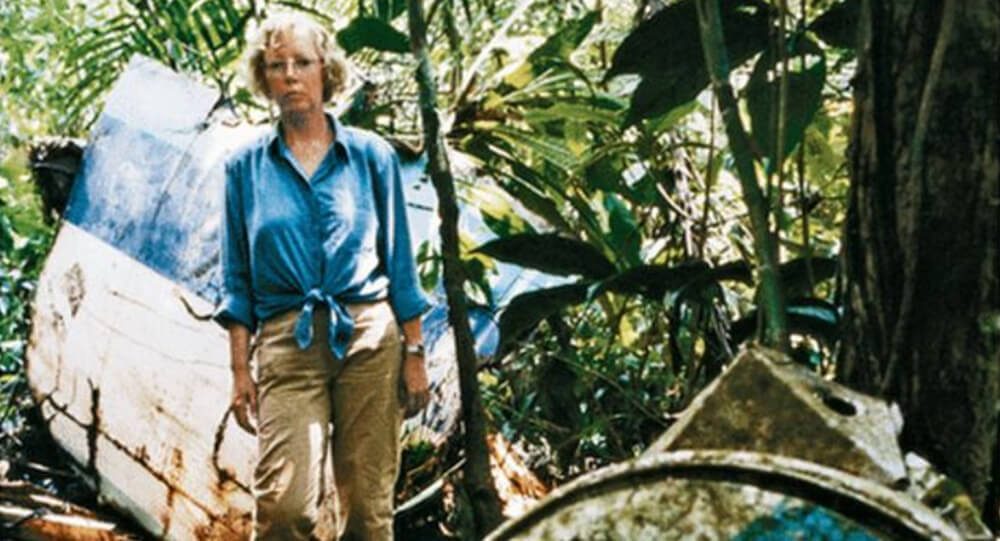
Juliane Koepcke: The Teenager Who Fell 10,000 Feet And Trekked The Jungle to survive
In 1971, a high school student was sucked out of an airplane after it was struck by lightning. She fell 10,000 feet to the ground while still strapped to her chair and survived. Only to endure a 9-day trek to the nearest civilization.
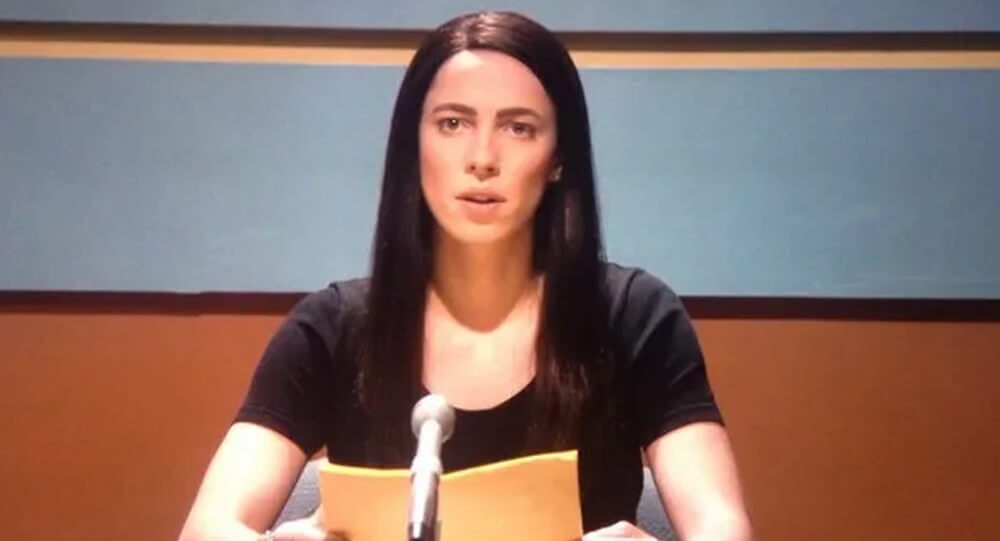
Reason Behind The Suicide Of Christine Chubbuck Live On Air
Actor Rebecca Hall had serious reservations about tackling the macabre story around why Chubbuck killed herself in 1974. So what changed her mind?
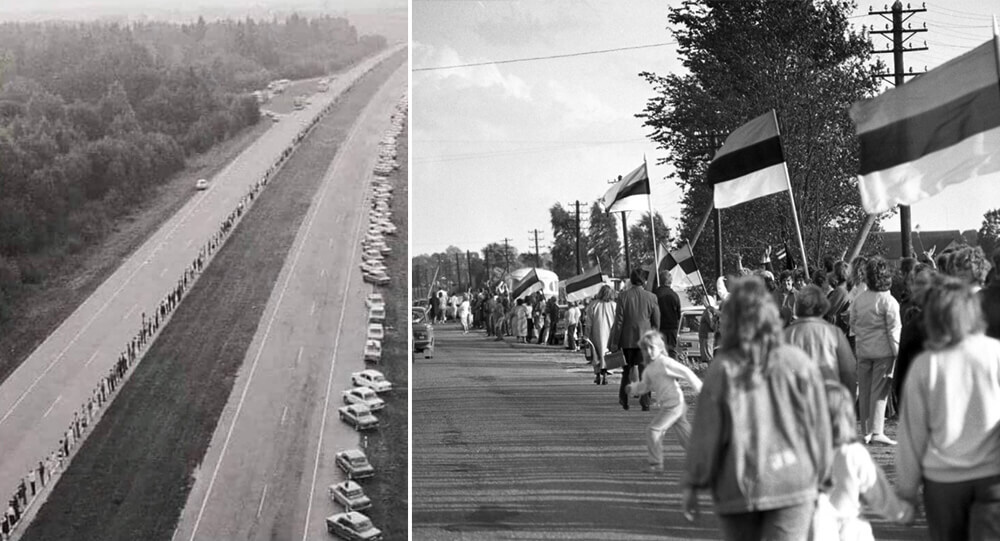
The Baltic Way: the longest unbroken human chain in history
On August 23, 1989, about 2 million people from Latvia, Estonia, and Lithuania formed a human chain that united all 3 countries to show the world their desire to escape the Soviet Union and the communism that brought only suffering and poverty. This power stretched 600 km.
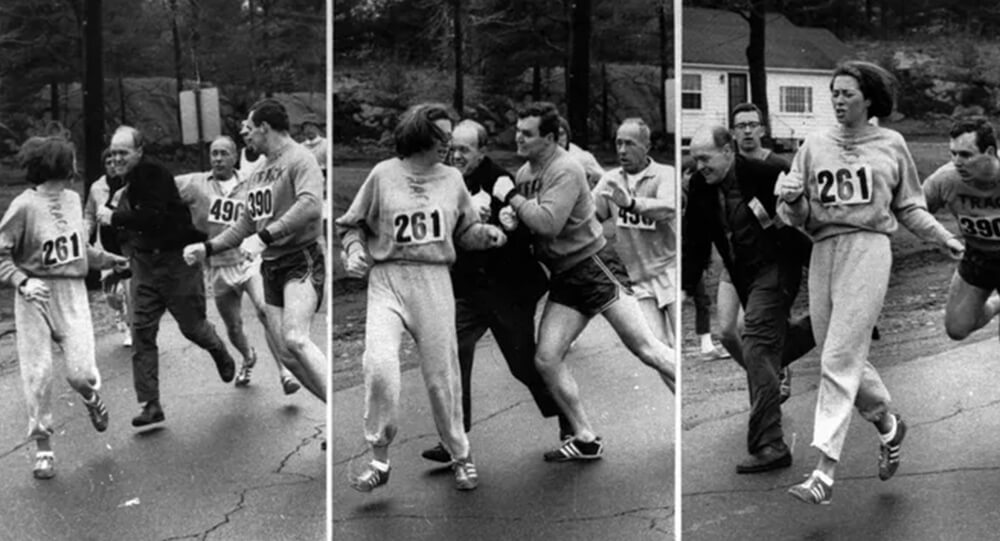
Story of Kathrine Switzer: the first woman to run in Boston Marathon
Before women were allowed to run in the Boston Marathon, Kathrine Switzer participated. A race official attempted to forcefully remove her from the race in 1967, but her boyfriend pushed him down. She was the first female finisher who had a numbered entry in the race.
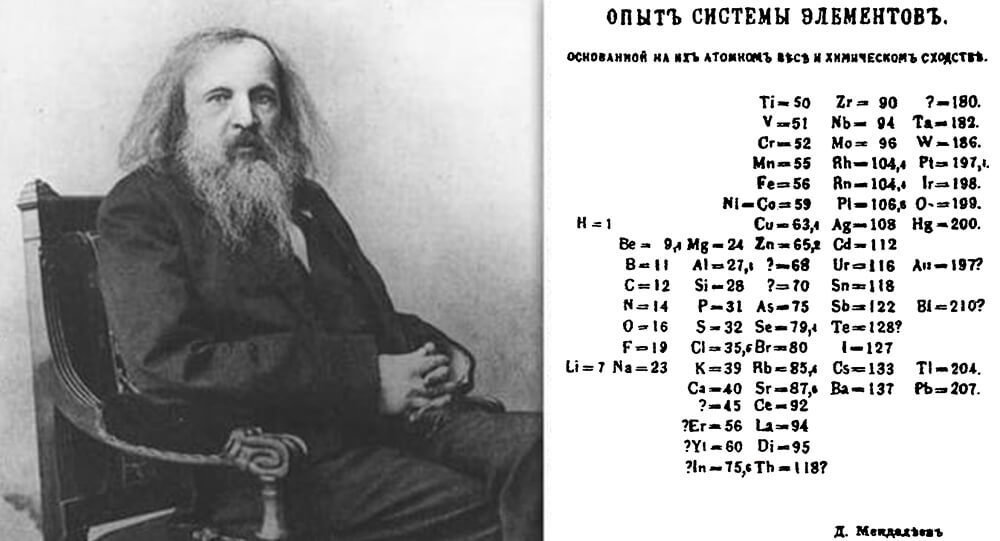
How Dmitri Mendeleev Developed the periodic table of the elements
1850 Dmitri Mendeleev walked almost a thousand miles to Moscow so he could apply for the University of Moscow. Although he was not accepted, he walked to St. Petersburg where he was accepted, And with that education, he developed the the periodic table of the elements