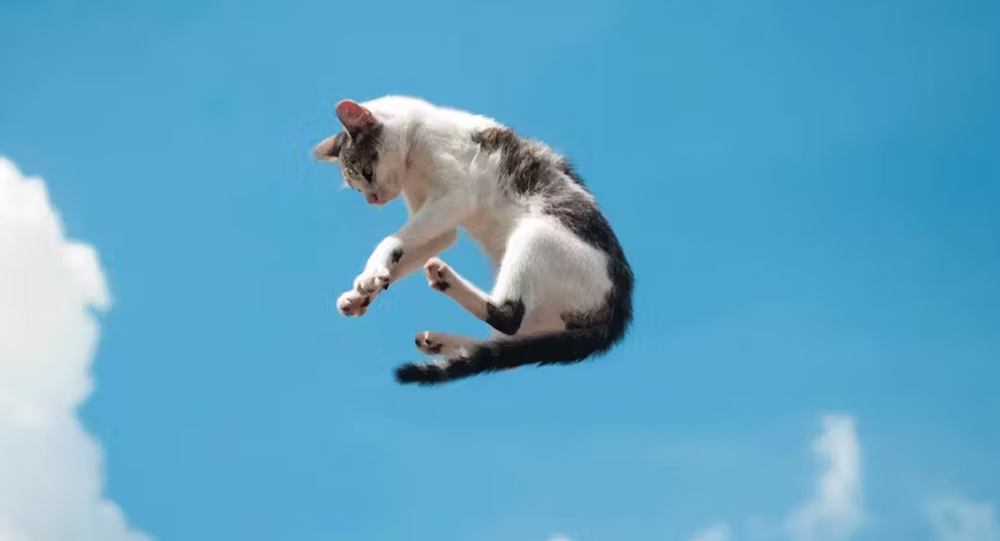
Watching a cat fall and land perfectly on its feet feels like watching gravity-defying magic. This ability, known as the “righting reflex,” is an evolutionary adaptation that gives cats a better chance of survival. By reorienting their bodies midair, cats minimize injury from accidental falls—a frequent hazard given their penchant for exploring heights like trees and rooftops.
The reflex begins to develop when kittens are as young as three weeks old and is perfected by around seven weeks. This early mastery is crucial for survival as young cats learn to climb and navigate their environment.
The righting reflex is not exclusive to domestic cats; it’s also observed in other small vertebrates like rabbits and squirrels, suggesting a widely beneficial evolutionary trait for arboreal or cliff-dwelling animals.
Anatomical Features That Make the Reflex Possible
Cats boast an exceptionally flexible backbone that sets them apart from most mammals. Their spine includes more vertebrae—25 thoracic and lumbar vertebrae compared to humans’ 17—allowing extreme twisting and bending. This flexibility is key for their midair rotation.
Additionally, cats lack a rigid collarbone, meaning their shoulders can move independently. This anatomical feature allows the front legs to twist and align differently from the rear legs, aiding their segmented rotation during a fall.
Muscle control and proprioception—the sense of body position—play vital roles too. Cats have precise motor control to manipulate their limbs and spine rapidly to achieve the ideal orientation.
The Physics: Conservation of Angular Momentum in Action
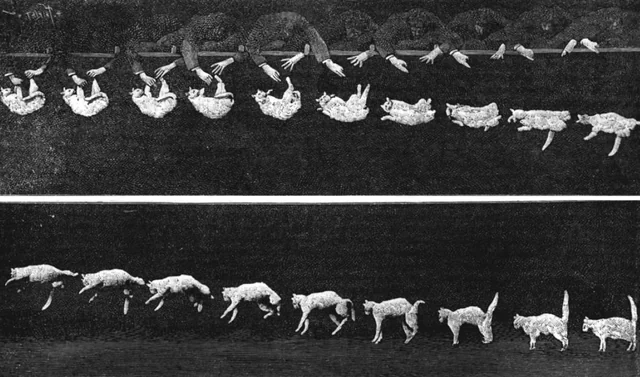
The cat’s ability to turn mid-fall seems paradoxical due to conservation of angular momentum, a principle in physics stating that an object cannot change its total angular momentum if no external torque acts on it. Yet, cats defy this by dividing their body into two segments—front and rear—that rotate in opposite directions.
Here’s how it works: the cat bends at the middle of its spine, flexing the front half of the body one way while counter-rotating the rear half slightly in the opposite direction. By tucking its front legs in and extending its rear legs, the cat alters the moment of inertia—how mass distribution affects rotational movement—of both halves. This allows the front half to rotate up to 90 degrees while the rear half moves less.
By then reversing this limb positioning, the rear half completes the rotation, turning the cat right side up without violating physical laws. This segmented twisting is repeated as necessary until the cat faces downward and prepares to land.
The Role of the Vestibular System: Sense and Balance
Cats’ inner ears contain the vestibular apparatus, a complex system that provides sensory input about orientation and acceleration. This system helps the cat determine up from down during a fall instantly.
Minute changes in head position are detected, triggering reflexive spinal and limb muscle responses to execute body rotations seamlessly. Cats with vestibular disorders often struggle with balance and the righting reflex, underscoring the system’s importance.
Combined with keen vision, the vestibular system allows cats to assess their environment and adjust landings to minimize impact.
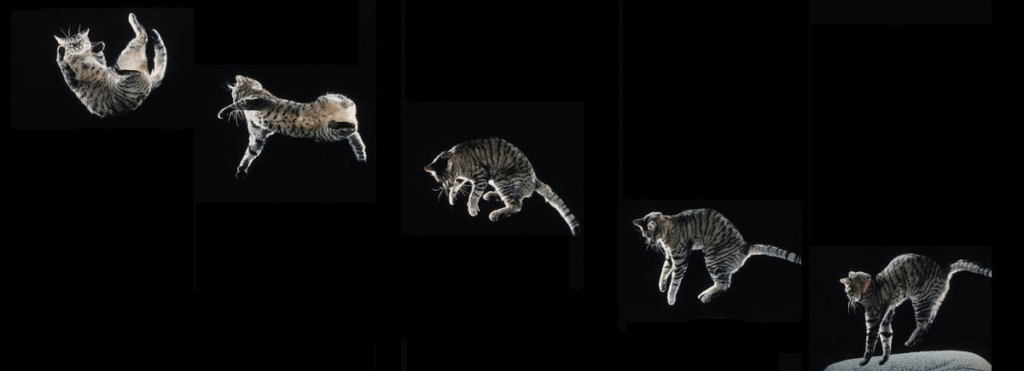
From Air to Ground: How Cats Prepare for Impact
After reorienting midair, cats spread their legs downward to increase drag, effectively slowing their fall—a process sometimes called “parachuting.” By increasing surface area, they reduce terminal velocity, enabling gentler landings.
The legs act like shock absorbers: upon impact, cats bend their joints and distribute force evenly through their muscular limbs and flexible spine, preventing injury.
Veterinarians note cats can survive falls from extraordinary heights due to this adaptation, a phenomenon sometimes termed “high-rise syndrome.” However, the righting reflex is less effective from very low heights, where there isn’t enough time to twist and prepare.
Limitations and Misconceptions
While cats have a remarkable ability to land safely, the “cats always land on their feet” phrase isn’t entirely true. Short falls, lack of space to stretch, or obstacles can result in injury.
Older cats or those with health issues may lose some agility and reflex speed. The reflex also does not grant immunity to impact-related injuries like broken bones or internal trauma.
Understanding these limitations helps caretakers prevent accidents and provide safe environments for their feline friends.
Fascinating Facts About the Cat Righting Reflex
- Kittens begin exhibiting the righting reflex at around 3 weeks and perfect it between 6 and 9 weeks.
- Cats have 7 more thoracic and lumbar vertebrae than humans, contributing to their flexibility.
- Cats without tails still perform the righting reflex well, showing the tail is useful but not essential.
- The divided body rotation was first studied scientifically in 1894, known as the “falling cat problem.”
- A cat’s nerves and muscles react in less than half a second to initiate the righting reflex upon falling.
- Experimental slow-motion footage shows cats consistently rotate their head first, then front legs, then rear legs.
- Cats’ unique blend of anatomy and physics remains a popular teaching example in biomechanics and physics classrooms.
- The righting reflex protects vital organs by spreading landing impact forces evenly over the cat’s body.
The Righting Reflex as a Survival and Evolutionary Strategy
Trees, rocky cliffs, and elevated perches are common habitats or escape routes for wild felines. The righting reflex enables cats to survive accidental falls, a frequent risk in their arboreal or vertical environments.
This genetic advantage contributes to wild populations’ success and domesticated cats’ mysterious agility.
The reflex also promotes cats’ natural curiosity, allowing safe exploration of high places indoors or outdoors—a characteristic that endears them to millions worldwide.
Final Thoughts: The Graceful Physics of Cats
Watching a cat twist and land flawlessly encapsulates a breathtaking interplay of biology, physics, and evolution. What seems like effortless grace is the product of millions of years of refinement, exquisite anatomy, and adherence to fundamental physical laws.
Cats’ righting reflex stands as a vivid reminder of nature’s ingenuity, the elegance of physics in motion, and how survival drives remarkable capabilities.
Next time a feline leaps and lands, marvel at the intricate science that makes it possible, and share this article to spread awe for one of nature’s most enchanting adaptations.
Sources & Further Reading:
- Wikipedia: Cat Righting Reflex (2024)
- National Center for Biotechnology Information: Cat Ballooning and Righting Reflex Studies (2018)
- Kinship.com: Understanding Cats’ Righting Reflex (2024)
- PhysLink.com: How Cats Land on Their Feet (2024)
- Scientific American: The Physics of Cat Landings (2023)

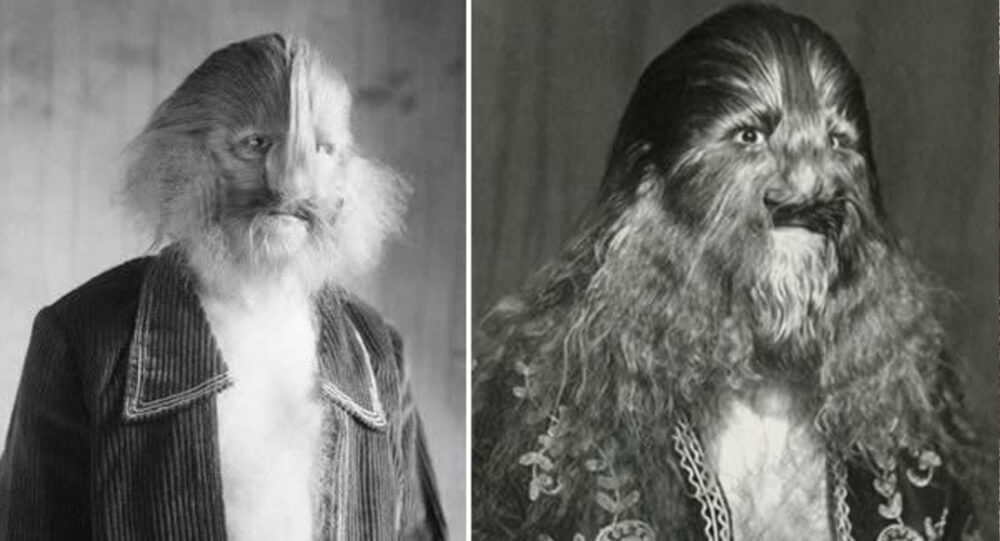
The story of Lionel the Lion-Faced Man, Stephan Bibrowski
Stephen Bibrowski, also known as Lionel the Lion-faced Man, was a well-known sideshow entertainer. His entire body was covered in long hair, giving him the appearance of a lion; this was most likely due to a rare condition known as hypertrichosis. Lionel traveled to the United States in 1901 and began performing with the Barnum and Bailey Circus.


The Giant Mirrors Brought Sunlight to Rjukan
Due to the steep mountains that surround it, the town of Rjukan, Norway, doesn't receive any natural sunlight from September to March. They placed large mirrors in the town square to reflect light. The mirror follows the path of the sun and moves every 10 seconds to create a 600m squared light pool.

Meteorite found in Sahara Desert older than the earth
This Sahara Desert Meteorite was discovered to be older than the earth itself. This Meteorite is estimated to be 4.6 billion years old, while earth is estimated to be 4.54 billion years old.

Woman's transplanted 'man hands' became lighter and more feminine over time
After losing both arms in an accident, an Indian girl received limbs from a male donor. The donor hands, which were formerly huge and hairy, changed skin tone and became thin and feminine over time to mix in with her body.
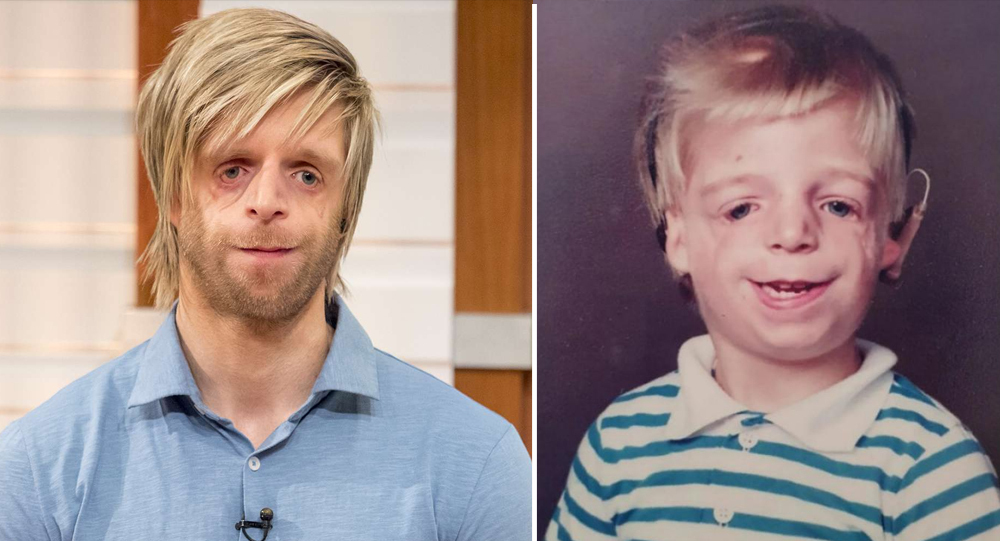
Inspiring story of Jono Lancaster, Abandoned by His mother at birth for this 'defect' on his face
When Jono Lancaster was just 36 hours old, his parents left him for adoption because he was suffering from Treachers Collins Syndrome, a genetic disorder which hampers facial bones development. Now he is an inspirational speaker, a professional model and a teacher, giving inspiration to millions
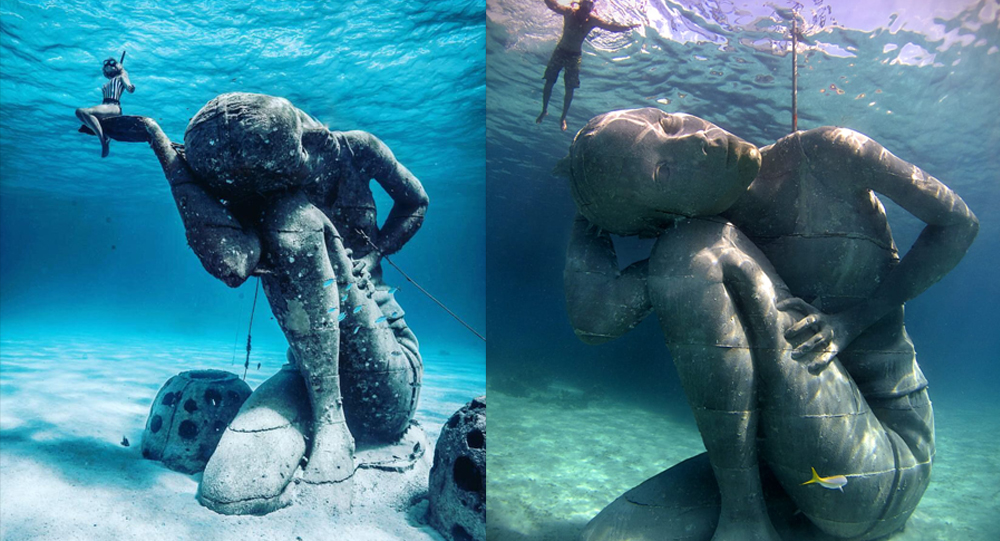
Ocean Atlas: Exploring the World’s Largest Underwater Sculpture in the Bahamas
On the western coast of New Providence in Nassau, Bahamas, there is a tourist attraction that you can dive down to see. Called Ocean Atlas, this is the largest single underwater sculpture ever installed. It depicts a local Bahamian girl carrying the weight of the ocean, in reference to the Ancient Greek myth of Atlas holding up the heavens.
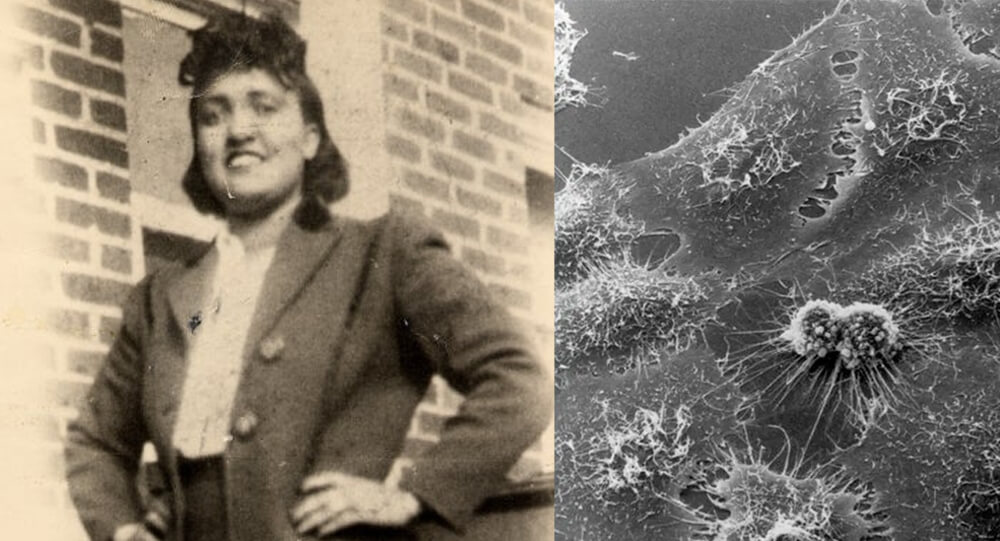
Henrietta Lacks: Who Was She? Here's how HeLa cells became necessary for medical research
Henrietta Lacks was died in 1951. The tumor that killed her has been alive and growing to this day. The tumor is immortal and was used to progress the Polio vaccine and is the jumping point for most human cell research to this day. Scientists have grown some 20 tons of her cells.
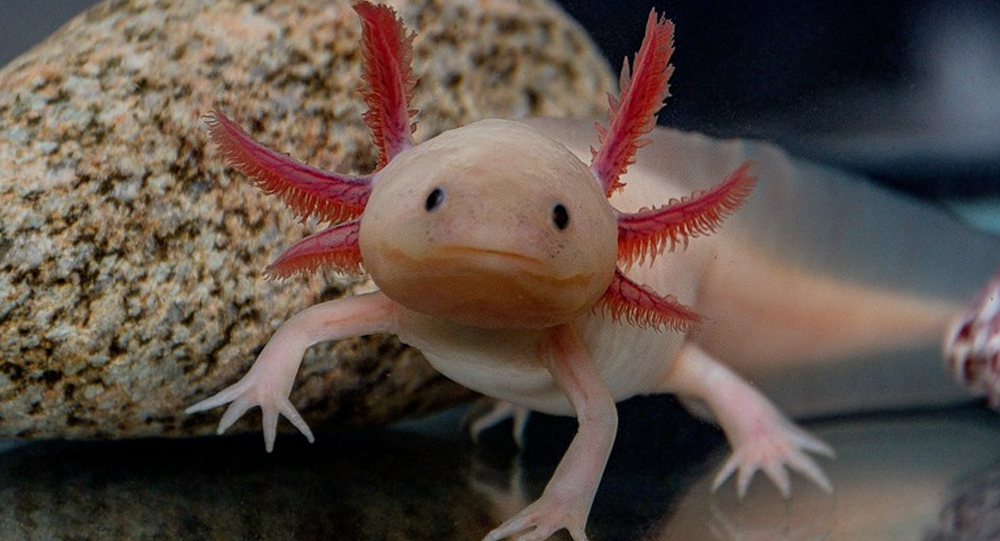
Why Some Animals Can Regenerate Limbs and What Science Says About Human Possibilities
Certain animals possess the extraordinary ability to regenerate lost limbs, a process that has fascinated scientists and inspired hopes for human medical breakthroughs. From salamanders’ perfect limb regrowth to starfish’s incredible body regeneration, this article explores how and why these animals can perform such feats, the biological mechanisms underpinning regeneration, and what cutting-edge research means for the future of human limb regeneration.
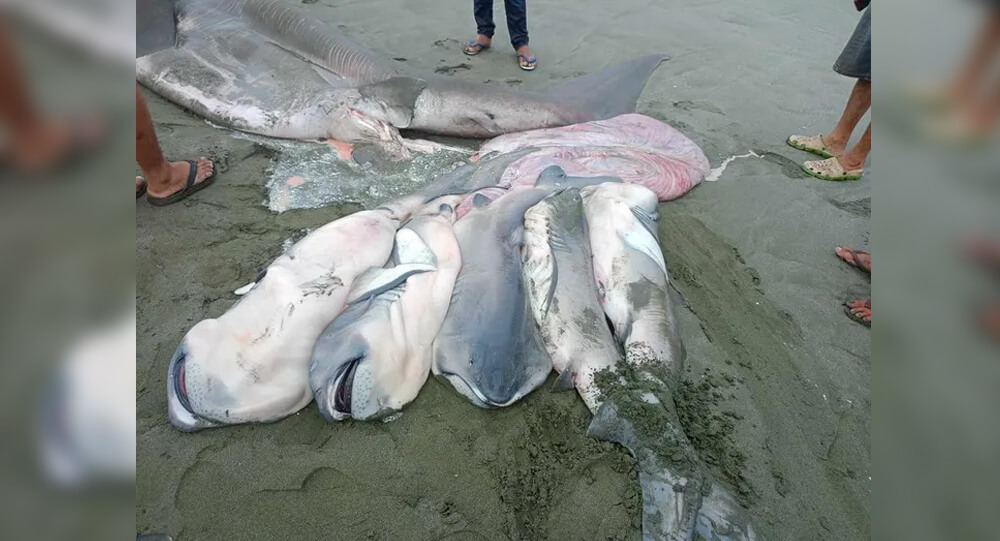
Megamouth Shark And Her Babies Found Dead In The Philippines
Filipino zoologists have recorded a pregnant megamouth shark for the first time ever since the rare aquatic specie was discovered in 1974.

What makes bananas radioactive?
Yes, It is true that bananas contain radioactive substances. But the same can be said for spinach, potatoes, oranges, Brazil nuts, kitten litter, granite counter tops, even the air you breathe! Radioactivity is unavoidable and all around us. So, what exactly is it?
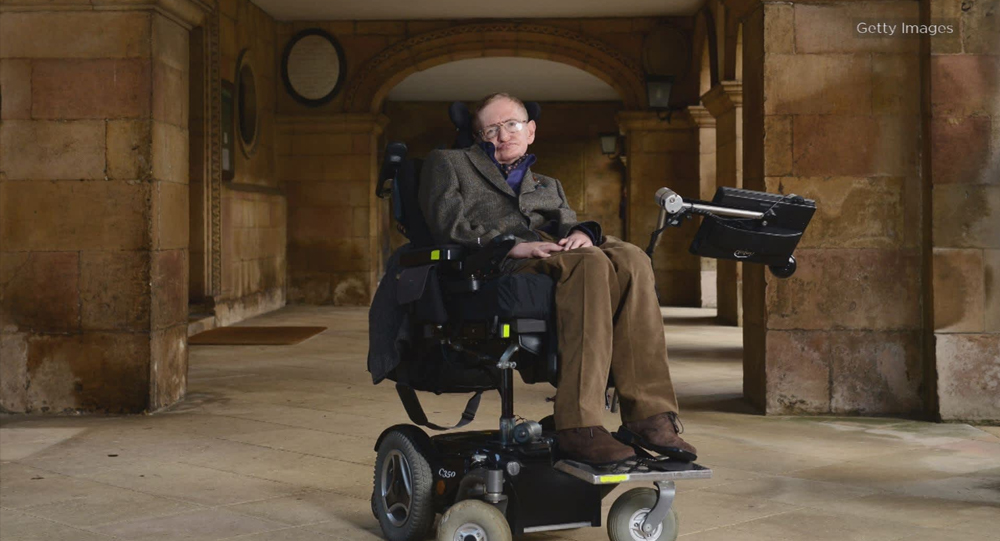
Stephen Hawking’s Warning: Humanity Has Less Than 200 Years to Escape Earth’s Limits
Stephen hawking says humanity won't survive without leaving earth. In fact, human beings may have less than 200 years to figure out how to escape our planet
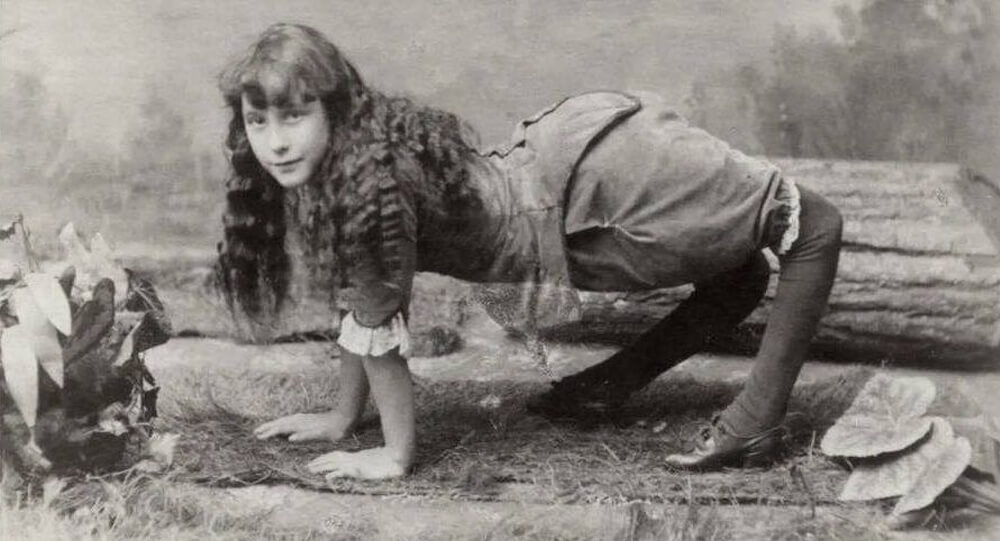
The Heartbreaking Story Of Ella Harper, The ‘Camel Girl’
Ella Harper, Professionally known as the “Camel Girl” was born with a rare orthopedic condition that cased her knee to bend backward. Due to this condition, had to walked on all four legs, which resulted in her nickname as “Camel Girl”. Tough it was hard at first, but soon she made a fortune out of it.

India's chandrayaan-3 becomes the first landed craft on moon's south pole
India's chandrayaan-3 becomes the first land craft on moon's south pole. It landed safely on August 2023

This Yogi Spent 76 Years Without Eating or Drinking Anything and Confirmed by
Prahlad Jani, the starving monk who lived 76 Years without food and water.

Dr. Leonid Rogozov: the surgeon who removed his own appendix.
Dr. Leonid Rogozov was a legendary surgeon who operated on himself in 1961 to remove an inflamed appendix.
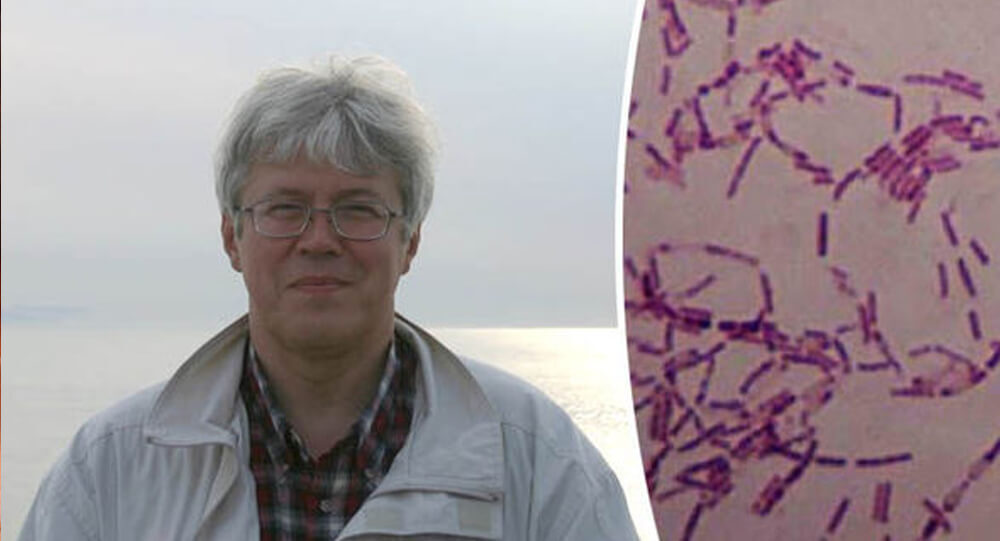
Scientist injects himself with 3.5m yr old bacteria for immortality and amazing happens
Russian scientist injected himself with a 3.5 million-year-old strain of bacteria, just to see what would happen. According to Brouchkov, Bacillus F has a mechanism that has enabled it to survive for so long beneath the ice, and that the same mechanism could be used to extend human life, too.
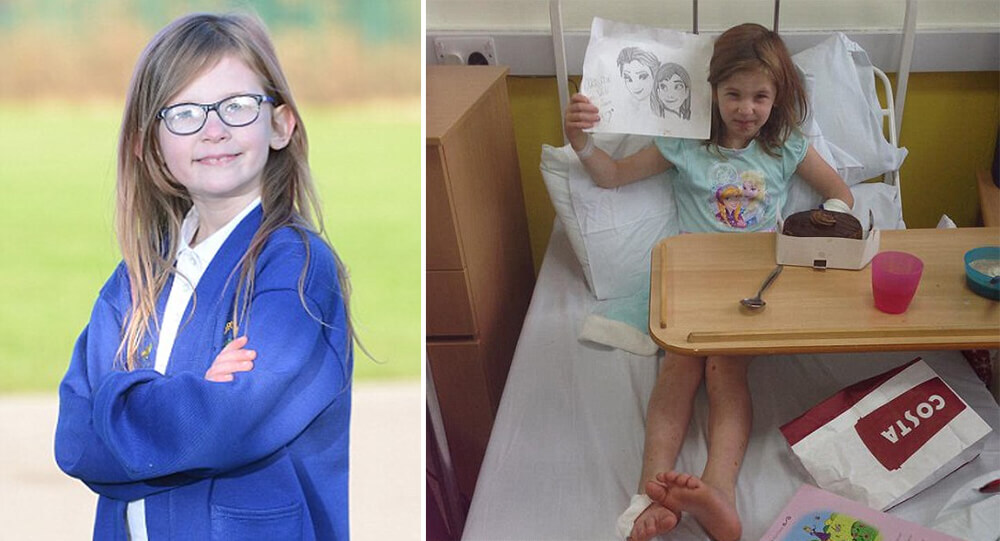
The extraordinary case of Olivia Farnsworth, who hit by a car and dragged down the street without pain because of chromosome 6 deletion
In 2016, 7-year-old Olivia Farnsworth was hit by a car and dragged down the street, but she did not feel a thing. That is because of a rare condition called “chromosome 6 deletion,” which causes her to feel no pain. She also does not experience hunger or exhaustion.
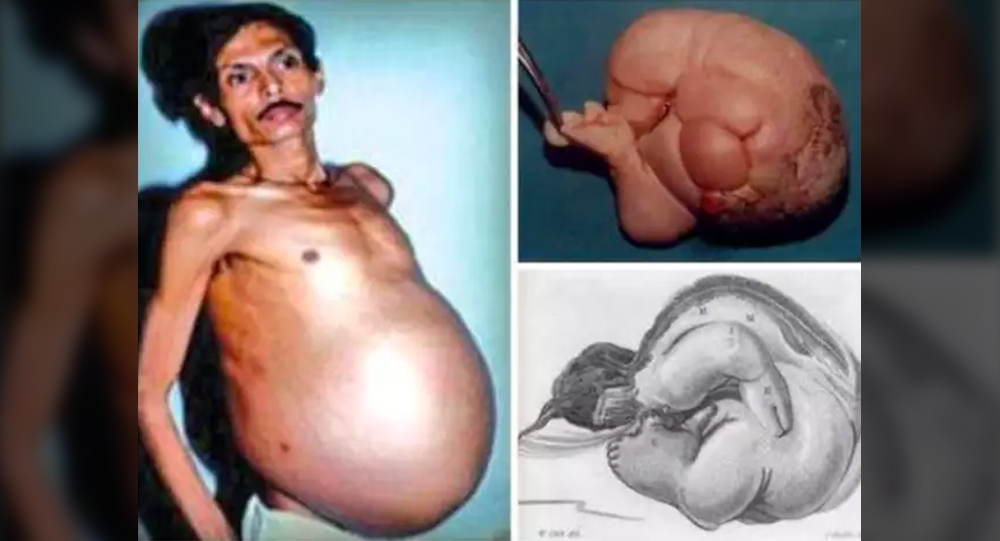
The Astonishing Case of Sanju Bhagat: Living with a Twin Inside Him for 36 Years
Sanju Bhagat, an Indian farmer, lived with an undiagnosed parasitic twin inside his abdomen for 36 years. In 1999, doctors discovered the twin during surgery. This rare condition, fetus in fetu, occurs when a malformed twin is absorbed during pregnancy, surviving within the host sibling's body.
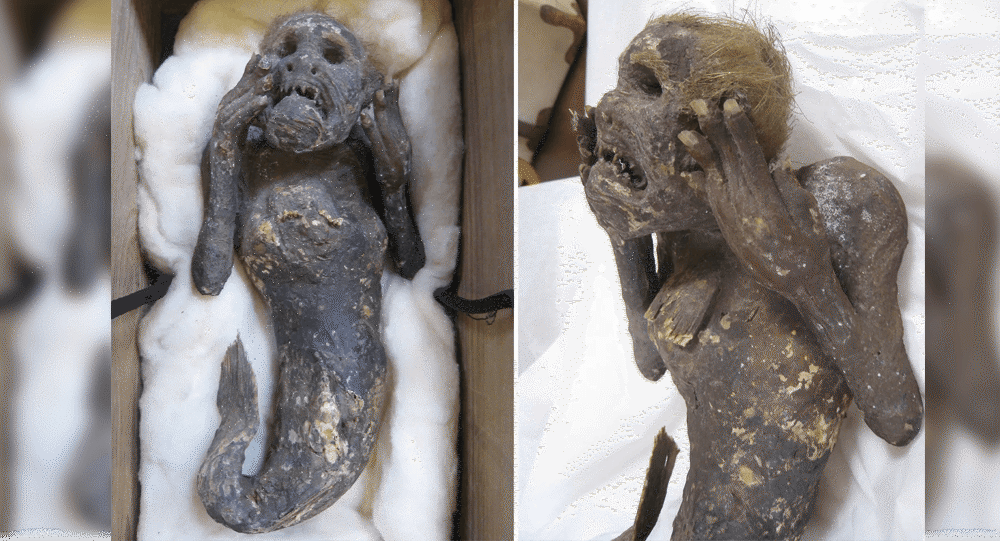
Mystery of 300-year-old mummified mermaid is being probed
There is a 300-year-old mummified mermaid with 30 centimetres tall and features a human-like head, two hands with what appear to be fingernails, and its lower body that look like a fish tail. The “mermaid mummy” is being probed by Japanese scientists in an attempt to unravel the mystery of its existence.

Why are there 24 hours in a day and 60 minutes in an hour
Ancient Babylonians did math in base 60 instead of base 10. That's why we have 60 seconds in a minute and 360 degrees in a circle.
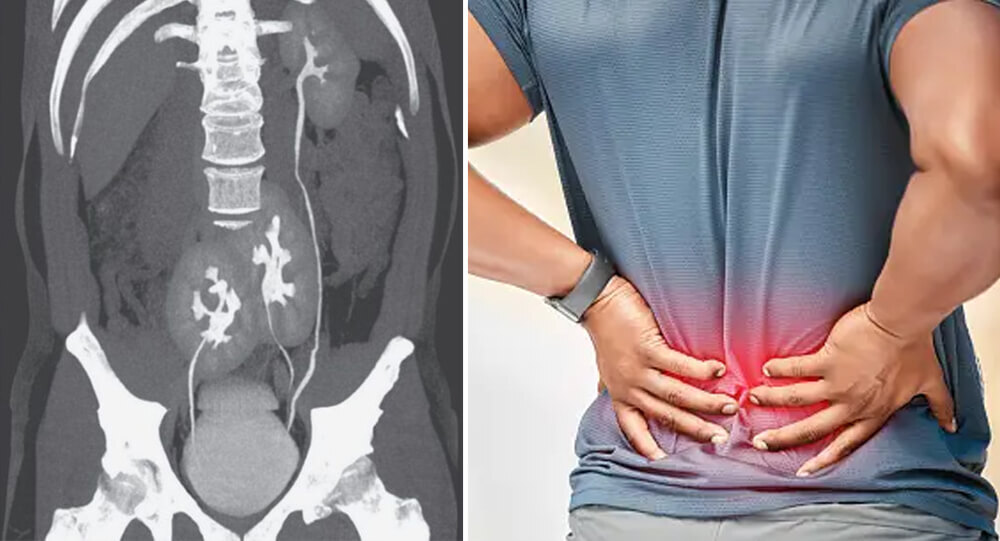
Man discovers he has 3 kidneys after going to doctor for severe back pain
In 2020, a 38-year-old Brazilian man visited his doctor for severe back pain and was shocked to find out that he has three kidneys instead of just two.

The World’s First Seismograph: How Ancient China Detected Earthquakes 1,800 Years Ago
Over 1,800 years ago, long before modern technology, the ancient Chinese astronomer and inventor Zhang Heng created the world’s first seismograph in 132 AD. This ingenious bronze device could detect distant earthquakes by releasing small balls from dragons’ mouths into toads’ mouths—each indicating a different compass direction. Its historic detection of an earthquake 400 miles away astonished the imperial court and transformed the way societies understood and responded to seismic events.

Medieval Medicine: A 1,000-year-old onion and garlic salve kills modern bacterial superbugs
Scientists recreated an Anglo-Saxon manuscript-based 9th century onion and garlic eye remedy and discovered that it killed 90% of antibiotic-resistant staph bacteria (MRSA).

The Accidental Birth of Super Glue: Dr. Harry Coover's WWII Discovery
Dr. Harry Coover was trying to develop clear plastic for gun sights during WWII when he accidentally created cyanoacrylate, an extremely strong adhesive. Initially dismissed, it was later marketed as Super Glue in the 1950s.

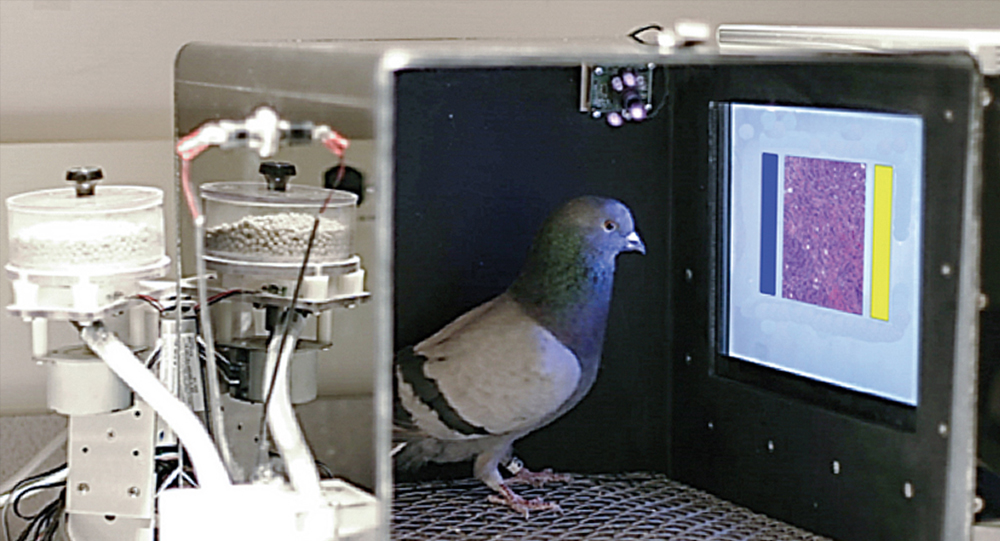
The Science Behind Pigeons in Cancer Detection and What It Means for Medicine
In a groundbreaking study, researchers have discovered that pigeons can be trained to distinguish between cancerous and non-cancerous tissues in medical images with accuracy rivaling that of human experts. This surprising capability opens new avenues for understanding visual perception and has potential implications for improving diagnostic tools in medicine. Here is the fascinating science behind pigeons’ ability to spot cancer and what it signifies for the future of medical imaging.