
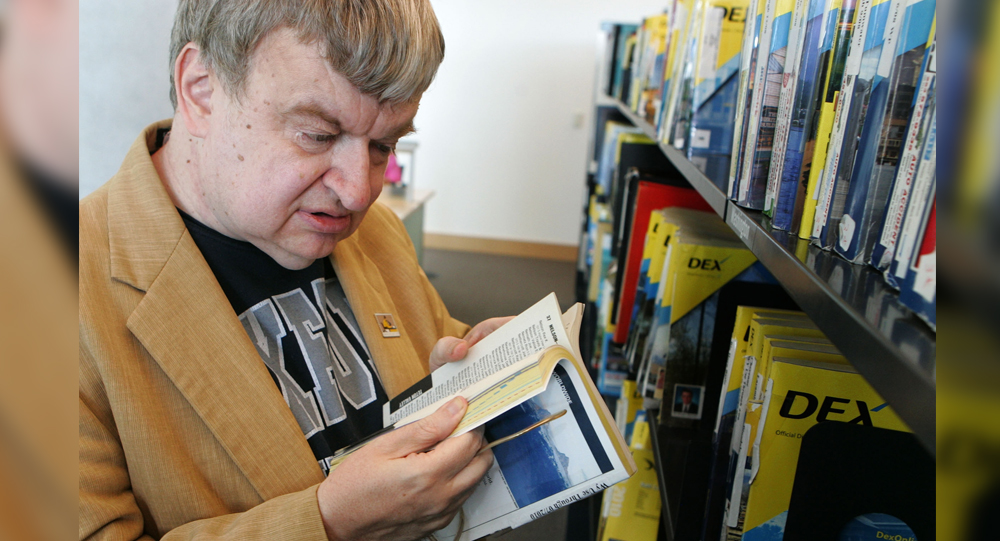
Born in Salt Lake City, Utah in 1951, Kim Peek entered the world with significant neurological differences. His head was abnormally large, and he faced developmental delays—he didn’t walk until he was four years old, and even then with an unusual sideways gait. He had trouble with simple motor skills such as buttoning shirts and struggled with self-care tasks.
Despite these challenges, Peek exhibited remarkable abilities from a very young age. Before he was two, he began memorizing texts verbatim and showed an incredible facility for recalling vast amounts of information. His parents quickly realized that while he needed support for daily living, his mind operated on a profoundly different level.
The Uncanny Ability to Read Two Pages at Once
One of Peek’s most astonishing talents was his ability to read two pages simultaneously—scanning the left page with his left eye and the right page with his right eye. This split-screen reading technique allowed him to process information at an extraordinary speed.
Using this method, he could read and remember an entire book in about an hour—an ability that defies standard human cognitive limits. He retained virtually every detail, from the text itself to charts, numbers, and complex information, like dates, sports statistics, and historical facts.
Peek’s memory extended beyond verbal information. He could recall every street, place, and distance on maps, and effortlessly connected data from different domains such as literature, history, and music.
Megasavant Syndrome
Kim Peek’s condition is referred to as savant syndrome, where extraordinary abilities coexist with developmental disabilities. Peek was considered a “megasavant,” meaning his skills spanned multiple disciplines rather than being restricted to one specialty like many other savants.
He excelled in languages, history, music, and calendar calculations—he could tell you the day of the week any person was born or significant events occurred, down to the very detail many people overlook. Despite exceptional talents, his IQ averaged at about 87, showing that traditional cognitive assessments did not capture the full extent of his abilities.
Peek also experienced difficulties with social cues and abstract thinking, a contrast that highlighted the complexities of human brain function.
The Meeting That Made Him Famous: The Inspiration for Rain Man
In 1984, screenwriter Barry Morrow met Kim Peek in Texas. Fascinated by Peek’s extraordinary talents and unique personality, Morrow decided to create a film inspired by him. The result was Rain Man, released in 1988, starring Dustin Hoffman as Raymond Babbitt, a character inspired by Peek but distinct in diagnosis and traits.
Hoffman spent time with Peek to portray the character authentically, noting Peek’s calm demeanor and brilliance. When Hoffman and Peek met, Hoffman famously said, “I may be the star of the movie, but you are the heavens that inspired it.”
The film won four Academy Awards and brought attention to savant syndrome and autism spectrum conditions, although Peek himself was eventually thought to have FG syndrome—a different developmental disorder.
Life After Fame
After Rain Man, Kim Peek became a respected figure in educating the public about savant syndrome and disabilities. He toured extensively with his father Fran, sharing his talents and encouraging tolerance and understanding.
Peek demonstrated his incredible memory through public appearances, stunning audiences with calendar calculations, trivia, music knowledge, and literary recall. He was featured in documentaries and scientific studies, including work by NASA observing the effects of space travel on the brain.
Peek’s legacy continues to inspire scientists, artists, educators, and families around the world, pushing for broader recognition of cognitive diversity and potential.
Fascinating Trivia About Kim Peek
- Kim Peek memorized the contents of nearly 12,000 books, including the entire Bible.
- He could tell you on which day of the week any date from centuries past occurred, and even the headline news around that date.
- Despite his gifts, Peek struggled with motor skills like dressing and shaving due to brain abnormalities involving the cerebellum.
- He was dubbed a “megasavant” because his abilities spanned 15 different fields.
- Peek’s brain lacked a corpus callosum, the bridge between brain hemispheres, which may underlie his unique processing abilities.
- Peek’s father discovered his talents fully only after noticing how flawlessly he could recall detailed information, including predicting the splashdown location of the Skylab space station.
- Peek received an honorary Oscar statuette from Barry Morrow, which he carried with pride and shared on his tours.
- Peek’s memory skills defy typical IQ assessments, showing that intelligence is multi-dimensional.
Understanding the Science Behind Peek’s Talent
Kim Peek’s astounding abilities have intrigued neuroscientists investigating how the brain processes and stores information. His lack of a corpus callosum—a thick band of nerve fibers connecting the brain’s hemispheres—meant his two hemispheres worked more independently than usual.
This unusual brain wiring may have contributed to enhanced memory and the ability to recall vast amounts of detail. Additionally, Peek’s brain showed compensations in other regions, possibly increasing his capacity to absorb and store information visually and verbally.
His case challenges conventional views of intelligence and cognition, highlighting the brain’s plasticity and the diverse ways human minds can function.
Celebrating a Unique Mind
Kim Peek’s story is one of remarkable human diversity, showcasing how abilities and challenges can coexist in extraordinary ways. His life inspired a beloved film, educated millions, and broadened our understanding of cognition.
His ability to memorize thousands of books, read two pages at once, and recall seemingly infinite facts invites us to reconsider what the human mind is capable of when nurtured and understood.
Sharing this story honors Kim Peek’s legacy and encourages appreciation for all forms of intelligence and talent, reminding us of the power of perseverance, love, and curiosity.
Sources & Further Reading:
- Wikipedia: Kim Peek (2004)
- NPR: Man Who Inspired Rain Man Dies at 58 (2009)
- Applied Behavior Analysis Edu: 5 Mind-Blowing Things Kim Peek Could Do (2022)
- Psychology Today: Kim Peek, the Real Rain Man (2012)
- The Autism Therapist: Get to Know the Real Rain Man (2025)


In 1954, an Extraterrestrial Bruiser Shocked This Alabama Woman.
In the year 1954, a grapefruit sized meteorite crashed through the roof of a farm house in Alabama, bounced off a large wooden console radio and hit Ann Hodges while she was napping on her couch. This was the first confirmed case of a person to be hit by a meteorite.

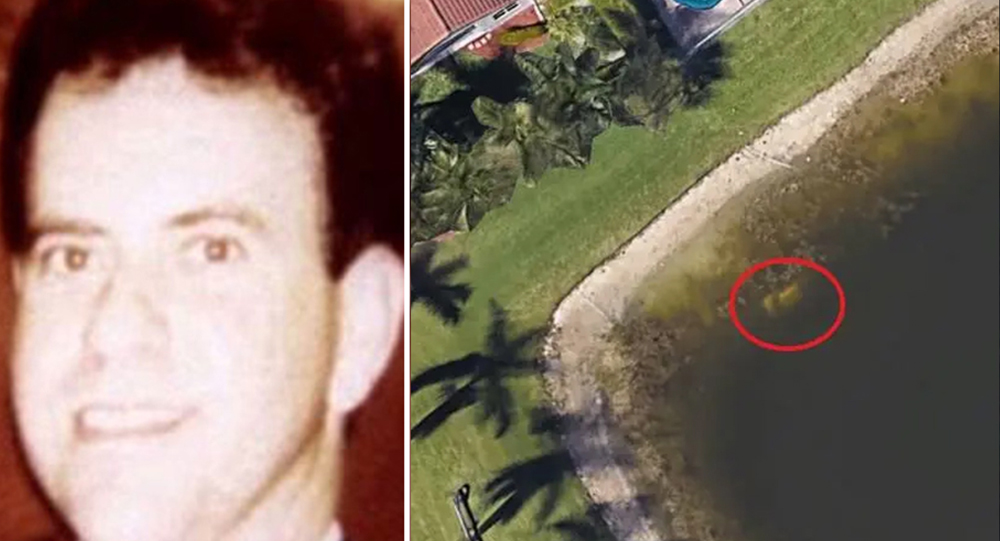
The Google Maps Discovery: the Mystery of William Moldt's Disappearance
In 2019, Google Maps helped solve the decades-old mystery of William Moldt, who disappeared in 1997. A former resident spotted his submerged car in a retention pond while using Google Earth. The vehicle, visible since 2007, contained Moldt's skeletal remains, providing closure to his case.

June and Jennifer Gibbons The silent twin who Only Spoke to Each Other
Identical twins June and Jennifer Gibbons were born on 11 April 1963 at a military hospital in Aden, Yemen where their father worked as part of the Royal Air Force.

Upside-Down Fig Tree From The Roof Of An Ancient Ruin in Italy
There is an upside-down fig tree in Bacoli, Italy. No one is quite sure how the fig tree ended up there or how it survived, but year after year, it continues to grow downwards and bear figs.

Why the Brooklyn Bridge Was Once Crossed by 17 Camels and 21 Elephants
On May 30, 1883, a rumor that the Brooklyn Bridge was going to collapse caused a stampede, which killed at least at twleve people. To prove the bridge was safe, P.T. Barnum led a parade of 21 elephants over it.

The true story of Josephine Myrtle Corbin, the lady born with four legs and two private parts
Josephine Myrtle Corbin, an American sideshow performer born in 1868, had a rare condition known as dipygus, which caused her to have four legs, each smaller inner leg paired with one of her outer legs. Corbin joined the sideshow circuit, captivating audiences as the "Four-Legged Girl from Texas."
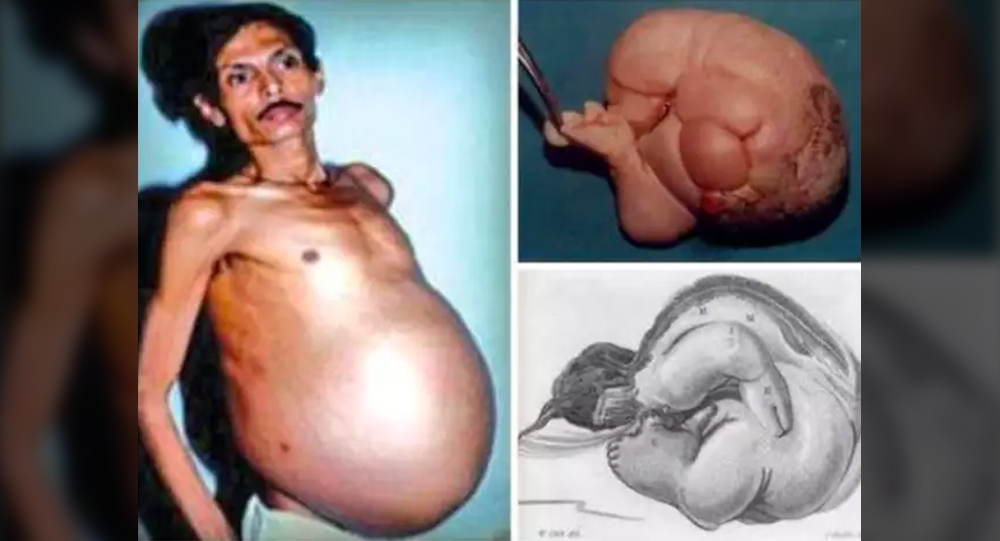
The Astonishing Case of Sanju Bhagat: Living with a Twin Inside Him for 36 Years
Sanju Bhagat, an Indian farmer, lived with an undiagnosed parasitic twin inside his abdomen for 36 years. In 1999, doctors discovered the twin during surgery. This rare condition, fetus in fetu, occurs when a malformed twin is absorbed during pregnancy, surviving within the host sibling's body.

How a Man Fooled Florida with Fake Penguin Tracks for 10 Years
In 1948, Florida’s Clearwater Beach was the stage for one of the longest-running and most peculiar hoaxes in American folklore. Giant three-toed footprints appeared mysteriously in the sand, sparking rumor and fascination about a 15-foot-tall penguin roaming the shores. For a decade, locals and visitors alike speculated and scanned for the elusive creature, never realizing the truth: these tracks were made by a man wearing 30-pound lead shoes designed to imitate an enormous penguin's footprint. This article uncovers the details of this elaborate prank and its lasting legacy in Florida’s cryptic history.

Jack the Baboon operated a railroad, earned a living, and never made a mistake
A baboon worked as a signalman for the railroad in the late 1800s. He never made a mistake and worked for the railroad until the day he died.

Mystery SOLVED: blood Rain in India
The dissemination of spores of microalgae has been identified as the origin of the 'Blood Rain' phenomena, according to a new study by Indian and Austrian experts. Since 1896, reports of intermittent red-colored rain in portions of Kerala and Sri Lanka have been coming in. The most recent one occurred in 2013 over Kerala.

How a Canadian Man Traded a Red Paperclip for a Two-Story Farmhouse
In 2005, Canadian blogger and entrepreneur Kyle MacDonald embarked on an extraordinary journey that captured the world’s imagination. Starting with nothing more than a single red paperclip, Kyle pursued a year-long chain of strategic trades that escalated from small, quirky items to a two-story farmhouse in a small town in Saskatchewan. What began as a playful social experiment became a legendary story of creativity, perseverance, and the power of barter in the digital age.

Belgian Woman Banned from Zoo After 4-Year Affair with Chimpanzee
A Belgian woman was banned from the zoo after having an affair with a chimp.

Bruce Campbell converted a Boeing 727-200 into a home
In 1999, a man bought a Boeing 727-200 for $100,000 and uses it as his house, then spent another $120,000 moving it from the Hillsboro airport and setting it up on his undeveloped property.

What Caused The Mysterious Patomskiy Crater in Siberia?
Discovered in 1949, the Patomskiy Crater resembles a huge convex cone with a funnel-shaped recess and a rounded hill in the middle, which looks like an eagle’s nest with an egg nestled inside it. The crater’s origin is a mystery that has baffled scientists for decades.

Woman's memory reset every two hours after traumatic accident
Riley Horner, an Illinois teenager was accidentally kicked in the head. As a result of the injury, her memory resets every two hours, and she wakes up thinking every day is June 11. Riley keeps detailed notes of events happening throughout the day, and sets an alarm on her phone every two hours to remind her to review them. Riley also keeps a calendar in her room to remind her what day it is? As she wakes up every morning confused, thinking it's still June 11.

The Heartbreaking Story Of Ella Harper, The ‘Camel Girl’
Ella Harper, Professionally known as the “Camel Girl” was born with a rare orthopedic condition that cased her knee to bend backward. Due to this condition, had to walked on all four legs, which resulted in her nickname as “Camel Girl”. Tough it was hard at first, but soon she made a fortune out of it.
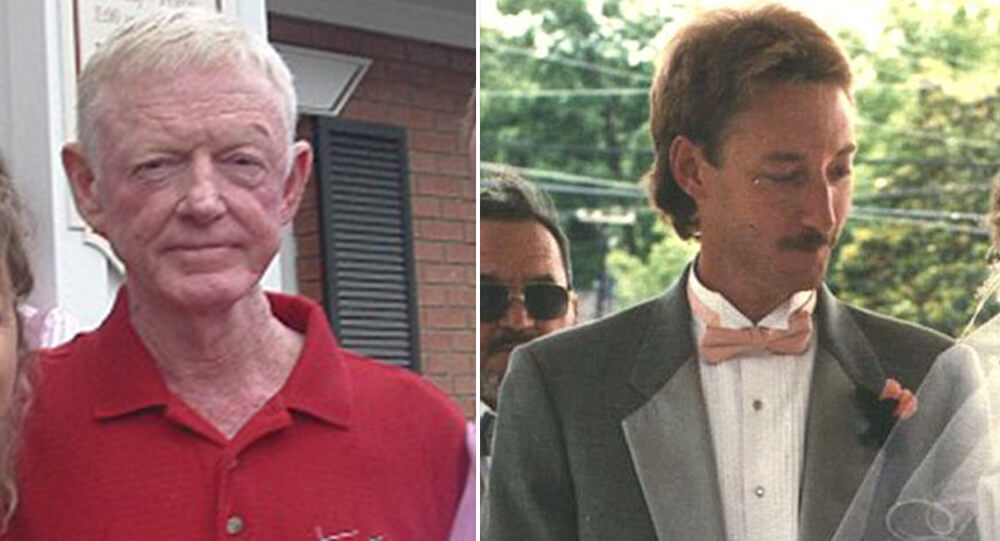
Recipient of suicide victim's heart kills himself 12 years later
In 1995, Sonny Graham received a transplanted heart from a suicide victim. He then committed suicide in the very same manner as the donor.

The Story of Tsutomu Yamaguchi: The Man Who Survived Both Atomic Bombs
Tsutomu Yamaguchi’s story is one of astonishing survival and resilience. In August 1945, while on a business trip in Hiroshima, he endured the catastrophic atomic bombing and, unbelievably, survived to return to his home city of Nagasaki—only to face a second atomic attack days later. Officially recognized as the only person to survive both bombings, Yamaguchi’s life is a powerful testament to human courage, hope, and the devastating impact of nuclear warfare.

The mystery of India's 'lake of skeletons'
In 1942, a British forest guard in India made an alarming discovery. Some 16,000 feet above sea level, at the bottom of a small valley, was a frozen lake absolutely full of skeletons.

Why Do Spiders Rain From the Sky? The Strange Ballooning Phenomenon
Every now and then, people around the world are amazed—and sometimes disturbed—to see thousands of tiny spiderlings floating down from the sky, seemingly raining on the earth below. This eerie spectacle is the result of a curious and fascinating behavior called ballooning, in which spiders use silk threads as invisible parachutes to catch the wind and fly. Recent scientific discoveries reveal that spiders can even harness Earth’s electric fields to take off without wind, making their aerial journeys feel almost supernatural. This article explores the science, mystery, and wonder behind the ballooning phenomenon.

Sandy Island: The Phantom Island That Fooled Maps and Google Earth for Centuries
Sandy Island, charted since 1774, was long considered a phantom island in the Coral Sea. Despite appearing on maps and Google Earth, it was "undiscovered" by scientists in 2012, revealing only deep ocean instead of land. The island's existence was likely a cartographic error or a misidentified pumice raft.

Preserving Bodies in a Deep Freeze Await Revival
There are currently hundreds of deceased people in the U.S., including baseball legend Ted Williams, whose bodies are frozen in liquid nitrogen in hopes that future technology will be able to revive them.

This Thai Wedding Tradition Happens 40 Feet Underwater
Each year in Trang, Thailand, dozens of couples participate in an underwater wedding ceremony while scuba diving in full gear. The ritual symbolizes deep love and has become a quirky tourist attraction held around Valentine’s Day.
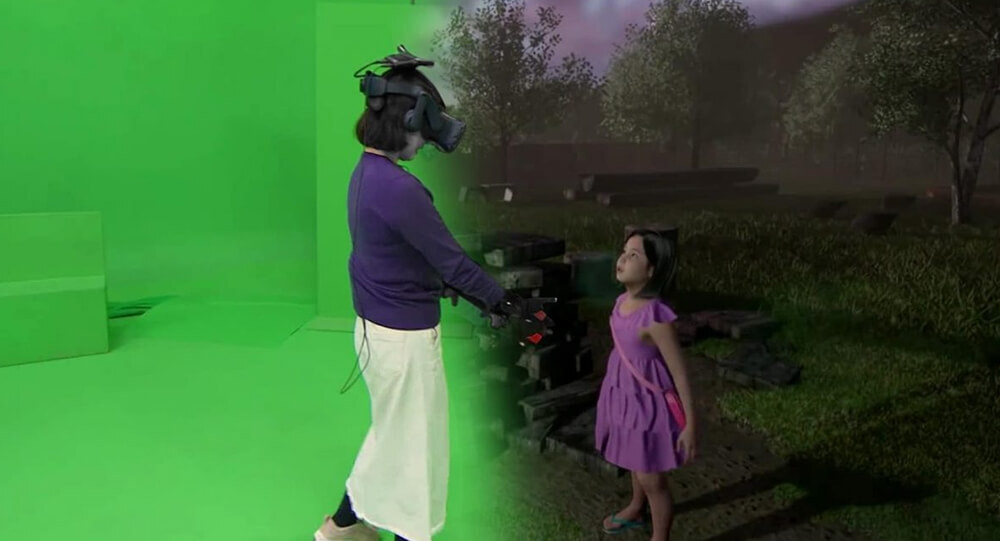
Mom Cries After Seeing Her Deceased Daughter in Virtual Reality
Jang Ji-Sung lost her 7-year-old daughter to haemochromatosis in 2017, a rare disorder in which the body absorbs too much iron. The two reunited through the use of virtual reality technology.
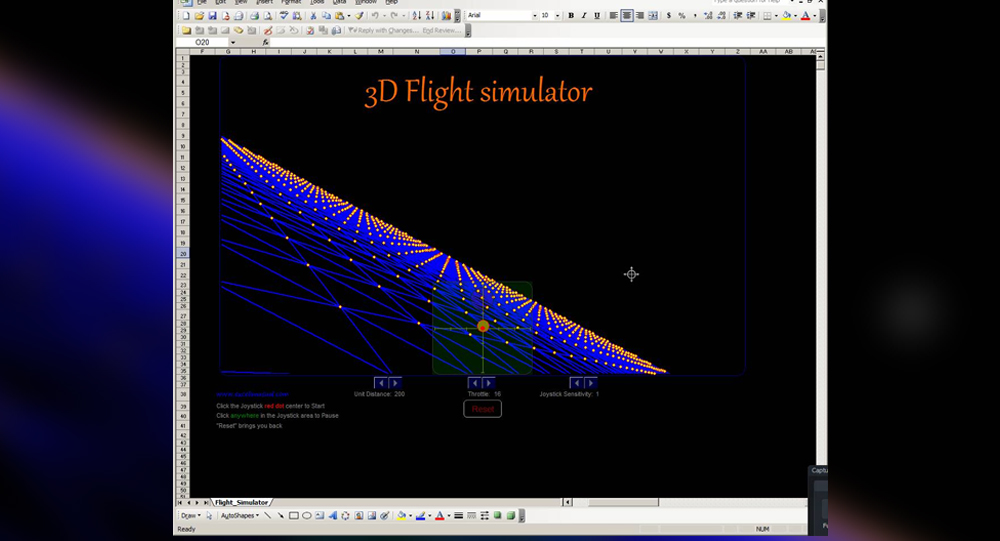
The Story of the Hidden Flight Simulator Game in Microsoft Excel 97
Before smartphones ruled hidden gaming, Microsoft slipped an extraordinary secret into one of its flagship office programs: a fully functional flight simulator game inside Excel 97. This little-known Easter egg captivated users who discovered a way to pilot a plane through the grid-like interface. Explore how this unexpected feature was created, the tech magic behind it, and why it remains a legendary piece of software lore.