

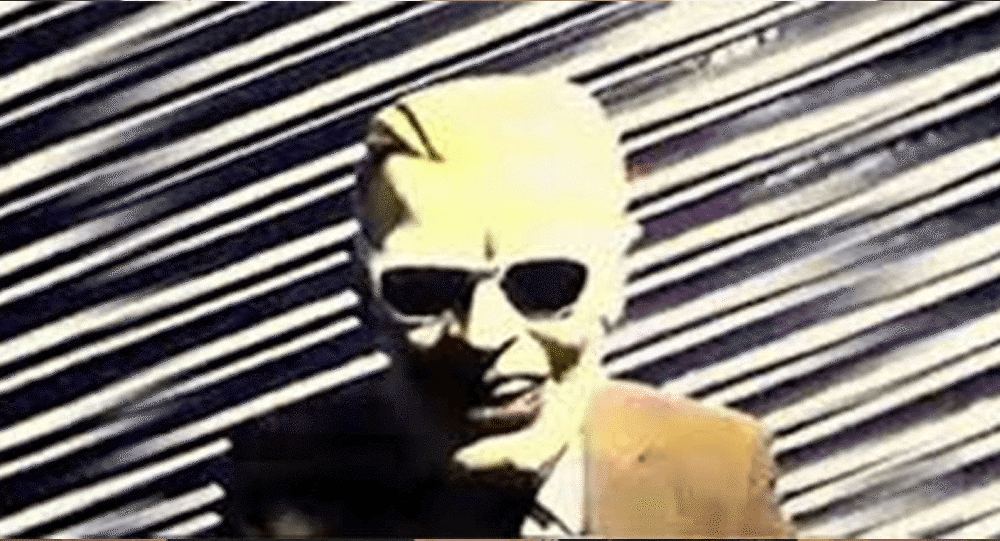
Millions of people in the Chicago area were forced to watch a major broadcast hijacking exactly 34 years ago. On the evening of November 22, 1987, a masked person took over transmission twice, uttering seemingly meaningless jokes and trivia for a total of two minutes.
The incident, dubbed “Max Headroom signal jacking” because of the perpetrators’ mask choice, sparked a lot of speculation, but no answers. Authorities were unable to apprehend the culprits despite a lengthy investigation.
However, the event has been immortalized due to the lack of clarity, making it a must-know for any fan of hacker culture and subversive art.
The first interruption
The Max Headroom hack appears to be a scene from a modern hacker film like Mr. Robot or even a techy horror film. The hack becomes stranger the more you read about it.
The first intrusion lasted about 25 seconds and happened during the sports segment of Chicago’s WGN-TV newscast. The broadcast was initially interrupted by a ten-second black screen, followed by a creepy-looking masked person in front of a corrugated metal background.
A screeching digital noise accompanied the interruption, making it unclear whether the character had anything to say.
WGN-engineers TV’s were perplexed, so they turned off the intrusion by changing the signal frequency between the broadcast studio and the station.
Once the stations’ engineers were able to get the regular broadcast back on the air, sports anchor Dan Roan commented, “Well, if you’re wondering what’s happened, so am I.”
Who is Max Headroom?
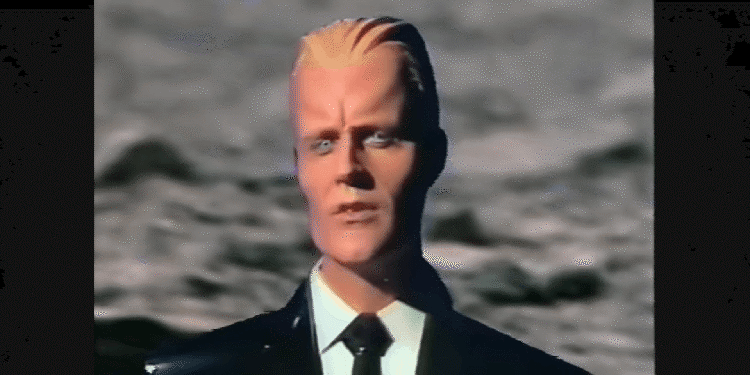
The creepy aesthetics were not chosen at random. The perpetrator was dressed as Max Headroom, a fictional British TV character.
A fictional ‘artificial intelligence’ character appeared in the first season of the show. In reality, Canadian-American actor Matt Frewer wore prosthetic makeup to create the character’s computer-generated appearance.
In the TV show, Max Headroom was a journalist who was assassinated over digging dirt on the corporation that owned the TV station he worked at. Headroom’s hacker friend preserved his brain and uploaded it to the network, effectively turning him into a digital entity.
The ghost of Headroom used to appear in broadcasts, like in a modern horror story, sharing snarky, sometimes off-beat jokes with a dash of social commentary.
‘Giant masterpiece’
Viewers only heard what the people behind the Max Headroom mask had to say after a second attempt at hijacking the TV signal. Hackers broke into the signal of another Chicago-based station, WTTW, around 11:20 p.m. the same night.
The perpetrators began an episode of Doctor Who by saying, “He’s a fricking nerd,” followed by a digitalized laughter reminiscent of the original Max Headroom show.
The 90-second video was disorganized, with the perpetrator gliding over seemingly random subjects. WGN sportscaster Chuck Swirsky was called a “frickin’ liberal,” and a Pepsi can was displayed while a Coca-Cola slogan was called.
Swirsky later expressed concern for his safety, claiming that he was singled out in the transmission for no apparent reason.
The hijacker then began humming the Temptations’ 1966 song “Your love is fading.” However, the twitchy, strange-sounding character’s somewhat juvenile presentation makes it difficult not to see a movie villain in him.
In the middle of the video, the hacker proudly stated, “I just made a giant masterpiece for the Greatest World Newspaper nerds.” The first station to be hacked that day was WGN-TV, which stands for “World’s Greatest Newspaper.”
The interruption was followed by a side view of exposed buttocks being spanked by a female character with a fly swatter. The broadcast returned to normal a few seconds later, leaving many people puzzled by the ordeal.
The second hijacking came to an end when the hackers terminated the transmission on their own. WTTW did not have engineers on the scene to deal with the signal disruption.
Targeted attack
According to television engineers, whoever was behind the attack needed access to a costly transmitter because hijacking the broadcast required extremely high-powered equipment.
It’s thought that the intrusion was carried out by using a transmitter to overturn the signal sent by TV studios to transmitters that amplified the signal to reach Chicago audiences. Between the studio and the transmitter, the perpetrators most likely used a high-rise apartment or a roof.
“You need a lot of power to do that, and the interfering signal has to be quite strong,” WGN director of engineering Robert Strutzel told the Chicago Tribune the day after the incident.
The Federal Communications Commission (FCC) launched an investigation into the attack. It never discovered who was behind it, though. No one took responsibility for the hijacking, despite the fact that the case’s five-year statute of limitations had expired in 1992, meaning the perpetrators would face no charges even if they came forward.
The attack was suspected to be carried out by students, disgruntled employees, and radio enthusiasts. Only those involved in the attack, 34 years later, are certain who carried it out. The attack is one of the most well-known hacking attempts due to the cryptic broadcast, bizarre broadcast, and lack of accountability.
The Max Headroom hack occurred less than a year after a satellite dish salesman, John R. MacDoughall, interrupted HBO’s transmission with a written message criticizing the company for preventing non-subscribers from receiving the stations’ transmission. Despite the fact that millions of people saw the message, authorities only fined MacDougall $5,000.