
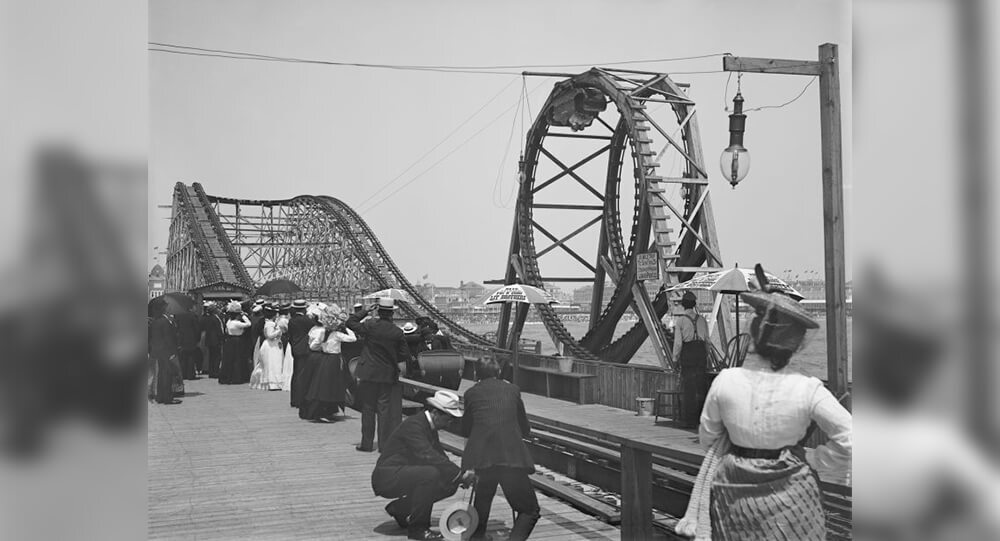
One of the most popular forms of entertainment in the world is riding roller coasters. Sometimes, people will wait for hours to experience an old classic or the newest thrilling ride.
People ride and enjoy roller coasters for a variety of reasons: they like the speed, the perceived danger, and, like a small child riding a wagon too quickly on a curved sidewalk, they enjoy being afraid.
Strangely enough, the roller coaster was invented primarily for none of these reasons. Immorality served as the driving force behind the creation of the roller coaster in the late 1800s.
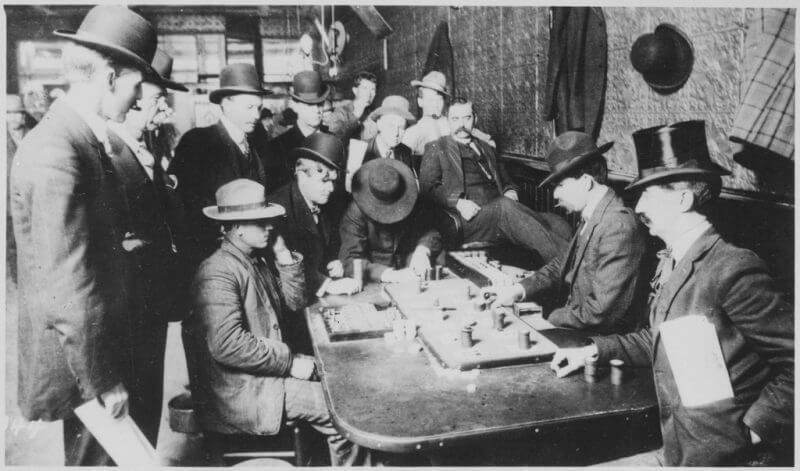
LaMarcus Adna Thompson was searching for a past time that would attract Americans away from the taverns, gambling and dancing halls, and brothels that were growing more and more popular as the country grew more and more prosperous after the Civil War. She believed that America was both creating and rushing into a den of iniquity.
Thompson, who moved to Elkhart, Indiana, after being born in Ohio, invented a machine that makes seamless women’s stockings and other hosiery. Thompson became wealthy thanks to this company and his patent. Because of his poor health, he retired early and received money from his patent.
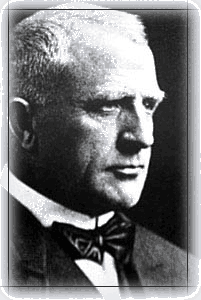
Like many other Americans of the era, Thompson was a devout religious man who worried that the nation’s emerging affluent and urban culture was unquestionably harmful. He desired to take action in this regard.
Thompson was inspired by something entirely unrelated to women’s underwear while on a leisurely trip through the tranquil Pennsylvanian hills.
Thompson saw individuals enjoying themselves on an abandoned mining railway in the peculiarly named town of Mauch Chunk in the state’s east.
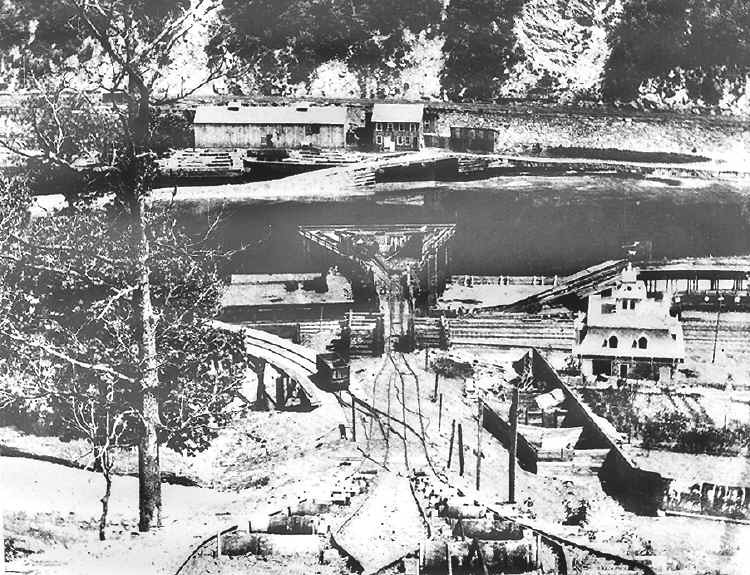
The purpose of the Mauch Chunk railway was to move coal from the surrounding Lehigh River docks to Bethlehem’s steel mills.
As the area’s coal mines started to disappear, the railway was transformed into a vacation destination. Coal carts were pulled up nearby Mt. Pisgah by mules on the nine-mile railway in the early 1800s.
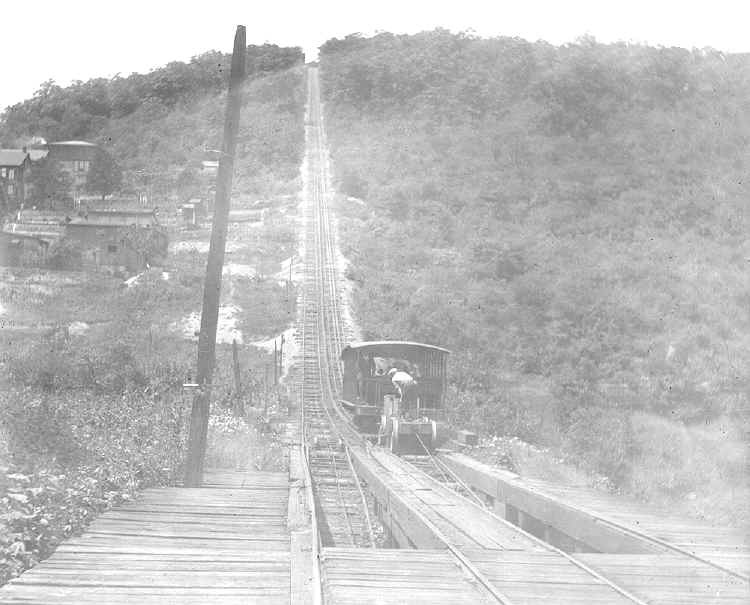
The railway was extended to about eighteen miles later in the 19th century, and a steam engine took the place of the mules. But the majority of the track was a gravity-assisted switchback.
Remember, these were the days before cars and airplanes, when nothing made by humans moved as quickly as the cars as they rolled down the track. At times, the cars’ speeds were much faster than those of a train or a running horse.
The railway was an exciting attraction for tourists who came to the hills around Mauch Chunk. There was a 600-plus foot “drop” at the end, more of a slope, but nothing like it at the time, which is why some people called it “harrowing.” By the time LaMarcus Thompson visited, tourists paid one dollar (not cheap for the time) for a ride on the railway, which took 80 minutes to complete.
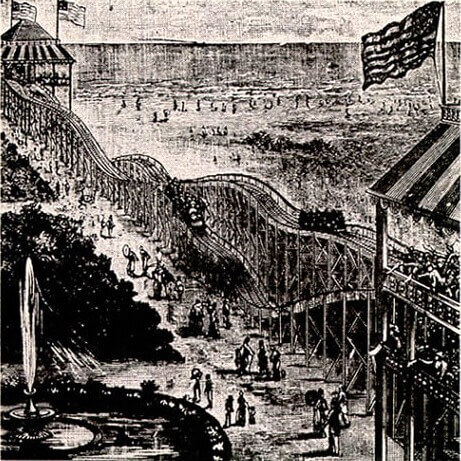
Thompson got the idea from this. He sketched out designs for a scale model of the switchback railway he had witnessed.
The “train” cars themselves and a ratchet mechanism to stop the trains from rolling backward were two features he had observed in Pennsylvania. He created the well-known wooden frame structure and received a patent for it.
In the spring of 1884, Coney Island, New York, saw the construction of the first Thompson “roller coaster.” Originally developed as a resort in the early 1800s, Coney Island boasted theaters, a racetrack, restaurants, and, much to the chagrin of those who held differing opinions from Thompson, a large number of taverns and bordellos by the time the Civil War ended.

These “Houses of Pleasure” were illegal, but as long as everything was kept appropriately covert and organized, most people accepted them with a knowing wink.
It was for this reason that Thompson selected Coney Island.
He believed that his “Switchback Railway” would keep people out of the bars and brothels, into the open air, and with their families.
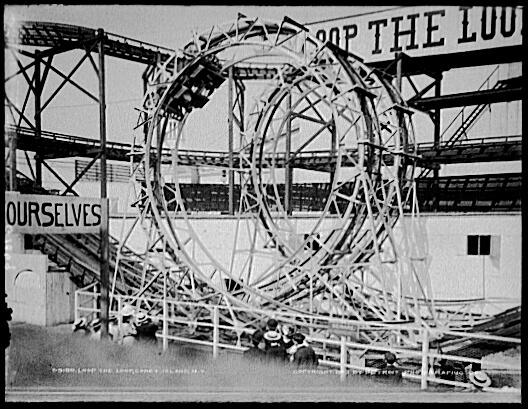
A nickel was the cost of a ticket. The maximum speed is a matter of some dispute, but it was not more than ten miles per hour. Ten miles an hour was fast, again, except in the case of a closed-in train and a horse, both of which very few people in Coney Island had ever ridden.
Bicycle ownership was not common at the time, and neither were cars or airplanes. Thompson’s original ride measured six hundred feet in length and fifty feet in elevation.
The cars began at the top and descended the whole length of the track, passing through a few small dips.
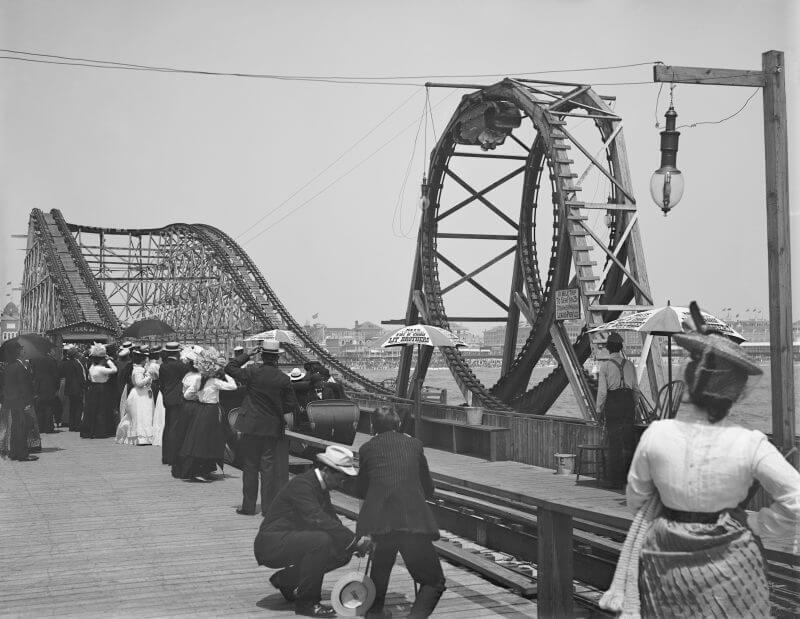
The riders reached the other end, where gravity propelled them up a second hill and back to the beginning. There would be two train cars running at the same time.
Thompson was earning about six hundred dollars a day in three weeks, which is fifteen thousand dollars a day today! Thompson quickly began to make advancements and patent them. Others soon began building their own switchback railroads.
They became well-liked since many of them accelerated the pace. Speed was progressively increased by Thompson’s amusements, which he started to construct across the nation, but he concentrated on adding novelty features like lights, tunnels, artificial mountains, “scenery” beside the track, etc.
Thompson’s original rides are directly related to Disney World’s well-known Space Mountain ride, which features flashing lights and dark tunnels.
In the late 1880s, a type of winter ride that featured a toboggan on rollers that was pulled to the top of a snowy hill, akin to Thompson’s railway, gave rise to the popular term “roller coaster.”
As a matter of fact, Thompson did not create the roller coaster. Before Thompson’s ride, similar gravity rides had briefly been available in France, but they never really took off and quickly vanished.
Thompson accumulated significant wealth by the time of his death in 1919, at the age of 71. Though nearly everyone was having the time of their lives while riding his rides, Thompson’s rides never quite took the place of bars and bordellos.


Max Headroom Incident: America’s Creepiest TV Hack
In 1987 a man hijacked a television station during an episode of Dr. Who and wore a Max Headroom mask and uttered nonsense, and he still hasn’t been caught

The Horrific story of Ariel Castro and the Cleveland abduction
Cleveland abduction victims Gina DeJesus, Michelle Knight, and Amanda Berry were forced to live in Ariel Castro's house of horrors for 10 years. He raped and beat them until they escaped in 2013.


Mario Segale, Developer Who Inspired Nintendo to Name Super Mario
Super Mario is named after real-life businessman Mario Segale, who was renting out a warehouse to Nintendo. After Nintendo fell far behind on rent, Segale did not evict them but gave them a second chance to come up with the money. Nintendo succeeded and named their main character after him.
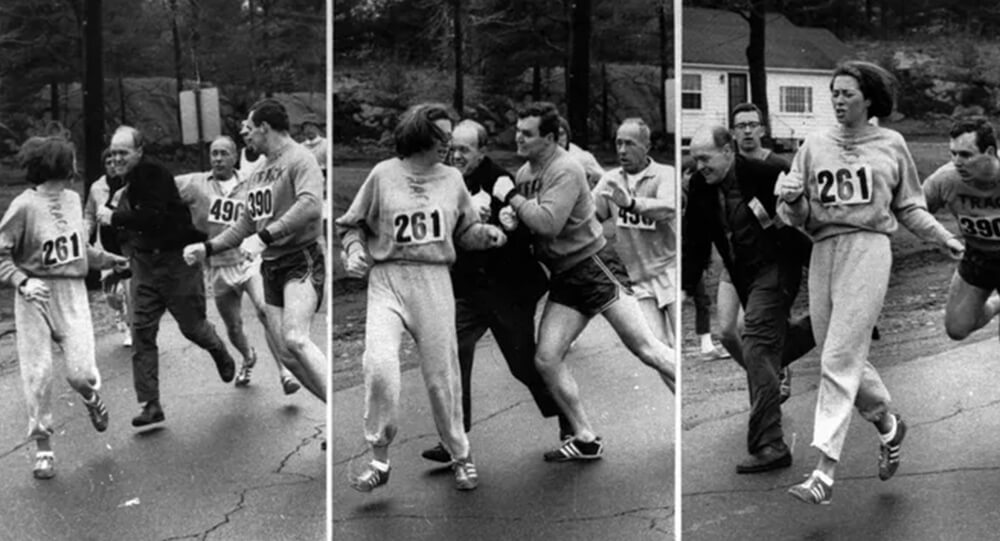
Story of Kathrine Switzer: the first woman to run in Boston Marathon
Before women were allowed to run in the Boston Marathon, Kathrine Switzer participated. A race official attempted to forcefully remove her from the race in 1967, but her boyfriend pushed him down. She was the first female finisher who had a numbered entry in the race.

How Sleep Deprivation Was Once Used as Torture
Sleep deprivation, long before modern interrogation techniques, was considered a “clean” and effective form of torture—leaving no physical scars, yet breaking minds with haunting silence. Victims endured days and nights without rest, leading to vivid hallucinations, disorientation, and psychological torment. This article traces the dark history of sleep deprivation as a weapon, examines the science behind its effects on the brain, and shines a light on the painful balance between human endurance and cruelty in the annals of coercion.
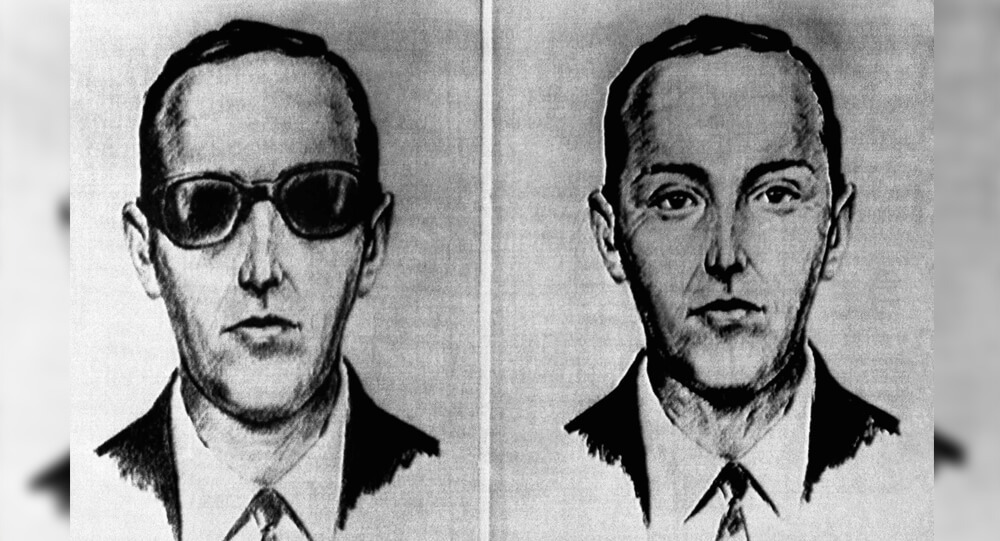
D.B. Cooper: Man who hijacked a plane and jumped out with a $200,000
On November 22, 1971, DB Cooper hijacked a Boeing 727, drank a whisky, smoked a fag, and then jumped out of the plane with $200,000. He was never again seen.

The Baltic Way: the longest unbroken human chain in history
On August 23, 1989, about 2 million people from Latvia, Estonia, and Lithuania formed a human chain that united all 3 countries to show the world their desire to escape the Soviet Union and the communism that brought only suffering and poverty. This power stretched 600 km.
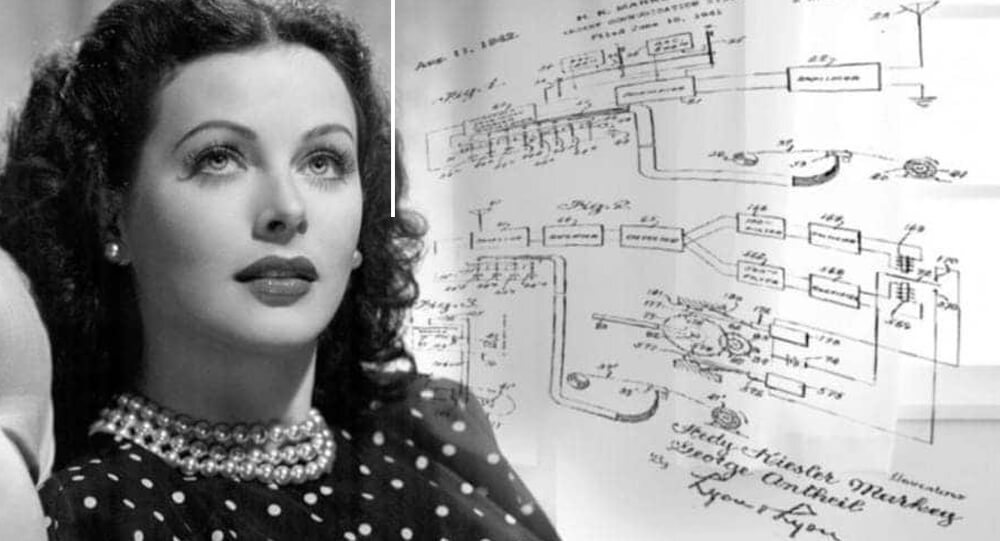
Hedy Lamarr, A Hollywood actress who also a mathematician and inventor
Hollywood actress Hedy Lamarr was also a mathematician and the inventor of frequency hopping spread spectrum, a technology still used for bluetooth and wifi

story of the youngest mother in the world at age of five - Lina Medina
Lina Medina, a five-year-old Peruvian girl, became the youngest mother in history in 1939 when she gave birth to a boy.
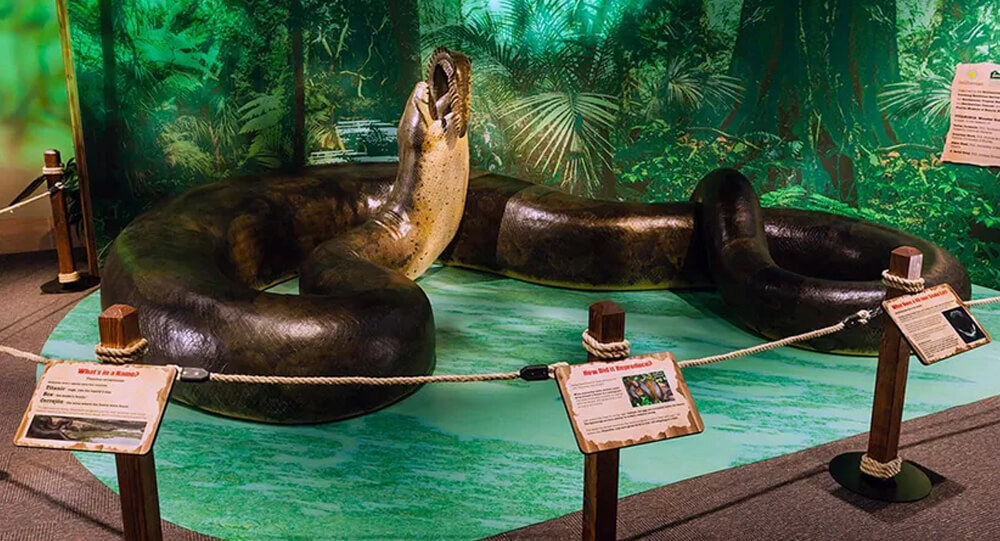
Titanoboa cerrejonensis, fossils of the world’s largest species of snake
In 2009 in a coal mine of Columbia, scientists discovered fossils of the world’s largest species of snake. The species is called “Titanoboa cerrejonensis,“and it is from around 60 million years ago. It would have had measured about 48 feet long and weighed about 2,500 pounds
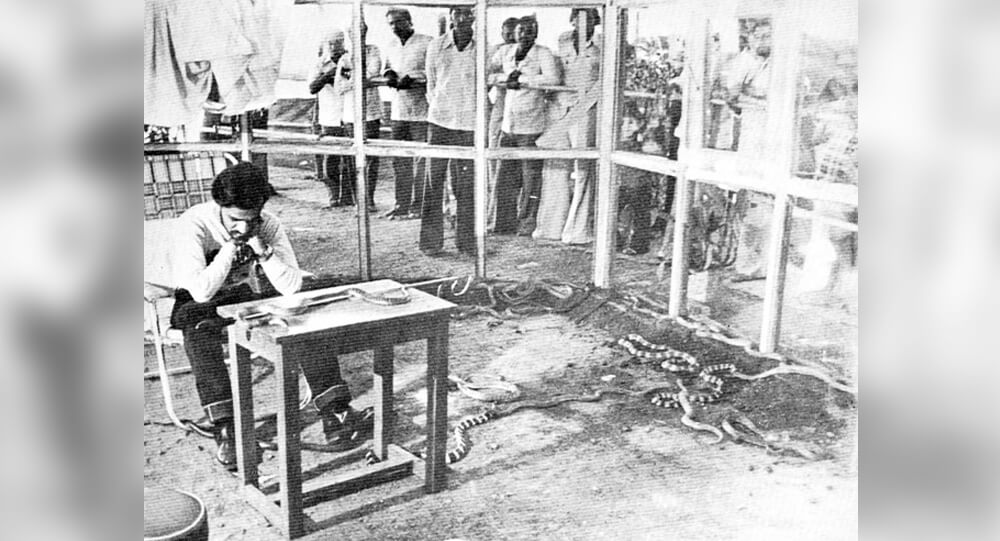
The story of a man who spent 72 hours with 72 venomous snakes to prove they only bite when provoked
In the 1980s, an Indian man spent 72 hours in a glass cabin with 72 snakes, some of which were extremely venomous. His aim was to prove that snakes only attack when provoked. Remarkably, he was not bitten once in those 72 hours and even set a Guinness World Record in the process.

Poto And Cabengo: The Secret Language Of Twins
Poto and Cabengo, as the two girls called each other, communicated in their own language. The twins were ignored by their parents and secluded from the outside world because their father felt they were developmentally retarded, and their unique language evolved as a result of that neglect.

Medals of Friendship: The Enduring Olympic Story of 1936
At the 1936 Summer Olympics, two Japanese pole vaulters named Sueo Oe and Shuhei Nishida tied for second, but they declined to compete against each other. As a result, Nishida was awarded the silver medal and Oe won a bronze medal. Upon returning to Japan, the athletes had their medals cut in half and spliced together to create new "friendship medals," which were half silver and half bronze.
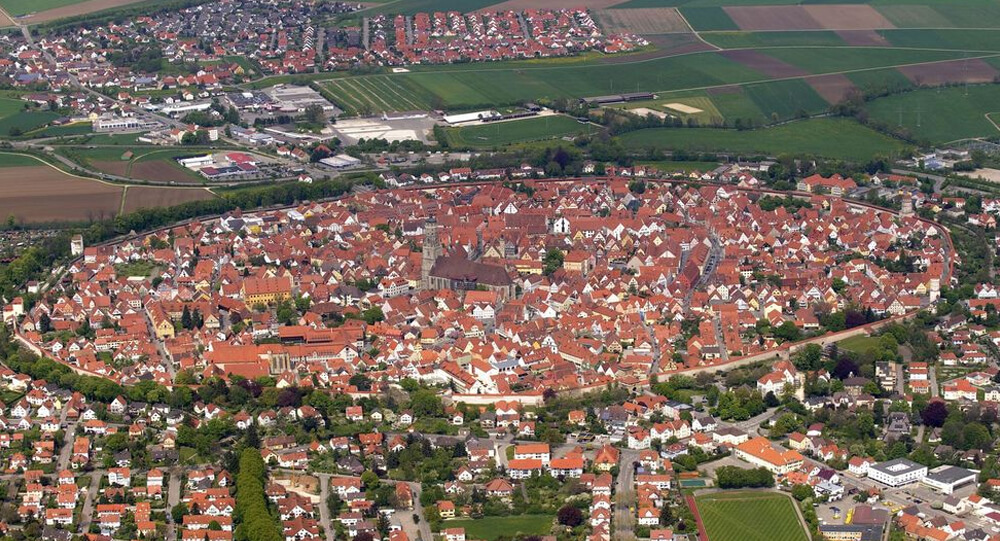
Nordlingen, The Town Inside A Meteorite Crater With Millions Of Meteorite Diamonds
The German town of Nördlingen is embedded with 72,000 tons of microscopic diamonds. About 15 million years ago, a meteorite hit this region, and the impact created a massive depression and formed rocks containing diamonds, glass, and crystals. The town was built in the impact crater sometime around 898 CE.

The incredible story of Julia "Butterfly" Hill and her legacy
American environmental activist Julia “Butterfly” Hill lived in a 1500-year-old California Redwood tree for 738 days to prevent it from being cut down by the Pacific Lumber Company. The Simpson’s episode “Lisa the Tree Hugger” was inspired by Hill’s story.
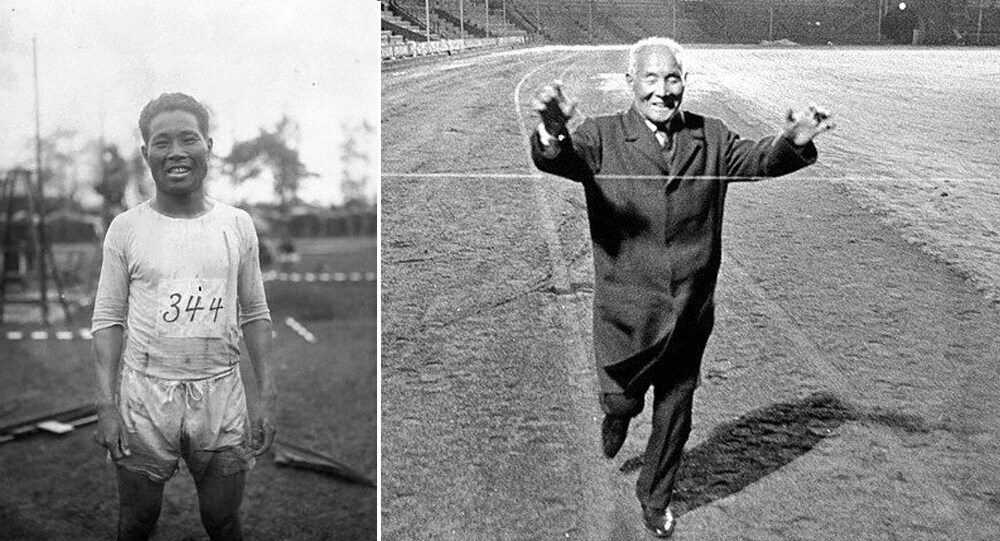
Shizo Kanakuri’s 1912 Olympic Marathon Finished 54 Years
At the 1912 Olympics, a marathon runner quit and went home to Japan without telling officials and was considered a missing person in Sweden for 50 years. In 1966, he was invited to complete the marathon. His time: 54 years, 8 months, 6 days, 5 hours, 32 minutes, and 20.379 seconds.

During the 1996 Olympic bombing, Richard Jewell falsely accused of committing the crime after saving dozens of people
Richard Jewell, an American security guard, discovered a bomb during the 1996 Olympic Games in Atlanta and assisted in the evacuation, but was later wrongfully accused and faced public scrutiny. He was cleared, but it had a lasting impact on him until his death in 2007 at the age of 44.
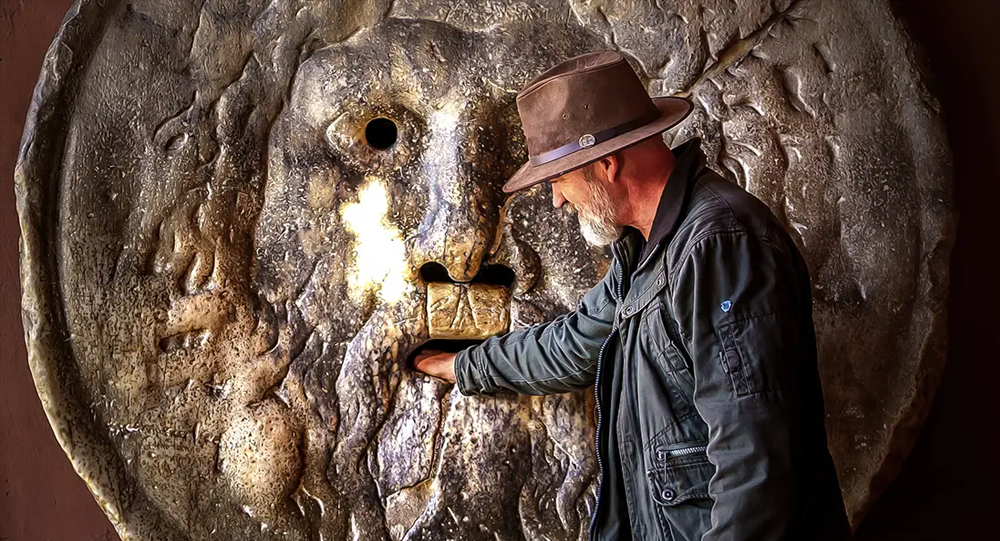
The Mouth of Truth: Ancient Rome’s Legendary "Lie Detector" That Bit Off Hands
Discover the chilling legend of the Mouth of Truth (Bocca della Verità) in Ancient Rome—a massive carved stone face believed to bite off the hand of anyone who lied while inserting their hand into its gaping mouth. Uncover the truth behind its eerie reputation and how this ancient artifact became a symbol of honesty and fear.
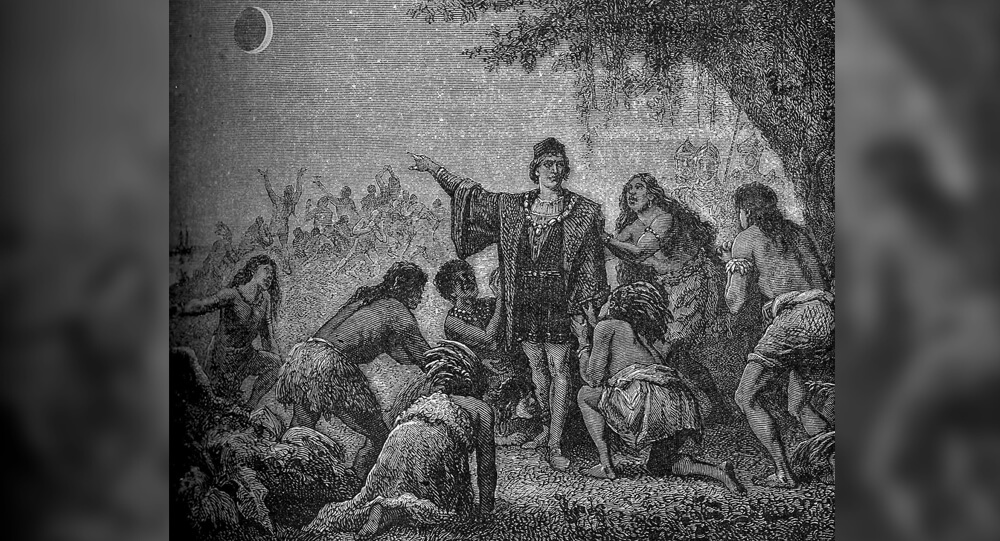
How a Total Lunar Eclipse Saved Christopher Columbus in 1504
In 1504, Christopher Columbus was stranded in Jamaica with natives who refused to give him food. But he knew the date and time of an upcoming lunar eclipse. So he told the natives that his gods were angry at their treatment of him, and would provide a clear sign. Once the eclipse started, the natives raced to give him food and begged for mercy.
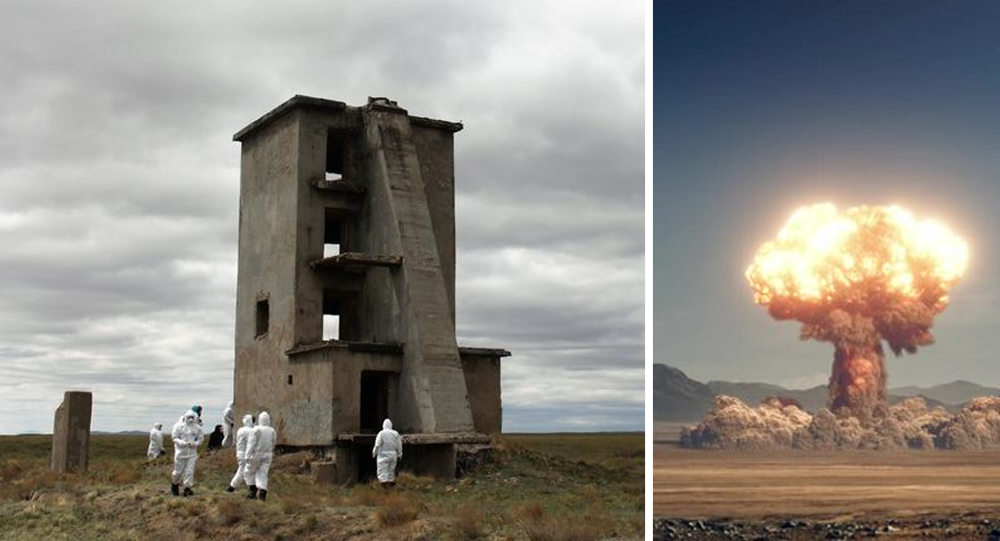
The Forgotten Story of Semipalatinsk and the Soviet Nuclear Experiments
Between 1949 and 1989, the Semipalatinsk Test Site in Kazakhstan became the primary location for Soviet nuclear weapons tests, exposing millions of unsuspecting villagers to radioactive fallout. Known as the “Polygon of Suffering,” this remote desert witnessed 456 nuclear detonations that caused widespread health crises, birth defects, and generational genetic damage. This article narrates the chilling legacy of Semipalatinsk, unveiling the human cost of Cold War arms development and the ongoing struggle for healing and recognition in Kazakhstan.
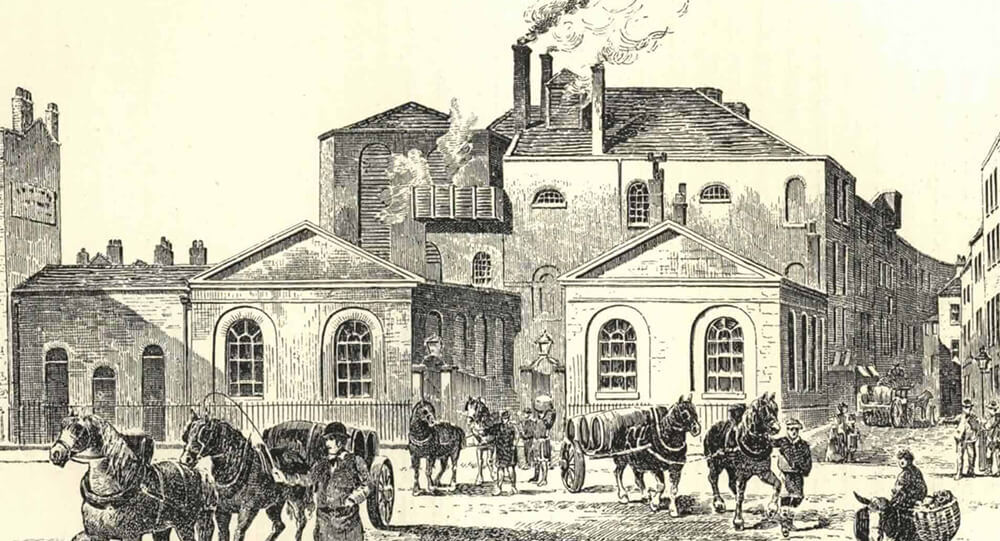
The 1814 London beer flood
In 1814, there was a beer flood in London when a tank containing more than 300,000 gallons ruptured in which 8 people drowned.

Iranian inmate dies from happiness after finding out he will not be executed
An Iranian man who was convicted of murder reportedly died from happiness after learning that his death sentence was being commuted.
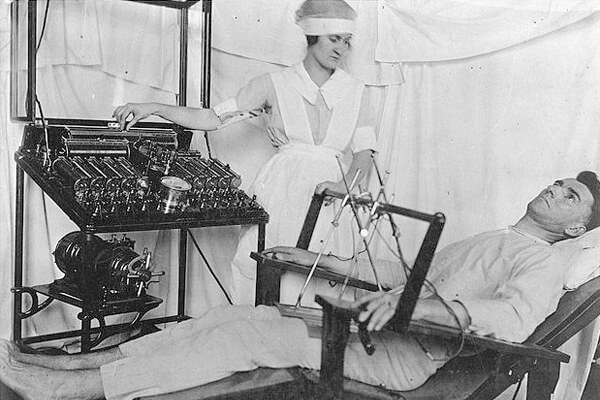
Top 10 most cruel medical procedures that are being used today
We are all aware that medicine has advanced dramatically over the last fifty years. There are several modern medical approaches available today, but this was not always the case. However, the past of medicine is a dark one. Medical leeches, lobotomy, vascular surgery, cranial stenosis, and even electroshock therapy are all options. These are only a couple of the cruel healing techniques that are still in use today.
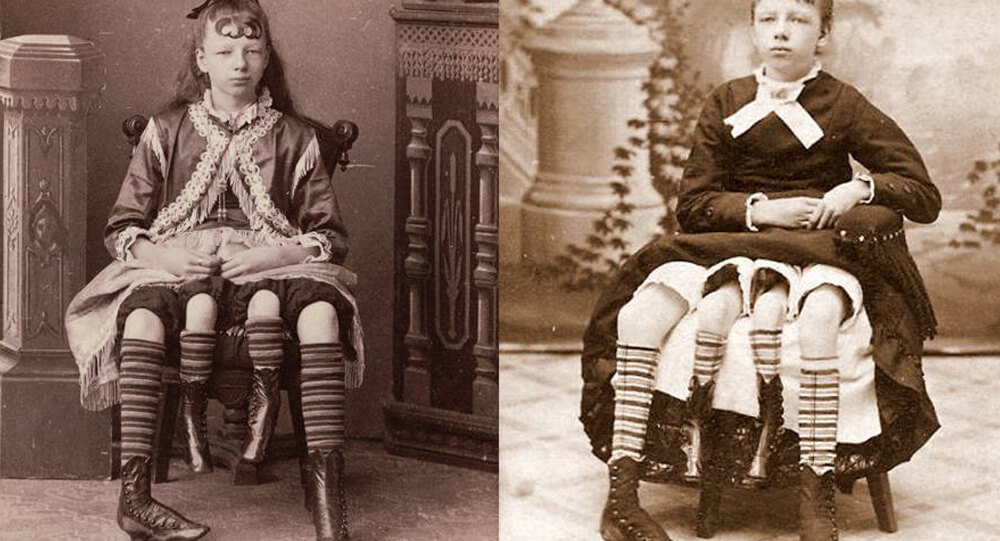
The true story of Josephine Myrtle Corbin, the lady born with four legs and two private parts
Josephine Myrtle Corbin, an American sideshow performer born in 1868, had a rare condition known as dipygus, which caused her to have four legs, each smaller inner leg paired with one of her outer legs. Corbin joined the sideshow circuit, captivating audiences as the "Four-Legged Girl from Texas."
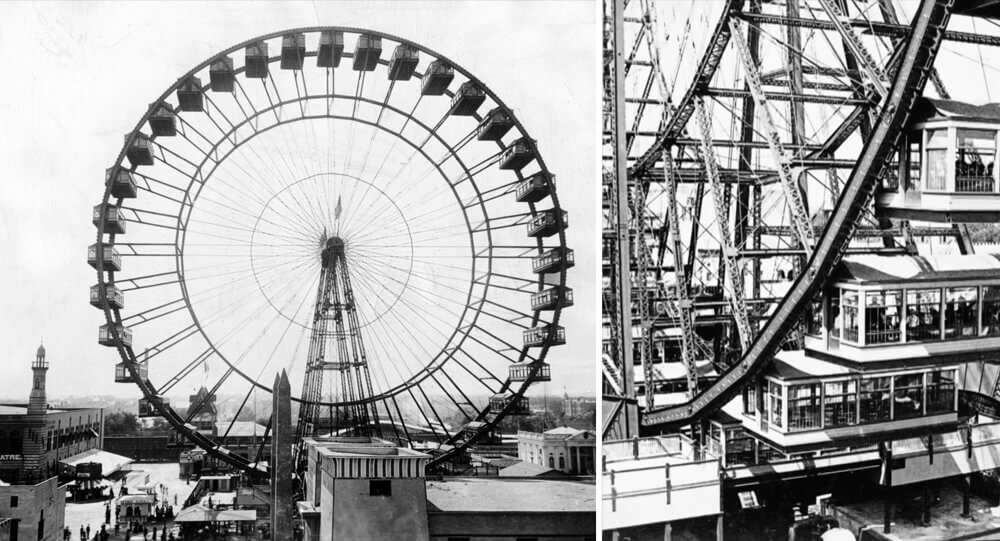
how Ferris wheel invented
In 1891, Chicago challenged engineers to create a structure to surpass the Eiffel Tower for the World's Columbian Exposition. George Washington Gale Ferris jr. responded with the original Ferris Wheel, a giant rotating structure elevating visitors above the city. This invention became an iconic attraction at the fair.