
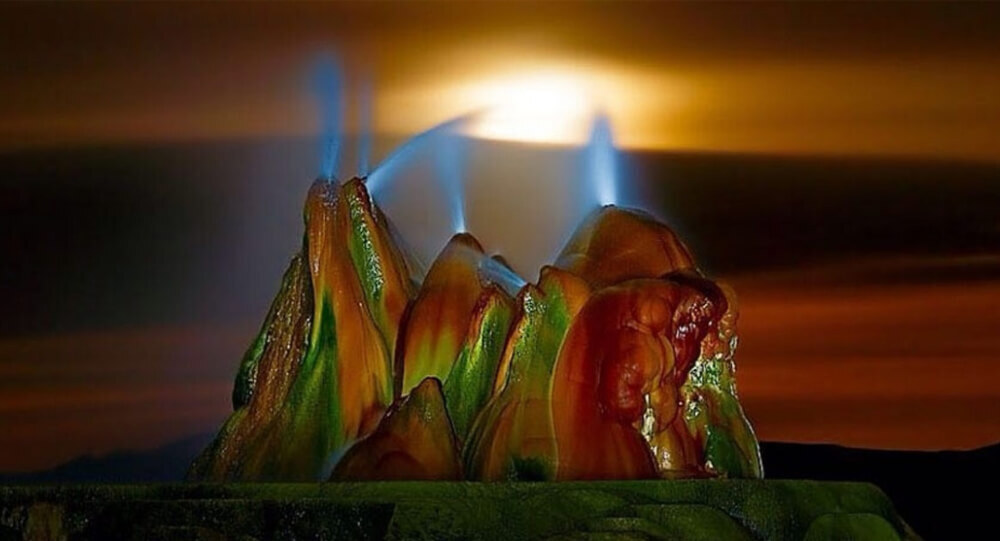
Visitors have been fascinated by the mesmerizing Fly Geyser in Nevada due to its vivid colors and otherworldly appearance. However, nature alone did not create this geological marvel. The formation of the Fly Geyser is an amazing result of both natural and human factors. The origins and evolution of Fly Geyser are examined in this article, along with the geological forces at work, human involvement, the significance of thermal energy, environmental impact, its transformation into a well-liked tourist destination, scientific discoveries, and difficulties associated with maintaining this remarkable site. Come along on a fascinating journey as we explore the mysteries of Nevada’s Fly Geyser.
The Discovery of Fly Geyser and Unusual Appearance
Nevada’s Fly Geyser is a mesmerizing natural wonder that seems to have emerged from a dream. In the 1960s, it was unintentionally produced when a geothermal drilling operation went wrong. The geyser, which has vibrant hues of red, green, and orange, resembles a gigantic, otherworldly fly, as its name implies, and is a truly captivating sight for everyone who visits.
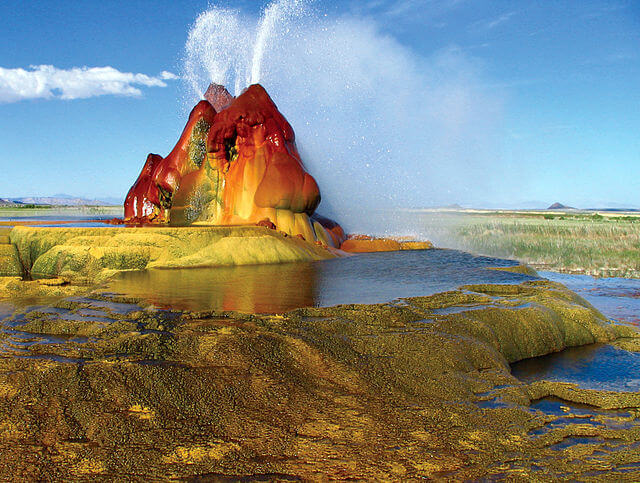
At a proud height of about 5 feet, the Fly Geyser continuously ejects steam and water into the atmosphere. Its ethereal and surreal appearance distinguishes it from other geysers. The geyser has been sculpted over time by minerals and thermophilic algae, giving it a distinctive shape and vivid colors. Its terraces are formed by the build-up of dissolved minerals, creating an otherworldly landscape that feels straight out of a science fiction movie.
Factors Contributing to the Formation of a Fly Geyser
The formation of Fly Geyser is significantly influenced by geothermal activity. The location is on top of a geothermal reservoir, where hot water and steam rise to the surface from deep within the Earth. The dissolved minerals that are gathered by this water as it flows through the underground channels are later deposited on the surface, helping to create distinctive structures like the geyser.
The Fly Geyser area’s distinctive features are greatly influenced by the region’s geological makeup. The area is primarily made up of a mixture of porous and fractured rock formations. The porous nature of these fractured rocks allows for the accumulation of minerals, giving rise to the vivid colors and terraced structures that give Fly Geyser its mesmerizing visual appeal. These fractures create pathways for geothermal water to reach the surface.
Human Intervention and the Formation of the Fly Geyser
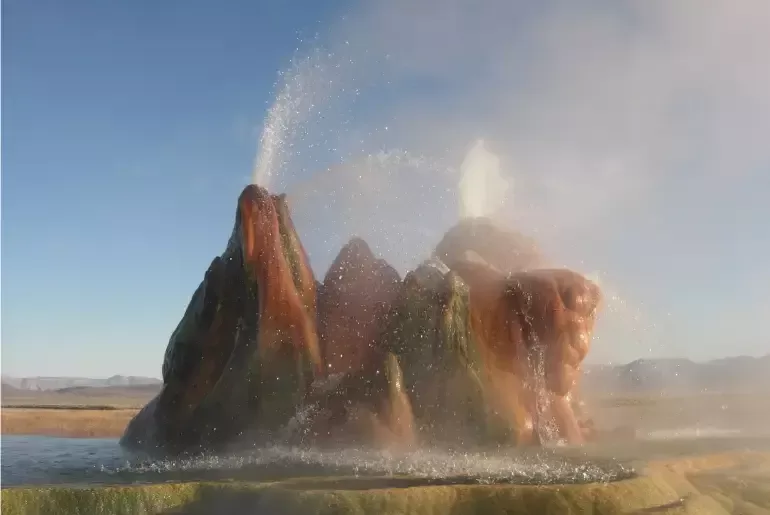
In the 1960s, human intervention marked the beginning of the creation of Fly Geyser. A geothermal energy company unintentionally hit a geothermal pocket deeper than anticipated while drilling a geothermal well. The geyser and its distinctive terraces were first formed as a result of an uncontrolled release of geothermally heated water and dissolved minerals.
Drilling was essential in starting the construction of Fly Geyser. The delicate underground balance was upset by the drilling, which allowed the geothermally heated water to rise to the surface. As the water erupted, it carried dissolved minerals with it. As these minerals accumulated and solidified over time, they further shaped the geyser’s appearance.
Thermal Energy’s Role in the Growth of Fly Geysers
The growth of Fly Geyser is primarily driven by thermal energy. Groundwater is warmed by geothermal heat from deep within the Earth, which creates pressure that forces water and steam to the surface. These hot fluids interact with the minerals in the rocks as they ascend, causing the minerals to dissolve and be carried away. The dissolved minerals precipitate as the water cools and rises to the surface, which aids in the development of the distinctive formations at Fly Geyser.
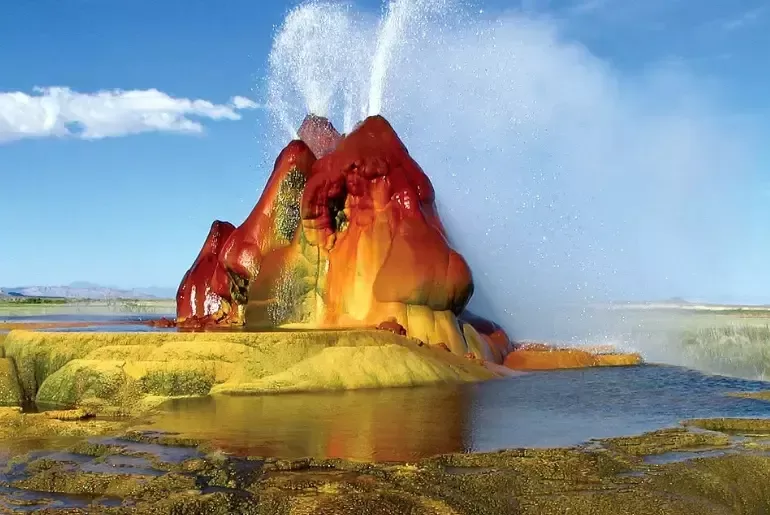
The underground reservoirs that store water that has been heated by geothermal processes are closely connected to Fly Geyser. The continuous activity of the geyser is fueled by these reservoirs. The mesmerizing display of water and steam is produced when heated water under pressure rises through cracks in the Earth’s crust, capturing the attention of tourists for decades. The constant flow sustains the growth of Fly Geyser, ensuring its unique existence in the Nevada desert.
Environmental Impact and Conservation Efforts in the vicinity of the Fly Geyser
Environmental Impact and ConservationLike a celebrity who attracts paparazzi, Nevada’s Fly Geyser is now a popular destination for tourists. But this vibrant geothermal wonder attracts more than just humans. Much to Mother Nature’s delight, the special environmental circumstances close to Fly Geyser have produced a thriving ecosystem.
Wetland vegetation and grasses have grown in the area as a result of the geyser’s ongoing eruptions and the presence of thermal water. They serve as a habitat for a variety of insects, birds, and small mammals that have adapted to living here. It resembles a bustling city for small animals, complete with hot tubs!
The management of Fly Geyser recognizes that with great fame comes great responsibility and values the preservation of this natural wonder. The distinctive geological features have been protected, and the delicate ecosystem balance has been preserved.
To protect the delicate formations, steps have been taken like limiting access to the geyser itself. To prevent overly eager feet from performing any unintended stunts, visitors can view the geyser from designated viewing areas. To encourage responsible tourism practices and respect for the delicate ecosystem, educational programs and awareness campaigns have also been launched.
These conservation efforts help guarantee that Fly Geyser continues to enthrall future generations, just as sunscreen protects our skin from harmful rays.
Scientific Research and Discoveries Inspired by the Fly Geyser
The Fly Geyser’s boiling water contains a vast microscopic universe that is just waiting to be discovered. Microorganisms that have evolved to survive in environments with high mineral concentrations and extreme heat have been found by researchers who have delved into this enigmatic realm. These tough creatures reveal hidden information about the possibility of life in hostile environments outside of Earth.
Who knows, perhaps these tiny survivors will impart some wisdom on adaptability and resilience to us. The microbes of Fly Geyser may one day teach us important lessons that will allow us to enjoy lattes on Mars.
In addition to its importance for biology, Fly Geyser contributes to the advancement of geothermal research. The location serves as a natural laboratory, providing researchers with important information about the potential of geothermal energy and the workings of the Earth.
Understanding the geothermal activity in the area of Fly Geyser not only enables us to harness clean, renewable energy, but also provides essential information for reducing the environmental impact of geothermal activity. One eruption at a time, science and sustainability are coming together.


The Google Maps Discovery: the Mystery of William Moldt's Disappearance
In 2019, Google Maps helped solve the decades-old mystery of William Moldt, who disappeared in 1997. A former resident spotted his submerged car in a retention pond while using Google Earth. The vehicle, visible since 2007, contained Moldt's skeletal remains, providing closure to his case.


The Incredible Story of Martin Laurello, The Sideshow Performer With The Revolving Head
Martin Laurello was also known as 'The human owl'. He was born with the ability to turn his head a full 180 degree.

The Story of the Hidden Flight Simulator Game in Microsoft Excel 97
Before smartphones ruled hidden gaming, Microsoft slipped an extraordinary secret into one of its flagship office programs: a fully functional flight simulator game inside Excel 97. This little-known Easter egg captivated users who discovered a way to pilot a plane through the grid-like interface. Explore how this unexpected feature was created, the tech magic behind it, and why it remains a legendary piece of software lore.

Inspirational Journey of Billy Owen From Cancer Patient to Zombie Actor
A man called Billy Owen lost an eye and half of his face to cancer and used it to start a career as a zombie actor.

The story of a boy who claims to be on Mars: Boriska Kipriyanovich
Boriska Kipriyanovich, who lives in Volgograd, Russia, claims he lived on Mars before being resurrected on Earth on a mission to redeem humanity. What we know about him is as follows:

Kim Peek: The Real Rain Man Who Memorized 12,000 Books
Kim Peek wasn’t just a man with an extraordinary memory—he was a megasavant whose astonishing ability to recall the contents of over 12,000 books inspired the iconic character Raymond Babbitt in the film Rain Man. Able to read two pages at once, scanning one with each eye, Peek could memorize an entire book in about an hour. Despite his phenomenal talents, he faced developmental challenges and lived a unique life that changed perceptions about human potential and cognitive diversity. This article explores the remarkable story of Kim Peek, his capabilities, and the legacy he left behind.

When the Sky Rained Fish: An Unbelievable Encounter Above Alaska
A small Alaskan plane was hit by a fish falling from the sky. It had been dropped by an eagle that misjudged its grip. The plane was unharmed, but it made the news as possibly the weirdest bird strike ever.

How a Man Fooled Florida with Fake Penguin Tracks for 10 Years
In 1948, Florida’s Clearwater Beach was the stage for one of the longest-running and most peculiar hoaxes in American folklore. Giant three-toed footprints appeared mysteriously in the sand, sparking rumor and fascination about a 15-foot-tall penguin roaming the shores. For a decade, locals and visitors alike speculated and scanned for the elusive creature, never realizing the truth: these tracks were made by a man wearing 30-pound lead shoes designed to imitate an enormous penguin's footprint. This article uncovers the details of this elaborate prank and its lasting legacy in Florida’s cryptic history.

A man who has been suffering from headaches for nearly six months discovers chopsticks lodged in his brain
When it was discovered that a Vietnamese man with headaches and vision problems had chopsticks lodged in his brain, the doctors were almost as surprised as the man himself.
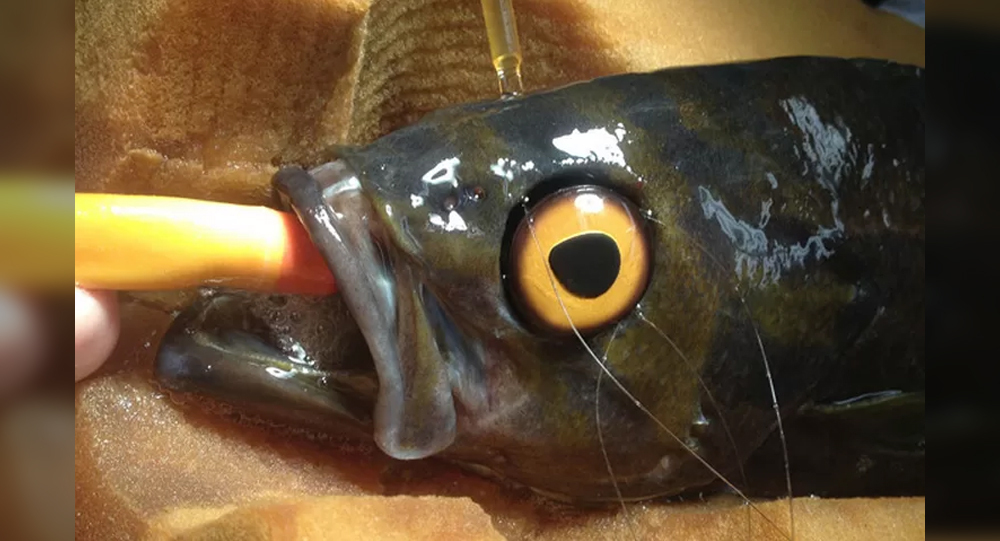
A one-eyed Vancouver fish receives a fake eye so that other fish will not bully him
A fish whose eye was removed due to cataract was bullied by other fish at the Vancouver Aquarium. So the vets fitted the fish with a prosthetic eye to fool the other fishes.
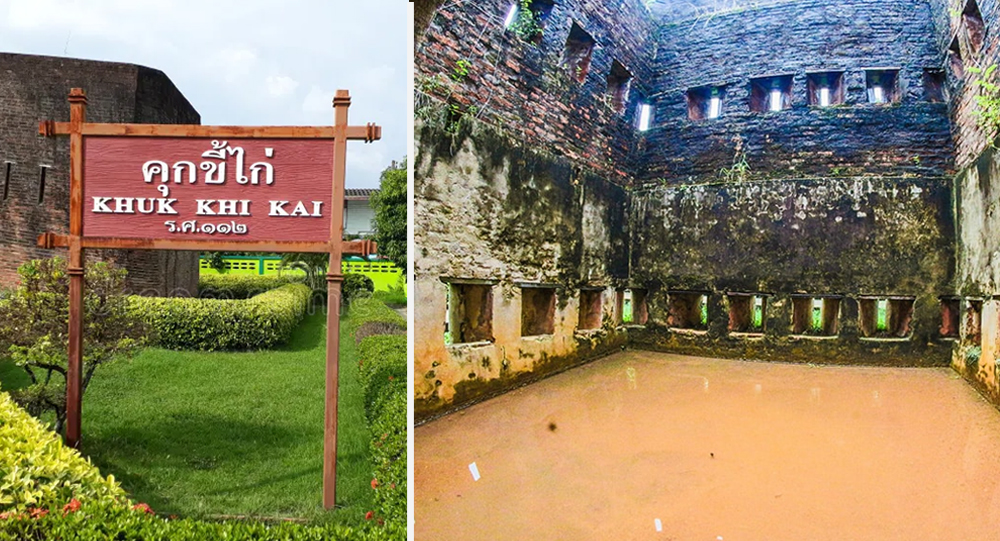
Khuk Khi Kai: Thailand’s Infamous “Chicken Poop Prison” and Its Gruesome Legacy
Thailand used to have a prison called "Khuk Khi Kai," or "Chicken poop prison." The first floor of the prison contained prisoners, and the second floor was a large chicken coop. The grated floor ensured that prisoners were constantly subjected to chicken poop.
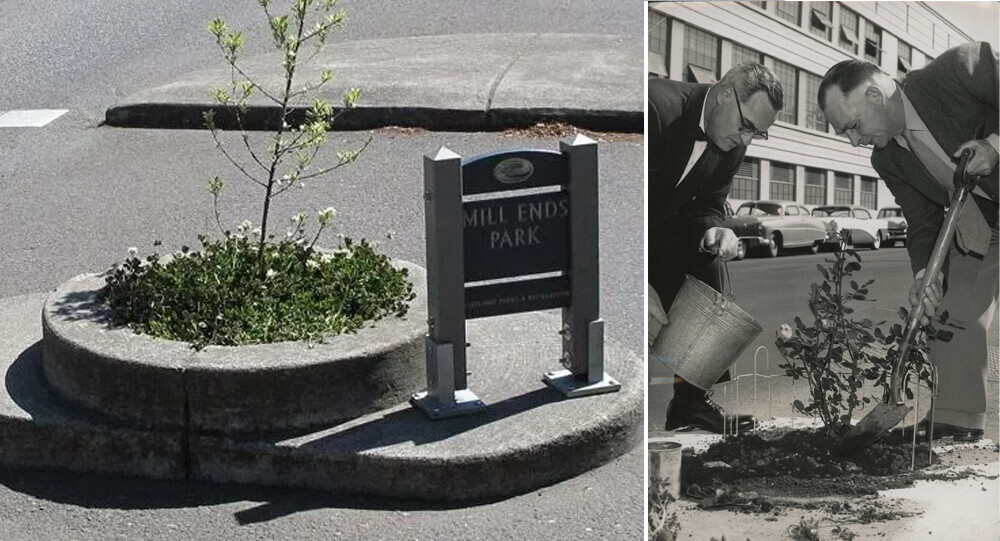
Mill Ends Park, the Smallest Park in the World
Portland, Oregon is home to the tiniest park in the world, a two-foot-diameter circle. Mill End Park is the name of this park.

Thousands of Rare "Ice Eggs" Blanket Finnish Beach in Spectacular Natural Phenomenon
Thousands of ice balls recently covered a beach in Finland, a rare phenomenon caused by wind and waves sculpting pieces of ice into smooth spheres. These "ice eggs" can vary in size from chicken eggs to soccer balls and have also been spotted in other cold regions globally.

The 1814 London beer flood
In 1814, there was a beer flood in London when a tank containing more than 300,000 gallons ruptured in which 8 people drowned.
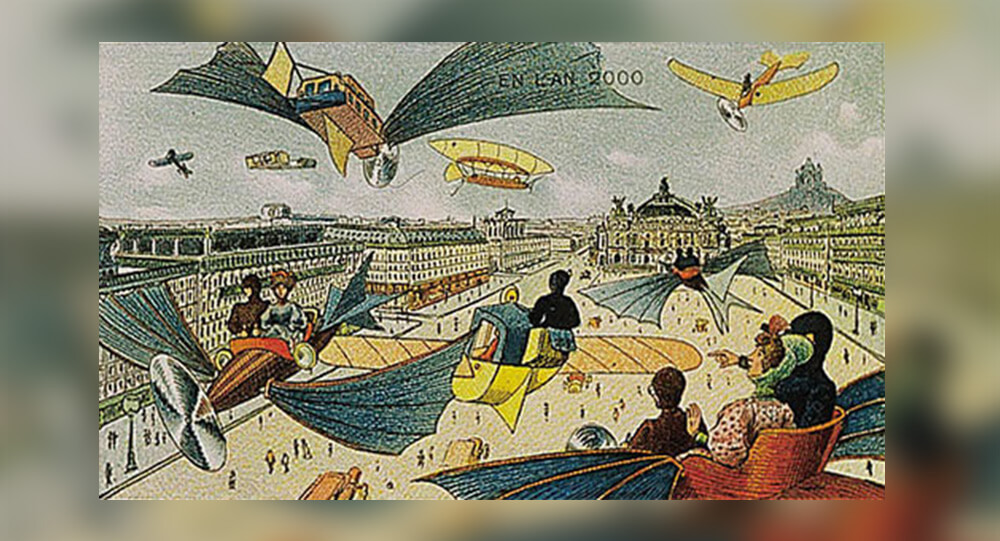
the world from someone predicting 2000 from a guy in 1910
Villemard, a French artist, illustrated how he imagined the future would be in the year 2000 in 1910.

Chocolate Rain in Switzerland: How a Factory Malfunction Turned Olten Into a Sweet Spectacle
In 2020, chocolate 'rained' from the sky in a town in Switzerland. This incident was caused by a ventilation system malfunction at a chocolate factory in Olten. Strong winds then carried the snow-like cocoa powder and spread it around in the immediate vicinity of the factory, covering cars and other things in chocolate.

Belgian Woman Banned from Zoo After 4-Year Affair with Chimpanzee
A Belgian woman was banned from the zoo after having an affair with a chimp.
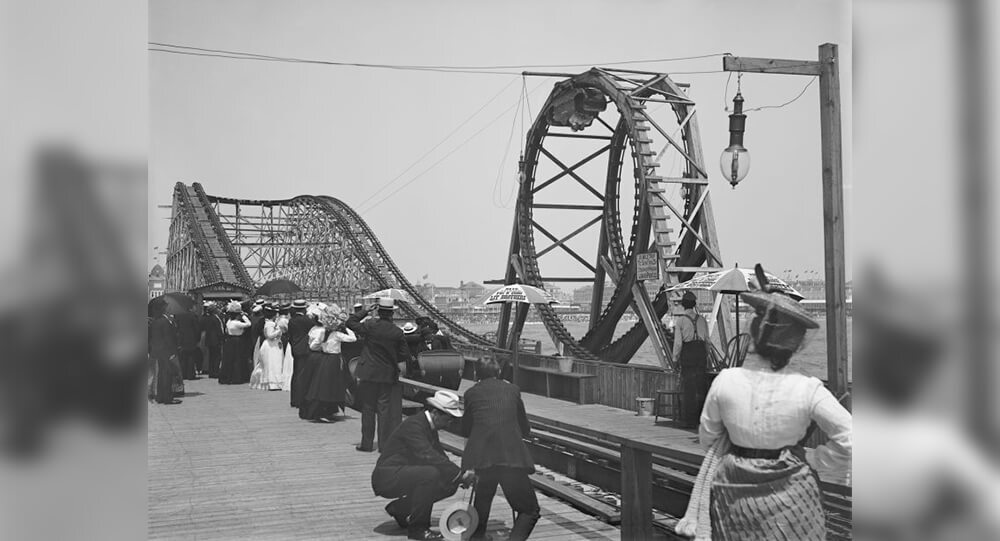
Roller Coasters were First Invented to Distract People from sin
Roller coasters were invented to distract Americans from sin. In the 1880s, hosiery businessman LaMarcus Thompson didn’t like that Americans were going to places like saloons and brothels and created the first roller coaster on Coney Island to persuade them to go there instead.
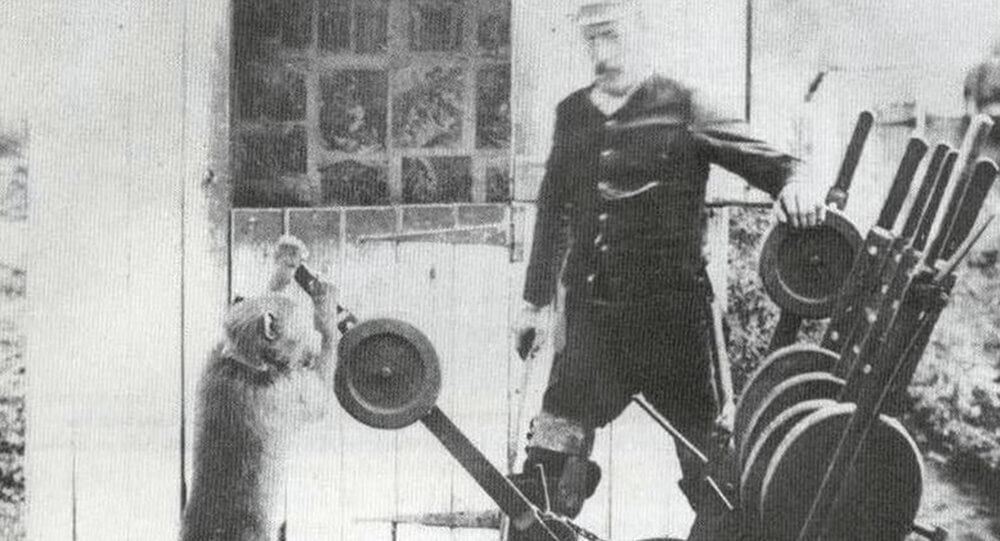
Jack the Baboon operated a railroad, earned a living, and never made a mistake
A baboon worked as a signalman for the railroad in the late 1800s. He never made a mistake and worked for the railroad until the day he died.
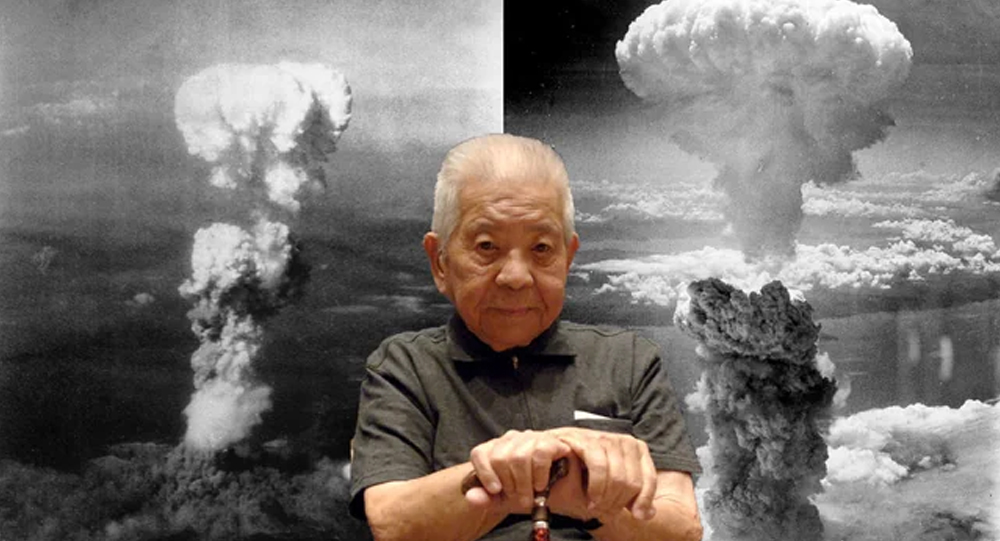
The Story of Tsutomu Yamaguchi: The Man Who Survived Both Atomic Bombs
Tsutomu Yamaguchi’s story is one of astonishing survival and resilience. In August 1945, while on a business trip in Hiroshima, he endured the catastrophic atomic bombing and, unbelievably, survived to return to his home city of Nagasaki—only to face a second atomic attack days later. Officially recognized as the only person to survive both bombings, Yamaguchi’s life is a powerful testament to human courage, hope, and the devastating impact of nuclear warfare.

The Astonishing Case of Sanju Bhagat: Living with a Twin Inside Him for 36 Years
Sanju Bhagat, an Indian farmer, lived with an undiagnosed parasitic twin inside his abdomen for 36 years. In 1999, doctors discovered the twin during surgery. This rare condition, fetus in fetu, occurs when a malformed twin is absorbed during pregnancy, surviving within the host sibling's body.

Story of Peng Shuilin: Man with only half a body
We have a habit of whining in our daily lives. We never seem to be pleased with the things we have in life. "I want to be skinny," fat people say, "I want to be fat," slim people say. Poor people aspire to be wealthy, and wealthy people are never satisfied with their status. Everywhere we go, we're whining. Can you image how a man would want to live if he didn't have any legs or bums at all?
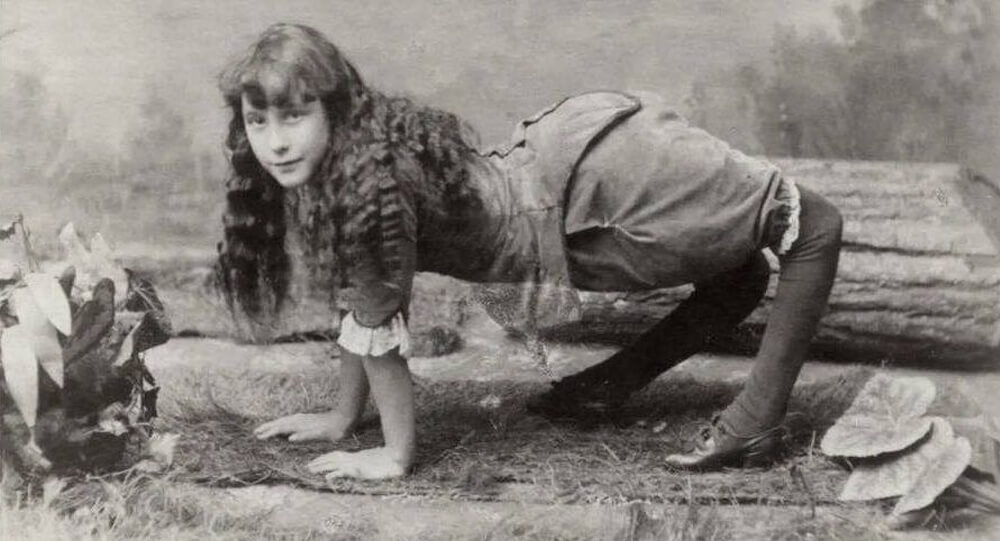
The Heartbreaking Story Of Ella Harper, The ‘Camel Girl’
Ella Harper, Professionally known as the “Camel Girl” was born with a rare orthopedic condition that cased her knee to bend backward. Due to this condition, had to walked on all four legs, which resulted in her nickname as “Camel Girl”. Tough it was hard at first, but soon she made a fortune out of it.
![[solved] “macaroni mystery”, 500 pounds of pasta dumped in new jersey](https://weeklyrecess.com/wp-content/uploads/2024/05/Macaroni-Mystery-cover.jpg)
[solved] “macaroni mystery”, 500 pounds of pasta dumped in new jersey
In April 2023, Old Bridge, New Jersey, faced a peculiar 'Macaroni Mystery' when 500 pounds of pasta were mysteriously dumped in the woods.

Japan’s Chicken-Flavored Ice Cream: The Bold Fusion of Sweet Vanilla and Real Grilled Chicken
A Japanese company once created chicken-flavored ice cream using real grilled chicken bits mixed into vanilla. It combined sweet and savory in a way few dared try, but it drew curiosity from foodies seeking extreme culinary experiences.