
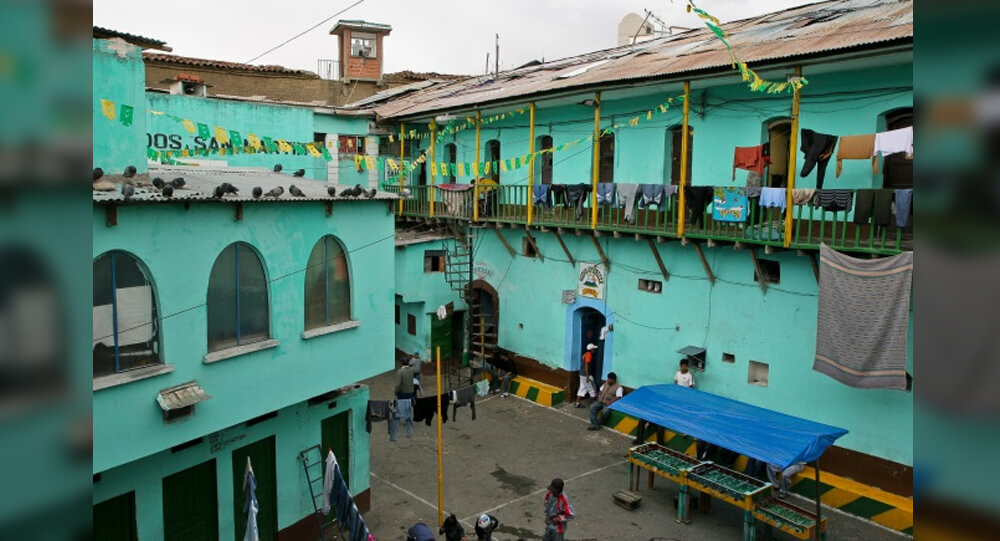
Welcome to San Pedro, the world’s strangest prison. It takes up an entire city block in the heart of La Paz and faces a lovely plaza. Everything appears normal from the outside. When you look around the lush plaza, you will see old men sitting on benches feeding pigeons and colorfully dressed indigenous women standing by carts pressing orange juice. Police officers in green uniforms are slouched against the 15-meter-high yellow wall at the entrance to the prison. The madness doesn’t start until you pass through the massive iron gates. The sights that welcome you inside are representative of a typical Bolivian street scene. Men socialize while moving about. Women may roast meat on gas stoves or carry food sacks. Little girls are playing hopscotch and laughing. Shoe shiners are young boys. Under tables, unkempt cats and malnourished dogs snooze. Coca-Cola logos are painted on the walls. Nobody has on a uniform. And not a single guard can be seen. Is this really a prison for men?
Churches, market stalls, and restaurants can be found by taking a stroll through the maze of corridors. You can see classrooms, a gym, a pool hall, and small businesses as you ascend rickety wooden staircases. Even a football field and childcare facility are present. Why is there a place here that is more like a city within a city than a prison?
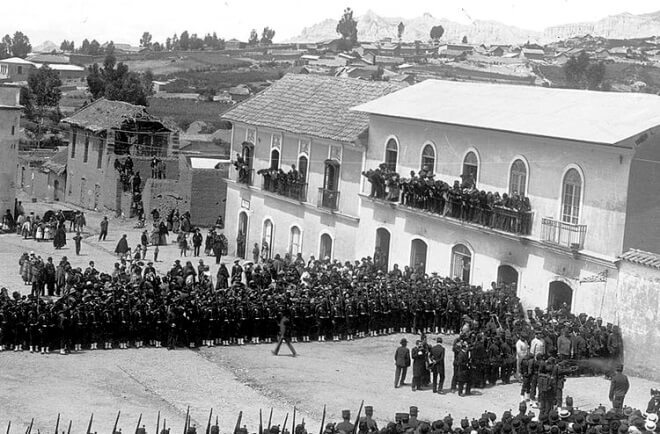
Plans for San Pedro were created in 1850 as a result of an architectural competition. However, the winning design wasn’t built until 1895 due to a lack of funding. 250 prisoners were supposed to live there. It now houses up to 2,000 men, the majority of whom were convicted as a result of the “war on drugs.” This led to severe overcrowding but did nothing to address the underlying issue, which was a lack of funding.
The most impoverished nation in South America is Bolivia. Its police and government are well known for being corrupt. In the majority of federal prisons, inmates get no more than a bowl of bland soup per day. As a result, San Pedro inmates manage the prison on their own and function as a separate community. They have created laws, a political structure, penalties, and a highly developed economy.
San Pedro is comparable to a hotel in terms of prisons. Its convenient location makes visiting with family simple. The conditions are much more relaxed than in other “US-style” prisons like Chonchocoro because it is a minimum-security facility. As a result, San Pedro is very popular.
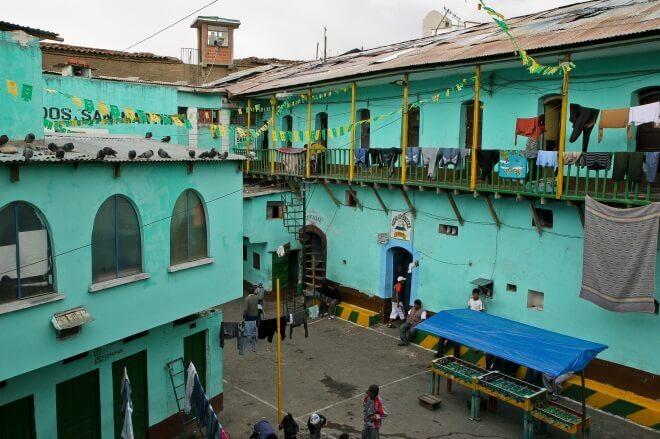
New prisoners must buy their own cells, to which they are given the key. With a departing prisoner, a price is negotiated in US dollars. After signing a sale-purchase agreement, an official property title deed is created.
Each cell is unique. Prices vary depending on location, size, and quality. The eight sections—which resemble tiny suburbs—are rated using a system akin to that used by hotels. Rich inmates reside in the five-star section in roomy, carpeted, furnished quarters with en-suite bathrooms and city views. These “cells” cost up to US$30,000 to buy, and they resemble luxurious apartments. In contrast, filthy one-star sections have up to five men crammed into cheap, tiny hovels called “coffins,” which are called that because they only cost a few hundred dollars.
Even new cells can be built or renovated by the very wealthy. The size of his cell didn’t sit well with Bolivia’s most notorious trafficker, “Red Beard,” who had been apprehended with 4.2 tonnes of cocaine in his own plane. He, therefore, added a second story. Additionally, he installed cable television. A politician I met there had a huge library and a jacuzzi in each of his rooms.
“San Pedro inmates run the prison themselves, functioning as an independent community. They have developed rules, a political system, and punishments, as well as a highly sophisticated economy”
You can rent if you are unable to purchase. In fact, wealthy inmates often buy up ‘properties’ as investments. Finally, a bill for the water and electricity they used is given to them at the conclusion of their “stay.” If it weren’t so gravely serious, this could all seem like a silly Monopoly game. One of the world’s highest cities, La Paz is located 3,600 meters above sea level. Temperatures drop significantly at night, so you don’t want to be without a cell. As a result, numerous prisoners have died from exposure.
Inmates must pay for more than just housing; they must also buy food, clothing, and medicine. They must therefore work in order to survive. Running errands, shining shoes, selling phone cards, doing laundry, serving customers, managing small businesses, and even selling handmade goods are among them.
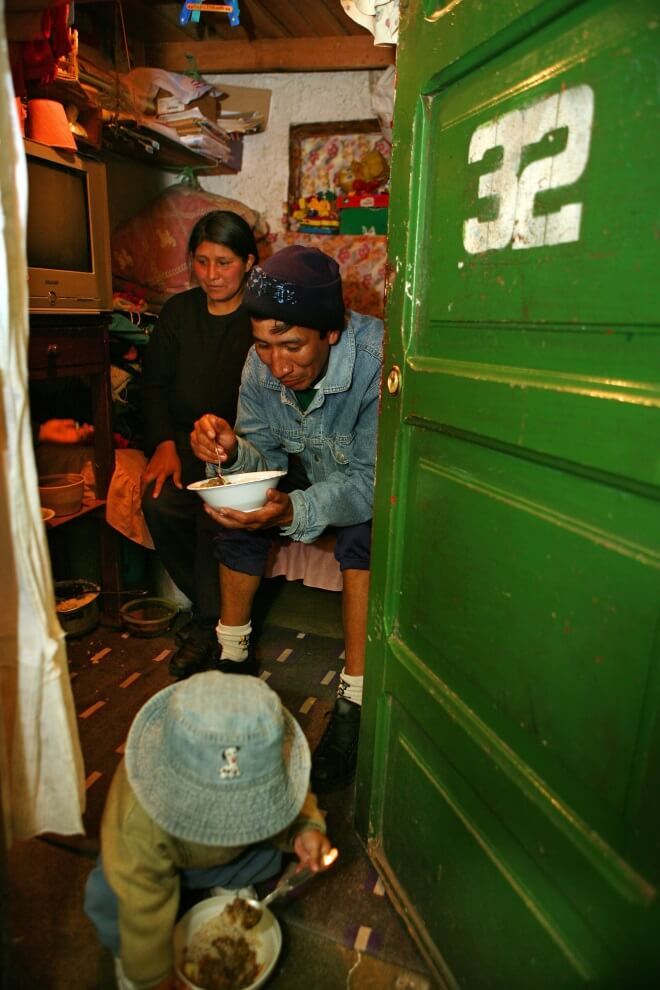
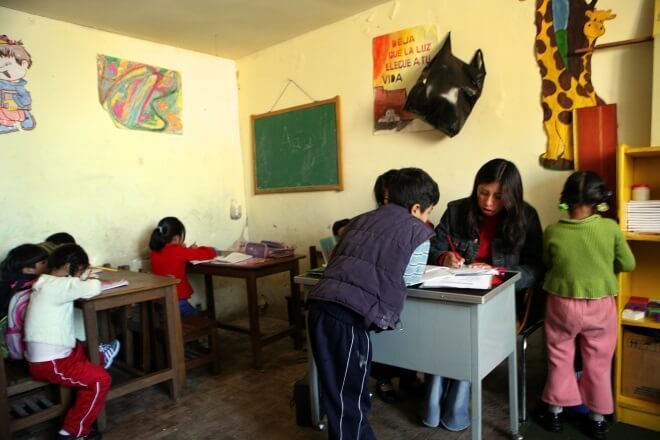
The government permits the inmates’ wives, girlfriends, and children (approximately 2,103 children according to a recent government survey) to reside inside the prison as a gesture of goodwill toward their difficult circumstances. Every morning, crowds of kids leave for school wearing their uniforms and carrying their backpacks. They go back to their fathers’ cells in the afternoon to finish their homework. Since inmates maintain contact with their families and the outside world, the government touts this as a progressive policy. Work requirements and personal accountability help with rehabilitation and reduce the likelihood that an offender will later commit another crime. San Pedro is not exceptional in this way. Families are permitted inside prisons in Bolivia and some other South American nations. A successful example is a women-only prison at Obrajes in southern La Paz, which has strict rules, little violence, and tight-knit inmates.
But what about the children and women? They haven’t done anything wrong, but they still behave and live like criminals. Are they not in peril? Most prisoners show great respect for the women and kids. When two prisoners are fighting, onlookers will yell “io!” if a child passes by. (denoting “child”) When the child has passed away, the fighters will pause and hold their positions before starting again.
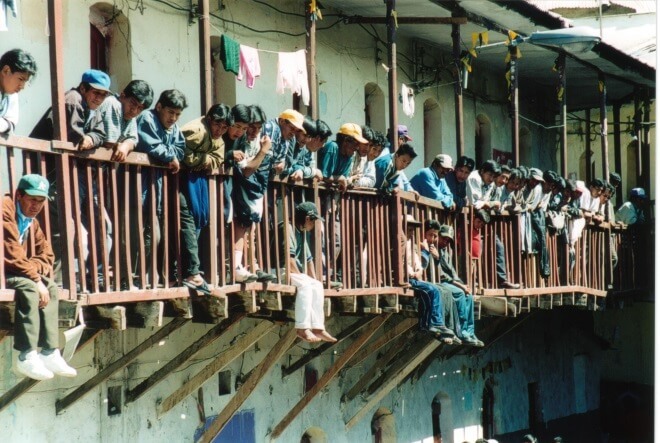

However, protecting kids doesn’t make all threats go away. In San Pedro, drug use is widespread. Bolivia is the third-largest producer of cocaine in the world, and most of its prisoners are there for drug-related offenses like manufacturing, trafficking, and smuggling. Once inside, they have the know-how and connections to carry on with their business. Because of this, cocaine in the prison is less expensive and purer than anywhere else. Numerous prisoners are dependent on cocaine, which makes them aggressive and unpredictable. It happens frequently to get stabbed. The Don’t Imprison My Childhood campaign aimed to get the kids taken out of the situation because it is not a place where a child should grow up. The kids were allowed to stay, but the prisoners rose up in revolt.
“On and off over the past two decades, enterprising English-speaking inmates have conducted tours of San Pedro. Tourists can buy handicrafts, sample the local cuisine at restaurants, or simply chat with inmates and their families”
It’s a difficult problem with no simple answer. On the one hand, the families remain together, the prisoners are content, and these kids could potentially have much worse circumstances outside, such as living on the streets. On the other hand, they mix with murderers and drug addicts. Or, more concerningly, sexual offenders, for whom inmates have created their own defense mechanism. A 2-meter-deep “swimming pool” called la piscina is used to electrocute, beat, stomp on, and electrocute anyone suspected of committing sex offenses. True harsh justice. But the alternative is just as abhorrent.
A 12-year-old girl in San Pedro was discovered to be pregnant in a shocking incident that made international headlines in 2013. Authorities believed her father and uncle had sexually assaulted her repeatedly over a five-year period. San Pedro will be shut down in three months, according to the prisons minister.
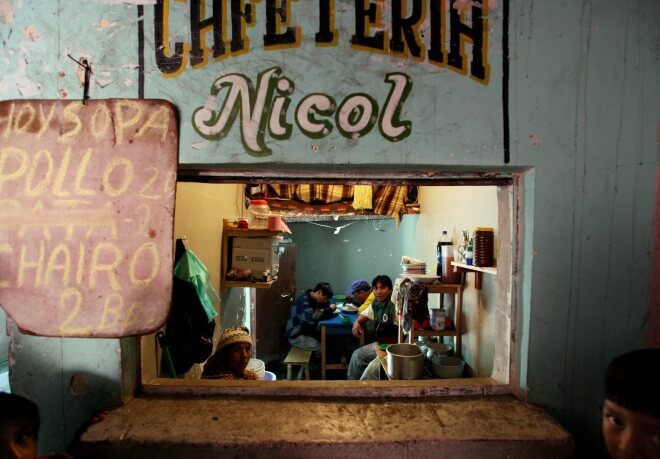
Unusual visitors are not limited to women and children. Over the past 20 years, English-speaking inmates have occasionally given tours of San Pedro. Thomas McFadden, a British prisoner of African descent who was caught attempting to smuggle 5 kilograms of cocaine through the airport, started them. McFadden, who was illiterate in Spanish and was penniless, hit upon the profitable notion of charging travelers to see him. Tourists would pay $5, leave their passports with security as collateral, and then, escorted by McFadden and his bodyguards, spend an hour navigating the maze of corridors.
Visitors could purchase handicrafts, dine at local eateries, or simply strike up a conversation with prisoners and their families. For the less fortunate inmates, they frequently brought in much-needed food, clothing, and medical supplies. Tourists with more courage could even spend the night for an extra $5.
“With every newspaper scandal, locals shake their heads and roll their eyes, in a mixture of disgust and bemusement. To them, San Pedro is like a tragic soap opera, stuck on repeat, unlikely to ever change. And they’re probably right”
San Pedro, according to many travelers, was less expensive than a hostel. McFadden’s parties could go on for days if you include alcohol and pure cocaine. The notorious Prisoners’ Day Party, which takes place every September, is the year’s rowdiest event. Each section hires a rock band to perform ballads from Bolivia while attractive women in skimpy attire parade around on stages.
At its height, McFadden’s tours attracted up to 70 visitors each day. San Pedro gained so much acclaim that the Lonely Planet travel guide referred to it as “the world’s most bizarre tourist attraction.” The government refuted the existence of these “illegal tours.” However, they were forced to formally outlaw the tours and take action against drug use and corruption as a result of media exposés and online tourist videos.
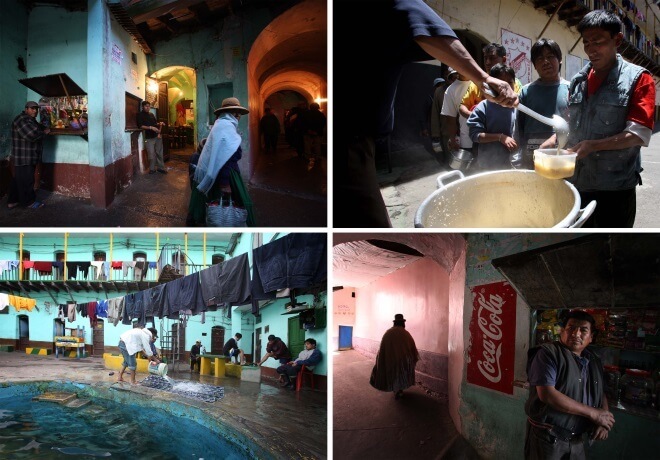
Locals shake their heads and roll their eyes in a mixture of disgust and amusement with every newspaper scandal – cocaine sales, prostitution, prison tourism, murders, police criminality, and child rape. They see San Pedro as a tragic soap opera that is perpetually replaying and unlikely to ever change. They are most likely correct.
San Pedro is still open five years after the rape of a young girl. The status quo is in place. There is still cocaine available. Simply put, the tours have moved outside. As part of a “City Walking Tour,” hundreds of tourists pause each day in the plaza to marvel and snap “selfies” in front of the main gates. A few unlucky individuals occasionally succeed in eluding the dishonest guards and passing a few hours or even a night inside.


Japan’s Chicken-Flavored Ice Cream: The Bold Fusion of Sweet Vanilla and Real Grilled Chicken
A Japanese company once created chicken-flavored ice cream using real grilled chicken bits mixed into vanilla. It combined sweet and savory in a way few dared try, but it drew curiosity from foodies seeking extreme culinary experiences.


This Yogi Spent 76 Years Without Eating or Drinking Anything and Confirmed by
Prahlad Jani, the starving monk who lived 76 Years without food and water.

Brazilian gang leader attempts to escape from Rio de Janeiro prison by dressing up as his daughter
In 2019, a Brazilian gang leader tried to escape from prison by dressing up as his daughter when she visited him behind bars and walking out of the penitentiary's main door in her place.
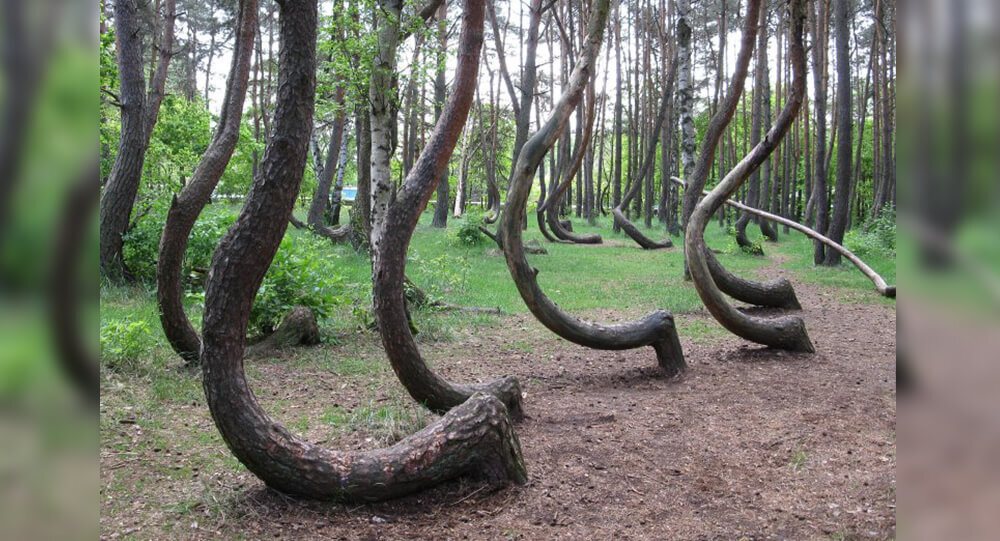
Poland's Krzywy: The Mysteries of the Crooked trees
In Poland, there is a forest with 400 crooked trees that have a 90-degree bend at the base of their trunks. Despite of numerous possibilities, the real reason and how it evolved remain a mystery.

The Real-Life Sleeping Beauty: A Girl with Hypersomnia Syndrome
An Indonesian 17-year old teenager Siti Raisa Miranda or Echa, has a rare medical condition formally called Kleine-Levin syndrome (KLS) where she can sleep for days and weeks without being woken up. Echa was only 13 when she first slept for a week. She’s now 17, and her parents still need to feed her and change her clothes when she experiences the deep levels of grogginess.
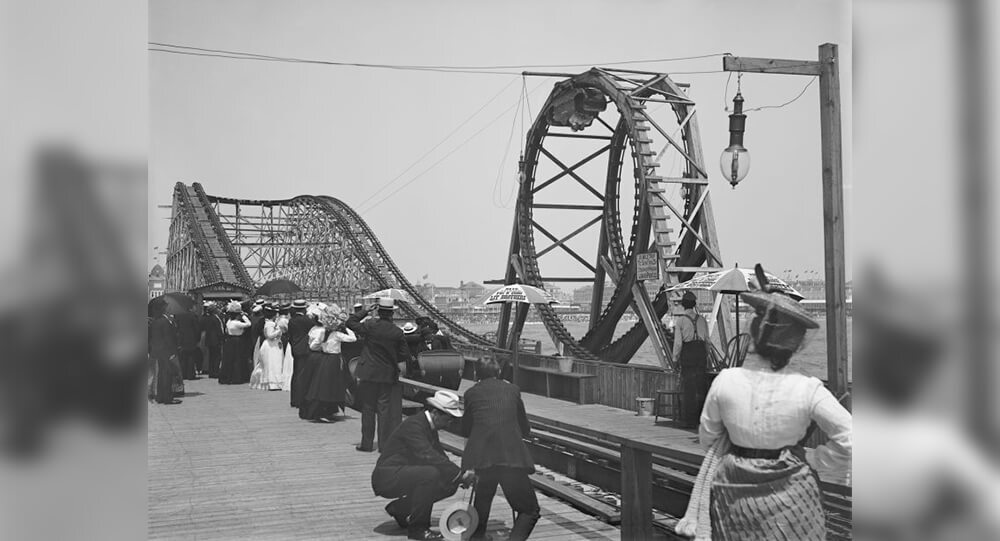
Roller Coasters were First Invented to Distract People from sin
Roller coasters were invented to distract Americans from sin. In the 1880s, hosiery businessman LaMarcus Thompson didn’t like that Americans were going to places like saloons and brothels and created the first roller coaster on Coney Island to persuade them to go there instead.

Max Headroom Incident: America’s Creepiest TV Hack
In 1987 a man hijacked a television station during an episode of Dr. Who and wore a Max Headroom mask and uttered nonsense, and he still hasn’t been caught

How a Canadian Man Traded a Red Paperclip for a Two-Story Farmhouse
In 2005, Canadian blogger and entrepreneur Kyle MacDonald embarked on an extraordinary journey that captured the world’s imagination. Starting with nothing more than a single red paperclip, Kyle pursued a year-long chain of strategic trades that escalated from small, quirky items to a two-story farmhouse in a small town in Saskatchewan. What began as a playful social experiment became a legendary story of creativity, perseverance, and the power of barter in the digital age.
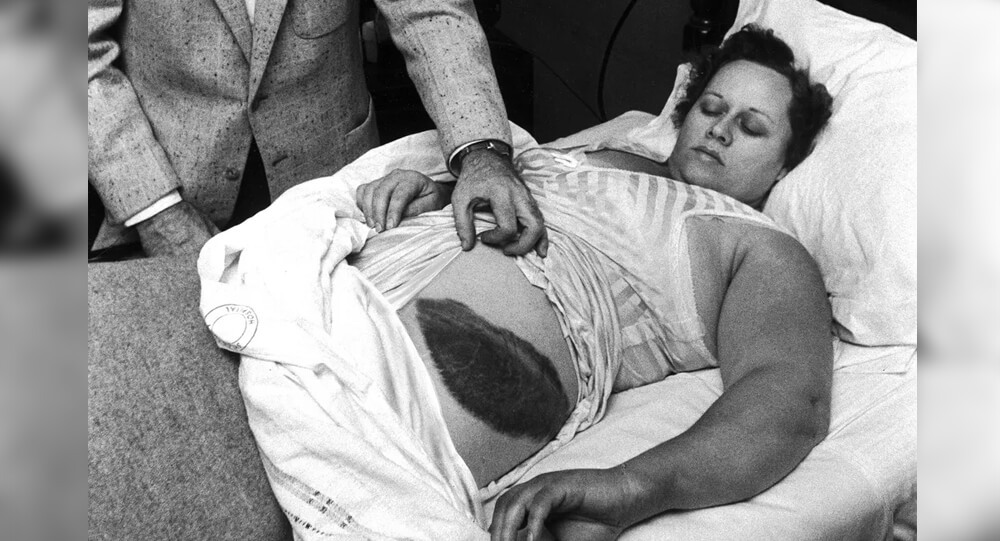
In 1954, an Extraterrestrial Bruiser Shocked This Alabama Woman.
In the year 1954, a grapefruit sized meteorite crashed through the roof of a farm house in Alabama, bounced off a large wooden console radio and hit Ann Hodges while she was napping on her couch. This was the first confirmed case of a person to be hit by a meteorite.

Domestic Flight Delay Caused by Live Snake on Board Leaves Passengers in Shock
A domestic flight was unexpectedly delayed for nearly two hours after a snake was discovered slithering inside the plane’s cargo hold. Thanks to the swift efforts of a professional snake catcher and airline staff, the reptile was safely removed without any harm to passengers, turning a potentially alarming situation into a story of caution and calm.
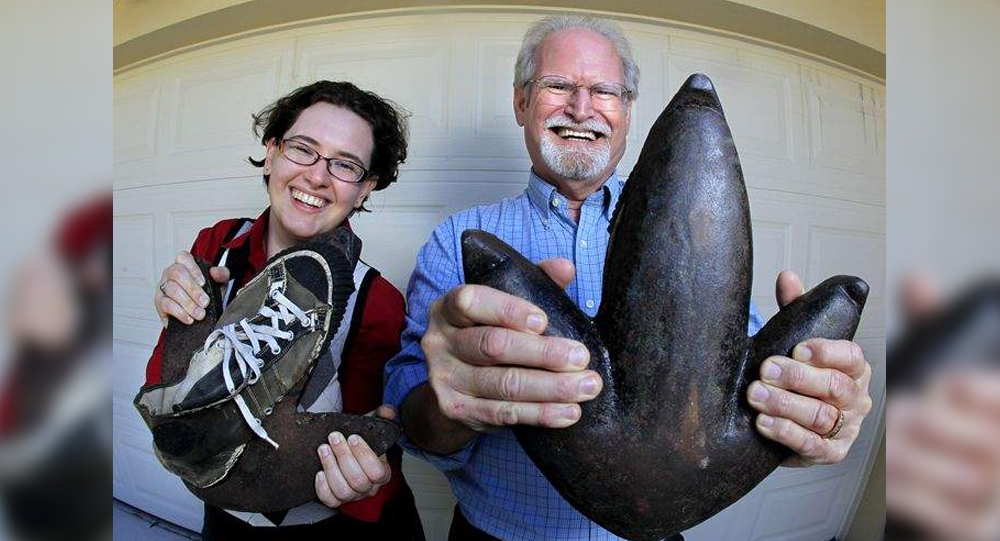
How a Man Fooled Florida with Fake Penguin Tracks for 10 Years
In 1948, Florida’s Clearwater Beach was the stage for one of the longest-running and most peculiar hoaxes in American folklore. Giant three-toed footprints appeared mysteriously in the sand, sparking rumor and fascination about a 15-foot-tall penguin roaming the shores. For a decade, locals and visitors alike speculated and scanned for the elusive creature, never realizing the truth: these tracks were made by a man wearing 30-pound lead shoes designed to imitate an enormous penguin's footprint. This article uncovers the details of this elaborate prank and its lasting legacy in Florida’s cryptic history.
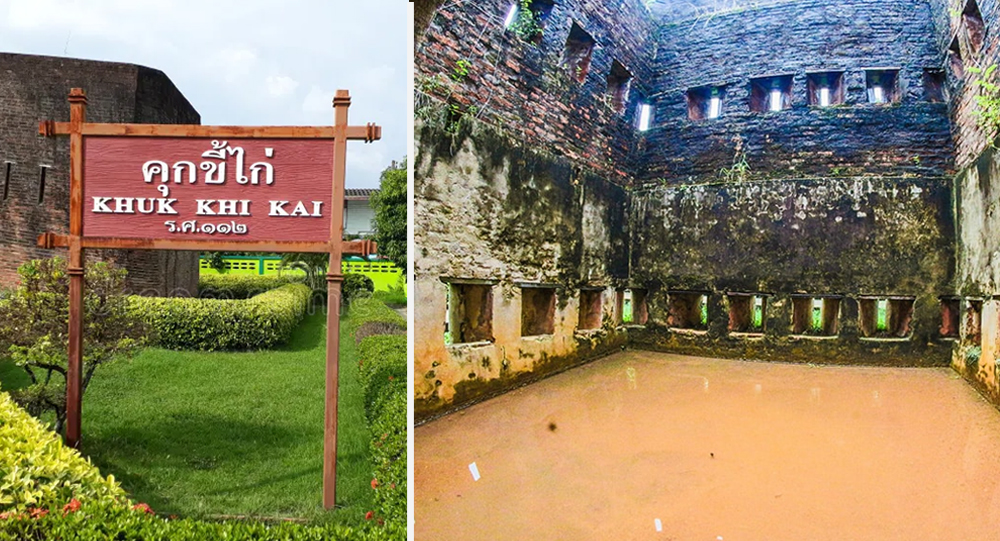
Khuk Khi Kai: Thailand’s Infamous “Chicken Poop Prison” and Its Gruesome Legacy
Thailand used to have a prison called "Khuk Khi Kai," or "Chicken poop prison." The first floor of the prison contained prisoners, and the second floor was a large chicken coop. The grated floor ensured that prisoners were constantly subjected to chicken poop.

Bruce Campbell converted a Boeing 727-200 into a home
In 1999, a man bought a Boeing 727-200 for $100,000 and uses it as his house, then spent another $120,000 moving it from the Hillsboro airport and setting it up on his undeveloped property.
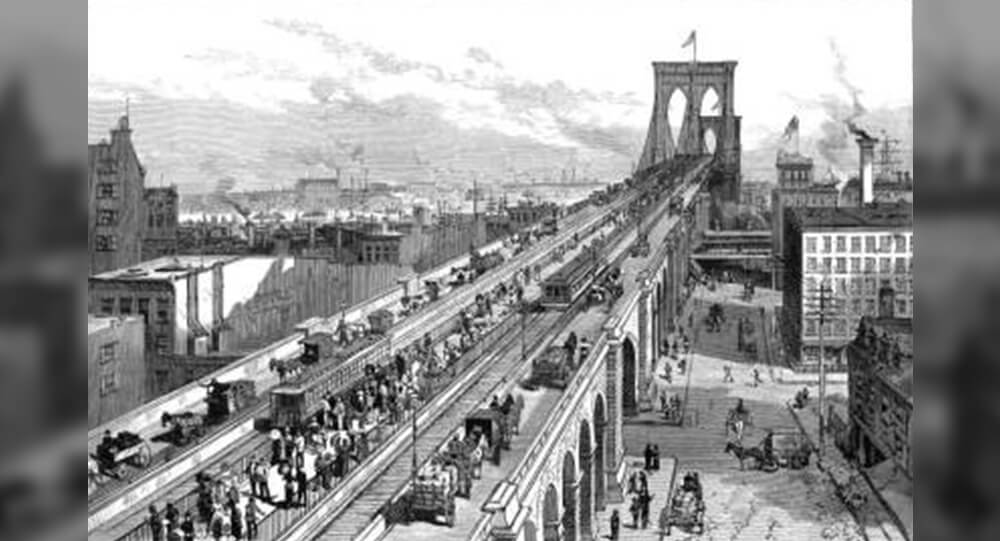
Why the Brooklyn Bridge Was Once Crossed by 17 Camels and 21 Elephants
On May 30, 1883, a rumor that the Brooklyn Bridge was going to collapse caused a stampede, which killed at least at twleve people. To prove the bridge was safe, P.T. Barnum led a parade of 21 elephants over it.

Mom Cries After Seeing Her Deceased Daughter in Virtual Reality
Jang Ji-Sung lost her 7-year-old daughter to haemochromatosis in 2017, a rare disorder in which the body absorbs too much iron. The two reunited through the use of virtual reality technology.

The story of a boy who claims to be on Mars: Boriska Kipriyanovich
Boriska Kipriyanovich, who lives in Volgograd, Russia, claims he lived on Mars before being resurrected on Earth on a mission to redeem humanity. What we know about him is as follows:
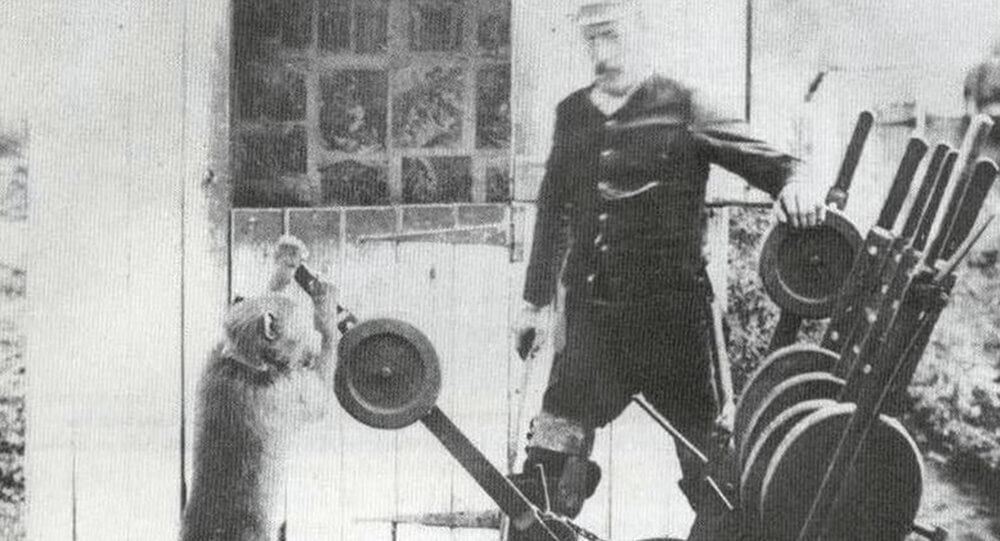
Jack the Baboon operated a railroad, earned a living, and never made a mistake
A baboon worked as a signalman for the railroad in the late 1800s. He never made a mistake and worked for the railroad until the day he died.

This Thai Wedding Tradition Happens 40 Feet Underwater
Each year in Trang, Thailand, dozens of couples participate in an underwater wedding ceremony while scuba diving in full gear. The ritual symbolizes deep love and has become a quirky tourist attraction held around Valentine’s Day.
![[solved] “macaroni mystery”, 500 pounds of pasta dumped in new jersey](https://weeklyrecess.com/wp-content/uploads/2024/05/Macaroni-Mystery-cover.jpg)
[solved] “macaroni mystery”, 500 pounds of pasta dumped in new jersey
In April 2023, Old Bridge, New Jersey, faced a peculiar 'Macaroni Mystery' when 500 pounds of pasta were mysteriously dumped in the woods.
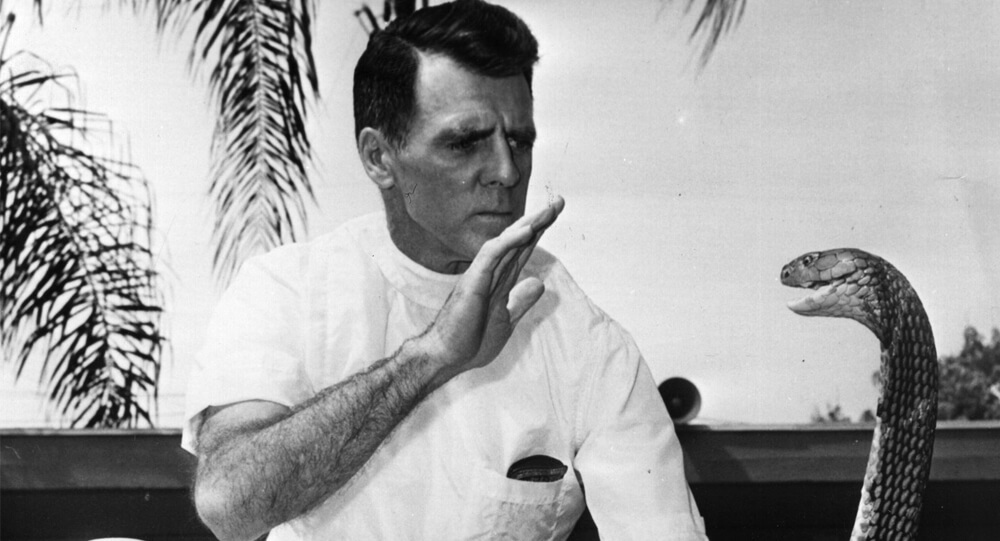
The story of Bill Haast, who lived to be 100 despite his extensive snake venom injections
Bill Haast immunized himself by injecting snake venom into his blood for several years. He holds the Guinness World Record for surviving the most lethal snake bites, having been bitten over 172 times. Bill became known as "Snake Man" around the world and lived for over 100 years.
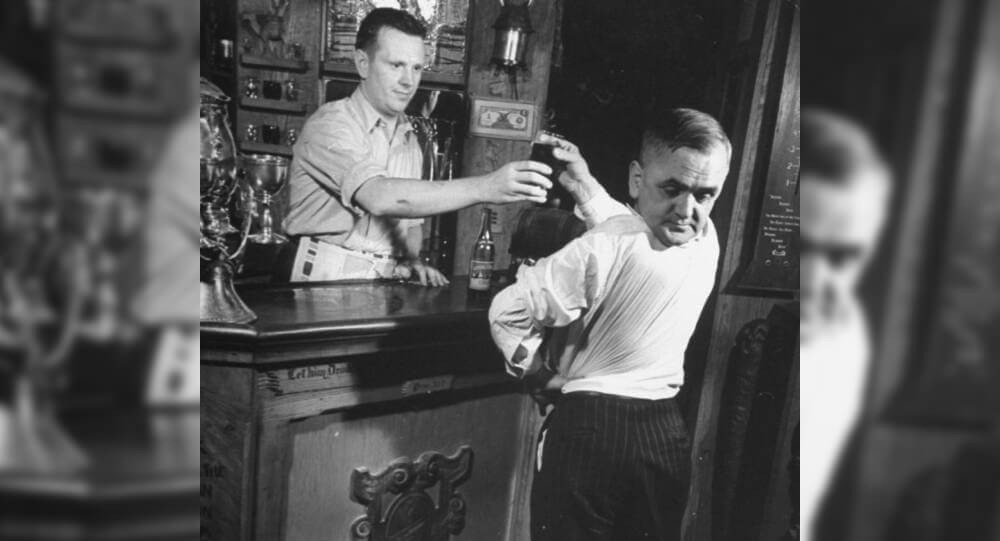
The Incredible Story of Martin Laurello, The Sideshow Performer With The Revolving Head
Martin Laurello was also known as 'The human owl'. He was born with the ability to turn his head a full 180 degree.
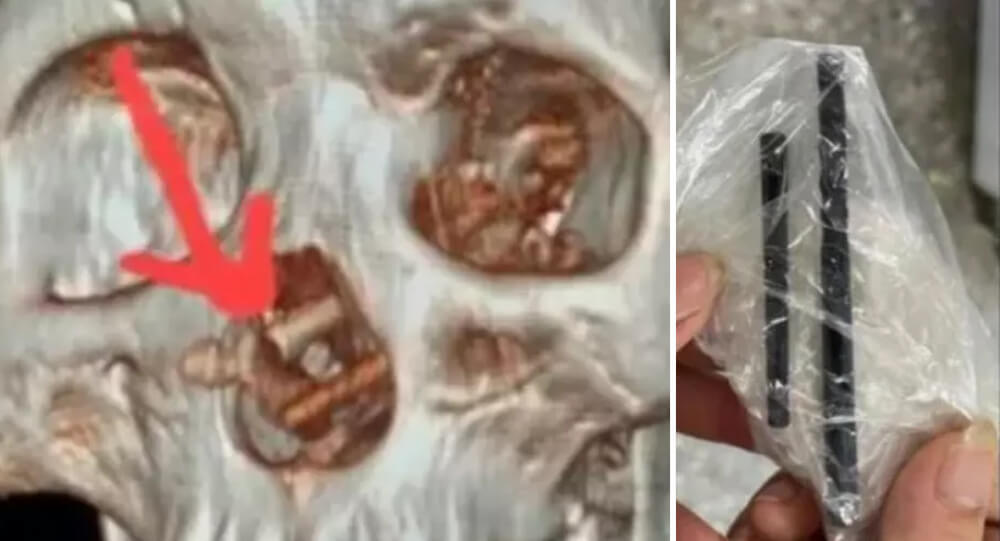
A man who has been suffering from headaches for nearly six months discovers chopsticks lodged in his brain
When it was discovered that a Vietnamese man with headaches and vision problems had chopsticks lodged in his brain, the doctors were almost as surprised as the man himself.

The Miracle Baby: Nigerian Couple in the UK Welcomes a Rare Blonde, Blue-Eyed Child
A black, Nigerian couple living in the U.K. gave birth to a white, blonde, blue-eyed baby that they call the "miracle baby."

The Google Maps Discovery: the Mystery of William Moldt's Disappearance
In 2019, Google Maps helped solve the decades-old mystery of William Moldt, who disappeared in 1997. A former resident spotted his submerged car in a retention pond while using Google Earth. The vehicle, visible since 2007, contained Moldt's skeletal remains, providing closure to his case.

Thousands of Rare "Ice Eggs" Blanket Finnish Beach in Spectacular Natural Phenomenon
Thousands of ice balls recently covered a beach in Finland, a rare phenomenon caused by wind and waves sculpting pieces of ice into smooth spheres. These "ice eggs" can vary in size from chicken eggs to soccer balls and have also been spotted in other cold regions globally.