
A young woman in India received arms from a darker-skinned male donor after losing both of her hands in a bus accident. Her transplanted hands’ skin has faded with time.
Shreya Siddanagowder, had her arms amputated below the elbow after an accident in 2016. According to The Indian Express, she underwent a 13-hour transplant operation in 2017 by a team of 20 doctors and 16 anesthesiologists.
Her new hands were donated by a 21-year-old guy who died in a bicycle accident. Physical treatment improved Siddanagowder’s motor control of her arms and hands over the next year and a half, and they gradually became slimmer than they were before the transplant. According to The Indian Express, there was another unexpected change: the skin on her new limbs, which had been darker since the donor had a darker complexion, became lighter in color, more nearly matching Siddanagowder’s skin tone.
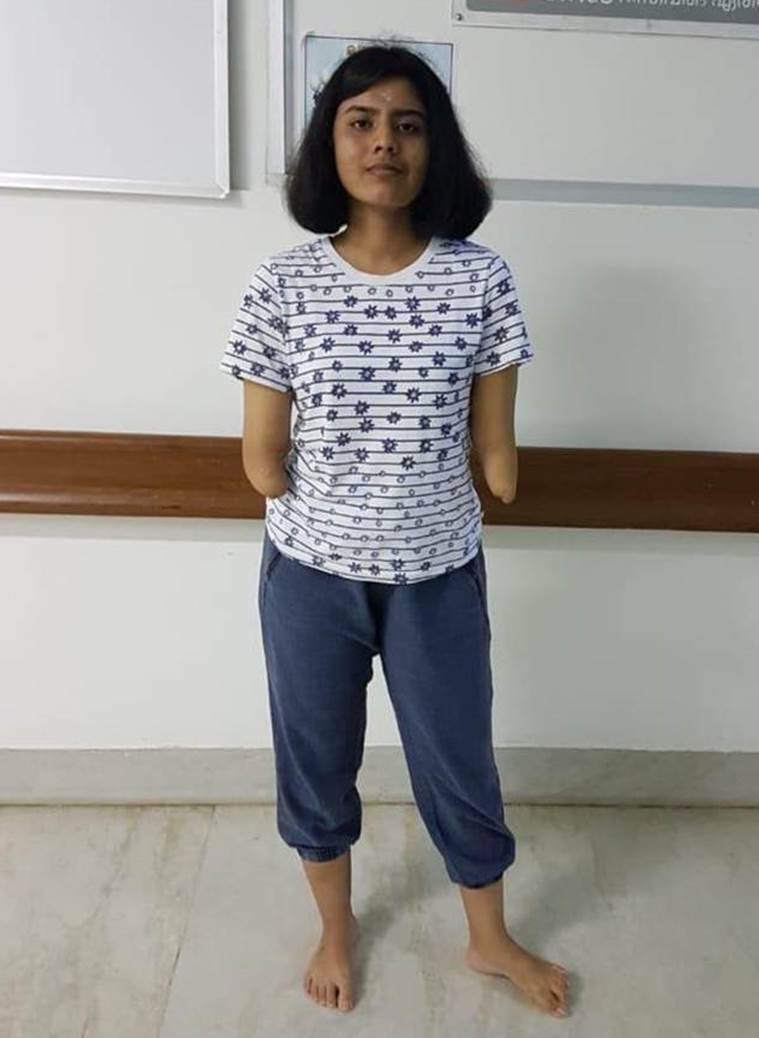
Siddanagowder’s physicians believe her body generates less melanin than her donor’s, which could explain why her new arms are lighter (melanin is a pigment that lends skin its color). Dr. Uday Khopkar, head of dermatology at King Edward Memorial Hospital in Mumbai, told The Indian Express that more research is needed to determine the cause.
According to the Mayo Clinic, candidates for hand transplants go through months of evaluations and discussions. Experts examine the patient’s overall health, including blood tests, X-rays, and nerve function in amputated limbs. According to the Mayo Clinic, eligible applicants are placed on a waiting list and matched with hand donors based on variables such as skin color, hand size, and blood type.

Siddanagowder’s visit to the Manipal Institute of Technology’s transplant department in Karnataka, India, to register for a transplant coincided with a matching blood type hand donation. According to The Indian Express, her surgery was Asia’s first double hand transplant as well as the continent’s first intergender limb transplant.
“I am the first female in the world to have male hands,” Siddanagowder claimed in a video posted on Facebook by the MOHAN Foundation in June 2019, a charity nongovernmental organization that promotes pioneering research in transplantation and organ donation in India.
However, her hands “have feminine features now,” Siddanagowder added.
Slimmer and lighter
According to physiotherapist Ketaki Doke, who worked with Siddanagowder in her hometown of Pune, one explanation for her hands taking on a more “feminine” form could be the muscles adapting to their new host.
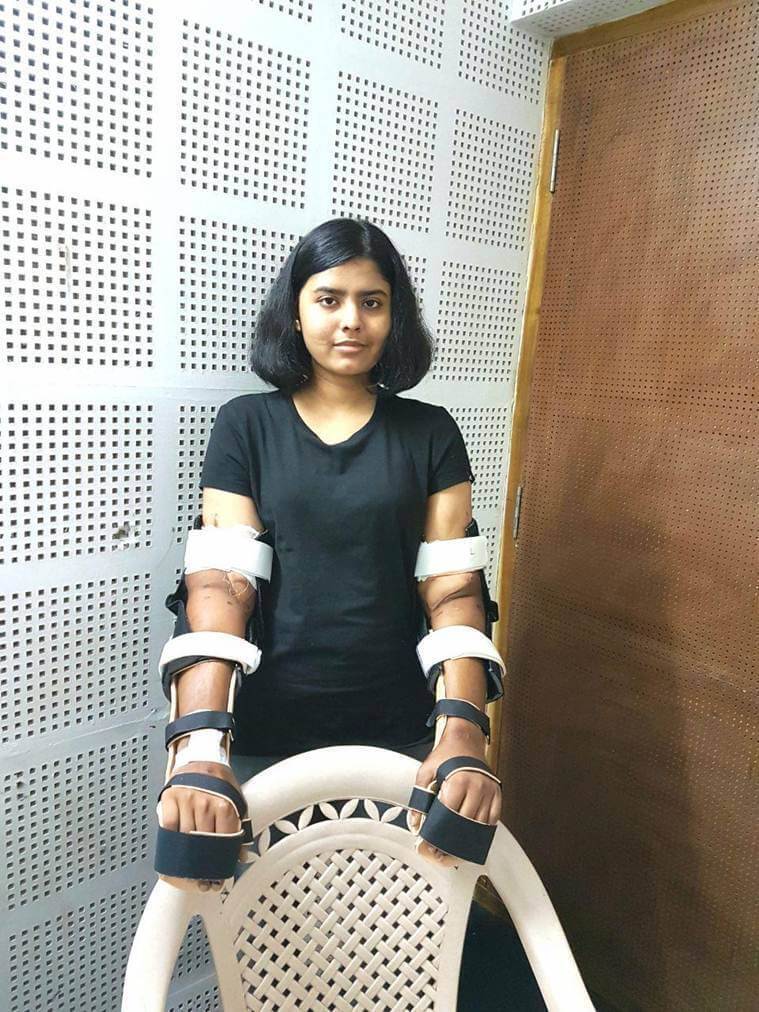
“The nerve starts sending messages — this is called reinnervation — and the muscles respond to the body’s needs,” Doke explained. “Her hand muscles may have begun to adapt to a feminine physique.”
Siddanagowder rolled up her left sleeve in the video to show where the transplanted forearm joined her arm, remarking that the forearm’s formerly darker tone had lightened since the transplant in 2017.
“Now it matches my own skin color,” she said.
According to Johns Hopkins Medicine in Baltimore, just about 100 people have had their hands transplanted worldwide. According to Dr. Subramania Iyer, head of plastic and reconstructive surgery at the Amrita Institute of Medical Sciences in Kerala, India, Siddanagowder’s doctors are monitoring the changes in her hands’ skin color and shape, and they plan to publish the details of her transplant and recovery in a case report.
Iyer told The Indian Express that further evidence is needed to figure out what is causing these changes in her transplanted hands.

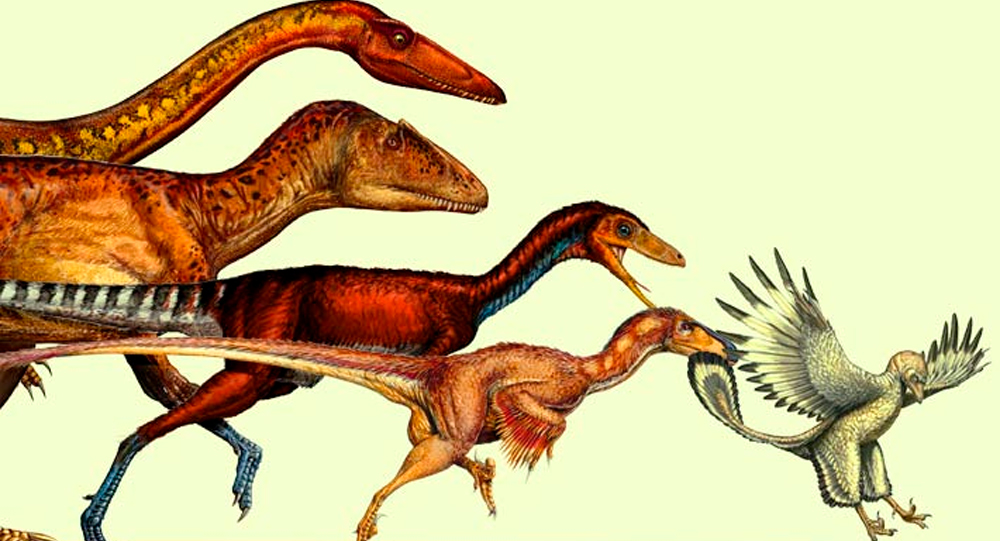
The Evolution of Flight: From Dinosaurs to Birds – A Journey Through Time and Science
Flight is one of nature’s most remarkable adaptations, but its origins trace back millions of years before modern birds took to the skies. Emerging from theropod dinosaurs during the Jurassic period, birds evolved feathers, wings, and lightweight bodies that enabled powered flight. This detailed narrative explores the fascinating evolutionary path from ground-dwelling dinosaurs to the aerial masters of today, blending science, intriguing fossil finds, and surprising trivia about our feathered ancestors.


The Giant Mirrors Brought Sunlight to Rjukan
Due to the steep mountains that surround it, the town of Rjukan, Norway, doesn't receive any natural sunlight from September to March. They placed large mirrors in the town square to reflect light. The mirror follows the path of the sun and moves every 10 seconds to create a 600m squared light pool.

What makes bananas radioactive?
Yes, It is true that bananas contain radioactive substances. But the same can be said for spinach, potatoes, oranges, Brazil nuts, kitten litter, granite counter tops, even the air you breathe! Radioactivity is unavoidable and all around us. So, what exactly is it?
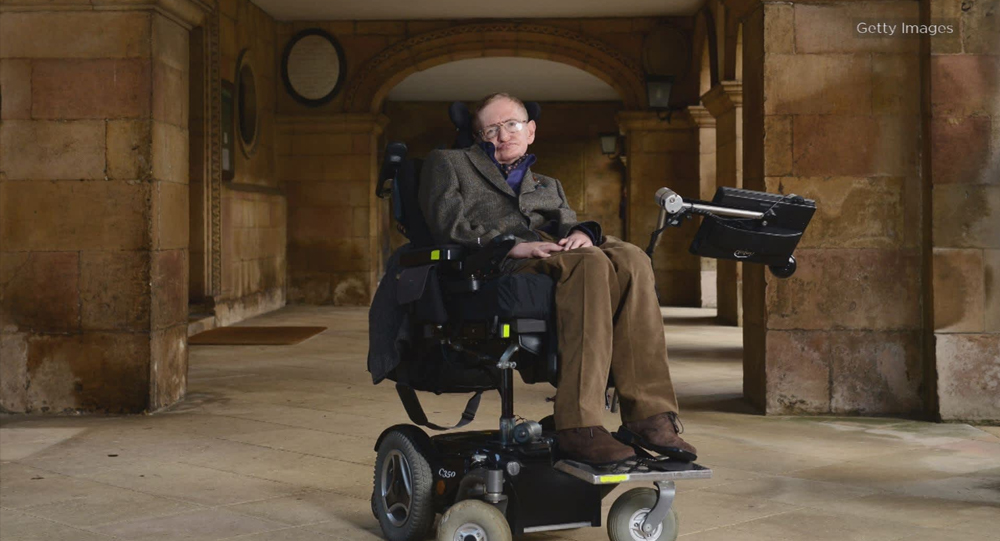
Stephen Hawking’s Warning: Humanity Has Less Than 200 Years to Escape Earth’s Limits
Stephen hawking says humanity won't survive without leaving earth. In fact, human beings may have less than 200 years to figure out how to escape our planet

The Mystery of the Darvaza Gas Crater: A 50-Year Inferno
Scientists lit a hole filled with natural gas on Fire in 1971, expecting it would burn only for few days. The hole has been burning for the past 48 years & is called "The Door To Hell".
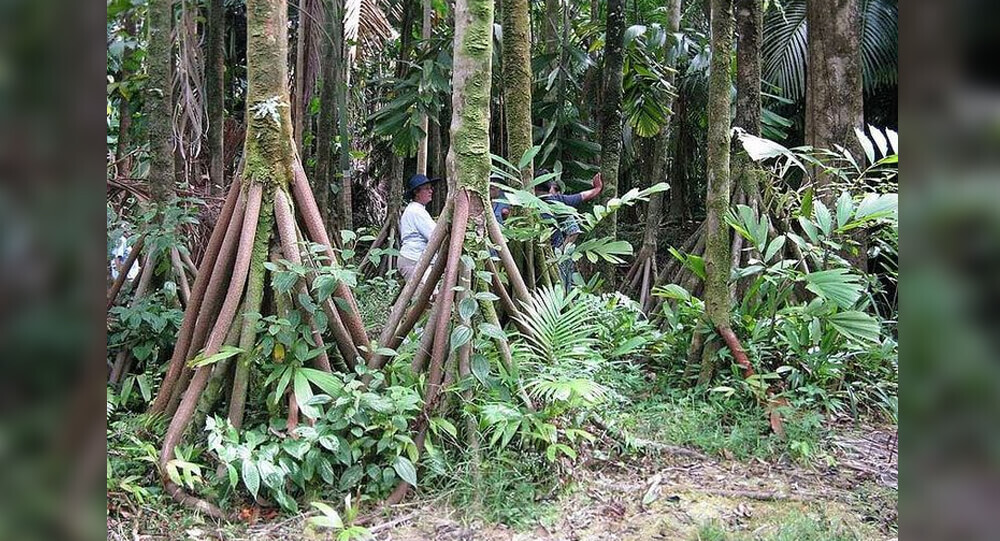
The “Walking” Palm, tree species can walk up to 65 feet each
This tree species can walk up to 65 feet each year to find the best habitat to live in.
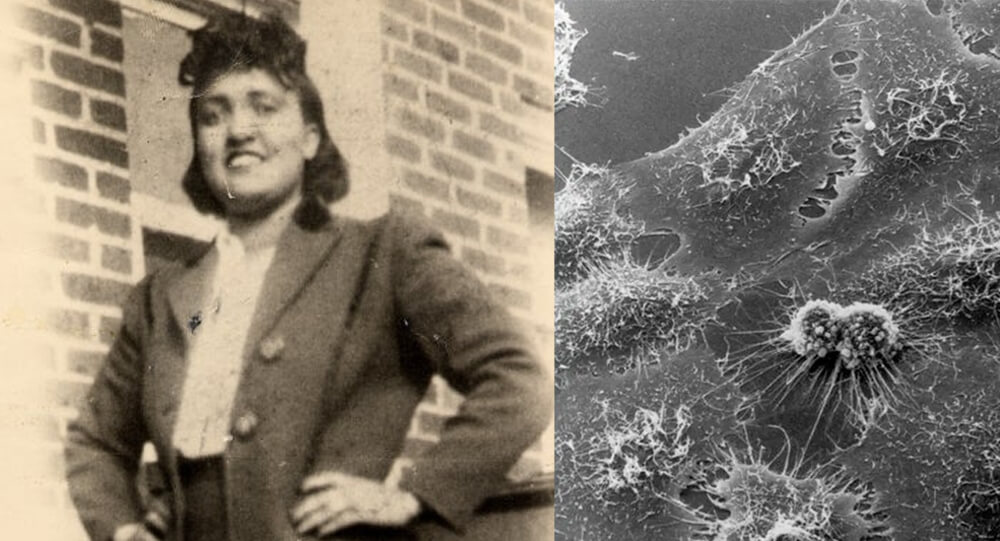
Henrietta Lacks: Who Was She? Here's how HeLa cells became necessary for medical research
Henrietta Lacks was died in 1951. The tumor that killed her has been alive and growing to this day. The tumor is immortal and was used to progress the Polio vaccine and is the jumping point for most human cell research to this day. Scientists have grown some 20 tons of her cells.
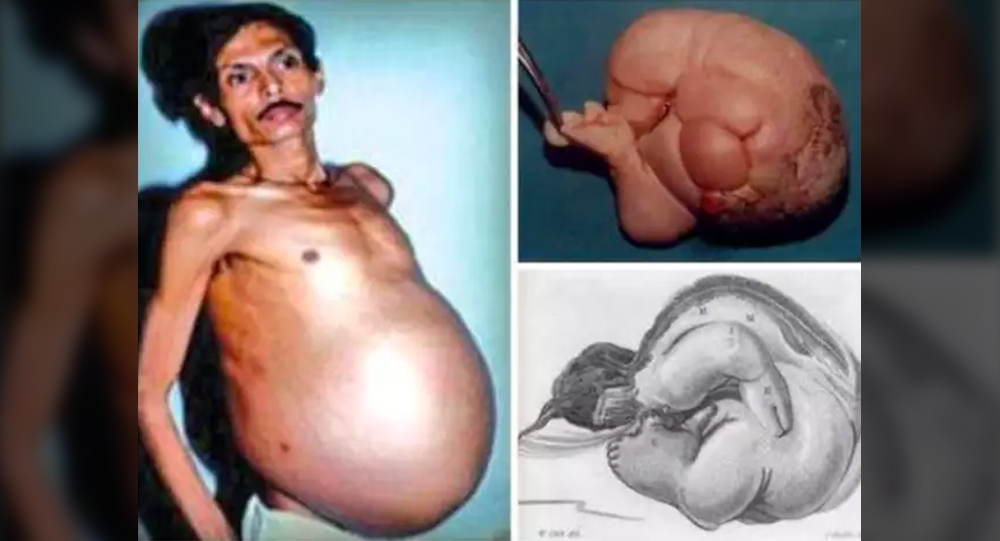
The Astonishing Case of Sanju Bhagat: Living with a Twin Inside Him for 36 Years
Sanju Bhagat, an Indian farmer, lived with an undiagnosed parasitic twin inside his abdomen for 36 years. In 1999, doctors discovered the twin during surgery. This rare condition, fetus in fetu, occurs when a malformed twin is absorbed during pregnancy, surviving within the host sibling's body.
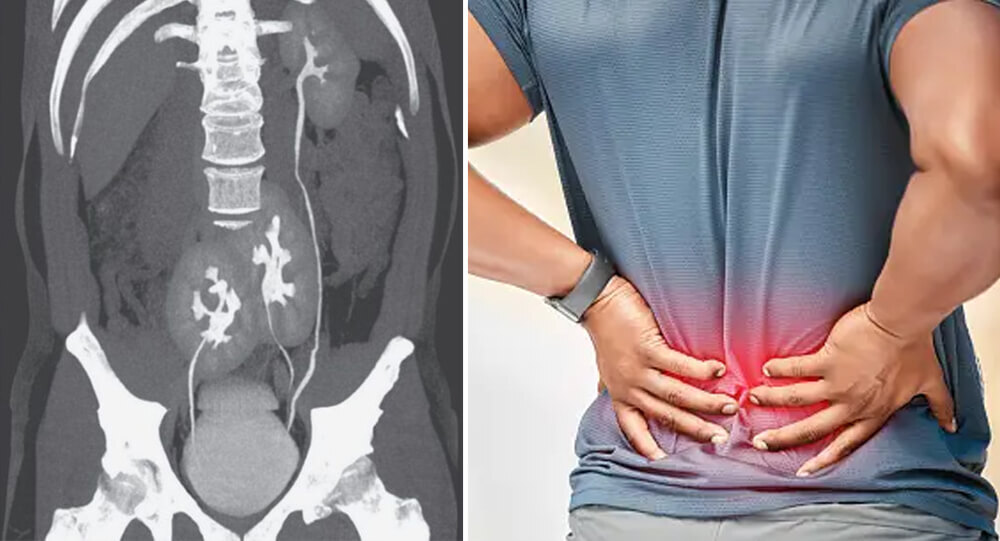
Man discovers he has 3 kidneys after going to doctor for severe back pain
In 2020, a 38-year-old Brazilian man visited his doctor for severe back pain and was shocked to find out that he has three kidneys instead of just two.
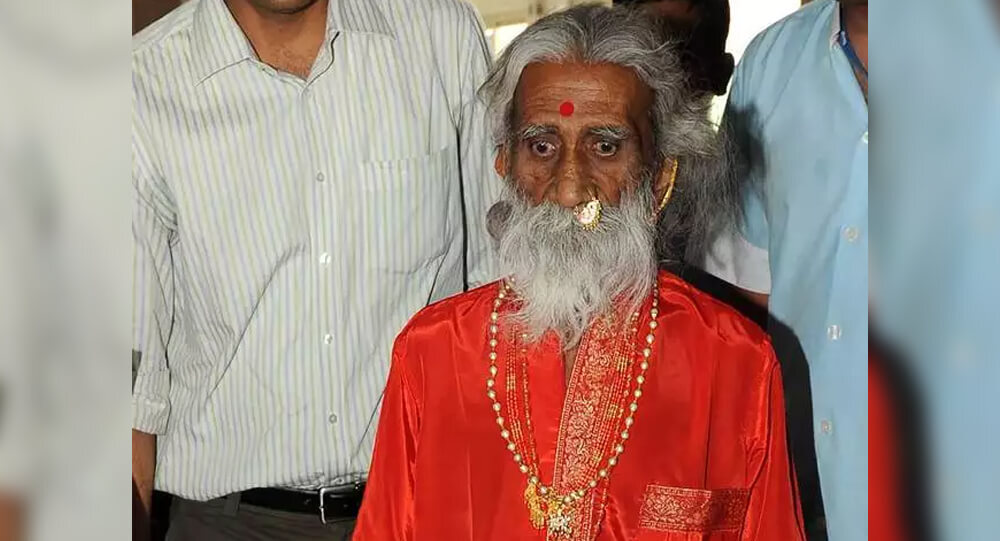
This Yogi Spent 76 Years Without Eating or Drinking Anything and Confirmed by
Prahlad Jani, the starving monk who lived 76 Years without food and water.
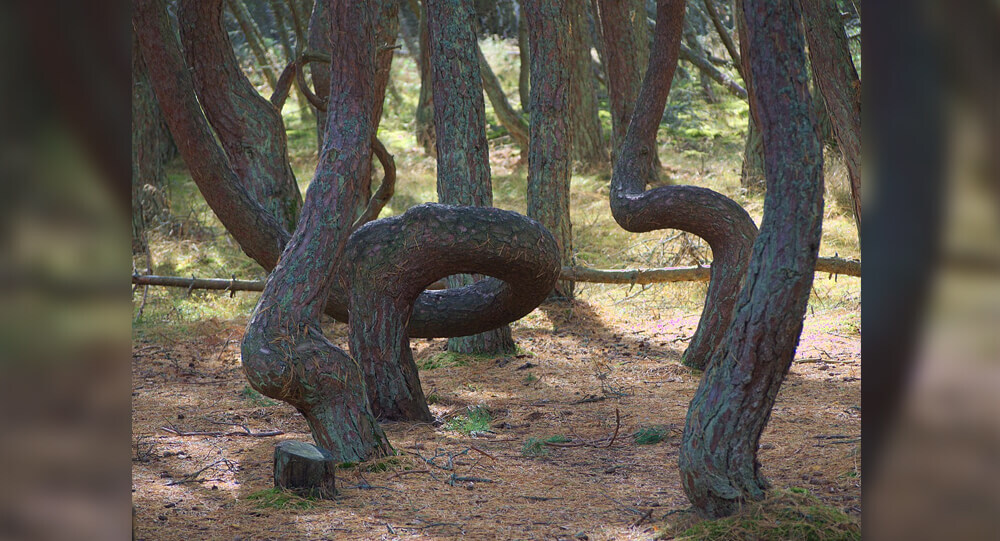
The Mystery of the Dancing Forest: Reasons behind the unusual wonders of forest
The Dancing Forest in Russia is noted for its unusually twisted pine trees. The trunks of these trees are contorted into spirals, rings, and other squiggly loops, but the reason for this malformation is still a mystery.

Medieval Medicine: A 1,000-year-old onion and garlic salve kills modern bacterial superbugs
Scientists recreated an Anglo-Saxon manuscript-based 9th century onion and garlic eye remedy and discovered that it killed 90% of antibiotic-resistant staph bacteria (MRSA).

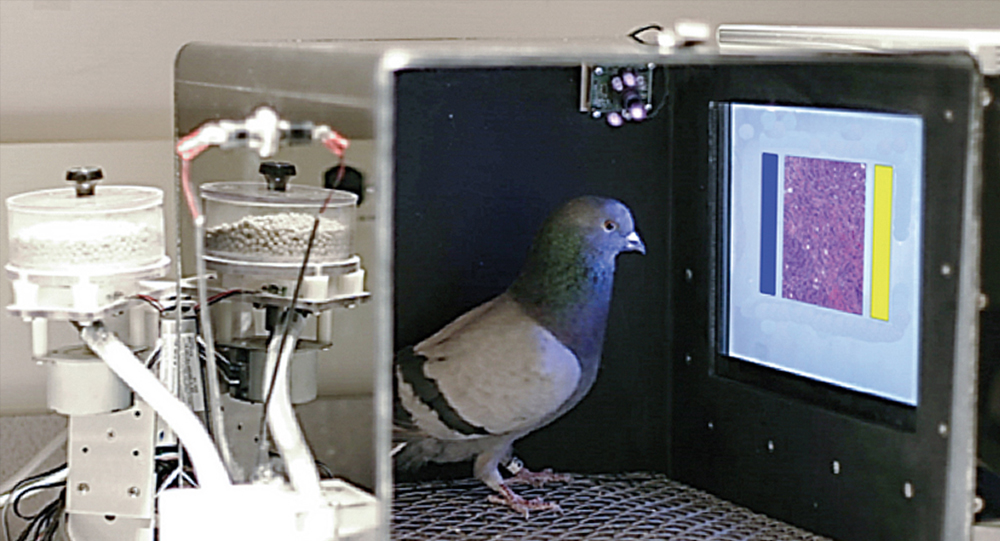
The Science Behind Pigeons in Cancer Detection and What It Means for Medicine
In a groundbreaking study, researchers have discovered that pigeons can be trained to distinguish between cancerous and non-cancerous tissues in medical images with accuracy rivaling that of human experts. This surprising capability opens new avenues for understanding visual perception and has potential implications for improving diagnostic tools in medicine. Here is the fascinating science behind pigeons’ ability to spot cancer and what it signifies for the future of medical imaging.

For the First Time in 60 Years, Scientists Discover a 'Lost' Echidna Species
An expedition team in Indonesia discovered the elusive, egg-laying animal (Echidna) named after David Attenborough, which had not been seen since 1961.

Dr. Leonid Rogozov: the surgeon who removed his own appendix.
Dr. Leonid Rogozov was a legendary surgeon who operated on himself in 1961 to remove an inflamed appendix.
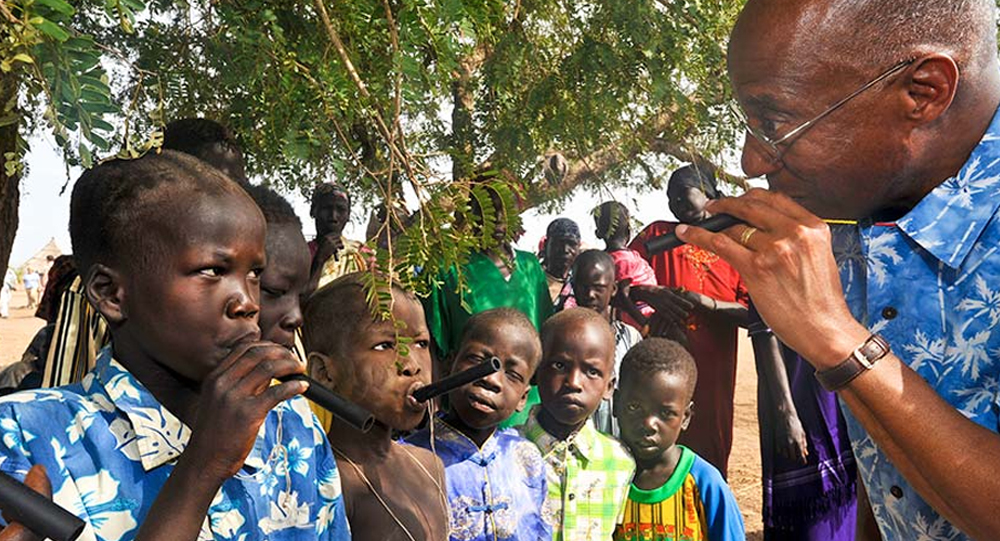
Dr. Donald Hopkins: From Smallpox Eradication to Near-Ending Guinea Worm Disease
Dr. Donald Hopkins helped eradicate Smallpox, and is on the verge of killing another disease. He's taken Guinea Worm Disease down from 3.5 million cases a year to just 28 cases last year.

Why are there 24 hours in a day and 60 minutes in an hour
Ancient Babylonians did math in base 60 instead of base 10. That's why we have 60 seconds in a minute and 360 degrees in a circle.
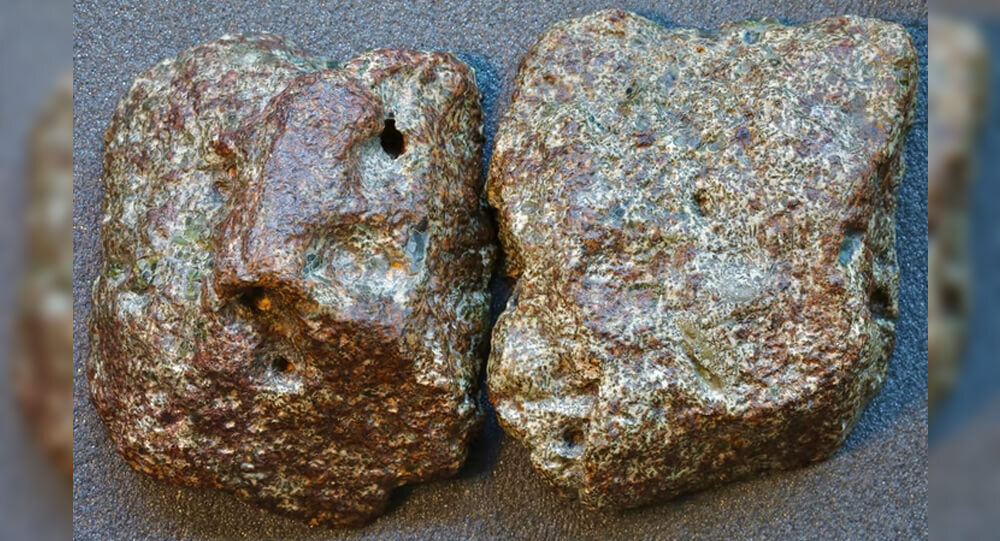
Meteorite found in Sahara Desert older than the earth
This Sahara Desert Meteorite was discovered to be older than the earth itself. This Meteorite is estimated to be 4.6 billion years old, while earth is estimated to be 4.54 billion years old.

The Accidental Birth of Super Glue: Dr. Harry Coover's WWII Discovery
Dr. Harry Coover was trying to develop clear plastic for gun sights during WWII when he accidentally created cyanoacrylate, an extremely strong adhesive. Initially dismissed, it was later marketed as Super Glue in the 1950s.
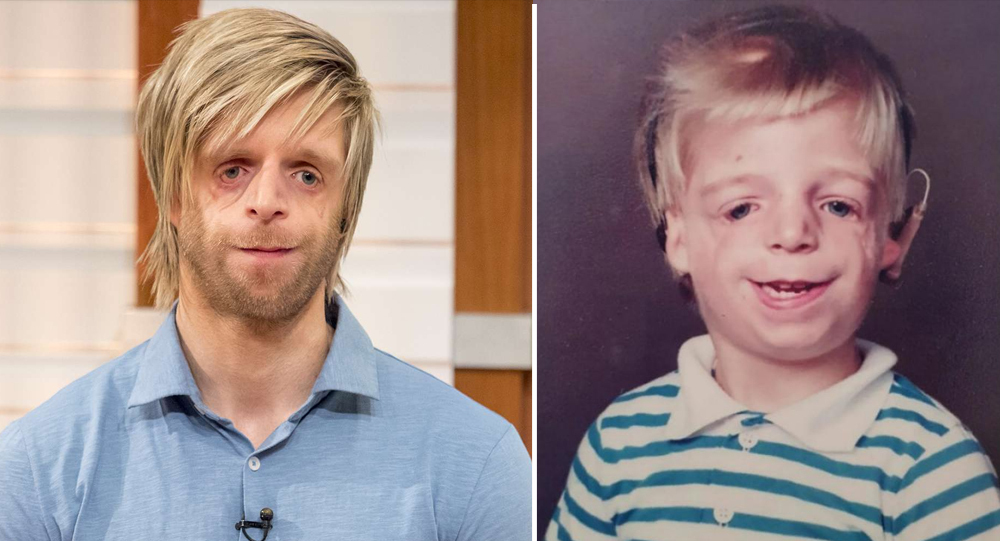
Inspiring story of Jono Lancaster, Abandoned by His mother at birth for this 'defect' on his face
When Jono Lancaster was just 36 hours old, his parents left him for adoption because he was suffering from Treachers Collins Syndrome, a genetic disorder which hampers facial bones development. Now he is an inspirational speaker, a professional model and a teacher, giving inspiration to millions

The extraordinary case of Olivia Farnsworth, who hit by a car and dragged down the street without pain because of chromosome 6 deletion
In 2016, 7-year-old Olivia Farnsworth was hit by a car and dragged down the street, but she did not feel a thing. That is because of a rare condition called “chromosome 6 deletion,” which causes her to feel no pain. She also does not experience hunger or exhaustion.
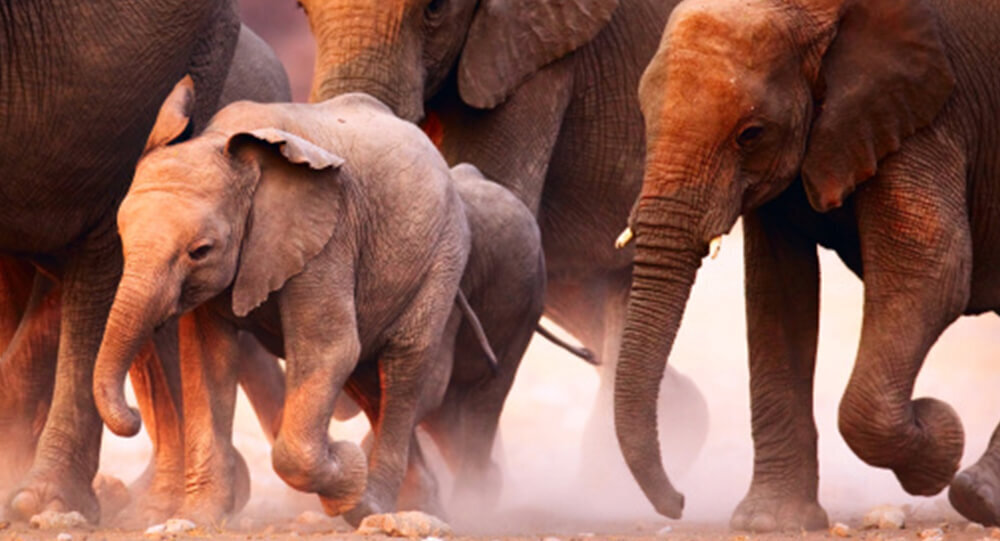
Earthquakes: Can Animals Really Predict Them?
In 1975, when officials in the Chinese city of Haicheng were alarmed by odd and anxious behaviors of dogs and other animals. These observations led them to order 90,000 residents to evacuate the city. Only a few hours later a 7.3 magnitude earthquake destroyed nearly 90% of the city’s buildings.
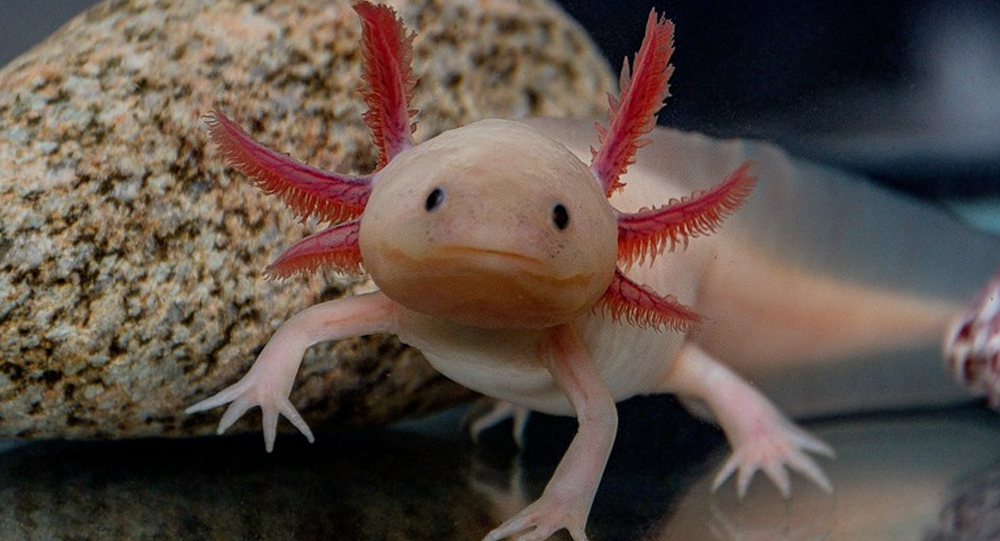
Why Some Animals Can Regenerate Limbs and What Science Says About Human Possibilities
Certain animals possess the extraordinary ability to regenerate lost limbs, a process that has fascinated scientists and inspired hopes for human medical breakthroughs. From salamanders’ perfect limb regrowth to starfish’s incredible body regeneration, this article explores how and why these animals can perform such feats, the biological mechanisms underpinning regeneration, and what cutting-edge research means for the future of human limb regeneration.

India's chandrayaan-3 becomes the first landed craft on moon's south pole
India's chandrayaan-3 becomes the first land craft on moon's south pole. It landed safely on August 2023
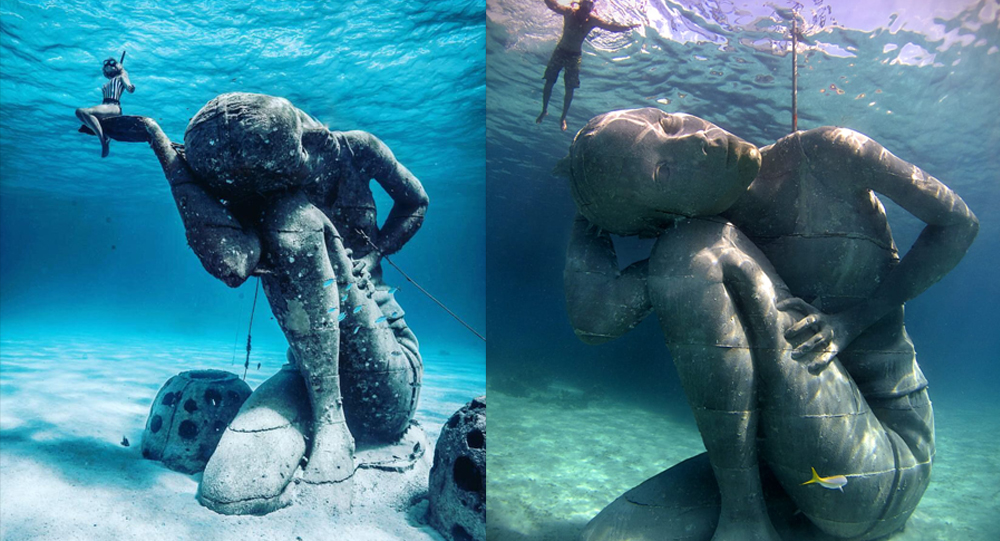
Ocean Atlas: Exploring the World’s Largest Underwater Sculpture in the Bahamas
On the western coast of New Providence in Nassau, Bahamas, there is a tourist attraction that you can dive down to see. Called Ocean Atlas, this is the largest single underwater sculpture ever installed. It depicts a local Bahamian girl carrying the weight of the ocean, in reference to the Ancient Greek myth of Atlas holding up the heavens.