


The extraordinary case of Olivia Farnsworth, who hit by a car and dragged down the street without pain because of chromosome 6 deletion
The extraordinary case of Olivia Farnsworth has captured the attention of people all over the world because it pushes the limits of pain perception and illuminates the complexities of human genetics. Olivia was physically unharmed despite surviving a terrible car accident when she was only seven years old, which astounded both medical professionals and researchers. Olivia has chromosome 6 deletion, a rare genetic condition that causes her to be resilient in the face of unfathomable trauma. This article examines Olivia Farnsworth’s remarkable journey, examining the effects of chromosome 6 deletion, the scientific evaluation of her case, and the significant influence Olivia’s story has had on medical research and our understanding of pain.
The remarkable story of Olivia Farnsworth
The typical girl-next-door is not Olivia Farnsworth. By her remarkable capacity to endure pain, this extraordinary 12-year-old from the United Kingdom has attracted the interest of both the public and medical experts. But what exactly distinguishes Olivia? Let’s explore her narrative to find out.
The terrifying incident that started Olivia’s path to fame. She was struck by a car in 2013 and dragged down the street for a distance of several meters. Olivia was relatively unharmed in the accident, despite the fact that this would typically result in excruciating pain and serious injuries for anyone. Medical experts were perplexed by her resistance to pain, which prompted them to look more closely at her genetic background.


Understanding chromosome 6 deletion and its implications
We need to examine chromosome 6 deletion in greater detail in order to comprehend Olivia’s special talent. Our cells’ chromosomes are the components that house our genetic material. Olivia has a chromosome 6 deletion, which is when a portion of her chromosome 6 is missing.
The health of a person can be affected in a variety of ways by chromosome 6 deletion. In addition to its possible effects on how people perceive pain, it may also cause developmental delays, speech problems, and other medical conditions. Several bodily systems, including those in charge of pain perception, may malfunction if specific genes on chromosome 6 are absent.


Olivia Farnsworth’s accident: The horrifying incident that defied pain
Olivia was hit by a car and dragged along the road in the shocking event that revealed her remarkable pain tolerance. Despite the accident’s traumatic nature, Olivia showed a startling lack of pain tolerance. Both onlookers and medical professionals were astounded at her capacity to endure such agony without displaying physical distress.
Olivia’s composure throughout the incident astounded witnesses to the accident. She was able to continue as if nothing had happened, which equally astounded the paramedics who arrived on the scene. Further research into the relationship between Olivia’s chromosome 6 deletion and her distinct pain perception was prompted by this extraordinary case.


Exploring the role of chromosome 6 in pain perception
The relationship between genetics and pain perception has long piqued the interest of scientists. Chromosome 6’s function in this complex process has been clarified in light of Olivia’s case. She may be able to endure extreme pain without the typical physical reaction because the missing genes on her chromosome 6 may affect how the body’s pain pathways work.
Researchers have made significant advancements in their understanding of the pain pathways in the human body, even though the precise mechanisms underlying Olivia’s extraordinary pain tolerance are still being investigated. Since chromosome 6 has been discovered to be involved in these pathways, its deletion might prevent pain signals from reaching the brain. By unraveling these complex connections, scientists hope to gain valuable insights into pain management and potentially develop new treatments for chronic pain sufferers.
Finally, Olivia Farnsworth’s story is a testament to both the remarkable human body’s capacity for resiliency and the perplexing link between genes and pain perception. Her remarkable capacity for pain tolerance despite having a chromosome 6 deletion provides a window into the complexity of our biological make-up. As research advances, Olivia’s story might help those with chronic pain conditions find comfort and advance pain management techniques.
The medical and scientific analysis of Olivia Farnsworth’s case
Medical professionals have examined Olivia Farnsworth’s medical records with a mix of confusion and amazement in an effort to comprehend her extraordinary case. These data provide a remarkable portrait of a girl who, as a result of chromosome 6 deletion, appears painless. Olivia’s unique condition has been thoroughly examined, and this has helped to clarify the mysterious nature of her experiences.
The case of Olivia Farnsworth has generated a lot of discussion among scientists. To study this novel phenomenon, academics and industry leaders from various disciplines have gathered. Understanding the complex genetic factors underlying Olivia’s condition has created opportunities for ground-breaking research and potential discoveries. Her case served as a catalyst for the investigation of chromosome 6 deletion and its ramifications, which is currently underway.
Olivia Farnsworth’s extraordinary abilities and challenges
Although Olivia Farnsworth’s condition has presented her with numerous difficulties, it has also endowed her with extraordinary talents. She has been able to endure physical tests that would be agonizingly painful for the average person due to her inability to feel pain. Her doctors have been astounded by her fortitude and superhuman endurance, as have all those who have had the honor of witnessing her extraordinary feats.
Olivia faces unique challenges as a result of having a chromosome 6 deletion. There are other difficulties she encounters every day in addition to the obvious risks brought on by her inability to feel pain. Olivia finds it difficult to perform simple tasks that most people take for granted, like avoiding injuries or spotting a potential medical problem. However, through her tenacity and the support of her loved ones, she continues to navigate life with remarkable strength and determination.
The impact of Olivia Farnsworth’s story on medical research and understanding pain
The case of Olivia Farnsworth has had a significant impact on medical research and procedures. Her unusual condition has called into question accepted notions about how people perceive pain and forced specialists to reassess how they perceive the human body. Researchers have learned a great deal about the mechanisms of pain and the potential for ground-breaking improvements in pain management and treatment by examining her case.
The circumstances surrounding Olivia’s case have opened up a world of potential improvements and pain-related treatments. Her condition has the potential to shed new light on pain-management strategies and bring relief to countless people who experience chronic pain. Medical researchers can investigate targeted therapies and interventions that could one day lessen the burden of pain for many by better understanding the complex mechanisms underlying chromosome 6 deletion.
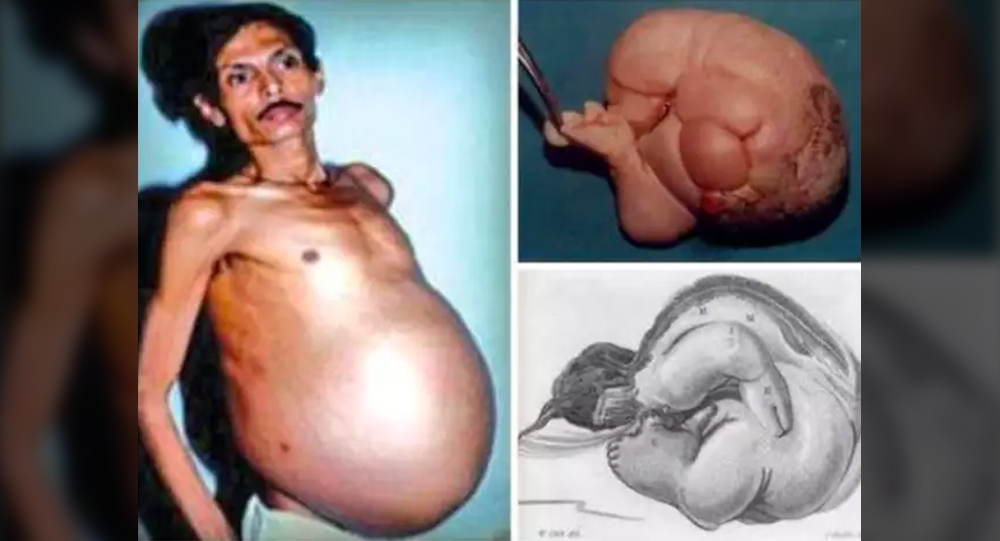
The Astonishing Case of Sanju Bhagat: Living with a Twin Inside Him for 36 Years
Sanju Bhagat, an Indian farmer, lived with an undiagnosed parasitic twin inside his abdomen for 36 years. In 1999, doctors discovered the twin during surgery. This rare condition, fetus in fetu, occurs when a malformed twin is absorbed during pregnancy, surviving within the host sibling's body.

Why are there 24 hours in a day and 60 minutes in an hour
Ancient Babylonians did math in base 60 instead of base 10. That's why we have 60 seconds in a minute and 360 degrees in a circle.

The story of Lionel the Lion-Faced Man, Stephan Bibrowski
Stephen Bibrowski, also known as Lionel the Lion-faced Man, was a well-known sideshow entertainer. His entire body was covered in long hair, giving him the appearance of a lion; this was most likely due to a rare condition known as hypertrichosis. Lionel traveled to the United States in 1901 and began performing with the Barnum and Bailey Circus.

Medieval Medicine: A 1,000-year-old onion and garlic salve kills modern bacterial superbugs
Scientists recreated an Anglo-Saxon manuscript-based 9th century onion and garlic eye remedy and discovered that it killed 90% of antibiotic-resistant staph bacteria (MRSA).


The Giant Mirrors Brought Sunlight to Rjukan
Due to the steep mountains that surround it, the town of Rjukan, Norway, doesn't receive any natural sunlight from September to March. They placed large mirrors in the town square to reflect light. The mirror follows the path of the sun and moves every 10 seconds to create a 600m squared light pool.
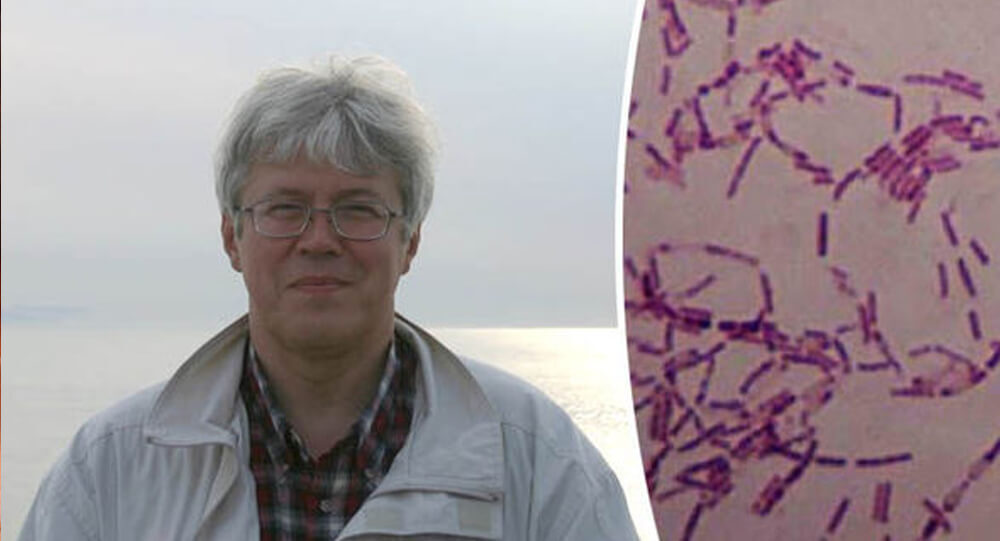
Scientist injects himself with 3.5m yr old bacteria for immortality and amazing happens
Russian scientist injected himself with a 3.5 million-year-old strain of bacteria, just to see what would happen. According to Brouchkov, Bacillus F has a mechanism that has enabled it to survive for so long beneath the ice, and that the same mechanism could be used to extend human life, too.

Dr. Leonid Rogozov: the surgeon who removed his own appendix.
Dr. Leonid Rogozov was a legendary surgeon who operated on himself in 1961 to remove an inflamed appendix.

Woman's transplanted 'man hands' became lighter and more feminine over time
After losing both arms in an accident, an Indian girl received limbs from a male donor. The donor hands, which were formerly huge and hairy, changed skin tone and became thin and feminine over time to mix in with her body.

The Science Behind Why We Dream and What It Means
Dreams have fascinated humanity for millennia—enigmatic stories that unfold in sleep, weaving memories, emotions, and symbols. Modern science is now unraveling why we dream and exploring what these nightly narratives reveal about our brain, emotions, and waking lives. Journey through the latest discoveries on the science of dreaming and its meaningful reflections in our psyche.

The Mystery of the Darvaza Gas Crater: A 50-Year Inferno
Scientists lit a hole filled with natural gas on Fire in 1971, expecting it would burn only for few days. The hole has been burning for the past 48 years & is called "The Door To Hell".

The Accidental Birth of Super Glue: Dr. Harry Coover's WWII Discovery
Dr. Harry Coover was trying to develop clear plastic for gun sights during WWII when he accidentally created cyanoacrylate, an extremely strong adhesive. Initially dismissed, it was later marketed as Super Glue in the 1950s.
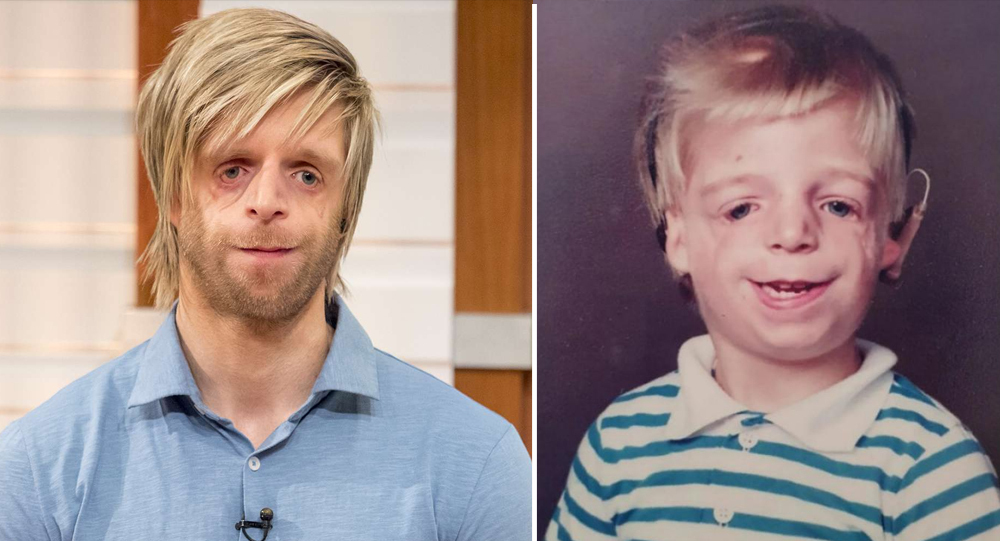
Inspiring story of Jono Lancaster, Abandoned by His mother at birth for this 'defect' on his face
When Jono Lancaster was just 36 hours old, his parents left him for adoption because he was suffering from Treachers Collins Syndrome, a genetic disorder which hampers facial bones development. Now he is an inspirational speaker, a professional model and a teacher, giving inspiration to millions

The World’s First Seismograph: How Ancient China Detected Earthquakes 1,800 Years Ago
Over 1,800 years ago, long before modern technology, the ancient Chinese astronomer and inventor Zhang Heng created the world’s first seismograph in 132 AD. This ingenious bronze device could detect distant earthquakes by releasing small balls from dragons’ mouths into toads’ mouths—each indicating a different compass direction. Its historic detection of an earthquake 400 miles away astonished the imperial court and transformed the way societies understood and responded to seismic events.
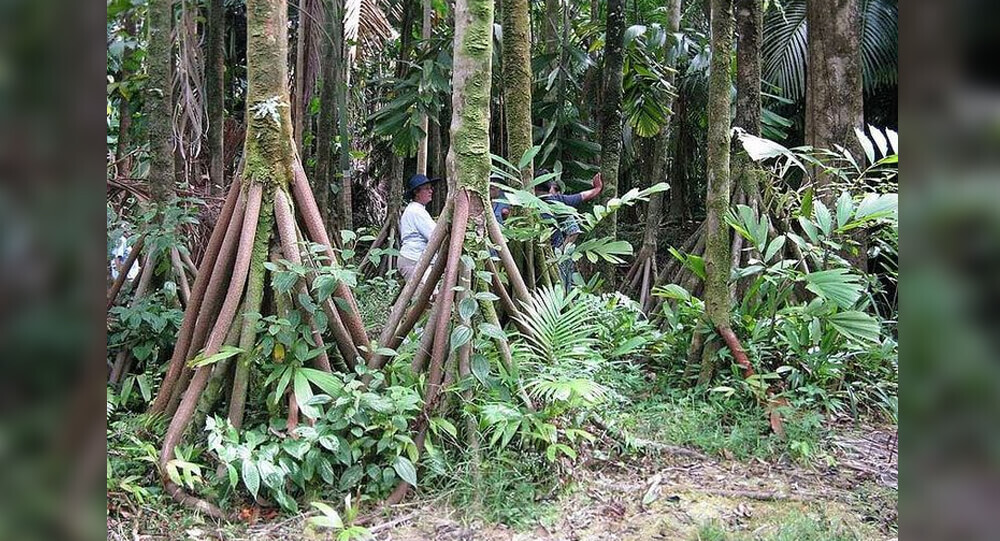
The “Walking” Palm, tree species can walk up to 65 feet each
This tree species can walk up to 65 feet each year to find the best habitat to live in.
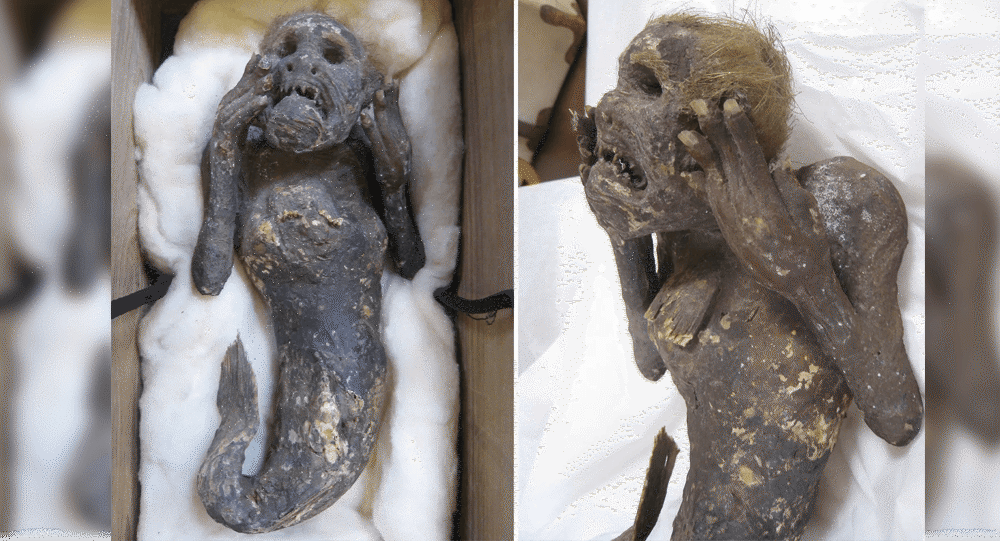
Mystery of 300-year-old mummified mermaid is being probed
There is a 300-year-old mummified mermaid with 30 centimetres tall and features a human-like head, two hands with what appear to be fingernails, and its lower body that look like a fish tail. The “mermaid mummy” is being probed by Japanese scientists in an attempt to unravel the mystery of its existence.

The Physics Behind Why Cats Always Land on Their Feet
Cats have an extraordinary survival skill known as the “righting reflex” that allows them to twist midair and land on their feet, even when dropped upside down. This uncanny ability is made possible by their flexible spine, lack of a functional collarbone, and a combination of biological sensors and physical laws governing motion. Astonishingly, kittens develop this reflex as early as three weeks old, mastering the art of graceful landing that defies everyday expectations. This article unravels the science and mystery behind this feline feat.
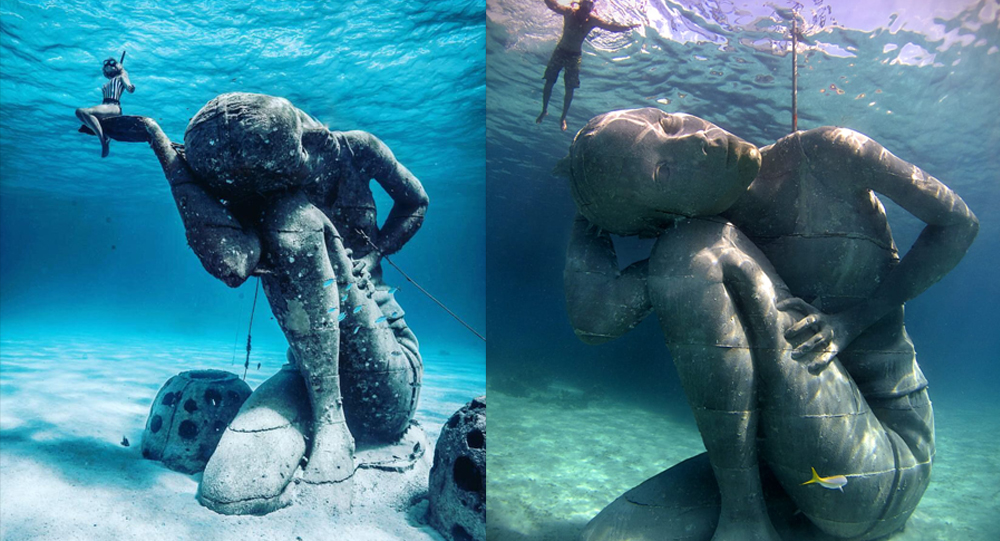
Ocean Atlas: Exploring the World’s Largest Underwater Sculpture in the Bahamas
On the western coast of New Providence in Nassau, Bahamas, there is a tourist attraction that you can dive down to see. Called Ocean Atlas, this is the largest single underwater sculpture ever installed. It depicts a local Bahamian girl carrying the weight of the ocean, in reference to the Ancient Greek myth of Atlas holding up the heavens.

The Mystery of the Dancing Forest: Reasons behind the unusual wonders of forest
The Dancing Forest in Russia is noted for its unusually twisted pine trees. The trunks of these trees are contorted into spirals, rings, and other squiggly loops, but the reason for this malformation is still a mystery.
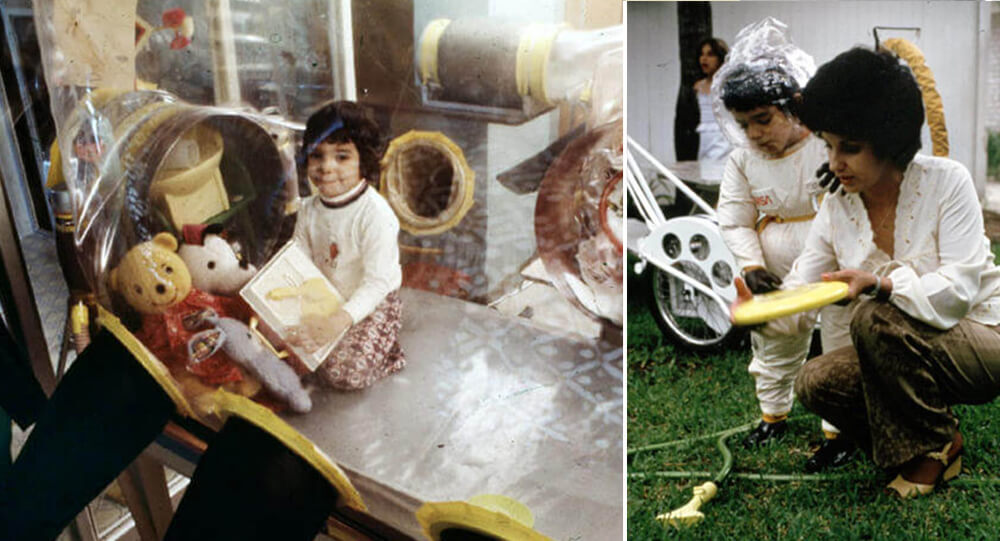
The touching story of David Vetter (bubble boy), the 'boy who lived in a bubble
David Vetter lived his whole 12 years in sterile “bubble”. He was “outside” for 20 second after being removed from his mother’s womb. He never touched any human.
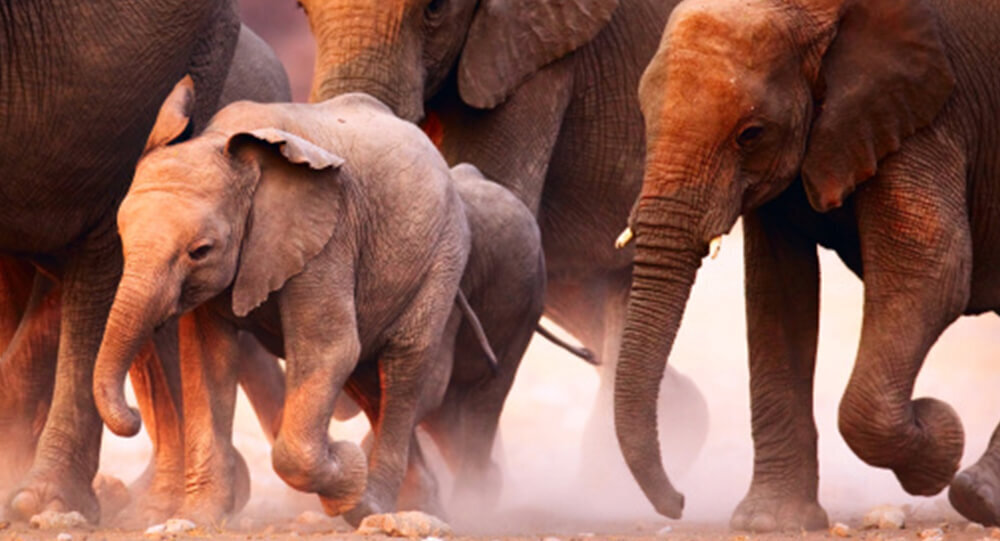
Earthquakes: Can Animals Really Predict Them?
In 1975, when officials in the Chinese city of Haicheng were alarmed by odd and anxious behaviors of dogs and other animals. These observations led them to order 90,000 residents to evacuate the city. Only a few hours later a 7.3 magnitude earthquake destroyed nearly 90% of the city’s buildings.
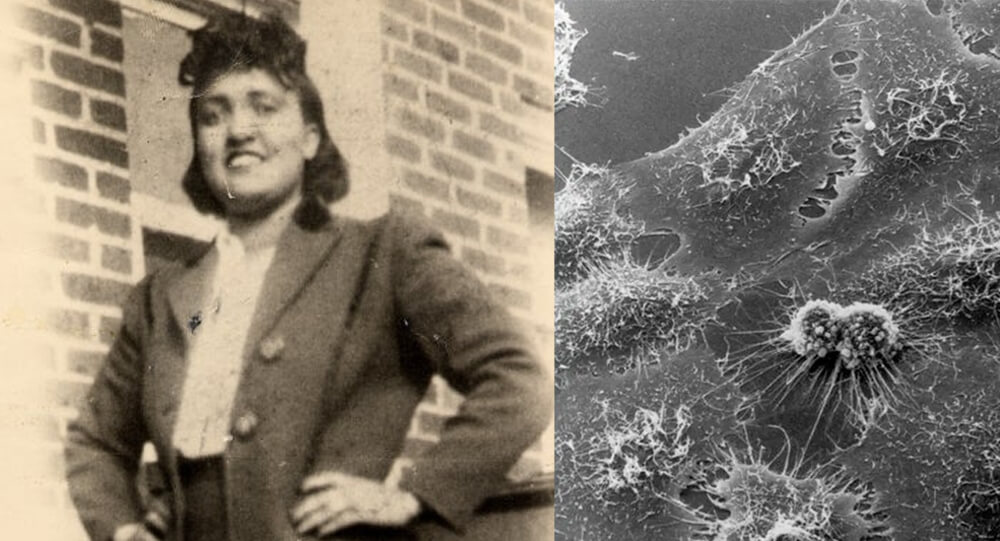
Henrietta Lacks: Who Was She? Here's how HeLa cells became necessary for medical research
Henrietta Lacks was died in 1951. The tumor that killed her has been alive and growing to this day. The tumor is immortal and was used to progress the Polio vaccine and is the jumping point for most human cell research to this day. Scientists have grown some 20 tons of her cells.
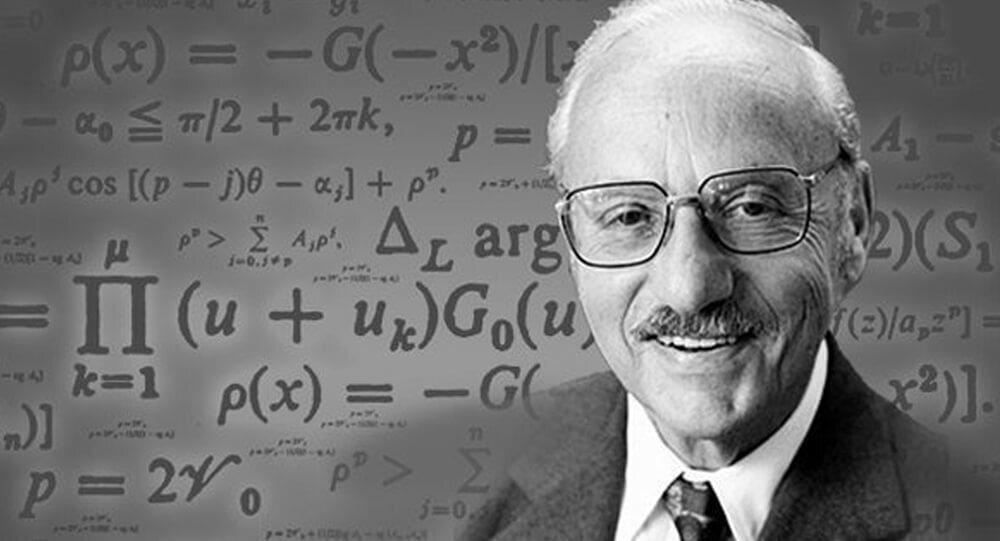
George Dantzig solved two famous “unsolved” problems in statistics mistakenly as assignment
In 1939, George Dantzig arrived late to his statistics class. On the board were two famous “unsolved” problems in statistics written as an example by his professor. Dantzig mistook the examples for homework assignments. He solved the “unsolved” problems and submitted the homework to his professor a few days later. His solutions earned him a doctorate.
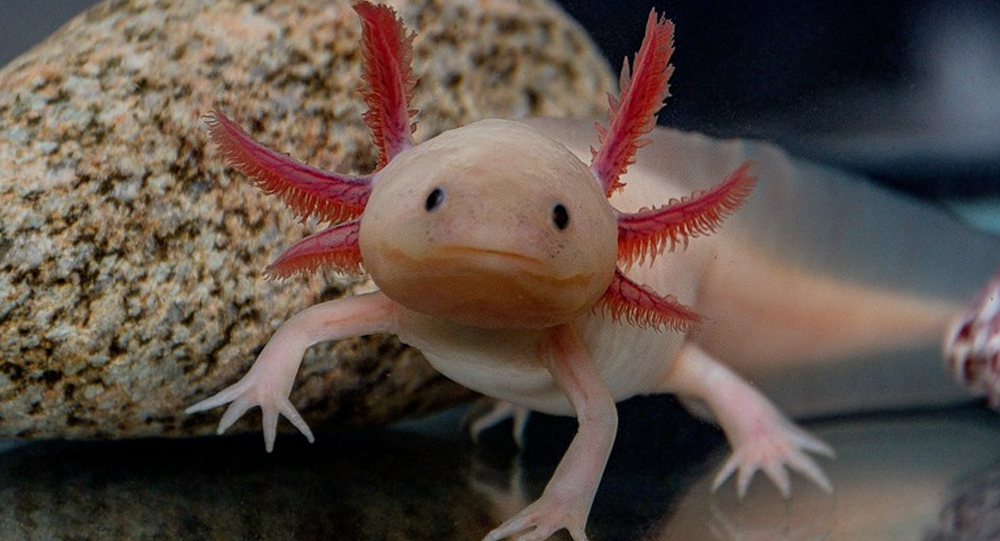
Why Some Animals Can Regenerate Limbs and What Science Says About Human Possibilities
Certain animals possess the extraordinary ability to regenerate lost limbs, a process that has fascinated scientists and inspired hopes for human medical breakthroughs. From salamanders’ perfect limb regrowth to starfish’s incredible body regeneration, this article explores how and why these animals can perform such feats, the biological mechanisms underpinning regeneration, and what cutting-edge research means for the future of human limb regeneration.
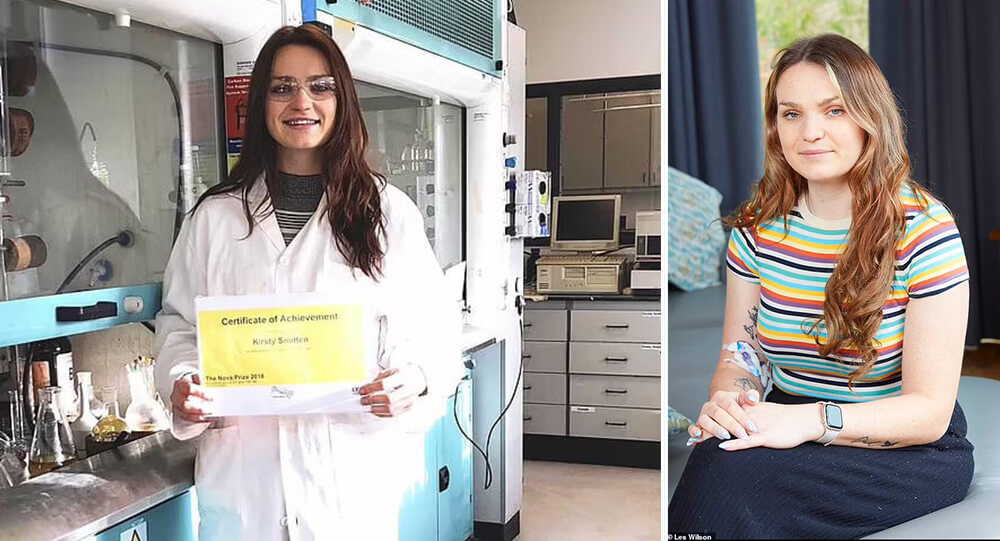
A 28-year-old scientist could win a Nobel Prize for creating new class of antibiotics
A 28-year-old scientist could receive the Nobel Prize for developing a new class of antibiotics that fight drug-resistant bacteria, but she only has months to live after being diagnosed with incurable heart cancer, and she says "There aren't words to express how sad I feel' about not seeing award."

The Mystery of Canada's Magical Spotted Lake
Lake Khiluk, the world's most mineralized lake, and one of the most mysterious places on Earth. Each of these spots has a distinct chemical content and is said to cure various diseases.