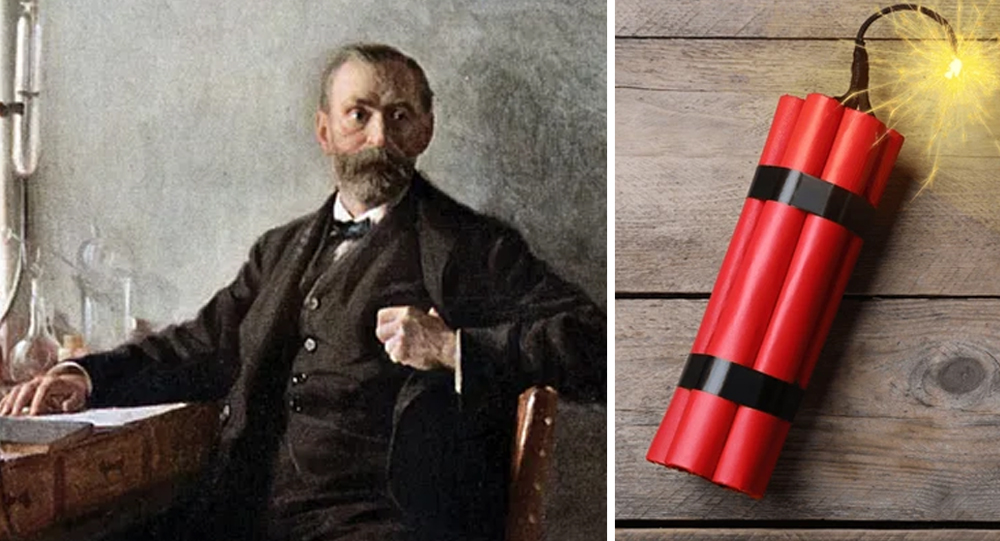
In the mid-19th century, the search for remedies for ailments like headaches and chest pain took an explosive turn, quite literally. Alfred Nobel, a Swedish chemist and inventor, was working with nitroglycerin—a highly unstable liquid compound first synthesized in 1847 by Italian chemist Ascanio Sobrero—which was known both for its medicinal potential and extreme volatility.
The Curious Connection Between Headaches and Nitroglycerin
Nitroglycerin was initially explored as a treatment for cardiovascular conditions like angina pectoris because it could dilate blood vessels and improve blood flow. However, one of the most notable side effects of nitroglycerin was severe headaches, experienced by patients and factory workers handling it alike. This pain was caused by the sudden expansion of blood vessels in the brain.
Interestingly, these painful headaches persisted in those exposed to nitroglycerin, including Nobel himself, whose family tragically suffered from explosions during his experiments.
The Dangerous Quest for Stability
While nitroglycerin’s power as an explosive was undeniable, its dangerous sensitivity to shock and temperature posed grave risks. Noble’s several factories experienced deadly accidents, including one that killed his own brother Emil in 1864. Nobel’s challenge was to stabilize this volatile compound into a safer form.
In 1867, he succeeded by absorbing nitroglycerin into an inert substance called kieselguhr (diatomaceous earth), creating the first practical and stable form of high explosive: dynamite. This invention revolutionized construction, mining, and warfare, allowing controlled blasting with unprecedented safety.
Medicine Meets Industry
Although Nobel’s main aim was industrial application, the medicinal link remained crucial: nitroglycerin is still used today in medicine to treat heart diseases, a testament to its vascular effects discovered long ago. The very headaches that marked the risks of nitroglycerin simultaneously highlighted its potency as a blood vessel dilator—an early example of how medicines and explosives share chemical origins.
Nobel’s Legacy: Power and Peace
Dynamite’s success made Alfred Nobel immensely wealthy but morally conflicted, as it was used in battles and destruction worldwide. This inspired him to create the Nobel Prizes, which honor achievements in peace, science, and art, seeking to balance his contributions to both creation and destruction.
Interesting Trivia:
- The word “dynamite” is derived from the Greek word dynamis, meaning power.
- Nobel considered calling his invention “Nobel’s Safety Powder” but opted for dynamite instead.
- Nitroglycerin-induced headaches were among the first clues to its physiological effects.
- Nobel’s factories were prone to explosions due to nitroglycerin’s instability before his innovation.
- The molecular basis for nitroglycerin’s medicinal effect via nitric oxide generation was discovered over a century later.
- Nitroglycerin is still essential in modern medicine for heart patients.
- Nobel’s dual legacy reminds us how science can both create and destroy.
Alfred Nobel’s work exemplifies how a scientific puzzle—a headache-inducing substance—can turn into a powerful invention shaping the industrial world. From pain relief experiments emerged dynamite, changing history in ways Nobel neither anticipated nor desired.
Sharing Nobel’s story celebrates the intersection where curiosity, risk, and science meet explosive innovation.
Sources:
- PubMed: Nitroglycerin headaches and medical history
- Britannica: Alfred Nobel’s inventions and biography
- Nobel Prize Foundation: History and legacy of dynamite
- Scientific reviews on nitroglycerin and vascular effects


The story of Lionel the Lion-Faced Man, Stephan Bibrowski
Stephen Bibrowski, also known as Lionel the Lion-faced Man, was a well-known sideshow entertainer. His entire body was covered in long hair, giving him the appearance of a lion; this was most likely due to a rare condition known as hypertrichosis. Lionel traveled to the United States in 1901 and began performing with the Barnum and Bailey Circus.

The Science Behind Why We Dream and What It Means
Dreams have fascinated humanity for millennia—enigmatic stories that unfold in sleep, weaving memories, emotions, and symbols. Modern science is now unraveling why we dream and exploring what these nightly narratives reveal about our brain, emotions, and waking lives. Journey through the latest discoveries on the science of dreaming and its meaningful reflections in our psyche.
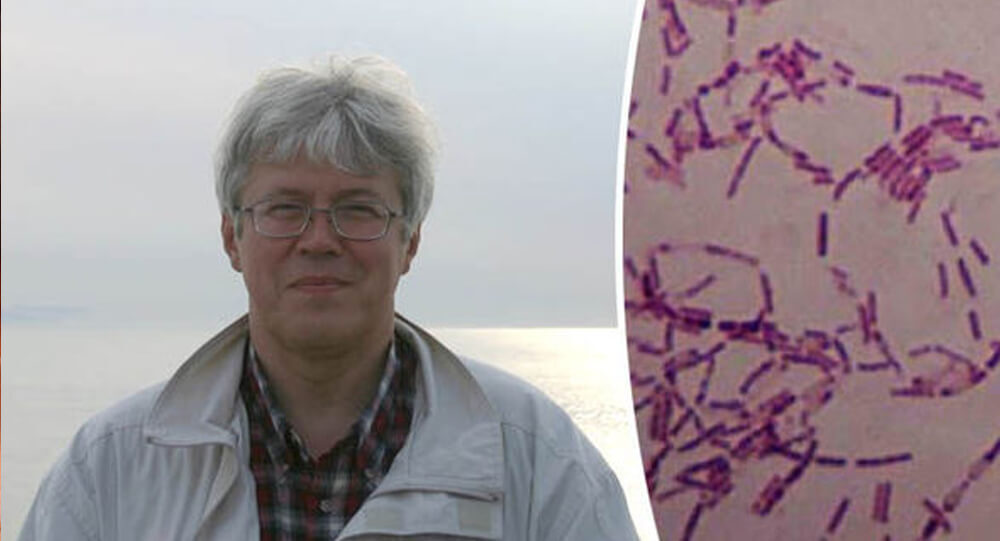
Scientist injects himself with 3.5m yr old bacteria for immortality and amazing happens
Russian scientist injected himself with a 3.5 million-year-old strain of bacteria, just to see what would happen. According to Brouchkov, Bacillus F has a mechanism that has enabled it to survive for so long beneath the ice, and that the same mechanism could be used to extend human life, too.

Why are there 24 hours in a day and 60 minutes in an hour
Ancient Babylonians did math in base 60 instead of base 10. That's why we have 60 seconds in a minute and 360 degrees in a circle.

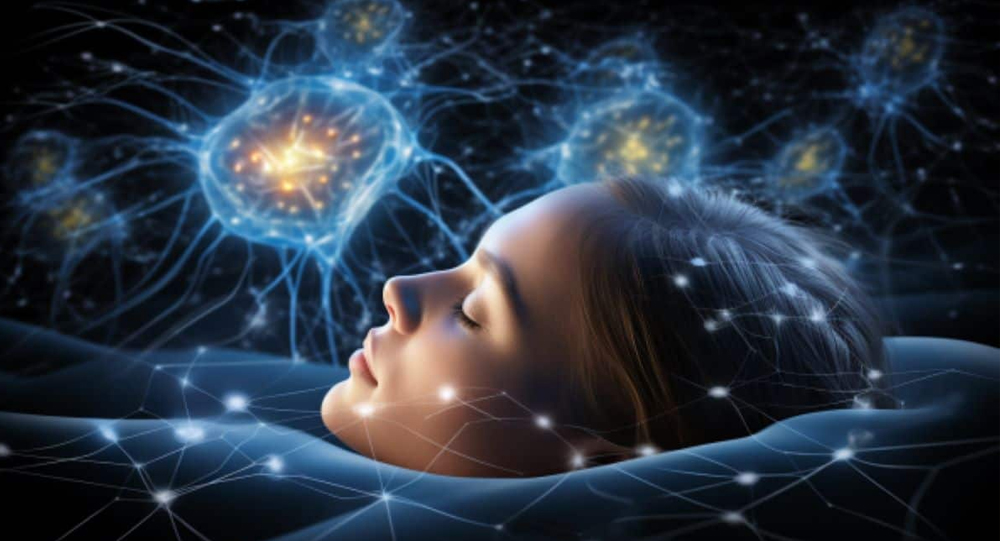
How Sleep Cycles Affect Cognitive Function and Memory Retention
Sleep is not just rest—it's an active process where our brain cycles through stages that shape cognition, memory, and overall mental performance. Different sleep phases, from deep slow-wave sleep to REM dreaming, play unique roles in consolidating memories, boosting attention, and refreshing brain networks. Explore how sleep cycles work and why they are essential to learning and sharp thinking.
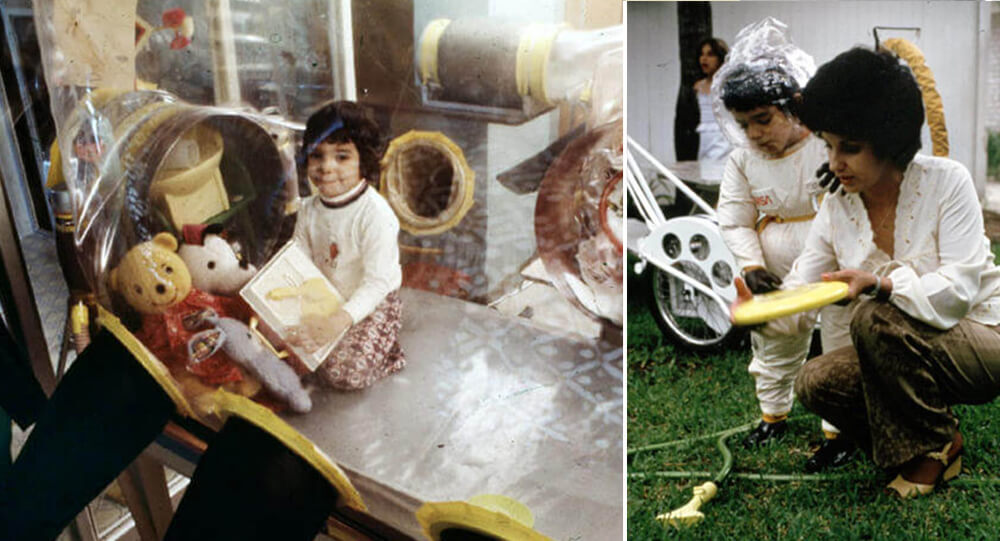
The touching story of David Vetter (bubble boy), the 'boy who lived in a bubble
David Vetter lived his whole 12 years in sterile “bubble”. He was “outside” for 20 second after being removed from his mother’s womb. He never touched any human.


Man gave his stem cell fund to a disabled boy
Dan Black, who was paralyzed in a bike accident, spent four years raising 20,000 for a stem cell treatment that could let him walk again. However, after learning about a five-year-old boy with cerebral palsy, he donated the funds for the boy's medical treatment in order to enable him to take his first steps.

Meteorite found in Sahara Desert older than the earth
This Sahara Desert Meteorite was discovered to be older than the earth itself. This Meteorite is estimated to be 4.6 billion years old, while earth is estimated to be 4.54 billion years old.

The Astonishing Case of Sanju Bhagat: Living with a Twin Inside Him for 36 Years
Sanju Bhagat, an Indian farmer, lived with an undiagnosed parasitic twin inside his abdomen for 36 years. In 1999, doctors discovered the twin during surgery. This rare condition, fetus in fetu, occurs when a malformed twin is absorbed during pregnancy, surviving within the host sibling's body.
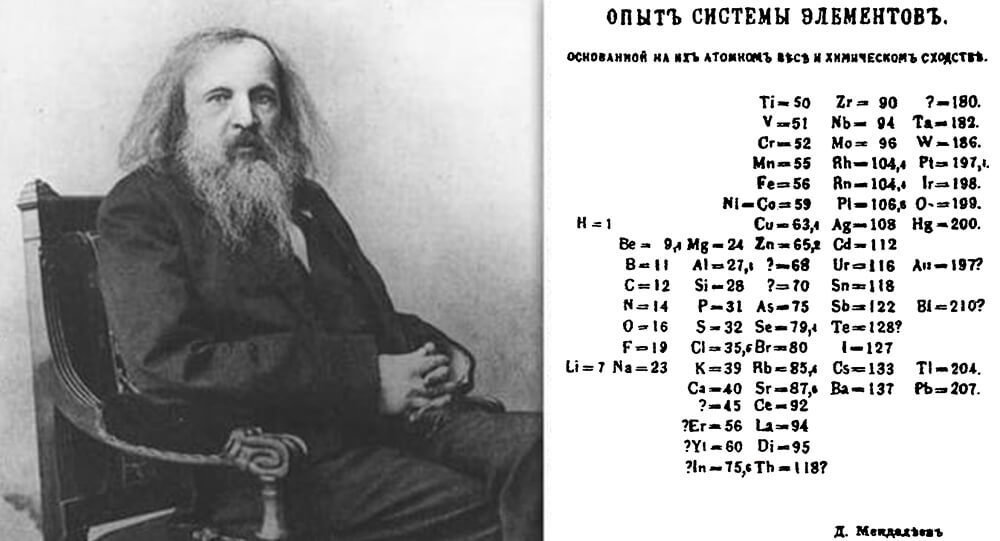
How Dmitri Mendeleev Developed the periodic table of the elements
1850 Dmitri Mendeleev walked almost a thousand miles to Moscow so he could apply for the University of Moscow. Although he was not accepted, he walked to St. Petersburg where he was accepted, And with that education, he developed the the periodic table of the elements

The Physics Behind Why Cats Always Land on Their Feet
Cats have an extraordinary survival skill known as the “righting reflex” that allows them to twist midair and land on their feet, even when dropped upside down. This uncanny ability is made possible by their flexible spine, lack of a functional collarbone, and a combination of biological sensors and physical laws governing motion. Astonishingly, kittens develop this reflex as early as three weeks old, mastering the art of graceful landing that defies everyday expectations. This article unravels the science and mystery behind this feline feat.

What makes bananas radioactive?
Yes, It is true that bananas contain radioactive substances. But the same can be said for spinach, potatoes, oranges, Brazil nuts, kitten litter, granite counter tops, even the air you breathe! Radioactivity is unavoidable and all around us. So, what exactly is it?

The Unique Grana Double Tree of Piedmont, Italy
The “Grana Double Tree” in Piedmont, Italy is a highly unusual tree, which consists of a cherry tree growing atop a mulberry tree. It is essentially a two-species, two-tiered hybrid duplex.

Earthquakes: Can Animals Really Predict Them?
In 1975, when officials in the Chinese city of Haicheng were alarmed by odd and anxious behaviors of dogs and other animals. These observations led them to order 90,000 residents to evacuate the city. Only a few hours later a 7.3 magnitude earthquake destroyed nearly 90% of the city’s buildings.

India's chandrayaan-3 becomes the first landed craft on moon's south pole
India's chandrayaan-3 becomes the first land craft on moon's south pole. It landed safely on August 2023

Megamouth Shark And Her Babies Found Dead In The Philippines
Filipino zoologists have recorded a pregnant megamouth shark for the first time ever since the rare aquatic specie was discovered in 1974.

Woman's memory reset every two hours after traumatic accident
Riley Horner, an Illinois teenager was accidentally kicked in the head. As a result of the injury, her memory resets every two hours, and she wakes up thinking every day is June 11. Riley keeps detailed notes of events happening throughout the day, and sets an alarm on her phone every two hours to remind her to review them. Riley also keeps a calendar in her room to remind her what day it is? As she wakes up every morning confused, thinking it's still June 11.

The Giant Mirrors Brought Sunlight to Rjukan
Due to the steep mountains that surround it, the town of Rjukan, Norway, doesn't receive any natural sunlight from September to March. They placed large mirrors in the town square to reflect light. The mirror follows the path of the sun and moves every 10 seconds to create a 600m squared light pool.

The Heartbreaking Story Of Ella Harper, The ‘Camel Girl’
Ella Harper, Professionally known as the “Camel Girl” was born with a rare orthopedic condition that cased her knee to bend backward. Due to this condition, had to walked on all four legs, which resulted in her nickname as “Camel Girl”. Tough it was hard at first, but soon she made a fortune out of it.

Dr. Leonid Rogozov: the surgeon who removed his own appendix.
Dr. Leonid Rogozov was a legendary surgeon who operated on himself in 1961 to remove an inflamed appendix.

The Accidental Birth of Super Glue: Dr. Harry Coover's WWII Discovery
Dr. Harry Coover was trying to develop clear plastic for gun sights during WWII when he accidentally created cyanoacrylate, an extremely strong adhesive. Initially dismissed, it was later marketed as Super Glue in the 1950s.

The “Walking” Palm, tree species can walk up to 65 feet each
This tree species can walk up to 65 feet each year to find the best habitat to live in.

Ocean Atlas: Exploring the World’s Largest Underwater Sculpture in the Bahamas
On the western coast of New Providence in Nassau, Bahamas, there is a tourist attraction that you can dive down to see. Called Ocean Atlas, this is the largest single underwater sculpture ever installed. It depicts a local Bahamian girl carrying the weight of the ocean, in reference to the Ancient Greek myth of Atlas holding up the heavens.

The extraordinary case of Olivia Farnsworth, who hit by a car and dragged down the street without pain because of chromosome 6 deletion
In 2016, 7-year-old Olivia Farnsworth was hit by a car and dragged down the street, but she did not feel a thing. That is because of a rare condition called “chromosome 6 deletion,” which causes her to feel no pain. She also does not experience hunger or exhaustion.

For the First Time in 60 Years, Scientists Discover a 'Lost' Echidna Species
An expedition team in Indonesia discovered the elusive, egg-laying animal (Echidna) named after David Attenborough, which had not been seen since 1961.