
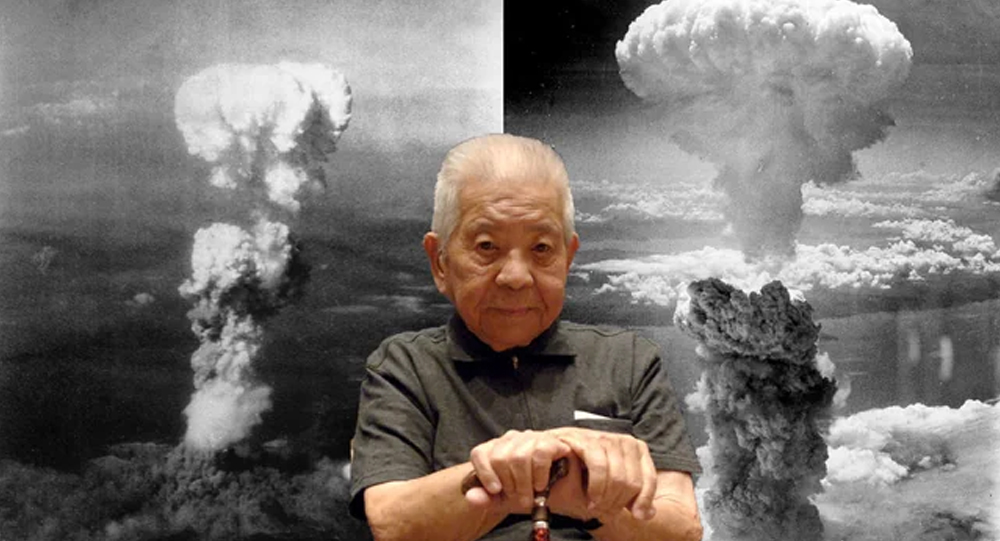

The Story of Tsutomu Yamaguchi: The Man Who Survived Both Atomic Bombs
Born in 1916 in Nagasaki, Japan, Tsutomu Yamaguchi was a naval engineer working for Mitsubishi Heavy Industries. In 1945, during a three-month business trip to Hiroshima, Yamaguchi experienced firsthand one of history’s most horrific events. At 8:15 am on August 6, 1945, he witnessed the American B-29 bomber Enola Gay drop the “Little Boy” atomic bomb just three kilometers away.
The blast hurled Yamaguchi through the air, causing burns, ruptured eardrums, and temporary blindness. Despite his injuries, he stayed overnight in an air-raid shelter and rushed the next day to return to Nagasaki, his hometown.
Surviving the Nagasaki Bombing
Yamaguchi barely had time to recover when, on August 9, 1945, the second atomic bomb—“Fat Man”—devastated Nagasaki. While in the office, describing the Hiroshima attack to colleagues, he saw the blinding flash and heard the explosion. Miraculously, Yamaguchi survived this second devastating blast, sustaining more radiation exposure, but no immediate new injuries.
This dual survival scenario was rare—estimated at only about 160 people exposed to both bombings—but Tsutomu Yamaguchi is the only survivor officially recognized by the Japanese government as a double hibakusha (“explosion-affected person”).
The Aftermath: Life and Legacy
Despite enduring severe radiation sickness, burns, and ongoing health challenges, Yamaguchi returned to work just days after Nagasaki’s bombing. He lived a long life, marrying and raising children, but remained haunted by his experiences.
In later years, Yamaguchi became a vocal advocate for nuclear disarmament, sharing his story to urge the world never to repeat the horrors of atomic warfare. In 2009, he was officially recognized for his unique status as a survivor of both attacks.
Yamaguchi died in 2010 at age 93 from stomach cancer, a disease often associated with radiation exposure. His legacy continues to inspire peace activists and reminds humanity of nuclear weapons’ catastrophic human cost.
Fascinating Trivia About Tsutomu Yamaguchi’s Story
- On the day of the Hiroshima bombing, Yamaguchi described the bright flash as “like lightning from a huge magnesium flare.”
- Protective instincts—he dove into an irrigation ditch, covered his eyes, and jammed his thumbs in his ears—likely saved his life during the first blast.
- When he arrived in Nagasaki, his injuries were so severe that even his wife initially didn’t recognize him.
- Yamaguchi was officially recognized as a hibakusha for Hiroshima in 2009, decades after Nagasaki had acknowledged him.
- The bombings killed an estimated 140,000 in Hiroshima and 70,000 in Nagasaki, with survivors suffering lifelong health issues.
- Despite his ordeal, Yamaguchi expressed hope and urged global nuclear abolishment until his death.
- His unique story was safeguarded through interviews, public speeches, and memorial events reinforcing peace education.
Final Thoughts: Resilience Amid Unimaginable Horror
Tsutomu Yamaguchi’s life embodies extraordinary resilience in the face of one of history’s darkest chapters. Surviving both atomic bombings is a medical and human miracle, his story a powerful message against nuclear proliferation and war.
Remembering Yamaguchi honors victims and survivors while encouraging a committed pursuit of peace, diplomacy, and humanity’s shared future.
If his incredible story inspires reflection on the costs of conflict and the value of peace, share this article to keep Tsutomu Yamaguchi’s legacy alive for generations to come.
Sources & Further Reading:
- NDTV: The Man Who Miraculously Survived Atomic Bombings at Hiroshima and Nagasaki (2024)
- Wikipedia: Tsutomu Yamaguchi
- Biography.com: Tsutomu Yamaguchi’s Dual Survival (2025)
- Blue Sky IFAS: Lessons from Tsutomu Yamaguchi’s Optimism in Hardship (2022)
- NPR: The Impact of Dual Atomic Bomb Exposures on Human Life (2012)
These sources offer detailed accounts of Yamaguchi’s survival, his contributions to nuclear disarmament advocacy, and reflections on the atomic bombings’ enduring legacy.

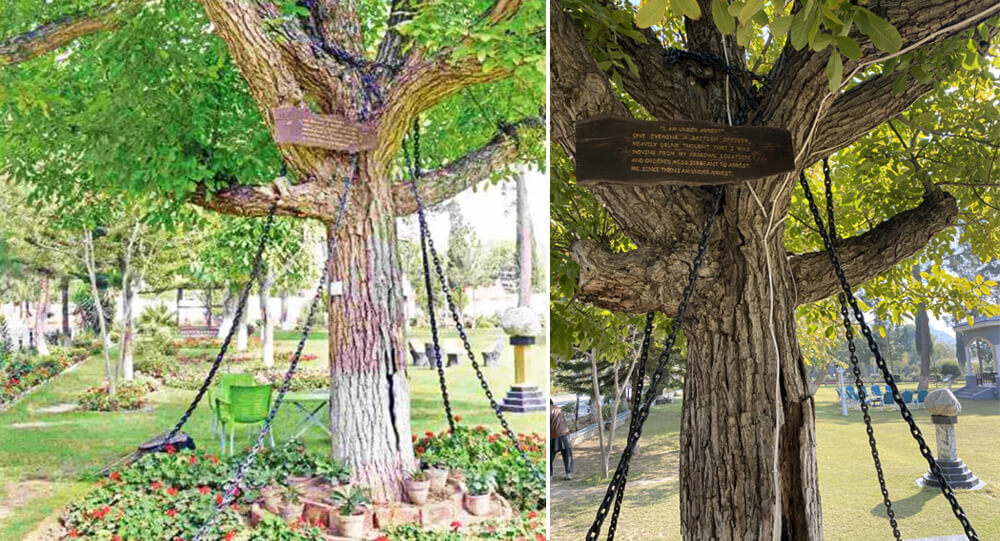
In Pakistan, this banyan tree has been arrested since 1898
In Pakistan, a tree has been arrested and chained since 1898. When a British officer who was drunk assumed it was leaving its place, it was arrested. The tree, which is presently located on the grounds of the Pakistan Army's Landi Kotal cantonment, continues to attract visitors and locals everywhere.

Sandy Island: The Phantom Island That Fooled Maps and Google Earth for Centuries
Sandy Island, charted since 1774, was long considered a phantom island in the Coral Sea. Despite appearing on maps and Google Earth, it was "undiscovered" by scientists in 2012, revealing only deep ocean instead of land. The island's existence was likely a cartographic error or a misidentified pumice raft.

Woman's memory reset every two hours after traumatic accident
Riley Horner, an Illinois teenager was accidentally kicked in the head. As a result of the injury, her memory resets every two hours, and she wakes up thinking every day is June 11. Riley keeps detailed notes of events happening throughout the day, and sets an alarm on her phone every two hours to remind her to review them. Riley also keeps a calendar in her room to remind her what day it is? As she wakes up every morning confused, thinking it's still June 11.

Pierre Brassau: The chimpanzee painter who deceived the avant-garde world
Abstract paintings by a previously unknown artist “Pierre Brassau” were exhibited at a gallery in Sweden, earning praise for his “powerful brushstrokes” and the “delicacy of a ballet dancer”. None knew that Pierre Brassau was actually a 4 year old chimp from the local zoo.

Max Headroom Incident: America’s Creepiest TV Hack
In 1987 a man hijacked a television station during an episode of Dr. Who and wore a Max Headroom mask and uttered nonsense, and he still hasn’t been caught
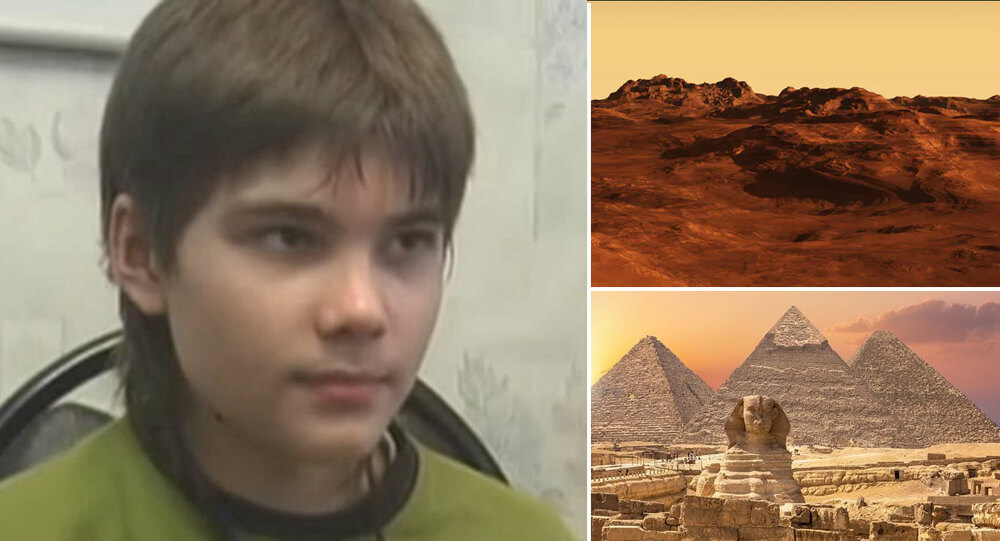
The story of a boy who claims to be on Mars: Boriska Kipriyanovich
Boriska Kipriyanovich, who lives in Volgograd, Russia, claims he lived on Mars before being resurrected on Earth on a mission to redeem humanity. What we know about him is as follows:
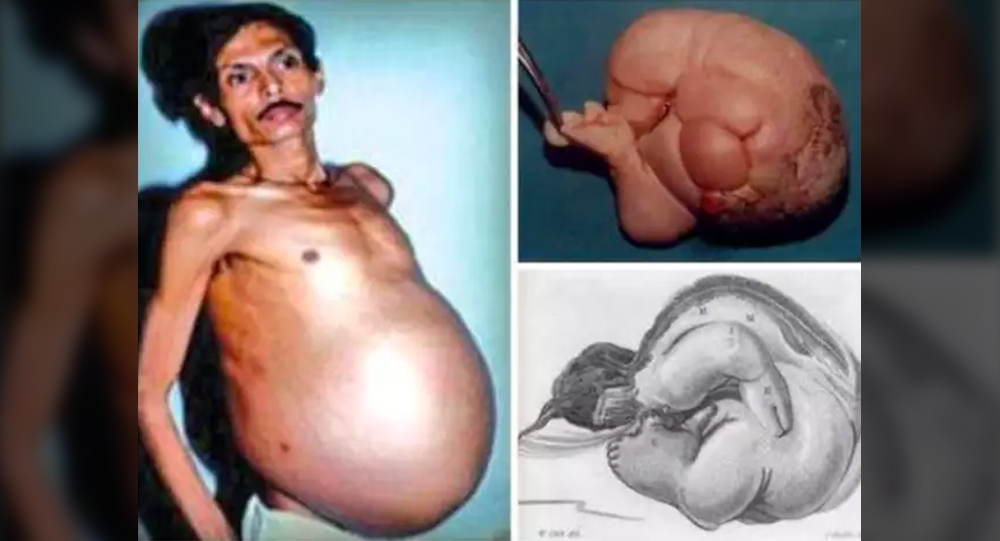
The Astonishing Case of Sanju Bhagat: Living with a Twin Inside Him for 36 Years
Sanju Bhagat, an Indian farmer, lived with an undiagnosed parasitic twin inside his abdomen for 36 years. In 1999, doctors discovered the twin during surgery. This rare condition, fetus in fetu, occurs when a malformed twin is absorbed during pregnancy, surviving within the host sibling's body.
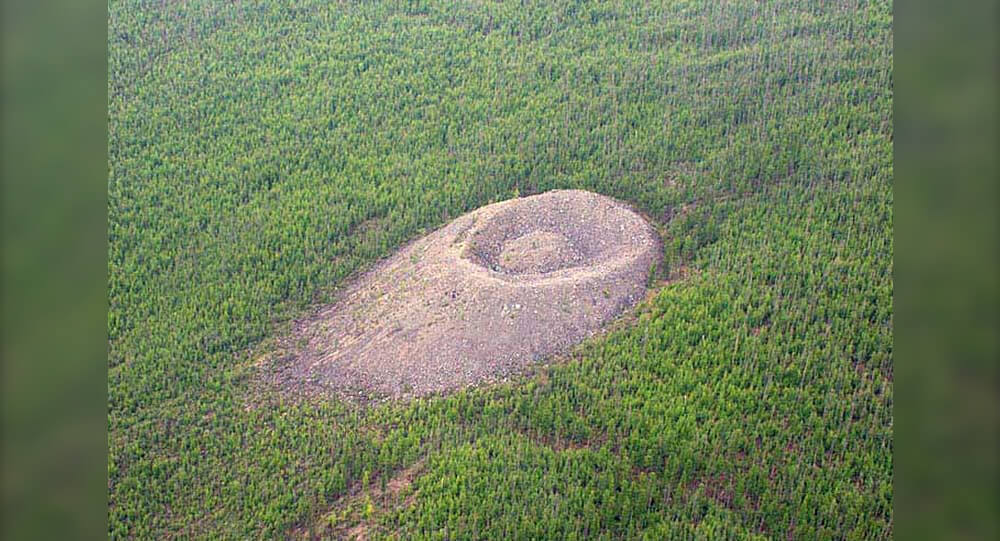
What Caused The Mysterious Patomskiy Crater in Siberia?
Discovered in 1949, the Patomskiy Crater resembles a huge convex cone with a funnel-shaped recess and a rounded hill in the middle, which looks like an eagle’s nest with an egg nestled inside it. The crater’s origin is a mystery that has baffled scientists for decades.

A woman finds her ex-boyfriend living in her attic 12 years after they broke up
Most people have heard of "things that go bump in the night," but for one South Carolina lady, that "thing" was her ex-boyfriend, whom she discovered living in her attic more than 12 years after they broke up.
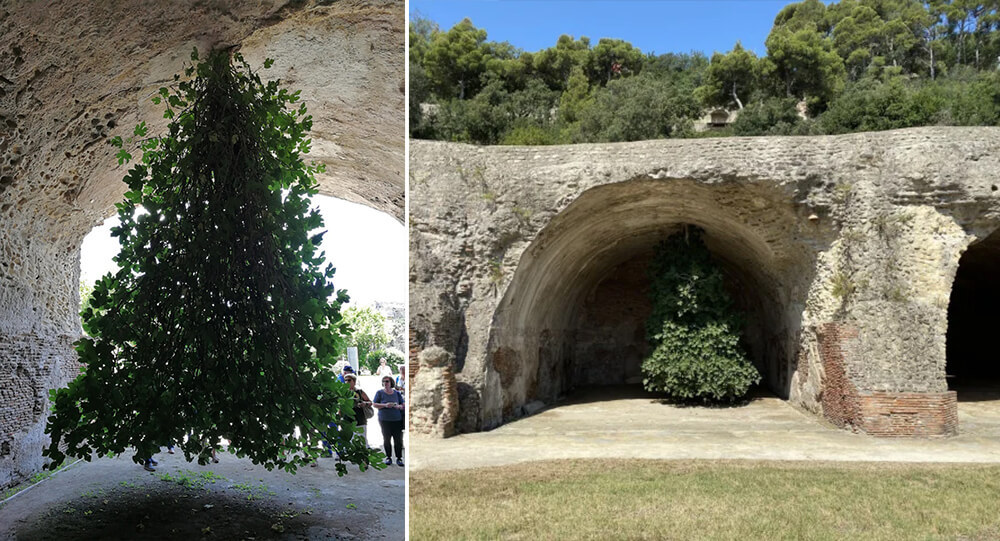
Upside-Down Fig Tree From The Roof Of An Ancient Ruin in Italy
There is an upside-down fig tree in Bacoli, Italy. No one is quite sure how the fig tree ended up there or how it survived, but year after year, it continues to grow downwards and bear figs.

The Bizarre (And Magical) Duel Between Chung Ling Soo And Ching Ling Foo
Ching Ling Foo and Chung Ling Soo were two magicians from the early 20th century who were bitter rivals. While Ching Ling Foo was genuinely Chinese, Chung Ling Soo was actually a New Yorker named William Robinson.

The Mystery of Canada's Magical Spotted Lake
Lake Khiluk, the world's most mineralized lake, and one of the most mysterious places on Earth. Each of these spots has a distinct chemical content and is said to cure various diseases.

Thousands of Rare "Ice Eggs" Blanket Finnish Beach in Spectacular Natural Phenomenon
Thousands of ice balls recently covered a beach in Finland, a rare phenomenon caused by wind and waves sculpting pieces of ice into smooth spheres. These "ice eggs" can vary in size from chicken eggs to soccer balls and have also been spotted in other cold regions globally.

The Real-Life Sleeping Beauty: A Girl with Hypersomnia Syndrome
An Indonesian 17-year old teenager Siti Raisa Miranda or Echa, has a rare medical condition formally called Kleine-Levin syndrome (KLS) where she can sleep for days and weeks without being woken up. Echa was only 13 when she first slept for a week. She’s now 17, and her parents still need to feed her and change her clothes when she experiences the deep levels of grogginess.
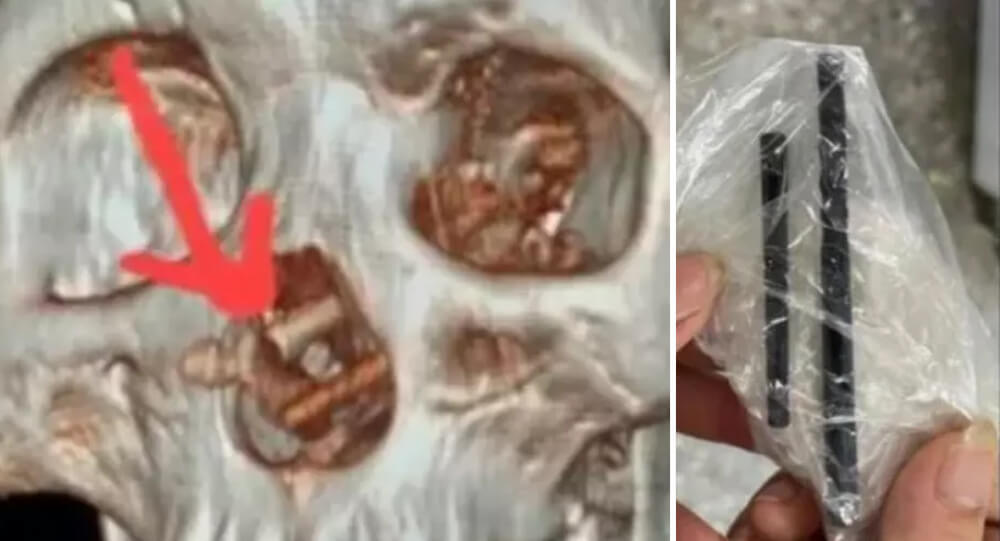
A man who has been suffering from headaches for nearly six months discovers chopsticks lodged in his brain
When it was discovered that a Vietnamese man with headaches and vision problems had chopsticks lodged in his brain, the doctors were almost as surprised as the man himself.
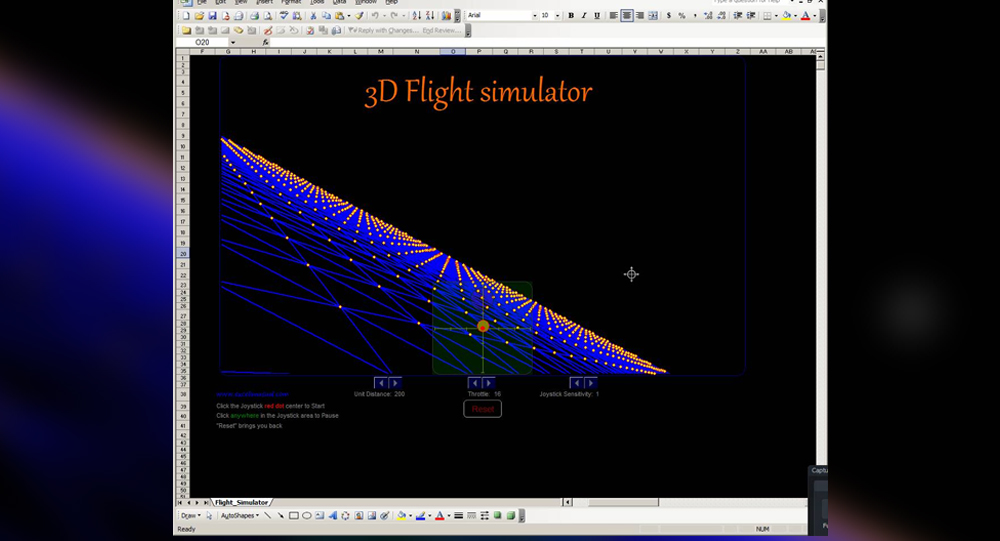
The Story of the Hidden Flight Simulator Game in Microsoft Excel 97
Before smartphones ruled hidden gaming, Microsoft slipped an extraordinary secret into one of its flagship office programs: a fully functional flight simulator game inside Excel 97. This little-known Easter egg captivated users who discovered a way to pilot a plane through the grid-like interface. Explore how this unexpected feature was created, the tech magic behind it, and why it remains a legendary piece of software lore.
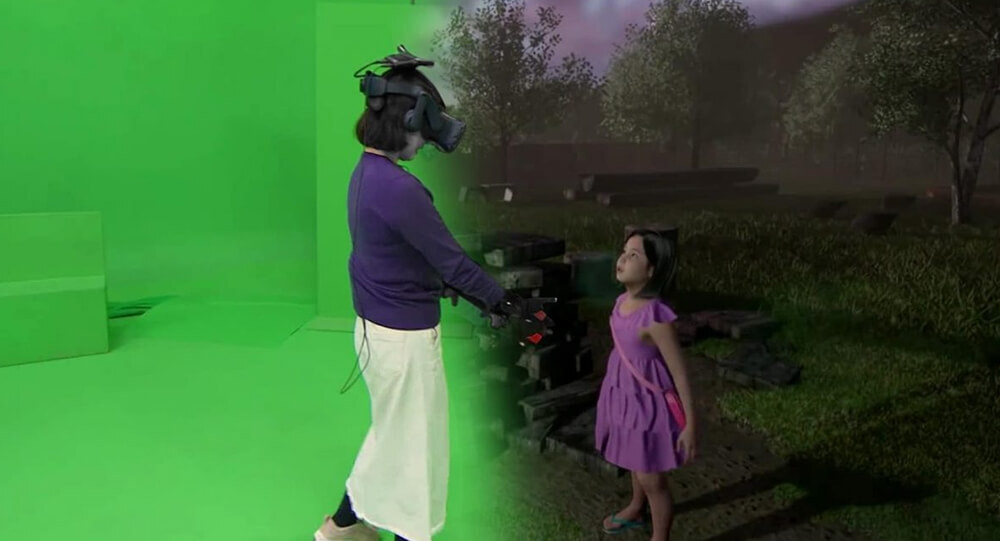
Mom Cries After Seeing Her Deceased Daughter in Virtual Reality
Jang Ji-Sung lost her 7-year-old daughter to haemochromatosis in 2017, a rare disorder in which the body absorbs too much iron. The two reunited through the use of virtual reality technology.

Bruce Campbell converted a Boeing 727-200 into a home
In 1999, a man bought a Boeing 727-200 for $100,000 and uses it as his house, then spent another $120,000 moving it from the Hillsboro airport and setting it up on his undeveloped property.

The Miracle Baby: Nigerian Couple in the UK Welcomes a Rare Blonde, Blue-Eyed Child
A black, Nigerian couple living in the U.K. gave birth to a white, blonde, blue-eyed baby that they call the "miracle baby."

Mill Ends Park, the Smallest Park in the World
Portland, Oregon is home to the tiniest park in the world, a two-foot-diameter circle. Mill End Park is the name of this park.
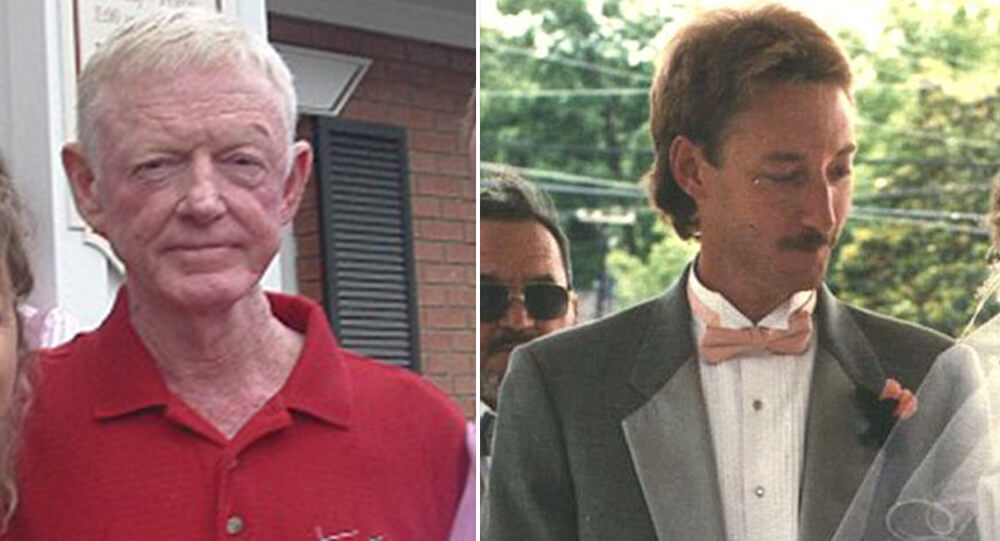
Recipient of suicide victim's heart kills himself 12 years later
In 1995, Sonny Graham received a transplanted heart from a suicide victim. He then committed suicide in the very same manner as the donor.

Japan’s Chicken-Flavored Ice Cream: The Bold Fusion of Sweet Vanilla and Real Grilled Chicken
A Japanese company once created chicken-flavored ice cream using real grilled chicken bits mixed into vanilla. It combined sweet and savory in a way few dared try, but it drew curiosity from foodies seeking extreme culinary experiences.

The true story of Josephine Myrtle Corbin, the lady born with four legs and two private parts
Josephine Myrtle Corbin, an American sideshow performer born in 1868, had a rare condition known as dipygus, which caused her to have four legs, each smaller inner leg paired with one of her outer legs. Corbin joined the sideshow circuit, captivating audiences as the "Four-Legged Girl from Texas."

Mystery SOLVED: blood Rain in India
The dissemination of spores of microalgae has been identified as the origin of the 'Blood Rain' phenomena, according to a new study by Indian and Austrian experts. Since 1896, reports of intermittent red-colored rain in portions of Kerala and Sri Lanka have been coming in. The most recent one occurred in 2013 over Kerala.
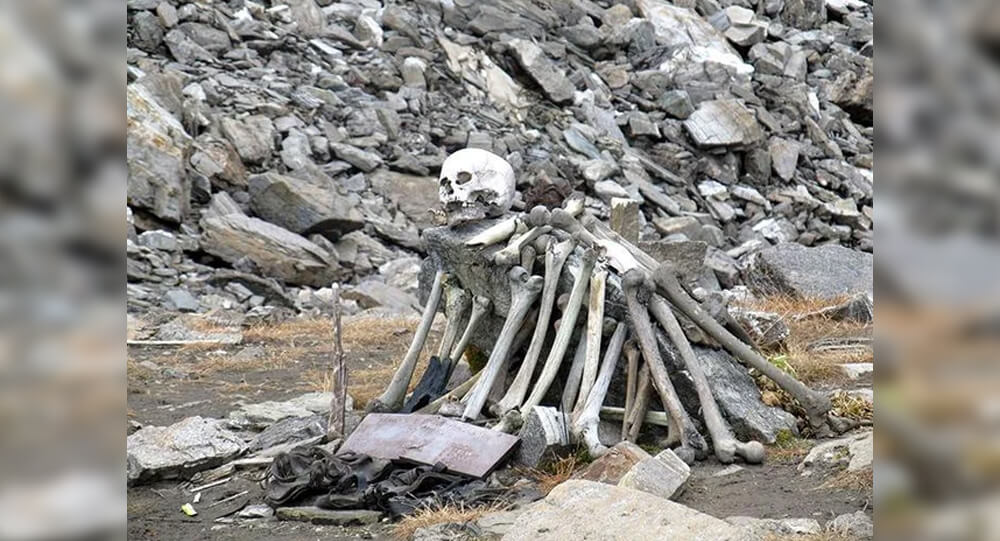
The mystery of India's 'lake of skeletons'
In 1942, a British forest guard in India made an alarming discovery. Some 16,000 feet above sea level, at the bottom of a small valley, was a frozen lake absolutely full of skeletons.