
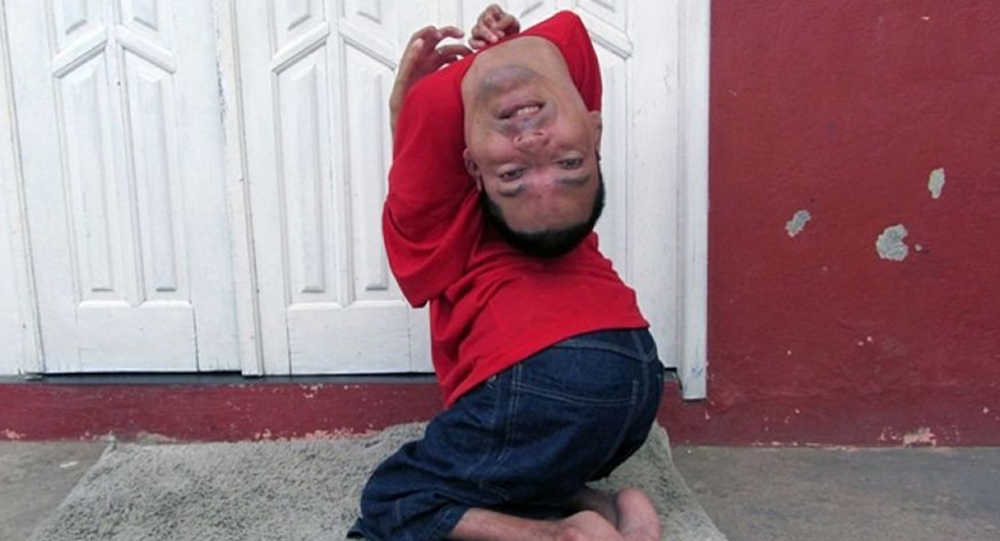

Brazilian Man with Rare ‘Upside Down’ Condition Becomes Successful Accountant and Speaker
Imagine facing life from the very first breath with a body so different it challenges the limits of medicine and human endurance. This is the extraordinary story of a Brazilian man born with his head positioned upside down—a rare manifestation of congenital arthrogryposis. Told to let him starve, his mother refused to give up hope, fueling a journey from near abandonment to international acclaim.
What Is Congenital Arthrogryposis? Understanding the Rare Condition
Congenital arthrogryposis is a rare disorder characterized by severe joint contractures present at birth, meaning joints are stiff and cannot move normally. These contractures affect muscle development and limb positioning. In extremely rare cases, the musculoskeletal abnormalities can extend to involve craniofacial structures, leading to atypical head alignment and posture as in this man’s profound case.
Causes of arthrogryposis vary widely—from genetic mutations to environmental factors affecting fetal movement in the womb. Reduced movement leads to fibrous tissue forming around joints, restricting mobility. While many patients experience limb and joint limitations, an upside-down head scenario is exceptionally uncommon, highlighting both the rarity and severity of his condition.
Typically, congenital arthrogryposis patients require multiple surgeries, therapy, and long-term medical care. The physical disability is often accompanied by social and psychological challenges, making survival and development an uphill battle.
The Grim Prognosis the Family Faced at Birth
When the child was born in a small Brazilian city, doctors were shocked. The severity of his condition was unlike anything they had seen. More than just a medical anomaly, his upside-down head posture signaled profound neurological and muscular impairment.
The prognosis was bleak. Medical professionals advised the mother to let him starve to death, believing he would suffer a life of unmanageable pain and an inability to survive without extensive care. For the family, this was a cruel judgment—yet the mother’s refusal to accept this verdict was the spark that would change everything.
She chose to nurture and care for her son, investing endless hours in feeding, comforting, and advocating for him. Her determination set the foundation for a life that would defy statistics and expectations.
Surviving, Thriving, and Defying the Odds
Survival was not easy. Feeding a child with such severe physical limitations required patience and medical ingenuity. The young boy faced multiple hospitalizations, surgeries, and physiotherapy sessions, many of which were initially aimed just at prolonging life rather than improving quality.
Despite the obstacles, he grew. His mind remained sharp even as his body was limited. Thanks to family support, community help, and sheer willpower, he surpassed each expectation. He learned to communicate, engage with the world, and pursue education—a milestone in itself for someone with such a complex congenital condition.
Eventually, he completed his schooling and chose to become an accountant—a profession demanding precision, analytical skills, and discipline. This choice reflected not just a job, but a triumph over physical adversity and societal biases about disability.
From Accountant to International Motivational Speaker
His story did not end with a professional career. Emboldened by his own journey, he took to sharing his experiences as a motivational speaker, traveling internationally and inspiring audiences with his message: “No condition, no fate defines your limits. Determination, love, and action can rewrite your story.”
His speeches blend humor, wisdom, and raw honesty. He advocates for disability rights, inclusion, and mental resilience, challenging stereotypes and encouraging others to overcome their own struggles. He has become a beacon of hope across Brazil and the world, appearing at conferences, universities, and corporate events.
His advocacy has helped raise awareness about congenital arthrogryposis and similar conditions, reminding the world that every human life carries infinite potential.
Fascinating Trivia About Congenital Arthrogryposis and Remarkable Survivors
- Arthrogryposis affects roughly 1 in 3,000 to 1 in 6,000 live births, with hundreds of subtypes varying vastly in severity.
- Early intervention involving customized therapy and multidisciplinary care has improved survival and outcomes dramatically in recent decades.
- Cases involving craniofacial abnormalities, such as the upside-down head positioning, are so rare they are often documented only in medical case studies.
- Families’ roles in advocating and caring for affected children are crucial, often correlating with improved quality of life and social integration.
- People with severe physical disabilities have made profound impacts worldwide—from scientists to artists and athletes—defying societal limitations.
Lessons From a Life Rewritten
This man’s journey teaches us that medical diagnoses, no matter how grim, are not absolute sentences. His story exemplifies the power of human spirit, parental love, and a refusal to accept “impossible” as an end.
From a frail newborn facing a death sentence to a respected accountant and international speaker, his life challenges us to broaden our understanding of ability, redefine success, and celebrate resilience.
A Testament to Courage and Possibility
In a world that often measures worth in physical ability or appearance, this remarkable man from Brazil reminds us that inner strength, determination, and the will to live can shatter barriers imposed by fate or society.
His story is a beacon for families facing similar challenges, a call to medical professionals to provide compassionate care, and an inspiration for all to never underestimate the spirit of life.
If you’re moved by this extraordinary tale of survival and success, share it to spread hope, and stay tuned for more stories that celebrate the triumph of human courage.
Sources & Further Reading:
- National Organization for Rare Disorders: Arthrogryposis — rarediseases.org
- NIH MedlinePlus: Understanding Congenital Arthrogryposis — medlineplus.gov
- World Health Organization: Disability and Rehabilitation Insights — who.int
- Motivational Speaking Examples: Stories of Overcoming Adversity — changeyourstory.com
If you want to read more inspiring survivor stories or learn about rare congenital conditions, follow for regular updates and deep dives on impactful human experiences.

Why the Brooklyn Bridge Was Once Crossed by 17 Camels and 21 Elephants
On May 30, 1883, a rumor that the Brooklyn Bridge was going to collapse caused a stampede, which killed at least at twleve people. To prove the bridge was safe, P.T. Barnum led a parade of 21 elephants over it.


San Pedro prison in La Paz, Bolivia: community inside prison
Bolivia’s largest prison has a society within itself and no guards inside the walls. Inmates elect their own leaders, make their own laws, get jobs to pay for their cell’s rent, and can even live with their families.
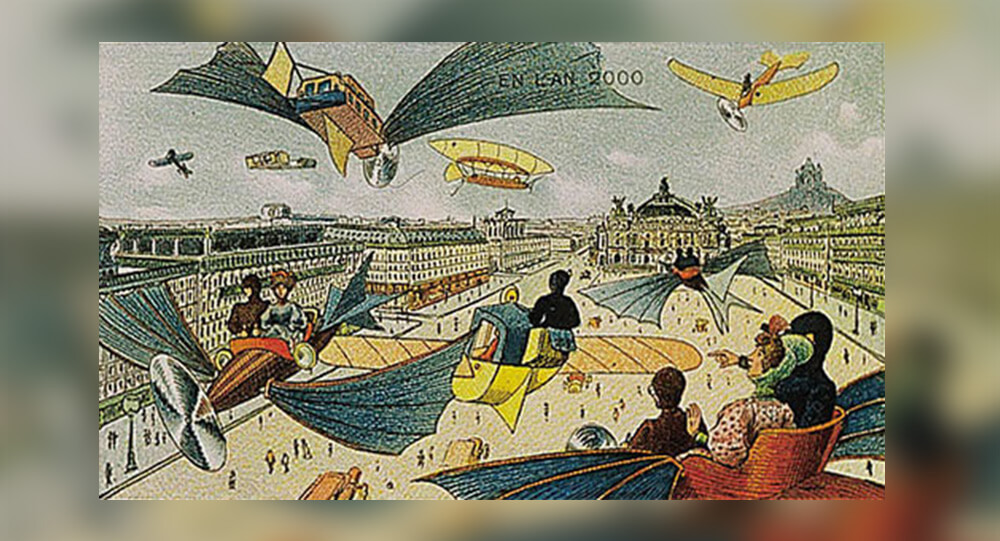
the world from someone predicting 2000 from a guy in 1910
Villemard, a French artist, illustrated how he imagined the future would be in the year 2000 in 1910.
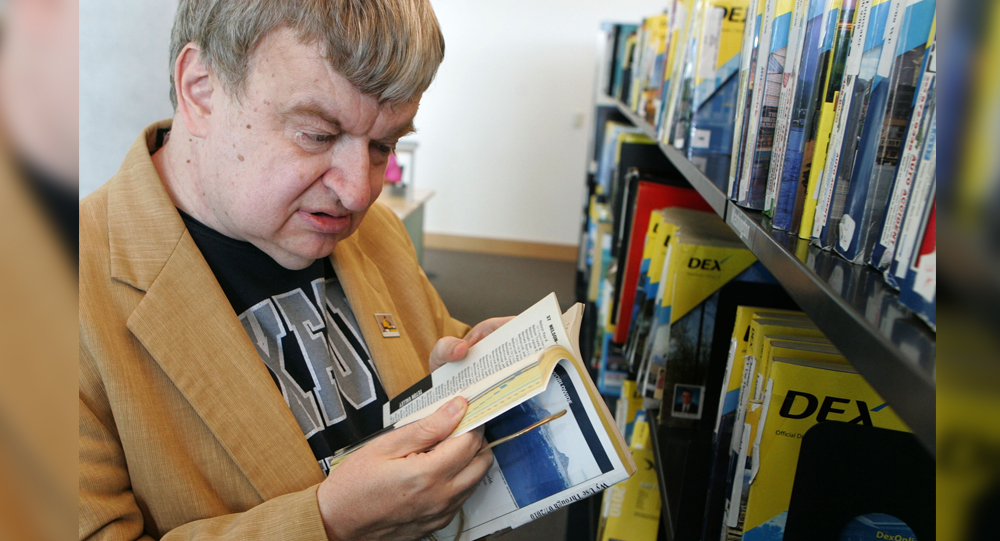
Kim Peek: The Real Rain Man Who Memorized 12,000 Books
Kim Peek wasn’t just a man with an extraordinary memory—he was a megasavant whose astonishing ability to recall the contents of over 12,000 books inspired the iconic character Raymond Babbitt in the film Rain Man. Able to read two pages at once, scanning one with each eye, Peek could memorize an entire book in about an hour. Despite his phenomenal talents, he faced developmental challenges and lived a unique life that changed perceptions about human potential and cognitive diversity. This article explores the remarkable story of Kim Peek, his capabilities, and the legacy he left behind.

The story of a boy who claims to be on Mars: Boriska Kipriyanovich
Boriska Kipriyanovich, who lives in Volgograd, Russia, claims he lived on Mars before being resurrected on Earth on a mission to redeem humanity. What we know about him is as follows:
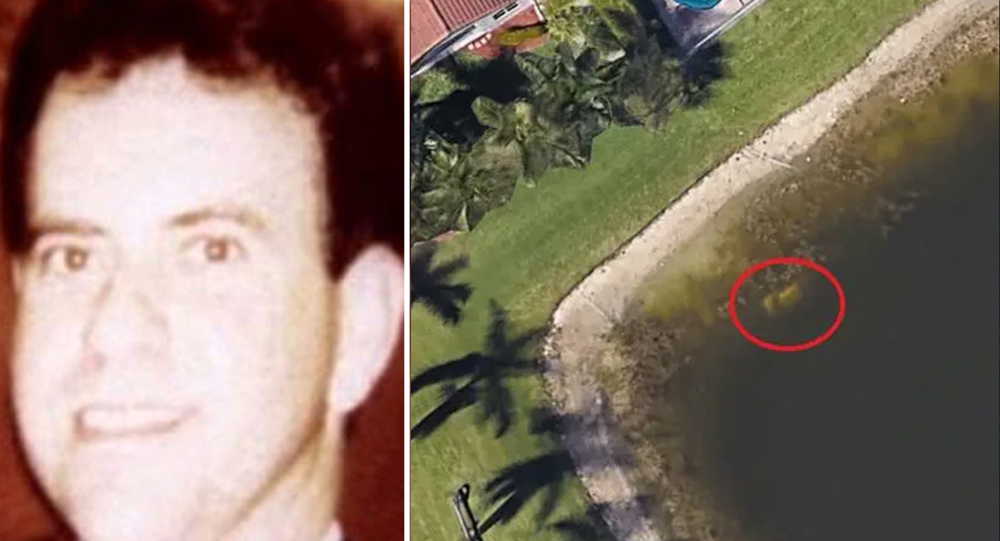
The Google Maps Discovery: the Mystery of William Moldt's Disappearance
In 2019, Google Maps helped solve the decades-old mystery of William Moldt, who disappeared in 1997. A former resident spotted his submerged car in a retention pond while using Google Earth. The vehicle, visible since 2007, contained Moldt's skeletal remains, providing closure to his case.

A man who has been suffering from headaches for nearly six months discovers chopsticks lodged in his brain
When it was discovered that a Vietnamese man with headaches and vision problems had chopsticks lodged in his brain, the doctors were almost as surprised as the man himself.

Roller Coasters were First Invented to Distract People from sin
Roller coasters were invented to distract Americans from sin. In the 1880s, hosiery businessman LaMarcus Thompson didn’t like that Americans were going to places like saloons and brothels and created the first roller coaster on Coney Island to persuade them to go there instead.

Brazilian gang leader attempts to escape from Rio de Janeiro prison by dressing up as his daughter
In 2019, a Brazilian gang leader tried to escape from prison by dressing up as his daughter when she visited him behind bars and walking out of the penitentiary's main door in her place.

Khuk Khi Kai: Thailand’s Infamous “Chicken Poop Prison” and Its Gruesome Legacy
Thailand used to have a prison called "Khuk Khi Kai," or "Chicken poop prison." The first floor of the prison contained prisoners, and the second floor was a large chicken coop. The grated floor ensured that prisoners were constantly subjected to chicken poop.
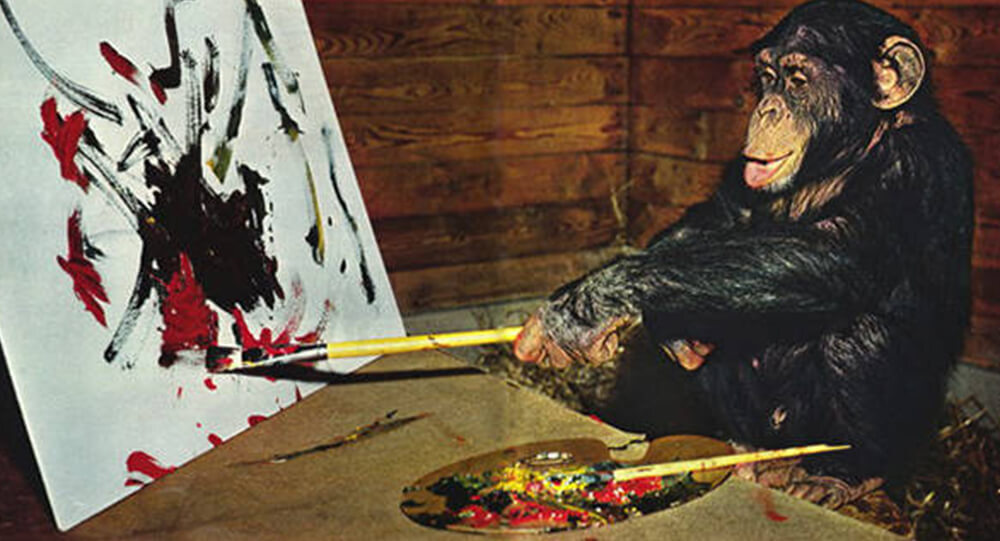
Pierre Brassau: The chimpanzee painter who deceived the avant-garde world
Abstract paintings by a previously unknown artist “Pierre Brassau” were exhibited at a gallery in Sweden, earning praise for his “powerful brushstrokes” and the “delicacy of a ballet dancer”. None knew that Pierre Brassau was actually a 4 year old chimp from the local zoo.
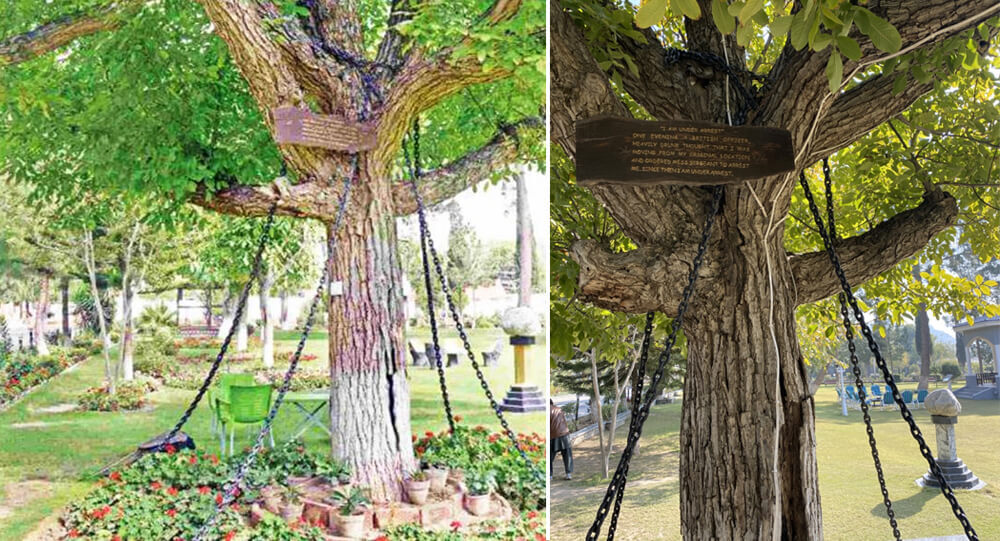
In Pakistan, this banyan tree has been arrested since 1898
In Pakistan, a tree has been arrested and chained since 1898. When a British officer who was drunk assumed it was leaving its place, it was arrested. The tree, which is presently located on the grounds of the Pakistan Army's Landi Kotal cantonment, continues to attract visitors and locals everywhere.

Preserving Bodies in a Deep Freeze Await Revival
There are currently hundreds of deceased people in the U.S., including baseball legend Ted Williams, whose bodies are frozen in liquid nitrogen in hopes that future technology will be able to revive them.
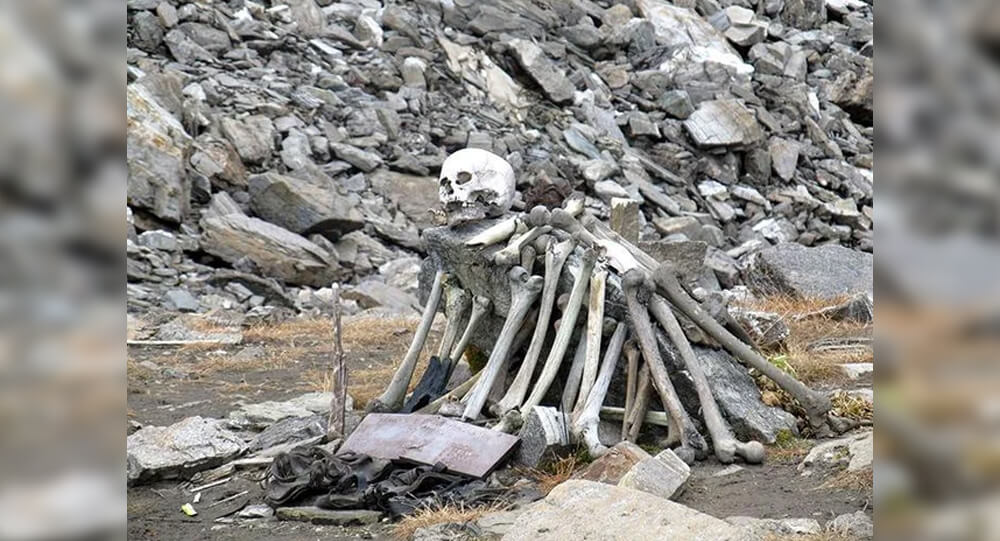
The mystery of India's 'lake of skeletons'
In 1942, a British forest guard in India made an alarming discovery. Some 16,000 feet above sea level, at the bottom of a small valley, was a frozen lake absolutely full of skeletons.

Nevada’s Fly Geyser Is A Surreal Wonder That Looks Like Its On Another Planet
In 1964, an energy company accidentally created Nevada’s Fly Geyser after drilling into a geothermal pocket. Since then, the geyser has been releasing algae-filled scalding water five feet in the air, depositing minerals and forming a cone that sports vibrant hues of green and red.
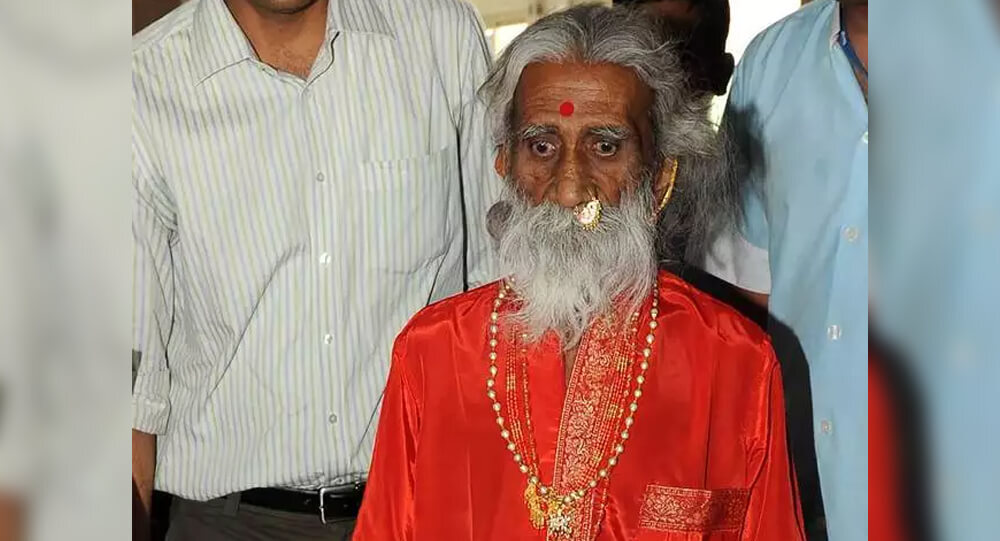
This Yogi Spent 76 Years Without Eating or Drinking Anything and Confirmed by
Prahlad Jani, the starving monk who lived 76 Years without food and water.
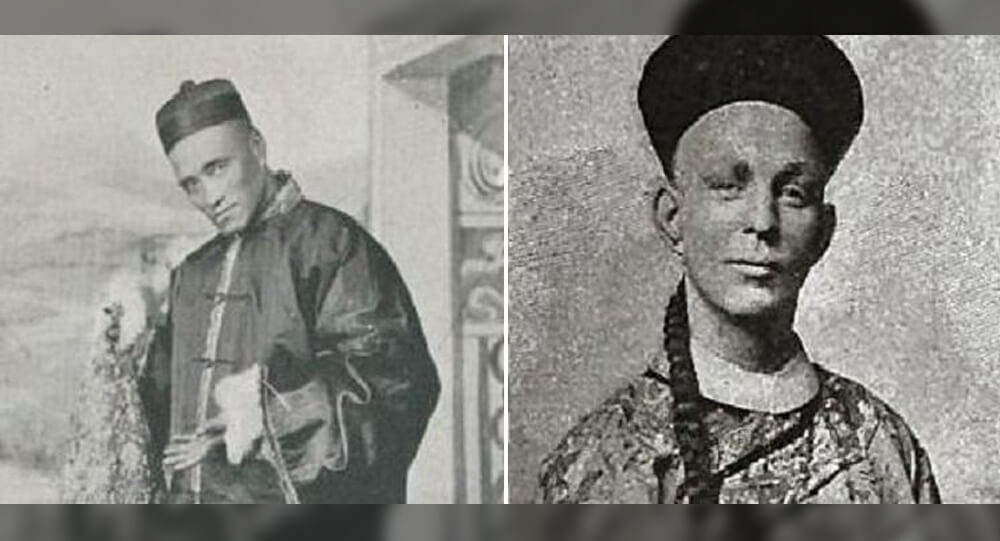
The Bizarre (And Magical) Duel Between Chung Ling Soo And Ching Ling Foo
Ching Ling Foo and Chung Ling Soo were two magicians from the early 20th century who were bitter rivals. While Ching Ling Foo was genuinely Chinese, Chung Ling Soo was actually a New Yorker named William Robinson.
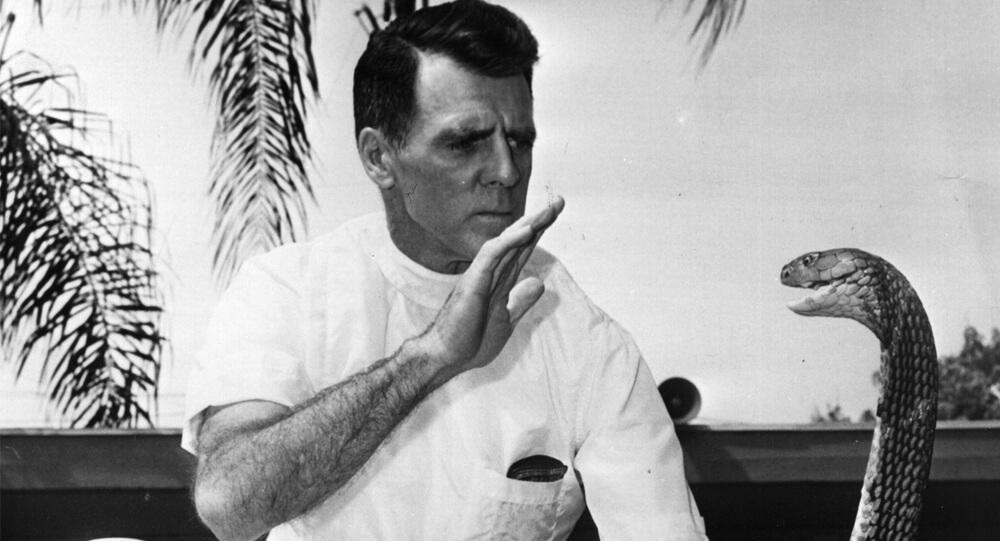
The story of Bill Haast, who lived to be 100 despite his extensive snake venom injections
Bill Haast immunized himself by injecting snake venom into his blood for several years. He holds the Guinness World Record for surviving the most lethal snake bites, having been bitten over 172 times. Bill became known as "Snake Man" around the world and lived for over 100 years.

A woman finds her ex-boyfriend living in her attic 12 years after they broke up
Most people have heard of "things that go bump in the night," but for one South Carolina lady, that "thing" was her ex-boyfriend, whom she discovered living in her attic more than 12 years after they broke up.

The 1814 London beer flood
In 1814, there was a beer flood in London when a tank containing more than 300,000 gallons ruptured in which 8 people drowned.

The true story of Josephine Myrtle Corbin, the lady born with four legs and two private parts
Josephine Myrtle Corbin, an American sideshow performer born in 1868, had a rare condition known as dipygus, which caused her to have four legs, each smaller inner leg paired with one of her outer legs. Corbin joined the sideshow circuit, captivating audiences as the "Four-Legged Girl from Texas."

Mysterious ghost ship found with mummified captain inside [SOLVED]
German captain had been sailing the world for 20 years. It was unknown when or how he died or how long the ghost ship had been adrift
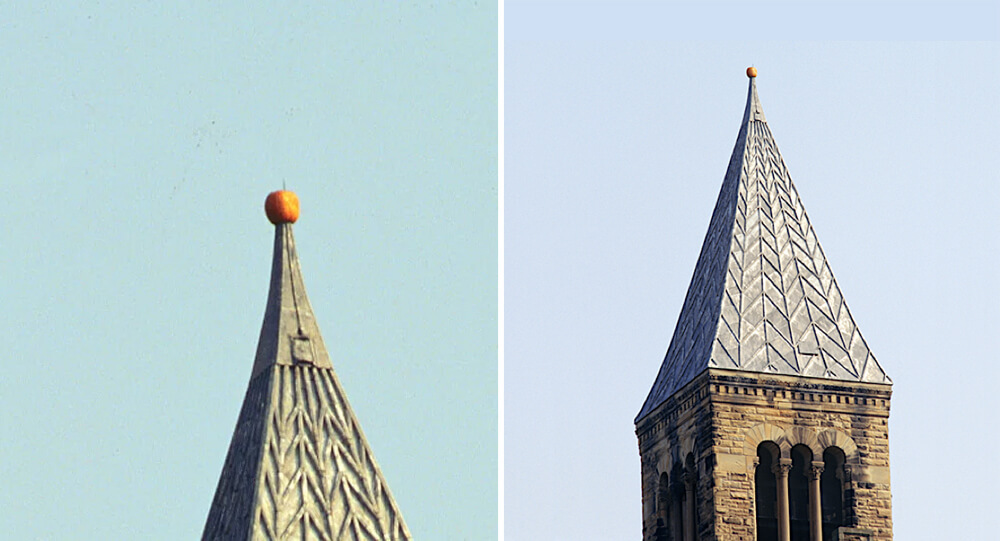
The mysterious Pumpkin impaled on the top of Tower
Twenty Three years ago, somebody impaled a 60-pound pumpkin 170 off the ground on this spire at Cornell University. Nobody knows who did this or how they did it.
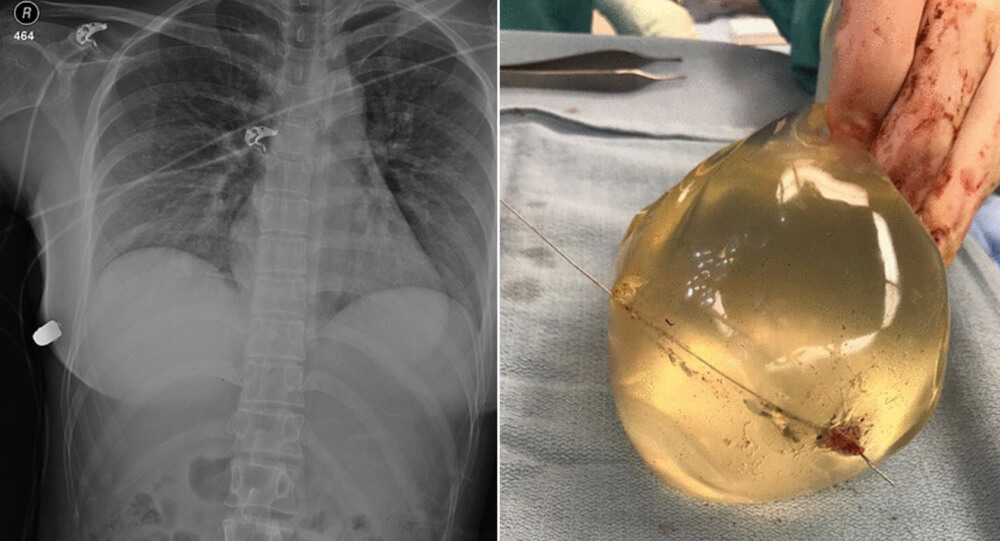
In 2018, a 30-year-old survived a close-range gunshot thanks to silicone implant
In 2018, a 30-year-old woman from Toronto, Canada survived a close-range gunshot thanks to her silicone breast implant. Doctors believe that the implant deflected the bullet away from her vital organs, and her only injury was a fractured rib.
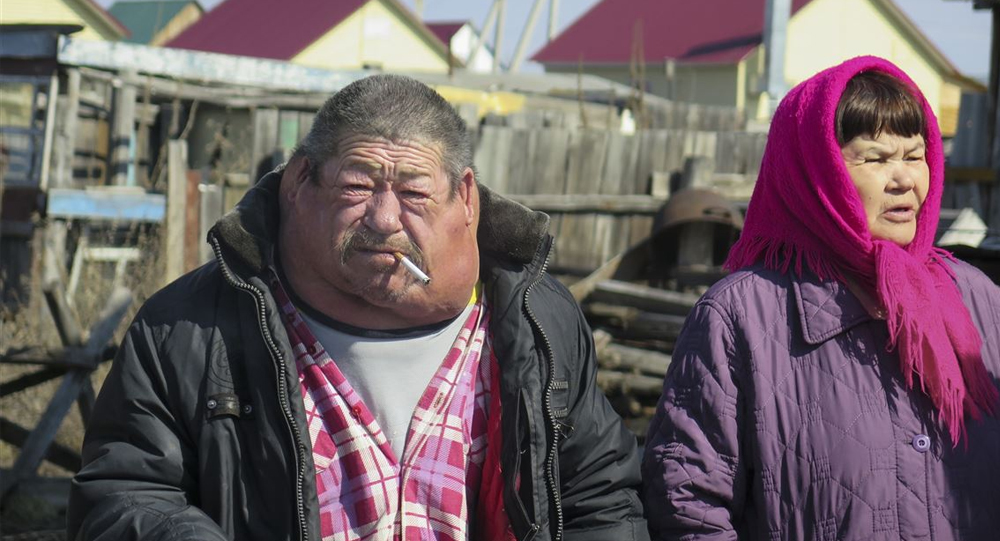
Vakil Batirshin’s Story: How Radiation Exposure Caused Severe Lymph Node Swelling
This is Vakil Batirshin, a man whose severe swelling from enlarged lymph nodes was reportedly caused by radioactive exposure. His condition highlights the devastating and long-term health effects radiation can inflict on the human body—often surfacing years after initial contact. Cases like his underscore the importance of nuclear safety and medical support.