

Why Do Spiders Rain From the Sky? The Strange Ballooning Phenomenon
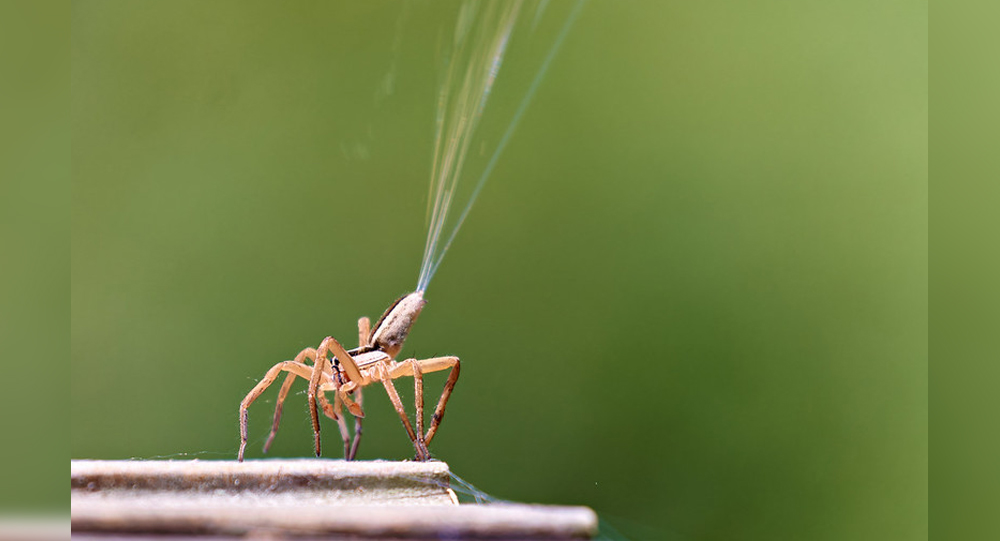
Photo by: Steve Creek Wildlife Photography
Ballooning is a remarkable dispersal method used primarily by spiderlings shortly after hatching but also by some adult spiders. These tiny arachnids climb to elevated points—twig tips, tall grasses, roof edges—and adopt a characteristic “tiptoe” posture, raising their abdomens high in the air. From their spinnerets, they release fine silk threads that spread out and catch the air.
These threads, often too thin to be seen in sunlight, act as a natural parachute or sail. When the conditions are right, the silk can lift even tiny spiders off the ground, carrying them into the atmosphere on air currents.
This behavior helps spiders spread over large areas, avoiding overcrowding and inbreeding, and finding new habitats with better resources and fewer predators.
The Stunning Science of Spider Ballooning
For decades, scientists understood that ballooning was primarily powered by wind updrafts—rising warm air currents that can carry particles and small creatures upward. However, a breakthrough study in 2018 revealed an astonishing additional factor: spiders can also harness Earth’s static electric field to lift off.
The Earth’s surface carries a negative charge, while the atmosphere above has a positive charge, creating an electric field that produces an upward force. Spiders’ silk is charged positively when released, making the threads repel from the negatively charged ground. This repulsion provides enough lift to raise spiders even when the wind is calm.
This explains numerous anecdotal reports of spiders ballooning on still days or when winds are too light to support flight, an earlier scientific mystery solved.
How Far Can Spiders Travel by Ballooning?
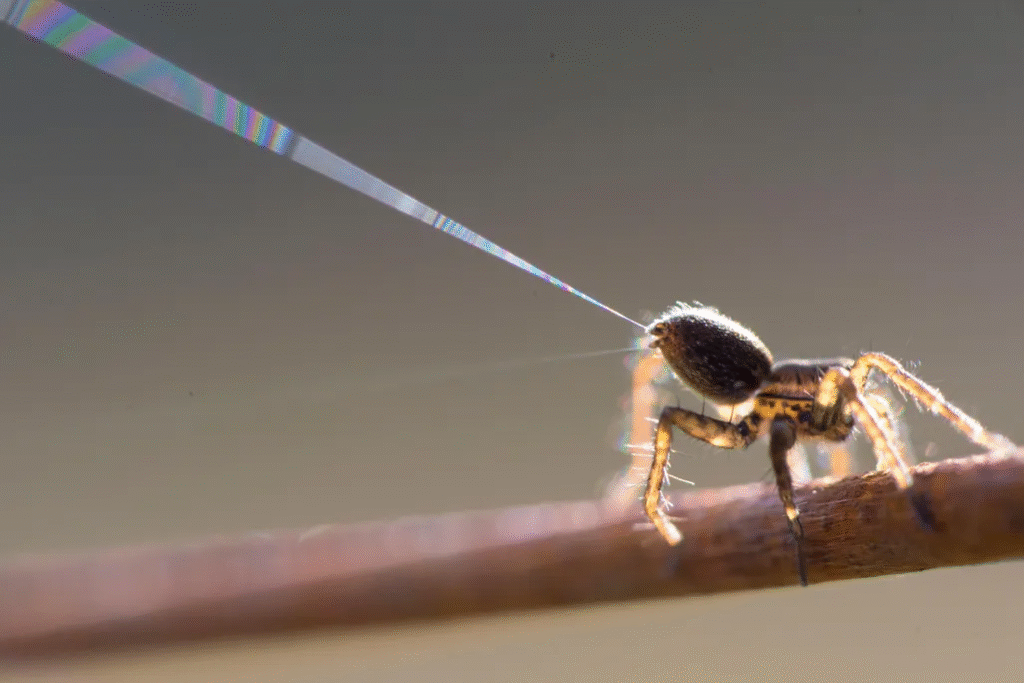
Spider ballooning is not a short hop—it can be a journey of hundreds or even thousands of kilometers. Scientists have collected tiny spiders from over five kilometers up in the atmosphere, and even from ships in the open ocean far from coastlines.
These airborne travels are a key factor in how spiders colonize new areas and repopulate ecosystems. They can “fly” across islands, mountain ranges, and large empty spaces that would otherwise be impassable.
Such journeys are risky, however—many spiderlings perish in flight due to predators, weather, or landing in inhospitable environments. But nature’s strategy favors the few that survive, ensuring genetic diversity and species spread.
A Delicate Dance With the Wind
Before releasing their silk threads, spiders carefully evaluate environmental conditions. They sense wind speed and direction using specialized hairs on their front legs, patiently waiting for optimal moments to launch.
If conditions are unfavorable—too windy, too still, or too turbulent—they retract the silk and wait patiently. When conditions are just right, the spider releases dozens of nanoscale silk fibers that combine to form a triangular-shaped sheet. The sheet catches wind or electric forces and generates drag large enough to overcome the spider’s weight.
Once airborne, spiders stretch their legs outward, stabilizing flight and steering gently on air currents to direct their landings.
The Phenomenon of ‘Spider Rains’
Ballooning on a massive scale can create the phenomenon of “spider rains,” where thousands or millions of tiny spiderlings descend en masse over an area. Such events have been recorded in Australia, South America, and even southern U.S. states.
The silk threads can weave a delicate, snow-like canopy visible in sunlight, seemingly draping across trees, fields, and roads. Though unsettling to some, these spider “showers” are natural, harmless, and part of the ecosystems’ reproductive strategies.
In Australia’s 2012 and 2015 events, millions of spiders ballooned simultaneously, with roads and fields covered in a fine web mist—a stunning testament to spider abundance and dispersal.
Why Ballooning Is Ecologically Important
Ballooning facilitates genetic exchange between distant populations, preventing inbreeding and promoting species diversity. It also allows spiders to adapt to changing environments and colonize new areas faster than crawling or jumping could achieve.
As natural pest controllers, dispersed spiders contribute to agriculture and ecosystems by controlling insect populations. Ballooning indirectly supports these benefits by expanding spider territories and improving species resilience.
Fascinating Trivia About Spider Ballooning
- Spiders can balloon at wind speeds less than 3 meters per second, preferring light breezes.
- Ballooning behavior has been observed in at least 31 spider species and even in some moths and mites.
- Spider silk used in ballooning differs chemically and structurally from web silk, optimized for flight.
- Ballooning emerged as a dispersal strategy during the Cretaceous period, over 100 million years ago.
- Spiders can produce up to 50 nylon-like silk fibers simultaneously for ballooning, creating a strong, lightweight sheet.
- Ballooning spiders can reach altitudes as high as 5 kilometers (3 miles), detected by researchers and aircraft.
- Spiders have shown the ability to “choose” when to balloon based on atmospheric electric fields as well as wind.
- Ballooning is an energy-efficient way for spiders to move without expending much effort.
Challenges and Future Research in Spider Ballooning
Scientists still seek to fully understand the balance of forces—wind, turbulence, electric fields—that control ballooning efficiency and risk. Questions remain about how spiders control direction and avoid hazards.
Ongoing research involves wind tunnel experiments, high-speed photography, and atmospheric measurements. The behavior also inspires biomimetic engineering—designing tiny flying drones and sensors based on spider ballooning principles for scientific and environmental monitoring.
Nature’s Tiny Sky Travelers
The phenomenon of spiders raining from the sky is an enchanting reminder of nature’s ingenuity and the wonders hidden in everyday life. Ballooning is a remarkable adaptation that allows these tiny arachnids to traverse continents and oceans, riding silk threads on invisible forces.
Understanding ballooning enriches appreciation for these often misunderstood creatures and deepens human connection with the natural world’s subtle dynamics.
If this story of skyborne spiders illuminated hidden natural marvels, share this article to reveal the mystery behind one of the most unusual forms of animal flight.
Sources & Further Reading:
- National Center for Biotechnology Information (NCBI): Study on Ballooning in Large Spiders (2018)
- Wikipedia: Ballooning (spider) (2006)
- IFLScience: The Science Behind Spider Ballooning (2023)
- PBS NewsHour: Spiders Fly on Currents of Earth’s Electric Field (2018)

Vakil Batirshin’s Story: How Radiation Exposure Caused Severe Lymph Node Swelling
This is Vakil Batirshin, a man whose severe swelling from enlarged lymph nodes was reportedly caused by radioactive exposure. His condition highlights the devastating and long-term health effects radiation can inflict on the human body—often surfacing years after initial contact. Cases like his underscore the importance of nuclear safety and medical support.
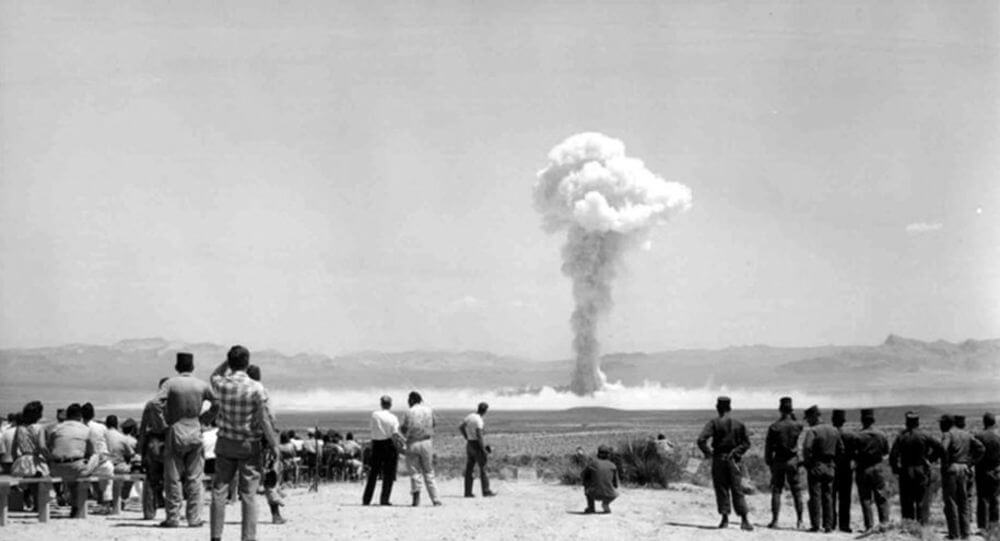
Atomic Tourism: In the 1950s, nuclear tests in Las Vegas served as a draw for tourists
Between 1950 and 1960, Las Vegas offered “Atomic Tourism” in which guests could watch atomic bombs being tested in the desert as a form of entertainment.

Frank Lentini, The Three-Legged Sideshow Performer
Francesco Lentini was a man with three legs, four feet, sixteen toes, and two sets of functional male genitals. He worked for the circus and lived to be 78 years old.
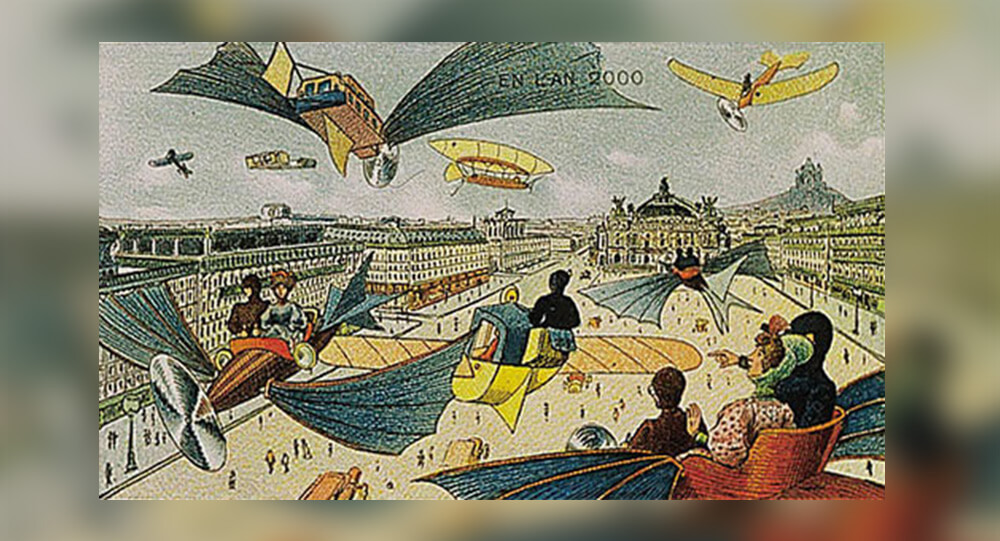
the world from someone predicting 2000 from a guy in 1910
Villemard, a French artist, illustrated how he imagined the future would be in the year 2000 in 1910.
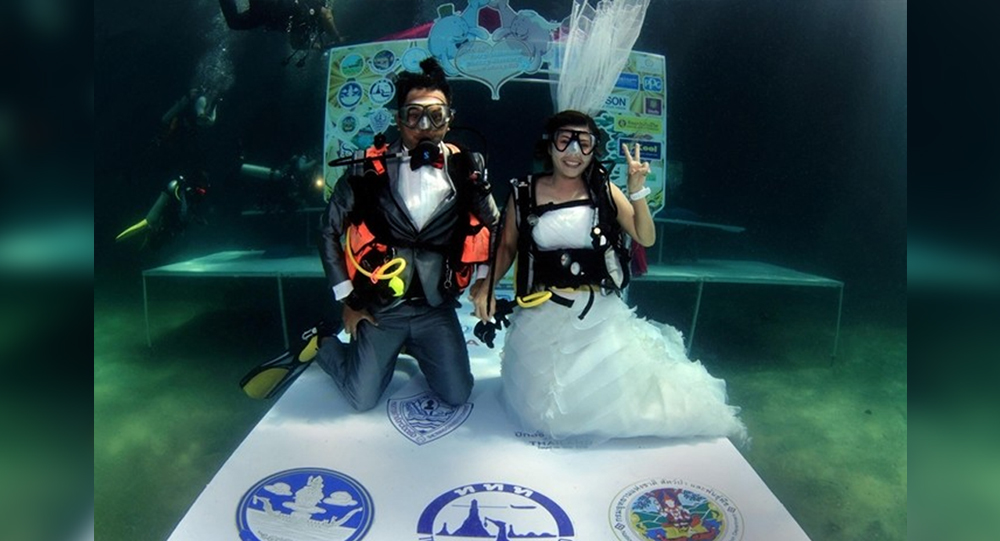
This Thai Wedding Tradition Happens 40 Feet Underwater
Each year in Trang, Thailand, dozens of couples participate in an underwater wedding ceremony while scuba diving in full gear. The ritual symbolizes deep love and has become a quirky tourist attraction held around Valentine’s Day.

Mill Ends Park, the Smallest Park in the World
Portland, Oregon is home to the tiniest park in the world, a two-foot-diameter circle. Mill End Park is the name of this park.

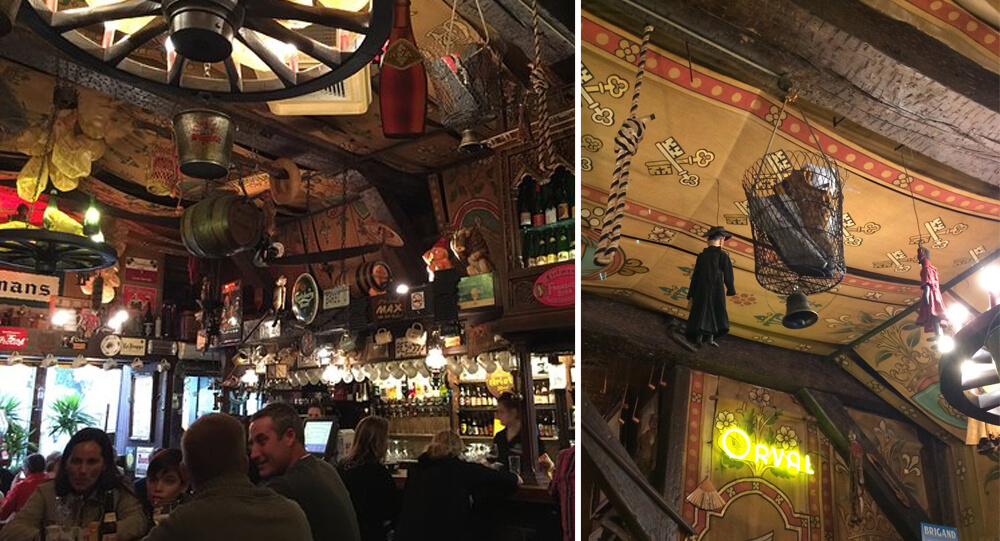
Why This Belgian Bar Makes You Trade Your Shoe for a Beer
To prevent tourists from stealing their beer glasses, some bars in Belgium require people to hand over one of their shoes as a deposit which is then put in a basket and hung from the ceiling. These shoe baskets have also become an attraction.
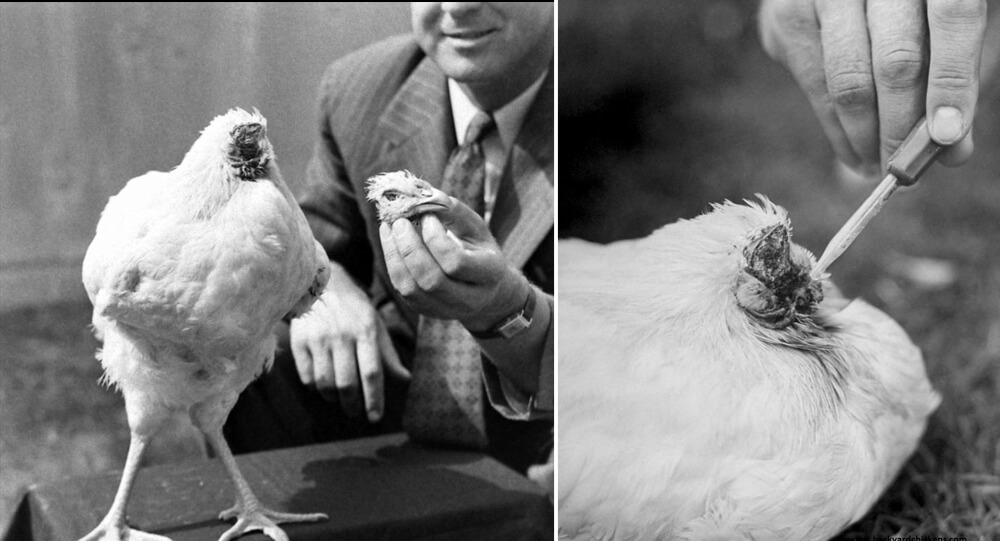
The story of The chicken that lived for 18 months without a head
Mike the Headless Chicken was a rooster whose head was accidentally chopped off but miraculously survived. This is due to most of the brain stem being left intact. He was fed using a special tube that delivered food directly into his esophagus. Despite his lack of a head, he lived for 18 months, gaining worldwide fame before ultimately choking on a kernel of corn during one of his tours, in a Motel in Fruita, Colorado.

Sandy Island: The Phantom Island That Fooled Maps and Google Earth for Centuries
Sandy Island, charted since 1774, was long considered a phantom island in the Coral Sea. Despite appearing on maps and Google Earth, it was "undiscovered" by scientists in 2012, revealing only deep ocean instead of land. The island's existence was likely a cartographic error or a misidentified pumice raft.

The Miracle Baby: Nigerian Couple in the UK Welcomes a Rare Blonde, Blue-Eyed Child
A black, Nigerian couple living in the U.K. gave birth to a white, blonde, blue-eyed baby that they call the "miracle baby."
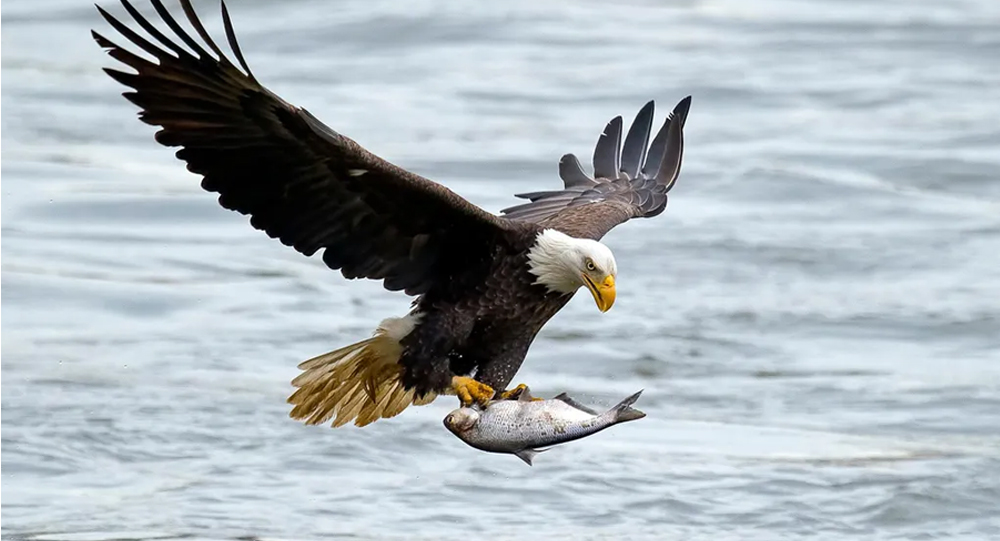
When the Sky Rained Fish: An Unbelievable Encounter Above Alaska
A small Alaskan plane was hit by a fish falling from the sky. It had been dropped by an eagle that misjudged its grip. The plane was unharmed, but it made the news as possibly the weirdest bird strike ever.

Japan’s Chicken-Flavored Ice Cream: The Bold Fusion of Sweet Vanilla and Real Grilled Chicken
A Japanese company once created chicken-flavored ice cream using real grilled chicken bits mixed into vanilla. It combined sweet and savory in a way few dared try, but it drew curiosity from foodies seeking extreme culinary experiences.

The mysterious Pumpkin impaled on the top of Tower
Twenty Three years ago, somebody impaled a 60-pound pumpkin 170 off the ground on this spire at Cornell University. Nobody knows who did this or how they did it.

Preserving Bodies in a Deep Freeze Await Revival
There are currently hundreds of deceased people in the U.S., including baseball legend Ted Williams, whose bodies are frozen in liquid nitrogen in hopes that future technology will be able to revive them.

Recipient of suicide victim's heart kills himself 12 years later
In 1995, Sonny Graham received a transplanted heart from a suicide victim. He then committed suicide in the very same manner as the donor.
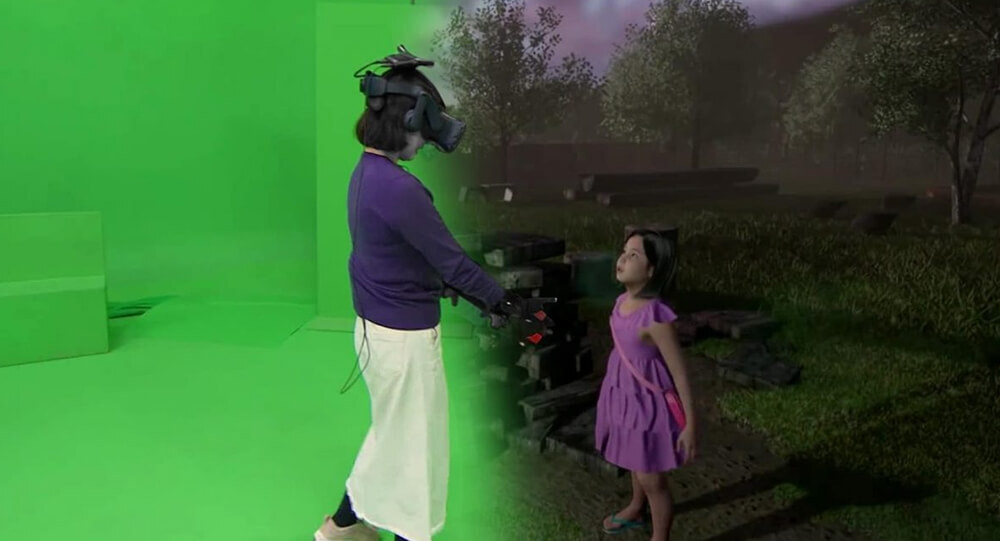
Mom Cries After Seeing Her Deceased Daughter in Virtual Reality
Jang Ji-Sung lost her 7-year-old daughter to haemochromatosis in 2017, a rare disorder in which the body absorbs too much iron. The two reunited through the use of virtual reality technology.
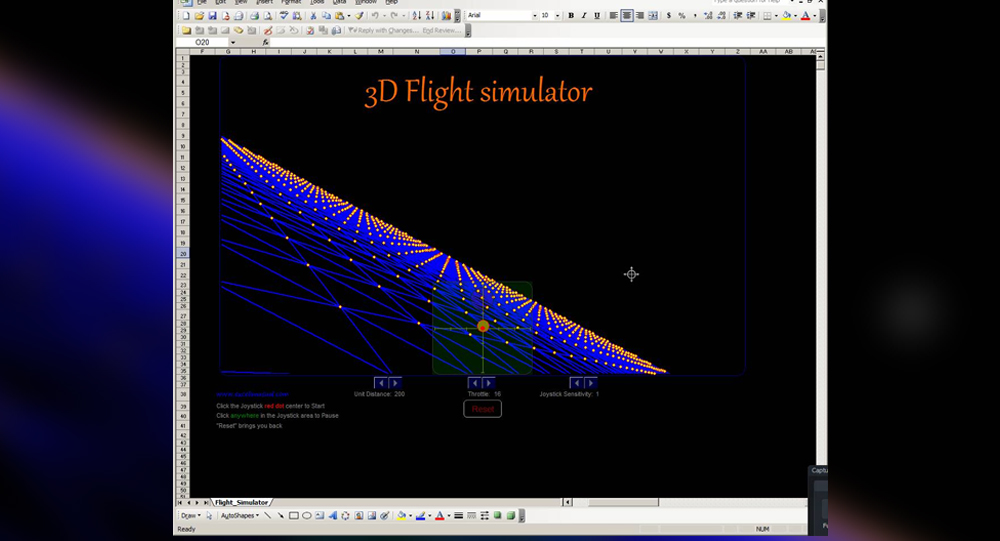
The Story of the Hidden Flight Simulator Game in Microsoft Excel 97
Before smartphones ruled hidden gaming, Microsoft slipped an extraordinary secret into one of its flagship office programs: a fully functional flight simulator game inside Excel 97. This little-known Easter egg captivated users who discovered a way to pilot a plane through the grid-like interface. Explore how this unexpected feature was created, the tech magic behind it, and why it remains a legendary piece of software lore.
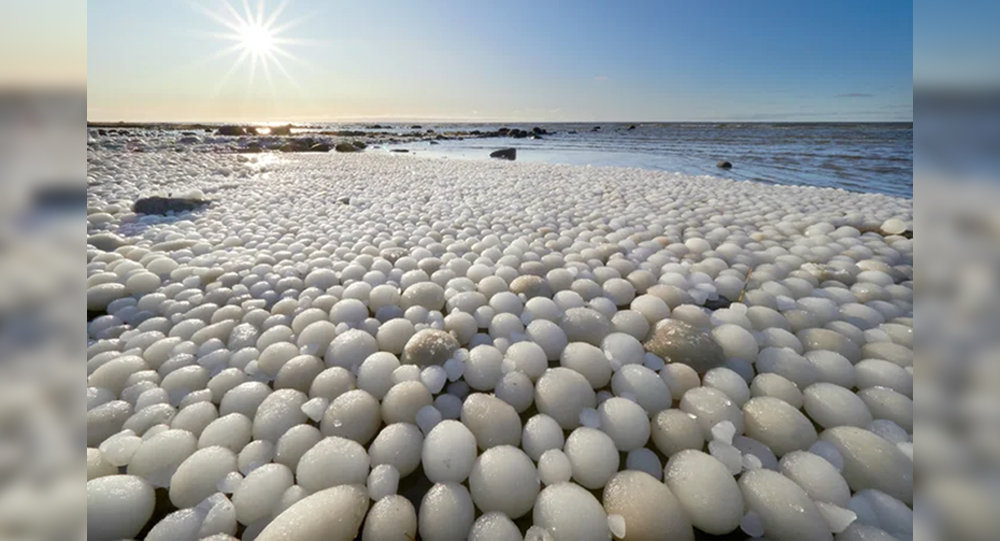
Thousands of Rare "Ice Eggs" Blanket Finnish Beach in Spectacular Natural Phenomenon
Thousands of ice balls recently covered a beach in Finland, a rare phenomenon caused by wind and waves sculpting pieces of ice into smooth spheres. These "ice eggs" can vary in size from chicken eggs to soccer balls and have also been spotted in other cold regions globally.

Brazilian gang leader attempts to escape from Rio de Janeiro prison by dressing up as his daughter
In 2019, a Brazilian gang leader tried to escape from prison by dressing up as his daughter when she visited him behind bars and walking out of the penitentiary's main door in her place.
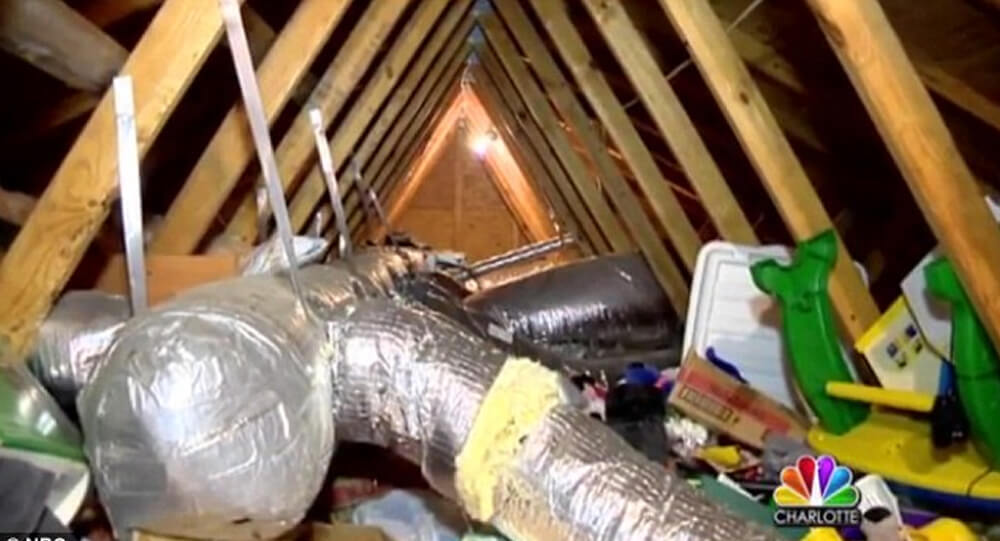
A woman finds her ex-boyfriend living in her attic 12 years after they broke up
Most people have heard of "things that go bump in the night," but for one South Carolina lady, that "thing" was her ex-boyfriend, whom she discovered living in her attic more than 12 years after they broke up.
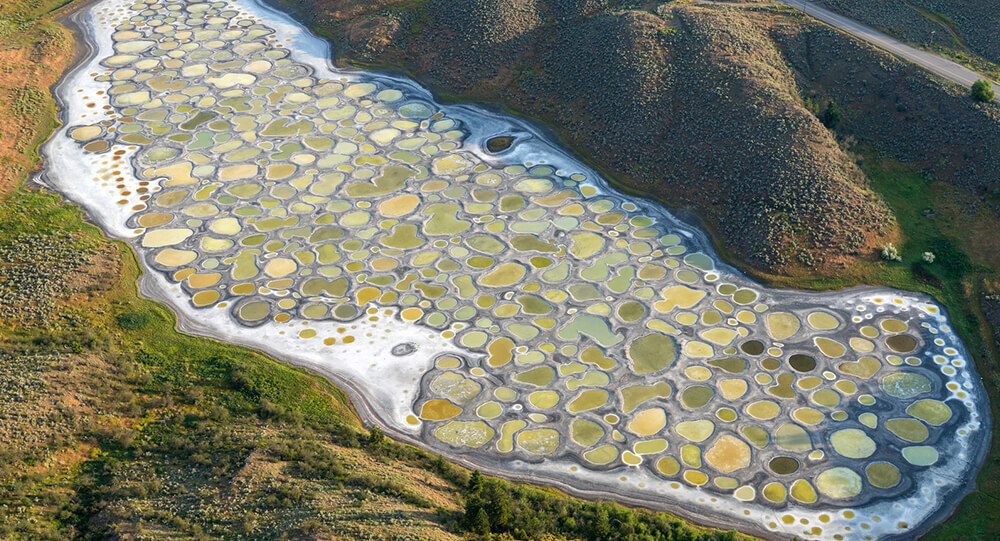
The Mystery of Canada's Magical Spotted Lake
Lake Khiluk, the world's most mineralized lake, and one of the most mysterious places on Earth. Each of these spots has a distinct chemical content and is said to cure various diseases.

Khuk Khi Kai: Thailand’s Infamous “Chicken Poop Prison” and Its Gruesome Legacy
Thailand used to have a prison called "Khuk Khi Kai," or "Chicken poop prison." The first floor of the prison contained prisoners, and the second floor was a large chicken coop. The grated floor ensured that prisoners were constantly subjected to chicken poop.

The Heartbreaking Story Of Ella Harper, The ‘Camel Girl’
Ella Harper, Professionally known as the “Camel Girl” was born with a rare orthopedic condition that cased her knee to bend backward. Due to this condition, had to walked on all four legs, which resulted in her nickname as “Camel Girl”. Tough it was hard at first, but soon she made a fortune out of it.
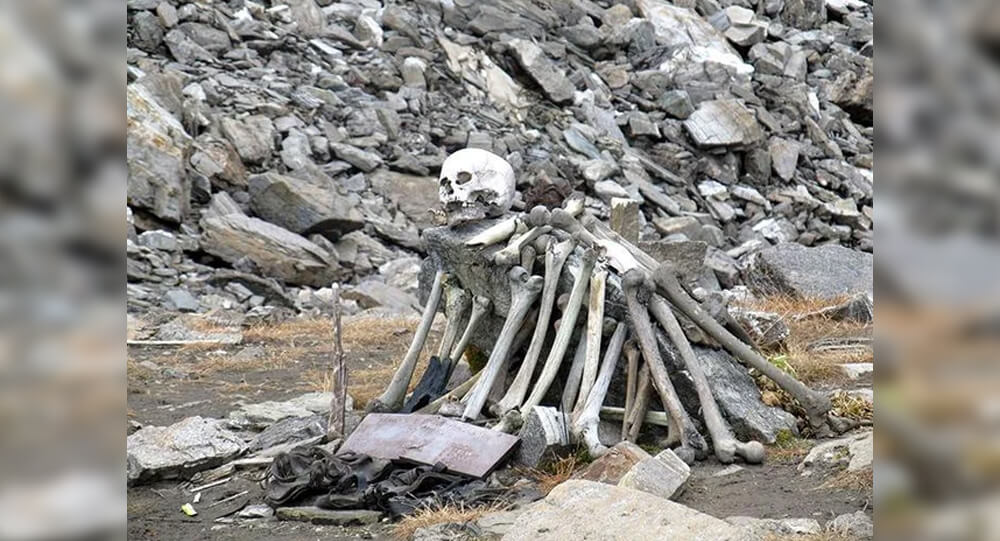
The mystery of India's 'lake of skeletons'
In 1942, a British forest guard in India made an alarming discovery. Some 16,000 feet above sea level, at the bottom of a small valley, was a frozen lake absolutely full of skeletons.
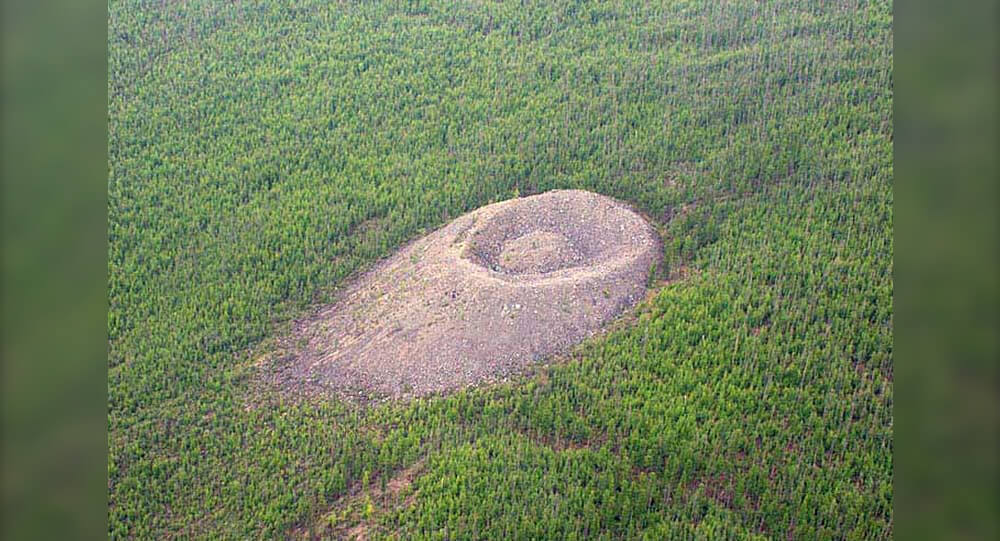
What Caused The Mysterious Patomskiy Crater in Siberia?
Discovered in 1949, the Patomskiy Crater resembles a huge convex cone with a funnel-shaped recess and a rounded hill in the middle, which looks like an eagle’s nest with an egg nestled inside it. The crater’s origin is a mystery that has baffled scientists for decades.