

This Yogi Spent 76 Years Without Eating or Drinking Anything and Confirmed by
Inside the realm of amazing human achievements, the tale of a Yogi who is said to have gone 76 years without eating or drinking water is an intriguing mystery that defies common knowledge. This astounding assertion, supported by empirical research, has generated interest and discussion in the fields of spiritual studies and science. Examining the scientific, cultural, and historical facets of this incredible story presents a singular chance to investigate the connections between contemporary scientific inquiry, traditional wisdom, and human potential. Through deciphering the enigmas surrounding this Yogi’s claimed accomplishment, we set out on a quest that surpasses customary boundaries of belief and perception, challenging us to consider the boundaries of human potential and the interdependence of mind, body, and spirit.
It seems impossible to think about living 76 years without food or water, doesn’t it? However, a yogi claims to have accomplished precisely that, igniting a global mix of doubts and curiosity.
This remarkable tale revolves around a yogi who is said to have gone an unbelievable 76 years without eating or drinking. Although there are many doubters, this perplexing assertion has drawn interest from many, prompting inquiries about the boundaries of human endurance and the secrets of the human body.
This yogi’s claimed accomplishment is veiled in mystery and intrigue due to its mysterious nature. How could he have gone so long without food? What mysteries does his experience conceal, and how does it affect our perception of spirituality and human potential?
Historical Background and Cultural Significance
Meditation and fasting have long been associated with yoga, signifying the transcendence of material needs and spiritual discipline. The 76-year journey of the yogi draws upon a long line of self-denial and devotion that emphasizes the close relationship between the mind, body, and spirit.
Fasting and Asceticism traditions in Yoga Practices
Solitary practices have long been valued in yogic traditions as a way to reach higher states of consciousness and purify the self. Particularly fasting is viewed as a means of achieving spiritual enlightenment and transcending worldly desires, highlighting the profoundly culturally significant nature of the yogi’s remarkable assertion.
The yogi’s claimed capacity for self-sufficiency challenges accepted notions about the limits of human endurance and the body’s basic needs. This phenomenon has sparked discussions about the nature of reality, the power of faith, and the potential for spiritual transcendence in a world dominated by material concerns.
Scientific Confirmation of the Yogi’s Claims
fascinated with the yogi’s miraculous claim, scientists and medical professionals have conducted extensive investigations to discover the reality underlying his remarkable achievement, exploring the domains of biology, physiology, and consciousness to provide insight into this apparently inconceivable occurrence.
Medical experts and scientific researchers have examined the yogi’s claims critically through methodical observation and analysis in an effort to identify any underlying mechanisms that might have allowed him to survive for more than 70 years without food.
The yogi’s ability to survive without food or water may have its roots in his physiology and metabolic processes, as suggested by the preliminary results of scientific studies. These findings cast doubt on accepted scientific theories and provide fresh perspectives on the mysteries surrounding human adaptability and resilience.
Exploring the Potential Mechanisms Behind the Yogi’s Ability
Scientists are uncovering an array of complexities that blurs the lines between the physical and the metaphysical as they investigate a variety of biological, physiological, psychological, and metaphysical factors that may have contributed to the yogi’s amazing feat of prolonged fasting.
Scholars are delving into the distinct biological and physiological modifications that might have allowed the yogi to endure without traditional sustenance, revealing innovative perspectives on human metabolism, energy preservation, and the body’s astounding ability to withstand harsh circumstances.
The yogi’s achievement raises questions about psychological and metaphysical factors that might have impacted his capacity for extended fasting, which extend beyond the domain of biology. Concepts of mental fortitude, spiritual devotion, and transcendental states of consciousness emerge as potential explanations for this extraordinary phenomenon, challenging conventional scientific paradigms and inviting contemplation of the boundless possibilities of the human spirit.
Challenges to the Yogi’s Claims from Critics
Not surprisingly, there have been many who doubt and criticize the Yogi’s claim to have gone 76 years without eating. Regarding the physiological impossibility of surviving without food and water for such a long time, critics have legitimate concerns. Since this claim is extraordinary, it must be examined closely and doubtfully to make sure that it makes sense in light of current scientific knowledge and evidence-based guidelines.
In examining the ostensibly miraculous story of the Yogi who went over seven decades without consuming food or liquids, it is critical to assess the veracity and authenticity of this remarkable assertion. Thorough investigation and analytical evaluation are crucial in establishing whether this narrative is credible or merely a product of mythology.
Related Topic You Might Find Interesting:
- Mystery SOLVED: blood Rain in India
- chand baori stepwell in Rajasthan India, Ancient cooling technique
- Photos: This man sold everything 45 years ago to buy a bike and travel 6,000 miles from India to Sweden to see his love.
- Woman’s transplanted ‘man hands’ became lighter and more feminine over time
We can work to discover the truth behind this compelling story and distinguish fact from fiction by conducting in-depth research and keeping a healthy dose of skepticism. As we come to the end of our examination of the Yogi’s incredible journey of continuous abstinence, we are left with more questions than answers, but we are also richer from the knowledge we have gained along the way. This mysterious story is a moving reminder of the endless mysteries surrounding the human condition and the never-ending search for knowledge about the full extent of our potential. Regardless of the perspective—religious observance, scientific inquiry, or philosophical reflection—the Yogi’s lasting influence never ceases to astonish and provoke thought, prompting us to consider the seemingly endless possibilities that exist beyond the boundaries of the unknown.

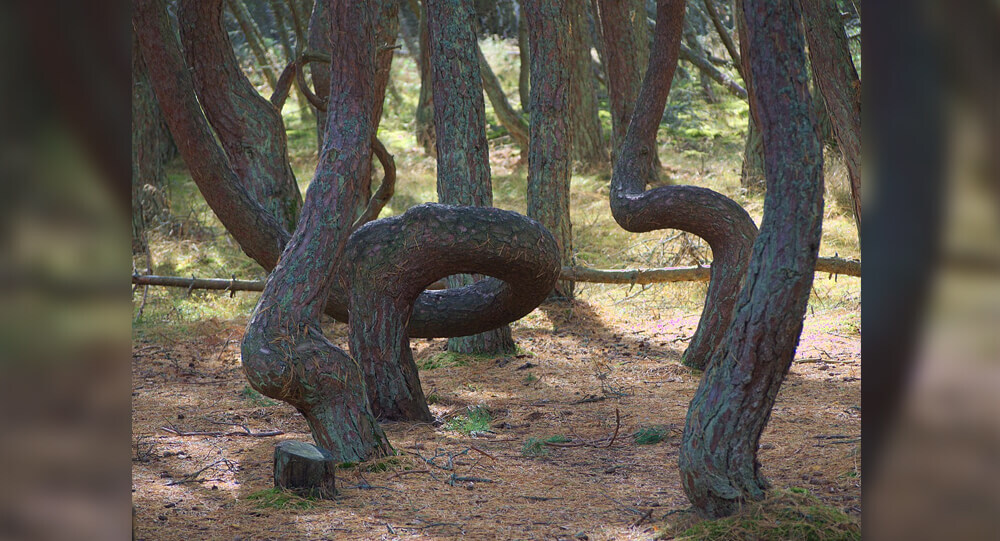
The Mystery of the Dancing Forest: Reasons behind the unusual wonders of forest
The Dancing Forest in Russia is noted for its unusually twisted pine trees. The trunks of these trees are contorted into spirals, rings, and other squiggly loops, but the reason for this malformation is still a mystery.
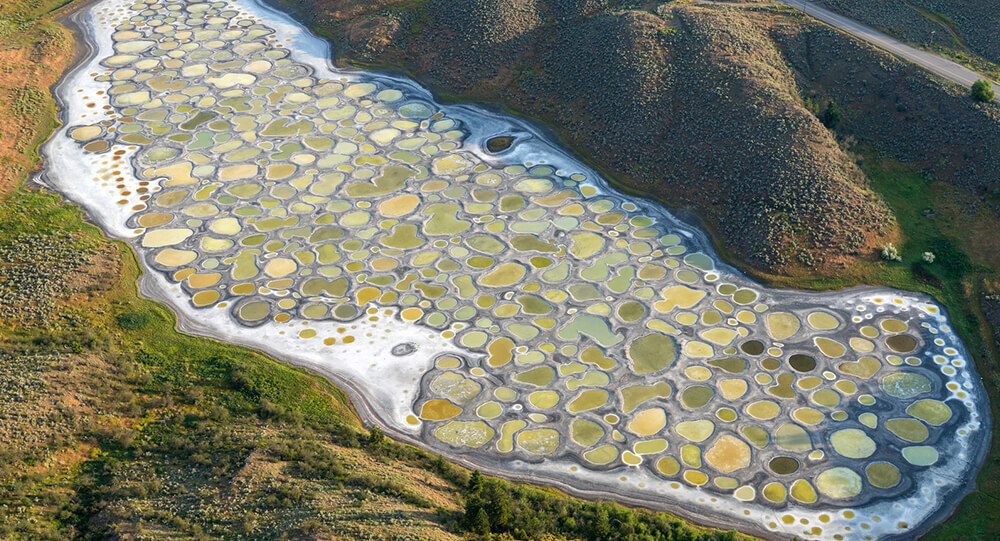
The Mystery of Canada's Magical Spotted Lake
Lake Khiluk, the world's most mineralized lake, and one of the most mysterious places on Earth. Each of these spots has a distinct chemical content and is said to cure various diseases.

Meteorite found in Sahara Desert older than the earth
This Sahara Desert Meteorite was discovered to be older than the earth itself. This Meteorite is estimated to be 4.6 billion years old, while earth is estimated to be 4.54 billion years old.
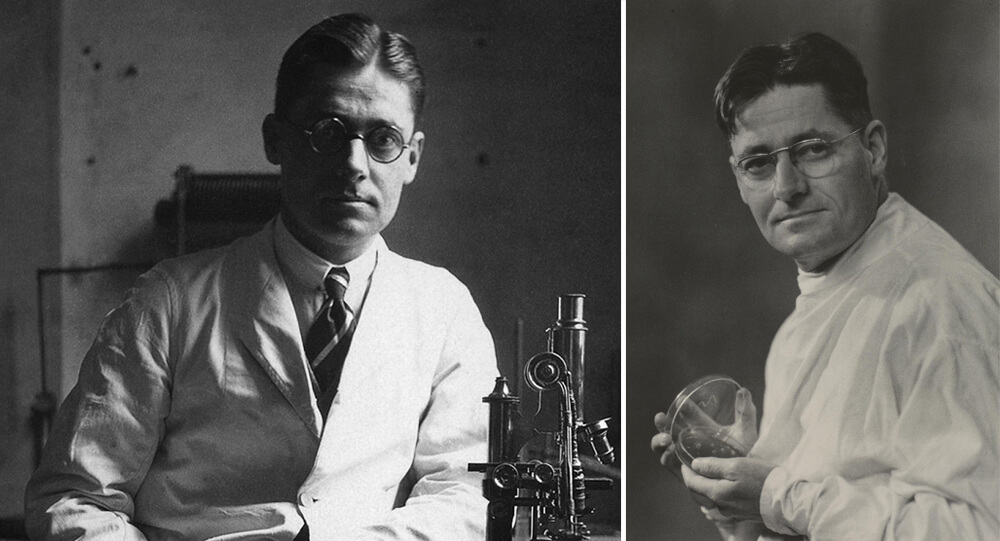
How did Howard Florey discover penicillin
Penicillin was discovered by Alexander Fleming, but he never attempted to turn it into an antibiotic. It wasn't until ten years later that Howard Florey discovered Fleming's obscure paper and understood the mold's potential. Up to 200 million lives may have been saved as a result of Florey's work.
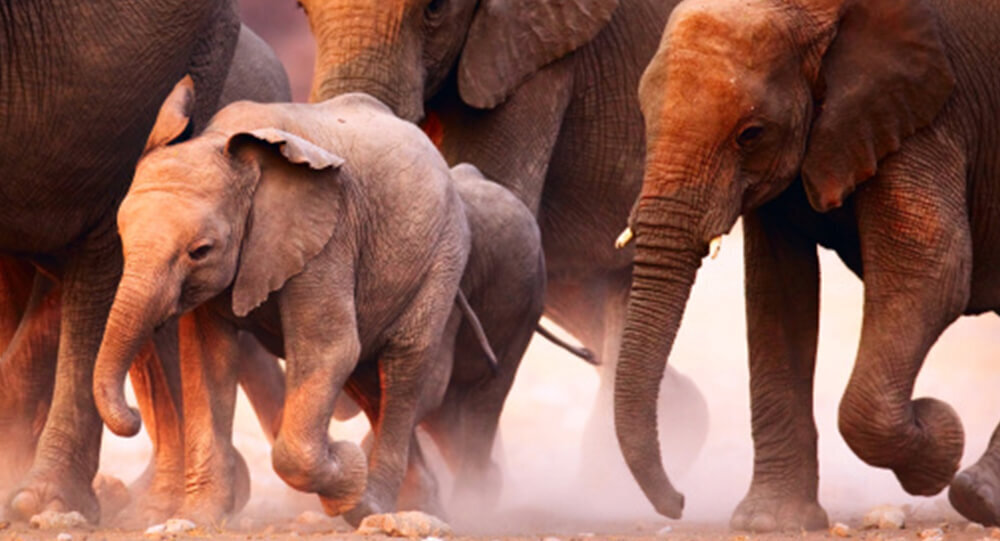
Earthquakes: Can Animals Really Predict Them?
In 1975, when officials in the Chinese city of Haicheng were alarmed by odd and anxious behaviors of dogs and other animals. These observations led them to order 90,000 residents to evacuate the city. Only a few hours later a 7.3 magnitude earthquake destroyed nearly 90% of the city’s buildings.

Henrietta Lacks: Who Was She? Here's how HeLa cells became necessary for medical research
Henrietta Lacks was died in 1951. The tumor that killed her has been alive and growing to this day. The tumor is immortal and was used to progress the Polio vaccine and is the jumping point for most human cell research to this day. Scientists have grown some 20 tons of her cells.

The Heartbreaking Story Of Ella Harper, The ‘Camel Girl’
Ella Harper, Professionally known as the “Camel Girl” was born with a rare orthopedic condition that cased her knee to bend backward. Due to this condition, had to walked on all four legs, which resulted in her nickname as “Camel Girl”. Tough it was hard at first, but soon she made a fortune out of it.

The Giant Mirrors Brought Sunlight to Rjukan
Due to the steep mountains that surround it, the town of Rjukan, Norway, doesn't receive any natural sunlight from September to March. They placed large mirrors in the town square to reflect light. The mirror follows the path of the sun and moves every 10 seconds to create a 600m squared light pool.

The Unique Grana Double Tree of Piedmont, Italy
The “Grana Double Tree” in Piedmont, Italy is a highly unusual tree, which consists of a cherry tree growing atop a mulberry tree. It is essentially a two-species, two-tiered hybrid duplex.

The Science Behind Why We Dream and What It Means
Dreams have fascinated humanity for millennia—enigmatic stories that unfold in sleep, weaving memories, emotions, and symbols. Modern science is now unraveling why we dream and exploring what these nightly narratives reveal about our brain, emotions, and waking lives. Journey through the latest discoveries on the science of dreaming and its meaningful reflections in our psyche.

The World’s First Seismograph: How Ancient China Detected Earthquakes 1,800 Years Ago
Over 1,800 years ago, long before modern technology, the ancient Chinese astronomer and inventor Zhang Heng created the world’s first seismograph in 132 AD. This ingenious bronze device could detect distant earthquakes by releasing small balls from dragons’ mouths into toads’ mouths—each indicating a different compass direction. Its historic detection of an earthquake 400 miles away astonished the imperial court and transformed the way societies understood and responded to seismic events.

The Astonishing Case of Sanju Bhagat: Living with a Twin Inside Him for 36 Years
Sanju Bhagat, an Indian farmer, lived with an undiagnosed parasitic twin inside his abdomen for 36 years. In 1999, doctors discovered the twin during surgery. This rare condition, fetus in fetu, occurs when a malformed twin is absorbed during pregnancy, surviving within the host sibling's body.
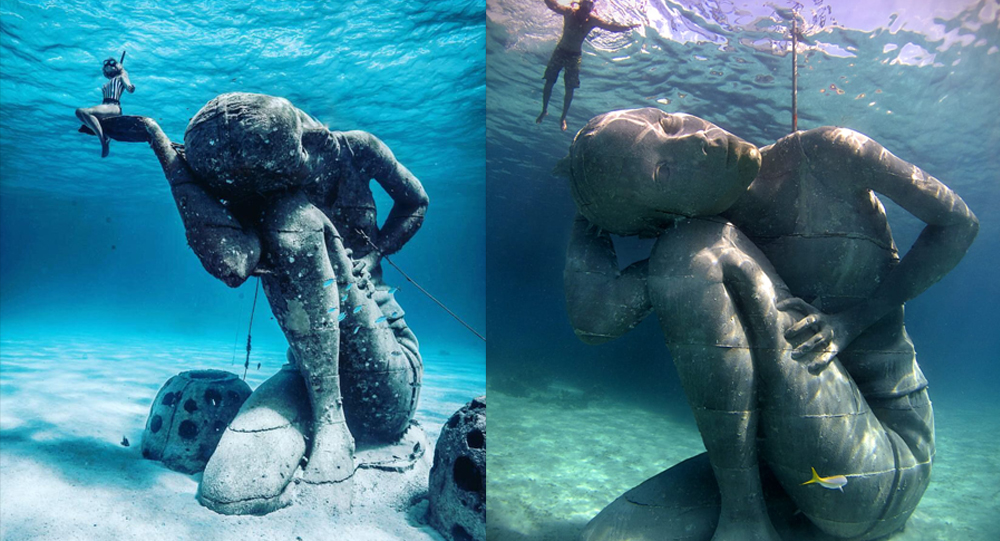
Ocean Atlas: Exploring the World’s Largest Underwater Sculpture in the Bahamas
On the western coast of New Providence in Nassau, Bahamas, there is a tourist attraction that you can dive down to see. Called Ocean Atlas, this is the largest single underwater sculpture ever installed. It depicts a local Bahamian girl carrying the weight of the ocean, in reference to the Ancient Greek myth of Atlas holding up the heavens.
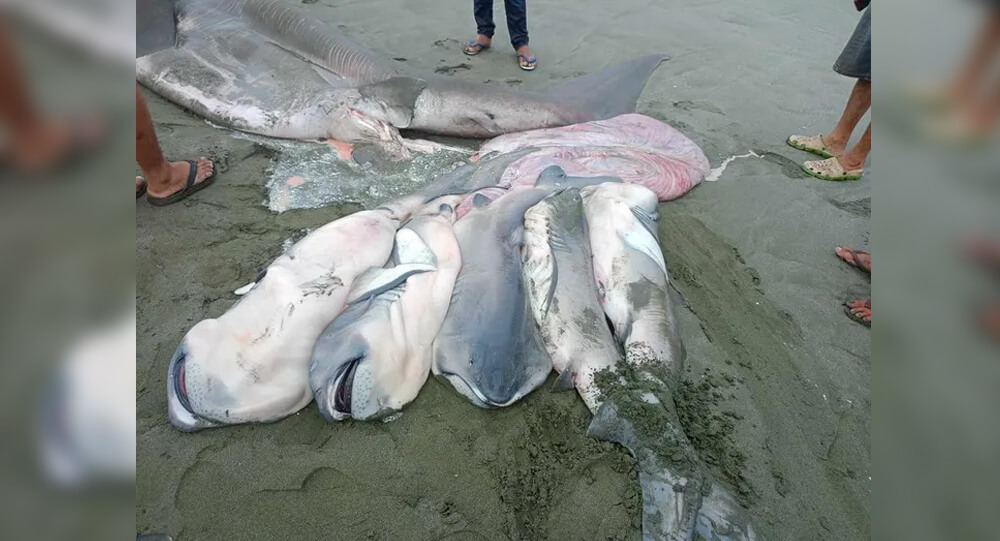
Megamouth Shark And Her Babies Found Dead In The Philippines
Filipino zoologists have recorded a pregnant megamouth shark for the first time ever since the rare aquatic specie was discovered in 1974.
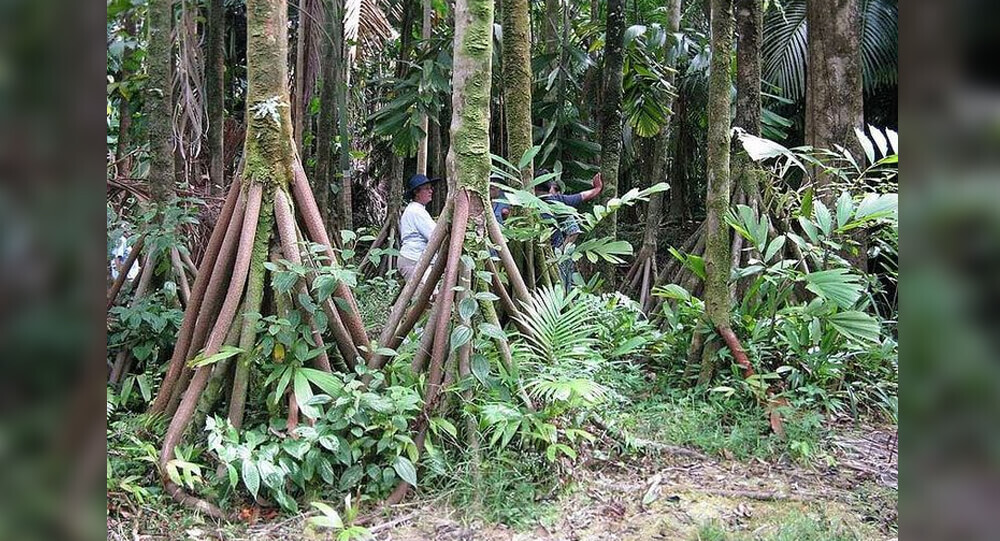
The “Walking” Palm, tree species can walk up to 65 feet each
This tree species can walk up to 65 feet each year to find the best habitat to live in.
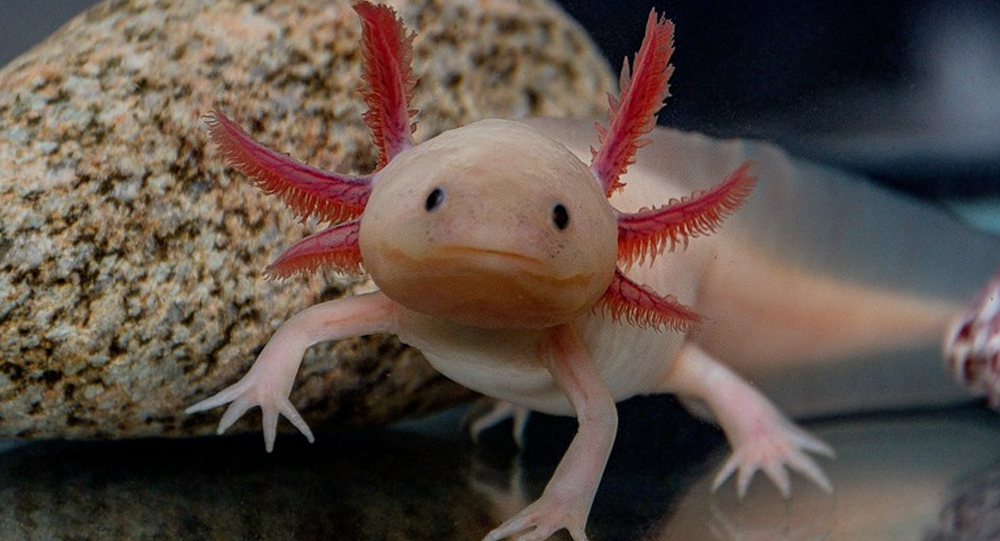
Why Some Animals Can Regenerate Limbs and What Science Says About Human Possibilities
Certain animals possess the extraordinary ability to regenerate lost limbs, a process that has fascinated scientists and inspired hopes for human medical breakthroughs. From salamanders’ perfect limb regrowth to starfish’s incredible body regeneration, this article explores how and why these animals can perform such feats, the biological mechanisms underpinning regeneration, and what cutting-edge research means for the future of human limb regeneration.
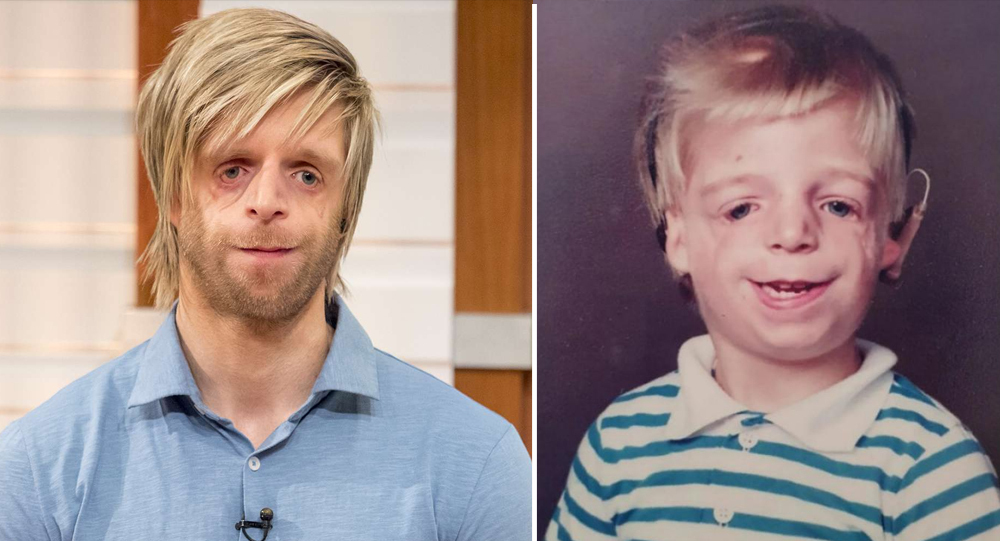
Inspiring story of Jono Lancaster, Abandoned by His mother at birth for this 'defect' on his face
When Jono Lancaster was just 36 hours old, his parents left him for adoption because he was suffering from Treachers Collins Syndrome, a genetic disorder which hampers facial bones development. Now he is an inspirational speaker, a professional model and a teacher, giving inspiration to millions

Mystery of 300-year-old mummified mermaid is being probed
There is a 300-year-old mummified mermaid with 30 centimetres tall and features a human-like head, two hands with what appear to be fingernails, and its lower body that look like a fish tail. The “mermaid mummy” is being probed by Japanese scientists in an attempt to unravel the mystery of its existence.

Woman's transplanted 'man hands' became lighter and more feminine over time
After losing both arms in an accident, an Indian girl received limbs from a male donor. The donor hands, which were formerly huge and hairy, changed skin tone and became thin and feminine over time to mix in with her body.

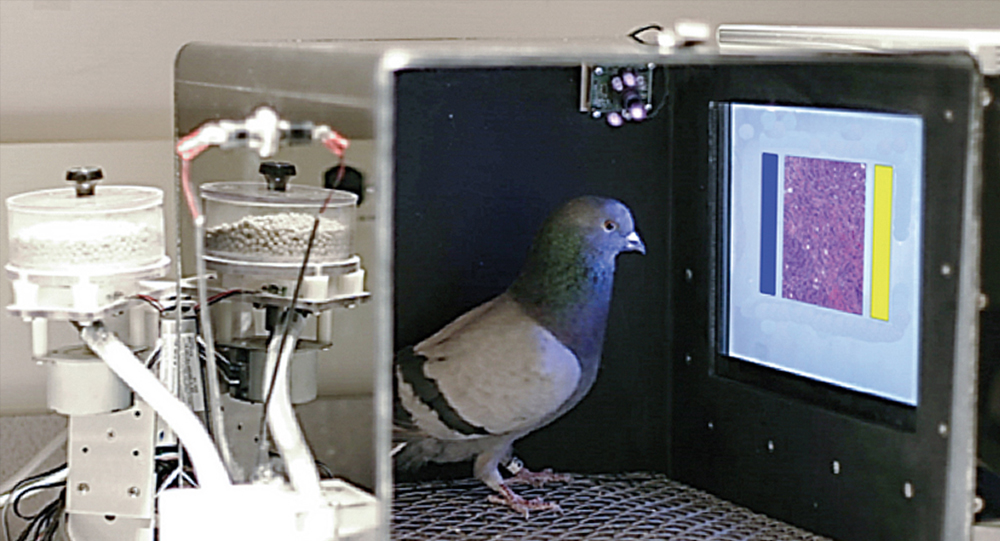
The Science Behind Pigeons in Cancer Detection and What It Means for Medicine
In a groundbreaking study, researchers have discovered that pigeons can be trained to distinguish between cancerous and non-cancerous tissues in medical images with accuracy rivaling that of human experts. This surprising capability opens new avenues for understanding visual perception and has potential implications for improving diagnostic tools in medicine. Here is the fascinating science behind pigeons’ ability to spot cancer and what it signifies for the future of medical imaging.
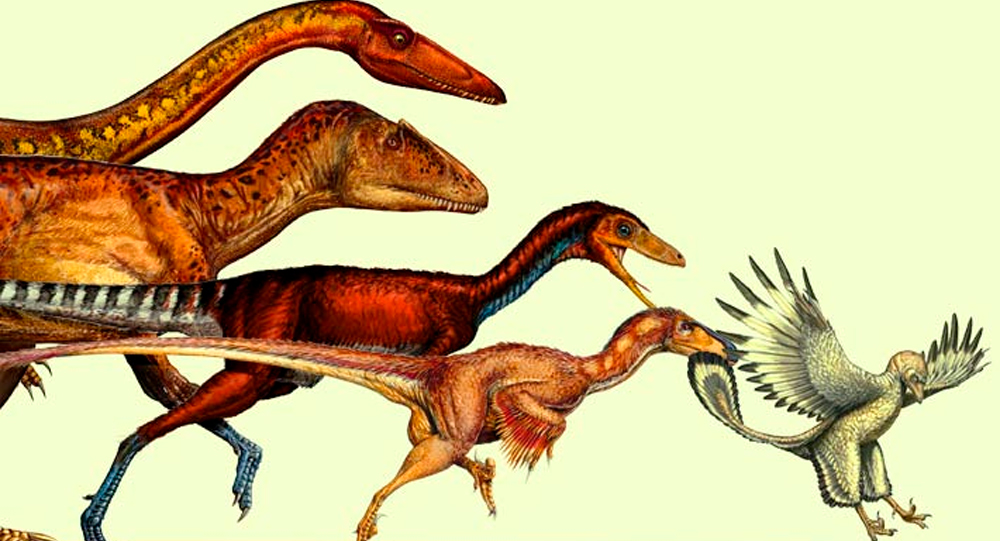
The Evolution of Flight: From Dinosaurs to Birds – A Journey Through Time and Science
Flight is one of nature’s most remarkable adaptations, but its origins trace back millions of years before modern birds took to the skies. Emerging from theropod dinosaurs during the Jurassic period, birds evolved feathers, wings, and lightweight bodies that enabled powered flight. This detailed narrative explores the fascinating evolutionary path from ground-dwelling dinosaurs to the aerial masters of today, blending science, intriguing fossil finds, and surprising trivia about our feathered ancestors.
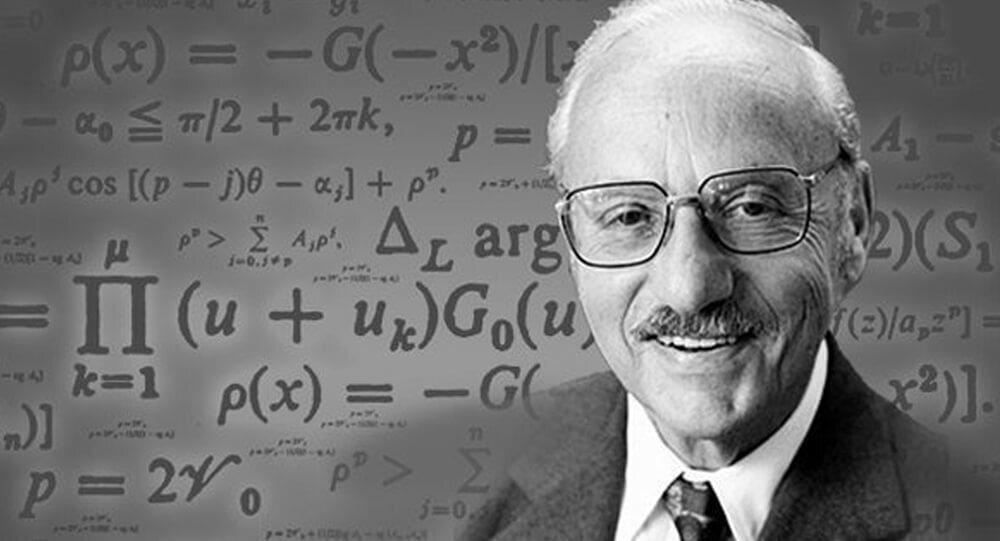
George Dantzig solved two famous “unsolved” problems in statistics mistakenly as assignment
In 1939, George Dantzig arrived late to his statistics class. On the board were two famous “unsolved” problems in statistics written as an example by his professor. Dantzig mistook the examples for homework assignments. He solved the “unsolved” problems and submitted the homework to his professor a few days later. His solutions earned him a doctorate.

The Physics Behind Why Cats Always Land on Their Feet
Cats have an extraordinary survival skill known as the “righting reflex” that allows them to twist midair and land on their feet, even when dropped upside down. This uncanny ability is made possible by their flexible spine, lack of a functional collarbone, and a combination of biological sensors and physical laws governing motion. Astonishingly, kittens develop this reflex as early as three weeks old, mastering the art of graceful landing that defies everyday expectations. This article unravels the science and mystery behind this feline feat.

Why are there 24 hours in a day and 60 minutes in an hour
Ancient Babylonians did math in base 60 instead of base 10. That's why we have 60 seconds in a minute and 360 degrees in a circle.

How Sleep Cycles Affect Cognitive Function and Memory Retention
Sleep is not just rest—it's an active process where our brain cycles through stages that shape cognition, memory, and overall mental performance. Different sleep phases, from deep slow-wave sleep to REM dreaming, play unique roles in consolidating memories, boosting attention, and refreshing brain networks. Explore how sleep cycles work and why they are essential to learning and sharp thinking.