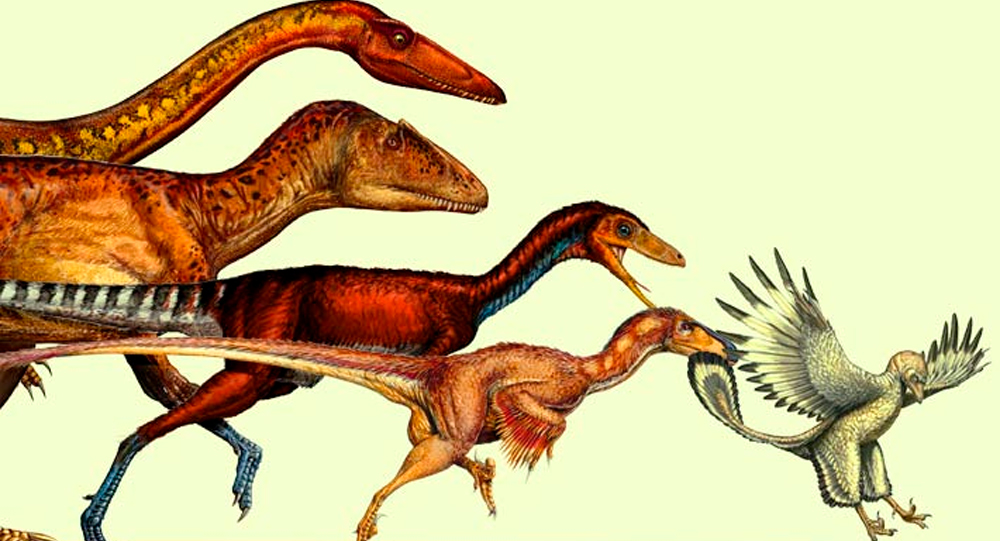

The Evolution of Flight: From Dinosaurs to Birds – A Journey Through Time and Science
The story of flight begins not with birds, but with theropod dinosaurs—bipedal, often carnivorous dinosaurs known for walking on their hind legs. Dating back about 160 million years to the Jurassic period, many theropods had primitive feathers, initially evolved not for flight, but likely for insulation, display, or camouflage.
Famous fossils, such as Archaeopteryx lithographica, discovered in the 19th century, provide the earliest clear evidence of a transitional form between dinosaurs and birds. This species combined dinosaur traits like teeth and a long bony tail with bird-like feathers and wings capable of gliding or primitive flapping. This finding revolutionized how scientists viewed the lineage—showing that birds are, in fact, living dinosaurs.
Shrinking Size and Wing Development: Keys to Flight Evolution
One crucial evolutionary trend was miniaturization. Unlike many other dinosaur lineages, bird ancestors rapidly shrank in size, evolving more lightweight, streamlined bodies that aided developing flight capabilities. This size reduction was unusually rapid—some studies estimate it occurred about 160 times faster than other dinosaur changes.
Alongside shrinking, the forelimbs of these theropods gradually transformed into wings. Feathers—originally simple filaments—became more complex, developing a central shaft and barbs that formed the aerodynamic surfaces necessary for lift.
Scientists believe the first powered flight emerged after an intermediate phase of gliding and parachuting, where small feathered theropods could maneuver from tree to tree, escaping predators or hunting prey. Over millions of years, muscle strength improved, and skeletal structures adapted, culminating in the fully powered flapping flight seen in modern birds.
The Great Extinction and Bird Diversification
Some 66 million years ago, an asteroid impact caused the mass extinction of most dinosaurs and many other species. While this catastrophe ended the reign of giant reptiles, it simultaneously opened ecological niches.
Evidence suggests that the ancestors of modern birds not only survived this extinction but were already diversifying before it occurred. Post-extinction, these birds flourished, evolving into thousands of species adapted to oceans, forests, and plains—ranging from tiny hummingbirds to massive flightless ostriches.
This adaptive radiation coincided with the rise of flowering plants and insects, creating new food sources and habitats that propelled bird evolution into the diverse class Aves we know today.
Modern Birds and Their Dinosaur Legacy
Today, birds retain many dinosaurian traits hidden beneath their feathers: hollow bones, a suite of shared skeletal structures, and even certain genetic markers. They are part of the larger reptile clade called Archosauria, alongside crocodilians, corroborating their lineage.
Birds’ feathers originally developed for functions other than flight highlight evolution’s opportunistic nature—a complex trait evolving stepwise rather than in a sudden leap. Modern research uses genome sequencing and fossil evidence to refine understanding of when and how specific traits emerged.
Fascinating Trivia About Flight Evolution
- Archaeopteryx, often dubbed the “first bird,” lived around 150 million years ago and had both bird-like wings and dinosaur-like teeth and claws.
- Feathers likely evolved tens of millions of years before true flight, serving roles such as temperature regulation and mating displays.
- The closest living relatives of birds are crocodiles—both groups descending from ancient Archosaurs.
- Flightless birds like ostriches and emus are examples of secondary flight loss, evolving from flying ancestors who adapted to ground life.
- Miniaturization was a rare evolutionary event among dinosaurs, illustrating the unique pressure for lightness leading to flight.
- New fossil discoveries continue to fill gaps, with some dinosaur species found sporting elaborate feather patterns—sometimes vividly colored.
- The transition from gliding to powered flight is still debated, with theories including “trees-down” (arboreal) and “ground-up” (running takeoff) hypotheses.
Final Thoughts: From Roaring Dinosaurs to Soaring Birds
The evolution of flight is a story of profound transformation—one that reshaped life on Earth and gave rise to the vast avian diversity filling our skies. By tracing the lineage of birds back to their dinosaur ancestors, science not only uncovers the mechanics behind flight but also the broader narrative of adaptation, survival, and innovation in nature.
Next time you see a bird swooping gracefully overhead, remember: you are witnessing the legacy of creatures that once ruled as dinosaurs, who over millions of years, learned to conquer the skies.
If you enjoyed this exploration of flight’s evolution, share it with fellow nature enthusiasts and keep uncovering the wonders of life’s history.
Sources & Further Reading:
- Encyclopaedia Britannica: Origins of Birds
- Scientific American: How Dinosaurs Shrank and Became Birds
- Natural History Museum: How Dinosaurs Evolved into Birds
- Proceedings of the National Academy of Sciences on Bird Diversification
- Wikipedia: Evolution of Birds
- Understanding Evolution by Berkeley

The Accidental Birth of Super Glue: Dr. Harry Coover's WWII Discovery
Dr. Harry Coover was trying to develop clear plastic for gun sights during WWII when he accidentally created cyanoacrylate, an extremely strong adhesive. Initially dismissed, it was later marketed as Super Glue in the 1950s.
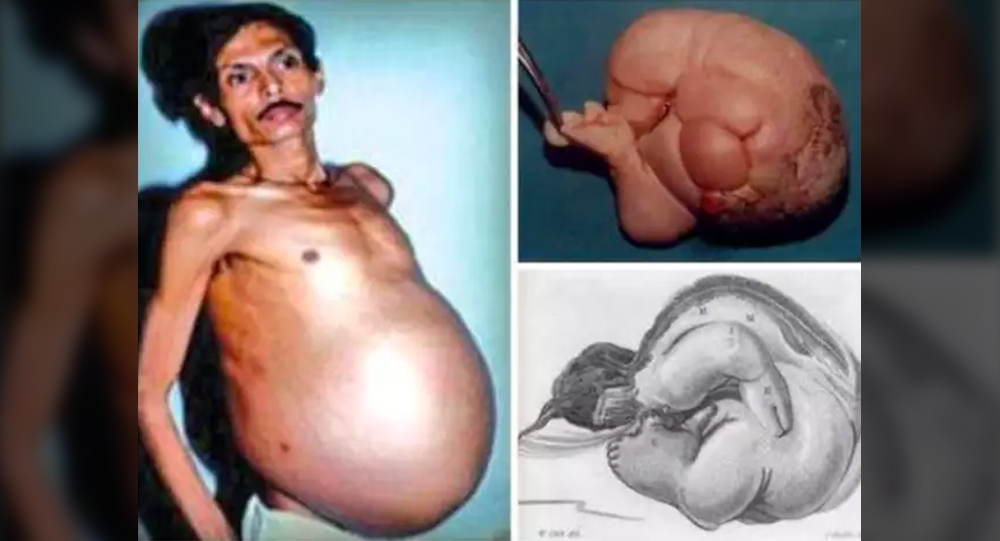
The Astonishing Case of Sanju Bhagat: Living with a Twin Inside Him for 36 Years
Sanju Bhagat, an Indian farmer, lived with an undiagnosed parasitic twin inside his abdomen for 36 years. In 1999, doctors discovered the twin during surgery. This rare condition, fetus in fetu, occurs when a malformed twin is absorbed during pregnancy, surviving within the host sibling's body.
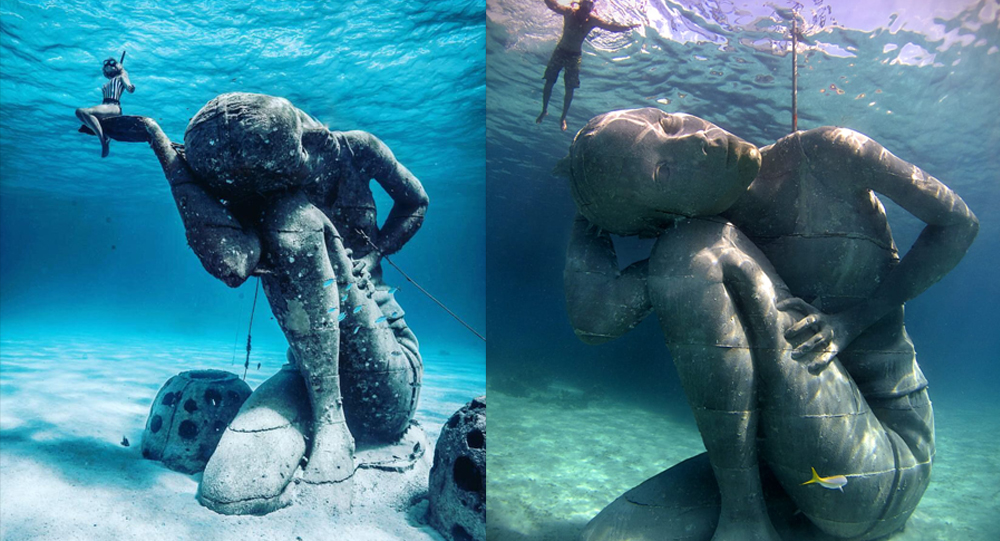
Ocean Atlas: Exploring the World’s Largest Underwater Sculpture in the Bahamas
On the western coast of New Providence in Nassau, Bahamas, there is a tourist attraction that you can dive down to see. Called Ocean Atlas, this is the largest single underwater sculpture ever installed. It depicts a local Bahamian girl carrying the weight of the ocean, in reference to the Ancient Greek myth of Atlas holding up the heavens.


Stephen Hawking’s Warning: Humanity Has Less Than 200 Years to Escape Earth’s Limits
Stephen hawking says humanity won't survive without leaving earth. In fact, human beings may have less than 200 years to figure out how to escape our planet

Man gave his stem cell fund to a disabled boy
Dan Black, who was paralyzed in a bike accident, spent four years raising 20,000 for a stem cell treatment that could let him walk again. However, after learning about a five-year-old boy with cerebral palsy, he donated the funds for the boy's medical treatment in order to enable him to take his first steps.

Man discovers he has 3 kidneys after going to doctor for severe back pain
In 2020, a 38-year-old Brazilian man visited his doctor for severe back pain and was shocked to find out that he has three kidneys instead of just two.

Meteorite found in Sahara Desert older than the earth
This Sahara Desert Meteorite was discovered to be older than the earth itself. This Meteorite is estimated to be 4.6 billion years old, while earth is estimated to be 4.54 billion years old.
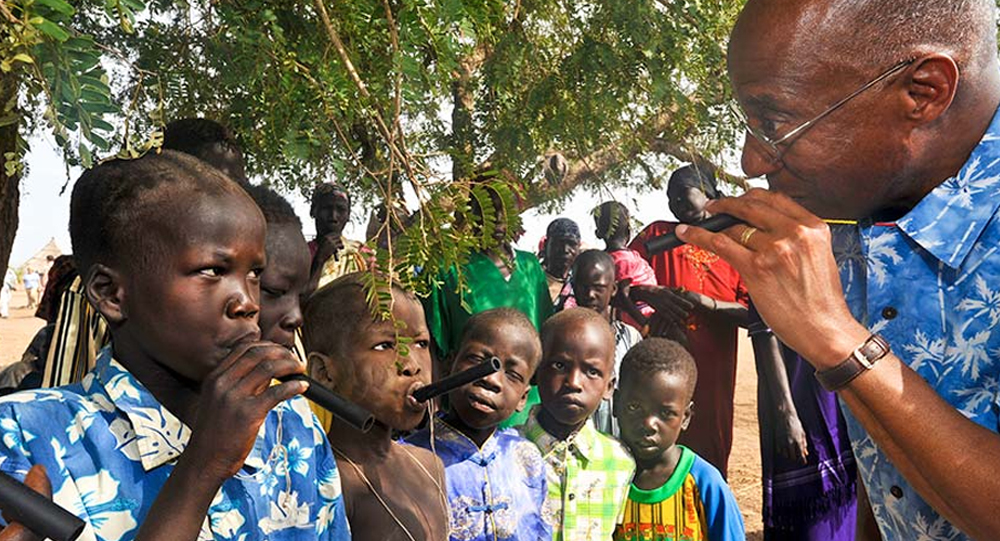
Dr. Donald Hopkins: From Smallpox Eradication to Near-Ending Guinea Worm Disease
Dr. Donald Hopkins helped eradicate Smallpox, and is on the verge of killing another disease. He's taken Guinea Worm Disease down from 3.5 million cases a year to just 28 cases last year.

For the First Time in 60 Years, Scientists Discover a 'Lost' Echidna Species
An expedition team in Indonesia discovered the elusive, egg-laying animal (Echidna) named after David Attenborough, which had not been seen since 1961.

The extraordinary case of Olivia Farnsworth, who hit by a car and dragged down the street without pain because of chromosome 6 deletion
In 2016, 7-year-old Olivia Farnsworth was hit by a car and dragged down the street, but she did not feel a thing. That is because of a rare condition called “chromosome 6 deletion,” which causes her to feel no pain. She also does not experience hunger or exhaustion.
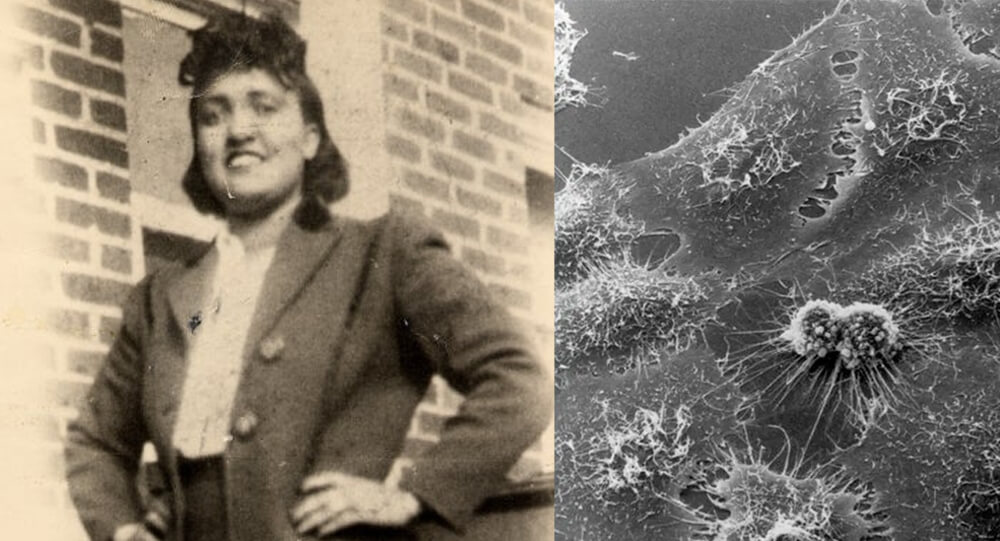
Henrietta Lacks: Who Was She? Here's how HeLa cells became necessary for medical research
Henrietta Lacks was died in 1951. The tumor that killed her has been alive and growing to this day. The tumor is immortal and was used to progress the Polio vaccine and is the jumping point for most human cell research to this day. Scientists have grown some 20 tons of her cells.

Scientist injects himself with 3.5m yr old bacteria for immortality and amazing happens
Russian scientist injected himself with a 3.5 million-year-old strain of bacteria, just to see what would happen. According to Brouchkov, Bacillus F has a mechanism that has enabled it to survive for so long beneath the ice, and that the same mechanism could be used to extend human life, too.
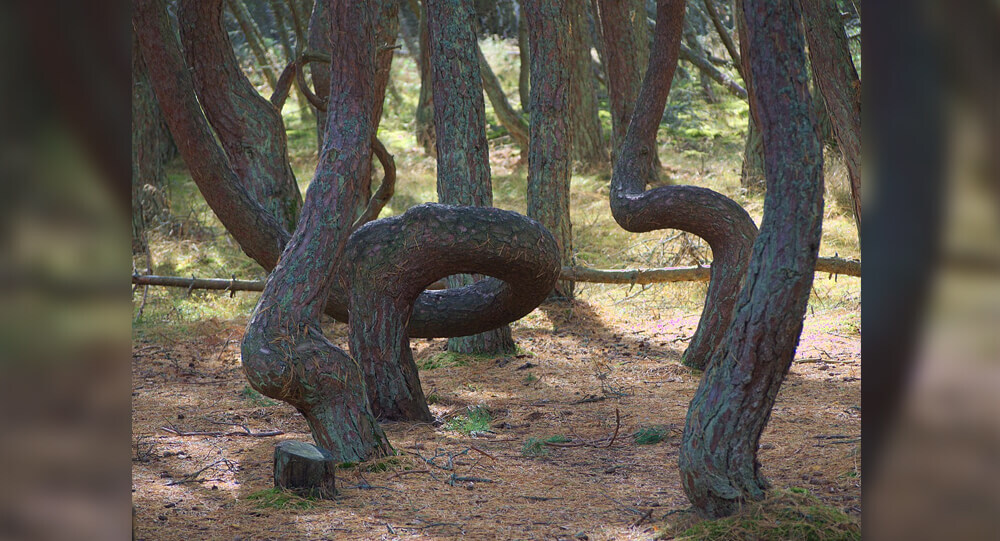
The Mystery of the Dancing Forest: Reasons behind the unusual wonders of forest
The Dancing Forest in Russia is noted for its unusually twisted pine trees. The trunks of these trees are contorted into spirals, rings, and other squiggly loops, but the reason for this malformation is still a mystery.
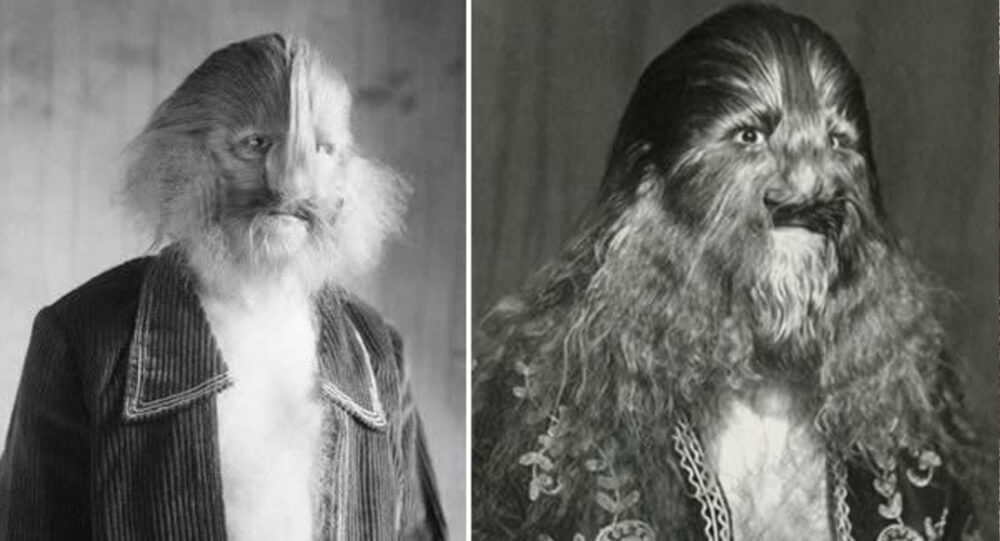
The story of Lionel the Lion-Faced Man, Stephan Bibrowski
Stephen Bibrowski, also known as Lionel the Lion-faced Man, was a well-known sideshow entertainer. His entire body was covered in long hair, giving him the appearance of a lion; this was most likely due to a rare condition known as hypertrichosis. Lionel traveled to the United States in 1901 and began performing with the Barnum and Bailey Circus.

How a Headache Cure Experiment Led to the Invention of Dynamite
Alfred Nobel discovered dynamite while experimenting with nitroglycerin, a volatile liquid he also took in tiny doses for headaches. Ironically, the explosive that made him wealthy and feared also eased pain—later inspiring his legacy as founder of the Nobel Prizes.
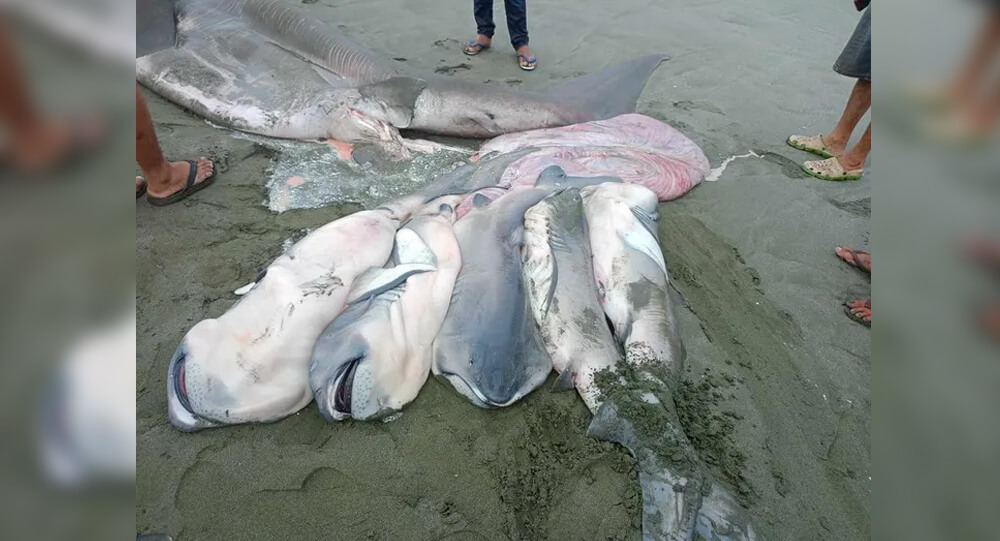
Megamouth Shark And Her Babies Found Dead In The Philippines
Filipino zoologists have recorded a pregnant megamouth shark for the first time ever since the rare aquatic specie was discovered in 1974.

The Mystery of the Darvaza Gas Crater: A 50-Year Inferno
Scientists lit a hole filled with natural gas on Fire in 1971, expecting it would burn only for few days. The hole has been burning for the past 48 years & is called "The Door To Hell".

A 28-year-old scientist could win a Nobel Prize for creating new class of antibiotics
A 28-year-old scientist could receive the Nobel Prize for developing a new class of antibiotics that fight drug-resistant bacteria, but she only has months to live after being diagnosed with incurable heart cancer, and she says "There aren't words to express how sad I feel' about not seeing award."

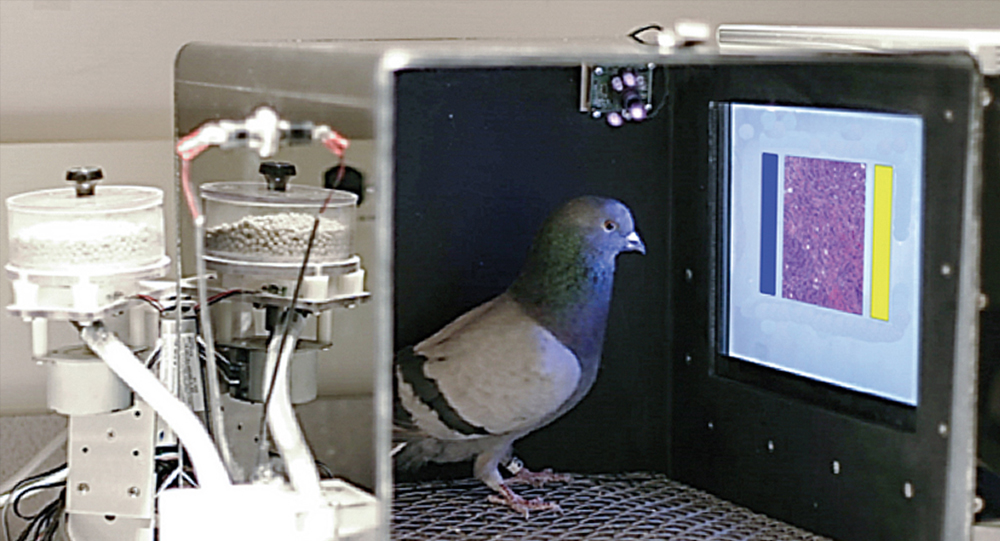
The Science Behind Pigeons in Cancer Detection and What It Means for Medicine
In a groundbreaking study, researchers have discovered that pigeons can be trained to distinguish between cancerous and non-cancerous tissues in medical images with accuracy rivaling that of human experts. This surprising capability opens new avenues for understanding visual perception and has potential implications for improving diagnostic tools in medicine. Here is the fascinating science behind pigeons’ ability to spot cancer and what it signifies for the future of medical imaging.

Dr. Leonid Rogozov: the surgeon who removed his own appendix.
Dr. Leonid Rogozov was a legendary surgeon who operated on himself in 1961 to remove an inflamed appendix.
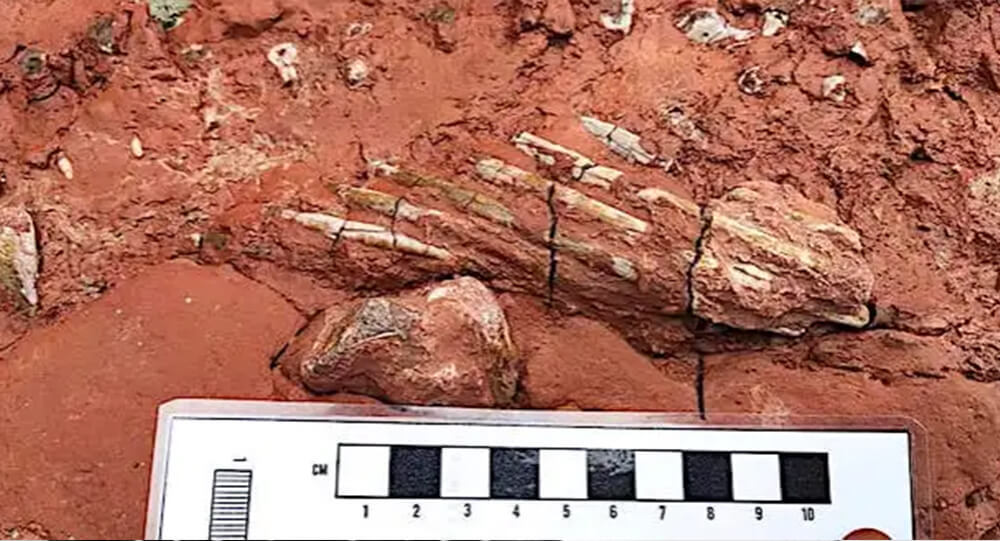
Canadian Schoolteacher Discovers a Fossil That May Be 300 Million Years Old
School teacher discovers extremely rare fossil of unknown animal that maybe 300 million years old. One high school teacher was walking her dog when she made a once-in-a-lifetime find. It turns out that the fossil is probably 300 million years old and came from an extinct species of reptile.
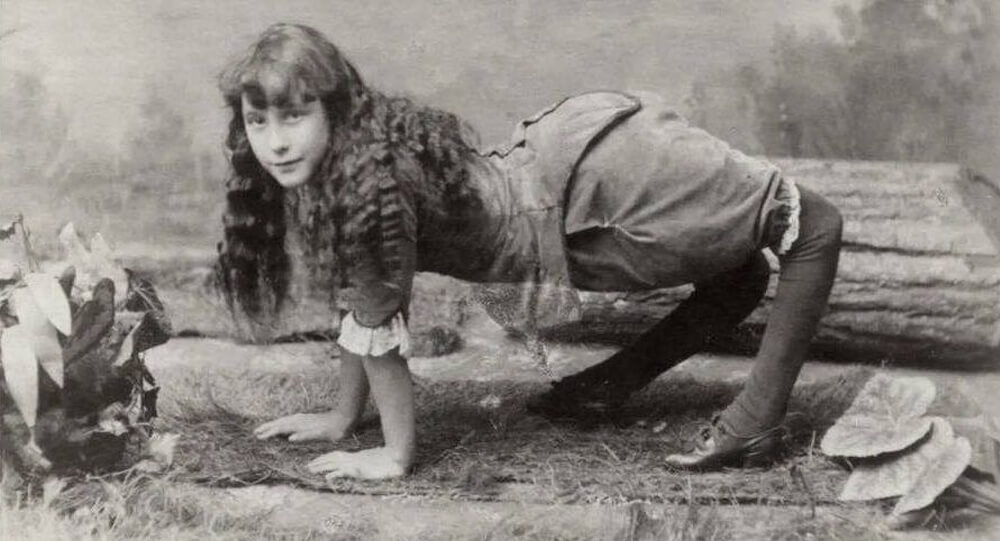
The Heartbreaking Story Of Ella Harper, The ‘Camel Girl’
Ella Harper, Professionally known as the “Camel Girl” was born with a rare orthopedic condition that cased her knee to bend backward. Due to this condition, had to walked on all four legs, which resulted in her nickname as “Camel Girl”. Tough it was hard at first, but soon she made a fortune out of it.

India's chandrayaan-3 becomes the first landed craft on moon's south pole
India's chandrayaan-3 becomes the first land craft on moon's south pole. It landed safely on August 2023

The Giant Mirrors Brought Sunlight to Rjukan
Due to the steep mountains that surround it, the town of Rjukan, Norway, doesn't receive any natural sunlight from September to March. They placed large mirrors in the town square to reflect light. The mirror follows the path of the sun and moves every 10 seconds to create a 600m squared light pool.

How Sleep Cycles Affect Cognitive Function and Memory Retention
Sleep is not just rest—it's an active process where our brain cycles through stages that shape cognition, memory, and overall mental performance. Different sleep phases, from deep slow-wave sleep to REM dreaming, play unique roles in consolidating memories, boosting attention, and refreshing brain networks. Explore how sleep cycles work and why they are essential to learning and sharp thinking.