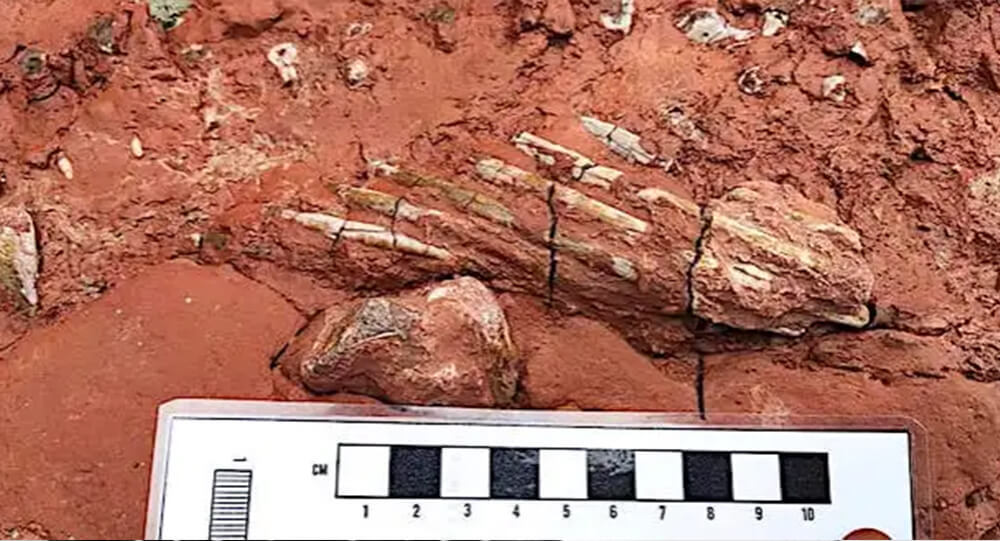

Canadian Schoolteacher Discovers a Fossil That May Be 300 Million Years Old
A Canadian schoolteacher recently made a discovery that paleontologists are referring to as a lifetime find.
It may be 300 million years old, represent a brand-new prehistoric species to science, and at most be a “once in a hundred years” discovery that might fundamentally alter the fossil record.
Southwest Prince Edward Island (PEI) resident Lisa Cormier was out on a stroll when she came across what seemed to be a skeleton.
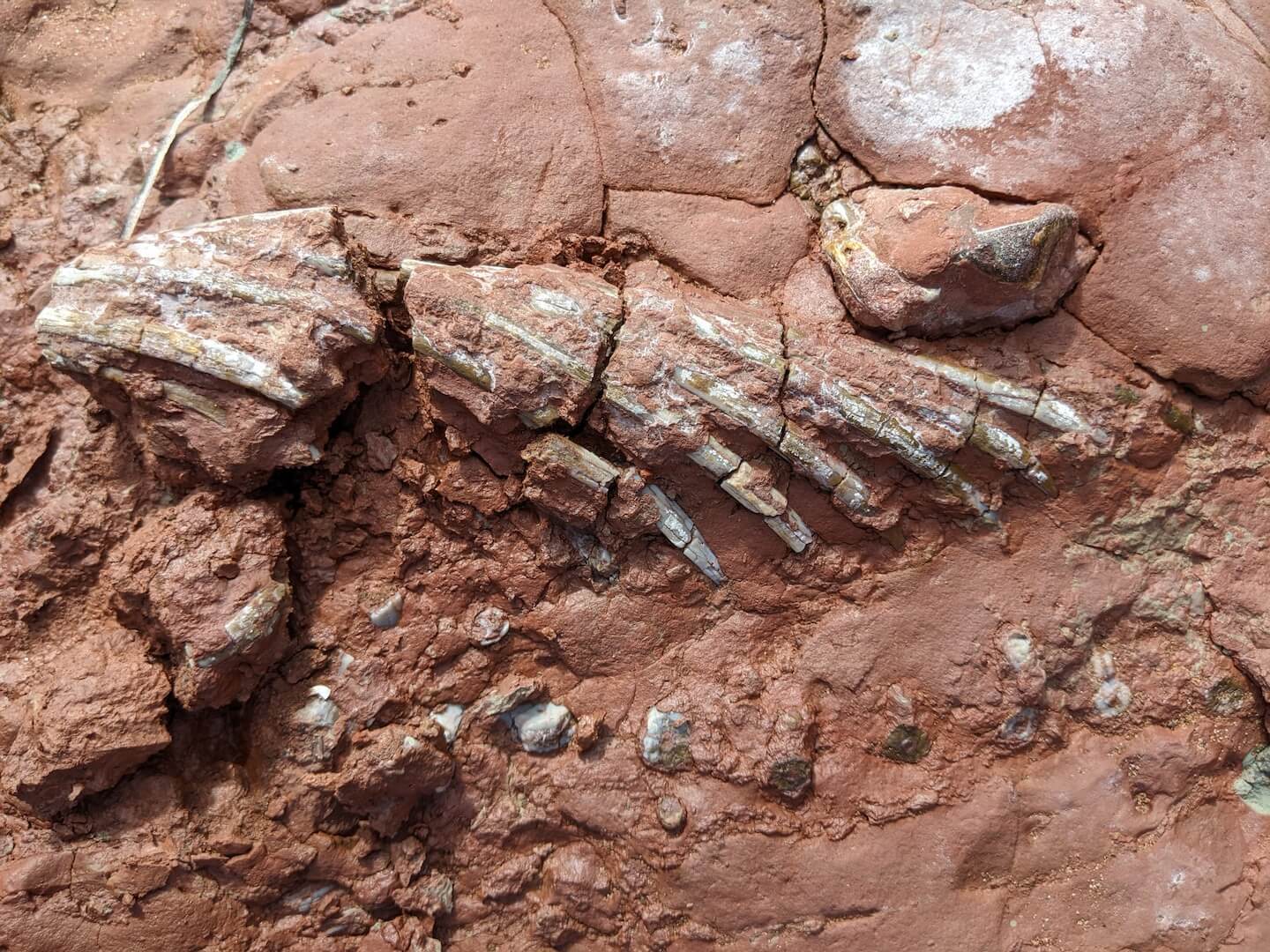
The head, ribs, and spine were all embedded in the stone like fossilized remains. Geologists and paleontologists raced to the cape after she took images and forwarded them to her mother, starting a domino effect.
It was a fossil, and prehistoric PEI specialist John Calder told CBC news that it was “very unusual.”
“A fossil like this comes up every 50 years or 100 years,” he said. “I mean there’s no real frequency, but it’s rare. And this could be a one-of-a-kind fossil in the tree of life … of the evolution of amphibians, to reptiles, to mammals to us.”
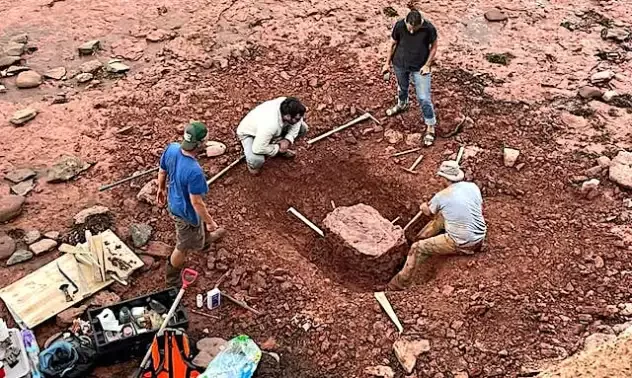
Calder thinks it’s an early reptile that diverged from amphibians roughly 300 million years ago, during the Carboniferous period. It may be difficult to determine this period’s position in the development of reptiles or even its exact time in history because so few specimens from it are known.
The researcher cautioned beachgoers to keep an eye out because there are many more beachcombers than there are paleontologists, in addition to the fact that prehistoric finds are becoming more regular.
“To think that I found something that might be 300 million years old, it’s incredible,” Cormier said. “I think it’s gonna be a one-time [thing], but I’ll continue my walks and I’m going to continue to look for sea glass and maybe I’ll find something else.”

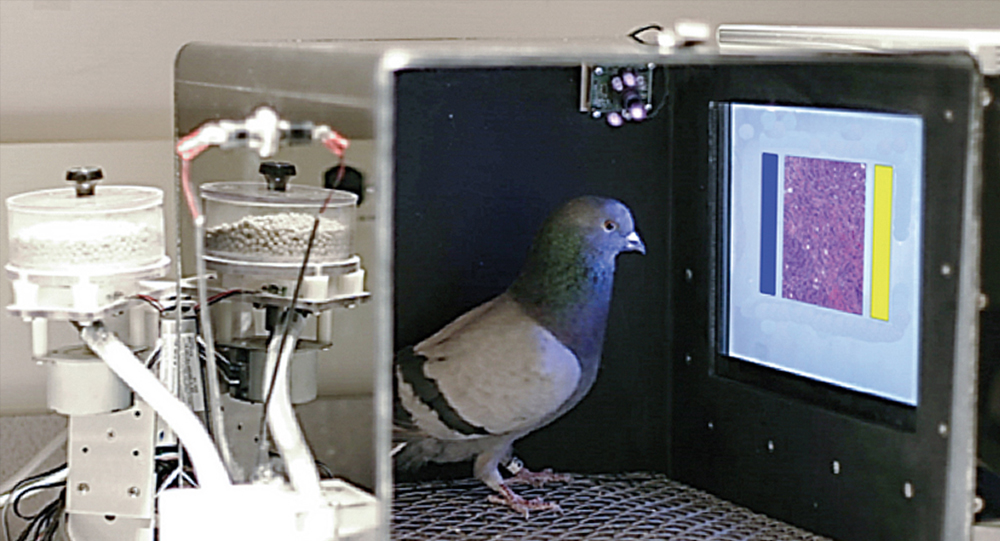
The Science Behind Pigeons in Cancer Detection and What It Means for Medicine
In a groundbreaking study, researchers have discovered that pigeons can be trained to distinguish between cancerous and non-cancerous tissues in medical images with accuracy rivaling that of human experts. This surprising capability opens new avenues for understanding visual perception and has potential implications for improving diagnostic tools in medicine. Here is the fascinating science behind pigeons’ ability to spot cancer and what it signifies for the future of medical imaging.

Man discovers he has 3 kidneys after going to doctor for severe back pain
In 2020, a 38-year-old Brazilian man visited his doctor for severe back pain and was shocked to find out that he has three kidneys instead of just two.

The Heartbreaking Story Of Ella Harper, The ‘Camel Girl’
Ella Harper, Professionally known as the “Camel Girl” was born with a rare orthopedic condition that cased her knee to bend backward. Due to this condition, had to walked on all four legs, which resulted in her nickname as “Camel Girl”. Tough it was hard at first, but soon she made a fortune out of it.


The Giant Mirrors Brought Sunlight to Rjukan
Due to the steep mountains that surround it, the town of Rjukan, Norway, doesn't receive any natural sunlight from September to March. They placed large mirrors in the town square to reflect light. The mirror follows the path of the sun and moves every 10 seconds to create a 600m squared light pool.

The Mystery of the Darvaza Gas Crater: A 50-Year Inferno
Scientists lit a hole filled with natural gas on Fire in 1971, expecting it would burn only for few days. The hole has been burning for the past 48 years & is called "The Door To Hell".
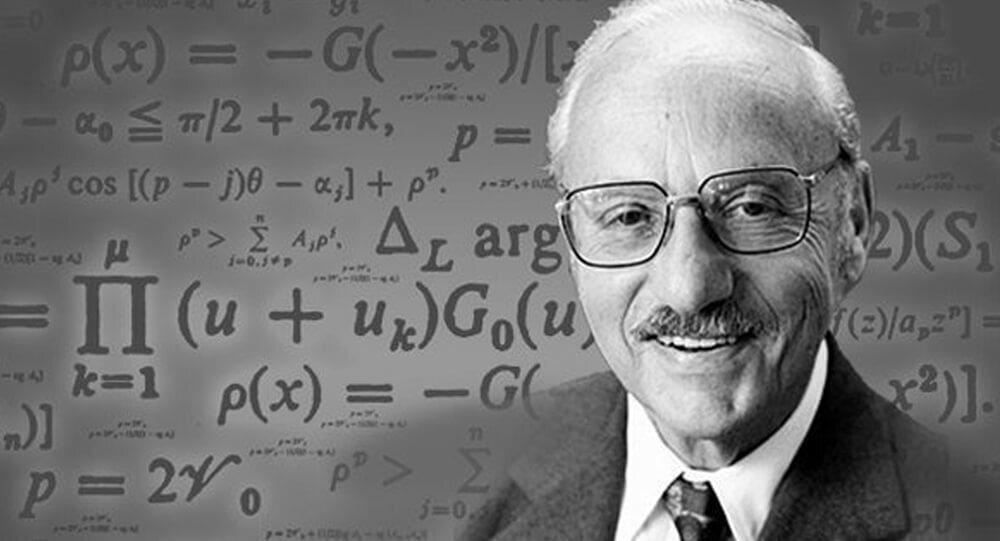
George Dantzig solved two famous “unsolved” problems in statistics mistakenly as assignment
In 1939, George Dantzig arrived late to his statistics class. On the board were two famous “unsolved” problems in statistics written as an example by his professor. Dantzig mistook the examples for homework assignments. He solved the “unsolved” problems and submitted the homework to his professor a few days later. His solutions earned him a doctorate.

Dr. Leonid Rogozov: the surgeon who removed his own appendix.
Dr. Leonid Rogozov was a legendary surgeon who operated on himself in 1961 to remove an inflamed appendix.

The Physics Behind Why Cats Always Land on Their Feet
Cats have an extraordinary survival skill known as the “righting reflex” that allows them to twist midair and land on their feet, even when dropped upside down. This uncanny ability is made possible by their flexible spine, lack of a functional collarbone, and a combination of biological sensors and physical laws governing motion. Astonishingly, kittens develop this reflex as early as three weeks old, mastering the art of graceful landing that defies everyday expectations. This article unravels the science and mystery behind this feline feat.

The Accidental Birth of Super Glue: Dr. Harry Coover's WWII Discovery
Dr. Harry Coover was trying to develop clear plastic for gun sights during WWII when he accidentally created cyanoacrylate, an extremely strong adhesive. Initially dismissed, it was later marketed as Super Glue in the 1950s.

The extraordinary case of Olivia Farnsworth, who hit by a car and dragged down the street without pain because of chromosome 6 deletion
In 2016, 7-year-old Olivia Farnsworth was hit by a car and dragged down the street, but she did not feel a thing. That is because of a rare condition called “chromosome 6 deletion,” which causes her to feel no pain. She also does not experience hunger or exhaustion.

How Sleep Cycles Affect Cognitive Function and Memory Retention
Sleep is not just rest—it's an active process where our brain cycles through stages that shape cognition, memory, and overall mental performance. Different sleep phases, from deep slow-wave sleep to REM dreaming, play unique roles in consolidating memories, boosting attention, and refreshing brain networks. Explore how sleep cycles work and why they are essential to learning and sharp thinking.

What makes bananas radioactive?
Yes, It is true that bananas contain radioactive substances. But the same can be said for spinach, potatoes, oranges, Brazil nuts, kitten litter, granite counter tops, even the air you breathe! Radioactivity is unavoidable and all around us. So, what exactly is it?
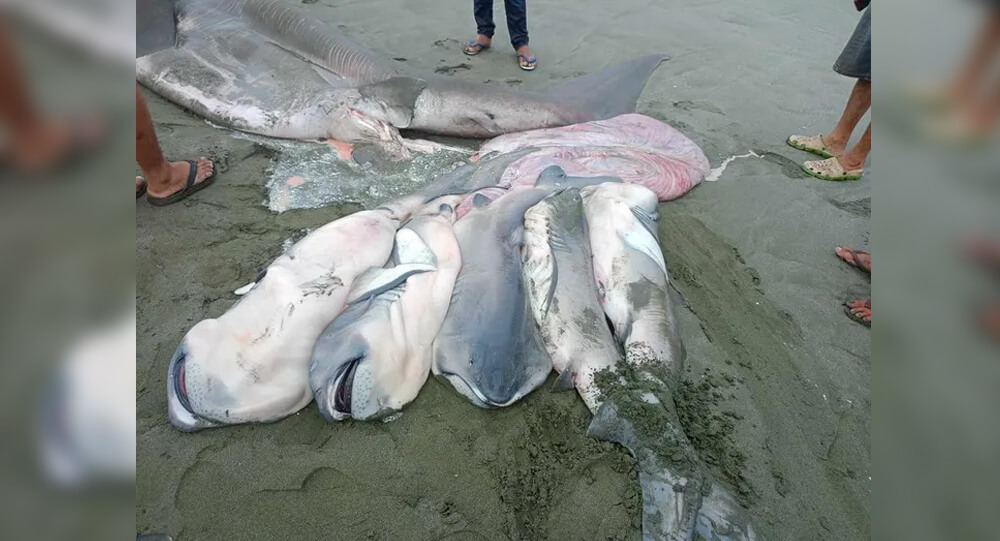
Megamouth Shark And Her Babies Found Dead In The Philippines
Filipino zoologists have recorded a pregnant megamouth shark for the first time ever since the rare aquatic specie was discovered in 1974.
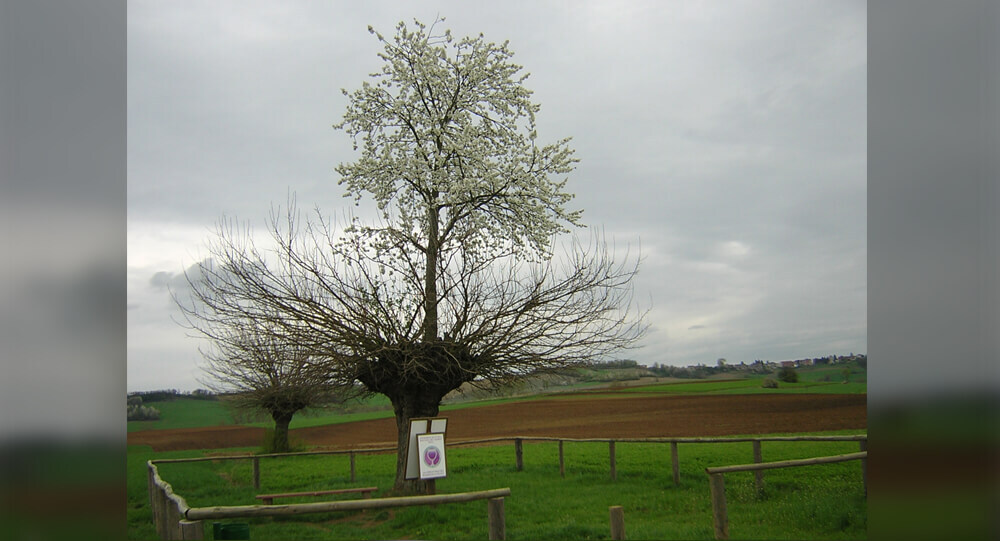
The Unique Grana Double Tree of Piedmont, Italy
The “Grana Double Tree” in Piedmont, Italy is a highly unusual tree, which consists of a cherry tree growing atop a mulberry tree. It is essentially a two-species, two-tiered hybrid duplex.

Dr. Donald Hopkins: From Smallpox Eradication to Near-Ending Guinea Worm Disease
Dr. Donald Hopkins helped eradicate Smallpox, and is on the verge of killing another disease. He's taken Guinea Worm Disease down from 3.5 million cases a year to just 28 cases last year.
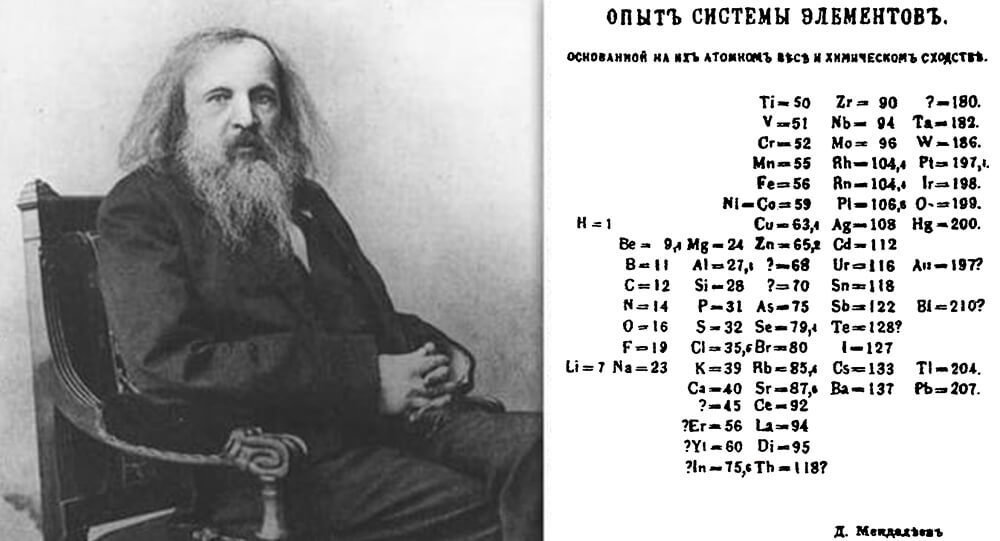
How Dmitri Mendeleev Developed the periodic table of the elements
1850 Dmitri Mendeleev walked almost a thousand miles to Moscow so he could apply for the University of Moscow. Although he was not accepted, he walked to St. Petersburg where he was accepted, And with that education, he developed the the periodic table of the elements
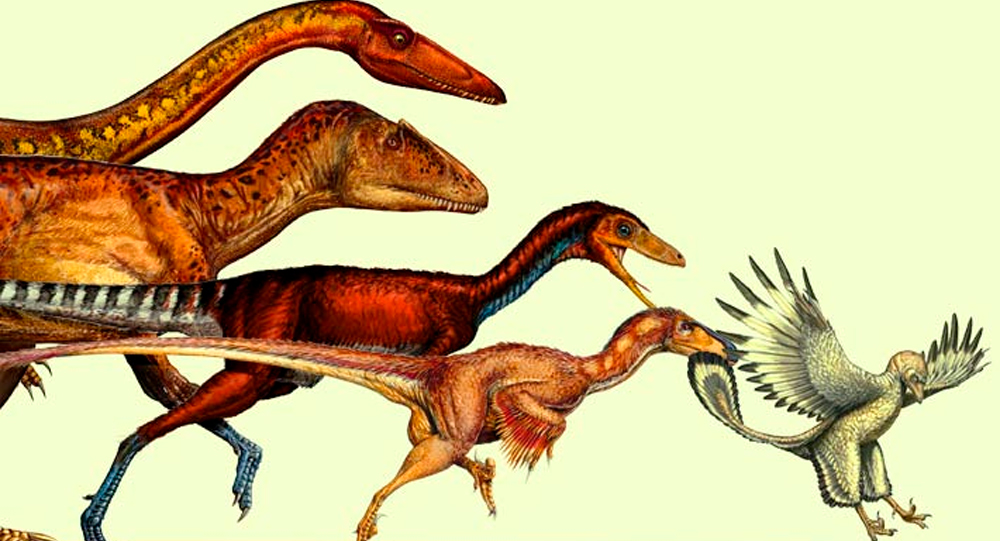
The Evolution of Flight: From Dinosaurs to Birds – A Journey Through Time and Science
Flight is one of nature’s most remarkable adaptations, but its origins trace back millions of years before modern birds took to the skies. Emerging from theropod dinosaurs during the Jurassic period, birds evolved feathers, wings, and lightweight bodies that enabled powered flight. This detailed narrative explores the fascinating evolutionary path from ground-dwelling dinosaurs to the aerial masters of today, blending science, intriguing fossil finds, and surprising trivia about our feathered ancestors.
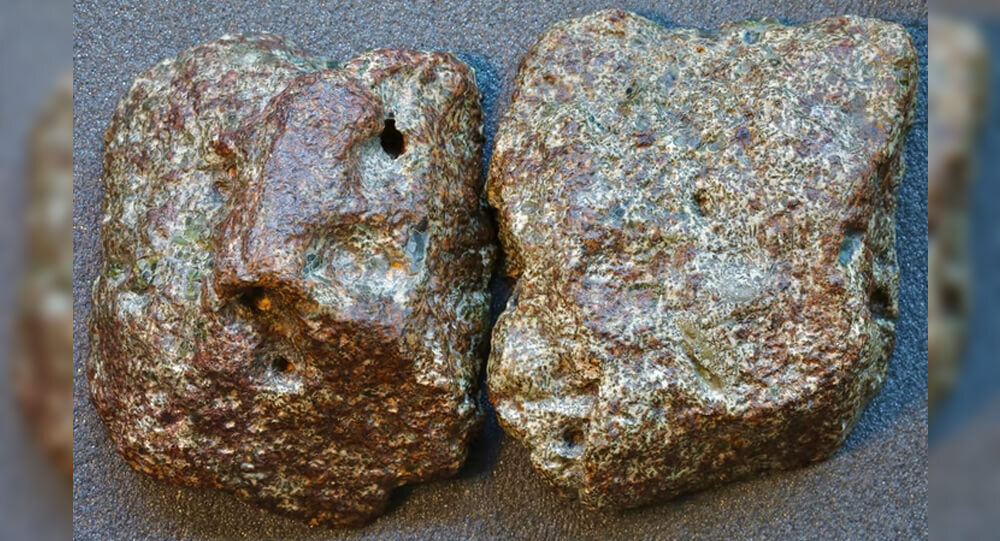
Meteorite found in Sahara Desert older than the earth
This Sahara Desert Meteorite was discovered to be older than the earth itself. This Meteorite is estimated to be 4.6 billion years old, while earth is estimated to be 4.54 billion years old.
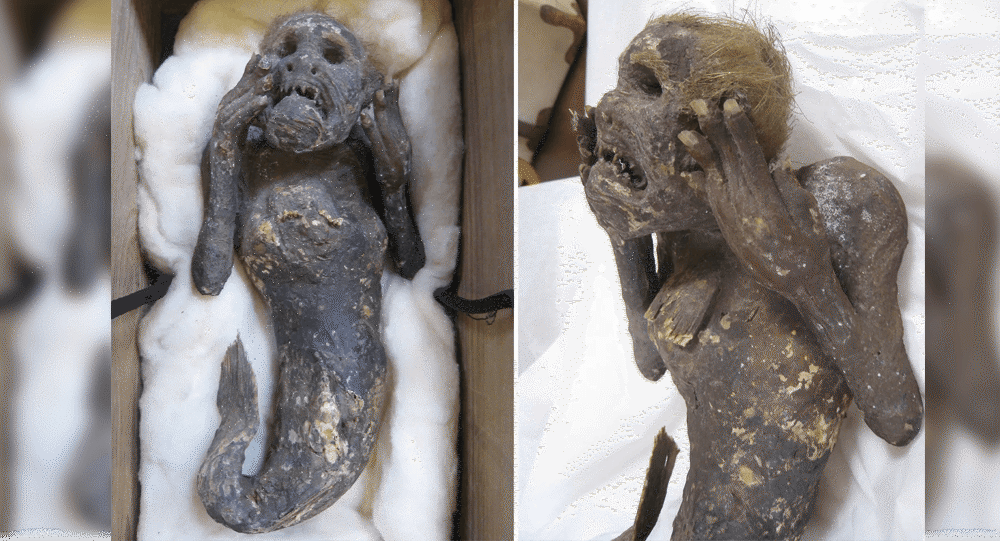
Mystery of 300-year-old mummified mermaid is being probed
There is a 300-year-old mummified mermaid with 30 centimetres tall and features a human-like head, two hands with what appear to be fingernails, and its lower body that look like a fish tail. The “mermaid mummy” is being probed by Japanese scientists in an attempt to unravel the mystery of its existence.

Man gave his stem cell fund to a disabled boy
Dan Black, who was paralyzed in a bike accident, spent four years raising 20,000 for a stem cell treatment that could let him walk again. However, after learning about a five-year-old boy with cerebral palsy, he donated the funds for the boy's medical treatment in order to enable him to take his first steps.

The Science Behind Why We Dream and What It Means
Dreams have fascinated humanity for millennia—enigmatic stories that unfold in sleep, weaving memories, emotions, and symbols. Modern science is now unraveling why we dream and exploring what these nightly narratives reveal about our brain, emotions, and waking lives. Journey through the latest discoveries on the science of dreaming and its meaningful reflections in our psyche.

For the First Time in 60 Years, Scientists Discover a 'Lost' Echidna Species
An expedition team in Indonesia discovered the elusive, egg-laying animal (Echidna) named after David Attenborough, which had not been seen since 1961.

The World’s First Seismograph: How Ancient China Detected Earthquakes 1,800 Years Ago
Over 1,800 years ago, long before modern technology, the ancient Chinese astronomer and inventor Zhang Heng created the world’s first seismograph in 132 AD. This ingenious bronze device could detect distant earthquakes by releasing small balls from dragons’ mouths into toads’ mouths—each indicating a different compass direction. Its historic detection of an earthquake 400 miles away astonished the imperial court and transformed the way societies understood and responded to seismic events.
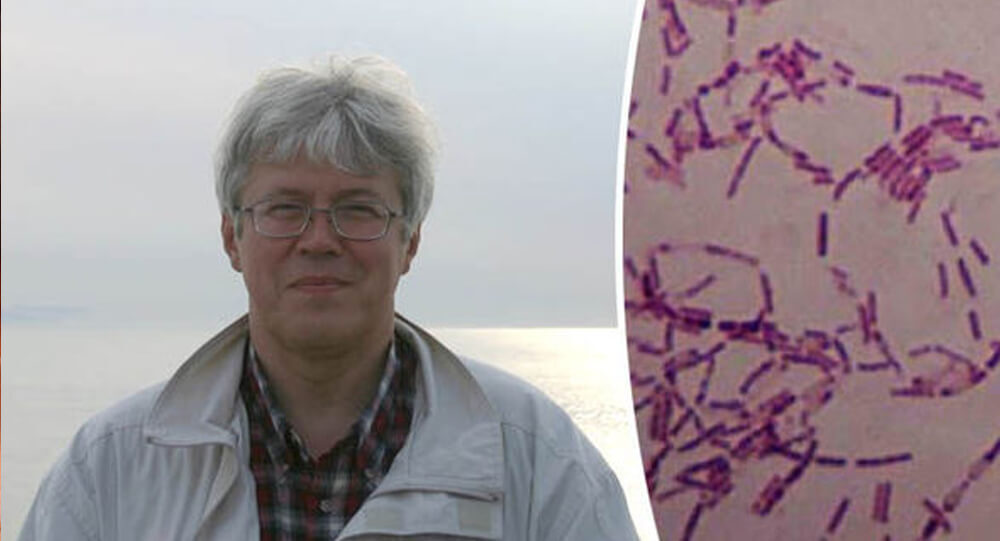
Scientist injects himself with 3.5m yr old bacteria for immortality and amazing happens
Russian scientist injected himself with a 3.5 million-year-old strain of bacteria, just to see what would happen. According to Brouchkov, Bacillus F has a mechanism that has enabled it to survive for so long beneath the ice, and that the same mechanism could be used to extend human life, too.
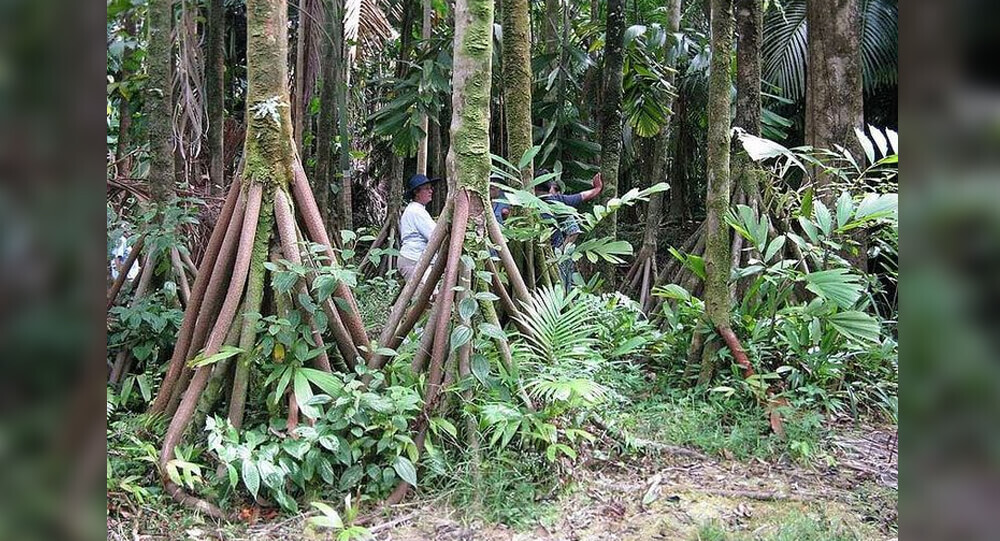
The “Walking” Palm, tree species can walk up to 65 feet each
This tree species can walk up to 65 feet each year to find the best habitat to live in.