
Time is a crucial component of our existence because it enables us to plan our days, schedule our activities, and make sense of the environment. But have you ever questioned why exactly 24 hours make up a day and 60 minutes make up an hour? With a fascinating past that spans thousands of years, the idea of time measurement has been influenced by several civilizations, astronomical events, and technical breakthroughs. In this article, we will examine the history of our timekeeping system and examine the rationale behind the division of time into hours and minutes. We aim to shed light on how these numerical divides became engrained in our communal perception of time by examining the evolution of time measurement.
Historical Origins: Tracing the Evolution of Hours and Minutes
Our ancestors struggled with keeping track of time even before cellphones had fancy digital clocks. A number of aspects of human existence, including agriculture, religious rites, and social order, prompted the necessity for timekeeping. Time measurement systems were first developed by ancient civilizations, who frequently relied on natural occurrences like the movement of the sun or the stars.
Early timekeeping devices included water clocks and hourglasses, which used the flow of water or sand to indicate the passage of hours, as well as sundials, which used the position of the sun’s shadow to determine time. Although crude, these techniques served as the basis for our contemporary timekeeping systems.

Astronomical Influence: The Earth’s Rotation and the Solar Day
We must gaze to the stars to comprehend why we have 24 hours in a day. The rotation of the Earth’s axis plays a significant role in how we define a day. The cycle of day and night is brought about by the Earth’s rotation, which takes it around 24 hours to complete one full rotation. The solar day, often known as this era, evolved into the primary unit of time measurement.
The ancient Babylonians, who were keen astronomers, had an influence on the division of the solar day into hours and minutes. Each of the 24 segments of the day was equal to one hour. Although choosing 24 might have seemed random, it was in keeping with their numbering system, which was built around the number 60. This numerical system paved the way for the subdivision of hours into minutes and minutes into seconds, as we know them today.
The Babylonian Legacy: Base-60 Number System and the Birth of Minutes
The Babylonians introduced the base-60 number system, which significantly improved time measurement despite the fact that the concept of hours was already well-established. The Sexagesimal system, an ancient system, had a considerable influence on timekeeping. The base-60 system was more practical for calculations and divisions than most current civilizations’ base-10 system.
The Babylonians split each hour into 60 minutes using a base-60 numeral system. With this division, time could be measured more precisely and the passage of time could be understood better. The minute, whose name comes from the Latin word “minuta,” which means “small,” became a crucial unit for keeping track of and planning daily tasks.
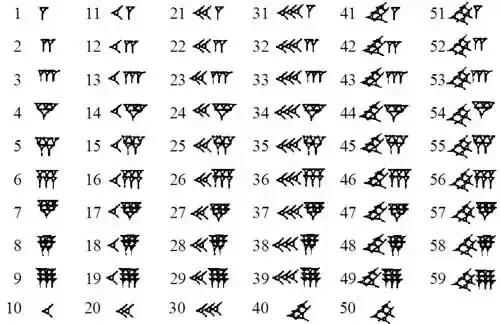
The Roman Influence: Introduction of the Mechanical Clock and Standardization
With the construction of the mechanical clock, the Romans significantly contributed to the advancement of timekeeping. These early clocks used mechanical movements to record the hours using water-driven mechanisms, making time measurement more accurate and consistent.
The requirement for time standardization became clear as the Roman Empire grew. The Romans devised a consistent system based on the 24-hour day and the 60-minute hour, as introduced by the Babylonians, to maintain synchronization throughout various territories. Better trade, communication, and synchronization of daily operations were all made possible by this standardization across the empire.
Modern Timekeeping: The Adoption of the 24-hour Day and the 60-minute Hour
The 24-hour day has been the norm for most countries in the contemporary period. The requirement for a more accurate and widely recognized timekeeping system served as the main reason for this transformation. The 24-hour day removes any ambiguity regarding morning and evening times, streamlines international communication, and helps with event planning on a worldwide scale.
The 60-minute hour concept provides a practical approach to divide time into reasonable chunks. Its base-60 compatibility also makes it simple to convert between hours, minutes, and seconds. However, due to its non-decimal structure, the 60-minute hour system can occasionally cause difficulty, particularly when converting and computing fractions of an hour. The 24-hour day and 60-minute hour that we follow today have a rich and convoluted history. Despite these difficulties, the 60-minute hour system remains profoundly engrained in our daily lives.
The idea of time has changed and adapted over millennia, from the early ancient civilizations who struggled with time measurement to the astronomical influences and technical developments that created our present system. It is good to be amazed at the intelligence and ingenuity of our ancestors who created such a precise and widely recognized system while we continue to navigate our daily lives within this framework. Take a moment to appreciate the amazing journey that led us to this accepted unit of time measurement the next time you check the time or set an alarm.


Dr. Donald Hopkins: From Smallpox Eradication to Near-Ending Guinea Worm Disease
Dr. Donald Hopkins helped eradicate Smallpox, and is on the verge of killing another disease. He's taken Guinea Worm Disease down from 3.5 million cases a year to just 28 cases last year.

Earthquakes: Can Animals Really Predict Them?
In 1975, when officials in the Chinese city of Haicheng were alarmed by odd and anxious behaviors of dogs and other animals. These observations led them to order 90,000 residents to evacuate the city. Only a few hours later a 7.3 magnitude earthquake destroyed nearly 90% of the city’s buildings.

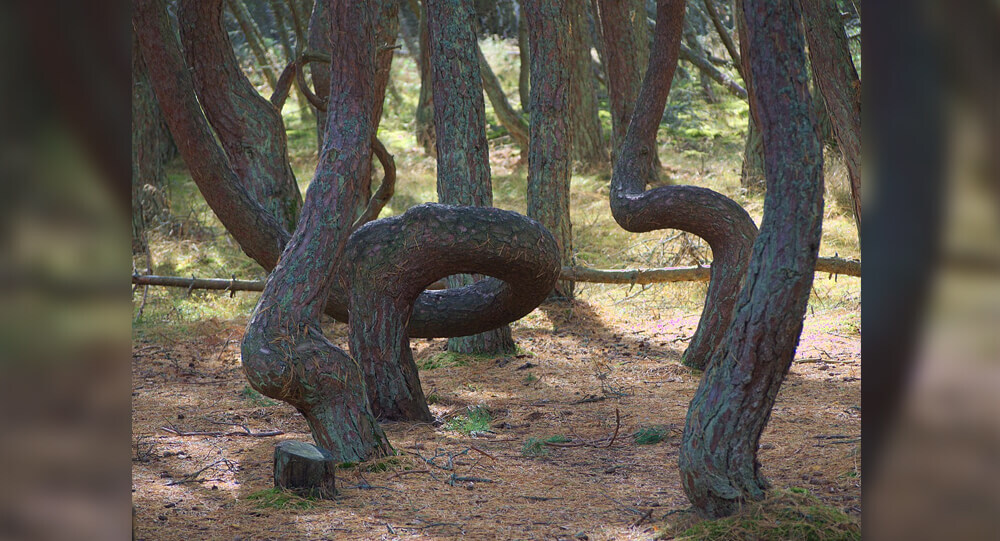
The Mystery of the Dancing Forest: Reasons behind the unusual wonders of forest
The Dancing Forest in Russia is noted for its unusually twisted pine trees. The trunks of these trees are contorted into spirals, rings, and other squiggly loops, but the reason for this malformation is still a mystery.
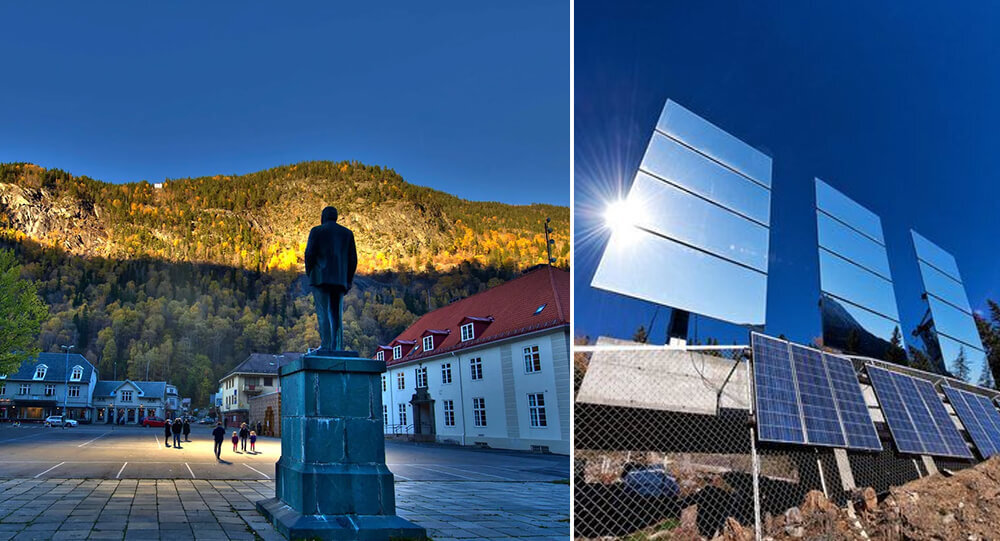
The Giant Mirrors Brought Sunlight to Rjukan
Due to the steep mountains that surround it, the town of Rjukan, Norway, doesn't receive any natural sunlight from September to March. They placed large mirrors in the town square to reflect light. The mirror follows the path of the sun and moves every 10 seconds to create a 600m squared light pool.

Scientist injects himself with 3.5m yr old bacteria for immortality and amazing happens
Russian scientist injected himself with a 3.5 million-year-old strain of bacteria, just to see what would happen. According to Brouchkov, Bacillus F has a mechanism that has enabled it to survive for so long beneath the ice, and that the same mechanism could be used to extend human life, too.

What makes bananas radioactive?
Yes, It is true that bananas contain radioactive substances. But the same can be said for spinach, potatoes, oranges, Brazil nuts, kitten litter, granite counter tops, even the air you breathe! Radioactivity is unavoidable and all around us. So, what exactly is it?
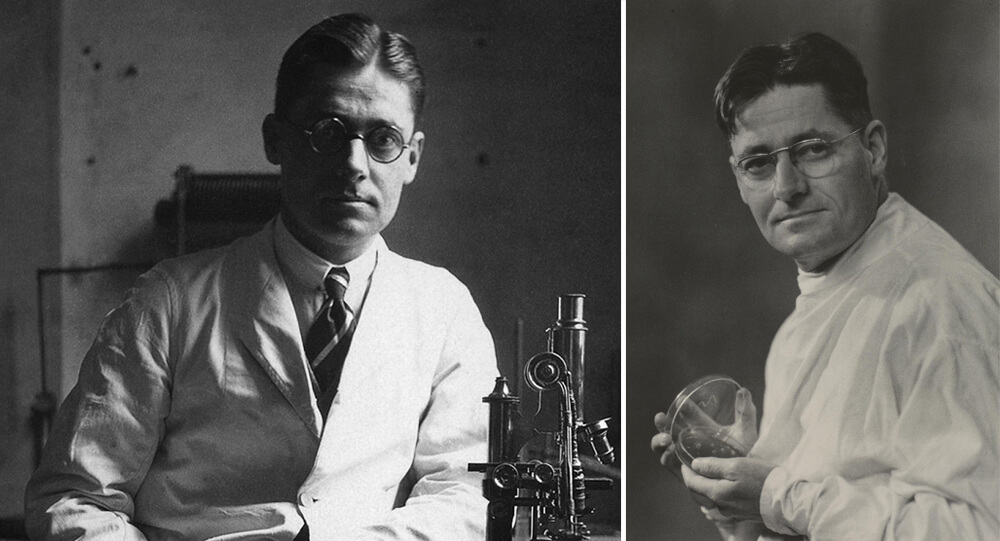
How did Howard Florey discover penicillin
Penicillin was discovered by Alexander Fleming, but he never attempted to turn it into an antibiotic. It wasn't until ten years later that Howard Florey discovered Fleming's obscure paper and understood the mold's potential. Up to 200 million lives may have been saved as a result of Florey's work.

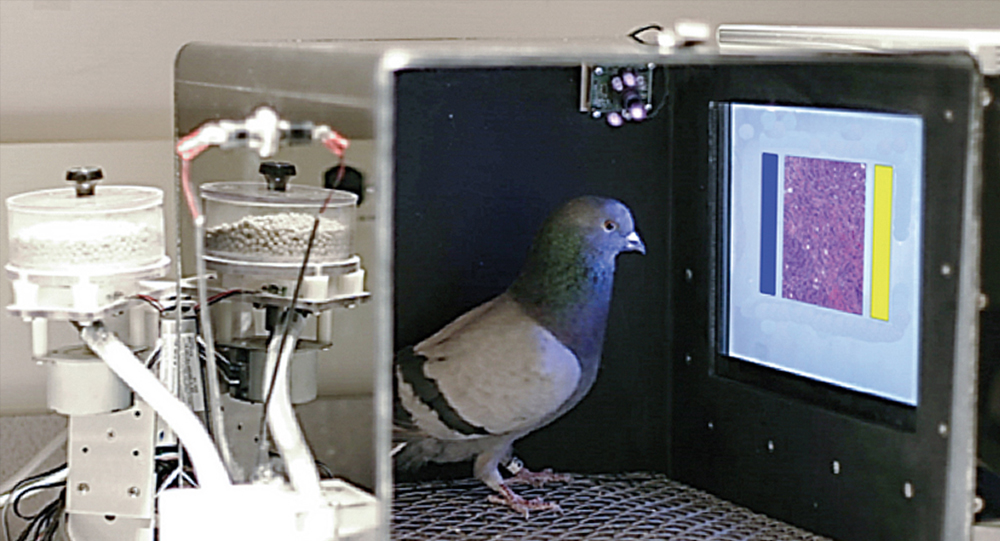
The Science Behind Pigeons in Cancer Detection and What It Means for Medicine
In a groundbreaking study, researchers have discovered that pigeons can be trained to distinguish between cancerous and non-cancerous tissues in medical images with accuracy rivaling that of human experts. This surprising capability opens new avenues for understanding visual perception and has potential implications for improving diagnostic tools in medicine. Here is the fascinating science behind pigeons’ ability to spot cancer and what it signifies for the future of medical imaging.

How Sleep Cycles Affect Cognitive Function and Memory Retention
Sleep is not just rest—it's an active process where our brain cycles through stages that shape cognition, memory, and overall mental performance. Different sleep phases, from deep slow-wave sleep to REM dreaming, play unique roles in consolidating memories, boosting attention, and refreshing brain networks. Explore how sleep cycles work and why they are essential to learning and sharp thinking.
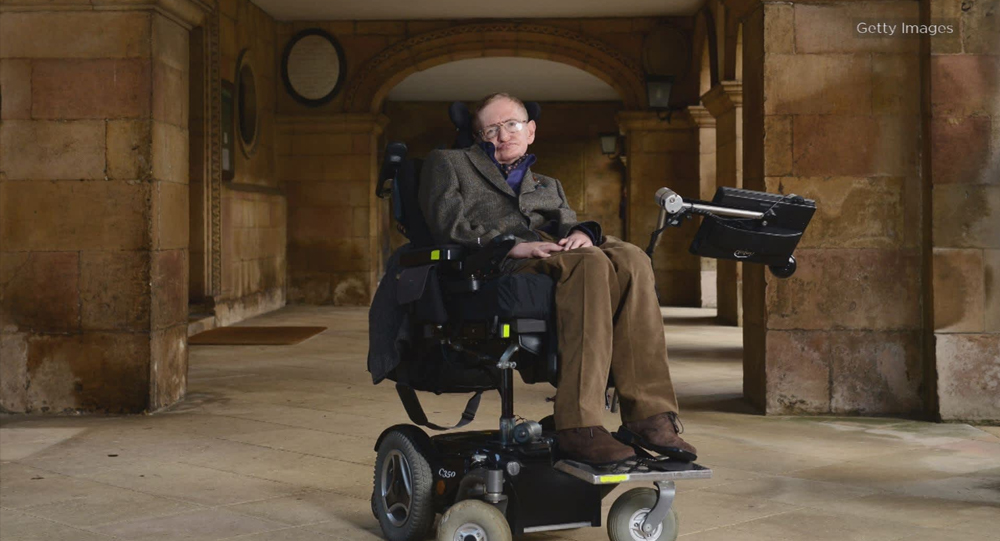
Stephen Hawking’s Warning: Humanity Has Less Than 200 Years to Escape Earth’s Limits
Stephen hawking says humanity won't survive without leaving earth. In fact, human beings may have less than 200 years to figure out how to escape our planet
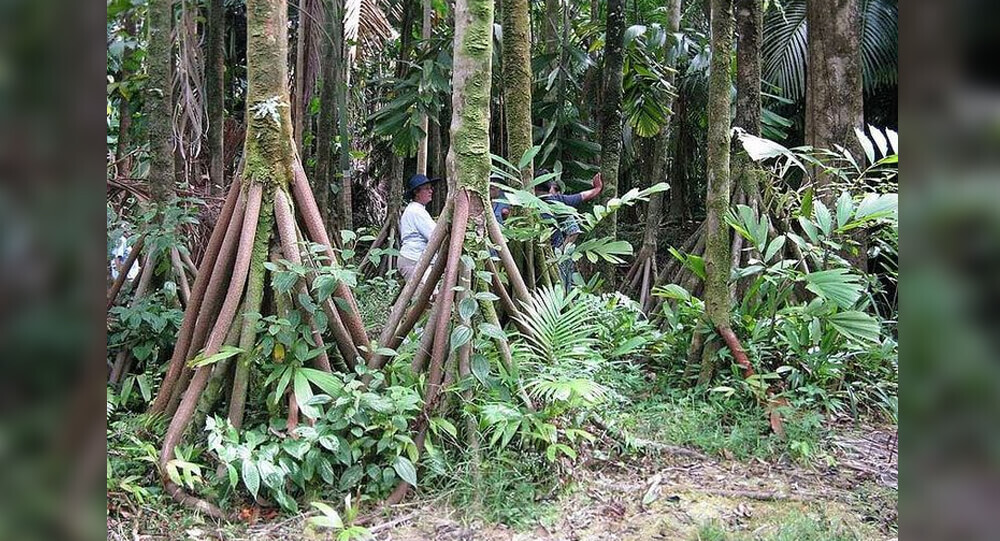
The “Walking” Palm, tree species can walk up to 65 feet each
This tree species can walk up to 65 feet each year to find the best habitat to live in.
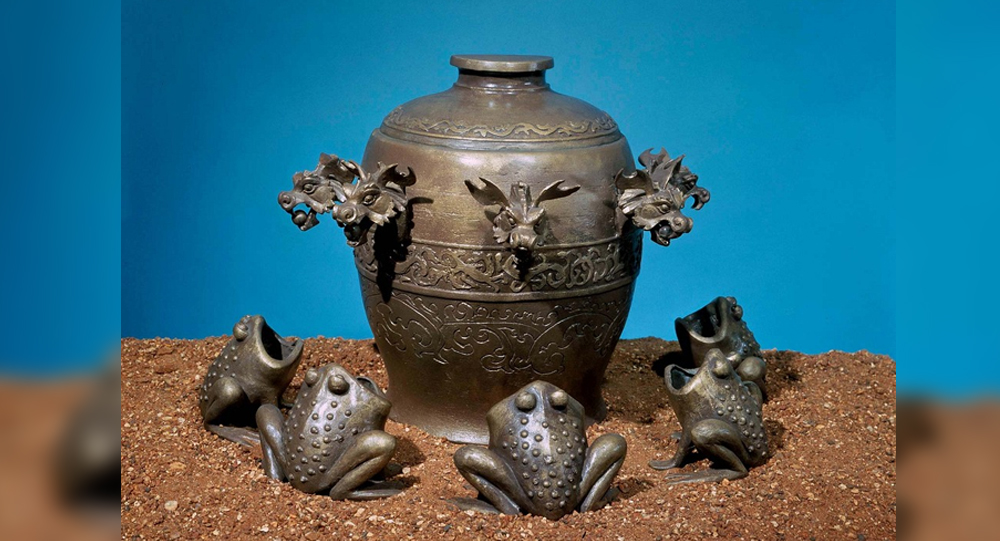
The World’s First Seismograph: How Ancient China Detected Earthquakes 1,800 Years Ago
Over 1,800 years ago, long before modern technology, the ancient Chinese astronomer and inventor Zhang Heng created the world’s first seismograph in 132 AD. This ingenious bronze device could detect distant earthquakes by releasing small balls from dragons’ mouths into toads’ mouths—each indicating a different compass direction. Its historic detection of an earthquake 400 miles away astonished the imperial court and transformed the way societies understood and responded to seismic events.

The Accidental Birth of Super Glue: Dr. Harry Coover's WWII Discovery
Dr. Harry Coover was trying to develop clear plastic for gun sights during WWII when he accidentally created cyanoacrylate, an extremely strong adhesive. Initially dismissed, it was later marketed as Super Glue in the 1950s.
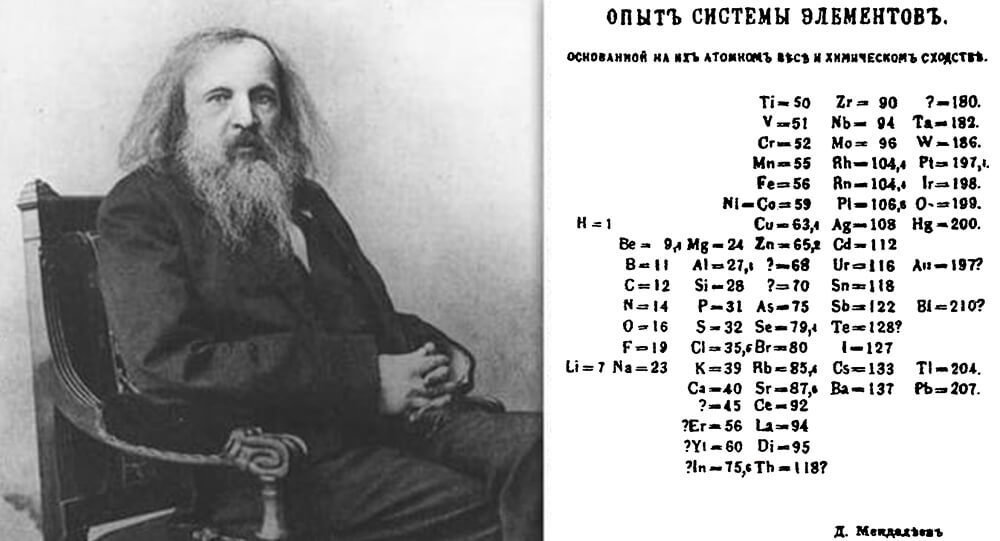
How Dmitri Mendeleev Developed the periodic table of the elements
1850 Dmitri Mendeleev walked almost a thousand miles to Moscow so he could apply for the University of Moscow. Although he was not accepted, he walked to St. Petersburg where he was accepted, And with that education, he developed the the periodic table of the elements

For the First Time in 60 Years, Scientists Discover a 'Lost' Echidna Species
An expedition team in Indonesia discovered the elusive, egg-laying animal (Echidna) named after David Attenborough, which had not been seen since 1961.

A 28-year-old scientist could win a Nobel Prize for creating new class of antibiotics
A 28-year-old scientist could receive the Nobel Prize for developing a new class of antibiotics that fight drug-resistant bacteria, but she only has months to live after being diagnosed with incurable heart cancer, and she says "There aren't words to express how sad I feel' about not seeing award."

Megamouth Shark And Her Babies Found Dead In The Philippines
Filipino zoologists have recorded a pregnant megamouth shark for the first time ever since the rare aquatic specie was discovered in 1974.

This Yogi Spent 76 Years Without Eating or Drinking Anything and Confirmed by
Prahlad Jani, the starving monk who lived 76 Years without food and water.

The Heartbreaking Story Of Ella Harper, The ‘Camel Girl’
Ella Harper, Professionally known as the “Camel Girl” was born with a rare orthopedic condition that cased her knee to bend backward. Due to this condition, had to walked on all four legs, which resulted in her nickname as “Camel Girl”. Tough it was hard at first, but soon she made a fortune out of it.
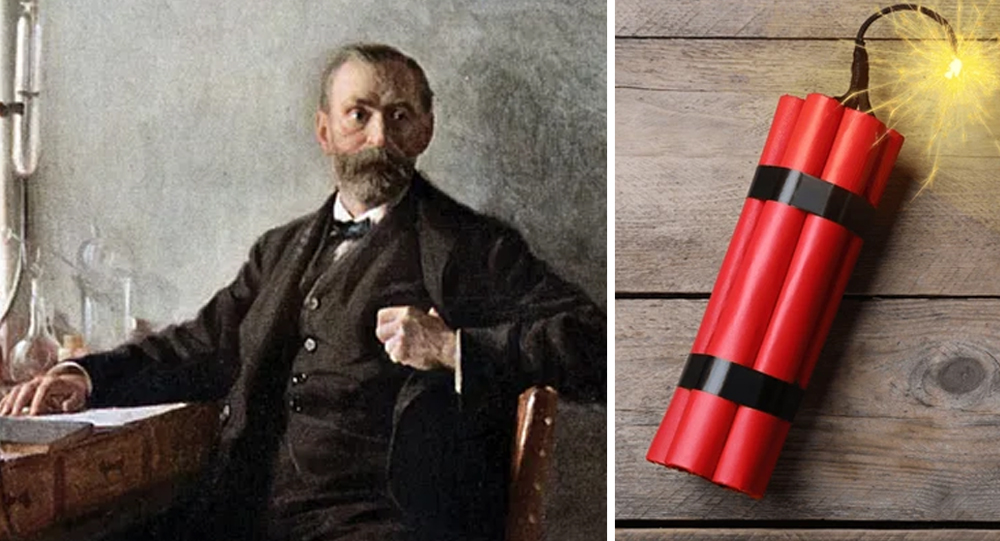
How a Headache Cure Experiment Led to the Invention of Dynamite
Alfred Nobel discovered dynamite while experimenting with nitroglycerin, a volatile liquid he also took in tiny doses for headaches. Ironically, the explosive that made him wealthy and feared also eased pain—later inspiring his legacy as founder of the Nobel Prizes.

Man gave his stem cell fund to a disabled boy
Dan Black, who was paralyzed in a bike accident, spent four years raising 20,000 for a stem cell treatment that could let him walk again. However, after learning about a five-year-old boy with cerebral palsy, he donated the funds for the boy's medical treatment in order to enable him to take his first steps.

The Mystery of Canada's Magical Spotted Lake
Lake Khiluk, the world's most mineralized lake, and one of the most mysterious places on Earth. Each of these spots has a distinct chemical content and is said to cure various diseases.

Inspiring story of Jono Lancaster, Abandoned by His mother at birth for this 'defect' on his face
When Jono Lancaster was just 36 hours old, his parents left him for adoption because he was suffering from Treachers Collins Syndrome, a genetic disorder which hampers facial bones development. Now he is an inspirational speaker, a professional model and a teacher, giving inspiration to millions
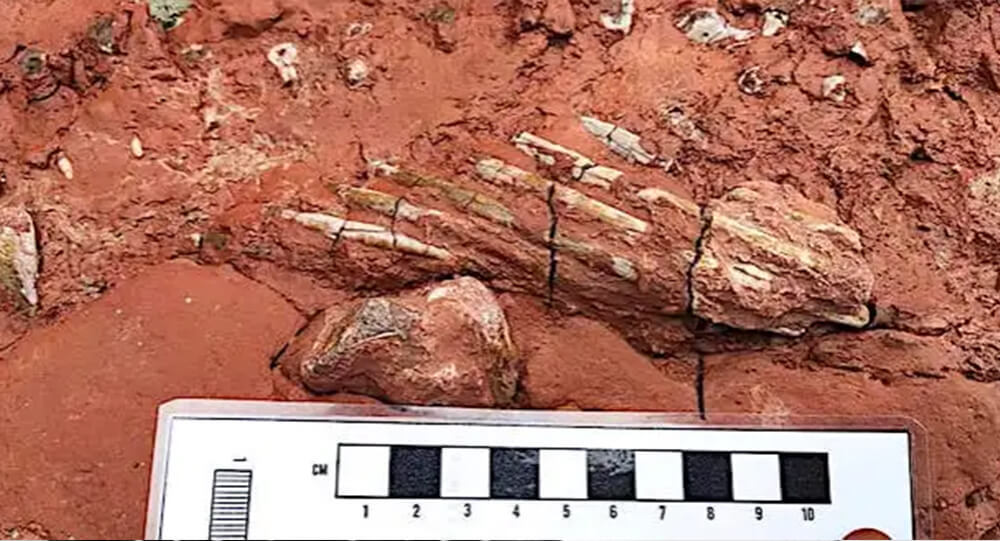
Canadian Schoolteacher Discovers a Fossil That May Be 300 Million Years Old
School teacher discovers extremely rare fossil of unknown animal that maybe 300 million years old. One high school teacher was walking her dog when she made a once-in-a-lifetime find. It turns out that the fossil is probably 300 million years old and came from an extinct species of reptile.
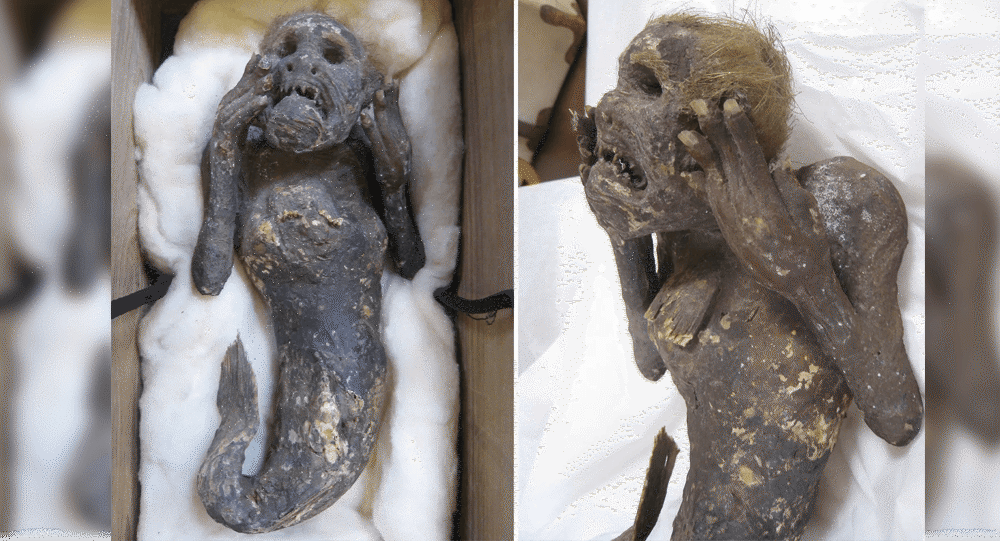
Mystery of 300-year-old mummified mermaid is being probed
There is a 300-year-old mummified mermaid with 30 centimetres tall and features a human-like head, two hands with what appear to be fingernails, and its lower body that look like a fish tail. The “mermaid mummy” is being probed by Japanese scientists in an attempt to unravel the mystery of its existence.