
The human body has an amazing capacity for astonishment due to its intricate hidden workings. A man seeking relief from excruciating back pain came face to face with an extraordinary discovery: he had not two, but three kidneys. This is a remarkable story of medical curiosity and unanticipated discoveries. This article delves into the remarkable journey of this person, examining the initial symptoms that prompted him to seek medical attention, the startling discovery that he had three kidneys, as well as the implications and difficulties brought on by this uncommon condition. We’ll also delve into the world of polycystic kidney disease, discuss how it relates to having multiple kidneys, and shed light on the available treatments and the experiences of those who have this amazing anomaly.
The Unexpected Discovery and the story
With severe back pain, the 38-year-old drove himself to the Hospital do Rim in So Paulo. According to an article that appeared in the New England Journal of Medicine on Wednesday, doctors performed a CT scan.
A third kidney was discovered, which was quite shocking. His lower back pain was confirmed to be brought on by a herniated disk, a common condition that affects the spinal vertebrae.
Humans typically have two kidneys, but this man had two fused together near his pelvis in addition to one kidney that appeared normal.
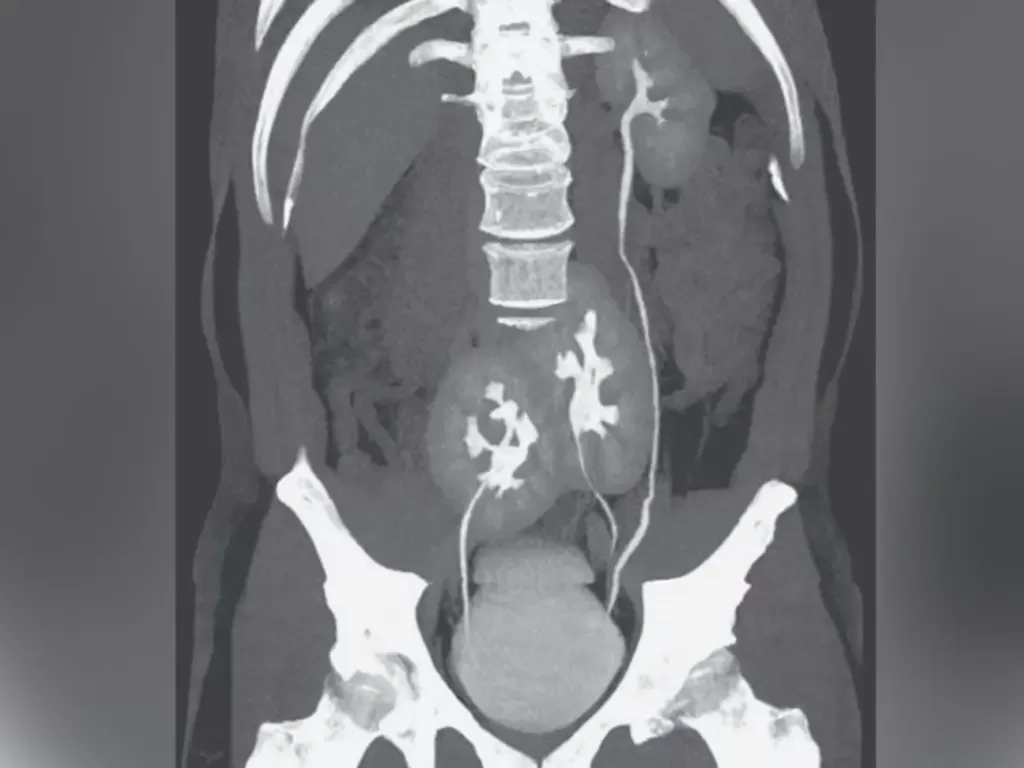
One of the case study authors, Dr. Renato Foresto, told IFLScience, “We had never seen anything like this.” “The surprise was wonderful, followed by worry that the patient’s health might be compromised.”
The man had no known problems with the organs, and blood tests revealed that his kidneys were healthy and functioning normally.
His kidney function… was entirely normal. Since the source of the pain had already been identified and there had been no changes in the results of the laboratory tests, additional abdominal ultrasound and tomography was deemed unnecessary, Foresto continued.
After receiving care for his slipped disk, the patient was discharged.
According to a report in the Internet Journal of Radiology, having three kidneys is incredibly uncommon, with fewer than 100 cases documented in the literature, according to LiveScience.
According to a 2013 study, the majority of people are unaware they have a third kidney until one is identified through a separate medical procedure, as in the case of this patient.
Understanding Polycystic Kidney Disease
A genetic disorder known as polycystic kidney disease is characterized by the development of numerous fluid-filled cysts in the kidneys. These cysts can gradually enlarge and obstruct the kidneys’ ability to function normally, which can result in a number of complications. Men and women of all ages can be affected by PKD, and it frequently runs in families. Uncle Bob boasts about having two extra kidneys, so you might want to have yours examined as well.
Let’s now explore this kidney extravaganza’s causes and risk factors. Genetic changes that interfere with the normal growth and structure of kidney tissues are the main cause of PKD. It’s as though your kidneys made the decision to throw a “extra organ” party without your consent.
Regarding the risk factors, having PKD in your family increases your likelihood of inheriting the disease. So, if your great-great-grandmother Gertie had a habit of gathering kidneys, you might also possess some of her collection.
What exactly is the relationship between PKD and having multiple kidneys? So here’s the skinny. Both kidneys may experience the development of PKD-related cysts, which may multiply and enlarge over time. The kidneys may enlarge more than usual as a result of this expansion; in some cases, additional kidneys may even develop. It seems like your kidneys have decided to upgrade you, or maybe they just enjoy a good surprise.
The Implications and Challenges of Extra Kidneys
Even though having extra kidneys may sound like a superpower, there are some disadvantages. Potential effects on kidney function is one of them. The development of cysts can gradually reduce the kidneys’ capacity to remove waste from the blood in people with PKD. This can result in a decline in kidney function, which might call for treatment or, in extreme cases, dialysis. While having extra kidneys might be intriguing, it doesn’t necessarily make you a kidney superhero.
Having extra kidneys increases your risk of kidney-related complications in addition to kidney function issues. These may include kidney failure, high blood pressure, urogenital tract infections, kidney stones, and even high blood pressure. It’s as though your kidneys made the decision to throw a wild party complete with balloons (cysts) and potential catastrophes.
The extra kidneys may not endow you with a talent for the guitar, but they may have an adverse effect on your general health and wellbeing. You must take care of your kidney health, adopt a healthy lifestyle, and keep an eye out for potential complications if you have PKD and additional kidneys. It serves as a gentle reminder that self-care is essential, even when one has extra kidneys.

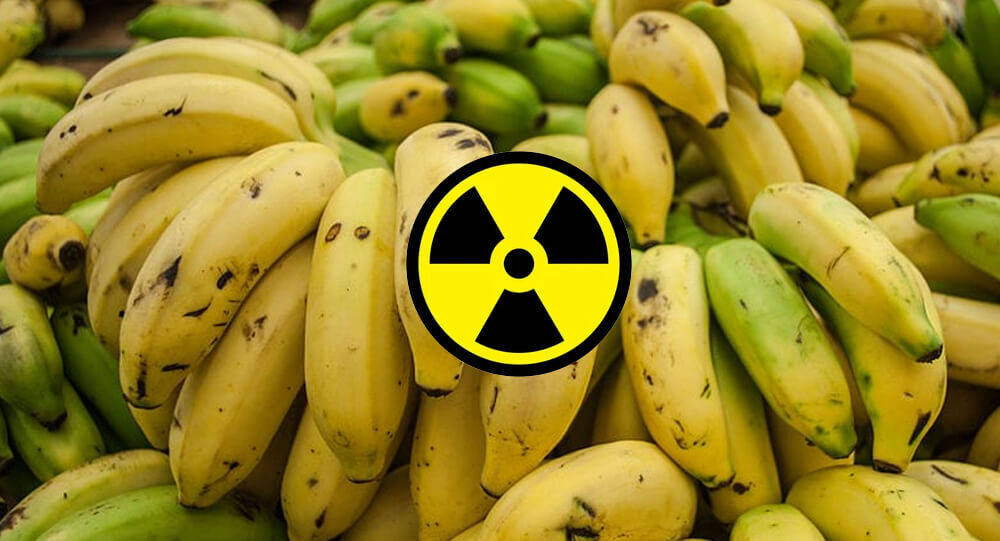
What makes bananas radioactive?
Yes, It is true that bananas contain radioactive substances. But the same can be said for spinach, potatoes, oranges, Brazil nuts, kitten litter, granite counter tops, even the air you breathe! Radioactivity is unavoidable and all around us. So, what exactly is it?
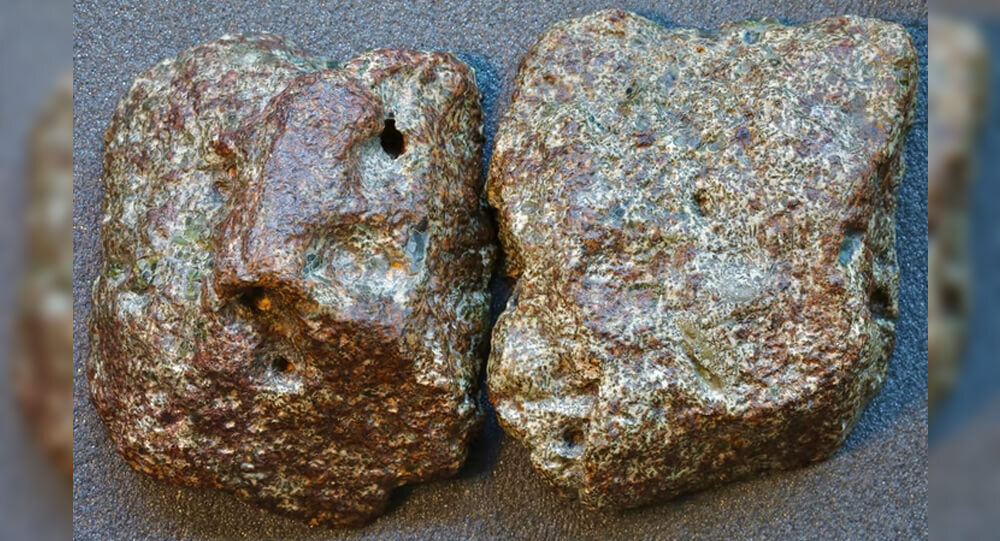
Meteorite found in Sahara Desert older than the earth
This Sahara Desert Meteorite was discovered to be older than the earth itself. This Meteorite is estimated to be 4.6 billion years old, while earth is estimated to be 4.54 billion years old.

The Mystery of the Darvaza Gas Crater: A 50-Year Inferno
Scientists lit a hole filled with natural gas on Fire in 1971, expecting it would burn only for few days. The hole has been burning for the past 48 years & is called "The Door To Hell".

The extraordinary case of Olivia Farnsworth, who hit by a car and dragged down the street without pain because of chromosome 6 deletion
In 2016, 7-year-old Olivia Farnsworth was hit by a car and dragged down the street, but she did not feel a thing. That is because of a rare condition called “chromosome 6 deletion,” which causes her to feel no pain. She also does not experience hunger or exhaustion.

The Heartbreaking Story Of Ella Harper, The ‘Camel Girl’
Ella Harper, Professionally known as the “Camel Girl” was born with a rare orthopedic condition that cased her knee to bend backward. Due to this condition, had to walked on all four legs, which resulted in her nickname as “Camel Girl”. Tough it was hard at first, but soon she made a fortune out of it.

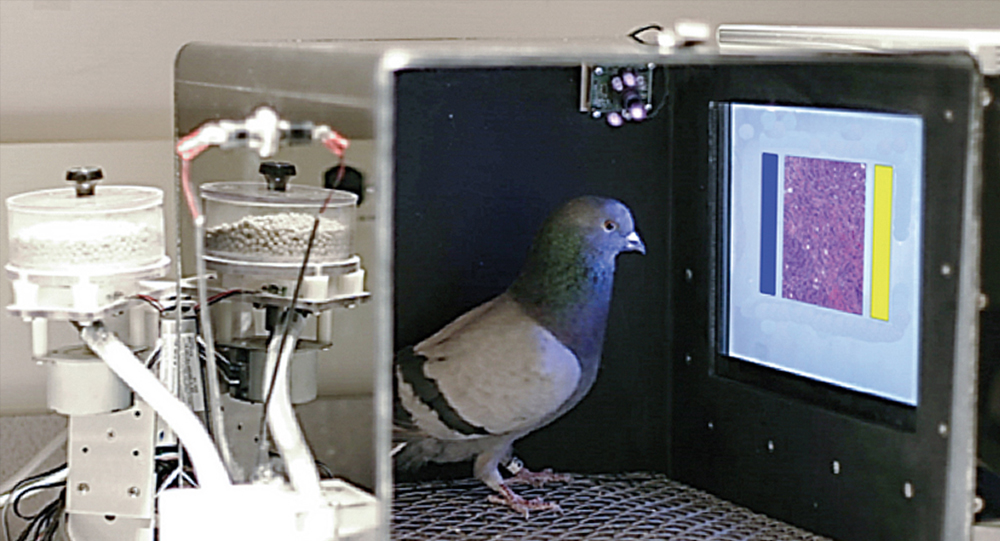
The Science Behind Pigeons in Cancer Detection and What It Means for Medicine
In a groundbreaking study, researchers have discovered that pigeons can be trained to distinguish between cancerous and non-cancerous tissues in medical images with accuracy rivaling that of human experts. This surprising capability opens new avenues for understanding visual perception and has potential implications for improving diagnostic tools in medicine. Here is the fascinating science behind pigeons’ ability to spot cancer and what it signifies for the future of medical imaging.


How a Headache Cure Experiment Led to the Invention of Dynamite
Alfred Nobel discovered dynamite while experimenting with nitroglycerin, a volatile liquid he also took in tiny doses for headaches. Ironically, the explosive that made him wealthy and feared also eased pain—later inspiring his legacy as founder of the Nobel Prizes.
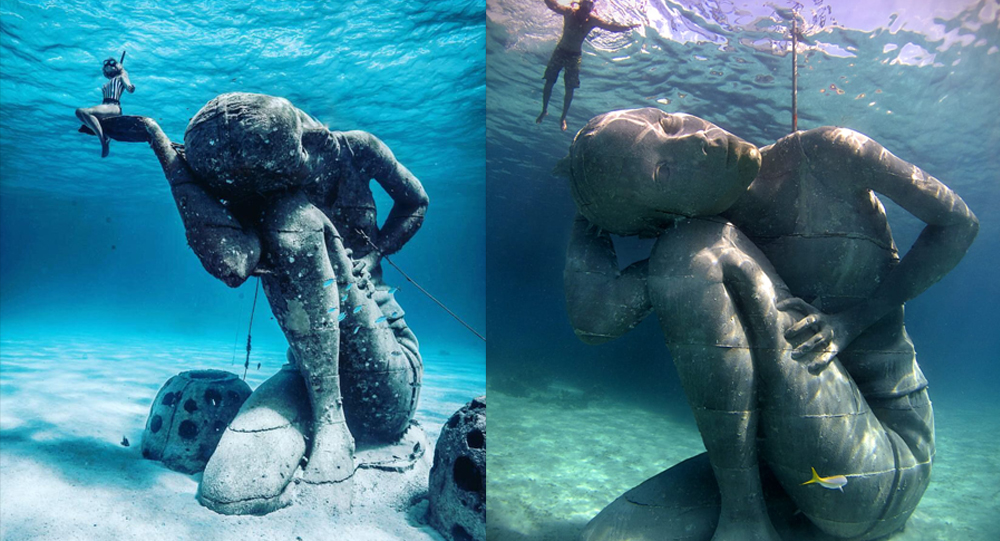
Ocean Atlas: Exploring the World’s Largest Underwater Sculpture in the Bahamas
On the western coast of New Providence in Nassau, Bahamas, there is a tourist attraction that you can dive down to see. Called Ocean Atlas, this is the largest single underwater sculpture ever installed. It depicts a local Bahamian girl carrying the weight of the ocean, in reference to the Ancient Greek myth of Atlas holding up the heavens.
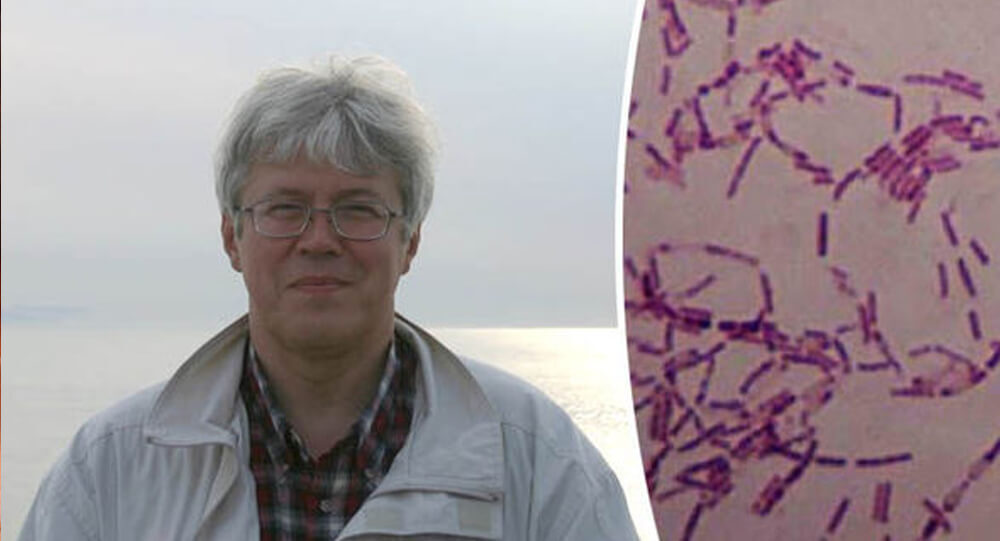
Scientist injects himself with 3.5m yr old bacteria for immortality and amazing happens
Russian scientist injected himself with a 3.5 million-year-old strain of bacteria, just to see what would happen. According to Brouchkov, Bacillus F has a mechanism that has enabled it to survive for so long beneath the ice, and that the same mechanism could be used to extend human life, too.
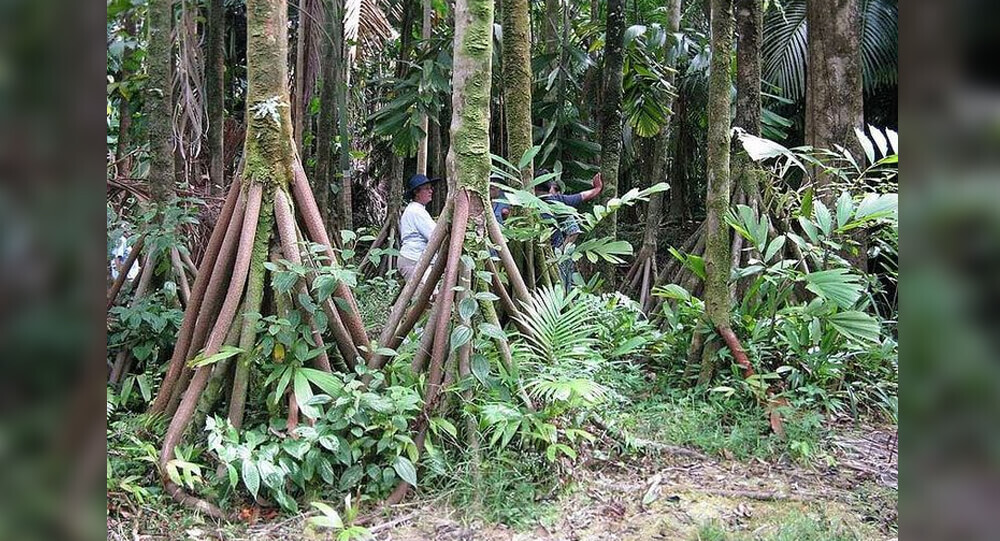
The “Walking” Palm, tree species can walk up to 65 feet each
This tree species can walk up to 65 feet each year to find the best habitat to live in.
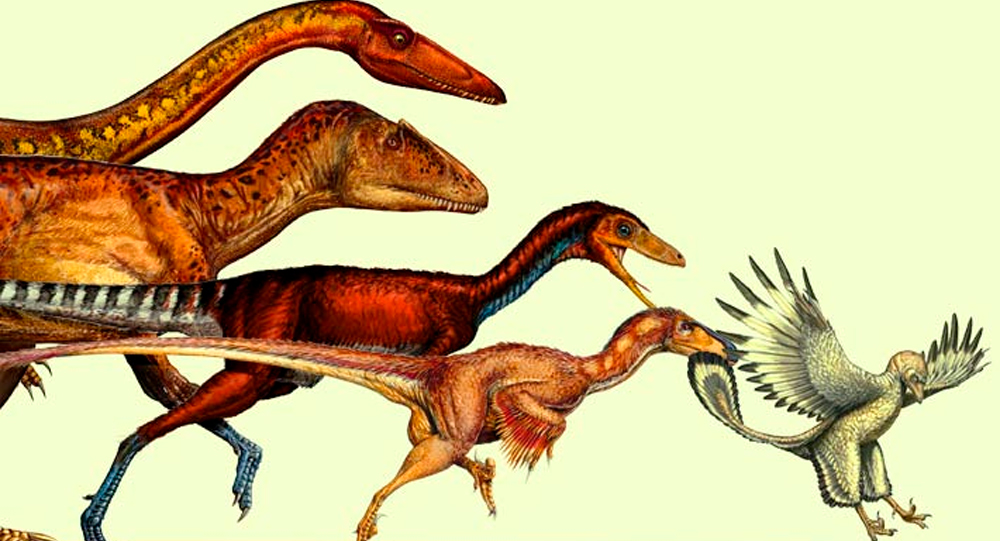
The Evolution of Flight: From Dinosaurs to Birds – A Journey Through Time and Science
Flight is one of nature’s most remarkable adaptations, but its origins trace back millions of years before modern birds took to the skies. Emerging from theropod dinosaurs during the Jurassic period, birds evolved feathers, wings, and lightweight bodies that enabled powered flight. This detailed narrative explores the fascinating evolutionary path from ground-dwelling dinosaurs to the aerial masters of today, blending science, intriguing fossil finds, and surprising trivia about our feathered ancestors.
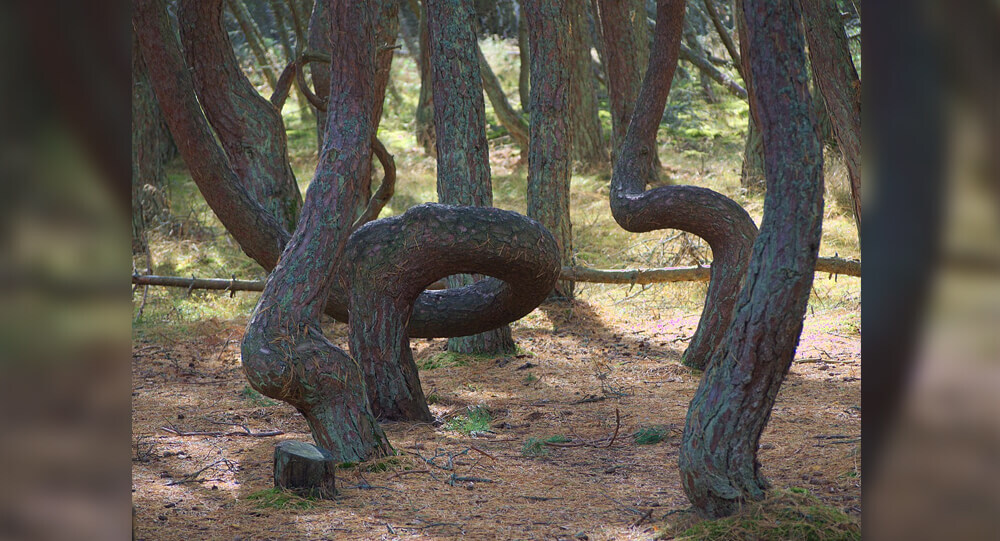
The Mystery of the Dancing Forest: Reasons behind the unusual wonders of forest
The Dancing Forest in Russia is noted for its unusually twisted pine trees. The trunks of these trees are contorted into spirals, rings, and other squiggly loops, but the reason for this malformation is still a mystery.
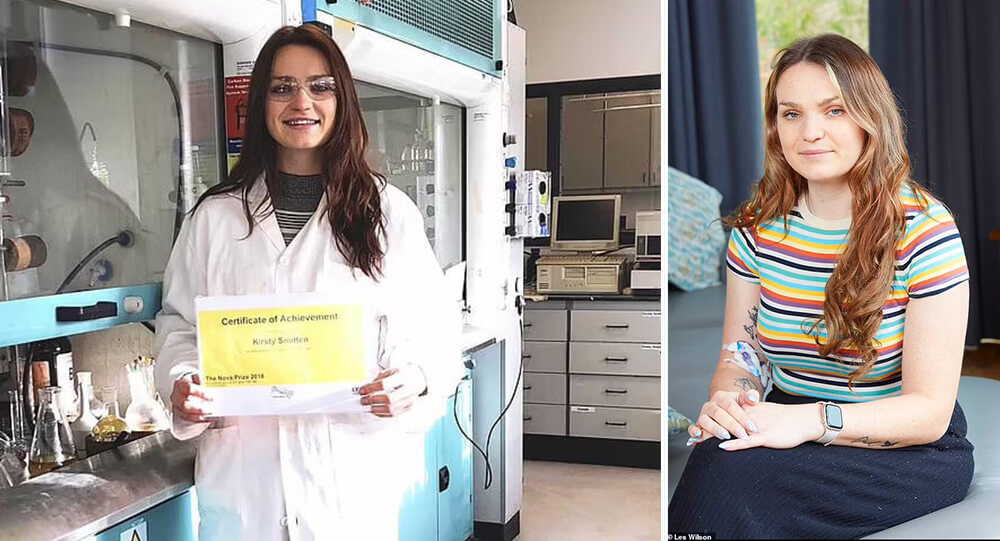
A 28-year-old scientist could win a Nobel Prize for creating new class of antibiotics
A 28-year-old scientist could receive the Nobel Prize for developing a new class of antibiotics that fight drug-resistant bacteria, but she only has months to live after being diagnosed with incurable heart cancer, and she says "There aren't words to express how sad I feel' about not seeing award."
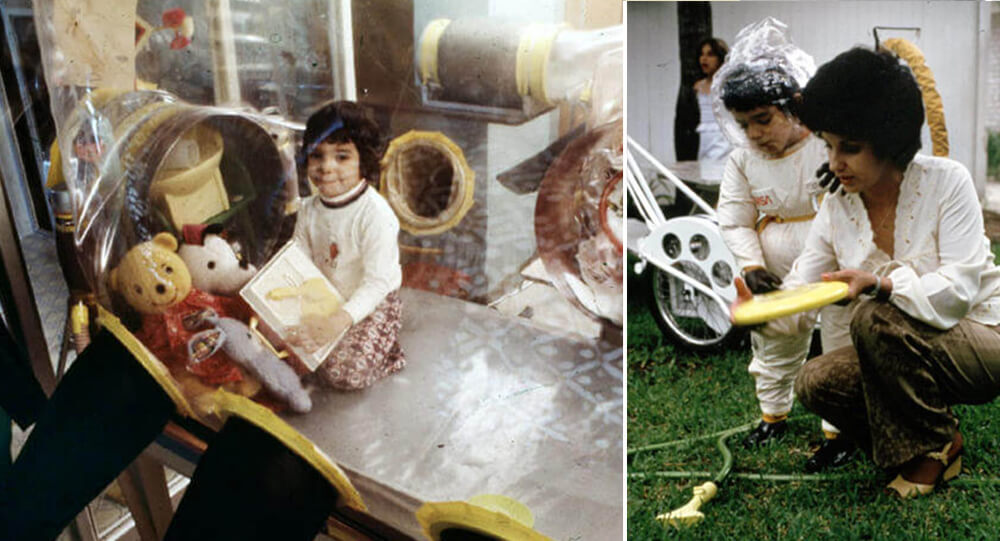
The touching story of David Vetter (bubble boy), the 'boy who lived in a bubble
David Vetter lived his whole 12 years in sterile “bubble”. He was “outside” for 20 second after being removed from his mother’s womb. He never touched any human.
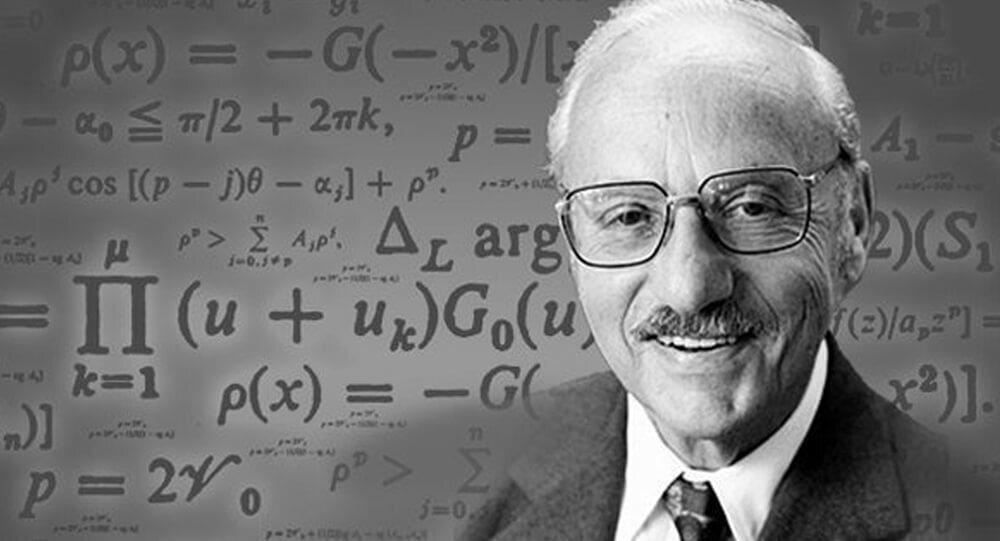
George Dantzig solved two famous “unsolved” problems in statistics mistakenly as assignment
In 1939, George Dantzig arrived late to his statistics class. On the board were two famous “unsolved” problems in statistics written as an example by his professor. Dantzig mistook the examples for homework assignments. He solved the “unsolved” problems and submitted the homework to his professor a few days later. His solutions earned him a doctorate.

The Physics Behind Why Cats Always Land on Their Feet
Cats have an extraordinary survival skill known as the “righting reflex” that allows them to twist midair and land on their feet, even when dropped upside down. This uncanny ability is made possible by their flexible spine, lack of a functional collarbone, and a combination of biological sensors and physical laws governing motion. Astonishingly, kittens develop this reflex as early as three weeks old, mastering the art of graceful landing that defies everyday expectations. This article unravels the science and mystery behind this feline feat.
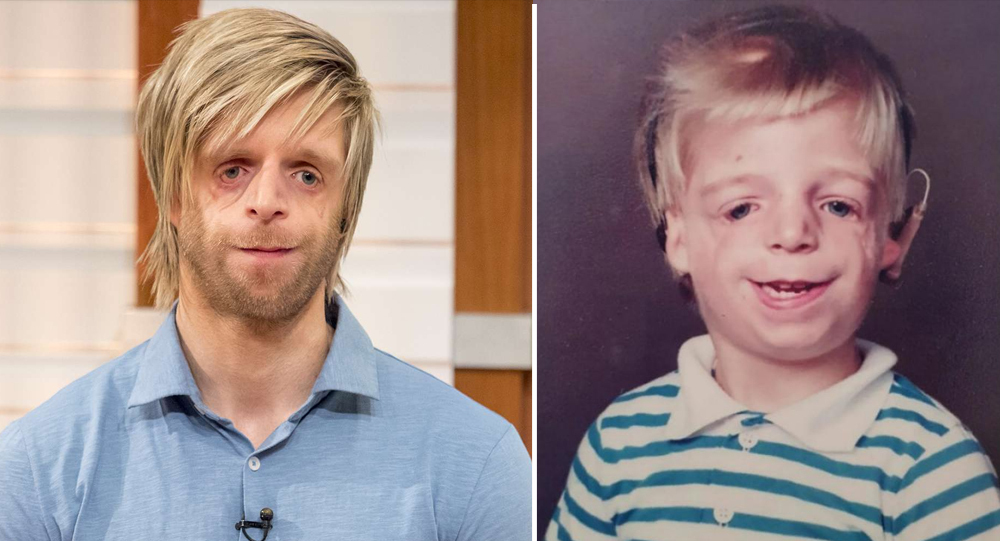
Inspiring story of Jono Lancaster, Abandoned by His mother at birth for this 'defect' on his face
When Jono Lancaster was just 36 hours old, his parents left him for adoption because he was suffering from Treachers Collins Syndrome, a genetic disorder which hampers facial bones development. Now he is an inspirational speaker, a professional model and a teacher, giving inspiration to millions

The story of Lionel the Lion-Faced Man, Stephan Bibrowski
Stephen Bibrowski, also known as Lionel the Lion-faced Man, was a well-known sideshow entertainer. His entire body was covered in long hair, giving him the appearance of a lion; this was most likely due to a rare condition known as hypertrichosis. Lionel traveled to the United States in 1901 and began performing with the Barnum and Bailey Circus.

Man gave his stem cell fund to a disabled boy
Dan Black, who was paralyzed in a bike accident, spent four years raising 20,000 for a stem cell treatment that could let him walk again. However, after learning about a five-year-old boy with cerebral palsy, he donated the funds for the boy's medical treatment in order to enable him to take his first steps.
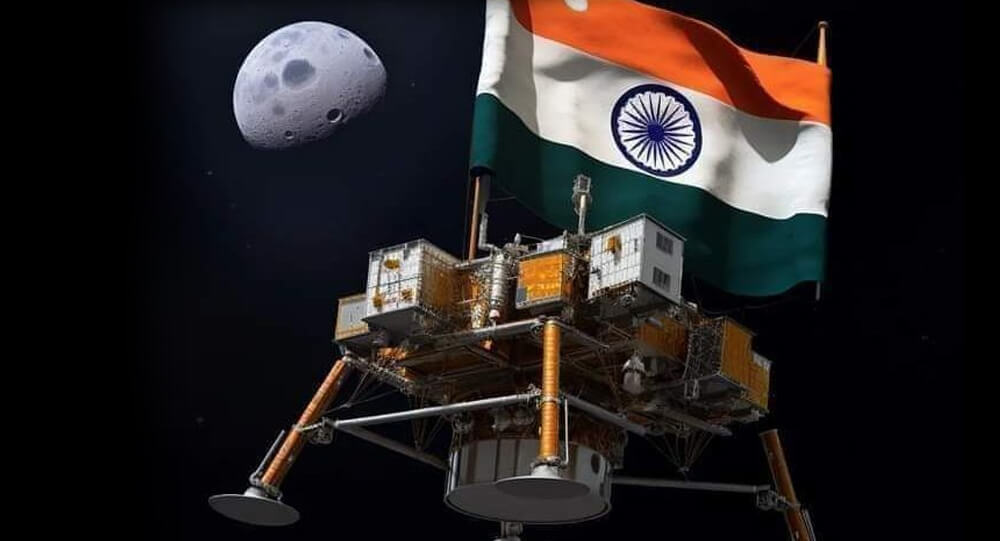
India's chandrayaan-3 becomes the first landed craft on moon's south pole
India's chandrayaan-3 becomes the first land craft on moon's south pole. It landed safely on August 2023

For the First Time in 60 Years, Scientists Discover a 'Lost' Echidna Species
An expedition team in Indonesia discovered the elusive, egg-laying animal (Echidna) named after David Attenborough, which had not been seen since 1961.
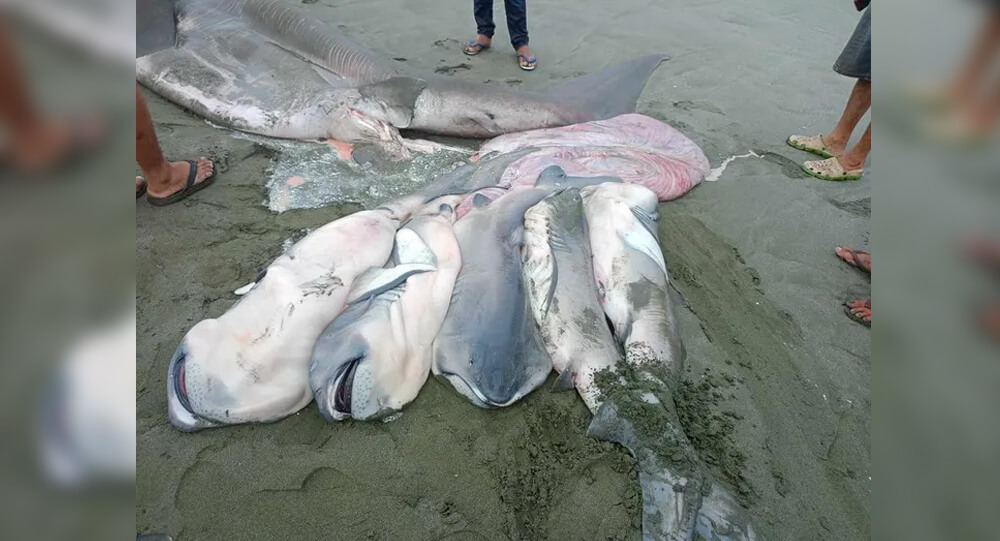
Megamouth Shark And Her Babies Found Dead In The Philippines
Filipino zoologists have recorded a pregnant megamouth shark for the first time ever since the rare aquatic specie was discovered in 1974.

The Giant Mirrors Brought Sunlight to Rjukan
Due to the steep mountains that surround it, the town of Rjukan, Norway, doesn't receive any natural sunlight from September to March. They placed large mirrors in the town square to reflect light. The mirror follows the path of the sun and moves every 10 seconds to create a 600m squared light pool.
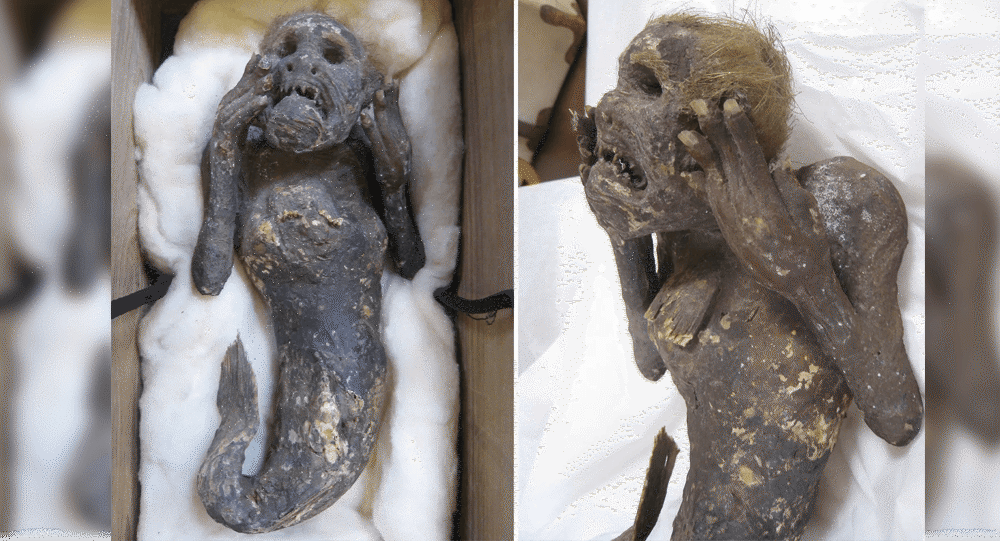
Mystery of 300-year-old mummified mermaid is being probed
There is a 300-year-old mummified mermaid with 30 centimetres tall and features a human-like head, two hands with what appear to be fingernails, and its lower body that look like a fish tail. The “mermaid mummy” is being probed by Japanese scientists in an attempt to unravel the mystery of its existence.

The Science Behind Why We Dream and What It Means
Dreams have fascinated humanity for millennia—enigmatic stories that unfold in sleep, weaving memories, emotions, and symbols. Modern science is now unraveling why we dream and exploring what these nightly narratives reveal about our brain, emotions, and waking lives. Journey through the latest discoveries on the science of dreaming and its meaningful reflections in our psyche.