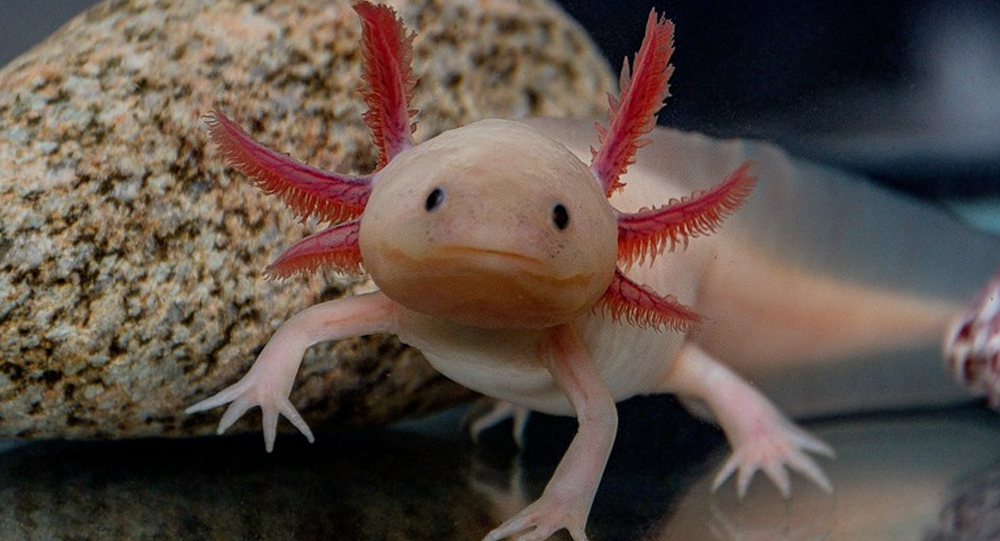

Why Some Animals Can Regenerate Limbs and What Science Says About Human Possibilities
Imagine losing a hand or a leg and being able to grow it back—just like some animals do. It sounds like science fiction, but nature offers real-life examples of limb regeneration that baffle and inspire scientists. From amphibians to sea creatures, diverse species can regrow complex body parts with full function, something humans have only limited ability to do. Let’s embark on a journey to understand how this amazing process works and why unlocking it for humans could revolutionize medicine.
Animals That Grow Back Limbs
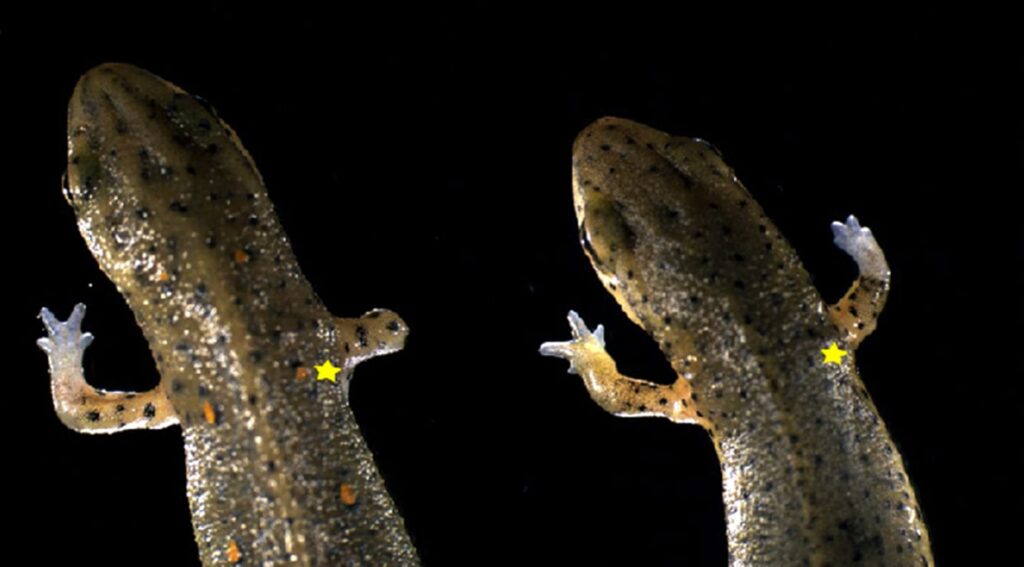
Among the most famous limb regenerators are salamanders—especially the axolotl and newt. When they lose a limb, these amphibians can regenerate muscle, bones, nerves, and skin, perfectly restoring the lost appendage in about 40 to 50 days in juveniles. This regenerative power extends to other organs like the heart and spinal cord, defying what most vertebrates can do.
Sea creatures such as starfish and brittle stars also showcase astonishing abilities: not only regrowing arms, but in some cases, creating an entirely new body from a single lost limb. Lobsters can regenerate claws and antennae, and even sharks continuously replace their teeth throughout life, highlighting varied forms of regeneration in the animal kingdom.
Humans and most mammals, in contrast, generally possess very limited regenerative capacities—restricted mostly to fingertip regrowth or liver regeneration. Understanding why this disparity exists is a vital scientific quest.
How Limb Regeneration Happens
Central to limb regeneration is the formation of a blastema—a mass of specialized cells that arise at the site of injury. After limb amputation, the wound is quickly covered by newly formed skin cells. Underneath, cells “dedifferentiate”—loosely speaking, they revert to a more primitive, stem-like state—and accumulate in the blastema. These cells then proliferate and differentiate, reconstructing the complex tissues of the limb in the correct order and structure.
Genes called HoxA and HoxD, crucial during embryonic limb formation, are reactivated during this process, guiding the precise rebuilding of bones, muscles, nerves, and blood vessels. The regenerated limb will eventually reconnect motor nerves and restore function, with minimal to no scarring—a sharp contrast to typical mammalian wound healing.
Salamanders’ ability to maintain a regenerative environment includes unique molecular signals and minimal immune scarring. For example, macrophages in salamanders clear debris effectively, and removing them causes scarring instead of regeneration. The axolotl also holds high amounts of pre-prepared mRNA, allowing its cells to rapidly produce necessary proteins for regrowth immediately after injury.
Why Humans Can’t Regenerate Full Limbs (Yet)
The human body has genetically retained some—though largely dormant—components of regenerative machinery, but over evolutionary time, mammals lost the ability to regenerate whole limbs, in part due to factors like stronger immune and inflammatory responses that prioritize rapid wound sealing and scar formation.
Unlike salamanders, human cells tend to heal wounds by fibrosis (scar tissue) rather than by generating a blastema capable of regrowth. While finger tip regeneration in children demonstrates some regenerative potential, this ability is extremely limited beyond small digits.
Current research suggests that the genetic “toolkit” for limb regeneration may still exist within human DNA but requires unlocking or reactivation. Scientists are exploring gene regulation, stem cell behavior, and bioelectrical signals that could one day “turn on” regenerative pathways similar to those in amphibians.
Bringing Limb Regeneration Closer to Reality
Research institutions worldwide are studying limb regeneration using animals like axolotls and developing technologies to manipulate human cells. Efforts include:
- Decoding gene regulatory elements that govern regeneration.
- Understanding stem cell populations that facilitate tissue rebuilding.
- Investigating bioelectric signals that control cell growth and patterning.
- Exploring how suppressing immune scarring responses can foster regeneration.
Breakthroughs include creating transgenic axolotls to test gene functions, and mouse models that show partial regeneration under specific conditions. The goal is to translate these findings into therapies that stimulate limb regrowth or improved healing in humans—potentially changing trauma, surgical outcomes, and prosthetics forever.
Fascinating Trivia About Limb Regeneration
- The axolotl can regenerate its limbs, heart, spinal cord, and even parts of its brain, with near-perfect restoration and no scarring.
- Salamander limb regeneration typically takes 40-50 days in juveniles but can be slower in adults.
- Starfish can regenerate an entire body from just one arm if part of the central disc is attached.
- Humans can sometimes regenerate fingertip tips if injured below the nail bed, particularly in children.
- Blastema cells derive from dedifferentiated mature cells, highlighting cellular plasticity—an area of intense biomedical interest.
- Sharks can regenerate teeth continuously; a new tooth replaces a lost one every 7 to 14 days.
- Protein synthesis ramp-up immediately after injury is reversed in humans—an important difference that may explain regenerative failure.
Final Thoughts: The Promise and Challenge of Human Regeneration
Animal limb regeneration reveals a natural marvel—how life can rebuild itself after catastrophic injury. While humans currently lack this capability, ongoing scientific research is steadily uncovering the molecular, genetic, and cellular secrets behind regeneration.
Unlocking full limb regeneration for humans could transform medicine by enabling the regrowth of complex body parts, reducing disability, and improving quality of life. Until then, marveling at nature’s regenerative champions inspires hope for a future where healing has no limits.
If you found exploring the science of limb regeneration fascinating, share this journey of nature’s resilience and humanity’s quest for regeneration.
Sources & Further Reading:
- Regeneration (biology) — Wikipediawikipedia
- Re-growing Limbs, Organs on Horizon — UTMB Healthutmb
- LSU’s Quest to Rediscover Limb Regeneration — LSU Newslsu
- Axolotl Limb Regeneration and Blastema Formation — PMC Articlepmc.ncbi.nlm.nih
- How do Animals Regrow Their Limbs? — Deep Sea Worlddeepseaworld
- Limb Regeneration Research — Brigham and Women’s Hospitalbrighamandwomens
- How Bioelectricity Could Regrow Limbs and Organs — University of Chicago Newsnews.uchicago
- Humans Already Have the Ingredients to Regrow Limbs — Popular Mechanicspopularmechanics

Medieval Medicine: A 1,000-year-old onion and garlic salve kills modern bacterial superbugs
Scientists recreated an Anglo-Saxon manuscript-based 9th century onion and garlic eye remedy and discovered that it killed 90% of antibiotic-resistant staph bacteria (MRSA).

The Science Behind Why We Dream and What It Means
Dreams have fascinated humanity for millennia—enigmatic stories that unfold in sleep, weaving memories, emotions, and symbols. Modern science is now unraveling why we dream and exploring what these nightly narratives reveal about our brain, emotions, and waking lives. Journey through the latest discoveries on the science of dreaming and its meaningful reflections in our psyche.
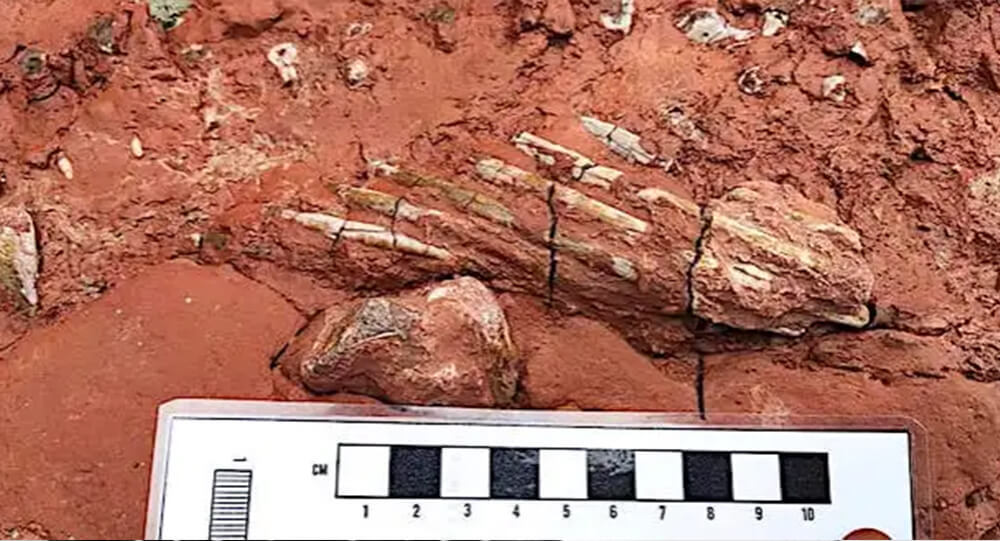
Canadian Schoolteacher Discovers a Fossil That May Be 300 Million Years Old
School teacher discovers extremely rare fossil of unknown animal that maybe 300 million years old. One high school teacher was walking her dog when she made a once-in-a-lifetime find. It turns out that the fossil is probably 300 million years old and came from an extinct species of reptile.
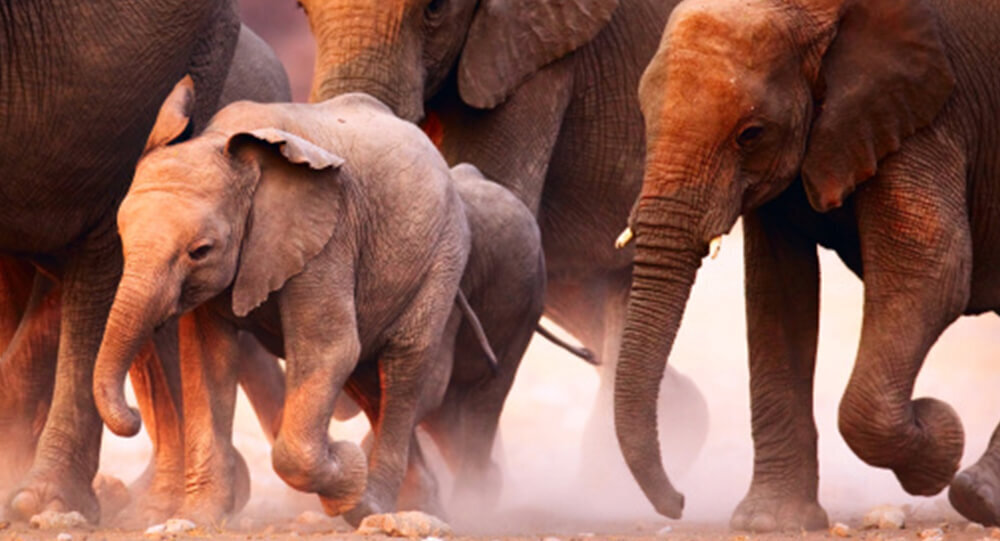
Earthquakes: Can Animals Really Predict Them?
In 1975, when officials in the Chinese city of Haicheng were alarmed by odd and anxious behaviors of dogs and other animals. These observations led them to order 90,000 residents to evacuate the city. Only a few hours later a 7.3 magnitude earthquake destroyed nearly 90% of the city’s buildings.

India's chandrayaan-3 becomes the first landed craft on moon's south pole
India's chandrayaan-3 becomes the first land craft on moon's south pole. It landed safely on August 2023
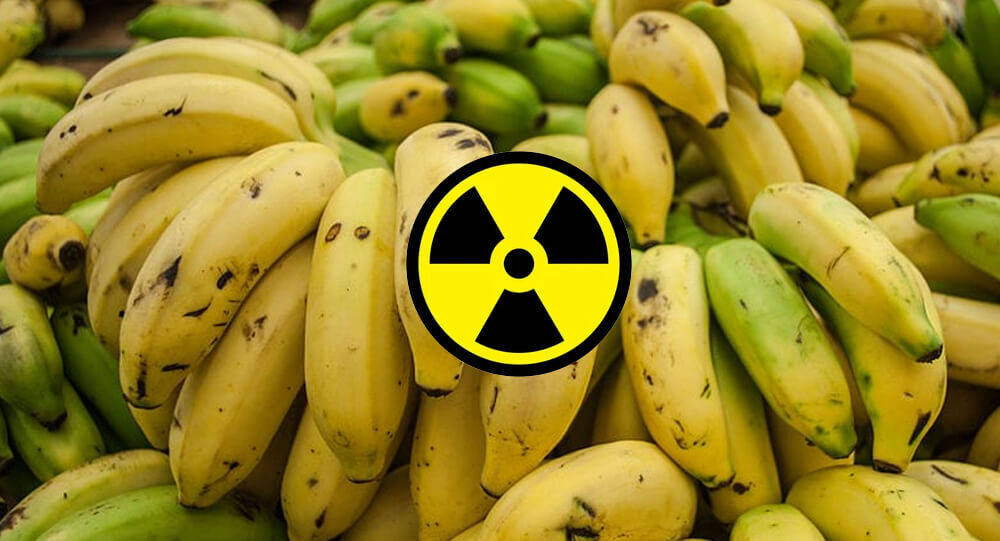
What makes bananas radioactive?
Yes, It is true that bananas contain radioactive substances. But the same can be said for spinach, potatoes, oranges, Brazil nuts, kitten litter, granite counter tops, even the air you breathe! Radioactivity is unavoidable and all around us. So, what exactly is it?

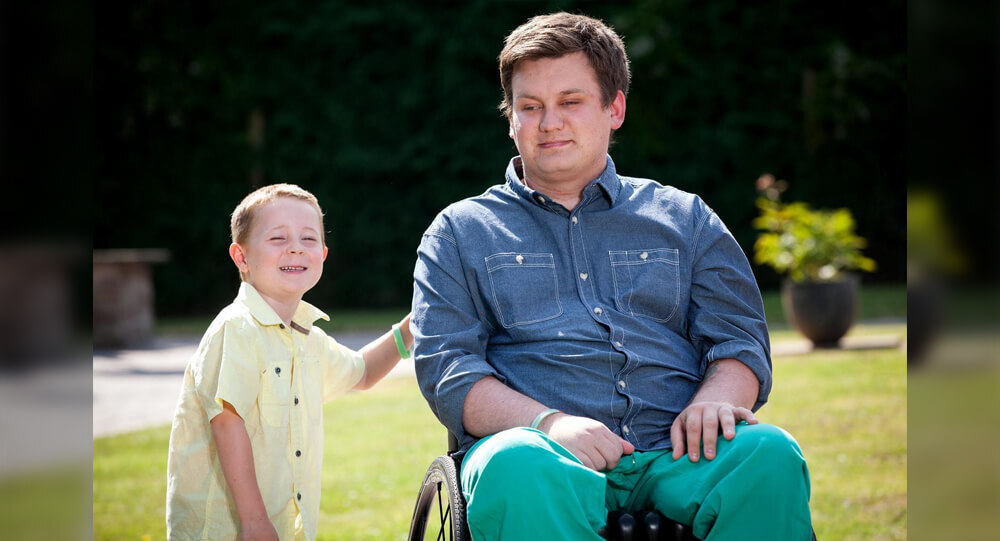
Man gave his stem cell fund to a disabled boy
Dan Black, who was paralyzed in a bike accident, spent four years raising 20,000 for a stem cell treatment that could let him walk again. However, after learning about a five-year-old boy with cerebral palsy, he donated the funds for the boy's medical treatment in order to enable him to take his first steps.
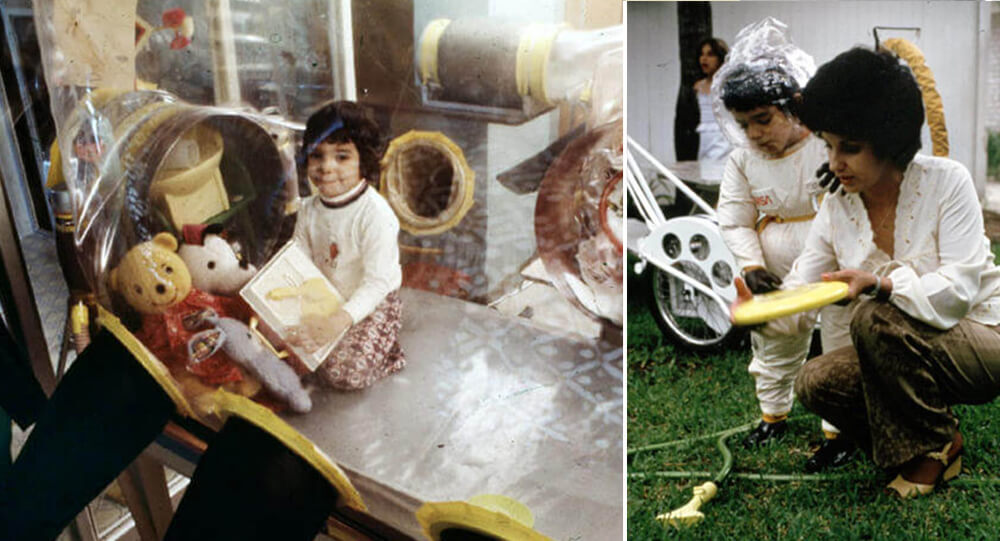
The touching story of David Vetter (bubble boy), the 'boy who lived in a bubble
David Vetter lived his whole 12 years in sterile “bubble”. He was “outside” for 20 second after being removed from his mother’s womb. He never touched any human.
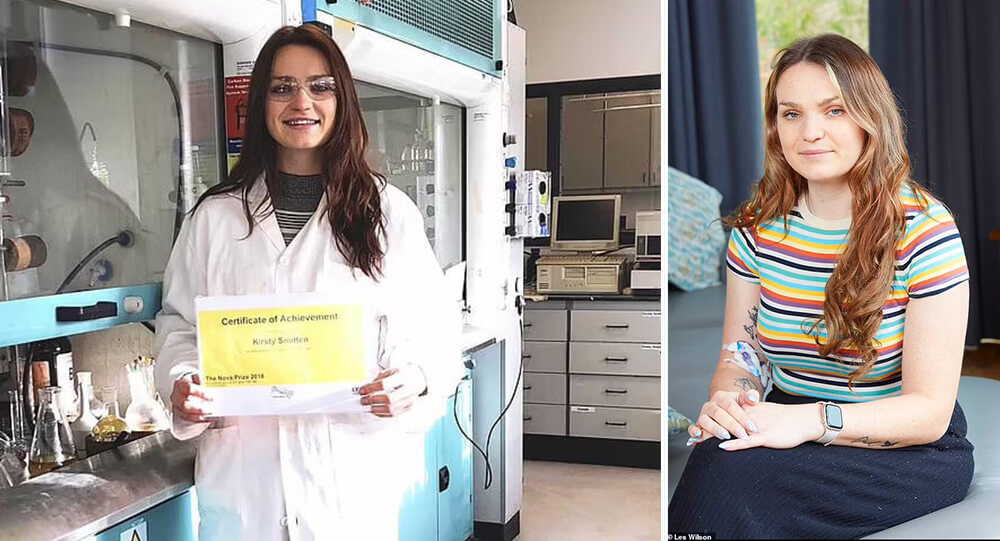
A 28-year-old scientist could win a Nobel Prize for creating new class of antibiotics
A 28-year-old scientist could receive the Nobel Prize for developing a new class of antibiotics that fight drug-resistant bacteria, but she only has months to live after being diagnosed with incurable heart cancer, and she says "There aren't words to express how sad I feel' about not seeing award."

Dr. Leonid Rogozov: the surgeon who removed his own appendix.
Dr. Leonid Rogozov was a legendary surgeon who operated on himself in 1961 to remove an inflamed appendix.
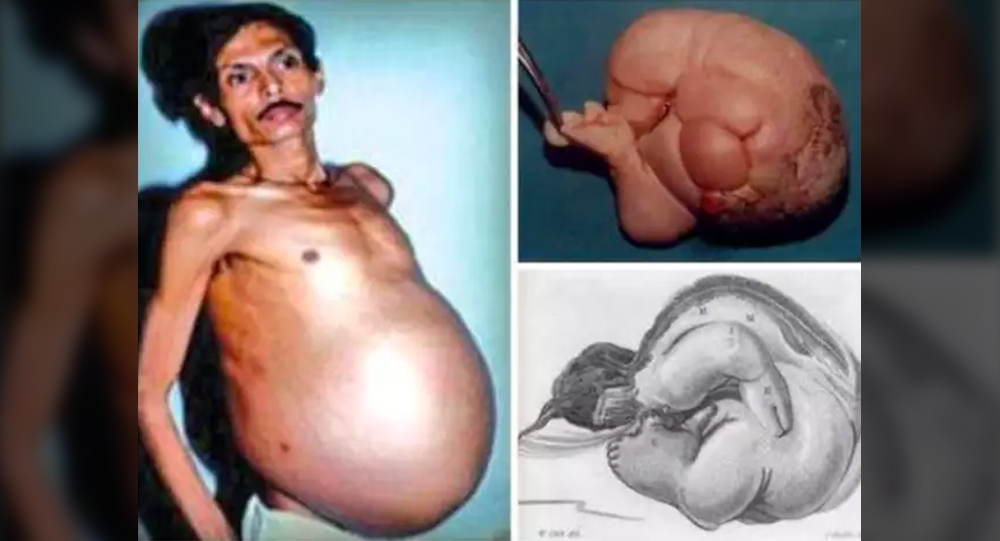
The Astonishing Case of Sanju Bhagat: Living with a Twin Inside Him for 36 Years
Sanju Bhagat, an Indian farmer, lived with an undiagnosed parasitic twin inside his abdomen for 36 years. In 1999, doctors discovered the twin during surgery. This rare condition, fetus in fetu, occurs when a malformed twin is absorbed during pregnancy, surviving within the host sibling's body.
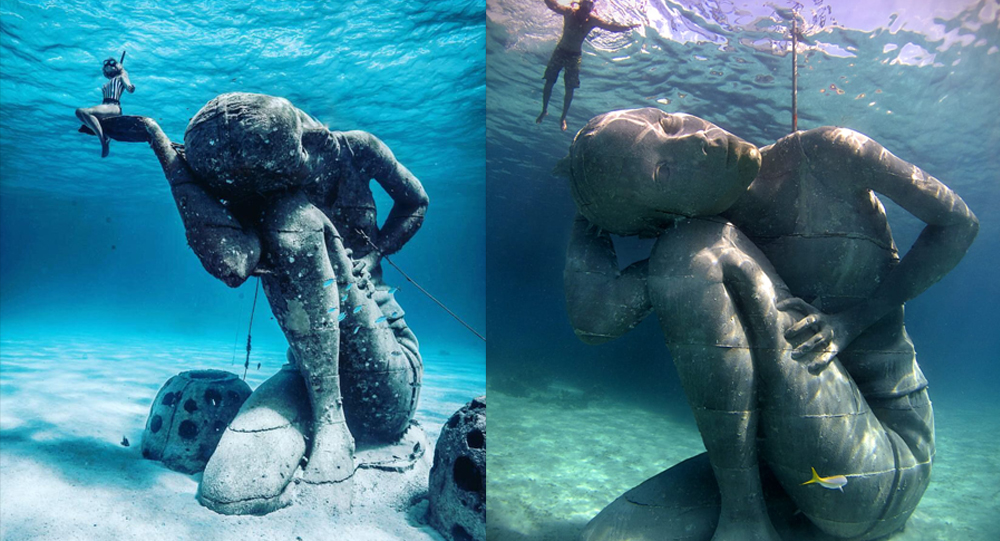
Ocean Atlas: Exploring the World’s Largest Underwater Sculpture in the Bahamas
On the western coast of New Providence in Nassau, Bahamas, there is a tourist attraction that you can dive down to see. Called Ocean Atlas, this is the largest single underwater sculpture ever installed. It depicts a local Bahamian girl carrying the weight of the ocean, in reference to the Ancient Greek myth of Atlas holding up the heavens.
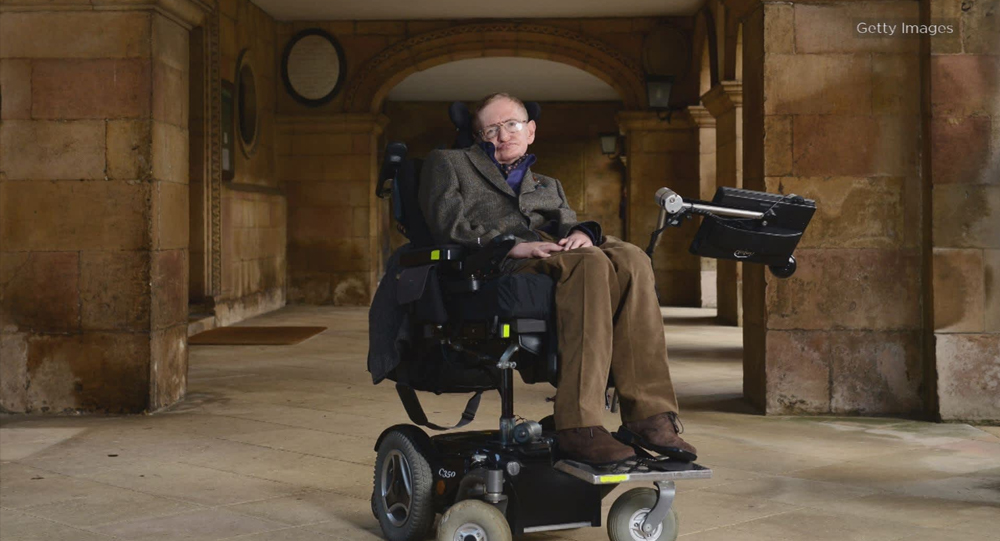
Stephen Hawking’s Warning: Humanity Has Less Than 200 Years to Escape Earth’s Limits
Stephen hawking says humanity won't survive without leaving earth. In fact, human beings may have less than 200 years to figure out how to escape our planet

George Dantzig solved two famous “unsolved” problems in statistics mistakenly as assignment
In 1939, George Dantzig arrived late to his statistics class. On the board were two famous “unsolved” problems in statistics written as an example by his professor. Dantzig mistook the examples for homework assignments. He solved the “unsolved” problems and submitted the homework to his professor a few days later. His solutions earned him a doctorate.
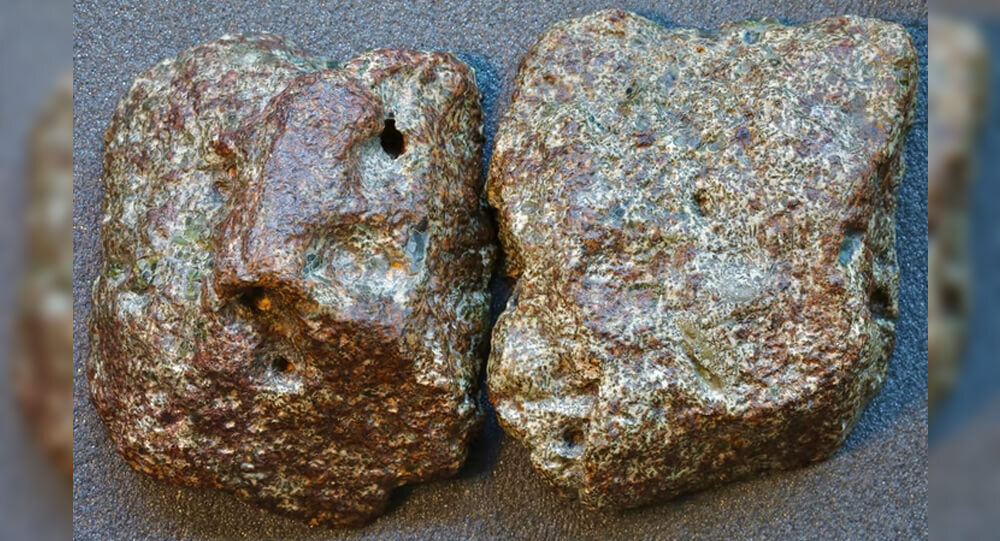
Meteorite found in Sahara Desert older than the earth
This Sahara Desert Meteorite was discovered to be older than the earth itself. This Meteorite is estimated to be 4.6 billion years old, while earth is estimated to be 4.54 billion years old.

The Giant Mirrors Brought Sunlight to Rjukan
Due to the steep mountains that surround it, the town of Rjukan, Norway, doesn't receive any natural sunlight from September to March. They placed large mirrors in the town square to reflect light. The mirror follows the path of the sun and moves every 10 seconds to create a 600m squared light pool.
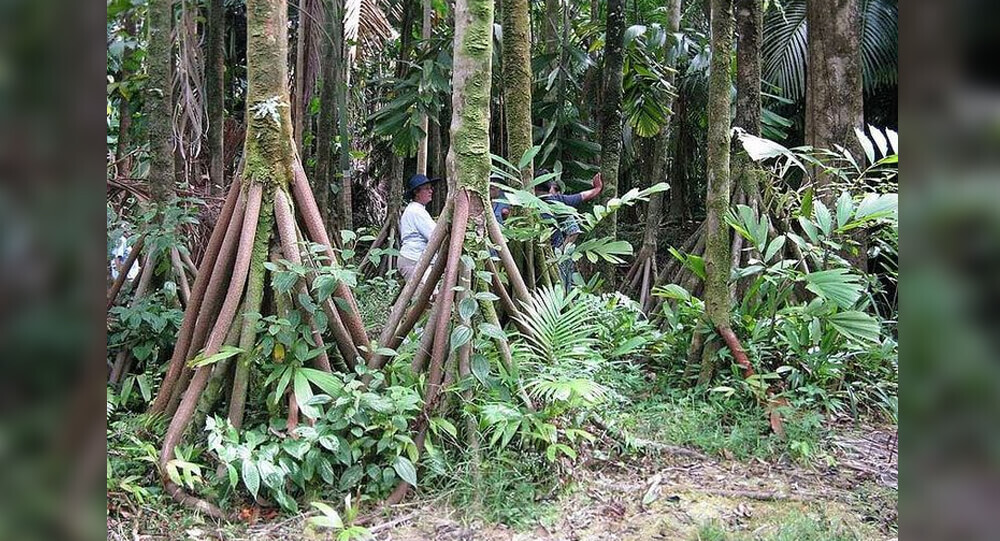
The “Walking” Palm, tree species can walk up to 65 feet each
This tree species can walk up to 65 feet each year to find the best habitat to live in.
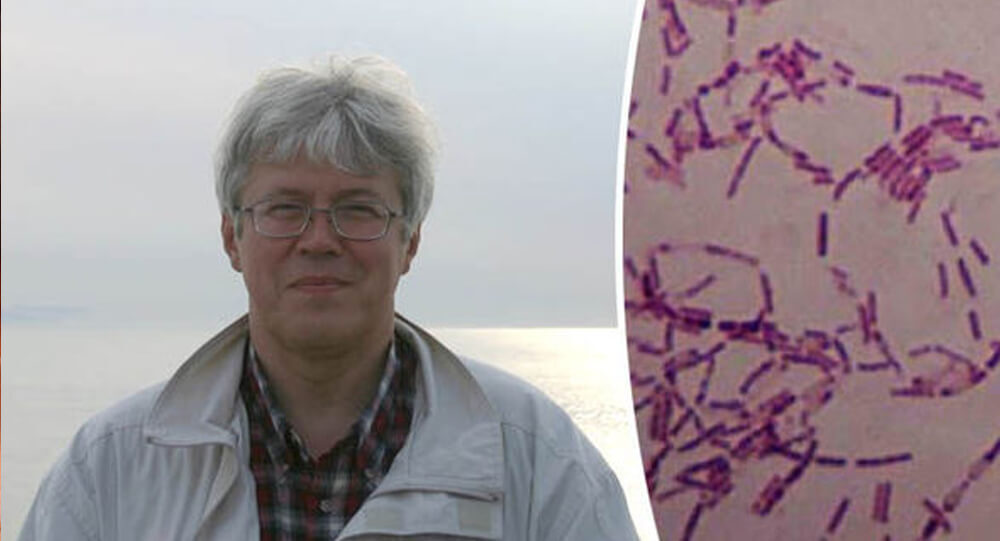
Scientist injects himself with 3.5m yr old bacteria for immortality and amazing happens
Russian scientist injected himself with a 3.5 million-year-old strain of bacteria, just to see what would happen. According to Brouchkov, Bacillus F has a mechanism that has enabled it to survive for so long beneath the ice, and that the same mechanism could be used to extend human life, too.
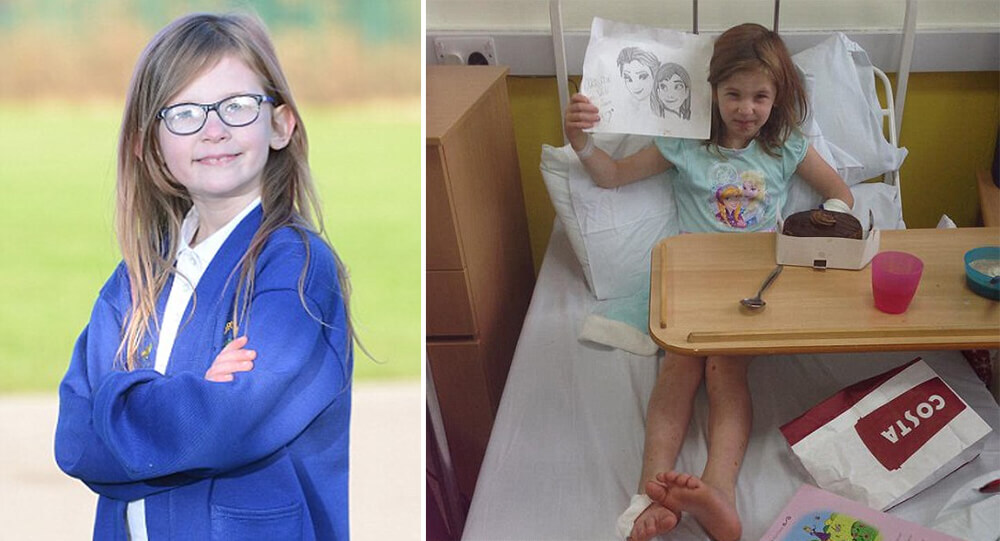
The extraordinary case of Olivia Farnsworth, who hit by a car and dragged down the street without pain because of chromosome 6 deletion
In 2016, 7-year-old Olivia Farnsworth was hit by a car and dragged down the street, but she did not feel a thing. That is because of a rare condition called “chromosome 6 deletion,” which causes her to feel no pain. She also does not experience hunger or exhaustion.
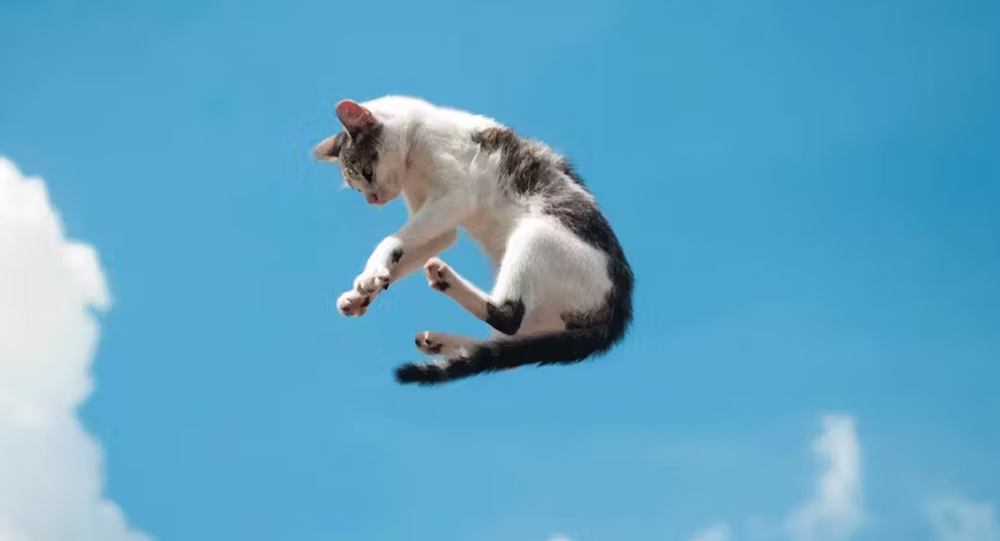
The Physics Behind Why Cats Always Land on Their Feet
Cats have an extraordinary survival skill known as the “righting reflex” that allows them to twist midair and land on their feet, even when dropped upside down. This uncanny ability is made possible by their flexible spine, lack of a functional collarbone, and a combination of biological sensors and physical laws governing motion. Astonishingly, kittens develop this reflex as early as three weeks old, mastering the art of graceful landing that defies everyday expectations. This article unravels the science and mystery behind this feline feat.
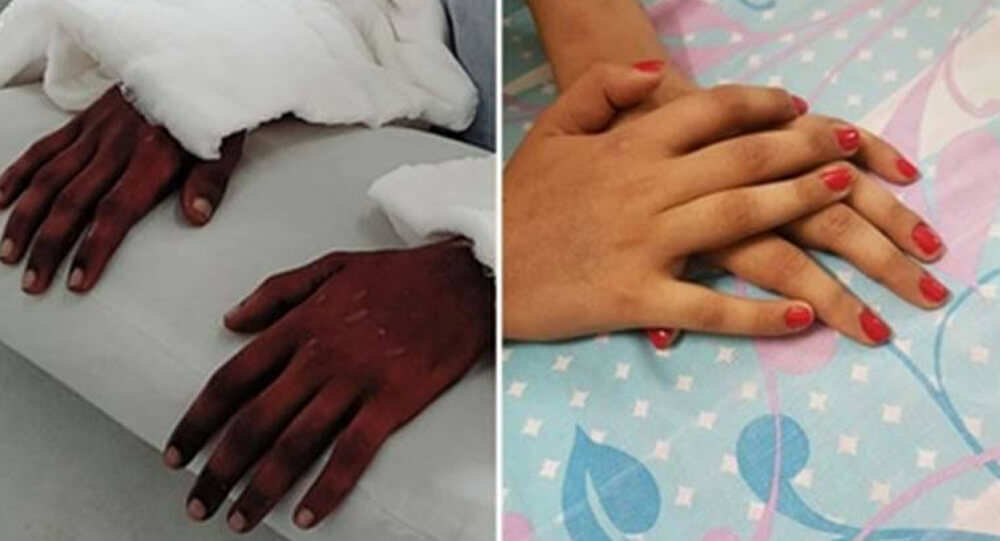
Woman's transplanted 'man hands' became lighter and more feminine over time
After losing both arms in an accident, an Indian girl received limbs from a male donor. The donor hands, which were formerly huge and hairy, changed skin tone and became thin and feminine over time to mix in with her body.
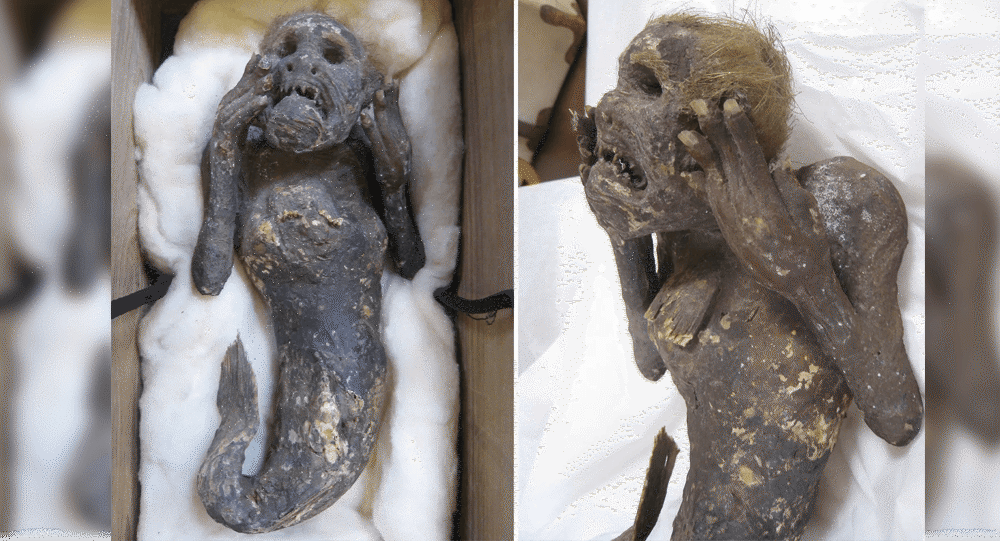
Mystery of 300-year-old mummified mermaid is being probed
There is a 300-year-old mummified mermaid with 30 centimetres tall and features a human-like head, two hands with what appear to be fingernails, and its lower body that look like a fish tail. The “mermaid mummy” is being probed by Japanese scientists in an attempt to unravel the mystery of its existence.

This Yogi Spent 76 Years Without Eating or Drinking Anything and Confirmed by
Prahlad Jani, the starving monk who lived 76 Years without food and water.

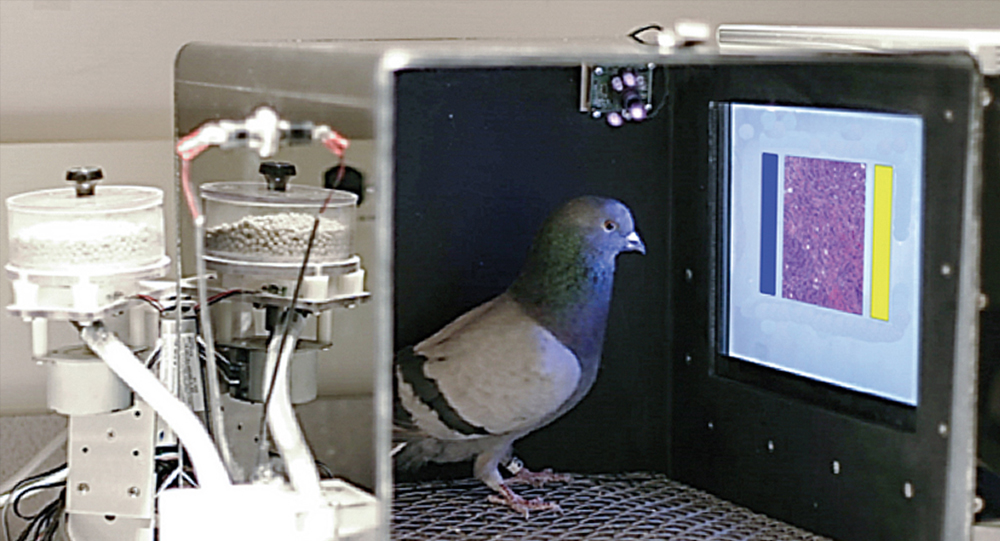
The Science Behind Pigeons in Cancer Detection and What It Means for Medicine
In a groundbreaking study, researchers have discovered that pigeons can be trained to distinguish between cancerous and non-cancerous tissues in medical images with accuracy rivaling that of human experts. This surprising capability opens new avenues for understanding visual perception and has potential implications for improving diagnostic tools in medicine. Here is the fascinating science behind pigeons’ ability to spot cancer and what it signifies for the future of medical imaging.
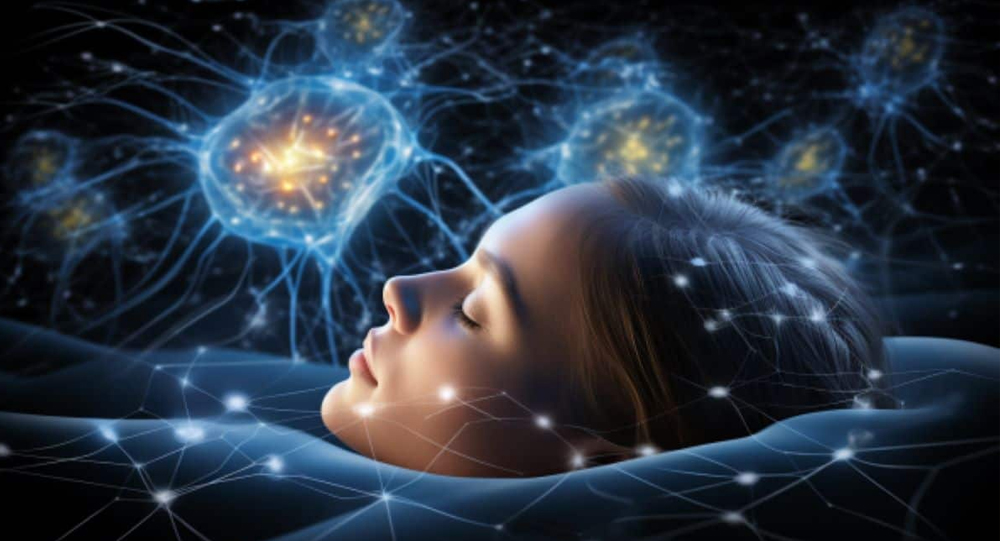
How Sleep Cycles Affect Cognitive Function and Memory Retention
Sleep is not just rest—it's an active process where our brain cycles through stages that shape cognition, memory, and overall mental performance. Different sleep phases, from deep slow-wave sleep to REM dreaming, play unique roles in consolidating memories, boosting attention, and refreshing brain networks. Explore how sleep cycles work and why they are essential to learning and sharp thinking.