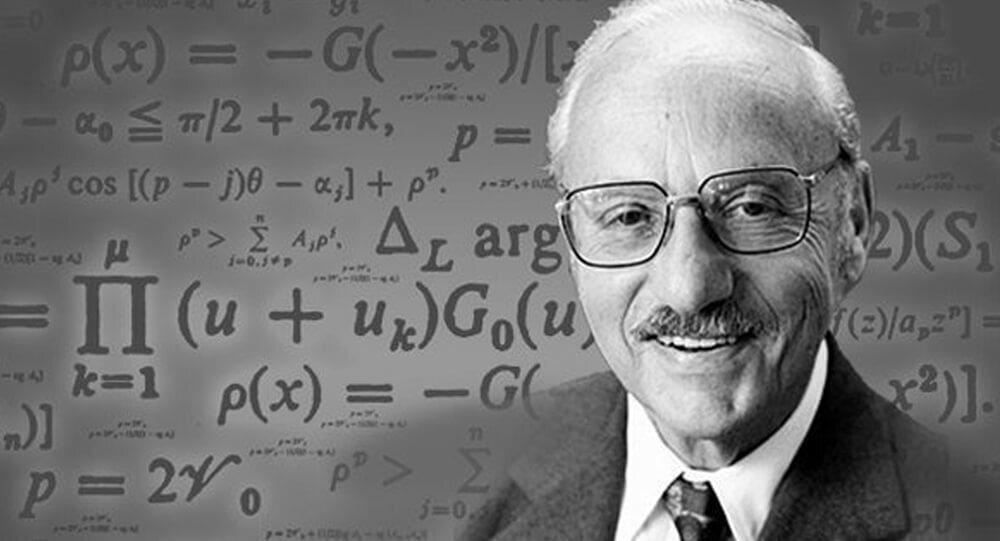

George Dantzig solved two famous “unsolved” problems in statistics mistakenly as assignment
The fields of mathematics and statistics are frequently rife with puzzling issues that need to be resolved. Two such issues arose in the middle of the 20th century: one in maximum likelihood estimation and the other in linear programming. Nobody anticipated that a young graduate student named George Dantzig would accidentally discover the answers to these supposedly intractable puzzles. Dantzig mistook these issues for simple assignments, which is what makes this story so remarkable. He not only overcame these difficulties thanks to a lucky break, but he also completely changed operations research and statistics. Join us as we delve into the tale of George Dantzig’s accidental triumph, exploring the nature of the problems, the circumstances of his discovery, and the lasting impact of his contributions to mathematics and statistics.
The Story of George Dantzig and His Remarkable Achievement
Mathematician and economist George Dantzig possessed a remarkable talent for finding solutions to challenging issues. Dantzig, who was born in 1914, got his start in mathematics at a young age. He was quickly recognized for his exceptional talent in the academic community, which inspired him to pursue a PhD in mathematics at the University of California, Berkeley.
There were two issues in the field of statistics that had baffled and confounded mathematicians for a long time. The first issue involved linear programming, a method for allocating scarce resources as efficiently as possible. In the second issue, also referred to as the shortest path problem, the goal was to identify the most effective path between any two points in a network. These issues remained unsolved despite the best efforts of renowned mathematicians, leaving an unfulfilled curiosity in the field.
The Case of the Two Unsolved Statistical Problems
Statistics’ unsolved issues weren’t easy to solve. They needed creative problem solving, intricate algorithms, and a solid foundation in mathematical theory. Numerous methods had been tried by mathematicians, but no conclusive answer could be found. These puzzles were true tests of mathematical prowess because they required both creativity and technical skill.
Statistics as a field has been significantly impacted by the unanswered questions. They hindered advancement in related fields and represented knowledge gaps. The inability to solve these puzzles hindered developments in a number of fields, including resource optimization, network planning, and other areas that relied on these fundamental ideas. With each passing year, the burden of these unanswered questions increased, making mathematicians impatient for a solution.
Mistakenly as Assignment: How Dantzig Stumbled upon the Solutions
The greatest discoveries occasionally occur by chance. In George Dantzig’s case, an unexpected turn of events led him to the answers to these infamous unsolved puzzles. He had no idea that a straightforward error would result in a game-changing statistical discovery.
Dantzig was late for a statistics class at the University of California, Berkeley in the year 1939. He diligently completed the problems listed on the board for homework without realizing they were examples of unsolved problems. Dantzig didn’t comprehend the gravity of his error until several days later. But instead of feeling embarrassed, he saw a chance to show off his problem-solving abilities.
The First Problem: Linear Programming and the Simplex Method
Dantzig’s unintentional solution to the first issue involved linear programming. In linear programming, a linear objective function is optimized while a set of linear constraints are met. This method is used in a variety of industries, including manufacturing, logistics, and financial planning.
The invention of the simplex method made it possible for Dantzig to solve the linear programming issue. The simplex method is an algorithm that methodically investigates workable solutions in search of the best one. This ground-breaking approach transformed the
And with that, two infamous unsolved problems were resolved as a result of George Dantzig’s erroneous approach to his statistics homework. His remarkable achievement not only showcased his brilliance but also reminded the scientific community that sometimes, a fresh perspective and touch of accidental discovery can unlock the secrets of longstanding puzzles.
Application and Significance of the Solution: Transforming Operations Research
Brilliant mathematician George Dantzig unknowingly released a ground-breaking solution that revolutionized the field of operations research. His method for resolving linear programming issues has been widely used in a variety of fields, including manufacturing, finance, transportation, and even routine decision-making. Dantzig’s solution is still useful across many industries, helping to maximize profits and optimize supply chains.
Dantzig’s unintended victory not only resolved a critical statistical issue but also completely transformed the field of operations research. His algorithm paved the way for additional developments and provided researchers with the confidence they needed to take on challenging optimization problems. It is impossible to overstate the significance of his contributions to operations research, which have helped businesses and organizations make better decisions, increase productivity, and ultimately achieve their objectives more successfully.
The Second Problem: The Riddle of Maximum Likelihood Estimation
Let’s examine the second well-known issue George Dantzig unknowingly resolved, maximum likelihood estimation (MLE), just when you thought his unintentional success couldn’t possibly be any more astounding. The MLE statistical method is used to determine which statistical model’s parameters best fit the observed data. The name refers to the process of determining the values that maximize the probability that the observed data will occur.
In statistics, resolving the maximum likelihood estimation problem is crucial. It enables researchers to calculate unknown parameters, generate accurate forecasts, and derive significant findings from data. Numerous disciplines, including biology, economics, engineering, and social sciences, use MLE extensively. Dantzig’s unintentional solution to this issue gave researchers a strong tool for deriving insightful conclusions from data and developing statistics.
Impact and Legacy: Dantzig’s Contributions to Statistics and Mathematics
It was widely publicized when George Dantzig accidentally solved two well-known “unsolved” statistical puzzles. The significance of his accomplishments was made clear once his mistakes were found, which led to broad acclaim and validation from the academic community. Throughout his career, he was given a great deal of recognition, including the National Medal of Science and election to the National Academy of Sciences. The recognition of Dantzig’s contributions cemented his standing in the history of mathematics and statistics.
The statistics and mathematical communities are still feeling the effects of George Dantzig’s unintentional solutions. His algorithms have established themselves as essential resources in these disciplines, giving academics and professionals strong tools for handling optimization and estimation issues. Dantzig’s work has inspired countless individuals to pursue careers in mathematics and statistics, reminding us of the lasting impact one person’s accidental triumph can have on an entire discipline.

Irena Sendler: woman who rescued Jews during holocaust
Irene Sendler was the Zegota resistance group's head of the children's department. She risked her life to smuggle children out of the Warsaw ghetto, place them with Polish families or orphanages, give each child a new identity, and keep records so that they could be returned to their families. In 1943, the Gestapo arrested and sentenced her to death, but she was rescued by Zegota.
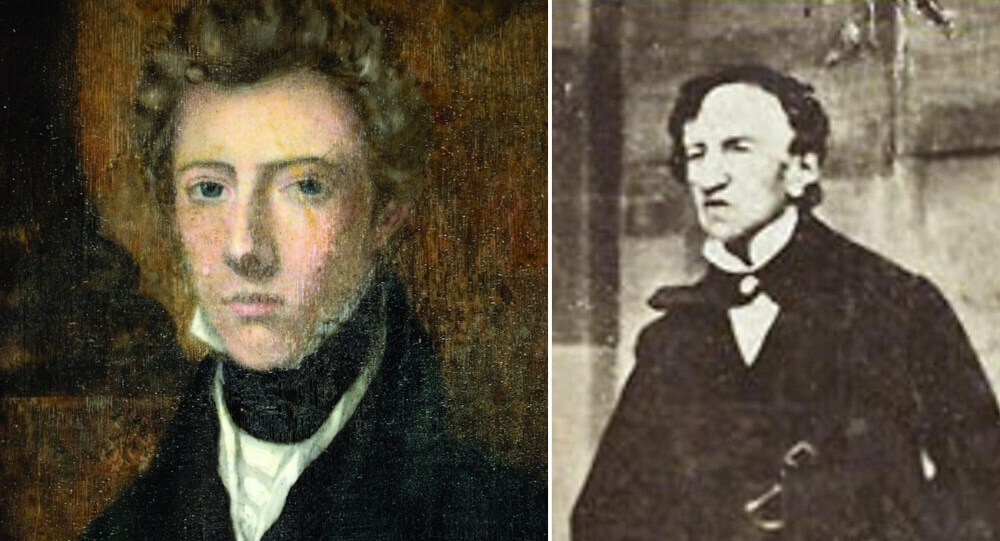
The mysterious secret of Dr James Barry
Before women were allowed to enroll in medical school, Margaret Ann Bulkley studied medicine and assumed the identity of Dr. James Barry for 56 years while dressing as a man. After 46 years of service as an army doctor officer, her secret was not made public until after her death in 1865.
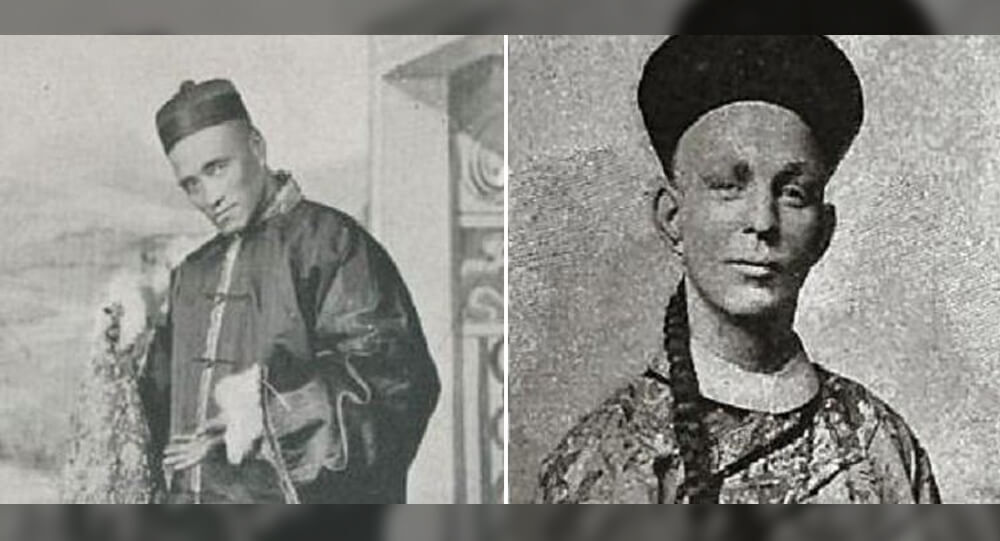
The Bizarre (And Magical) Duel Between Chung Ling Soo And Ching Ling Foo
Ching Ling Foo and Chung Ling Soo were two magicians from the early 20th century who were bitter rivals. While Ching Ling Foo was genuinely Chinese, Chung Ling Soo was actually a New Yorker named William Robinson.
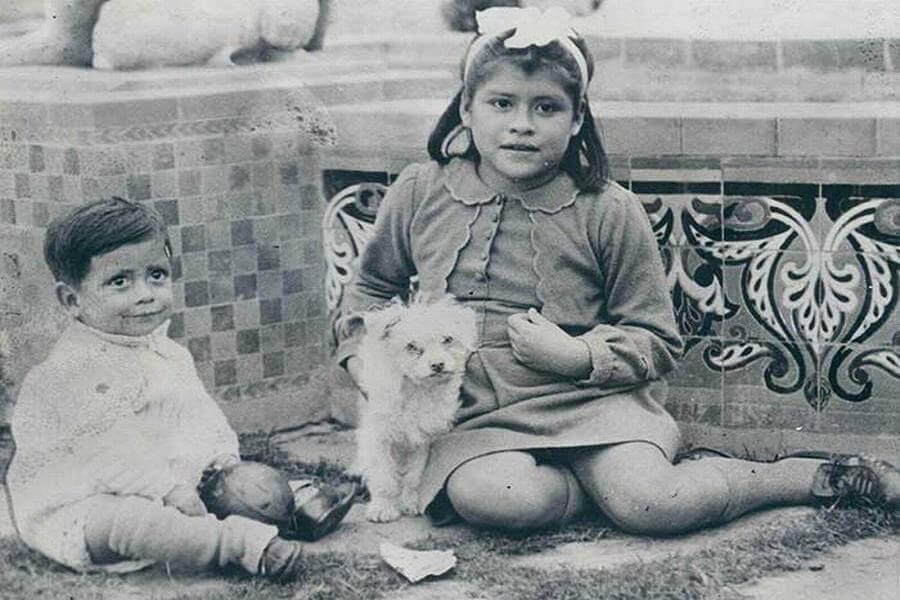
story of the youngest mother in the world at age of five - Lina Medina
Lina Medina, a five-year-old Peruvian girl, became the youngest mother in history in 1939 when she gave birth to a boy.
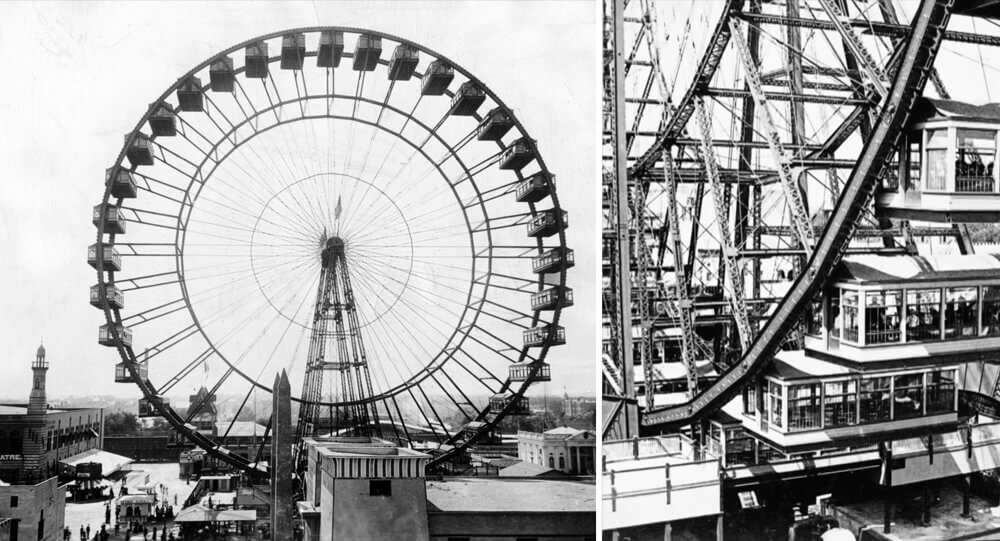
how Ferris wheel invented
In 1891, Chicago challenged engineers to create a structure to surpass the Eiffel Tower for the World's Columbian Exposition. George Washington Gale Ferris jr. responded with the original Ferris Wheel, a giant rotating structure elevating visitors above the city. This invention became an iconic attraction at the fair.


Philippines, the largest supplier of Nurses in the World
Philippines is the world’s largest supplier of nurses, supplying roughly 25% of all overseas nurses worldwide.

Ancient Jericho: The First Walled City In History
The ancient city of Jericho is the world's oldest walled city, with evidence of stone fortifications dating back nearly 9000 years.


Iranian inmate dies from happiness after finding out he will not be executed
An Iranian man who was convicted of murder reportedly died from happiness after learning that his death sentence was being commuted.

Remembering the miracles of the 1985 Mexico earthquake (unbelievable stories)
In 1985, after an 8.0 magnitude earthquake hit Mexico City, nearly all newborn babies survived a collapsed hospital. They are known as “Miracle Babies” for surviving 7 days without nourishment, water, warmth or human contact.
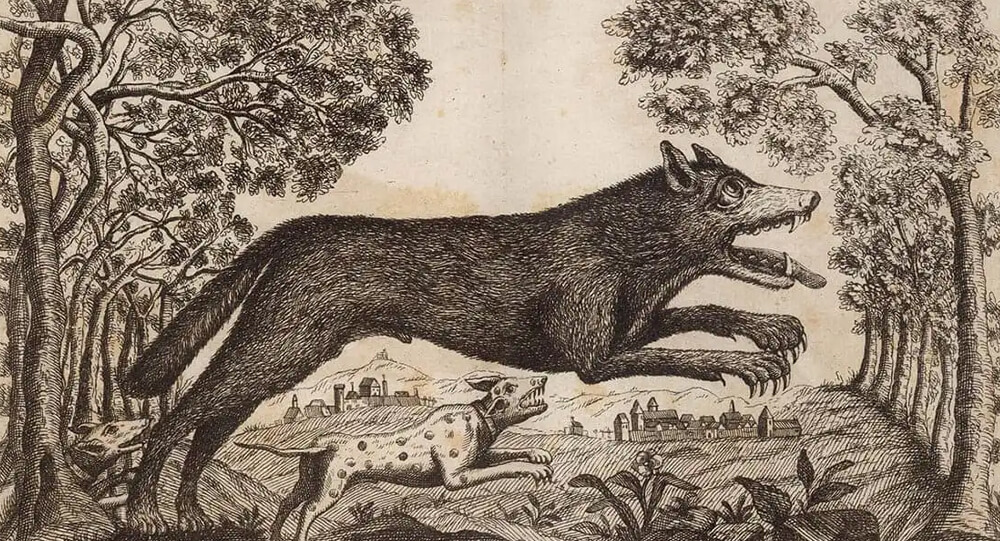
What Was the Beast of Gévaudan?
Between 1764 and 1767, a mysterious animal called the Beast of Gévaudan terrorized the French village called Gévaudan. It attacked and killed about 100 adults and children. While most believe it was a wolf, some say it may have been a wolf-dog hybrid, hyena or even a lion, but without any genetic evidence, the beast will remain a mystery forever.

The Day an Israeli F-15 Landed with One Wing: Zivi Nedivi’s Unbelievable Mid-Air Survival
Discover the astonishing true story of Israeli pilot Zivi Nedivi, who safely landed an F-15 after a mid-air collision tore off its entire right wing. Learn how skill, quick thinking, and the F-15’s unique design turned a disaster into a legendary feat in aviation history
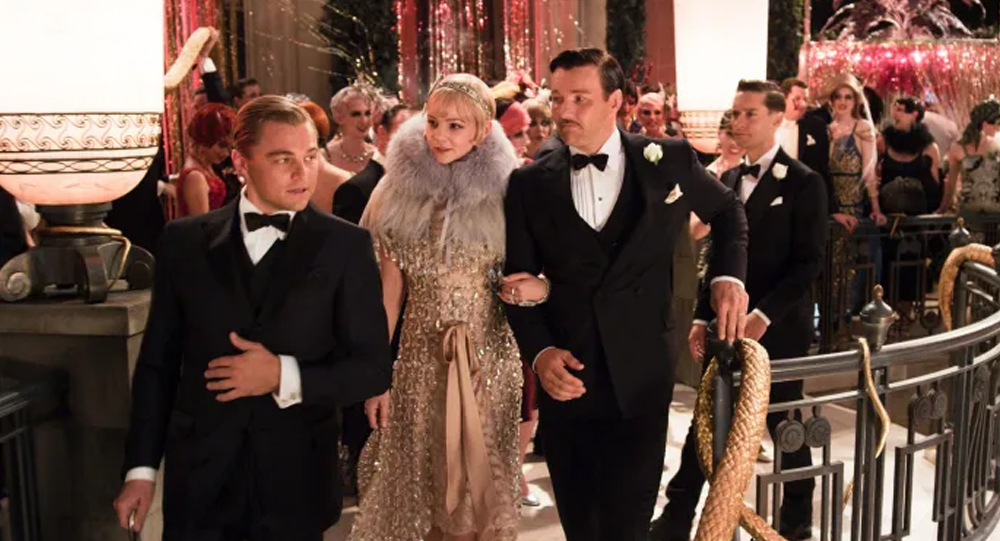
From Flapper to Fashion Week: How 1920s Style Still Shapes Modern Trends
The roaring 1920s revolutionized fashion, introducing bold styles, daring cuts, and a spirit of freedom that still inspires today’s wardrobes. From flapper dresses to statement accessories, here’s how the Jazz Age lives on in modern fashion.
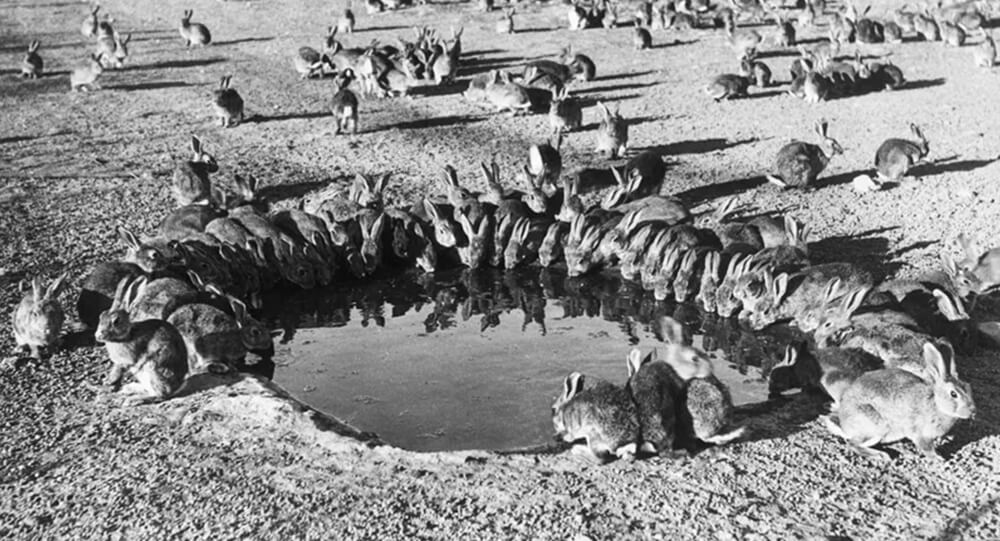
How European Rabbits Took over Australia
In 1859, wealthy settler Thomas Austin released 13 wild rabbits on his Australian estate. By 1920, their population grew to 10 billion.
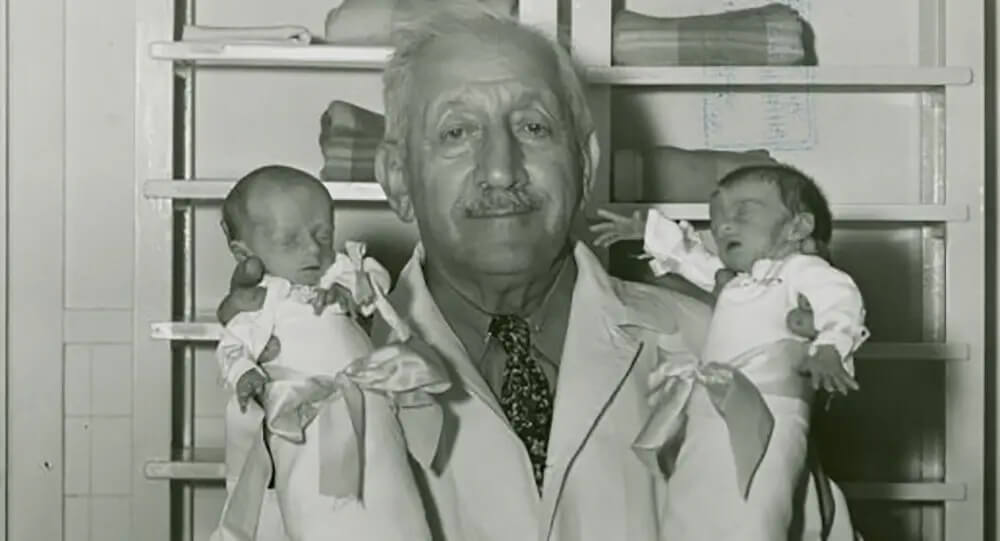
Martin Couney, Saved Thousands of Premature Babies Wasn’t a Doctor at All
Martin Couney never qualified as a medical doctor. However, in the 1900s, he saved thousands of premature babies by exhibiting them in incubators at his Coney Island sideshow. Over the course of his career, he is said to have saved about 6,500 babies that had previously been written off by mainstream medicine.
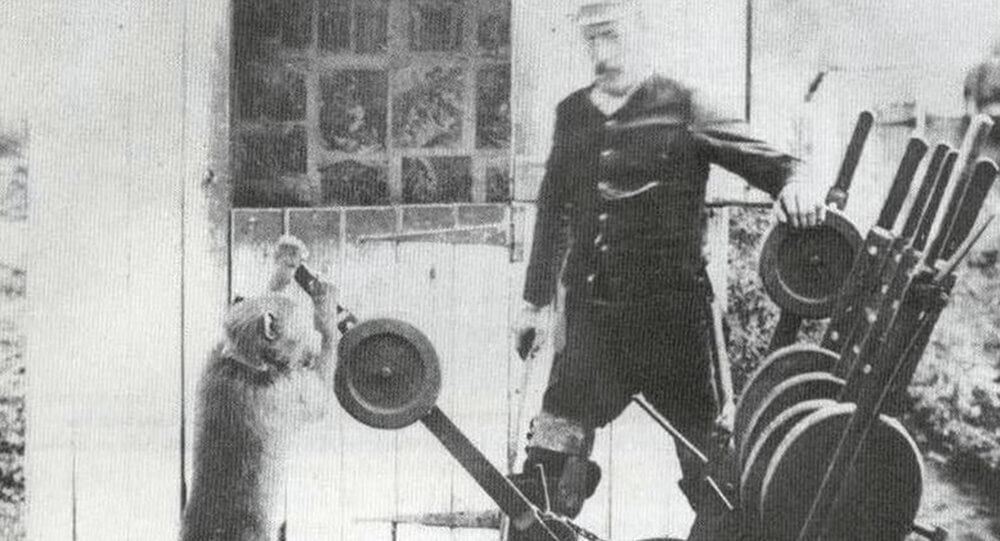
Jack the Baboon operated a railroad, earned a living, and never made a mistake
A baboon worked as a signalman for the railroad in the late 1800s. He never made a mistake and worked for the railroad until the day he died.
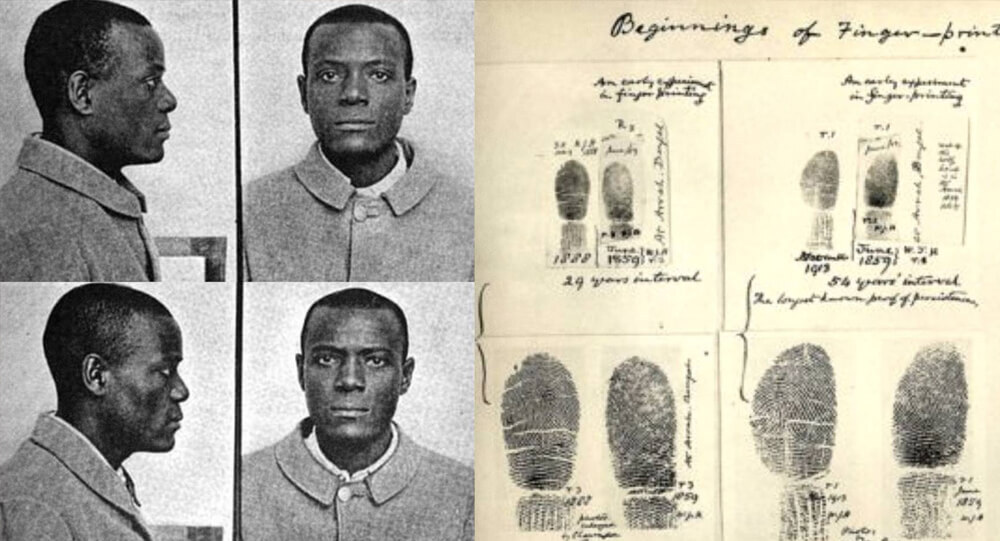
Will & William Wests: The puzzling situation of two inmates who are identical but not related
These are the mugshots of Will West and William West, and they are not related. They were both sent to Leavenworth Prison at the same time, in 1903, and after some confusion, the staff understood they had two different prisoners with the nearly same name, who looked exactly alike. They are part of the reason fingerprints are now used as identification.
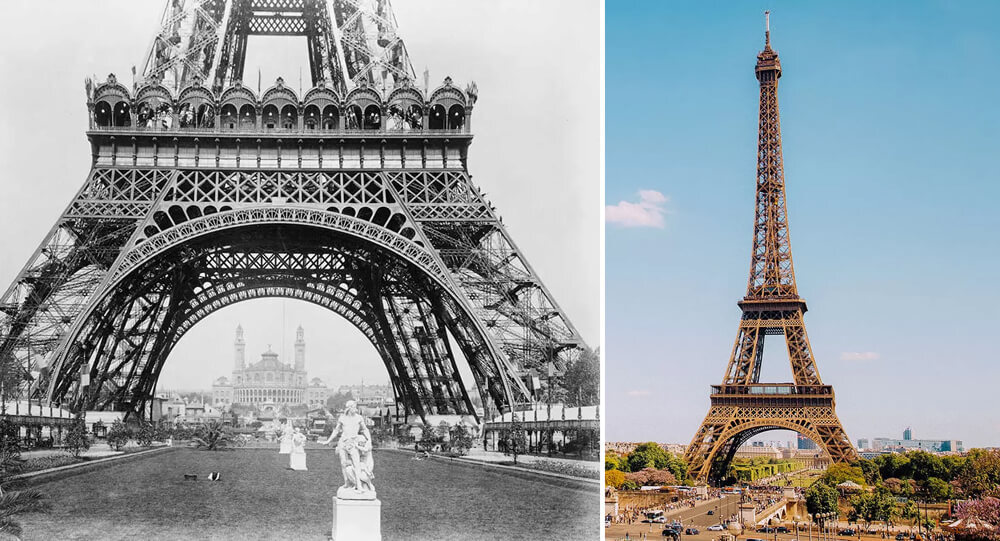
Why was the Eiffel Tower almost demolished
The Eiffel Tower was intended to be a temporary structure for the World's Fair in 1889, but it was nearly dismantled and sold for scrap metal. It was saved because of its potential use as a radio antenna, and it now serves as a tourist attraction as well as a working broadcast tower.

Why the Word ‘Pen’ Comes from the Latin ‘Penna’ Meaning Feather
The humble word “pen” carries a rich history rooted in ancient times, derived from the Latin word penna, meaning “feather.” Long before modern pens revolutionized writing, feather quills—especially from geese—were the essential tools of scribes, scholars, and artists. This article journeys through the origins of the pen, its evolution, and fascinating trivia about the timeless connection between feathers and writing.
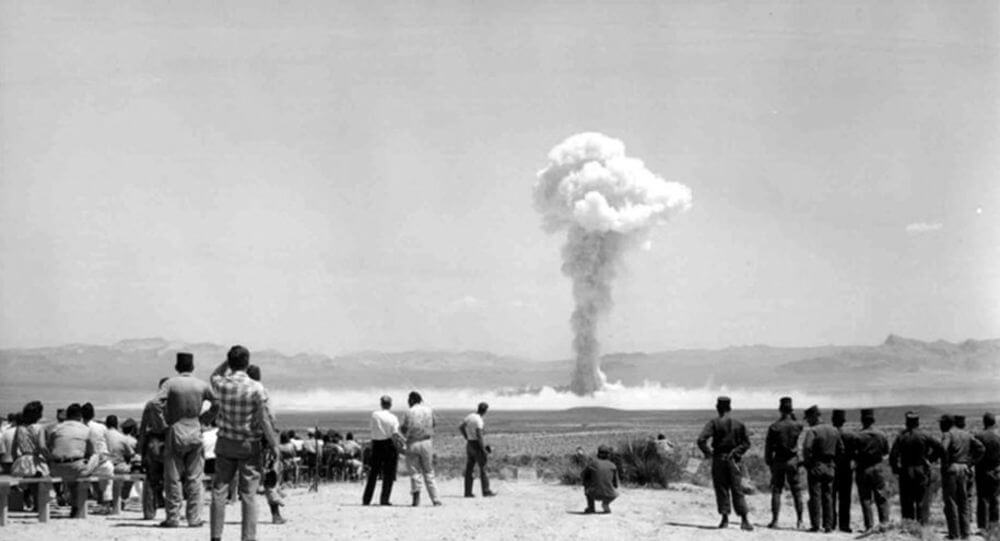
Atomic Tourism: In the 1950s, nuclear tests in Las Vegas served as a draw for tourists
Between 1950 and 1960, Las Vegas offered “Atomic Tourism” in which guests could watch atomic bombs being tested in the desert as a form of entertainment.

Ea-Nasir: world's oldest written customer complaint
This clay tablet, written in cuneiform, is the oldest known written customer complaint about the delivery of poor quality copper ingots. Originally from ancient Babylon, the tablet dates back to 1750 BCE, and it was written by a customer named Nanni to a merchant named Ea-Nasir. It is currently housed in the British Museum.
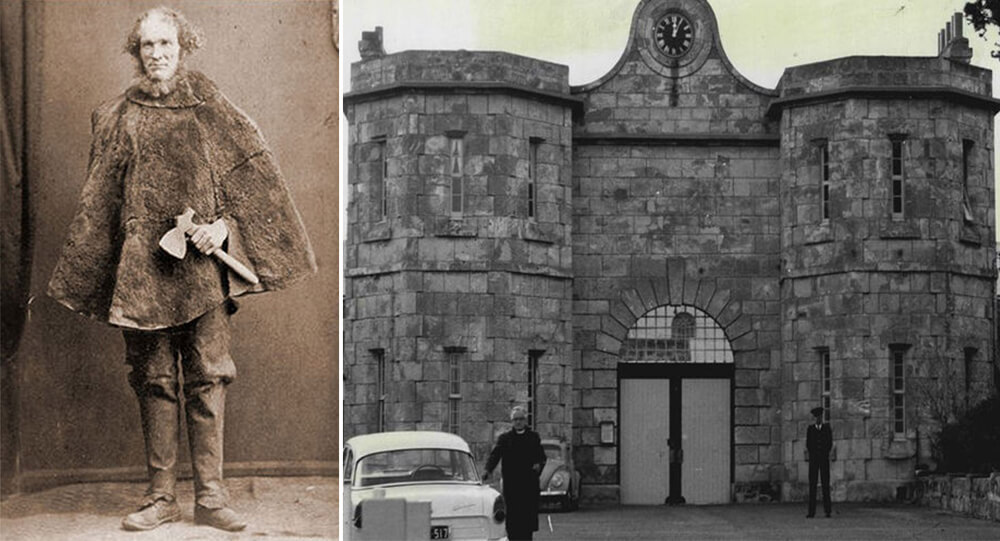
Moondyne Joe: The story of Australia's most notorious prison escapee
A man named Joseph Bolitho Johns (A.K.A Moondyne Joe) broke out of Australian prisons so many times that the police were compelled to build a special cell just for him. He escaped from that as well.
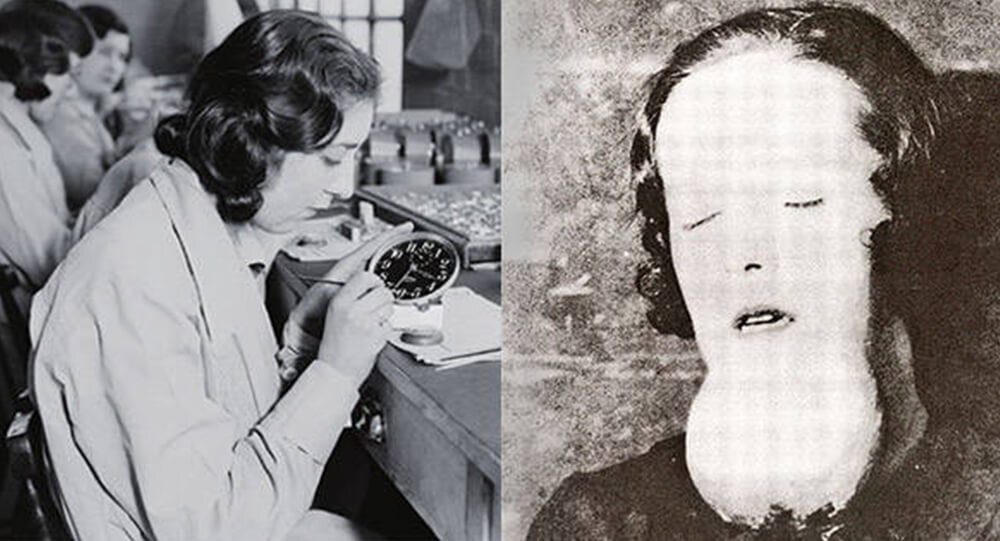
The true story Of The Radium Girls that change US labor laws
Hundreds of young women worked in clock factories during World War I, painting watch dials with luminous radium paint. The company lied about the risk of radiation, claiming there was no danger, which resulted in the death of the young women.

What is the story behind Wrigley chewing gum?
Wrigley's was originally a soap company that gifted baking powder with their soap. The baking powder became more popular than the soap so they switched to selling baking powder with chewing gum as a gift. The gum became more popular than the baking powder so the company switched to selling gum.

Tunnels Dug by ancient giant sloths, A South American Megafauna
For years, scientists didn’t know what caused mysterious cave networks in South America. In 2010, they learned that the caves were actually tunnels dug by ancient giant sloths

The History Behind the “No One Dies Alone” Program
In 1986, while doing a night shift at the hospital, Sandra Clarke, a registered nurse, was asked by an elderly patient to stay. She promised to be back after checking on her other patients, but by the time she returned, the gentleman had passed away. Clarke became one of the key figures in launching No One Dies Alone, a program that allows volunteers to sit with terminal patients who have no one else.