Ocean Atlas: Exploring the World’s Largest Underwater Sculpture in the Bahamas
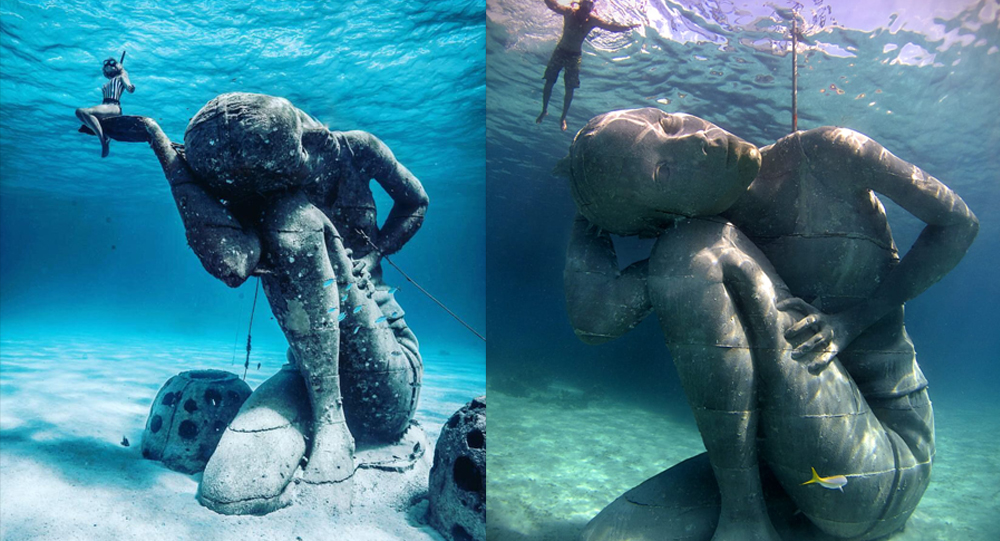
Nestled beneath the crystal-clear waters off the western coast of New Providence Island in Nassau, Bahamas, lies a breathtaking marvel that merges art, culture, and marine conservation. Known as Ocean Atlas, this monumental underwater sculpture holds the title of the largest single underwater sculpture ever installed. It depicts a young Bahamian girl bearing the immense weight of the ocean on her shoulders, a powerful symbol inspired by the ancient Greek myth of Atlas, who carried the heavens.
This extraordinary work of art is more than just a visual spectacle; it represents a profound connection between humanity and the ocean, highlighting the importance of marine preservation while offering a unique attraction for divers and tourists alike.
The Artistic Vision Behind Ocean Atlas
Ocean Atlas was created by renowned British sculptor Jason deCaires Taylor, who is celebrated for his pioneering work in underwater sculpture parks around the world. Taylor’s art is distinctive for its fusion of sculpture, environmentalism, and marine biology, often using his installations to promote coral reef restoration and ocean conservation.
The sculpture portrays a 12-foot-tall Bahamian girl crouched in a seated position, her arms stretched downward as she supports the weight of the ocean above. The figure’s expression is one of serene strength and resilience, symbolizing the burden that the ocean-and by extension, the planet-carries. The piece draws a direct parallel to the Greek Titan Atlas, who was condemned to hold up the sky for eternity.
However, Taylor’s Ocean Atlas adds a contemporary and local twist: rather than a mythological figure, it is a real representation of a Bahamian child, emphasizing the human connection to the sea and the responsibility to protect it for future generations.
Location and Accessibility
Ocean Atlas is located approximately 60 feet (18 meters) underwater near Clifton Heritage National Park, off the western coast of New Providence Island. The site is accessible to recreational divers and snorkelers, making it a popular destination for tourists seeking an extraordinary underwater experience.
The sculpture’s placement on the ocean floor not only creates a surreal underwater gallery but also provides a habitat for marine life. Over time, the sculpture has become encrusted with coral and sponges, transforming it into an artificial reef that supports biodiversity.
Construction and Materials
Constructing the world’s largest underwater sculpture was a massive undertaking that combined artistry with engineering and environmental science. Ocean Atlas weighs approximately 60 tons and measures 18 feet (5.5 meters) tall, making it a colossal figure that commands attention beneath the waves.
The sculpture is made from pH-neutral marine-grade cement, a material specially designed to encourage coral growth and withstand the harsh marine environment. This eco-friendly material ensures that the sculpture not only endures but actively contributes to the restoration of the surrounding coral reef ecosystem.
The installation process involved careful planning and collaboration with marine biologists and local authorities to minimize environmental impact. The sculpture was transported in sections and assembled underwater by a team of divers and engineers.
Environmental Impact and Coral Reef Restoration
One of the most remarkable aspects of Ocean Atlas is its dual role as both an artwork and a tool for marine conservation. Coral reefs worldwide face severe threats from climate change, pollution, and overfishing, leading to widespread degradation.
By installing Ocean Atlas on the ocean floor, Taylor and his team created a substrate for coral larvae to attach and grow, helping to regenerate the damaged reef. The sculpture’s textured surface provides an ideal environment for corals, sponges, and other marine organisms to colonize, promoting biodiversity and enhancing the local ecosystem.
Since its installation, Ocean Atlas has become a thriving artificial reef, attracting fish, sea turtles, and other marine creatures. This fusion of art and ecology exemplifies how creative solutions can address environmental challenges.
Cultural Significance and Community Engagement
Ocean Atlas also holds deep cultural significance for the Bahamas. By depicting a Bahamian girl, the sculpture celebrates local identity and heritage, reminding viewers of the intimate relationship between the island’s people and the sea.
The project was developed in partnership with The Bahamas Reef Environmental Educational Foundation (BREEF) and the Nassau government, highlighting a commitment to environmental education and sustainable tourism. The sculpture serves as a platform to raise awareness about marine conservation and the importance of protecting the Bahamas’ natural resources.
Local communities have embraced Ocean Atlas as a symbol of pride and stewardship, and it has become a focal point for educational programs and eco-tourism initiatives.
Visitor Experience: Diving with Ocean Atlas
For divers and snorkelers, visiting Ocean Atlas is an unforgettable experience. The sculpture’s massive scale and serene presence create a surreal atmosphere, as if encountering a giant guardian of the sea.
Dive operators in Nassau offer guided trips to the site, often combined with visits to nearby coral reefs and marine parks. The relatively shallow depth makes it accessible for divers of intermediate skill levels, while snorkelers can also view the sculpture from the surface on calm days.
Photography enthusiasts are drawn to Ocean Atlas for its dramatic underwater visuals, where sunlight filters through the water and illuminates the sculpture’s contours, creating a magical interplay of light and shadow.
Fun Facts and Trivia About Ocean Atlas
- Largest Single Underwater Sculpture: Ocean Atlas holds the Guinness World Record for the largest single underwater sculpture ever installed.
- Weight: The sculpture weighs approximately 60 tons.
- Height: It stands 18 feet (5.5 meters) tall underwater.
- Material: Made from pH-neutral marine-grade cement designed to promote coral growth.
- Installation Year: Ocean Atlas was installed in 2014.
- Environmental Role: Acts as an artificial reef, supporting marine biodiversity.
- Cultural Symbol: Depicts a local Bahamian girl, symbolizing the connection between people and the ocean.
- Artist: Created by Jason deCaires Taylor, a pioneer in underwater sculpture parks.
- Location: Off the western coast of New Providence Island, near Clifton Heritage National Park.
- Diving Depth: Approximately 60 feet (18 meters), accessible to recreational divers.
Why Ocean Atlas Matters
Ocean Atlas is more than an artistic achievement; it is a powerful statement about the relationship between humans and the natural world. By placing a monumental sculpture underwater, Taylor challenges traditional notions of art galleries and museums, inviting audiences to engage with art in an immersive, living environment.
The sculpture’s environmental benefits demonstrate how art can be harnessed as a force for ecological restoration, inspiring innovative approaches to conservation. Moreover, by honoring Bahamian culture and involving local communities, Ocean Atlas fosters a sense of shared responsibility for protecting the ocean.
Conclusion
Ocean Atlas stands as a testament to creativity, resilience, and environmental stewardship. As the largest single underwater sculpture in the world, it captivates visitors with its sheer scale and beauty while serving a vital role in coral reef restoration.
For travelers to the Bahamas, a dive to Ocean Atlas offers a rare opportunity to witness art and nature intertwined beneath the waves. This monumental sculpture not only celebrates the strength of a young Bahamian girl but also reminds us all of the weighty responsibility we carry to protect our oceans for generations to come.
Whether you are an art lover, a diver, or an environmental enthusiast, Ocean Atlas is a must-see destination that exemplifies the extraordinary possibilities when creativity meets conservation.
Plan your visit to Nassau, Bahamas, and dive into the awe-inspiring world of Ocean Atlas-the underwater giant carrying the ocean’s weight and inspiring a global movement for marine preservation.
The Evolution of Flight: From Dinosaurs to Birds – A Journey Through Time and Science
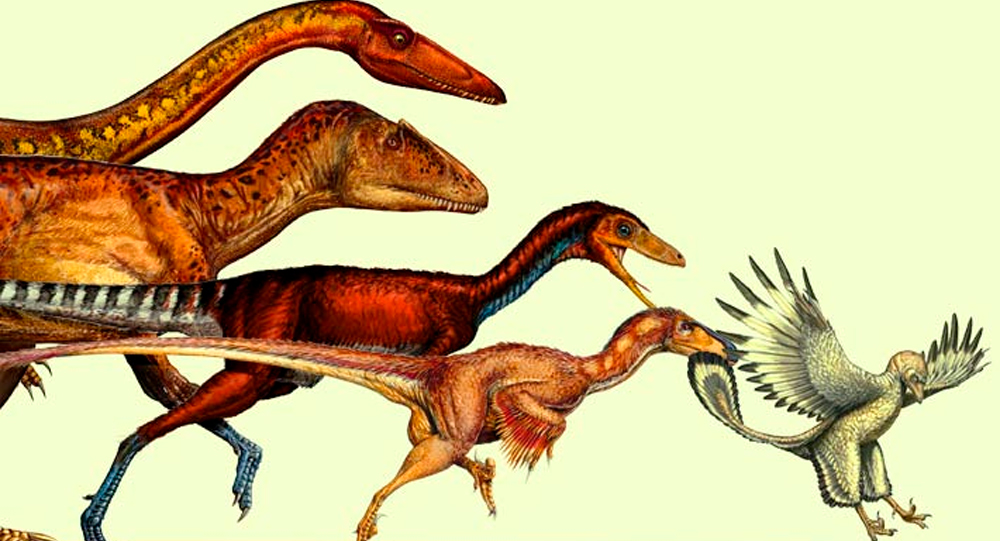
Flight is one of nature’s most remarkable adaptations, but its origins trace back millions of years before modern birds took to the skies. Emerging from theropod dinosaurs during the Jurassic period, birds evolved feathers, wings, and lightweight bodies that enabled powered flight. This detailed narrative explores the fascinating evolutionary path from ground-dwelling dinosaurs to the aerial masters of today, blending science, intriguing fossil finds, and surprising trivia about our feathered ancestors.
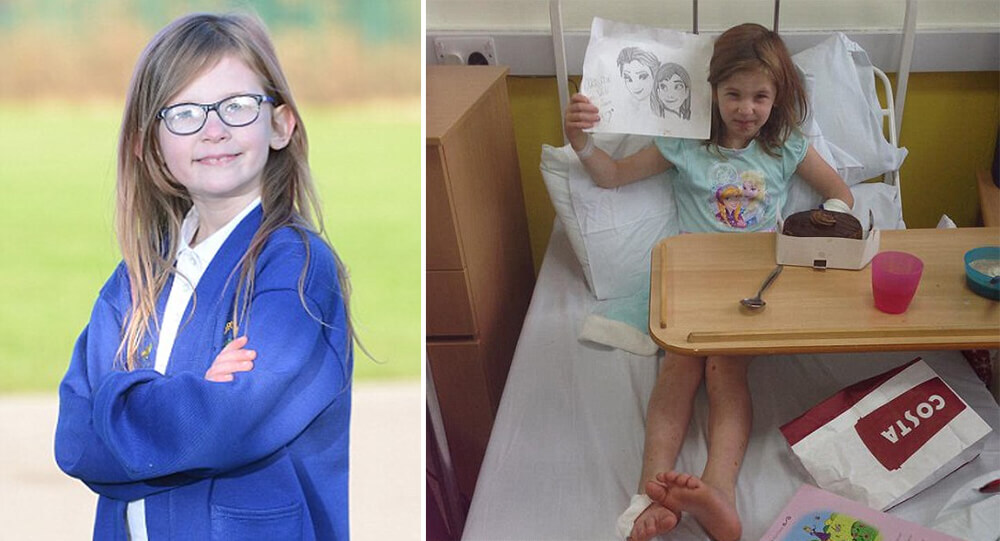
The extraordinary case of Olivia Farnsworth, who hit by a car and dragged down the street without pain because of chromosome 6 deletion
In 2016, 7-year-old Olivia Farnsworth was hit by a car and dragged down the street, but she did not feel a thing. That is because of a rare condition called “chromosome 6 deletion,” which causes her to feel no pain. She also does not experience hunger or exhaustion.
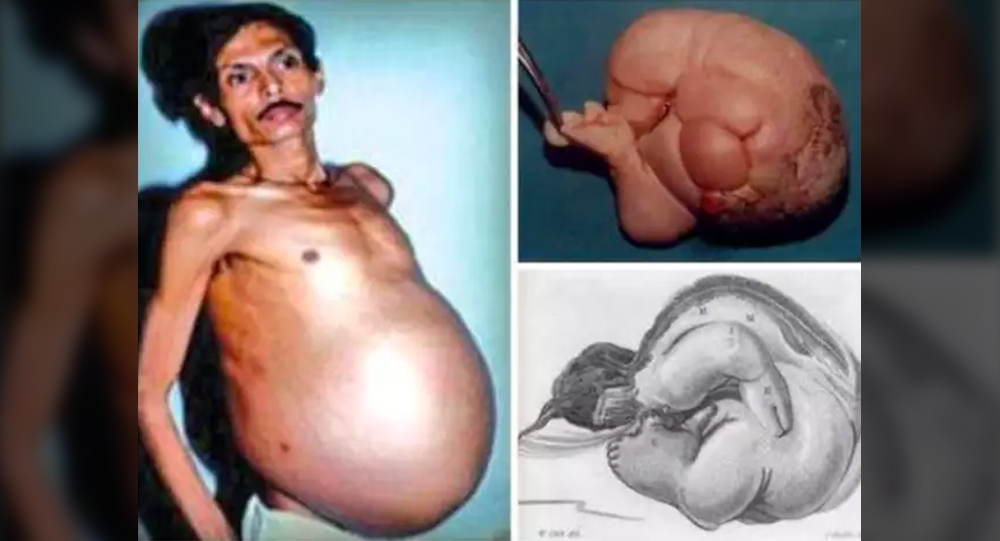
The Astonishing Case of Sanju Bhagat: Living with a Twin Inside Him for 36 Years
Sanju Bhagat, an Indian farmer, lived with an undiagnosed parasitic twin inside his abdomen for 36 years. In 1999, doctors discovered the twin during surgery. This rare condition, fetus in fetu, occurs when a malformed twin is absorbed during pregnancy, surviving within the host sibling's body.

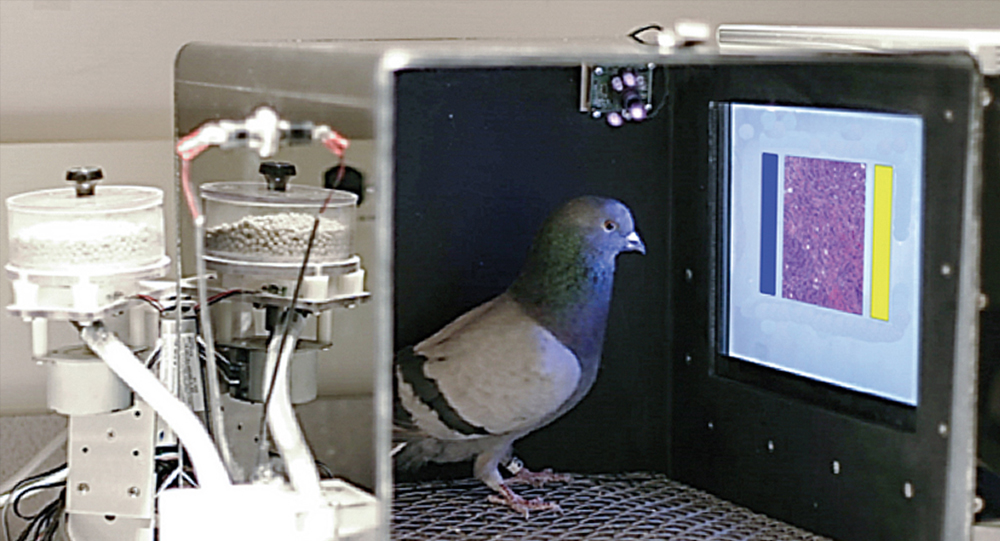
The Science Behind Pigeons in Cancer Detection and What It Means for Medicine
In a groundbreaking study, researchers have discovered that pigeons can be trained to distinguish between cancerous and non-cancerous tissues in medical images with accuracy rivaling that of human experts. This surprising capability opens new avenues for understanding visual perception and has potential implications for improving diagnostic tools in medicine. Here is the fascinating science behind pigeons’ ability to spot cancer and what it signifies for the future of medical imaging.

Dr. Leonid Rogozov: the surgeon who removed his own appendix.
Dr. Leonid Rogozov was a legendary surgeon who operated on himself in 1961 to remove an inflamed appendix.
Why are there 24 hours in a day and 60 minutes in an hour
Ancient Babylonians did math in base 60 instead of base 10. That's why we have 60 seconds in a minute and 360 degrees in a circle.
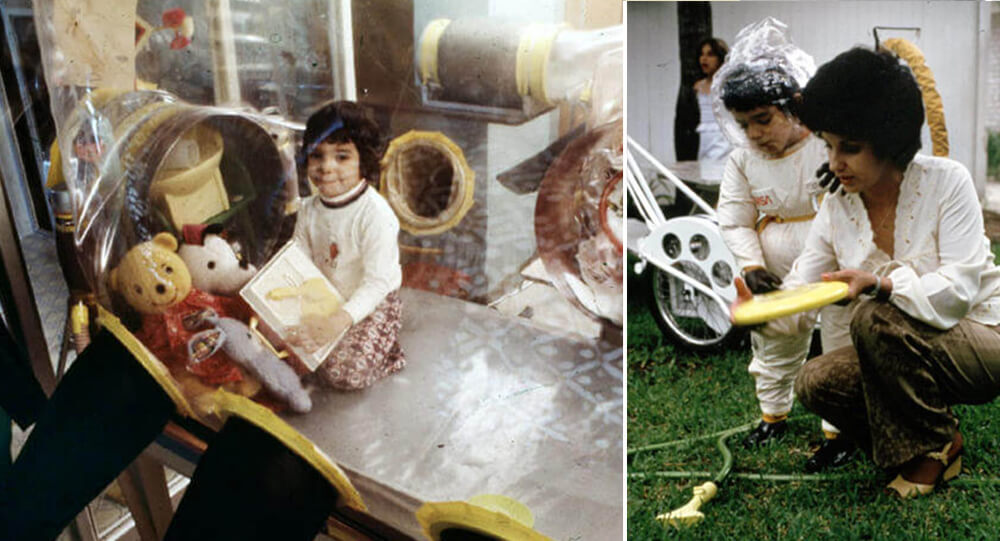
The touching story of David Vetter (bubble boy), the 'boy who lived in a bubble
David Vetter lived his whole 12 years in sterile “bubble”. He was “outside” for 20 second after being removed from his mother’s womb. He never touched any human.

India's chandrayaan-3 becomes the first landed craft on moon's south pole
India's chandrayaan-3 becomes the first land craft on moon's south pole. It landed safely on August 2023
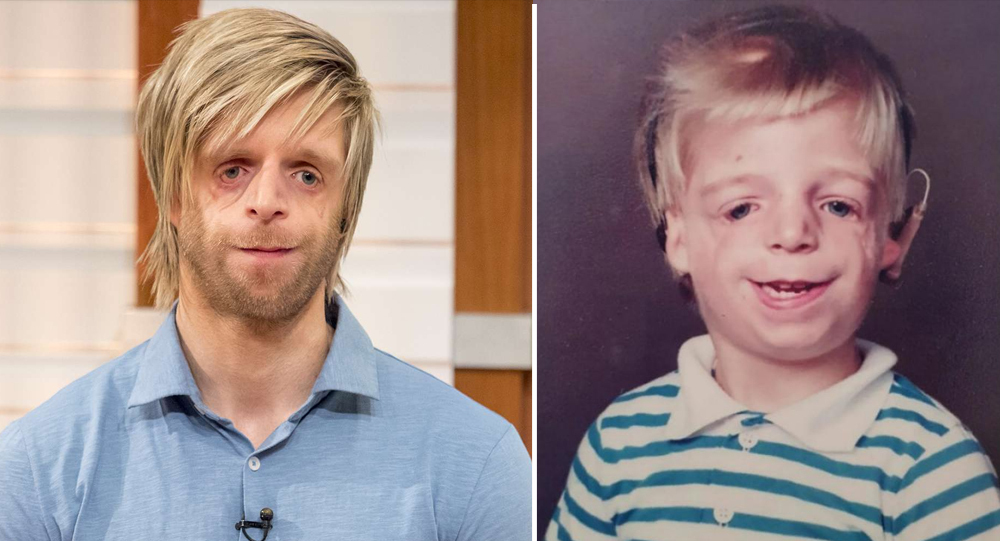
Inspiring story of Jono Lancaster, Abandoned by His mother at birth for this 'defect' on his face
When Jono Lancaster was just 36 hours old, his parents left him for adoption because he was suffering from Treachers Collins Syndrome, a genetic disorder which hampers facial bones development. Now he is an inspirational speaker, a professional model and a teacher, giving inspiration to millions
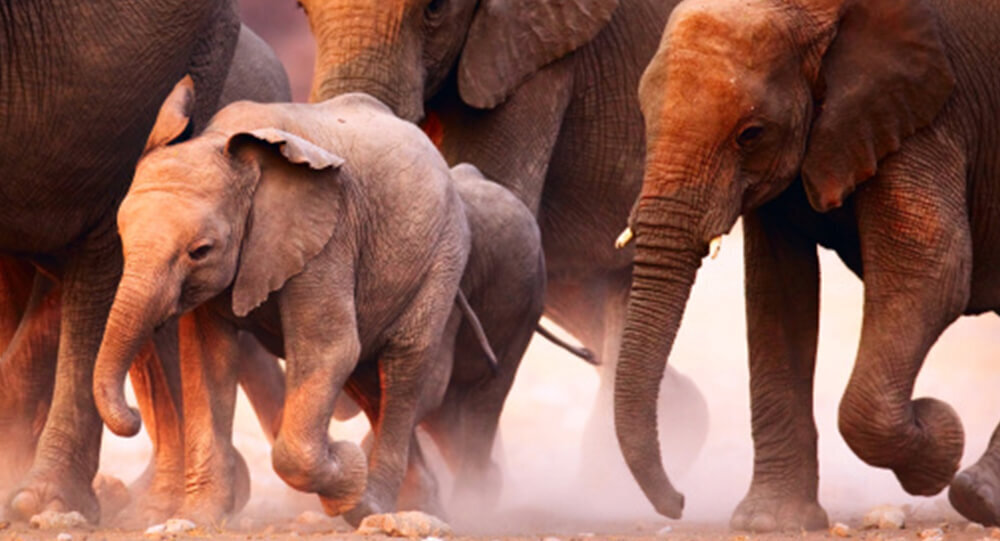
Earthquakes: Can Animals Really Predict Them?
In 1975, when officials in the Chinese city of Haicheng were alarmed by odd and anxious behaviors of dogs and other animals. These observations led them to order 90,000 residents to evacuate the city. Only a few hours later a 7.3 magnitude earthquake destroyed nearly 90% of the city’s buildings.
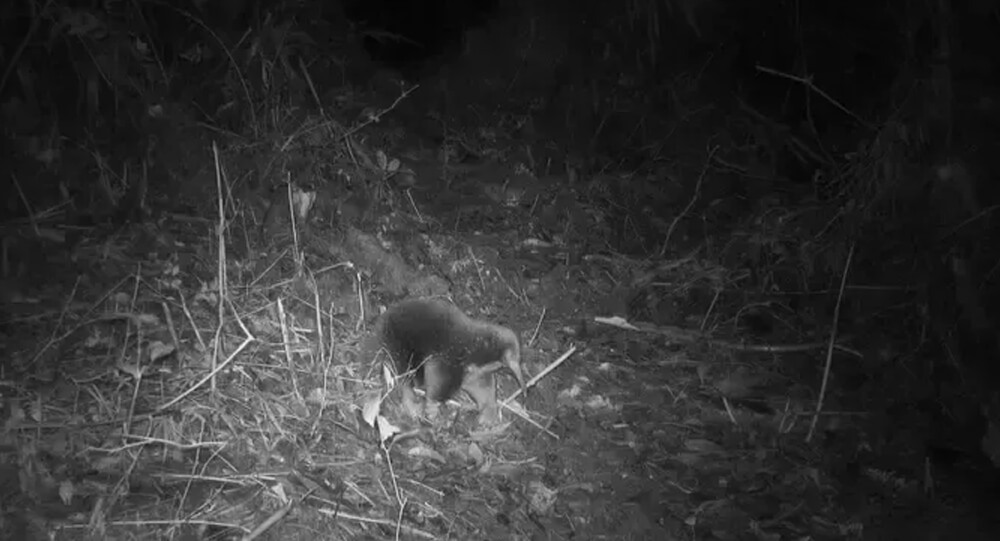
For the First Time in 60 Years, Scientists Discover a 'Lost' Echidna Species
An expedition team in Indonesia discovered the elusive, egg-laying animal (Echidna) named after David Attenborough, which had not been seen since 1961.
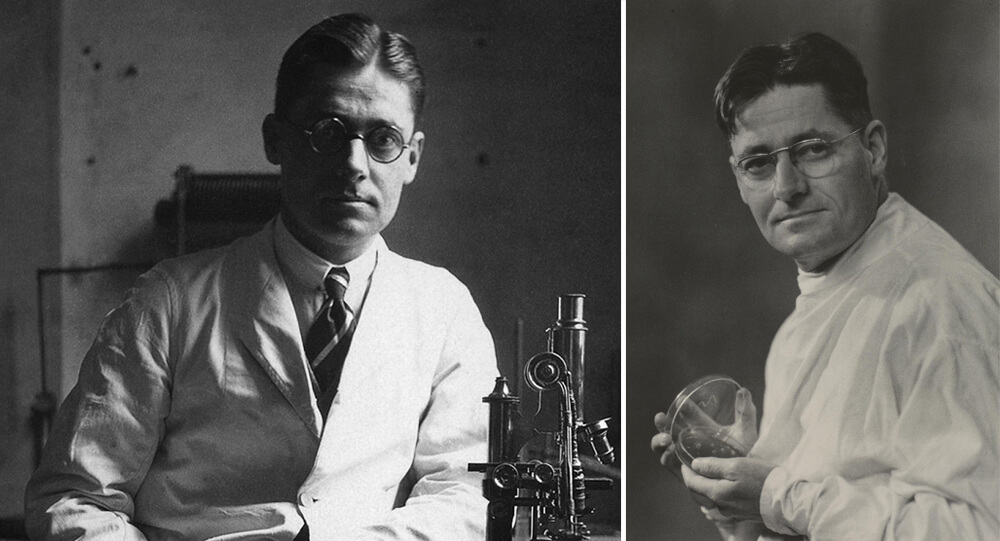
How did Howard Florey discover penicillin
Penicillin was discovered by Alexander Fleming, but he never attempted to turn it into an antibiotic. It wasn't until ten years later that Howard Florey discovered Fleming's obscure paper and understood the mold's potential. Up to 200 million lives may have been saved as a result of Florey's work.

The Heartbreaking Story Of Ella Harper, The ‘Camel Girl’
Ella Harper, Professionally known as the “Camel Girl” was born with a rare orthopedic condition that cased her knee to bend backward. Due to this condition, had to walked on all four legs, which resulted in her nickname as “Camel Girl”. Tough it was hard at first, but soon she made a fortune out of it.

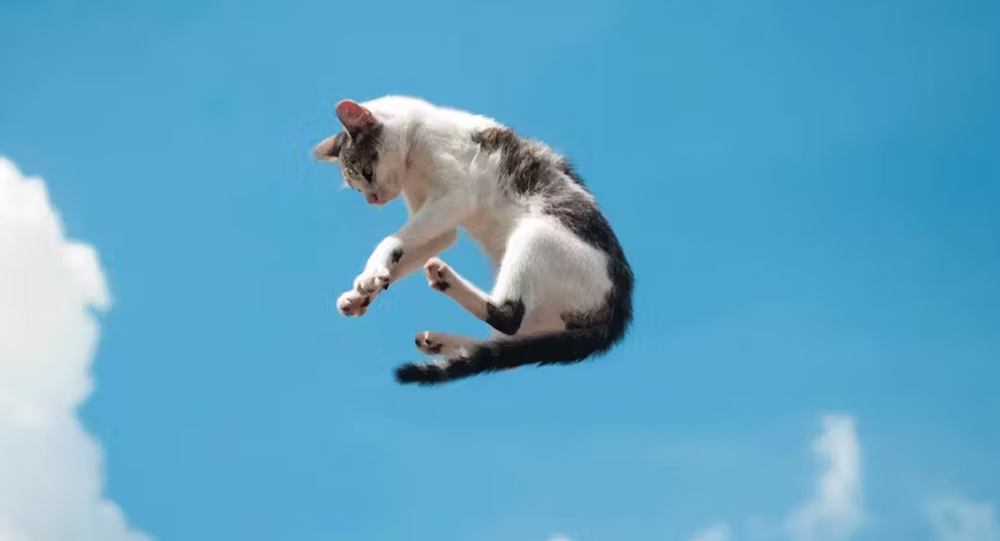
The Physics Behind Why Cats Always Land on Their Feet
Cats have an extraordinary survival skill known as the “righting reflex” that allows them to twist midair and land on their feet, even when dropped upside down. This uncanny ability is made possible by their flexible spine, lack of a functional collarbone, and a combination of biological sensors and physical laws governing motion. Astonishingly, kittens develop this reflex as early as three weeks old, mastering the art of graceful landing that defies everyday expectations. This article unravels the science and mystery behind this feline feat.

Man gave his stem cell fund to a disabled boy
Dan Black, who was paralyzed in a bike accident, spent four years raising 20,000 for a stem cell treatment that could let him walk again. However, after learning about a five-year-old boy with cerebral palsy, he donated the funds for the boy's medical treatment in order to enable him to take his first steps.

How a Headache Cure Experiment Led to the Invention of Dynamite
Alfred Nobel discovered dynamite while experimenting with nitroglycerin, a volatile liquid he also took in tiny doses for headaches. Ironically, the explosive that made him wealthy and feared also eased pain—later inspiring his legacy as founder of the Nobel Prizes.
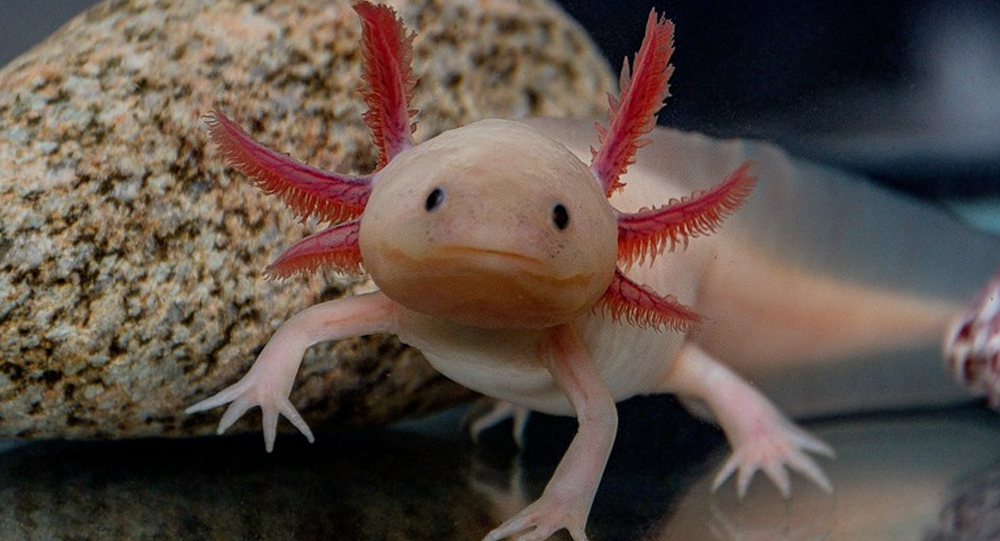
Why Some Animals Can Regenerate Limbs and What Science Says About Human Possibilities
Certain animals possess the extraordinary ability to regenerate lost limbs, a process that has fascinated scientists and inspired hopes for human medical breakthroughs. From salamanders’ perfect limb regrowth to starfish’s incredible body regeneration, this article explores how and why these animals can perform such feats, the biological mechanisms underpinning regeneration, and what cutting-edge research means for the future of human limb regeneration.

Woman's memory reset every two hours after traumatic accident
Riley Horner, an Illinois teenager was accidentally kicked in the head. As a result of the injury, her memory resets every two hours, and she wakes up thinking every day is June 11. Riley keeps detailed notes of events happening throughout the day, and sets an alarm on her phone every two hours to remind her to review them. Riley also keeps a calendar in her room to remind her what day it is? As she wakes up every morning confused, thinking it's still June 11.
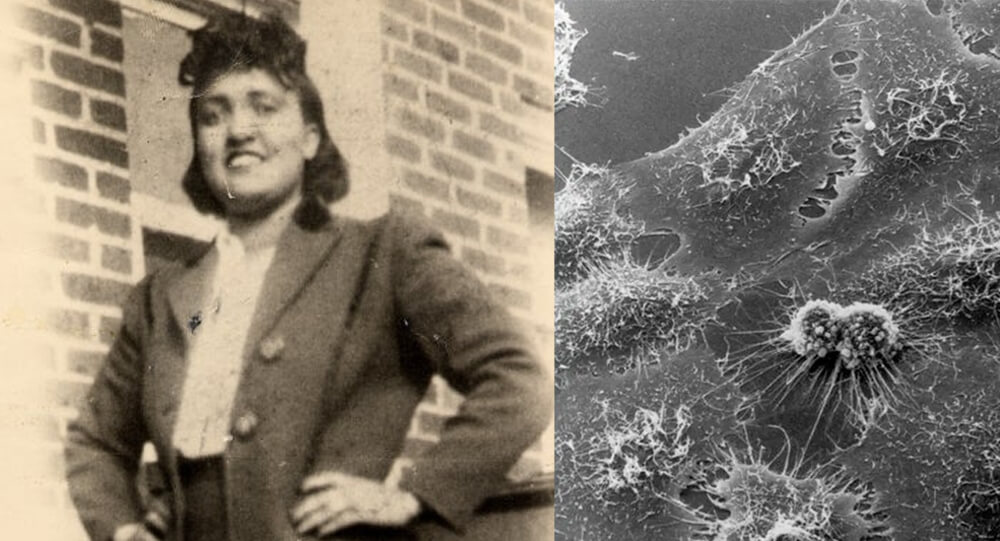
Henrietta Lacks: Who Was She? Here's how HeLa cells became necessary for medical research
Henrietta Lacks was died in 1951. The tumor that killed her has been alive and growing to this day. The tumor is immortal and was used to progress the Polio vaccine and is the jumping point for most human cell research to this day. Scientists have grown some 20 tons of her cells.
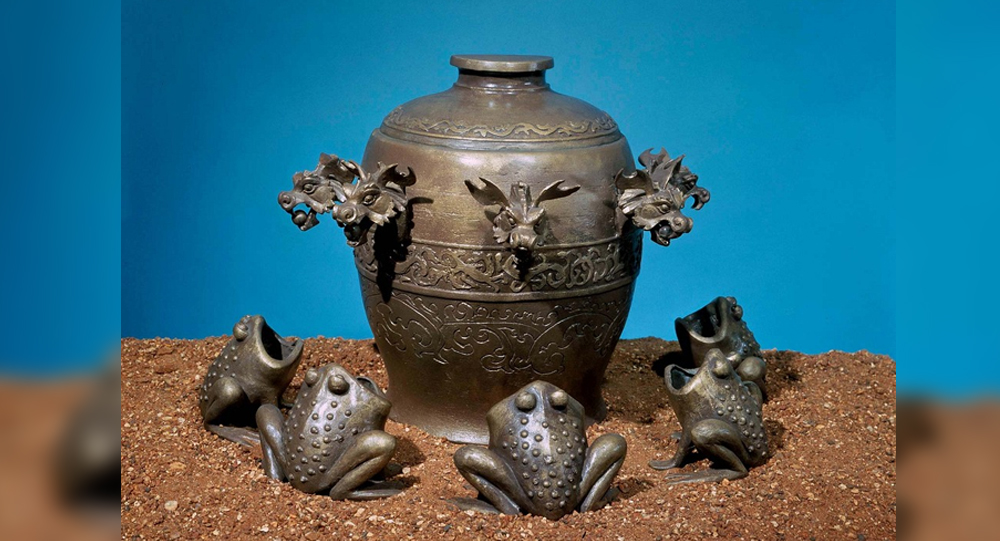
The World’s First Seismograph: How Ancient China Detected Earthquakes 1,800 Years Ago
Over 1,800 years ago, long before modern technology, the ancient Chinese astronomer and inventor Zhang Heng created the world’s first seismograph in 132 AD. This ingenious bronze device could detect distant earthquakes by releasing small balls from dragons’ mouths into toads’ mouths—each indicating a different compass direction. Its historic detection of an earthquake 400 miles away astonished the imperial court and transformed the way societies understood and responded to seismic events.
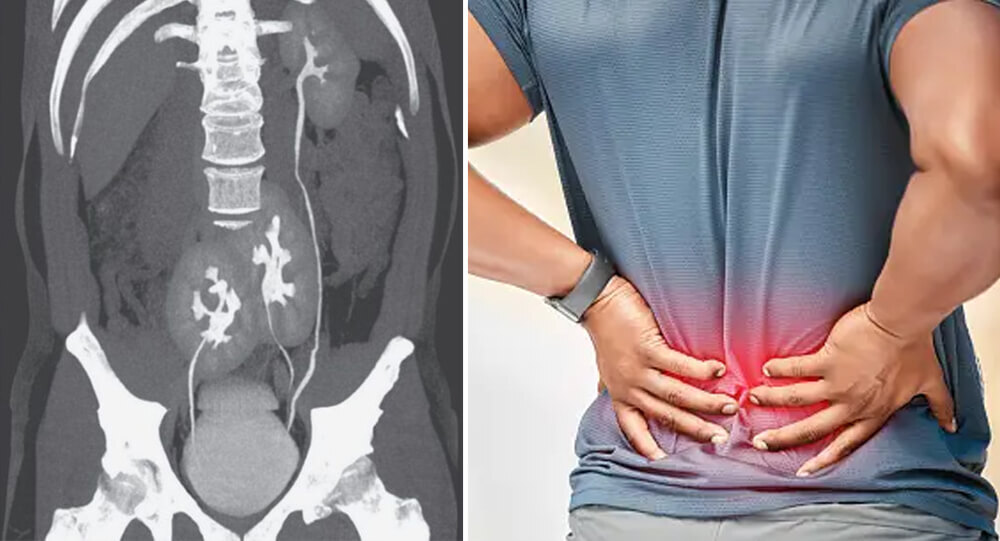
Man discovers he has 3 kidneys after going to doctor for severe back pain
In 2020, a 38-year-old Brazilian man visited his doctor for severe back pain and was shocked to find out that he has three kidneys instead of just two.

The Accidental Birth of Super Glue: Dr. Harry Coover's WWII Discovery
Dr. Harry Coover was trying to develop clear plastic for gun sights during WWII when he accidentally created cyanoacrylate, an extremely strong adhesive. Initially dismissed, it was later marketed as Super Glue in the 1950s.

The Science Behind Why We Dream and What It Means
Dreams have fascinated humanity for millennia—enigmatic stories that unfold in sleep, weaving memories, emotions, and symbols. Modern science is now unraveling why we dream and exploring what these nightly narratives reveal about our brain, emotions, and waking lives. Journey through the latest discoveries on the science of dreaming and its meaningful reflections in our psyche.

Woman's transplanted 'man hands' became lighter and more feminine over time
After losing both arms in an accident, an Indian girl received limbs from a male donor. The donor hands, which were formerly huge and hairy, changed skin tone and became thin and feminine over time to mix in with her body.
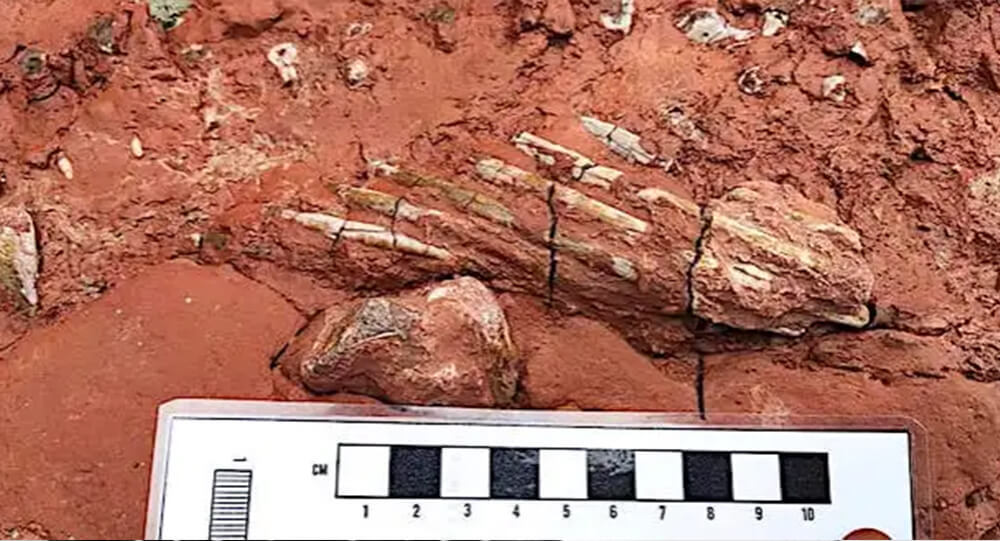
Canadian Schoolteacher Discovers a Fossil That May Be 300 Million Years Old
School teacher discovers extremely rare fossil of unknown animal that maybe 300 million years old. One high school teacher was walking her dog when she made a once-in-a-lifetime find. It turns out that the fossil is probably 300 million years old and came from an extinct species of reptile.