
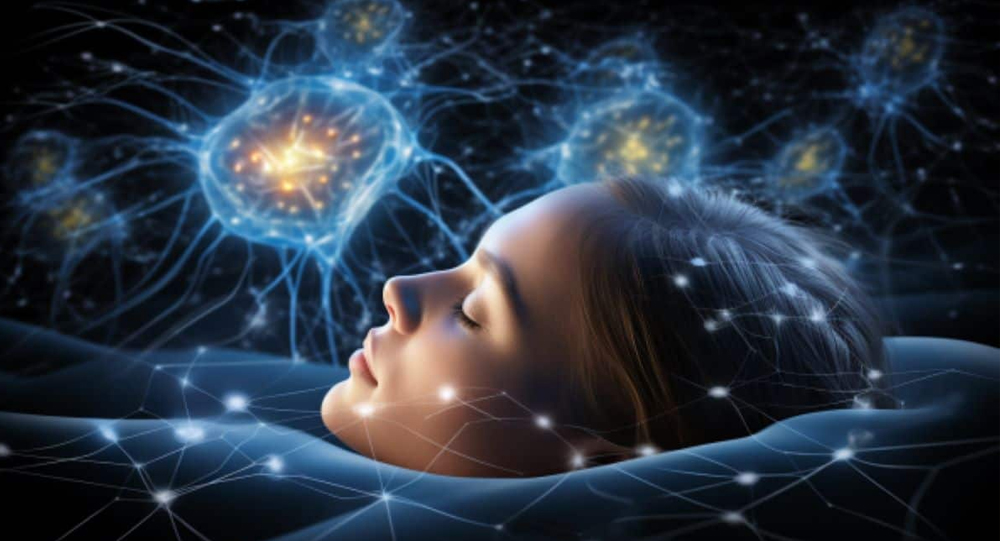
Imagine closing your eyes each night and entering a world where your brain rewires itself, strengthens memories, and resets your mental clarity—all without conscious effort. This incredible process happens during sleep, which unfolds in cycles of distinct stages with specialized functions that are critical for cognition and memory.
Understanding the Sleep Cycle
Sleep is divided primarily into two phases that cycle about every 90 minutes: non-rapid eye movement (NREM) sleep and rapid eye movement (REM) sleep.
NREM sleep consists of three stages, with deep sleep (stage 3, or slow-wave sleep) being particularly crucial. During this phase, brain activity slows significantly, blood pressure drops, breathing deepens, and the body focuses on repair—releasing growth hormones and regenerating tissues. More importantly for cognition, slow-wave sleep orchestrates memory consolidation by transferring newly learned material from the hippocampus—our short-term memory hub—to the neocortex for permanent storage.
REM sleep, characterized by rapid eye movements and vivid dreaming, follows NREM stages. Contrary to the brain’s quiet state in deep sleep, REM is a period of intense brain activity. This stage processes emotional memories and integrates new information creatively into existing knowledge networks, aiding problem-solving and insight.
The Impact on Memory: Encoding, Consolidation, and Retrieval
Memories formed during waking hours are initially fragile. Sleep acts like a librarian, reorganizing and archiving these memories to ensure they become durable and retrievable later.
NREM slow-wave sleep replays these memories in the brain: studies using functional MRI reveal the hippocampus reactivating recent experiences, helping weave them into long-term networks. This process benefits declarative memories—facts, events, and knowledge.
REM sleep complements this by processing emotional aspects of memories, reducing their intensity so emotional triggers don’t overwhelm us, and fostering creative associations useful for cognitive flexibility.
Without adequate NREM and REM sleep balance, memory consolidation suffers, leaving learning incomplete and recall weak.
How Sleep Influences Cognitive Function Beyond Memory
Sleep’s reach extends beyond memory to overall brain function:
- Attention and Focus: During sleep, brain networks regulating attention stabilize. Sleep deprivation disrupts the balance between task-related and default mode networks, causing lapses in concentration and inconsistent alertness.
- Decision-Making and Judgment: Lack of sleep decreases prefrontal cortex activity, impairing abilities to weigh options and exercise self-control.
- Emotional Regulation: Sleep disturbances amplify amygdala responses, increasing emotional reactivity and stress sensitivity.
- Plasticity and Learning Capacity: Ongoing synaptic renormalization during sleep ensures neurons reset, ready to absorb new information efficiently the next day.
The Dangers of Sleep Deprivation to Cognitive Health
Even a few hours of lost sleep can impair mechanisms of memory, focus, and emotional stability. Chronic insufficient sleep leads to cumulative damage, slowing reaction times, reducing problem-solving speed, and increasing errors.
Brain imaging studies show reduced activation in key attention and memory areas in people who are sleep-deprived. Over time, persistent sleep disruptions can contribute to cognitive decline and increase the risk of neurodegenerative diseases.
Fascinating Trivia About Sleep and Cognition
- Humans typically experience 4-6 sleep cycles per night, each lasting 90-120 minutes, cycling between NREM and REM stages.
- The deepest stage of sleep, slow-wave sleep, occurs mostly in the first half of the night and is when most declarative memory consolidation happens.
- REM sleep is when dreams are most vivid and comprises about 20-25% of total sleep time in adults.
- Teens require the most sleep, often over 9 hours, because their brains are undergoing rapid development and synaptic strengthening.
- Deprivation of REM sleep selectively disrupts the processing of emotional memories and creative thinking.
- Normal sleep leads to increased production of neurotransmitters like serotonin and dopamine, mood regulators critical for cognitive balance.
- Napping can help supplement insufficient nighttime sleep by promoting some memory consolidation but cannot fully replace deep nighttime sleep benefits.
Final Thoughts: Prioritizing Sleep for Lifelong Cognitive Vitality
Understanding how sleep cycles affect cognitive function and memory retention shines a spotlight on sleep as a cornerstone of brain health. The brain’s nightly journey through NREM and REM stages is essential for learning, emotional balance, attention, and problem-solving.
By prioritizing quality sleep with consistent schedules and healthy habits, anyone can harness these natural processes to optimize mental performance and safeguard cognitive longevity.
If this insight into the brain’s nocturnal work inspired better sleep awareness, share it to help others unlock the power of sleep for sharper thinking and vibrant memory.
Sources & Further Reading:
- Creyos: The Profound Interplay Between Sleep and Cognitive Function (2025)
- NCBI PMC: Consequences of Sleep Deprivation on Cognitive Performance (2022)
- Harvard Health: Sleep Stages and Memory (2024)
- Frontiers in Systems Neuroscience: Sleep for Cognitive Enhancement (2014)
- Sleep Foundation: Stages of Sleep and Their Effects on Brain (2025)
- Cleveland Clinic: Sleep Basics and Importance (2025)
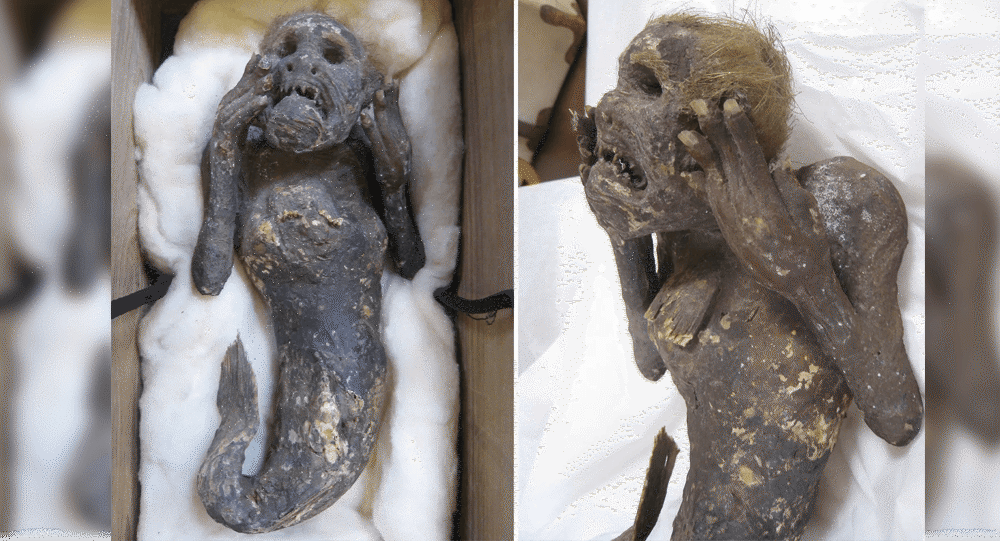
Mystery of 300-year-old mummified mermaid is being probed
There is a 300-year-old mummified mermaid with 30 centimetres tall and features a human-like head, two hands with what appear to be fingernails, and its lower body that look like a fish tail. The “mermaid mummy” is being probed by Japanese scientists in an attempt to unravel the mystery of its existence.

Why are there 24 hours in a day and 60 minutes in an hour
Ancient Babylonians did math in base 60 instead of base 10. That's why we have 60 seconds in a minute and 360 degrees in a circle.

The Mystery of the Darvaza Gas Crater: A 50-Year Inferno
Scientists lit a hole filled with natural gas on Fire in 1971, expecting it would burn only for few days. The hole has been burning for the past 48 years & is called "The Door To Hell".
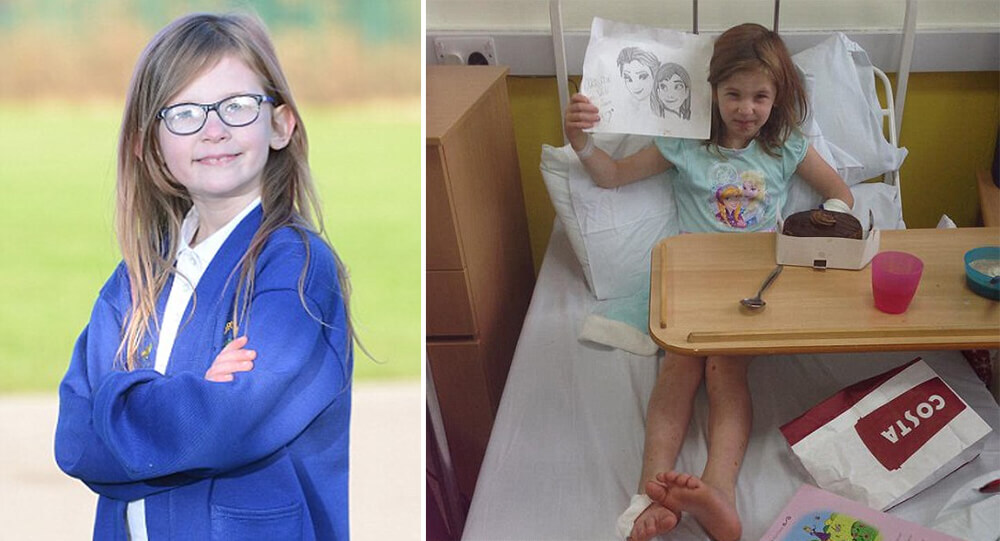
The extraordinary case of Olivia Farnsworth, who hit by a car and dragged down the street without pain because of chromosome 6 deletion
In 2016, 7-year-old Olivia Farnsworth was hit by a car and dragged down the street, but she did not feel a thing. That is because of a rare condition called “chromosome 6 deletion,” which causes her to feel no pain. She also does not experience hunger or exhaustion.
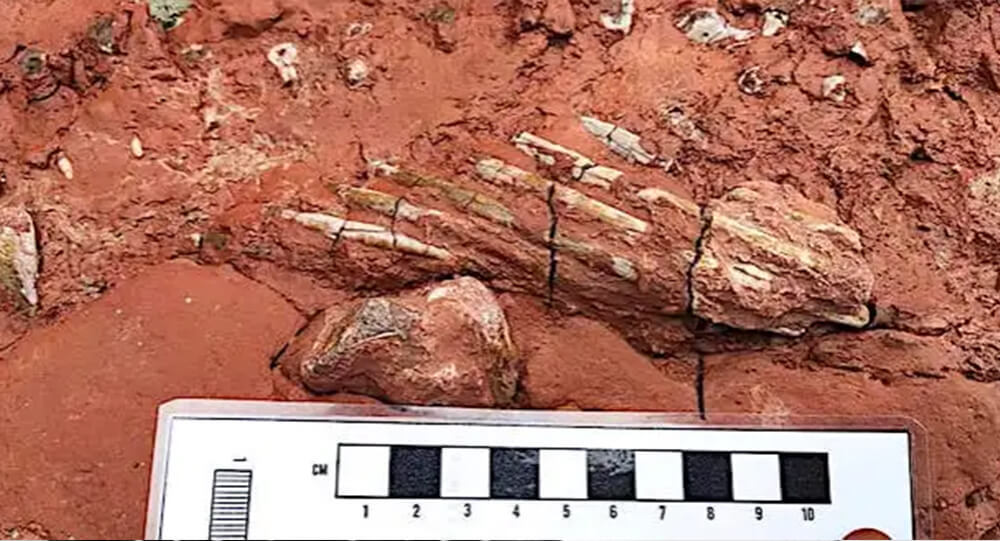
Canadian Schoolteacher Discovers a Fossil That May Be 300 Million Years Old
School teacher discovers extremely rare fossil of unknown animal that maybe 300 million years old. One high school teacher was walking her dog when she made a once-in-a-lifetime find. It turns out that the fossil is probably 300 million years old and came from an extinct species of reptile.

The Accidental Birth of Super Glue: Dr. Harry Coover's WWII Discovery
Dr. Harry Coover was trying to develop clear plastic for gun sights during WWII when he accidentally created cyanoacrylate, an extremely strong adhesive. Initially dismissed, it was later marketed as Super Glue in the 1950s.


The Physics Behind Why Cats Always Land on Their Feet
Cats have an extraordinary survival skill known as the “righting reflex” that allows them to twist midair and land on their feet, even when dropped upside down. This uncanny ability is made possible by their flexible spine, lack of a functional collarbone, and a combination of biological sensors and physical laws governing motion. Astonishingly, kittens develop this reflex as early as three weeks old, mastering the art of graceful landing that defies everyday expectations. This article unravels the science and mystery behind this feline feat.
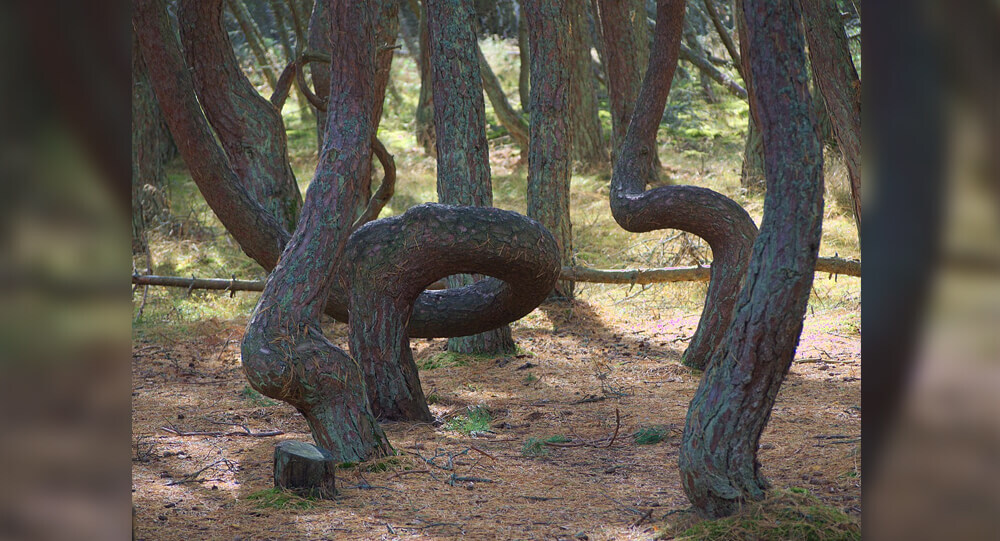
The Mystery of the Dancing Forest: Reasons behind the unusual wonders of forest
The Dancing Forest in Russia is noted for its unusually twisted pine trees. The trunks of these trees are contorted into spirals, rings, and other squiggly loops, but the reason for this malformation is still a mystery.
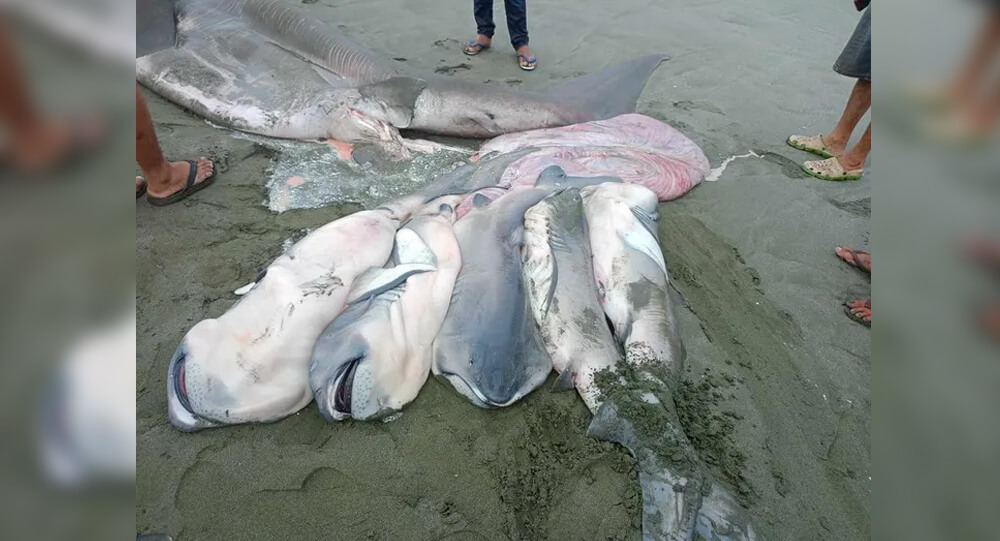
Megamouth Shark And Her Babies Found Dead In The Philippines
Filipino zoologists have recorded a pregnant megamouth shark for the first time ever since the rare aquatic specie was discovered in 1974.

For the First Time in 60 Years, Scientists Discover a 'Lost' Echidna Species
An expedition team in Indonesia discovered the elusive, egg-laying animal (Echidna) named after David Attenborough, which had not been seen since 1961.
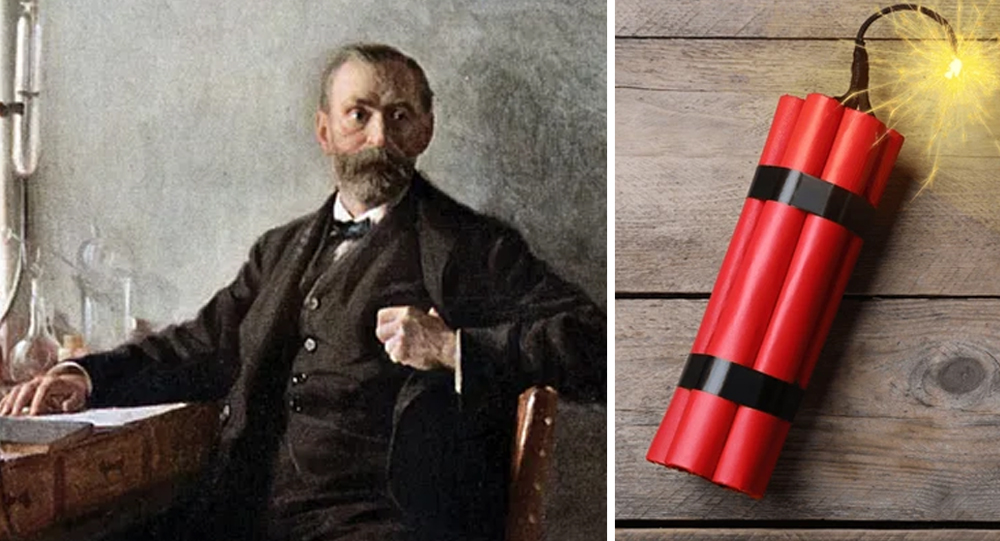
How a Headache Cure Experiment Led to the Invention of Dynamite
Alfred Nobel discovered dynamite while experimenting with nitroglycerin, a volatile liquid he also took in tiny doses for headaches. Ironically, the explosive that made him wealthy and feared also eased pain—later inspiring his legacy as founder of the Nobel Prizes.
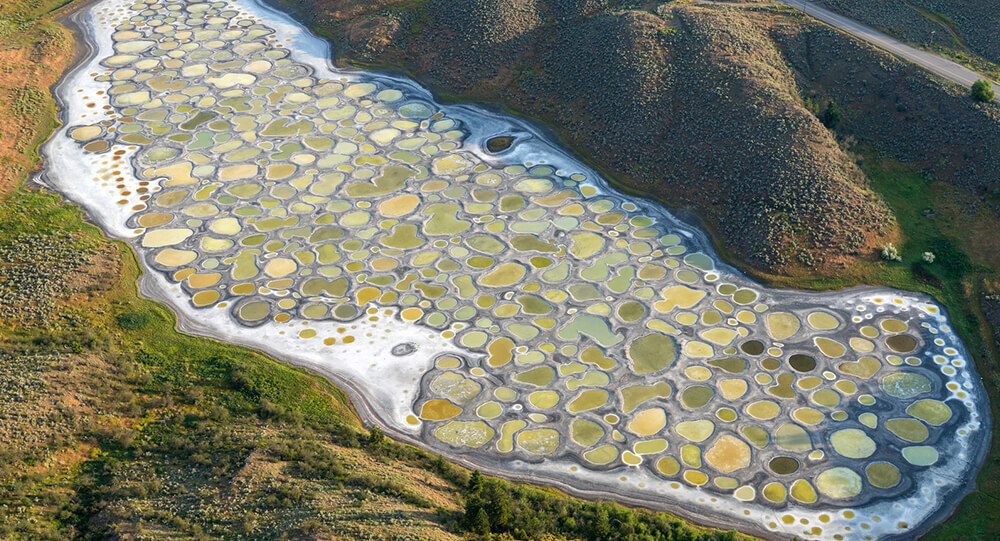
The Mystery of Canada's Magical Spotted Lake
Lake Khiluk, the world's most mineralized lake, and one of the most mysterious places on Earth. Each of these spots has a distinct chemical content and is said to cure various diseases.
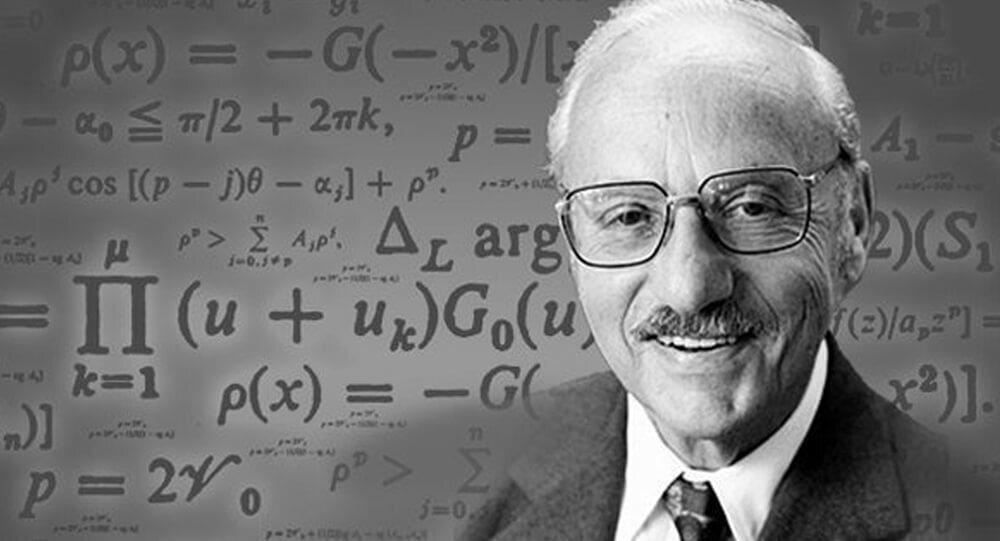
George Dantzig solved two famous “unsolved” problems in statistics mistakenly as assignment
In 1939, George Dantzig arrived late to his statistics class. On the board were two famous “unsolved” problems in statistics written as an example by his professor. Dantzig mistook the examples for homework assignments. He solved the “unsolved” problems and submitted the homework to his professor a few days later. His solutions earned him a doctorate.
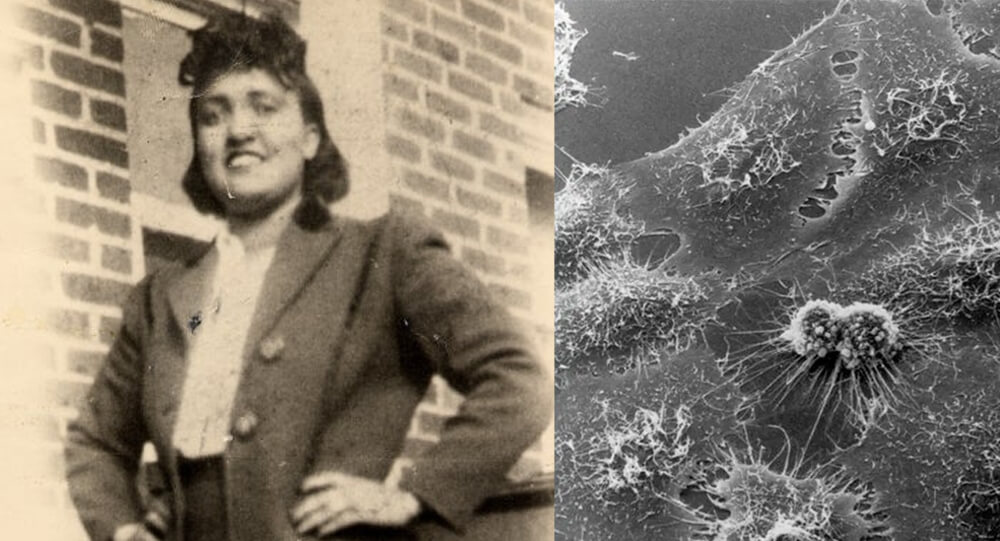
Henrietta Lacks: Who Was She? Here's how HeLa cells became necessary for medical research
Henrietta Lacks was died in 1951. The tumor that killed her has been alive and growing to this day. The tumor is immortal and was used to progress the Polio vaccine and is the jumping point for most human cell research to this day. Scientists have grown some 20 tons of her cells.
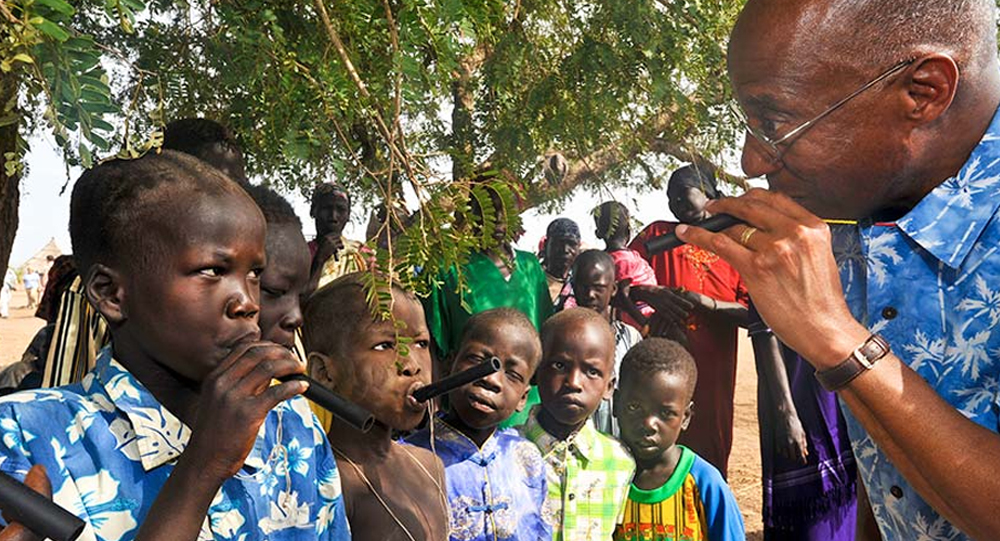
Dr. Donald Hopkins: From Smallpox Eradication to Near-Ending Guinea Worm Disease
Dr. Donald Hopkins helped eradicate Smallpox, and is on the verge of killing another disease. He's taken Guinea Worm Disease down from 3.5 million cases a year to just 28 cases last year.
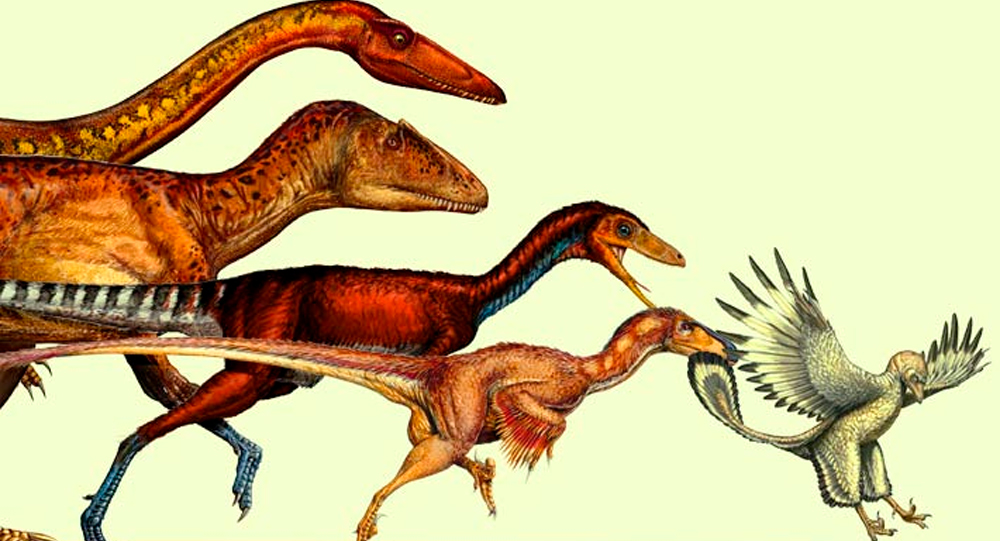
The Evolution of Flight: From Dinosaurs to Birds – A Journey Through Time and Science
Flight is one of nature’s most remarkable adaptations, but its origins trace back millions of years before modern birds took to the skies. Emerging from theropod dinosaurs during the Jurassic period, birds evolved feathers, wings, and lightweight bodies that enabled powered flight. This detailed narrative explores the fascinating evolutionary path from ground-dwelling dinosaurs to the aerial masters of today, blending science, intriguing fossil finds, and surprising trivia about our feathered ancestors.

The World’s First Seismograph: How Ancient China Detected Earthquakes 1,800 Years Ago
Over 1,800 years ago, long before modern technology, the ancient Chinese astronomer and inventor Zhang Heng created the world’s first seismograph in 132 AD. This ingenious bronze device could detect distant earthquakes by releasing small balls from dragons’ mouths into toads’ mouths—each indicating a different compass direction. Its historic detection of an earthquake 400 miles away astonished the imperial court and transformed the way societies understood and responded to seismic events.

This Yogi Spent 76 Years Without Eating or Drinking Anything and Confirmed by
Prahlad Jani, the starving monk who lived 76 Years without food and water.
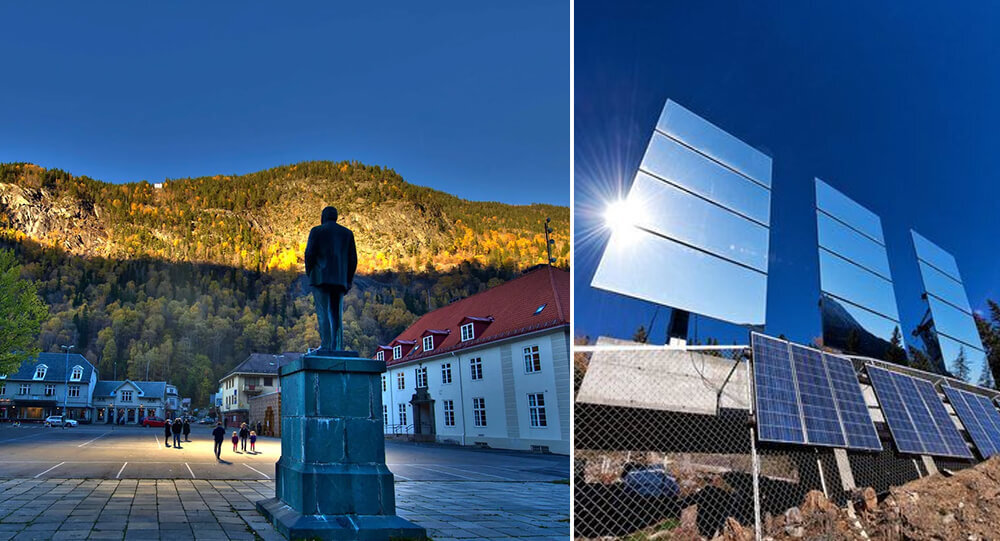
The Giant Mirrors Brought Sunlight to Rjukan
Due to the steep mountains that surround it, the town of Rjukan, Norway, doesn't receive any natural sunlight from September to March. They placed large mirrors in the town square to reflect light. The mirror follows the path of the sun and moves every 10 seconds to create a 600m squared light pool.
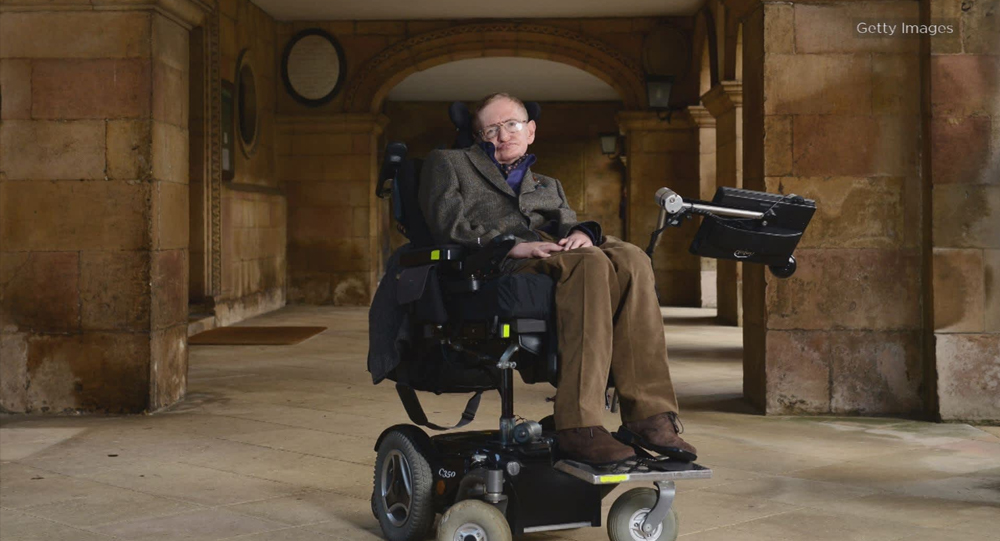
Stephen Hawking’s Warning: Humanity Has Less Than 200 Years to Escape Earth’s Limits
Stephen hawking says humanity won't survive without leaving earth. In fact, human beings may have less than 200 years to figure out how to escape our planet

India's chandrayaan-3 becomes the first landed craft on moon's south pole
India's chandrayaan-3 becomes the first land craft on moon's south pole. It landed safely on August 2023
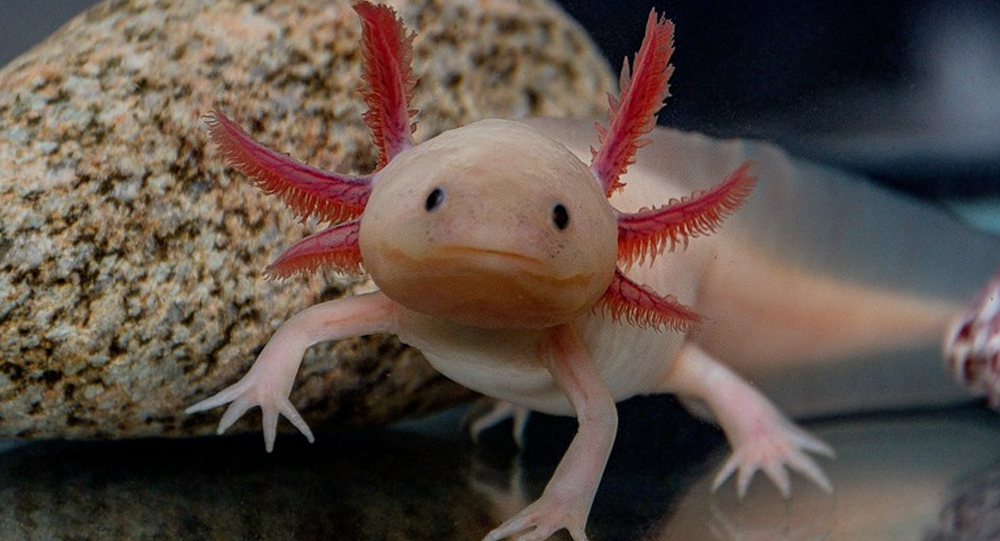
Why Some Animals Can Regenerate Limbs and What Science Says About Human Possibilities
Certain animals possess the extraordinary ability to regenerate lost limbs, a process that has fascinated scientists and inspired hopes for human medical breakthroughs. From salamanders’ perfect limb regrowth to starfish’s incredible body regeneration, this article explores how and why these animals can perform such feats, the biological mechanisms underpinning regeneration, and what cutting-edge research means for the future of human limb regeneration.
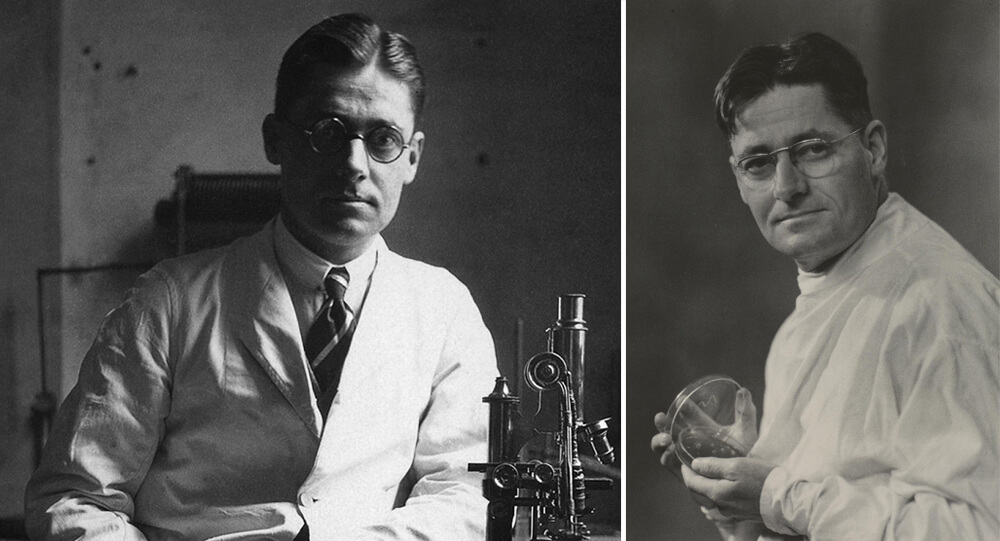
How did Howard Florey discover penicillin
Penicillin was discovered by Alexander Fleming, but he never attempted to turn it into an antibiotic. It wasn't until ten years later that Howard Florey discovered Fleming's obscure paper and understood the mold's potential. Up to 200 million lives may have been saved as a result of Florey's work.
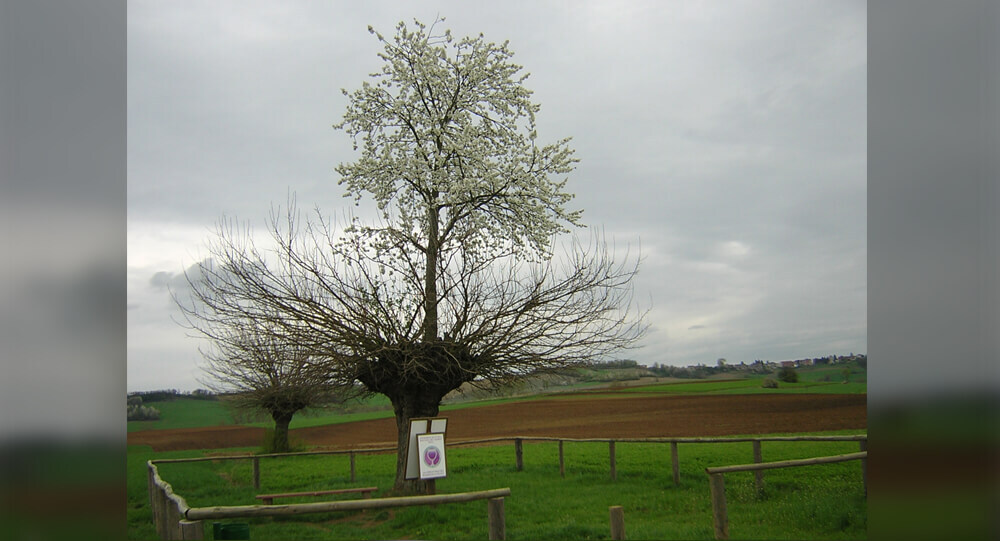
The Unique Grana Double Tree of Piedmont, Italy
The “Grana Double Tree” in Piedmont, Italy is a highly unusual tree, which consists of a cherry tree growing atop a mulberry tree. It is essentially a two-species, two-tiered hybrid duplex.
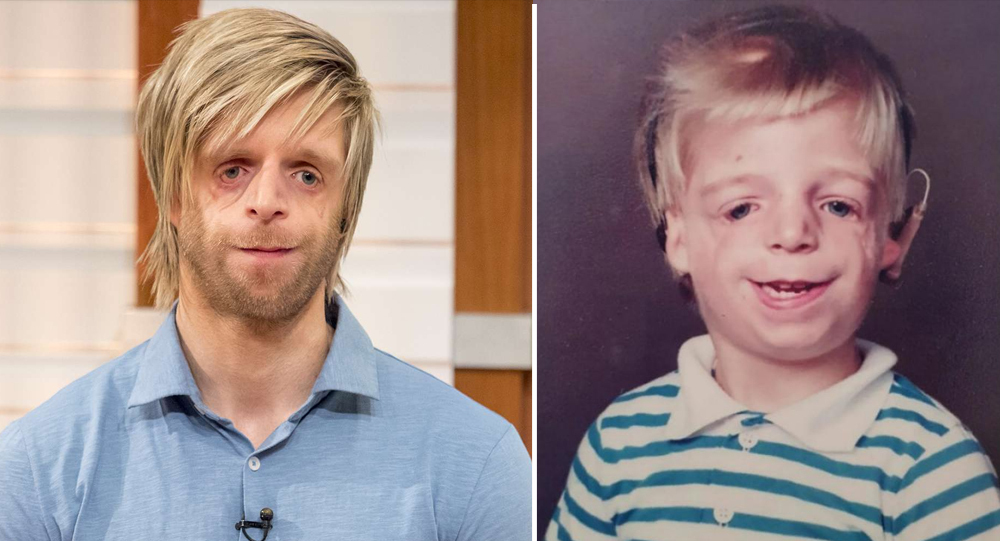
Inspiring story of Jono Lancaster, Abandoned by His mother at birth for this 'defect' on his face
When Jono Lancaster was just 36 hours old, his parents left him for adoption because he was suffering from Treachers Collins Syndrome, a genetic disorder which hampers facial bones development. Now he is an inspirational speaker, a professional model and a teacher, giving inspiration to millions