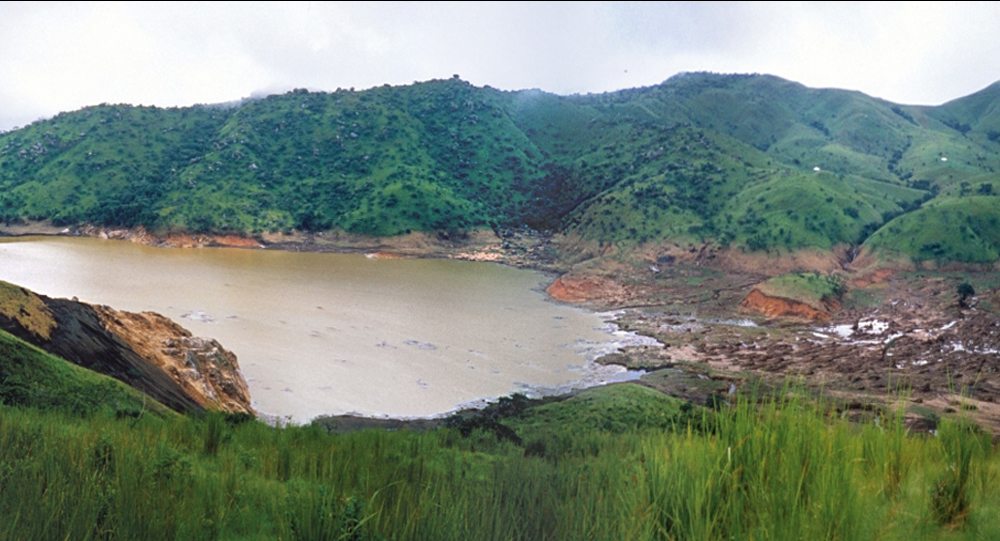

The Lake That Explodes: The Deadly Mystery of Africa’s Silent Killer
On the night of August 21, 1986, the tranquil surroundings of Lake Nyos in Cameroon were shattered—not by a traditional natural disaster like an earthquake or flood, but by a bizarre and deadly event known as a limnic eruption. In mere minutes, a massive cloud of carbon dioxide gas erupted from the depths of the lake, silently suffocating nearly 1,800 people and thousands of livestock within a 25-kilometer radius.
What Happened at Lake Nyos?
Lake Nyos, a crater lake nestled in a volcanic area, had long been a peaceful water body, surrounded by lush forests and inhabited by local communities. Unknown to most, the lake’s bottom was accumulating huge amounts of carbon dioxide, a gas seeping from volcanic magma beneath the earth.
On that fateful evening, scientists believe that a triggering event—possibly a minor landslide or temperature change—caused the trapped gas to suddenly burst out of the lake’s deep waters. The eruption released an estimated 1.6 million tons of carbon dioxide in a fast-moving, invisible cloud heavier than air.
Because carbon dioxide displaced oxygen, inhabitants of nearby villages abruptly lost the ability to breathe. Many collapsed instantly, without time to react. Survivors reported a smell of rotten eggs or gunpowder, common gas indicators from volcanic activity accompanying the CO2 release.
The Devastation and Aftermath
The eruption knocked down trees and caused a tsunami-like wave within the lake, destroying parts of the surrounding rainforest. The darkened water contained iron-rich sediment, turning from its usual deep blue to a rusty brown.
Over 1,700 people died, with around 3,500 cattle lost and countless birds and insects perishing in what was eerily described as a “silent killer” event because victims showed no signs of struggle or trauma. Some survivors were unconscious for hours, waking to find devastation and loss.
In the aftermath, scientists from France and the United States arrived to study this unprecedented natural disaster. The Lake Nyos tragedy was the second recorded limnic eruption ever, the first occurring at Lake Monoun in Cameroon in 1984.
What Causes a Limnic Eruption?
Limnic eruptions occur when deep lake waters saturated with volcanic gases suddenly rise and release the gas into the atmosphere—a phenomenon unique to certain deep, volcanic crater lakes.
Normally, gas remains dissolved at the bottom due to pressure, but certain triggers disturb the lake’s stratification, prompting the dissolved content to rapidly come out of solution, akin to opening a shaken soda bottle. The heavier-than-air gas cloud then flows down surrounding valleys, smothering living beings below.
Prevention and Mitigation Efforts
In response to Lake Nyos’ tragedy, scientists implemented gas removal systems using “degassing” pipes installed vertically into the lake. These pipes slowly release the CO2 before it reaches dangerous concentrations, significantly reducing future eruption risks.
While the lake remains hazardous, ongoing monitoring and engineering interventions help protect nearby communities—a testament to human resilience and ingenuity in face of environmental dangers.
Fascinating Trivia about Lake Nyos and Its Catastrophe
- The gas cloud traveled at speeds up to 100 km/h (62 mph), flowing down valleys like a silent, deadly fog.
- The eruption was preceded by a rumbling sound described as distant thunder by local villagers.
- The lake’s volume dropped by about one meter following the gas release, as water surged upward during the eruption.
- Symptoms in survivors resembled oxygen deprivation with headaches, paralysis, and respiratory distress.
- Limnic eruptions are ultrarare natural disasters, with only two confirmed cases globally, both in Cameroon.
- Scientists continue to study limnic eruptions to better understand lake dynamics and volcanic activity interactions.
- Lake Nyos’ name derives from local languages, and it has cultural significance for nearby communities.
- The disaster spurred international cooperation on geological hazard management in Africa.
Nature’s Invisible Threat
The catastrophic limnic eruption of Lake Nyos remains one of nature’s most extraordinary and tragic phenomena—a silent, unseen killer that upended the lives of thousands in an instant. The incident underscores the complexity of earth systems and the hidden dangers lurking beneath serene landscapes.
Through scientific advances and continued vigilance, humanity strives to prevent a repeat of such tragedies—yet Lake Nyos stands as a powerful reminder of our planet’s unpredictable power.
If this story of natural mystery and survival moved you, share it to raise awareness about volcanic hazards and the delicate balance between nature and human habitation.
Sources & Further Reading:
- Encyclopaedia Britannica: Lake Nyos Disaster (2025)
- HowStuffWorks: How Did Lake Nyos Kill Over 1,700 People? (2024)
- Wikipedia: Lake Nyos Disaster
- National Institutes of Health: Medical Effects of Lake Nyos Gas Exposure
- ScienceDirect: Witness Accounts and Research on Lake Nyos Event
These resources provide thorough scientific explanations, eyewitness accounts, and historical context on the Lake Nyos disaster and its lasting impact.
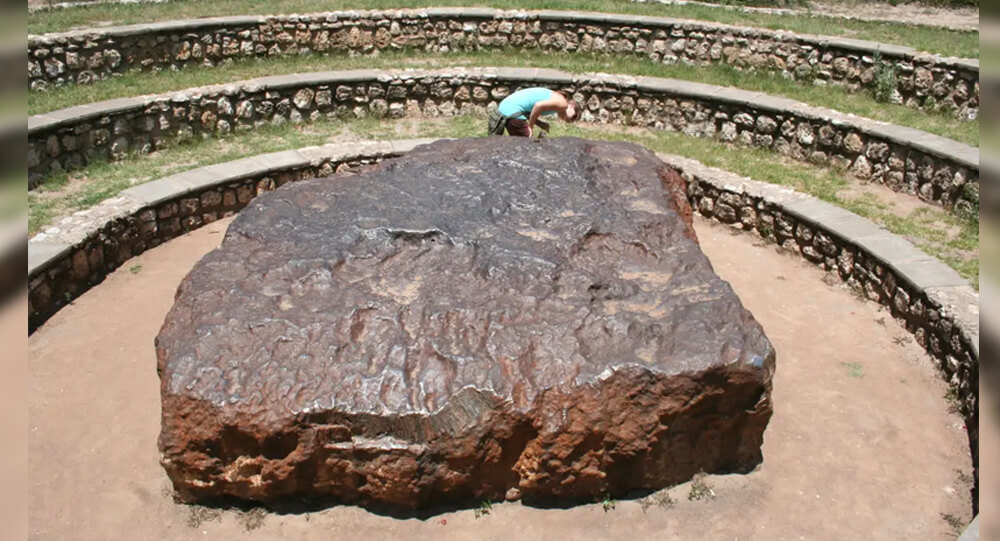
Top 6 Largest Meteorites Ever Found on Earth
When space meteorites hurtle towards Earth, they frequently burn up in the atmosphere before reaching us. Those that burn up become meteors - or shooting stars.
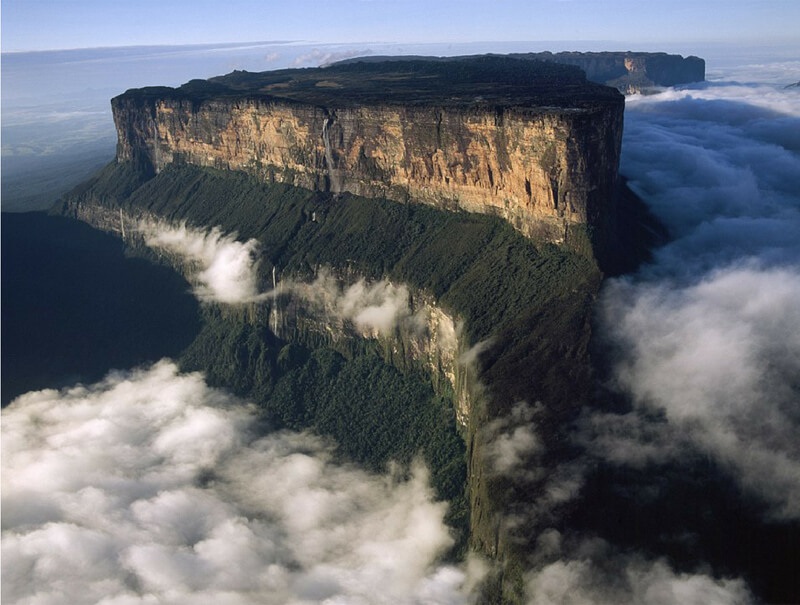
Top 10 Mysterious And Least Explored Places On Earth
Some people believe that there is nothing unexplored remaining on earth but the world doesn't cease to surprise us with its mysteries. Today I'll tell you about the lost places of the planet and animals that live only there.
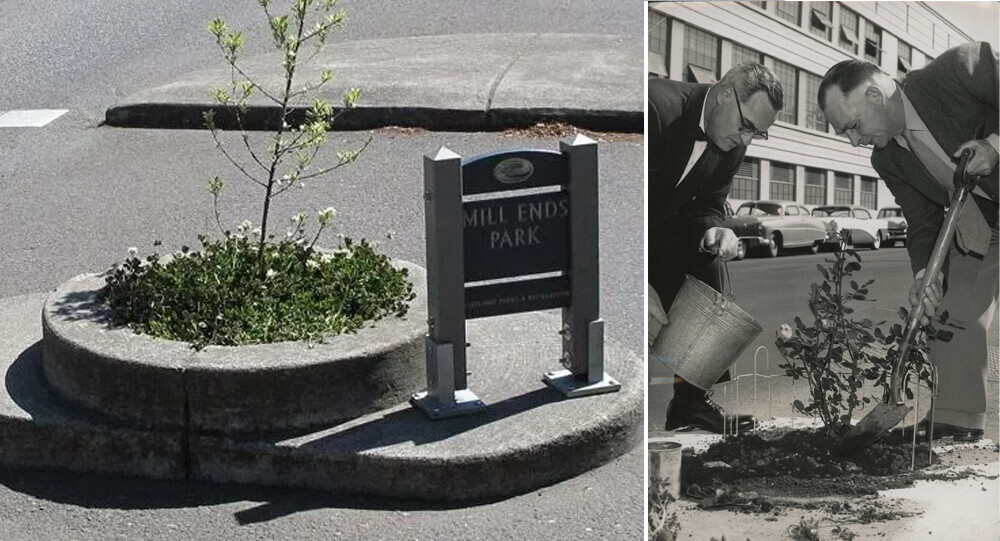
Mill Ends Park, the Smallest Park in the World
Portland, Oregon is home to the tiniest park in the world, a two-foot-diameter circle. Mill End Park is the name of this park.
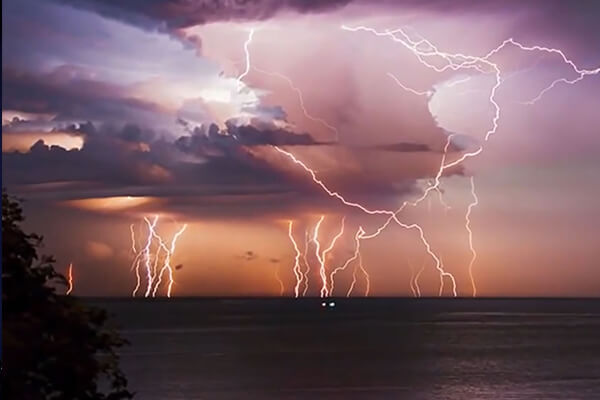
8 most amazing natural phenomena on earth
Nature is elusive and unpredictable, and the unexplained manifestations of its influence often leave us speechless. Though you might believe that shifting rocks and blood-colored rain are a prank or a magical phenomenon, science has an explanation for (almost) anything.

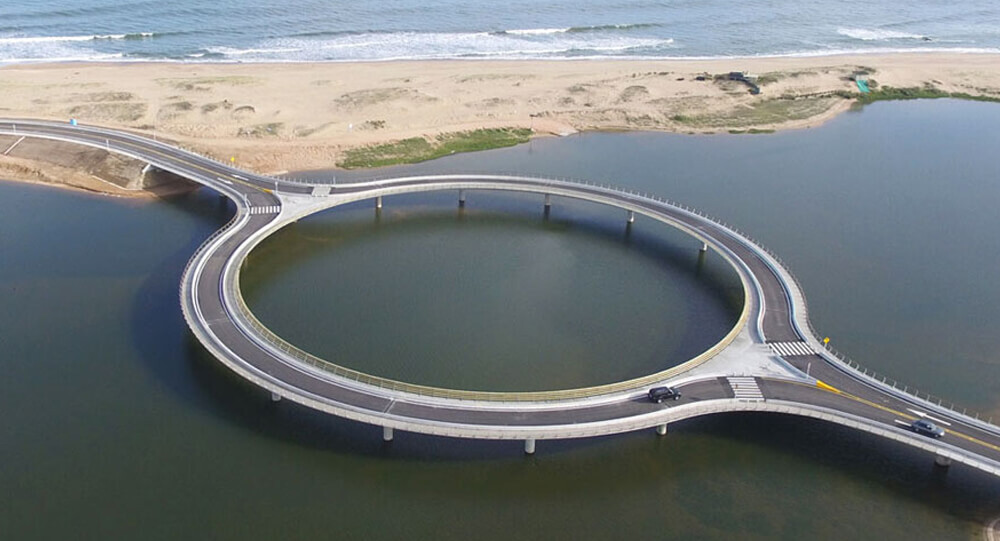
Circular Bridge Built To Slow Down Drivers So That They Would Enjoy The View (Photos)
Uruguay’s Laguna Garzon Bridge splits into a circle so drivers can slow down and enjoy the view. It also prevents head-on collisions and creates a walkway for pedestrians.
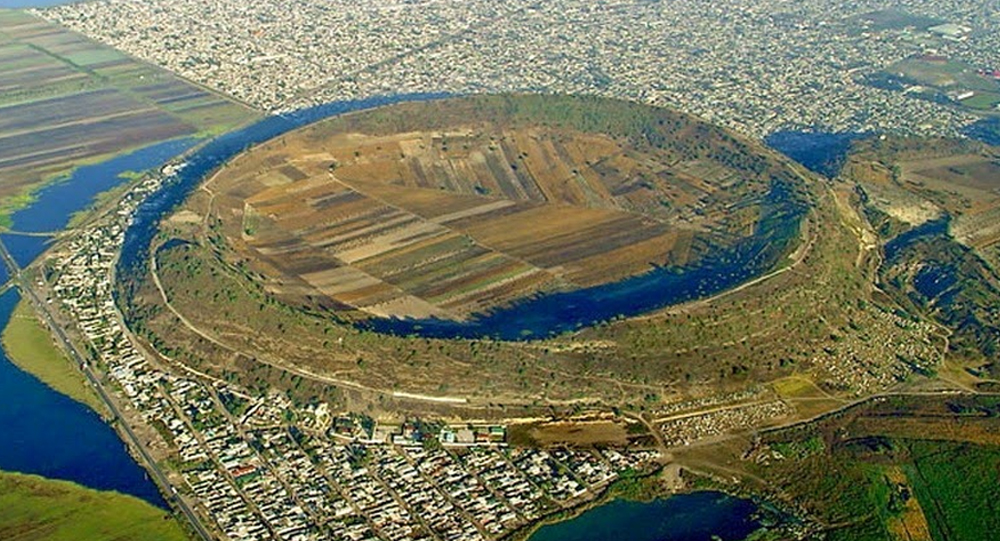
How Xico in Mexico Transformed from Volcano to Lake to Farmland
Xico, located near Mexico City, has a fascinating geological and cultural history that tells a story of transformation—once a violent volcano, then a serene lake, and today a fertile expanse of farmland. This transformation reflects the dynamic forces of nature and human intervention over centuries. This article explores the journey of Xico’s volcanic crater from its fiery origins through its time as a lake and how it ultimately became rich soil supporting agriculture and community life.
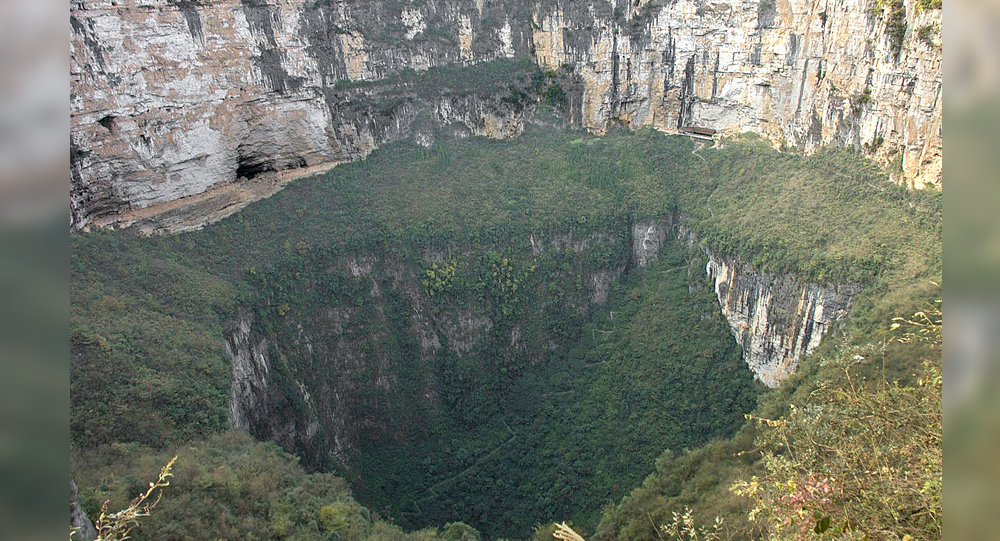
Xiaozhai Tiankeng: Exploring the World’s Deepest and Largest Natural Sinkhole
Hidden in the rugged terrain of Chongqing, China, lies Xiaozhai Tiankeng—the world’s deepest and largest natural sinkhole. Known as the “Heavenly Pit,” this colossal natural wonder plunges between 511 and 662 meters deep and stretches over 600 meters wide, dwarfing many familiar landmarks. This article journeys into the geological origins, unique ecosystem, and mysterious caverns beneath Xiaozhai Tiankeng, revealing a spectacular glimpse into Earth’s hidden landscapes.
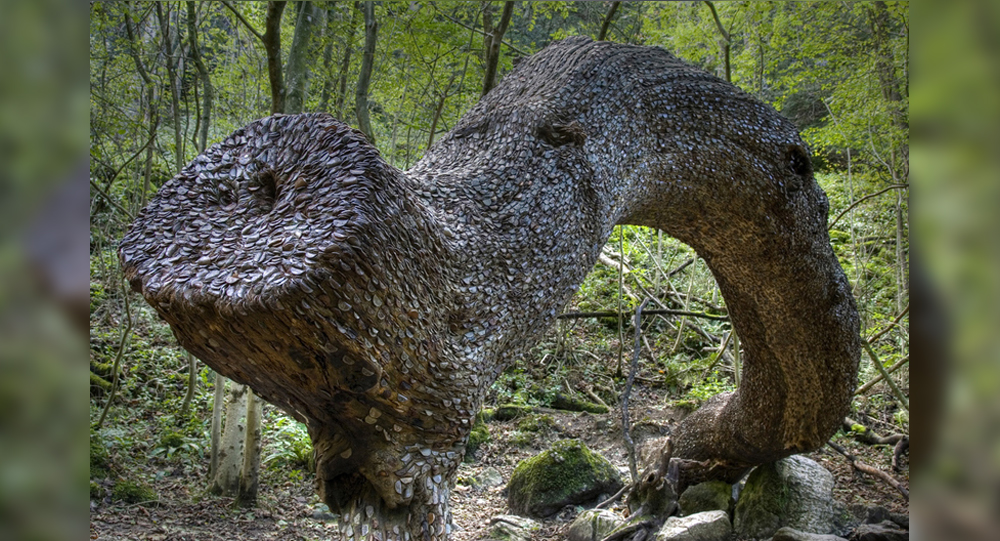
The Mystical Money Tree of the Scottish Highlands: A 1,700-Year-Old Tradition
In the Peak District Forest of the Scottish Highlands in the UK, there is a unique tree which is laden with only money. This tree laden with money has been studded with British coins for 1700 years, there is no corner of its trunk where a British coin is not stuck.
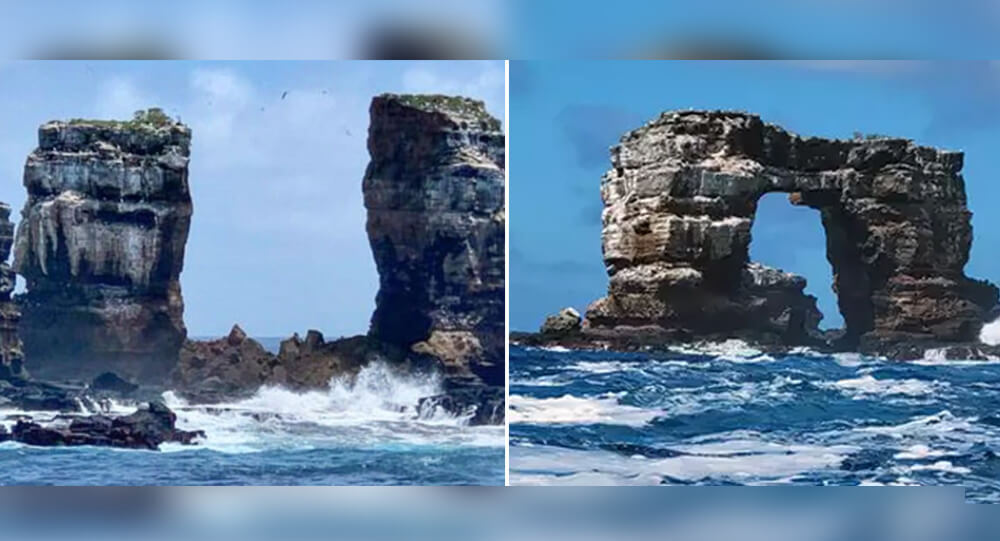
Darwin's Arch collapse
According to news sources, the top of Darwin's Arch, a famous natural stone archway in the northern Galapagos Islands, has collapsed into the waves.

How Migratory Birds Navigate Thousands of Miles Without Getting Lost
Migratory birds undertake epic journeys spanning thousands of miles with astonishing precision, never losing their way. Their secret lies in a remarkable blend of innate senses, learned experience, and sophisticated navigation tools—ranging from the Earth's magnetic field to celestial clues and mental maps. Explore how these feathered travelers accomplish one of nature's most astounding feats through science, intuition, and adaptation.

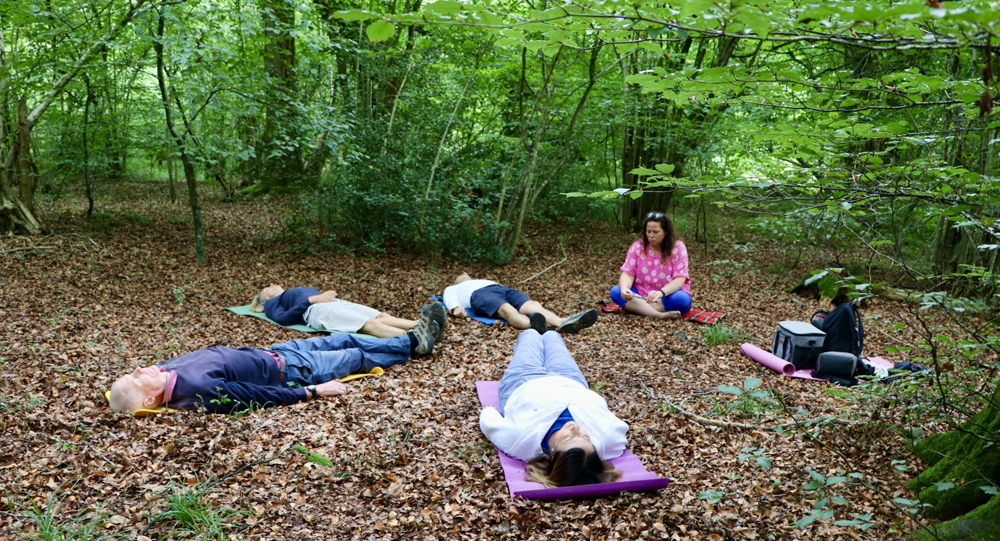
The Benefits of Forest Bathing and Why It’s Gaining Popularity Worldwide
Forest bathing, or Shinrin-yoku, is an immersive practice of spending mindful time in natural forest environments, and it’s rapidly gaining global popularity due to its proven health benefits. From reducing stress and lowering blood pressure to boosting immunity and enhancing mental wellness, forest bathing offers a natural and accessible way to reconnect with nature and improve overall well-being. Explore the science, sensory experience, and rising trend behind this soothing practice.
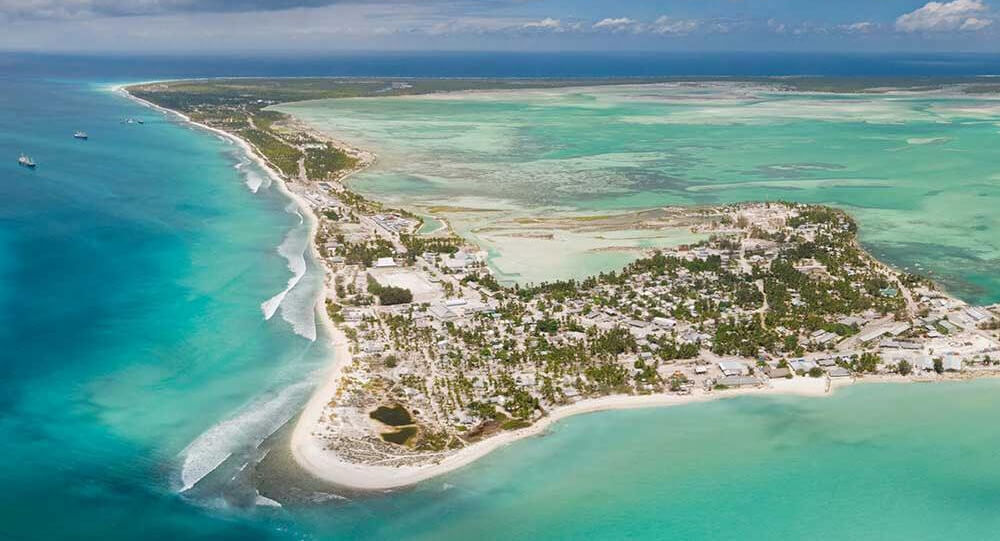
9 countries at risk of disappearing due to climate change
Although global warming is a serious threat to the entire planet, some geographical regions are more vulnerable to its effects.

How Were the Two Parts of the Al Naslaa Rock Formation Created?
Scientists have been puzzled by the Al Naslaa rock formation in Saudi Arabia for a long time, and there is still no explanation for why this boulder appears to have a precise incision across the middle of it.
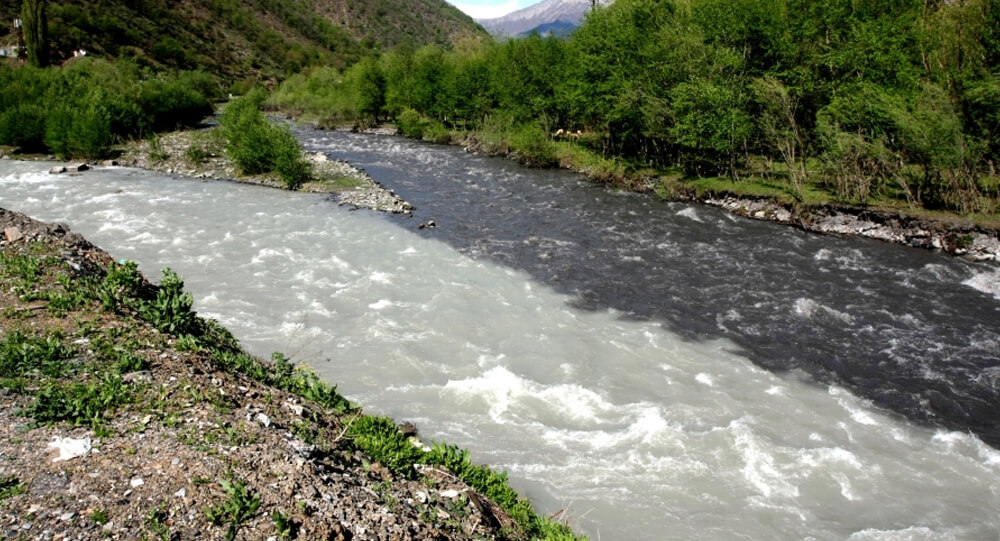
When two rivers meet but do not mix in Georgia
The incredible Black and White Aragvi river in Georgia that do not mix up.
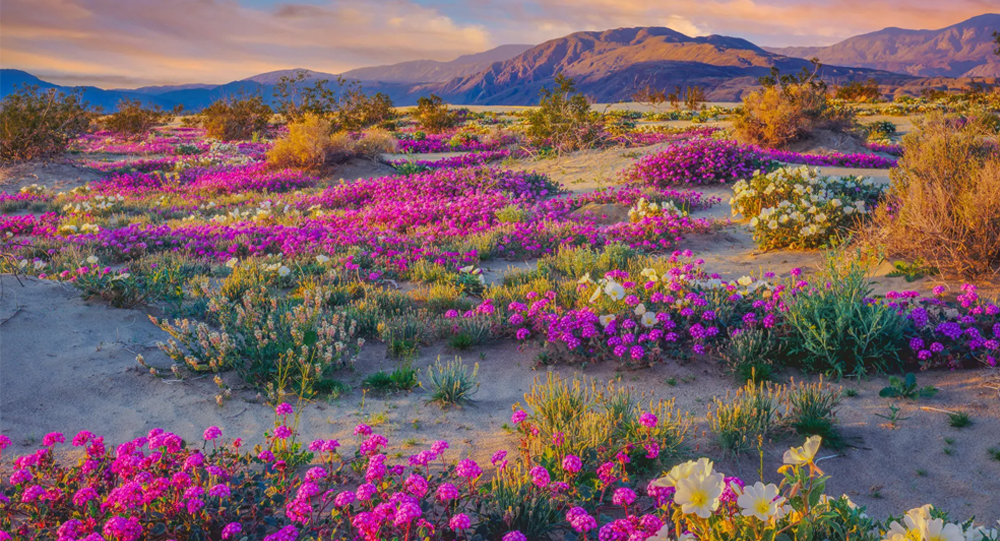
The Desert That Turns Into a Garden of Flowers Every Few Years
In parts of the desert where life seems most scarce, nature orchestrates an extraordinary transformation: the barren ground bursts into vibrant colors as wildflowers bloom after rare periods of rain. This phenomenon, known as a desert superbloom, is both awe-inspiring and scientifically fascinating. Learn how deserts like the Sonoran transform from arid landscapes into stunning floral displays, the environmental triggers behind this spectacle, and what these blooms reveal about resilience and adaptation in extreme environments.
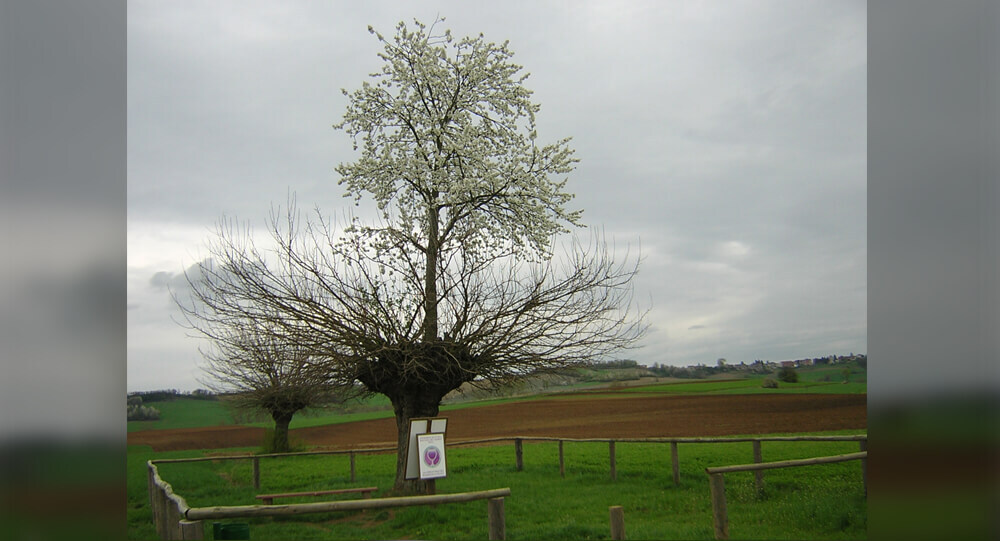
The Unique Grana Double Tree of Piedmont, Italy
The “Grana Double Tree” in Piedmont, Italy is a highly unusual tree, which consists of a cherry tree growing atop a mulberry tree. It is essentially a two-species, two-tiered hybrid duplex.
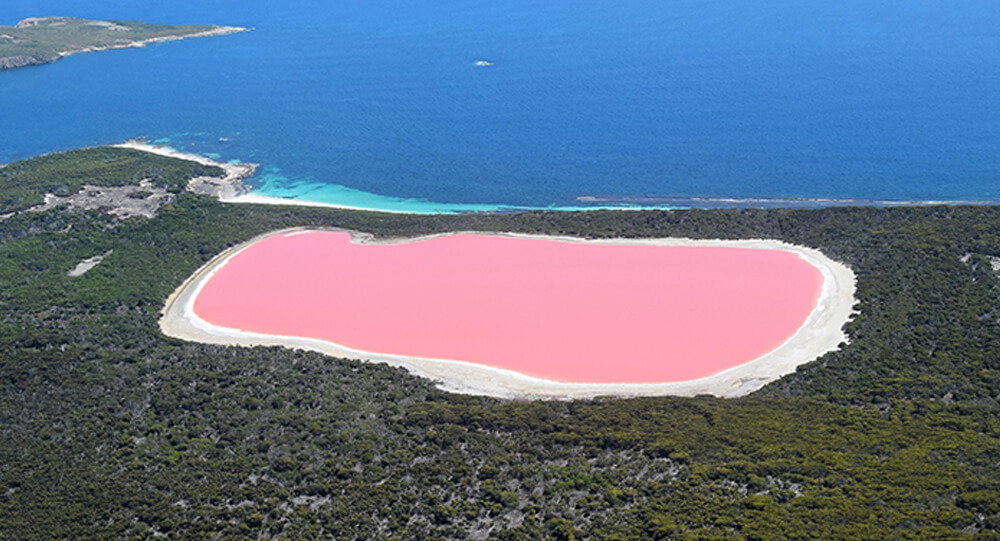
What is secret behind the Australia’s mysterious pink lake?
Lake Hillier in Australia maintains a bright pink hue all year round. Although no one knows for sure what causes the unique coloring, experts speculate that it might be the result of high salinity, a pink bacteria called “halobacteria,” and a salt-loving algae species called Dunaliella salina.
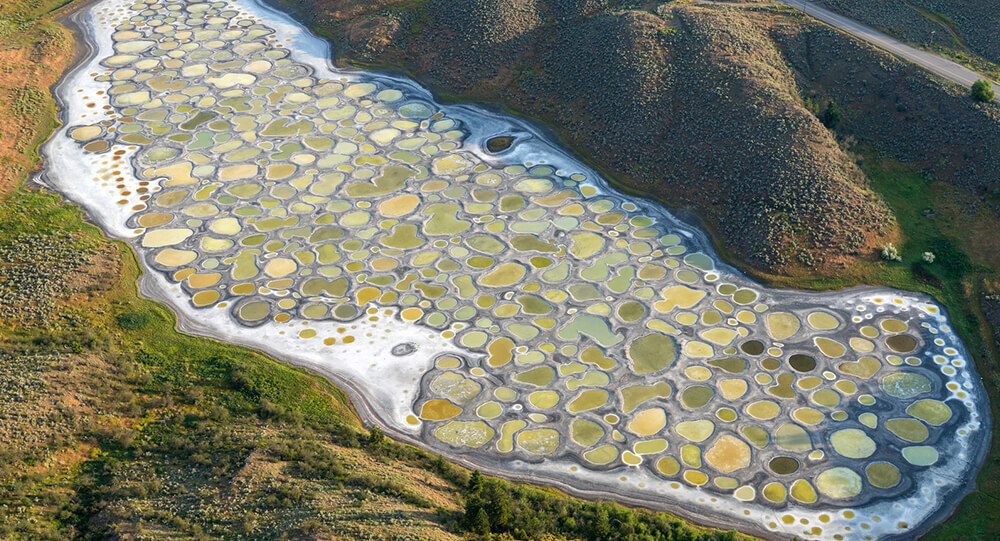
The Mystery of Canada's Magical Spotted Lake
Lake Khiluk, the world's most mineralized lake, and one of the most mysterious places on Earth. Each of these spots has a distinct chemical content and is said to cure various diseases.
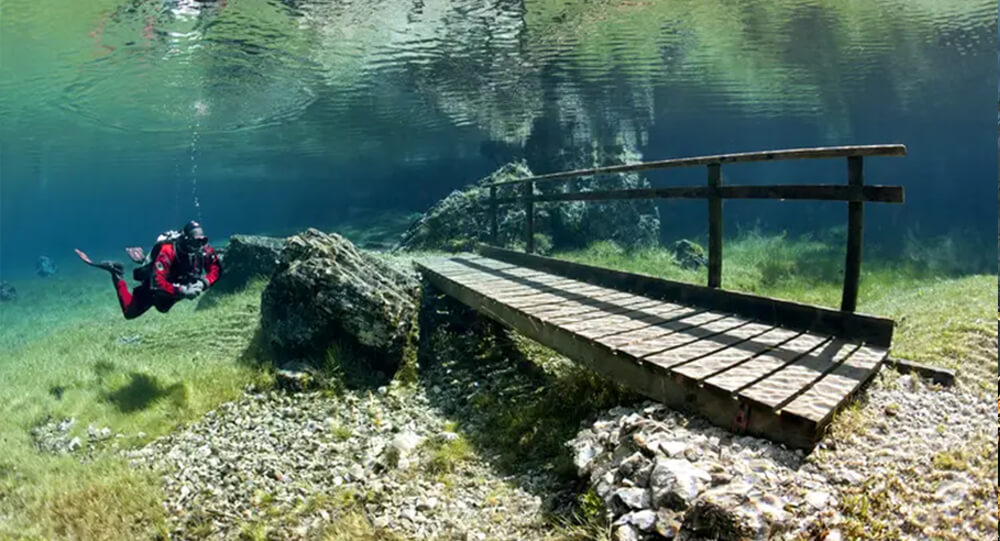
Grüner See, The Park That Turns Into A Giant Lake Naturally
There is a place in Austria called Grüner See which is a dry park in winter and turns into a 12-meter-deep lake in summer.

Top 10 Greatest and shocking Archaeological Discoveries of All Time
While we're all locked at home, there's no better way to escape to another time and place than to learn about amazing archeological sites and discoveries from around the world. Here are the 10 greatest and shocking archaeological discoveries —and don't be shocked if they inspire future trip plans whenever it's safe to do so again.
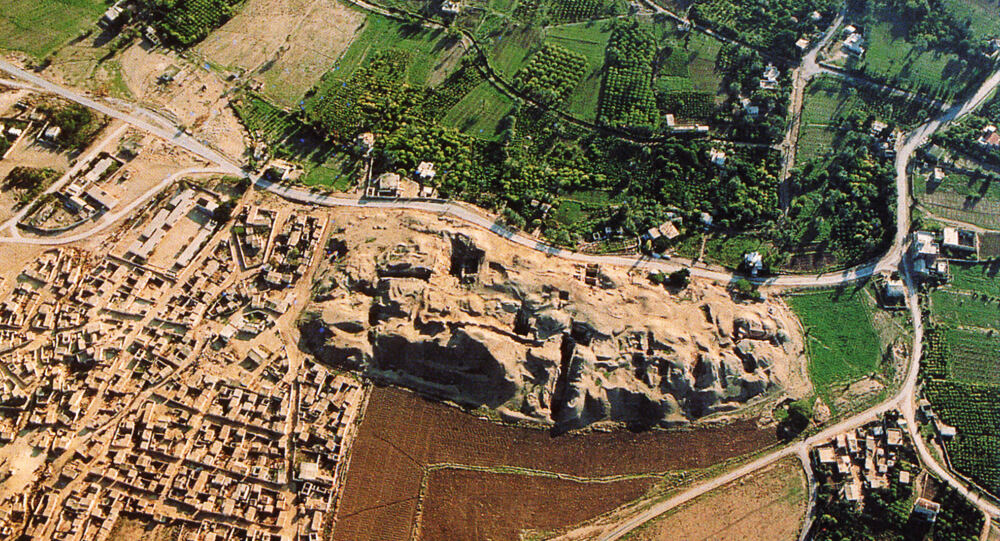
Ancient Jericho: The First Walled City In History
The ancient city of Jericho is the world's oldest walled city, with evidence of stone fortifications dating back nearly 9000 years.
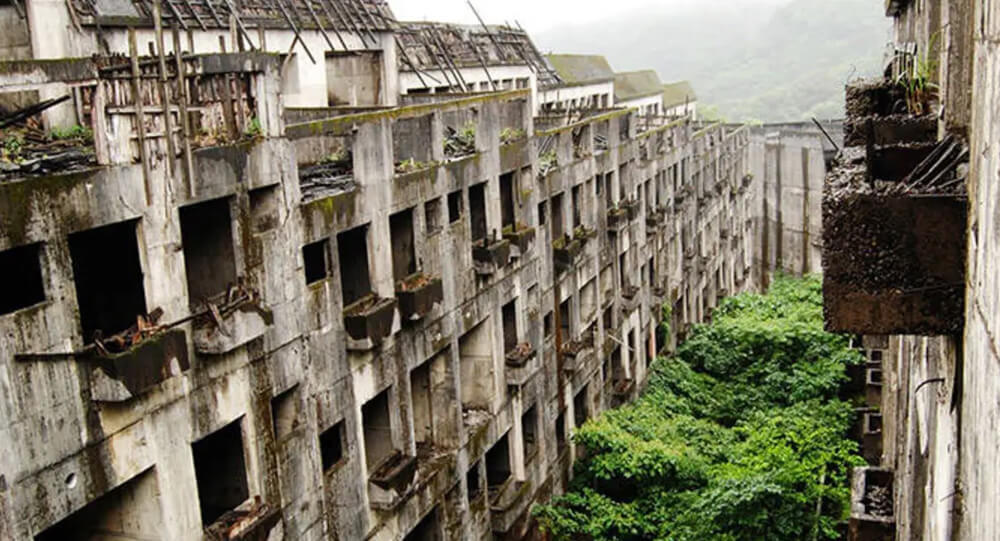
Famous abandoned cities and ghost towns in the world
Learn the stories behind seven of the world's most renowned abandoned cities and villages, from the infamous Chernobyl nuclear catastrophe zone to Hashima Island.

Why Londoners Celebrate No Trousers Day by Riding the Metro Without Pants
Every year, Londoners participate in a quirky and joyful tradition known as No Trousers Day, where brave commuters board the London Underground dressed normally but without trousers, pants, or pajamas from the waist down. This cheeky event brings laughter, surprises, and a shared sense of community to the usually dull winter commute, reflecting a playful rebellion against the mundane and a celebration of spontaneity. Discover the origins, spirit, and fun behind London’s beloved No Trousers Tube Ride.

The unusual ability of 'sea nomads' to hold breath is due to one major organ
The Bajau are a group of people that practice extreme free diving, submerging for up to 13 minutes at depths of about 200 feet. These ‘sea nomads’ dive to catch fish or look for natural materials that can be used in crafts in the waters that surround the Philippines, Malaysia, and Indonesia.

Toronto’s Camouflaged Electric Substations
For over a century, Canada’s second-largest power company has been disguising its electrical substations in Toronto as beautiful houses that blend perfectly with the neighborhood. These fake houses contain transformers that supply electricity throughout the city.