Nature is elusive and unpredictable, and the unexplained manifestations of its influence often leave us speechless. Though you might believe that shifting rocks and blood-colored rains are a prank or a magical phenomenon, science has an explanation for (almost) anything.
Mother Nature appears to be a fascinating mystery from our perspective. So, let’s take a look at the 8 most amazing natural phenomena on earth.
1. Luminous water, Thailand
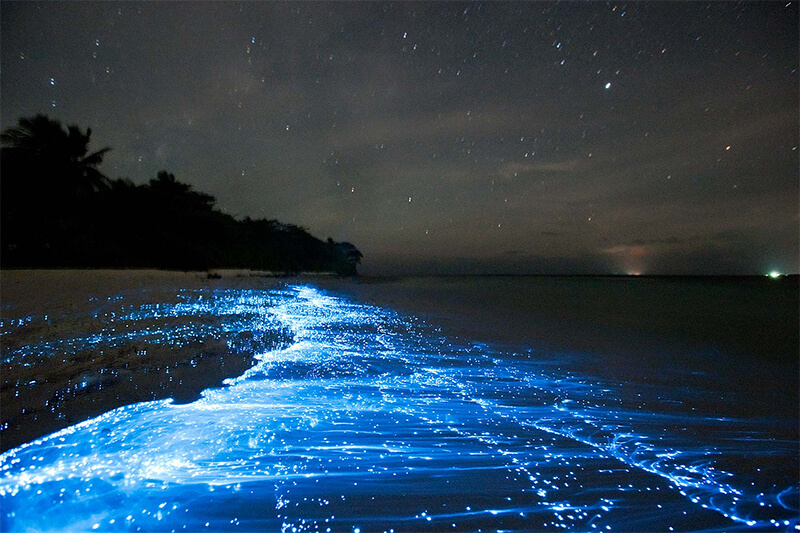
Photo Credit: Nature Picture Library / Alamy Stock Photo
Take a boat ride into the night after the sun sets and you’ll see schools of fish glowing greenish-blue in the sea. If you put your hand in the water, it will shine much brighter. It’s so lovely. Plankton illuminates the water in a number of locations on the planet. Can you believe it, bioluminescent plankton?
2. Pororoca, Brazil
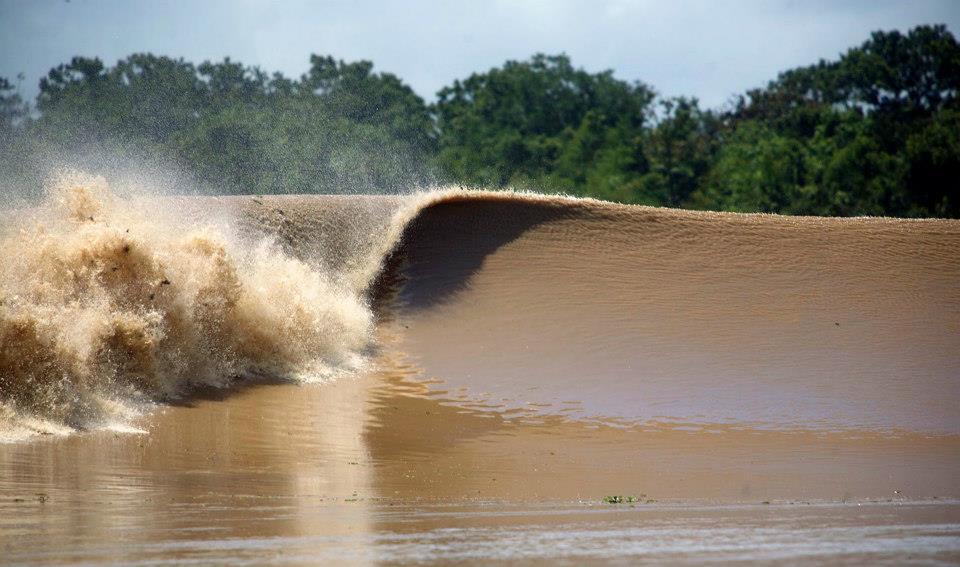
In February and March, when the moon is full, waves up to 13 feet high can be found where the Amazon River meets the Atlantic Ocean. A very special day for surfers who can’t wait to get their boards ready in the bay, but who the locals fear due to the dangerous intensity of the waves. Though there are many theories as to why they’re called pororoca, one of the most common is that the name comes from the Tupi word “Poroc-Poroc,” which means “great disruptive noise.”
3. Blood rain, India

There have been various reports of blood-red rain falling from the sky, but one of the most well-known is a sighting in Kerala, India in 2001. The red rain was not caused by extraterrestrial activity, as many people claimed at the time; rather, it was caused by spores in the air and red algae from the ocean.
You may read: Mystery SOLVED: Blood Rain In India
4. Sailing stone/moving rock, USA
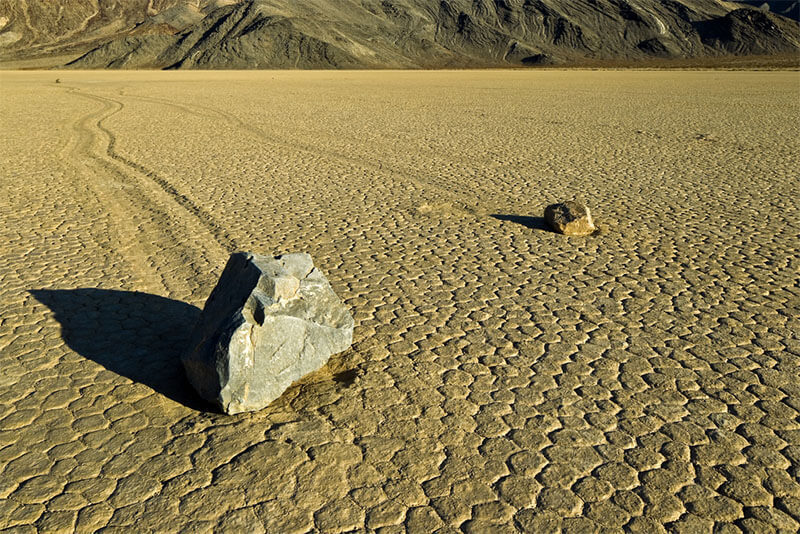
Death Valley in California is one of the world’s least populated areas, as well as the location of sailing stones, which are rocks discovered at the end of a sand track, indicating that they could travel.
You may also read: Death Valley’s Sailing Stones Mystery SOLVED
5. Moonbow, Zimbabwe
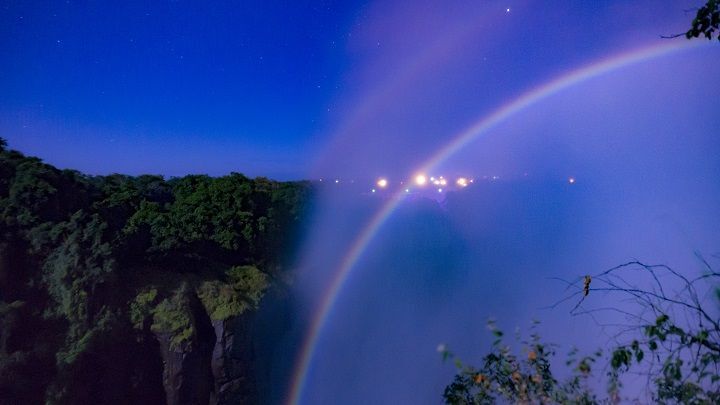
This unusual atmospheric phenomenon is called a moonbow because it is created by the reflection of moonlight rather than sunlight. The best times to see a moonbow are during the autumn and spring seasons. Moonbows like these can be found near waterfalls, such as in Yosemite National Park, California. They can also be found near Corbin, Kentucky, or Victoria Falls, as well as in Africa, on the Zambia-Zimbabwe border.
6. Lightning storm, Venezuela
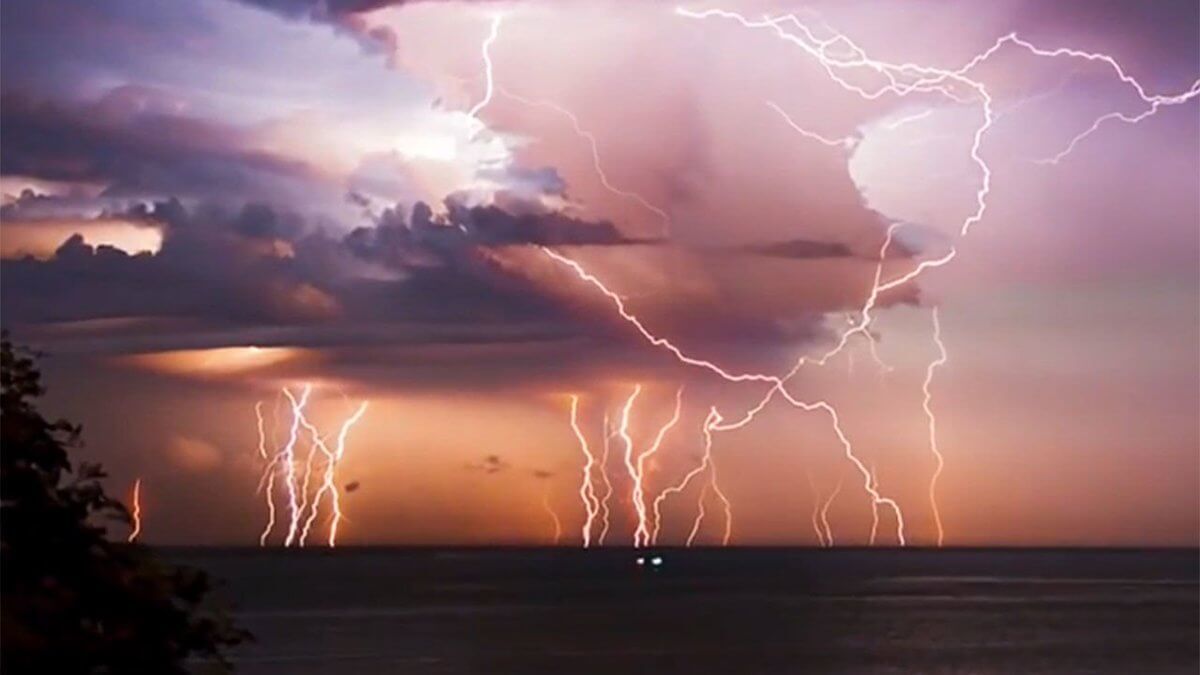
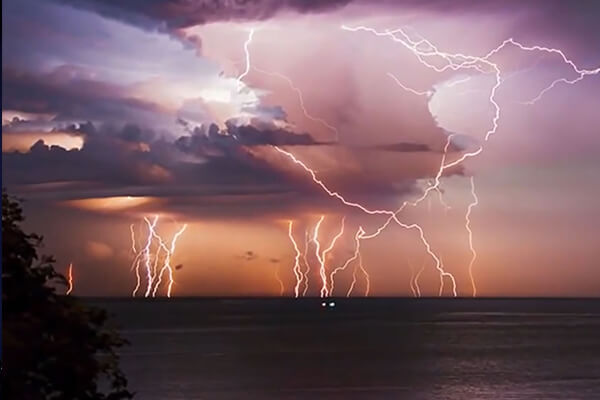
Lightning storms are a stunning, but often frightening, natural phenomenon. During a storm, the bright bolts are ignited when there is a lot of electrical activity. The longest and most powerful lightning storm ever recorded occurred in Los Angeles on July 9, 1999, and lasted for hours. With 232 lightning storms per year per square kilometer, the highest rate of lightning storms was reported in Venezuela near the Maracaibo lake.
7. Sort sol, Denmark
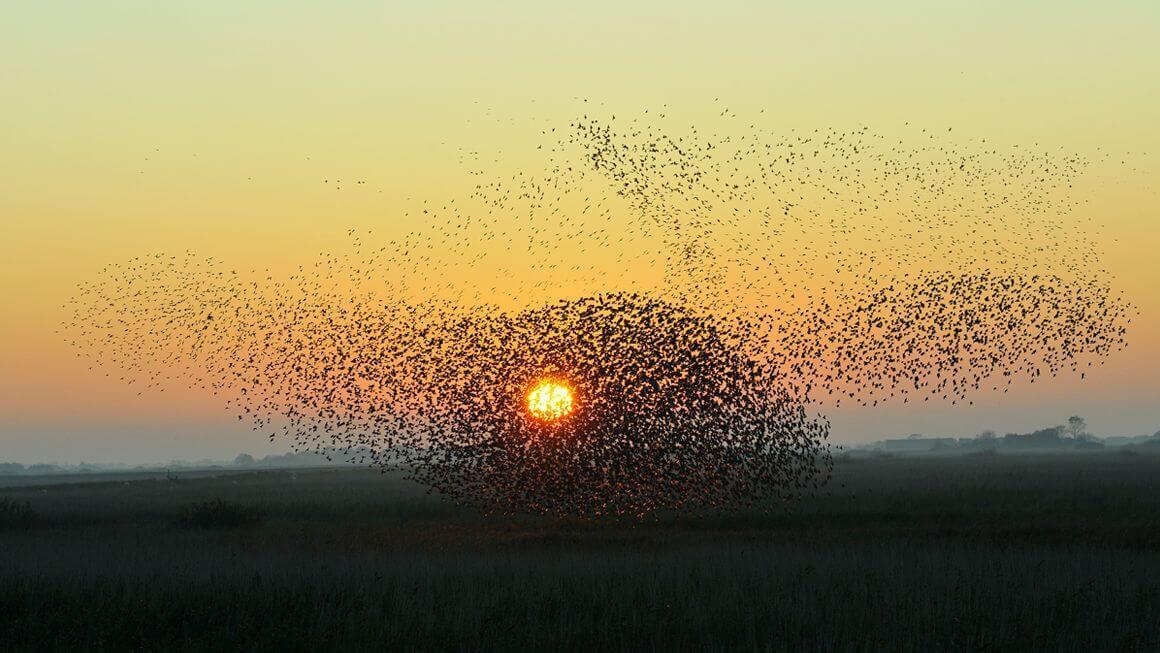
The “Sort Sol,” which literally means black light, can be seen in the southwestern marshlands of Denmark during the months of March and April. The event of Sort Sol occurs when up to one million birds flock to the sky at sunset, blocking the light, hence the term black sun.
8. Northern Lights, Iceland
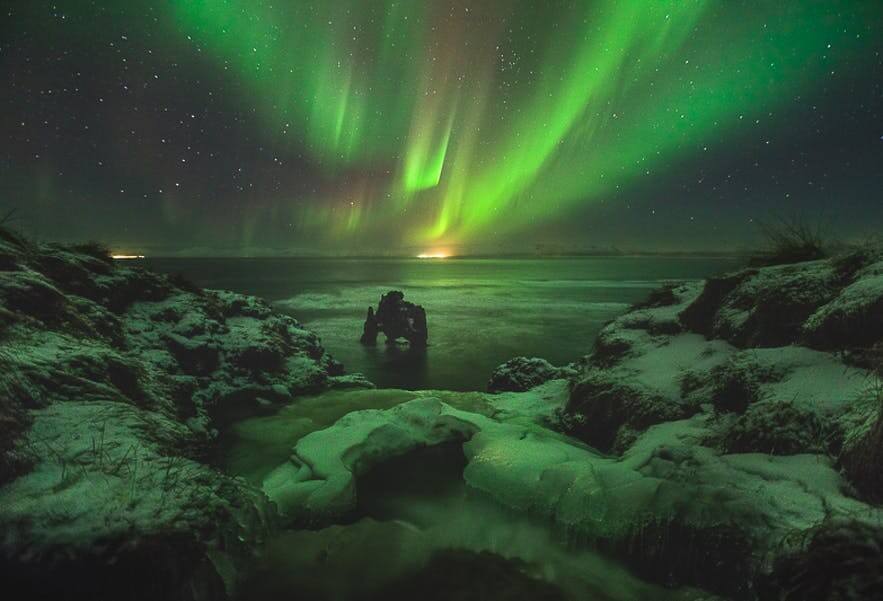
The Aurora Borealis, or Australis, is an optical phenomenon that shows itself in the atmosphere as bright spots, usually red, green, or blue, depending on whether it occurs in the north or south. The collision of charged particles (protons and electrons) from the sun with the Earth’s ionosphere is what causes it, according to science. During times of high solar activity, the phenomenon is more severe.

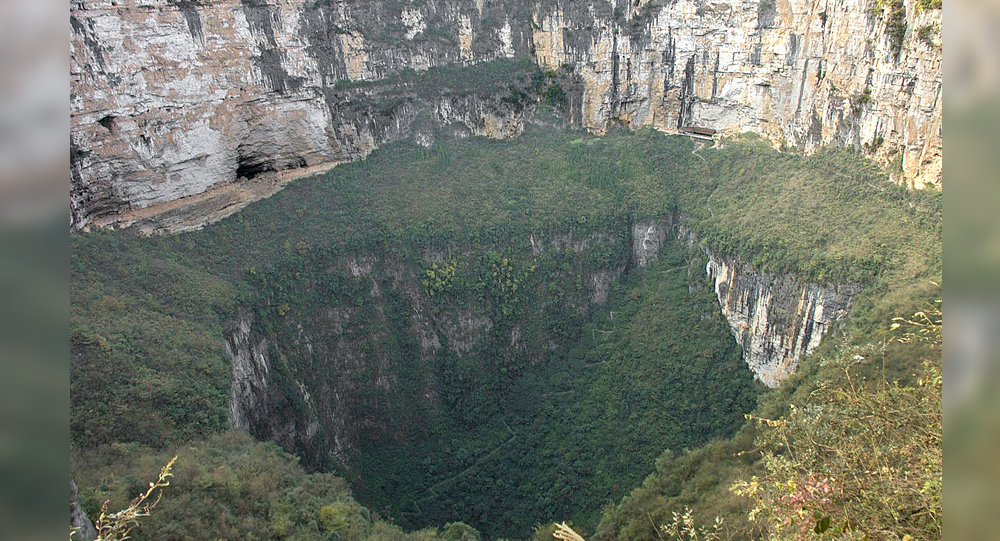
Xiaozhai Tiankeng: Exploring the World’s Deepest and Largest Natural Sinkhole
Hidden in the rugged terrain of Chongqing, China, lies Xiaozhai Tiankeng—the world’s deepest and largest natural sinkhole. Known as the “Heavenly Pit,” this colossal natural wonder plunges between 511 and 662 meters deep and stretches over 600 meters wide, dwarfing many familiar landmarks. This article journeys into the geological origins, unique ecosystem, and mysterious caverns beneath Xiaozhai Tiankeng, revealing a spectacular glimpse into Earth’s hidden landscapes.
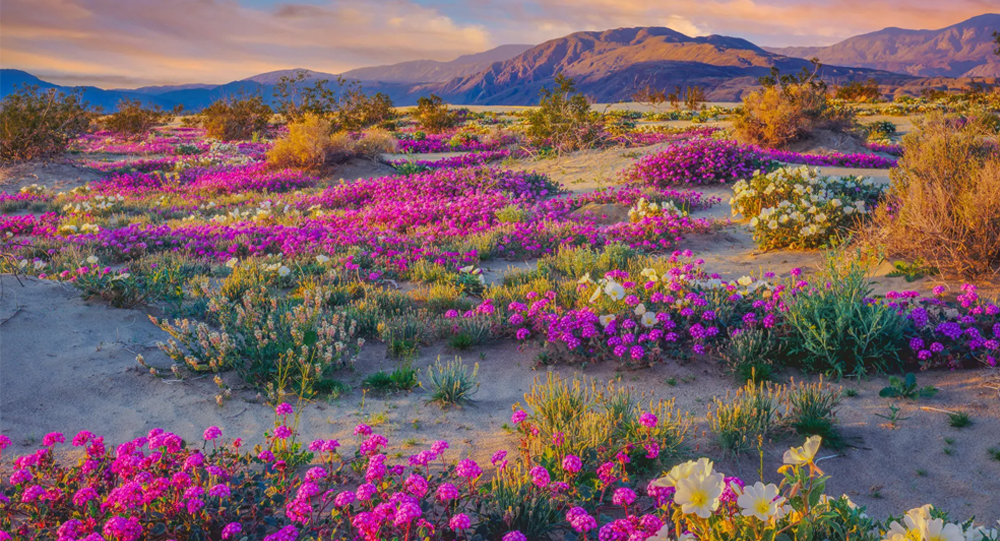
The Desert That Turns Into a Garden of Flowers Every Few Years
In parts of the desert where life seems most scarce, nature orchestrates an extraordinary transformation: the barren ground bursts into vibrant colors as wildflowers bloom after rare periods of rain. This phenomenon, known as a desert superbloom, is both awe-inspiring and scientifically fascinating. Learn how deserts like the Sonoran transform from arid landscapes into stunning floral displays, the environmental triggers behind this spectacle, and what these blooms reveal about resilience and adaptation in extreme environments.

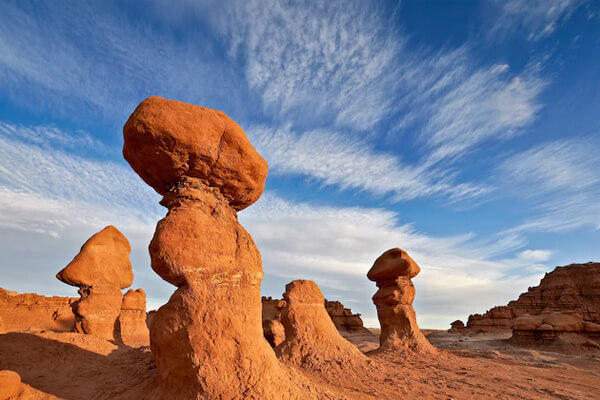
11 Amazing and famous rock formations around the world
For many years, people have been attracted to these spectacular-looking boulders because of their shape, components, location, or picturesque surroundings. Many of them are massive, and seeing them is an amazing experience.
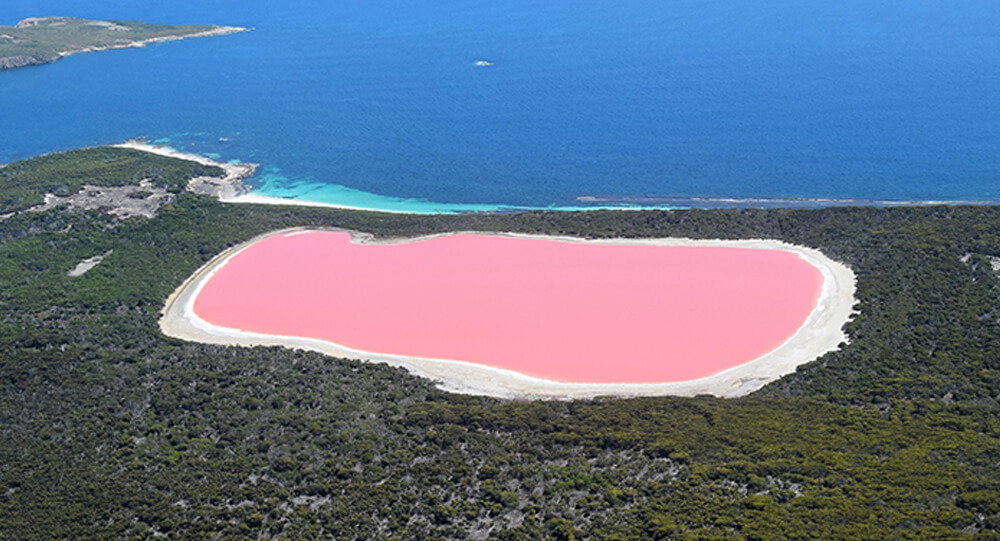
What is secret behind the Australia’s mysterious pink lake?
Lake Hillier in Australia maintains a bright pink hue all year round. Although no one knows for sure what causes the unique coloring, experts speculate that it might be the result of high salinity, a pink bacteria called “halobacteria,” and a salt-loving algae species called Dunaliella salina.
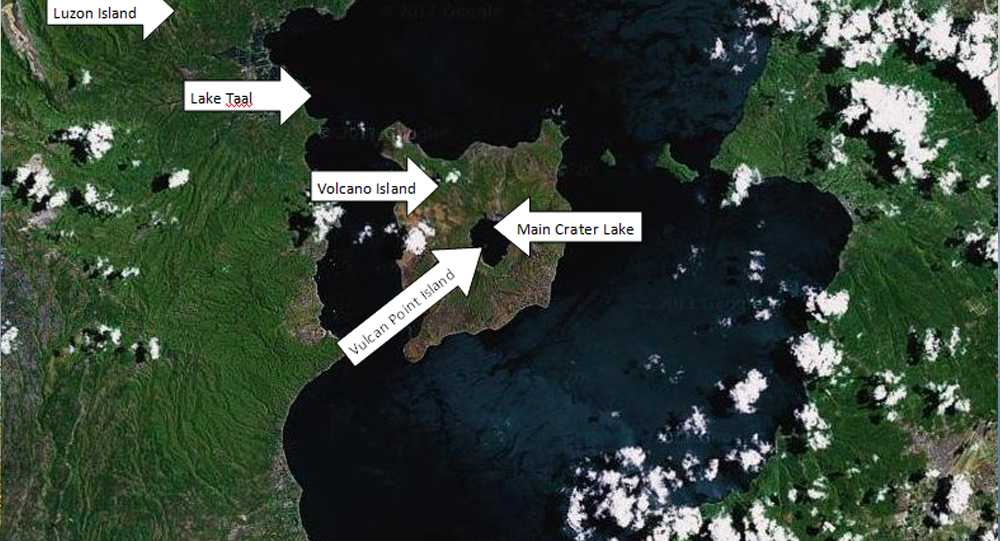
Taal volcano: The Island in a Lake on an Island in a Lake on an Island
Lake Taal, on the island of Luzon, in the Philippines archipelago's northernmost reaches, is unique. It's now one of just two lakes in the world with a third-order island within it, with the lake itself being a part of the order. In other words, Lake Taal, which is located on the island of Luzon, has a volcano (Volcano Island), a lake (Crater Lake), and its own little island (Vulcan Point).
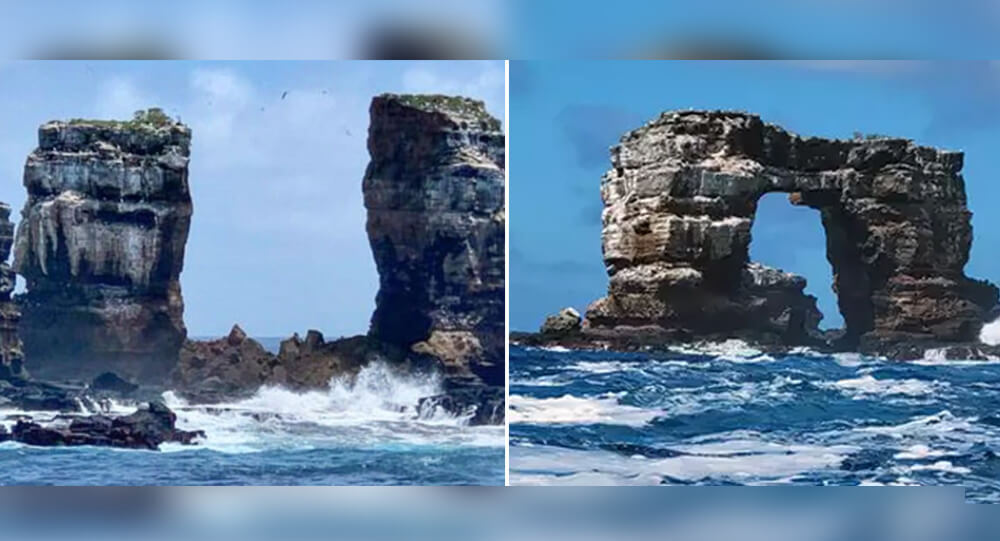
Darwin's Arch collapse
According to news sources, the top of Darwin's Arch, a famous natural stone archway in the northern Galapagos Islands, has collapsed into the waves.
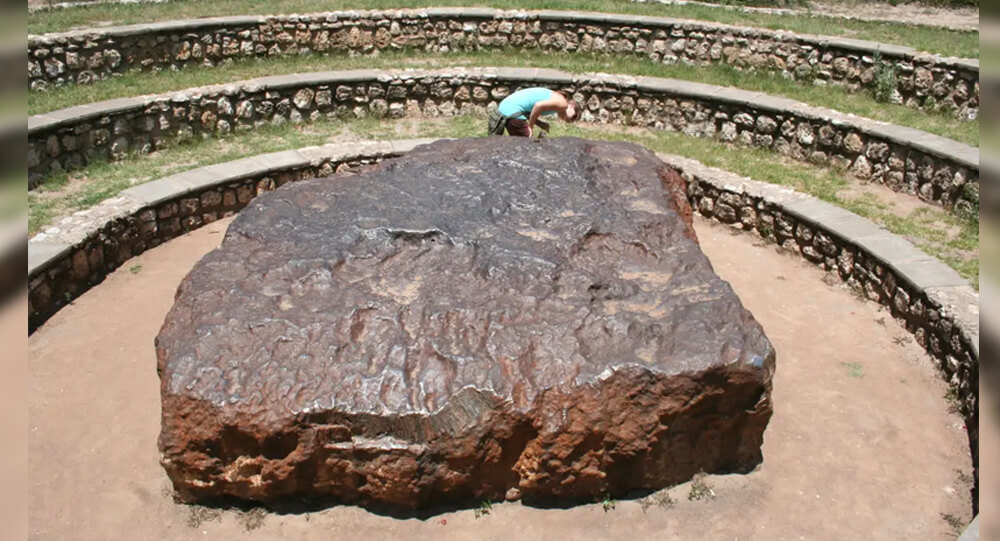
Top 6 Largest Meteorites Ever Found on Earth
When space meteorites hurtle towards Earth, they frequently burn up in the atmosphere before reaching us. Those that burn up become meteors - or shooting stars.
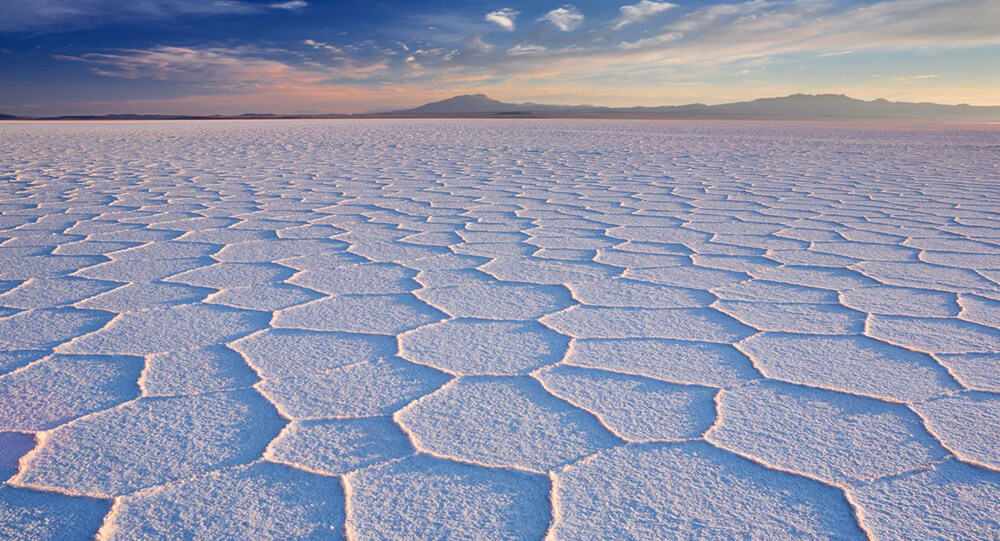
The world's largest salt flat, can be seen in space
At 10,582 square kilometers (4,086 sq mi), the Salar de Uyuni (or Salar de Tunupa) is the largest salt flat in the world. It is located in the Potosi and Oruro departments in southwest Bolivia, near the crest of the Andes, and is elevated 3,656 meters (11,995 ft) above the mean sea level.
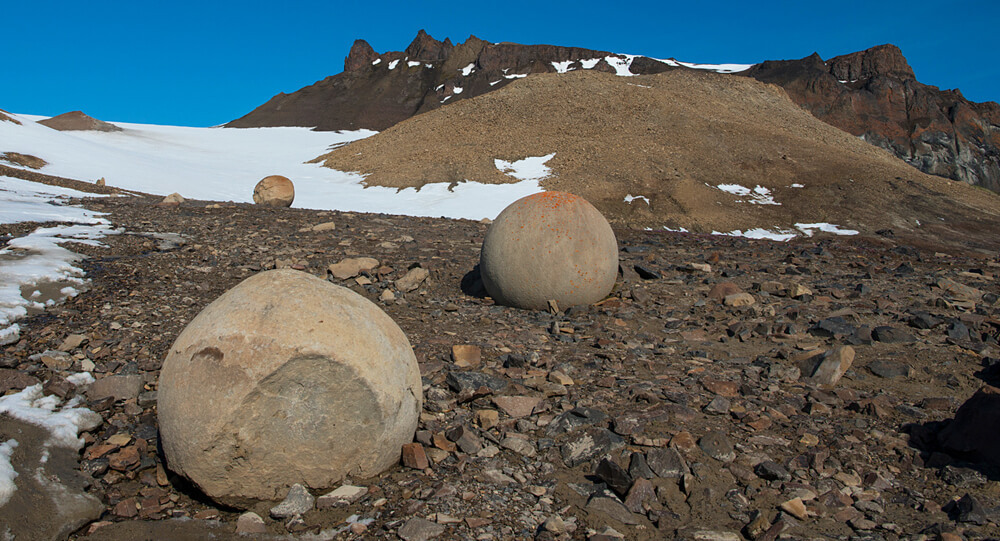
The mysterious GIANT spherical stones
Mysterious spherical stones ranging in size from a few millimeters to several meters have been discovered in Crimea, United States, Russia, and New Zealand. There are many theories from various geologists, but none of them are clear.
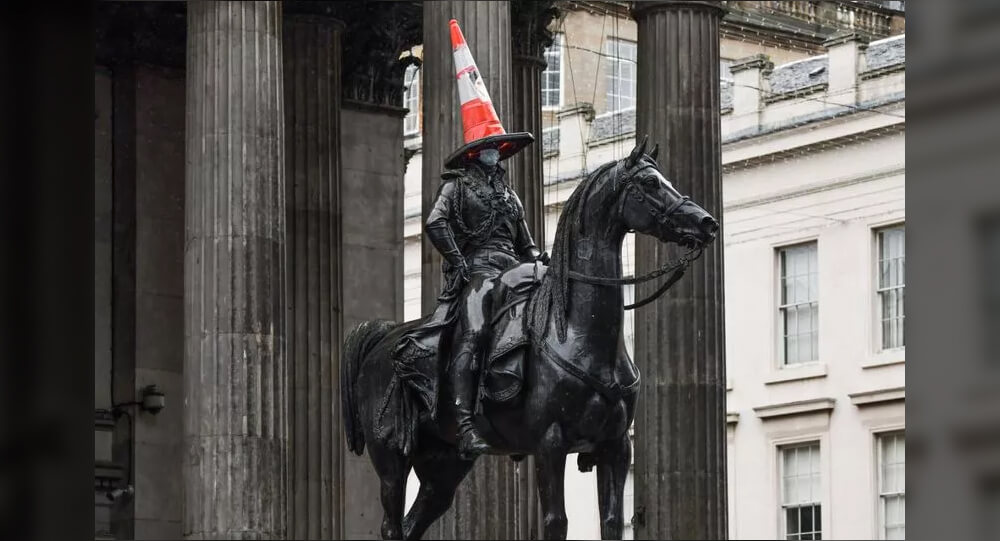
The story behind Glasgow's iconic Duke of Wellington statue and its well-known traffic cone hat
The city of Glasgow spends approximately £10,000 every year to remove traffic cones from the head of the Duke of Wellington statue. The Duke of Wellington statue, which first appeared in the early 1980s, has worn an orange traffic cone hat for decades. but how did it get there - and more importantly how did it stay?
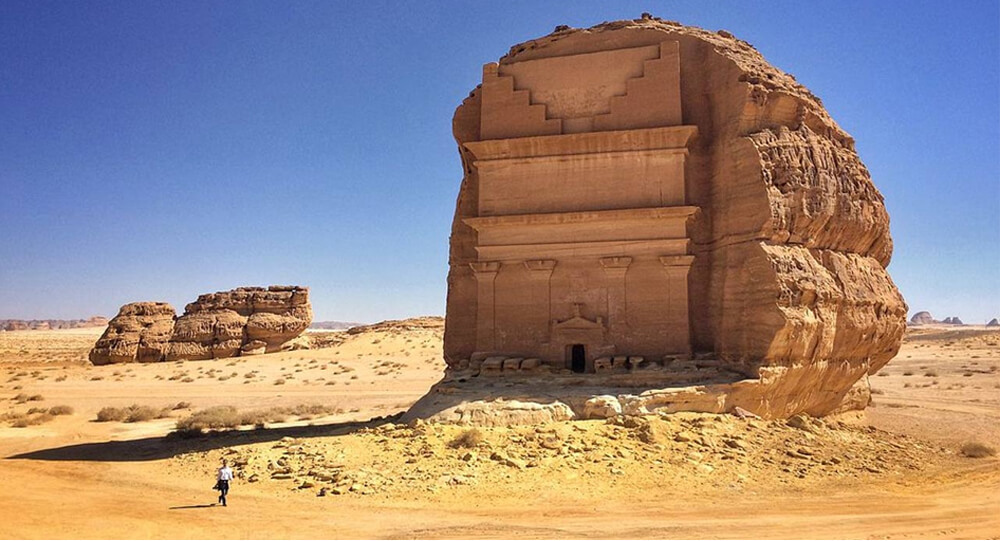
Qasr al-Farid, the Lonely Castle of the Nabataeans
The remote tomb of Qasr al-Farid, situated in the Saudi Arabian desert, dates back to the 1st Century CE. It was built by the Nabataean people, who also built Petra in Jordan. This site has remained largely undisturbed.
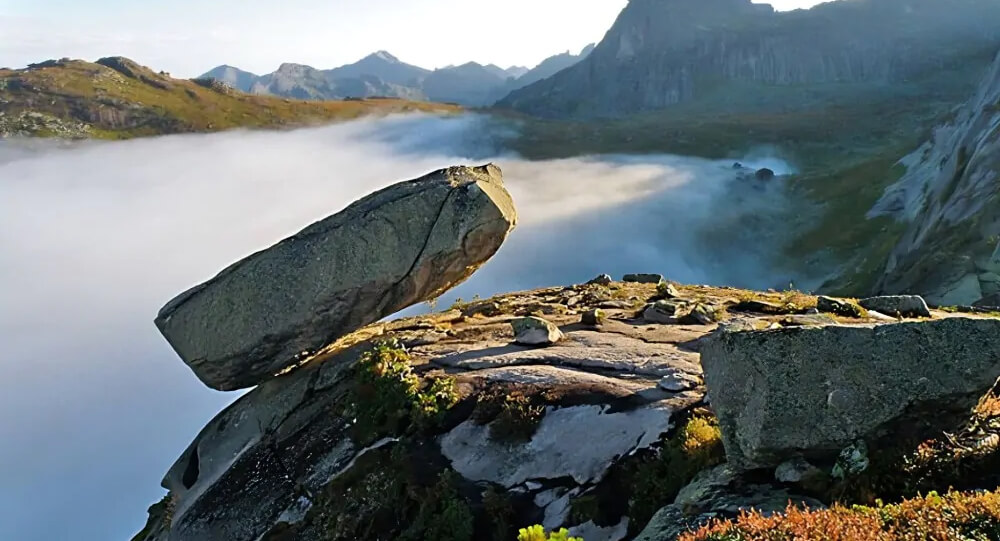
The Amazing Hanging Stone in Siberia Has Defied Gravity Since the Ice Age
The unbelievable "Hanging Stone" of Siberia weighs around 300 tons and has been hanging off a 1,000-meter cliff since the Ice Age.
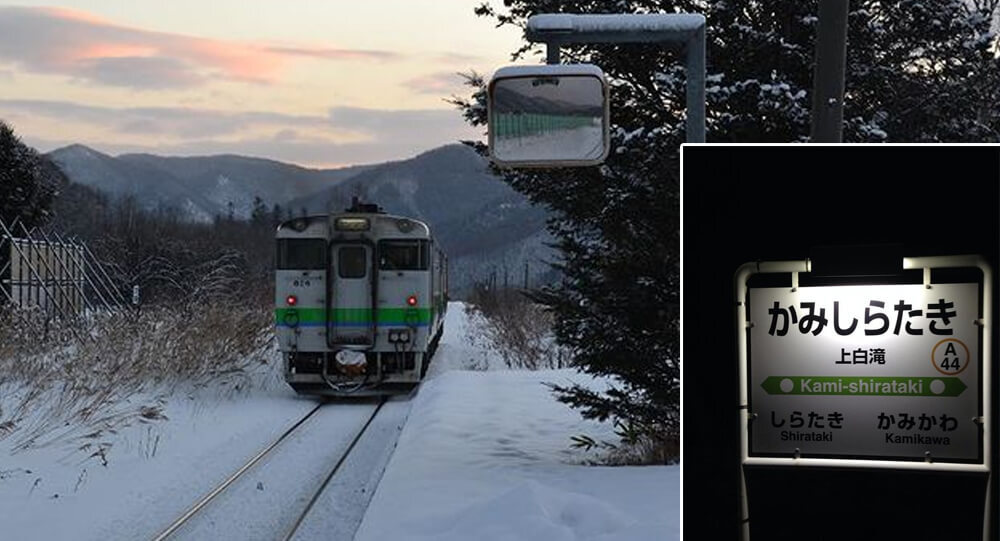
This soon-to-be-closed train station in Japan only serves one passenger
Japan keeps a defunc train station operational in 2015 for the sole purpose of allowing one girl to go to school every day. Only two stops are made by the train: once when an only one high school student departs for school and once when she returns.
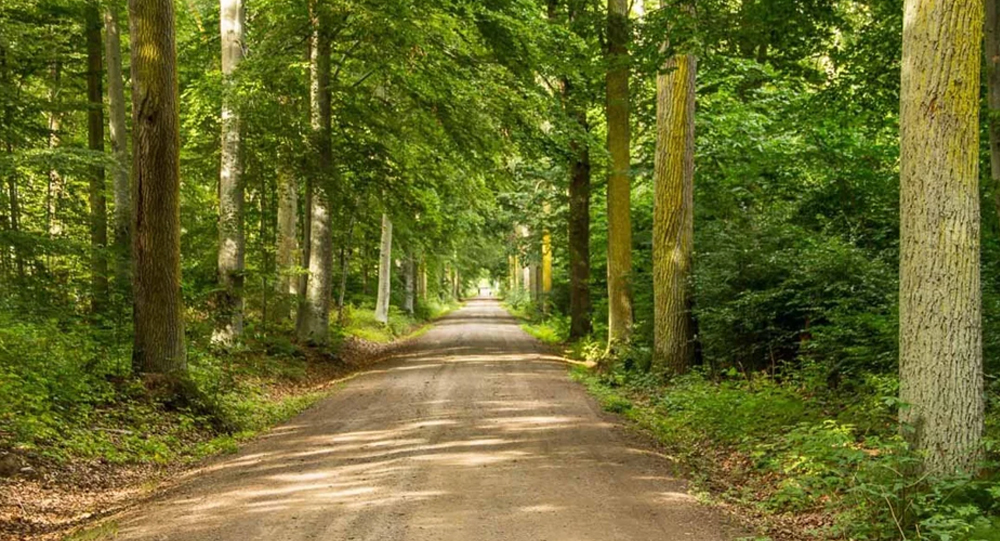
How Sweden’s 300,000 Oak Trees Became an Unintended Legacy: The Naval Forest That Outlived Wooden Warships
In the 1830s, Sweden planted 300,000 oak trees for the purpose of building naval ships. However, by the time the trees matured, metal warships had replaced the need for wooden ones. The forest still stands to this day.

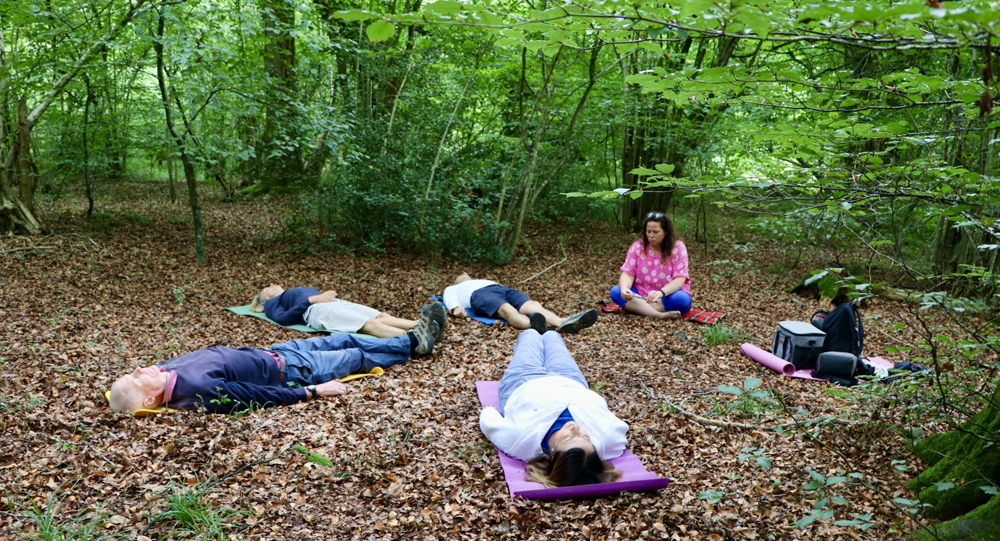
The Benefits of Forest Bathing and Why It’s Gaining Popularity Worldwide
Forest bathing, or Shinrin-yoku, is an immersive practice of spending mindful time in natural forest environments, and it’s rapidly gaining global popularity due to its proven health benefits. From reducing stress and lowering blood pressure to boosting immunity and enhancing mental wellness, forest bathing offers a natural and accessible way to reconnect with nature and improve overall well-being. Explore the science, sensory experience, and rising trend behind this soothing practice.
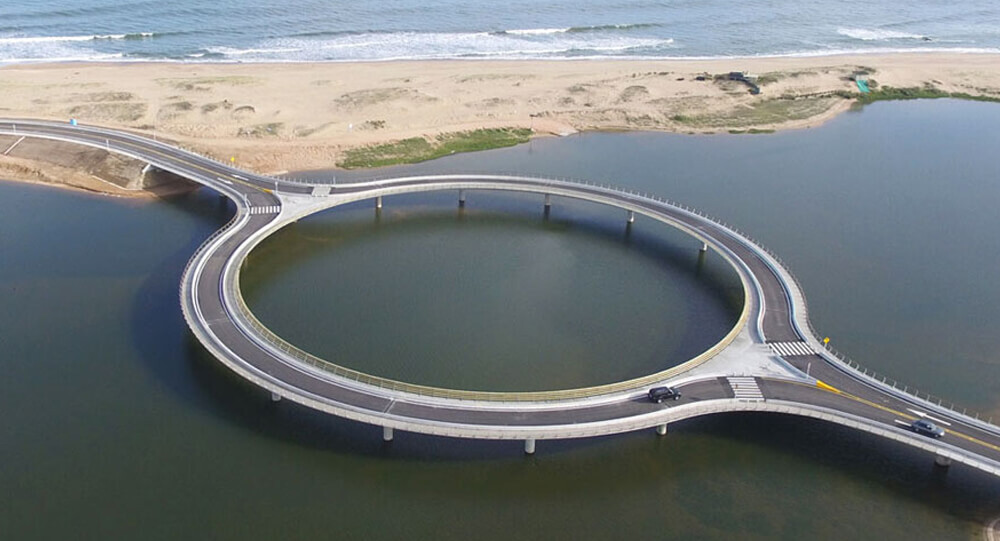
Circular Bridge Built To Slow Down Drivers So That They Would Enjoy The View (Photos)
Uruguay’s Laguna Garzon Bridge splits into a circle so drivers can slow down and enjoy the view. It also prevents head-on collisions and creates a walkway for pedestrians.
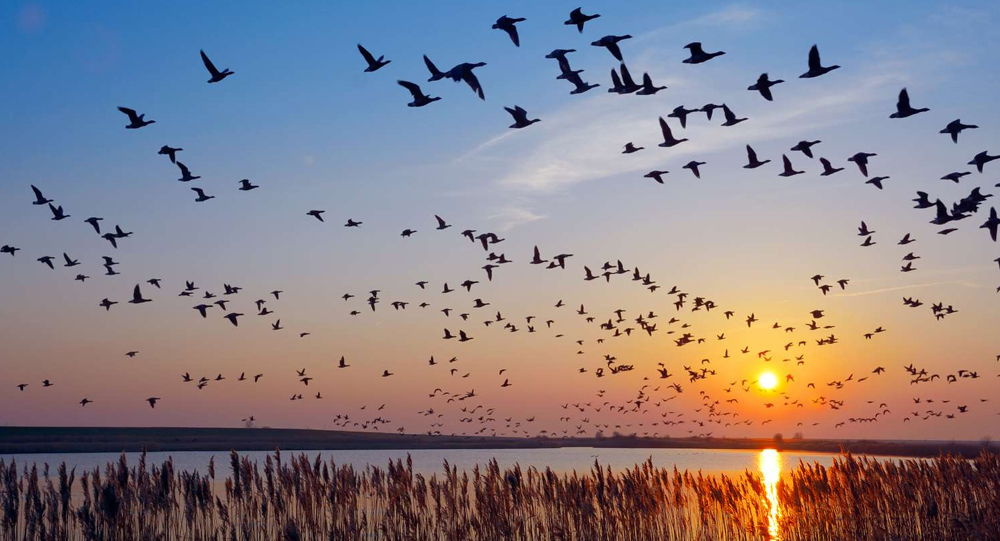
How Migratory Birds Navigate Thousands of Miles Without Getting Lost
Migratory birds undertake epic journeys spanning thousands of miles with astonishing precision, never losing their way. Their secret lies in a remarkable blend of innate senses, learned experience, and sophisticated navigation tools—ranging from the Earth's magnetic field to celestial clues and mental maps. Explore how these feathered travelers accomplish one of nature's most astounding feats through science, intuition, and adaptation.
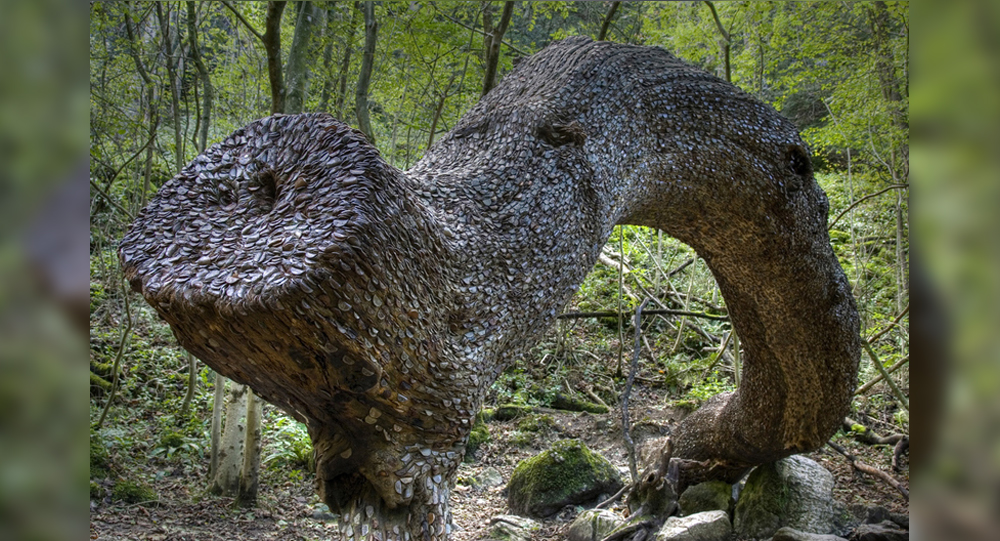
The Mystical Money Tree of the Scottish Highlands: A 1,700-Year-Old Tradition
In the Peak District Forest of the Scottish Highlands in the UK, there is a unique tree which is laden with only money. This tree laden with money has been studded with British coins for 1700 years, there is no corner of its trunk where a British coin is not stuck.
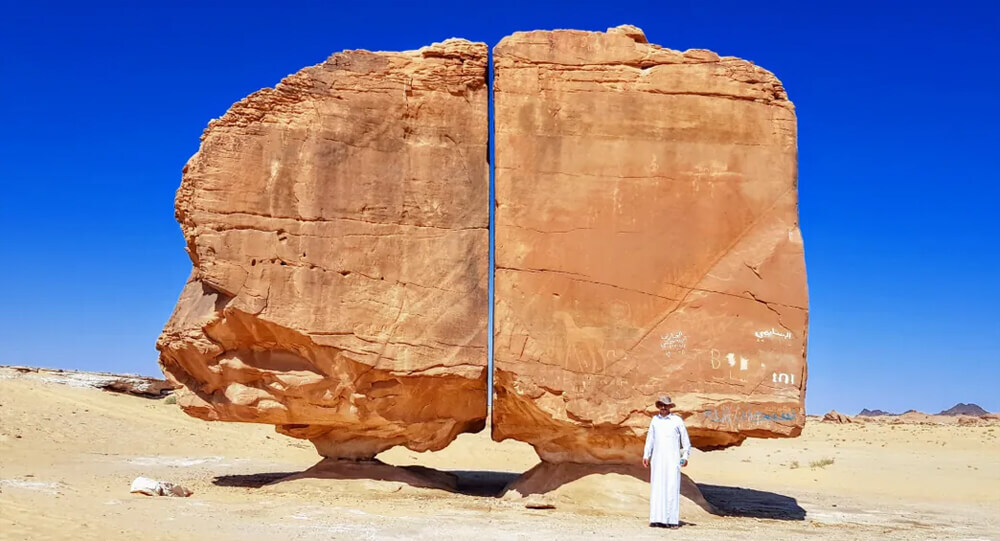
How Were the Two Parts of the Al Naslaa Rock Formation Created?
Scientists have been puzzled by the Al Naslaa rock formation in Saudi Arabia for a long time, and there is still no explanation for why this boulder appears to have a precise incision across the middle of it.
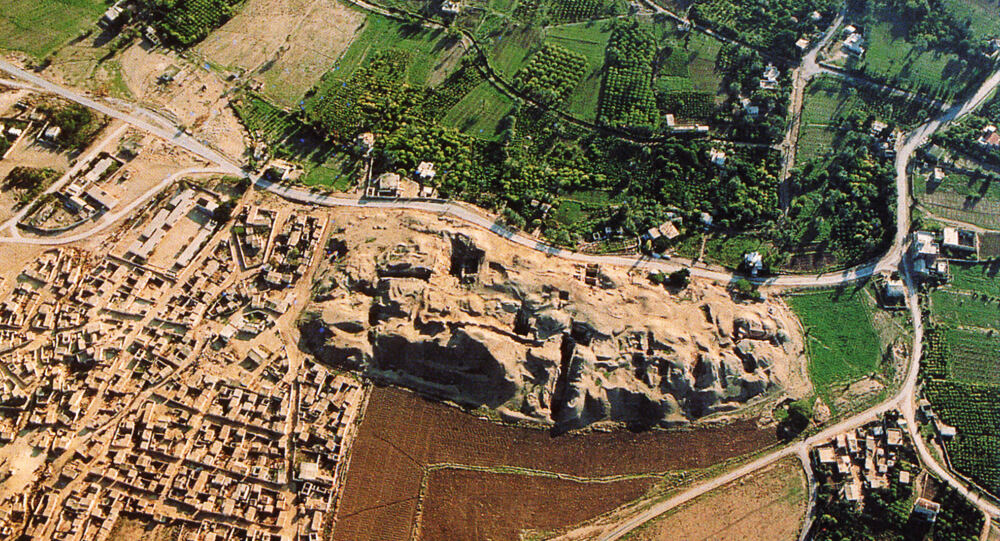
Ancient Jericho: The First Walled City In History
The ancient city of Jericho is the world's oldest walled city, with evidence of stone fortifications dating back nearly 9000 years.
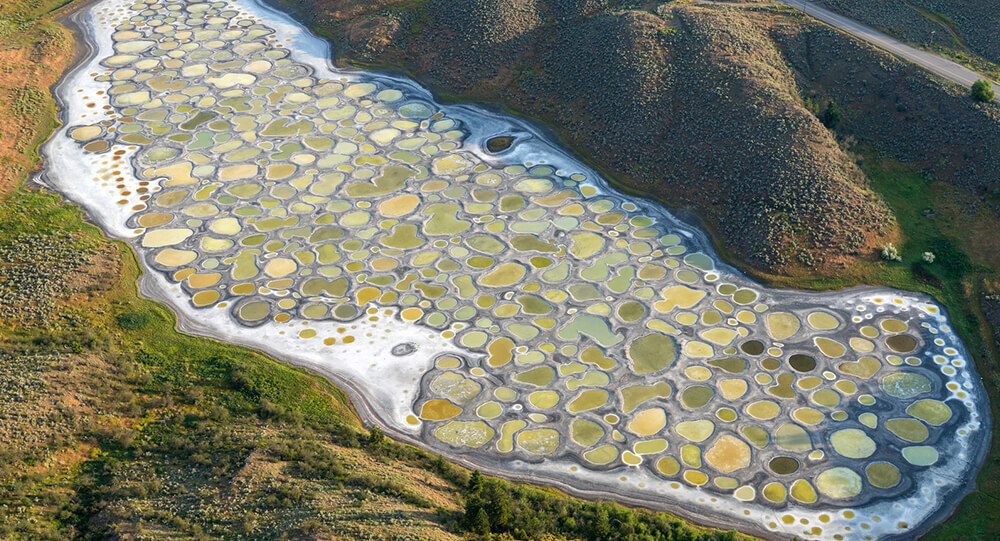
The Mystery of Canada's Magical Spotted Lake
Lake Khiluk, the world's most mineralized lake, and one of the most mysterious places on Earth. Each of these spots has a distinct chemical content and is said to cure various diseases.

Mystery SOLVED: blood Rain in India
The dissemination of spores of microalgae has been identified as the origin of the 'Blood Rain' phenomena, according to a new study by Indian and Austrian experts. Since 1896, reports of intermittent red-colored rain in portions of Kerala and Sri Lanka have been coming in. The most recent one occurred in 2013 over Kerala.
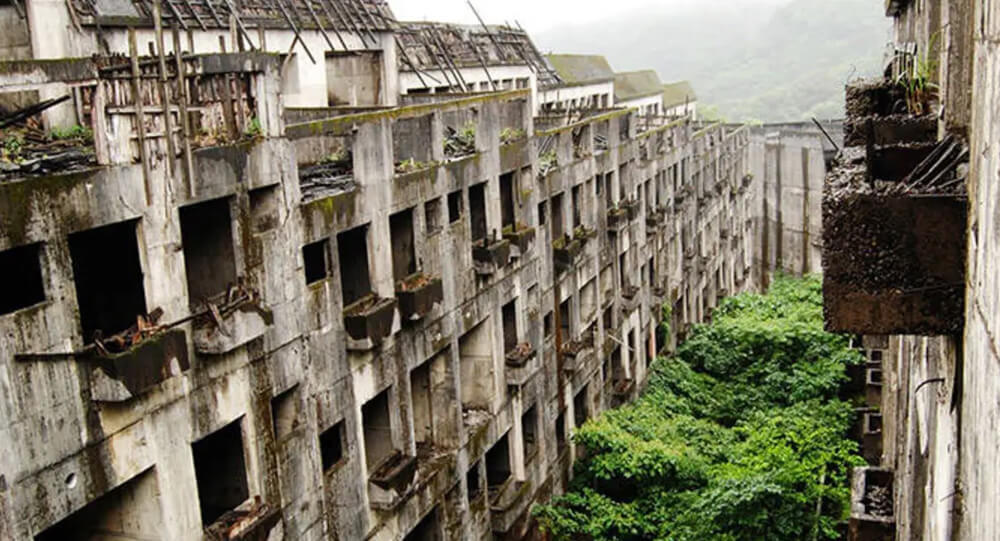
Famous abandoned cities and ghost towns in the world
Learn the stories behind seven of the world's most renowned abandoned cities and villages, from the infamous Chernobyl nuclear catastrophe zone to Hashima Island.

How European Rabbits Took over Australia
In 1859, wealthy settler Thomas Austin released 13 wild rabbits on his Australian estate. By 1920, their population grew to 10 billion.

Why Londoners Celebrate No Trousers Day by Riding the Metro Without Pants
Every year, Londoners participate in a quirky and joyful tradition known as No Trousers Day, where brave commuters board the London Underground dressed normally but without trousers, pants, or pajamas from the waist down. This cheeky event brings laughter, surprises, and a shared sense of community to the usually dull winter commute, reflecting a playful rebellion against the mundane and a celebration of spontaneity. Discover the origins, spirit, and fun behind London’s beloved No Trousers Tube Ride.